Ginger Water

Ginger Water

🫚 Description

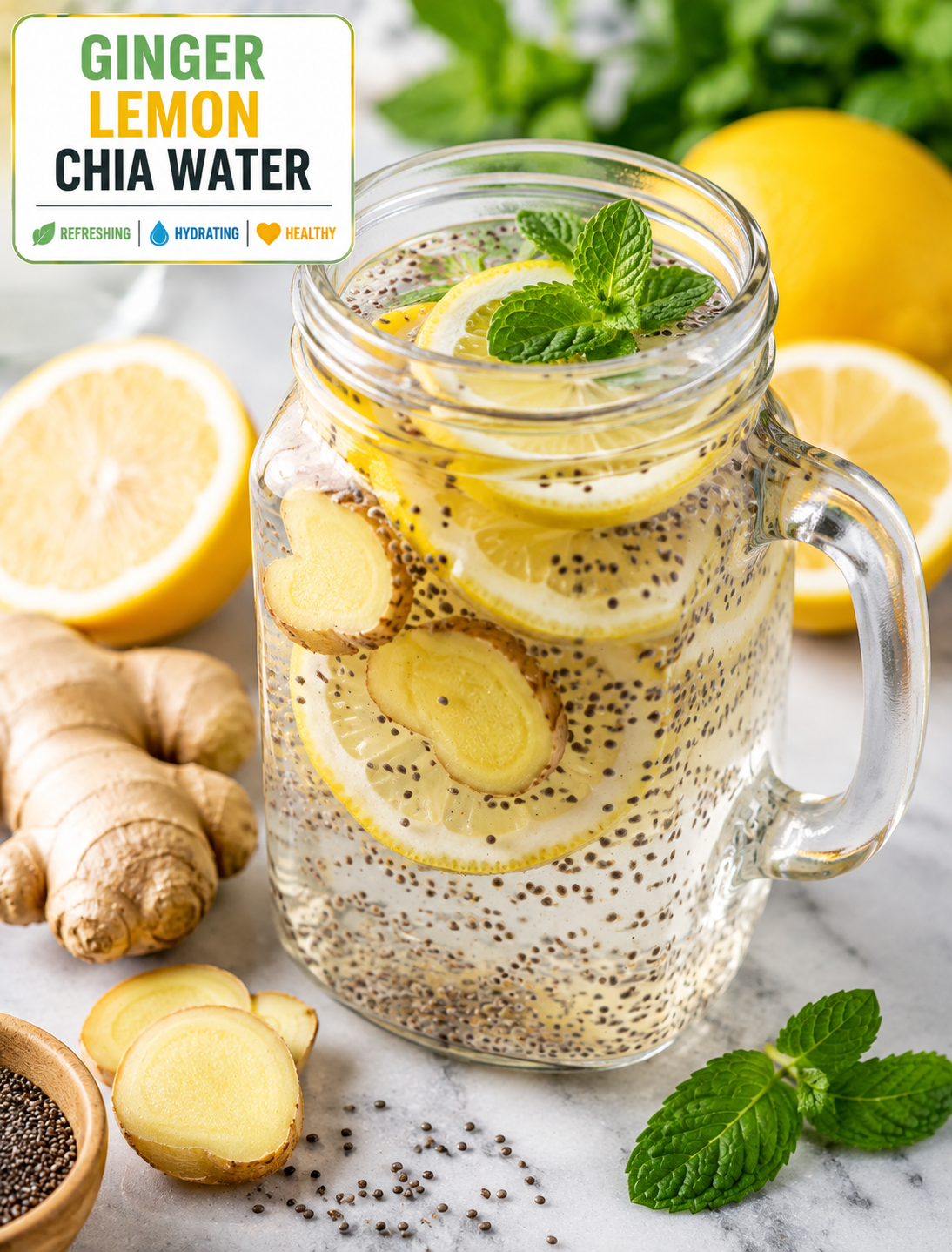
Ginger water is a simple, refreshing drink made by gently simmering fresh ginger in water. It has a naturally warm, slightly spicy flavor and can be enjoyed hot or chilled. Lemon can be added for freshness, while a little honey can provide sweetness.

🍵 Full Recipe

Prep Time: 5 minutes
Cook Time: 10–15 minutes
Total Time: 15–20 minutes
Servings: 4 cups

Ingredients

  • 2 inches (about 30–40 g) fresh ginger
  • 4 cups (1 liter) water
  • 1–2 teaspoons lemon juice, optional
  • 1–2 teaspoons honey, optional

Instructions

  1. Wash and peel the ginger if desired.
  2. Slice the ginger thinly or grate it for a stronger flavor.
  3. Add the ginger and water to a saucepan.
  4. Bring to a gentle boil, then reduce the heat and simmer for 10–15 minutes.
  5. Turn off the heat and let it steep for another 5 minutes.
  6. Strain the ginger pieces from the water.
  7. Add lemon juice and honey if desired.
  8. Serve warm, or cool and refrigerate for a refreshing chilled drink.

📝 Recipe Notes

  • Milder flavor: Use about 1 inch of ginger and simmer for 5–10 minutes.
  • Stronger flavor: Use more ginger or simmer for up to 20 minutes.
  • Honey is best added after the drink has cooled slightly.
  • Ginger water can be enjoyed plain; lemon and honey are optional.
  • For chilled ginger water, refrigerate it in a covered container and use within a few days.

💡 Tips

  • Fresh ginger generally gives better flavor than powdered ginger.
  • Thinly slicing ginger allows its flavor to infuse easily.
  • If you grate the ginger, strain the drink through a fine-mesh strainer.
  • Don’t make it excessively concentrated if you’re new to ginger drinks.
  • You can add a small amount of cinnamon or mint for a different flavor.

🍽️ Servings

This recipe makes approximately 4 servings (1 cup each).

📊 Approximate Nutritional Information

Per 1-cup serving, without honey or lemon:

Nutrient Approx. amount
Calories 5–10 kcal
Carbohydrates 1–2 g
Protein <1 g
Fat <1 g
Fiber <1 g
Sugar <1 g

Nutrition varies depending on the amount of ginger used and how much of its compounds are extracted into the water. Honey will add additional calories and sugar.

🌿 Potential Benefits

Ginger contains naturally occurring compounds such as gingerols, and ginger preparations have been studied for several potential effects.

  • May support digestion: Ginger may help with normal digestive function and stomach comfort.
  • May help with nausea: Ginger has evidence for helping certain types of nausea.
  • Refreshing way to hydrate: Since the main ingredient is water, it can be an enjoyable alternative to sugary beverages.
  • Contains antioxidant compounds: Ginger provides bioactive plant compounds with antioxidant activity.
  • May have anti-inflammatory properties: Ginger compounds have been investigated for their potential role in inflammatory processes.

Important: Ginger water isn’t a cure or treatment for disease, and the amount of active compounds in a cup of ginger water can vary considerably.

❓ Q&A

Q: Can I drink ginger water every day?
A: For most healthy adults, moderate amounts are generally well tolerated. If it causes heartburn, stomach discomfort, or other symptoms, reduce the amount or stop drinking it.

Q: Is ginger water good for weight loss?
A: Ginger water itself isn’t a proven weight-loss treatment. It can, however, be a low-calorie alternative to sugary drinks.

Q: Can I drink it on an empty stomach?
A: Some people tolerate it well, while others may experience heartburn or stomach irritation. If you’re sensitive, have it with or after food.

Q: Can I add lemon?
A: Yes. Lemon gives ginger water a bright, refreshing flavor.

Q: Can I add honey?
A: Yes, but honey adds calories and sugar. Add it according to your taste.

Q: Should ginger water be hot or cold?
A: Either is fine. It can be served warm as a soothing drink or chilled for a refreshing beverage.

Q: How long can I store ginger water?
A: Refrigerate it promptly in a covered container and use it within a few days for best quality.

Q: Can children drink ginger water?
A: Small culinary amounts of ginger are commonly used in foods, but concentrated ginger drinks aren’t necessary for children. For infants or children with medical conditions, check with a pediatrician first.

Q: Who should be cautious with ginger?
A: People taking blood-thinning medicines, those with certain medical conditions, or people who develop significant heartburn or stomach irritation should discuss regular or concentrated ginger use with a healthcare professional.

Korean-Style Spicy Fermented Shredded Carrot Salad

Korean-Style Spicy Fermented Shredded Carrot Salad

A bright, crunchy, spicy carrot salad inspired by Korean fermented and seasoned vegetable dishes. Finely shredded carrots are tossed with garlic, ginger, chili, sesame, and a lightly tangy fermentation brine. The result is crisp, aromatic, pleasantly sour, and spicy, making it excellent as a side dish, sandwich topping, rice-bowl accompaniment, or appetizer.

Fermentation note: This recipe uses lacto-fermentation, not vinegar pickling. The natural lactic-acid fermentation gives the carrots their characteristic tang while helping preserve them. Use clean equipment and follow the salt ratio carefully.

🥕 Ingredients

Servings: 6
Prep: 20 minutes
Fermentation: 2–4 days
Total: About 2–4 days

Main ingredients

  • 500 g (about 1 lb) fresh carrots, peeled
  • 10 g (about 2 tsp) non-iodized salt, preferably sea salt or pickling salt
  • 3 cloves garlic, finely minced
  • 1 tbsp fresh ginger, finely grated
  • 1–2 tbsp Korean red pepper flakes (gochugaru), to taste
  • 1 tbsp toasted sesame seeds
  • 1 tbsp thinly sliced green onion
  • 1 tsp toasted sesame oil, added after fermentation
  • 1–2 tsp sugar or honey, optional, for balance

Optional additions

  • ½ tsp ground coriander
  • ½ tsp Korean chili powder for extra heat
  • 1 small red chili, thinly sliced
  • 1 tbsp finely shredded daikon
  • 1–2 tbsp chopped cilantro

Method

1. Prepare the carrots

Wash and peel the carrots. Shred them into thin matchsticks using a julienne peeler, mandoline, or grater.

Place the carrots in a large bowl.

2. Salt the carrots

Sprinkle the carrots with the 10 g salt and massage firmly for 2–3 minutes.

Let them stand for about 15–20 minutes. The carrots should begin releasing liquid and become slightly flexible.

3. Add the Korean-style seasoning

Add the garlic, ginger, gochugaru, sesame seeds, and green onion.

Mix thoroughly until the carrots are evenly coated.

Important: Don’t add sesame oil yet; adding oil after fermentation is preferable.

4. Pack into a fermentation jar

Transfer the mixture into a clean fermentation jar.

Press the carrots down firmly with a clean fermentation weight or utensil so that their liquid rises above the vegetables.

Leave at least 2–3 cm (about 1 inch) of headspace.

The carrots should remain submerged beneath the liquid.

5. Ferment

Cover with an appropriate fermentation lid or an airlock.

Leave at approximately 18–22°C (64–72°F) away from direct sunlight.

Begin tasting after about 48 hours.

Depending on temperature and your preferred sourness, fermentation may take approximately 2–4 days.

6. Refrigerate

When the carrots have developed a pleasantly sour, lightly fermented flavor, transfer them to the refrigerator.

Stir in the sesame oil just before serving.

Taste and adjust with a little sugar, additional gochugaru, or sesame seeds if desired.

🌶️ Serving Suggestions

Serve the fermented carrot salad:

  • Alongside grilled chicken, beef, or fish
  • With steamed rice
  • In Korean-inspired rice bowls
  • Inside wraps and sandwiches
  • With noodles
  • As part of a vegetable platter
  • Alongside fried eggs or tofu
  • As a topping for burgers or tacos

📝 Recipe Notes

  • Carrot texture: Fresh, firm carrots produce the best crunch.
  • Salt: Weighing the salt is more reliable than measuring by spoon because different salts have different densities.
  • Spice: Start with 1 tablespoon gochugaru and increase if you prefer a hotter salad.
  • Fermentation speed: Warmer temperatures generally accelerate fermentation; cooler temperatures slow it down.
  • Liquid: The carrots should stay submerged. If they aren’t releasing enough liquid, press them down firmly and allow additional time.
  • Flavor: The finished salad should taste pleasantly sour, savory, garlicky, spicy, and fresh—not rotten or unpleasant.

⭐ Helpful Tips

  1. Use non-iodized salt for the most predictable fermentation.
  2. Don’t tightly seal a normal jar during active fermentation. Fermentation produces gas, so use an airlock or a suitable fermentation lid.
  3. Keep everything clean. Wash the jar, utensils, hands, and fermentation weight thoroughly.
  4. Don’t reduce the salt substantially. Salt helps create the appropriate environment for fermentation.
  5. Keep the carrots submerged. Vegetables exposed to air are more prone to mold and spoilage.
  6. Taste regularly after the second day. You can stop fermentation when the flavor reaches your preferred level of tanginess.
  7. Add sesame oil after fermentation for a fresher sesame aroma and better fermentation conditions.
  8. Refrigerate once the desired flavor is reached.

⚠️ When to discard it

Discard the batch if you see fuzzy mold, unusual colored mold, or if it develops a strongly putrid, rotten, or otherwise distinctly unpleasant smell. When in doubt, throw it out rather than tasting it.

🍽️ Approximate Nutritional Information

Per serving, assuming 6 servings and without optional ingredients:

Nutrient Approx. amount
Calories 45–55 kcal
Carbohydrates 9–10 g
Protein 1 g
Fat 1–2 g
Fiber 2–3 g
Sugars 4–5 g
Sodium ~600–700 mg*

*Most of the sodium comes from the fermentation salt, and the actual amount consumed can vary because some brine remains in the jar.

💚 Potential Benefits

  • Carrots provide beta-carotene, which the body can convert to vitamin A.
  • Carrots and ginger provide antioxidant compounds.
  • Fermented vegetables can contain live microorganisms when they have been naturally fermented and have not subsequently been heat-treated.
  • Garlic and ginger contribute flavorful plant compounds while allowing the salad to be made without a heavy sauce.
  • The dish is low in calories while providing fiber, making it a flavorful vegetable side.

Fermented foods can be part of a varied diet, but the exact microbial content and potential health effects vary considerably between recipes and batches.

❓ Frequently Asked Questions

Q: Is this the same as Korean kimchi?
No. It is Korean-style rather than traditional kimchi. Kimchi has many regional recipes and commonly uses vegetables such as napa cabbage or radish. This recipe focuses specifically on shredded carrots.

Q: Can I make it without gochugaru?
Yes. You can use another chili flake, although gochugaru gives the most characteristic Korean-style flavor.

Q: Can I use vinegar instead of fermentation?
Yes, but that would make it a vinegar-pickled carrot salad, not a naturally fermented version. The flavor and preservation method are different.

Q: Why aren’t my carrots producing much liquid?
Carrots vary in moisture. Massage them thoroughly with the salt and press them firmly into the jar. A fermentation weight can help keep them submerged.

Q: How long should I ferment it?
Usually around 2–4 days at a moderate room temperature, but fermentation is influenced by temperature and the vegetables. Taste rather than relying only on the clock.

Q: Should I rinse the carrots after fermentation?
Generally, no. Rinsing removes salt and some of the developed flavor. If it tastes excessively salty, you can lightly rinse a serving immediately before eating.

Q: Can I make it less spicy?
Absolutely. Use ½–1 tablespoon gochugaru, or reduce it further for a mild version.

Q: Can I add sesame oil before fermentation?
It’s better to add it after fermentation. Keep the ferment primarily vegetables, salt, and their liquid.

Q: Is this salad served hot or cold?
Cold or chilled is best. It can be served straight from the refrigerator.

Q: How should I store it?
Once the desired sourness is reached, refrigerate it in a clean, covered container and keep the carrots submerged in their brine. Use clean utensils when serving.

Quick flavor formula

Crunchy carrots + garlic + ginger + gochugaru + salt fermentation + sesame = spicy, tangy Korean-style carrot salad.

Hearty Lentil & Vegetable Soup

Hearty Lentil & Vegetable Soup

Description

A wholesome, comforting soup packed with protein-rich lentils, colorful vegetables, aromatic herbs, and a flavorful tomato-based broth. This easy one-pot recipe is filling enough for a complete meal while remaining light, nutritious, and budget-friendly.

Prep Time: 15 minutes
Cook Time: 40 minutes
Total Time: 55 minutes
Servings: 6
Cuisine: Healthy / Mediterranean-inspired
Difficulty: Easy

Ingredients

  • 1½ cups (300 g) dried brown or green lentils, rinsed
  • 2 tablespoons olive oil
  • 1 medium onion, diced
  • 3 cloves garlic, minced
  • 2 medium carrots, diced
  • 2 celery stalks, diced
  • 1 medium zucchini, diced
  • 1 medium potato, peeled and diced
  • 1 cup chopped tomatoes, fresh or canned
  • 6 cups (1.4 L) vegetable broth
  • 2 cups water
  • 1 teaspoon ground cumin
  • 1 teaspoon dried oregano
  • ½ teaspoon smoked paprika
  • 1 bay leaf
  • 1 teaspoon salt, or to taste
  • ½ teaspoon black pepper
  • 2 cups chopped spinach or kale
  • 1 tablespoon lemon juice
  • 2 tablespoons fresh parsley, chopped

Instructions

  1. Prepare the lentils: Rinse the lentils thoroughly under cool water and remove any debris. No soaking is required.
  2. Sauté the aromatics: Heat olive oil in a large soup pot over medium heat. Add the onion, carrots, and celery. Cook for about 5–6 minutes, stirring occasionally, until the vegetables begin to soften.
  3. Add garlic and spices: Stir in the garlic, cumin, oregano, and smoked paprika. Cook for about 30 seconds, just until fragrant.
  4. Build the soup: Add the lentils, zucchini, potato, tomatoes, vegetable broth, water, and bay leaf. Stir well.
  5. Simmer: Bring the soup to a boil, then reduce the heat to low. Cover partially and simmer for 30–35 minutes, or until the lentils and potatoes are tender.
  6. Add greens: Remove the bay leaf. Stir in the spinach or kale and cook for another 2–3 minutes, until wilted and tender.
  7. Finish: Add lemon juice and fresh parsley. Taste and adjust the salt, pepper, or lemon juice as desired.
  8. Serve: Ladle the soup into bowls and serve hot. A drizzle of olive oil or a little fresh parsley makes a nice finishing touch.

Recipe Notes

  • Lentils: Brown or green lentils work best because they hold their shape while cooking. Red lentils will create a much softer, thicker soup.
  • Consistency: Add extra broth or water if the soup becomes thicker than you prefer.
  • Vegetables: Feel free to substitute with bell peppers, green beans, peas, cabbage, or sweet potato.
  • Tomatoes: Canned diced tomatoes are convenient, but fresh ripe tomatoes work well too.
  • Make it creamy: Blend 1–2 cups of the finished soup and stir it back into the pot for a naturally creamy texture without adding cream.
  • Storage: Refrigerate leftovers in an airtight container for up to 4 days. The soup can also be frozen for about 2–3 months.

Helpful Tips

For richer flavor: Sauté the vegetables well before adding the liquid.

For tender lentils: Avoid adding acidic ingredients such as lemon juice until the lentils are fully cooked.

For meal prep: Make a large batch and portion it into individual containers for quick lunches or dinners.

For extra protein: Add cooked chickpeas, white beans, or shredded chicken if desired.

For a heartier meal: Serve with whole-grain bread, brown rice, or a simple green salad.

Nutritional Information

Approximate per serving, based on 6 servings and the ingredients listed.

Nutrient Approx. Amount
Calories 300 kcal
Protein 17 g
Carbohydrates 48 g
Dietary Fiber 17 g
Fat 7 g
Saturated Fat 1 g
Sugars 8 g
Sodium 650 mg
Iron 6 mg
Potassium 900 mg

Nutritional values vary according to the specific ingredients and vegetable broth used.

Benefits

  • High in fiber: Lentils and vegetables provide substantial dietary fiber, which supports digestive health and helps promote fullness.
  • Good source of plant protein: Lentils make the soup satisfying and provide valuable plant-based protein.
  • Rich in vegetables: Carrots, celery, zucchini, tomatoes, and leafy greens contribute a variety of vitamins, minerals, and beneficial plant compounds.
  • Naturally filling: The combination of protein, fiber, and complex carbohydrates makes this a satisfying meal.
  • Budget-friendly: Lentils are an inexpensive pantry staple that can turn simple vegetables into a substantial meal.
  • Meal-prep friendly: The flavor often improves after resting, making it particularly convenient for leftovers.

Frequently Asked Questions

Q: Do I need to soak the lentils?
A: No. Brown and green lentils generally cook well without soaking. Simply rinse them before cooking.

Q: Can I use red lentils?
A: Yes. Red lentils cook faster and break down more easily, so the soup will be thicker and creamier.

Q: Can I make this soup vegan?
A: Yes. Use vegetable broth and the recipe is naturally vegan.

Q: Can I make it gluten-free?
A: Yes. The ingredients are naturally gluten-free; just check that your vegetable broth is certified gluten-free if necessary.

Q: Why did my soup become too thick?
A: Lentils continue absorbing liquid as they sit. Simply stir in additional warm broth or water until you reach the desired consistency.

Q: Can I freeze lentil soup?
A: Absolutely. Allow it to cool, portion it into freezer-safe containers, and freeze for up to about 2–3 months.

Q: How do I reheat it?
A: Reheat gently on the stovetop or in the microwave. Add a splash of water or broth if needed.

Q: Can I make it in a slow cooker?
A: Yes. Add the ingredients except the spinach/kale and lemon juice and cook on low for about 6–7 hours or until the lentils are tender. Add the greens and lemon juice near the end.

Q: What can I serve with this soup?
A: Whole-grain bread, crusty bread, a simple salad, roasted vegetables, or brown rice all pair nicely with it.

Harvest Roast Sheet Pan

Harvest Roast Sheet Pan

Description

Harvest Roast Sheet Pan is a cozy, colorful one-pan meal featuring roasted seasonal vegetables, tender chicken, sweet apples, and a savory maple-herb glaze. The vegetables caramelize beautifully while the chicken stays juicy, creating a satisfying combination of sweet, savory, and earthy flavors. It’s an easy weeknight dinner and a great way to use autumn produce.

🍽️ Servings

4 servings

⏱️ Prep & Cook Time

  • Prep: 15 minutes
  • Cook: 35–40 minutes
  • Total: About 55 minutes

Ingredients

For the Sheet Pan

  • 1½ lb (680 g) boneless, skinless chicken thighs or breasts
  • 2 medium sweet potatoes, peeled and cut into 1-inch cubes
  • 2 cups Brussels sprouts, halved
  • 1 large apple, cored and cut into wedges
  • 1 small red onion, cut into wedges
  • 2 tablespoons olive oil
  • 1 teaspoon dried thyme
  • 1 teaspoon dried rosemary
  • ½ teaspoon garlic powder
  • ½ teaspoon salt
  • ¼ teaspoon black pepper

Maple-Herb Glaze

  • 2 tablespoons pure maple syrup
  • 1 tablespoon Dijon mustard
  • 1 tablespoon olive oil
  • 1 tablespoon apple cider vinegar
  • 1 garlic clove, minced
  • ½ teaspoon dried thyme
  • Pinch of salt and black pepper

Optional Garnishes

  • 2 tablespoons chopped fresh parsley
  • 2 tablespoons toasted pecans or walnuts
  • ¼ cup crumbled feta or goat cheese

Instructions

  1. Preheat the oven to 425°F (220°C). Line a large sheet pan with parchment paper or lightly grease it.
  2. Season the vegetables. Add the sweet potatoes, Brussels sprouts, and red onion to a large bowl. Toss with olive oil, thyme, rosemary, garlic powder, salt, and pepper.
  3. Start roasting. Spread the vegetables over the sheet pan in a single layer. Roast for 15 minutes.
  4. Prepare the glaze. Whisk together maple syrup, Dijon mustard, olive oil, apple cider vinegar, garlic, thyme, salt, and pepper.
  5. Season the chicken. Brush or toss the chicken with about half of the glaze.
  6. Add chicken and apples. Remove the pan from the oven. Push the vegetables aside and add the chicken and apple wedges. Drizzle the remaining glaze over everything.
  7. Continue roasting for another 18–25 minutes, depending on the size and thickness of the chicken. The chicken should reach an internal temperature of 165°F (74°C).
  8. Finish and rest. Let the chicken rest for about 5 minutes before slicing. Sprinkle with parsley and optional toasted nuts or cheese.
  9. Serve warm directly from the sheet pan.

Recipe Notes

  • Chicken thighs are especially juicy and forgiving, while chicken breast provides a leaner option.
  • Cut the sweet potatoes into similar-sized pieces so they cook evenly.
  • Adding the apples later prevents them from becoming overly soft.
  • Don’t overcrowd the pan. Spread ingredients into a single layer for better browning.
  • For a vegetarian version, replace the chicken with chickpeas, cubed tofu, or a plant-based protein.
  • If using very large chicken breasts, slice them horizontally or pound them to an even thickness.

Helpful Tips

🔥 For extra caramelization: Roast the vegetables for a few minutes longer if they aren’t browned enough.

🍎 Best apples: Honeycrisp, Gala, Fuji, or Pink Lady work particularly well because they hold their shape during roasting.

🥜 Add crunch: Toasted pecans or walnuts make an excellent finishing touch.

🌿 Fresh herbs: Add fresh rosemary or thyme after roasting for a brighter flavor.

🥗 Make it a complete meal: Serve with a simple green salad, quinoa, brown rice, or crusty whole-grain bread.

♻️ Meal prep: Store leftovers in an airtight container in the refrigerator for up to 3–4 days. Reheat in the oven or air fryer for better texture.

Nutritional Information

Approximate per serving, assuming chicken thighs and no optional toppings.

Nutrient Amount
Calories ~520 kcal
Protein ~35 g
Carbohydrates ~50 g
Fat ~22 g
Fiber ~8 g
Sugar ~17 g
Sodium ~650 mg

Nutrition will vary depending on the exact ingredients, chicken cut, portion size, and optional toppings.

Benefits

  • Protein-rich: Chicken provides protein to support muscle maintenance and overall satiety.
  • High in fiber: Sweet potatoes, Brussels sprouts, apples, and onions contribute dietary fiber.
  • Colorful vegetables: The combination provides a variety of vitamins, minerals, and plant compounds.
  • Healthy fats: Olive oil contributes predominantly unsaturated fat.
  • Naturally satisfying: Protein, fiber, and roasted vegetables can make this meal filling without requiring a heavy sauce.
  • One-pan convenience: Minimal dishes make it practical for busy weeknights.

Recipe Q&A

Q: Can I use chicken breast instead of thighs?
Yes. Chicken breast works very well, but keep an eye on the cooking time because it can dry out more easily than thighs.

Q: Can I make this recipe vegetarian?
Absolutely. Use chickpeas, tofu, tempeh, or your favorite plant-based protein instead of chicken.

Q: Can I use frozen vegetables?
Yes, although fresh vegetables generally roast and caramelize better. If using frozen vegetables, avoid thawing them first and give them plenty of space on the pan.

Q: What can I use instead of maple syrup?
Honey is an easy substitute. For a less-sweet version, reduce the maple syrup and add a little extra Dijon mustard.

Q: Can I prepare this ahead of time?
Yes. Chop the vegetables and prepare the glaze up to a day ahead. Refrigerate them separately until you’re ready to cook.

Q: How do I know when the chicken is done?
The safest method is to check the thickest part with an instant-read thermometer; it should reach 165°F (74°C).

Q: What should I serve with Harvest Roast Sheet Pan?
It can be served on its own, or with quinoa, rice, a green salad, roasted grains, or whole-grain bread.

Q: Can I make it dairy-free?
Yes. The basic recipe is dairy-free. Simply omit the optional feta or goat cheese.

Q: How do I store leftovers?
Place cooled leftovers in an airtight container and refrigerate for up to 3–4 days.

Q: Can I freeze it?
The chicken freezes well, but roasted apples and Brussels sprouts may become softer after thawing. For best quality, enjoy the vegetables fresh.

Garlic Mushrooms Cauliflower Skillet..

Garlic Mushrooms & Cauliflower Skillet (Anti-Inflammatory Recipe)

Description

This Garlic Mushrooms & Cauliflower Skillet is a healthy, one-pan recipe packed with wholesome ingredients known for their natural anti-inflammatory benefits. Tender cauliflower florets, golden sautéed mushrooms, fresh garlic, herbs, and heart-healthy olive oil come together in a flavorful, low-carb dish that’s perfect for busy weeknights. It’s naturally gluten-free, keto-friendly, vegetarian, and rich in antioxidants, fiber, and vitamins, making it an excellent choice for clean eating and weight management.

Prep Time: 10 minutes
Cook Time: 20 minutes
Total Time: 30 minutes
Servings: 4

Ingredients

  • 1 medium head cauliflower, cut into bite-sized florets
  • 8 oz (225g) mushrooms, sliced (button or cremini)
  • 4 garlic cloves, minced
  • 2 tablespoons extra virgin olive oil
  • 1 tablespoon butter (optional for extra richness)
  • ½ teaspoon sea salt
  • ½ teaspoon black pepper
  • ½ teaspoon smoked paprika
  • ½ teaspoon onion powder
  • ½ teaspoon dried oregano
  • ¼ teaspoon crushed red pepper flakes (optional)
  • 2 teaspoons Dijon mustard (optional, adds depth)
  • 2 tablespoons fresh parsley, chopped
  • 2 tablespoons lemon juice
  • ¼ cup toasted almonds (optional for crunch)
  • Grated Parmesan cheese (optional)

Instructions

Step 1: Prepare the Cauliflower

Bring a pot of salted water to a boil. Cook cauliflower florets for 3–4 minutes until slightly tender but still crisp. Drain well and pat dry.

Step 2: Sauté the Mushrooms

Heat olive oil in a large skillet over medium-high heat. Add mushrooms and cook for 6–8 minutes until browned and the moisture has evaporated.

Step 3: Add Garlic

Reduce heat to medium. Stir in garlic and cook for about 1 minute until fragrant.

Step 4: Cook the Cauliflower

Add cauliflower to the skillet. Sprinkle with salt, pepper, paprika, onion powder, oregano, and red pepper flakes. Toss well and cook for 5–7 minutes until lightly caramelized.

Step 5: Finish the Dish

Stir in Dijon mustard (if using), butter, and lemon juice. Toss everything together.

Step 6: Garnish

Top with chopped parsley, toasted almonds, and Parmesan if desired. Serve immediately.

Why This Recipe Is Anti-Inflammatory

Several ingredients in this dish are associated with nutrients that support overall health:

  • Garlic contains sulfur compounds that have been studied for anti-inflammatory effects.
  • Cauliflower provides vitamin C, fiber, and antioxidants.
  • Mushrooms contain antioxidants and beneficial plant compounds.
  • Extra virgin olive oil is rich in monounsaturated fats and polyphenols.
  • Parsley contributes vitamins and antioxidants.
  • Lemon juice adds vitamin C and bright flavor.

While these ingredients can be part of an anti-inflammatory eating pattern, no single recipe can prevent or treat inflammation-related diseases on its own.

Serving Suggestions

Pair this skillet with:

  • Grilled chicken breast
  • Baked salmon
  • Garlic shrimp
  • Steak
  • Quinoa
  • Brown rice
  • Wild rice
  • Cauliflower rice
  • Zucchini noodles
  • Crusty sourdough bread
  • Fried or poached eggs for breakfast
  • Grilled tofu or tempeh for a vegetarian meal

Variations

Cheesy Version

Mix in mozzarella, Parmesan, or sharp cheddar during the last 2 minutes.

Vegan Version

Skip the butter and Parmesan. Add nutritional yeast for a cheesy flavor.

Spicy Version

Increase red pepper flakes or add sliced jalapeños.

Mediterranean Style

Add olives, sun-dried tomatoes, spinach, and crumbled feta.

Protein-Packed

Include grilled chicken, turkey sausage, shrimp, or chickpeas.

Creamy Version

Stir in a splash of heavy cream or coconut cream.

Storage

  • Refrigerate in an airtight container for up to 4 days.
  • Freeze for up to 2 months.
  • Reheat in a skillet over medium heat for the best texture.

Estimated Nutrition (Per Serving)

  • Calories: 180
  • Protein: 6g
  • Carbohydrates: 12g
  • Fiber: 4g
  • Sugar: 4g
  • Fat: 13g
  • Saturated Fat: 3g
  • Cholesterol: 8mg (with butter)
  • Sodium: 340mg
  • Vitamin C: 75% DV
  • Vitamin K: 18% DV
  • Potassium: 520mg

Nutrition values are approximate and vary with ingredient brands and optional additions.

Frequently Asked Questions

Can I use frozen cauliflower?

Yes. Thaw and pat it dry before cooking to avoid excess moisture.

Which mushrooms work best?

Button, cremini, baby bella, shiitake, or a mix of wild mushrooms all work well.

Is this recipe keto-friendly?

Yes. It is naturally low in carbohydrates and suitable for many keto meal plans.

Can I make it dairy-free?

Absolutely. Omit the butter and Parmesan or use plant-based alternatives.

Can I meal prep this recipe?

Yes. It reheats well and makes an excellent lunch or side dish for several days.

What herbs can I use?

Parsley, thyme, rosemary, basil, dill, or chives all pair nicely with the flavors.

Can I add more vegetables?

Yes. Broccoli, spinach, zucchini, asparagus, bell peppers, or green beans are great additions.

Final Thoughts

This Garlic Mushrooms & Cauliflower Skillet is a simple, flavorful recipe that fits a variety of eating styles, including low-carb, gluten-free, and vegetarian diets. With fresh vegetables, garlic, herbs, and olive oil, it’s an easy way to enjoy a nutrient-rich meal or side dish. Serve it on its own for a light lunch or pair it with your favorite protein for a satisfying dinner. Whether you’re meal prepping or cooking a quick weeknight meal, this versatile skillet is a delicious addition to your recipe collection.

🍋🫚 Ginger Lemon Water

🍋🫚 Ginger Lemon Water
A refreshing, zesty drink made with fresh lemon and ginger. It’s bright, naturally flavorful, and delicious served chilled or warm.
🛒 Ingredients
4 cups water
1 medium piece fresh ginger, about 2 inches, thinly sliced
1 large lemon, thinly sliced
1–2 tbsp fresh lemon juice
1–2 tsp honey, optional
Fresh mint leaves, optional
Ice, for serving
👩‍🍳 Instructions
Prepare the ginger:
Peel the ginger and slice it thinly.
Infuse the water:
Add water and ginger to a saucepan. Bring to a gentle simmer and cook for 5–10 minutes.
Add lemon:
Remove from the heat and let the water cool for a few minutes. Add the lemon slices and fresh lemon juice.
Sweeten:
Stir in honey if desired. Let the mixture steep for another 5 minutes.
Strain:
Strain out the ginger and lemon slices, or leave them in for a stronger flavor.
Chill:
Refrigerate for 1–2 hours and serve over ice with fresh lemon and mint.
🧊 Cold Quick Method
For an easy infused version, add sliced ginger and lemon to a large pitcher of cold water. Refrigerate for 2–4 hours, then serve over ice.

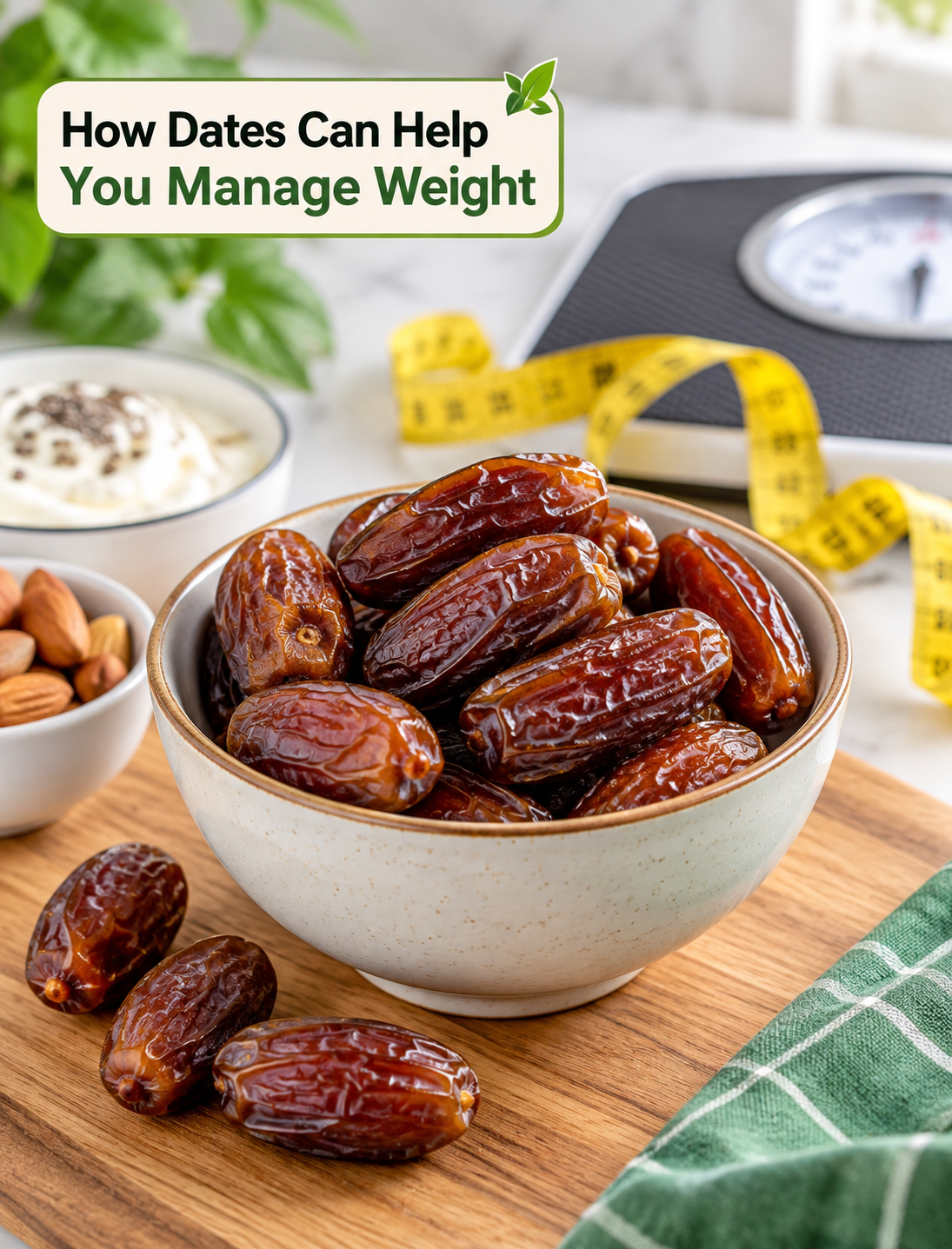
Unlock the Secret How Dates Can Help You Manage Weight

Unlock the Secret How Dates Can Help You Manage Weight

Unlock the Secret How Dates Can Help You Manage Weight

Managing weight does not always mean giving up sweet foods. The better approach is often to choose foods that satisfy your sweet tooth while also providing useful nutrients. Dates are one option worth considering because they contain natural carbohydrates, fiber, potassium, and other nutrients.

However, dates are also calorie-dense and naturally sweet, so portion size matters. Adding a few dates to a balanced eating plan may help you replace highly processed sweets without making your diet feel restrictive.

How Dates May Support Weight Management

Dates can fit into a weight-conscious diet when you use them in reasonable portions. Their nutritional profile makes them different from many candy and dessert choices.

1. Start With a Small Portion

A simple first step is to control how many dates you eat at one time.

  • Start with 2–3 dates as a snack.
  • Pair them with a source of protein or healthy fat.
  • Avoid eating large handfuls straight from the package.
  • Check serving sizes because dates vary considerably in size.

Portion control is important because dates contain natural sugar and calories even though they also provide fiber and nutrients.

2. Use Dates to Replace Refined Sweets

Dates can add sweetness to foods without relying entirely on table sugar.

You can:

  • Blend dates into a smoothie.
  • Mash softened dates into oatmeal.
  • Make a date paste for homemade energy bites.
  • Add chopped dates to plain yogurt.
  • Use date paste in selected baking recipes.

This approach can help reduce reliance on heavily processed sweets while adding fiber and minerals to your meals.

3. Combine Dates With Protein

Dates provide carbohydrates, while protein can make a snack more filling and balanced.

Try combining 2 dates with:

  • Greek yogurt
  • A small handful of almonds
  • Natural peanut butter
  • Cottage cheese
  • Unsweetened nut butter

This combination can be useful when you want something sweet but do not want a snack based only on carbohydrates.

4. Choose Dates Before Processed Snacks

When hunger strikes between meals, it is easy to reach for cookies, candy, or other packaged foods. Dates can provide a naturally sweet alternative.

Keep a measured portion available at home or work so you can make an intentional snack choice. Pairing dates with protein or another nutrient-rich food can create a more satisfying snack.

The Role of Fiber in Dates

Fiber is one reason dates can be useful in a balanced weight-management diet. Dietary fiber can support digestive health and contributes to feelings of fullness.

A diet that includes enough fiber may make it easier to stay satisfied between meals. Dates can contribute to daily fiber intake, but they should not be your only source.

Build your meals around other high-fiber foods such as:

  • Vegetables
  • Beans and lentils
  • Berries and other whole fruits
  • Oats
  • Whole grains
  • Nuts and seeds

A variety of fiber-rich foods provides a broader range of nutrients.

Dates and Natural Energy

Dates contain naturally occurring carbohydrates, making them a convenient source of quick energy. This can make them useful around physical activity.

For example, you can eat a small serving before a walk, workout, or other activity when you need a convenient source of carbohydrates.

After exercise, dates can also be paired with protein-rich foods as part of a balanced recovery snack. Dates alone do not provide everything your body needs after demanding exercise, so combining them with protein is a smarter approach.

Step-by-Step Ways to Add Dates to Your Diet

Adding dates does not require a major change to your eating routine. Follow these simple steps.

Step 1: Pick the Right Type

Medjool dates are large, soft, and naturally sweet, while smaller varieties can provide a more modest serving. Check the package because nutritional values can differ by variety and size.

Step 2: Measure Your Serving

Place your planned portion in a bowl instead of eating directly from the container. This simple habit makes it easier to keep your intake consistent.

Step 3: Pair Them With Nutrient-Dense Foods

Combine dates with Greek yogurt, nuts, seeds, or another protein-rich food when you want a more balanced snack.

Step 4: Replace Rather Than Add

If you use dates to make a snack, consider replacing another sweet food instead of adding dates on top of your usual calorie intake.

Step 5: Watch Added Ingredients

Choose plain dates when possible. Some packaged date products contain added sugar, syrups, chocolate, or other ingredients that can significantly change the nutritional profile.

Step 6: Track How They Fit Your Day

Your overall eating pattern matters more than one food. Consider your total portions, meals, snacks, activity level, and personal calorie needs.

Healthy Date Snack Ideas for Weight Management

Dates can be used in simple snacks without complicated recipes.

Try these combinations:

  • Dates + Greek yogurt: Add chopped dates to unsweetened Greek yogurt.
  • Dates + almonds: Enjoy a couple of dates with a small portion of almonds.
  • Date oatmeal: Stir chopped dates into cooked oats with cinnamon.
  • Date smoothie: Blend one or two dates with unsweetened milk, Greek yogurt, and fruit.
  • Date energy bites: Blend dates with oats and nuts, then form small portions.
  • Stuffed dates: Fill a date with a small amount of natural nut butter.

These options provide sweetness while allowing you to control portions and ingredients.

What to Avoid When Using Dates for Weight Management

Dates can be nutritious, but more is not always better. Their concentrated sweetness means portions can add up quickly.

Avoid treating dates as a “free” food that you can eat without limits. Also be careful with date-based desserts that contain large amounts of chocolate, butter, syrup, or added sugar.

Another common mistake is replacing a balanced meal with dates alone. A healthy weight-management plan still needs vegetables, fruits, whole grains, protein foods, and healthy fats.

Building a Balanced Diet With Dates

Dates work best when they are part of a broader eating pattern.

Aim to include:

  • Protein: Eggs, poultry, fish, beans, lentils, yogurt, or tofu.
  • Vegetables: Include different colors and varieties throughout the week.
  • Whole grains: Choose oats, brown rice, quinoa, and whole-grain breads.
  • Healthy fats: Include nuts, seeds, avocado, and appropriate cooking oils.
  • Whole fruits: Rotate dates with berries, apples, oranges, and other fruits.

Regular physical activity also supports healthy weight management. Walking, cycling, strength training, and other enjoyable activities can help you stay active consistently.

Can Dates Actually Help You Lose Weight?

Dates do not directly burn body fat, and no single food guarantees weight loss. Their potential value comes from how they can fit into a balanced eating pattern.

If dates help you replace candy, pastries, or other highly processed sweets, they may be a more nutrient-dense choice. But eating large amounts of dates can still increase your overall calorie intake.

For weight loss, focus on your overall food choices, portion sizes, activity, sleep, and long-term consistency.

Frequently Asked Questions

Are dates good for weight management?

Dates can fit into a weight-management diet because they provide fiber and nutrients, but their natural sugar and calorie content make portion control important.

How many dates should I eat for weight management?

A small serving, such as 2–3 dates, can be a practical starting point, especially when paired with protein or healthy fats.

Do dates make you gain weight?

Dates do not automatically cause weight gain, but eating more calories than your body needs can contribute to weight gain, including from calorie-dense foods such as dates.

Are dates better than candy?

Plain dates provide fiber and nutrients that most candy does not, making them a more nutrient-dense choice when you want something naturally sweet.

Can I eat dates every day?

Yes, dates can be included daily if the portion fits your overall calorie and carbohydrate needs and your diet contains a variety of nutritious foods.

Are dates good before exercise?

Dates provide carbohydrates that can supply quick energy, making a small serving a convenient pre-workout option for many people.

Can dates reduce hunger?

Their fiber content may contribute to fullness, but dates are best combined with protein or healthy fats when you want a more satisfying snack.

Should I eat dates at night?

You can eat dates at night if they fit your overall eating plan, but portion size still matters because dates contain concentrated natural sugars and calories.

Final Thoughts

Dates can be a useful addition to a weight-conscious eating plan when you use them thoughtfully. Their natural sweetness, fiber, carbohydrates, and minerals make them a convenient alternative to some highly processed sweets.

The key is simple: use dates to replace less nutritious choices, control your portions, and pair them with a balanced diet. No single food can manage weight on its own, but smart food choices can make healthy habits easier to maintain over time.

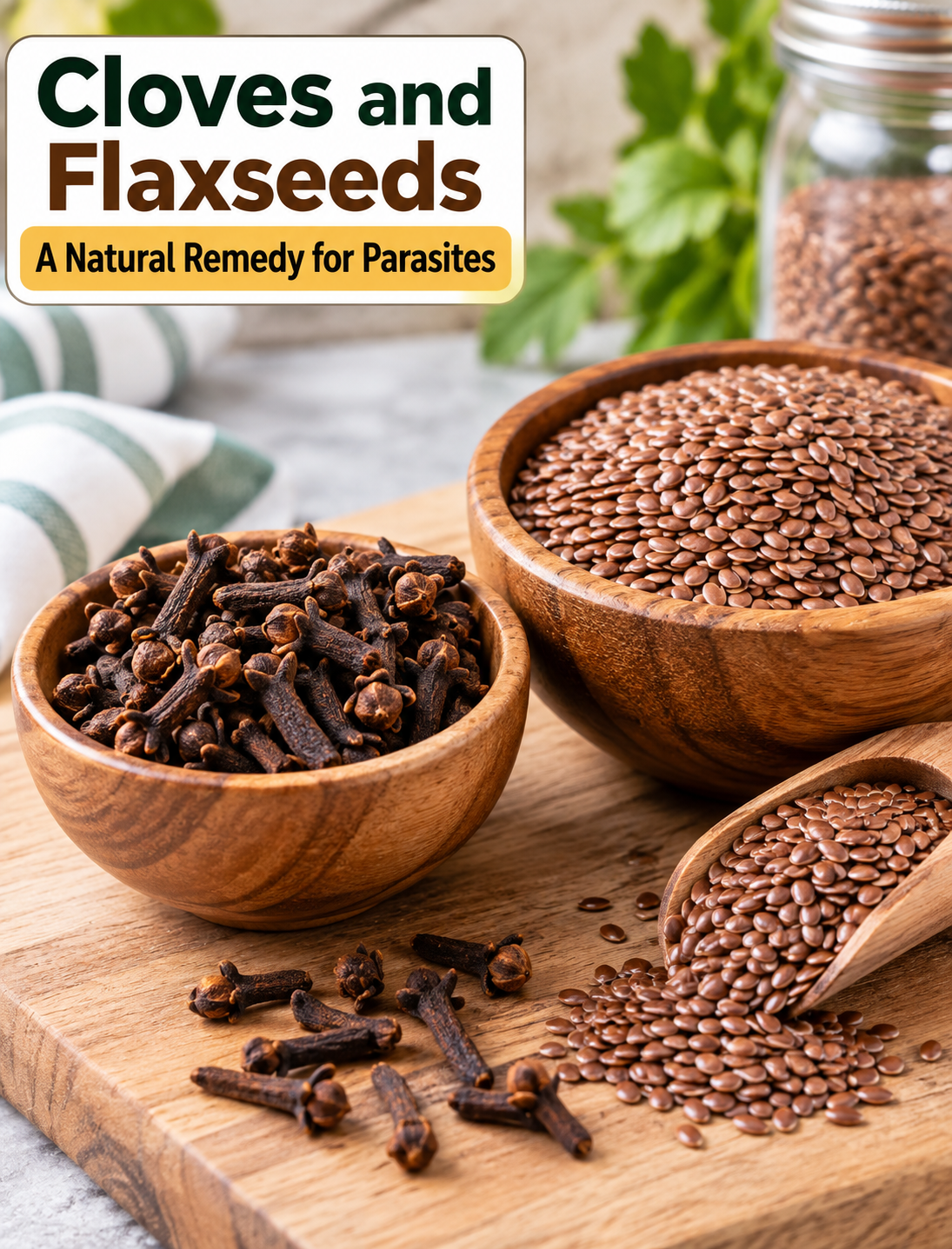
Cloves and Flaxseeds: A Natural Remedy for Parasites

Ground cloves and flaxseeds in bowls as a traditional natural digestive wellness remedy

Cloves and Flaxseeds: A Natural Remedy for Parasites

Both are common kitchen ingredients that have been used in traditional wellness practices for generations.  Cloves contain naturally occurring plant compounds, while flaxseeds provide fiber, healthy fats, and other nutrients. Because of these properties, some people use a mixture of ground cloves and flaxseeds as part of a digestive wellness routine.

However, it is important to understand the difference between a traditional remedy and a medically proven treatment. There is not enough reliable human evidence to show that eating cloves and flaxseeds can eliminate intestinal parasites. If you suspect a parasitic infection, proper testing and treatment from a healthcare professional should come first.

That does not mean these foods have no nutritional value. Flaxseeds can support regular bowel movements because they contain dietary fiber, while cloves can add flavor and naturally occurring plant compounds to the diet. Used sensibly, they can be included in a balanced eating pattern.

Why Do You Use Cloves and Flaxseeds?

Cloves and flaxseeds are combined in some traditional wellness routines because each ingredient offers different nutritional properties.

Cloves contain eugenol, a naturally occurring compound that has been studied for its antioxidant and antimicrobial properties. Laboratory research has explored cloves and their compounds, but laboratory findings do not prove that eating cloves can treat parasites in people.

Flaxseeds are especially valued for their fiber content. Ground flaxseed contains soluble and insoluble fiber, which can support normal digestion and bowel regularity when consumed with enough fluid.

The combination may therefore be useful as a nutritional digestive routine, but it should not replace an antiparasitic medicine prescribed for a confirmed infection.

If you have symptoms such as persistent diarrhea, unexplained weight loss, abdominal discomfort, nausea, or visible worms in stool, speak with a healthcare professional rather than relying on a home remedy alone.

What You Will Require:

For a simple traditional mixture, you can use:

  • 1 part ground cloves
  • 10 parts ground flaxseeds
  • A clean, airtight container for storage
  • Water or another food you normally eat with ground flaxseed

For example, you could combine 1 tablespoon of ground cloves with 10 tablespoons of ground flaxseed.

Using ground flaxseed is generally more practical than using whole seeds because the ground form is easier to mix into foods. Freshly grinding the ingredients can also help maintain their flavor and quality.

There is no medically established dosage of this mixture for treating parasites. Avoid increasing the amount simply because you believe more will produce faster results.

Step-by-Step Instructions:

Step 1: Choose fresh ingredients.
Select food-grade cloves and flaxseeds from a reputable source. Check the packaging for freshness and avoid ingredients that smell stale or show signs of moisture or spoilage.

Step 2: Grind the ingredients.
If using whole cloves or whole flaxseeds, grind them separately using a clean spice grinder or food processor. A fine or medium grind makes the mixture easier to combine with food.

Step 3: Measure the ingredients.
Use a ratio of approximately 1 part ground cloves to 10 parts ground flaxseed for this traditional preparation.

Step 4: Mix thoroughly.
Place both ingredients in a clean, dry bowl and stir until they are evenly distributed.

Step 5: Store the mixture properly.
Transfer the mixture to an airtight container and keep it in a cool, dry place. Ground flaxseed can become rancid over time because it contains delicate oils, so refrigeration can help preserve freshness.

Step 6: Add it to food if desired.
Instead of taking a large spoonful on an empty stomach, consider adding a small food-appropriate amount of ground flaxseed to oatmeal, yogurt, smoothies, or another meal.

Step 7: Drink enough fluid.
Fiber absorbs water, so adequate fluid intake is important when increasing flaxseed in your diet.

Step 8: Pay attention to your body.
Stop using the mixture if it causes significant stomach discomfort, diarrhea, constipation, or another unwanted reaction.

Keeping Good Storage:

Proper storage helps protect the flavor and quality of ground flaxseed.

Keep the mixture in a tightly sealed container away from heat, sunlight, and moisture. Because ground flaxseed contains oils that can spoil, refrigeration is a useful option for maintaining freshness.

Check the mixture before use. A bitter, paint-like, or unusually strong smell can indicate that the flaxseed has gone rancid.

Keep the container away from children and do not store it next to sources of heat such as a stove or oven.

Daily Consumption:

There is no established medical dose of cloves and flaxseeds for eliminating parasites. The common traditional practice of taking a large spoonful on an empty stomach has not been proven to treat intestinal infections.

If you want to include ground flaxseed in your diet, start with a modest amount and increase gradually as tolerated. Mix it into foods such as:

  • Oatmeal
  • Plain yogurt
  • Smoothies
  • Whole-grain cereal
  • Soups or other prepared foods

Cloves have a strong flavor, so a small culinary amount may be easier to tolerate than a concentrated mixture.

People taking medications should ask a healthcare professional before regularly consuming concentrated amounts of herbs or seeds. This is especially important if you have a medical condition or follow a restricted diet.

How Long Does the Treatment Last?

The traditional three-days-on and three-days-off routine is sometimes promoted online, but there is no strong clinical evidence establishing this schedule as a treatment for parasites.

A suspected parasitic infection should not be managed by repeatedly cycling a homemade mixture. Different parasites require different medicines, doses, and treatment durations.

If testing confirms an infection, follow the treatment plan recommended by your healthcare provider. Do not delay appropriate care while trying a home remedy.

For general nutrition, flaxseed can be part of a balanced diet when tolerated. Its fiber content may support regular bowel function, but that benefit is different from treating a parasitic infection.

Take Pleasure in the Advantages It Offers

Cloves and flaxseeds can be useful kitchen ingredients, but their benefits should be described realistically.

Flaxseed provides dietary fiber, plant-based omega-3 fatty acid ALA, protein, and other nutrients. Regular fiber intake can support digestive health and bowel regularity.

Cloves provide flavor and naturally occurring plant compounds, including eugenol. They can be used in small culinary amounts in foods and beverages.

The most important point is that natural does not automatically mean proven or risk-free. A food-based mixture should be viewed as a dietary option, not a substitute for medical treatment.

If you think you have intestinal parasites, contact a qualified healthcare professional. Depending on your symptoms and travel or exposure history, a provider may recommend stool testing or another appropriate evaluation.

Seek medical advice promptly if symptoms are severe, persistent, or accompanied by dehydration, blood in the stool, significant weight loss, severe abdominal pain, or other concerning changes.

A balanced diet, safe food preparation, clean drinking water, regular handwashing, and appropriate medical care are more reliable ways to protect digestive health than relying on an unproven parasite cleanse.

Frequently Asked Questions

Can cloves and flaxseeds get rid of parasites?

There is not enough reliable human evidence to show that this mixture eliminates intestinal parasites or cures a parasitic infection.

Is the cloves and flaxseeds remedy scientifically proven?

No. Cloves and their compounds have been studied in laboratory research, but that evidence does not establish the mixture as an effective human parasite treatment.

Can I take cloves and flaxseeds every morning?

Ground flaxseed can be included in a balanced diet, but concentrated cloves should not be taken routinely as a medical treatment without professional guidance.

Should I take this mixture on an empty stomach?

An empty stomach is not medically required, and taking concentrated ingredients this way may cause digestive discomfort in some people.

What is the best way to use ground flaxseed?

Ground flaxseed can be mixed into foods such as oatmeal, yogurt, smoothies, and cereal while drinking enough fluid to support its fiber content.

How do I know if I have intestinal parasites?

Symptoms can vary, so suspected infections should be evaluated by a healthcare professional rather than diagnosed from symptoms alone.

Can this mixture replace parasite medicine?

No. If a parasitic infection is confirmed, use the treatment recommended by your healthcare professional instead of replacing it with a homemade remedy.

Who should avoid this remedy?

Anyone with a medical condition, medication use, pregnancy, or concerns about digestive reactions should consult a healthcare professional before using concentrated amounts of cloves or flaxseed.

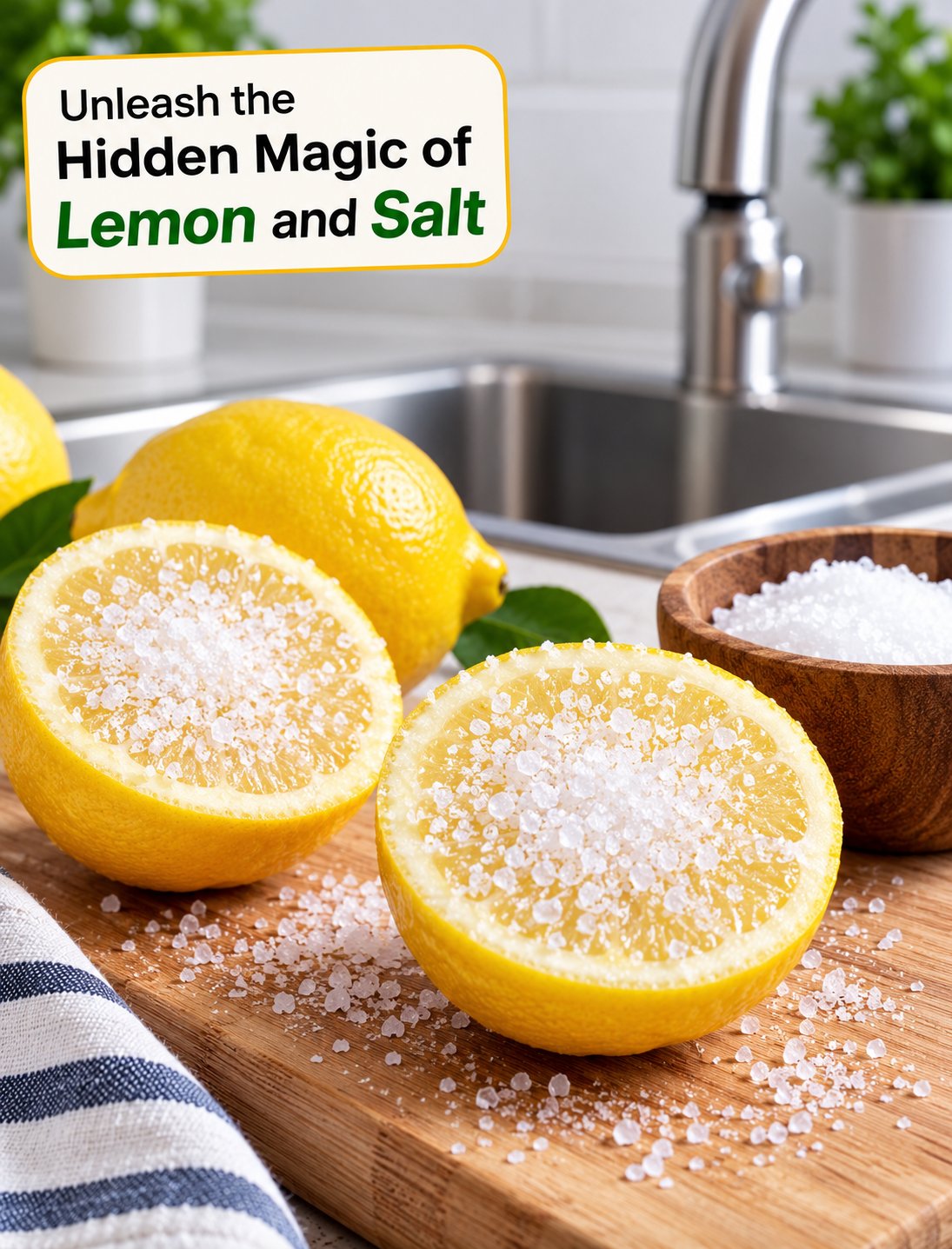
Unleash the Hidden Magic of Lemon and Salt

Lemon halves sprinkled with salt beside a clean kitchen sink showing a natural lemon and salt cleaning method

Unleash the Hidden Magic of Lemon and Salt

Lemon and salt are two simple kitchen staples that can do much more than add flavor to food. When used correctly, their acidity, texture, and fresh scent make them useful for everyday household tasks, food preparation, and simple self-care routines.

A fresh lemon contains citric acid and vitamin C, while salt provides a mild abrasive texture that can help loosen grime. Together, they can become a practical, low-cost option for certain cleaning jobs and kitchen tasks.

The key is knowing where this combination works well and where it should be avoided. Lemon and salt are not a cure-all, and they should not replace medical treatment or proven cleaning products when stronger solutions are needed.

Why Lemon and Salt Work So Well Together

Lemon juice contains citric acid, which can help break down some mineral deposits, food residue, and surface buildup. Salt adds gentle scrubbing power, making it easier to lift stuck-on residue from suitable surfaces.

This combination is especially useful for:

  • Removing light stains and food residue
  • Freshening certain kitchen surfaces
  • Cleaning some cutting boards and sinks
  • Loosening mineral buildup
  • Deodorizing areas with food odors
  • Creating a simple homemade cleaning paste

The results depend on the surface, the type of residue, and how long the mixture remains in contact with it.

Lemon and Salt for Natural Kitchen Cleaning

One of the easiest ways to use this combination is for basic kitchen cleaning. The acidic juice helps loosen residue, while salt provides a textured surface for gentle scrubbing.

Step-by-Step Kitchen Cleaning Method

  1. Cut a fresh lemon in half. Use a juicy lemon for the best coverage.
  2. Sprinkle a small amount of salt over the cut surface.
  3. Rub the lemon gently over a suitable non-porous surface.
  4. Let the juice sit briefly if residue needs extra time to loosen.
  5. Wipe the area with a clean damp cloth.
  6. Rinse the surface thoroughly if it comes into contact with food.
  7. Dry the area completely to prevent leftover moisture.

This method can work well on stainless-steel sinks and some cutting boards, but always check the manufacturer’s care instructions first.

Freshen Up Cutting Boards and Kitchen Surfaces

Cutting boards can hold strong food odors after preparing ingredients such as garlic, onions, and fish. Lemon can help provide a fresh citrus scent, while salt can help scrub away surface residue.

For a basic cleaning routine, sprinkle salt over a suitable cutting board and rub it gently with half a lemon. Rinse the board well with clean water and allow it to dry completely.

For food-safety purposes, washing with hot soapy water remains important, especially after handling raw meat, poultry, or seafood. Lemon and salt should be treated as a supplemental cleaning method rather than a substitute for proper sanitation.

Remove Light Mineral Buildup

Citric acid in lemon juice can help loosen some hard-water deposits. This can be useful around faucets, sinks, and other suitable non-porous areas.

Step-by-Step Mineral Deposit Method

  1. Apply fresh lemon juice to the affected area.
  2. Sprinkle a small amount of salt over the surface.
  3. Rub gently with a soft sponge or cloth.
  4. Leave it for a short period if the buildup is stubborn.
  5. Rinse the area thoroughly with water.
  6. Dry the surface with a clean towel.

Do not use acidic lemon juice on marble, limestone, travertine, or other acid-sensitive stone because it can etch or dull the finish.

Use Lemon and Salt to Freshen Your Home

The bright scent of lemon can make a room feel fresher, while salt can help with light scrubbing jobs. This makes the combination handy for small household cleaning tasks where heavy-duty chemicals are unnecessary.

You can use it around appropriate sinks, stainless-steel surfaces, and other acid-safe areas. Always test the mixture on a small hidden spot before treating a larger surface.

For strong odors, mold, heavy grease, or sanitation concerns, use a cleaner specifically designed for the problem instead of relying only on homemade mixtures.

Lemon and Salt for Simple Self-Care

Lemon and salt are sometimes promoted online as a natural beauty treatment, but caution is important. Lemon juice is acidic and may irritate skin, increase sensitivity to sunlight, or cause a reaction in some people.

Salt can also be abrasive, so rubbing a concentrated lemon-and-salt mixture on the face or irritated skin may cause dryness or discomfort.

If you want to use lemon as part of a beauty routine, avoid applying concentrated lemon juice directly to your skin. Choose gentle, tested skincare products when treating dark spots, uneven tone, acne, or sensitive skin.

Can You Drink Lemon Water With Salt?

Lemon water can be a refreshing drink, but adding salt is not necessary for most people. Lemon provides flavor and vitamin C, while most diets already provide enough sodium.

A simple glass of water with lemon can be an easy way to increase fluid intake. However, lemon water should not be presented as a treatment for digestive disorders, infections, or other medical conditions.

If you have been advised to limit sodium, avoid adding salt to drinks unless your healthcare professional recommends it.

Important Safety Tips

Natural ingredients are not automatically safe for every surface or person. Follow these precautions before using a lemon-and-salt mixture.

  • Avoid natural stone: Lemon acid can damage marble, limestone, and similar surfaces.
  • Protect sensitive skin: Do not use lemon juice on irritated, broken, or sunburned skin.
  • Rinse food-contact surfaces: Wash treated kitchen surfaces thoroughly after cleaning.
  • Patch-test surfaces: Test an inconspicuous area before widespread use.
  • Do not mix with bleach: Never combine lemon or other acids with chlorine bleach.
  • Protect your eyes: Keep the mixture away from your eyes and rinse with water if contact occurs.
  • Use proper disinfectants when needed: Homemade mixtures should not replace products designed for disinfection.

Easy Lemon and Salt Routine to Try at Home

If you want to make this simple combination part of your household routine, start with one practical task rather than trying to use it everywhere.

Step-by-Step Routine

  1. Choose a surface that is safe for acidic cleaners.
  2. Cut a fresh lemon into halves or quarters.
  3. Sprinkle a light layer of salt onto the cut lemon.
  4. Rub the lemon gently over the surface.
  5. Avoid aggressive scrubbing that could scratch the finish.
  6. Wipe away the residue with a damp cloth.
  7. Rinse food-contact areas thoroughly.
  8. Dry the surface with a clean towel.
  9. Store the remaining lemon in the refrigerator for later use.

This simple approach keeps the process inexpensive, quick, and easy to repeat.

The Simple Power of Everyday Ingredients

Lemon and salt are not magical cures, but they can be surprisingly useful when used for the right jobs. Lemon’s citric acid can help loosen certain deposits, while salt adds mild scrubbing power.

The best results come from using this combination selectively and safely. It can be a helpful addition to a household cleaning routine, especially for suitable kitchen surfaces and light residue.

At the same time, proper cleaning methods, food-safety practices, and surface-care instructions should always come first. Simple ingredients can be useful without being treated as miracle solutions.

Frequently Asked Questions

1. What happens when you mix lemon and salt?

Lemon provides acidic juice while salt adds mild abrasive action, creating a mixture that can help loosen and scrub certain types of surface residue.

2. Can lemon and salt clean a kitchen sink?

Yes, the mixture can help clean suitable non-porous sinks, especially stainless steel, but the surface should be rinsed and dried afterward.

3. Can lemon and salt remove hard-water stains?

Lemon’s citric acid can help loosen some mineral deposits, while salt provides gentle scrubbing action on compatible surfaces.

4. Is lemon and salt safe for marble?

No. Lemon is acidic and can etch or dull marble and other acid-sensitive natural stone surfaces.

5. Can you use lemon and salt on your face?

It is not recommended because lemon can irritate skin and increase sun sensitivity, while salt can be too abrasive for facial skin.

6. Does lemon water with salt detox the body?

There is no need for a lemon-and-salt drink to “detox” the body, and adding extra sodium is unnecessary for most people.

7. Can lemon and salt disinfect surfaces?

They can help clean and freshen some surfaces, but they should not be considered a reliable substitute for a properly labeled disinfectant.

8. How often can you use lemon and salt for cleaning?

Use it only when appropriate for the surface and task, and follow the manufacturer’s cleaning instructions to prevent surface damage.

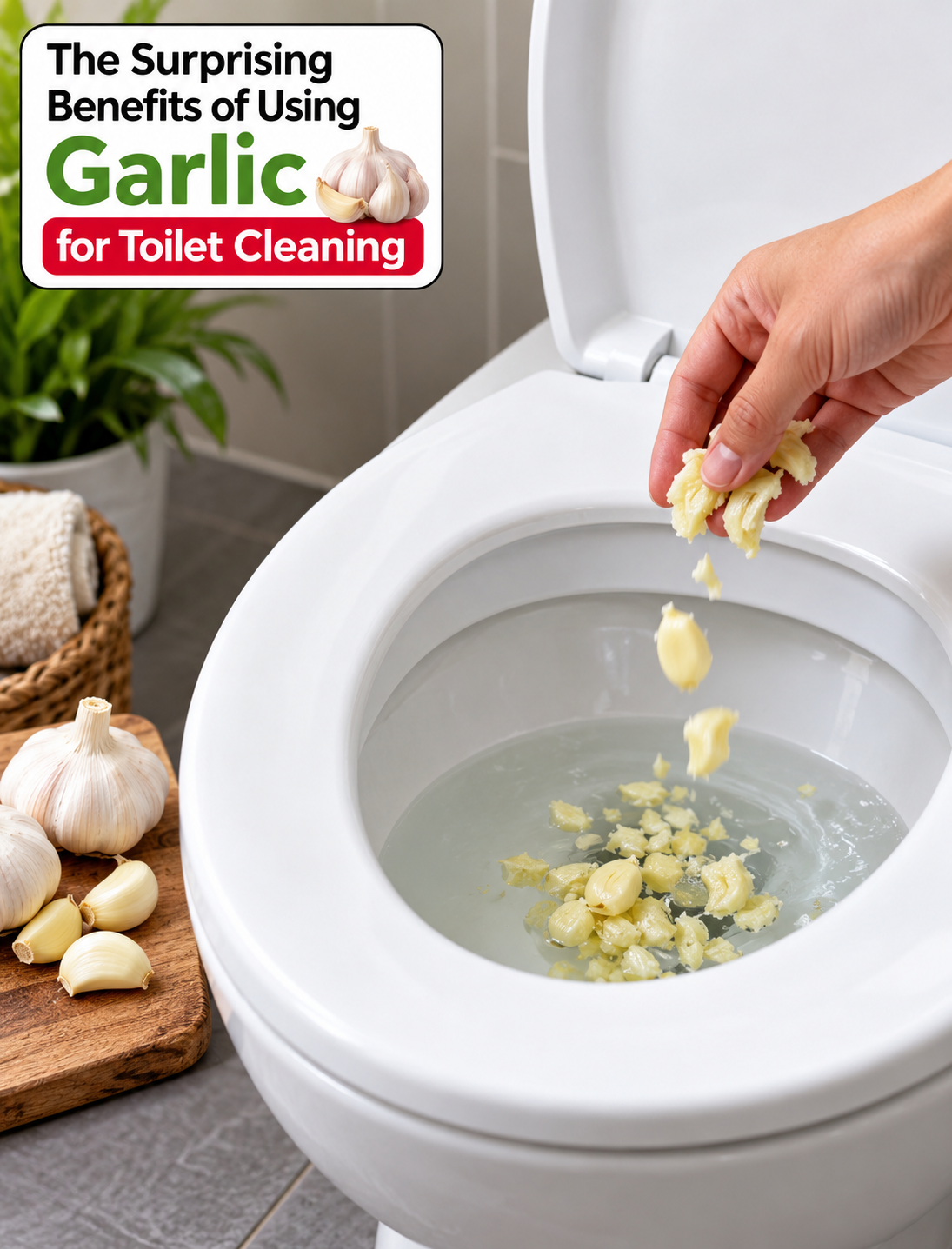
The Surprising Benefits of Using Garlic for Toilet Cleaning

Crushed garlic cloves being used as a natural toilet cleaning method in a clean bathroom

The Surprising Benefits of Using Garlic for Toilet Cleaning

Garlic is usually found in the kitchen, but some homeowners also use it as an unusual natural toilet-cleaning idea. The reason is simple: fresh garlic contains compounds such as allicin that have antimicrobial activity in laboratory settings. The Surprising Benefits of Using Garlic for Toilet Cleaning makes garlic an interesting ingredient to explore for light bathroom cleaning, although it should not replace a proper toilet disinfectant when sanitation is the main goal.

Using garlic in the toilet is best viewed as a simple household experiment rather than a powerful cleaning treatment. It may help freshen a toilet between regular cleanings, while brushing and routine bathroom care remain the most important steps for removing buildup and maintaining hygiene.

Why Garlic?

Fresh garlic produces allicin when its cloves are crushed or cut. Allicin is responsible for much of garlic’s strong smell and has been studied for its antimicrobial properties.

That does not mean garlic can disinfect a toilet as reliably as a product specifically labeled for bathroom sanitation. Toilet bowls can contain bacteria, mineral deposits, stains, and other residues that require proper cleaning.

Still, garlic can be an inexpensive ingredient for people who enjoy trying simple household cleaning methods. It is also biodegradable and does not introduce a conventional chemical cleaner into the toilet bowl.

Important points to remember:

  • Garlic is better suited to light cleaning experiments than deep sanitation.
  • It should not replace a registered bathroom disinfectant when disinfection is needed.
  • Crushing the cloves releases more of their active compounds.
  • Garlic has a strong odor, so good bathroom ventilation is helpful.
  • Never mix garlic with bleach, ammonia, or other cleaning chemicals.

How to Use Garlic for Toilet Cleaning

If you want to try this method, follow these steps carefully. Use fresh garlic and clean the toilet normally before or after the experiment when necessary.

Step 1: Gather Fresh Garlic

Take about four to six fresh garlic cloves and remove their papery skins. Fresh cloves are preferable because crushing them helps release their natural compounds.

You will also need a toilet brush, disposable gloves, and access to clean water.

Step 2: Crush the Garlic

Place the peeled cloves on a clean surface and crush them with the flat side of a knife or a garlic press.

Crushing the garlic helps form allicin from compounds naturally present in the clove. Use the crushed garlic soon after preparing it rather than storing it for later.

Step 3: Add the Garlic to the Bowl

Flush the toilet first so the bowl is relatively clean and wet. Drop the crushed garlic into the toilet water and spread the pieces around the bowl if possible.

Avoid pushing large pieces into the drain because solid food waste can create an unnecessary plumbing problem.

Step 4: Let It Sit

Leave the crushed garlic in the bowl for about 30 minutes.

This waiting period gives the garlic compounds time to remain in contact with the bowl surface. Keep the bathroom ventilated because the odor can become noticeable.

Step 5: Scrub the Bowl

Put on gloves and use a toilet brush to scrub the inside of the bowl.

Focus on areas where light residue or surface marks are visible. Scrubbing provides the main physical cleaning action and is more important for stain removal than the garlic itself.

Step 6: Flush Thoroughly

Flush the toilet to remove the garlic and loosened residue.

Check the bowl afterward and repeat normal toilet cleaning if stains or buildup remain. Do not assume the absence of visible dirt means the toilet has been disinfected.

Step 7: Clean the Brush and Surrounding Area

Rinse the toilet brush properly and clean any surface that may have been splashed during the process.

Wash your hands thoroughly after removing your gloves. Regular hand hygiene remains an important part of bathroom sanitation.

Potential Benefits of Garlic for Toilet Cleaning

The main appeal of this method is its simplicity. Garlic is inexpensive, widely available, and easy to prepare.

Its naturally occurring sulfur compounds have antimicrobial properties that have been studied in controlled settings. However, household toilet conditions are different from laboratory conditions, so these properties should not be treated as proof that garlic disinfects a toilet.

Garlic may also appeal to people who prefer experimenting with biodegradable household ingredients. It does not contain the strong cleaning chemicals found in many commercial toilet products.

Some potential advantages include:

  • Easy access to an everyday kitchen ingredient.
  • Low cost compared with specialty cleaning products.
  • A biodegradable ingredient that can be disposed of with normal organic waste.
  • An interesting option for light cleaning between routine toilet washes.
  • No need to create a complicated homemade cleaning mixture.

The biggest benefit may simply be encouraging regular cleaning. A toilet that is brushed and maintained often is easier to keep fresh than one that is cleaned only after heavy buildup develops.

What Garlic Cannot Replace

Garlic should not be treated as a complete toilet disinfectant. Commercial bathroom products are formulated and tested for specific cleaning or disinfecting purposes, while the effectiveness of crushed garlic in a household toilet has not been established as an equivalent sanitation method.

For visible mineral scale, hard-water rings, heavy stains, or significant buildup, use a suitable toilet cleaner according to its label.

For situations where disinfection is important, choose a product specifically labeled for toilet or bathroom disinfection and follow its contact-time instructions.

Avoid these mistakes:

  • Do not mix garlic with bleach or other chemical cleaners.
  • Do not pour large amounts of food into the toilet.
  • Do not rely on garlic alone to control harmful germs.
  • Do not leave garlic in the bowl for an extended period.
  • Do not use this method as a substitute for regular bathroom sanitation.

Additional Tips for Better Toilet Care

Good toilet maintenance involves more than the bowl itself. Clean the seat, lid, handle, base, and nearby high-touch surfaces regularly.

Ventilate the bathroom during and after cleaning to reduce strong odors and moisture. Moisture control can also help make the bathroom less inviting to mold and mildew.

If your toilet has a persistent ring or discoloration, identify the cause before choosing a cleaner. Hard water can leave mineral deposits that require a product designed to dissolve scale.

For everyday maintenance, a toilet brush and an appropriate bathroom cleaner are usually more dependable than unusual household ingredients.

How Often Should You Clean Your Toilet?

For a busy household, regular toilet cleaning can help prevent stains and buildup from becoming difficult to remove. A weekly cleaning routine is a practical starting point for many homes, while frequently used bathrooms may need attention more often.

Garlic can be an occasional experiment within that routine, but it should not replace established cleaning practices.

A simple routine is more useful than relying on one unusual ingredient. Flush regularly, keep the bowl clean, wipe high-touch surfaces, and address stains before they become heavy deposits.

Final Thoughts

Using garlic for toilet cleaning is an unusual home-cleaning idea that may be worth trying for light maintenance. Crushed garlic releases allicin and other sulfur compounds with antimicrobial activity, but that does not make garlic a proven replacement for a toilet disinfectant.

The safest approach is to treat garlic as an optional natural cleaning experiment rather than a sanitation solution. Regular scrubbing, appropriate bathroom products, good ventilation, and proper hand hygiene remain the foundation of a clean toilet.

If you try this method, use a small amount of crushed garlic, allow brief contact, scrub the bowl, flush thoroughly, and continue with your normal cleaning routine.

Frequently Asked Questions

Can garlic really clean a toilet?

Garlic contains compounds with antimicrobial activity, but there is not enough evidence to consider crushed garlic a reliable toilet disinfectant. Scrubbing remains the key cleaning step.

How much garlic should I use for a toilet?

Four to six fresh cloves are enough for this household experiment. Crush them first and avoid putting large pieces into the toilet drain.

How long should garlic stay in the toilet?

About 30 minutes is sufficient for this method. Leaving food in the bowl longer does not make garlic a proven or stronger disinfectant.

Does garlic remove hard-water stains?

Garlic is not a dependable treatment for hard-water scale. Mineral deposits usually require a suitable cleaner designed to dissolve limescale.

Can garlic replace bleach for toilet cleaning?

No. Garlic should not replace a disinfectant when sanitation is required. Use a toilet product labeled for the specific cleaning or disinfecting task.

Is garlic safe for toilet plumbing?

Small crushed pieces are unlikely to be an issue when flushed promptly, but large food pieces should never be put into a toilet. Dispose of leftover garlic in household waste instead.

Will garlic remove toilet odors?

Garlic has a very strong natural odor, so it may temporarily make the bathroom smell more like garlic rather than fresher. Ventilation is recommended during use.

How often should I clean my toilet?

A weekly cleaning routine works well for many households, while heavily used bathrooms may need more frequent cleaning. Regular maintenance helps prevent stubborn buildup.

Natural Solutions for a Pest Free Home

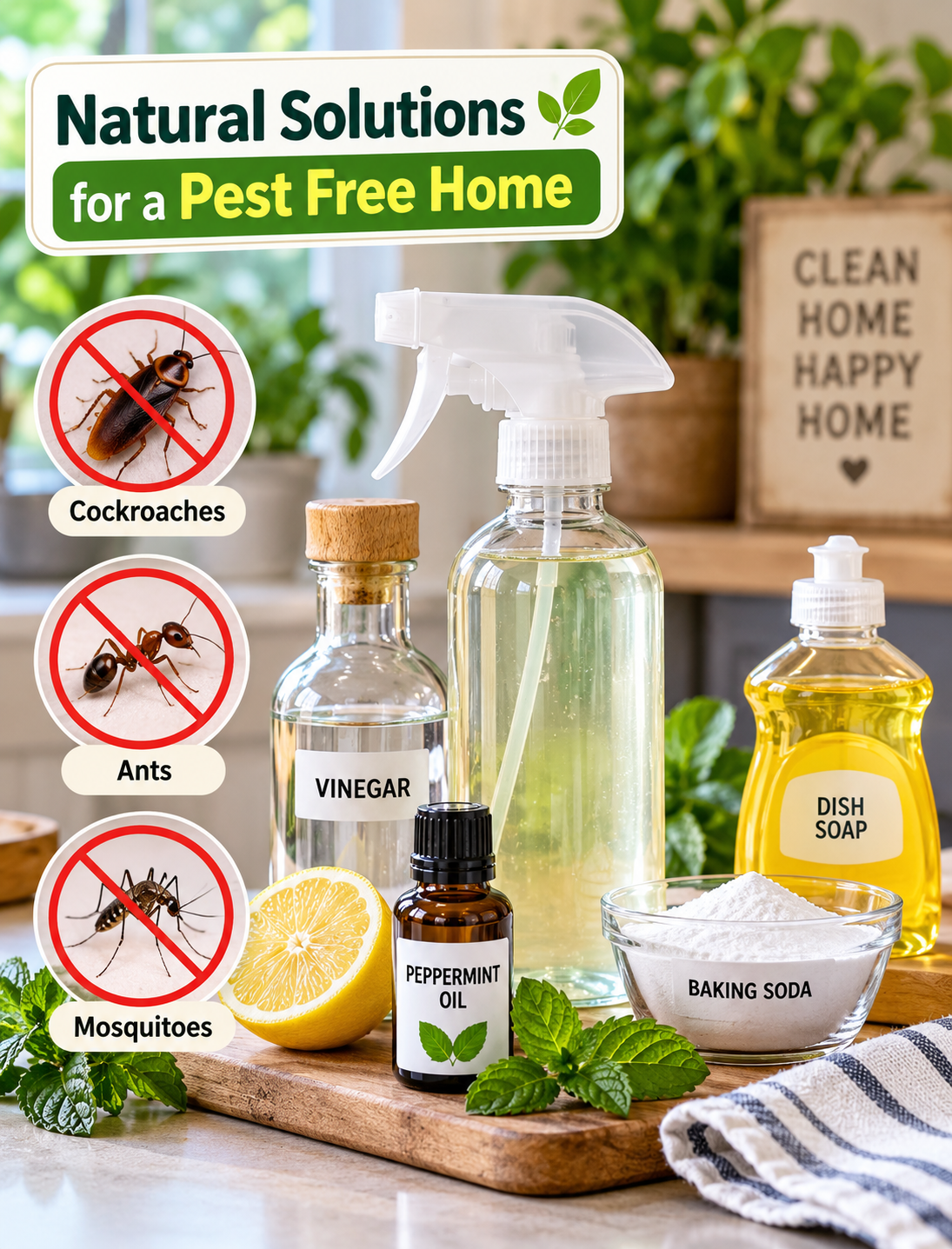
Natural pest control spray with vinegar, peppermint oil, and household ingredients for a pest-free home

Natural Solutions for a Pest Free Home

Pests such as ants, cockroaches, mosquitoes, and flies can quickly make a home uncomfortable.Natural Solutions for a Pest Free Home Many homeowners want effective ways to manage these unwanted visitors without relying heavily on strong chemical products.

Natural pest control can be a useful part of a home-care routine when combined with good sanitation, moisture control, and simple prevention steps. Common household items such as vinegar, baking soda, and certain essential oils may help discourage some insects from entering or staying in problem areas.

The key is to focus on prevention first. A clean, dry, well-sealed home gives pests fewer places to find food, water, and shelter.

Why Opt for Natural Approaches?

Natural methods can reduce the need for frequent use of conventional pesticides inside living spaces. They can also be simple, inexpensive, and convenient for routine household maintenance.

However, natural does not always mean risk-free. Essential oils can irritate skin, and some ingredients may be harmful to pets if used incorrectly. Always follow product labels and keep homemade mixtures away from children, pets, food, and food-preparation surfaces.

For a lasting solution, combine natural deterrents with practical pest prevention. Removing crumbs, fixing leaks, sealing gaps, and reducing standing water can address the conditions that attract insects.

Natural Ingredients for Pest Control

Several common household ingredients are often used as insect deterrents. Their effectiveness can vary depending on the pest, location, and severity of the problem.

1. Vinegar

Vinegar has a strong smell that can help discourage ants from traveling across treated surfaces. A diluted vinegar solution can also be useful for cleaning areas where food residue may attract insects.

How to use it:

  • Mix equal parts water and white vinegar.
  • Place the solution in a labeled spray bottle.
  • Wipe suitable hard surfaces where ants commonly travel.
  • Avoid using vinegar on surfaces that can be damaged by acidic cleaners.

2. Baking Soda

Baking soda is commonly included in DIY pest-control recipes. It is sometimes combined with sugar as a homemade cockroach bait, but results are inconsistent and it should not be considered a reliable replacement for professional treatment during a serious infestation.

Keep any bait completely inaccessible to children and pets.

3. Peppermint Oil

Peppermint oil has a strong scent that some insects may avoid. It can be used as a scent-based deterrent around selected entry points.

Always dilute essential oils before household use and avoid applying them directly to skin, pets, or food-contact surfaces.

4. Lavender and Eucalyptus

Lavender and eucalyptus oils are also commonly used in natural insect-repellent routines. Their strong aromas may help make certain areas less attractive to some flying insects.

Essential oils should be stored safely and used according to their labels.

Recipe for Natural Insecticide Made at Home

A simple vinegar-based spray can be used as a household cleaning and deterrent solution for appropriate hard surfaces.

Ingredients:

  • ½ cup white vinegar
  • ½ cup water
  • 10 drops peppermint essential oil
  • 1 teaspoon mild dish soap

Important: Do not mix this solution with bleach or other cleaning chemicals.

Step-by-Step Instructions

Step 1: Prepare the Spray Bottle

Use a clean spray bottle that has not previously contained bleach or another chemical cleaner. Label the bottle clearly after preparing the mixture.

Step 2: Add Water and Vinegar

Pour ½ cup of water and ½ cup of white vinegar into the bottle. This creates the basic solution without making the mixture unnecessarily concentrated.

Step 3: Add Peppermint Oil

Add about 10 drops of peppermint essential oil. Close the bottle before gently mixing the ingredients.

Step 4: Add Dish Soap

Add 1 teaspoon of mild dish soap. Avoid excessive soap because too much can leave a sticky residue on surfaces.

Step 5: Shake Gently

Close the bottle securely and shake it gently before each use. Natural mixtures can separate during storage.

Step 6: Apply Carefully

Spray appropriate hard surfaces, cracks, or entry areas where insects are commonly noticed. Do not spray near food, pet bowls, electrical outlets, or sensitive materials.

Step 7: Clean the Area

After treating the area, remove crumbs, food residue, standing water, and other conditions that may attract pests. Prevention makes any deterrent strategy more useful.

Extra Advice for a House Free of Pests

Natural sprays work best when they are part of a broader prevention routine. Follow these practical steps to make your home less attractive to common household insects.

Keep Food Sealed

Store cereal, flour, sugar, snacks, and pet food in tightly closed containers. Wipe counters and dining areas after meals to remove crumbs and spills.

Take Out the Trash

Use bins with secure lids and remove household garbage regularly. Clean the inside of trash containers if food residue or liquid accumulates.

Seal Cracks and Gaps

Inspect areas around doors, windows, pipes, cabinets, and utility openings. Use suitable caulk or weatherstripping to close small entry points.

Fix Water Leaks

Leaking faucets and pipes can create moisture that attracts insects. Repair plumbing problems and dry wet areas as soon as possible.

Remove Standing Water

Mosquitoes can breed in small amounts of stagnant water. Empty water from buckets, plant saucers, outdoor containers, and other items that collect rain.

Keep Bathrooms Dry

Use ventilation after showers and wipe excess moisture from surfaces. Check under sinks for leaks or damp areas.

Maintain Outdoor Areas

Keep vegetation trimmed away from exterior walls and remove piles of leaves or debris near the foundation. These areas can provide shelter for insects.

When Natural Methods Are Not Enough

DIY solutions may help with minor pest activity, but they are not guaranteed to eliminate an established infestation. A large number of cockroaches, recurring ant trails, mosquito problems, or signs of pests inside walls may require professional evaluation.

Look for warning signs such as repeated sightings, droppings, damaged food packaging, nests, unusual odors, or pest activity that continues despite cleaning and prevention.

Professional pest control can identify the source of the problem and recommend an appropriate treatment plan. If you use any pesticide, read the label carefully and follow all directions for application, storage, ventilation, and re-entry.

A Simple Pest Prevention Routine

Use this step-by-step routine each week:

  1. Inspect: Check kitchens, bathrooms, basements, garages, and entry points.
  2. Clean: Remove crumbs, grease, food residue, and trash.
  3. Dry: Address leaks and wipe away standing moisture.
  4. Seal: Close small cracks and gaps around potential entry points.
  5. Declutter: Reduce cardboard, paper piles, and unused items where pests can hide.
  6. Monitor: Pay attention to recurring insect activity and possible sources.
  7. Act Early: Address signs of infestation before the problem becomes widespread.

FAQs About Natural Solutions for a Pest Free Home

Are natural pest control methods effective?

They can help deter some insects and support prevention, but their results vary by pest and infestation level.

Does vinegar kill cockroaches?

Vinegar is mainly useful as a cleaner and odor-based deterrent; it should not be relied on to eliminate a cockroach infestation.

Can peppermint oil keep ants away?

Peppermint oil may discourage some ants because of its strong scent, but it does not remove the colony or solve the underlying infestation.

What naturally keeps mosquitoes away from a home?

Removing standing water, using screens, reducing outdoor breeding areas, and keeping doors closed can help reduce mosquito activity.

How can I prevent cockroaches naturally?

Keep food sealed, remove garbage, fix moisture problems, clean regularly, and seal cracks around doors, pipes, cabinets, and walls.

Is baking soda safe for pest control?

Baking soda should be used carefully and kept away from children and pets, especially when combined with other ingredients as bait.

How often should I clean areas where pests appear?

Clean kitchens, bathrooms, and food-preparation areas regularly, while immediately removing spills, crumbs, food waste, and excess moisture.

When should I call a pest control professional?

Contact a professional when pest activity is persistent, widespread, or returns after cleaning and basic prevention measures.

Final Thoughts

A pest-resistant home starts with simple daily habits. Keeping food sealed, controlling moisture, removing standing water, cleaning regularly, and closing entry points can make your home less appealing to unwanted insects.

Natural ingredients such as vinegar and peppermint oil may complement these habits, but they should not be treated as a guaranteed cure for infestations. When pest activity continues or becomes extensive, professional assessment is the safer and more dependable next step.

For more practical home-care ideas and helpful household solutions, visit DoorDraz and make simple prevention part of your regular home routine.

Lose Weight by Cleansing Your Colon in 7 Days

7-day healthy digestive reset drink with apple, cucumber, orange, pineapple, and aloe vera for digestive health and weight management

Lose Weight by Cleansing Your Colon in 7 Days

Lose Weight by Cleansing Your Colon in 7 Days?A healthy digestive system can support comfortable digestion, regular bowel movements, and better overall eating habits. However, the idea that waste or “toxins” build up inside a healthy colon and need to be flushed out for weight loss is not supported by strong scientific evidence. Your body already has natural systems, including the digestive tract, liver, and kidneys, that handle waste removal.

If your goal is to feel less bloated and start healthier habits, a week of balanced meals, adequate fluids, regular movement, and fiber-rich foods can be a more practical approach. Juice-based cleanses may cause short-term changes on the scale mainly because they reduce calorie intake and food volume, but that does not mean they are burning body fat. Research reviewed by the National Center for Complementary and Integrative Health does not provide compelling evidence that detox diets remove toxins or produce lasting weight loss.

Problems of an Unhealthy Colon

Digestive discomfort can make you feel sluggish or uncomfortable, but many symptoms blamed on a “dirty colon” can have different causes.

Common digestive concerns may include:

  • Occasional bloating or gas
  • Constipation or irregular bowel movements
  • Feeling overly full after meals
  • Low fiber intake
  • Not drinking enough fluids
  • Changes in eating patterns
  • Limited physical activity

A healthy colon does not normally need routine detox treatments, enemas, or colon hydrotherapy. Colon cleansing procedures can cause side effects, including diarrhea, dehydration, and electrolyte problems, and some complications can be serious.

Persistent constipation, blood in the stool, severe abdominal pain, unexplained weight loss, or ongoing digestive changes should be discussed with a healthcare professional instead of treated with a cleanse.

Benefits of Colon Cleansing

Colon cleansing should not be promoted as a guaranteed weight-loss method or as a treatment for diseases. There is limited evidence that detox or cleanse programs provide lasting health benefits, and severely restricting calories can make it difficult to get enough nutrients.

For better digestive health, focus on habits that support normal bowel function:

  • Eat fruits, vegetables, beans, and whole grains for dietary fiber.
  • Drink enough fluids throughout the day.
  • Stay physically active.
  • Eat regular, balanced meals.
  • Limit highly processed foods and excess added sugar.
  • Increase fiber gradually if your current intake is low.

These habits can support healthy weight management when followed consistently. The National Institute of Diabetes and Digestive and Kidney Diseases recommends sustainable eating and physical activity rather than short-term approaches for maintaining weight loss.

A Juice Cleanse for Colon Health

Instead of treating the following drink as a medical colon cleanse, consider it a fruit-and-vegetable smoothie that can fit into a balanced eating pattern.

The ingredients provide water, fruit, and plant foods, but they should not be expected to flush toxins from the colon or guarantee weight loss.

Ingredients

  • 1 apple, green or red
  • Juice of 1 orange
  • ½ cucumber
  • 1 slice of pineapple
  • ½ aloe vera leaf using only properly prepared, food-grade inner gel
  • 1 glass of water

Important: Aloe vera products can contain latex compounds that may cause diarrhea and other adverse effects. Do not consume aloe leaf latex, and avoid homemade aloe preparations if you are unsure how to remove the latex safely. People who are pregnant, breastfeeding, taking medications, or managing a medical condition should ask a healthcare professional before using oral aloe products.

Step-by-Step Instructions

Step 1: Prepare the produce

Wash the apple, cucumber, and pineapple thoroughly under running water. Cut the apple into small pieces and slice the cucumber.

Step 2: Prepare the aloe

If using aloe, use a commercially prepared food-grade inner-leaf gel intended for oral consumption. Do not use the yellow latex layer beneath the leaf skin.

Step 3: Add the ingredients

Place the apple, cucumber, pineapple, aloe gel, orange juice, and water into a blender.

Step 4: Blend until smooth

Blend until the mixture reaches a smooth consistency. Add a little more water if needed.

Step 5: Drink as part of a balanced day

Enjoy the smoothie with a balanced diet rather than replacing all meals with juice. Whole fruits and vegetables are also valuable because they provide dietary fiber.

Step 6: Stay hydrated

Drink water regularly according to your thirst and individual needs. You do not need to force large amounts of water simply because you are following a cleanse.

Step 7: Add healthy movement

A daily walk or another enjoyable form of physical activity can complement healthy eating and support long-term weight management.

What to Expect in 7 Days

You may notice less bloating if you replace very salty, highly processed meals with lighter, balanced foods. However, a quick decrease on the scale does not necessarily represent body-fat loss.

Weight can change from day to day because of hydration, food volume, sodium intake, and bowel movements. Sustainable fat loss generally requires consistent eating and activity habits over time rather than a seven-day colon cleanse.

If weight loss is your goal, consider setting a realistic target and focusing on habits you can continue after the first week. Healthy weight management can also reduce the risk of several conditions associated with overweight and obesity.

Safety Tips Before Trying a Cleanse

Keep these points in mind before making major changes to your diet:

  • Do not use laxatives or enemas for routine weight loss.
  • Avoid prolonged fasting or extremely low-calorie diets.
  • Do not rely on juice alone for several days.
  • Stop if you develop significant diarrhea, dizziness, weakness, or dehydration.
  • Be cautious with unpasteurized juices because they can contain harmful bacteria.
  • Ask your healthcare professional before making major dietary changes if you have a medical condition or take medication.
  • People with kidney or heart problems should be especially careful with colon-cleansing procedures because complications may be more likely.

A “natural” ingredient is not automatically safe, and cleanse products can sometimes contain ingredients that are not clearly disclosed or adequately tested.

FAQs

1. Can you lose weight by cleansing your colon in 7 days?
A cleanse may cause temporary scale changes, but there is no strong evidence that colon cleansing produces lasting fat loss.

2. Does colon cleansing remove toxins from the body?
There is not compelling evidence that detox diets or colon cleanses remove toxins from a healthy body.

3. Can this apple, orange, cucumber, and pineapple drink help digestion?
It can provide fluids and plant foods, but it should not be considered a proven treatment for digestive problems or constipation.

4. How often should you cleanse your colon?
Routine colon cleansing is not necessary for most healthy people and may cause dehydration or other complications.

5. Is aloe vera safe to drink?
Only properly prepared food-grade inner-leaf products should be considered; aloe latex can cause diarrhea and other adverse effects.

6. Can drinking more water help with weight loss?
Adequate hydration supports normal body function, but simply drinking excessive water does not directly remove body fat.

7. What is better than a seven-day detox for weight management?
A sustainable eating pattern, appropriate calorie intake, regular physical activity, adequate sleep, and consistent habits are better long-term strategies.

8. When should I see a doctor about digestive symptoms?
Seek medical advice for persistent constipation, blood in the stool, severe abdominal pain, unexplained weight loss, or significant changes in bowel habits.

A seven-day reset can be a useful opportunity to improve everyday habits, but your goal should be better nutrition and sustainable weight management—not flushing your colon. Choose fiber-rich foods, drink fluids normally, stay active, and build routines that you can continue well beyond one week.

Greek Chicken Mezze Platter

Greek Chicken Mezze Platter

Description

The Greek Chicken Mezze Platter is a colorful, generous Mediterranean-style meal designed for sharing. It brings together juicy lemon-herb chicken, creamy hummus, refreshing tzatziki, salty feta, crisp cucumber, sweet cherry tomatoes, Kalamata olives, warm pita, and fresh herbs on one beautiful platter.

This recipe is perfect when you want something that feels special but is actually simple to prepare. Instead of making one complicated dish, you prepare several flavorful components and arrange them together. The result is a restaurant-style Greek spread that works beautifully for family dinners, parties, weekend lunches, gatherings, or casual entertaining.

The chicken is marinated with olive oil, lemon, garlic, oregano, paprika, salt, and pepper before being cooked until golden and juicy. The creamy tzatziki provides coolness, while hummus adds richness and body. Fresh vegetables bring crunch and freshness, feta adds a salty tang, and warm pita makes everything easy to scoop and enjoy.

One of the best things about this platter is its flexibility. You can add roasted vegetables, grilled peppers, pickled onions, stuffed grape leaves, or extra dips depending on what you have available. It can also be prepared ahead of time, making it an excellent option for entertaining.

 Ingredients

For the Greek Chicken

  • 1½ lb (680 g) boneless, skinless chicken breasts or thighs
  • 3 tablespoons extra-virgin olive oil
  • 2 tablespoons fresh lemon juice
  • 1 tablespoon lemon zest
  • 3 garlic cloves, finely minced
  • 1½ teaspoons dried oregano
  • 1 teaspoon paprika
  • ½ teaspoon ground cumin
  • ½ teaspoon dried thyme
  • 1 teaspoon salt
  • ½ teaspoon freshly ground black pepper
  • ¼ teaspoon red pepper flakes, optional

For the Tzatziki

  • 1 cup Greek yogurt
  • ½ English cucumber
  • 1 tablespoon fresh lemon juice
  • 1 tablespoon extra-virgin olive oil
  • 1 garlic clove, finely minced
  • 1 tablespoon fresh dill, chopped
  • 1 tablespoon fresh parsley, chopped
  • ¼ teaspoon salt
  • ⅛ teaspoon black pepper

For the Hummus

You can use approximately 1 cup prepared hummus, or make your own with:

  • 1 can chickpeas, drained and rinsed
  • ¼ cup tahini
  • 2 tablespoons lemon juice
  • 1 small garlic clove
  • 2 tablespoons olive oil
  • 2–4 tablespoons cold water
  • ¼ teaspoon cumin
  • ¼ teaspoon salt

For the Platter

  • 1 cucumber, sliced
  • 1 cup cherry tomatoes, halved
  • ½ red onion, thinly sliced
  • ½ cup Kalamata olives
  • ½ cup crumbled feta cheese
  • 3–4 pita breads
  • Fresh parsley
  • Fresh dill
  • Lemon wedges
  • Extra virgin olive oil
  • Optional: roasted red peppers, banana peppers, or pickled onions

 Step-by-Step Instructions

1. Prepare the Chicken

Start by preparing the chicken marinade. In a large bowl, combine olive oil, lemon juice, lemon zest, minced garlic, oregano, paprika, cumin, thyme, salt, black pepper, and optional red pepper flakes.

Cut the chicken into medium-sized pieces. Cutting the chicken into chunks allows the marinade to cover more surface area and helps the chicken cook quickly while developing beautiful browned edges.

Add the chicken to the marinade and toss thoroughly until every piece is coated.

Cover and refrigerate for at least 30 minutes. For deeper flavor, you can marinate it for several hours. Avoid leaving chicken in a highly acidic marinade for an excessively long time because the texture can become unpleasant.

2. Prepare the Tzatziki

While the chicken marinates, make the tzatziki.

Grate the cucumber using the large holes of a box grater. Place the grated cucumber into a clean kitchen towel or paper towel and squeeze firmly to remove as much liquid as possible.

This step is important because excess cucumber water can make your tzatziki thin.

Add Greek yogurt to a bowl and stir in the squeezed cucumber, lemon juice, olive oil, garlic, dill, parsley, salt, and black pepper.

Mix until creamy and well combined.

Taste the tzatziki and adjust the seasoning. Add a little more lemon juice for brightness, more dill for freshness, or another small pinch of salt if needed.

Cover and refrigerate until serving.

3. Make the Hummus

For homemade hummus, add chickpeas, tahini, lemon juice, garlic, olive oil, cumin, and salt to a food processor.

Blend until smooth.

Add cold water, one tablespoon at a time, until the hummus reaches a creamy consistency. Continue blending for another minute or two to make it extra smooth.

Taste and adjust the lemon juice, salt, or tahini according to your preference.

If you’re using prepared hummus, simply transfer it to a serving bowl.

For a beautiful presentation, spread the hummus into a shallow bowl and use the back of a spoon to create a small swirl. Drizzle with olive oil before placing it on the platter.

4. Cook the Chicken

Heat a large skillet, grill pan, or outdoor grill over medium-high heat.

Add the marinated chicken in a single layer. Avoid overcrowding the pan because too much chicken at once can cause steaming instead of browning.

Cook the chicken for approximately 5–8 minutes, turning occasionally, until golden brown on the outside and completely cooked through.

The exact cooking time will depend on the size of your chicken pieces.

The chicken should reach an internal temperature of 165°F (74°C).

Once cooked, transfer the chicken to a clean plate and allow it to rest for approximately 5 minutes.

Resting allows the juices to redistribute, helping keep the chicken tender and juicy.

For extra Mediterranean flavor, squeeze a little fresh lemon juice over the warm chicken before serving.

5. Prepare the Fresh Vegetables

While the chicken rests, prepare the vegetables.

Slice the cucumber into rounds or half-moons. Halve the cherry tomatoes. Thinly slice the red onion.

If you prefer a milder onion flavor, soak the sliced onion in cold water for approximately 5–10 minutes, then drain thoroughly.

Arrange the vegetables separately rather than mixing them together. This makes the platter look more colorful and allows everyone to choose exactly what they like.

6. Warm the Pita

Warm the pita bread shortly before assembling the platter.

You can heat it in a dry skillet for approximately 20–30 seconds per side, warm it in the oven, or lightly grill it for a slightly smoky flavor.

Do not overheat the pita because you want it soft and flexible.

Cut the pita into triangles or wedges for easy serving.

 7. Assemble the Greek Chicken Mezze Platter

Now comes the fun part.

Choose a large wooden board, ceramic platter, or wide serving plate.

Start by placing the hummus and tzatziki in small bowls or directly onto opposite areas of the platter.

Arrange the warm grilled chicken in the center or in a large section of the board.

Add cucumber slices, cherry tomatoes, red onion, and Kalamata olives around the chicken.

Scatter crumbled feta over the chicken and vegetables.

Add warm pita wedges around the edges.

Finish everything with chopped parsley, fresh dill, lemon wedges, and a light drizzle of extra virgin olive oil.

For an especially attractive presentation, keep contrasting colors together. Place green cucumber beside red tomatoes, white feta beside dark olives, and golden chicken beside creamy dips.

 Serving Suggestions

Serve the platter immediately while the chicken and pita are warm.

Guests can build their own pita wraps, dip vegetables into hummus and tzatziki, or simply enjoy the components individually.

For a larger Mediterranean feast, serve this platter with:

  • Greek salad
  • Roasted potatoes
  • Grilled vegetables
  • Lemon rice
  • Couscous
  • Stuffed grape leaves
  • Marinated artichokes
  • Roasted red peppers
  • Extra pita
  • Pickled onions

You can also turn leftovers into delicious lunch bowls. Simply layer hummus, chicken, vegetables, feta, olives, and grains in a container and add tzatziki just before eating.

 Recipe Notes

Choose Chicken Thighs for Extra Juiciness

Boneless chicken thighs are particularly forgiving and remain juicy during cooking. Chicken breast works wonderfully too, but be careful not to overcook it.

Don’t Skip the Lemon

Fresh lemon gives the chicken its characteristic Mediterranean brightness. Lemon juice also balances the richness of hummus, feta, and olive oil.

Dry Your Cucumber

Removing excess moisture from the cucumber is one of the most important steps when making tzatziki. It keeps the sauce thick and creamy.

Use Fresh Herbs

Fresh parsley and dill make a noticeable difference. They provide freshness that dried herbs cannot completely replicate.

Prepare Components Ahead

The chicken marinade, hummus, tzatziki, and chopped vegetables can all be prepared ahead of time. Assemble the platter shortly before serving.

 Tips for the Best Greek Chicken Mezze Platter

  1. Marinate the chicken: Give it at least 30 minutes for better flavor.
  2. Use high heat: A hot skillet helps create those delicious golden, slightly charred edges.
  3. Don’t overcrowd the pan: Cook in batches if necessary.
  4. Rest the chicken: Allow it to rest before serving.
  5. Use thick Greek yogurt: It creates a creamier tzatziki.
  6. Drain cucumber thoroughly: This prevents watery tzatziki.
  7. Warm the pita: Warm pita makes the entire platter feel more freshly prepared.
  8. Use good-quality feta: A creamy, tangy feta adds excellent flavor.
  9. Add lemon at the end: Fresh lemon brightens the entire platter.
  10. Serve family-style: The beauty of mezze is that everyone can build their own plate.

 Servings

Serves: 4–6 people

Prep Time: 25 minutes
Marinating Time: 30 minutes minimum
Cook Time: 15–20 minutes
Total Time: Approximately 1 hour

If serving the platter as a main meal, it comfortably feeds about 4 people. As part of a larger spread with several other dishes, it can serve 6 or more.

Approximate Nutritional Information

Nutrition will vary depending on the amount of pita, hummus, feta, yogurt, and olive oil used.

Estimated per serving:

  • Calories: 550–650
  • Protein: 42–48 g
  • Carbohydrates: 45–55 g
  • Fat: 24–30 g
  • Fiber: 6–8 g
  • Sugar: 6–9 g
  • Sodium: 900–1,200 mg

For a lighter version, use less feta and hummus, choose whole-grain pita, and increase the amount of fresh vegetables.

 Benefits

This Mediterranean-inspired platter provides a combination of protein, vegetables, legumes, dairy, and healthy fats.

Chicken supplies high-quality protein, while chickpeas in hummus provide plant-based protein and fiber. Greek yogurt and feta contribute protein and calcium. Cucumbers, tomatoes, onions, herbs, and lemon add freshness along with various vitamins and antioxidants.

Olive oil provides a source of unsaturated fat and contributes rich Mediterranean flavor.

Because the platter contains several different components, it’s also easy to customize according to your dietary preferences and portion needs.

 Q&A

Can I use chicken thighs instead of chicken breast?

Absolutely. Boneless, skinless chicken thighs are excellent for this recipe because they remain particularly juicy and flavorful.

Can I make the chicken ahead of time?

Yes. Cooked chicken can be refrigerated and reheated gently before serving. For the best texture, don’t overheat it.

Can I make tzatziki the night before?

Yes. In fact, making tzatziki ahead allows the garlic and herbs to develop more flavor.

Can I use store-bought hummus?

Definitely. A good-quality prepared hummus makes this recipe much faster.

Can I make this platter vegetarian?

Yes. Simply leave out the chicken and add grilled halloumi, roasted chickpeas, falafel, or extra vegetables.

Can I use another type of bread?

Yes. Flatbread, naan-style bread, or whole-wheat pita can all work well.

What vegetables can I add?

Try roasted peppers, carrots, radishes, lettuce, artichokes, or grilled zucchini.

Can I make this gluten-free?

Yes. Use certified gluten-free pita or serve the chicken and toppings over a gluten-free grain such as quinoa or rice.

How should leftovers be stored?

Store chicken, vegetables, dips, feta, and pita separately in airtight containers in the refrigerator. Assemble individual portions when ready to eat.

How long will leftovers last?

For best quality, enjoy the prepared components within 3–4 days, following proper refrigeration.

Air Fryer Caramel Apple Pie Bites

Golden air fryer caramel apple pie bites filled with cinnamon apples and caramel, served as a warm bite-sized fall dessert

Air Fryer Caramel Apple Pie Bites

If you love classic apple pie but want a faster dessert, these Air Fryer Caramel Apple Pie Bites are an easy treat to make at home. They combine warm cinnamon apples, gooey caramel, and flaky pie crust in small, golden bites.

Each bite has the cozy flavor of homemade apple pie without the work of making a full-size pie. The air fryer cooks the pastry quickly and gives the outside a crisp, golden finish while the apple filling becomes tender and sweet.

These mini apple pie bites are perfect for fall gatherings, Thanksgiving dessert tables, game nights, family snacks, or a simple weekend treat. They are also easy to serve because everyone can grab an individual bite without slicing a whole pie.

The recipe uses simple ingredients that are easy to find at most American grocery stores. Refrigerated pie crust keeps preparation quick, while fresh apples, caramel sauce, cinnamon, and brown sugar create the familiar apple pie flavor.

Why You’ll Love These Caramel Apple Pie Bites

These bite-sized desserts are made for anyone who wants homemade flavor without spending hours in the kitchen.

The air fryer shortens the cooking time compared with traditional baking. It also creates a crisp crust with a lightly browned surface that pairs well with the soft apple filling.

Another reason to love this dessert is portion size. Small pastry bites are easy to serve at parties and make it simple to enjoy a sweet treat without preparing a large pie.

The caramel adds extra richness to the apples and creates a delicious contrast between the buttery crust and warm cinnamon filling.

You can also adjust the recipe to match your taste. Use tart Granny Smith apples for a sharper flavor or Honeycrisp apples for a naturally sweet filling.

Ingredients You’ll Need

For the best texture, use firm apples that hold their shape during cooking.

  • 1 refrigerated pie crust, homemade or store-bought
  • 1 medium apple, peeled, cored, and finely diced
  • 2 tablespoons caramel sauce
  • 1 tablespoon brown sugar
  • 1/2 teaspoon ground cinnamon
  • 1/4 teaspoon vanilla extract
  • 1 tablespoon melted butter
  • 1 teaspoon lemon juice
  • 1 tablespoon all-purpose flour
  • Pinch of salt
  • 1 egg, beaten, for brushing
  • Optional: coarse sugar for topping
  • Optional: extra caramel sauce for drizzling

Use a thick caramel sauce when possible because a very thin sauce can spread during cooking. Finely diced apples also make the bites easier to fill and seal.

How to Make Air Fryer Caramel Apple Pie Bites

Prepare the Apple Filling

Start by peeling and coring the apple. Cut it into very small pieces so the filling cooks evenly inside the pastry.

Place the diced apple in a bowl and add brown sugar, cinnamon, vanilla, lemon juice, flour, and a small pinch of salt.

Stir until the apple pieces are evenly coated. The flour helps absorb some of the moisture released by the apples during cooking.

Add the caramel sauce and gently mix until the filling is combined.

Prepare the Pie Crust

Place the refrigerated pie crust on a lightly floured surface. Cut the dough into small circles using a round cookie cutter or the rim of a small glass.

Make each piece large enough to hold a small spoonful of filling while still leaving enough dough around the edges for sealing.

Place a small amount of apple filling in the center of each circle. Avoid overfilling because excess filling can leak through the crust.

Seal the Bites

Fold each dough circle over the filling to create a half-moon shape.

Press the edges firmly with your fingers, then use a fork to crimp the seal. A tight seal helps keep the caramel and apple mixture inside during cooking.

Brush the top of each pastry with beaten egg. This gives the crust a shiny, golden finish.

For extra sweetness and crunch, sprinkle a small amount of coarse sugar over the egg wash.

Cut a tiny slit in the top of each bite to allow steam to escape while cooking.

Air Fryer Cooking Instructions

Preheat your air fryer to 350°F if your model requires preheating.

Lightly spray the air fryer basket with cooking spray or use a suitable liner designed for air fryer use.

Arrange the apple pie bites in a single layer. Leave space between them so hot air can circulate around the pastry.

Air fry at 350°F for about 7 to 10 minutes, or until the crust is golden brown and crisp.

Cooking time can vary between air fryer models, so begin checking the bites around the 7-minute mark.

Carefully remove the finished pastries and let them rest for several minutes. The caramel filling can become extremely hot during cooking.

Drizzle the warm bites with additional caramel sauce just before serving if desired.

Best Apples for Mini Apple Pie Bites

Choosing the right apple can make a noticeable difference in the final texture.

Granny Smith apples provide a tart flavor that balances the sweetness of caramel and brown sugar. They also hold their shape well during cooking.

Honeycrisp apples offer a crisp texture and naturally sweet flavor. They are a good choice when you prefer a sweeter filling.

Pink Lady apples provide a balanced sweet-tart flavor and work well in small baked desserts.

Avoid apples that become very soft during cooking if you want noticeable apple pieces inside each bite.

Tips for Crispy Apple Pie Bites

Keep the pastry cold until you are ready to assemble the bites. Chilled dough is easier to handle and can help create a flaky crust.

Do not add too much filling to each pastry. A small amount is enough to give every bite a good balance of crust, apple, and caramel.

Seal the edges firmly before placing the bites in the air fryer. Leaking caramel can make cleanup difficult and may cause the pastry to stick.

Avoid overcrowding the basket. A single layer allows hot air to circulate around each pastry and helps the crust brown evenly.

Check the bites early during cooking because smaller pastries can brown quickly.

Let them cool slightly before eating. The caramel inside can remain much hotter than the pastry surface.

Easy Variations to Try

You can change this dessert in several simple ways without changing the basic cooking method.

Add a small pinch of nutmeg to the apple filling for a deeper fall flavor.

Mix finely chopped pecans or walnuts into the filling for extra crunch.

For a stronger caramel flavor, drizzle the finished bites with warm caramel sauce and add a tiny pinch of flaky sea salt.

You can also use puff pastry instead of pie crust for a lighter, more layered texture.

For a festive Thanksgiving version, add a little extra cinnamon and serve the bites with vanilla ice cream.

If you prefer a less sweet dessert, reduce the brown sugar and use a tart apple such as Granny Smith.

What to Serve With Caramel Apple Pie Bites

These warm apple pie bites taste great on their own, but a few simple toppings can turn them into a complete dessert.

Serve them with a scoop of vanilla ice cream for a classic apple pie combination.

Whipped cream adds a light, creamy contrast to the warm pastry and caramel filling.

A drizzle of caramel sauce works well for parties and dessert boards.

You can also sprinkle the finished bites with powdered sugar for a simple presentation.

For fall gatherings, arrange them on a serving platter with extra apple slices, caramel dip, and cinnamon sticks.

How to Store Leftover Apple Pie Bites

Allow the bites to cool completely before storing them.

Place leftovers in an airtight container and refrigerate them for up to 3 days.

To restore some of their crisp texture, reheat them in the air fryer at 325°F for about 2 to 4 minutes.

Avoid overheating the pastries because the caramel filling can become extremely hot.

For the best crust texture, use the air fryer rather than the microwave when reheating.

Common Mistakes to Avoid

One of the most common mistakes is overfilling the pastry. Too much apple or caramel can cause the seams to open during cooking.

Using large apple chunks can also make sealing difficult and may leave the filling undercooked.

Do not skip the egg wash if you want a deeply golden surface.

Avoid stacking the bites inside the air fryer basket because overlapping pastry prevents even browning.

Finally, do not eat the bites immediately after cooking. Give them a few minutes to cool so the hot caramel filling is safer to enjoy.

Frequently Asked Questions

Can I use store-bought pie crust?

Yes, refrigerated store-bought pie crust works well and makes these mini apple pie bites much faster to prepare.

What temperature should I use for air fryer apple pie bites?

Cook them at 350°F until the pastry is golden and crisp, usually about 7 to 10 minutes depending on your air fryer.

Can I use puff pastry instead of pie crust?

Yes, puff pastry can be used for a lighter and flakier version of these caramel apple bites.

Can I make these apple pie bites ahead of time?

Yes, assemble the uncooked bites several hours ahead, refrigerate them, and air fry them when you are ready to serve.

Why is my caramel leaking out?

Caramel can leak when the pastry is overfilled or the edges are not sealed tightly, so use a small amount of filling and crimp the seams well.

Can I freeze caramel apple pie bites?

Yes, freeze assembled uncooked bites in a single layer, then transfer them to a freezer-safe container for longer storage.

Can I use different apples?

Yes, Granny Smith, Honeycrisp, and Pink Lady apples are good choices because they provide flavor and hold their texture during cooking.

How do I reheat leftover apple pie bites?

Reheat them in an air fryer at 325°F for 2 to 4 minutes to bring back some of the crisp pastry texture.

Final Thoughts

Air Fryer Caramel Apple Pie Bites are a simple way to enjoy the flavors of classic apple pie in a quick, individual dessert. The combination of flaky pastry, cinnamon apples, and rich caramel makes every bite warm, sweet, and satisfying.

The recipe is especially useful when you want a homemade dessert without making a full pie. With store-bought pie crust and a few basic ingredients, you can have golden apple pie bites ready in minutes.

For the best results, keep the apple pieces small, avoid overfilling the pastry, seal each bite firmly, and give the finished desserts time to cool before serving.

Whether you make them for a family dinner, fall party, Thanksgiving gathering, or weekend treat, these bite-sized desserts are an easy crowd-pleaser. Serve them warm with vanilla ice cream and an extra caramel drizzle for an irresistible finishing touch.

Air Fryer Foil Handle Hack

Air fryer foil handle hack showing folded aluminum foil used to lift food from a hot air fryer basket

Air Fryer Foil Handle Hack

An air fryer foil handle hack is a simple kitchen trick that can make certain air fryer recipes easier to lift, turn, and remove. By folding a small strip of aluminum foil into a sturdy handle, you can create a temporary lifting aid for foods that sit in a pan, dish, or liner inside the basket.

This trick is especially useful when cooking delicate foods that are difficult to grab with tongs. It can also help when you need to lift a small baking dish or food container from a hot air fryer basket.

The key is to use foil correctly. A foil handle should stay secure, avoid loose edges, and never interfere with the air fryer’s heating element or airflow. When used carefully, this kitchen shortcut can make everyday air frying more convenient.

What Is the Air Fryer Foil Handle Hack?

The air fryer foil handle hack uses folded aluminum foil to create a temporary handle that helps you lift food or a suitable oven-safe container from the basket.

Instead of reaching into a hot basket with your hands, you can use the folded strip as a grip point. This can be helpful for foods such as baked dips, casseroles, stuffed peppers, small cakes, and other recipes prepared in an oven-safe dish.

The method is simple, inexpensive, and does not require a special accessory. Most kitchens already have a roll of aluminum foil available.

However, foil should not be treated as a universal replacement for an air fryer basket, rack, or approved accessory. The foil must remain stable during cooking and should never be allowed to touch the heating element.

How to Make an Air Fryer Foil Handle

Making a foil handle takes only a few steps, but the strip should be folded firmly enough to support the food or container.

Step 1: Cut a Foil Strip

Tear off a long strip of heavy-duty aluminum foil. The strip should be long enough to extend under the food or dish while leaving two ends available for lifting.

A wider strip provides better support than a very narrow piece of foil.

Step 2: Fold the Foil

Fold the foil lengthwise several times to create a thick, sturdy band. Press the folds firmly so the strip does not unfold while you are handling the food.

Avoid leaving sharp foil points that could scratch a nonstick surface or catch on the basket.

Step 3: Position the Handle

Place the folded strip underneath the food or oven-safe container before cooking. Keep the two ends positioned where they can be reached easily after cooking.

Do not cover the entire basket with foil because air circulation is essential for proper air frying.

Step 4: Lift Carefully

Once the food is finished, allow the basket and food to cool enough for safe handling. Use heat-resistant gloves or silicone mitts when lifting anything hot.

Hold both ends of the foil evenly and lift slowly. If the food feels too heavy or unstable, stop and use a suitable heat-safe utensil instead.

Why This Air Fryer Hack Is Useful

The main benefit of this trick is easier handling. Some foods are fragile, deep, or difficult to grip without breaking.

A foil lifting strap can make it easier to remove items such as small baked dishes and delicate desserts. It may also reduce the need to reach deep into a hot air fryer basket.

This method can be particularly useful for recipes that use a small oven-safe pan. The foil strip acts as a temporary lifting aid, allowing you to raise the pan without touching its hot sides.

Another benefit is convenience. You do not need to purchase a separate lifting tool for occasional recipes.

Best Foods to Use With a Foil Handle

This method works best with foods or containers that have a stable shape and can safely be lifted from underneath.

Good examples include baked pasta, mini casseroles, stuffed vegetables, brownies, cakes, baked dips, and small oven-safe dishes.

A foil handle can also help with recipes prepared in silicone or metal baking containers, provided the container is rated for the air fryer’s temperature and fits properly inside the basket.

Avoid using the trick for very heavy foods. A thin foil strip can tear if it is carrying more weight than it can safely support.

Air Fryer Foil Safety Tips

Aluminum foil can be used in many air fryers, but incorrect placement can create problems. Always check your air fryer’s manufacturer’s instructions before using foil.

Never place loose foil directly against the heating element. A lightweight sheet can move because of the powerful airflow inside some air fryers.

Keep foil secured under food or inside an appropriate oven-safe container. Do not allow foil to cover the basket’s ventilation openings more than necessary.

Do not preheat an air fryer with loose foil inside unless the manufacturer specifically permits it. The airflow can move unsecured foil before food is added.

Foil should also never be used to completely seal the cooking basket. Air fryers depend on circulating hot air to cook food evenly and create crisp surfaces.

Use fresh foil that is free from tears when creating a lifting strap. If the foil becomes damaged, replace it before attempting to move hot food.

Common Mistakes to Avoid

One common mistake is using too little foil. A narrow or thin strip may tear when you lift a heavy dish.

Another mistake is placing the handle where it blocks too much airflow. Air needs room to circulate around the food for even cooking and browning.

Do not let the foil handle extend close to the heating element. Keep the material contained within the basket and away from exposed heating components.

Avoid pulling quickly when the food is hot. A slow, balanced lift gives you better control and reduces the chance of spilling.

Finally, do not assume every air fryer has the same design. Basket depth, heating element position, and manufacturer instructions vary between models.

Air Fryer Foil Handle Hack vs. Parchment Liners

Foil and parchment serve different purposes in an air fryer.

A foil handle is mainly a lifting aid. It can help remove food or a small cooking container from the basket.

Parchment liners are designed to help reduce sticking and make cleanup easier. Perforated air fryer parchment is often designed to support airflow around the food.

Neither material should completely block the basket’s airflow. For crisp results, the hot air needs enough space to move around the food.

If you use parchment, choose a product intended for cooking and follow its temperature and placement instructions. Do not use parchment as a substitute for a lifting handle unless the product specifically supports that use.

Tips for Getting Better Air Fryer Results

Use the foil handle only when it solves a real handling problem. Many foods can be removed safely with silicone-tipped tongs or a heat-resistant spatula.

Keep food arranged in a single layer when the recipe calls for maximum crispness. Overcrowding can prevent hot air from reaching all surfaces evenly.

Shake or turn food when the recipe requires it. A foil handle should never interfere with the movement needed during cooking.

Use an oven-safe container that fits comfortably inside the basket. Leave enough room around the container for hot air to circulate.

Always follow the temperature and cooking instructions for your specific recipe and air fryer model.

Is the Foil Handle Hack Worth Trying?

The air fryer foil handle hack is worth trying when you regularly cook foods that are difficult to lift. It is inexpensive, quick to prepare, and useful for certain baked recipes.

The biggest advantage is better control when removing hot food or a small cooking dish. The trick can also make some air fryer recipes less messy because you have a designated lifting point.

Still, it is not necessary for every recipe. If food can be removed easily with a safe utensil, there is no reason to add foil.

Think of this as a simple air fryer shortcut rather than a required cooking technique. Used properly, it can make your air fryer routine easier without adding another kitchen gadget.

Frequently Asked Questions

Can I use aluminum foil in an air fryer?

Yes, aluminum foil can be suitable for many air fryers when used correctly, but always follow the manufacturer’s instructions and keep foil away from the heating element.

Does foil affect air fryer cooking?

Foil can affect airflow if it covers too much of the basket, so use only the amount needed and keep ventilation areas as open as possible.

How thick should a foil handle be?

Fold the foil several times into a firm, wide strip so it can support the intended food or container without tearing.

Can I use the foil handle for heavy food?

A foil handle is best for light or moderately sized foods and small containers; use a proper heat-resistant utensil for heavy or unstable dishes.

Can the foil handle stay in the air fryer while cooking?

Yes, if your air fryer manufacturer allows foil and the handle is securely positioned away from the heating element and does not obstruct necessary airflow.

Can I use parchment paper instead of foil?

Parchment can help with sticking and cleanup, but it is not automatically a replacement for a foil lifting handle and should be used according to its product instructions.

Is this hack safe for every air fryer?

No air fryer is identical, so check your model’s manual before using foil and never allow loose material to contact the heating element.

What can I use instead of a foil handle?

Heat-resistant silicone tongs, a spatula, or an approved air fryer accessory can provide a safer and more durable lifting option for many recipes.

Final Thoughts

The air fryer foil handle hack is a simple way to make lifting certain foods and small baking dishes easier. It works best when you need extra control without buying another kitchen tool.

For the best results, fold the foil into a strong strip, keep it away from the heating element, and avoid blocking the air fryer’s airflow. Always check your model’s instructions before using aluminum foil.

Used carefully, this easy air fryer trick can make baked dishes, casseroles, desserts, and other delicate foods much easier to remove. It is a small kitchen shortcut that can save time and make air frying more convenient.

Air Fryer Crispy Chicken Taco Protein Bowls

Air fryer crispy chicken taco protein bowl with seasoned chicken, rice, black beans, corn, avocado, lettuce, tomatoes, and lime

Air Fryer Crispy Chicken Taco Protein Bowls

These Air Fryer Crispy Chicken Taco Protein Bowls are a flavorful way to turn simple ingredients into a filling weeknight meal. Seasoned chicken is air-fried until golden and crisp, then served over rice with black beans, corn, lettuce, tomatoes, avocado, and a creamy taco-inspired topping.

The chicken brings a smoky, savory flavor with crisp edges, while the fresh vegetables add crunch and color. Rice and beans make the bowl hearty, and lime juice adds a bright finish that keeps the flavors fresh.

This recipe is easy to customize for different tastes. You can make the chicken spicy, swap the rice for quinoa or cauliflower rice, or add your favorite taco toppings. The bowls also work well for meal prep because the main ingredients can be prepared ahead of time.

Why You’ll Love This Recipe

These chicken taco bowls bring the flavor of your favorite taco night into one convenient bowl. The air fryer gives the chicken a crisp outside without the need for deep frying.

The recipe uses familiar ingredients that are easy to find at most U.S. grocery stores. Cooked rice, canned black beans, frozen or fresh corn, and prepared salsa can make the meal even faster.

Each bowl combines several textures. You get crispy chicken, fluffy rice, creamy avocado, crunchy lettuce, juicy tomatoes, and tender beans in every serving.

The recipe is also flexible enough for family dinners. Keep toppings separate so everyone can build a bowl with the ingredients they enjoy.

For meal prep, prepare the chicken, rice, and beans ahead of time and add fresh toppings just before eating.

Ingredients You’ll Need

For the Crispy Chicken

  • 1 pound boneless, skinless chicken breast
  • 1 tablespoon olive oil
  • 1 teaspoon chili powder
  • 1 teaspoon smoked paprika
  • ½ teaspoon ground cumin
  • ½ teaspoon garlic powder
  • ½ teaspoon onion powder
  • ¼ teaspoon black pepper
  • ½ teaspoon salt
  • ¼ teaspoon cayenne pepper, optional
  • 1 tablespoon fresh lime juice

For the Protein Bowls

  • 3 cups cooked white or brown rice
  • 1 can black beans, drained and rinsed
  • Corn kernels 1 cup
  • 2 cups shredded romaine lettuce
  • Diced tomatoes 1 cup
  • 1 avocado, sliced
  • ½ cup shredded Mexican cheese blend
  • Salsa ½ cup
  • ¼ cup chopped cilantro
  • Lime wedges for serving

Optional Taco Bowl Sauce

  • ½ cup plain Greek yogurt
  • 2 tablespoons salsa
  • 1 tablespoon fresh lime juice
  • ¼ teaspoon chili powder
  • Pinch of salt

The chicken breast provides the main protein for the bowl, while black beans add another hearty component. Rice creates a neutral base that absorbs the taco seasoning and lime.

For a lighter bowl, cauliflower rice can replace some or all of the regular rice.

How to Make Air Fryer Crispy Chicken Taco Protein Bowls

Prepare the Chicken

Pat the chicken breasts dry with paper towels. Drying the surface helps the seasoning stick and encourages better browning in the air fryer.

If the chicken breasts are thick, slice them horizontally or pound them to an even thickness. Even pieces cook more consistently and are less likely to dry out.

Place the chicken in a bowl and add olive oil, chili powder, smoked paprika, cumin, garlic powder, onion powder, black pepper, salt, cayenne pepper, and lime juice.

Rub the seasoning mixture over every piece of chicken. Let it rest for about 5–10 minutes while the air fryer preheats.

Preheat the Air Fryer

Preheat the air fryer to 380°F for about 3 minutes.

A preheated basket helps the chicken begin browning quickly and can reduce the total cooking time.

Lightly grease the basket if needed to prevent sticking.

Air Fry the Chicken

Place the seasoned chicken in the air fryer basket without overlapping the pieces.

Air fry at 380°F for about 12–16 minutes, turning the chicken halfway through cooking. The exact time depends on the thickness of the chicken.

Cook until the chicken reaches an internal temperature of 165°F at the thickest part.

Remove the chicken and let it rest for about 5 minutes before slicing. Resting helps the juices stay inside the meat instead of running onto the cutting board.

Cut the chicken into bite-sized pieces or thin strips for easy serving.

Prepare the Bowl Ingredients

While the chicken cooks, warm the rice and black beans.

If using frozen corn, heat it until tender and drain any excess water. Fresh corn can be used raw for a crisp texture or lightly cooked for a sweeter flavor.

Shred the lettuce, dice the tomatoes, slice the avocado, and chop the cilantro.

For the optional sauce, mix Greek yogurt, salsa, lime juice, chili powder, and salt until smooth.

Assemble the Bowls

Divide the warm rice between four bowls.

Add black beans, corn, shredded lettuce, and diced tomatoes around the rice.

Top each bowl with sliced crispy chicken.

Add avocado, shredded cheese, salsa, and chopped cilantro.

Drizzle with the taco bowl sauce and finish with a squeeze of fresh lime juice.

Serve immediately while the chicken and rice are warm.

Tips for Extra Crispy Chicken

Pat the chicken dry before seasoning. Excess surface moisture can slow browning and make the exterior less crisp.

Do not overcrowd the air fryer basket. Leave space between the pieces so hot air can circulate around the chicken.

Use smoked paprika for deeper color and a mild smoky flavor.

For even cooking, keep the chicken pieces similar in thickness. Very thick pieces may require additional cooking time.

Do not rely only on cooking time to determine doneness. Use a food thermometer and check that the thickest part reaches 165°F.

For stronger taco flavor, let the seasoned chicken rest for a few extra minutes before air frying.

Adding a small amount of oil helps the spices coat the chicken and supports better browning.

Easy Ways to Customize Your Bowl

There are many ways to change these bowls without changing the basic cooking method.

For extra heat, add sliced jalapeños, hot salsa, chipotle seasoning, or a few dashes of hot sauce.

Southwest-style bowl, add roasted bell peppers, red onion, and a spoonful of corn salsa.

Extra creaminess, add avocado, Greek yogurt sauce, or a small amount of shredded cheese.

If you prefer more crunch, add tortilla strips or crushed baked tortilla chips just before serving.

You can also replace black beans with pinto beans or kidney beans.

Brown rice adds a nutty flavor, while quinoa gives the bowl a different texture. Cauliflower rice is another option when you want a vegetable-based base.

Best Toppings for Chicken Taco Bowls

Fresh toppings make these bowls more flavorful and colorful.

Try pico de gallo, diced avocado, shredded lettuce, cilantro, jalapeños, pickled onions, corn salsa, or fresh lime.

For a creamy topping, use Greek yogurt, avocado crema, or a small drizzle of cilantro-lime dressing.

Shredded cheddar, Monterey Jack, or a Mexican cheese blend works well with the seasoned chicken.

If you like a smoky flavor, add a spoonful of chipotle salsa.

For a fresh finish, sprinkle chopped cilantro over the bowl and serve with lime wedges.

Meal Prep and Storage

These bowls are convenient for weekday lunches because most of the components can be prepared ahead.

Cook the chicken and rice, then allow them to cool before placing them in airtight containers. Store fresh lettuce, avocado, tomatoes, and other toppings separately when possible.

Refrigerate cooked chicken and rice promptly and use them within 3–4 days.

For meal prep, keep salsa and creamy sauce in small separate containers so the rice and vegetables do not become soggy.

Reheat the chicken and rice until hot, then add the cold toppings after reheating.

Avocado is best added shortly before serving because it can brown and soften during storage.

Common Mistakes to Avoid

Overcrowding the air fryer is one of the easiest ways to lose the crispy texture. Cook the chicken in batches if necessary.

Using thick chicken pieces without adjusting the cooking time can lead to uneven results. Pound or slice thick breasts for more even cooking.

Too much oil can make the chicken greasy, while too little may leave the seasoning dry and uneven.

Do not cut the chicken immediately after cooking. A short resting period helps preserve its juices.

Adding lettuce, avocado, and creamy sauce before reheating can make the fresh toppings warm and soggy. Keep them separate until serving.

Finally, avoid cooking chicken based only on appearance. Confirm that it reaches 165°F internally for safe eating.

Frequently Asked Questions

Are these chicken taco bowls high in protein?

They provide protein from chicken, black beans, and optional Greek yogurt, with the exact amount depending on your serving sizes and toppings.

Can I use chicken thighs instead of chicken breast?

Yes, boneless skinless chicken thighs work well and provide a richer flavor while following the same basic seasoning method.

Can I make these bowls with brown rice?

Yes, brown rice is an excellent substitute and adds a firmer texture and nutty flavor to the taco bowl.

How long does chicken take in the air fryer?

At 380°F, chicken breast usually takes about 12–16 minutes, depending on thickness, and should reach 165°F internally.

Can I make these bowls ahead of time?

Yes, prepare the chicken, rice, beans, and corn ahead, then add fresh vegetables, avocado, salsa, and sauce when serving.

What sauce goes well with chicken taco bowls?

A lime Greek yogurt sauce, avocado crema, salsa, chipotle sauce, or cilantro-lime dressing pairs well with seasoned chicken.

Can I make this recipe low carb?

Yes, replace the rice and corn with cauliflower rice and additional low-carb vegetables while keeping the chicken and other preferred toppings.

Can I use leftover air fryer chicken?

Yes, slice leftover cooked chicken and reheat it in the air fryer until hot before adding it to the bowl.

Final Thoughts

Air Fryer Crispy Chicken Taco Protein Bowls are a simple way to enjoy bold taco flavors in a filling, customizable meal. The seasoned chicken develops crisp edges in the air fryer, while rice, beans, vegetables, avocado, and salsa create a satisfying mix of textures.

This recipe works especially well when you need a quick dinner that can be adjusted for different preferences. You can make it spicy, add more vegetables, switch the grain, or change the toppings without rebuilding the entire recipe.

For the best results, keep the chicken pieces even, avoid overcrowding the air fryer, and use a thermometer to confirm the chicken reaches 165°F. Add fresh toppings at the end so every bowl has a mix of warm, crispy, creamy, and crunchy elements.

Air Fryer Crispy Chicken Alfredo Taquitos

Crispy air fryer chicken Alfredo taquitos filled with creamy chicken, mozzarella, and Parmesan, served with marinara dipping sauce

Air Fryer Crispy Chicken Alfredo Taquitos

These Air Fryer Crispy Chicken Alfredo Taquitos turn creamy chicken Alfredo into a crunchy, handheld snack or easy dinner. Shredded chicken, rich Alfredo sauce, mozzarella, and Parmesan are wrapped in small flour tortillas and air-fried until golden and crisp.

The filling stays creamy while the tortilla develops a light crunch around the edges. A quick dip in warm marinara, extra Alfredo sauce, or ranch dressing makes these taquitos even more satisfying.

This recipe is a great way to use leftover cooked chicken. It comes together with simple ingredients and needs only a few minutes in the air fryer, making it useful for busy weeknights, game-day snacks, family lunches, or casual gatherings.

Why You’ll Love This Recipe

These chicken taquitos combine two comfort-food favorites in one easy recipe. The creamy Alfredo filling gives every bite a rich, cheesy flavor, while the air fryer creates the crisp texture you want without deep frying.

The recipe is also flexible. You can use rotisserie chicken, leftover baked chicken, or freshly cooked chicken breast. Flour tortillas work especially well because they roll tightly and become golden in the air fryer.

Another benefit is portion control. Instead of making a large pasta dish, you can prepare individual taquitos that are easy to serve and share.

They are also freezer-friendly when prepared correctly, so you can make a larger batch and save some for another meal.

Ingredients You’ll Need

For the Chicken Alfredo Filling

  • 2 cups cooked shredded chicken
  • ½ cup Alfredo sauce
  • ¾ cup shredded mozzarella cheese
  • ¼ cup grated Parmesan cheese
  • 2 cloves garlic, minced
  • 1 tablespoon chopped fresh parsley
  • ½ teaspoon Italian seasoning
  • ¼ teaspoon black pepper
  • ¼ teaspoon salt, or to taste
  • ¼ teaspoon red pepper flakes, optional

For the Taquitos

  • 10 small flour tortillas
  • 1 tablespoon melted butter or olive oil
  • 2 tablespoons grated Parmesan cheese
  • Fresh parsley for garnish

For the best texture, use cooked chicken that is tender and finely shredded. Rotisserie chicken is convenient because it already has plenty of flavor and saves preparation time.

Choose a thick Alfredo sauce rather than a very thin sauce. A thick filling stays inside the tortillas better and reduces the chance of soggy taquitos.

How to Make Air Fryer Crispy Chicken Alfredo Taquitos

Prepare the Chicken Filling

Add the shredded chicken to a medium mixing bowl.

Stir in Alfredo sauce, mozzarella, Parmesan, minced garlic, Italian seasoning, black pepper, salt, and red pepper flakes if you want some heat.

Mix until the chicken is evenly coated and the cheese is distributed throughout the filling.

Fold in the chopped parsley at the end. The filling should be creamy but thick enough to hold its shape when scooped.

Avoid adding too much Alfredo sauce. An overly wet filling can make the tortillas difficult to roll and may prevent them from becoming crisp.

Warm the Tortillas

Warm the tortillas for about 15–20 seconds in the microwave, covering them with a slightly damp paper towel.

Soft tortillas are easier to roll without cracking. This small step is especially helpful when using tortillas that have been refrigerated.

Keep the warmed tortillas covered while you assemble the taquitos so they remain flexible.

Fill and Roll the Taquitos

Place one tortilla on a clean work surface.

Add about 2 tablespoons of chicken Alfredo filling in a line slightly below the center of the tortilla. Do not overfill it because excess filling can escape during cooking.

Fold the bottom edge tightly over the filling.

Continue rolling the tortilla into a firm cylinder.

Place the taquito seam-side down while you prepare the remaining tortillas. Keeping the seam underneath helps prevent the rolls from opening before they reach the air fryer.

Prepare the Air Fryer

Preheat the air fryer to 375°F for about 3 minutes.

Lightly brush or spray the air fryer basket with oil if needed.

Arrange the taquitos seam-side down in a single layer. Leave a little space between each one so hot air can circulate evenly.

Avoid stacking the taquitos because overlapping tortillas will not crisp properly.

Air Fry Until Golden

Lightly brush the tops of the taquitos with melted butter or olive oil.

Air fry at 375°F for 7–10 minutes, turning them carefully halfway through cooking.

Continue cooking until the tortillas are golden brown and crisp.

Cooking time can vary between air fryer models and tortilla sizes, so start checking around the 7-minute mark.

Sprinkle the finished taquitos with Parmesan and fresh parsley before serving.

Tips for Extra Crispy Taquitos

The key to crisp taquitos is controlling moisture. Use just enough Alfredo sauce to coat the chicken without making the mixture runny.

Warm the tortillas before rolling. Cold tortillas are more likely to crack, which can cause the filling to leak.

Do not overcrowd the basket. Air needs room to move around each taquito to create an even golden crust.

A very light coating of oil or melted butter helps the tortillas brown beautifully. Too much oil can make them greasy instead of crisp.

Place the taquitos seam-side down before cooking. This helps keep their shape during the first few minutes of air frying.

Let the cooked taquitos rest for 1–2 minutes before serving. The filling will settle slightly, making them easier to handle.

Best Chicken to Use

Rotisserie chicken is one of the easiest options for this recipe. Remove the skin and bones, then shred the meat into small pieces.

Leftover roasted chicken also works well. Make sure it is fully cooked and refrigerated properly before using.

You can use chicken breast for a leaner filling or chicken thighs for a richer texture.

If cooking chicken specifically for the taquitos, season it simply with salt, pepper, garlic powder, and Italian seasoning. Cook until the chicken reaches 165°F internally, then shred it after resting.

Avoid using large chunks of chicken because they can make the tortillas difficult to roll evenly.

Easy Flavor Variations

For spicy chicken Alfredo taquitos, add diced jalapeños, cayenne pepper, or extra red pepper flakes to the filling.

For a spinach version, mix in finely chopped cooked spinach after squeezing out excess moisture.

For a bacon Alfredo variation, add a small amount of cooked and crumbled bacon to the chicken mixture.

You can also add finely chopped sun-dried tomatoes for a slightly sweet and tangy flavor.

For extra cheesiness, replace part of the mozzarella with provolone or Monterey Jack.

If you prefer a stronger garlic flavor, add roasted garlic instead of fresh minced garlic.

What to Serve With Chicken Alfredo Taquitos

These crispy rolls make an excellent appetizer, snack, or main dish when paired with simple sides.

Serve them with warm marinara sauce for dipping. The tomato flavor provides a bright contrast to the creamy Alfredo filling.

Ranch dressing, garlic aioli, or extra Alfredo sauce can also work as dipping options.

For a complete dinner, serve the taquitos with a green salad, roasted broccoli, steamed vegetables, or a simple Caesar salad.

Fresh parsley and a small sprinkle of Parmesan add a finished look without overpowering the chicken and cheese.

Make-Ahead and Storage Tips

You can prepare the chicken Alfredo filling several hours ahead and refrigerate it in an airtight container.

For assembled taquitos, place them in a covered container and refrigerate them until you are ready to cook. For the best texture, cook them within a day.

Store leftover cooked taquitos in the refrigerator and use them within 3–4 days.

Reheat them in the air fryer at 350°F for about 3–5 minutes. Air frying helps restore the crisp tortilla better than microwaving.

For freezing, assemble the uncooked taquitos and place them in a single layer on a tray until firm. Transfer them to a freezer-safe container or bag.

Frozen taquitos can be air-fried without thawing, although they may need several additional minutes of cooking time.

Common Mistakes to Avoid

Using too much filling is one of the most common problems. A small amount creates a tighter roll and reduces leaking.

Avoid using watery Alfredo sauce because excess moisture can soften the tortilla.

Do not skip preheating if your air fryer benefits from it. Starting with a hot basket helps the tortillas crisp faster.

Do not overcrowd the basket. Cook in batches when necessary to maintain good airflow.

Another mistake is overcooking the taquitos. Once the tortillas are golden and crisp, remove them to prevent the edges from becoming too hard.

Finally, let the filling cool slightly before eating. Melted cheese and hot Alfredo sauce can stay very hot inside the crispy shell.

Frequently Asked Questions

Can I use rotisserie chicken for these taquitos?

Yes, shredded rotisserie chicken is an easy option and adds plenty of flavor without requiring extra cooking.

What tortillas work best for chicken Alfredo taquitos?

Small flour tortillas work best because they roll easily and become crisp and golden in the air fryer.

How long should I air fry these taquitos?

Air fry them at 375°F for about 7–10 minutes, turning halfway, until the tortillas are crisp and golden.

Can I make these taquitos with leftover Alfredo chicken?

Yes, finely chop leftover chicken Alfredo and use it as the filling, adding cheese if the mixture needs more moisture or flavor.

Can I freeze chicken Alfredo taquitos?

Yes, freeze assembled uncooked taquitos in a single layer, then transfer them to a freezer-safe container for longer storage.

How do I reheat leftover taquitos?

Reheat refrigerated taquitos at 350°F for 3–5 minutes in the air fryer until the outside is crisp and the filling is hot.

Why are my taquitos not crispy?

Excess sauce, overcrowding, or too little cooking time can prevent crisping; use a thick filling and leave space between the rolls.

What can I use for dipping?

Marinara, ranch, garlic aioli, or warm Alfredo sauce all pair well with the creamy chicken and crispy tortilla.

Final Thoughts

Air Fryer Crispy Chicken Alfredo Taquitos are an easy way to turn familiar comfort-food flavors into a crunchy handheld meal. Creamy chicken, garlic, mozzarella, and Parmesan create a rich filling, while the air fryer gives the tortillas a golden finish.

The recipe is simple enough for a weeknight dinner but fun enough for parties, game days, and family gatherings. Rotisserie chicken makes preparation even faster, while different cheeses, vegetables, and seasonings let you create your own version.

For the crispiest results, keep the filling thick, warm the tortillas before rolling, avoid overcrowding the air fryer, and cook until the shells are lightly golden. Serve them hot with your favorite dipping sauce for an easy meal everyone can grab and enjoy.

Air Fryer Garlic Butter Shrimp & Rice Bowls

Air fryer garlic butter shrimp served over fluffy rice with broccoli, bell peppers, carrots, avocado, lemon, and fresh parsley

Air Fryer Garlic Butter Shrimp & Rice Bowls

When you want a quick dinner that feels special without spending hours in the kitchen, these Air Fryer Garlic Butter Shrimp & Rice Bowls are an easy choice. Juicy shrimp are coated in melted butter, fresh garlic, lemon juice, and simple seasonings, then air-fried until tender with lightly crisp edges.

The shrimp are served over fluffy rice with fresh vegetables and a spoonful of the buttery garlic sauce. Every bite combines savory shrimp, bright lemon, warm garlic, and soft rice for a balanced meal that works well for busy weeknights.

This recipe uses simple ingredients and takes only a short time to cook. It is also easy to customize with your favorite vegetables, grains, or toppings.

Why You’ll Love This Recipe

These shrimp rice bowls are designed for fast and flavorful home cooking. The air fryer cooks the shrimp quickly while helping the outside develop a lightly roasted texture.

Garlic butter gives the shrimp a rich, savory flavor without needing a long marinade. Fresh lemon juice adds acidity that keeps the dish from tasting too heavy.

The rice makes the bowl filling, while vegetables add color, crunch, and freshness. You can use white rice, brown rice, jasmine rice, basmati rice, or cauliflower rice depending on what you have available.

Another benefit is easy cleanup. The shrimp cook in the air fryer basket instead of a skillet filled with oil, making this recipe convenient for a weeknight meal.

Ingredients You’ll Need

For the Garlic Butter Shrimp

  • 1 pound large shrimp, peeled and deveined
  • 3 tablespoons unsalted butter, melted
  • 3 cloves garlic, finely minced
  • 1 tablespoon fresh lemon juice
  • 1 teaspoon paprika
  • ½ teaspoon Italian seasoning
  • ¼ teaspoon black pepper
  • ¼ teaspoon salt
  • ¼ teaspoon red pepper flakes, optional
  • 1 tablespoon chopped fresh parsley

For the Rice Bowls

  • 3 cups cooked rice
  • 1 cup broccoli florets
  • 1 cup sliced bell peppers
  • ½ cup shredded carrots
  • ½ cup cucumber slices
  • 1 avocado, sliced
  • Lemon wedges for serving
  • Extra parsley for garnish

Large shrimp work especially well because they stay juicy during air frying. Fresh or thawed frozen shrimp can be used as long as they are properly drained before seasoning.

How to Make Air Fryer Garlic Butter Shrimp & Rice Bowls

Prepare the Shrimp

Pat the shrimp dry with paper towels before seasoning. Removing excess moisture helps the garlic butter coating cling to the shrimp and improves browning.

Place the shrimp in a bowl and add melted butter, minced garlic, lemon juice, paprika, Italian seasoning, black pepper, salt, and red pepper flakes if using.

Toss gently until every shrimp is evenly coated. Let the mixture sit for about 5 minutes while the air fryer heats.

Preheat the Air Fryer

Preheat the air fryer to 400°F for about 3 minutes.

A hot cooking basket helps the shrimp begin cooking immediately and encourages lightly browned edges.

Avoid overcrowding the basket. Arrange the shrimp in a single layer so hot air can circulate around each piece.

Air Fry the Shrimp

Place the seasoned shrimp in the air fryer basket in a single layer.

Cook at 400°F for about 5–7 minutes, depending on the size of the shrimp. Shake the basket or turn the shrimp halfway through cooking for even browning.

Shrimp are ready when they are opaque, firm, and cooked through. For food safety, shrimp should reach 145°F internally.

Do not overcook them. Shrimp can become rubbery when left in the air fryer too long.

Remove the cooked shrimp and sprinkle with fresh parsley.

Build the Rice Bowls

Divide the warm cooked rice between four serving bowls.

Add broccoli, bell peppers, carrots, cucumber, and avocado around the rice. You can lightly steam the broccoli first or leave it crisp for extra texture.

Place the garlic butter shrimp on top of each bowl.

Finish with fresh lemon juice, chopped parsley, and a small drizzle of any remaining garlic butter from the cooking bowl.

Serve immediately while the shrimp and rice are warm.

Tips for Juicy Air Fryer Shrimp

Dry shrimp cook better than wet shrimp because excess water can prevent proper browning. Pat them thoroughly before adding the butter mixture.

Use shrimp that are similar in size so they finish cooking at about the same time. Smaller shrimp may need less cooking time.

Fresh garlic gives the strongest flavor, but jarred minced garlic can work when needed.

Do not add too much butter. A light coating is enough to flavor the shrimp while allowing the air fryer to brown the edges.

Keep the shrimp in one layer. Overlapping pieces can steam instead of roasting, which reduces the crisp texture.

Check the shrimp early because air fryer models vary. A few extra minutes can make a noticeable difference in texture.

Best Rice Options for Shrimp Bowls

Jasmine rice is a great choice when you want soft, fragrant rice with a slightly sweet flavor. It pairs especially well with garlic butter.

Brown rice adds a firmer texture and a nutty flavor. It also works well for meal-prep bowls because it holds its texture after refrigeration.

Basmati rice gives the bowl a light, fluffy texture and pairs nicely with lemon and herbs.

Cauliflower rice is a useful low-carb alternative when you want more vegetables in the bowl.

You can also use leftover cooked rice to make this dinner even faster. Reheat the rice thoroughly before assembling the bowls.

Easy Vegetable Add-Ins

The vegetables can be changed based on what is available in your refrigerator.

Try steamed green beans, roasted zucchini, corn, spinach, edamame, snap peas, cabbage, or cherry tomatoes.

For more crunch, add shredded red cabbage or sliced radishes. For a sweeter flavor, roasted carrots or corn are excellent choices.

If you prefer a simple bowl, use rice, shrimp, avocado, and fresh cucumber with lemon. The garlic butter shrimp provide enough flavor that you do not need a complicated sauce.

Flavor Variations

For a spicy version, increase the red pepper flakes or add a small amount of cayenne pepper to the seasoning mixture.

For a Mediterranean-style bowl, use oregano, parsley, cucumber, tomatoes, and a spoonful of plain Greek yogurt.

For a tropical twist, replace some of the vegetables with pineapple, mango, and shredded cabbage.

For a creamy bowl, add a small drizzle of avocado-lime dressing or a light garlic yogurt sauce.

You can also replace the rice with quinoa, couscous, or another cooked grain.

What to Serve With Garlic Butter Shrimp Bowls

These bowls are filling enough to serve as a complete meal, but a few simple sides can make dinner more substantial.

Serve them with a fresh green salad, roasted vegetables, garlic bread, or a light cucumber salad.

A simple lemon wedge is one of the best finishing touches because its acidity balances the richness of the butter.

For extra flavor, sprinkle the finished bowl with fresh parsley, green onions, toasted sesame seeds, or a little Parmesan cheese.

Meal Prep and Storage

These shrimp bowls are best when the shrimp are freshly cooked, but they can also be prepared ahead for quick lunches.

Store cooked shrimp, rice, and vegetables in separate airtight containers when possible. Refrigerate leftovers promptly and use them within 3–4 days.

For meal prep, keep avocado and fresh toppings separate until serving. This helps prevent them from becoming soft or watery.

Reheat the rice and shrimp until hot. Avoid repeatedly reheating the shrimp because this can make them tough.

If you are preparing several bowls for the week, slightly undercook vegetables that will be reheated so they retain some texture.

Common Mistakes to Avoid

One common mistake is putting wet shrimp directly into the air fryer. Excess moisture can reduce browning and make the seasoning slide off.

Another mistake is overcrowding the basket. Give the shrimp enough room for hot air to circulate.

Overcooking is also easy to do with shrimp because they cook quickly. Start checking them around the five-minute mark.

Using cold, dry rice without reheating it can make the finished bowl less enjoyable. Warm the rice before assembling.

Finally, do not skip the lemon. Its fresh acidity brings the garlic, butter, and shrimp flavors together.

Frequently Asked Questions

Can I use frozen shrimp for this recipe?

Yes, thaw frozen shrimp completely, drain them well, and pat them dry before adding the garlic butter seasoning.

How long do shrimp take in an air fryer?

Large shrimp generally take about 5–7 minutes at 400°F, but cooking time varies by shrimp size and air fryer model.

What rice is best for shrimp bowls?

Jasmine, basmati, brown rice, and cauliflower rice all work well; choose based on your preferred texture and flavor.

Can I make these shrimp bowls spicy?

Yes, add red pepper flakes, cayenne pepper, or your favorite hot sauce to give the garlic butter shrimp extra heat.

Can I prepare these bowls for meal prep?

Yes, refrigerate cooked shrimp, rice, and vegetables in airtight containers and use the prepared bowls within 3–4 days.

How do I keep air fryer shrimp from getting rubbery?

Cook shrimp just until opaque and firm, then remove them promptly; overcooking is the main cause of rubbery shrimp.

Can I use brown butter instead of regular melted butter?

Yes, brown butter adds a deeper nutty flavor, but watch it closely because browned milk solids can burn during cooking.

What vegetables go well with garlic butter shrimp?

Broccoli, bell peppers, carrots, cucumber, avocado, green beans, corn, zucchini, and cabbage all pair well with the shrimp and rice.

Final Thoughts

These Air Fryer Garlic Butter Shrimp & Rice Bowls bring together tender shrimp, fragrant garlic butter, fluffy rice, fresh vegetables, and bright lemon in one easy meal. The air fryer keeps the shrimp cooking time short while giving them flavorful, lightly browned edges.

The recipe is flexible enough for weeknight dinners, quick lunches, and meal prep. Change the vegetables, switch the rice, or increase the spice to create a bowl that fits your taste.

For the best results, start with dry shrimp, avoid overcrowding the air fryer, and watch the cooking time closely. Fresh lemon and parsley at the end add the finishing touch that makes this simple bowl taste fresh and complete.

Air Fryer Crispy Chicken Caprese Sandwich

Crispy air fryer chicken Caprese sandwich with golden chicken, melted mozzarella, fresh tomato, basil, and balsamic glaze on toasted ciabatta

Air Fryer Crispy Chicken Caprese Sandwich

If you love crispy chicken and fresh Italian-inspired flavors, this Air Fryer Crispy Chicken Caprese Sandwich is an easy meal to add to your menu. It combines golden air-fried chicken with creamy mozzarella, juicy tomatoes, fresh basil, and a simple balsamic glaze.

The chicken develops a crisp coating in the air fryer while staying tender inside. Fresh tomato adds juicy sweetness, mozzarella brings a creamy texture, and basil gives the sandwich a bright herbal flavor.

A toasted ciabatta roll or crusty sandwich bun provides the perfect base for all the ingredients. A drizzle of balsamic glaze adds a sweet and tangy finish that ties everything together.

This sandwich is great for lunch, dinner, weekend meals, or casual entertaining. It feels like a restaurant-style sandwich but can be prepared in your own kitchen with simple ingredients.

Why You’ll Love This Caprese Chicken Sandwich

This sandwich brings together crispy, creamy, fresh, and tangy flavors in every bite.

The air-fried chicken gives the sandwich a crunchy texture without requiring a deep fryer. A light coating of breadcrumbs helps create a golden crust while hot air cooks the chicken evenly.

Fresh mozzarella melts slightly when placed on the hot chicken. The warm cheese pairs beautifully with cool, juicy tomato slices.

Fresh basil adds a fragrant flavor that makes the sandwich taste bright rather than heavy.

The balsamic glaze provides a sweet and tangy contrast to the savory chicken and creamy cheese.

Another benefit is how easy the sandwich is to customize. You can use chicken breasts or cutlets, swap the bread, add pesto, or increase the vegetables.

Ingredients You’ll Need

For the Crispy Chicken

  • 2 boneless, skinless chicken breasts
  • ½ cup all-purpose flour
  • 1 large egg
  • 1 cup panko breadcrumbs
  • ½ teaspoon garlic powder
  • ½ teaspoon Italian seasoning
  • ½ teaspoon paprika
  • ¼ teaspoon black pepper
  • ½ teaspoon salt
  • 1 tablespoon grated Parmesan cheese
  • Cooking spray
  • 1 tablespoon olive oil, optional

For the Sandwich

  • 2 ciabatta rolls or crusty sandwich buns
  • 4 slices fresh mozzarella
  • 1 large ripe tomato
  • ½ cup fresh basil leaves
  • 2 tablespoons balsamic glaze
  • 2 tablespoons pesto, optional
  • 1 tablespoon mayonnaise, optional
  • Freshly ground black pepper

Panko breadcrumbs create a light and crunchy coating. Regular breadcrumbs can also be used if that is what you have available.

Fresh mozzarella gives the sandwich a soft, creamy texture. Tomato and basil should be as fresh as possible because they provide much of the sandwich’s flavor.

How to Make Air Fryer Crispy Chicken Caprese Sandwich

1. Prepare the Chicken

If the chicken breasts are thick, slice them horizontally to create thinner cutlets.

You can also place the chicken between two sheets of plastic wrap and gently pound it to an even thickness.

An even thickness helps the chicken cook at the same rate.

Pat the chicken dry with paper towels before seasoning.

2. Set Up the Coating

Place flour in one shallow bowl.

Beat the egg in a second bowl.

In a third bowl, combine panko breadcrumbs, Parmesan, garlic powder, Italian seasoning, paprika, black pepper, and salt.

Mix the breadcrumb mixture until the seasonings are evenly distributed.

3. Coat the Chicken

Dip each chicken cutlet into the flour and shake off the excess.

Next, dip it into the beaten egg.

Finally, press it into the seasoned panko mixture.

Make sure both sides are completely coated.

Press the breadcrumbs gently onto the chicken so they stay attached during cooking.

4. Preheat the Air Fryer

Preheat your air fryer to 390°F if your model requires preheating.

Lightly spray the basket with cooking spray.

Place the coated chicken in a single layer.

Leave space between the pieces so hot air can circulate properly.

Avoid stacking the chicken because overcrowding can lead to uneven browning.

5. Air Fry the Chicken

Lightly spray the top of the breaded chicken with cooking spray.

Air fry at 390°F for approximately 10–14 minutes, turning halfway through cooking.

The exact cooking time depends on the thickness of the chicken.

Use a food thermometer to check the thickest part. Chicken should reach an internal temperature of 165°F for safe consumption.

Once cooked, allow the chicken to rest for a few minutes.

6. Prepare the Caprese Ingredients

While the chicken cooks, slice the tomato and fresh mozzarella.

Wash and dry the basil leaves.

If using pesto, prepare it or measure the amount you need.

Slice the ciabatta rolls in half.

Keep the tomato slices fairly thick so they do not make the bread soggy.

7. Toast the Bread

Place the cut rolls in the air fryer for about 1–2 minutes at 350°F.

Watch them carefully because bread can toast quickly.

A lightly crisped interior gives the sandwich more structure and helps prevent the bread from becoming soggy.

8. Melt the Mozzarella

Place fresh mozzarella slices over the hot chicken.

Return the chicken to the air fryer for about 1 minute, just until the cheese begins to soften.

You can skip this step if you prefer fresh mozzarella at room temperature.

9. Assemble the Sandwich

Spread pesto or mayonnaise over the toasted bread if desired.

Place the crispy chicken on the bottom half of each roll.

Add tomato slices and fresh basil.

Drizzle balsamic glaze over the top.

Season lightly with black pepper.

Place the second half of the roll on top.

Serve immediately while the chicken and mozzarella are still warm.

How to Make the Chicken Extra Crispy

The coating is important for creating a crunchy exterior.

Pat the chicken dry before coating it.

Use panko breadcrumbs for a lighter, crispier crust.

Press the breadcrumbs firmly onto the chicken.

Lightly spray the coating with cooking spray before air frying.

Avoid overcrowding the basket.

Turn the chicken halfway through cooking so both sides brown evenly.

For the best texture, assemble the sandwich shortly after the chicken finishes cooking.

Adding wet ingredients too early can soften the crispy coating.

Choosing the Best Bread

Ciabatta is an excellent choice because it has a crisp exterior and sturdy crumb.

A crusty Italian roll also works well.

Sourdough provides a slightly tangy flavor that pairs nicely with mozzarella and balsamic glaze.

A French-style baguette can be used for a longer sandwich.

Avoid very thin or soft bread if you plan to add plenty of filling because it may become difficult to hold.

Toasting the inside of the bread also gives it more structure.

Fresh Mozzarella vs. Low-Moisture Mozzarella

Fresh mozzarella has a soft texture and mild flavor.

It works especially well when paired with fresh tomatoes and basil.

Low-moisture mozzarella melts more easily and creates a stretchier cheese layer.

If using fresh mozzarella, pat it gently with paper towels before adding it to the sandwich.

Removing excess moisture helps prevent the bread from becoming soggy.

Both varieties work well, so choose based on the texture you prefer.

The Best Tomatoes for This Sandwich

Use ripe tomatoes with firm flesh.

Roma tomatoes have less moisture and are a good choice when you want to reduce sogginess.

Beefsteak tomatoes create larger slices and a juicy texture.

Heirloom tomatoes provide a colorful presentation and rich fresh flavor.

Slice the tomatoes just before assembling the sandwich.

If the tomato is very juicy, lightly pat the slices with a paper towel before adding them.

Easy Sauce Options

Balsamic glaze is the classic finishing touch for this sandwich.

Its sweet and tangy flavor balances the crispy chicken and creamy mozzarella.

Pesto adds basil, garlic, olive oil, and Parmesan flavor.

A thin layer of garlic aioli provides a creamy option.

Marinara sauce can be used for a more traditional Italian-inspired sandwich.

You can also combine pesto with a small amount of mayonnaise for a creamy basil spread.

Use sauces sparingly so the crispy chicken remains crunchy.

Easy Variations

Pesto Chicken Caprese Sandwich

Spread pesto over both sides of the toasted bread before adding the chicken.

Spicy Caprese Chicken Sandwich

Add crushed red pepper flakes or sliced Calabrian peppers for extra heat.

Garlic Parmesan Version

Add extra Parmesan and garlic powder to the breadcrumb coating.

Avocado Caprese Chicken Sandwich

Add thin slices of ripe avocado for a creamy texture.

Arugula Caprese Sandwich

Add fresh arugula for a peppery bite and extra greens.

Sun-Dried Tomato Version

Add chopped sun-dried tomatoes for a deeper tomato flavor.

Keep the added ingredients balanced so the sandwich remains easy to eat.

What to Serve With This Sandwich

This crispy chicken sandwich works well with simple sides.

Serve it with a green salad for a lighter meal.

Crispy air-fried potatoes make a hearty side.

A tomato and cucumber salad complements the fresh Caprese flavors.

Roasted vegetables provide another easy option.

For a casual lunch, serve the sandwich with fresh fruit and sparkling water.

For a game-day meal, cut the sandwiches into smaller portions and serve them with dipping sauces.

Meal Prep Tips

You can prepare several components ahead of time.

Bread the chicken and keep it refrigerated until you are ready to cook it.

Slice the mozzarella and prepare the sauce in advance.

Keep tomatoes and basil refrigerated until assembly.

For the best texture, cook the chicken shortly before serving.

Do not fully assemble the sandwiches too far ahead because tomato juice and sauces can soften the bread and coating.

If preparing lunches in advance, store the chicken, bread, vegetables, cheese, and sauce separately and assemble when ready to eat.

Storage and Reheating

Store leftover cooked chicken in an airtight container in the refrigerator.

Reheat the chicken in the air fryer at 350°F for about 3–5 minutes, or until heated through.

Avoid reheating the complete sandwich because the tomato and basil can become soft.

Toast fresh bread separately and assemble the sandwich after reheating the chicken.

For food safety, refrigerate perishable ingredients promptly and discard food that develops an unusual smell, appearance, or texture.

Tips for the Best Results

Use evenly sized chicken cutlets.

Pat the chicken dry before breading.

Use panko for extra crunch.

Press the coating firmly onto the chicken.

Do not overcrowd the air fryer.

Turn the chicken halfway through cooking.

Check the chicken with a food thermometer.

Pat fresh mozzarella dry if it contains excess moisture.

Use thick tomato slices.

Toast the bread lightly before assembly.

Add balsamic glaze just before serving.

Serve the sandwich while the chicken is warm and crisp.

The Bottom Line

Air Fryer Crispy Chicken Caprese Sandwich combines crispy seasoned chicken with fresh mozzarella, ripe tomatoes, basil, and balsamic glaze.

The air fryer makes the chicken golden and crunchy while keeping the cooking process simple.

Fresh Caprese ingredients bring brightness to the sandwich, while toasted ciabatta provides a sturdy base.

For the best result, keep wet ingredients controlled, toast the bread, and assemble the sandwich shortly before serving.

You can also customize it with pesto, arugula, avocado, spicy peppers, or sun-dried tomatoes.

Frequently Asked Questions

1. How long should chicken cook in the air fryer?

Chicken cutlets usually take about 10–14 minutes at 390°F, but cooking time depends on thickness; the center should reach 165°F.

2. Can I use chicken thighs?

Yes. Boneless, skinless chicken thighs work well, although their cooking time may differ from chicken breast cutlets.

3. What bread works best?

Ciabatta, crusty Italian rolls, sourdough, and other sturdy breads work well because they hold the filling without becoming too soft.

4. Can I use regular breadcrumbs?

Yes. Panko creates a crunchier coating, while regular breadcrumbs produce a finer, more compact crust.

5. Can I make this sandwich with pesto?

Yes. Pesto adds basil, garlic, Parmesan, and olive oil flavors that pair naturally with the Caprese ingredients.

6. How do I keep the sandwich from becoming soggy?

Pat wet ingredients dry, toast the bread, use sauces sparingly, and assemble the sandwich immediately before serving.

7. Can I use shredded mozzarella?

Yes. Shredded mozzarella melts quickly, although fresh mozzarella provides a more traditional Caprese texture.

8. Can I prepare the chicken ahead?

Yes. Cook the chicken ahead and refrigerate it, then reheat it in the air fryer before assembling the sandwich.

Final Thoughts

Air Fryer Crispy Chicken Caprese Sandwich is an easy way to turn simple ingredients into a meal that feels fresh and restaurant-worthy.

The crispy chicken provides a savory crunch, while fresh mozzarella, juicy tomato, and basil create the classic Caprese combination.

Balsamic glaze adds a sweet-tangy finish, and toasted ciabatta holds everything together with a satisfying bite.

For the crispiest chicken, use panko, avoid overcrowding the air fryer, and assemble the sandwich right before serving.

Crispy chicken, creamy mozzarella, fresh tomatoes, fragrant basil, and balsamic glaze make this sandwich a delicious choice for an easy lunch or dinner.


Air Fryer Crispy Mac & Cheese Bites

Golden crispy air fryer mac and cheese bites with crunchy breadcrumb coating and creamy cheesy centers served with dipping sauce

Air Fryer Crispy Mac & Cheese Bites

Turn leftover macaroni and cheese into a crispy, cheesy snack with these Air Fryer Crispy Mac & Cheese Bites. They have a crunchy golden outside and a warm, creamy center that makes every bite satisfying.

This easy recipe is a smart way to give leftover mac and cheese a new purpose. Instead of reheating the same dish, you can shape it into small bites, coat them with breadcrumbs, and air fry them until crisp.

The bites are perfect for game day, family gatherings, after-school snacks, party appetizers, or a fun side dish. They are easy to serve because each piece can be picked up and enjoyed without a fork.

You can use homemade macaroni and cheese or refrigerated leftovers. Add your favorite cheese, seasonings, or dipping sauce to create a version that fits your taste.

Why You’ll Love These Mac & Cheese Bites

These bites combine two textures that work especially well together.

The breadcrumb coating becomes crisp and golden in the air fryer, while the macaroni and cheese inside stays soft and cheesy.

The recipe also requires less oil than traditional deep-fried cheese bites. A light spray of cooking oil helps the coating brown while hot air cooks the bites evenly.

They are also easy to customize. Sharp cheddar creates a bold flavor, while mozzarella gives you a stretcher cheese center. Pepper Jack adds a spicy kick, and Parmesan gives the coating extra savory flavor.

Another reason to love this recipe is its flexibility. You can prepare the bites ahead of time, freeze them, and cook them when you need a quick snack.

Ingredients You’ll Need

  • 3 cups cold, prepared macaroni and cheese
  • 1 large egg
  • ½ cup shredded cheddar cheese
  • ½ cup all-purpose flour
  • 1 cup seasoned breadcrumbs
  • ¼ cup grated Parmesan cheese
  • ½ teaspoon garlic powder
  • ½ teaspoon smoked paprika
  • ¼ teaspoon black pepper
  • ¼ teaspoon salt
  • Cooking spray

Optional Add-Ins

  • ¼ teaspoon cayenne pepper
  • ½ teaspoon Italian seasoning
  • Chopped jalapeños
  • Cooked bacon pieces
  • Shredded Pepper Jack cheese
  • Chopped green onions
  • Hot sauce

Cold macaroni and cheese works best because it is firmer and easier to shape.

If your macaroni and cheese is very soft or saucy, chill it longer before forming the bites.

Use regular or panko breadcrumbs depending on the texture you prefer. Panko creates a lighter, crunchier coating, while regular breadcrumbs create a finer crust.

How to Make Air Fryer Crispy Mac & Cheese Bites

1. Chill the Macaroni and Cheese

Place the prepared macaroni and cheese in the refrigerator for at least 1–2 hours.

Cold mac and cheese is easier to shape and less likely to fall apart.

For even better results, use leftover macaroni and cheese that has been refrigerated overnight.

2. Prepare the Coating

Set up three shallow bowls.

Place flour in the first bowl.

Beat the egg in the second bowl.

In the third bowl, combine breadcrumbs, Parmesan, garlic powder, smoked paprika, black pepper, and salt.

Mix the breadcrumb mixture thoroughly so the seasonings are evenly distributed.

3. Form the Bites

Scoop about 1½ tablespoons of chilled macaroni and cheese.

Roll it gently between your hands to form a compact ball.

If the mixture feels too soft, refrigerate it for another 20–30 minutes before continuing.

Repeat until all the macaroni and cheese has been used.

Try to make the bites similar in size so they cook at the same rate.

4. Coat Each Bite

Roll one mac and cheese ball in the flour.

Shake off the excess.

Dip it into the beaten egg and coat it completely.

Finally, roll it through the seasoned breadcrumbs.

Press the breadcrumbs gently onto the surface so they stick well.

Repeat with the remaining bites.

5. Preheat the Air Fryer

Preheat your air fryer to 375°F if your model requires preheating.

Lightly spray the basket with cooking spray.

Arrange the coated bites in a single layer.

Leave space between each piece to allow hot air to circulate.

Avoid stacking the bites because they need direct airflow to develop a crisp coating.

6. Air Fry Until Golden

Lightly spray the tops of the bites with cooking spray.

Air fry at 375°F for about 8–12 minutes.

Turn the bites carefully halfway through cooking.

Continue cooking until the coating is golden brown and crisp.

Cooking times vary by air fryer model and bite size, so check them early.

Allow the bites to rest for a few minutes before serving because the cheese center will be very hot.

How to Keep the Bites From Falling Apart

The texture of your macaroni and cheese matters.

Very loose or freshly cooked mac and cheese can be difficult to shape.

Chilling it thoroughly helps the pasta and cheese mixture become firm enough to handle.

If the mixture still feels too soft, add a small amount of shredded cheese or breadcrumbs and mix gently.

Do not make the balls too large because larger pieces are more likely to break during cooking.

Press each ball firmly enough to hold its shape without crushing the pasta.

A complete flour, egg, and breadcrumb coating also helps create a protective outer layer.

How to Make Them Extra Crispy

Panko breadcrumbs are a great choice when you want a crunchier crust.

Add Parmesan to the breadcrumbs for extra flavor and browning.

Keep the bites in a single layer.

Do not overcrowd the air fryer basket.

Lightly spray the coating with cooking spray before cooking.

Turn the bites halfway through so the sides brown evenly.

For an extra-crispy finish, cook for another 1–2 minutes while watching carefully.

Serve them soon after cooking because the coating can soften as the hot filling releases steam.

Best Macaroni and Cheese to Use

Almost any thick macaroni and cheese can work.

Classic cheddar mac and cheese gives the bites a familiar flavor.

White cheddar creates a rich and slightly sharper taste.

Four-cheese macaroni and cheese adds extra depth.

Pepper Jack macaroni and cheese creates a spicy version.

If using homemade mac and cheese, choose a recipe with a thick cheese sauce rather than a very loose sauce.

You can also mix different cheeses into leftover macaroni and cheese before shaping the bites.

Easy Flavor Variations

These bites are easy to change with simple additions.

Bacon Cheddar Bites

Mix finely chopped cooked bacon into the chilled macaroni and cheese before shaping.

Jalapeño Cheese Bites

Add finely diced jalapeños and Pepper Jack cheese for a spicy version.

Buffalo Chicken Bites

Mix a small amount of cooked shredded chicken and buffalo sauce into the mac and cheese.

Garlic Parmesan Bites

Add extra Parmesan, garlic powder, and Italian seasoning to the breadcrumb coating.

BBQ Mac & Cheese Bites

Add a small amount of barbecue sauce to the cooked macaroni and cheese and serve with extra sauce for dipping.

Spicy Ranch Bites

Add ranch seasoning and a pinch of cayenne to the breadcrumb mixture.

Keep wet add-ins limited because excess moisture can make the bites harder to shape.

Best Dipping Sauces

A creamy or tangy dipping sauce creates a great contrast with the crispy coating.

Ranch dressing is an easy favorite.

Marinara sauce works especially well with Parmesan-seasoned bites.

Buffalo sauce adds heat and acidity.

Honey mustard provides a sweet and tangy flavor.

Chipotle mayo adds smoky spice.

Queso creates an extra-cheesy combination.

For parties, serve two or three sauces in small bowls so guests can choose their favorite.

How to Serve Mac & Cheese Bites

These bites work well as appetizers, snacks, or side dishes.

Serve them on a large platter with dipping sauces in the center.

For game day, arrange them alongside chicken wings, vegetable sticks, and other finger foods.

For a family meal, serve them with a fresh salad or roasted vegetables.

You can also add them to a lunchbox after they have cooled completely, following safe food-storage practices.

For a fun presentation, sprinkle chopped green onions or fresh parsley over the finished bites.

Can You Make Them Ahead?

Yes. The bites can be shaped and coated ahead of time.

Place the prepared bites on a parchment-lined tray and refrigerate them until ready to cook.

For the best texture, air fry them soon after preparation.

You can also freeze them before cooking if you want to prepare a larger batch.

Do not leave cheese-filled bites at room temperature for an extended period.

How to Freeze Mac & Cheese Bites

Arrange the uncooked coated bites in a single layer on a parchment-lined tray.

Freeze until firm.

Transfer them to a freezer-safe container or bag and separate layers with parchment if needed.

When ready to cook, place the frozen bites directly into the air fryer.

Cook at 375°F, adding several minutes to the cooking time as needed.

Check the center before serving to make sure it is heated thoroughly.

Cooking from frozen can also help the bites maintain their shape.

Storage and Reheating

Store leftover cooked bites in an airtight container in the refrigerator.

For the best texture, reheat them in the air fryer at 350°F for about 3–5 minutes.

The air fryer helps restore some of the crisp coating.

Avoid using the microwave when possible because it can make the breadcrumb crust soft.

Let the bites cool briefly before serving because the cheese center can remain extremely hot.

Discard leftovers that have an unusual smell, appearance, or texture.

Tips for the Best Results

Use cold macaroni and cheese.

Chill the mixture thoroughly before shaping.

Make evenly sized balls.

Keep the coating layer complete.

Use panko for extra crunch.

Do not overcrowd the air fryer basket.

Lightly spray the breadcrumbs before cooking.

Turn the bites halfway through.

Check them early because air fryers cook differently.

Allow the bites to rest briefly before serving.

Keep dipping sauces on the side to protect the crispy coating.

Common Mistakes to Avoid

Using warm mac and cheese can make the bites difficult to shape.

Overfilling the bites can cause the cheese mixture to break through the coating.

Skipping the flour can make the egg coating less effective.

Too much egg can make the breadcrumb layer uneven.

Overcrowding the basket can prevent proper browning.

Cooking at an excessively high temperature can brown the coating before the center becomes hot.

Cutting into the bites immediately after cooking can release very hot cheese.

Letting the finished bites sit in a covered container while hot can create steam and soften the crust.

The Bottom Line

Air Fryer Crispy Mac & Cheese Bites are an easy way to turn leftover macaroni and cheese into a fun, crispy snack.

The combination of crunchy breadcrumbs and creamy cheese-filled pasta makes them appealing for both kids and adults.

They are simple enough for a weekday snack and impressive enough for parties, game days, and family gatherings.

Use cold, firm macaroni and cheese, coat each bite thoroughly, and give them enough space in the air fryer for the best golden crust.

Serve them with ranch, marinara, buffalo sauce, honey mustard, or your favorite dip.

Frequently Asked Questions

1. Can I use leftover mac and cheese?

Yes. Chilled leftover macaroni and cheese is ideal because its firmer texture makes the bites easier to shape.

2. How long do mac and cheese bites take in the air fryer?

Cook them at 375°F for about 8–12 minutes, turning halfway, until the coating is golden and crisp.

3. Why are my mac and cheese bites falling apart?

The mixture may be too soft or warm; chill it longer and make sure each bite has a complete flour, egg, and breadcrumb coating.

4. Can I use panko breadcrumbs?

Yes. Panko breadcrumbs create a lighter and crunchier crust than traditional breadcrumbs.

5. Can I freeze mac and cheese bites?

Yes. Freeze the coated uncooked bites in a single layer, then air fry them directly from frozen with extra cooking time.

6. What cheese works best?

Cheddar, white cheddar, Monterey Jack, Pepper Jack, and four-cheese blends all work well.

7. What sauce goes well with these bites?

Ranch, marinara, buffalo sauce, honey mustard, chipotle mayo, and queso are excellent dipping choices.

8. Can I reheat leftover mac and cheese bites?

Yes. Reheat them at 350°F in the air fryer for about 3–5 minutes to help restore their crispy texture.

Final Thoughts

Air Fryer Crispy Mac & Cheese Bites are proof that leftovers can become something completely new and exciting.

The golden breadcrumb coating gives each bite a satisfying crunch, while the macaroni and cheese inside stays warm, creamy, and cheesy.

They are easy to customize with bacon, jalapeños, chicken, buffalo sauce, or different cheese blends. You can also prepare them ahead and freeze them for a quick snack whenever a craving hits.

For the crispiest results, start with cold mac and cheese, avoid overcrowding the basket, and serve the bites soon after cooking.

Crispy, cheesy, easy, and perfect for dipping—these mac and cheese bites are a fun way to turn a classic comfort food into a crowd-pleasing snack.

Apple Pie Overnight Oats with Chia

Apple pie overnight oats with chia topped with diced apples, cinnamon, chopped pecans, and maple syrup in a glass jar

Apple Pie Overnight Oats with Chia

If you love the warm flavor of homemade apple pie but need a quick breakfast, these Apple Pie Overnight Oats with Chia are a simple choice. Creamy oats, sweet apples, chia seeds, cinnamon, and vanilla come together in a make-ahead breakfast that tastes like a cozy fall dessert.

The recipe needs no cooking. Simply mix the ingredients in a jar or container, refrigerate overnight, and enjoy it cold the next morning. You can also warm the oats before serving if you prefer a hot breakfast.

Fresh apples add natural sweetness and a crisp texture, while cinnamon and nutmeg create the familiar flavor of apple pie. Chia seeds help thicken the mixture and give the oats a soft, creamy texture.

This breakfast is useful for busy weekdays because you can prepare several servings at once. Add your favorite toppings before serving for extra crunch and flavor.

Why You’ll Love These Apple Pie Overnight Oats

This recipe brings the comforting taste of apple pie into an easy breakfast bowl.

The oats soften as they absorb the milk, creating a creamy texture without cooking. Chia seeds also absorb liquid and help the mixture become thicker overnight.

Apples provide a fresh fruit flavor that pairs naturally with cinnamon, vanilla, and maple syrup. A small amount of nutmeg adds warmth without overpowering the apple.

The recipe is easy to customize. Use dairy milk, oat milk, almond milk, or another milk you enjoy. You can also adjust the sweetness, change the apple variety, or add nuts and raisins.

Another advantage is meal prep. You can make multiple jars at once and keep them refrigerated for convenient breakfasts during the week.

Ingredients You’ll Need

  • 1 cup old-fashioned rolled oats
  • 1 tablespoon chia seeds
  • 1 medium apple, finely diced
  • 1 cup milk of your choice
  • ½ cup plain Greek yogurt
  • 1 tablespoon maple syrup
  • 1 teaspoon pure vanilla extract
  • 1 teaspoon ground cinnamon
  • ¼ teaspoon ground nutmeg
  • ¼ teaspoon ground ginger, optional
  • Pinch of salt

Optional Toppings

  • Chopped pecans
  • Chopped walnuts
  • Apple slices
  • Cinnamon
  • Maple syrup
  • Greek yogurt
  • Raisins
  • Unsweetened shredded coconut
  • Granola
  • Pumpkin seeds

Old-fashioned rolled oats work best because they soften overnight while maintaining a pleasant texture. Quick oats can become too soft, while steel-cut oats require a different preparation method.

Choose a firm, fresh apple that holds its shape after being diced. Honeycrisp, Gala, Fuji, Pink Lady, and Granny Smith are all good options.

How to Make Apple Pie Overnight Oats with Chia

1. Prepare the Apple

Wash the apple thoroughly and remove the core.

Dice the apple into small pieces so it mixes evenly throughout the oats.

You can leave the peel on for extra texture, or peel the apple if you prefer a softer consistency.

If you like a stronger apple-pie flavor, lightly sauté the diced apple with a pinch of cinnamon for 2–3 minutes before adding it to the oats.

Allow cooked apples to cool before mixing them with the other ingredients.

2. Combine the Dry Ingredients

Add rolled oats, chia seeds, cinnamon, nutmeg, ginger, and salt to a medium bowl or large jar.

Stir until the spices are evenly distributed.

Mixing the dry ingredients first helps prevent the chia seeds and spices from collecting in one area.

3. Add the Wet Ingredients

Pour in the milk and add Greek yogurt, maple syrup, and vanilla extract.

Stir thoroughly until the oats and chia seeds are evenly coated with the liquid.

Make sure there are no dry pockets at the bottom of the container.

If the mixture looks very thick before refrigeration, add another tablespoon or two of milk.

4. Add the Apples

Fold the diced apple into the oat mixture.

Reserve a few apple pieces for topping if desired.

Stir gently so the apples remain evenly distributed.

If using sautéed apples, make sure they have cooled before adding them.

5. Refrigerate Overnight

Cover the jar or container tightly.

Refrigerate for at least 6 hours, although leaving the oats overnight gives the best texture.

During this time, the oats and chia seeds absorb the milk and create a thick, creamy mixture.

Give the oats a quick stir in the morning before serving.

6. Add Your Favorite Toppings

Top the chilled oats with fresh apple slices, chopped pecans, cinnamon, and a small drizzle of maple syrup.

For extra creaminess, add a spoonful of Greek yogurt.

If you enjoy crunch, sprinkle granola or chopped walnuts over the top immediately before eating.

How to Get the Best Texture

The ratio of oats, chia seeds, and liquid affects the final consistency.

If you prefer thick overnight oats, use the recipe measurements as written and allow the mixture to chill overnight.

For softer oats, add a little extra milk before refrigerating.

For a thicker mixture, add another teaspoon of chia seeds, but avoid adding too many because the texture can become overly gel-like.

Stir the oats well before refrigeration and again before serving.

Using old-fashioned rolled oats also helps create a creamy texture without becoming completely mushy.

Best Apples for Overnight Oats

Different apples create different flavor profiles.

Honeycrisp adds sweetness and a crisp texture.

Granny Smith provides a tart contrast to maple syrup and cinnamon.

Gala apples are mild and naturally sweet.

Fuji apples are crisp and juicy.

Pink Lady apples offer a balanced sweet-tart flavor.

You can also combine two apple varieties for more depth.

For a softer apple-pie texture, briefly cook the diced apples with cinnamon before adding them to the oats.

Cold or Warm Overnight Oats?

Overnight oats are traditionally served chilled, but they can also be warmed.

For a cold breakfast, stir the refrigerated oats and add your toppings directly.

For a warm version, transfer the prepared oats to a microwave-safe bowl and heat them gently until warm, stirring as needed.

You may need to add a splash of milk after heating because the oats can become thicker when warm.

If you enjoy the taste of baked apple pie, warming the oats can make the cinnamon and apple flavors feel even more comforting.

How to Make Them Dairy-Free

These oats are easy to make without dairy.

Replace regular milk with unsweetened almond milk, oat milk, soy milk, or another plant-based option.

Use a dairy-free yogurt instead of Greek yogurt.

Choose maple syrup as the sweetener if you want a fully plant-based version.

Oat milk creates a particularly creamy texture, while almond milk gives the recipe a lighter consistency.

Always check product labels if you need to avoid specific allergens or ingredients.

Easy Flavor Variations

There are several simple ways to change this breakfast.

Apple Cinnamon Pecan Oats

Add chopped toasted pecans and extra cinnamon for a classic combination.

Caramel Apple Oats

Add a small drizzle of caramel sauce before serving for a dessert-inspired finish.

Apple Raisin Oats

Mix in a tablespoon of raisins for extra sweetness and chewy texture.

Apple Peanut Butter Oats

Add one tablespoon of creamy peanut butter for a nutty flavor.

Apple Walnut Oats

Use chopped walnuts and a little maple syrup for a richer topping.

Apple Pie Protein Oats

Add extra Greek yogurt or your preferred protein-rich ingredient while keeping the mixture balanced.

Cranberry Apple Oats

Add a tablespoon of dried cranberries for a sweet-tart flavor.

Keep additional ingredients moderate so the oats remain creamy rather than overloaded.

How to Make Overnight Oats for Meal Prep

This recipe works well for weekly breakfast preparation.

Prepare three or four servings at the same time using separate jars or containers.

Mix the ingredients evenly in each container and refrigerate them covered.

Keep toppings such as nuts, granola, and fresh apple slices separate until serving.

This prevents crunchy ingredients from becoming soft overnight.

For the freshest texture, prepare only as many servings as you expect to eat within several days.

Labeling the containers with the preparation date can make meal prep easier to manage.

How Long Do Overnight Oats Last?

Keep prepared oats refrigerated in sealed containers.

For the best texture and flavor, enjoy them within a few days.

Fresh apples can soften as they sit in the mixture, so toppings can be added shortly before eating.

If the oats develop an unusual smell, appearance, or flavor, discard them.

Do not leave prepared oats at room temperature for an extended period.

Tips for the Best Apple Pie Flavor

Use fresh cinnamon for a stronger spice aroma.

Add a small amount of nutmeg for warmth.

Use vanilla extract to round out the flavors.

Choose naturally sweet apples if you want to reduce added sweetener.

Sauté the apples briefly if you prefer a cooked apple-pie taste.

Toast pecans or walnuts before using them as a topping for extra flavor.

Add maple syrup gradually and taste before adding more.

Allow the oats to chill for at least six hours so the chia seeds and oats fully absorb the liquid.

Common Mistakes to Avoid

Do not use too much chia seed because it can make the oats overly thick.

Avoid adding too little liquid because the oats need enough moisture to soften.

Do not cut the apples into very large pieces because they can make the mixture difficult to eat.

Avoid adding granola before refrigeration because it will lose its crunch.

Do not skip stirring because dry ingredients can settle at the bottom.

Avoid using steel-cut oats without changing the preparation method because they remain much firmer than rolled oats.

What to Serve With Apple Pie Overnight Oats

These oats can be enjoyed on their own, but simple toppings can make breakfast more satisfying.

Fresh berries add color and a bright fruit flavor.

Greek yogurt adds extra creaminess.

Chopped nuts provide crunch.

A small amount of granola adds texture.

Nut butter creates a rich, savory contrast to the sweet apple mixture.

You can also serve the oats with a hot cup of coffee or tea for a simple breakfast combination.

The Bottom Line

Apple Pie Overnight Oats with Chia combine creamy rolled oats, fresh apples, warm spices, vanilla, and chia seeds into an easy make-ahead breakfast.

The recipe requires no cooking and can be prepared the night before, making it useful for busy mornings.

You can enjoy it cold straight from the refrigerator or warm it gently for a cozy breakfast. Add pecans, walnuts, granola, Greek yogurt, or a little maple syrup to create your favorite version.

For the best results, use old-fashioned rolled oats, firm apples, enough liquid, and plenty of time for the mixture to chill.

Frequently Asked Questions

1. How long should apple overnight oats sit?

Refrigerate the mixture for at least 6 hours, with overnight chilling providing the best texture.

2. Can I use any type of apple?

Yes, but firm varieties such as Honeycrisp, Granny Smith, Gala, Fuji, and Pink Lady work especially well.

3. Can I eat these oats warm?

Yes. Transfer the prepared oats to a microwave-safe bowl and heat gently, adding a splash of milk if needed.

4. Do chia seeds need to be soaked?

Yes. Chia seeds absorb liquid during refrigeration, which helps create the thick texture of overnight oats.

5. Can I make these overnight oats dairy-free?

Yes. Use plant-based milk and dairy-free yogurt for an easy dairy-free version.

6. Can I prepare several servings at once?

Yes. Divide the ingredients among individual jars or containers and refrigerate them for convenient breakfasts.

7. Can I use quick oats?

Yes, but quick oats become softer than rolled oats, so reduce the soaking time or adjust the liquid if needed.

8. Can I add peanut butter to apple pie oats?

Yes. A spoonful of peanut butter adds a creamy, nutty flavor that pairs well with apples and cinnamon.

Final Thoughts

Apple Pie Overnight Oats with Chia are a simple way to enjoy classic apple pie flavors in a convenient breakfast.

The creamy oats, soft apples, cinnamon, vanilla, and chia seeds create a comforting combination that is easy to prepare the night before.

Make the recipe your own with pecans, walnuts, raisins, berries, nut butter, or a drizzle of maple syrup.

For a cozy breakfast, warm the oats before serving and add sautéed cinnamon apples on top.

Prepare it tonight, refrigerate it overnight, and wake up to an apple-pie-inspired breakfast that is ready when you are.

Blueberry Vanilla Relaxation Latte

Creamy blueberry vanilla latte in a glass mug, topped with milk foam, fresh blueberries, and a light sprinkle of cinnamon

Blueberry Vanilla Relaxation Latte

A warm, creamy drink can make an ordinary evening feel a little more special. This Blueberry Vanilla Relaxation Latte combines juicy blueberries, smooth milk, vanilla, and gentle spices into a cozy drink with a beautiful purple color and a naturally sweet berry flavor.

The recipe is simple enough for a quiet evening at home and can be served warm or lightly chilled. Blueberries bring fruity flavor and color, while vanilla adds a soft, dessert-like aroma.

Unlike a traditional coffee latte, this recipe is naturally caffeine-free when prepared without coffee or tea. That makes it a useful option for people who want a warm evening beverage without adding caffeine.

A small amount of honey or maple syrup can be used for extra sweetness. Cinnamon adds warmth, while a pinch of salt helps balance the flavors.

This latte is best enjoyed as part of a relaxing evening routine, such as reading, listening to music, or winding down after dinner.

Why You’ll Love This Blueberry Latte

This homemade latte is creamy, colorful, and easy to customize.

The blueberries provide a bright fruit flavor that pairs surprisingly well with vanilla. When warmed with milk, the berries soften and release their natural color into the drink.

Vanilla rounds out the berry flavor and gives the latte a smooth aroma. Cinnamon adds a subtle warm note without overpowering the fruit.

The recipe also requires only a handful of ingredients. You can prepare it on the stovetop in about 10 minutes without any special equipment.

Another advantage is that you control the sweetness. Start with a small amount of honey or maple syrup, taste the drink, and add more only if needed.

You can use dairy milk or a plant-based alternative such as oat, almond, or coconut milk.

Ingredients You’ll Need

  • 1 cup fresh or frozen blueberries
  • 2 cups milk
  • 1 teaspoon pure vanilla extract
  • 1–2 tablespoons honey or maple syrup
  • ½ teaspoon ground cinnamon
  • ¼ teaspoon ground ginger, optional
  • 1 tablespoon water
  • Small pinch of salt
  • Fresh blueberries for garnish, optional
  • Cinnamon for topping, optional

Fresh blueberries provide excellent flavor during berry season, while frozen blueberries make this recipe convenient throughout the year.

Whole milk creates the richest texture, while oat milk provides a naturally creamy consistency. Almond milk creates a lighter drink with a mild nutty flavor.

Use pure vanilla extract when available because it gives the latte a clean vanilla aroma.

The sweetener is optional because blueberries can provide enough natural sweetness for some tastes.

How to Make Blueberry Vanilla Relaxation Latte

1. Cook the Blueberries

Add the blueberries and water to a small saucepan.

Cook over medium-low heat for about 4–5 minutes.

Stir occasionally as the berries soften.

Gently press a few berries with the back of a spoon to release their juice and color.

Do not boil the berries aggressively because gentle heating helps preserve their fresh flavor.

2. Add the Spices

Add cinnamon, ginger if using, and a small pinch of salt.

Stir the mixture for about 30 seconds.

The warm spices should blend into the blueberry mixture without overpowering it.

If you prefer a simple berry and vanilla flavor, leave out the ginger.

3. Blend or Strain the Berry Mixture

For a smooth latte, transfer the warm blueberry mixture to a blender and blend carefully until smooth.

If using a countertop blender, allow the mixture to cool slightly before blending and follow the blender manufacturer’s instructions for hot liquids.

For an even smoother drink, strain the blended berries through a fine-mesh sieve.

If you enjoy some fruit texture, skip the straining step.

4. Warm the Milk

Pour the milk into a clean saucepan.

Warm it over medium-low heat until steaming but not boiling.

Add the vanilla extract and honey or maple syrup.

Whisk gently to combine.

Avoid boiling the milk because high heat can cause it to scorch or develop an unpleasant texture.

5. Combine the Latte

Pour the blueberry mixture into the warm milk.

Whisk until the color becomes evenly blended.

Taste the latte and adjust the sweetness if needed.

For a café-style foam, use a milk frother or handheld whisk for several seconds.

6. Serve Warm

Pour the latte into two mugs.

Top with a light sprinkle of cinnamon.

Add a few fresh blueberries if desired.

Serve immediately while warm.

For a decorative finish, add a small amount of milk foam and place a few blueberries on top.

How to Make the Latte Extra Creamy

The type of milk has a major effect on texture.

Whole milk provides a rich and creamy result.

Oat milk is another excellent choice because its natural texture works well in warm drinks.

Coconut milk adds a subtle tropical note that pairs nicely with blueberries and vanilla.

Almond milk creates a lighter drink with a mild nutty flavor.

For an extra creamy texture, use a small amount of half-and-half with your preferred milk.

Keep the heat low while warming the milk to reduce the chance of scorching.

A milk frother can also create a smoother, café-style finish without adding extra ingredients.

How to Adjust the Sweetness

Blueberries vary in sweetness depending on their ripeness.

Start with one tablespoon of honey or maple syrup and taste before adding more.

If you prefer a less sweet drink, skip the added sweetener entirely.

Maple syrup adds a deeper flavor that works well with cinnamon.

Honey provides a softer sweetness and blends easily into warm milk.

You can also use a small amount of your preferred sweetener.

The goal is to complement the blueberries rather than cover their natural flavor.

Fresh or Frozen Blueberries?

Both options work well.

Fresh blueberries are ideal when they are ripe and in season.

Frozen blueberries are convenient because they are available year-round and soften quickly when heated.

There is no need to thaw frozen berries before cooking them.

Frozen berries may release more liquid, so you can reduce the added water slightly if the mixture becomes too thin.

Choose berries that have a rich color and fresh appearance for the best flavor.

Dairy-Free Options

This latte is easy to make without dairy.

Oat milk provides a creamy texture and mild flavor.

Almond milk creates a lighter berry drink.

Coconut milk gives the latte a richer texture and subtle coconut flavor.

Cashew milk is another smooth option.

When using a plant-based milk, choose an unsweetened variety if you want full control over the sweetness.

Always check the milk label if you need to avoid specific allergens or ingredients.

Flavor Variations to Try

This recipe can be changed with a few simple ingredients.

Blueberry Lemon Latte

Add a small amount of fresh lemon zest for a bright citrus note.

Blueberry Cinnamon Latte

Increase the cinnamon slightly for a warmer spice flavor.

Blueberry Coconut Latte

Use coconut milk and add a small amount of unsweetened shredded coconut as a garnish.

Blueberry Maple Latte

Replace honey with pure maple syrup for a deeper, richer sweetness.

Blueberry Vanilla Almond Latte

Use almond milk and add a little extra vanilla for a soft nutty flavor.

Blueberry Chocolate Latte

Add a teaspoon of unsweetened cocoa powder for a berry-and-chocolate combination.

Keep additional ingredients balanced so the blueberry and vanilla flavors remain noticeable.

How to Create a Café-Style Presentation

Presentation can make a homemade drink feel extra special.

Use clear glass mugs if you want to showcase the purple color.

Pour the milk slowly over the blueberry mixture for a layered appearance before stirring.

Top with a small amount of milk foam.

Add three or four fresh blueberries in the center.

Finish with a light dusting of cinnamon.

For a special occasion, serve the latte with a small bowl of berries or a simple vanilla biscuit.

The drink looks best when served immediately after preparation.

When to Enjoy This Latte

This beverage works well as an evening drink because it can be prepared without coffee or caffeinated tea.

It can also be served during a weekend brunch or as a cozy afternoon beverage.

Enjoy it while reading, watching a movie, chatting with family, or taking a quiet break.

If you are sensitive to caffeine, check any additional ingredients before adding them to the recipe.

The latte is best viewed as a comforting food-and-drink choice rather than a medical treatment or sleep remedy.

Tips for the Best Results

Use ripe blueberries for stronger berry flavor.

Cook the berries gently rather than boiling them hard.

Blend carefully if working with hot ingredients.

Strain the berry mixture if you prefer a smooth drink.

Warm the milk slowly.

Do not boil the milk.

Add sweetener gradually.

Use fresh vanilla for the best aroma.

Froth the milk before serving if you want a café-style texture.

Serve the latte immediately for the best flavor and appearance.

Can You Make It Ahead?

You can prepare the blueberry mixture ahead of time.

Cook and blend the berries, then allow the mixture to cool.

Store it in a covered container in the refrigerator.

When ready to serve, warm the blueberry mixture gently and prepare the milk separately.

Combine the two just before serving.

This approach makes the recipe faster when you want a warm drink without starting from scratch.

For the freshest flavor and best texture, prepare the complete latte shortly before drinking.

Storage and Reheating

If you have leftover latte, place it in a covered container and refrigerate it promptly.

Reheat it gently in a saucepan over low to medium-low heat.

Stir frequently while warming.

Avoid bringing the drink to a full boil because the milk can scorch or separate.

For the best texture, use a milk frother after reheating.

If the drink develops an unusual smell, appearance, or flavor, discard it.

The Bottom Line

Blueberry Vanilla Relaxation Latte is a simple homemade beverage that combines warm milk, blueberries, vanilla, and gentle spices into a cozy drink.

The blueberry mixture creates a naturally beautiful color, while vanilla and cinnamon add warmth and depth.

You can make it with dairy or plant-based milk and adjust the sweetness to your preference.

Because it contains no coffee or caffeinated tea when made as written, it can fit nicely into an evening beverage routine for people who prefer caffeine-free options.

Serve it warm with fresh blueberries and a little cinnamon for an inviting homemade café experience.

Frequently Asked Questions

1. Is Blueberry Vanilla Latte caffeine-free?

Yes, this recipe is caffeine-free when prepared as written because it contains no coffee, black tea, or green tea.

2. Can I use frozen blueberries?

Yes. Frozen blueberries work well and can be added directly to the saucepan without thawing first.

3. What milk works best?

Whole milk and oat milk provide a creamy texture, while almond milk creates a lighter version.

4. Can I make this latte dairy-free?

Yes. Use oat, almond, coconut, cashew, or another suitable plant-based milk.

5. Can I make the blueberry mixture ahead?

Yes. Prepare the berry mixture in advance, refrigerate it in a covered container, and warm it before combining with milk.

6. How do I make it less sweet?

Start with no sweetener or use only one teaspoon of honey or maple syrup, then adjust after tasting.

7. Can I use blueberry jam?

Yes, but reduce the added sweetener because jam usually contains added sugar and can make the latte much sweeter.

8. Can I serve this latte cold?

Yes. Chill the prepared mixture, pour it over ice, and add cold milk for a refreshing iced version.

Final Thoughts

Blueberry Vanilla Relaxation Latte is a cozy drink that turns simple ingredients into something colorful and comforting.

The combination of sweet-tart blueberries, creamy milk, fragrant vanilla, and warm cinnamon creates a balanced flavor that feels both familiar and unique.

The recipe is easy to adjust, so you can use your favorite milk, change the sweetness, or add lemon, coconut, chocolate, or extra cinnamon.

For the smoothest result, blend and strain the blueberries, warm the milk gently, and combine everything just before serving.

Warm, creamy, fruity, and naturally caffeine-free, this blueberry latte is a simple homemade treat for a quiet moment at the end of the day.

Ginger Lemon Chia Water

Refreshing ginger lemon chia water with hydrated chia seeds, fresh lemon slices, ginger, mint, and ice in a clear glass

Ginger Lemon Chia Water

Refreshing, bright, and easy to prepare, Ginger Lemon Chia Water is a simple homemade drink made with fresh ginger, lemon, chia seeds, and water. The combination creates a lightly tangy drink with a pleasant ginger kick and tiny chia seeds that add texture.

This recipe takes only a few minutes to prepare and works well as a refreshing drink during a busy day. The lemon adds a fresh citrus flavor, while ginger gives the water a warm, slightly spicy taste.

Chia seeds absorb liquid and develop a soft, gel-like coating after soaking. That texture makes this drink different from ordinary lemon water and gives it a more substantial feel.

You can enjoy it chilled over ice or prepare it ahead and keep it refrigerated. A small amount of honey or maple syrup can be added if you prefer a sweeter drink.

Why You’ll Love This Chia Water

This drink uses a short list of everyday ingredients and requires no special equipment.

Fresh ginger gives the water a naturally bold flavor, while lemon adds acidity and brightness. Chia seeds provide texture and contain fiber, plant-based omega-3 fats, protein, and minerals.

The drink can be adjusted to match your taste. Add more ginger for a stronger flavor, increase the lemon for extra tang, or use less chia if you prefer a lighter texture.

It is also easy to prepare in advance. Once the chia seeds have hydrated, the drink can be stored in the refrigerator and served cold.

Unlike packaged flavored drinks, homemade chia water lets you control the sweetness and ingredients.

Ingredients You’ll Need

  • 4 cups cold or room-temperature water
  • 1 tablespoon chia seeds
  • 1 medium lemon
  • 1–2 inches fresh ginger root
  • 1–2 teaspoons honey, optional
  • Ice cubes, optional
  • Fresh lemon slices for serving
  • Fresh mint leaves, optional

Fresh ginger gives the strongest flavor, but ground ginger can be used when fresh ginger is not available.

Use fresh lemon juice rather than bottled lemon juice when possible. Fresh juice provides a brighter citrus flavor.

Honey is optional because the lemon and ginger already give the drink plenty of character. You can also use maple syrup if preferred.

How to Make Ginger Lemon Chia Water

1. Prepare the Ginger

Peel the fresh ginger using the edge of a teaspoon or a small vegetable peeler.

Slice or finely grate the ginger.

For a stronger ginger flavor, grate it finely so more of the ginger comes into contact with the water.

For a milder drink, use larger slices that are easier to remove later.

2. Prepare the Lemon

Roll the lemon firmly against the counter for a few seconds.

Cut it in half and squeeze the juice into a measuring cup.

Remove any seeds before adding the juice to the drink.

You can also slice a few thin lemon rounds to use as a garnish.

3. Combine the Water and Chia Seeds

Pour the water into a large jar or pitcher.

Add the chia seeds and stir immediately.

Stir again after about 2–3 minutes to prevent the seeds from settling together at the bottom.

Let the chia seeds soak for approximately 10–15 minutes.

As they absorb water, a gel-like coating will form around each seed.

4. Add Ginger and Lemon

Add the fresh ginger and lemon juice to the hydrated chia mixture.

If using honey, stir it in until completely dissolved.

Taste the drink and adjust the lemon, ginger, or sweetness as needed.

For a smoother drink, strain the ginger before serving.

If you enjoy a stronger ginger flavor, leave the ginger pieces in the pitcher while the drink chills.

5. Chill and Serve

Place the prepared drink in the refrigerator for at least 20–30 minutes if you prefer it very cold.

Fill glasses with ice.

Pour the chia water over the ice and add a lemon slice and mint leaf if desired.

Stir the drink before each serving because chia seeds naturally settle over time.

How Chia Seeds Change the Drink

Chia seeds behave differently from most drink ingredients because they absorb liquid.

When soaked, each seed develops a soft outer gel. This creates a slightly thick texture without needing a blender or thickener.

The longer the seeds soak, the softer and more hydrated they become.

If you are new to chia drinks, start with a smaller amount and increase it gradually based on your preferred texture.

Always stir the drink well before drinking because the seeds can collect at the bottom of the glass.

Using enough water helps the seeds hydrate properly and makes the drink easier to enjoy.

How to Adjust the Ginger Flavor

Fresh ginger can range from mild to quite spicy, so the amount can be adjusted easily.

Use about 1 inch of ginger for a gentle flavor.

Use 2 inches for a stronger ginger taste.

Grated ginger releases more flavor than larger slices.

If the drink tastes too strong, add more cold water and lemon to balance it.

You can also remove the ginger after steeping if you want the flavor to remain mild.

For a refreshing variation, add fresh mint or a few cucumber slices.

How to Adjust the Sweetness

The natural flavor of lemon is tart, while ginger adds a warm bite.

Honey can soften both flavors without requiring much added sweetness.

Start with one teaspoon of honey for the full pitcher and taste before adding more.

Maple syrup is another option with a slightly deeper flavor.

You can also leave the sweetener out completely if you prefer a sharper, unsweetened drink.

For everyday preparation, controlling the amount of added sweetener lets you make the drink exactly how you like it.

When to Enjoy Chia Water

There is no special time required to enjoy this drink.

It can be served with breakfast, lunch, or dinner.

It also makes a refreshing option when you want a flavored drink instead of plain water.

Pour it over ice during warm weather or serve it chilled from the refrigerator.

If you are using chia seeds regularly, make sure you allow them to fully hydrate before drinking and consume them with enough fluid.

The drink can also be prepared in a reusable bottle for convenient serving later.

Easy Flavor Variations

This basic recipe can be changed with a few simple additions.

Cucumber Lemon Chia Water

Add thin cucumber slices for a crisp, cooling flavor.

Mint Ginger Chia Water

Add fresh mint leaves for a bright herbal note.

Orange Ginger Chia Water

Replace part of the lemon juice with fresh orange juice for a sweeter citrus profile.

Berry Chia Water

Add mashed strawberries, raspberries, or blueberries for natural fruit flavor.

Lime Ginger Chia Water

Use fresh lime juice instead of lemon for a sharper citrus taste.

Cinnamon Ginger Chia Water

Add a very small cinnamon stick while the ginger steeps for a warm spice flavor.

These variations make it easy to keep the drink interesting without changing the basic preparation method.

Tips for the Best Results

Use fresh ginger for the strongest natural flavor.

Stir chia seeds immediately after adding them to water.

Stir again after several minutes to prevent clumping.

Allow the seeds enough time to hydrate before drinking.

Use fresh lemon juice for a brighter flavor.

Adjust ginger according to your preferred level of spice.

Add sweetener gradually instead of adding a large amount at once.

Chill the drink before serving if you prefer a cold beverage.

Stir before pouring because chia seeds settle naturally.

Keep the prepared drink refrigerated.

How to Store Ginger Lemon Chia Water

Store the finished drink in a clean, covered jar or pitcher in the refrigerator.

Stir it before each serving because the chia seeds will continue to settle.

For the best flavor and texture, prepare a reasonable amount that can be enjoyed while fresh.

If you add fresh fruit, mint, or other perishable ingredients, keep the drink refrigerated.

Do not leave a chia-based beverage sitting at room temperature for an extended period.

Discard the drink if it develops an unusual smell, appearance, or flavor.

Can You Prepare It Ahead?

Yes, this drink is easy to prepare ahead.

Mix the water, chia seeds, lemon, and ginger and refrigerate until chilled.

Preparing it ahead gives the chia seeds more time to hydrate, which creates a softer texture.

If you prefer a lighter texture, prepare it closer to serving time.

Keep the pitcher covered in the refrigerator and stir before serving.

For meal prep, divide the drink into individual sealed containers so it is ready to grab from the refrigerator.

Common Mistakes to Avoid

Adding too many chia seeds can make the drink overly thick.

Skipping the second stir can allow the seeds to form clumps.

Using too little water can make the hydrated seeds difficult to drink.

Adding too much ginger can overpower the lemon flavor.

Adding too much sweetener can hide the fresh citrus taste.

Using very hot water may reduce the refreshing quality of the finished beverage.

For the best balance, start with the recommended measurements and adjust after tasting.

Is Ginger Lemon Chia Water Healthy?

This drink can be a flavorful way to add fluids to your day while also providing nutrients from chia seeds and fresh ingredients.

Chia seeds contain fiber, plant-based omega-3 fatty acids, protein, calcium, magnesium, and other nutrients.

Ginger and lemon contribute flavor and small amounts of vitamins and plant compounds.

However, this drink should not be viewed as a detox treatment, cure, or replacement for medical care.

Its main practical benefit is that it can make water more interesting while adding chia seeds to the recipe.

If you have difficulty swallowing, digestive concerns, or a medical condition affected by dietary fiber, ask a healthcare professional whether chia seeds are appropriate for you.

The Bottom Line

Ginger Lemon Chia Water is a simple homemade beverage with fresh lemon, warming ginger, and hydrated chia seeds.

The recipe takes only a few minutes to mix and can be customized with honey, mint, cucumber, berries, lime, or other fresh ingredients.

The chia seeds create a unique texture while lemon and ginger provide a bright and refreshing flavor.

For the best results, hydrate the chia seeds properly, stir the drink more than once, and keep it chilled until serving.

Frequently Asked Questions

1. What does Ginger Lemon Chia Water taste like?

It has a bright lemon flavor, a mild spicy note from ginger, and a slightly gel-like texture from hydrated chia seeds.

2. How long should chia seeds soak in water?

Allow chia seeds to soak for about 10–15 minutes, stirring once or twice to help them hydrate evenly.

3. Can I drink chia water every day?

Many people can include chia seeds as part of a balanced diet, but start with a modest amount and drink enough fluid with them.

4. Can I use ground ginger instead of fresh ginger?

Yes. Start with a small amount of ground ginger and adjust it gradually because its flavor can be concentrated.

5. Should Ginger Lemon Chia Water be refrigerated?

Yes. Keep the prepared drink covered and refrigerated, especially when using fresh lemon, fruit, or herbs.

6. Can I make this drink without honey?

Yes. Honey is optional, so you can enjoy the drink unsweetened or use another sweetener if desired.

7. Why do chia seeds clump together?

Chia seeds can stick together when they are not stirred after being added to liquid, so stir immediately and again during soaking.

8. Can I add fruit to chia water?

Yes. Strawberries, blueberries, cucumber, oranges, and other fresh produce can add flavor and variety.

Final Thoughts

Ginger Lemon Chia Water is an easy recipe for anyone who wants a refreshing homemade drink with a little more texture and flavor than plain water.

Fresh lemon provides a bright citrus note, ginger adds gentle warmth, and soaked chia seeds create a unique texture that makes the drink feel different from ordinary flavored water.

The recipe is simple enough for everyday preparation and flexible enough to customize with berries, cucumber, mint, lime, or your preferred sweetener.

For the best experience, give the chia seeds enough time to hydrate, stir the drink well, and serve it chilled.

Fresh, tangy, lightly spicy, and easy to customize, this chia water is a simple addition to your everyday drink rotation.

Air Fryer Chocolate Banana Breakfast Roll-Ups

Golden air fryer chocolate banana breakfast roll-ups dusted with powdered sugar, showing melted chocolate and warm banana filling

Air Fryer Chocolate Banana Breakfast Roll-Ups

These Air Fryer Chocolate Banana Breakfast Roll-Ups are a fun way to start the morning with warm bananas, melted chocolate, and a golden crispy tortilla. They use simple ingredients and take only a few minutes to prepare.

Soft flour tortillas are filled with banana slices and chocolate, rolled tightly, lightly brushed with butter, and air fried until golden. The outside becomes crisp while the chocolate melts around the warm banana.

This easy breakfast recipe also works as a quick snack or simple dessert. You can prepare a batch for busy mornings, weekend brunch, after-school treats, or family gatherings.

A little powdered sugar on top gives the roll-ups a sweet finish. You can also serve them with Greek yogurt, fresh berries, peanut butter, or a small drizzle of honey.

Why You’ll Love These Breakfast Roll-Ups

These roll-ups combine a few ingredients into a warm and satisfying treat.

The banana provides natural sweetness and a soft texture, while chocolate adds a rich flavor that melts during air frying. The tortilla creates a crisp outer layer that contrasts with the warm filling.

The air fryer makes this recipe especially convenient. You do not need a frying pan filled with oil, and the roll-ups cook quickly.

They are also easy to customize. Use dark chocolate for a deeper flavor, milk chocolate for a sweeter version, or chocolate chips when you want a quick filling.

Peanut butter, almond butter, cinnamon, coconut, and chopped nuts can also be added for different flavors and textures.

Because the roll-ups are individually portioned, they are easy to serve and share.

Ingredients You’ll Need

  • 4 medium flour tortillas
  • 2 ripe bananas
  • ½ cup semi-sweet chocolate chips
  • 2 tablespoons creamy peanut butter, optional
  • 1 tablespoon melted butter
  • ½ teaspoon ground cinnamon
  • 1 tablespoon granulated sugar, optional
  • Powdered sugar for serving

Optional Toppings

  • Fresh strawberries
  • Blueberries
  • Greek yogurt
  • Honey
  • Maple syrup
  • Chopped walnuts
  • Chopped pecans
  • Shredded coconut
  • Extra melted chocolate

Use ripe but firm bananas. Very soft bananas can release too much moisture and make the tortillas harder to crisp.

Semi-sweet chocolate gives the roll-ups a balanced flavor. Dark or milk chocolate can be used depending on your preference.

Medium flour tortillas are flexible enough to roll without tearing. Avoid tortillas that are dry or cracked.

How to Make Air Fryer Chocolate Banana Breakfast Roll-Ups

1. Prepare the Bananas

Peel the bananas and slice them lengthwise or into thin rounds.

If using very large bananas, cut the slices into smaller pieces so they fit neatly inside the tortillas.

Set the banana pieces aside while preparing the tortillas.

2. Prepare the Tortillas

Place the tortillas on a clean work surface.

Warm each tortilla in the microwave for about 10–15 seconds.

This makes the tortillas softer and easier to roll.

Do not overheat them because very hot tortillas can become sticky or difficult to handle.

3. Add the Filling

Spread a thin layer of peanut butter across the center of each tortilla if using it.

Arrange banana slices over the peanut butter.

Sprinkle chocolate chips evenly over the banana.

Add a small pinch of cinnamon.

Do not spread the filling all the way to the edges. Leaving space around the outside makes the roll-up easier to seal.

Avoid adding too much filling because excess chocolate or banana can leak during cooking.

4. Roll the Tortillas

Fold the sides of the tortilla inward.

Fold the bottom edge over the filling and roll upward tightly.

Keep the roll compact without squeezing the filling out.

Place each finished roll-up seam-side down while you prepare the remaining pieces.

Keeping the seam underneath helps the tortilla stay closed during air frying.

5. Add the Butter Coating

Brush each roll-up lightly with melted butter.

Mix the cinnamon with sugar if you want a lightly sweet crust, then sprinkle a small amount over the buttered surface.

You can also use cooking spray instead of butter.

A thin coating is enough to help the tortilla develop a golden finish.

6. Air Fry Until Golden

Preheat your air fryer to 375°F if your model requires preheating.

Place the roll-ups in the basket with the seam-side down.

Leave a little space between each piece so hot air can circulate.

Air fry for approximately 5–8 minutes, turning them carefully halfway through cooking.

The roll-ups should be golden brown and crisp on the outside.

Check them early because tortillas can brown quickly.

Cooking time may vary depending on the air fryer model and the size of the roll-ups.

7. Finish and Serve

Carefully remove the hot roll-ups from the air fryer.

Allow them to cool for 1–2 minutes before serving.

Dust them lightly with powdered sugar.

Cut them in half diagonally to reveal the warm banana and melted chocolate inside.

Serve with fresh berries, Greek yogurt, peanut butter, or a small drizzle of honey.

How to Make Them Extra Crispy

The texture depends on keeping the tortilla relatively dry.

Use only a small amount of filling so the tortilla can crisp properly.

Avoid using overly ripe bananas that release a lot of moisture.

Do not add too much peanut butter because a thick layer can soften the tortilla.

Keep space between the roll-ups in the air fryer basket.

Turn them halfway through cooking for more even browning.

A light butter coating helps create a golden exterior without making the roll-ups greasy.

For the best texture, serve them soon after cooking.

Best Chocolate to Use

Semi-sweet chocolate chips are a simple choice because they provide enough sweetness without overpowering the banana.

Dark chocolate works well when you prefer a richer, less sweet flavor.

Milk chocolate creates a sweeter and creamier filling.

Mini chocolate chips are useful because they spread evenly throughout the roll-up.

Chocolate chunks can also be used, but large pieces may create uneven melting.

White chocolate provides a sweeter flavor and pairs well with banana and cinnamon.

You can even combine two types of chocolate for a more interesting filling.

Easy Flavor Variations

There are several ways to change these roll-ups.

Peanut butter banana version, spread a thin layer of peanut butter beneath the banana.

A cinnamon banana version, increase the cinnamon and add a small amount of brown sugar.

Chocolate coconut version, sprinkle unsweetened shredded coconut over the chocolate.

Nutty version, add finely chopped walnuts or pecans.

Berry version, add a few thin strawberry slices with the banana.

For a s’mores-inspired version, add mini marshmallows and crushed graham crackers, using a small amount to prevent leaking.

For a breakfast-style version, serve the finished roll-ups with Greek yogurt and fresh berries.

How to Prevent Chocolate From Leaking

Chocolate can melt quickly during air frying, so the filling needs to be placed carefully.

Keep chocolate away from the outer edges of the tortilla.

Do not overfill the roll-ups.

Roll the tortilla tightly so there are no large gaps around the filling.

Place the seam underneath when cooking.

If you notice a small amount of chocolate escaping, reduce the filling slightly in the next batch.

A few melted chocolate spots are normal and can add to the caramelized appearance of the finished roll-ups.

What to Serve With Chocolate Banana Roll-Ups

These roll-ups can be served on their own or paired with simple sides.

Fresh strawberries, blueberries, and raspberries add a bright fruit flavor.

Greek yogurt provides a cool contrast to the warm roll-ups.

Peanut butter or almond butter works well for dipping.

A small drizzle of maple syrup adds extra sweetness.

For brunch, serve the roll-ups with scrambled eggs, fresh fruit, and coffee.

A dessert-style plate, add vanilla ice cream and a little chocolate drizzle.

Children, cut the roll-ups into smaller pieces after they have cooled enough to handle.

Can You Make Them Ahead?

You can prepare the filling and assemble the roll-ups a short time before cooking.

For the best texture, keep the uncooked roll-ups covered and refrigerated until you are ready to air fry them.

Avoid assembling them too far in advance because the banana can release moisture into the tortilla.

If you are preparing breakfast for several people, assemble the roll-ups while the air fryer preheats.

Cook them in batches if your basket cannot hold all the pieces in one layer.

Freshly air-fried roll-ups have the best crisp texture.

Can You Freeze Them?

These roll-ups can be frozen, but the tortilla may not be quite as crisp after freezing and reheating.

To freeze, prepare the roll-ups without powdered sugar and place them in a single layer on a parchment-lined tray.

Freeze until firm, then transfer them to a freezer-safe container.

When ready to cook, air fry from frozen at about 350°F, adding a few extra minutes as needed.

Check the center before serving because the banana and chocolate should be warm.

Avoid thawing the roll-ups at room temperature because moisture can soften the tortillas.

Storage and Reheating

Store leftover roll-ups in an airtight container in the refrigerator.

For the best texture, reheat them in the air fryer at 350°F for 2–4 minutes.

The air fryer helps restore some of the crisp exterior while warming the chocolate and banana.

Avoid using the microwave if you want a crisp tortilla because microwave heating can make the exterior soft.

Allow the roll-ups to cool slightly before eating because melted chocolate can be very hot.

Discard leftovers that have an unusual smell, appearance, or texture.

Tips for the Best Results

Use ripe but firm bananas.

Warm the tortillas before rolling.

Keep the filling in the center.

Do not overfill each tortilla.

Roll the tortillas tightly.

Keep the seam facing down during cooking.

Use a light coating of butter or cooking spray.

Avoid overcrowding the air fryer basket.

Turn the roll-ups halfway through cooking.

Check them early because tortillas brown quickly.

Allow them to cool briefly before serving.

Add powdered sugar and toppings after cooking.

The Bottom Line

Air Fryer Chocolate Banana Breakfast Roll-Ups are a simple way to turn bananas, chocolate, and tortillas into a warm, crispy treat.

The air fryer creates a golden exterior while the banana softens and the chocolate melts inside. A little cinnamon and powdered sugar add extra flavor without requiring a complicated recipe.

These roll-ups work well for breakfast, brunch, snacks, and simple desserts. You can also customize them with peanut butter, nuts, berries, coconut, or different types of chocolate.

For the best results, use firm ripe bananas, avoid overfilling the tortillas, and serve the roll-ups soon after cooking.

Frequently Asked Questions

1. How long do chocolate banana roll-ups take in the air fryer?

Air fry them at 375°F for about 5–8 minutes, turning halfway, until the tortillas are golden and crisp.

2. Can I use corn tortillas?

Flour tortillas work best because they are flexible and easier to roll without cracking.

3. What chocolate works best with bananas?

Semi-sweet chocolate chips are a balanced choice, but milk, dark, or white chocolate can also be used.

4. Can I make these without peanut butter?

Yes. Simply fill the tortillas with banana, chocolate, and cinnamon without adding peanut butter.

5. How do I keep the roll-ups from opening?

Roll them tightly and place them seam-side down in the air fryer basket before cooking.

6. Can I use frozen bananas?

Fresh bananas work better because thawed frozen bananas release extra moisture that can soften the tortilla.

7. Can I freeze chocolate banana roll-ups?

Yes. Freeze assembled roll-ups in a single layer and air fry them from frozen, adding extra cooking time as needed.

8. How do I reheat leftover roll-ups?

Reheat them in the air fryer at 350°F for about 2–4 minutes to restore some of the crisp texture.

Final Thoughts

Air Fryer Chocolate Banana Breakfast Roll-Ups are an easy recipe for mornings when you want something warm, sweet, and satisfying without spending a lot of time in the kitchen.

The combination of crispy tortilla, soft banana, melted chocolate, and cinnamon creates a simple treat that can work for breakfast or dessert.

Keep the filling light, seal the tortillas tightly, and avoid overcrowding the air fryer for the best golden finish.

Serve them with fresh berries, yogurt, peanut butter, or a light dusting of powdered sugar.

Crispy, chocolatey, and packed with banana flavor, these roll-ups are a simple treat that can make an ordinary morning feel a little more special.

BROCCOLI: A SIMPLE FOOD FOR IMMUNE & LYMPHATIC HEALTH

Fresh broccoli florets in a bowl with text about immune and lymphatic health benefits

BROCCOLI:
A SIMPLE FOOD FOR IMMUNE & LYMPHATIC HEALTH

Broccoli A SIMPLE FOOD FOR IMMUNE & LYMPHATIC HEALTH is one of the easiest vegetables to add to a healthy eating plan. It is low in calories and provides vitamin C, vitamin K, folate, fiber, and other plant nutrients. These nutrients help support normal immune function and overall health.

The lymphatic system also plays an important role in your body’s defense system. It includes lymph nodes, lymph vessels, the spleen, thymus, and other tissues that help manage fluids and support immune activity. Food cannot “clean” or directly flush lymph nodes, but a balanced diet can provide nutrients your body needs to function normally.

Adding broccoli to regular meals is a simple way to increase vegetable intake. You can enjoy it raw, steamed, roasted, stir-fried, or added to soups and salads.

Why Is Broccoli Good for Immune Health?

Broccoli contains vitamin C, an essential nutrient that supports several parts of normal immune function. Your body also uses vitamin C to make collagen, which helps maintain skin and other tissues that form part of the body’s protective barriers.

One cup of chopped raw broccoli provides a useful amount of vitamin C while adding very few calories. Eating broccoli with other colorful vegetables, fruits, beans, whole grains, nuts, seeds, and lean proteins can create a more balanced diet.

Broccoli also contains antioxidants and other plant compounds. These substances help protect cells from oxidative stress as part of the body’s normal processes.

No single vegetable can prevent infections or guarantee strong immunity. The best approach is to eat a variety of nutrient-rich foods as part of an overall healthy lifestyle.

How Does Broccoli Support the Lymphatic System?

The lymphatic system helps maintain fluid balance and supports immune surveillance throughout the body. Lymph nodes filter lymph fluid and contain immune cells that help respond to foreign substances.

Broccoli does not specifically “detox” lymph nodes or make them drain faster. Instead, its nutrients contribute to a healthy diet that supports normal body functions.

Its fiber content is another reason to include broccoli in regular meals. Dietary fiber supports digestive health and helps you build a diet rich in plant foods. A healthy digestive system is one part of maintaining overall wellness.

Hydration also matters. Drinking enough fluids helps your body maintain normal fluid balance. Pairing water with vegetables such as broccoli can be a simple part of a balanced daily routine.

Key Nutrients Found in Broccoli

Broccoli offers several nutrients that make it a useful addition to meals.

Vitamin C: Supports normal immune function and collagen production.

Vitamin K: Helps with normal blood clotting and supports bone health.

Folate: Helps the body make DNA and supports normal cell division.

Fiber: Supports digestive health and helps add bulk to meals.

Plant compounds: Broccoli contains naturally occurring compounds, including glucosinolates, that are being studied for their potential health effects.

The nutritional value of broccoli can vary depending on serving size and preparation method. Eating it in different forms can also make it easier to include more vegetables in your weekly meals.

Best Ways to Eat Broccoli for Everyday Wellness

How you prepare broccoli can make a big difference in whether you enjoy eating it regularly. Simple cooking methods often work best.

Steam it: Light steaming can soften broccoli while keeping its bright color and fresh taste.

Roast it: Toss florets with a small amount of olive oil and seasonings, then roast until the edges are lightly browned.

Stir-fry it: Add broccoli to a quick meal with chicken, tofu, shrimp, or beans.

Add it to soups: Broccoli works well in vegetable, chicken, and bean-based soups.

Eat it raw: Fresh florets make a convenient snack with hummus or a yogurt-based dip.

Add it to salads: Chopped broccoli gives salads extra crunch and fiber.

For a balanced meal, combine broccoli with a protein source, a whole grain or other carbohydrate, and a source of healthy fat.

Broccoli and an Anti-Inflammatory Eating Pattern

Broccoli can fit well into an anti-inflammatory eating pattern, but it should not be treated as a cure for inflammation. A healthy eating pattern is more important than any single ingredient.

Build meals around vegetables, fruits, whole grains, beans, lentils, nuts, seeds, fish, and other minimally processed foods. Olive oil and other sources of unsaturated fats can also fit into this style of eating.

Reducing highly processed foods, excess added sugars, and foods high in saturated fat can help you create a more balanced diet. The goal is not perfection; it is making healthier choices more often.

A simple dinner could include roasted broccoli, grilled salmon, and brown rice. Another option is broccoli with chickpeas, quinoa, tomatoes, and olive oil for a plant-forward meal.

How Much Broccoli Should You Eat?

There is no special amount of broccoli required to support your lymph nodes or immune system. Instead, focus on getting a variety of vegetables throughout the week.

The Dietary Guidelines for Americans encourage adults to include vegetables as part of a healthy eating pattern. Broccoli can count toward your daily vegetable intake and can be mixed with other vegetables for greater variety.

If you are not used to eating many vegetables, start with a small serving and increase gradually. Adding broccoli to meals you already enjoy can make the change easier.

Easy Broccoli Meal Ideas

A few simple combinations can help you make broccoli part of your normal routine.

Try garlic roasted broccoli with chicken for a quick weeknight dinner. For lunch, add steamed broccoli to a turkey and whole-grain bowl with brown rice or quinoa.

For a meat-free option, combine broccoli with chickpeas, quinoa, avocado, and a lemon-olive oil dressing. You can also blend cooked broccoli into a vegetable soup for a warm and filling meal.

Frozen broccoli is another convenient choice. It can be stored for longer periods and added to quick meals when fresh produce is not available.

Important Things to Remember About Lymph Nodes

Healthy food supports your overall nutrition, but it cannot diagnose or treat a lymph node problem.

Lymph nodes can become swollen when your immune system is responding to an infection or another condition. A swollen node may improve as the underlying problem resolves, but persistent or unusual swelling should not be managed with food alone.

Talk with a healthcare professional if a swollen lymph node lasts, continues to grow, feels hard or fixed, or occurs with other concerning symptoms. Medical advice is especially important when you are unsure why the swelling is present.

Simple Takeaway

Broccoli is a nutritious vegetable that can support a healthy eating pattern. Its vitamin C, fiber, folate, vitamin K, and plant compounds make it a smart addition to meals.

It does not directly cleanse lymph nodes or “boost” the immune system overnight. Instead, include broccoli alongside other nutrient-rich foods, stay active, get enough sleep, drink adequate fluids, and follow other healthy daily habits.

Small food choices can add up over time. Making broccoli a regular part of your meals is one simple step toward a more balanced diet.

Frequently Asked Questions

1. Does broccoli help your lymph nodes?

Broccoli does not directly cleanse or treat lymph nodes, but its nutrients can contribute to an overall healthy diet that supports normal immune and body functions.

2. Is broccoli good for your immune system?

Yes. Broccoli provides vitamin C and other nutrients that support normal immune function when included as part of a balanced diet.

3. Can broccoli reduce swollen lymph nodes?

Broccoli cannot be relied on to reduce swollen lymph nodes because swelling can have many causes and may require medical evaluation.

4. What is the best way to cook broccoli?

Steaming, roasting, and quick stir-frying are simple options that make broccoli easy to include in healthy meals.

5. Is raw broccoli healthier than cooked broccoli?

Both raw and cooked broccoli can be nutritious, so the best choice is the form you enjoy and can eat regularly.

6. Can I eat broccoli every day?

For most people, broccoli can be included regularly as part of a varied diet, but eating a wide range of vegetables provides greater nutritional variety.

7. Does broccoli detox the lymphatic system?

No. There is no special food that detoxes lymph nodes; the body has its own systems for managing waste and maintaining fluid balance.

8. What foods pair well with broccoli?

Broccoli pairs well with salmon, chicken, beans, lentils, eggs, brown rice, quinoa, nuts, seeds, and olive oil for balanced meals.