Cloves and Flaxseeds: A Natural Remedy for Parasites

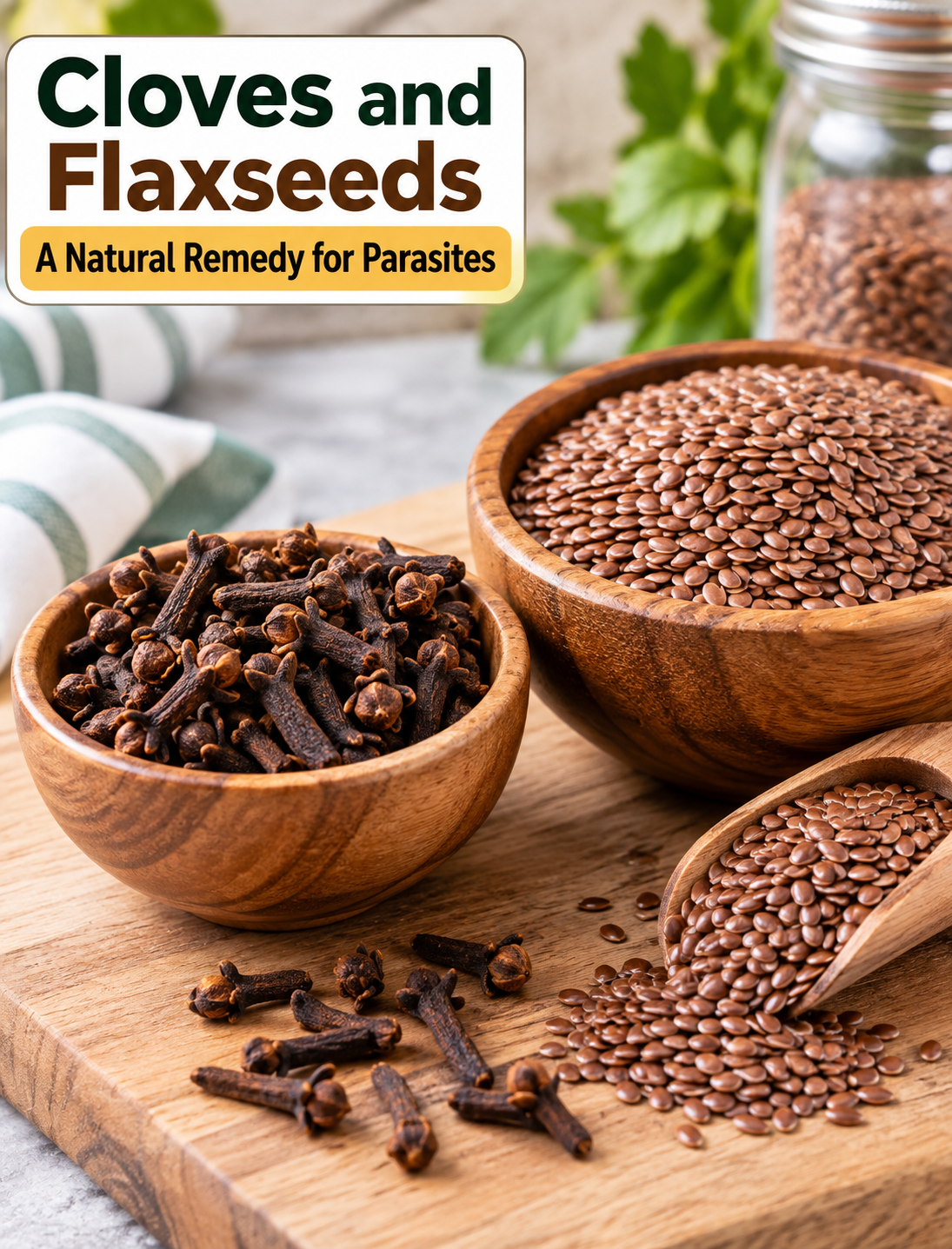
Ground cloves and flaxseeds in bowls as a traditional natural digestive wellness remedy

Cloves and Flaxseeds: A Natural Remedy for Parasites

Both are common kitchen ingredients that have been used in traditional wellness practices for generations.  Cloves contain naturally occurring plant compounds, while flaxseeds provide fiber, healthy fats, and other nutrients. Because of these properties, some people use a mixture of ground cloves and flaxseeds as part of a digestive wellness routine.

However, it is important to understand the difference between a traditional remedy and a medically proven treatment. There is not enough reliable human evidence to show that eating cloves and flaxseeds can eliminate intestinal parasites. If you suspect a parasitic infection, proper testing and treatment from a healthcare professional should come first.

That does not mean these foods have no nutritional value. Flaxseeds can support regular bowel movements because they contain dietary fiber, while cloves can add flavor and naturally occurring plant compounds to the diet. Used sensibly, they can be included in a balanced eating pattern.

Why Do You Use Cloves and Flaxseeds?

Cloves and flaxseeds are combined in some traditional wellness routines because each ingredient offers different nutritional properties.

Cloves contain eugenol, a naturally occurring compound that has been studied for its antioxidant and antimicrobial properties. Laboratory research has explored cloves and their compounds, but laboratory findings do not prove that eating cloves can treat parasites in people.

Flaxseeds are especially valued for their fiber content. Ground flaxseed contains soluble and insoluble fiber, which can support normal digestion and bowel regularity when consumed with enough fluid.

The combination may therefore be useful as a nutritional digestive routine, but it should not replace an antiparasitic medicine prescribed for a confirmed infection.

If you have symptoms such as persistent diarrhea, unexplained weight loss, abdominal discomfort, nausea, or visible worms in stool, speak with a healthcare professional rather than relying on a home remedy alone.

What You Will Require:

For a simple traditional mixture, you can use:

  • 1 part ground cloves
  • 10 parts ground flaxseeds
  • A clean, airtight container for storage
  • Water or another food you normally eat with ground flaxseed

For example, you could combine 1 tablespoon of ground cloves with 10 tablespoons of ground flaxseed.

Using ground flaxseed is generally more practical than using whole seeds because the ground form is easier to mix into foods. Freshly grinding the ingredients can also help maintain their flavor and quality.

There is no medically established dosage of this mixture for treating parasites. Avoid increasing the amount simply because you believe more will produce faster results.

Step-by-Step Instructions:

Step 1: Choose fresh ingredients.
Select food-grade cloves and flaxseeds from a reputable source. Check the packaging for freshness and avoid ingredients that smell stale or show signs of moisture or spoilage.

Step 2: Grind the ingredients.
If using whole cloves or whole flaxseeds, grind them separately using a clean spice grinder or food processor. A fine or medium grind makes the mixture easier to combine with food.

Step 3: Measure the ingredients.
Use a ratio of approximately 1 part ground cloves to 10 parts ground flaxseed for this traditional preparation.

Step 4: Mix thoroughly.
Place both ingredients in a clean, dry bowl and stir until they are evenly distributed.

Step 5: Store the mixture properly.
Transfer the mixture to an airtight container and keep it in a cool, dry place. Ground flaxseed can become rancid over time because it contains delicate oils, so refrigeration can help preserve freshness.

Step 6: Add it to food if desired.
Instead of taking a large spoonful on an empty stomach, consider adding a small food-appropriate amount of ground flaxseed to oatmeal, yogurt, smoothies, or another meal.

Step 7: Drink enough fluid.
Fiber absorbs water, so adequate fluid intake is important when increasing flaxseed in your diet.

Step 8: Pay attention to your body.
Stop using the mixture if it causes significant stomach discomfort, diarrhea, constipation, or another unwanted reaction.

Keeping Good Storage:

Proper storage helps protect the flavor and quality of ground flaxseed.

Keep the mixture in a tightly sealed container away from heat, sunlight, and moisture. Because ground flaxseed contains oils that can spoil, refrigeration is a useful option for maintaining freshness.

Check the mixture before use. A bitter, paint-like, or unusually strong smell can indicate that the flaxseed has gone rancid.

Keep the container away from children and do not store it next to sources of heat such as a stove or oven.

Daily Consumption:

There is no established medical dose of cloves and flaxseeds for eliminating parasites. The common traditional practice of taking a large spoonful on an empty stomach has not been proven to treat intestinal infections.

If you want to include ground flaxseed in your diet, start with a modest amount and increase gradually as tolerated. Mix it into foods such as:

  • Oatmeal
  • Plain yogurt
  • Smoothies
  • Whole-grain cereal
  • Soups or other prepared foods

Cloves have a strong flavor, so a small culinary amount may be easier to tolerate than a concentrated mixture.

People taking medications should ask a healthcare professional before regularly consuming concentrated amounts of herbs or seeds. This is especially important if you have a medical condition or follow a restricted diet.

How Long Does the Treatment Last?

The traditional three-days-on and three-days-off routine is sometimes promoted online, but there is no strong clinical evidence establishing this schedule as a treatment for parasites.

A suspected parasitic infection should not be managed by repeatedly cycling a homemade mixture. Different parasites require different medicines, doses, and treatment durations.

If testing confirms an infection, follow the treatment plan recommended by your healthcare provider. Do not delay appropriate care while trying a home remedy.

For general nutrition, flaxseed can be part of a balanced diet when tolerated. Its fiber content may support regular bowel function, but that benefit is different from treating a parasitic infection.

Take Pleasure in the Advantages It Offers

Cloves and flaxseeds can be useful kitchen ingredients, but their benefits should be described realistically.

Flaxseed provides dietary fiber, plant-based omega-3 fatty acid ALA, protein, and other nutrients. Regular fiber intake can support digestive health and bowel regularity.

Cloves provide flavor and naturally occurring plant compounds, including eugenol. They can be used in small culinary amounts in foods and beverages.

The most important point is that natural does not automatically mean proven or risk-free. A food-based mixture should be viewed as a dietary option, not a substitute for medical treatment.

If you think you have intestinal parasites, contact a qualified healthcare professional. Depending on your symptoms and travel or exposure history, a provider may recommend stool testing or another appropriate evaluation.

Seek medical advice promptly if symptoms are severe, persistent, or accompanied by dehydration, blood in the stool, significant weight loss, severe abdominal pain, or other concerning changes.

A balanced diet, safe food preparation, clean drinking water, regular handwashing, and appropriate medical care are more reliable ways to protect digestive health than relying on an unproven parasite cleanse.

Frequently Asked Questions

Can cloves and flaxseeds get rid of parasites?

There is not enough reliable human evidence to show that this mixture eliminates intestinal parasites or cures a parasitic infection.

Is the cloves and flaxseeds remedy scientifically proven?

No. Cloves and their compounds have been studied in laboratory research, but that evidence does not establish the mixture as an effective human parasite treatment.

Can I take cloves and flaxseeds every morning?

Ground flaxseed can be included in a balanced diet, but concentrated cloves should not be taken routinely as a medical treatment without professional guidance.

Should I take this mixture on an empty stomach?

An empty stomach is not medically required, and taking concentrated ingredients this way may cause digestive discomfort in some people.

What is the best way to use ground flaxseed?

Ground flaxseed can be mixed into foods such as oatmeal, yogurt, smoothies, and cereal while drinking enough fluid to support its fiber content.

How do I know if I have intestinal parasites?

Symptoms can vary, so suspected infections should be evaluated by a healthcare professional rather than diagnosed from symptoms alone.

Can this mixture replace parasite medicine?

No. If a parasitic infection is confirmed, use the treatment recommended by your healthcare professional instead of replacing it with a homemade remedy.

Who should avoid this remedy?

Anyone with a medical condition, medication use, pregnancy, or concerns about digestive reactions should consult a healthcare professional before using concentrated amounts of cloves or flaxseed.

Lose Weight by Cleansing Your Colon in 7 Days

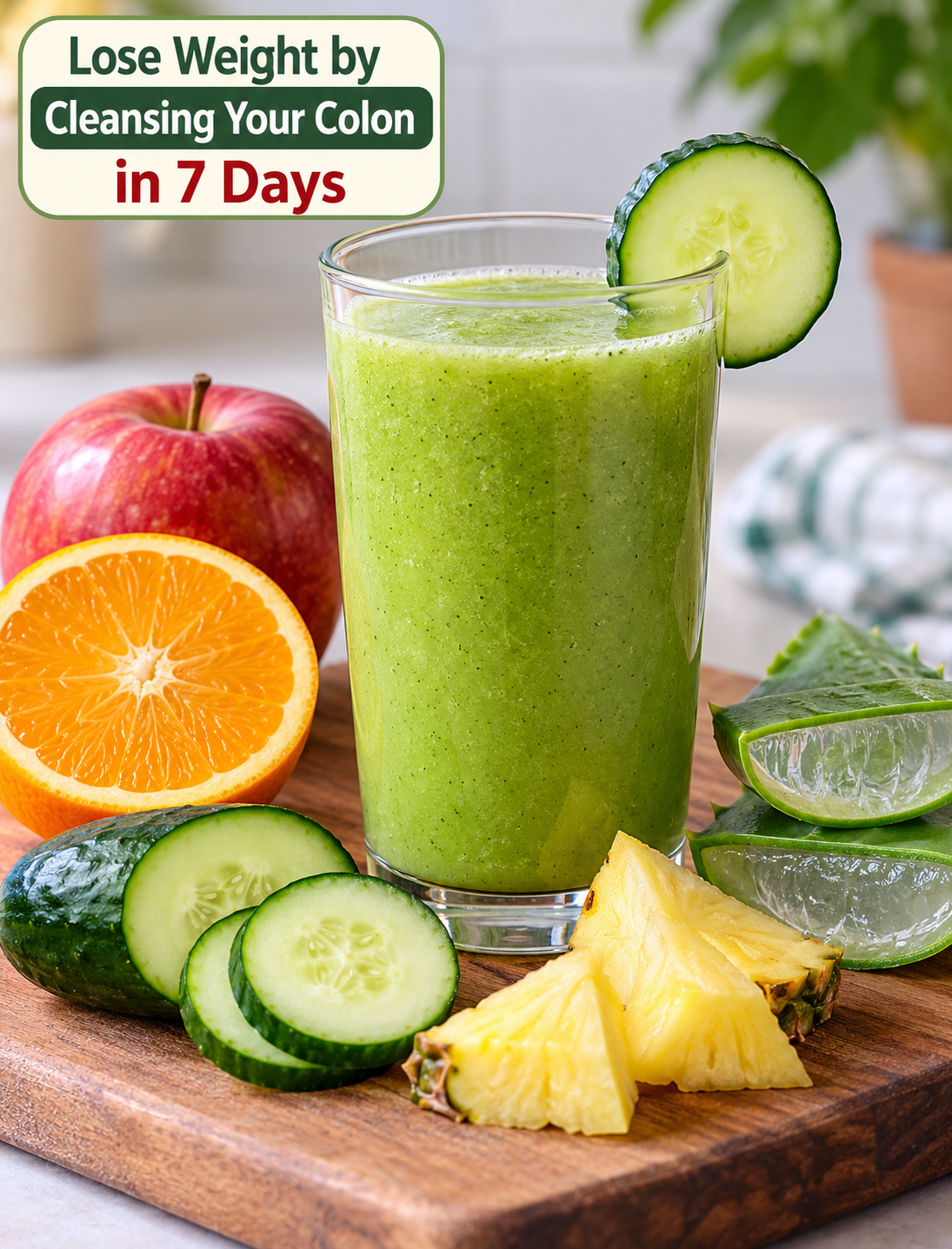
7-day healthy digestive reset drink with apple, cucumber, orange, pineapple, and aloe vera for digestive health and weight management

Lose Weight by Cleansing Your Colon in 7 Days

Lose Weight by Cleansing Your Colon in 7 Days?A healthy digestive system can support comfortable digestion, regular bowel movements, and better overall eating habits. However, the idea that waste or “toxins” build up inside a healthy colon and need to be flushed out for weight loss is not supported by strong scientific evidence. Your body already has natural systems, including the digestive tract, liver, and kidneys, that handle waste removal.

If your goal is to feel less bloated and start healthier habits, a week of balanced meals, adequate fluids, regular movement, and fiber-rich foods can be a more practical approach. Juice-based cleanses may cause short-term changes on the scale mainly because they reduce calorie intake and food volume, but that does not mean they are burning body fat. Research reviewed by the National Center for Complementary and Integrative Health does not provide compelling evidence that detox diets remove toxins or produce lasting weight loss.

Problems of an Unhealthy Colon

Digestive discomfort can make you feel sluggish or uncomfortable, but many symptoms blamed on a “dirty colon” can have different causes.

Common digestive concerns may include:

  • Occasional bloating or gas
  • Constipation or irregular bowel movements
  • Feeling overly full after meals
  • Low fiber intake
  • Not drinking enough fluids
  • Changes in eating patterns
  • Limited physical activity

A healthy colon does not normally need routine detox treatments, enemas, or colon hydrotherapy. Colon cleansing procedures can cause side effects, including diarrhea, dehydration, and electrolyte problems, and some complications can be serious.

Persistent constipation, blood in the stool, severe abdominal pain, unexplained weight loss, or ongoing digestive changes should be discussed with a healthcare professional instead of treated with a cleanse.

Benefits of Colon Cleansing

Colon cleansing should not be promoted as a guaranteed weight-loss method or as a treatment for diseases. There is limited evidence that detox or cleanse programs provide lasting health benefits, and severely restricting calories can make it difficult to get enough nutrients.

For better digestive health, focus on habits that support normal bowel function:

  • Eat fruits, vegetables, beans, and whole grains for dietary fiber.
  • Drink enough fluids throughout the day.
  • Stay physically active.
  • Eat regular, balanced meals.
  • Limit highly processed foods and excess added sugar.
  • Increase fiber gradually if your current intake is low.

These habits can support healthy weight management when followed consistently. The National Institute of Diabetes and Digestive and Kidney Diseases recommends sustainable eating and physical activity rather than short-term approaches for maintaining weight loss.

A Juice Cleanse for Colon Health

Instead of treating the following drink as a medical colon cleanse, consider it a fruit-and-vegetable smoothie that can fit into a balanced eating pattern.

The ingredients provide water, fruit, and plant foods, but they should not be expected to flush toxins from the colon or guarantee weight loss.

Ingredients

  • 1 apple, green or red
  • Juice of 1 orange
  • ½ cucumber
  • 1 slice of pineapple
  • ½ aloe vera leaf using only properly prepared, food-grade inner gel
  • 1 glass of water

Important: Aloe vera products can contain latex compounds that may cause diarrhea and other adverse effects. Do not consume aloe leaf latex, and avoid homemade aloe preparations if you are unsure how to remove the latex safely. People who are pregnant, breastfeeding, taking medications, or managing a medical condition should ask a healthcare professional before using oral aloe products.

Step-by-Step Instructions

Step 1: Prepare the produce

Wash the apple, cucumber, and pineapple thoroughly under running water. Cut the apple into small pieces and slice the cucumber.

Step 2: Prepare the aloe

If using aloe, use a commercially prepared food-grade inner-leaf gel intended for oral consumption. Do not use the yellow latex layer beneath the leaf skin.

Step 3: Add the ingredients

Place the apple, cucumber, pineapple, aloe gel, orange juice, and water into a blender.

Step 4: Blend until smooth

Blend until the mixture reaches a smooth consistency. Add a little more water if needed.

Step 5: Drink as part of a balanced day

Enjoy the smoothie with a balanced diet rather than replacing all meals with juice. Whole fruits and vegetables are also valuable because they provide dietary fiber.

Step 6: Stay hydrated

Drink water regularly according to your thirst and individual needs. You do not need to force large amounts of water simply because you are following a cleanse.

Step 7: Add healthy movement

A daily walk or another enjoyable form of physical activity can complement healthy eating and support long-term weight management.

What to Expect in 7 Days

You may notice less bloating if you replace very salty, highly processed meals with lighter, balanced foods. However, a quick decrease on the scale does not necessarily represent body-fat loss.

Weight can change from day to day because of hydration, food volume, sodium intake, and bowel movements. Sustainable fat loss generally requires consistent eating and activity habits over time rather than a seven-day colon cleanse.

If weight loss is your goal, consider setting a realistic target and focusing on habits you can continue after the first week. Healthy weight management can also reduce the risk of several conditions associated with overweight and obesity.

Safety Tips Before Trying a Cleanse

Keep these points in mind before making major changes to your diet:

  • Do not use laxatives or enemas for routine weight loss.
  • Avoid prolonged fasting or extremely low-calorie diets.
  • Do not rely on juice alone for several days.
  • Stop if you develop significant diarrhea, dizziness, weakness, or dehydration.
  • Be cautious with unpasteurized juices because they can contain harmful bacteria.
  • Ask your healthcare professional before making major dietary changes if you have a medical condition or take medication.
  • People with kidney or heart problems should be especially careful with colon-cleansing procedures because complications may be more likely.

A “natural” ingredient is not automatically safe, and cleanse products can sometimes contain ingredients that are not clearly disclosed or adequately tested.

FAQs

1. Can you lose weight by cleansing your colon in 7 days?
A cleanse may cause temporary scale changes, but there is no strong evidence that colon cleansing produces lasting fat loss.

2. Does colon cleansing remove toxins from the body?
There is not compelling evidence that detox diets or colon cleanses remove toxins from a healthy body.

3. Can this apple, orange, cucumber, and pineapple drink help digestion?
It can provide fluids and plant foods, but it should not be considered a proven treatment for digestive problems or constipation.

4. How often should you cleanse your colon?
Routine colon cleansing is not necessary for most healthy people and may cause dehydration or other complications.

5. Is aloe vera safe to drink?
Only properly prepared food-grade inner-leaf products should be considered; aloe latex can cause diarrhea and other adverse effects.

6. Can drinking more water help with weight loss?
Adequate hydration supports normal body function, but simply drinking excessive water does not directly remove body fat.

7. What is better than a seven-day detox for weight management?
A sustainable eating pattern, appropriate calorie intake, regular physical activity, adequate sleep, and consistent habits are better long-term strategies.

8. When should I see a doctor about digestive symptoms?
Seek medical advice for persistent constipation, blood in the stool, severe abdominal pain, unexplained weight loss, or significant changes in bowel habits.

A seven-day reset can be a useful opportunity to improve everyday habits, but your goal should be better nutrition and sustainable weight management—not flushing your colon. Choose fiber-rich foods, drink fluids normally, stay active, and build routines that you can continue well beyond one week.

Chia Lemon Detox Drink: Support Weight Loss & Digestive Health Naturally

Start your morning with a refreshing chia lemon drink made with simple ingredients. Learn how chia seeds, lemon, hydration, and fiber can support digestion and healthy weight management.

Chia Lemon Detox Drink

A chia lemon detox drink is a simple combination of chia seeds, fresh lemon juice, and water. It has become a popular morning drink for people who want more fiber, better hydration, and support for healthy digestion. It takes only a few minutes to prepare and uses ingredients available in most U.S. grocery stores.

Chia seeds provide soluble and insoluble fiber, plant-based omega-3 fatty acids, protein, and several important minerals. Lemon adds fresh flavor and vitamin C without adding many calories. Together, these ingredients make a refreshing drink that can fit into a balanced weight-management plan.

However, chia and lemon should not be treated as a rapid weight-loss cure. They also do not literally remove toxins from your intestines. Your liver, kidneys, digestive system, and other organs already handle waste removal. The main digestive benefit of this drink comes from fiber and fluid, which can help support normal bowel function.

Why Chia Seeds and Lemon?

Chia seeds may be tiny, but they contain an impressive amount of nutrition. One of their most useful features is their fiber content. When chia seeds are mixed with water, they absorb liquid and develop a gel-like texture.

This fiber can add bulk to stool and help support regular bowel movements. Fiber also slows digestion and may help you feel satisfied after eating. That feeling of fullness can be useful when you are trying to manage portions or reduce unnecessary snacking.

Chia seeds also contain alpha-linolenic acid (ALA), a plant-based omega-3 fatty acid. They provide protein and minerals such as calcium, magnesium, phosphorus, and manganese.

Lemon makes plain chia water brighter and easier to enjoy. Fresh lemon juice supplies vitamin C, an antioxidant that supports normal immune function and helps the body absorb iron from plant foods.

Lemon water is sometimes promoted as a powerful detox beverage. There is limited evidence that lemon itself “flushes toxins” from the digestive tract. Its practical benefit is simpler: adding lemon can make water more appealing, which may encourage better hydration.

For people who struggle to drink enough plain water, this combination can be an easy addition to a healthy daily routine.

Ingredients for Your Chia Lemon Detox Drink

You only need a few basic ingredients to prepare one serving:

  • 1 tablespoon chia seeds
  • 1 cup water
  • Juice of 1/2 to 1 fresh lemon
  • 1 teaspoon honey, optional
  • Ice cubes, optional

Fresh lemon juice provides the cleanest flavor, although bottled lemon juice can work when fresh lemons are unavailable.

Honey is optional. Leaving it out keeps the drink lower in added sugar and calories. If the lemon tastes too tart, start with a smaller amount of juice rather than adding a large amount of sweetener.

Preparation

Add the chia seeds to about half a cup of water and stir thoroughly. Let them soak for 15 to 30 minutes. Stir the mixture once or twice during soaking to prevent the seeds from forming large clumps.

Once the chia seeds have expanded and developed a gel-like coating, add the remaining water.

Squeeze in the fresh lemon juice and stir until everything is evenly mixed. Add a small amount of honey if you want extra sweetness.

You can add ice for a colder drink or refrigerate the mixture before serving.

Always consume chia seeds after they have been mixed with enough liquid. Dry chia seeds absorb considerable amounts of water and expand quickly.

How It Helps

The biggest advantage of chia lemon water is that it combines hydration with dietary fiber. These two factors are important for normal digestive function.

Weight Management

Chia seeds do not directly burn body fat. Their fiber may instead support weight management by helping you feel full for longer periods.

A tablespoon of chia seeds adds fiber without requiring a large serving. Drinking the mixture before or alongside a balanced breakfast may make it easier for some people to manage hunger.

Long-term weight loss still depends mainly on overall calorie intake, food quality, physical activity, sleep, and other lifestyle factors. No single beverage can replace these habits.

Replacing a sugary soda, sweet coffee, or high-calorie juice with unsweetened chia lemon water may also reduce added sugar and calories.

Digestive and Bowel Support

Fiber is important for regular bowel movements. Chia seeds absorb water and form a soft gel, which may help support comfortable stool movement through the digestive tract.

Adequate fluid intake is also important when increasing fiber. Adding large amounts of fiber without enough water can sometimes make constipation or digestive discomfort worse.

Although people often call this an “intestinal cleanse,” the drink does not scrub or detoxify your intestines. A more accurate description is that its fiber and water can support normal digestive regularity.

People who currently eat little fiber should introduce chia seeds gradually. This can reduce the chance of gas, bloating, or stomach discomfort.

Hydration

Water is the main ingredient in this drink, making hydration one of its clearest benefits. Your body needs adequate fluid for digestion, temperature regulation, circulation, and normal physical performance.

Lemon adds flavor without the large amount of sugar found in many commercial beverages.

Chia seeds also hold water after soaking, creating a thicker drink that some people find satisfying between meals.

Nutritional Benefits

Chia seeds provide more than fiber. They contain plant protein, healthy fats, calcium, magnesium, and other nutrients.

Lemon contributes vitamin C and naturally occurring plant compounds. Combining these ingredients creates a nutrient-rich beverage, but it should complement rather than replace whole fruits, vegetables, lean proteins, whole grains, and other nutritious foods.

When Should You Drink Chia Lemon Water?

There is no scientifically proven time of day that makes chia lemon water dramatically more effective.

Many people prefer it in the morning because it provides fluid after several hours of sleep. Others drink it before breakfast or between meals because the chia fiber can make the beverage more filling.

You do not have to drink it on an empty stomach to receive its nutritional benefits.

Consistency matters more than timing. Choose a time that fits naturally into your routine and allows you to drink enough water throughout the rest of the day.

Safety and Recommendations

Start with about one tablespoon of chia seeds if you are not accustomed to eating high-fiber foods. Increasing fiber too quickly can cause gas, bloating, or abdominal discomfort.

Always soak or thoroughly mix chia seeds with sufficient liquid before consuming them. People who have difficulty swallowing should be especially cautious because dry chia seeds expand when exposed to moisture.

Lemon juice is acidic and frequent exposure may affect tooth enamel. Drinking the beverage through a straw and rinsing your mouth with plain water afterward can help limit acid exposure. Avoid brushing your teeth immediately after consuming acidic drinks.

People taking medications or managing medical conditions should discuss major dietary changes with a qualified healthcare professional.

Most importantly, avoid expecting dramatic weight loss within three to five days. Sustainable fat loss usually requires consistent eating and activity habits over a longer period.

A chia lemon drink can be a useful part of that routine because it provides water, fiber, and nutrients in a simple, refreshing form.

FAQs

Can chia lemon water help with weight loss?

It may support fullness and hydration, but sustainable weight loss depends on your overall diet, calorie intake, activity, and lifestyle.

Does chia lemon water cleanse your intestines?

It does not literally detoxify the intestines, but its fiber and water may support regular bowel movements and healthy digestion.

Can I drink chia lemon water every day?

Most healthy adults can include moderate amounts of properly hydrated chia seeds in a balanced diet.

Should I drink chia lemon water on an empty stomach?

It is not necessary. You can drink it in the morning, with breakfast, or between meals according to your preference.

How long should chia seeds soak in water?

Allow chia seeds to soak for about 15 to 30 minutes so they absorb water and develop their characteristic gel-like coating.

Can chia seeds reduce belly fat?

No food specifically targets belly fat. Chia’s fiber may support fullness, while overall fat loss requires consistent nutrition and activity habits.

Can I make chia lemon water without honey?

Yes. Honey is completely optional, and skipping it reduces the drink’s added sugar and calorie content.

How much chia should I add to lemon water?

One tablespoon per cup of water is a practical starting amount, especially if your usual diet is not high in fiber.

Lemon-Ginger Morning Drink for a Heavy Stomach

Warm lemon-ginger morning drink with fresh lemon slices and ginger for a simple healthy morning routine

Lemon-Ginger Morning Drink for a Heavy Stomach

Sometimes you wake up feeling like your stomach needs a fresh start. You may feel full, sluggish, mildly bloated, or simply uncomfortable after a late dinner or a heavy meal. Before reaching for a complicated supplement or an expensive wellness drink, try something much simpler: warm water with fresh ginger and lemon.

This easy lemon-ginger morning drink combines three basic ingredients: water, fresh ginger, and lemon juice. It is quick to prepare, naturally refreshing, and easy to fit into a daily routine.

Ginger has a long history of use for digestive discomfort, and research has found that it may help with certain types of nausea. Lemon adds fresh flavor and vitamin C while making plain water easier for some people to enjoy.

This drink is not a medical treatment or a “detox” cure. Instead, think of it as a simple morning habit that can support hydration and add ginger and lemon to your diet.

Why Your Stomach May Feel Heavy in the Morning

A heavy stomach can happen for many everyday reasons. Eating a large dinner, eating close to bedtime, drinking alcohol, or choosing rich and fatty foods may leave you feeling uncomfortable the next morning.

Eating quickly can also make you swallow more air, which may contribute to gas and bloating. Constipation is another common reason for abdominal fullness.

Your morning routine can influence how you feel, too. After several hours of sleep without fluids, drinking water can help you begin replacing the fluid your body needs. Water remains the main source of hydration, whether you drink it plain or add lemon for flavor.

If stomach heaviness happens often, becomes painful, or comes with vomiting, unexplained weight loss, blood in the stool, or difficulty swallowing, do not rely on a home drink. Talk with a healthcare professional about persistent or concerning symptoms.

How to Make a Lemon-Ginger Morning Drink

You only need a few ingredients to make this simple morning drink.

Ingredients

  • 1 cup warm or room-temperature water
  • 3 to 5 thin slices of fresh ginger
  • 1 to 2 teaspoons fresh lemon juice
  • Optional: 1 teaspoon honey for taste

Directions

  1. Add the ginger slices to a cup of warm water.
  2. Let the ginger steep for 5 to 10 minutes.
  3. Remove the ginger slices if you prefer a milder drink.
  4. Add fresh lemon juice and stir.
  5. Let the drink cool to a comfortable temperature before drinking.

You do not need boiling-hot water. Warm or room-temperature water works well and may make the drink easier to enjoy.

For a stronger ginger flavor, use a few extra slices or allow the ginger to steep longer. Start with a small amount if you are not used to ginger.

How This Morning Drink May Help

The main benefit of this drink is that it gives you an easy way to drink water at the beginning of your day. Adding lemon can make water more appealing, which may help some people drink more fluids.

Ginger is the ingredient with the most relevant research behind it. Studies have examined ginger for several types of nausea and vomiting, although much of the research has used ginger supplements rather than a homemade beverage.

Lemon provides vitamin C and adds a bright flavor without needing a sugary drink. Fresh lemon juice is also low in calories when used in small amounts.

The combination can therefore be a practical alternative to sweetened morning beverages. It gives you water, fresh flavor, and small amounts of nutrients from lemon without turning the drink into a high-sugar beverage.

Best Time to Drink It

There is no special hour when lemon-ginger water suddenly becomes more effective. Morning is simply a convenient time because it can become part of an established routine.

Try drinking it after waking up or alongside your normal breakfast. If drinking acidic beverages on an empty stomach causes discomfort, have it with food instead.

You also do not need to drink it every day. Your overall eating pattern, hydration, sleep, physical activity, and medical care matter much more than one morning beverage.

If you enjoy the taste and it helps you choose water instead of a sugary drink, it can be a useful habit.

Tips to Make It Taste Better

Fresh ginger has a naturally spicy flavor, while lemon adds acidity. If the combination tastes too strong, dilute it with additional water.

You can also add a few fresh mint leaves for a cooler flavor. A small amount of honey can soften the sharp taste, but keeping added sweeteners low is a better choice if you are trying to reduce sugar.

For a chilled version, prepare the drink ahead of time, refrigerate it, and serve it over ice. You can also add cucumber slices for extra freshness.

Avoid turning the drink into a sugary lemonade. The goal is to keep the recipe simple and lightly flavored.

What This Drink Cannot Do

A lemon-ginger drink cannot “flush toxins” from your body or melt belly fat overnight. Your liver and kidneys already perform the body’s major waste-processing functions.

It also cannot cure constipation, acid reflux, ulcers, food intolerance, or other digestive conditions.

Ginger may help some forms of nausea, but research does not support treating every digestive complaint with ginger. Evidence also varies depending on the condition and the form of ginger used.

That is why it is better to view this recipe as a healthy beverage option rather than a miracle remedy.

When to Be Careful With Lemon and Ginger

Although both ingredients are common foods, they may not suit everyone.

Ginger can cause side effects such as abdominal discomfort, heartburn, diarrhea, or mouth and throat irritation in some people.

Lemon juice is acidic and may worsen heartburn, acid reflux, or stomach irritation in sensitive people.

If you take medications, especially medicines that may interact with herbal products, ask your healthcare professional before using large amounts of ginger or ginger supplements. Food amounts are different from concentrated supplements.

If lemon water is part of your regular routine, remember that frequent exposure to acidic drinks can affect tooth enamel. Diluting the lemon juice and rinsing your mouth with plain water afterward can help reduce acid exposure.

Simple Ways to Support Better Digestion

A morning drink is only one small part of digestive health.

Eat meals at a comfortable pace and chew food thoroughly. Choose fiber-rich foods such as vegetables, fruits, beans, whole grains, nuts, and seeds as part of a balanced diet.

Regular movement can also support normal bowel function. A short walk after meals may be an easy habit to add to your day.

Pay attention to foods that repeatedly make you feel uncomfortable. Keeping a simple food and symptom journal can help you identify patterns to discuss with a healthcare professional.

Most importantly, do not ignore symptoms that keep returning. Frequent abdominal pain, persistent bloating, ongoing heartburn, or major changes in bowel habits deserve proper evaluation.

A Simple Morning Habit Worth Trying

If your stomach occasionally feels heavy in the morning, this warm lemon-ginger drink is an easy option to try. It takes only a few minutes to prepare and uses ingredients that are easy to find at most U.S. grocery stores.

The biggest advantage may be its simplicity. You are starting your day with water instead of a sugary beverage while adding fresh ginger and lemon to your routine.

Just keep expectations realistic. This drink is not a cure or detox treatment. It is a refreshing beverage that can support hydration and provide small nutritional benefits while ginger may be useful for certain types of nausea.

If you enjoy it, make it part of a bigger healthy routine that includes balanced meals, regular movement, enough fluids, and good sleep.

Frequently Asked Questions

Can I drink lemon-ginger water every morning?

Yes, if it agrees with you and you use normal food amounts, but you do not need it daily to maintain good health.

Is lemon-ginger water good for digestion?

It may be a refreshing hydration choice, while ginger has been studied for certain types of nausea; evidence does not support it as a cure for digestive disorders.

Can this drink reduce bloating?

It may feel soothing for some people, but there is not enough evidence to claim that a homemade lemon-ginger drink reliably eliminates bloating.

Should I drink it on an empty stomach?

You can, but eating something first may be more comfortable if lemon or ginger causes stomach irritation or heartburn.

Can I use ground ginger instead of fresh ginger?

Yes, but start with a small amount because ground ginger has a stronger, more concentrated flavor.

Can I add honey?

Yes, a small amount can improve the taste, but honey still counts as added sugar.

Is warm water better than cold water?

There is no strong reason to believe warm water provides special digestive benefits; choose the temperature that feels comfortable to you.

How much lemon should I use?

Start with 1 to 2 teaspoons of fresh lemon juice per cup of water and adjust the flavor to your preference.

Can I drink it if I have acid reflux?

Lemon may worsen reflux symptoms in some people, so avoid it if acidic drinks consistently trigger your symptoms.

Is this drink a detox?

No. The body already has organs that process and remove waste, so lemon-ginger water should not be promoted as a detox treatment.

Does ginger help with nausea?

Research suggests ginger may help with some forms of nausea, although results vary by condition and many studies have used supplements rather than beverages.

When should I see a doctor about stomach heaviness?

Seek medical advice if symptoms are persistent, severe, worsening, or accompanied by warning signs such as vomiting, bleeding, unexplained weight loss, or trouble swallowing.

15 High-Fiber Meals for Constipation and Better Digestion

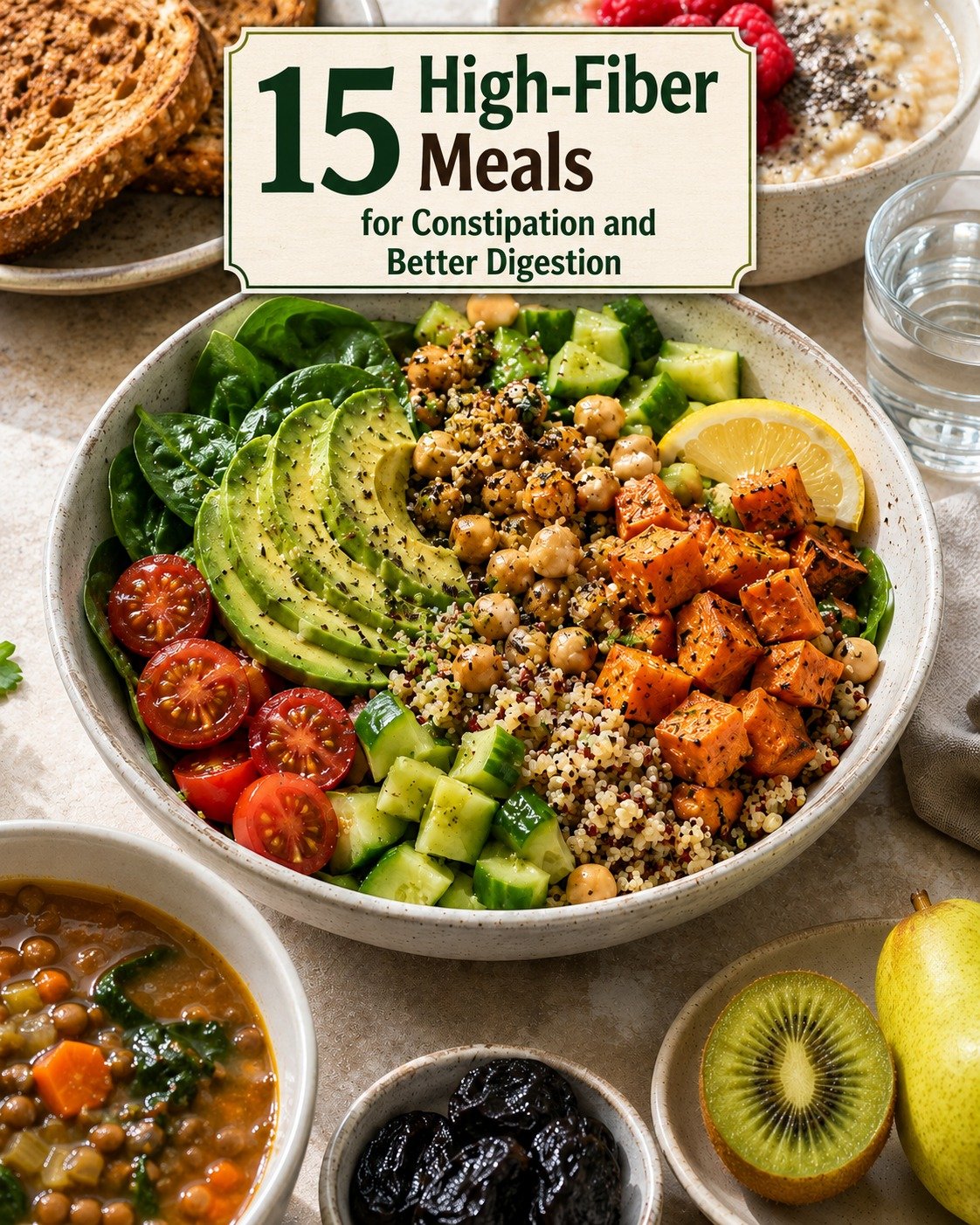
15 High-Fiber Meals

15 High-Fiber Meals for Constipation and Better Digestion

High-fiber meals for constipation can support regular bowel movements naturally. Discover 15 easy meal ideas, nutrition facts, fiber-rich foods, helpful tips, and FAQs.

Constipation can make you feel uncomfortable, heavy, and bloated. Although several factors can cause it, not eating enough fiber is one of the most common dietary reasons. Adding high-fiber meals for constipation to your daily routine may soften stool, support healthy digestion, and encourage regular bowel movements.

Fiber is naturally found in fruits, vegetables, whole grains, legumes, nuts, and seeds. However, increasing fiber too quickly may cause gas or cramping. Add it gradually and drink enough water throughout the day.

This guide includes satisfying breakfast, lunch, dinner, and snack ideas that make getting more fiber simple and delicious.

How Does Fiber Help Relieve Constipation?

Dietary fiber is the part of plant food that the body cannot completely digest. It travels through the digestive system and helps manage bowel movements.

Soluble Fiber

Soluble fiber absorbs water and forms a soft, gel-like substance in the digestive tract. This may make stool easier to pass. Oats, chia seeds, apples, beans, pears, and barley are excellent sources.

Insoluble Fiber

Insoluble fiber adds bulk to stool and helps food move through the digestive system. It is found in wheat bran, whole grains, leafy vegetables, nuts, and fruit skins.

A balanced diet should include both types of fiber.

How Much Fiber Do You Need?

Most adults should aim for approximately 25–38 grams of fiber daily, depending on age, sex, and individual health needs. Unfortunately, many people consume much less.

Start by adding around 3–5 grams of extra fiber at a time. Increase your water intake as you add more fiber because fiber works best when sufficient fluid is available.

Best High-Fiber Foods for Constipation

Some of the most useful fiber-rich foods include:

  • Raspberries, pears, apples, oranges, and prunes
  • Broccoli, Brussels sprouts, carrots, spinach, and sweet potatoes
  • Lentils, black beans, chickpeas, and split peas
  • Oatmeal, barley, quinoa, and whole-grain bread
  • Chia seeds, ground flaxseed, almonds, and walnuts
  • Avocado and air-popped popcorn

Combining several of these ingredients in one meal can help you reach your daily fiber target without relying on supplements.

15 High-Fiber Meals for Constipation

1. Oatmeal with Chia Seeds and Raspberries

Cook rolled oats with milk or water, then add chia seeds, raspberries, and a small amount of honey. Oats and chia provide soluble fiber, while raspberries add both fiber and natural sweetness.

Estimated fiber: 12–14 grams per serving

2. Pear and Flaxseed Yogurt Bowl

Top plain Greek yogurt with one chopped pear, ground flaxseed, walnuts, and cinnamon. Keep the pear skin on because it contains valuable fiber.

Estimated fiber: 9–11 grams per serving

3. Avocado and White Bean Toast

Mash half an avocado with white beans, lemon juice, black pepper, and a pinch of salt. Spread the mixture on two slices of whole-grain toast.

Estimated fiber: 12–15 grams per serving

4. Prune and Oat Breakfast Smoothie

Blend four or five pitted prunes with oats, yogurt, chia seeds, and water or milk. Prunes contain fiber and sorbitol, a natural sugar alcohol that may help promote bowel movements.

Estimated fiber: 8–10 grams per serving

5. Lentil and Vegetable Soup

Simmer lentils with carrots, celery, spinach, tomatoes, onions, garlic, and low-sodium vegetable broth. Lentils provide an excellent combination of fiber and plant-based protein.

Estimated fiber: 14–17 grams per serving

6. Chickpea Quinoa Salad

Combine cooked quinoa, chickpeas, cucumber, cherry tomatoes, spinach, parsley, and avocado. Finish with a dressing made from olive oil and lemon juice.

Estimated fiber: 13–16 grams per serving

7. Black Bean and Sweet Potato Bowl

Serve roasted sweet potato over brown rice with black beans, corn, avocado, lettuce, and tomato salsa. Leave the sweet potato skin on after washing it thoroughly.

Estimated fiber: 15–18 grams per serving

8. Mediterranean Chickpea Wrap

Fill a whole-grain wrap with chickpeas, hummus, spinach, cucumber, tomatoes, grated carrots, and red onion. This portable lunch offers fiber, healthy fats, and plant protein.

Estimated fiber: 11–14 grams per serving

9. Barley and Roasted Vegetable Bowl

Pair cooked barley with roasted Brussels sprouts, carrots, broccoli, and chickpeas. Add a creamy tahini and lemon dressing before serving.

Estimated fiber: 14–17 grams per serving

10. Whole-Wheat Pasta with Beans and Spinach

Toss whole-wheat pasta with cannellini beans, spinach, tomatoes, garlic, and olive oil. The combination of whole grains, beans, and vegetables makes this an especially filling dinner.

Estimated fiber: 13–16 grams per serving

11. Baked Salmon with Quinoa and Broccoli

Salmon does not contain fiber, but it provides protein and beneficial fats. Serve it with quinoa, roasted broccoli, and avocado to create a balanced high-fiber meal.

Estimated fiber: 9–12 grams per serving

12. Three-Bean Vegetable Chili

Prepare a hearty chili using kidney beans, black beans, pinto beans, tomatoes, bell peppers, onions, corn, and spices. Choose a low-sodium broth or canned products when possible.

Estimated fiber: 16–20 grams per serving

13. Stuffed Sweet Potato with Lentils

Bake a sweet potato and fill it with seasoned lentils, spinach, diced tomatoes, and plain yogurt or tahini. It is warm, comforting, and naturally rich in fiber.

Estimated fiber: 14–17 grams per serving

14. Chia Pudding with Kiwi

Mix chia seeds with milk and refrigerate the mixture until thick. Top it with sliced kiwi, berries, and a few almonds. Kiwi may support stool frequency and digestive comfort in some people.

Estimated fiber: 10–13 grams per serving

15. Apple, Almond Butter, and Popcorn Snack Plate

Pair a skin-on apple with almond butter and a serving of plain air-popped popcorn. This simple snack plate can help satisfy hunger between meals.

Estimated fiber: 8–10 grams per serving

Sample One-Day High-Fiber Meal Plan

Breakfast

Oatmeal with chia seeds and raspberries: approximately 13 grams of fiber.

Lunch

Lentil and vegetable soup with whole-grain toast: approximately 18 grams of fiber.

Snack

One pear with a handful of almonds: approximately 8 grams of fiber.

Dinner

Baked salmon with quinoa, broccoli, and avocado: approximately 11 grams of fiber.

Estimated Daily Total

This sample menu provides approximately 50 grams of fiber. That amount may be too high for someone who currently eats very little fiber. Reduce portions or introduce these foods gradually to suit your needs.

Nutrition Facts for a High-Fiber Meal

The following values are estimates for one serving of a chickpea quinoa salad:

Nutrient Estimated Amount
Calories 450
Protein 16 g
Carbohydrates 62 g
Dietary fiber 14 g
Total fat 17 g
Saturated fat 2.5 g
Natural sugars 8 g
Sodium 350 mg
Potassium 900 mg

Exact nutrition facts will vary according to ingredients, brands, serving sizes, and dressings.

Tips for Increasing Fiber Safely

Add Fiber Gradually

A sudden increase in fiber can cause bloating, gas, or abdominal discomfort. Add one new fiber-rich meal at a time.

Drink More Water

Drink water regularly throughout the day. Without adequate fluid, a large increase in fiber may make constipation worse.

Keep Fruit and Vegetable Skins

Edible skins from apples, pears, potatoes, and sweet potatoes provide additional fiber. Wash produce thoroughly before eating.

Stay Physically Active

Regular movement, even a short walk after a meal, may help stimulate the digestive system.

Create a Regular Routine

Try not to ignore the urge to have a bowel movement. Allow yourself enough time and maintain a consistent bathroom routine when possible.

Foods That May Worsen Constipation

The effects of food vary between individuals, but frequently eating low-fiber processed foods may contribute to constipation. Examples include:

  • Refined white bread and pastries
  • Large portions of cheese
  • Fried fast food
  • Processed meats
  • Low-fiber packaged snacks
  • Excessive amounts of refined grains

These foods do not always need to be eliminated. Instead, balance them with vegetables, fruit, beans, and whole grains.

Frequently Asked Questions

What Is the Best High-Fiber Meal for Constipation?

Lentil vegetable soup is one of the best choices because it provides soluble and insoluble fiber along with fluid. Bean chili, oatmeal with berries, and chickpea quinoa salad are also excellent options.

Which Breakfast Can Help You Have a Bowel Movement?

Oatmeal topped with chia seeds, ground flaxseed, raspberries, kiwi, or prunes can be helpful. Drink a glass of water with breakfast for additional hydration.

How Quickly Can High-Fiber Food Relieve Constipation?

Some people notice improvement within a day or two, while others may need several days of consistent dietary changes. Results depend on hydration, activity, medications, health conditions, and the cause of constipation.

Are Bananas Good for Constipation?

Ripe bananas contain fiber and may help some people. However, less-ripe bananas contain more resistant starch and can feel binding for certain individuals. Responses can vary.

Can Too Much Fiber Make Constipation Worse?

Yes. Increasing fiber too quickly or consuming it without enough water can worsen bloating and constipation. Make changes gradually and maintain adequate hydration.

When Should I Contact a Healthcare Professional?

Seek medical advice if constipation is severe, keeps returning, lasts for several weeks, or occurs with blood in the stool, vomiting, fever, unexplained weight loss, intense abdominal pain, or an inability to pass gas.

Conclusion

High-fiber meals for constipation can support regular digestion while providing important vitamins, minerals, and plant-based nutrients. Oatmeal, chia seeds, berries, pears, lentils, beans, quinoa, vegetables, and whole grains are practical ingredients for building fiber-rich meals.

For the best results, increase fiber slowly, drink sufficient water, stay active, and pay attention to how your body responds. Persistent or painful constipation should be discussed with a qualified healthcare professional, as diet may not be the only underlying factor.