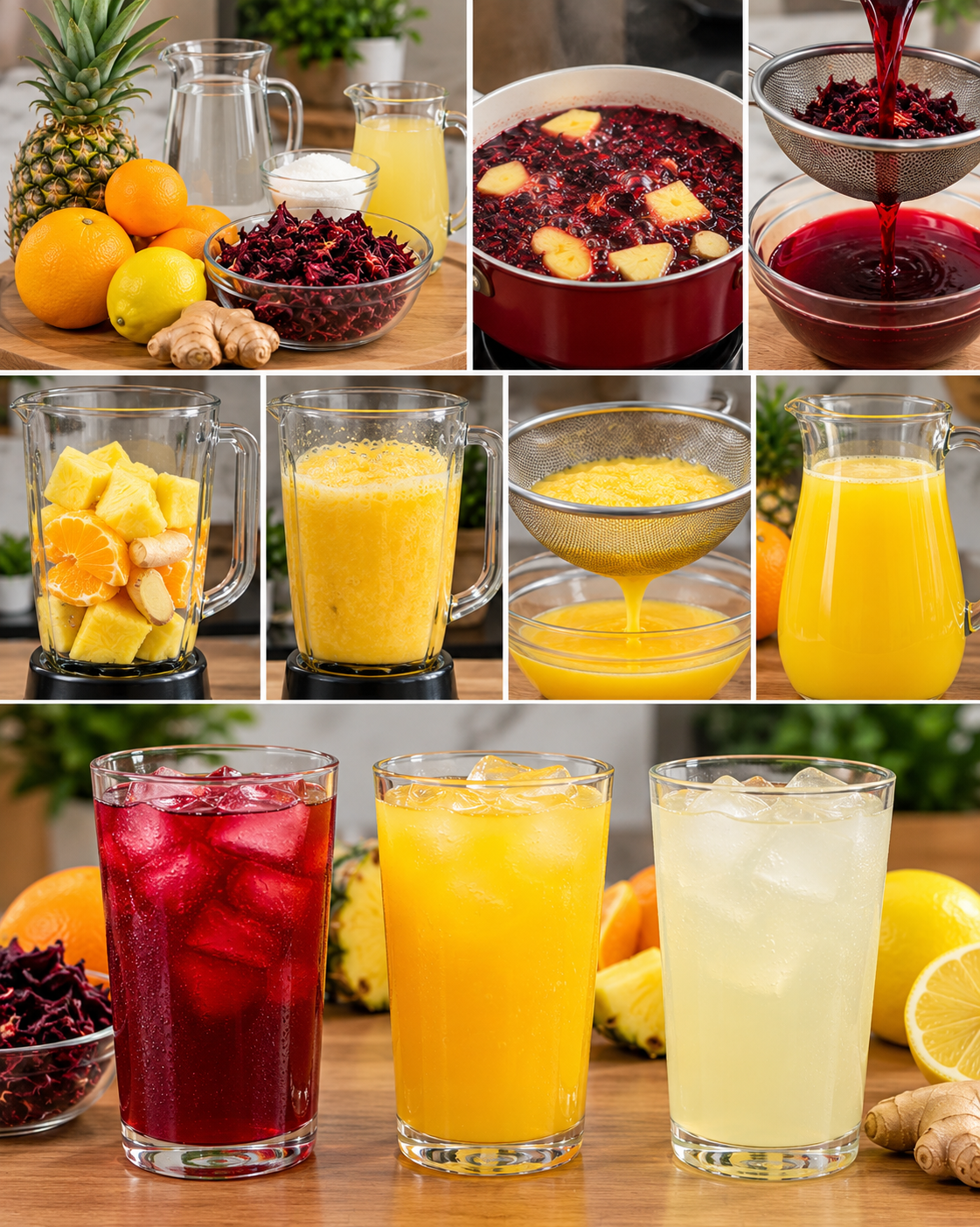
3 Refreshing Homemade Fruit Drinks Recipes

Easy Homemade Fruit Drinks – Zobo, Pineapple Juice & Lemonade

3 Refreshing Homemade Fruit Drinks Recipes – Zobo, Tropical Pineapple Juice & Fresh Lemonade

Description

These 3 Refreshing Homemade Fruit Drinks Recipes are perfect for hot summer days, family gatherings, parties, or simply enjoying a delicious homemade beverage. With fresh fruits, natural ingredients, and easy preparation methods, you can make three colorful drinks right in your kitchen.

This collection includes a vibrant Hibiscus Zobo Drink, a sweet and tangy Tropical Orange-Pineapple Juice, and a classic Fresh Lemonade. Each drink offers its own unique flavor, beautiful color, and refreshing taste.

The Hibiscus Zobo Drink has a deep ruby-red color with a pleasantly tart flavor. The Tropical Orange-Pineapple Juice is naturally sweet, fruity, and packed with tropical goodness. Meanwhile, the Fresh Lemonade is light, citrusy, and perfect for cooling down on warm afternoons.

These homemade fruit drinks are easy to customize. You can adjust the sweetness, add fresh herbs, or serve them over ice for an extra refreshing experience.

Preparation Time: 10–15 minutes per drink Cooking Time: 15–20 minutes for Zobo Chilling Time: 1–2 hours Difficulty: Easy Best Served: Chilled

Ingredients

1. Hibiscus Zobo Drink

  • 2 cups dried hibiscus flowers (zobo)

  • 1.5 liters water

  • 100 g fresh pineapple, chopped

  • 30 g fresh ginger, sliced

  • 1 medium orange

  • Sugar or honey, to taste (optional)

  • Ice cubes, for serving

2. Tropical Orange-Pineapple Juice

  • 2 cups fresh pineapple chunks (approximately 330 g)

  • 3 medium oranges, peeled and deseeded

  • 10 g fresh ginger (optional)

  • ½–1 cup cold water

  • Sugar or honey, to taste (optional)

  • Ice cubes, for serving

3. Fresh Homemade Lemonade

  • 4 medium lemons

  • 1 liter cold water

  • 80–100 g granulated sugar, or to taste

  • Ice cubes, as needed

  • Fresh lemon slices, for garnish

  • Fresh mint leaves (optional)

Step-by-Step Instructions

Recipe 1: Hibiscus Zobo Drink

Step 1: Wash the Hibiscus Flowers

Place the dried hibiscus flowers in a large bowl and rinse thoroughly under cool running water to remove dust or dirt.

Drain the water and set the cleaned flowers aside.

Step 2: Prepare the Fruits and Ginger

Wash the pineapple, orange, and ginger.

Cut the pineapple into small chunks and slice the ginger into thin pieces. Keep the orange aside for juicing later.

Step 3: Simmer the Zobo Mixture

Pour 1.5 liters of water into a large saucepan.

Add the rinsed hibiscus flowers, chopped pineapple, and sliced ginger.

Bring the mixture to a gentle boil over medium heat.

Reduce the heat and simmer for approximately 15–20 minutes.

During cooking, the liquid will gradually develop a beautiful deep red color.

Step 4: Cool and Strain

Turn off the heat and allow the mixture to cool slightly.

Place a fine-mesh strainer over a large heatproof bowl or pitcher.

Carefully pour the mixture through the strainer to remove the hibiscus flowers, ginger, and pineapple pieces.

Step 5: Add Orange Juice

Squeeze the juice from one medium orange and add it to the strained Zobo Drink.

Stir well to combine.

Taste the mixture and add sugar or honey if desired.

Step 6: Chill and Serve

Transfer the drink to a clean pitcher and refrigerate until thoroughly chilled.

Serve over ice cubes in tall glasses.

For a beautiful presentation, garnish with orange slices or fresh mint leaves.

Recipe 2: Tropical Orange-Pineapple Juice

Step 1: Prepare the Pineapple

Wash the pineapple, remove the outer skin and core if tough, and cut the flesh into small chunks.

Measure approximately 2 cups of pineapple pieces.

Step 2: Prepare the Oranges

Peel the oranges and remove any visible seeds.

Separate the orange segments and place them in a bowl.

Step 3: Blend the Ingredients

Add the pineapple chunks, orange segments, and optional ginger to a blender.

Pour in ½ cup of cold water.

Blend for approximately 45–60 seconds until the mixture becomes smooth.

If the juice is too thick, gradually add more water until you reach your preferred consistency.

Step 4: Strain if Desired

For a smooth, juice-like texture, pour the blended mixture through a fine-mesh strainer.

If you prefer a thicker, smoothie-style drink with more fiber, skip the straining step.

Step 5: Adjust the Sweetness

Taste the juice before adding any sweetener.

Pineapple and oranges are naturally sweet, so additional sugar may not be necessary.

If desired, add a small amount of honey and stir until combined.

Step 6: Serve Cold

Refrigerate until chilled.

Pour into transparent glasses filled with ice cubes.

Garnish with pineapple wedges or orange slices for a tropical presentation.

Recipe 3: Fresh Homemade Lemonade

Step 1: Wash and Juice the Lemons

Wash four medium lemons thoroughly.

Cut each lemon in half and squeeze out the juice using a citrus juicer.

Remove any seeds.

Step 2: Dissolve the Sugar

For smoother lemonade, dissolve 80–100 g sugar in a small portion of the water, stirring until completely dissolved.

You can use slightly warm water to help dissolve the sugar, then allow it to cool.

Step 3: Combine the Ingredients

Pour the freshly squeezed lemon juice into a large pitcher.

Add the dissolved sugar mixture and the remaining cold water.

Stir thoroughly until everything is evenly combined.

Step 4: Adjust the Flavor

Taste the lemonade.

If it tastes too sour, add a little more water or sweetener.

If you prefer a stronger lemon flavor, add a small amount of extra lemon juice.

Step 5: Chill and Serve

Place the pitcher in the refrigerator until cold.

Fill serving glasses with ice cubes and pour the lemonade over the ice.

Garnish with fresh lemon slices and mint leaves.

Serve immediately and enjoy!

Tips and Notes

Use fresh fruits: Fresh pineapple, oranges, and lemons provide the best flavor and natural sweetness.

Adjust sweetness gradually: Always taste the drinks before adding sugar or honey. Ripe fruits may provide enough sweetness naturally.

Use filtered water: Clean, filtered water helps produce fresh-tasting homemade drinks.

Avoid excessive boiling: Simmer the hibiscus mixture gently rather than boiling aggressively for a long time.

Keep more fiber: For the orange-pineapple drink, avoid straining if you prefer a thicker texture and want to retain more of the fruit’s fiber.

Make colorful party drinks: Serve all three drinks in transparent glasses to highlight their red, golden-orange, and pale-yellow colors.

Add fresh herbs: Mint pairs beautifully with lemonade, while a small amount of ginger complements the tropical juice and Zobo Drink.

Make ahead: Prepare the drinks a few hours before serving and keep them refrigerated.

Storage: Store all drinks in clean, covered containers at 40°F (4°C) or below. For best quality and safety, consume fresh unpasteurized fruit drinks within 1–2 days. Refrigeration slows spoilage but does not eliminate all food-safety risks.

Important: Homemade drinks can be refreshing and provide some nutrients, but they do not replace drinking water or eating whole fruits.

Frequently Asked Questions

1. Can I prepare all three homemade fruit drinks ahead of time?

Yes. You can prepare these drinks several hours before a party or family gathering. Keep them refrigerated in covered containers until serving.

2. Can I make these fruit drinks without sugar?

Absolutely. The Tropical Orange-Pineapple Juice may be naturally sweet enough without added sugar. For Zobo and lemonade, you can reduce or omit the sweetener according to your taste.

3. What is Hibiscus Zobo Drink?

Zobo is a popular hibiscus-based beverage, especially in Nigeria and other parts of West Africa. It is traditionally prepared by simmering dried hibiscus calyces in water, often with ginger, pineapple, or other flavorings.

4. Can I use frozen pineapple instead of fresh pineapple?

Yes. Frozen pineapple works well in the tropical juice recipe. It can also help create a colder, thicker drink without requiring much ice.

5. Can I use bottled lemon juice for lemonade?

Freshly squeezed lemon juice is recommended because it provides a brighter flavor. However, bottled lemon juice can be used when fresh lemons are unavailable.

6. Which drink is best for summer parties?

All three are excellent choices. Zobo offers a vibrant red color, tropical pineapple juice provides a fruity orange flavor, and lemonade is a familiar, refreshing classic.

7. Can children enjoy these drinks?

Yes, children can enjoy age-appropriate portions of these drinks, provided they have no relevant allergies or medical restrictions. Use little or no added sugar, and avoid giving honey to infants younger than 12 months.

Servings and Nutrition

The number of servings depends on the glass size and final liquid yield.

Drink Approximate Yield Estimated Calories per 250 ml
Hibiscus Zobo Drink 5–6 glasses 15–35 kcal without added sweetener
Tropical Orange-Pineapple Juice 3–4 glasses 90–130 kcal without added sweetener
Fresh Lemonade 4–5 glasses 65–85 kcal with the listed sugar

Nutrition estimates vary depending on the fruits, amount of sweetener, straining method, and serving size.

Conclusion

These 3 Refreshing Homemade Fruit Drinks Recipes are easy, colorful, and perfect for enjoying with family and friends.

From the rich ruby-red Hibiscus Zobo Drink to the sweet Tropical Orange-Pineapple Juice and refreshing Fresh Lemonade, each recipe offers a delicious homemade alternative to many commercially sweetened beverages.

Prepare your favorite, serve it chilled, and enjoy a fresh and flavorful drink!

Viral Lemon Olive Oil Elixir Recipe – Easy Morning Wellness Drink

Lemon Olive Oil Drink with fresh lemon, extra virgin olive oil, warm water, ginger, and honey

Viral Lemon Olive Oil Elixir Recipe – Easy Morning Wellness Drink

Lemon Olive Oil Drink is a simple morning beverage made with fresh lemon juice, extra virgin olive oil, warm water, and optional ginger or honey. It has a bright citrus flavor, a smooth texture, and takes only a few minutes to prepare.

This Lemon Olive Oil Drink is not a detox cure or medical treatment, but it can be a pleasant way to start the day. Lemon contributes vitamin C, olive oil provides mostly monounsaturated fat, and warm water helps with hydration. The key is to keep expectations realistic and enjoy it as a simple wellness beverage rather than a remedy for disease.

Prep Time: 5 minutes
Total Time: 5 minutes
Servings: 1
Course: Drink

Ingredients

For the Drink

  • 1 cup warm water, not boiling
  • 1 tablespoon fresh lemon juice
  • 1 teaspoon extra virgin olive oil
  • 1/4 teaspoon freshly grated ginger, optional
  • 1 teaspoon honey, optional

Optional Garnishes

  • Thin lemon slice
  • Small pinch of cinnamon
  • Fresh mint leaves

Why You’ll Love This Recipe

Lemon Olive Oil Drink is quick to make, uses only a few ingredients, and can be prepared before breakfast without any special equipment. The lemon gives the drink a fresh, tangy flavor, while the olive oil adds a smooth mouthfeel.

Another reason to enjoy Lemon Olive Oil Drink is that it is easy to customize. You can add ginger for extra warmth, honey for sweetness, or a little cinnamon for a cozy flavor.

How to Make Lemon Olive Oil Drink

Step 1: Warm the Water

Heat 1 cup of water until it is comfortably warm but not boiling.

Step 2: Add Fresh Lemon Juice

Pour the warm water into a mug.

Add 1 tablespoon fresh lemon juice and stir.

Step 3: Add the Olive Oil

Add 1 teaspoon extra virgin olive oil.

Stir vigorously for 15 to 20 seconds. The oil will not dissolve completely in water, so you may still see tiny droplets on the surface.

Step 4: Add Optional Ginger

If you enjoy a little warmth, stir in freshly grated ginger.

Ginger adds a warm, aromatic note.

Step 5: Add Honey if Desired

Taste the drink.

If it is too tart, stir in 1 teaspoon honey.

Honey is optional.

Step 6: Stir Again Before Drinking

Give Lemon Olive Oil Drink another good stir immediately before sipping because the olive oil naturally rises to the surface.

Step 7: Serve Fresh

Drink it soon after preparing it for the best flavor.

What This Drink Can and Cannot Do

Lemon Olive Oil Drink can contribute to hydration and provide small amounts of nutrients from lemon juice and olive oil. Lemon contains vitamin C, while extra virgin olive oil contains monounsaturated fat and plant compounds.

However, no drink can “detox” the body in the dramatic way often claimed online. Your liver and kidneys already perform the body’s normal detoxification processes. This beverage should be viewed as a simple food-based drink, not as a treatment for digestive disorders, liver disease, weight loss, or other medical conditions.

If you enjoy Lemon Olive Oil Drink, its biggest benefit may simply be that it encourages a consistent morning hydration routine.

Possible Everyday Benefits

The warm water in Lemon Olive Oil Drink helps you increase your fluid intake first thing in the morning. Starting the day with water can be useful if you tend to forget to drink enough later.

Fresh lemon juice contributes vitamin C and a bright flavor without requiring a sugary drink.

Extra virgin olive oil provides mostly monounsaturated fat. Using a small amount keeps the drink light while still giving it a smooth texture.

These are practical food and hydration benefits rather than promises of cleansing or curing the body.

Serving Suggestions

Lemon Olive Oil Drink can be enjoyed on its own before or with breakfast.

Pair it with oatmeal, Greek yogurt, eggs, whole-grain toast, fruit, or a simple breakfast bowl for a more complete morning meal.

If you prefer a lighter start, enjoy Lemon Olive Oil Drink alongside a banana, a handful of nuts, or a small yogurt.

For another simple citrus drink, try our Lemon Water / Lemon Detox Drink for a light and refreshing way to enjoy fresh lemon.

Recipe Tips

Use fresh lemon juice rather than bottled juice for the cleanest flavor.

Choose a mild, good-quality extra virgin olive oil. A very peppery oil can overpower the lemon.

Do not use too much olive oil. One teaspoon is enough for this Lemon Olive Oil Drink and keeps the texture easy to sip.

Use warm rather than boiling water.

Stir just before drinking because olive oil and water naturally separate.

People with acid reflux, sensitive stomachs, or certain digestive conditions may find acidic drinks uncomfortable, so adjust or skip the lemon if needed.

Easy Variations

Lemon Olive Oil Drink is easy to change without making the recipe complicated.

For a ginger version, add freshly grated ginger or a thin ginger slice. This variation keeps Lemon Olive Oil Drink bright while adding gentle warmth and aroma.

For a sweeter drink, add a small spoonful of honey.

For a spiced version, add a pinch of cinnamon.

You can also add a few mint leaves for a fresher flavor.

For a cooler version, prepare the drink with room-temperature water and add ice after stirring.

If you want a stronger citrus flavor, add a little lemon zest, but avoid using too much because the zest can become bitter.

For a warmer, spicier option, you may also enjoy our Ginger Water: Fresh Ginger Infused Drink made with fresh ginger and simple ingredients.

Make-Ahead Instructions

Lemon Olive Oil Drink is best prepared fresh because the olive oil separates from the water and fresh lemon flavor is strongest immediately after squeezing.

If mornings are busy, squeeze lemon juice the night before and keep it covered in the refrigerator.

You can also pre-measure the olive oil and ginger so everything is ready.

In the morning, simply warm the water, combine the ingredients, and stir well.

Avoid mixing the full drink many hours in advance because the flavor and texture are better when freshly prepared.

Storage

If you have leftover Lemon Olive Oil Drink, cover it and refrigerate it for up to 24 hours.

The olive oil will separate and may become slightly cloudy when chilled.

Before serving again, let the drink come closer to room temperature and stir or shake it thoroughly.

Nutrition Information

Approximate nutrition per serving without honey:

Calories: 55
Protein: 0 g
Carbohydrates: 2 g
Fat: 5 g
Saturated Fat: 1 g
Fiber: 0 g
Sugar: 1 g
Sodium: 5 mg
Vitamin C: Small amount from fresh lemon juice

Nutrition values are estimates and will vary depending on the amount of lemon juice, olive oil, honey, and optional additions used.

Frequently Asked Questions

Can I drink this every morning?

For most healthy adults, the small food-level amounts used in this recipe can fit into a normal diet. However, you do not need to drink it daily to be healthy.

Does this drink detox the liver?

No. There is no good evidence that a lemon-and-olive-oil beverage cleanses or detoxifies the liver. The liver and kidneys already manage normal waste processing in the body.

Does it burn belly fat?

No specific drink can target belly fat. Long-term weight management depends on overall food intake, activity, sleep, and other factors.

Can I use more olive oil?

You can, but more is not necessarily better. Extra oil adds calories and can make the drink unpleasant or cause stomach upset in some people.

Can I drink it on an empty stomach?

You can if it feels comfortable for you. People with reflux, gastritis, or sensitivity to acidic foods may prefer to have it with food or skip it.

Can I use bottled lemon juice?

Fresh lemon juice is preferred for flavor, but bottled juice can work in a pinch.

Can I make it without honey?

Yes. Honey is entirely optional.

Final Thoughts

Lemon Olive Oil Drink is a quick and simple morning beverage made from warm water, lemon juice, and a small amount of extra virgin olive oil.

Because Lemon Olive Oil Drink takes only a few minutes to prepare, it can fit easily into a busy morning routine without requiring powders, supplements, or expensive ingredients.

Keep this Lemon Olive Oil Drink recipe handy when you want a bright, refreshing alternative to sugary morning beverages.

With fresh citrus flavor, a smooth touch of olive oil, and optional ginger or honey, Lemon Olive Oil Drink is best enjoyed as a simple food-based wellness drink with realistic expectations.


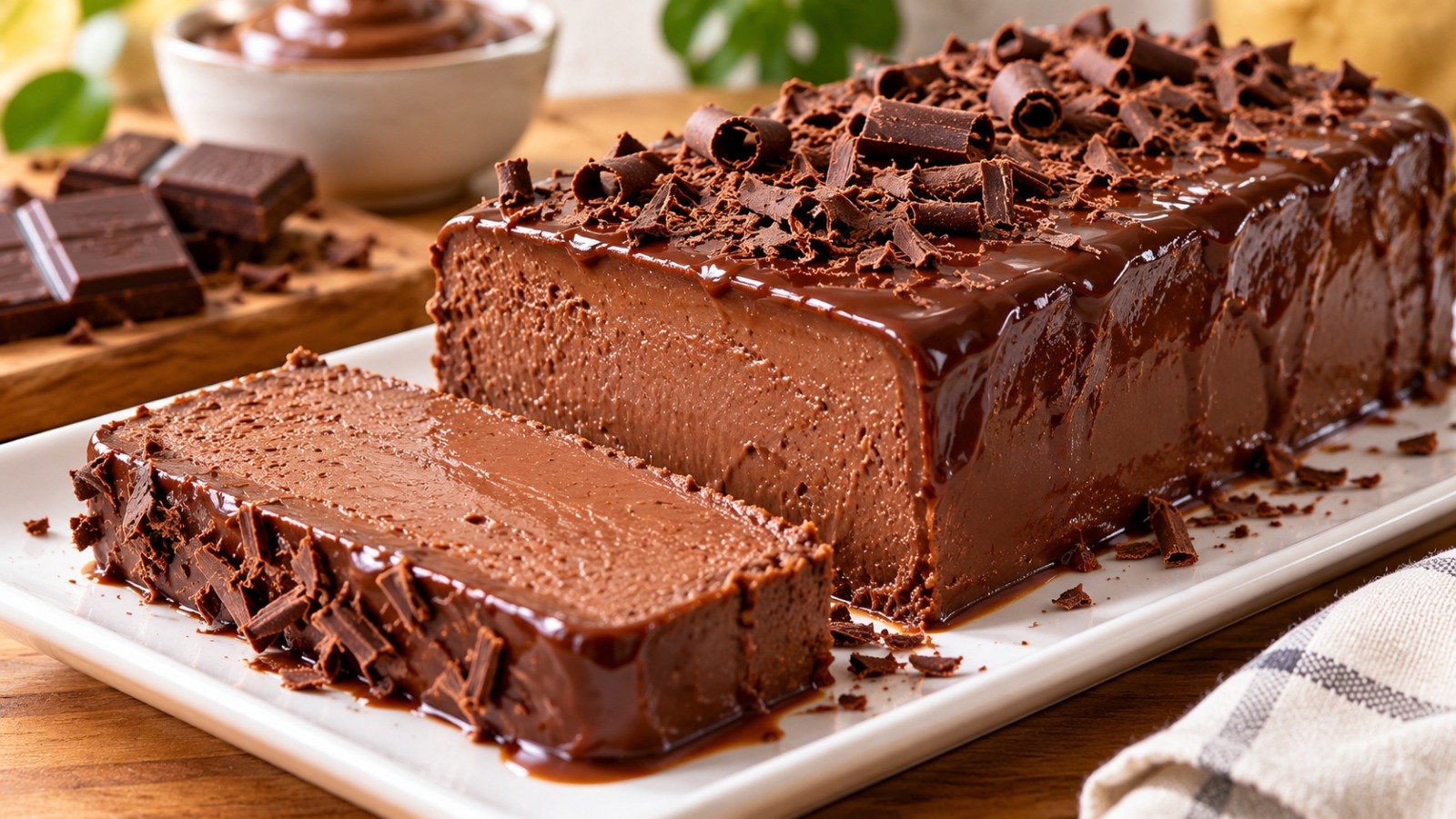
3-Ingredient Creamy Chocolate Pudding Loaf

Chocolate Pudding Loaf with a creamy chocolate center, smooth sliceable texture, cocoa powder, and fresh berries

3-Ingredient Creamy Chocolate Pudding Loaf

Chocolate Pudding Loaf is a rich, creamy, no-fuss dessert made with only three simple ingredients. It has a smooth pudding-like center, a soft sliceable texture, and deep chocolate flavor without requiring a long ingredient list.

This Chocolate Pudding Loaf is especially useful when you want an easy dessert that looks impressive but takes very little hands-on preparation. It can be chilled ahead, sliced neatly, and served plain or with simple toppings such as berries, whipped cream, cocoa powder, or shaved chocolate.

Prep Time: 10 minutes
Cook Time: 35–40 minutes
Chill Time: 3 hours
Total Time: About 4 hours
Servings: 8 slices

Ingredients

For the Loaf

  • 2 cups plain Greek yogurt
  • 3/4 cup chocolate spread or smooth chocolate-hazelnut spread
  • 3 large eggs

Optional Toppings

  • Unsweetened cocoa powder
  • Fresh berries
  • Whipped cream
  • Shaved dark chocolate
  • Chopped toasted hazelnuts

Why You’ll Love This Recipe

Chocolate Pudding Loaf is simple because the batter is made from only three main ingredients. There is no flour, baking powder, butter, or complicated mixing method.

Another reason to love Chocolate Pudding Loaf is its texture. The eggs help the loaf set, the yogurt keeps the center creamy, and the chocolate spread adds sweetness and a smooth chocolate flavor.

It is also a convenient make-ahead dessert because chilling improves the texture and makes the loaf easier to slice.

How to Make Chocolate Pudding Loaf

Step 1: Preheat the Oven

Preheat the oven to 325°F or 165°C.

Lightly grease an 8 x 4-inch loaf pan and line it with parchment paper, leaving enough overhang on the long sides to lift the loaf out later.

Step 2: Prepare the Yogurt

Add the Greek yogurt to a large mixing bowl.

If your yogurt has separated slightly in the container, stir it first so the texture is completely smooth.

A thick Greek yogurt works best for Chocolate Pudding Loaf because it gives the finished dessert more structure.

Step 3: Add the Chocolate Spread

Add the chocolate spread to the yogurt.

If the spread is very firm, warm it for about 10 to 15 seconds in the microwave so it becomes easier to mix.

Whisk until the yogurt and chocolate are fully combined and no pale streaks remain.

Step 4: Add the Eggs

Crack the eggs into a separate small bowl, then add them one at a time to the chocolate mixture.

Whisk well after each addition.

Continue whisking until the batter looks smooth, glossy, and evenly blended.

Step 5: Fill the Loaf Pan

Pour the batter into the prepared pan.

Use a spatula to smooth the top and gently tap the pan on the counter once or twice to release large air bubbles.

This helps Chocolate Pudding Loaf bake with a more even surface.

Step 6: Bake Gently

Place the loaf pan on the center rack of the oven.

Bake for 35 to 40 minutes.

The edges should look set, while the middle should still have a slight wobble when the pan is gently moved.

Do not bake until the center becomes completely firm because Chocolate Pudding Loaf continues to set as it cools and chills.

Step 7: Cool at Room Temperature

Remove the loaf from the oven and place the pan on a wire rack.

Let it cool in the pan for about 30 minutes.

The center may settle slightly as it cools, which is normal for this pudding-style dessert.

Step 8: Chill Until Firm

Once the pan is no longer hot, cover it and transfer it to the refrigerator.

Chill for at least 3 hours, although overnight chilling gives the cleanest slices.

The cold resting time allows Chocolate Pudding Loaf to become firm enough to cut while keeping its creamy texture.

Step 9: Remove from the Pan

Run a thin knife around any edges not protected by parchment.

Lift the loaf out using the parchment overhang and place it on a serving board.

Peel the parchment away carefully.

Step 10: Slice and Serve

Use a sharp knife to cut the loaf into 8 slices.

For neat slices, wipe the knife clean between cuts.

Serve chilled or let each slice sit at room temperature for 5 to 10 minutes for an even softer center.

Serving Suggestions

Chocolate Pudding Loaf is rich enough to serve on its own, but simple toppings can make each slice feel more special.

Dust the top lightly with unsweetened cocoa powder for a classic chocolate finish.

Fresh strawberries, raspberries, or blueberries add a bright contrast to the creamy chocolate flavor.

For a simple dinner-party dessert, place one slice on each plate and add berries beside it.

For another festive loaf dessert, try our Cranberry White Chocolate Loaf Cake with sweet white chocolate and tart cranberries.

Recipe Tips

Use thick Greek yogurt instead of a very thin regular yogurt for the best structure.

Room-temperature eggs blend more easily into the batter.

Warm the chocolate spread briefly if it is too firm to whisk smoothly.

Do not use an oversized loaf pan. A smaller pan creates a taller Chocolate Pudding Loaf and gives it a better sliceable shape.

Avoid overbaking. The center should still move slightly when the loaf comes out of the oven.

Chill the dessert fully before slicing. This is one of the most important steps for a clean, creamy texture.

Use a sharp knife and wipe it after each cut for tidy slices.

Easy Variations

Chocolate Pudding Loaf can be changed slightly while keeping the recipe very simple.

Use a dark chocolate spread if you prefer a deeper, less sweet flavor.

For a mocha-style version, add a small amount of instant espresso powder if you do not mind using an extra ingredient.

A little orange zest can add a bright chocolate-orange flavor.

You can also finish the loaf with chopped hazelnuts, almonds, pistachios, or fresh berries.

For a more dessert-like presentation, top each slice with whipped cream and chocolate shavings.

If you want extra richness, serve Chocolate Pudding Loaf with a thin drizzle of melted dark chocolate just before serving.

For a lower-sugar option, you may also enjoy our Sugar-Free Chocolate Loaf Cake with rich chocolate flavor and a soft, moist texture.

Make-Ahead Instructions

Chocolate Pudding Loaf is ideal for making ahead because it needs several hours of chilling.

Prepare and bake the loaf the day before you plan to serve it.

Once cooled, cover the pan tightly and refrigerate overnight.

Do not add fresh berries, whipped cream, or cocoa powder until shortly before serving because the toppings look best when fresh.

For parties, you can slice the loaf a few hours ahead and keep the slices covered in the refrigerator.

Storage and Freezing

Store leftover Chocolate Pudding Loaf in an airtight container in the refrigerator for up to 4 days.

Keep parchment paper between slices if stacking them so they do not stick together.

For longer storage, individual slices can be frozen. Wrap each slice tightly, place in a freezer-safe container, and freeze for up to 1 month.

Thaw overnight in the refrigerator before serving.

The texture may be slightly softer after freezing, so refrigerated storage gives the best result.

Nutrition Information

Approximate nutrition per slice:

Calories: 255
Protein: 9 g
Carbohydrates: 23 g
Fat: 14 g
Saturated Fat: 5 g
Fiber: 1 g
Sugar: 19 g
Sodium: 95 mg

Nutrition values are estimates and can vary depending on the yogurt, chocolate spread, egg size, and exact serving portions.

Frequently Asked Questions

Can I use regular yogurt instead of Greek yogurt?

A very thick regular yogurt can work, but Greek yogurt is recommended because it gives the loaf more structure and helps prevent a loose center.

Why is the center still soft after baking?

The center is supposed to remain slightly soft when it leaves the oven. It firms significantly during chilling.

Can I use a different chocolate spread?

Yes. Any smooth chocolate spread that mixes easily with yogurt should work. Different brands may change the sweetness and final texture slightly.

Do I need flour?

No. The eggs provide the structure needed for this three-ingredient dessert.

Can I make it less sweet?

Yes. Choose a darker, less-sweet chocolate spread and serve the loaf with unsweetened berries or plain yogurt.

Why did my loaf crack on top?

A small crack is not a problem. It can happen if the oven is slightly hot or if the loaf bakes a little longer than necessary.

Can I make this the night before?

Yes. In fact, overnight chilling usually improves the texture and makes the loaf easier to slice.

Final Thoughts

Chocolate Pudding Loaf is an easy dessert for anyone who wants rich chocolate flavor without a complicated recipe or long list of ingredients.

Because Chocolate Pudding Loaf uses only yogurt, chocolate spread, and eggs as its base, preparation is quick and cleanup is minimal.

Keep this Chocolate Pudding Loaf recipe handy for family desserts, holidays, casual gatherings, or days when you want something creamy and chocolatey without much effort.

With a smooth center, easy preparation, and a simple three-ingredient formula, Chocolate Pudding Loaf is a convenient make-ahead dessert that looks elegant once sliced and served.

You may also like our Blueberry Cream Cheese Loaf for a fruity, creamy bake with soft texture and fresh blueberry flavor.


Low Carb Zucchini Chicken Bake

Zucchini Chicken Bake with tender chicken, fresh zucchini, creamy cheese sauce, mozzarella, Parmesan, garlic, and herbs

Low Carb Zucchini Chicken Bake

Zucchini Chicken Bake is a creamy, cheesy, low-carb dinner made with tender chicken, fresh zucchini, garlic, herbs, and plenty of melted cheese.

This Zucchini Chicken Bake keeps the ingredient list practical while delivering plenty of flavor.

Prep Time: 20 minutes
Cook Time: 35–40 minutes
Total Time: About 1 hour
Servings: 6

Ingredients

For the Chicken

  • 1 1/2 pounds boneless, skinless chicken breasts, cut into bite-size pieces
  • 1 tablespoon olive oil
  • 1 teaspoon garlic powder
  • 1 teaspoon Italian seasoning
  • 1/2 teaspoon smoked paprika
  • 3/4 teaspoon salt
  • 1/4 teaspoon black pepper

For the Zucchini Layer

  • 3 medium zucchini, sliced into half-moons
  • 1 tablespoon olive oil
  • 2 garlic cloves, minced
  • 1/2 teaspoon dried oregano
  • 1/4 teaspoon salt
  • 1/4 teaspoon black pepper

Ingredients For the Creamy Cheese Mixture

  • 4 ounces cream cheese, softened
  • 1/2 cup sour cream or plain Greek yogurt
  • 1/2 cup grated Parmesan cheese
  • 1 cup shredded mozzarella cheese, divided
  • 1/2 cup shredded cheddar cheese
  • 1 teaspoon Dijon mustard, optional
  • 1/2 teaspoon onion powder

For Finishing

  • 2 tablespoons chopped fresh parsley
  • 1 tablespoon chopped basil, optional
  • Red pepper flakes, optional
  • Extra Parmesan, optional

Why You’ll Love This Recipe

Zucchini Chicken Bake is a useful dinner when you want something filling without a heavy starch. The chicken stays juicy, the zucchini softens without disappearing, and the creamy cheese mixture ties everything together.

Another reason to love Zucchini Chicken Bake is how easy it is to customize. You can change the cheese, add mushrooms or spinach, increase the herbs, or add a little heat with red pepper flakes.

How to Make Zucchini Chicken Bake

Step 1: Preheat the Oven

Preheat the oven to 375°F or 190°C.

Lightly grease a 9 x 13-inch baking dish with olive oil or cooking spray.

Step 2: Season the Chicken

Place the chicken pieces in a large bowl.

Add olive oil, garlic powder, Italian seasoning, smoked paprika, salt, and black pepper.

Toss until every piece is evenly coated.

Step 3: Brown the Chicken

Heat a large skillet over medium-high heat.

Add the seasoned chicken and cook for 4 to 5 minutes, stirring occasionally.

Browning first gives Zucchini Chicken Bake better flavor and prevents the finished casserole from tasting flat.

Step 4: Prepare the Zucchini

Remove the chicken from the skillet and set it aside.

Add the remaining olive oil to the same pan.

Add the sliced zucchini, minced garlic, oregano, salt, and pepper.

Cook for 3 to 4 minutes, just until the zucchini begins to soften.

Do not cook it completely because it will continue baking later.

Step 5: Remove Extra Moisture

Zucchini naturally contains a lot of water, so transfer the lightly cooked slices to a plate lined with paper towels.

Let them sit for a few minutes.

Removing excess moisture helps Zucchini Chicken Bake stay creamy rather than watery.

Step 6: Make the Creamy Mixture

In a medium bowl, combine softened cream cheese, sour cream or Greek yogurt, Parmesan, half of the mozzarella, cheddar, Dijon mustard, and onion powder.

Stir until smooth and well combined.

Step 7: Assemble the First Layer

Arrange half of the zucchini in the bottom of the prepared baking dish.

Scatter half of the browned chicken over the zucchini.

Spoon half of the creamy cheese mixture over the chicken and spread it gently.

Step 8: Add the Remaining Layers

Repeat with the remaining zucchini and chicken.

Spread the rest of the creamy mixture over the top.

Finish with the remaining mozzarella.

At this point, Zucchini Chicken Bake should have distinct layers of vegetables, seasoned chicken, and cheese.

Step 9: Bake Covered

Cover the dish loosely with foil.

Bake for 20 minutes.

Step 10: Uncover and Finish Baking

Remove the foil and bake for another 15 to 20 minutes.

The cheese should be melted and lightly golden, and the chicken should reach an internal temperature of 165°F or 74°C.

If you want a deeper golden top, broil Zucchini Chicken Bake for 1 to 2 minutes at the end.

Step 11: Rest Before Serving

Remove the casserole from the oven and let it rest for 8 to 10 minutes.

Resting helps the sauce thicken slightly and makes the portions easier to serve.

Step 12: Garnish

Sprinkle with fresh parsley, basil, extra Parmesan, or a pinch of red pepper flakes.

Serve warm.

Serving Suggestions

Zucchini Chicken Bake is filling enough to serve as a complete low-carb dinner.

For extra vegetables, pair it with roasted broccoli, asparagus, green beans, cauliflower, or a crisp green salad.

A cucumber tomato salad also works well because its fresh flavor balances the rich cheese sauce.

If you are not following a strict low-carb diet, serve the casserole with crusty bread, brown rice, quinoa, or roasted potatoes.

For another hearty comfort-food dinner, try our Crockpot Cabbage Roll Casserole with tender cabbage, seasoned beef, tomatoes, and rich homestyle flavor.

Recipe Tips

Pat the chicken dry before seasoning so it browns more effectively.

Do not overcook the zucchini in the skillet. It should only begin to soften before baking.

Removing extra zucchini moisture is one of the most important steps for a successful Zucchini Chicken Bake.

Use freshly shredded cheese when possible because it usually melts more smoothly than pre-shredded cheese.

Cut the chicken into similar-size pieces so it cooks evenly.

If your zucchini are very large and watery, remove some of the soft seedy center before slicing.

Easy Variations

Zucchini Chicken Bake can be adjusted in several easy ways.

Add sliced mushrooms and cook them with the zucchini for extra savory flavor.

For more greens, stir cooked spinach into the creamy cheese mixture.

A Mediterranean-style variation can include crumbled feta, sun-dried tomatoes, oregano, and basil.

For a spicy version, add red pepper flakes, chopped jalapeños, or a little hot sauce to the cheese mixture.

You can replace mozzarella with Monterey Jack, provolone, or a mild Italian cheese blend.

You may also enjoy our Cheesy Sweet Potato and Spinach Bake for a warm, creamy, veggie-packed casserole with tender sweet potatoes and melted cheese.

Make-Ahead Instructions

Zucchini Chicken Bake can be assembled several hours ahead of time.

Brown the chicken, lightly cook and drain the zucchini, prepare the cheese mixture, and assemble the casserole in the baking dish.

Cover tightly and refrigerate for up to 24 hours.

When ready to bake, let the dish sit at room temperature for about 20 minutes while the oven preheats.

A chilled casserole may need an additional 5 to 10 minutes of baking time.

Storage and Reheating

Store leftover Zucchini Chicken Bake in an airtight container in the refrigerator for up to 4 days.

Reheat individual portions in the microwave until hot, or place larger portions in a covered baking dish and warm at 350°F or 175°C for 15 to 20 minutes.

Nutrition Information

Approximate nutrition per serving:

Calories: 420
Protein: 39 g
Carbohydrates: 9 g
Fat: 26 g
Saturated Fat: 12 g
Fiber: 2 g
Sugar: 5 g
Sodium: 690 mg

Nutrition values are estimates and may vary depending on the chicken, cheeses, yogurt or sour cream, zucchini size, and serving portions.

Frequently Asked Questions

Can I use chicken thighs instead of chicken breasts?

Yes. Boneless, skinless thighs work well and stay especially juicy. Cut them into similar-size pieces and cook them to a safe internal temperature.

Why is my casserole watery?

Zucchini releases moisture as it cooks. Lightly sautéing it first, draining it on paper towels, and letting the finished casserole rest will reduce excess liquid.

Can I use frozen zucchini?

Fresh zucchini is recommended because frozen zucchini usually releases much more water and can make the casserole soft.

Can I make this without cream cheese?

Yes. Use a thicker Greek yogurt or ricotta combined with Parmesan and shredded cheese. The final texture will be slightly different but still creamy.

Can I add other vegetables?

Yes. Mushrooms, spinach, bell peppers, broccoli, and cauliflower can all work well.

Is this recipe suitable for meal prep?

Yes. Zucchini Chicken Bake stores well for several days and reheats nicely for lunches or quick dinners.

Can I make it ahead for guests?

Yes. Assemble it earlier in the day, refrigerate, and bake shortly before serving.

Final Thoughts

Zucchini Chicken Bake is an easy way to combine lean chicken, fresh zucchini, herbs, and melted cheese in a comforting low-carb casserole.

Because Zucchini Chicken Bake can be prepared ahead and customized with different vegetables, herbs, and cheeses, it works well for busy families and meal prep.

Keep this Zucchini Chicken Bake recipe handy whenever you want a warm, cheesy dinner without pasta, rice, or a heavy breadcrumb topping.

With juicy chicken, tender zucchini, creamy cheese, and a golden finish, Zucchini Chicken Bake delivers satisfying comfort-food flavor while keeping the meal simple and lower in carbohydrates.

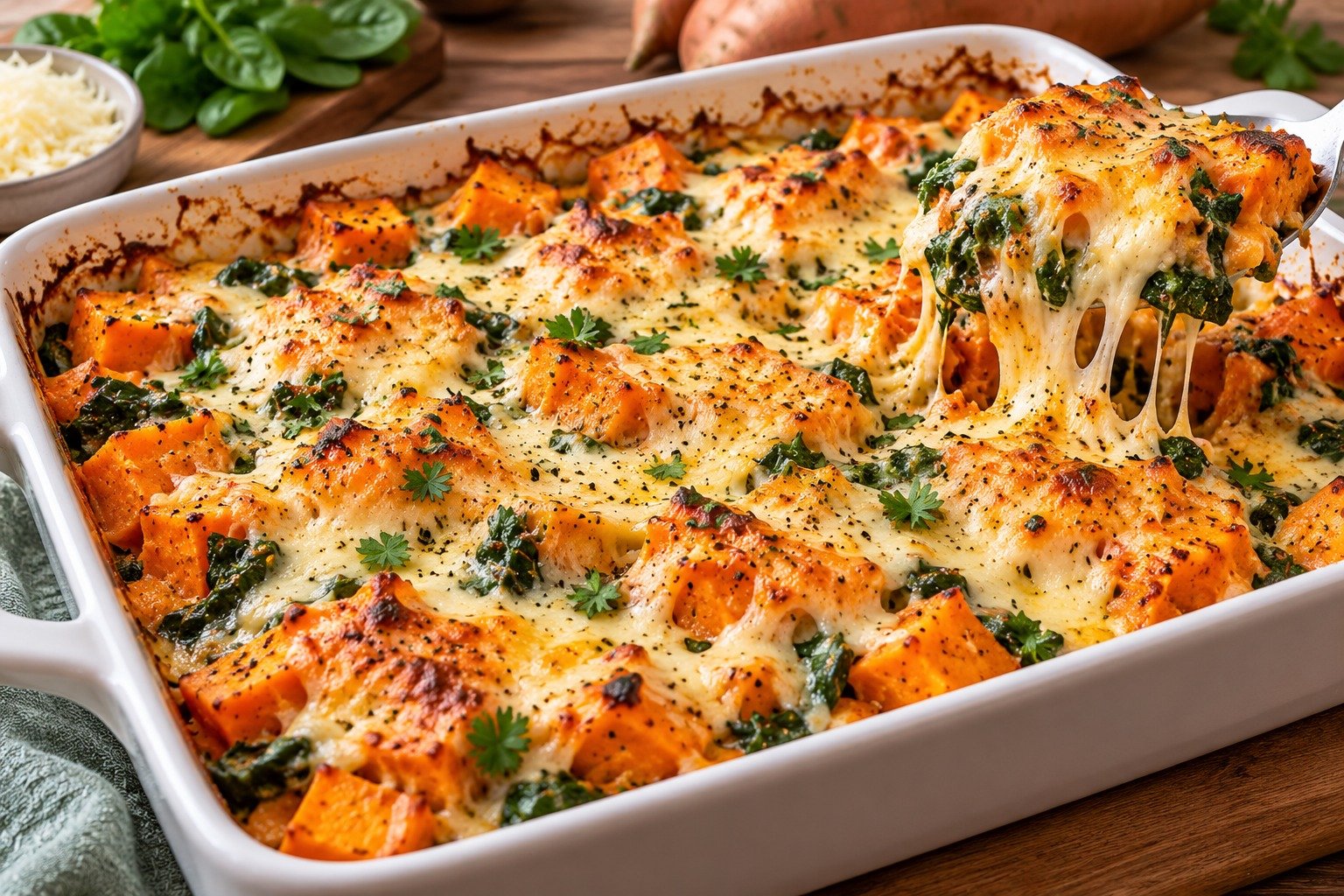
Cheesy Sweet Potato and Spinach Bake

Sweet Potato Spinach Bake with tender sweet potatoes, spinach, ricotta, mozzarella, cheddar, and golden melted cheese

Cheesy Sweet Potato and Spinach Bake

Sweet Potato Spinach Bake is a warm, cheesy, and comforting casserole made with tender sweet potatoes, fresh spinach, garlic, herbs, and plenty of melted cheese.

This Sweet Potato Spinach Bake combines naturally sweet potatoes with savory spinach and a creamy cheese mixture.

Prep Time: 20 minutes
Cook Time: 45–50 minutes
Total Time: About 1 hour 10 minutes
Servings: 6

Ingredients

For the Sweet Potatoes

  • 2 pounds sweet potatoes, peeled
  • 1 tablespoon olive oil
  • 1/2 teaspoon salt
  • 1/4 teaspoon black pepper
  • 1/2 teaspoon smoked paprika
  • 1/2 teaspoon dried thyme

For the Spinach Filling

  • 1 tablespoon olive oil
  • 3 garlic cloves, minced
  • 8 ounces fresh baby spinach
  • 1/4 teaspoon salt
  • Pinch of black pepper
  • 1/4 teaspoon red pepper flakes, optional

Ingredients For the Cheese Mixture

  • 1 cup ricotta cheese
  • 1/2 cup plain Greek yogurt
  • 1 large egg
  • 1 cup shredded mozzarella cheese, divided
  • 1/2 cup shredded cheddar cheese
  • 1/3 cup grated Parmesan cheese
  • 1/2 teaspoon garlic powder
  • 1/2 teaspoon dried oregano

For Finishing

  • 1 tablespoon chopped parsley
  • Extra Parmesan, optional
  • Fresh thyme, optional
  • Crushed red pepper, optional

Why You’ll Love This Recipe

Sweet Potato Spinach Bake is easy to assemble and uses everyday ingredients. The sweet potatoes provide a naturally creamy texture, while spinach adds color and a savory balance. Ricotta and Greek yogurt create a smooth filling, and mozzarella, cheddar, and Parmesan give the top a rich, golden finish.

How to Make Sweet Potato Spinach Bake

Step 1: Preheat the Oven

Preheat the oven to 375°F or 190°C.

Lightly grease a 9 x 13-inch baking dish with olive oil or cooking spray.

Step 2: Slice the Sweet Potatoes

Peel the sweet potatoes and slice them into thin rounds, about 1/8 to 1/4 inch thick.

Keeping the slices evenly sized helps Sweet Potato Spinach Bake cook evenly and prevents some pieces from staying firm while others become too soft.

Step 3: Season the Sweet Potatoes

Place the sweet potato slices in a large bowl.

Add olive oil, salt, black pepper, smoked paprika, and thyme.

Toss gently until every slice is lightly coated.

Step 4: Soften the Spinach

Heat 1 tablespoon olive oil in a large skillet over medium heat.

Add the garlic and cook for about 30 seconds.

Add the spinach in batches, stirring until wilted.

Season with salt, black pepper, and optional red pepper flakes.

Transfer the spinach to a plate and let it cool slightly.

Step 5: Remove Excess Moisture

Once the spinach is cool enough to handle, squeeze out excess liquid with clean hands or a kitchen towel.

This step is important because too much moisture can make Sweet Potato Spinach Bake watery.

Roughly chop the drained spinach and set it aside.

Step 6: Make the Cheese Mixture

In a medium bowl, combine ricotta, Greek yogurt, egg, half of the mozzarella, cheddar, Parmesan, garlic powder, and oregano.

Stir until smooth.

Fold the chopped spinach into the cheese mixture.

Step 7: Build the First Layer

Arrange half of the sweet potato slices in the bottom of the prepared baking dish, overlapping them slightly.

Spread half of the spinach and cheese mixture over the potatoes.

Use the back of a spoon to distribute it evenly.

Step 8: Add the Second Layer

Arrange the remaining sweet potatoes over the cheese mixture.

Spread the rest of the spinach filling over the top.

Finish with the remaining mozzarella.

Step 9: Cover and Bake

Cover the baking dish tightly with foil.

Bake Sweet Potato Spinach Bake for 30 minutes.

The covered baking time traps steam, helping the sweet potatoes become tender without drying out.

Step 10: Uncover and Continue Baking

Remove the foil carefully.

Return the casserole to the oven and bake for another 15 to 20 minutes.

The cheese should be melted and lightly golden, and a knife should slide easily through the sweet potatoes.

Step 11: Broil if Desired

For a more deeply browned top, switch the oven to broil for 1 to 2 minutes.

Watch closely because cheese can brown quickly.

Step 12: Rest Before Serving

Remove Sweet Potato Spinach Bake from the oven and let it rest for 10 minutes.

Resting helps the layers settle and makes the casserole easier to slice neatly.

Garnish with parsley, fresh thyme, or a little extra Parmesan before serving.

Serving Suggestions

Sweet Potato Spinach Bake can be served as a hearty side dish or a vegetarian main course.

Pair it with roasted chicken, grilled chicken, turkey, baked salmon, white fish, or pork tenderloin for a balanced dinner.

For a vegetarian meal, serve Sweet Potato Spinach Bake with a crisp green salad, roasted broccoli, lentil salad, chickpeas, or tomato cucumber salad.

It also works well on a holiday table alongside roasted vegetables, green beans, stuffing, or a simple grain dish.

For another cheesy Mediterranean-style meal, try our Mediterranean Baked Feta & Veggie Pasta with roasted vegetables, creamy feta, herbs, and tender pasta.

Recipe Tips

For the best Sweet Potato Spinach Bake, keep the potato slices thin and remove as much moisture as possible from the spinach.

Slice the sweet potatoes thinly and evenly so they cook at the same rate.

A mandoline slicer can make this easier, but always use the safety guard.

Squeeze the cooked spinach thoroughly. Removing extra liquid is one of the best ways to prevent Sweet Potato Spinach Bake from becoming watery.

If the sweet potatoes are still slightly firm after the suggested baking time, cover the dish again and bake for another 5 to 10 minutes.

Easy Variations

Sweet Potato Spinach Bake is easy to customize with different vegetables, cheeses, and herbs.

For a stronger savory flavor, add sautéed mushrooms or caramelized onions to the spinach mixture.

You can replace ricotta with cottage cheese for a slightly lighter texture.

For extra greens, combine spinach with chopped kale or Swiss chard.

A Mediterranean version can include crumbled feta, sun-dried tomatoes, and oregano.

For extra crunch, sprinkle chopped walnuts, pecans, or pumpkin seeds over the top after baking.

If you enjoy a little heat, increase the red pepper flakes or add a small amount of chopped jalapeño.

You may also enjoy our 2-Ingredient Healthy Carrot Pancakes for a quick, flourless breakfast made with simple everyday ingredients.

Make-Ahead Instructions

Sweet Potato Spinach Bake can be assembled ahead of time, making it useful for holidays or busy evenings.

Prepare all the layers, cover the baking dish tightly, and refrigerate for up to 24 hours before baking.

When ready to cook, let the dish sit at room temperature for about 20 minutes while the oven preheats.

Because the casserole will be cold, Sweet Potato Spinach Bake may need an extra 5 to 10 minutes of covered baking time.

Storage and Reheating

Store leftover Sweet Potato Spinach Bake in an airtight container in the refrigerator for up to 4 days.

Reheat individual portions in the microwave until hot.

For a better texture, place larger portions in a covered baking dish and warm in a 350°F or 175°C oven for 15 to 20 minutes.

Nutrition Information

Approximate nutrition per serving:

Calories: 390
Protein: 19 g
Carbohydrates: 39 g
Fat: 18 g
Saturated Fat: 9 g
Fiber: 6 g
Sugar: 9 g
Sodium: 610 mg

Nutrition values are estimates and can vary depending on the cheeses, yogurt, sweet potatoes, and exact serving size.

Frequently Asked Questions

Can I use frozen spinach?

Yes. Thaw it completely and squeeze out as much liquid as possible before mixing it with the cheese.

Can I use regular potatoes instead of sweet potatoes?

Yes, but the flavor will be less sweet and the cooking time may vary slightly depending on the potato variety.

Why is my casserole watery?

The spinach may contain too much moisture, or the sweet potatoes may have released extra liquid. Draining the spinach well and allowing the casserole to rest before slicing will help.

Can I make this without ricotta?

Yes. Cottage cheese works well, or you can use a thicker Greek yogurt combined with a little extra mozzarella.

Can I add meat?

Yes. Cooked chicken, turkey, or crumbled sausage can be layered into the casserole for a heartier meal.

Can I prepare it the night before?

Yes. Assemble it, cover, refrigerate overnight, and bake the next day.

Can I freeze leftovers?

Yes. Freeze fully cooled portions in airtight containers for up to 2 months.

Final Thoughts

Sweet Potato Spinach Bake is a comforting way to combine tender sweet potatoes, savory spinach, creamy cheese, and simple herbs in one easy casserole.

Because Sweet Potato Spinach Bake can work as either a side dish or vegetarian main, it is a useful recipe for family dinners, holidays, meal prep, and casual gatherings.

Keep this Sweet Potato Spinach Bake recipe handy whenever you want something warm, cheesy, colorful, and easy to prepare.

With soft sweet potatoes, garlicky spinach, creamy ricotta, and melted cheese in every layer, Sweet Potato Spinach Bake is a satisfying oven-baked dish that fits easily into both everyday meals and special occasions.

2-Ingredient Healthy Carrot Pancakes

Carrot Pancakes made with grated carrots and eggs, served warm with a soft golden texture and simple healthy toppings

2-Ingredient Healthy Carrot Pancakes

Carrot Pancakes are a simple, wholesome breakfast made with only two main ingredients: carrots and eggs. They are naturally flourless, quick to prepare, and ideal when you want a warm breakfast without a long ingredient list. The carrots bring gentle sweetness and moisture, while the eggs hold everything together and provide protein.

This Carrot Pancakes recipe works well for breakfast, brunch, lunchboxes, or a light snack. You can keep the basic recipe completely simple or add optional cinnamon, vanilla, yogurt, fruit, or nut butter when serving.

Prep Time: 10 minutes
Cook Time: 10 minutes
Total Time: About 20 minutes
Servings: 2

Ingredients

For the Pancakes

  • 1 cup finely grated carrot, packed
  • 2 large eggs

Optional Add-Ins and Toppings

  • Pinch of cinnamon
  • Pinch of salt
  • 1/2 teaspoon vanilla extract
  • Greek yogurt
  • Fresh berries
  • Sliced banana
  • Nut butter
  • Honey or maple syrup
  • Chopped walnuts or pecans

Why You’ll Love This Recipe

Carrot Pancakes are easy to make and use ingredients that many people already keep at home. There is no flour, baking powder, or complicated batter, so preparation takes only a few minutes.

Another reason to love Carrot Pancakes is their versatility. You can serve them sweet with yogurt and fruit, or keep them more savory with herbs and a little black pepper. Their soft texture also makes them easy to cut into smaller pieces for children.

Because the recipe uses only carrots and eggs as the base, it is easy to scale up when cooking for more people.

How to Make Carrot Pancakes

Step 1: Prepare the Carrots

Wash and peel the carrots if needed.

Use the fine side of a box grater to grate enough carrot to make 1 packed cup. Finely grated carrot cooks more quickly and blends with the eggs more evenly.

If the carrots seem extremely wet, gently squeeze out a little excess moisture with clean hands or a paper towel. Do not remove all the moisture because it helps keep Carrot Pancakes tender.

Step 2: Beat the Eggs

Crack the eggs into a medium mixing bowl.

Whisk for about 30 seconds until the yolks and whites are completely combined.

If you are using optional cinnamon, vanilla, salt, or another seasoning, whisk it into the eggs at this stage.

Step 3: Combine the Mixture

Add the grated carrot to the beaten eggs.

Stir until every piece of carrot is coated and the mixture looks evenly combined.

The batter for Carrot Pancakes will look much looser and more textured than traditional flour-based pancake batter. That is normal.

Step 4: Heat the Pan

Place a nonstick skillet over medium-low heat.

Lightly grease the pan with a small amount of oil or cooking spray if needed.

Allow the skillet to heat for a minute before adding the mixture.

Step 5: Form Small Pancakes

Spoon about 2 tablespoons of the carrot mixture into the skillet for each pancake.

Use the back of the spoon to spread the mixture gently into a small round.

Keep the pancakes fairly small because Carrot Pancakes are easier to flip when they are about 3 inches wide.

Step 6: Cook the First Side

Cook for 2 to 3 minutes over medium-low heat.

Wait until the edges look set and the bottom is lightly golden.

Avoid using high heat because the outside can brown before the carrot becomes tender.

Step 7: Flip Carefully

Slide a thin spatula under each pancake and flip gently.

Cook the second side for another 2 to 3 minutes.

Carrot Pancakes should be cooked through, lightly golden, and tender in the center.

Step 8: Repeat

Transfer the finished pancakes to a plate.

Continue cooking the remaining mixture in small batches, lightly greasing the skillet again if necessary.

Keep the cooked pancakes warm by loosely covering them with foil while you finish the batch.

Step 9: Serve

Serve warm with your favorite toppings.

For a simple breakfast, add Greek yogurt, sliced banana, berries, or a small drizzle of honey.

Serving Suggestions

Carrot Pancakes work well with both sweet and savory toppings.

For a naturally sweet breakfast, serve Carrot Pancakes with Greek yogurt, strawberries, blueberries, banana slices, or unsweetened applesauce.

A spoonful of peanut butter or almond butter adds richness and makes the meal more filling.

For a savory version, serve them with avocado, cottage cheese, plain yogurt, fresh herbs, or a lightly dressed tomato and cucumber salad.

You can also cut the pancakes into strips and pack them in a lunchbox with fruit and yogurt.

For another hearty bean-based meal, try our Crockpot Red Beans and Chicken Sausage with tender beans, smoky sausage, and rich comforting flavor.

Recipe Tips

Grate the carrots finely. Large shreds take longer to soften and can make the pancakes harder to flip.

Use medium-low heat. Slow cooking gives the carrots time to soften without burning the eggs.

Make small pancakes rather than one large pancake. Smaller portions hold together more easily.

Use a good nonstick skillet for the easiest flipping.

Let the first side set fully before turning. Moving Carrot Pancakes too early can cause them to break.

If the mixture seems very watery, let it sit for 2 minutes and then stir again before cooking.

Easy Variations

Carrot Pancakes are easy to change while keeping the basic two-ingredient recipe intact.

For a warm breakfast flavor, add a pinch of cinnamon or pumpkin pie spice.

A little vanilla extract makes the carrots taste sweeter without adding much extra sweetness.

For a savory version, add black pepper, dried parsley, or chopped chives.

You can also sprinkle a little grated cheese over the top after flipping if you do not need the finished dish to stay strictly two-ingredient.

For extra texture, top the cooked pancakes with chopped walnuts or pecans rather than adding them to the batter.

You may also enjoy our Cowboy Bean and Potato Soup with seasoned beef, tender potatoes, beans, corn, and a warm savory broth.

Make-Ahead Instructions

Carrot Pancakes can be made ahead for quick breakfasts during the week.

Cook the full batch and allow the pancakes to cool completely.

Place them in an airtight container with parchment paper between layers and refrigerate.

You can also grate the carrots one day ahead and store them in a covered container in the refrigerator. For food safety and the best texture, mix the eggs into the carrots only when you are ready to cook.

Storage and Reheating

Store cooked Carrot Pancakes in an airtight container in the refrigerator for up to 3 days.

To reheat, place them in a nonstick skillet over low heat for 1 to 2 minutes per side.

You can also microwave them for 15 to 30 seconds, although reheating in a skillet gives a better texture.

For longer storage, freeze the cooled pancakes in a single layer first. Once firm, transfer them to a freezer-safe container with parchment between the layers.

Freeze for up to 2 months and thaw overnight in the refrigerator before reheating.

Nutrition Information

Approximate nutrition per serving, based only on carrots and eggs:

Calories: 150
Protein: 8 g
Carbohydrates: 12 g
Fat: 7 g
Saturated Fat: 2 g
Fiber: 3 g
Sugar: 6 g
Sodium: 95 mg

Nutrition values are estimates and may vary depending on the size of the eggs and carrots as well as any toppings you add.

Frequently Asked Questions

Can I make these without flour?

Yes. The eggs provide the binding needed for the finely grated carrots, so no flour is required.

Why are my pancakes falling apart?

The pancakes may be too large, the carrots may be grated too coarsely, or you may be flipping them before the first side has fully set.

Can I use pre-shredded carrots?

You can, but they are usually thicker and drier than freshly grated carrots. Finely grate fresh carrots for the best texture.

Can I make these sweet?

Yes. Add cinnamon or vanilla and serve with fruit, yogurt, or a small drizzle of honey or maple syrup.

Can I make them savory?

Yes. Add a pinch of salt, pepper, dried herbs, or chopped chives and serve with avocado or yogurt.

Can I use cooked carrots?

Yes. Mash cooked carrots well before mixing with eggs. The texture will be softer and more uniform than when using grated raw carrot.

Are these good for meal prep?

Yes. Carrot Pancakes can be refrigerated for up to 3 days and reheated quickly in a skillet or microwave.

Final Thoughts

Carrot Pancakes are a simple way to turn two everyday ingredients into a warm, satisfying breakfast without flour or a complicated batter.

Because Carrot Pancakes can be served sweet or savory, they work well for adults, children, breakfast, snacks, and meal prep.

Keep this Carrot Pancakes recipe handy whenever you have carrots and eggs and want something quick, soft, and homemade.

With a naturally mild sweetness, tender texture, and only two main ingredients, Carrot Pancakes are an easy breakfast option that can be customized with the toppings you already enjoy.