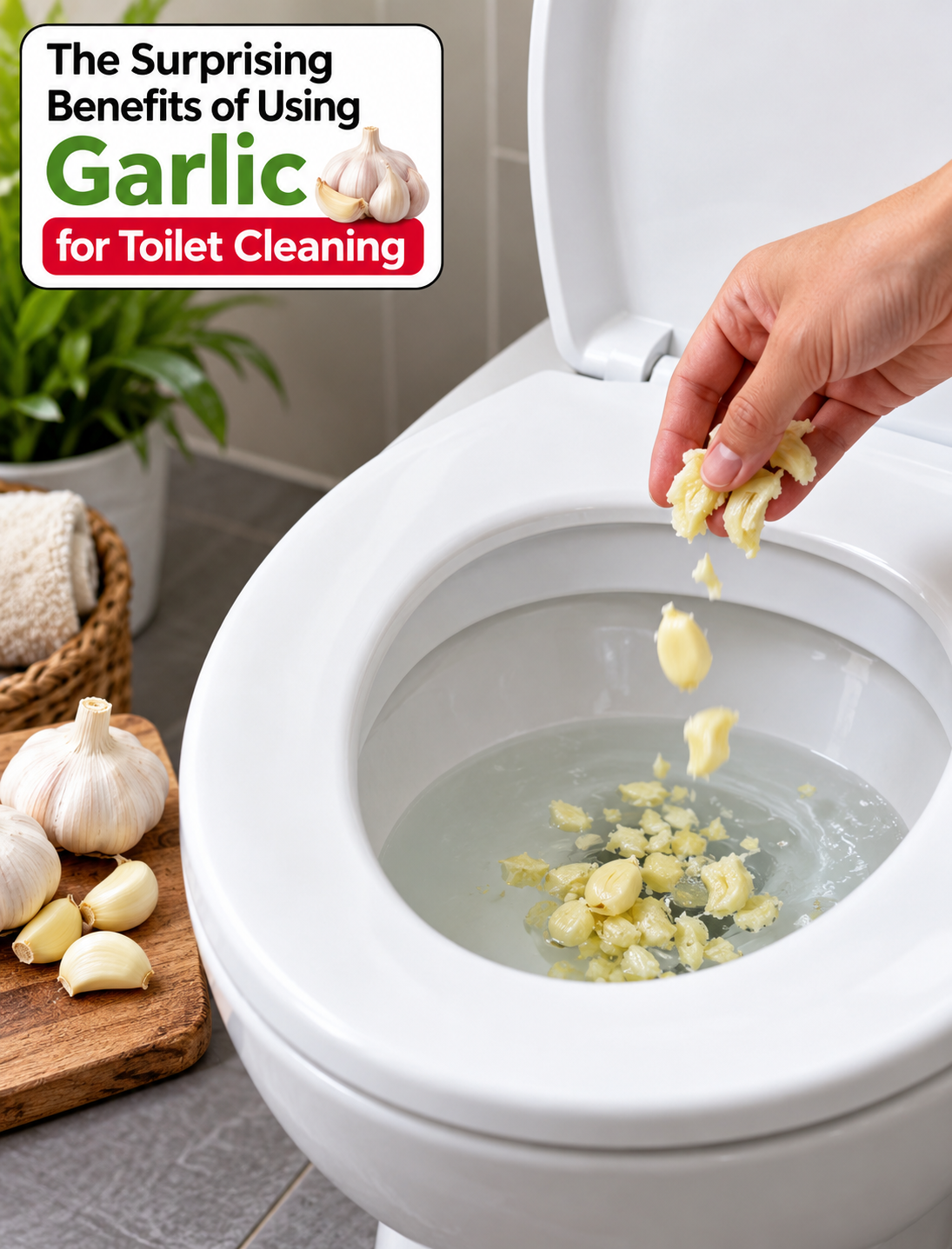
The Surprising Benefits of Using Garlic for Toilet Cleaning

Crushed garlic cloves being used as a natural toilet cleaning method in a clean bathroom

The Surprising Benefits of Using Garlic for Toilet Cleaning

Garlic is usually found in the kitchen, but some homeowners also use it as an unusual natural toilet-cleaning idea. The reason is simple: fresh garlic contains compounds such as allicin that have antimicrobial activity in laboratory settings. The Surprising Benefits of Using Garlic for Toilet Cleaning makes garlic an interesting ingredient to explore for light bathroom cleaning, although it should not replace a proper toilet disinfectant when sanitation is the main goal.

Using garlic in the toilet is best viewed as a simple household experiment rather than a powerful cleaning treatment. It may help freshen a toilet between regular cleanings, while brushing and routine bathroom care remain the most important steps for removing buildup and maintaining hygiene.

Why Garlic?

Fresh garlic produces allicin when its cloves are crushed or cut. Allicin is responsible for much of garlic’s strong smell and has been studied for its antimicrobial properties.

That does not mean garlic can disinfect a toilet as reliably as a product specifically labeled for bathroom sanitation. Toilet bowls can contain bacteria, mineral deposits, stains, and other residues that require proper cleaning.

Still, garlic can be an inexpensive ingredient for people who enjoy trying simple household cleaning methods. It is also biodegradable and does not introduce a conventional chemical cleaner into the toilet bowl.

Important points to remember:

  • Garlic is better suited to light cleaning experiments than deep sanitation.
  • It should not replace a registered bathroom disinfectant when disinfection is needed.
  • Crushing the cloves releases more of their active compounds.
  • Garlic has a strong odor, so good bathroom ventilation is helpful.
  • Never mix garlic with bleach, ammonia, or other cleaning chemicals.

How to Use Garlic for Toilet Cleaning

If you want to try this method, follow these steps carefully. Use fresh garlic and clean the toilet normally before or after the experiment when necessary.

Step 1: Gather Fresh Garlic

Take about four to six fresh garlic cloves and remove their papery skins. Fresh cloves are preferable because crushing them helps release their natural compounds.

You will also need a toilet brush, disposable gloves, and access to clean water.

Step 2: Crush the Garlic

Place the peeled cloves on a clean surface and crush them with the flat side of a knife or a garlic press.

Crushing the garlic helps form allicin from compounds naturally present in the clove. Use the crushed garlic soon after preparing it rather than storing it for later.

Step 3: Add the Garlic to the Bowl

Flush the toilet first so the bowl is relatively clean and wet. Drop the crushed garlic into the toilet water and spread the pieces around the bowl if possible.

Avoid pushing large pieces into the drain because solid food waste can create an unnecessary plumbing problem.

Step 4: Let It Sit

Leave the crushed garlic in the bowl for about 30 minutes.

This waiting period gives the garlic compounds time to remain in contact with the bowl surface. Keep the bathroom ventilated because the odor can become noticeable.

Step 5: Scrub the Bowl

Put on gloves and use a toilet brush to scrub the inside of the bowl.

Focus on areas where light residue or surface marks are visible. Scrubbing provides the main physical cleaning action and is more important for stain removal than the garlic itself.

Step 6: Flush Thoroughly

Flush the toilet to remove the garlic and loosened residue.

Check the bowl afterward and repeat normal toilet cleaning if stains or buildup remain. Do not assume the absence of visible dirt means the toilet has been disinfected.

Step 7: Clean the Brush and Surrounding Area

Rinse the toilet brush properly and clean any surface that may have been splashed during the process.

Wash your hands thoroughly after removing your gloves. Regular hand hygiene remains an important part of bathroom sanitation.

Potential Benefits of Garlic for Toilet Cleaning

The main appeal of this method is its simplicity. Garlic is inexpensive, widely available, and easy to prepare.

Its naturally occurring sulfur compounds have antimicrobial properties that have been studied in controlled settings. However, household toilet conditions are different from laboratory conditions, so these properties should not be treated as proof that garlic disinfects a toilet.

Garlic may also appeal to people who prefer experimenting with biodegradable household ingredients. It does not contain the strong cleaning chemicals found in many commercial toilet products.

Some potential advantages include:

  • Easy access to an everyday kitchen ingredient.
  • Low cost compared with specialty cleaning products.
  • A biodegradable ingredient that can be disposed of with normal organic waste.
  • An interesting option for light cleaning between routine toilet washes.
  • No need to create a complicated homemade cleaning mixture.

The biggest benefit may simply be encouraging regular cleaning. A toilet that is brushed and maintained often is easier to keep fresh than one that is cleaned only after heavy buildup develops.

What Garlic Cannot Replace

Garlic should not be treated as a complete toilet disinfectant. Commercial bathroom products are formulated and tested for specific cleaning or disinfecting purposes, while the effectiveness of crushed garlic in a household toilet has not been established as an equivalent sanitation method.

For visible mineral scale, hard-water rings, heavy stains, or significant buildup, use a suitable toilet cleaner according to its label.

For situations where disinfection is important, choose a product specifically labeled for toilet or bathroom disinfection and follow its contact-time instructions.

Avoid these mistakes:

  • Do not mix garlic with bleach or other chemical cleaners.
  • Do not pour large amounts of food into the toilet.
  • Do not rely on garlic alone to control harmful germs.
  • Do not leave garlic in the bowl for an extended period.
  • Do not use this method as a substitute for regular bathroom sanitation.

Additional Tips for Better Toilet Care

Good toilet maintenance involves more than the bowl itself. Clean the seat, lid, handle, base, and nearby high-touch surfaces regularly.

Ventilate the bathroom during and after cleaning to reduce strong odors and moisture. Moisture control can also help make the bathroom less inviting to mold and mildew.

If your toilet has a persistent ring or discoloration, identify the cause before choosing a cleaner. Hard water can leave mineral deposits that require a product designed to dissolve scale.

For everyday maintenance, a toilet brush and an appropriate bathroom cleaner are usually more dependable than unusual household ingredients.

How Often Should You Clean Your Toilet?

For a busy household, regular toilet cleaning can help prevent stains and buildup from becoming difficult to remove. A weekly cleaning routine is a practical starting point for many homes, while frequently used bathrooms may need attention more often.

Garlic can be an occasional experiment within that routine, but it should not replace established cleaning practices.

A simple routine is more useful than relying on one unusual ingredient. Flush regularly, keep the bowl clean, wipe high-touch surfaces, and address stains before they become heavy deposits.

Final Thoughts

Using garlic for toilet cleaning is an unusual home-cleaning idea that may be worth trying for light maintenance. Crushed garlic releases allicin and other sulfur compounds with antimicrobial activity, but that does not make garlic a proven replacement for a toilet disinfectant.

The safest approach is to treat garlic as an optional natural cleaning experiment rather than a sanitation solution. Regular scrubbing, appropriate bathroom products, good ventilation, and proper hand hygiene remain the foundation of a clean toilet.

If you try this method, use a small amount of crushed garlic, allow brief contact, scrub the bowl, flush thoroughly, and continue with your normal cleaning routine.

Frequently Asked Questions

Can garlic really clean a toilet?

Garlic contains compounds with antimicrobial activity, but there is not enough evidence to consider crushed garlic a reliable toilet disinfectant. Scrubbing remains the key cleaning step.

How much garlic should I use for a toilet?

Four to six fresh cloves are enough for this household experiment. Crush them first and avoid putting large pieces into the toilet drain.

How long should garlic stay in the toilet?

About 30 minutes is sufficient for this method. Leaving food in the bowl longer does not make garlic a proven or stronger disinfectant.

Does garlic remove hard-water stains?

Garlic is not a dependable treatment for hard-water scale. Mineral deposits usually require a suitable cleaner designed to dissolve limescale.

Can garlic replace bleach for toilet cleaning?

No. Garlic should not replace a disinfectant when sanitation is required. Use a toilet product labeled for the specific cleaning or disinfecting task.

Is garlic safe for toilet plumbing?

Small crushed pieces are unlikely to be an issue when flushed promptly, but large food pieces should never be put into a toilet. Dispose of leftover garlic in household waste instead.

Will garlic remove toilet odors?

Garlic has a very strong natural odor, so it may temporarily make the bathroom smell more like garlic rather than fresher. Ventilation is recommended during use.

How often should I clean my toilet?

A weekly cleaning routine works well for many households, while heavily used bathrooms may need more frequent cleaning. Regular maintenance helps prevent stubborn buildup.
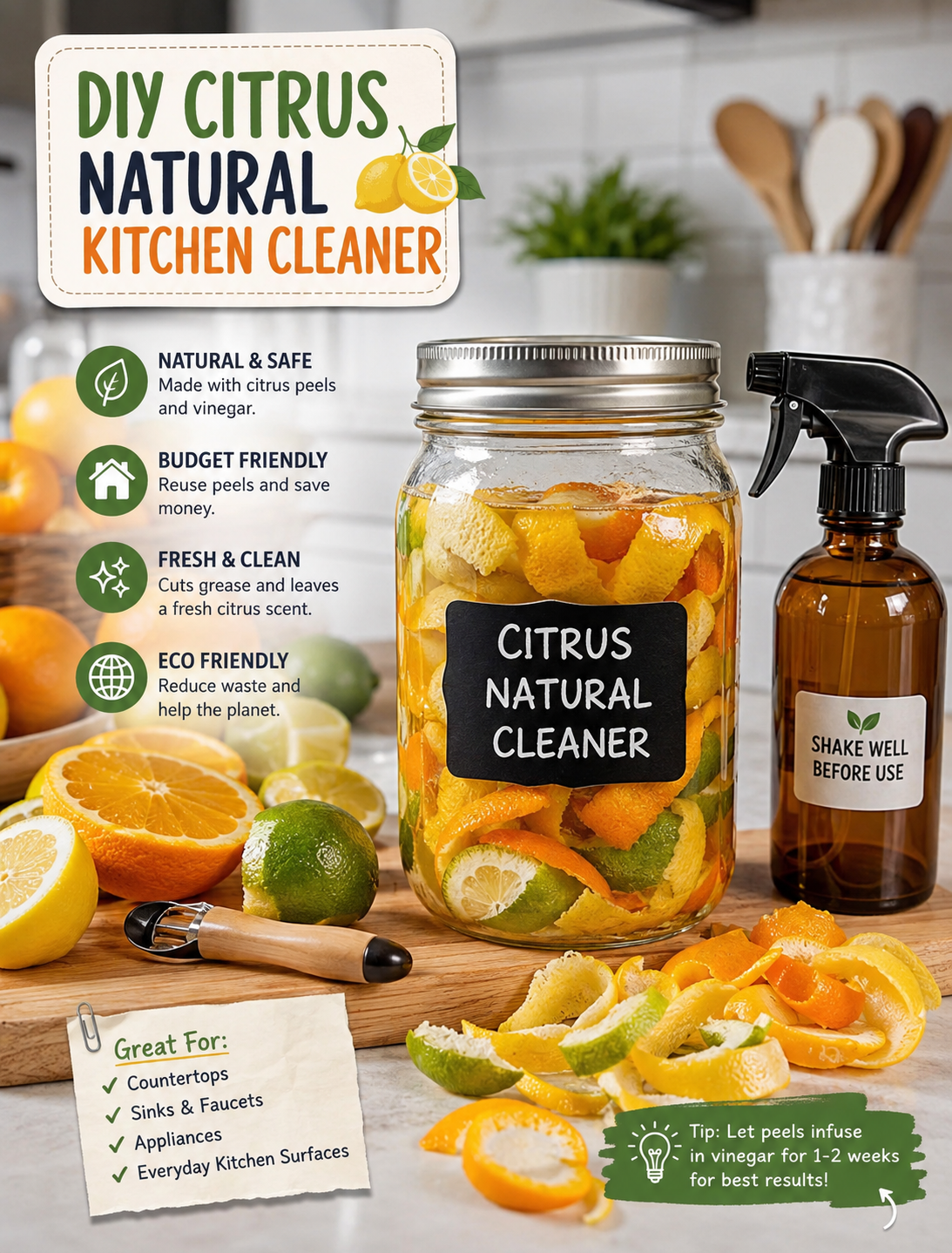
DIY Citrus Natural Kitchen Cleaner: Easy Homemade Cleaning Hack

DIY Citrus Natural Kitchen Cleaner

DIY Citrus Natural Kitchen Cleaner

If you usually throw orange and lemon peels into the trash, save them for your next cleaning project. Citrus peels can be used to make a simple homemade cleaner for many everyday kitchen surfaces. This DIY citrus natural kitchen cleaner is easy to prepare, budget-friendly, and gives your home a fresh citrus scent.

The recipe uses citrus peels and white vinegar to create a useful household cleaning solution. The citrus oils released from the peels add a fresh aroma, while vinegar helps cut through common kitchen grime and mineral buildup. It is a practical option for people who want to reduce their use of heavily scented commercial cleaners.

This homemade citrus cleaner works best for routine cleaning on suitable surfaces such as sealed countertops, sinks, appliances, and other washable areas. Always check the manufacturer’s care instructions before using any homemade solution on a new surface.

Why Make a Citrus Kitchen Cleaner at Home?

Making your own cleaner lets you reuse food scraps that would otherwise become waste. Orange, lemon, lime, and grapefruit peels can all be used for a naturally fresh cleaning solution.

A homemade cleaner can also cost less than buying multiple specialty products. You only need a few basic supplies, a jar, and some patience while the mixture infuses.

The citrus aroma is another reason many people enjoy this method. Fresh peels can give the solution a pleasant scent without adding artificial fragrance.

This approach also supports a lower-waste kitchen routine. Instead of immediately discarding citrus skins after making juice or eating fruit, you can give them another practical purpose.

Ingredients You Need

You only need a few simple ingredients and supplies to prepare this natural kitchen cleaning solution.

  • Fresh orange, lemon, lime, or grapefruit peels
  • White distilled vinegar
  • A clean glass jar with a lid
  • A fine strainer or cheesecloth
  • A spray bottle
  • Water for dilution

Use clean citrus peels without large amounts of fruit pulp attached. Fresh peels work well, but make sure the jar and spray bottle are clean before preparing the solution.

How to Make DIY Citrus Natural Kitchen Cleaner

  • Start by collecting enough citrus peels to loosely fill a clean glass jar. You can use one type of citrus or combine different peels for a mixed citrus scent.
  • Place the peels inside the jar without packing them too tightly. Pour white vinegar over the peels until they are completely covered.
  • Close the jar tightly and place it in a cool, dark area. Let the citrus peels infuse in the vinegar for about one to two weeks. Gently swirl the jar every few days to help distribute the citrus oils.
  • After the infusion period, strain the liquid through a fine strainer or cheesecloth. Discard the used peels and keep the infused vinegar.
  • Pour the strained liquid into a clean spray bottle. For routine surface cleaning, dilute the infused vinegar with an appropriate amount of water before use.
  • Label the bottle clearly and store it away from children and pets. Use a fresh batch when the solution develops an unusual appearance or odor.

How to Use Citrus Cleaner in the Kitchen

  • Shake the bottle gently before each use. Spray a small amount onto a suitable washable surface and wipe it with a clean microfiber cloth.
  • Use it for everyday grime around sinks, sealed countertops, cabinet surfaces, and other compatible kitchen areas. For greasy surfaces, remove heavy grease first with warm water and dish soap because vinegar-based cleaners are not designed to replace a dedicated degreaser.
  • For mineral spots around a compatible sink or faucet, allow the solution to sit briefly before wiping. Rinse the surface afterward when required by the material.
  • Always test the cleaner on a small hidden area before treating a larger surface. Different finishes can react differently to acidic solutions.

Best Citrus Peels to Use

  • Lemon peels are a popular choice because they provide a bright, fresh aroma. They are especially useful when you want a cleaner with a crisp citrus smell.
  • Orange peels provide a sweeter scent and are easy to collect after snacking or juicing. They can be combined with lemon peels for a balanced fragrance.
  • Lime peels offer a sharper aroma and work well in a mixed citrus infusion. Grapefruit peels can also be used, although their scent is stronger and more distinctive.
  • Avoid using spoiled or moldy peels. Fresh, clean citrus skins are the better choice for a homemade cleaning solution.

Surfaces You Should Avoid

Vinegar is acidic, so this cleaner is not suitable for every kitchen material. Do not use vinegar-based cleaners on marble, limestone, travertine, or other natural stone surfaces that can be damaged by acids.

Avoid using the mixture on unsealed stone, delicate wood finishes, waxed surfaces, or materials specifically labeled as unsuitable for acidic cleaners.

Do not assume that a natural ingredient is safe for every surface. Always follow the care instructions provided by the manufacturer.

If you are unsure about a surface, test the solution in an inconspicuous area or choose a cleaner specifically designed for that material.

Important Cleaning Safety Tips

Never mix vinegar with chlorine bleach. Combining these products can release dangerous chlorine gas.

Do not combine this cleaner with ammonia, hydrogen peroxide, or other household cleaning chemicals unless the product manufacturer specifically confirms that the combination is safe.

Keep homemade cleaning solutions clearly labeled. A spray bottle containing a homemade solution should never be mistaken for water or another household product.

Use good ventilation when cleaning and avoid spraying directly near your eyes or face. Wash your hands after cleaning, especially before preparing food.

Remember that natural cleaning ingredients are not automatically harmless. Proper storage, labeling, and surface selection are still important.

How to Get Better Cleaning Results

Remove loose crumbs and food particles before spraying the surface. Cleaning a surface that is already free from debris allows the solution to work more evenly.

For stubborn kitchen grease, use warm water and dish soap first. Once the grease is removed, the citrus vinegar solution can be used for routine wiping on compatible surfaces.

Use a clean microfiber cloth instead of a dirty towel. A fresh cloth helps prevent spreading food residue and grime from one surface to another.

Do not soak wooden or moisture-sensitive surfaces. Apply a small amount of cleaner to the cloth when the surface requires a gentler approach.

Making smaller batches can also be helpful because it keeps your homemade cleaning routine simple and manageable.

Benefits of a Homemade Citrus Cleaner

A citrus-infused cleaning solution can help reduce household waste by giving fruit peels a second use. It also offers an inexpensive alternative for certain routine cleaning tasks.

The fresh citrus scent makes regular kitchen cleaning more pleasant for people who prefer less artificial fragrance. The recipe is also easy to customize by combining different citrus peels.

Another benefit is simplicity. You can prepare the infusion with ingredients that are commonly found in American kitchens.

However, this cleaner should be viewed as one useful household cleaning option rather than a universal replacement for every cleaning product. Different surfaces and cleaning jobs require different solutions.

Frequently Asked Questions

Can I use orange peels to make a kitchen cleaner?

Yes. Orange peels can be infused in white vinegar to create a citrus-scented cleaner for compatible washable surfaces.

How long should citrus peels sit in vinegar?

Let the peels infuse for about one to two weeks in a sealed jar kept in a cool, dark place.

Can I use lemon and orange peels together?

Yes. Combining lemon and orange peels creates a balanced citrus aroma and works well for this homemade cleaning method.

Can I use citrus cleaner on marble?

No. Vinegar is acidic and can damage marble and other acid-sensitive natural stone surfaces.

Is homemade citrus cleaner safe for countertops?

It depends on the countertop material. Test a small hidden area first and follow the manufacturer’s cleaning instructions.

Can I use this cleaner on greasy surfaces?

It can help with light grime, but warm water and dish soap are better for removing heavy kitchen grease.

Can I mix citrus vinegar cleaner with bleach?

Never mix vinegar-based cleaners with bleach because the combination can produce dangerous chlorine gas.

How should I store homemade kitchen cleaner?

Keep it in a clearly labeled spray bottle away from children, pets, heat, and direct sunlight.

Can I use lime or grapefruit peels?

Yes. Lime and grapefruit peels can be used alone or combined with other citrus peels for a different scent.

Is citrus vinegar cleaner a disinfectant?

No. Do not rely on a homemade vinegar cleaner as a substitute for an EPA-registered disinfectant when disinfection is required.

Final Thoughts

This DIY citrus natural kitchen cleaner is a simple way to turn leftover citrus peels into something useful. With citrus skins, white vinegar, and water, you can create an inexpensive cleaning solution for many compatible kitchen surfaces.

The key is using it correctly. Avoid acid-sensitive materials, never mix vinegar with bleach or other incompatible chemicals, and always check surface-care instructions before cleaning.

If you already keep lemons or oranges in your kitchen, saving the peels can be an easy first step toward a more practical, lower-waste cleaning routine.