Ginger Lemon Chia Water

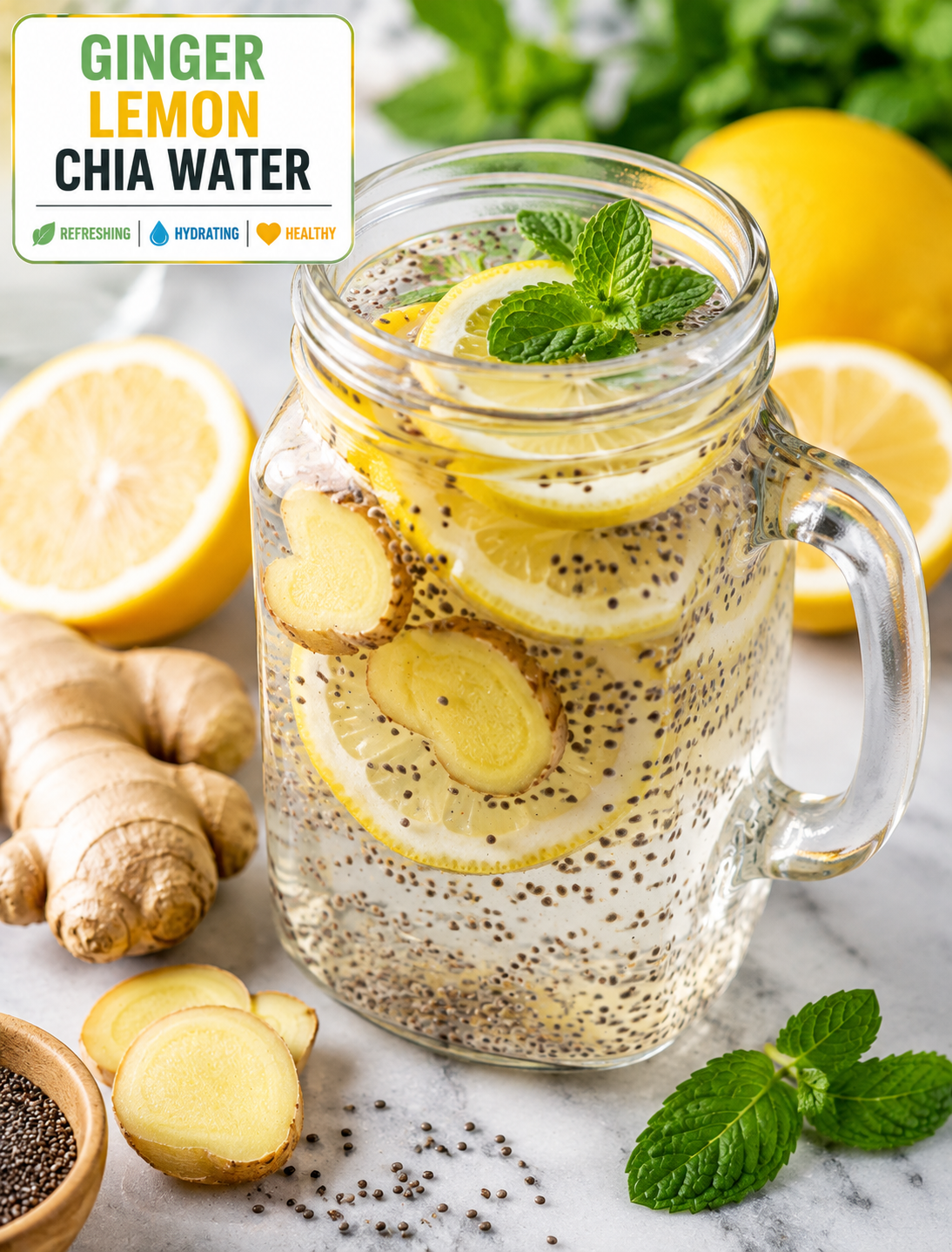
Refreshing ginger lemon chia water with hydrated chia seeds, fresh lemon slices, ginger, mint, and ice in a clear glass

Ginger Lemon Chia Water

Refreshing, bright, and easy to prepare, Ginger Lemon Chia Water is a simple homemade drink made with fresh ginger, lemon, chia seeds, and water. The combination creates a lightly tangy drink with a pleasant ginger kick and tiny chia seeds that add texture.

This recipe takes only a few minutes to prepare and works well as a refreshing drink during a busy day. The lemon adds a fresh citrus flavor, while ginger gives the water a warm, slightly spicy taste.

Chia seeds absorb liquid and develop a soft, gel-like coating after soaking. That texture makes this drink different from ordinary lemon water and gives it a more substantial feel.

You can enjoy it chilled over ice or prepare it ahead and keep it refrigerated. A small amount of honey or maple syrup can be added if you prefer a sweeter drink.

Why You’ll Love This Chia Water

This drink uses a short list of everyday ingredients and requires no special equipment.

Fresh ginger gives the water a naturally bold flavor, while lemon adds acidity and brightness. Chia seeds provide texture and contain fiber, plant-based omega-3 fats, protein, and minerals.

The drink can be adjusted to match your taste. Add more ginger for a stronger flavor, increase the lemon for extra tang, or use less chia if you prefer a lighter texture.

It is also easy to prepare in advance. Once the chia seeds have hydrated, the drink can be stored in the refrigerator and served cold.

Unlike packaged flavored drinks, homemade chia water lets you control the sweetness and ingredients.

Ingredients You’ll Need

  • 4 cups cold or room-temperature water
  • 1 tablespoon chia seeds
  • 1 medium lemon
  • 1–2 inches fresh ginger root
  • 1–2 teaspoons honey, optional
  • Ice cubes, optional
  • Fresh lemon slices for serving
  • Fresh mint leaves, optional

Fresh ginger gives the strongest flavor, but ground ginger can be used when fresh ginger is not available.

Use fresh lemon juice rather than bottled lemon juice when possible. Fresh juice provides a brighter citrus flavor.

Honey is optional because the lemon and ginger already give the drink plenty of character. You can also use maple syrup if preferred.

How to Make Ginger Lemon Chia Water

1. Prepare the Ginger

Peel the fresh ginger using the edge of a teaspoon or a small vegetable peeler.

Slice or finely grate the ginger.

For a stronger ginger flavor, grate it finely so more of the ginger comes into contact with the water.

For a milder drink, use larger slices that are easier to remove later.

2. Prepare the Lemon

Roll the lemon firmly against the counter for a few seconds.

Cut it in half and squeeze the juice into a measuring cup.

Remove any seeds before adding the juice to the drink.

You can also slice a few thin lemon rounds to use as a garnish.

3. Combine the Water and Chia Seeds

Pour the water into a large jar or pitcher.

Add the chia seeds and stir immediately.

Stir again after about 2–3 minutes to prevent the seeds from settling together at the bottom.

Let the chia seeds soak for approximately 10–15 minutes.

As they absorb water, a gel-like coating will form around each seed.

4. Add Ginger and Lemon

Add the fresh ginger and lemon juice to the hydrated chia mixture.

If using honey, stir it in until completely dissolved.

Taste the drink and adjust the lemon, ginger, or sweetness as needed.

For a smoother drink, strain the ginger before serving.

If you enjoy a stronger ginger flavor, leave the ginger pieces in the pitcher while the drink chills.

5. Chill and Serve

Place the prepared drink in the refrigerator for at least 20–30 minutes if you prefer it very cold.

Fill glasses with ice.

Pour the chia water over the ice and add a lemon slice and mint leaf if desired.

Stir the drink before each serving because chia seeds naturally settle over time.

How Chia Seeds Change the Drink

Chia seeds behave differently from most drink ingredients because they absorb liquid.

When soaked, each seed develops a soft outer gel. This creates a slightly thick texture without needing a blender or thickener.

The longer the seeds soak, the softer and more hydrated they become.

If you are new to chia drinks, start with a smaller amount and increase it gradually based on your preferred texture.

Always stir the drink well before drinking because the seeds can collect at the bottom of the glass.

Using enough water helps the seeds hydrate properly and makes the drink easier to enjoy.

How to Adjust the Ginger Flavor

Fresh ginger can range from mild to quite spicy, so the amount can be adjusted easily.

Use about 1 inch of ginger for a gentle flavor.

Use 2 inches for a stronger ginger taste.

Grated ginger releases more flavor than larger slices.

If the drink tastes too strong, add more cold water and lemon to balance it.

You can also remove the ginger after steeping if you want the flavor to remain mild.

For a refreshing variation, add fresh mint or a few cucumber slices.

How to Adjust the Sweetness

The natural flavor of lemon is tart, while ginger adds a warm bite.

Honey can soften both flavors without requiring much added sweetness.

Start with one teaspoon of honey for the full pitcher and taste before adding more.

Maple syrup is another option with a slightly deeper flavor.

You can also leave the sweetener out completely if you prefer a sharper, unsweetened drink.

For everyday preparation, controlling the amount of added sweetener lets you make the drink exactly how you like it.

When to Enjoy Chia Water

There is no special time required to enjoy this drink.

It can be served with breakfast, lunch, or dinner.

It also makes a refreshing option when you want a flavored drink instead of plain water.

Pour it over ice during warm weather or serve it chilled from the refrigerator.

If you are using chia seeds regularly, make sure you allow them to fully hydrate before drinking and consume them with enough fluid.

The drink can also be prepared in a reusable bottle for convenient serving later.

Easy Flavor Variations

This basic recipe can be changed with a few simple additions.

Cucumber Lemon Chia Water

Add thin cucumber slices for a crisp, cooling flavor.

Mint Ginger Chia Water

Add fresh mint leaves for a bright herbal note.

Orange Ginger Chia Water

Replace part of the lemon juice with fresh orange juice for a sweeter citrus profile.

Berry Chia Water

Add mashed strawberries, raspberries, or blueberries for natural fruit flavor.

Lime Ginger Chia Water

Use fresh lime juice instead of lemon for a sharper citrus taste.

Cinnamon Ginger Chia Water

Add a very small cinnamon stick while the ginger steeps for a warm spice flavor.

These variations make it easy to keep the drink interesting without changing the basic preparation method.

Tips for the Best Results

Use fresh ginger for the strongest natural flavor.

Stir chia seeds immediately after adding them to water.

Stir again after several minutes to prevent clumping.

Allow the seeds enough time to hydrate before drinking.

Use fresh lemon juice for a brighter flavor.

Adjust ginger according to your preferred level of spice.

Add sweetener gradually instead of adding a large amount at once.

Chill the drink before serving if you prefer a cold beverage.

Stir before pouring because chia seeds settle naturally.

Keep the prepared drink refrigerated.

How to Store Ginger Lemon Chia Water

Store the finished drink in a clean, covered jar or pitcher in the refrigerator.

Stir it before each serving because the chia seeds will continue to settle.

For the best flavor and texture, prepare a reasonable amount that can be enjoyed while fresh.

If you add fresh fruit, mint, or other perishable ingredients, keep the drink refrigerated.

Do not leave a chia-based beverage sitting at room temperature for an extended period.

Discard the drink if it develops an unusual smell, appearance, or flavor.

Can You Prepare It Ahead?

Yes, this drink is easy to prepare ahead.

Mix the water, chia seeds, lemon, and ginger and refrigerate until chilled.

Preparing it ahead gives the chia seeds more time to hydrate, which creates a softer texture.

If you prefer a lighter texture, prepare it closer to serving time.

Keep the pitcher covered in the refrigerator and stir before serving.

For meal prep, divide the drink into individual sealed containers so it is ready to grab from the refrigerator.

Common Mistakes to Avoid

Adding too many chia seeds can make the drink overly thick.

Skipping the second stir can allow the seeds to form clumps.

Using too little water can make the hydrated seeds difficult to drink.

Adding too much ginger can overpower the lemon flavor.

Adding too much sweetener can hide the fresh citrus taste.

Using very hot water may reduce the refreshing quality of the finished beverage.

For the best balance, start with the recommended measurements and adjust after tasting.

Is Ginger Lemon Chia Water Healthy?

This drink can be a flavorful way to add fluids to your day while also providing nutrients from chia seeds and fresh ingredients.

Chia seeds contain fiber, plant-based omega-3 fatty acids, protein, calcium, magnesium, and other nutrients.

Ginger and lemon contribute flavor and small amounts of vitamins and plant compounds.

However, this drink should not be viewed as a detox treatment, cure, or replacement for medical care.

Its main practical benefit is that it can make water more interesting while adding chia seeds to the recipe.

If you have difficulty swallowing, digestive concerns, or a medical condition affected by dietary fiber, ask a healthcare professional whether chia seeds are appropriate for you.

The Bottom Line

Ginger Lemon Chia Water is a simple homemade beverage with fresh lemon, warming ginger, and hydrated chia seeds.

The recipe takes only a few minutes to mix and can be customized with honey, mint, cucumber, berries, lime, or other fresh ingredients.

The chia seeds create a unique texture while lemon and ginger provide a bright and refreshing flavor.

For the best results, hydrate the chia seeds properly, stir the drink more than once, and keep it chilled until serving.

Frequently Asked Questions

1. What does Ginger Lemon Chia Water taste like?

It has a bright lemon flavor, a mild spicy note from ginger, and a slightly gel-like texture from hydrated chia seeds.

2. How long should chia seeds soak in water?

Allow chia seeds to soak for about 10–15 minutes, stirring once or twice to help them hydrate evenly.

3. Can I drink chia water every day?

Many people can include chia seeds as part of a balanced diet, but start with a modest amount and drink enough fluid with them.

4. Can I use ground ginger instead of fresh ginger?

Yes. Start with a small amount of ground ginger and adjust it gradually because its flavor can be concentrated.

5. Should Ginger Lemon Chia Water be refrigerated?

Yes. Keep the prepared drink covered and refrigerated, especially when using fresh lemon, fruit, or herbs.

6. Can I make this drink without honey?

Yes. Honey is optional, so you can enjoy the drink unsweetened or use another sweetener if desired.

7. Why do chia seeds clump together?

Chia seeds can stick together when they are not stirred after being added to liquid, so stir immediately and again during soaking.

8. Can I add fruit to chia water?

Yes. Strawberries, blueberries, cucumber, oranges, and other fresh produce can add flavor and variety.

Final Thoughts

Ginger Lemon Chia Water is an easy recipe for anyone who wants a refreshing homemade drink with a little more texture and flavor than plain water.

Fresh lemon provides a bright citrus note, ginger adds gentle warmth, and soaked chia seeds create a unique texture that makes the drink feel different from ordinary flavored water.

The recipe is simple enough for everyday preparation and flexible enough to customize with berries, cucumber, mint, lime, or your preferred sweetener.

For the best experience, give the chia seeds enough time to hydrate, stir the drink well, and serve it chilled.

Fresh, tangy, lightly spicy, and easy to customize, this chia water is a simple addition to your everyday drink rotation.
Apple Cinnamon Morning Wellness Water

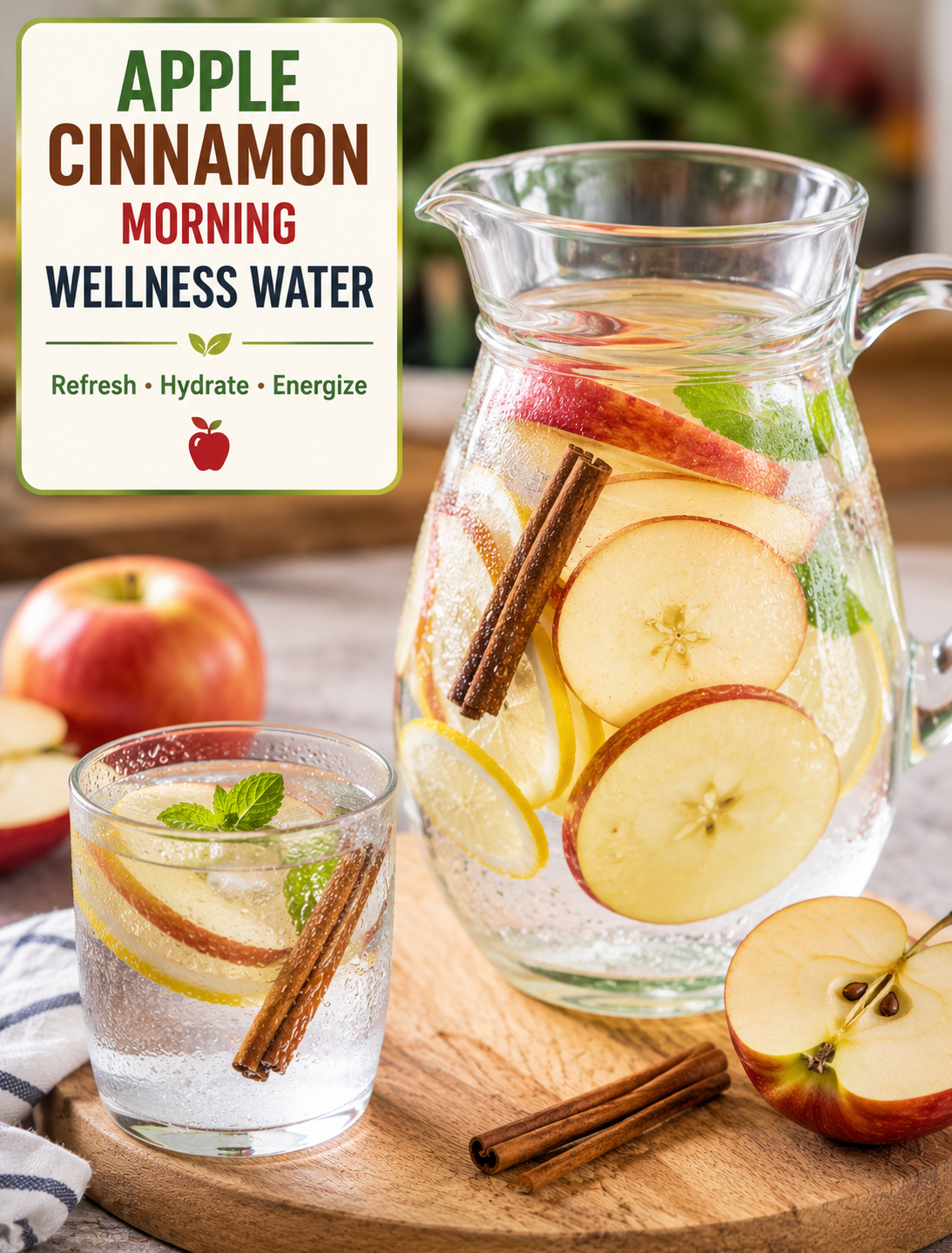
Apple cinnamon infused water with fresh apple slices, lemon, cinnamon sticks, and mint in a glass pitcher

Apple Cinnamon Morning Wellness Water

A refreshing glass of flavored water can make your morning routine feel a little more enjoyable. This Apple Cinnamon Morning Wellness Water combines crisp apple slices, cinnamon, fresh lemon, and cold water for a naturally flavored drink that is simple to prepare and easy to enjoy.

Unlike bottled sweet drinks, this homemade infusion contains no added sugar unless you choose to add some. The apple and cinnamon give the water a light, naturally sweet flavor, while lemon adds a bright citrus note.

This drink is not a magic detox or a cure for health problems. Its main benefit is that it can make plain water more appealing, which may help you drink more fluids throughout the day.

Keep a pitcher in the refrigerator overnight, and you will have a refreshing drink ready when you wake up.

Why Try Apple Cinnamon Wellness Water?

Plain water is essential for normal body functions, but many people find it boring. Adding fresh fruit and spices can create more flavor without turning water into a sugary beverage.

Apples contribute natural flavor and small amounts of nutrients, while cinnamon adds a warm, spicy aroma. Lemon provides a fresh citrus taste that balances the sweetness of the apple.

The ingredients are simple, inexpensive, and easy to find at most U.S. grocery stores.

This recipe can also be prepared ahead of time, making it convenient for busy mornings, workdays, and weekend meal preparation.

The biggest advantage is simplicity. You do not need special powders, supplements, or complicated ingredients to make a flavorful infused water.

Ingredients You’ll Need

  • 1 medium crisp apple
  • 1 cinnamon stick
  • ½ lemon, thinly sliced
  • 6–8 cups cold filtered water
  • Ice, optional
  • Fresh mint leaves, optional

Choose a crisp apple that you enjoy eating. Honeycrisp, Fuji, Gala, Pink Lady, and Granny Smith all work well.

A cinnamon stick is preferable to ground cinnamon because it infuses the water without leaving as much powder floating in the pitcher.

Fresh lemon gives the cleanest citrus flavor. If you prefer a milder taste, start with a few lemon slices and add more later.

Mint is optional, but it gives the drink a cooling finish that works especially well during warmer months.

How to Make Apple Cinnamon Morning Wellness Water

1. Wash the Ingredients

Rinse the apple and lemon thoroughly under cool running water.

Because the fruit will be sliced with the peel on, cleaning the outside well is important.

Pat the fruit dry with a clean towel before slicing.

2. Slice the Apple and Lemon

Cut the apple into thin wedges or rounds.

Remove the seeds and core pieces before adding the apple to the pitcher.

Slice half of the lemon into thin rounds. Thin slices allow the citrus flavor to spread through the water more easily.

There is no need to peel either fruit.

3. Combine Everything

Place the apple slices, lemon slices, and cinnamon stick into a large glass pitcher.

Add 6–8 cups of cold water and gently stir.

If using fresh mint, add a small handful of washed leaves.

4. Chill and Infuse

Cover the pitcher and place it in the refrigerator.

Allow the ingredients to infuse for at least 2 hours. For a stronger flavor, leave the mixture refrigerated overnight.

The longer the fruit sits in the water, the more noticeable the flavor becomes.

Add ice to individual glasses when serving.

Best Apples for Infused Water

Different apples create different flavor profiles.

Honeycrisp provides a crisp, naturally sweet taste that pairs nicely with cinnamon and lemon.

Fuji and Gala apples offer a softer sweetness and are useful when you want a mild drink.

Granny Smith apples create a sharper, more tart flavor that works especially well with lemon.

Pink Lady apples provide a balanced combination of sweetness and acidity.

You can also combine two apple varieties to create a more interesting flavor.

There is no need to use expensive apples for this recipe. Choose fresh fruit that is firm and free from major bruising.

What Does Cinnamon Add to the Drink?

Cinnamon gives infused water a warm aroma and mild spice without adding sugar.

The flavor becomes stronger as the cinnamon stick sits in the water. If you prefer a subtle cinnamon taste, remove the stick after a few hours.

Cinnamon is often discussed for its potential health properties, but adding cinnamon to water should not be viewed as a treatment for blood sugar problems, inflammation, or other medical conditions.

For this recipe, its main role is simple: it makes the drink taste more interesting.

That flavor can make a plain glass of water feel more satisfying without the need for soda or sweetened beverages.

Is Apple Cinnamon Water a Detox Drink?

The term “detox water” is popular online, but the body already has natural systems that process and remove waste.

Your liver, kidneys, lungs, digestive system, and other organs perform these important functions.

Apple cinnamon water does not flush toxins from the body or replace medical detoxification.

A more accurate way to describe this drink is fruit-infused water.

Its practical benefit is that it provides a flavorful, low-calorie alternative to many sweetened drinks and can be part of a healthy hydration routine.

Can You Drink It in the Morning?

Yes. This drink can be enjoyed first thing in the morning, with breakfast, or later in the day.

Starting your day with water can help you replenish fluids after several hours of sleep.

There is no special requirement to drink infused water on an empty stomach. If you prefer to drink it alongside breakfast, that works just as well.

For a balanced breakfast, pair the drink with foods containing protein, fiber, and healthy fats, such as eggs, Greek yogurt, oatmeal, nuts, seeds, or fresh fruit.

The drink should complement breakfast rather than replace a nutritious meal.

How to Make the Flavor Stronger

If your first batch tastes too mild, there are several easy ways to increase the flavor.

Add more apple slices for a stronger fruit taste. You can also add another cinnamon stick if you enjoy a more noticeable spice flavor.

A few additional lemon slices can make the water brighter and more refreshing.

Fresh ginger is another option that pairs well with apple and cinnamon. Add two or three thin slices for a gentle spicy note.

Fresh mint can provide a cool finish, especially when the drink is served over ice.

Avoid adding large amounts of honey or sugar if your goal is to keep the beverage low in added sugar.

Apple Cinnamon Water for Meal Prep

This recipe is ideal for preparing ahead.

Make a pitcher in the evening and refrigerate it overnight. The flavor will be ready by morning, so there is no extra preparation when you wake up.

For the best taste, prepare a fresh batch regularly instead of keeping the same fruit in the pitcher for many days.

If the apple slices become soft or the lemon develops a bitter taste, remove the fruit and make a fresh batch.

You can also prepare smaller individual jars if you prefer to take infused water to work, school, or outdoor activities.

Use clean, covered containers and keep the drink refrigerated.

How Long Does Infused Water Last?

For the best quality, drink homemade fruit-infused water within about 24 hours and keep it refrigerated.

The fruit can become soft after extended soaking, and citrus peel may create a bitter flavor over time.

If you notice an unusual smell, cloudy appearance, or unpleasant taste, discard the drink.

Always use clean utensils and containers when preparing infused water.

Keeping the pitcher cold is especially important because fresh fruit is perishable.

Simple Variations to Try

Once you have tried the basic recipe, you can create several variations.

Add fresh ginger for a stronger spice profile.

Use orange slices instead of lemon for a sweeter citrus flavor.

Add cucumber for a lighter, crisp taste.

Fresh berries can create a colorful summer version.

Pear slices can replace apples when you want a softer fruit flavor.

You can also add fresh rosemary or mint for a more herbal drink.

The key is to keep the combination simple so the flavors remain clean and refreshing.

Tips for the Best Apple Cinnamon Water

Use cold, clean water for the freshest taste.

Slice the fruit thinly so the flavors can infuse more easily.

Choose firm apples that are fresh and free from excessive bruising.

Use cinnamon sticks instead of large amounts of ground cinnamon.

Refrigerate the pitcher while it infuses.

Taste the water after two hours and adjust the ingredients if needed.

Remove the fruit when the flavor becomes strong enough for your preference.

Serve over ice for an extra-refreshing drink.

The Bottom Line

Apple Cinnamon Morning Wellness Water is a simple way to make everyday hydration more flavorful.

Fresh apple provides a naturally fruity taste, cinnamon adds warmth, and lemon creates a bright finish. Together, they turn ordinary water into an easy homemade beverage without requiring a complicated recipe.

While this drink should not be promoted as a detox treatment or cure, it can be a smart alternative to sugary beverages. The best approach is to enjoy it as part of a balanced lifestyle that includes nutritious food, regular movement, adequate sleep, and good hydration.

Prepare a pitcher the night before, keep it chilled, and enjoy a refreshing glass when you start your day.

Frequently Asked Questions

1. What is Apple Cinnamon Morning Wellness Water?

It is homemade infused water made with fresh apple slices, cinnamon, lemon, and cold water for a naturally flavored, refreshing beverage.

2. Can apple cinnamon water help with hydration?

Yes. It provides water, and the added fruit flavor may make drinking enough fluids more enjoyable.

3. Does apple cinnamon water detox the body?

No. The body naturally removes waste through organs such as the liver and kidneys; infused water simply supports normal hydration.

4. Can I drink apple cinnamon water every day?

Yes, as long as the ingredients are fresh and the drink fits comfortably into your overall diet and hydration routine.

5. How long should apple cinnamon water infuse?

Refrigerate it for at least 2 hours, or leave it overnight for a stronger flavor.

6. Can I use ground cinnamon instead of a cinnamon stick?

Yes, but ground cinnamon may settle at the bottom and create a cloudy texture, so a cinnamon stick is usually easier.

7. How long does apple cinnamon infused water last?

For the best flavor and quality, keep it refrigerated and use it within about 24 hours.

8. Can I add ginger or mint?

Yes. Fresh ginger and mint pair well with apple, cinnamon, and lemon and can add extra flavor without much sweetness.

Final Thoughts

Apple Cinnamon Morning Wellness Water is a simple, refreshing way to make everyday hydration more enjoyable. Fresh apple, cinnamon, and lemon create a naturally flavorful combination without needing added sugar.

While it is not a detox cure or a magic wellness drink, it can be a smart alternative to sugary beverages. Prepare it the night before, keep it chilled, and enjoy a fresh glass as part of a balanced morning routine.

Sometimes, the simplest healthy habits are the easiest ones to keep.

What Happens When You Drink Celery Juice Every Morning

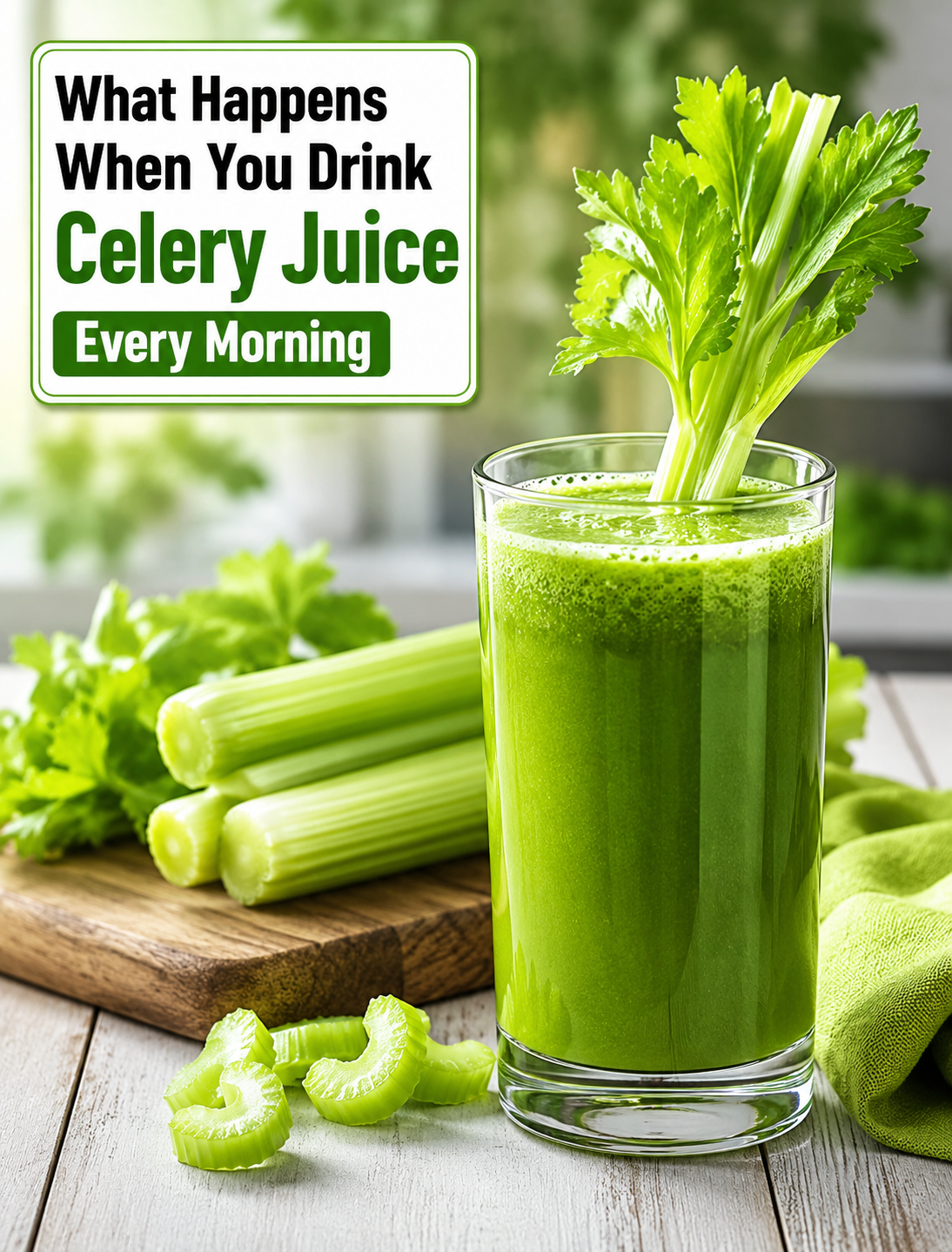
A glass of fresh celery juice with celery stalks on a healthy breakfast table

What Happens When You Drink Celery Juice Every Morning

Drinking celery juice every morning on an empty stomach has become a popular health trend, largely promoted for its potential benefits on digestion, detoxification, and overall wellness. Here’s what might happen if you start your day with celery juice:

Immediate Effects on Digestion

Celery juice is known for its ability to improve digestion almost immediately after you start including it in your daily routine. It contains nutrients that can increase the production of stomach acid, helping to break down food more efficiently. This can lead to reduced bloating and smoother digestion throughout the day.

Detoxification and Diuretic Effects

Celery has natural diuretic properties, meaning it helps your body eliminate toxins through increased urine output. Drinking celery juice regularly can support kidney function by helping to flush out waste materials more effectively. Additionally, the high water content of celery contributes to hydration, which is crucial for detoxification processes.

Anti-Inflammatory Benefits

Celery is rich in antioxidants and compounds like luteolin and polyacetylenes, which have anti-inflammatory properties. Regular consumption of celery juice can help reduce inflammation in the body, which is beneficial for people suffering from inflammatory conditions such as arthritis, heart disease, or skin issues like acne.

Impact on Blood Pressure and Heart Health

Celery contains phthalides, which are chemical compounds that can help lower blood pressure by relaxing the tissues of the artery walls. This can enhance blood flow and overall heart health. For individuals with high blood pressure, daily consumption of celery juice might contribute to managing their condition more effectively.

Potential for Skin Health Improvement

The vitamins and minerals in celery, along with its hydration properties, can have a positive impact on the skin. Regular intake of celery juice might lead to clearer, more hydrated, and vibrant skin due to its cleansing effects and the presence of vitamin A, which promotes healthy skin cell production.

Possible Weight Management Aid

While celery juice is not a weight loss miracle drink, its low calorie and high fiber content can contribute to weight management. Drinking it in the morning can provide a sense of fullness and reduce cravings, potentially aiding in weight loss efforts as part of a balanced diet.

Considerations and Cautions

Allergies and Sensitivities: Some people might be allergic to celery, and it’s important to consider this before starting a daily juice regimen.

High Sodium Content: Celery is relatively high in sodium compared to other vegetables. People watching their sodium intake should be mindful of their overall consumption.

Medication Interactions: Celery juice can interact with certain medications, especially those for blood pressure and thyroid conditions. It’s important to consult with a healthcare provider if you have any health concerns or are taking prescription drugs.

ٖFinal Thoughts

Drinking celery juice every morning can offer various health benefits, including improved digestion, detoxification, and anti-inflammatory effects. However, it’s important to integrate this practice as part of a balanced diet and lifestyle. Always consider any personal health issues and consult with a healthcare professional to ensure it’s safe and beneficial for you.

Guava Leaf Tea for Water Retention: Easy Morning Wellness Drink

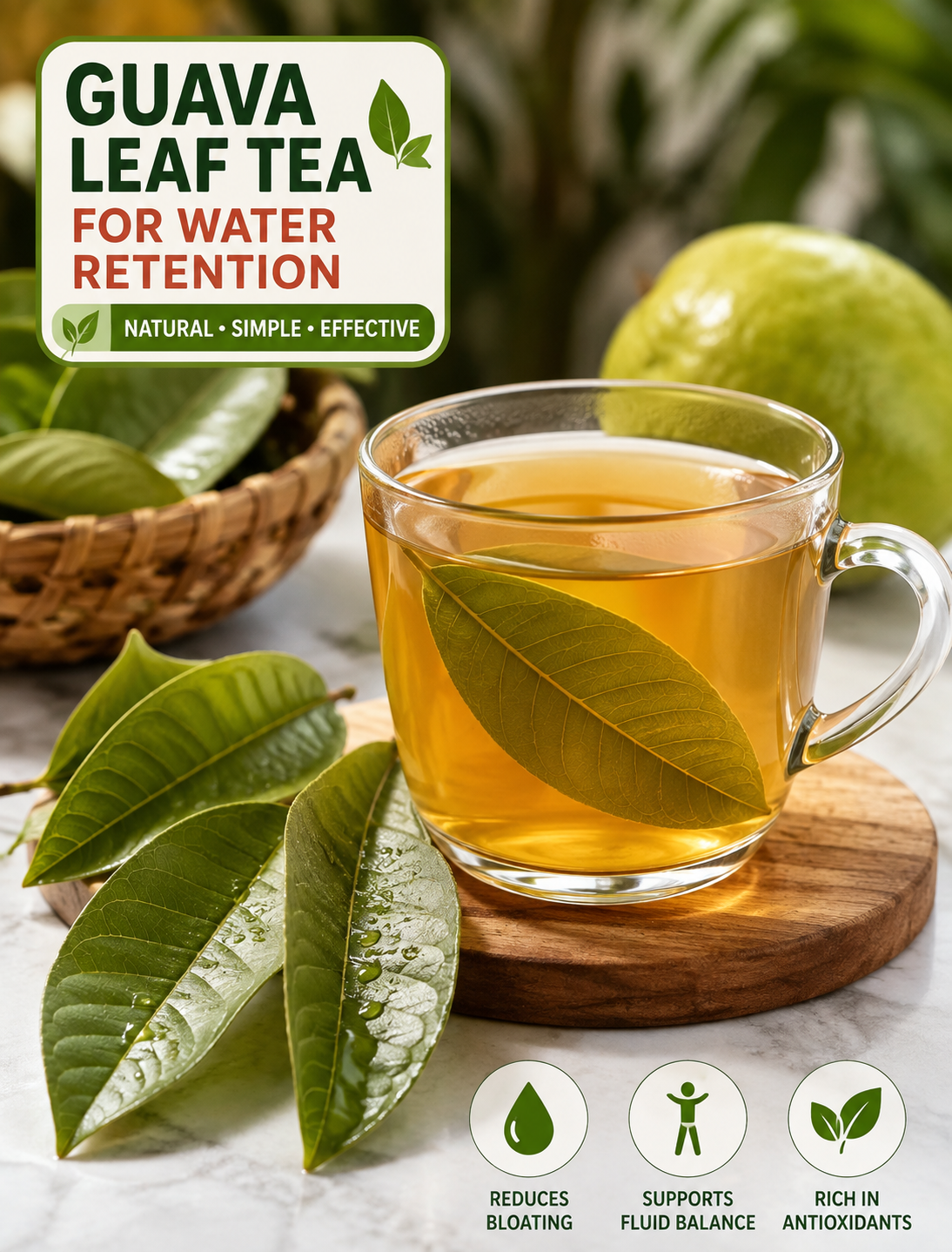
Homemade guava leaf tea in a glass cup with fresh guava leaves for a healthy morning routine

Guava Leaf Tea for Water Retention

Guava leaf tea is a simple herbal drink that can fit into a healthy morning routine. Made by steeping fresh or dried guava leaves in hot water, this caffeine-free tea has a mild herbal flavor and contains naturally occurring plant compounds such as flavonoids and other antioxidants.

Many people explore guava leaf tea when they want a soothing drink to support hydration, digestion, and a balanced daily routine. It is also commonly discussed as a natural option for occasional bloating and fluid retention. However, water retention can have many causes, so tea should not be viewed as a treatment for persistent swelling.

A healthy morning routine works best when it includes enough water, nutritious foods, regular movement, and reasonable sodium intake. Guava leaf tea can be one small part of those habits.

Why Guava Leaf Tea Is Used for Water Retention

Water retention happens when extra fluid collects in body tissues. It may temporarily occur after eating salty foods, sitting for long periods, traveling, or experiencing normal changes in the body.

Guava leaves contain plant compounds with antioxidant properties, which is one reason they have been used traditionally in herbal preparations. Some people also use guava leaf tea as a light, warm beverage when they feel bloated or want an alternative to sugary drinks.

There is limited human evidence specifically showing that guava leaf tea reduces water retention. Any effect on fluid balance should therefore be considered possible rather than guaranteed.

If swelling is frequent, severe, painful, or unexplained, it is better to speak with a healthcare professional instead of relying on an herbal drink.

Guava Leaf Tea as a Morning Routine Hack

Starting the morning with a warm, unsweetened drink can make hydration easier for people who do not enjoy plain water. Guava leaf tea can be prepared in advance and enjoyed warm or allowed to cool for a refreshing alternative to sweet beverages.

A simple morning routine can include one cup of guava leaf tea, a glass of plain water, a balanced breakfast, and a few minutes of light movement. Walking or stretching after waking may also help you avoid spending the first hours of the day sitting still.

The goal is not to force your body to lose water. Instead, focus on consistent habits that support normal fluid balance.

For a lower-sugar option, drink the tea without honey. A small amount of lemon juice can add flavor, but lemon does not create a special “detox” effect. Your liver and kidneys already perform the body’s natural waste-processing functions.

How to Make Guava Leaf Tea

This homemade herbal tea requires only guava leaves and water. Fresh leaves should be cleaned carefully before preparation.

Ingredients

  • 10 fresh guava leaves or 5 dried guava leaves
  • 2 cups filtered water
  • ½ teaspoon lemon juice, optional
  • 1 teaspoon honey, optional

Instructions

  1. Rinse fresh guava leaves thoroughly under cool running water.
  2. Bring 2 cups of filtered water to a boil in a small saucepan.
  3. Add the guava leaves and reduce the heat.
  4. Simmer the leaves gently for 10 to 15 minutes.
  5. Remove the pot from the heat and strain the tea into a cup.
  6. Add a small amount of lemon juice or honey if desired.
  7. Enjoy the tea warm.

One batch makes roughly one to two servings, depending on how much liquid is used per cup.

Best Time to Drink Guava Leaf Tea

There is no established medical rule that guava leaf tea must be consumed at a particular time. Drinking it in the morning can simply make it easier to include in a consistent daily routine.

If you prefer it between meals, one cup can be a practical option. Avoid adding large amounts of honey or other sweeteners if you are trying to reduce added sugar.

Some people may prefer drinking herbal tea earlier in the day because fluids consumed close to bedtime can increase nighttime bathroom trips.

Do not assume that drinking more tea will produce better results. More fluid loss is not the same as better health.

Healthy Habits That May Help With Fluid Balance

Your overall lifestyle matters more than any single herbal drink. Several everyday habits can support normal fluid balance.

Stay Hydrated

Drinking enough water throughout the day helps your body maintain normal fluid balance. Keep water available and drink regularly instead of waiting until you feel very thirsty.

Watch Sodium Intake

High-sodium meals can contribute to temporary fluid retention in some people. Restaurant meals, packaged foods, processed meats, canned soups, and salty snacks can contain substantial amounts of sodium.

Add More Movement

Long periods of sitting may make your legs and feet feel puffy. Short walks, gentle stretching, and regular movement can help you avoid staying in one position for too long.

Choose Whole Foods

Fruits, vegetables, beans, whole grains, lean proteins, and other minimally processed foods can support a balanced eating pattern. Potassium-rich foods such as bananas, potatoes, beans, spinach, and yogurt can also be part of a healthy diet.

Tips and Safety Notes

Use clean, food-safe guava leaves and wash fresh leaves thoroughly before making tea. Store dried leaves in an airtight container away from heat, moisture, and direct sunlight.

The supplied recipe suggests limiting intake to two cups daily unless a healthcare professional advises otherwise. Because research on concentrated guava leaf preparations is limited, regular high-dose use is not recommended.

People who take prescription medicines should check with a healthcare professional before using guava leaf tea regularly. Extra caution is appropriate for people taking medicines that affect blood sugar, blood pressure, or fluid balance.

Pregnant or breastfeeding individuals should ask their healthcare provider before using guava leaf preparations.

Guava leaf tea should not replace prescribed treatment for swelling, kidney problems, heart conditions, liver disease, or other medical concerns.

Seek medical advice for sudden swelling, swelling on only one side of the body, shortness of breath, chest pain, severe pain, or rapidly worsening symptoms.

Guava Leaf Tea Nutrition

Plain guava leaf tea is naturally very low in calories because the leaves are strained out before drinking. A cup made from the recipe above may contain only a few calories.

Adding honey increases the carbohydrate and calorie content. Lemon juice adds very little energy but can provide a brighter flavor.

Nutrition values can vary depending on the amount of leaves used, preparation method, and optional ingredients.

Frequently Asked Questions

Does guava leaf tea reduce water retention?

There is not enough strong human evidence to confirm that it directly reduces water retention. It can be enjoyed as a low-calorie herbal beverage as part of healthy habits.

How often can I drink guava leaf tea?

The provided recipe recommends no more than two cups daily unless a healthcare professional recommends otherwise.

Can I drink guava leaf tea in the morning?

Yes. A morning cup can be a simple way to add a warm, unsweetened beverage to your daily hydration routine.

Does guava leaf tea have caffeine?

Plain guava leaf tea is naturally caffeine-free because it is made from guava leaves rather than traditional tea leaves such as black or green tea.

Can I add lemon to guava leaf tea?

Yes. Lemon can improve the flavor, but it should not be considered a special detox ingredient or treatment for fluid retention.

Can honey be added to guava leaf tea?

Yes, but honey adds sugar and calories. Use a small amount if you are limiting added sugars.

Who should avoid guava leaf tea?

People who are pregnant, breastfeeding, taking medicines that affect blood sugar or fluid balance, or managing a medical condition should ask a healthcare professional before using it regularly.

When should swelling be checked by a doctor?

Persistent, severe, sudden, painful, or unexplained swelling should be evaluated by a healthcare professional, especially when it occurs with breathing problems or chest pain.

Final Thoughts

Guava leaf tea can be a pleasant addition to a simple morning wellness routine. Its low-calorie, caffeine-free nature makes it an easy alternative to sugary beverages, while the leaves provide naturally occurring plant compounds.

For occasional bloating or concerns about fluid balance, focus on the bigger picture: drink enough water, moderate sodium, eat a varied diet, and stay physically active.

Most importantly, do not use herbal tea to mask ongoing or unexplained swelling. Persistent fluid retention can sometimes signal an underlying health issue that needs proper evaluation.