Do Eggs Really Raise Your Cholesterol

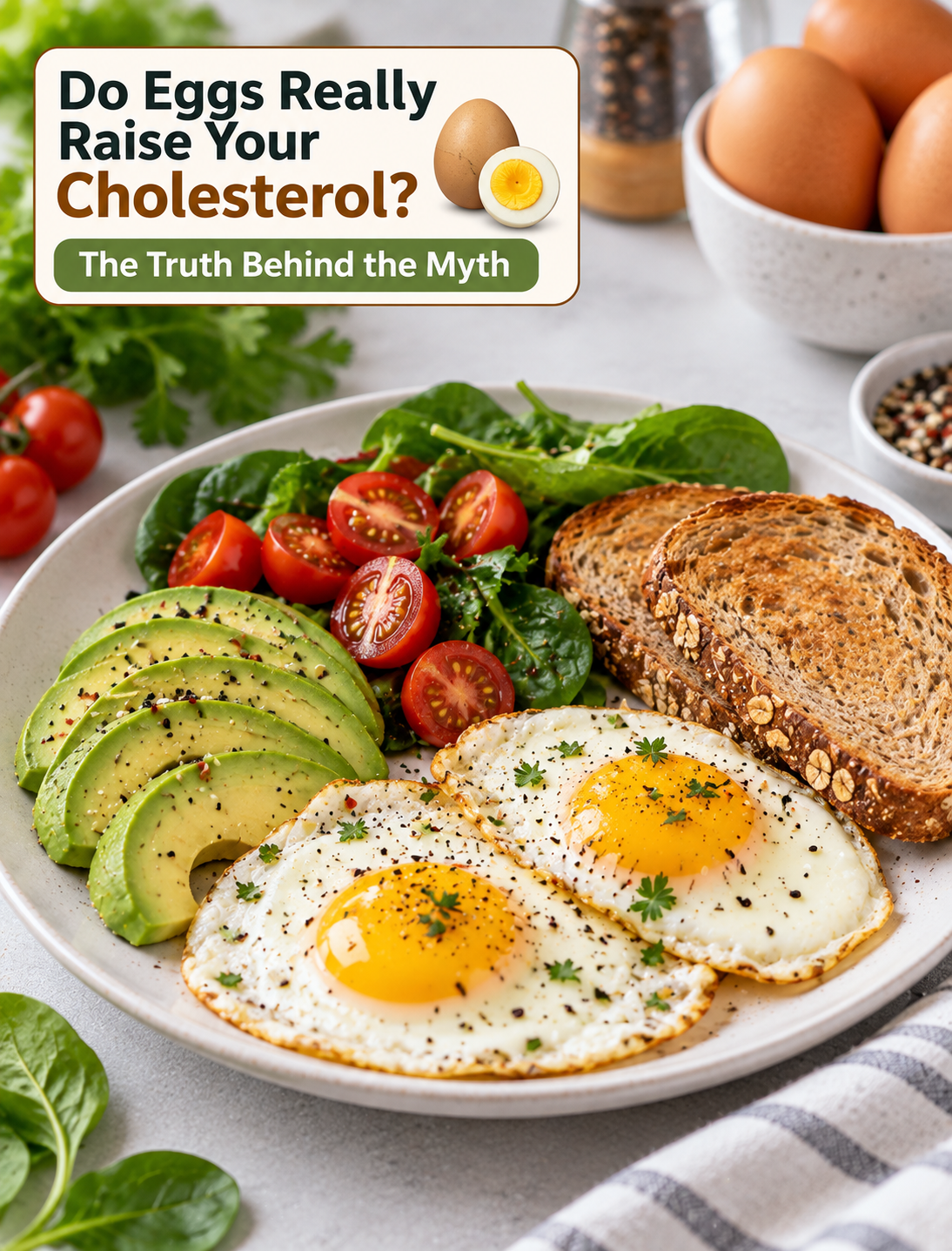
Healthy breakfast with eggs, avocado, spinach, tomatoes, whole grain toast, and fresh vegetables illustrating eggs and cholesterol

Do Eggs Really Raise Your Cholesterol? — The Truth Behind the Myth

For years, eggs were treated as a food to avoid because egg yolks contain dietary cholesterol. That led many people to believe that eating eggs automatically causes high blood cholesterol and increases heart disease risk.

The real answer is more nuanced. Eggs do contain cholesterol, and eating them can raise blood cholesterol in some people, but the effect varies from person to person. Research also shows that the overall diet matters, especially the amount of saturated fat and the foods eaten with eggs.

A large egg contains about 186 milligrams of cholesterol, most of it in the yolk. At the same time, eggs provide protein and several important nutrients.

Current evidence does not support the idea that everyone needs to eliminate eggs. The American Heart Association says healthy individuals can include up to one whole egg daily, while people with abnormal cholesterol levels or certain health conditions may need more individualized advice.

What Is Cholesterol?

Cholesterol is a waxy substance that the body needs for normal functions. It helps form cell membranes and is involved in making hormones, vitamin D, and bile acids.

Your liver makes cholesterol naturally, so your body does not depend on food to supply it. Dietary cholesterol comes mainly from animal-based foods such as egg yolks, meat, poultry, dairy products, and shellfish.

Blood cholesterol is different from the cholesterol found in food. When you have a blood test, your doctor may look at LDL cholesterol, HDL cholesterol, triglycerides, and total cholesterol.

LDL is often called “bad” cholesterol because high levels can contribute to plaque buildup in arteries. HDL is often called “good” cholesterol because it helps transport cholesterol back toward the liver.

This difference is important because eating a food that contains cholesterol does not mean the cholesterol in that food simply moves directly into your arteries.

Do Eggs Raise Blood Cholesterol?

Yes, eggs can affect blood cholesterol, but the response is not the same for everyone.

Randomized trials have found that higher egg intake can modestly increase LDL cholesterol in some groups. One meta-analysis of randomized controlled trials found increases in both LDL and HDL cholesterol with egg consumption compared with lower-egg diets.

Another systematic review of randomized trials also found that increased egg intake raised LDL cholesterol and the LDL-to-HDL ratio, although the size of the response varied among participants.

This means the old statement that “eggs have no effect on cholesterol” is too simple. Eggs can influence blood lipids, but the change does not automatically mean that eating eggs causes heart disease.

The amount you eat, the rest of your diet, your genetics, and your existing health profile all matter.

Why the Whole Diet Matters More

Looking at eggs by themselves can miss an important part of the picture: what you eat with them.

Eggs are often served with bacon, sausage, buttered toast, hash browns, cheese, or other foods that can be high in saturated fat. Saturated fat has a strong effect on LDL cholesterol and is an important part of heart-healthy eating patterns.

The American Heart Association recommends focusing on an overall dietary pattern that is low in saturated fat and includes vegetables, fruits, whole grains, lean proteins, nuts, seeds, and healthier unsaturated fats.

For example, two eggs with vegetables and whole-grain toast create a very different meal from two eggs cooked in butter with bacon, sausage, and a large serving of cheese.

The egg itself is only one part of the meal.

Eggs and Heart Disease Risk

Blood cholesterol and heart disease risk are related, but they are not the same measurement.

Research examining egg consumption and actual cardiovascular events has produced mixed results. A large analysis of U.S. cohorts found that consuming about one egg per day was not associated with higher cardiovascular disease risk after researchers adjusted for other dietary and lifestyle factors.

A more recent umbrella review published in 2025 found that the evidence on egg consumption and health outcomes remains inconsistent and generally weak in quality. The review concluded that there was not enough strong evidence to recommend avoiding eggs as part of a healthy diet.

Other observational studies have reported higher risks with greater egg or dietary cholesterol intake. These differences show why egg research can be difficult to interpret. Study design, dietary patterns, population differences, and other lifestyle factors can affect the results.

The practical takeaway is that eggs should be considered within the context of the entire eating pattern rather than judged as a single “good” or “bad” food.

Are Egg Yolks Healthy?

Egg yolks contain most of the cholesterol in an egg, but they also contain important nutrients.

Eggs provide protein and several vitamins and minerals. The yolk also contains choline and other nutrients that contribute to normal body functions.

The FDA’s updated criteria for the “healthy” food claim include eggs among foods that can qualify based on their nutrient profile and overall composition.

That does not mean unlimited egg consumption is automatically healthy. It means the presence of dietary cholesterol alone does not make a food unhealthy.

For most people, the better question is how eggs fit into the rest of the meal and the overall diet.

What About Egg Whites?

Egg whites contain protein but little dietary fat and no cholesterol because the cholesterol is found in the yolk.

Using some whole eggs together with additional egg whites can increase the protein portion of a meal while reducing the amount of dietary cholesterol.

For example, an omelet made with one whole egg and additional egg whites can include vegetables such as spinach, peppers, mushrooms, and tomatoes.

This approach can be useful for people who enjoy eggs but have been advised to pay closer attention to dietary cholesterol.

However, there is no universal need for everyone to remove egg yolks. Individual needs depend on health history, blood lipid levels, and overall dietary pattern.

How Many Eggs Can You Eat?

There is no single number that works for every person.

The American Heart Association states that healthy individuals can include up to one whole egg or equivalent daily. It also notes that people with dyslipidemia should be more cautious about egg intake.

Some research has studied higher egg intake, including multiple eggs per day, but these findings should not be turned into a universal recommendation.

If your LDL cholesterol is elevated, you have cardiovascular disease, diabetes, or another condition that affects your heart-health risk, discuss your egg intake with your doctor or registered dietitian.

Your personal cholesterol results are more useful than a general internet rule.

Healthier Ways to Eat Eggs

How you prepare eggs can make a difference to the overall nutritional quality of the meal.

Try scrambled eggs with spinach, tomatoes, onions, and peppers. Add whole-grain toast and fresh fruit for a balanced breakfast.

A vegetable omelet can provide protein along with several types of produce. Use a small amount of olive oil instead of large amounts of butter.

Hard-boiled eggs are convenient for salads, grain bowls, and quick snacks. Pair them with vegetables, fruit, or whole-grain foods.

For a simple breakfast bowl, combine eggs with black beans, avocado, salsa, and roasted vegetables.

The goal is not to make eggs “perfect.” The goal is to build meals around nutrient-rich foods and limit excessive saturated fat.

Foods to Pair With Eggs

Vegetables are one of the easiest additions to an egg-based meal. Spinach, tomatoes, mushrooms, peppers, broccoli, and onions all work well.

Whole grains can provide fiber and carbohydrates. Try whole-grain toast, oatmeal, quinoa, or a small serving of brown rice.

Fresh fruit adds natural sweetness and additional nutrients. Berries, oranges, apples, and melon are simple choices.

Healthy fats can also fit into the meal. Avocado, nuts, seeds, and small amounts of olive oil provide mostly unsaturated fats.

If you eat meat with eggs, choose leaner options more often and limit processed meats such as bacon and sausage.

Who Should Be More Careful With Egg Intake?

People with high LDL cholesterol or diagnosed dyslipidemia may need individualized guidance about dietary cholesterol.

The American Heart Association specifically advises caution with egg intake for people with dyslipidemia.

People with diabetes, cardiovascular disease, or other cardiometabolic conditions should also discuss dietary choices with a healthcare professional rather than relying on a general egg recommendation.

A doctor may consider your LDL level, triglycerides, blood pressure, medications, family history, activity level, and overall diet when giving advice.

If you have recently received abnormal cholesterol results, changing several parts of your diet at once may make it harder to know what is helping. A healthcare professional can help you create a practical plan.

Common Egg and Cholesterol Myths

Myth: Eggs Automatically Cause High Cholesterol

Eggs can raise blood cholesterol in some people, but the response varies and overall dietary patterns also matter.

Myth: You Should Never Eat the Yolk

The yolk contains cholesterol but also provides important nutrients. Whether you should limit yolks depends on your individual health needs.

Myth: Egg Whites Are Always Better

Egg whites are a useful protein source, but healthy people do not necessarily need to avoid yolks unless there is a specific reason to limit dietary cholesterol.

Myth: All Cholesterol Comes From Food

Your body naturally produces cholesterol, mainly through the liver. Dietary cholesterol is only one source.

Myth: Eating Eggs Means You Will Develop Heart Disease

Egg consumption alone does not determine cardiovascular risk. Overall diet, LDL levels, blood pressure, physical activity, smoking, genetics, and other factors all matter.

Frequently Asked Questions

Do eggs really raise cholesterol?

Yes, egg intake can modestly raise LDL cholesterol in some people, but individual responses vary and the overall diet also affects blood cholesterol.

How many eggs can healthy adults eat?

The American Heart Association says healthy individuals can include up to one whole egg daily as part of a heart-healthy eating pattern.

Should I avoid egg yolks?

Not necessarily; yolks contain cholesterol but also provide nutrients, so people with elevated cholesterol should discuss their intake with a healthcare professional.

Are egg whites better for cholesterol?

Egg whites contain protein without the cholesterol found in yolks, making them a useful option when someone needs to reduce dietary cholesterol.

Can I eat eggs if I have high LDL?

You may still be able to eat eggs, but the appropriate amount depends on your LDL level, overall diet, and health history.

What should I eat with eggs?

Pair eggs with vegetables, whole grains, fruit, beans, or healthy fats, and limit frequent combinations with bacon, sausage, butter, and large amounts of cheese.

Are eggs bad for your heart?

Current evidence does not show that moderate egg consumption is automatically harmful to heart health, but individual risk factors should be considered.

Should I get my cholesterol checked?

Yes, regular cholesterol testing can help identify elevated LDL and other cardiovascular risk factors that cannot be determined from diet alone.

Final Thoughts

So, do eggs really raise your cholesterol? They can, particularly in some individuals, but the old idea that eggs automatically cause high cholesterol or heart disease is too simplistic.

Eggs contain significant dietary cholesterol, yet they also provide protein and useful nutrients. Research on egg consumption and cardiovascular health has produced mixed results, while current expert guidance emphasizes the overall dietary pattern and limiting saturated fat.

For a heart-conscious meal, pair eggs with vegetables, whole grains, beans, fruit, and healthier unsaturated fats. Limit frequent combinations with processed meats and large amounts of saturated fat.

If you already have high LDL cholesterol, cardiovascular disease, diabetes, or another health condition, use your healthcare professional’s advice rather than a one-size-fits-all egg rule.

The biggest lesson is simple: one food rarely determines your health on its own. Your overall eating pattern matters far more.

The High-Protein Plate Method for Easier Weight Management

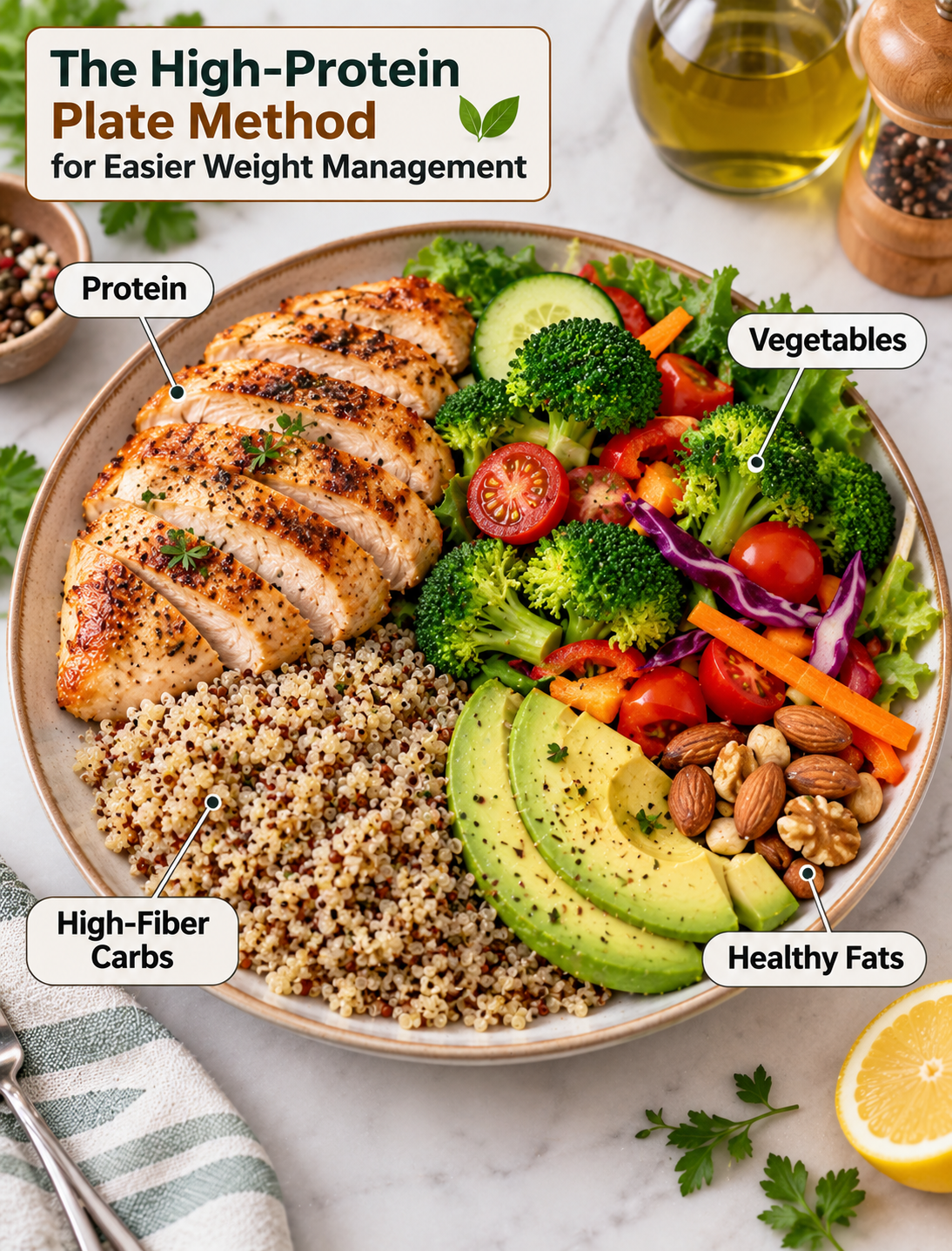
Balanced high-protein plate with grilled chicken, colorful vegetables, brown rice, avocado, and healthy foods for meal planning

The High-Protein Plate Method for Easier Weight Management

The High-Protein Plate Method is a simple way to build balanced meals without weighing every ingredient or counting every calorie. It focuses on adding enough protein, vegetables, high-fiber carbohydrates, and healthy fats to each meal.

Protein plays an important role in a balanced eating pattern because it helps support muscles and can make meals more filling. Pairing protein with vegetables, whole grains, fruit, and healthy fats creates a meal with a mix of nutrients and flavors.

This plate method can be useful for people who want a more structured approach to everyday meals. It does not require special foods, complicated recipes, or strict meal plans.

The goal is to create portions that fit your needs while choosing mostly nutrient-dense foods. Your activity level, body size, age, food preferences, and health needs can all affect how much food you need.

What Is the High-Protein Plate Method?

The High-Protein Plate Method uses a visual plate guide to help organize a meal. Instead of focusing only on calories, you build the plate around a quality protein source and fill the remaining space with vegetables, fiber-rich carbohydrates, and healthy fats.

A simple starting point is to make about one-quarter of the plate protein, about one-half vegetables and other non-starchy produce, and about one-quarter high-fiber carbohydrates. Add a small portion of healthy fat based on the meal.

These portions are a flexible guide rather than strict rules. Some people may need more carbohydrates or protein depending on their activity and nutritional needs.

The method works with many eating styles. You can use chicken, fish, eggs, Greek yogurt, beans, lentils, tofu, lean beef, or other protein-rich foods.

Why Protein Matters in a Balanced Meal

Protein is found in foods such as poultry, seafood, eggs, dairy products, beans, lentils, soy foods, nuts, and seeds.

Including a protein source at meals can make a plate more satisfying and can help you create meals that are less dependent on refined carbohydrates or highly processed snacks.

Protein also supplies amino acids that the body uses for important functions, including maintaining and repairing body tissues.

The best approach is to choose a variety of protein foods instead of relying on one source every day. Rotating poultry, seafood, eggs, beans, lentils, dairy, and plant proteins can add variety to your meals.

For people with specific medical conditions or dietary needs, protein targets may need to be adjusted with guidance from a qualified health professional.

How to Build Your Plate

Start by choosing a protein source. The portion can be grilled chicken, salmon, turkey, eggs, tofu, lentils, beans, or another protein-rich food.

Next, add vegetables. Choose leafy greens, broccoli, cauliflower, carrots, bell peppers, tomatoes, zucchini, green beans, or other vegetables you enjoy.

Add a high-fiber carbohydrate such as brown rice, quinoa, oats, beans, lentils, sweet potatoes, or whole-grain bread.

Finish the meal with a small amount of healthy fat. Avocado, olive oil, nuts, seeds, and nut butters are practical choices.

You can also include fruit when it fits the meal. Berries, apples, oranges, peaches, and bananas can provide natural sweetness and additional nutrients.

Best High-Protein Foods to Use

Chicken and Turkey

Skinless chicken breast and turkey are versatile protein options for lunch and dinner. They can be grilled, baked, roasted, or prepared in an air fryer.

Use herbs, lemon, garlic, paprika, or other seasonings to add flavor without relying heavily on creamy sauces.

Fish and Seafood

Salmon, tuna, shrimp, cod, and other seafood can add protein along with different nutrients. Fatty fish such as salmon also provides omega-3 fats.

Use baked, grilled, or air-fried seafood for simple meal preparation.

Eggs

Eggs are an easy option for breakfast, lunch, or dinner. Pair scrambled or boiled eggs with vegetables and whole-grain toast for a balanced meal.

Greek Yogurt and Cottage Cheese

Plain Greek yogurt and cottage cheese can provide substantial protein in a convenient format. Choose plain varieties when you want more control over added sugar.

Add berries, nuts, or seeds for extra flavor and texture.

Beans and Lentils

Beans and lentils provide plant-based protein and fiber. Black beans, chickpeas, kidney beans, and lentils can be added to salads, bowls, soups, and wraps.

They are especially useful when you want to reduce how often you eat meat without removing protein from your meals.

Tofu and Tempeh

Tofu and tempeh provide plant-based protein and can absorb marinades and seasonings well. Add them to stir-fries, grain bowls, salads, or vegetable-based meals.

The Role of Vegetables

Vegetables help add volume, color, fiber, vitamins, minerals, and different textures to meals.

A large portion of non-starchy vegetables can make a plate feel generous without requiring a large amount of energy-dense food.

Try to use several colors throughout the week. Spinach, broccoli, carrots, tomatoes, peppers, cabbage, and cauliflower all bring different nutrients and textures.

Fresh vegetables are convenient, but frozen and canned vegetables can also be useful. If buying canned vegetables, look for options with little or no added sodium when available.

Roasting vegetables can bring out natural sweetness and make them more appealing. Steaming, grilling, sautéing, and air frying are also easy preparation methods.

Choosing Better Carbohydrates

Carbohydrates do not need to be removed from a balanced eating pattern. The type and portion can make a difference.

Choose foods such as brown rice, quinoa, oats, barley, whole-grain bread, sweet potatoes, beans, lentils, and whole fruits more often.

These foods can provide fiber and other nutrients that are useful in a balanced diet.

You can adjust the carbohydrate portion based on your hunger and activity level. Someone who exercises frequently may need more carbohydrate than someone with a less active routine.

Avoid turning the plate method into a rule that eliminates foods you enjoy. Flexible choices are easier to maintain over time.

Healthy Fats and Portion Control

Healthy fats can add flavor and help make meals more satisfying. Common options include avocado, olive oil, nuts, seeds, and natural nut butters.

Because fats are energy-dense, a small serving can add plenty of flavor to a meal.

Instead of pouring oil directly onto food, measure a small amount when you are learning portion sizes. This makes it easier to understand how much you are using.

You do not need to avoid fat to build a balanced plate. The goal is to include reasonable portions while choosing nutritious sources more often.

High-Protein Breakfast Ideas

Breakfast can be simple while still following the plate method.

Try scrambled eggs with spinach, tomatoes, and whole-grain toast. Add berries or another piece of fruit for extra variety.

Plain Greek yogurt can be paired with berries, oats, chia seeds, and a small amount of nuts.

For a savory option, make a breakfast bowl with eggs, black beans, avocado, salsa, and roasted vegetables.

If you prefer a quick breakfast, prepare hard-boiled eggs and cut vegetables ahead of time. Pair them with whole-grain toast or fruit when you are ready to eat.

High-Protein Lunch and Dinner Ideas

A chicken grain bowl can combine grilled chicken, brown rice, roasted broccoli, tomatoes, avocado, and a light dressing.

A salmon plate can include roasted salmon, green beans, sweet potato, and a fresh salad.

For a meat-free meal, combine lentils with roasted vegetables, quinoa, cucumber, tomatoes, and a yogurt-based dressing.

A turkey wrap can include lean turkey, lettuce, tomato, cucumber, avocado, and a whole-grain tortilla.

The same basic structure can be used for many cuisines. Change the seasonings, vegetables, sauces, and protein source to keep meals interesting.

Easy Meal Prep With the Plate Method

Meal prep becomes easier when you prepare ingredients instead of making complete meals every time.

Cook several portions of chicken, turkey, tofu, or another protein at once. Prepare a batch of brown rice, quinoa, beans, or roasted sweet potatoes.

Wash and cut vegetables so they are ready to add to meals. Keep sauces and dressings in separate containers when possible.

Store cooked foods safely in the refrigerator and use them within the recommended storage period.

Create different combinations from the same ingredients. Chicken can become a salad one day, a grain bowl the next day, and a wrap later in the week.

Common Mistakes to Avoid

Making Protein the Entire Meal

A high-protein meal still needs variety. Vegetables, fiber-rich carbohydrates, healthy fats, and fruit can contribute important nutrients.

Choosing Highly Processed Protein Every Time

Protein bars, processed meats, and packaged shakes can be convenient, but whole or minimally processed protein foods can provide a wider range of nutrients.

Ignoring Portion Needs

The plate method is a visual guide, not a fixed prescription. Adjust portions according to hunger, activity, personal needs, and professional guidance when appropriate.

Removing All Carbohydrates

Whole grains, beans, lentils, fruits, and starchy vegetables can fit into a balanced meal. Eliminating an entire food group is not required for this approach.

Forgetting Flavor

Healthy meals do not have to be bland. Use herbs, spices, citrus, garlic, vinegar, salsa, and homemade dressings to make meals enjoyable.

Expecting Overnight Results

Weight management is influenced by many factors and usually requires consistent habits over time. Focus on repeatable meals and routines rather than short-term extremes.

Frequently Asked Questions

How much protein should I eat per meal?

Protein needs vary by person, so use the plate method as a starting point and ask a qualified professional for a personalized target.

Can I use plant-based protein?

Yes, beans, lentils, tofu, tempeh, edamame, nuts, and seeds can all contribute protein to a balanced plate.

Is this method good for weight management?

It can provide a simple structure for balanced portions, but weight changes depend on overall eating patterns, activity, sleep, health, and other factors.

Do I need to count calories?

No, the plate method is designed as a visual approach, although calorie tracking may be useful for some people who prefer detailed monitoring.

Can I eat carbohydrates with high-protein meals?

Yes, whole grains, beans, lentils, fruit, and starchy vegetables can all fit into a balanced high-protein meal.

What vegetables are best?

There is no single best vegetable; choose a variety of colorful vegetables that you enjoy and can eat regularly.

Can I follow this method for meal prep?

Yes, prepare protein, vegetables, high-fiber carbohydrates, and healthy fats separately, then combine them into different meals during the week.

Is the plate method suitable for everyone?

It is a general meal-planning guide, but people with specific medical or dietary needs should seek individualized advice from a healthcare professional.

Final Thoughts

The High-Protein Plate Method offers a practical way to create balanced meals without making food preparation complicated. Start with a protein source, add plenty of vegetables, include a high-fiber carbohydrate, and finish with a reasonable amount of healthy fat.

The method is flexible enough for different foods, budgets, cooking styles, and dietary preferences. Chicken, fish, eggs, Greek yogurt, beans, lentils, tofu, and other protein-rich foods can all fit into the same basic structure.

For easier meal planning, prepare a few staple ingredients ahead of time and combine them in different ways throughout the week. Focus on meals that are satisfying, flavorful, and realistic for your daily routine.

A balanced approach is usually easier to maintain than strict food rules. Use the plate method as a simple framework, adjust portions to your individual needs, and focus on consistent habits rather than perfection.

BROCCOLI: A SIMPLE FOOD FOR IMMUNE & LYMPHATIC HEALTH

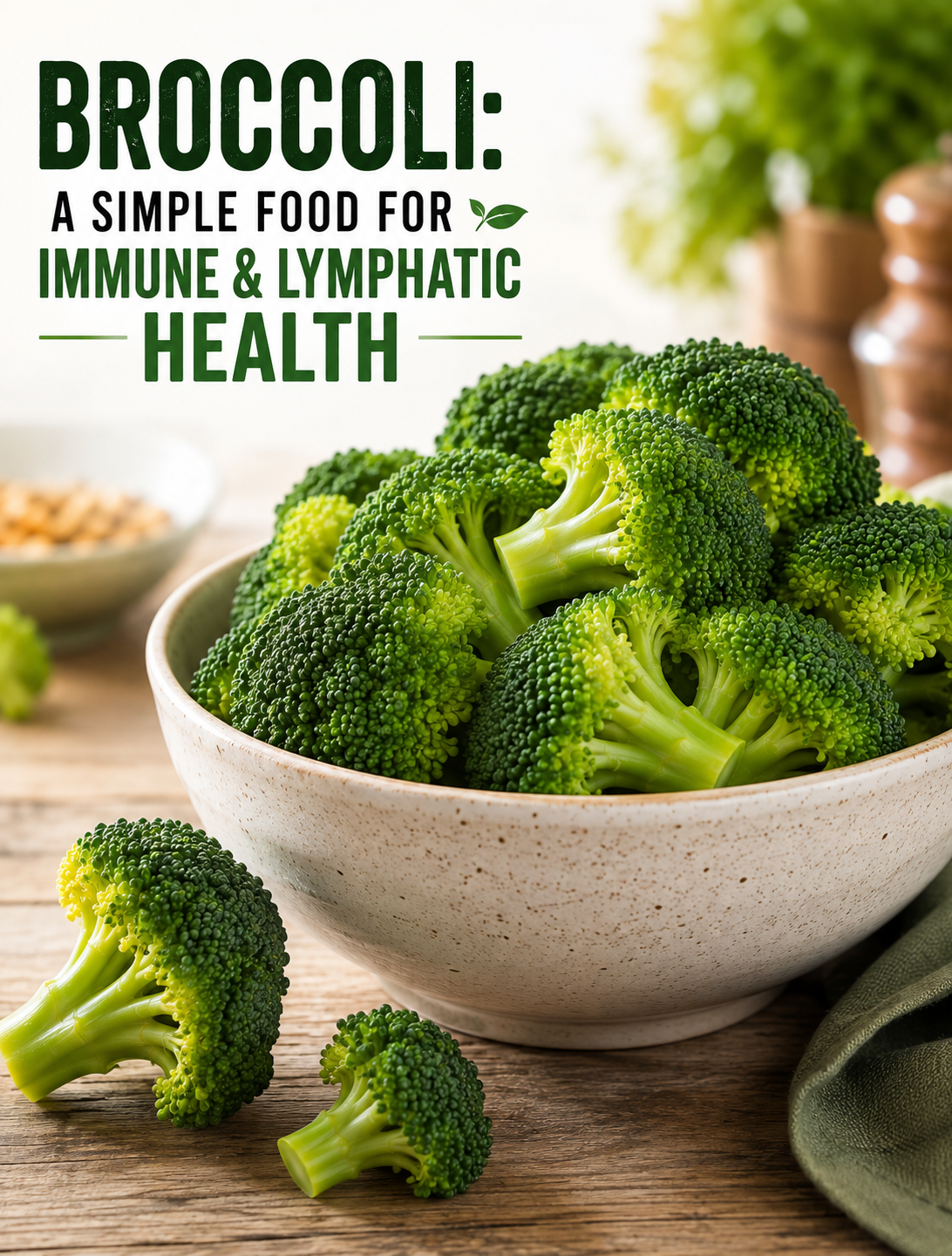
Fresh broccoli florets in a bowl with text about immune and lymphatic health benefits

BROCCOLI:
A SIMPLE FOOD FOR IMMUNE & LYMPHATIC HEALTH

Broccoli A SIMPLE FOOD FOR IMMUNE & LYMPHATIC HEALTH is one of the easiest vegetables to add to a healthy eating plan. It is low in calories and provides vitamin C, vitamin K, folate, fiber, and other plant nutrients. These nutrients help support normal immune function and overall health.

The lymphatic system also plays an important role in your body’s defense system. It includes lymph nodes, lymph vessels, the spleen, thymus, and other tissues that help manage fluids and support immune activity. Food cannot “clean” or directly flush lymph nodes, but a balanced diet can provide nutrients your body needs to function normally.

Adding broccoli to regular meals is a simple way to increase vegetable intake. You can enjoy it raw, steamed, roasted, stir-fried, or added to soups and salads.

Why Is Broccoli Good for Immune Health?

Broccoli contains vitamin C, an essential nutrient that supports several parts of normal immune function. Your body also uses vitamin C to make collagen, which helps maintain skin and other tissues that form part of the body’s protective barriers.

One cup of chopped raw broccoli provides a useful amount of vitamin C while adding very few calories. Eating broccoli with other colorful vegetables, fruits, beans, whole grains, nuts, seeds, and lean proteins can create a more balanced diet.

Broccoli also contains antioxidants and other plant compounds. These substances help protect cells from oxidative stress as part of the body’s normal processes.

No single vegetable can prevent infections or guarantee strong immunity. The best approach is to eat a variety of nutrient-rich foods as part of an overall healthy lifestyle.

How Does Broccoli Support the Lymphatic System?

The lymphatic system helps maintain fluid balance and supports immune surveillance throughout the body. Lymph nodes filter lymph fluid and contain immune cells that help respond to foreign substances.

Broccoli does not specifically “detox” lymph nodes or make them drain faster. Instead, its nutrients contribute to a healthy diet that supports normal body functions.

Its fiber content is another reason to include broccoli in regular meals. Dietary fiber supports digestive health and helps you build a diet rich in plant foods. A healthy digestive system is one part of maintaining overall wellness.

Hydration also matters. Drinking enough fluids helps your body maintain normal fluid balance. Pairing water with vegetables such as broccoli can be a simple part of a balanced daily routine.

Key Nutrients Found in Broccoli

Broccoli offers several nutrients that make it a useful addition to meals.

Vitamin C: Supports normal immune function and collagen production.

Vitamin K: Helps with normal blood clotting and supports bone health.

Folate: Helps the body make DNA and supports normal cell division.

Fiber: Supports digestive health and helps add bulk to meals.

Plant compounds: Broccoli contains naturally occurring compounds, including glucosinolates, that are being studied for their potential health effects.

The nutritional value of broccoli can vary depending on serving size and preparation method. Eating it in different forms can also make it easier to include more vegetables in your weekly meals.

Best Ways to Eat Broccoli for Everyday Wellness

How you prepare broccoli can make a big difference in whether you enjoy eating it regularly. Simple cooking methods often work best.

Steam it: Light steaming can soften broccoli while keeping its bright color and fresh taste.

Roast it: Toss florets with a small amount of olive oil and seasonings, then roast until the edges are lightly browned.

Stir-fry it: Add broccoli to a quick meal with chicken, tofu, shrimp, or beans.

Add it to soups: Broccoli works well in vegetable, chicken, and bean-based soups.

Eat it raw: Fresh florets make a convenient snack with hummus or a yogurt-based dip.

Add it to salads: Chopped broccoli gives salads extra crunch and fiber.

For a balanced meal, combine broccoli with a protein source, a whole grain or other carbohydrate, and a source of healthy fat.

Broccoli and an Anti-Inflammatory Eating Pattern

Broccoli can fit well into an anti-inflammatory eating pattern, but it should not be treated as a cure for inflammation. A healthy eating pattern is more important than any single ingredient.

Build meals around vegetables, fruits, whole grains, beans, lentils, nuts, seeds, fish, and other minimally processed foods. Olive oil and other sources of unsaturated fats can also fit into this style of eating.

Reducing highly processed foods, excess added sugars, and foods high in saturated fat can help you create a more balanced diet. The goal is not perfection; it is making healthier choices more often.

A simple dinner could include roasted broccoli, grilled salmon, and brown rice. Another option is broccoli with chickpeas, quinoa, tomatoes, and olive oil for a plant-forward meal.

How Much Broccoli Should You Eat?

There is no special amount of broccoli required to support your lymph nodes or immune system. Instead, focus on getting a variety of vegetables throughout the week.

The Dietary Guidelines for Americans encourage adults to include vegetables as part of a healthy eating pattern. Broccoli can count toward your daily vegetable intake and can be mixed with other vegetables for greater variety.

If you are not used to eating many vegetables, start with a small serving and increase gradually. Adding broccoli to meals you already enjoy can make the change easier.

Easy Broccoli Meal Ideas

A few simple combinations can help you make broccoli part of your normal routine.

Try garlic roasted broccoli with chicken for a quick weeknight dinner. For lunch, add steamed broccoli to a turkey and whole-grain bowl with brown rice or quinoa.

For a meat-free option, combine broccoli with chickpeas, quinoa, avocado, and a lemon-olive oil dressing. You can also blend cooked broccoli into a vegetable soup for a warm and filling meal.

Frozen broccoli is another convenient choice. It can be stored for longer periods and added to quick meals when fresh produce is not available.

Important Things to Remember About Lymph Nodes

Healthy food supports your overall nutrition, but it cannot diagnose or treat a lymph node problem.

Lymph nodes can become swollen when your immune system is responding to an infection or another condition. A swollen node may improve as the underlying problem resolves, but persistent or unusual swelling should not be managed with food alone.

Talk with a healthcare professional if a swollen lymph node lasts, continues to grow, feels hard or fixed, or occurs with other concerning symptoms. Medical advice is especially important when you are unsure why the swelling is present.

Simple Takeaway

Broccoli is a nutritious vegetable that can support a healthy eating pattern. Its vitamin C, fiber, folate, vitamin K, and plant compounds make it a smart addition to meals.

It does not directly cleanse lymph nodes or “boost” the immune system overnight. Instead, include broccoli alongside other nutrient-rich foods, stay active, get enough sleep, drink adequate fluids, and follow other healthy daily habits.

Small food choices can add up over time. Making broccoli a regular part of your meals is one simple step toward a more balanced diet.

Frequently Asked Questions

1. Does broccoli help your lymph nodes?

Broccoli does not directly cleanse or treat lymph nodes, but its nutrients can contribute to an overall healthy diet that supports normal immune and body functions.

2. Is broccoli good for your immune system?

Yes. Broccoli provides vitamin C and other nutrients that support normal immune function when included as part of a balanced diet.

3. Can broccoli reduce swollen lymph nodes?

Broccoli cannot be relied on to reduce swollen lymph nodes because swelling can have many causes and may require medical evaluation.

4. What is the best way to cook broccoli?

Steaming, roasting, and quick stir-frying are simple options that make broccoli easy to include in healthy meals.

5. Is raw broccoli healthier than cooked broccoli?

Both raw and cooked broccoli can be nutritious, so the best choice is the form you enjoy and can eat regularly.

6. Can I eat broccoli every day?

For most people, broccoli can be included regularly as part of a varied diet, but eating a wide range of vegetables provides greater nutritional variety.

7. Does broccoli detox the lymphatic system?

No. There is no special food that detoxes lymph nodes; the body has its own systems for managing waste and maintaining fluid balance.

8. What foods pair well with broccoli?

Broccoli pairs well with salmon, chicken, beans, lentils, eggs, brown rice, quinoa, nuts, seeds, and olive oil for balanced meals.

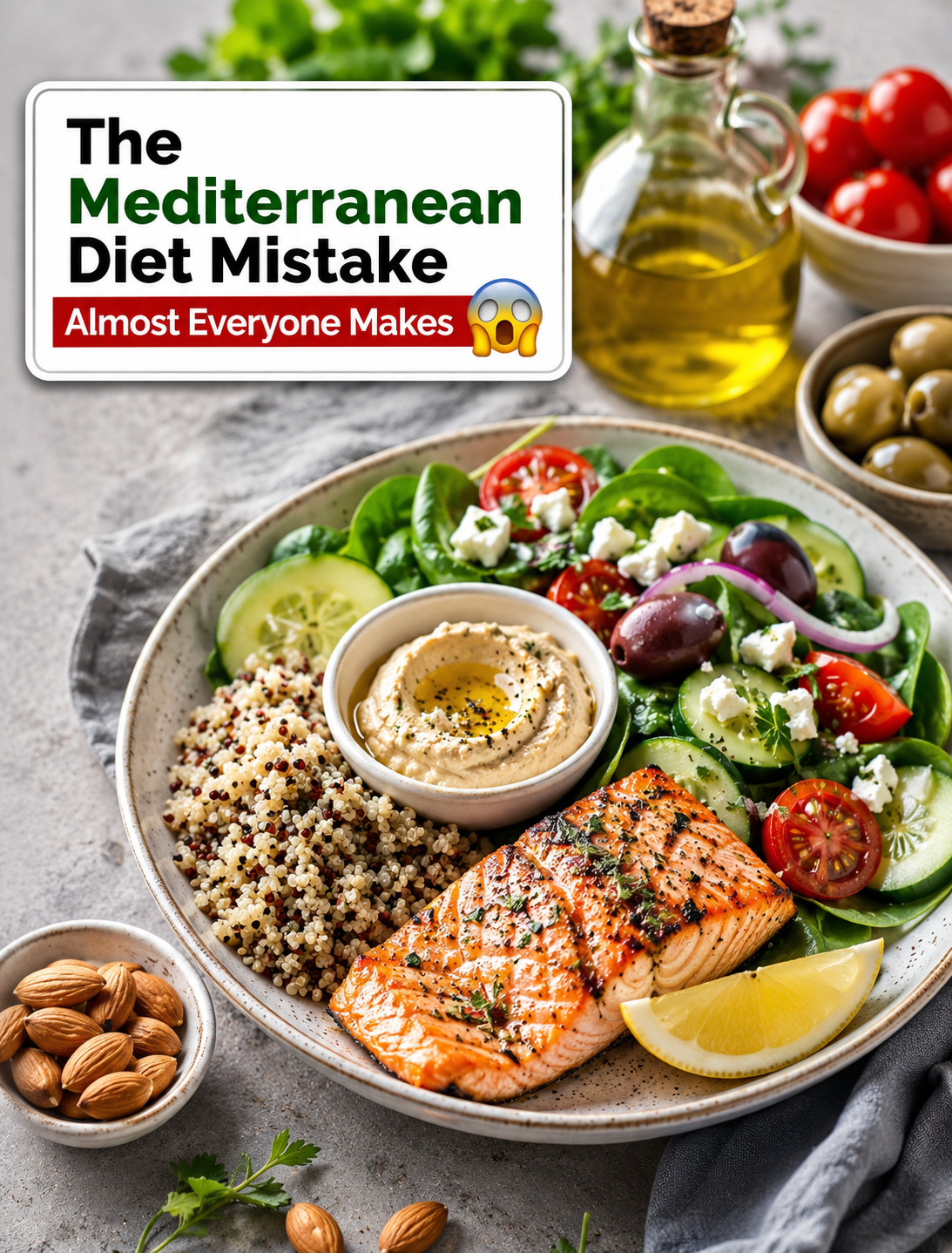
The Mediterranean Diet Mistake Almost Everyone Makes 😱

Mediterranean diet meal with vegetables, salmon, whole grains, olive oil, and healthy foods

The Mediterranean Diet Mistake Almost Everyone Makes 😱

The Mediterranean diet is often praised as one of the easiest healthy eating patterns to follow. It focuses on vegetables, fruits, beans, whole grains, fish, olive oil, nuts, and other minimally processed foods. But there is one common mistake that can quietly turn this healthy eating style into a high-calorie diet.

The mistake is assuming that healthy foods can be eaten without paying attention to portions.

Olive oil, nuts, cheese, whole-grain bread, avocado, and hummus can all fit into a Mediterranean-style meal. However, many of these foods are calorie-dense. Eating large amounts can make it harder to manage your calorie intake, even when every ingredient looks healthy.

The good news is that you do not need to give up your favorite foods. You simply need to build balanced plates, use reasonable portions, and focus on the overall quality of your meals.

Why Portion Size Still Matters

Healthy food is not automatically low in calories. Your body still responds to the total amount of energy you eat.

For example, olive oil is a staple in Mediterranean cooking, but one tablespoon contains about 120 calories. Pouring several tablespoons over a salad can add hundreds of calories before you add cheese, nuts, dressing, or bread.

The same issue can happen with nuts and seeds. They provide healthy fats, protein, fiber, vitamins, and minerals, but a small handful contains far fewer calories than a large bowl.

This does not mean these foods are unhealthy. It means portion awareness matters, especially if your goal is weight management.

A simple approach is to measure calorie-dense ingredients at first. Use a tablespoon for olive oil and a small handful for nuts. Once you learn what normal portions look like, you can estimate them more easily.

The Mediterranean Diet Is More Than Olive Oil

Another common misunderstanding is treating olive oil as the main feature of every meal.

Extra-virgin olive oil is an important part of Mediterranean-style eating, but traditional meals also include plenty of vegetables, legumes, whole grains, seafood, fruit, and herbs.

Instead of making olive oil the star, use it to enhance the flavor of your meal.

Try roasting vegetables with a light coating of olive oil rather than soaking them. Add a small amount to a bean salad or use it as part of a simple dressing.

This approach gives you the flavor and healthy fats associated with Mediterranean cooking while keeping portions under control.

Build Your Plate Around Plants

One of the best ways to follow this eating pattern is to make plant foods the foundation of your meals.

Fill a large part of your plate with vegetables such as tomatoes, spinach, broccoli, peppers, zucchini, carrots, cucumbers, or leafy greens. Add beans, lentils, or peas for plant-based protein and fiber.

Then include a moderate portion of fish, chicken, eggs, or another protein source if desired. Finish the meal with a serving of whole grains such as brown rice, oats, barley, or whole-grain bread.

This creates a satisfying meal without relying heavily on calorie-dense ingredients.

For example, a balanced dinner could include grilled salmon, roasted vegetables, lentils, and a small portion of whole-grain bread with a little olive oil.

Watch Out for the “Healthy Snack” Trap

Snacking can also cause problems.

Foods such as trail mix, nuts, dried fruit, granola, hummus, and whole-grain crackers can be nutritious choices, but portions can grow quickly.

Dried fruit is especially easy to overeat because removing water makes the food smaller and more concentrated. A large bowl of dried fruit can contain much more sugar and energy than the same amount of fresh fruit.

Instead, choose a planned serving and pair it with another filling food when needed.

A small portion of almonds with an apple or plain Greek yogurt with fresh berries can provide a better balance of protein, fiber, and healthy fats.

Don’t Turn Mediterranean Eating Into Processed Food

The Mediterranean diet does not mean every product labeled “Mediterranean” is automatically healthy.

Packaged crackers, sweetened granola, flavored yogurt, processed dips, frozen meals, and refined breads can still be high in added sugar, sodium, or calories.

Look beyond the marketing on the package.

Choose foods with simple ingredient lists and build most meals from basic ingredients. Fresh or frozen vegetables, beans, lentils, fruit, fish, eggs, whole grains, nuts, and plain dairy products can form the foundation of a Mediterranean-inspired grocery list.

You do not need expensive specialty foods to eat this way.

Be Careful With Restaurant Portions

Eating out can make portion control harder.

A restaurant salad may sound healthy but can contain large amounts of cheese, creamy dressing, nuts, croutons, and oil. A Mediterranean-style entrée can also come with large servings of bread, rice, dips, or sauces.

Ask for dressing or sauces on the side when possible. Choose grilled fish or chicken, vegetables, beans, or whole grains as the main parts of your meal.

You can also eat part of a large restaurant serving and save the rest for another meal.

Focus on Food Quality and Balance

The goal is not to count every calorie or avoid fats.

A healthy Mediterranean-style eating pattern is about balance. Choose mostly minimally processed foods, eat plenty of plants, include quality protein, and use unsaturated fats in sensible amounts.

Fiber-rich foods can help you feel full for longer. Protein can support muscle maintenance and satiety. Healthy fats can make meals more satisfying and improve flavor.

You also do not need to follow the diet perfectly.

A pizza night, dessert, or restaurant meal does not erase your healthy habits. What matters most is what you eat regularly over time.

A Simple Mediterranean Meal Formula

If you are unsure how to build a meal, use this simple formula:

½ plate: Non-starchy vegetables
¼ plate: Protein such as fish, chicken, beans, lentils, or eggs
¼ plate: Whole grains or starchy vegetables
Small portion: Healthy fat such as olive oil, nuts, seeds, or avocado
Optional: Fresh fruit for dessert

This formula makes healthy eating easier because you do not have to create a complicated meal plan.

For breakfast, try oatmeal topped with berries, walnuts, and plain Greek yogurt. For lunch, make a chickpea salad with tomatoes, cucumber, greens, herbs, and a measured amount of olive oil.

For dinner, serve grilled fish with roasted vegetables and brown rice.

These meals are simple, filling, and easy to adjust to your personal preferences.

The Biggest Takeaway

The biggest Mediterranean diet mistake is not eating olive oil, bread, cheese, or nuts. The problem is overeating calorie-dense foods simply because they are considered healthy.

Healthy eating still benefits from reasonable portions.

Use olive oil thoughtfully, keep nuts and cheese moderate, choose fresh fruit instead of large amounts of dried fruit, and make vegetables, legumes, whole grains, and quality protein the foundation of your meals.

When you combine nutritious foods with portion awareness, the Mediterranean diet becomes much easier to follow for the long term.

Frequently Asked Questions

Is the Mediterranean diet good for weight loss?

Yes, it can support weight management when meals are balanced and overall calorie intake matches your goals.

What is the biggest Mediterranean diet mistake?

The most common mistake is overeating calorie-dense foods such as olive oil, nuts, cheese, avocado, and hummus.

Can I eat olive oil every day?

Yes. Olive oil can be part of a healthy eating pattern, but using measured portions can help control calorie intake.

Can I eat bread on the Mediterranean diet?

Yes. Choose whole-grain bread when possible and keep the serving moderate, especially when eating it with other carbohydrate-rich foods.

Are nuts healthy on the Mediterranean diet?

Yes. Nuts provide healthy fats, protein, fiber, and minerals, but a small serving is usually enough because they are calorie-dense.

Can the Mediterranean diet help with heart health?

A Mediterranean-style eating pattern emphasizes vegetables, fruits, whole grains, legumes, fish, and unsaturated fats, which are associated with better cardiovascular health.

Do I need to avoid cheese?

No. Cheese can fit into this eating pattern, but smaller portions are sensible because many cheeses are high in saturated fat and sodium.

Is the Mediterranean diet expensive?

It does not have to be. Beans, lentils, oats, seasonal vegetables, frozen produce, whole grains, and canned fish can provide affordable Mediterranean-style staples.

Final Thoughts

You do not need a perfect diet to eat healthier.

The Mediterranean approach works best when you focus on simple meals, whole foods, vegetables, legumes, seafood, whole grains, and reasonable portions of healthy fats.

So the next time you prepare a Mediterranean-style meal, remember one important rule: healthy ingredients still need healthy portions.

That small change can make your meals more balanced without taking away the flavor, variety, or enjoyment that makes Mediterranean cooking so appealing.

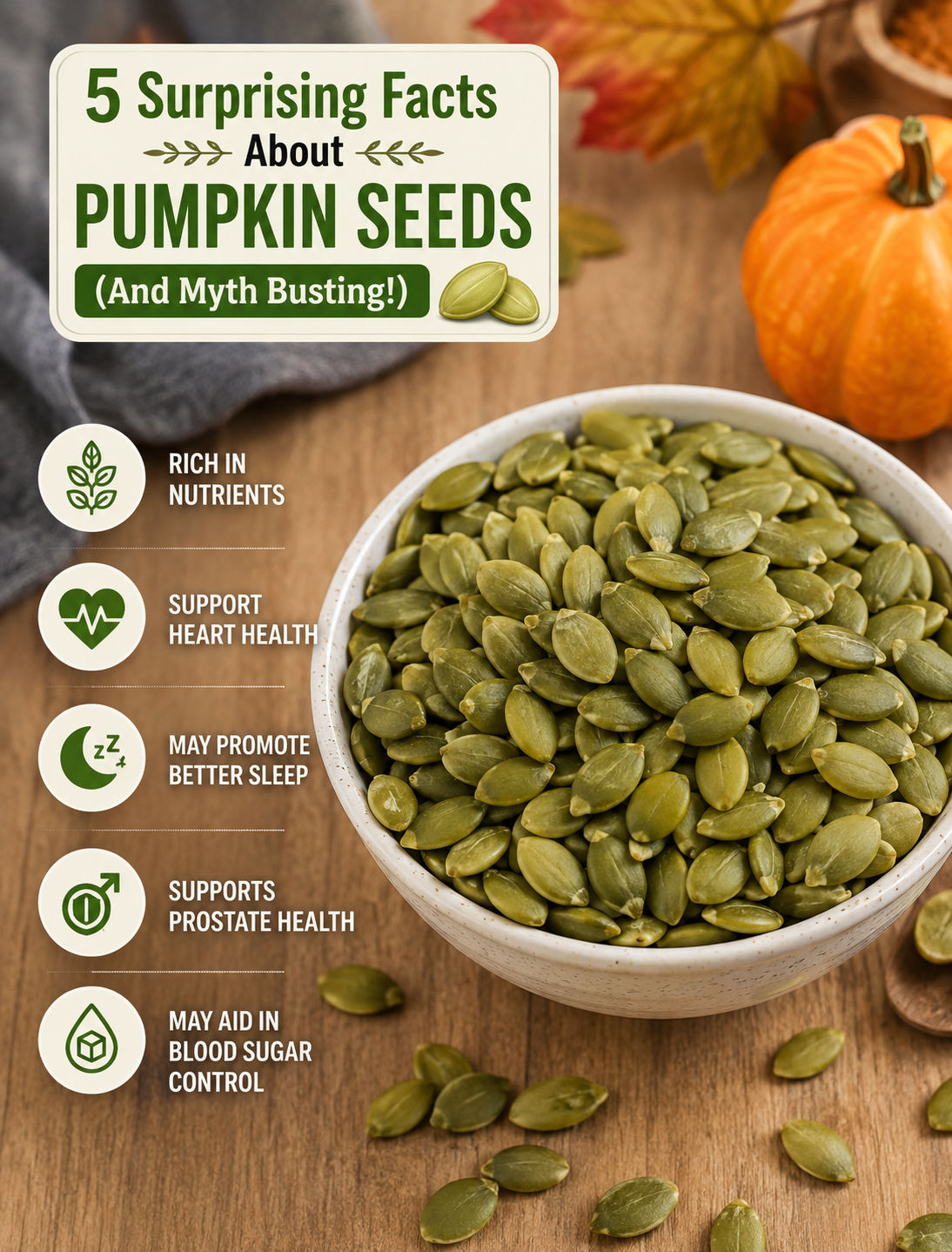
5 Surprising Facts About Pumpkin Seeds and Myth Busting

Roasted pumpkin seeds in a bowl showing their nutritious and crunchy texture

5 Surprising Facts About Pumpkin Seeds and Myth Busting

Pumpkin seeds, often called pepitas, are small but nutrient-rich foods that can fit easily into a balanced diet. They provide protein, healthy unsaturated fats, fiber, magnesium, zinc, iron, and other nutrients. Their crunchy texture also makes them an easy addition to snacks, salads, yogurt, oatmeal, and baked foods.

But some claims about pumpkin seeds go further than the available evidence supports. They are not a miracle food, and eating them does not replace medical care or a balanced diet. Still, their nutrient profile makes them a smart choice when eaten in reasonable portions.

Here are five useful facts about pumpkin seeds, along with common myths worth clearing up.

1. Rich in Nutrients

Pumpkin seeds provide several important nutrients in a relatively small serving. About 1 ounce of shelled, roasted pumpkin seeds provides roughly 160 calories, 8 grams of protein, 14 grams of fat, and about 2 grams of fiber.

Much of their fat comes from unsaturated fatty acids, which are commonly included in heart-healthy eating patterns. Pumpkin seeds also provide magnesium, zinc, iron, phosphorus, and copper.

Magnesium supports normal muscle and nerve function and helps the body maintain healthy bones and energy production. Zinc supports immune function, wound healing, and normal cell growth. Iron helps the body make hemoglobin, the protein that carries oxygen in red blood cells.

Myth: Pumpkin seeds provide every nutrient the body needs.

Reality: They are nutrient-dense, but no single food supplies all essential nutrients. Use them as part of a varied diet that includes vegetables, fruits, whole grains, legumes, dairy or fortified alternatives, and protein foods.

2. Heart Health Benefits

Pumpkin seeds can be part of a heart-conscious eating pattern because they contain unsaturated fats, fiber, minerals, and antioxidant compounds.

Replacing foods high in saturated fat with foods containing more unsaturated fat can support healthier blood cholesterol levels. Pumpkin seeds can work well in this role when they replace less nutritious snack foods rather than simply adding extra calories to the diet.

Their magnesium content is another nutritional advantage. Magnesium is involved in normal muscle function, including the heart muscle, as well as many other processes in the body.

Pumpkin seeds also contain plant compounds with antioxidant activity. However, it is important not to turn this into a promise that pumpkin seeds prevent heart disease.

Myth: Eating pumpkin seeds alone can lower cholesterol or prevent heart disease.

Reality: Heart health depends on the overall diet, physical activity, weight management, blood pressure, cholesterol levels, smoking status, and other factors.

3. Promote Better Sleep

Pumpkin seeds contain tryptophan, an amino acid involved in the body’s production of serotonin and melatonin. They also provide magnesium, which plays a role in normal nerve and muscle function.

These nutrients make pumpkin seeds an interesting food to include in an evening snack. However, evidence that eating pumpkin seeds directly improves sleep quality is limited. Sleep is influenced by many factors, including stress, caffeine intake, screen use, medications, sleep routines, and underlying health conditions.

A small serving of pumpkin seeds with another nutritious food may be a satisfying nighttime snack, but it should not be viewed as a sleep treatment.

Myth: Eating pumpkin seeds before bed guarantees better sleep.

Reality: Pumpkin seeds contain nutrients associated with normal sleep-related processes, but eating them does not guarantee longer or deeper sleep.

4. Support Prostate Health

Pumpkin seeds have a long history of use in traditional diets and wellness practices for men’s health. They contain zinc, magnesium, healthy fats, phytosterols, and other plant compounds.

Research has explored pumpkin seed products and their potential role in urinary symptoms associated with benign prostatic hyperplasia, or BPH. Some studies have reported possible benefits, but the evidence is not strong enough to say that eating pumpkin seeds can shrink an enlarged prostate or treat BPH.

Men with frequent urination, difficulty starting urination, weak urine flow, or other urinary changes should talk with a healthcare professional. These symptoms can have several causes and should not automatically be blamed on an enlarged prostate.

Myth: Pumpkin seeds can cure an enlarged prostate.

Reality: Pumpkin seeds may be a nutritious addition to the diet, but they are not a proven treatment for BPH or other prostate conditions.

5. Aid in Blood Sugar Control

Pumpkin seeds contain protein, fat, fiber, and relatively little carbohydrate per serving. These characteristics can make them a more filling snack than many refined, sugary foods.

Their magnesium content may also be relevant because magnesium is involved in glucose metabolism and insulin function. However, eating pumpkin seeds does not automatically control blood sugar.

It is also better to avoid describing pumpkin seeds as having a specific “low glycemic index” because GI values depend on the food and serving being tested, and whole pumpkin seeds contain relatively little available carbohydrate.

For people managing diabetes, portion size still matters because pumpkin seeds are calorie-dense. Unsalted or lightly salted varieties are often a practical choice.

Myth: Pumpkin seeds can replace diabetes medication or normalize blood sugar by themselves.

Reality: They can fit into a balanced diabetes-friendly eating pattern, but they should not replace prescribed treatment, monitoring, or professional medical advice.

How to Incorporate Pumpkin Seeds into Your Diet

Pumpkin seeds are easy to use in everyday meals. Choose plain, dry-roasted, or lightly salted varieties when you want to limit added sodium.

For a simple snack, enjoy a small handful of pumpkin seeds with fresh fruit or plain yogurt. The combination adds protein, healthy fats, and texture.

Sprinkle them over oatmeal, salads, soups, roasted vegetables, or grain bowls for extra crunch. You can also mix them into homemade granola or add them to whole-grain muffins and breads.

Ground pumpkin seeds can be blended into smoothies or stirred into oatmeal. Pumpkin seed butter can also be spread on whole-grain toast or paired with fruit.

When buying packaged pumpkin seeds, check the Nutrition Facts label for added sodium, sugar, and serving size. Because they are energy-dense, a measured portion can make it easier to enjoy them without unintentionally eating large amounts.

For most adults, the key is consistency and variety. Pumpkin seeds can complement a nutritious eating pattern, but they work best alongside other whole foods rather than as a standalone health solution.

Frequently Asked Questions

Are pumpkin seeds good for you?

Yes. Pumpkin seeds provide protein, unsaturated fats, fiber, magnesium, zinc, iron, and other nutrients that can support an overall balanced diet.

How many pumpkin seeds should I eat per day?

A practical serving is about 1 ounce, or roughly a small handful, depending on your calorie and nutrition needs.

Do pumpkin seeds help you sleep?

They contain tryptophan and magnesium, but there is not enough evidence to say that pumpkin seeds directly improve sleep for everyone.

Are pumpkin seeds good for men’s health?

They provide zinc and other nutrients important for normal health, but pumpkin seeds should not be considered a treatment for prostate disease or urinary problems.

Can pumpkin seeds help manage blood sugar?

Their protein, fat, fiber, and low carbohydrate content can make them a useful snack choice, but they do not replace diabetes treatment or blood sugar management plans.

Are roasted pumpkin seeds healthy?

Yes, roasted pumpkin seeds can remain nutritious, although heavily salted or flavored versions may contain more sodium, sugar, or added ingredients.

Should I eat pumpkin seeds with the shell?

Shelled pumpkin seeds are easier to eat and commonly sold as pepitas; whole seeds with tough shells contain more fiber but may be harder to digest.

Can pumpkin seeds help lower cholesterol?

They can contribute to a heart-healthy diet because they contain unsaturated fats and other beneficial nutrients, but they should not be viewed as a standalone cholesterol-lowering treatment.

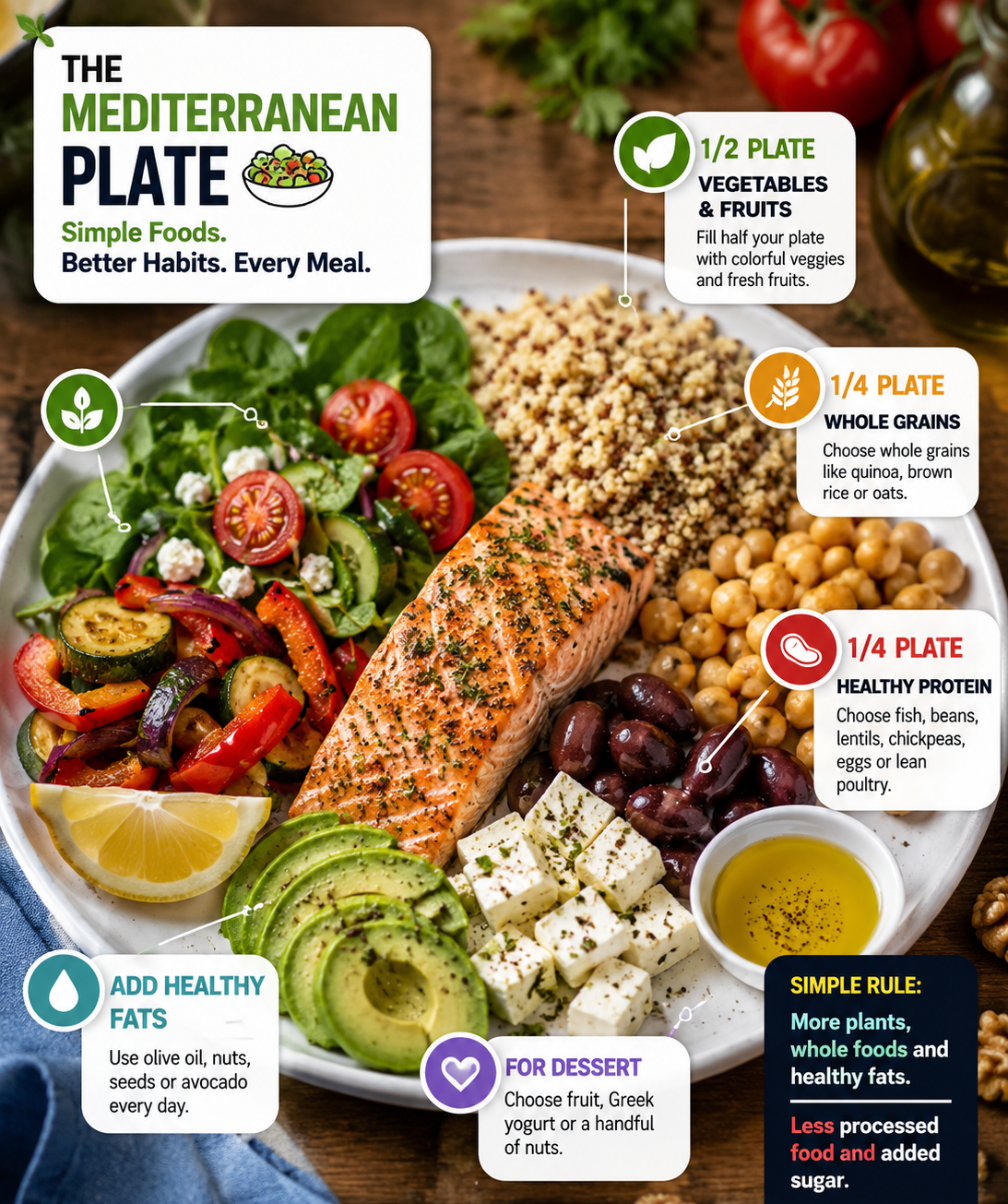
THE MEDITERRANEAN PLATE Simple Foods Better Habits Every Meal

The Mediterranean Plate: Simple Foods & Better Healthy Eating Habits

THE MEDITERRANEAN PLATE

Simple Foods. Better Habits. Every Meal

The Mediterranean plate is a simple way to build balanced meals with fresh, wholesome foods. Instead of following strict food rules, this approach focuses on vegetables, fruits, whole grains, beans, fish, lean proteins, nuts, seeds, and healthy fats.

For many people in the United States, the biggest benefit is simplicity. You do not need special ingredients or complicated recipes to follow this eating style. Foods found at most American grocery stores can easily fit into a Mediterranean-inspired meal.

A well-planned plate can also make everyday meals more satisfying. Vegetables add volume and fiber, whole grains provide lasting energy, and protein helps make meals filling. Healthy fats such as olive oil, nuts, seeds, and avocado add flavor while supporting a balanced eating pattern.

The goal is not perfection. The goal is to make better food choices more often.

What Is the Mediterranean Plate?

The Mediterranean plate is a practical meal-building method inspired by traditional eating patterns from countries around the Mediterranean region. It puts plant foods at the center of meals while including moderate amounts of fish, poultry, eggs, dairy, and other protein sources.

A simple plate can include plenty of vegetables and fruit, a serving of whole grains, a source of protein, and a small amount of healthy fat.

This approach is different from a short-term diet because it can become part of your normal routine. You can use it for breakfast, lunch, dinner, snacks, and family meals.

The method also encourages choosing minimally processed foods more often. Highly processed foods, sugary drinks, refined grains, and processed meats are generally limited rather than treated as everyday staples.

How to Build a Mediterranean Plate

Start by filling about half of your plate with vegetables and, when appropriate, fruit. Choose several colors to add different nutrients and flavors.

Good vegetable choices include spinach, broccoli, tomatoes, peppers, cucumbers, carrots, zucchini, green beans, and leafy greens. Fresh, frozen, or lightly cooked vegetables can all work.

Next, add a portion of whole grains or other high-fiber carbohydrates. Brown rice, oats, quinoa, barley, whole-grain pasta, and whole-grain bread are useful choices.

Then add a protein source. Beans, lentils, chickpeas, fish, seafood, eggs, chicken, and Greek yogurt can all fit into a Mediterranean-style meal.

Finish with a healthy fat. Extra-virgin olive oil, avocado, walnuts, almonds, chia seeds, and pumpkin seeds are practical options.

The portions do not need to be exact. Your hunger, activity level, age, and personal nutrition needs can affect how much food belongs on your plate.

Vegetables and Fruits

Vegetables are one of the most important parts of this eating pattern. They provide fiber, vitamins, minerals, and other beneficial plant compounds while adding color and variety to meals.

Try adding vegetables to foods you already enjoy. Add spinach to eggs, tomatoes to sandwiches, peppers to rice bowls, or roasted broccoli to dinner.

Fruit can provide a naturally sweet option for breakfast, snacks, or dessert. Apples, berries, oranges, grapes, peaches, pears, and bananas are easy choices for American households.

Whole fruit is generally more filling than fruit juice because it contains fiber. Keep washed fruit visible in the kitchen so it is easier to choose when you want a snack.

Whole Grains and High-Fiber Foods

Whole grains contain more of the grain’s natural structure than refined grains. They can help add fiber and make meals more satisfying.

Try oatmeal with berries and walnuts for breakfast. At lunch, use whole-grain bread for a vegetable and chicken sandwich. For dinner, serve brown rice or quinoa with roasted vegetables and fish.

Beans, lentils, and chickpeas are also valuable staples. They can be added to soups, salads, grain bowls, wraps, and stews.

For a budget-friendly meal, combine beans with vegetables and whole grains. This creates a simple dish with different textures and flavors without requiring expensive ingredients.

Healthy Protein Choices

Protein is an important part of a balanced meal. The Mediterranean approach includes a variety of protein sources instead of relying heavily on red or processed meat.

Fish and seafood are especially useful choices. Salmon, tuna, sardines, trout, shrimp, and other seafood can be included in weekly meals.

Plant proteins also deserve a regular place on the plate. Lentils, chickpeas, black beans, kidney beans, and other legumes can be used in familiar American dishes.

Chicken and turkey can fit into this eating style as well. Eggs and plain Greek yogurt can provide convenient protein for breakfast or snacks.

When choosing meat, consider using smaller portions and making vegetables, beans, or whole grains a larger part of the meal.

Olive Oil, Nuts, Seeds, and Avocado

Healthy fats can make simple foods more flavorful and satisfying. Extra-virgin olive oil is one of the most common fats associated with Mediterranean-style eating.

Use olive oil for salad dressings, roasted vegetables, marinades, or light cooking when appropriate. A simple dressing can be made with olive oil, lemon juice, herbs, and a small amount of seasoning.

Nuts and seeds can add crunch to oatmeal, salads, yogurt, and grain bowls. Almonds, walnuts, pistachios, sunflower seeds, chia seeds, and pumpkin seeds are easy options.

Avocado can be added to toast, salads, wraps, and bowls. Since these foods are calorie-dense, reasonable portions can help keep meals balanced.

Mediterranean Breakfast Ideas

A Mediterranean-inspired breakfast does not have to be complicated.

Try plain Greek yogurt with berries, walnuts, and oats. Another option is whole-grain toast topped with avocado and an egg, served with fresh fruit.

Oatmeal can also become a quick breakfast by adding berries, chia seeds, walnuts, and cinnamon.

For a savory option, make eggs with spinach, tomatoes, and peppers. Serve them with whole-grain toast and fruit.

These meals combine protein, fiber, produce, and healthy fats without requiring a long preparation time.

Mediterranean Lunch and Dinner Ideas

Lunch can be as simple as a large salad with mixed greens, tomatoes, cucumbers, chickpeas, grilled chicken, olive oil, and lemon.

A whole-grain wrap filled with hummus, vegetables, and grilled chicken can also make a practical workday meal.

For dinner, try baked salmon with roasted vegetables and quinoa. Another easy option is lentil soup served with a side salad and whole-grain bread.

A Mediterranean grain bowl can combine brown rice or quinoa with chickpeas, cucumber, tomatoes, greens, olives, and a small amount of feta cheese.

The key is to combine several food groups instead of building meals around one highly processed ingredient.

Smart Mediterranean Food Swaps

Small substitutions can make this lifestyle easier.

Replace sugary cereal with oatmeal topped with fruit and nuts. Choose whole-grain bread instead of refined white bread when practical.

Use olive oil and herbs to add flavor to vegetables. Choose fruit or plain yogurt more often when you want something sweet.

Try beans or lentils in place of some meat in soups, tacos, pasta dishes, and bowls.

Choose water, sparkling water, or unsweetened drinks more often instead of sugar-sweetened beverages.

These swaps do not require you to remove every favorite food. They simply help shift your overall eating pattern toward more nutritious choices.

Mediterranean Lifestyle Habits

Mediterranean living is about more than what goes on your plate. Regular movement, mindful eating, cooking at home, and enjoying meals with family or friends can all support a healthier routine.

Walking is an easy activity for many adults. A short walk after a meal can also be a practical way to add movement to your day.

Eating slowly can help you notice hunger and fullness cues. Avoiding distractions during meals may make it easier to pay attention to how much you are eating.

Planning a few meals before grocery shopping can also reduce last-minute reliance on fast food. Keep simple staples such as vegetables, fruit, beans, whole grains, eggs, yogurt, nuts, and olive oil available.

The best routine is one you can maintain consistently.

Mediterranean Plate Tips for Americans

You do not need to recreate traditional Mediterranean recipes every day. The basic principles can work with familiar American foods.

Build a turkey and vegetable sandwich with whole-grain bread. Make a salmon bowl with brown rice and roasted vegetables. Prepare a bean chili with plenty of vegetables. Add berries and walnuts to oatmeal.

Frozen vegetables can save preparation time, while canned beans can make quick meals easier. If using canned beans, draining and rinsing them can help reduce some of the added sodium.

Read food labels when buying packaged products. Compare added sugar, sodium, fiber, and ingredient lists to make more informed choices.

Start with one meal rather than changing your entire diet at once. Small improvements are easier to maintain and can become lasting habits.

Frequently Asked Questions

What is the Mediterranean plate?

It is a simple meal pattern that emphasizes vegetables, fruits, whole grains, beans, healthy fats, and varied protein sources.

What foods are included in a Mediterranean-style meal?

Common choices include vegetables, fruit, whole grains, beans, lentils, fish, poultry, eggs, nuts, seeds, olive oil, and yogurt.

Is the Mediterranean plate good for weight management?

It can support balanced eating and portion awareness, especially when meals focus on high-fiber plant foods and minimally processed ingredients.

Can Americans follow the Mediterranean diet?

Yes. Common U.S. foods such as oatmeal, brown rice, salmon, beans, vegetables, fruit, nuts, and whole-grain bread can fit easily into this pattern.

Do I have to stop eating meat?

No. The approach generally emphasizes plant foods and fish while using poultry and red meat in more moderate amounts.

Can I use frozen vegetables?

Yes. Frozen vegetables can be a convenient choice when they contain little or no added sauce, sugar, or excess sodium.

What is a simple Mediterranean breakfast?

Greek yogurt with berries and walnuts, or oatmeal with fruit and nuts, provides an easy Mediterranean-inspired breakfast.

Is olive oil part of the Mediterranean plate?

Yes. Olive oil is commonly used as a primary added fat in Mediterranean-style meals and can be used in dressings, marinades, and cooking.