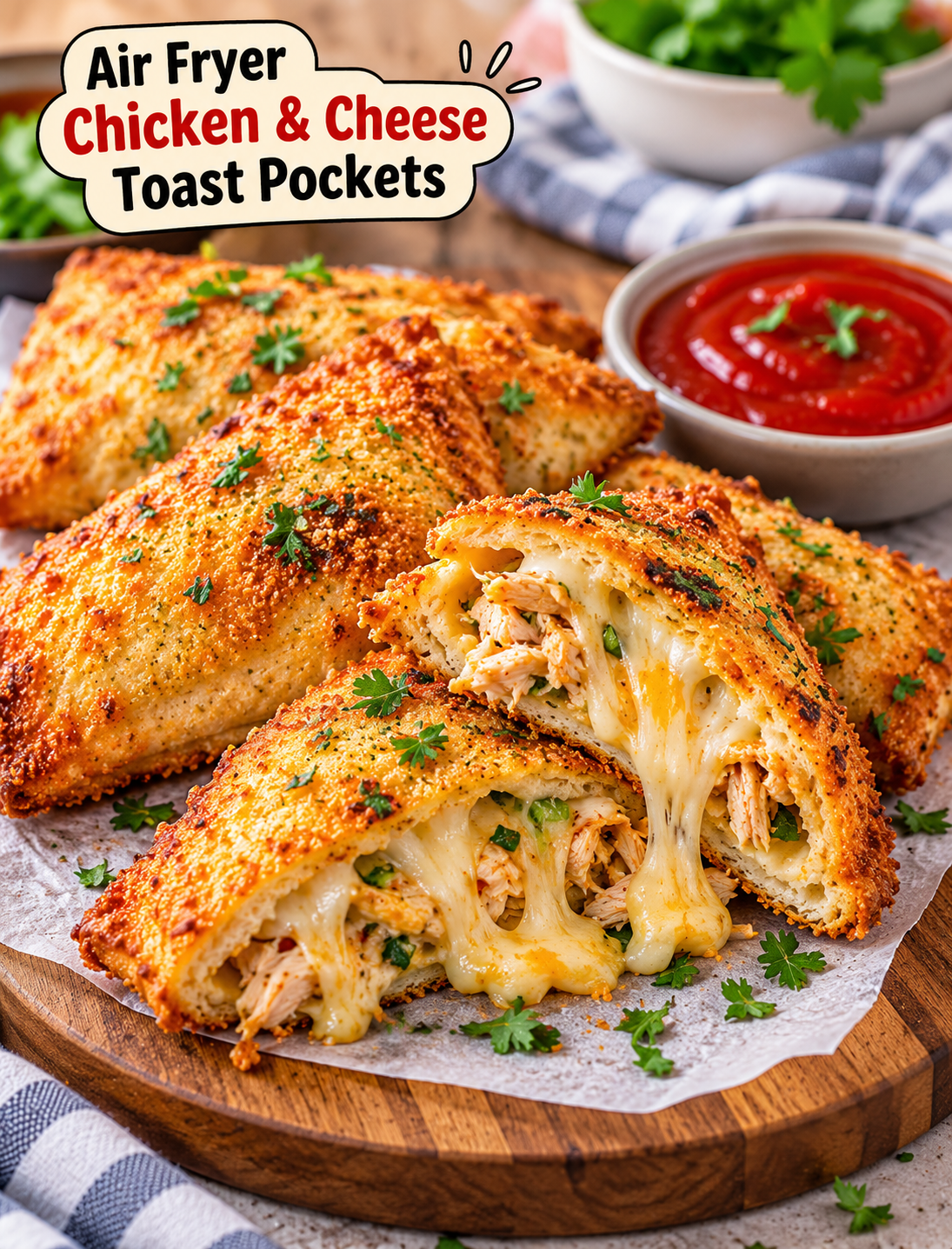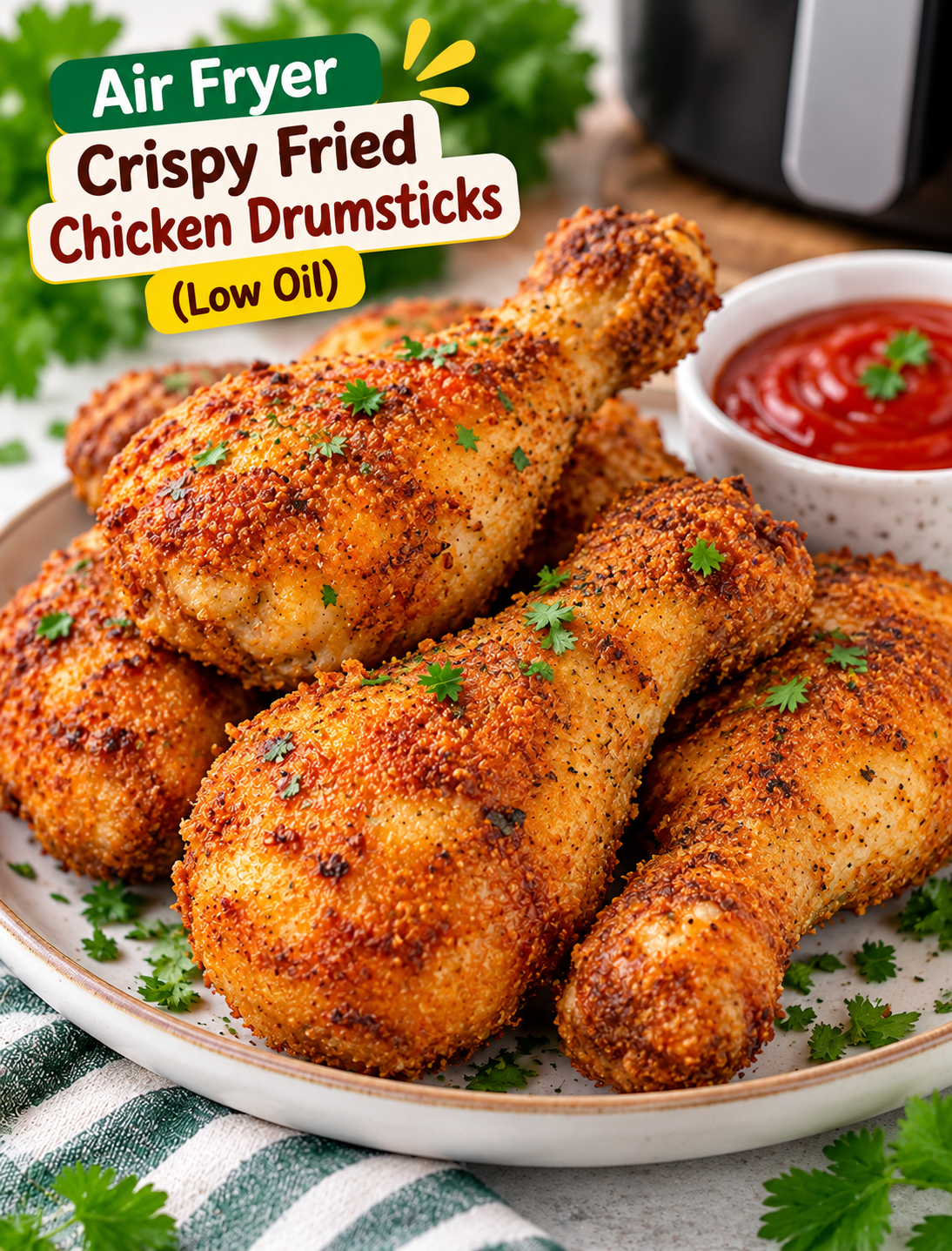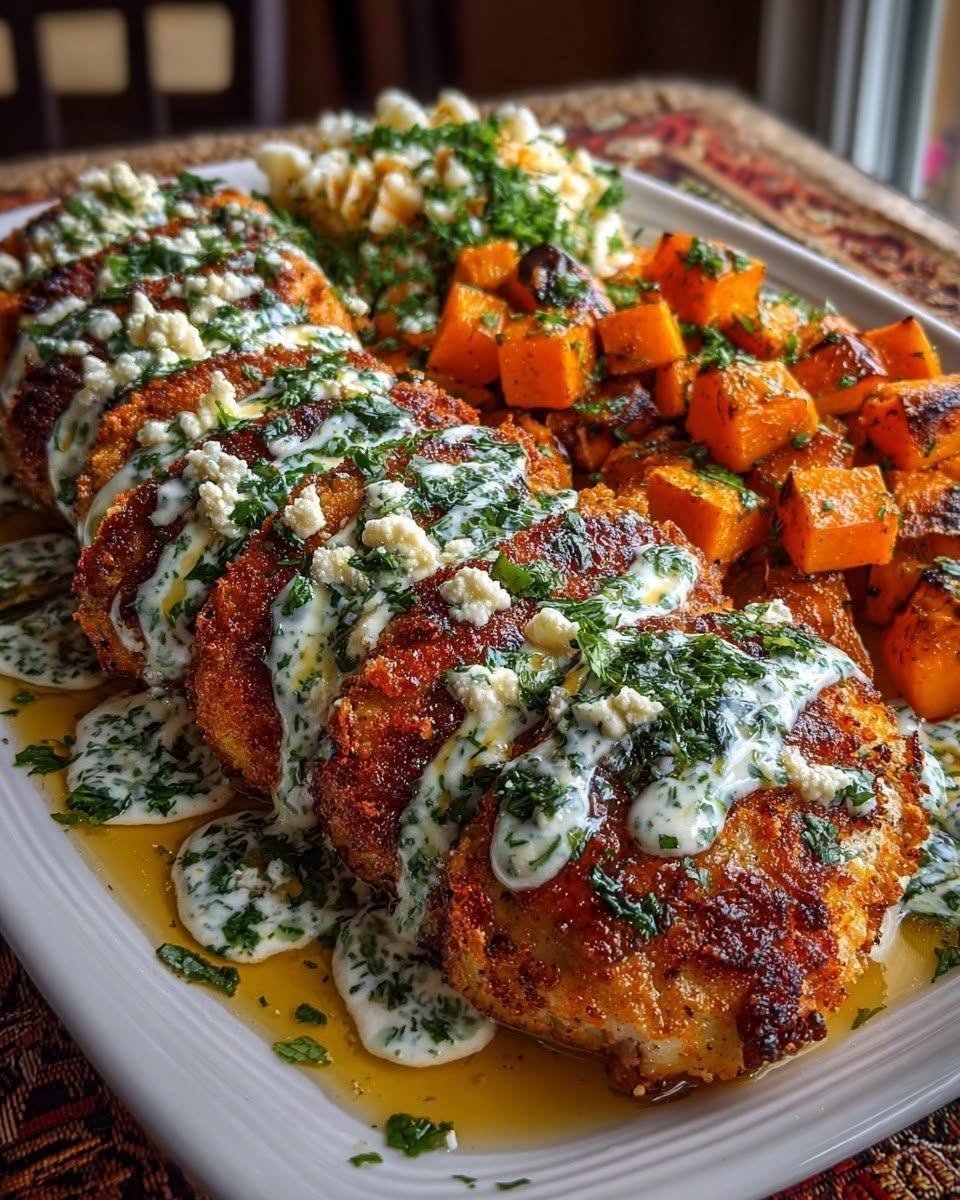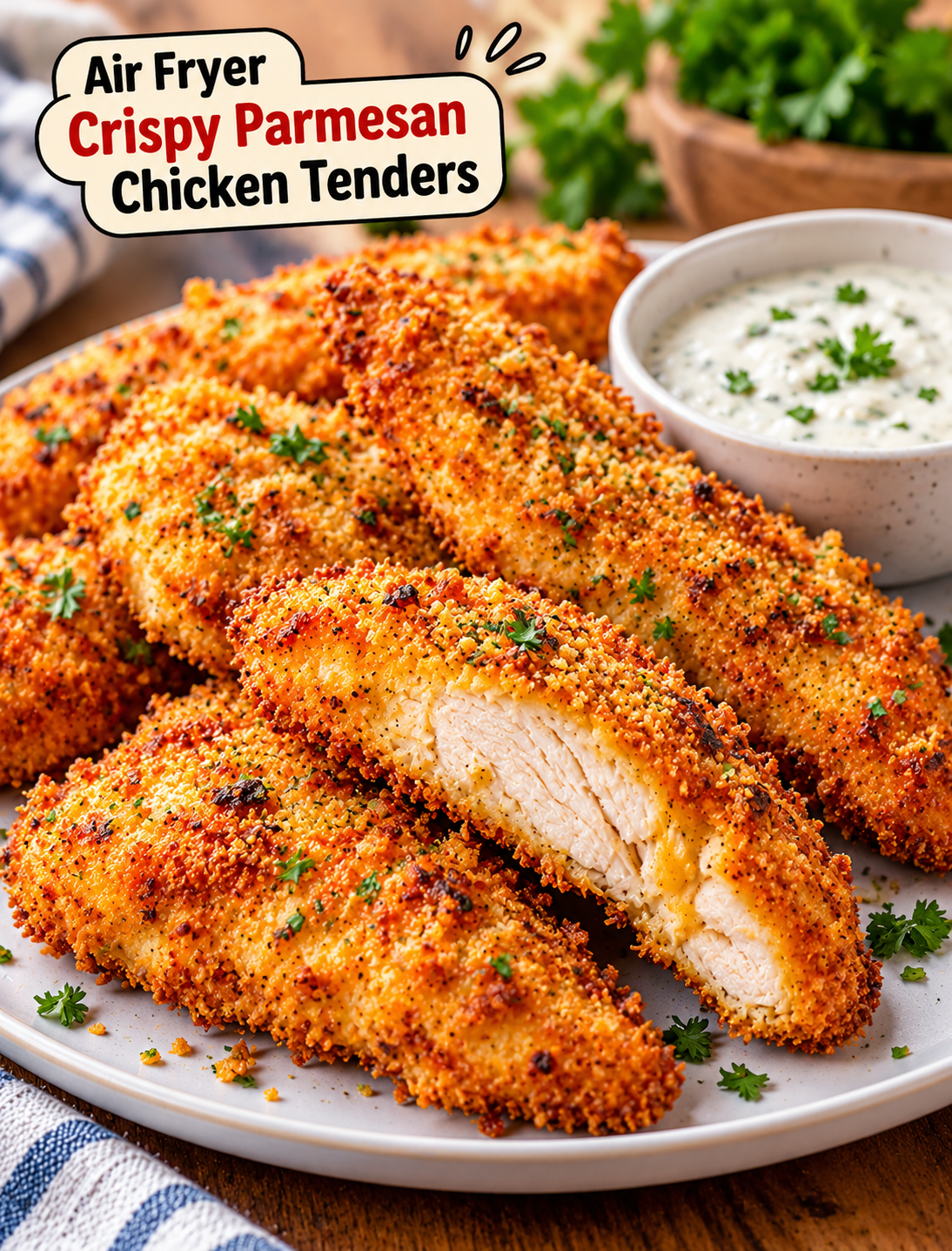
Air Fryer Crispy Parmesan Crusted Chicken Tenders are a delicious way to enjoy crunchy chicken without deep frying. Each tender has a golden Parmesan coating, a juicy center, and a savory flavor that pairs well with your favorite dipping sauce. The air fryer helps crisp the outside with just a little oil, making this recipe useful for quick dinners, easy lunches, and family-friendly snacks.
You only need a few everyday ingredients to prepare these chicken tenders at home. Parmesan cheese adds a salty, nutty taste, while breadcrumbs create the crisp outer layer. Garlic powder, paprika, and black pepper bring extra flavor without making the coating complicated.
This recipe works well with fresh chicken tenderloins or chicken breast cut into strips. Serve the finished tenders with ranch dressing, honey mustard, barbecue sauce, or marinara. Add a simple salad, roasted vegetables, or potato wedges to make the meal more filling.
Why You’ll Love These Parmesan Crusted Chicken Tenders
- Crispy coating: Parmesan cheese and breadcrumbs create a flavorful, crunchy crust.
- Less oil: Air frying uses much less oil than traditional deep frying.
- Simple ingredients: Most ingredients are easy to find at a regular grocery store.
- Quick cooking: Thin chicken strips cook faster than whole chicken breasts.
- Family-friendly flavor: Garlic, paprika, and Parmesan provide savory flavor without excessive heat.
- Easy to customize: You can adjust the seasonings, use gluten-free breadcrumbs, or add a little cayenne pepper.
- Versatile serving options: Enjoy the tenders as a main dish, sandwich filling, salad topping, or party snack.
Ingredients You’ll Need
This recipe makes approximately 4 servings, depending on the size of the chicken strips.
- 1 pound chicken tenderloins: Use fresh, boneless, skinless chicken. If using chicken breasts, cut them into evenly sized strips.
- ½ cup finely grated Parmesan cheese: Freshly grated Parmesan gives the coating a rich, savory flavor.
- ¾ cup plain breadcrumbs or panko: Panko usually creates a lighter, crunchier texture.
- ½ teaspoon garlic powder: Adds a savory taste to the crust.
- ½ teaspoon paprika: Provides color and mild, smoky flavor.
- ¼ teaspoon onion powder: Adds extra depth to the seasoning.
- ¼ teaspoon black pepper: Gives the coating a gentle peppery taste.
- ¼ teaspoon salt, or to taste: Adjust according to the saltiness of your Parmesan.
- 1 large egg: Helps the Parmesan breadcrumb mixture stick to the chicken.
- 2 tablespoons milk: Loosens the beaten egg and helps coat the strips evenly.
- 1–2 teaspoons olive oil or cooking spray: Helps the coating brown and crisp in the air fryer.
Optional ingredients: Add a pinch of Italian seasoning for a herby flavor or a small pinch of cayenne pepper for extra heat. Avoid adding too much salt because Parmesan cheese already contains sodium.
Equipment Needed
- Air fryer
- Two shallow bowls or plates
- Whisk or fork
- Tongs
- Meat thermometer
- Cutting board and knife, if cutting chicken breasts into strips
How to Make Air Fryer Crispy Parmesan Crusted Chicken Tenders
Follow these steps for evenly coated chicken with a golden crust and a juicy center.
Step 1: Prepare the Chicken
Pat the chicken tenderloins dry with paper towels. If you are using chicken breasts, cut them into strips of similar thickness so they cook at about the same rate.
Remove any visible tendon from the tenderloins if desired. Keep the strips reasonably uniform, because very thin pieces may dry out before thicker pieces finish cooking.
Wash your hands and clean any surfaces that come into contact with raw chicken. Keep raw chicken separate from cooked food and ready-to-eat ingredients.
Step 2: Make the Parmesan Coating
Add the breadcrumbs, grated Parmesan cheese, garlic powder, paprika, onion powder, black pepper, and salt to a shallow bowl. Stir until the cheese and seasonings are evenly mixed.
Use finely grated Parmesan so it blends well with the breadcrumbs. Large cheese shavings may fall off during coating or melt unevenly while cooking.
If you prefer a stronger Parmesan flavor, replace a small portion of the breadcrumbs with additional grated cheese. Keep enough breadcrumbs in the mixture to create a dry coating.
Step 3: Prepare the Egg Mixture
Crack the egg into a second shallow bowl. Add the milk and whisk until the mixture looks smooth.
The egg mixture helps the dry coating cling to the chicken. If the egg is not beaten well, thick patches may form on the surface and create uneven breading.
Place the egg bowl beside the Parmesan mixture to make the coating process easier.
Step 4: Coat Each Chicken Tender
Dip one chicken strip into the egg mixture and let the excess drip back into the bowl. Transfer it to the Parmesan breadcrumb mixture and press gently on both sides.
Make sure the ends and edges are covered. Place each coated strip on a clean plate or tray while you finish the remaining pieces.
For a thicker crust, dip the strip in the egg mixture and breadcrumb coating a second time. Press the coating gently so it stays attached, but do not squeeze the chicken too hard.
Step 5: Preheat and Prepare the Air Fryer
Preheat your air fryer to 400°F for about 3 minutes, if your model recommends preheating. Check the manufacturer’s instructions because preheating settings vary.
Lightly spray the basket with an air-fryer-safe cooking spray or brush it with a small amount of oil. Avoid aerosol sprays that can damage certain air fryer basket coatings.
Arrange the chicken tenders in a single layer. Leave space between the pieces so hot air can circulate around the coating.
Step 6: Air Fry Until Golden
Cook the tenders at 400°F for approximately 8–12 minutes, turning them halfway through. Cooking time depends on the thickness of the chicken and the design of your air fryer.
Check the thinnest strips first to prevent overcooking. If the coating needs more color, cook for another 1–2 minutes while watching closely.
The chicken is safe to eat when the thickest part reaches an internal temperature of 165°F, measured with a food thermometer. Do not rely on the coating color alone to judge doneness.
If you have several batches, keep the uncooked coated chicken refrigerated until you are ready to cook it. Avoid leaving raw poultry at room temperature while the first batch cooks.
Step 7: Rest and Serve
Transfer the cooked tenders to a clean plate or wire rack. Let them rest for 2–3 minutes before serving.
Serve immediately for the best crunch. Pair them with ranch, honey mustard, barbecue sauce, or marinara, and add your favorite vegetables or side dish.
If you are serving a crowd, cook the tenders in batches instead of stacking them. Stacking traps steam and can soften the Parmesan crust.
Tips for Extra Crispy Parmesan Chicken Tenders
- Dry the chicken first: Removing excess moisture helps the coating stick and brown.
- Use panko breadcrumbs: Their larger flakes often create a crispier texture than fine breadcrumbs.
- Grate the Parmesan finely: Fine cheese mixes evenly with the breadcrumbs.
- Do not overcrowd the basket: Airflow is important for crisp edges.
- Turn the tenders halfway through: This helps both sides brown more evenly.
- Use a light oil coating: Too much oil can make the crust greasy, while too little may leave it pale.
- Check the internal temperature: Chicken should reach 165°F for food safety.
- Serve soon after cooking: The crust is at its best before steam softens it.
Best Dipping Sauces and Side Dishes
These chicken tenders work with creamy, tangy, or smoky sauces. Choose a dip based on how you plan to serve the meal.
- Ranch dressing: A cool, creamy match for the savory Parmesan crust.
- Honey mustard: Adds sweetness and a gentle mustard flavor.
- Barbecue sauce: Offers a smoky, slightly sweet contrast.
- Marinara sauce: Creates an Italian-inspired pairing with the Parmesan coating.
- Garlic yogurt dip: Provides a lighter, tangy option.
For sides, try air fryer potato wedges, roasted broccoli, green beans, a garden salad, or corn on the cob. You can also slice the tenders over a salad or place them inside a sandwich with lettuce and tomato.
Easy Recipe Variations
Spicy Parmesan Chicken Tenders
Add ¼ teaspoon of cayenne pepper or a pinch of chili flakes to the breadcrumb mixture. Start with a small amount and adjust the heat to your preference.
Garlic Herb Chicken Tenders
Mix Italian seasoning and a little dried parsley into the Parmesan coating. Serve with marinara or a simple garlic dip.
Gluten-Free Parmesan Tenders
Replace regular breadcrumbs with certified gluten-free breadcrumbs or crushed gluten-free crackers. Check the labels on all packaged ingredients if you need to avoid gluten.
Extra-Cheesy Chicken Tenders
Add a small amount of finely grated Pecorino Romano to the Parmesan mixture. Because both cheeses can be salty, reduce the added salt and taste the coating before using it.
How to Store and Reheat Leftovers
Refrigerator: Let the chicken cool briefly, then place it in a shallow airtight container. Refrigerate within 2 hours of cooking and use within 3–4 days.
Freezer: Freeze cooled tenders in a single layer until firm, then move them to a freezer-safe container or bag. For best quality, use within 2–3 months.
Air fryer reheating: Reheat refrigerated tenders at 350°F for about 3–5 minutes, checking that the centers reach 165°F. Frozen cooked tenders need additional time, so check the internal temperature before serving.
Avoid the microwave if you want a crunchy crust: Microwaving heats the chicken quickly but often makes the breading soft. An air fryer or oven usually gives better texture.
Frequently Asked Questions
1. Can I use chicken breasts instead of tenderloins?
Yes. Cut boneless, skinless chicken breasts into evenly sized strips so they cook at a similar rate.
2. How long do chicken tenders take in the air fryer?
At 400°F, start with 8–12 minutes and turn halfway through; cook until the thickest piece reaches 165°F.
3. Can I make Parmesan chicken tenders without eggs?
Yes. Use a suitable egg-free binder, such as plain yogurt or a little milk with flour, although the coating may stick differently.
4. Why is my Parmesan coating falling off?
Excess moisture, too little egg wash, or loose breading can cause the coating to fall off. Pat the chicken dry and press the breadcrumbs gently onto each strip.
5. Can I use pre-grated Parmesan cheese?
Yes. Finely grated packaged Parmesan works, although freshly grated cheese may blend more evenly with the breadcrumbs.
6. Can I prepare these chicken tenders ahead of time?
Yes. Coat the chicken and refrigerate it in a covered container, then air fry shortly before serving for the best texture.
7. Can I cook frozen raw breaded chicken tenders with this method?
This recipe is designed for fresh chicken. Frozen raw tenders may need different timing, so follow the package directions and verify that they reach 165°F internally.
8. How can I make the tenders crispier without deep frying?
Use panko, remove excess moisture from the chicken, lightly oil the coating, and leave space between pieces in the air fryer.
Final Thoughts
Air Fryer Crispy Parmesan Crusted Chicken Tenders are an easy choice when you want crunchy, flavorful chicken without deep frying. The Parmesan and breadcrumb coating creates a savory crust, while the air fryer keeps the cooking process simple and convenient.
For the best results, cut the chicken evenly, coat each strip thoroughly, and cook in a single layer. Check the internal temperature rather than relying only on color, and serve the tenders while the crust is still crisp. Pair them with a favorite dip and a simple side for a meal that works for lunch, dinner, or a casual gathering.