The High-Protein Plate Method for Easier Weight Management

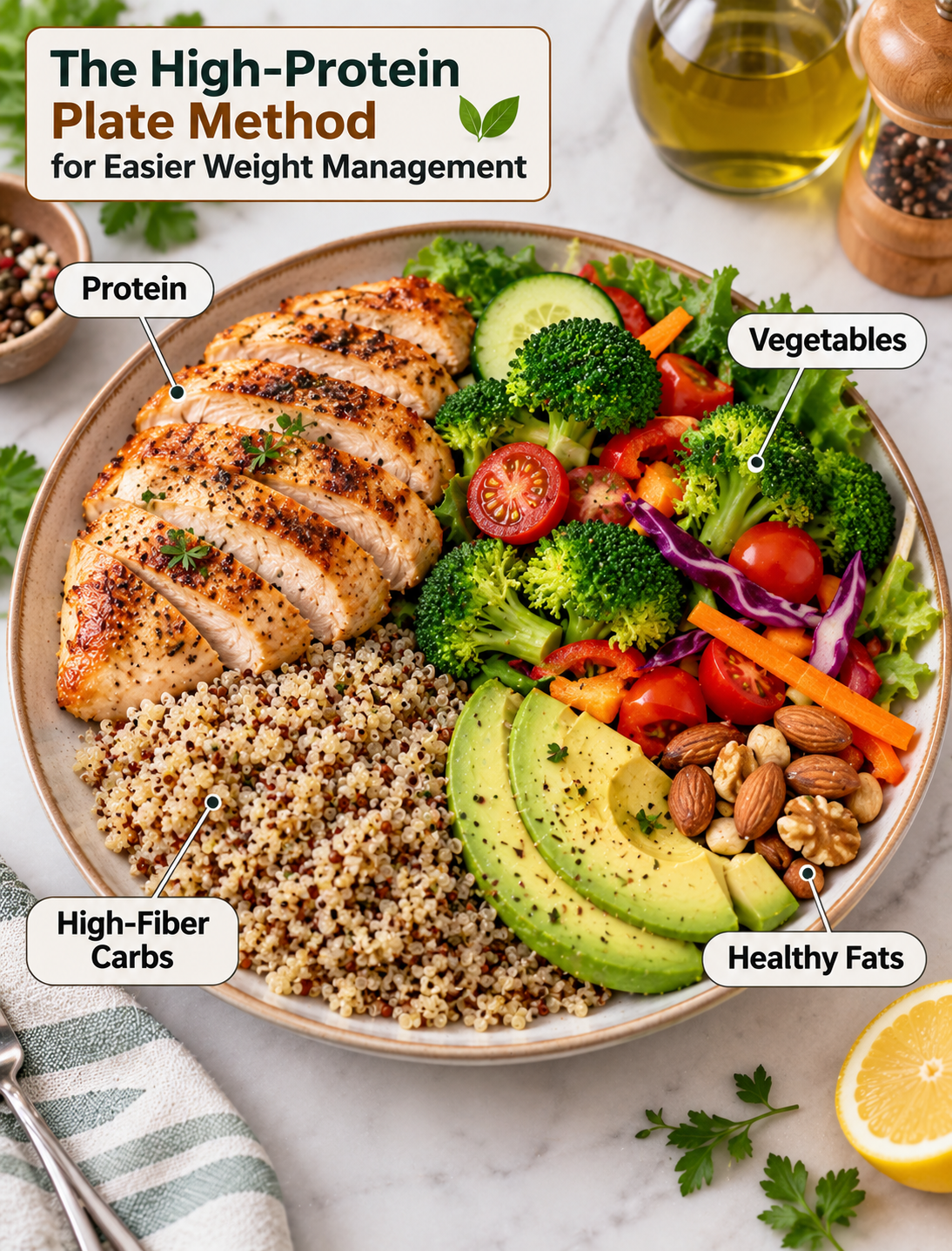
Balanced high-protein plate with grilled chicken, colorful vegetables, brown rice, avocado, and healthy foods for meal planning

The High-Protein Plate Method for Easier Weight Management

The High-Protein Plate Method is a simple way to build balanced meals without weighing every ingredient or counting every calorie. It focuses on adding enough protein, vegetables, high-fiber carbohydrates, and healthy fats to each meal.

Protein plays an important role in a balanced eating pattern because it helps support muscles and can make meals more filling. Pairing protein with vegetables, whole grains, fruit, and healthy fats creates a meal with a mix of nutrients and flavors.

This plate method can be useful for people who want a more structured approach to everyday meals. It does not require special foods, complicated recipes, or strict meal plans.

The goal is to create portions that fit your needs while choosing mostly nutrient-dense foods. Your activity level, body size, age, food preferences, and health needs can all affect how much food you need.

What Is the High-Protein Plate Method?

The High-Protein Plate Method uses a visual plate guide to help organize a meal. Instead of focusing only on calories, you build the plate around a quality protein source and fill the remaining space with vegetables, fiber-rich carbohydrates, and healthy fats.

A simple starting point is to make about one-quarter of the plate protein, about one-half vegetables and other non-starchy produce, and about one-quarter high-fiber carbohydrates. Add a small portion of healthy fat based on the meal.

These portions are a flexible guide rather than strict rules. Some people may need more carbohydrates or protein depending on their activity and nutritional needs.

The method works with many eating styles. You can use chicken, fish, eggs, Greek yogurt, beans, lentils, tofu, lean beef, or other protein-rich foods.

Why Protein Matters in a Balanced Meal

Protein is found in foods such as poultry, seafood, eggs, dairy products, beans, lentils, soy foods, nuts, and seeds.

Including a protein source at meals can make a plate more satisfying and can help you create meals that are less dependent on refined carbohydrates or highly processed snacks.

Protein also supplies amino acids that the body uses for important functions, including maintaining and repairing body tissues.

The best approach is to choose a variety of protein foods instead of relying on one source every day. Rotating poultry, seafood, eggs, beans, lentils, dairy, and plant proteins can add variety to your meals.

For people with specific medical conditions or dietary needs, protein targets may need to be adjusted with guidance from a qualified health professional.

How to Build Your Plate

Start by choosing a protein source. The portion can be grilled chicken, salmon, turkey, eggs, tofu, lentils, beans, or another protein-rich food.

Next, add vegetables. Choose leafy greens, broccoli, cauliflower, carrots, bell peppers, tomatoes, zucchini, green beans, or other vegetables you enjoy.

Add a high-fiber carbohydrate such as brown rice, quinoa, oats, beans, lentils, sweet potatoes, or whole-grain bread.

Finish the meal with a small amount of healthy fat. Avocado, olive oil, nuts, seeds, and nut butters are practical choices.

You can also include fruit when it fits the meal. Berries, apples, oranges, peaches, and bananas can provide natural sweetness and additional nutrients.

Best High-Protein Foods to Use

Chicken and Turkey

Skinless chicken breast and turkey are versatile protein options for lunch and dinner. They can be grilled, baked, roasted, or prepared in an air fryer.

Use herbs, lemon, garlic, paprika, or other seasonings to add flavor without relying heavily on creamy sauces.

Fish and Seafood

Salmon, tuna, shrimp, cod, and other seafood can add protein along with different nutrients. Fatty fish such as salmon also provides omega-3 fats.

Use baked, grilled, or air-fried seafood for simple meal preparation.

Eggs

Eggs are an easy option for breakfast, lunch, or dinner. Pair scrambled or boiled eggs with vegetables and whole-grain toast for a balanced meal.

Greek Yogurt and Cottage Cheese

Plain Greek yogurt and cottage cheese can provide substantial protein in a convenient format. Choose plain varieties when you want more control over added sugar.

Add berries, nuts, or seeds for extra flavor and texture.

Beans and Lentils

Beans and lentils provide plant-based protein and fiber. Black beans, chickpeas, kidney beans, and lentils can be added to salads, bowls, soups, and wraps.

They are especially useful when you want to reduce how often you eat meat without removing protein from your meals.

Tofu and Tempeh

Tofu and tempeh provide plant-based protein and can absorb marinades and seasonings well. Add them to stir-fries, grain bowls, salads, or vegetable-based meals.

The Role of Vegetables

Vegetables help add volume, color, fiber, vitamins, minerals, and different textures to meals.

A large portion of non-starchy vegetables can make a plate feel generous without requiring a large amount of energy-dense food.

Try to use several colors throughout the week. Spinach, broccoli, carrots, tomatoes, peppers, cabbage, and cauliflower all bring different nutrients and textures.

Fresh vegetables are convenient, but frozen and canned vegetables can also be useful. If buying canned vegetables, look for options with little or no added sodium when available.

Roasting vegetables can bring out natural sweetness and make them more appealing. Steaming, grilling, sautéing, and air frying are also easy preparation methods.

Choosing Better Carbohydrates

Carbohydrates do not need to be removed from a balanced eating pattern. The type and portion can make a difference.

Choose foods such as brown rice, quinoa, oats, barley, whole-grain bread, sweet potatoes, beans, lentils, and whole fruits more often.

These foods can provide fiber and other nutrients that are useful in a balanced diet.

You can adjust the carbohydrate portion based on your hunger and activity level. Someone who exercises frequently may need more carbohydrate than someone with a less active routine.

Avoid turning the plate method into a rule that eliminates foods you enjoy. Flexible choices are easier to maintain over time.

Healthy Fats and Portion Control

Healthy fats can add flavor and help make meals more satisfying. Common options include avocado, olive oil, nuts, seeds, and natural nut butters.

Because fats are energy-dense, a small serving can add plenty of flavor to a meal.

Instead of pouring oil directly onto food, measure a small amount when you are learning portion sizes. This makes it easier to understand how much you are using.

You do not need to avoid fat to build a balanced plate. The goal is to include reasonable portions while choosing nutritious sources more often.

High-Protein Breakfast Ideas

Breakfast can be simple while still following the plate method.

Try scrambled eggs with spinach, tomatoes, and whole-grain toast. Add berries or another piece of fruit for extra variety.

Plain Greek yogurt can be paired with berries, oats, chia seeds, and a small amount of nuts.

For a savory option, make a breakfast bowl with eggs, black beans, avocado, salsa, and roasted vegetables.

If you prefer a quick breakfast, prepare hard-boiled eggs and cut vegetables ahead of time. Pair them with whole-grain toast or fruit when you are ready to eat.

High-Protein Lunch and Dinner Ideas

A chicken grain bowl can combine grilled chicken, brown rice, roasted broccoli, tomatoes, avocado, and a light dressing.

A salmon plate can include roasted salmon, green beans, sweet potato, and a fresh salad.

For a meat-free meal, combine lentils with roasted vegetables, quinoa, cucumber, tomatoes, and a yogurt-based dressing.

A turkey wrap can include lean turkey, lettuce, tomato, cucumber, avocado, and a whole-grain tortilla.

The same basic structure can be used for many cuisines. Change the seasonings, vegetables, sauces, and protein source to keep meals interesting.

Easy Meal Prep With the Plate Method

Meal prep becomes easier when you prepare ingredients instead of making complete meals every time.

Cook several portions of chicken, turkey, tofu, or another protein at once. Prepare a batch of brown rice, quinoa, beans, or roasted sweet potatoes.

Wash and cut vegetables so they are ready to add to meals. Keep sauces and dressings in separate containers when possible.

Store cooked foods safely in the refrigerator and use them within the recommended storage period.

Create different combinations from the same ingredients. Chicken can become a salad one day, a grain bowl the next day, and a wrap later in the week.

Common Mistakes to Avoid

Making Protein the Entire Meal

A high-protein meal still needs variety. Vegetables, fiber-rich carbohydrates, healthy fats, and fruit can contribute important nutrients.

Choosing Highly Processed Protein Every Time

Protein bars, processed meats, and packaged shakes can be convenient, but whole or minimally processed protein foods can provide a wider range of nutrients.

Ignoring Portion Needs

The plate method is a visual guide, not a fixed prescription. Adjust portions according to hunger, activity, personal needs, and professional guidance when appropriate.

Removing All Carbohydrates

Whole grains, beans, lentils, fruits, and starchy vegetables can fit into a balanced meal. Eliminating an entire food group is not required for this approach.

Forgetting Flavor

Healthy meals do not have to be bland. Use herbs, spices, citrus, garlic, vinegar, salsa, and homemade dressings to make meals enjoyable.

Expecting Overnight Results

Weight management is influenced by many factors and usually requires consistent habits over time. Focus on repeatable meals and routines rather than short-term extremes.

Frequently Asked Questions

How much protein should I eat per meal?

Protein needs vary by person, so use the plate method as a starting point and ask a qualified professional for a personalized target.

Can I use plant-based protein?

Yes, beans, lentils, tofu, tempeh, edamame, nuts, and seeds can all contribute protein to a balanced plate.

Is this method good for weight management?

It can provide a simple structure for balanced portions, but weight changes depend on overall eating patterns, activity, sleep, health, and other factors.

Do I need to count calories?

No, the plate method is designed as a visual approach, although calorie tracking may be useful for some people who prefer detailed monitoring.

Can I eat carbohydrates with high-protein meals?

Yes, whole grains, beans, lentils, fruit, and starchy vegetables can all fit into a balanced high-protein meal.

What vegetables are best?

There is no single best vegetable; choose a variety of colorful vegetables that you enjoy and can eat regularly.

Can I follow this method for meal prep?

Yes, prepare protein, vegetables, high-fiber carbohydrates, and healthy fats separately, then combine them into different meals during the week.

Is the plate method suitable for everyone?

It is a general meal-planning guide, but people with specific medical or dietary needs should seek individualized advice from a healthcare professional.

Final Thoughts

The High-Protein Plate Method offers a practical way to create balanced meals without making food preparation complicated. Start with a protein source, add plenty of vegetables, include a high-fiber carbohydrate, and finish with a reasonable amount of healthy fat.

The method is flexible enough for different foods, budgets, cooking styles, and dietary preferences. Chicken, fish, eggs, Greek yogurt, beans, lentils, tofu, and other protein-rich foods can all fit into the same basic structure.

For easier meal planning, prepare a few staple ingredients ahead of time and combine them in different ways throughout the week. Focus on meals that are satisfying, flavorful, and realistic for your daily routine.

A balanced approach is usually easier to maintain than strict food rules. Use the plate method as a simple framework, adjust portions to your individual needs, and focus on consistent habits rather than perfection.
2-INGREDIENT WEIGHT-LOSS HABIT PEOPLE ARE TALKING ABOUT

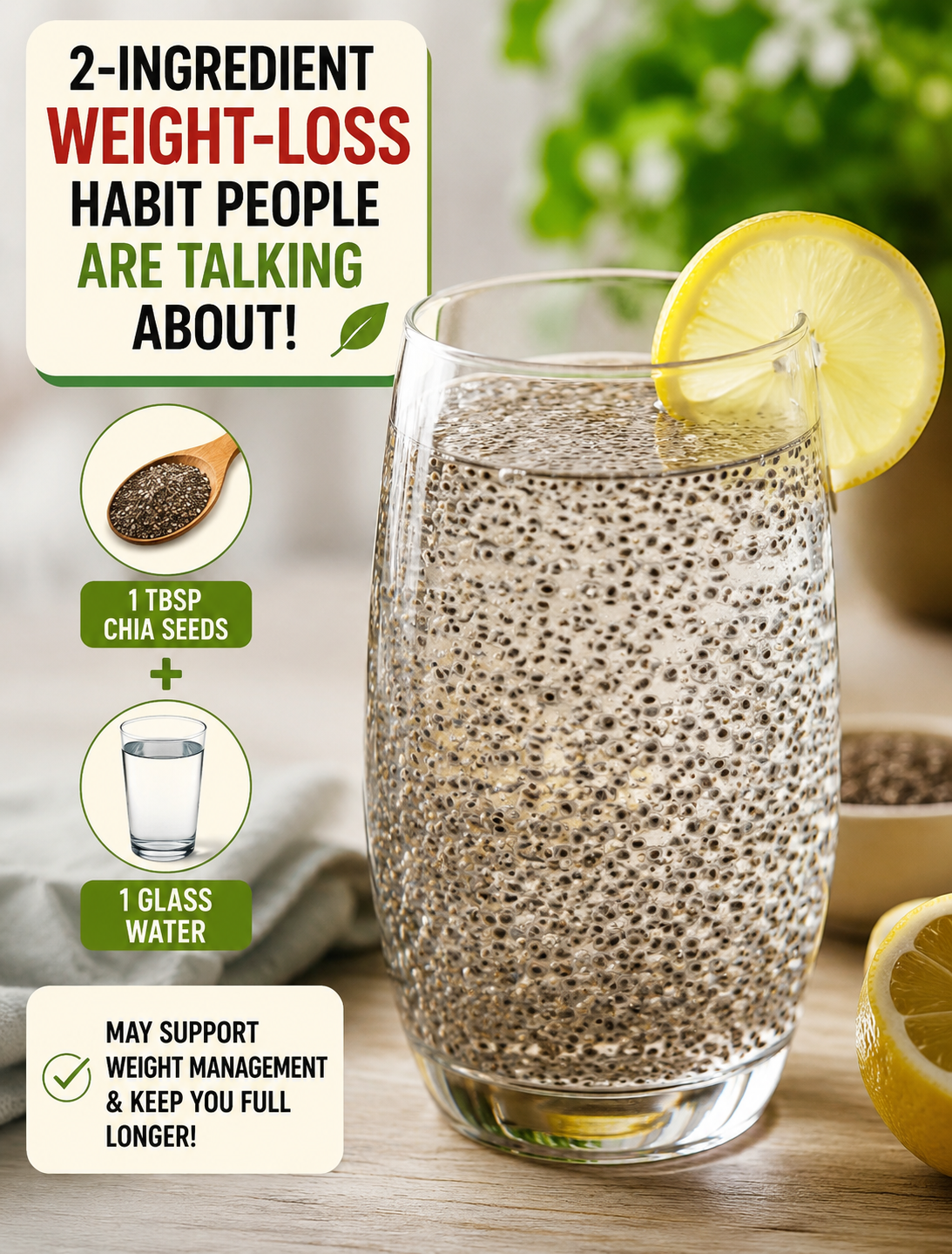
Glass of chia seed water made with chia seeds and water for a healthy weight-management routine

2-INGREDIENT WEIGHT-LOSS HABIT PEOPLE ARE TALKING ABOUT

If you are trying to build healthier eating habits, you may have seen chia seed water making the rounds online. It uses only two basic ingredients: chia seeds and water. The appeal is simple—no complicated recipe, no special equipment, and no long ingredient list.

Chia seeds are a nutrient-dense food that provides dietary fiber, protein, and healthy fats. Research reviews consistently describe chia as a rich source of fiber and alpha-linolenic acid, a plant-based omega-3 fat. (PubMed)

Still, chia seed water should not be viewed as a magic weight-loss drink. There is no single food or drink that can make body fat disappear. Instead, this simple combination can fit into a balanced routine that includes nutritious meals, regular movement, adequate sleep, and sensible portions.

What Is Chia Seed Water?

Chia seed water is simply water mixed with chia seeds and allowed to sit until the seeds develop a soft, gel-like coating.

That texture comes from the soluble fiber in chia seeds. Fiber absorbs water and expands, which is why the drink becomes thicker after several minutes.

For a basic serving, combine:

  • 1 tablespoon chia seeds
  • 10–12 ounces of water

Stir the mixture well and let it stand for about 10–15 minutes. Stir again before drinking.

If you prefer more flavor, you can add a small amount of lime juice, but lime is optional and is not part of the two-ingredient recipe.

Why Chia Seeds Fit a Weight-Management Routine

The biggest reason chia seeds attract attention in weight-management discussions is their fiber content.

Fiber can help you feel fuller after eating, which may make it easier to manage hunger between meals. USDA nutrition research has also highlighted dietary fiber as an important part of strategies designed to support healthy body weight. (ARS)

One tablespoon of dried chia seeds contains about 4 grams of dietary fiber according to the Dietary Guidelines scientific report. (ODS)

Chia also provides protein and unsaturated fats, making it more nutritionally useful than a drink made mainly from added sugar.

However, eating chia does not automatically cause weight loss. A systematic review of clinical trials found that evidence for chia’s effects on body weight and other health outcomes remains limited, so it should be treated as a nutritious food rather than a proven weight-loss treatment. (PubMed)

How to Make the 2-Ingredient Drink

Making chia seed water takes only a few minutes.

Step 1: Pour 10–12 ounces of water into a glass.

Step 2: Add 1 tablespoon of chia seeds.

Step 3: Stir immediately so the seeds do not clump together.

Step 4: Let the mixture sit for 10–15 minutes.

Step 5: Stir once more and drink slowly.

If you are new to high-fiber foods, starting with a smaller amount may be more comfortable. Increase your intake gradually as your body adjusts.

When Is the Best Time to Drink It?

There is no scientifically established “best time” to drink chia seed water for weight loss.

Some people prefer it in the morning because it is easy to add to a daily routine. Others may enjoy it before or alongside a meal.

The more useful approach is choosing a time you can maintain consistently. A healthy habit works best when it fits naturally into your schedule.

You also do not need to drink chia water every day to eat well. Chia seeds can be added to oatmeal, yogurt, smoothies, overnight oats, or other balanced foods.

Can Chia Seed Water Help You Feel Fuller?

It may help because chia seeds contain a substantial amount of dietary fiber.

Fiber-rich foods can contribute to feelings of fullness, which can be useful when building a meal pattern that supports weight management. USDA guidance notes that fiber can help people feel full and satisfied after eating. (AgLab)

However, fullness varies from person to person. Your overall meal composition, protein intake, hydration, eating speed, sleep, and activity level also influence hunger.

For better results, pair fiber-rich foods with protein-rich foods and minimally processed meals instead of relying on one drink.

How to Make This Habit More Effective

Chia seed water works best as one small part of a larger healthy lifestyle.

Build meals around vegetables, fruits, whole grains, beans, lean proteins, nuts, seeds, and other nutrient-rich foods. Choose water or other low-calorie drinks instead of sugary beverages when possible.

Pay attention to portions without making meals unnecessarily restrictive. Extreme diets can be difficult to maintain, while realistic habits are easier to continue.

Regular physical activity also matters. Walking, strength training, cycling, swimming, or another activity you enjoy can help support an active lifestyle.

Sleep deserves attention too. A consistent sleep schedule can make it easier to maintain healthy eating and activity habits.

The goal is not to find one perfect weight-loss trick. The goal is to create several simple habits that work together.

Important Tips Before Trying Chia Seed Water

Always allow chia seeds to absorb enough liquid before drinking them.

Avoid swallowing dry chia seeds by themselves because they expand when exposed to liquid.

Start with a modest serving if your usual diet is low in fiber. Increasing fiber too quickly can cause bloating or digestive discomfort.

Drink enough fluids throughout the day because hydration supports normal digestion and helps your body handle increased fiber intake.

If you have difficulty swallowing, digestive problems, or a medical condition affected by dietary changes, ask a healthcare professional before adding large amounts of chia seeds to your diet.

Remember that chia seeds contain calories, so adding large amounts to your usual meals without considering your overall intake may not support your goals.

The Bottom Line

Chia seed water is an easy two-ingredient habit that can add fiber and nutrients to your day. Its simple preparation makes it convenient for people who want a practical addition to a healthy routine.

But it is not a shortcut for losing body fat.

For sustainable weight management, focus on the complete picture: balanced meals, adequate protein and fiber, reasonable portions, regular movement, hydration, sleep, and consistency.

Think of chia seed water as one useful food habit—not a miracle remedy.

Frequently Asked Questions

1. Does chia seed water burn belly fat?

No. Chia seed water does not specifically burn belly fat, and targeted fat loss from one food or drink is not supported by good evidence.

2. How much chia seed should I use in water?

Start with about 1 tablespoon of chia seeds in 10–12 ounces of water and adjust based on your tolerance and overall diet.

3. Should chia seeds be soaked before drinking?

Yes. Soaking them allows the seeds to absorb water and develop their gel-like texture before consumption.

4. Can I drink chia seed water every day?

It can fit into a balanced diet, but daily use is not required for healthy weight management or adequate fiber intake.

5. Is chia seed water better than plain water?

No. Plain water remains an excellent hydration choice; chia seed water simply adds nutrients and fiber from the seeds.

6. Can chia seeds help control hunger?

Their fiber content may contribute to fullness, but hunger control also depends on the rest of your diet, sleep, activity, and individual needs. (AgLab)

7. Can I drink chia seed water before a meal?

Yes, if you tolerate it well, but there is no proven timing that makes chia seed water a special weight-loss treatment.

8. Will chia seed water make me lose weight?

Not by itself. Weight change depends on your overall eating pattern, energy intake, physical activity, and other lifestyle factors.

Sources: USDA nutrition guidance and peer-reviewed research on chia seeds and dietary fiber. (PubMed)

The Mediterranean Diet Mistake Almost Everyone Makes 😱

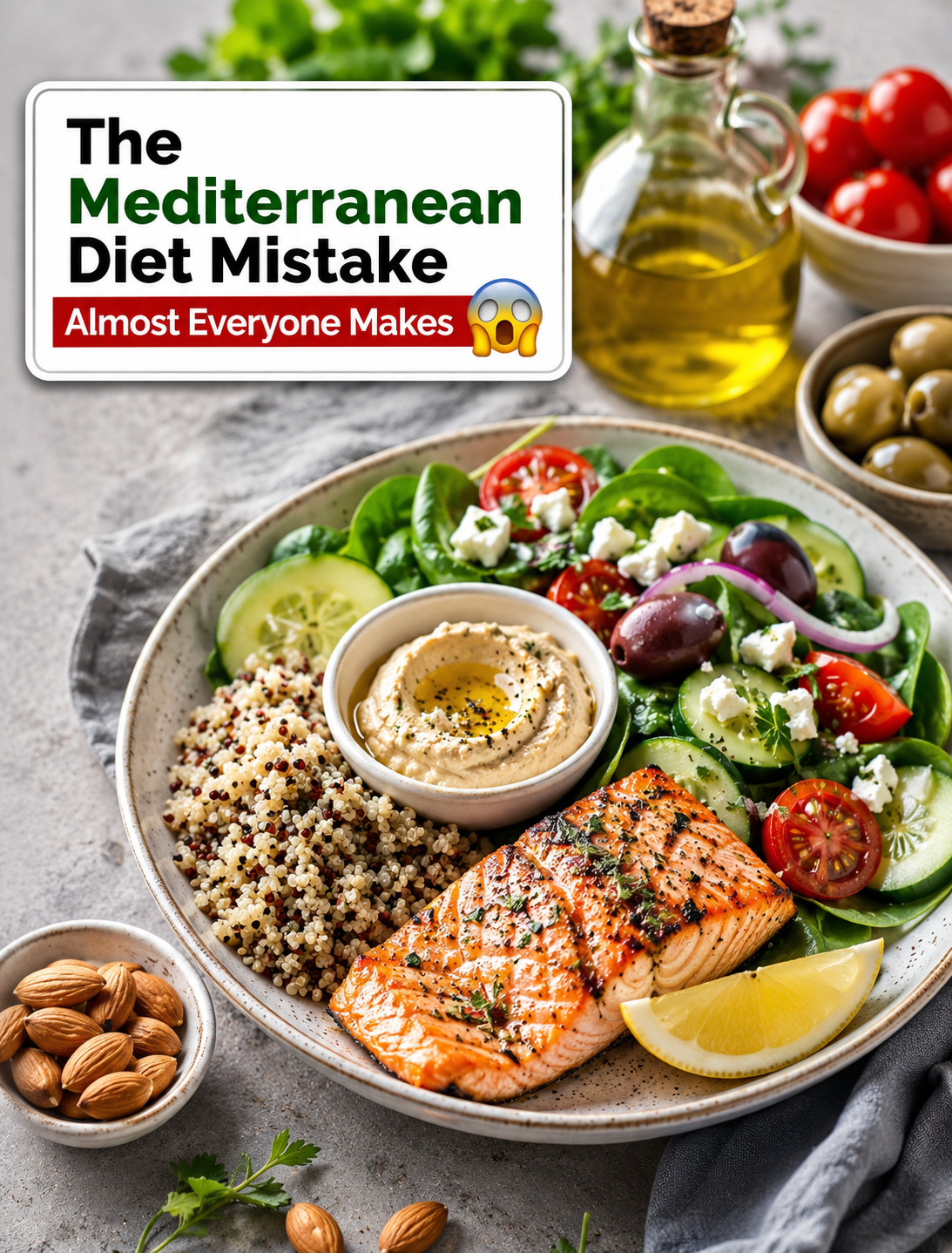
Mediterranean diet meal with vegetables, salmon, whole grains, olive oil, and healthy foods

The Mediterranean Diet Mistake Almost Everyone Makes 😱

The Mediterranean diet is often praised as one of the easiest healthy eating patterns to follow. It focuses on vegetables, fruits, beans, whole grains, fish, olive oil, nuts, and other minimally processed foods. But there is one common mistake that can quietly turn this healthy eating style into a high-calorie diet.

The mistake is assuming that healthy foods can be eaten without paying attention to portions.

Olive oil, nuts, cheese, whole-grain bread, avocado, and hummus can all fit into a Mediterranean-style meal. However, many of these foods are calorie-dense. Eating large amounts can make it harder to manage your calorie intake, even when every ingredient looks healthy.

The good news is that you do not need to give up your favorite foods. You simply need to build balanced plates, use reasonable portions, and focus on the overall quality of your meals.

Why Portion Size Still Matters

Healthy food is not automatically low in calories. Your body still responds to the total amount of energy you eat.

For example, olive oil is a staple in Mediterranean cooking, but one tablespoon contains about 120 calories. Pouring several tablespoons over a salad can add hundreds of calories before you add cheese, nuts, dressing, or bread.

The same issue can happen with nuts and seeds. They provide healthy fats, protein, fiber, vitamins, and minerals, but a small handful contains far fewer calories than a large bowl.

This does not mean these foods are unhealthy. It means portion awareness matters, especially if your goal is weight management.

A simple approach is to measure calorie-dense ingredients at first. Use a tablespoon for olive oil and a small handful for nuts. Once you learn what normal portions look like, you can estimate them more easily.

The Mediterranean Diet Is More Than Olive Oil

Another common misunderstanding is treating olive oil as the main feature of every meal.

Extra-virgin olive oil is an important part of Mediterranean-style eating, but traditional meals also include plenty of vegetables, legumes, whole grains, seafood, fruit, and herbs.

Instead of making olive oil the star, use it to enhance the flavor of your meal.

Try roasting vegetables with a light coating of olive oil rather than soaking them. Add a small amount to a bean salad or use it as part of a simple dressing.

This approach gives you the flavor and healthy fats associated with Mediterranean cooking while keeping portions under control.

Build Your Plate Around Plants

One of the best ways to follow this eating pattern is to make plant foods the foundation of your meals.

Fill a large part of your plate with vegetables such as tomatoes, spinach, broccoli, peppers, zucchini, carrots, cucumbers, or leafy greens. Add beans, lentils, or peas for plant-based protein and fiber.

Then include a moderate portion of fish, chicken, eggs, or another protein source if desired. Finish the meal with a serving of whole grains such as brown rice, oats, barley, or whole-grain bread.

This creates a satisfying meal without relying heavily on calorie-dense ingredients.

For example, a balanced dinner could include grilled salmon, roasted vegetables, lentils, and a small portion of whole-grain bread with a little olive oil.

Watch Out for the “Healthy Snack” Trap

Snacking can also cause problems.

Foods such as trail mix, nuts, dried fruit, granola, hummus, and whole-grain crackers can be nutritious choices, but portions can grow quickly.

Dried fruit is especially easy to overeat because removing water makes the food smaller and more concentrated. A large bowl of dried fruit can contain much more sugar and energy than the same amount of fresh fruit.

Instead, choose a planned serving and pair it with another filling food when needed.

A small portion of almonds with an apple or plain Greek yogurt with fresh berries can provide a better balance of protein, fiber, and healthy fats.

Don’t Turn Mediterranean Eating Into Processed Food

The Mediterranean diet does not mean every product labeled “Mediterranean” is automatically healthy.

Packaged crackers, sweetened granola, flavored yogurt, processed dips, frozen meals, and refined breads can still be high in added sugar, sodium, or calories.

Look beyond the marketing on the package.

Choose foods with simple ingredient lists and build most meals from basic ingredients. Fresh or frozen vegetables, beans, lentils, fruit, fish, eggs, whole grains, nuts, and plain dairy products can form the foundation of a Mediterranean-inspired grocery list.

You do not need expensive specialty foods to eat this way.

Be Careful With Restaurant Portions

Eating out can make portion control harder.

A restaurant salad may sound healthy but can contain large amounts of cheese, creamy dressing, nuts, croutons, and oil. A Mediterranean-style entrée can also come with large servings of bread, rice, dips, or sauces.

Ask for dressing or sauces on the side when possible. Choose grilled fish or chicken, vegetables, beans, or whole grains as the main parts of your meal.

You can also eat part of a large restaurant serving and save the rest for another meal.

Focus on Food Quality and Balance

The goal is not to count every calorie or avoid fats.

A healthy Mediterranean-style eating pattern is about balance. Choose mostly minimally processed foods, eat plenty of plants, include quality protein, and use unsaturated fats in sensible amounts.

Fiber-rich foods can help you feel full for longer. Protein can support muscle maintenance and satiety. Healthy fats can make meals more satisfying and improve flavor.

You also do not need to follow the diet perfectly.

A pizza night, dessert, or restaurant meal does not erase your healthy habits. What matters most is what you eat regularly over time.

A Simple Mediterranean Meal Formula

If you are unsure how to build a meal, use this simple formula:

½ plate: Non-starchy vegetables
¼ plate: Protein such as fish, chicken, beans, lentils, or eggs
¼ plate: Whole grains or starchy vegetables
Small portion: Healthy fat such as olive oil, nuts, seeds, or avocado
Optional: Fresh fruit for dessert

This formula makes healthy eating easier because you do not have to create a complicated meal plan.

For breakfast, try oatmeal topped with berries, walnuts, and plain Greek yogurt. For lunch, make a chickpea salad with tomatoes, cucumber, greens, herbs, and a measured amount of olive oil.

For dinner, serve grilled fish with roasted vegetables and brown rice.

These meals are simple, filling, and easy to adjust to your personal preferences.

The Biggest Takeaway

The biggest Mediterranean diet mistake is not eating olive oil, bread, cheese, or nuts. The problem is overeating calorie-dense foods simply because they are considered healthy.

Healthy eating still benefits from reasonable portions.

Use olive oil thoughtfully, keep nuts and cheese moderate, choose fresh fruit instead of large amounts of dried fruit, and make vegetables, legumes, whole grains, and quality protein the foundation of your meals.

When you combine nutritious foods with portion awareness, the Mediterranean diet becomes much easier to follow for the long term.

Frequently Asked Questions

Is the Mediterranean diet good for weight loss?

Yes, it can support weight management when meals are balanced and overall calorie intake matches your goals.

What is the biggest Mediterranean diet mistake?

The most common mistake is overeating calorie-dense foods such as olive oil, nuts, cheese, avocado, and hummus.

Can I eat olive oil every day?

Yes. Olive oil can be part of a healthy eating pattern, but using measured portions can help control calorie intake.

Can I eat bread on the Mediterranean diet?

Yes. Choose whole-grain bread when possible and keep the serving moderate, especially when eating it with other carbohydrate-rich foods.

Are nuts healthy on the Mediterranean diet?

Yes. Nuts provide healthy fats, protein, fiber, and minerals, but a small serving is usually enough because they are calorie-dense.

Can the Mediterranean diet help with heart health?

A Mediterranean-style eating pattern emphasizes vegetables, fruits, whole grains, legumes, fish, and unsaturated fats, which are associated with better cardiovascular health.

Do I need to avoid cheese?

No. Cheese can fit into this eating pattern, but smaller portions are sensible because many cheeses are high in saturated fat and sodium.

Is the Mediterranean diet expensive?

It does not have to be. Beans, lentils, oats, seasonal vegetables, frozen produce, whole grains, and canned fish can provide affordable Mediterranean-style staples.

Final Thoughts

You do not need a perfect diet to eat healthier.

The Mediterranean approach works best when you focus on simple meals, whole foods, vegetables, legumes, seafood, whole grains, and reasonable portions of healthy fats.

So the next time you prepare a Mediterranean-style meal, remember one important rule: healthy ingredients still need healthy portions.

That small change can make your meals more balanced without taking away the flavor, variety, or enjoyment that makes Mediterranean cooking so appealing.