Bake with Feta & Rosemary
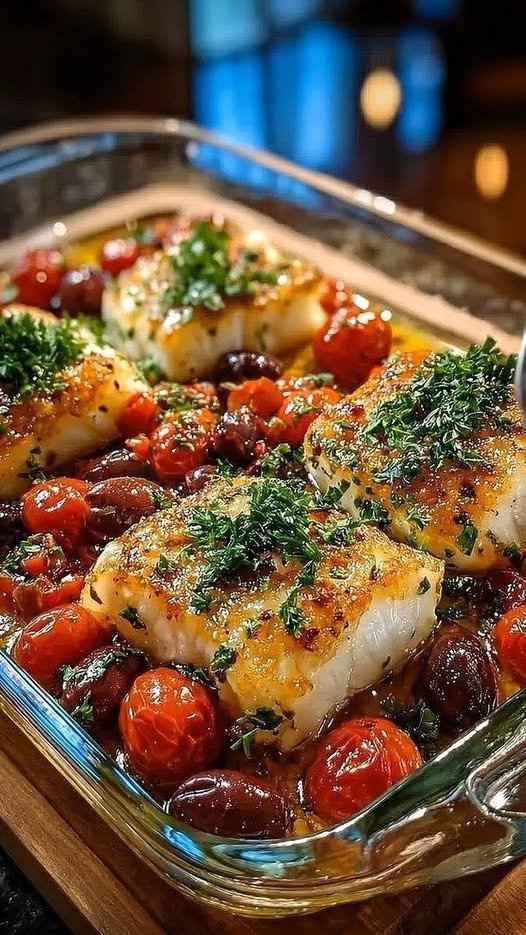
Mediterranean Roasted Vegetable Bake with Feta & Rosemary
Bake with Feta & Rosemary
New Orleans Shrimp and Corn Bisque is a rich, creamy, and comforting seafood soup inspired by the flavors of Louisiana. It combines tender shrimp, sweet corn, aromatic vegetables, herbs, Cajun seasoning, and a velvety broth into one incredibly flavorful bowl.
The sweetness of the corn pairs beautifully with savory shrimp, while onion, celery, bell pepper, garlic, and Cajun seasoning create the classic Southern flavor base. A small amount of cream gives the bisque its luxurious texture without overpowering the seafood.
This recipe is perfect for a cozy dinner, weekend meal, family gathering, or special occasion. Serve it with crusty French bread, cornbread, or crackers to soak up every drop of the creamy broth.
New Orleans Shrimp and Corn Bisque
6 servings
20 minutes
40 minutes
Approximately 1 hour
Easy to Moderate
Soup / Main Dish
New Orleans-inspired / Louisiana-style
Pat the shrimp dry with paper towels.
If using large shrimp, cut them into bite-sized pieces. You can leave some whole for garnishing the finished bisque.
Season lightly with a pinch of Cajun seasoning and black pepper.
Don’t heavily season the shrimp at this stage because the Cajun seasoning will also be added to the soup.
Set the shrimp aside while preparing the vegetables.
Dice the onion, celery, and bell pepper into small pieces.
Finely mince the garlic.
If using fresh corn, carefully cut the kernels from the cobs.
If using frozen corn, there is no need to thaw it completely.
Having the vegetables ready before starting makes the cooking process much easier.
Place a large heavy-bottomed pot or Dutch oven over medium heat.
Add the butter and olive oil.
Once the butter melts, add the onion, celery, and bell pepper.
Cook for approximately 6–8 minutes, stirring occasionally.
The vegetables should become tender and fragrant.
Add the minced garlic and cook for another 30–60 seconds.
Avoid browning the garlic too much.
Add:
Stir everything together for approximately 30 seconds.
Cooking the spices briefly in the butter helps release their aroma and gives the bisque a deeper flavor.
Taste carefully before adding more salt because Cajun seasoning can already contain a significant amount of sodium.
Add the tomato paste to the vegetable mixture.
Stir continuously for approximately 1–2 minutes.
The tomato paste should become slightly darker and fragrant.
If using diced tomatoes, add them now.
Cook for another 2 minutes.
The tomatoes add acidity and depth while balancing the sweetness of the corn.
Sprinkle the flour over the vegetables.
Stir continuously for approximately 1–2 minutes.
The flour should coat the vegetables and form a thick paste.
This simple roux helps thicken the bisque and gives it its characteristic creamy consistency.
Don’t allow the flour to burn.
Slowly pour in the seafood or chicken broth while whisking or stirring continuously.
Adding the broth gradually helps prevent lumps.
Once all the broth has been incorporated, add the bay leaf.
Bring the mixture to a gentle simmer.
Add approximately 2½ cups of corn to the pot.
Reserve the remaining ½ cup for later.
Stir well.
Cover the pot partially and simmer for approximately 15–20 minutes.
The vegetables should become very tender and the broth should begin to thicken.
Remove the bay leaf.
For a classic bisque-like texture, use an immersion blender to partially blend the soup.
Don’t blend everything completely smooth.
Blend approximately one-third to one-half of the soup, leaving some corn and vegetables intact.
This creates a beautiful combination of creamy broth and chunky ingredients.
If you don’t have an immersion blender, carefully transfer a portion of the soup to a countertop blender.
Blend carefully in batches.
Never fill a blender completely with hot soup.
Reduce the heat to low.
Add:
Stir gently.
Do not allow the soup to boil vigorously after adding the cream.
A gentle simmer is enough.
Boiling too aggressively can cause dairy to separate.
Add the prepared shrimp and the reserved ½ cup corn.
Simmer gently for approximately 3–5 minutes, depending on the size of the shrimp.
The shrimp are ready when they turn opaque and pink and curl into a loose “C” shape.
Avoid overcooking.
Overcooked shrimp can become tough and rubbery.
Turn off the heat.
Remove the bay leaf if you haven’t already.
Add:
Taste the bisque.
Adjust the seasoning with additional:
The lemon juice is especially useful because it brightens the rich creaminess.
Ladle the hot bisque into bowls.
Garnish with fresh parsley and sliced green onions.
For an elegant presentation, place one or two whole cooked shrimp on top.
Add a light drizzle of cream or olive oil if desired.
Serve immediately with warm crusty bread.
Fresh shrimp provide excellent flavor, but frozen shrimp are perfectly suitable.
If using frozen shrimp, thaw them completely and pat them dry before cooking.
Shrimp cook quickly.
Add them near the end of cooking rather than simmering them for the entire recipe.
If the bisque is too thick, add additional broth or milk.
If it’s too thin, simmer uncovered for several minutes.
You can also blend a little more of the soup to naturally increase the thickness.
Cajun seasoning varies from brand to brand.
Start with a moderate amount and adjust at the end.
Keep the heat low after adding cream and milk.
A gentle simmer helps maintain a smooth texture.
Don’t rush the onion, celery, and bell pepper.
Allowing them to soften slowly creates a flavorful foundation.
Cooking tomato paste for a minute or two gives it a richer, deeper flavor.
A completely smooth soup isn’t necessary.
Leaving some corn and vegetables whole creates better texture.
This is one of the most important tips.
Shrimp only need a few minutes to cook.
A small amount of lemon juice keeps the creamy soup from tasting too heavy.
Both work well.
Fresh corn provides a naturally sweet flavor and slightly crisp texture.
Frozen corn is convenient and often very flavorful because it is frozen soon after harvesting.
You don’t need to thaw it completely before adding it to the soup.
Canned corn can also be used.
Drain and rinse it before adding.
You can use:
For the best texture, medium or large shrimp work particularly well.
You can also leave some shrimp whole for presentation and chop the rest into bite-sized pieces.
For a more traditional spicy Louisiana-style flavor, add:
Add heat gradually.
The goal is to enhance the seafood rather than overpower it.
For a heartier bisque, add 1½ cups diced potatoes.
Add them with the broth and simmer until tender.
Potatoes make the soup more filling and create an even thicker consistency.
For extra smoky flavor, cook 3–4 slices of chopped bacon in the pot before adding the vegetables.
Remove excess grease if necessary, then sauté the vegetables in the remaining bacon fat.
Finish the soup with crispy bacon pieces.
You can turn this into a mixed seafood bisque.
Add:
If adding multiple seafood types, add each according to its cooking time.
Avoid overcooking delicate seafood.
This bisque is delicious with:
Perfect for soaking up the creamy broth.
A slightly sweet cornbread complements the corn and Cajun spices.
The buttery garlic flavor pairs wonderfully with the seafood.
A crisp salad with lemon vinaigrette balances the richness of the bisque.
Serve the bisque with a small scoop of steamed rice for a more substantial meal.
Allow leftovers to cool before refrigerating.
Store in an airtight container for up to 3 days.
Because this soup contains seafood and dairy, refrigerate it promptly.
When reheating, use low to medium heat and stir frequently.
Avoid boiling.
Cream-based seafood soups are not always ideal for freezing because dairy can separate after thawing.
For best results, freeze the soup before adding the cream and shrimp.
Prepare the vegetable and broth base, cool it completely, and freeze.
When ready to serve, thaw it in the refrigerator, reheat gently, add the cream, then cook fresh shrimp in the soup.
This gives you a much better texture.
Approximate values per serving, assuming six servings:
Actual nutrition will vary depending on the broth, Cajun seasoning, cream, butter, and shrimp used.
Shrimp provide high-quality protein and several nutrients, including selenium and vitamin B12.
Corn contributes carbohydrates for energy, fiber, and several vitamins and minerals.
Bell peppers contribute vitamin C and antioxidants while adding sweetness and color.
Onion, celery, and garlic provide flavor and a variety of plant compounds.
Parsley, thyme, and oregano contribute fresh flavor and small amounts of vitamins and plant compounds.
The combination of protein from shrimp, carbohydrates from corn, and fat from dairy and butter makes this a satisfying meal.
These are general nutritional observations and are not medical advice.
Yes. Thaw them completely, remove excess moisture, and pat them dry before seasoning.
Absolutely. Frozen corn works very well and does not need to be fully thawed.
Yes. The bisque will be slightly lighter and less rich.
Yes, although it will change the flavor considerably. Full-fat coconut milk creates a delicious dairy-free variation.
Yes. Blend more of the soup to naturally thicken it, or use a cornstarch slurry.
Mix 1 tablespoon cornstarch with 2 tablespoons cold water and stir it into the simmering soup.
Yes. Replace all-purpose flour with a gluten-free flour blend or use cornstarch as the thickener.
Make sure your Cajun seasoning and broth are also gluten-free.
Yes. Use olive oil instead of butter and replace heavy cream and milk with full-fat coconut milk or another unsweetened dairy-free alternative.
They were probably cooked too long.
Shrimp cook very quickly and should only simmer for a few minutes.
Add warm broth or milk a little at a time until you reach your preferred consistency.
Simmer uncovered for a few minutes or blend a larger portion of the soup.
Yes. Prepare the soup base ahead of time, refrigerate it, and add the shrimp shortly before serving.
Use a combination of paprika, garlic powder, onion powder, thyme, oregano, black pepper, and a little cayenne.
Yes. Crab meat is an excellent addition.
Add cooked crab toward the end so it doesn’t become tough.
Yes, provided they can safely eat all ingredients. Reduce or omit cayenne and hot sauce for a milder version.
Crusty French bread, sourdough, garlic bread, or cornbread all work beautifully.
Use seafood broth when possible. It gives the bisque a deeper seafood flavor.
Don’t skimp on the aromatics. Onion, celery, bell pepper, and garlic create the classic savory foundation.
Cook the tomato paste. This removes its raw taste and develops richer flavor.
Blend only part of the soup. This gives you a creamy texture while preserving pieces of corn and vegetables.
Add shrimp last. This keeps them juicy and tender.
Finish with lemon. Acid balances the richness of the cream.
Taste at the end. Cajun seasoning and broth can contain different amounts of salt.
For an impressive restaurant-style presentation, ladle the creamy bisque into wide bowls.
Place a few whole shrimp in the center.
Sprinkle with chopped parsley and green onions.
Add a pinch of Cajun seasoning and freshly cracked black pepper.
Finish with a small drizzle of cream and serve with warm crusty French bread on the side.
The finished bowl should have a beautiful golden-orange creamy broth, colorful corn and vegetables, tender pink shrimp, and fresh green herbs.
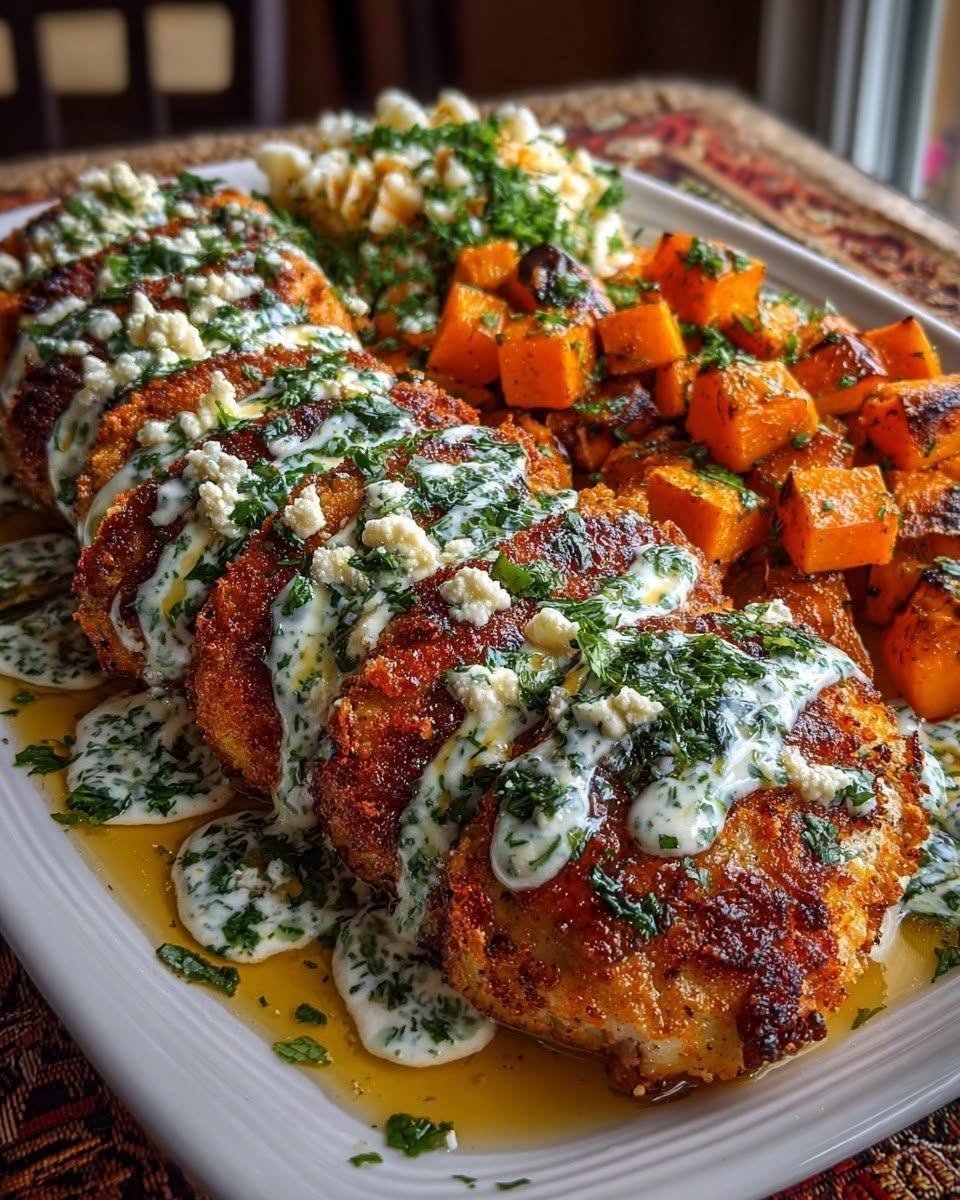
These Garlic Herb Zucchini Roll-Ups with Feta & Honey Balsamic Glaze are a beautiful, flavorful appetizer or vegetarian side dish inspired by the recipe shown in your image. Thin zucchini slices are wrapped around a creamy, savory cheese filling, seasoned with garlic and herbs, then roasted until tender and beautifully golden around the edges. A glossy honey-balsamic drizzle adds the perfect sweet and tangy finish.
The combination of tender zucchini, creamy feta, garlic, herbs, and caramelized glaze makes every bite incredibly flavorful. The zucchini becomes slightly crisp and browned on the outside while the cheese filling stays soft and creamy inside.
This recipe is ideal for Mediterranean-inspired dinners, summer gatherings, holiday appetizers, brunches, vegetarian meals, or an elegant side dish. It also looks beautiful on a serving board, making it especially suitable for food photography and social-media recipe content.
The exact ingredients in the photograph cannot be determined from an image alone, so this recipe is a carefully matched version designed to recreate the appearance and flavor profile.
Garlic Herb Zucchini Roll-Ups with Feta & Honey Balsamic Glaze
4–6 servings
25 minutes
20–25 minutes
Approximately 50 minutes
Easy to Moderate
Appetizer / Side Dish
Mediterranean-inspired
Preheat your oven to 425°F (220°C).
Line a large baking sheet with parchment paper or lightly grease it with olive oil.
You can also use a shallow baking dish if you prefer a softer, more casserole-style result.
Wash and dry the zucchini thoroughly.
Trim off both ends.
Using a sharp knife, mandoline slicer, or vegetable peeler, slice the zucchini lengthwise into thin strips approximately ⅛ inch thick.
The slices should be flexible enough to roll but not so thin that they tear.
You should get approximately 5–7 usable strips from each large zucchini, depending on its size.
If the center of the zucchini contains many large seeds, you can avoid the very soft middle pieces because they may become watery.
Place the zucchini slices in a single layer on the prepared baking sheet.
Brush them lightly with olive oil.
Roast for approximately 5–7 minutes, just until the slices become flexible.
Do not fully cook them at this stage.
Alternatively, you can grill the zucchini slices for 1–2 minutes per side.
The goal is simply to soften them enough to roll.
Remove them from the oven and allow them to cool for several minutes.
While the zucchini is cooling, prepare the cheese mixture.
In a medium bowl, combine:
Mix gently until combined.
The filling should be creamy but still slightly textured because of the feta.
Taste before adding additional salt.
Feta can vary considerably in saltiness, so you may not need much extra salt.
Place one softened zucchini strip on a clean work surface.
Add approximately 1 tablespoon of the cheese mixture near one end.
Don’t overfill the zucchini because too much filling can squeeze out while rolling.
Use the back of a spoon to spread the filling into a small, even layer.
Starting from the end containing the filling, carefully roll the zucchini into a compact cylinder.
Place the finished roll seam-side down on the prepared baking dish or baking sheet.
Repeat with the remaining zucchini and filling.
Arrange the rolls close together but leave a little space between them so the edges can brown.
Brush the tops lightly with olive oil.
Place the zucchini rolls into the preheated oven.
Bake for approximately 12–15 minutes.
For a more deeply browned finish, switch the oven to broil for the final 1–2 minutes.
Watch carefully because the zucchini can brown very quickly under the broiler.
The finished rolls should be tender with lightly caramelized edges and a warm, creamy center.
While the zucchini is baking, prepare the glaze.
Place the balsamic vinegar, honey, olive oil, minced garlic, and black pepper into a small saucepan.
Heat over medium-low heat.
Simmer gently for approximately 3–5 minutes, stirring occasionally.
The mixture should become slightly thicker and glossy.
Don’t cook it too long because balsamic glaze thickens further as it cools.
Remove from the heat and let it cool for a few minutes.
Transfer the hot zucchini roll-ups onto a serving platter or wooden board.
Arrange them in rows or loosely pile them together.
Drizzle the honey-balsamic glaze over the top.
Add fresh thyme and parsley.
Sprinkle with a little extra crumbled feta.
For a brighter flavor, add a small amount of fresh lemon zest.
Finish with a light drizzle of extra-virgin olive oil.
Serve immediately while warm.
Look for zucchini that feels firm and has smooth, unblemished skin.
Very large zucchini can contain a lot of watery seeds, which can make the roll-ups difficult to handle.
Medium or large firm zucchini are usually best.
Consistent slices are important.
If some pieces are extremely thin and others are thick, they will cook at different rates.
A mandoline can help produce uniform slices, but use caution when operating it.
A small amount of filling is enough.
Overfilling can cause the cheese mixture to escape during baking.
Raw zucchini is difficult to roll without cracking.
A short roasting or grilling step softens the slices and makes them flexible.
The final broiling step is optional but creates the beautiful golden-brown appearance shown in the photograph.
Stay close to the oven because the zucchini can burn quickly.
Zucchini naturally contains a lot of water.
If your slices appear particularly wet, lightly sprinkle them with salt and allow them to sit for 10 minutes.
Pat them dry with paper towels before cooking.
This helps prevent watery roll-ups.
Full-fat ricotta and feta generally provide the creamiest filling.
Low-fat cheese can work, but the filling may be slightly drier.
A little lemon zest gives the filling a fresh Mediterranean flavor.
It also balances the salty feta and sweet glaze.
Parsley, dill, and thyme complement zucchini beautifully.
Fresh herbs provide a brighter flavor than dried herbs.
The balsamic glaze becomes thicker as it cools.
Don’t worry if it seems slightly thin immediately after cooking.
You can customize the filling according to what you have available.
Replace half or all of the feta with soft goat cheese for a tangier, creamier filling.
Add shredded mozzarella for a milder and more stretchy filling.
Replace the ricotta with cream cheese for a richer filling.
A little Parmesan adds savory depth.
For a lighter variation, use well-drained cottage cheese.
The recipe works with many different herbs.
Try:
For a classic Mediterranean flavor, use parsley, dill, oregano, and thyme.
For spicy zucchini roll-ups, add:
A small amount of chili works particularly well with the creamy cheese.
The glaze is one of the most important parts of the recipe.
Zucchini and feta have savory flavors, while balsamic vinegar contributes acidity and complexity.
Honey adds sweetness and helps balance the tanginess.
The result is a sweet-and-savory finish that makes the dish much more exciting.
If you prefer a less sweet version, reduce the honey to 1 teaspoon.
If you don’t have balsamic vinegar, you can simply drizzle the finished zucchini with honey and lemon juice.
These roll-ups can be served as an appetizer or side dish.
They pair especially well with:
For a complete vegetarian meal, serve them with hummus, pita bread, tomato-cucumber salad, and olives.
For entertaining, make smaller zucchini roll-ups.
Use a toothpick to secure each roll if necessary.
Arrange them on a large platter and drizzle the balsamic glaze over the top just before serving.
Garnish generously with fresh herbs.
They look especially attractive when served alongside small bowls of:
Store leftover zucchini roll-ups in an airtight container in the refrigerator.
They are best consumed within 3–4 days.
Keep extra glaze separately if possible.
When ready to eat, reheat the roll-ups gently in the oven.
Preheat to 375°F (190°C).
Place the zucchini rolls in a baking dish and heat for approximately 8–12 minutes.
Heat at 350°F (175°C) for approximately 4–6 minutes.
Microwave for approximately 45–90 seconds.
The microwave is convenient, but the oven or air fryer will provide better texture.
Freezing is possible, but it isn’t recommended for the best texture.
Zucchini contains a lot of water and can become softer after freezing and thawing.
If you need to freeze them, freeze the cooked roll-ups without the glaze.
Thaw overnight in the refrigerator and reheat in the oven.
Prepare fresh glaze before serving.
Zucchini is naturally low in calories and provides fiber, vitamin C, potassium, and other nutrients.
Parsley, dill, and thyme add flavor while contributing small amounts of vitamins, minerals, and plant compounds.
Feta provides protein and calcium, although it can be relatively high in sodium.
Extra-virgin olive oil contributes predominantly monounsaturated fat.
The recipe combines vegetables, dairy-based protein, herbs, and healthy fats into a flavorful appetizer or side dish.
Because the recipe is relatively vegetable-forward, it can be a useful way to add more vegetables to a meal.
These are general nutrition observations and are not medical advice.
Based on approximately 6 servings:
Nutrition will vary depending on the size of the zucchini, type of cheese, amount of olive oil, and quantity of glaze used.
Yes. Use goat cheese, cream cheese, whipped feta, or additional feta.
Absolutely. Yellow squash can be substituted for zucchini.
Yes. Grill the slices over medium-high heat for approximately 1–2 minutes per side.
This gives them a delicious smoky flavor.
Yes. Assemble the roll-ups several hours ahead and refrigerate them.
Bake just before serving.
Add the glaze and fresh herbs after cooking.
Zucchini naturally contains a lot of water.
Salting and patting the slices dry before cooking can help.
Also avoid overcooking them.
Yes.
A prepared balsamic glaze makes this recipe even faster.
Yes.
Use a dairy-free feta or vegan cream cheese alternative and replace honey with maple syrup.
Yes. The basic recipe is naturally gluten-free.
Always check packaged ingredients if you’re cooking for someone with a strict gluten intolerance or allergy.
Try lemon juice, pomegranate molasses, or a simple honey-lemon drizzle.
Yes. Finely chopped cooked chicken, turkey, or prosciutto can be incorporated into the filling.
Place them seam-side down.
If necessary, secure them with a toothpick.
Yes. Finely chopped walnuts or pine nuts can be mixed into the cheese filling.
Serve them alongside quinoa, couscous, roasted potatoes, or a chickpea salad.
For the closest flavor balance to the dish pictured, use:
Zucchini + feta + ricotta + garlic + thyme + parsley + honey + balsamic + olive oil.
The zucchini provides a mild vegetable base, the feta gives saltiness, ricotta adds creaminess, garlic and herbs provide aroma, and the honey-balsamic glaze brings sweetness and acidity.
For an attractive presentation similar to the photo, use a wooden serving board or large ceramic platter.
Arrange the zucchini roll-ups with the browned edges facing upward.
Drizzle the glaze in thin lines rather than pouring it heavily over the entire dish.
Scatter fresh thyme around the rolls.
Add a few small pieces of feta and fresh parsley.
Place a small bowl of extra balsamic dipping sauce beside the roll-ups.
A few lemon wedges can also be added around the edges.
The classic American egg salad is a staple of deli counters, church potlucks, summer picnics, and lunchboxes. However, traditional preparation requires boiling whole eggs, shocking them in ice, and tedious shell-peeling. The modern “egg loaf” method skips these steps completely. By cracking eggs directly into a heatproof bowl or pan and steaming them inside a pot or pressure cooker, you cook all 10 eggs into a single solid mold. Once turned out, the block can be chopped into clean, uniform pieces in seconds, completely avoiding cracked shells or damaged whites.
Prep Time: 10 minutes
Cook Time: 15–20 minutes (Stovetop Steam) / 5 minutes (Pressure Cooker)
Yield: 4 to 6 servings
For the Egg Loaf:
10 large chicken eggs (cold or room temperature)
1 cup tap water (for creating steam in the pot)
1 teaspoon vegetable oil, butter, or nonstick cooking spray (for greasing)
For the Classic Dressing & Mix-ins:
1/3 cup mayonnaise (preferably Duke’s or Hellmann’s/Best Foods)
2 ribs fresh celery, washed and finely diced
2 tablespoons Dijon mustard
1 to 2 teaspoons fresh lemon juice (adjusted to taste)
1 teaspoon fine kosher salt
1/2 teaspoon garlic powder
1/4 teaspoon smoked or sweet paprika
Freshly ground black pepper, to taste
2 tablespoons fresh chives or green onions, finely chopped (for garnish)
Step 1: Prep the Steam Vessel
Select a heatproof round dish, cake pan, or glass/ceramic bowl that fits comfortably inside a larger pot or Instant Pot.
Coat the interior of the bowl generously with cooking spray or neutral oil. This prevents the egg whites from sticking during the steaming process.
Carefully crack all 10 eggs directly into the greased dish. Leave the yolks intact; do not whisk or stir them.
Step 2: Steam the Egg Mass
Method A: Stovetop Steam
Pour 1 cup of water into the bottom of a wide pot with a lid.
Set a steamer basket or low metal trivet in the pot, then lower the dish of raw eggs onto it.
Place the lid securely on top and bring the water to a boil over medium-high heat.
Lower the heat to medium-low, maintaining a steady steam, and cook for 15 to 20 minutes. The egg whites should be firm, opaque, and the center yolks fully set without jiggling.
Method B: Electric Pressure Cooker (Instant Pot)
Pour 1 cup of water into the inner stainless steel pot.
Place the trivet inside, then set the greased pan of eggs on top of the trivet.
Lock the lid, set the valve to “Sealing,” and cook on High Pressure for 5 minutes.
Once the timer finishes, allow a 5-minute natural release, then carefully flip the valve to perform a quick release for any remaining steam.
Step 3: Unmold and Chop
Carefully remove the hot bowl from the pot using oven mitts or silicon tongs.
Run a flexible spatula around the inside edges of the dish to loosen the cooked white.
Invert the dish over a clean cutting board. The solid “egg loaf” will release in one piece.
Let it rest for 3–5 minutes until cool enough to handle.
Using a sharp chef’s knife, slice the solid loaf vertically and horizontally to cube the white and yolk into uniform pieces. Alternatively, press the loaf through a wire cooling rack placed over a bowl for instant dice.
Step 4: Dress and Assemble
In a large bowl, whisk together the mayonnaise, Dijon mustard, lemon juice, salt, garlic powder, and paprika until smooth.
Add the diced celery and chopped egg pieces to the dressing.
Using a rubber spatula, gently fold the ingredients together until evenly coated. Taste and adjust seasoning with extra salt or freshly ground black pepper.
Transfer to a serving dish and top with finely chopped green onions or chives.
Serving Recommendations & Storage
Classic Sandwich: Scoop generously onto thick slices of toasted brioche, white bread, or potato bread with crisp green butter lettuce.
Low-Carb Option: Serve inside lettuce wraps, stuffed into halved avocados, or as a dip with cucumber slices.
Storage: Store leftovers in an airtight container in the refrigerator for up to 3 to 4 days. Stir well before serving chilled.
This recipe captures the exact look of the crispy, sticky, chili-rubbed chicken in your photo. It features bone-in, skin-on chicken pieces tossed in a sweet and tangy chili glaze combining classic American barbecue techniques with a fiery chili kick.
1. The Chicken
3.5 lbs (1.6 kg) Bone-in, skin-on chicken thighs and drumsticks: Bone-in meat stays succulent in the high-heat environment of the air fryer.
2. The Dry Spice Rub
1 tbsp Smoked Paprika: Gives deep color and a subtle smoky undertone.
1 tbsp Chili Powder (American blend): Adds earthiness and warmth.
1 tsp Garlic Powder: For aromatic depth.
1 tsp Onion Powder: Enhances savory notes.
1 tsp Cayenne Pepper: Adjust higher or lower depending on your heat tolerance.
1.5 tsp Kosher Salt: Essential for seasoning through the skin.
1/2 tsp Black Pepper: Freshly cracked works best.
1 tbsp Baking Powder (Aluminum-Free): Secret Ingredient—raises the skin’s pH, breaking down peptide bonds so it crisps up dramatically without deep frying.
1 tbsp Olive Oil or Avocado Oil: Helps the dry rub adhere evenly.
3. The Sweet & Spicy Chili Glaze
1/3 cup Sweet Chili Sauce (e.g., Mae Ploy or Frank’s RedHot Sweet Chili): The sticky, sweet foundation.
2 tbsp Honey or Pure Maple Syrup: For caramelization under heat.
2 tbsp Sriracha or Hot Sauce: Adds sharp vinegar tang and punchy heat.
1 tbsp Unsalted Butter (Melted): Adds richness and a glossy finish.
1 tbsp Soy Sauce: For an umami contrast.
1 tsp Fresh Lime Juice: Cuts through the sweetness with bright acidity.
1/2 tsp Red Pepper Flakes: For visual texture and extra warmth.
Step 1: Prep & Dry the Meat
Remove the chicken thighs and drumsticks from their packaging.
Pat every piece completely dry using paper towels. Moisture is the enemy of crispiness. If the skin is wet, the air fryer will steam the chicken instead of crisping it.
Step 2: Apply the Dry Rub
In a small bowl, whisk together the smoked paprika, chili powder, garlic powder, onion powder, cayenne, salt, black pepper, and baking powder.
Drizzle the oil over the chicken pieces and toss to coat lightly.
Sprinkle the spice mix evenly over the chicken, making sure to rub it under the skin where possible and over all sides.
Optional: Let the seasoned chicken sit uncovered in the refrigerator for 30 minutes (or up to overnight) on a wire rack to dry out the skin even further.
Step 3: Mix the Chili Glaze
In a medium bowl, whisk together the sweet chili sauce, honey, Sriracha, melted butter, soy sauce, lime juice, and red pepper flakes until smooth.
Set aside half of the glaze in a small serving bowl for dipping later (never cross-contaminate raw meat tongs with final dipping sauce).
Step 4: Preheat & Load the Air Fryer
Preheat your air fryer to 380°F (193°C) for 3 to 5 minutes.
Lightly spray the air fryer basket with non-stick cooking spray (avoid aerosol propellants which can strip non-stick coatings; use a pump oil mister).
Arrange the chicken pieces in a single layer, skin-side down first. Ensure they are not touching or overlapping so air can circulate freely. Cook in batches if necessary.
Step 5: Air Fry & Flip
Cook at 380°F (193°C) for 12 minutes.
Open the basket and flip the chicken pieces skin-side up.
Air fry for an additional 8 to 10 minutes until the skin turns golden, crispy, and reaches an internal temperature of around 155°F (68°C) on a meat thermometer.
Step 6: Glaze & Caramelize
Brush a generous layer of the chili glaze over the top (skin side) of each chicken piece.
Increase the air fryer temperature to 400°F (204°C).
Cook for an additional 2 to 3 minutes. Watch closely—the sugars in the glaze will bubble and char slightly, creating that sticky, dark-red crust pictured.
Verify the thickest part of the chicken (without touching the bone) reaches 165°F (74°C).
Step 7: Rest and Serve
Transfer the glazed chicken to a platter.
Let it rest for 5 minutes before serving to allow the juices to redistribute inside the meat.
Drizzle with leftover reserved glaze or serve with extra sauce on the side.
Pro Tips for Air Fryer Success
Don’t Overcrowd: Air fryers rely on rapid convection heat. Crowding the basket traps steam, turning crispy skin soggy.
Baking Powder Secret: Ensure your baking powder is not baking soda. Baking powder creates tiny micro-bubbles on the skin that crisp up under high heat.
Glaze Timing: Never apply honey or sweet sauces at the beginning of cooking. The high sugars will burn black long before the chicken cooks through. Always glaze in the last 3 minutes.
Nutritional Estimates (Per Serving)
Calories: 420 kcal
Protein: 34g
Carbohydrates: 14g
Fat: 24g
Sodium: 780mg
This No-Bake Banana Flan is a creamy, naturally sweet dessert made without refined sugar and without flour. It combines the rich, silky texture of traditional flan with the natural sweetness of ripe bananas, creating a healthier dessert option that the whole family will love. This recipe is perfect for anyone looking for an easy homemade dessert that requires no oven, no complicated techniques, and simple pantry-friendly ingredients.
Unlike classic flan recipes that rely heavily on sugar and eggs baked in a water bath, this version uses ripe bananas to add sweetness and a smooth creamy texture. It has a soft custard-like consistency with a beautiful caramel-style topping made from natural ingredients. It is perfect for summer gatherings, family dinners, meal prep desserts, or when you want something sweet without spending hours in the kitchen.
The best part? You only need a blender and a refrigerator. No baking, no flour, and no refined sugar are needed.
Ingredients
For the Banana Flan
3 large ripe bananas (the riper, the sweeter)
2 cups whole milk or unsweetened almond milk
1 cup Greek yogurt or coconut cream
3 large eggs
2 teaspoons vanilla extract
1 tablespoon gelatin powder (or agar-agar for vegetarian option)
¼ cup warm water
Pinch of salt
½ teaspoon cinnamon (optional)
For the Natural Caramel Topping
½ cup date syrup or blended dates
2 tablespoons water
½ teaspoon vanilla extract
Optional toppings:
Fresh banana slices
Chopped walnuts
Shredded coconut
Cinnamon sprinkle
Fresh berries
Kitchen Equipment Needed
Blender
Small saucepan
Flan mold, cake pan, or glass container
Refrigerator
Measuring cups and spoons
Step-by-Step Instructions
Step 1: Prepare the Natural Caramel Layer
Start by preparing the topping that will create the beautiful golden layer on top of your banana flan.
Add date syrup and water to a small saucepan. Heat gently over low heat while stirring continuously until the mixture becomes smooth and slightly thickened.
Add vanilla extract and mix well.
Pour the caramel mixture into your flan mold or serving dish. Tilt the mold carefully so the caramel spreads evenly across the bottom.
Allow it to cool while preparing the flan mixture.
Step 2: Prepare the Gelatin Mixture
Add gelatin powder to warm water in a small bowl.
Let it sit for about 5 minutes until it becomes soft and absorbs the water.
Warm the mixture gently until the gelatin completely dissolves. Do not boil.
Set aside.
Step 3: Blend the Banana Flan Mixture
Place ripe bananas into a blender.
Add milk, Greek yogurt, eggs, vanilla extract, salt, and cinnamon.
Blend for 1–2 minutes until the mixture becomes completely smooth and creamy.
The bananas should be fully incorporated, creating a thick and silky texture.
Add the dissolved gelatin mixture and blend again for a few seconds until everything is combined.
Step 4: Assemble the Flan
Slowly pour the banana mixture over the prepared caramel layer.
Tap the mold gently on the counter to remove any air bubbles.
Cover the mold with plastic wrap or a lid.
Place it in the refrigerator for at least 6 hours, preferably overnight, until completely set.
Step 5: Serve the Banana Flan
Once the flan is firm, carefully run a knife around the edges of the mold.
Place a serving plate on top and gently flip the mold.
The golden caramel topping will slowly flow over the creamy banana flan, creating a beautiful restaurant-style dessert.
Slice and serve chilled.
Tips for the Best Banana Flan
Use Very Ripe Bananas
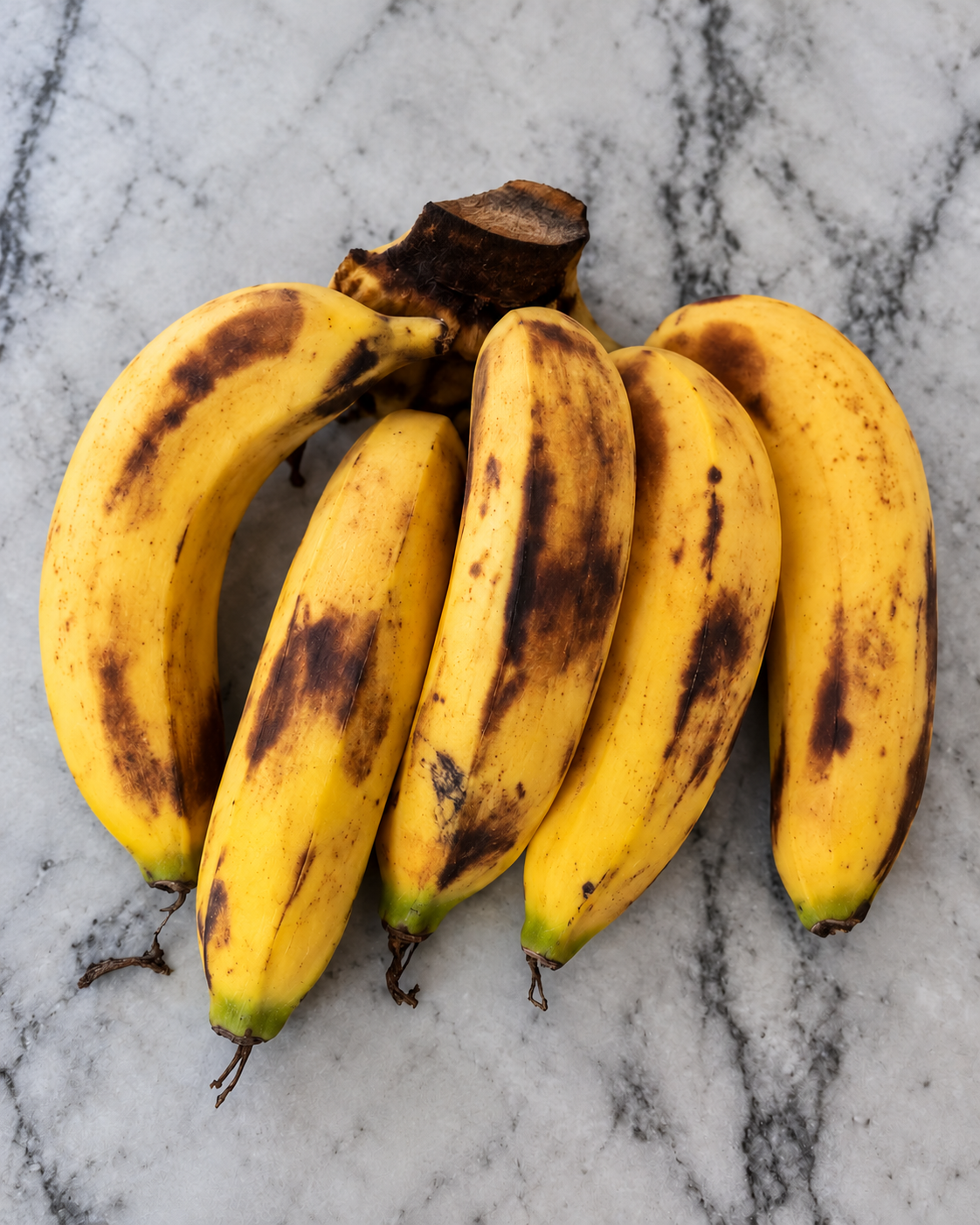
The secret to naturally sweet banana flan is using bananas with brown spots. They contain more natural sweetness and create a stronger banana flavor.
Allow Enough Chilling Time
Do not rush the refrigeration process. The flan needs enough time to set properly and develop its creamy texture.
Make It Dairy-Free
Replace regular milk with almond milk, oat milk, or coconut milk. Use coconut cream instead of Greek yogurt.
For a Stronger Banana Flavor
Add an extra banana or a small amount of banana extract.
For a More Traditional Flan Texture
Increase the gelatin slightly for a firmer custard-like texture.
Avoid Green Bananas
Unripe bananas are less sweet and can create a starchy flavor.
Recipe Variations
Chocolate Banana Flan
Add 2 tablespoons of unsweetened cocoa powder while blending for a rich chocolate version.
Peanut Butter Banana Flan
Add 2 tablespoons of natural peanut butter for a creamy peanut butter banana dessert.
Coconut Banana Flan
Replace milk with coconut milk and top with toasted coconut flakes.
Berry Banana Flan
Serve with fresh strawberries, blueberries, or raspberries for a refreshing twist.
Frequently Asked Questions
Can I make banana flan without gelatin?
Yes. You can use agar-agar instead of gelatin. The texture may be slightly different but it will still set beautifully.
Can I freeze banana flan?
Yes, but freezing can slightly change the creamy texture. For the best taste, enjoy it fresh from the refrigerator.
How long does banana flan last?
Store it covered in the refrigerator for up to 4 days.
Can I make this recipe vegan?
Yes. Use plant-based milk, coconut cream, agar-agar instead of gelatin, and replace eggs with a suitable vegan custard alternative.
Is this recipe keto-friendly?
No, because bananas contain natural carbohydrates. However, it is a healthier dessert option compared to many traditional sugar-filled desserts.
Serving Suggestions
Serve this banana flan chilled after lunch or dinner as a light dessert. It is also perfect for:
Family celebrations
Summer parties
Holiday dessert tables
Meal prep desserts
Healthy sweet cravings
For an elegant presentation, decorate each slice with banana slices, cinnamon dust, and crushed nuts.
Storage Instructions
Keep leftover banana flan covered in an airtight container or covered dish inside the refrigerator.
It stays fresh for approximately 3–4 days.
Avoid leaving it at room temperature for long periods because the creamy texture can become soft.
Nutrition Information (Approximate Per Serving)
Serving Size: 1 slice
Servings: 8
Calories: 180–220
Protein: 6–8g
Carbohydrates: 25–30g
Fat: 6–8g
Fiber: 3–4g
Nutrition values may vary depending on the milk, yogurt, and toppings used.
Why You’ll Love This Recipe
This No-Bake Banana Flan proves that desserts can be simple, delicious, and made with wholesome ingredients. It delivers the creamy texture people love about traditional flan while using the natural sweetness of bananas instead of refined sugar.
With no flour, no complicated baking process, and minimal preparation, this recipe is a perfect choice for busy families who want a homemade dessert without spending hours in the kitchen.
Whether you serve it at a dinner party or enjoy a slice after a long day, this banana flan is guaranteed to become a favorite. Its creamy banana flavor, smooth custard texture, and beautiful caramel topping make it a dessert everyone will ask for again and again.
A Complete Guide to Preserving Food for Emergencies, Homesteading & Everyday Life
Canning has been a trusted food preservation method for generations, especially among families who value self-sufficiency, emergency preparedness, and having a well-stocked pantry. In uncertain times, a shelf full of homemade canned foods can provide comfort, nutrition, and security. Whether you are preparing for storms, power outages, economic challenges, or simply want to reduce grocery costs, learning how to can food is a valuable skill.
Unlike store-bought canned products, homemade canned foods allow you to control the ingredients, reduce preservatives, save money, and preserve seasonal produce when it is at its freshest. From hearty soups and savory meats to garden vegetables, fruits, sauces, and jams, there are countless recipes that can help you build a long-lasting food supply.
This guide covers essential survival canning recipes that are practical, delicious, and perfect for American households looking to create a reliable pantry.
Why Canning Is an Essential Survival Skill
Food shortages, natural disasters, supply chain problems, and unexpected emergencies can happen at any time. Having preserved food at home gives you independence and peace of mind.
Canned foods can:
Last for months or even years when stored properly
Reduce dependence on grocery stores
Help save money by buying seasonal ingredients in bulk
Provide quick meals during emergencies
Reduce food waste by preserving extra produce
A properly prepared canning pantry is like having a personal grocery store at home.
Essential Canning Equipment
Before starting, it is important to have the right tools:
Water Bath Canner
Used for high-acid foods such as:
Fruits
Pickles
Jams
Jellies
Salsa
Tomato products with added acid
Pressure Canner
Required for low-acid foods including:
Meat
Poultry
Beans
Vegetables
Soups and stews
Pressure canning reaches higher temperatures needed to safely preserve foods that can support harmful bacteria.
Other Supplies
Mason jars
New canning lids
Jar rings
Jar lifter
Funnel
Bubble remover tool
Clean towels
Labels and markers
Always follow tested food safety guidelines when preserving foods.
Recipe 1: Survival Vegetable Soup (Pressure Canned)
A homemade vegetable soup is one of the most useful foods to have stored. It provides a complete meal option that can be heated quickly during emergencies.
Ingredients
6 cups chopped tomatoes
4 cups diced carrots
4 cups chopped potatoes
3 cups green beans
3 cups corn kernels
2 cups chopped celery
2 cups chopped onions
8 cups vegetable broth
2 teaspoons salt
1 teaspoon black pepper
2 teaspoons dried Italian seasoning
Instructions
Wash and prepare all vegetables by cutting them into similar-sized pieces.
Combine vegetables, broth, and seasonings in a large stockpot.
Simmer for approximately 10 minutes until vegetables slightly soften.
Fill sterilized jars, leaving proper headspace.
Remove air bubbles and clean jar edges.
Apply lids and process using a pressure canner according to tested guidelines.
Allow jars to cool completely before checking seals.
This soup can become the base for quick dinners by adding rice, pasta, shredded chicken, or beans.
Recipe 2: Homemade Canned Tomato Sauce
A pantry staple, tomato sauce can transform simple ingredients into comforting meals.
Ingredients
20 pounds ripe tomatoes
4 tablespoons lemon juice per quart jar
2 tablespoons olive oil
4 cloves garlic
2 tablespoons dried basil
1 tablespoon oregano
Salt to taste
Instructions
Wash tomatoes and remove damaged areas.
Cook tomatoes until soft.
Blend or strain tomatoes to create a smooth sauce.
Simmer sauce until desired thickness.
Add herbs and seasoning.
Add lemon juice to jars for safe acidity.
Fill jars and process using a water bath canner following approved times.
This sauce is perfect for:
Pasta dishes
Pizza
Soups
Casseroles
Slow cooker meals
Recipe 3: Canned Chicken for Emergency Meals
Canned chicken is one of the most versatile survival foods. It can quickly become sandwiches, soups, casseroles, or protein-packed meals.
Ingredients
Fresh boneless chicken
Salt
Optional herbs
Instructions
Cut chicken into chunks.
Pack raw chicken into clean jars.
Add salt if desired.
Leave recommended headspace.
Remove air bubbles.
Process jars using a pressure canner.
Store canned chicken in a cool, dark pantry.
Recipe 4: Sweet Survival Apple Canning
Preserved apples are excellent for breakfasts and desserts.
Ingredients
Fresh apples
Sugar
Cinnamon
Lemon juice
Water
Instructions
Peel and slice apples.
Prepare a light syrup using water and sugar.
Add apples and lemon juice.
Pack into jars.
Process using a water bath canner.
Use canned apples for:
Apple pie filling
Oatmeal toppings
Pancakes
Desserts
Recipe 5: Canned Pinto Beans
Beans are affordable, nutritious, and extremely valuable for long-term food storage.
Ingredients
Dry pinto beans
Water
Salt
Instructions
Wash beans thoroughly.
Soak overnight or use a quick soak method.
Cook beans until partially tender.
Fill jars with beans and cooking liquid.
Process using a pressure canner.
Beans provide:
Protein
Fiber
Long-lasting energy
Building a Survival Canning Pantry
A balanced emergency pantry should include different food categories.
Protein Sources
Store:
Chicken
Beef
Beans
Chili
Fish
Vegetables
Include:
Green beans
Corn
Carrots
Potatoes
Mixed vegetables
Fruits
Examples:
Peaches
Apples
Pears
Berries
Ready Meals
Prepare:
Soups
Stews
Pasta sauces
Chili
A variety of foods prevents meal boredom and ensures better nutrition.
Storage Tips for Long-Term Canned Foods
Proper storage is important for maintaining quality.
Keep Jars Cool
Store canned foods away from heat sources and sunlight.
Label Everything
Write:
Food name
Date canned
Batch information
Use older jars first.
Check Before Eating
Do not use jars that show:
Bulging lids
Strange smells
Leakage
Mold
Broken seals
Food safety should always come first.
Beginner Canning Mistakes to Avoid
Many beginners make simple mistakes that affect quality.
Avoid:
Using damaged jars
Reusing old lids
Skipping proper processing times
Guessing measurements
Ignoring acidity requirements
Storing jars before they cool completely
Successful canning requires patience and attention to detail.
Conclusion
Canning is more than a cooking method; it is a valuable life skill that provides independence, savings, and security. A well-prepared pantry filled with homemade canned foods can help families handle emergencies while still enjoying comforting, nutritious meals.
Whether you are starting with a few jars of tomato sauce or creating a full survival pantry, every batch brings you one step closer to self-reliance. With fresh ingredients, proper equipment, and safe preservation practices, you can create a food supply that supports your family through every season.
A strong pantry is not built overnight. Start small, learn the process, and gradually build a collection of homemade canned foods that your future self will appreciate.
This traditional folk-remedy mixture pairs calcium-rich seeds, healthy fats, and minerals with raw honey to create a shelf-stable daily tonic designed to support overall bone density and joint function.
Prep Time: 10 minutes
Cook Time: 0 minutes
Yield: Approx. 2 cups (32 tablespoons)
Serving Size: 1 tablespoon daily
| Ingredient | Metric Weight | US Standard Volume | US Weight (Avoirdupois) |
| Flax seeds (whole or ground) | 30 grams | ~3.5 tablespoons | ~1.05 ounces |
| Pumpkin seeds (raw pepitas) | 30 grams | ~1/4 cup | ~1.05 ounces |
| Sunflower seeds (raw hulled) | 30 grams | ~1/4 cup | ~1.05 ounces |
| Sesame seeds (raw or unhulled) | 30 grams | ~3 tablespoons | ~1.05 ounces |
| Raw organic honey | 500 grams | ~1.5 cups | ~17.6 ounces (1.1 lbs) |
Note: You can optionally add 30g (~1/4 cup) of chia seeds or raw walnuts, as pictured, to increase omega-3 content.
Comprehensive Nutritional Profile
Each seed in this mixture offers specific minerals essential for bone formation, maintenance, and structural integrity:
Sesame Seeds: Exceptionally high in plant-based calcium, copper, and zinc. Unhulled sesame seeds provide the highest concentration of calcium per gram.
Pumpkin Seeds (Pepitas): A rich source of magnesium, phosphorus, and zinc. Magnesium plays a critical structural role in bone matrix mineralization and assists in activating Vitamin D.
Flax Seeds: Packed with alpha-linolenic acid (ALA), a plant-based omega-3 fatty acid that helps reduce systemic inflammation and protects bone tissue from excessive resorption.
Sunflower Seeds: High in Vitamin E, manganese, and copper, which act as cellular antioxidants and support connective tissue formation within the bone joint matrix.
Raw Honey: Functions as a natural preservative and binding base while providing trace enzymatic compounds that aid digestion and mineral uptake.
Grind the Seeds (Recommended for Absorption): Whole flax seeds often pass through the digestive tract unabsorbed. Place the flax, pumpkin, sunflower, and sesame seeds into a clean coffee grinder, spice grinder, or food processor. Pulse a few times until crushed into a coarse meal. (If you prefer texture, you may leave pumpkin and sunflower seeds whole).
Combine Dry Ingredients: Transfer the ground or whole seed mixture into a clean, dry, wide-mouth glass Mason jar (16 oz or 24 oz capacity).
Add the Honey: Pour 500 grams (1.5 cups) of raw liquid honey slowly over the seeds.
Mix Thoroughly: Using a non-metallic spoon (wooden, silicone, or plastic is ideal when handling raw honey), stir the mixture continuously until all seeds are completely coated and suspended within the honey.
Seal & Settle: Secure the jar lid tightly. Let the jar sit at room temperature for 12 to 24 hours to allow the seed oils and honey to integrate fully.
Standard Dosage: Take 1 tablespoon (approx. 15–20 grams) every morning on an empty stomach, or 30 minutes prior to breakfast.
Serving Suggestions:
Eat directly off the spoon followed by a glass of warm water.
Stir into warm oatmeal or overnight oats.
Swirl into plain Greek yogurt for added protein and calcium synergy.
Spread onto a slice of whole-grain toast.
Storage, Shelf-Life & Safety Precautions
Storage: Store the sealed glass jar in a cool, dark pantry or cupboard away from direct sunlight and heat. Refrigeration is not strictly required due to honey’s low moisture content, but chilling will thicken the texture and extend seed freshness.
Shelf Life: Keeps well for up to 6 to 9 months at room temperature, or up to 12 months if refrigerated. If seeds begin to smell sour or rancid, discard the mixture.
Diabetes & Blood Sugar: Honey is high in simple sugars; consult your physician regarding carbohydrate intake if managing diabetes or insulin resistance.
Infants: Do not give raw honey to children under 1 year of age due to the risk of infant botulism.
General Medical Care: While rich in essential minerals, dietary supplements and folk remedies do not replace targeted medical therapy for advanced osteoporosis or severe osteopenia. Always consult with a primary healthcare provider for regular bone density scans (DEXA) and comprehensive bone health strategies.
This refreshing dish, known classically in Persian cuisine as Ab-Doogh-Khiar, combines cold yogurt, crisp cucumbers, aromatic fresh summer herbs, crunchy toasted nuts, and sweet golden raisins. Adapted for the American home kitchen using readily available grocery store ingredients, this balance of savory, sweet, tangy, and herbal flavors requires zero cooking beyond light nut-toasting.
Prep Time: 20 minutes
Cook Time: 5 minutes (for toasting nuts)
Chilling Time: 1 hour
Total Time: 1 hour 25 minutes
Yield: 4 to 6 servings
Large glass or ceramic mixing bowl
Whisk
Chef’s knife and cutting board
Small skillet
Measuring cups and spoons
Ladle
Soup bowls for serving
Ingredients
2 cups whole milk plain yogurt (Note: Standard unflavored yogurt works best; avoid Greek yogurt to maintain the correct traditional consistency)
1 1/2 cups ice water (Filtered cold water with a few ice cubes)
Fresh Produce & Herbs
1 large Persian cucumber or English cucumber (Unpeeled, finely diced, reserving a few slices for garnish)
1 cup total fresh herbs, finely chopped (A combination of fresh flat-leaf parsley, fresh basil, fresh dill, and fresh mint)
Add-Ins & Seasoning
1/2 cup raw walnuts, finely chopped
1/2 cup golden raisins
3/4 teaspoon ground sumac (Plus additional sumac for sprinkling over bowls before serving)
1 teaspoon Kosher salt (Adjust to taste)
1/4 teaspoon freshly ground black pepper (Optional)
1 cup crushed pita chips, lavash, or pita bread
Edible dried rose petals (Traditional garnish)
Drizzle of extra virgin olive oil
Step 1: Toast the Walnuts
Place a small dry skillet over medium-low heat on your stove.
Add the 1/2 cup raw walnuts to the pan in a single layer.
Toast for 5 to 7 minutes, stirring or shaking the pan frequently to prevent scorching. The nuts are ready when they turn lightly golden brown and release a warm, nutty aroma.
Immediately transfer the walnuts from the hot pan onto a plate or cutting board so they stop cooking.
Allow them to cool completely (about 5 minutes), then chop them finely.
Step 2: Prep the Cucumbers and Herbs
Wash the Persian or English cucumber thoroughly. Keep the thin skin on for color and extra texture.
Cut 3 to 4 paper-thin slices off the end of the cucumber and set them aside to use as a garnish later.
Finely dice the rest of the cucumber into tiny pieces (roughly 1/4-inch or smaller). If using a large English cucumber with excessive water or seeds, scrape the seed core out with a spoon before dicing.
Wash and thoroughly dry the fresh parsley, basil, dill, and mint. Remove any heavy stems.
Finely chop the mixed herbs until you have 1 full cup of tightly packed herb mix.
Step 3: Mix the Yogurt Base
In a large mixing or glass serving bowl, add 2 cups whole milk plain yogurt.
Measure 1 1/2 cups ice water (strain out large ice cubes before pouring).
Slowly pour the cold water into the yogurt while whisking vigorously. Continue whisking until the mixture is fully smooth, fluid, and free of yogurt lumps.
Step 4: Combine All Ingredients
Add the finely diced cucumbers into the yogurt base.
Fold in the 1 cup chopped fresh herbs, the 1/2 cup golden raisins, and the cooled, chopped toasted walnuts.
Season the soup base with 3/4 teaspoon ground sumac, 1 teaspoon Kosher salt, and optional black pepper.
Stir with a spoon or spatula until all ingredients are evenly distributed throughout the liquid.
Step 5: Chill for Maximum Flavor
Cover the bowl tightly with plastic wrap or a lid.
Place the bowl in the refrigerator for at least 1 hour (up to 4 hours is ideal).
Why chilling matters: This rest period allows the golden raisins to absorb liquid, swell up, and release natural sweetness into the soup while letting the herb oils infuse the yogurt mixture.
Step 6: Garnish and Serve
Remove the bowl from the refrigerator and give the mixture a gentle stir. Taste and adjust salt or sumac if needed.
Ladle the cold soup evenly into chilled individual serving bowls.
Garnish each bowl with reserved cucumber slices, a generous pinch of sumac, extra fresh herb leaves, and optional crushed pita chips or dried rose petals right before eating.
Tangy & Creamy:
Whole milk plain yogurt creates a smooth, cool, and slightly tangy base for the dish.
Crisp & Refreshing:
Fresh cucumber adds a juicy crunch and keeps the dish light and refreshing.
Earthy & Warm:
Toasted walnuts bring a rich texture, nutty flavor, and healthy fats.
Sweet Contrast:
Golden raisins add a gentle sweetness that balances the tanginess of yogurt and sumac.
Aromatic Brightness:
Fresh dill, mint, parsley, and basil add fresh herbal flavors, color, and a vibrant taste.
Citrusy Zing:
Ground sumac gives a bright, lemony tart flavor without adding extra liquid.
Pro-Tips for American Home Cooks
Yogurt Selection: Traditional Persian recipes use fluid whole-milk yogurt or homemade doogh. If you only have Greek yogurt on hand, add an additional 1/2 cup of cold water or club soda to thin out its dense texture to a pourable soup consistency.
Textural Crunch: If you prefer your bread to stay crisp, serve pita chips or toasted naan on the side. If you prefer traditional Persian style, crumble pita bread directly into the bottom of the bowl before ladling the cold soup over top so it absorbs the flavors like a cold bread salad.
Make-Ahead Instructions: You can prepare the prepped ingredients up to 24 hours in advance. Keep chopped herbs, nuts, and cucumbers stored in separate airtight containers in the fridge, then whisk the yogurt base and combine everything 1 to 2 hours before serving to maintain maximum fresh crunch.
Refrigeration: Store leftover cold soup in an airtight container in the refrigerator for up to 2 days. Give it a quick stir before serving, as natural separation may occur as it sits.
Freezing: Do not freeze this dish; dairy-based soups containing high-moisture fresh vegetables break down and separate when thawed.
These triangular spinach pies (Fatayer Sabanekh) feature a soft, yeasted dough stuffed with a tangy, spiced spinach, onion, and sumac filling.
Yield: 16–18 pies | Prep Time: 45 min | Rise Time: 1 hour | Bake Time: 15–18 min
3 ½ cups all-purpose flour
1 tbsp instant dry yeast
1 tbsp granulated sugar
1 tsp fine sea salt
¼ cup extra virgin olive oil
1 cup warm water (around 105°F–110°F)
2 tbsp plain whole-milk yogurt (room temperature)
1 lb fresh spinach, washed and finely chopped (or 16 oz frozen chopped spinach, thawed)
1 large yellow onion, finely diced
½ cup raw pine nuts or walnuts (diced), toasted
¼ cup extra virgin olive oil
3 tbsp ground sumac
3 tbsp fresh lemon juice
½ tsp ground allspice
¼ tsp red pepper flakes or cayenne pepper (optional)
1 tsp fine sea salt
½ tsp freshly cracked black pepper
Activate the Yeast: In a large bowl or the bowl of a stand mixer fitted with a dough hook, combine warm water, sugar, and instant yeast. Let sit for 5 minutes until frothy.
Mix Ingredients: Add olive oil, yogurt, sea salt, and 2 cups of flour. Mix on low speed until combined. Gradually add the remaining 1 ½ cups of flour until a dough forms.
Knead: Knead on medium speed (or by hand on a lightly floured surface) for 7–8 minutes until smooth, elastic, and slightly tacky.
First Rise: Lightly coat a bowl with olive oil, place the dough inside, and cover tightly with a damp towel or plastic wrap. Set in a warm place to rise for 1 to 1 ½ hours, or until doubled in size.
Draw Out Moisture: If using fresh spinach, place chopped spinach in a colander, sprinkle with 1 tsp salt, and let sit for 15 minutes. Using your hands or a clean kitchen towel, squeeze out as much excess liquid as possible. (If using frozen spinach, thaw completely and squeeze out all water until completely dry.)
Combine Filling: In a large mixing bowl, combine squeezed spinach, diced yellow onion, toasted pine nuts, extra virgin olive oil, ground sumac, fresh lemon juice, allspice, red pepper flakes, salt, and black pepper. Mix thoroughly. Taste and adjust lemon juice or sumac for preferred tartness.
Preheat Oven: Preheat oven to 400°F (200°C). Line two large baking sheets with parchment paper.
Divide Dough: Punch down the risen dough and divide into 16–18 equal portions (about the size of a golf ball or 40–45g each). Roll each portion into a smooth ball.
Flatten Rounds: On a lightly floured surface, roll each dough ball out into a flat circle roughly 4 inches in diameter and about ⅛-inch thick.
Fill: Place 1 ½ to 2 tablespoons of spinach filling into the center of each circle.
Shape into Triangles: Lift three outer edges of the dough circle toward the center to meet over the filling, creating a three-cornered pyramid/triangle shape. Firmly pinch the three seams together along the edges to seal completely so they do not open while baking.
Arrange: Place hand pies on prepared baking sheets, leaving about 1 inch of space between each pie.
Optional Finish: Lightly brush top of dough with olive oil for extra color.
Bake: Bake at 400°F for 15 to 18 minutes, or until bottom and seams are golden brown and cooked through.
Cool: Transfer to a wire rack. Serve warm or at room temperature alongside lemon wedges or yogurt dip.
Nothing captures classic American comfort food quite like meatloaf, but these bite-sized mini meatloaves take the classic dinner staple to an entirely new level. Packed with savory ground beef, a rich panade to keep the interior tender, a molten center of gooey melted cheddar, and a caramelized sweet-and-tangy glaze, these bites are absolute crowd-pleasers. Perfect as a game-day appetizer, party finger food, or a fun family weeknight dinner, this recipe transforms traditional comfort food into single-serve perfection.
Prep Time: 20 minutes
Cook Time: 22–25 minutes
Total Time: 45 minutes
Servings: 12 mini meatloaf bites (3–4 servings)
To get the best texture, flavor, and cheese pull, quality ingredients matter. Here is everything you need categorized by component:
The Meatloaf Base
1 pound Ground Beef: Opt for 80/20 ground chuck. The 20% fat content is crucial for keeping these mini bites juicy during high-heat baking. Leaner beef (90/10 or higher) tends to dry out quickly in small muffin tin portions.
1/2 cup Breadcrumbs: Plain or Italian-seasoned breadcrumbs work great. Panko can be substituted for a slightly lighter texture.
1/4 cup Whole Milk: Soaking breadcrumbs in milk creates a panade, which binds fat and moisture into the meat mixture so the bites stay soft and tender.
1 Large Egg: Lightly beaten to bind the ingredients together.
1 Small Yellow Onion: Finely chopped or grated. Grating the onion ensures it blends seamlessly into the meat mixture without leaving raw, crunchy bits.
2 Cloves Garlic: Minced fresh for optimal aromatic depth.
1 teaspoon Kosher Salt: Enhances all the savory meat flavors.
1/2 teaspoon Black Pepper: Freshly cracked for subtle warmth.
1 teaspoon Worcestershire Sauce: Adds an essential umami, savory kick classic to American meatloaf recipes.
1/4 cup Fresh Parsley: Finely chopped, mixed directly into the meat for fresh color and herb accents.
The Gooey Cheese Center & Topping
1/2 cup Cheddar Cheese: Sharp cheddar provides the best bold flavor profile. For the interior stuffing, cut the cheese into 1/2-inch cubes (about 12 small cubes total) rather than using shredded cheese. Cubed cheese stays intact longer, yielding a molten center upon biting in.
Extra Shredded Cheddar (Optional): A handful of extra shredded cheddar reserved for sprinkling on top during the final 3 minutes of baking creates a beautiful, bubbly, golden crust.
1/2 cup Ketchup: The sweet, tomato base for the classic glaze.
1 tablespoon Yellow or Dijon Mustard: Adds a sharp tang to balance the sweetness of the ketchup.
1 tablespoon Brown Sugar (Optional but Recommended): Adds a slight caramelization when baked in the oven.
2 tablespoons Fresh Parsley: Chopped fine for a bright green pop right before serving.
Step 1: Prep the Oven and Pan
Preheat your oven to 375°F (190°C). Position an oven rack in the middle position.
Generously coat a standard 12-cup muffin tin with non-stick cooking spray or brush lightly with vegetable oil. This step prevents the savory glaze and cheese from sticking to the edges.
Step 2: Make the Panade (Moisture Lock)
In a small bowl, combine the 1/2 cup of breadcrumbs and 1/4 cup of whole milk.
Stir together and let sit for 3 to 5 minutes until the breadcrumbs fully absorb the liquid, creating a thick, paste-like panade.
Step 3: Mix the Meat Base
In a large mixing bowl, combine the ground beef, soaked breadcrumbs (panade), lightly beaten egg, finely chopped onion, minced garlic, salt, black pepper, Worcestershire sauce, and 1/4 cup chopped fresh parsley.
Crucial Technique: Use clean hands or a fork to mix the ingredients together just until combined. Overworking ground beef breaks down protein fibers, resulting in dense, rubbery meatloaf bites instead of tender, juicy ones.
Step 4: Shape and Stuff the Meatloaf Bites:
Divide the meat mixture into 12 equal portions (roughly 1.5 to 2 tablespoons each).
Take one portion of meat, flatten it slightly in the palm of your hand, and place one cube of cheddar cheese right in the middle.
Fold the edges of the meat over the cheese cube, rolling it gently between your palms to seal the cheese completely inside. Ensure there are no cracks, as exposed cheese will leak out onto the pan during baking.
Place each stuffed meatball into a prepared cup of the muffin tin. Repeat for all 12 portions.
Step 5: Whisk and Apply the Sweet Glaze
In a small bowl, whisk together the 1/2 cup ketchup, 1 tablespoon mustard, and optional 1 tablespoon brown sugar until smooth.
Spoon a generous tablespoon of the glaze sauce over the top of each stuffed meatloaf bite, using the back of the spoon to spread it evenly over the top surface.
Step 6: Bake to Golden Perfection
Place the muffin tin into the preheated oven and bake at 375°F (190°C) for 18 to 22 minutes.
The meatloaf bites are done when an instant-read meat thermometer inserted into the meat portion (avoiding the melted cheese center) reaches 160°F (71°C).
(Optional Step for Extra Cheese Lovers): During the last 3 minutes of baking, top each bite with a sprinkle of extra shredded cheddar cheese and switch the oven to Broil for 1–2 minutes until the cheese is melted, bubbly, and browned.
Step 7: Rest and Serve
Remove the pan from the oven and let the bites rest for 5 minutes in the muffin tin. Resting allows the meat juices to redistribute and helps the melted cheese set slightly so it doesn’t spill out immediately.
Use a butter knife or offset spatula to gently run around the edges of each muffin cup and lift the meatloaf bites out.
Garnish with the remaining fresh chopped parsley and serve immediately while warm.
Avoid Cheese Leakage: Make sure the meat layer fully encloses the cheese cube with no visible cracks before placing it into the tin.
The Panade Secret: Never skip soaking breadcrumbs in milk! The panade acts as a sponge, holding onto moisture even as the meat cooks.
Grating vs. Chopping Onions: If you have picky eaters or dislike chunky textures, grate the onion on a box grater. The onion juice adds immense moisture without altering the bite’s texture.
Serving Ideas: Pair these bites with garlic mashed potatoes, roasted green beans, or serve them on small slider buns for cheesy mini meatloaf sliders!
Storage and Reheating Instructions
Refrigeration: Store leftover bites in an airtight container in the refrigerator for up to 3–4 days.
Freezing: You can freeze fully cooked bites! Place them on a baking sheet to freeze individually for 1 hour, then transfer them to a freezer-safe zip-top bag for up to 3 months.
Reheating: Reheat refrigerated bites in a 350°F oven or air fryer for 8–10 minutes until heated through and the center is melted again. Microwave for 45–60 seconds if in a rush.
(Per Serving – 3 Mini Bites)
Calories: 380 kcal
Protein: 24g
Carbohydrates: 14g
Fat: 25g
Saturated Fat: 11g
Sodium: 780mg
Fiber: 1g
How would you like to serve these—as a game-day appetiser with extra dipping sauce, or alongside classic comfort sides for dinner?
This upscale American-style appetizer pairs a savory, herb-infused Mediterranean lump crab filling with a golden, flaky puff pastry shell. Formed into a large slab or roll, scored with an elegant crosshatch design, baked until crisp, and then sliced into clean, bite-sized portions, this dish is tailored for effortless cocktail parties and upscale gatherings.
Prep Time: 25 minutes
Cook Time: 25 minutes
Chill/Rest Time: 15 minutes
Total Time: 1 hour
Yield: 12–15 bite-sized slices
Baking sheet with parchment paper
Large mixing bowl & spatula
Chef’s knife & cutting board
Pastry brush
Small bowl for egg wash
Wire cooling rack
The Mediterranean Crab Filling:
16 oz (1 lb) Jumbo Lump Crab Meat (drained, picked through for shell fragments)
1/2 cup Mayonnaise (preferably Duke’s or Hellmann’s)
2 tbsp Greek Yogurt (whole milk, plain)
1 tbsp Dijon Mustard
1 tbsp Fresh Lemon Juice (plus 1 tsp lemon zest)
1/2 cup English Cucumber (finely diced, seeds removed)
1/2 cup Cherry Tomatoes (seeded and finely chopped)
1/3 cup Kalamata Olives (pitted and finely chopped)
1/4 cup Red Onion (finely minced)
1/3 cup Feta Cheese (crumbled)
2 tbsp Fresh Italian Parsley (minced)
1 tbsp Fresh Dill (minced)
1/2 tsp Garlic Powder
1/2 tsp Dried Oregano
1/2 tsp Kosher Salt (adjust to taste)
1/4 tsp Freshly Cracked Black Pepper
1/4 tsp Red Pepper Flakes (optional, for subtle heat)
The Pastry Shell & Assembly:
1 package (17.3 oz) Frozen Puff Pastry (2 sheets, thawed overnight in the refrigerator)
1 large Egg (beaten with 1 tbsp water for egg wash)
1 cup Baby Spinach or Mixed Greens (chopped and patted completely dry)
Garnish:
2 tbsp Extra Fresh Dill or Flat-Leaf Parsley sprigs
1 tbsp Flaky Sea Salt (such as Maldon)
Step 1: Prep the Oven and Sheet
Preheat your oven to 400°F (200°C). Position an oven rack in the center.
Line a large, rimmed baking sheet with a piece of parchment paper. Set aside.
Step 2: Mix the Mediterranean Crab Salad
In a large bowl, whisk together mayonnaise, Greek yogurt, Dijon mustard, fresh lemon juice, lemon zest, garlic powder, dried oregano, salt, black pepper, and red pepper flakes until smooth.
Add the diced cucumber, chopped cherry tomatoes, Kalamata olives, red onion, minced parsley, minced dill, and crumbled feta cheese. Fold gently until evenly combined.
Gently fold in the lump crab meat, keeping the lumps as intact as possible. Cover the bowl and refrigerate while preparing the pastry.
Step 3: Roll and Assemble the Pastry
Lightly flour your work surface. Unroll one sheet of thawed puff pastry and roll it out slightly into a 10 times 12 rectangle. Transfer it onto the prepared parchment-lined baking sheet.
Brush a border around all four edges of the bottom pastry sheet with the beaten egg wash.
Layer the chopped baby spinach/mixed greens evenly across the dough, leaving the egg-washed border clean.
Spoon the chilled crab salad mixture evenly over the greens, gently pressing it down into a uniform layer.
Unroll the second puff pastry sheet on your flour-dusted surface and lightly roll it.
Carefully drape the top pastry sheet over the filling. Press down firmly along all four edges to seal the top and bottom dough layers together.
Using a fork, crimp all four edges securely to lock in the filling and create decorative, ridged borders.
Step 4: Score, Wash, and Bake
Brush the top surface evenly with the remaining egg wash.
Using a sharp pairing knife, lightly score the top layer of pastry in a crisscross or diamond lattice pattern. Take care not to cut completely through to the filling.
Transfer the baking sheet to the oven and bake for 22 to 26 minutes, or until the pastry is puffed, crisp, and deep golden-brown.
Remove from the oven and allow the pastry to rest on the pan for 10 to 15 minutes to let the filling settle before slicing.
Step 5: Slice and Serve
Using a sharp serrated knife or a heavy chef’s knife, trim off the crimped edges if desired for a cleaner look, or leave them intact for a rustic finish.
Slice lengthwise down the middle, then slice crosswise into 12 to 15 uniform rectangular slices (roughly 1.5 to 2 inches thick).
Top each individual slice with a small sprig of fresh dill or parsley, sprinkle lightly with flaky sea salt, and arrange on a platter.
Calories: 220 kcal
Total Fat: 15 g
Saturated Fat: 4.5 g
Cholesterol: 35 mg
Sodium: 420 mg
Total Carbohydrates: 14 g
Dietary Fiber: 1 g
Sugars: 1 g
Protein: 8 g
Moisture Control: Tomatoes and cucumbers release water as they sit. Ensure you thoroughly remove seeds and squeeze out excess moisture with paper towels before folding them into the salad to avoid a soggy bottom crust.
Chilled Pastry: Puff pastry rises best when butter layers remain cold. If the dough feels soft or warm during assembly, chill the assembled roll in the fridge for 10 minutes prior to baking.
Serving Temperature: Serve warm or at room temperature for the best texture and flavor profile.
Tostadas are a staple of Tex-Mex and Southwestern cuisine crispy, flat, golden corn tortillas loaded high with seasoned meat, warm beans, melted cheese, crisp vegetables, and zesty condiments. This recipe delivers restaurant-quality crunch and rich, flavours right at home.
Prep Time: 20 minutes
Cook Time: 25 minutes
Total Time: 45 minutes
Yield: 8 tostadas (4–6 servings)
1. The Tostada Shells
12 yellow or white corn tortillas (5- to 6-inch size)
3 tbsp vegetable oil, canola oil, or avocado oil (for brushed baking) OR 2 cups oil (for deep frying)
½ tsp fine sea salt
2. The Taco Seasoned Beef
1.5 lbs (680g) ground beef (80/20 lean-to-fat ratio works best for flavor)
1 tbsp olive oil or neutral cooking oil
1 small yellow onion, finely diced
3 cloves garlic, minced
1 tbsp chili powder
1.5 tsp ground cumin
1 tsp smoked paprika
1 tsp dried oregano (preferably Mexican oregano)
1 tsp onion powder
½ tsp garlic powder
½ tsp crushed red pepper flakes or cayenne pepper (optional, for heat)
1 tsp kosher salt
½ tsp freshly cracked black pepper
⅓ cup tomato sauce or tomato paste mixed with warm water
½ cup low-sodium beef broth
3. The Warm Bean Base Layer
1 can (15 oz) refried beans (pinto or black beans)
2 tbsp milk, broth, or water (to loosen consistency)
½ tsp ground cumin
½ tsp garlic powder
4. Cold Toppings & Garnish
2 cups iceberg or romaine lettuce, finely shredded
2 medium Roma tomatoes, seeded and diced
1 cup Mexican blend cheese, Monterey Jack, or Sharp Cheddar (shredded)
½ cup pickled jalapeno slices
½ cup sour cream or Mexican crema
1 large avocado, diced or sliced (or 1 cup homemade guacamole)
½ cup fresh cilantro leaves, chopped
1 medium lime, cut into wedges
½ cup your favorite tomato salsa or salsa verde
Large skillet (cast iron preferred for deep browning)
Baking sheets and parchment paper (if baking shells)
Deep frying pan or Dutch oven (if frying shells)
Paper towels and wire cooling rack
Chef’s knife and cutting board
Measuring spoons and cups
Pastry brush
Step 1: Preparing the Tostada Shells
You can either bake or fry your corn tortillas. Baking gives a lighter, sturdy crunch, while frying yields maximum golden crispness.
Method A: Baked Shells (Healthier Option)
Preheat your oven to 400°F (200°C).
Line two large baking sheets with parchment paper.
Arrange the corn tortillas in a single layer without overlapping.
Lightly brush both sides of each tortilla with vegetable oil using a pastry brush.
Sprinkle lightly with fine sea salt.
Bake for 5 minutes, flip each tortilla, and bake for another 4 to 6 minutes until golden brown, flat, and completely stiff.
Transfer to a wire rack to cool completely; they will crisp up further as they rest.
Method B: Fried Shells (Traditional Style)
Heat about ½ inch of oil in a deep skillet over medium-high heat until it reaches 350°F (175°C).
Place one corn tortilla flat into the hot oil using tongs.
Fry for 30 to 45 seconds per side until golden brown and rigid.
Remove from oil, drain excess grease on paper towels, and immediately dust with salt. Repeat with remaining tortillas.
Step 2: Cooking the Seasoned Ground Beef
Sauté Aromatics: Heat 1 tablespoon of olive oil in a large skillet over medium heat. Add the diced yellow onion and cook for 3 to 4 minutes until translucent. Stir in the minced garlic and cook for another 60 seconds until fragrant.
Brown the Meat: Add the ground beef to the skillet. Use a wooden spoon or meat chopper to break the beef into small, uniform crumbles as it cooks. Sauté for 6 to 8 minutes until no pink remains.
Drain Excess Grease: Carefully drain off excess rendered fat from the skillet, leaving roughly 1 tablespoon for flavor.
Add Spices & Liquid: Lower the heat to medium-low. Add the chili powder, ground cumin, smoked paprika, oregano, onion powder, garlic powder, salt, black pepper, and cayenne. Stir well for 1 minute to bloom the spices in the hot oil.
Simmer: Pour in the tomato sauce and beef broth. Stir to combine, bringing the liquid to a gentle simmer. Cook uncovered for 5 to 7 minutes, stirring occasionally, until the sauce thickens and coats the beef evenly. Remove from heat and cover to keep warm.
Step 3: Preparing the Refried Beans
Place the refried beans into a small saucepan or skillet over low heat.
Add 2 tablespoons of milk, beef broth, or water along with the ground cumin and garlic powder.
Stir continuously until warm, smooth, and easily spreadable. Keep on low heat.
Step 4: Assembling the Tostadas
Base Layer (The Glue): Lay a crisp tostada shell flat on a plate or cutting board. Spread a generous tablespoon (about 2 tbsp) of warm refried beans across the top to act as an anchor layer.
Crema Layer: Spread a thin layer of sour cream or Mexican crema directly over the beans.
Meat Layer: Scoop approximately ⅓ cup of hot, seasoned ground beef evenly over the cream/bean layer.
Cheese Layer: Immediately sprinkle shredded cheese over the hot beef so it begins to soften and melt.
Fresh Layer: Pile high with shredded iceberg lettuce and freshly diced tomatoes.
Finishing Touches: Top with pickled jalapeno slices, diced avocado or guacamole, and freshly chopped cilantro.
Serving: Serve immediately with fresh lime wedges on the side for squeezing over the top, alongside extra salsa.
Calories: ~380 kcal
Protein: 22g
Carbohydrates: 24g
Fat: 22g
Saturated Fat: 8g
Fiber: 5g
Sodium: ~680mg
Prevent Soft Shells: Always build tostadas right before serving. Storing fully assembled tostadas will cause the shell to absorb moisture and turn soggy.
Cheese Selection: Freshly grated Monterey Jack or sharp cheddar melts much better than pre-shredded bagged cheese, which is coated in anti-caking starches.
Extra Crunch: For extra structural strength, double up your tortillas before baking or frying if using thin corn tortillas.
Storage & Reheating Instructions
Ground Beef & Beans: Store leftover seasoned meat and refried beans separately in airtight containers in the refrigerator for up to 4 days.
Tostada Shells: Store cooled, un-topped baked or fried shells in a sealed plastic bag or airtight container at room temperature for up to 3 days. Re-crisp in a 350°F (175°C) oven for 2–3 minutes before assembling.
Reheating Meat: Warm the beef in a skillet over low heat with a splash of broth or water to restore juiciness.
This warm and cozy oatmeal is packed with tender apples, crunchy walnuts, sunflower seeds, cinnamon, and a touch of honey or maple syrup. Perfect for a wholesome breakfast!
Ingredients
For the oatmeal:
For the toppings:
Instructions
1. Cook the apples:
Add the diced apple, cinnamon, and 1 tablespoon of water to a saucepan. Cook over medium heat for 3–4 minutes until the apple starts to soften.
2. Add the oats:
Stir in the rolled oats, milk or water, vanilla, and a pinch of salt.
3. Simmer:
Bring to a gentle boil, then reduce the heat. Cook for about 5–7 minutes, stirring occasionally, until the oats become creamy and the apples are tender.
4. Sweeten:
Remove from the heat and stir in honey or maple syrup according to your taste.
5. Prepare the toppings:
Toast the walnuts and sunflower seeds in a dry skillet for 2–3 minutes over low-medium heat. Watch carefully so they don’t burn.
6. Assemble:
Spoon the warm oatmeal into bowls. Top with diced apple, toasted walnuts, sunflower seeds, raisins or dried cranberries, and a sprinkle of cinnamon.
7. Finish:
Drizzle with honey or maple syrup. Add a spoonful of almond or peanut butter if desired.
🍯 Serving Tip
For the same beautiful presentation as the photo, arrange the apple pieces and walnuts generously on top, sprinkle with sunflower seeds and cinnamon, then drizzle a little honey over everything just before serving.
Prep Time: 10 minutes
Cook Time: 7 minutes
Total Time: 17 minutes
Servings: 2
Best for: Breakfast / Healthy Snack
Zucchini Enchilada Rolls
Description
Zucchini Enchilada Rolls are a delicious, lighter twist on traditional enchiladas. Instead of tortillas, thin zucchini slices are rolled around a flavorful filling made with seasoned ground beef, black beans, corn, onions, and melted cheese, then baked in a rich enchilada sauce until bubbly and golden. The zucchini becomes tender while still holding its shape, creating a satisfying combination of fresh vegetables, savory filling, and cheesy enchilada flavor. This recipe is perfect for an easy weeknight dinner, meal prep, or a family-friendly Mexican-inspired meal. It is naturally lower in carbohydrates than traditional tortilla enchiladas while still being hearty and satisfying. You can easily customize the filling with ground turkey, shredded chicken, beans, or extra vegetables. Serve the rolls with avocado, fresh cilantro, sour cream, sliced jalapeños, or a crisp side salad for a complete meal.
Ingredients
For the Zucchini Rolls
4 medium zucchini
1 tablespoon olive oil
1 pound lean ground beef
½ medium yellow onion, finely diced
2 cloves garlic, minced
1 teaspoon chili powder
1 teaspoon ground cumin
½ teaspoon smoked paprika
½ teaspoon dried oregano
½ teaspoon salt
¼ teaspoon black pepper
For the Filling
½ cup canned black beans, drained and rinsed
½ cup corn kernels
½ cup shredded Mexican cheese blend
2 tablespoons chopped fresh cilantro
For the Enchilada Sauce
2 cups red enchilada sauce
½ teaspoon ground cumin
¼ teaspoon garlic powder
For Topping
1 cup shredded Mexican cheese blend or cheddar cheese
Fresh cilantro
Sliced jalapeños, optional
Diced avocado, optional
Sour cream, optional
Lime wedges
Step-by-step
instructions
1. Prepare the oven
Preheat the oven to 375°F (190°C). Lightly grease a 9×13-inch baking dish and spread about ½ cup of enchilada sauce across the bottom.
2. Prepare the zucchini
Wash and dry the zucchini. Using a vegetable peeler, mandoline, or sharp knife, carefully cut each zucchini lengthwise into thin slices approximately ⅛ inch thick. Try to keep the slices even so they roll easily without breaking.
3. Soften the zucchini
Lightly sprinkle the zucchini slices with a small amount of salt and let them sit for approximately 10 minutes. Gently pat away excess moisture with paper towels. You can also briefly grill or bake the slices for 2–3 minutes to make them more flexible.
4. Cook the beef filling
Heat olive oil in a large skillet over medium heat. Add the diced onion and cook for approximately 3–4 minutes until softened. Add the ground beef and cook until browned and fully cooked, breaking it apart with a spoon as it cooks.
5. Season the filling
Add the minced garlic, chili powder, cumin, smoked paprika, oregano, salt, and black pepper. Stir well and cook for another minute until fragrant. Drain excess grease if necessary.
6. Add the vegetables
Stir the black beans and corn into the cooked beef mixture. Cook for another 2–3 minutes, allowing the flavors to combine. Remove from the heat and let the filling cool slightly.
7. Prepare the sauce
In a small bowl, combine the enchilada sauce with cumin and garlic powder. Stir well.
8. Assemble the rolls
Place one zucchini slice flat on a clean surface. Add approximately 1–2 tablespoons of the beef mixture near one end. Sprinkle a small amount of shredded cheese and cilantro over the filling. Carefully roll the zucchini around the filling and place it seam-side down in the prepared baking dish.
9. Repeat
Continue filling and rolling the remaining zucchini slices. Arrange the rolls closely together in the baking dish so they remain upright during baking.
10. Add enchilada sauce
Pour the remaining enchilada sauce evenly over the zucchini rolls, making sure the tops are well coated.
11. Add cheese
Sprinkle the remaining shredded cheese evenly over the top. For extra flavor, add a little chopped cilantro before baking.
12. Bake
Place the baking dish in the preheated oven and bake uncovered for approximately 20–25 minutes, or until the zucchini is tender and the cheese is melted and bubbling.
13. Rest and garnish
Allow the enchilada rolls to rest for approximately 5 minutes before serving. Garnish with fresh cilantro, avocado, jalapeños, sour cream, and a squeeze of fresh lime if desired.
Tips & notes
Slice the zucchini thinly and evenly so the pieces roll without breaking.
Removing excess moisture from the zucchini helps prevent watery enchilada rolls.
A mandoline makes it easier to create evenly sized zucchini strips.
Do not overfill the zucchini because too much filling can cause the rolls to fall apart.
Ground turkey or shredded chicken can replace the ground beef.
For a vegetarian version, replace the beef with extra black beans, pinto beans, mushrooms, or lentils.
Use mild, medium, or spicy enchilada sauce depending on your preference.
Freshly shredded cheese melts especially well.
If the zucchini releases extra liquid while baking, carefully drain some of it before serving.
Store leftovers in an airtight container in the refrigerator for up to 3 days.
Q&A
Can I make these vegetarian?
Yes. Replace the ground beef with additional black beans, pinto beans, mushrooms, lentils, or a plant-based meat alternative.
Can I use green enchilada sauce?
Absolutely. Green enchilada sauce gives the dish a brighter, slightly tangy flavor and works especially well with chicken or turkey filling.
Can I prepare the rolls ahead of time?
Yes. Assemble the rolls and refrigerate them covered for up to 24 hours. Add the final cheese shortly before baking if desired.
Why are my zucchini rolls watery?
Zucchini naturally contains a lot of water. Salting and patting the slices dry before assembly helps reduce excess moisture. Avoid overbaking as well.
Can I freeze zucchini enchilada rolls?
They are best enjoyed fresh. Freezing can make the zucchini softer and release additional water after thawing. If freezing, expect a softer texture.
Servings & nutrition
Servings: 6
Calories: Approximately 390 per serving
Protein: Approximately 29g
Carbohydrates: Approximately 20g
Fat: Approximately 23g
Fiber: Approximately 5g
Sugar: Approximately 7g
Nutrition information is approximate and may vary depending on the ground meat, cheese, enchilada sauce, and serving size used.
These Roasted Carrots with Creamy Herb Yogurt, Feta & Hot Honey turn simple carrots into an impressive side dish that is colorful, flavorful, and surprisingly easy to prepare. The carrots are roasted until deeply caramelized and tender, creating slightly crisp, browned edges and a naturally sweet center. They are then arranged over a creamy garlic-herb yogurt sauce and finished with crumbled feta, fresh herbs, olive oil, and a drizzle of hot honey.
This recipe is inspired by the beautiful dish shown in your photo. The exact ingredients cannot be determined from an image alone, so the recipe below provides a balanced version designed to achieve a similar appearance, texture, and flavor.
The magic comes from the contrast of flavors: sweet roasted carrots, cool creamy yogurt, salty feta, fresh herbs, rich olive oil, and a gentle spicy-sweet finish from hot honey. It works beautifully as a holiday side dish, Mediterranean-inspired dinner accompaniment, brunch dish, or light vegetarian meal.
Roasted Carrots with Creamy Herb Yogurt, Feta & Hot Honey
4–6 servings
15 minutes
30–35 minutes
Approximately 50 minutes
Easy
Side Dish / Vegetarian Main
Mediterranean-inspired
Preheat your oven to 425°F (220°C).
Line a large baking sheet with parchment paper or lightly grease it with olive oil.
A large baking sheet is important because the carrots need enough room to roast properly. If they are packed tightly together, they will release steam and become soft rather than caramelized.
Wash the carrots thoroughly and peel them if desired.
If you’re using young, thin carrots, you can leave them whole.
For larger carrots, cut them lengthwise into halves or quarters.
Try to keep the pieces relatively similar in size so they cook evenly.
If the carrots have attractive green tops, trim them down while leaving approximately 1 inch attached for presentation.
The green tops are optional and should only be eaten if they are fresh and thoroughly washed.
Place the prepared carrots into a large bowl.
Add:
Toss thoroughly until every carrot is coated.
The small amount of honey helps encourage caramelization and enhances the natural sweetness of the carrots.
The smoked paprika and cumin provide warmth and depth without overpowering the dish.
Spread the carrots across the prepared baking sheet in a single layer.
Place the cut sides against the baking sheet whenever possible.
Avoid piling the carrots on top of one another.
This allows the hot air to circulate and encourages the outside of the carrots to brown beautifully.
Place the baking sheet into the preheated oven.
Roast for approximately 25–35 minutes, depending on the size of the carrots.
After about 15 minutes, carefully turn the carrots.
Continue roasting until they are:
For the beautiful appearance shown in the photo, allow some darker roasted edges to develop.
Those caramelized edges are where much of the flavor comes from.
While the carrots roast, prepare the creamy sauce.
Add Greek yogurt to a bowl.
Stir in:
Mix until smooth.
If the yogurt is very thick, add 1 tablespoon water and stir.
Add another tablespoon if necessary.
The finished sauce should be creamy and spoonable rather than runny.
Taste it.
If it needs more brightness, add another small squeeze of lemon.
If you prefer a stronger garlic flavor, add a little more grated garlic.
While the carrots finish roasting, crumble the feta cheese.
Chop the remaining parsley and dill.
If using pistachios or pumpkin seeds, lightly toast them in a dry skillet for 2–3 minutes until fragrant.
Watch them carefully because nuts and seeds can burn quickly.
You can use prepared hot honey or make a quick homemade version.
Combine:
Warm gently for approximately 30–60 seconds in a small saucepan or microwave-safe container.
Don’t boil the honey.
Stir and allow it to sit for a few minutes so the chili flavor infuses into the honey.
For a milder version, use less chili.
For a hotter version, add a pinch of cayenne or additional red pepper flakes.
This is where the recipe becomes especially beautiful.
Spread the creamy herb yogurt across the bottom of a large serving platter.
Don’t make the layer excessively thick.
Arrange the hot roasted carrots over the yogurt.
You can place them parallel to one another or pile them loosely in the center.
Sprinkle the crumbled feta generously over the carrots.
Add fresh parsley and dill.
Drizzle with extra-virgin olive oil.
Finally, drizzle the hot honey over the entire dish.
The warm carrots slightly soften the feta while the hot honey adds a glossy, sweet-and-spicy finish.
For an extra-bright flavor, add a little finely grated lemon zest over the top.
You can also squeeze a small amount of lemon juice over the carrots immediately before serving.
Don’t add too much because the yogurt already contains lemon.
These roasted carrots are extremely versatile.
Serve them alongside:
They can also be served as a vegetarian centerpiece with warm flatbread and a chickpea salad.
Young, slender carrots are ideal because they roast quickly and look beautiful when served whole.
Regular supermarket carrots work just as well.
Simply cut large carrots into smaller pieces.
This is one of the most important roasting tips.
Give each carrot enough space.
Crowding causes steaming instead of caramelization.
Carrots are already naturally sweet.
A little honey is enough to encourage browning. Too much can cause the outside to burn before the carrots become tender.
A temperature around 425°F (220°C) gives the carrots enough heat to caramelize while keeping their center tender.
Fresh dill and parsley make the yogurt sauce taste much brighter than dried herbs.
Fresh mint can be added for a refreshing Mediterranean touch.
Instead of simply spooning yogurt over the carrots, spread the yogurt on the platter first.
This creates a beautiful presentation and prevents the entire dish from becoming overly wet.
Don’t roast the feta with the carrots.
Adding it afterward keeps its salty, creamy texture intact.
Feta is particularly delicious here, but you can experiment.
Try:
Goat cheese gives the dish a richer and creamier character.
Add extra red pepper flakes to the carrot seasoning and increase the hot honey.
Add:
Add freshly minced garlic during the final 5 minutes of roasting rather than at the beginning.
This helps prevent the garlic from burning.
Finish with toasted pistachios or walnuts for crunch.
Store the roasted carrots and yogurt sauce separately whenever possible.
Place the carrots in an airtight container and refrigerate for approximately 3–4 days.
The yogurt sauce can also be refrigerated for approximately 3–4 days.
For the best texture, reheat the carrots in an oven or air fryer rather than the microwave.
Add fresh yogurt, feta, herbs, and hot honey after reheating.
Preheat the oven to 400°F (200°C).
Place carrots on a baking sheet and heat for approximately 8–12 minutes.
Heat at 375°F (190°C) for approximately 4–7 minutes.
Microwave individual portions for approximately 60–90 seconds.
The microwave is convenient but won’t restore the roasted edges as well as an oven or air fryer.
The roasted carrots themselves can be frozen, although their texture may become slightly softer after thawing.
Freeze the carrots separately from the yogurt, feta, and herbs.
Store in an airtight freezer-safe container for up to approximately 2 months for best quality.
Thaw overnight in the refrigerator and reheat in a hot oven.
Prepare fresh yogurt sauce and garnishes when serving.
The following is an approximate nutritional estimate per serving, assuming six servings and including the yogurt, feta, olive oil, and hot honey.
Actual nutrition varies according to carrot size, yogurt, feta, honey, olive oil, and portion size.
Carrots are especially well known for their beta-carotene content. The body can convert beta-carotene into vitamin A, which supports normal vision and immune function.
Carrots provide dietary fiber, which contributes to digestive health and can help make meals more satisfying.
Greek yogurt contributes protein and calcium while providing the creamy texture traditionally associated with richer sauces.
Parsley, dill, and mint add fresh flavor without requiring large quantities of additional salt or heavy sauces.
Feta provides protein and calcium, although it can also be relatively high in sodium, so you may want to adjust the added salt accordingly.
Extra-virgin olive oil contributes monounsaturated fat and makes the dish richer and more satisfying.
The combination of sweet carrots, tangy yogurt, salty feta, fresh herbs, and spicy honey creates a broad range of flavors in one dish, making vegetables more exciting and enjoyable.
These are general nutrition observations, not medical advice.
Yes. Baby carrots are convenient and require very little preparation. However, they may take slightly longer to caramelize because of their shape and water content.
Absolutely. Regular carrots are perfect. Peel them if desired and cut larger carrots lengthwise.
Yes. Simply omit the honey from the roasting mixture and use a small amount of maple syrup if you want sweetness.
Yes. Replace Greek yogurt with a thick plant-based yogurt and omit the feta or use a vegan feta alternative. Replace honey with maple syrup.
Yes. Sour cream works well, although Greek yogurt provides a slightly lighter and tangier sauce.
You can, but you’ll need to thin it with a little water, milk, or lemon juice to create a spreadable sauce.
Roast at high heat, avoid overcrowding the pan, and make sure the carrots are relatively dry before adding oil.
Your oven may not be hot enough, or the pan may be overcrowded.
Also make sure you’re not adding too much liquid.
Yes.
Roast the carrots several hours ahead and refrigerate them.
Prepare the yogurt sauce separately.
Reheat the carrots before assembling and add fresh herbs, feta, and hot honey just before serving.
Yes.
Air fry at approximately 390°F (200°C) for 12–18 minutes, shaking or turning halfway through.
Cooking time depends on the size of the carrots.
Regular honey works perfectly.
For a spicy version, mix regular honey with red pepper flakes or a few drops of hot sauce.
Yes. Goat cheese is especially good, as are ricotta salata and Parmesan.
Dill and parsley are excellent.
Mint, cilantro, basil, or fresh thyme can also be used.
Absolutely.
Pistachios, walnuts, almonds, or pumpkin seeds add a wonderful crunchy contrast to the soft carrots and creamy yogurt.
1. Dry your carrots before seasoning.
Excess water can interfere with browning.
2. Use enough oil to coat them lightly.
Too little can cause dry edges; too much can make them greasy.
3. Give the carrots space.
A single layer is essential for proper roasting.
4. Don’t flip too frequently.
Let the carrots develop deep golden color before turning.
5. Make the yogurt sauce ahead.
Allowing it to sit for 10–20 minutes lets the garlic and herbs infuse into the yogurt.
6. Add feta after roasting.
This preserves its creamy, crumbly texture.
7. Add hot honey just before serving.
This keeps the sweet-spicy flavor bright.
8. Finish with acid.
A small amount of lemon juice balances the sweetness and richness of the dish.
Crispy Golden Cabbage & Egg Fritters
Recipe type:** Vegetarian • Breakfast • Snack • Side Dish
Servings:** 4–6
Prep time:** 15–20 minutes
Cook time:** 20–25 minutes
Total time:** About 40 minutes
Difficulty:** Easy
These **Crispy Golden Cabbage & Egg Fritters** are a delicious way to transform simple cabbage into something incredibly satisfying. Finely shredded cabbage is combined with eggs, flour, onion, garlic, herbs, and warm spices, then shaped into small patties and pan-fried until beautifully golden and crisp on the outside while remaining tender and flavorful inside.
The technique is similar to other cabbage-fritter preparations: finely shredded cabbage works best because it cooks more evenly and helps the fritters hold together. Medium heat is also important—too high can brown the outside before the center cooks, while too low can make the fritters greasy. ([Unicorns in the Kitchen][1])
Ingredients
For the Fritters
* ½ large green cabbage, approximately 700–800 g, very finely shredded
* 3 large eggs
* ½ medium onion, finely chopped
* 2 green onions, finely sliced
* 2 cloves garlic, minced
* 4–5 tablespoons all-purpose flour
* ½ teaspoon paprika
* ½ teaspoon ground black pepper
* ½ teaspoon ground coriander, optional
* ½–1 teaspoon salt, according to taste
* 2 tablespoons fresh parsley or cilantro, finely chopped
* ½ teaspoon chili flakes, optional
* 3–4 tablespoons vegetable, sunflower, canola, or avocado oil for frying
Optional Yogurt Dip
* ½ cup plain Greek yogurt or thick plain yogurt
* 1 small garlic clove, grated
* 1 tablespoon lemon juice
* 1 tablespoon chopped fresh dill or parsley
* Pinch of salt
* Pinch of black pepper
Description
Imagine taking an inexpensive head of cabbage and turning it into **crispy, golden, savory little cakes**. That’s exactly what this recipe does.
The cabbage provides a naturally mild sweetness and delicate crunch, while eggs bind everything together. Onion and garlic add depth, herbs bring freshness, and paprika and black pepper give the fritters a warm savory character.
The finished fritters should have **deep golden edges, a lightly crisp exterior, and a soft vegetable-filled center**.
They are perfect for breakfast with eggs, as an afternoon snack, as an appetizer with yogurt dip, or as a side dish alongside grilled chicken, fish, rice, or a fresh salad.
Cabbage fritters are also highly adaptable. Similar recipes use combinations of cabbage, eggs, flour, scallions, herbs and spices, with options for different vegetables and seasonings. ([That Girl Cooks Healthy][2])
Step-by-Step Instructions
1. Prepare the cabbage
Remove the tough outer leaves and cut the cabbage into wedges. Remove the hard central core.
Shred the cabbage **as thinly as possible** using a sharp knife, mandoline, or food processor.
Place the shredded cabbage in a large bowl.
**Important:** Very thin cabbage produces better fritters because it softens during cooking and allows the egg mixture to bind everything together properly. ([Unicorns in the Kitchen][1])
2. Add the vegetables
Add the finely chopped onion, green onions, garlic, and fresh parsley or cilantro.
Toss everything together.
If your cabbage contains a lot of moisture, gently squeeze it with your hands or allow it to sit for a few minutes and drain off excess liquid.
3. Add the eggs
Crack the three eggs into the bowl.
Mix thoroughly until the egg coats the shredded cabbage and vegetables.
The mixture should look moist but shouldn’t be swimming in liquid.
4. Add flour and seasoning
Add:
* Flour
* Paprika
* Black pepper
* Coriander
* Salt
* Chili flakes, if using
Mix until everything is evenly distributed.
The mixture will not look like a traditional smooth batter. Instead, it should resemble a **thick vegetable mixture that sticks together when pressed**.
Eggs provide important binding, while flour helps the fritters maintain their shape. ([Savas Kitchen][3])
5. Test the mixture
Before cooking the entire batch, fry **one small fritter**.
Heat a little oil in a non-stick skillet over medium heat.
Add a spoonful of the mixture and flatten it gently.
Cook until golden on both sides.
Taste it.
Now you can adjust the salt, pepper, paprika, or chili before cooking the rest.
This small test is one of the easiest ways to avoid ending up with an under-seasoned batch.
6. Shape the fritters
Take approximately 2–3 tablespoons of the cabbage mixture.
Place it into your hand or directly into the skillet.
Shape it into a compact patty approximately 1–1½ cm thick.
Don’t make the fritters excessively thick because the outside can brown before the center is completely cooked.
7. Pan-fry
Heat 1–2 tablespoons of oil in a large non-stick skillet over medium heat.
Carefully place the fritters into the pan.
Don’t overcrowd the skillet. Leave enough space between them to flip them comfortably.
Cook for approximately **3–5 minutes on the first side**, then carefully flip.
Cook the second side for another **3–5 minutes**, or until both sides are golden brown and the center is cooked.
The exact cooking time depends on the thickness of your fritters and the heat of your pan. Similar cabbage-fritter recipes commonly use medium heat and several minutes per side. ([Unicorns in the Kitchen][1])
8. Drain
Transfer the cooked fritters to a wire rack or paper towel-lined plate.
A wire rack is especially useful because it allows steam to escape from underneath, helping the bottoms stay crisp.
Repeat with the remaining mixture.
# Quick Yogurt-Garlic Dip
While the fritters are cooking, prepare the dip.
Combine:
* ½ cup yogurt
* 1 grated garlic clove
* 1 tablespoon lemon juice
* Fresh dill or parsley
* Salt
* Black pepper
Mix well.
For extra freshness, add a little lemon zest.
Serve the warm fritters immediately with the cool yogurt dip.
Recipe Notes
1. Shred the cabbage very finely
This is probably the **most important technique in the recipe**.
Large cabbage pieces can make the fritters difficult to bind and may remain too crunchy in the center. Fine shreds cook faster and distribute more evenly throughout the fritter. ([Unicorns in the Kitchen][1])
2. Don’t add too much flour
Flour is there to help bind the mixture—not to turn it into bread.
Too much flour can produce dense or gummy fritters.
Start with 4 tablespoons and add another tablespoon only if the mixture is too loose.
3. Control the heat
Use **medium heat**.
If the pan is too hot, the outside can become dark before the cabbage inside is cooked.
If the heat is too low, the fritters may absorb excessive oil and become soggy. ([Unicorns in the Kitchen][1])
4. Don’t overcrowd the pan
Give each fritter enough space.
Crowding reduces the pan temperature and makes flipping more difficult.
5. Make a test fritter
Always cook one small fritter first.
It lets you check both **seasoning and texture** before cooking the whole batch.
6. Keep the fritters relatively thin
Thin-to-medium fritters are easier to cook evenly and become crispier around the edges.
Variations
Spicy Cabbage Fritters
Add:
* ½–1 teaspoon chili flakes
* ½ teaspoon cayenne pepper
* A little smoked paprika
Cheesy Cabbage Fritters
Add approximately ½ cup grated cheddar, mozzarella, Parmesan, or feta.
Cheese can make the center richer and the edges especially crispy.
Carrot & Cabbage Fritters
Add one medium grated carrot.
Carrot contributes natural sweetness and additional color. Cabbage-fritter recipes commonly pair cabbage with grated carrot and scallions. ([Samsung Food][4])
Gluten-Free Version
Replace all-purpose flour with a gluten-free 1:1 flour blend or experiment with chickpea flour.
baked Version
For a lighter preparation, arrange the shaped fritters on a lightly greased baking sheet and bake until golden, flipping halfway through.
Baked and air-fryer versions are also commonly used for cabbage fritters when reducing frying oil.
Servings
This recipe makes approximately **12–16 medium fritters**, depending on their size.
**Serves:** 4–6 people
Suggested serving sizes
* **Main/light meal:** 3–4 fritters per person
* **Breakfast:** 2–3 fritters with eggs and yogurt
* **Snack:** 1–2 fritters
* **Appetizer:** 1 small fritter per person
For a larger gathering, simply double all ingredients.
Estimated Nutritional Information
Because the amount of oil absorbed during frying and the exact ingredient quantities vary, the following values are **estimates rather than laboratory measurements**.
Assuming 14 fritters from the recipe:
| Nutrient | Approx. per fritter |
| ————- | ——————: |
| Calories | 80–100 kcal |
| Protein | 3–4 g |
| Carbohydrates | 7–9 g |
| Fat | 4–6 g |
| Fiber | 1–2 g |
| Sugar | 1–2 g |
| Sodium | 150–250 mg* |
*Primarily dependent on how much salt is added and how much oil is absorbed.
Published cabbage-fritter recipes show that nutrition can vary substantially depending on flour, eggs, oil, vegetables and serving size; for example, one recipe reports about 76 calories per fritter, while another reports approximately 180 calories for two fritters. ([It’s a Veg World After All®][6])
Benefits of Cabbage Fritters
1. Easy way to eat more vegetables
Cabbage is the primary ingredient, so these fritters are an enjoyable way to incorporate more vegetables into a meal.
2. Provides fiber
Cabbage contributes dietary fiber, which is important for normal digestive function.
3. Contains vitamin C and vitamin K
Cabbage naturally provides several micronutrients, including vitamin C and vitamin K. ([Cooking with Fabian][7])
4. Eggs provide protein
The eggs contribute protein and also perform an important culinary function by binding the cabbage mixture together.
5. Budget-friendly
Cabbage, eggs, flour, onions and basic seasonings are inexpensive ingredients, making this an economical recipe for families.
6. Versatile
The fritters can work as breakfast, lunch, dinner, an appetizer, or a snack.
7. Customizable
You can easily change the flavor profile with different herbs, spices, vegetables, cheese or dipping sauces.
**Important:** These are nutritional advantages of the ingredients, not claims that the recipe treats or prevents any medical condition.
Storage & Reheating
Refrigerator
Allow the cooked fritters to cool completely.
Store them in an airtight container in the refrigerator for approximately **3–4 days**.
Freezer
Place cooled fritters in a freezer-safe container or bag with parchment between layers.
Freeze for up to approximately **2–3 months** for best quality.
Reheating
For the crispiest result, reheat in:
* Air fryer: 180°C / 350°F for several minutes
* Oven: 190°C / 375°F until hot and crisp
* Skillet: medium heat with a small amount of oil
Avoid microwaving if crispiness is important because it tends to soften the exterior.
Frequently Asked Questions
Q1. Why are my cabbage fritters falling apart?
The mixture may contain too much moisture or not enough binding ingredients.
Make sure the cabbage isn’t excessively wet, and ensure the eggs and flour are evenly distributed.
Q2. Can I make them without eggs?
Eggs are an important binder in this recipe. Egg-free versions are possible, but the texture and structural stability will change. Some recipes specifically note that egg substitutes may not hold cabbage fritters together as effectively as eggs. ([It’s a Veg World After All®][6])
Q3. Why are my fritters soggy?
The pan may not be hot enough, the fritters may be too thick, or too much oil may have been used.
Use medium heat and cook in batches.
Q4. Can I use red cabbage?
Yes. Red cabbage can be substituted for green cabbage, although the fritters will have a different color and slightly different flavor.
Q5. Can I add carrots?
Absolutely. Grated carrot works particularly well with cabbage and adds sweetness, color and texture.
Q6. Can I make them in an air fryer?
Yes. Shape the mixture into relatively compact patties, lightly oil them, and air-fry until golden and cooked through. Cooking time varies by appliance, so check them during cooking.
Q7. What should I serve with cabbage fritters?
Excellent choices include:
* Garlic yogurt
* Sour cream
* Tzatziki
* Hot sauce
* Sriracha mayo
* Fresh lemon
* Tomato chutney
* Green chutney
* Fresh salad
Q8. Can I prepare the mixture ahead of time?
Yes, but for the best texture, cook the fritters relatively soon after preparing the mixture. If storing the mixture, keep it refrigerated and stir before cooking.
Q9. Can children eat these?
Yes, provided the ingredients are suitable for them and the fritters are fully cooked. For children who don’t like cabbage, making smaller fritters and serving them with a familiar dipping sauce can make the vegetables more appealing.
Q10. How do I make them extra crispy?
Use finely shredded cabbage, avoid excessive moisture, keep the fritters relatively thin, don’t overcrowd the pan, and cook them over medium heat until deeply golden. Similar recipes emphasize fine cabbage shreds and controlled heat for achieving a crisp exterior. ([Unicorns in the Kitchen][1])
“
This Cheesy Chicken, Zucchini & Tomato Bake is a delicious, comforting oven-baked dinner made with tender chicken, fresh zucchini, juicy tomatoes, garlic, herbs, and plenty of melted cheese. The combination creates a flavorful, creamy, and lightly golden casserole that is perfect for a family weeknight meal.
The dish shown in the photo features tender pieces of chicken layered with thinly sliced zucchini and tomatoes, then topped with a savory mixture of cheese and herbs. As it bakes, the vegetables become tender, the chicken stays juicy, and the cheese melts into a beautiful golden crust.
It is simple enough for a busy evening but attractive enough to serve to guests. The zucchini adds freshness and moisture, while tomatoes provide a naturally sweet and slightly acidic flavor. Garlic, Italian herbs, and Parmesan or mozzarella bring everything together.
This recipe is also easy to customize. You can use chicken breasts or boneless chicken thighs, add spinach or bell peppers, change the cheese, or add a little chili for heat.
Preheat your oven to 400°F (200°C).
Lightly grease a 9 × 13-inch baking dish with olive oil or nonstick cooking spray.
A similar-size casserole dish can also be used. The important thing is to avoid packing the ingredients too deeply, because excessive depth can cause the vegetables to release too much moisture and prevent the chicken from cooking evenly.
Pat the chicken breasts dry with paper towels.
Cut the chicken into approximately 1-inch bite-sized pieces.
Place the chicken into a large mixing bowl.
Add:
Toss thoroughly until every piece of chicken is evenly coated.
Allow the chicken to sit for approximately 5–10 minutes while you prepare the vegetables.
If your chicken breasts are particularly thick, you can slice them horizontally into thinner pieces before cutting them into chunks. This helps them cook more evenly.
Wash the zucchini and trim both ends.
Slice it into rounds approximately ¼-inch thick.
Try to keep the slices relatively uniform.
Thin slices cook quickly and become tender in the oven, while thicker slices remain slightly firmer.
Because zucchini naturally contains a lot of water, don’t make the slices excessively thin.
Wash the tomatoes and slice them into rounds.
Roma tomatoes work particularly well because they contain less water than some other tomato varieties.
If your tomatoes are extremely juicy, gently blot the slices with paper towels.
This small step helps prevent the casserole from becoming watery.
Thinly slice the onion.
Mince the garlic.
For additional flavor, you can lightly sauté the onion and garlic in a small skillet with a teaspoon of olive oil for 2–3 minutes before adding them to the casserole.
However, this step is optional.
If you’re looking for a quick weeknight meal, you can add them directly to the baking dish.
In a bowl, combine:
Mix until combined.
The cream cheese adds richness while the Greek yogurt or sour cream gives the mixture a slight tang.
If the mixture seems very thick, add 1 tablespoon of milk and stir.
Place the seasoned chicken pieces into the prepared baking dish.
Spread them into an even layer.
Add the sliced zucchini, tomatoes, onion, and garlic.
Arrange some zucchini and tomato slices toward the top so the finished casserole has a beautiful colorful appearance.
Spoon small amounts of the creamy cheese mixture over the chicken and vegetables.
Use a spatula or spoon to gently spread it across the surface.
Don’t worry about covering every piece perfectly.
The cheese will melt and spread during baking.
Sprinkle the remaining mozzarella and Parmesan evenly over the top.
For an especially golden finish, add a little extra Parmesan.
Freshly grated Parmesan usually melts and browns beautifully.
Cover the baking dish loosely with aluminum foil.
Bake at 400°F (200°C) for approximately 20 minutes.
Then carefully remove the foil.
Return the dish to the oven and continue baking for another 15–20 minutes, or until:
The chicken should reach an internal temperature of 165°F (74°C) at the thickest point.
Cooking time can vary depending on the size of the chicken pieces and the depth of your baking dish.
For the beautiful browned cheese appearance shown in the photo, switch the oven to broil for the final 1–2 minutes.
Watch it carefully.
Cheese can go from golden to burnt very quickly under a broiler.
Remove the casserole as soon as the top becomes bubbling and golden brown.
Allow the casserole to rest for approximately 5–10 minutes before serving.
This gives the juices time to settle and makes the casserole easier to portion.
Finish with:
A tiny squeeze of fresh lemon juice can also brighten the flavors.
Prep Time: 15 minutes
Cook Time: 35–40 minutes
Resting Time: 5–10 minutes
Total Time: Approximately 55–65 minutes
Servings: 6
Course: Main Course
Cuisine: Mediterranean-inspired / American comfort food
Method: Oven-baked casserole
Difficulty: Easy to Moderate
Zucchini releases water during cooking. If your zucchini is particularly watery, lightly sprinkle the slices with salt and allow them to sit for 10 minutes.
Pat them dry before assembling.
This can significantly improve the texture of the casserole.
Pre-shredded cheese is convenient, but freshly grated mozzarella and Parmesan generally melt more smoothly.
Boneless, skinless chicken thighs can replace chicken breast.
They are more forgiving and tend to remain juicy during baking.
If your baking dish is too small, the ingredients will steam instead of roast.
Use a larger dish if necessary.
You can add mushrooms, spinach, bell peppers, asparagus, or thinly sliced onions.
Add red pepper flakes or a little cayenne pepper.
You can also drizzle hot honey over individual servings for a sweet-and-spicy finish.
The following is an approximate estimate per serving, assuming six servings and excluding optional toppings or side dishes:
Actual nutrition will vary depending on the chicken, cheese, yogurt, oil, and portion sizes used.
Chicken provides high-quality protein, making this casserole particularly satisfying and useful as part of a protein-rich meal.
Zucchini contributes vitamin C, potassium, and fiber while keeping the casserole relatively light.
Tomatoes contain lycopene and other naturally occurring plant compounds. They also provide vitamin C and potassium.
Mozzarella and Parmesan contribute calcium and protein.
The combination of zucchini, tomatoes, onions, and optional spinach or mushrooms increases the vegetable content of the meal without requiring a large amount of pasta or rice.
The combination of lean protein, vegetables, moderate carbohydrates, and fats from cheese and olive oil makes this a satisfying main course.
For a more complete meal, serve it with a large green salad or roasted vegetables.
These nutritional benefits are general nutrition information and are not intended to diagnose, treat, or prevent any medical condition.
Allow leftovers to cool before placing them into an airtight container.
Refrigerate for approximately 3–4 days.
When reheating, place individual portions in a microwave or warm them in a covered oven-safe dish at 350°F (175°C) until heated through.
Avoid overheating because chicken can become dry and zucchini can become overly soft.
Yes, although the zucchini and creamy cheese mixture may have a slightly softer texture after freezing and thawing.
For best results, allow the casserole to cool completely.
Transfer portions to freezer-safe containers.
Freeze for up to approximately 2 months for best quality.
Thaw overnight in the refrigerator before reheating.
If preparing specifically for the freezer, slightly undercook the zucchini before freezing so it doesn’t become excessively soft during reheating.
Yes. Boneless, skinless chicken thighs are an excellent substitute for chicken breasts and often produce an even juicier casserole.
Absolutely. Replace the cream cheese with additional mozzarella and Parmesan, or use ricotta cheese for a slightly different texture.
Yes. Plain Greek yogurt works very well and adds creaminess and protein.
Avoid using sweetened or flavored yogurt.
The most likely cause is excess moisture from zucchini and tomatoes.
Use Roma tomatoes, pat the zucchini dry, avoid overcrowding the dish, and bake uncovered for the final portion of cooking.
Yes. Assemble the casserole several hours ahead, cover it, and refrigerate.
Remove it from the refrigerator about 15–20 minutes before baking.
You may need to add a few extra minutes to the cooking time because the casserole will be cold.
Yes. Add approximately 1½ cups of cooked rice to make the casserole more filling.
You can also use cooked quinoa or orzo.
It can fit into a lower-carbohydrate eating pattern because it doesn’t require pasta, rice, or potatoes. However, the exact carbohydrate content depends on the ingredients and portion size.
Mozzarella creates a stretchy melted topping, while Parmesan adds a salty, nutty flavor.
You can also use provolone, Monterey Jack, cheddar, feta, or a combination.
Definitely. Add 2–3 cups of fresh baby spinach during assembly. It will wilt as the casserole cooks.
Try serving this casserole with:
Use freshly grated Parmesan and broil the casserole for 1–2 minutes at the end.
Keep the dish under close observation while broiling.
Yes. Use dairy-free mozzarella and Parmesan alternatives and replace cream cheese with a dairy-free creamy spread.
This Ground Beef & Potato Skillet with Carrots is a hearty, comforting one-pan meal packed with tender golden potatoes, savory seasoned ground beef, sweet carrots, tomatoes, and fresh green onions. It is the kind of easy homemade dinner that comes together with simple pantry ingredients while delivering plenty of flavor.
The potatoes are cooked until beautifully golden and tender, while the ground beef becomes deeply savory and lightly crisp around the edges. Diced carrots add natural sweetness and color, and tomatoes bring moisture and a subtle acidity that balances the richness of the beef. A sprinkle of green onions at the end adds freshness and a beautiful finishing touch.
This recipe is perfect for busy weeknights because everything cooks in one skillet, meaning fewer dishes and maximum flavor. Serve it as a complete meal on its own, or pair it with a simple green salad, steamed vegetables, warm bread, or a fried egg for an extra satisfying dinner.
Wash the potatoes thoroughly. If using thin-skinned baby or Yukon Gold potatoes, you can leave the skin on for extra texture and flavor.
Cut the potatoes into approximately ¾-inch pieces. Try to keep the pieces similar in size so they cook evenly.
Peel the carrots and cut them into small cubes or thin slices. Dice the onion and tomatoes, then mince the garlic.
Keeping the vegetables relatively small helps everything cook at approximately the same rate.
In a small bowl, combine the salt, black pepper, paprika, smoked paprika, oregano, garlic powder, onion powder, and thyme.
Divide the seasoning mixture roughly in half.
One half will be used with the beef, while the other half will season the vegetables.
This simple seasoning combination gives the skillet a warm, savory flavor without overpowering the natural taste of the beef and vegetables.
Place a large heavy skillet over medium-high heat.
Add about 1 tablespoon of olive oil.
Add the ground beef and break it apart with a wooden spoon or spatula.
Cook for approximately 6–8 minutes, stirring occasionally, until the beef is browned and cooked through.
Sprinkle in half of the seasoning mixture and add the Worcestershire sauce.
Stir thoroughly and cook for another minute.
If the beef produces a lot of excess grease, carefully drain some of it from the skillet. If using lean ground beef, you may not need to drain it.
Transfer the cooked beef to a plate and set aside.
Return the same skillet to the stovetop.
Add the remaining olive oil.
Add the chopped potatoes in a relatively even layer.
Let them cook without constantly stirring for about 3–4 minutes. This allows the bottoms to develop a golden-brown crust.
Stir and continue cooking for another 5 minutes.
The goal at this stage isn’t necessarily to completely cook the potatoes. You are developing color and flavor before finishing them with the other ingredients.
Add the diced onion and carrots to the skillet.
Cook for approximately 4–5 minutes, stirring occasionally.
The onion should become translucent and the carrots should begin to soften.
Add the remaining seasoning mixture and stir everything together.
Cook for another minute so the spices become fragrant.
Add the minced garlic and tomato paste.
Stir continuously for about 30–60 seconds.
Don’t cook the garlic too long because it can burn and become bitter.
The tomato paste adds concentrated tomato flavor and gives the finished dish a deeper, richer color.
Add the diced tomatoes to the skillet.
Stir everything together.
The tomatoes will release some natural juices, which help create a light sauce around the beef and vegetables.
Cook for approximately 2–3 minutes.
If your tomatoes are particularly juicy, you may need less broth in the next step.
Pour in approximately ½ cup beef broth or water.
Stir well, scraping the bottom of the skillet with your spatula to loosen any browned bits.
Those browned pieces contain a lot of flavor.
Reduce the heat to medium-low.
Cover the skillet with a lid and cook for approximately 10–15 minutes, stirring every few minutes.
The steam will help the potatoes and carrots become tender without requiring excessive oil.
Once the potatoes are nearly fork-tender, return the cooked ground beef to the skillet.
Stir everything together.
If you are using red pepper flakes, add them now.
Continue cooking uncovered for approximately 5–7 minutes.
This allows some of the remaining liquid to evaporate while the beef becomes beautifully integrated with the vegetables.
For the best texture, increase the heat slightly toward the end.
Allow the mixture to cook uncovered for another 2–4 minutes, stirring occasionally.
You want some of the potatoes to become golden and slightly crisp while the beef develops a few browned edges.
Be careful not to stir constantly. Allowing the ingredients to sit against the hot skillet helps create that delicious roasted, crispy texture visible in the photo.
Turn off the heat.
Taste the skillet and adjust the salt and black pepper as needed.
Add the chopped fresh parsley and sliced green onions.
Give everything one final gentle toss.
For extra richness, sprinkle a little shredded cheddar or crumbled feta over the top.
Serve immediately while hot.
Prep Time: 15 minutes
Cook Time: 35–40 minutes
Total Time: Approximately 50–55 minutes
Servings: 6
Course: Main Course
Cuisine: American-inspired comfort food
Method: One skillet
Difficulty: Easy
Yukon Gold potatoes are especially good because they have a naturally buttery flavor and hold their shape well.
Baby potatoes also work beautifully.
Russet potatoes can be used, but they tend to become softer and more crumbly.
Cut the potatoes and carrots into similarly sized pieces. Large potato chunks will take much longer to cook than small carrot pieces.
Use a large skillet. If the pan is too crowded, the potatoes may steam rather than brown.
A 12-inch skillet works particularly well for this quantity.
Don’t rush the browning process. Allow the beef to develop some darker browned edges. This creates much more flavor than simply cooking it until gray.
For a spicy version, add:
During the final few minutes, sprinkle ½–1 cup shredded cheddar cheese over the skillet.
Cover for 1–2 minutes until the cheese melts.
For an extra hearty breakfast-for-dinner version, make small wells in the skillet near the end and crack eggs into them.
Cover and cook until the eggs reach your preferred doneness.
The following is an approximate estimate per serving, assuming the recipe makes six servings and does not include optional cheese or sour cream.
Actual nutrition will vary depending on the fat percentage of the ground beef, the amount of oil used, the size of the potatoes, the broth, and any optional toppings.
Ground beef provides a substantial amount of protein, which contributes to muscle maintenance and helps make the meal satisfying.
Potatoes provide carbohydrates for energy and also contribute potassium and other nutrients. Leaving the skins on, when appropriate, adds additional fiber and texture.
Carrots provide beta-carotene, which the body can convert into vitamin A. They also add natural sweetness without requiring much added sugar.
Tomatoes contribute vitamin C, potassium, and naturally occurring antioxidants such as lycopene.
Onions and garlic add significant flavor while allowing you to create a satisfying dish without relying heavily on processed sauces.
Because this dish combines protein, vegetables, and carbohydrates in one skillet, it can serve as a balanced foundation for dinner. Pairing it with a green salad or additional vegetables can increase the vegetable content of the overall meal.
Allow leftovers to cool before transferring them to an airtight container.
Store in the refrigerator for approximately 3–4 days.
To reheat, place the desired portion in a skillet over medium-low heat. Add a splash of water or broth and cover for a few minutes.
You can also microwave individual portions, stirring halfway through reheating.
For the best texture, reheat the potatoes in a skillet because this helps restore some of their crispy edges.
This dish can be frozen, although the potatoes may become slightly softer after thawing.
Allow the cooked skillet meal to cool completely.
Divide it into freezer-safe containers and freeze for up to approximately 2–3 months for best quality.
Thaw overnight in the refrigerator and reheat in a skillet.
Add a splash of broth or water if the mixture seems dry.
Yes. Ground turkey is an excellent substitute. Because turkey is generally milder, consider adding a little extra Worcestershire sauce, paprika, garlic, or herbs.
Yes. Frozen carrots or mixed vegetables can be used. Add them according to their cooking time so they don’t become overly soft.
Absolutely. You can omit the diced tomatoes and tomato paste. Add a little extra broth and season generously with herbs, garlic, paprika, and Worcestershire sauce.
Yes. Sweet potatoes create a delicious sweet-and-savory variation. They may cook slightly faster than some varieties of white potatoes, so keep an eye on them.
Try zucchini, peas, corn, mushrooms, green beans, bell peppers, spinach, or celery.
The most common reasons are overcrowding, excessive moisture, or too much stirring.
Use a large skillet, avoid adding excessive liquid, and allow the potatoes to sit against the hot pan for a few minutes before stirring.
Yes. Prepare the entire skillet, cool it, and refrigerate it. Reheat gently before serving.
For the freshest texture, reserve the green onions and parsley until serving.
Although this skillet is filling on its own, you can serve it with:
Yes. The basic recipe is naturally dairy-free as long as you don’t add cheese or sour cream.
Yes, but check the labels of your Worcestershire sauce and broth because some packaged products can contain gluten-containing ingredients.
Use lean ground beef, reduce the oil, increase the amount of carrots and other vegetables, and serve it with a fresh salad. You can also replace part of the potatoes with cauliflower or zucchini.
This hearty stuffed pepper soup transforms the classic flavors of stuffed bell peppers into a comforting bowl of soup. Tender ground beef is browned with onion and garlic, then simmered with colorful bell peppers, tomatoes, broth, herbs, and rice. The result is a rich, savory, slightly sweet tomato-based soup that feels like a complete meal in one bowl.
The combination of juicy tomatoes, tender peppers, seasoned beef, and rice makes every spoonful satisfying. You can finish the soup with fresh parsley and shredded cheddar or Parmesan for extra flavor.
One of the biggest advantages of this recipe is its simplicity. Instead of preparing peppers individually, the ingredients are chopped and cooked together in one pot. Similar recipes are commonly ready in roughly 30–45 minutes, depending on whether cooked or uncooked rice is used.
The ingredient combination is based on the traditional stuffed-pepper-soup approach of ground beef, peppers, tomatoes, broth, and rice.
Start by washing the bell peppers thoroughly. Remove the stems, seeds, and white inner membranes, then cut the peppers into small bite-sized pieces.
Dice the onion and mince the garlic.
For the best appearance, use a combination of green, red, and yellow or orange peppers. The different colors make the finished soup especially attractive and give you a mixture of slightly sweet and savory pepper flavors.
Place a large heavy-bottomed pot or Dutch oven over medium-high heat.
Add the olive oil, followed by the ground beef. Break the beef apart with a wooden spoon and cook for approximately 5–7 minutes, stirring occasionally, until browned and cooked through.
If there is a large amount of excess fat, carefully drain it from the pot.
Ground beef provides the rich, savory foundation of the soup. Lean ground beef works particularly well because it gives the soup plenty of flavor without making the broth excessively greasy.
Add the diced onion to the browned beef.
Cook for approximately 3–4 minutes, stirring occasionally, until the onion begins to soften.
Add the minced garlic and cook for another 30–60 seconds.
Be careful not to burn the garlic because burnt garlic can make the entire soup taste bitter.
Add the diced green, red, and yellow or orange bell peppers.
Cook for approximately 4–5 minutes, stirring occasionally.
You don’t need to completely soften the peppers at this stage. They will continue cooking while the soup simmers.
Add the diced tomatoes, tomato sauce, and beef broth.
Stir everything together.
Then add:
The optional brown sugar helps balance the acidity of the tomatoes, while Worcestershire sauce adds savory depth.
Bring the soup to a gentle boil.
Once it begins bubbling, reduce the heat to low.
Cover the pot partially and simmer for approximately 15–20 minutes.
Stir occasionally so nothing sticks to the bottom.
Add the uncooked rice and stir well.
Continue simmering until the rice becomes tender, usually around 15–20 minutes, depending on the type of rice you use.
Keep an eye on the consistency. Rice absorbs a significant amount of liquid, so if the soup becomes too thick, add another ½–1 cup of beef broth or water.
Some versions use cooked rice and add it near the end, which helps prevent the rice from absorbing too much broth during storage.
Remove the bay leaf.
Taste the soup and adjust the seasoning.
Add additional salt if necessary, or add black pepper and red pepper flakes for more heat.
If the tomato flavor tastes particularly acidic, a tiny amount of brown sugar can help balance it.
Ladle the hot soup into bowls.
Top with freshly chopped parsley and a small handful of shredded cheddar or Parmesan.
For an extra-comforting presentation, serve with crusty bread, garlic bread, or toasted sourdough.
Your finished soup should be thick, chunky, colorful, and rich, similar to the soup shown in the provided image.
Prep Time: 15 minutes
Cook Time: 35–40 minutes
Total Time: About 50–55 minutes
Servings: 6 generous servings
Course: Dinner / Main Course / Soup
Cuisine: American-inspired comfort food
Cooking Method: One-pot stovetop
Difficulty: Easy
A number of established versions of stuffed pepper soup serve approximately six people, with total cooking times ranging from about 30 to 45 minutes.
Long-grain white rice works beautifully, but you can substitute brown rice. Brown rice generally requires a longer cooking time.
For meal prep, consider cooking the rice separately and adding it to individual bowls. This prevents the rice from absorbing too much broth while the soup sits in the refrigerator. This technique is also recommended by extension-tested recipes.
You can use 90–95% lean ground beef for a lighter version.
Ground turkey or ground chicken can also be substituted for beef. The flavor will be slightly lighter, but additional Worcestershire sauce and herbs can help provide depth.
For a spicy version, add:
For a creamy variation, stir in a small amount of cream cheese or heavy cream near the end of cooking. Keep the heat low and stir until smooth.
For a lower-carbohydrate version, simply omit the rice and add extra vegetables. Cauliflower rice is another option frequently used as a rice substitute in stuffed pepper soup.
Allow leftover soup to cool before transferring it to airtight containers.
Refrigerate for approximately 3–4 days.
For best texture, store cooked rice separately when possible. The rice can continue absorbing liquid as it sits, making the soup considerably thicker the next day.
This soup freezes very well, particularly when the rice is kept separate.
Allow the soup to cool completely, then transfer it into freezer-safe containers or bags.
Leave a little space for expansion.
Freeze for up to approximately 3 months for best quality.
Thaw overnight in the refrigerator. Reheat gently on the stovetop and add additional broth if necessary.
If you froze the soup without rice, add freshly cooked rice while reheating. This gives you a much better texture than freezing rice directly in the soup.
1. Don’t overcook the peppers.
You want them tender but still slightly firm enough to provide texture.
2. Brown the beef properly.
Allow the beef to develop some color instead of simply steaming it. Browning adds deeper flavor.
3. Use low-sodium broth.
This gives you better control over the final salt level.
4. Don’t add too much rice.
Rice expands and absorbs broth. Adding too much can turn your soup into a thick rice casserole.
5. Taste before serving.
Tomatoes, broth, beef, and seasonings can vary in saltiness, so final seasoning should always be adjusted according to taste.
6. Add fresh herbs at the end.
Fresh parsley adds brightness and makes the soup look much more appetizing.
7. Serve immediately for the best texture.
The soup will naturally become thicker as it stands because of the rice.
The following nutrition is an approximate estimate per serving, based on six servings and the ingredients listed above. Actual values will vary according to the specific beef, broth, tomato products, rice, cheese, and portion size used.
For comparison, one extension-tested stuffed pepper soup provides approximately 220 calories, 17 g protein, 24 g carbohydrates, and 4 g fiber per serving, although its ingredient quantities and portion size differ from this recipe.
Ground beef provides high-quality protein, which helps support muscle maintenance and contributes to satiety.
Bell peppers are an excellent source of vitamin C. Using red, yellow, and green peppers gives the soup both color and a variety of nutrients. One medium bell pepper contains substantial vitamin C along with other vitamins and minerals.
Bell peppers, tomatoes, and other vegetables contribute dietary fiber. Fiber can help support normal digestion and contribute to fullness.
Tomatoes contain lycopene, a naturally occurring carotenoid. Cooking tomatoes makes them particularly useful in tomato-based meals.
Beef provides iron, an important mineral involved in oxygen transport in the body.
When served with plenty of vegetables and a moderate amount of rice, this soup can provide a combination of protein, carbohydrates, vegetables, and satisfying flavor in one meal.
Important: These nutritional benefits don’t make the recipe a treatment for any medical condition. Individual nutritional needs vary.
Absolutely. You can omit the rice entirely or replace it with cauliflower rice. The soup will be lighter and lower in carbohydrates.
Yes. Ground turkey or chicken works well. Because these meats have a milder flavor, Worcestershire sauce, garlic, oregano, and smoked paprika can help maintain a rich taste.
Yes. Brown the beef and onion first, then transfer them to the slow cooker with the peppers, tomatoes, broth, and seasonings. Cook until the peppers are tender and add cooked rice toward the end. Slow-cooker versions commonly use approximately 6 hours on low or 4–6 hours on high.
The most common reason is rice. Rice continues absorbing liquid even after cooking. Simply stir in additional beef broth or water until the desired consistency returns.
Yes, and it is actually a great option when preparing the soup ahead of time. Stir cooked rice in during the final few minutes just to heat it through.
Cheddar gives the soup a classic comfort-food flavor. Parmesan adds a saltier, sharper finish. You can also leave the cheese off completely.
Definitely. Diced carrots, celery, zucchini, corn, peas, or mushrooms can all work. Stuffed pepper soup is very adaptable and can easily accommodate additional vegetables.
Yes. It is particularly convenient for meal prep because the soup reheats easily. For the best texture, store rice separately and combine it with the soup when serving.
Simmer uncovered for several additional minutes, or add a little extra cooked rice. Remember that the soup will naturally thicken as it cools.
Brown the beef well, sauté the onion and garlic before adding the liquid, use a combination of herbs, and finish with fresh parsley and cheese. A small amount of Worcestershire sauce also adds savory depth.
Berry Beet Detox & Glow Smoothie
Prep Time: 5 minutes | Servings: 1 Large Glass | Estimated Points: ~2 Points
Ingredients:
1/2 cup Frozen Mixed Berries (Strawberries, Blueberries, Raspberries)
1/2 small Fresh Beetroot (peeled and finely diced)
1/2 cup Frozen Banana slices (or 1/2 fresh small banana)
1 cup Unsweetened Coconut Water (or plain almond milk)
1 tbsp Ground Chia Seeds
1/2 tbsp Fresh Lemon Juice
3–4 Ice cubes
Step-by-Step Instructions:
Base Liquid First: Pour the unsweetened coconut water and fresh lemon juice into your blender jug first. Adding liquids first ensures smooth blending without motor strain.
Add Produce & Boosters: Add the finely diced fresh beetroot, frozen mixed berries, frozen banana slices, and ground chia seeds.
Blend On High: Blend on high speed for 60 to 90 seconds until the beetroot is completely broken down into a silky, vibrant pink-red smoothie.
Adjust & Serve: Taste and check the texture. If you prefer a thinner drink, add 2–3 tablespoons of extra coconut water. Pour into a tall glass, garnish with a few chia seeds on top, and drink immediately.
Health & Wellness Benefits:
Nitrate Power: Beetroots are rich in natural dietary nitrates that support healthy circulation and natural stamina.
Antioxidant Protection: Dark berries are loaded with flavonoids and Vitamin C, promoting clear skin and immune health.
Hydration & Fiber: Coconut water provides essential electrolytes (like potassium), while chia seeds add soluble fiber to support gut function.
Pro Tips:
Grate the Beetroot: If your blender isn’t high-powered, grate the raw beetroot with a cheese grater before blending so it incorporates seamlessly.
Pre-Chilled Produce: Keep sliced bananas and berries in sealed freezer bags for quick morning assembly.
Protein Layering: For an effective post-workout option, add 1 scoop of unflavored or vanilla plant-based protein powder.
Frequently Asked Questions (FAQs)
Q1: Will the smoothie taste earthy because of the beetroot?
Answer: The natural sweetness of the frozen berries and banana perfectly balances the earthy tone of the beetroot, resulting in a sweet, fruity flavor.
Q2: Can I use cooked or canned beets instead of raw ones?
Answer: Yes! Pre-cooked (plain, unflavored, non-pickled) beets work wonderfully and blend even smoother than raw ones.
Q3: What can I use if I don’t have coconut water?
Answer: Plain filtered water, unsweetened almond milk, or oat milk all work as great substitutes.
Q4: How long can I keep this smoothie in the fridge?
Answer: It is best enjoyed fresh. However, you can store it in an airtight glass jar in the refrigerator for up to 12 hours. Shake well before serving as natural separation may occur.
A refreshing, nutrient-packed smoothie that balances Weight Watchers points while boosting skin health and metabolism.
Prep Time: 5 minutes
Servings: 1 Large Glass
WW Points: ~2 Points (varies slightly by plan)
1/2 cup Frozen Pineapple chunks
1/2 cup Frozen Mango chunks
1/4 medium Soft Avocado
1 cup Fresh Baby Spinach (packed)
1 cup Unsweetened Almond Milk (or skimmed milk)
1 tbsp Fresh Lime juice
1 tbsp Chia seeds or Flaxseeds
3–4 Ice cubes
Add Ingredients to Blender:
Pour the unsweetened almond milk and fresh lime juice into the blender jug first. Follow with the fresh baby spinach, frozen pineapple, mango chunks, and avocado.
Blend Until Smooth:
Run the blender on medium-to-high speed for 45 to 60 seconds until the spinach and fruits are completely broken down into a creamy, vibrant green texture.
Adjust Thickness:
If the mixture feels too thick, splash in 2–3 tablespoons of water or extra almond milk. For an icier finish, add ice cubes and pulse for another 10 seconds.
Garnish & Serve:
Pour into a tall glass, top with a sprinkle of chia seeds, and enjoy immediately!
Healthy Fats: Avocado provides monounsaturated fatty acids that support heart health and keep cravings satisfied for hours.
Digestive Support: Pineapple naturally contains bromelain, an enzyme that aids digestion and reduces bloating.
Nutrient Dense: Fresh spinach delivers essential Vitamin A, Vitamin C, and Iron without adding extra calories or points.
Frozen Fruit Secret: Using frozen pineapple and mango gives the smoothie a rich, ice-cream-like consistency without requiring excess ice.
Freezer Prep Packs: Pre-portion the spinach, pineapple, mango, and avocado in zipper bags and freeze them. In the morning, simply add milk and blend.
Post-Workout Boost: Stir in 1 scoop of unflavored or vanilla plant-based protein powder for an easy post-workout recovery drink.
Q1: Can I replace spinach with another green?
Answer: Yes! You can swap baby spinach for kale or chopped fresh cucumber. Cucumber adds an extra hydrating and crisp taste.
Q2: What can I use if I don’t have almond milk?
Answer: You can use plain water, coconut water, or low-fat skimmed milk. Coconut water enhances the tropical flavor profile nicely.
Q3: Can I make this smoothie in advance?
Answer: It is best enjoyed fresh, but you can store it in an airtight glass jar in the refrigerator for up to 12–24 hours. Give it a good shake before drinking.
Q4: Do I need to add any sweeteners like sugar or honey?
Answer: No extra sweetener is needed. The natural sugars in the pineapple and mango provide plenty of sweetness on their own.
A delicious, heart-warming, and low-calorie stew packed with plant-based protein, high fiber, and rich aromatic spices. Designed to fit perfectly into Weight Watchers plans while keeping you full and satisfied.
Prep Time: 10 minutes
Cook Time: 25 minutes
Servings: 4 bowls
WW Points: 0 – 1 Point (depending on specific WW plan guidelines)
1 tsp Olive oil
1 medium Onion (chopped)
3 cloves Garlic (minced)
1 tsp Ginger (grated)
1 medium Carrot (diced)
1 medium Bell pepper / Capsicum (chopped)
1 cup Zucchini (chopped)
1 can (400g) White chickpeas / Garbanzo beans (boiled and rinsed)
1 can (400g) Chopped tomatoes (or fresh tomato puree)
3 cups Vegetable broth or water
1 tsp Cumin powder
1 tsp Coriander powder
1/2 tsp Turmeric powder
1/2 tsp Red chili powder or Paprika
Salt and Black pepper to taste
Fresh Cilantro (Coriander) and Lemon juice for garnish
Sauté Vegetables:
Heat olive oil in a large pot over medium heat. Add the chopped onion, minced garlic, and grated ginger. Sauté for 2 to 3 minutes until the onions become soft, translucent, and fragrant.
Add Veggies & Spices:
Toss in the diced carrots, bell pepper, and zucchini. Cook for another 3 to 4 minutes. Add cumin powder, coriander powder, turmeric, paprika, salt, and black pepper. Stir well to coat the vegetables evenly with the warm spices.
Pour Broth & Chickpeas:
Pour in the boiled chickpeas, canned chopped tomatoes, and vegetable broth (or water). Give everything a good stir and bring the liquid to a boiling point.
Simmer & Cook:
Turn down the heat to low, cover the pot with a lid, and let it simmer for 15 to 20 minutes until the carrots and other vegetables become tender and thoroughly cooked.
Finish & Serve:
Turn off the heat. Sprinkle fresh chopped cilantro and squeeze fresh lemon juice over the top. Serve warm in soup bowls and enjoy!
High in Fiber & Protein: Chickpeas deliver a rich combination of plant protein and dietary fiber, keeping hunger at bay for hours.
Low-Calorie & Nutrient-Dense: Packed with colorful, fresh vegetables that supply essential vitamins (A, C, K) and antioxidants without adding unnecessary calories.
Easy Mashing Trick: If you prefer a thicker stew consistency, use a potato masher or immersion blender to lightly mash about a quarter of the chickpeas directly in the pot.
Add Leafy Greens: Stir in a handful of fresh baby spinach or chopped kale 2 minutes before removing the pot from heat for an extra nutrient boost.
Meal Prep Friendly: Tastes even better the next day! Store in an airtight container in the refrigerator for up to 4–5 days or freeze in portions for up to 3 months.
Sodium Control: Use low-sodium vegetable broth to keep your sodium intake low and heart-healthy.
Q1: Can I substitute chickpeas with another protein?
Answer: Yes! You can swap chickpeas for black beans, kidney beans, white cannellini beans, or cooked lentils. If you eat meat, skinless chicken breast diced into small pieces is also a great option.
Q2: Can I cook this in an Instant Pot or Slow Cooker?
Answer: Absolutely. For an Instant Pot, pressure cook on HIGH for 8 minutes with quick release. For a Slow Cooker, cook on LOW for 6–8 hours or HIGH for 3–4 hours.
Q3: How do I store and reheat leftovers?
Answer: Let the stew cool completely, then store it in sealed containers in the fridge. Reheat in a saucepan over medium heat with a splash of water or broth to loosen up the liquid.