Goose Grass for Kidney Health: Myth or Fact

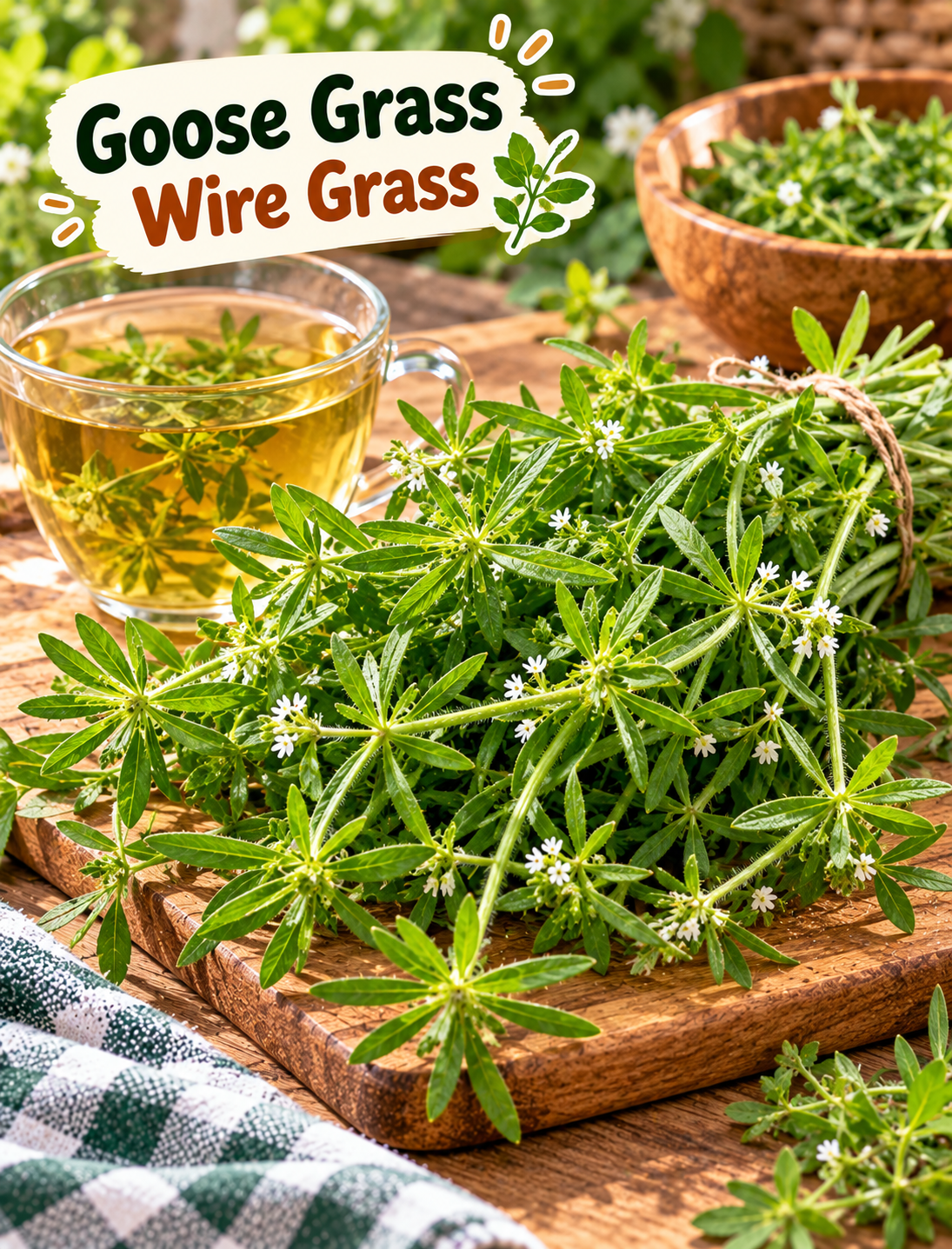
Goose grass cleavers herb with traditional urinary and kidney health information

Goose Grass / Wire Grass for Kidney & Urinary Complaints — Myth or Fact?

“Goose grass is sometimes called a traditional ‘kidney-cleansing’ herb—but can it really help urinary problems? 🌿👀 Let’s separate the old remedy from what modern evidence actually shows.”

Goose grass, often called cleavers or Galium aparine, is a climbing plant found in many regions. Traditional herbal practices have used it for urinary and other health complaints, which is why you may see it described online as a natural kidney remedy.

But traditional use is not the same as proven treatment. Current evidence does not establish goose grass as a reliable treatment for kidney stones, urinary tract infections, or kidney disease. Research on plants used traditionally for urinary problems is still limited, and clinical effectiveness and safety can be uncertain.

What Is Goose Grass / Wire Grass?

Goose grass (Galium aparine) is an annual herb that is also known by names such as cleavers, catchweed, bedstraw, and goosegrass.

It typically has:

  • Long, weak, scrambling stems
  • Small leaves arranged around the stem
  • Tiny white flowers
  • Tiny hooked hairs that allow the plant to cling to clothing and other plants
  • A preference for disturbed areas, gardens, fields, and partially shaded locations

One important point is that common plant names can vary by region. “Wire grass” can refer to different plants, so never consume a wild plant based only on a common name or a social-media photo.

Why Is Goose Grass Associated With Kidney Health?

The kidney connection comes mainly from traditional herbal practice.

Historical and ethnobotanical records describe Galium aparine being used as a diuretic and for urinary complaints. Some traditional systems used preparations of the plant with the goal of increasing urine flow or supporting urinary elimination.

Traditional use does not prove that the plant can:

  • Dissolve kidney stones
  • Remove kidney stones
  • Cure a UTI
  • Clean or “detox” the kidneys
  • Repair damaged kidneys
  • Prevent kidney disease

Those claims require reliable human clinical evidence, and that evidence is not currently established for goose grass.

Goose Grass for Kidney Problems: Myth or Fact?

The Traditional Claim

The traditional claim is that goose grass may support urinary flow and help the body eliminate unwanted substances through urine.

There is a historical basis for this use, including ethnobotanical reports describing Galium aparine for urinary complaints.

What Modern Evidence Says

The evidence is much more limited than many online posts suggest.

Laboratory research has investigated extracts of Galium aparine for antioxidant and other biological activity, but laboratory findings do not automatically mean that drinking the plant treats a human urinary condition.

Bottom line: Goose grass has a traditional history, but it should not be presented as a proven kidney or urinary treatment.

Can Goose Grass Dissolve Kidney Stones?

There is not enough reliable clinical evidence to say that goose grass dissolves kidney stones.

Kidney stones form from minerals in urine, and their treatment depends on factors such as the stone’s size, location, and composition. Some small stones can pass naturally, while larger or obstructing stones may require medical treatment.

If you suspect a kidney stone, don’t delay evaluation while trying an herbal preparation.

Common Kidney Stone Symptoms

Watch for:

  • Sharp pain in the back or side
  • Pain that moves toward the lower abdomen or groin
  • Blood in the urine
  • Painful urination
  • Frequent urination
  • Cloudy or bad-smelling urine
  • Nausea or vomiting

Severe pain, blood in the urine, difficulty urinating, fever, or chills deserves prompt medical attention.

Can Goose Grass Treat a Urinary Tract Infection?

This is another claim that needs caution.

A urinary tract infection is commonly caused by bacteria. Symptoms can include burning during urination, frequent or urgent urination, lower abdominal discomfort, and cloudy, bloody, or strong-smelling urine.

Goose grass should not replace medical evaluation or prescribed treatment for a suspected UTI.

An untreated infection can move from the bladder to the kidneys and become much more serious. Kidney infection symptoms can include fever, chills, painful urination, nausea, vomiting, and pain in the back, side, or groin.

How Was Goose Grass Traditionally Prepared?

Traditional preparations have included infusions or decoctions made from the aerial parts of the plant.

Because there is no standardized, well-established medical dose for treating kidney or urinary conditions, it is not appropriate to present a homemade recipe as a proven treatment.

If someone is interested in traditional herbal use, the safer approach is:

  1. Confirm the plant identity.
  2. Make sure it was grown in a clean location.
  3. Avoid plants exposed to pesticides or other chemicals.
  4. Do not use an unknown plant based only on an online photograph.
  5. Ask a qualified healthcare professional before using it medicinally.
  6. Never use it instead of evaluation for urinary symptoms.

What Are the Traditional Uses of Goose Grass?

Beyond urinary traditions, historical herbal practices have associated cleavers with several other uses.

Traditional records have included:

  • Herbal infusions
  • Traditional diuretic preparations
  • Topical herbal applications
  • Traditional skin-care preparations
  • Folk remedies for various minor complaints

Research has also examined Galium aparine extracts for antioxidant and immunomodulatory activity in laboratory settings. However, these findings should not be turned into claims that the plant treats disease in humans.

What Are the Potential Benefits?

When discussing goose grass, it is useful to separate traditional uses from proven health benefits.

Traditional Interest

The plant has historical interest because it was traditionally used in herbal preparations associated with:

  • Urinary support
  • Fluid elimination
  • Skin applications
  • General herbal wellness

What Has Actually Been Demonstrated?

Laboratory studies have identified plant compounds and biological activity in Galium aparine extracts, but this is not enough to establish a clinical treatment for kidney stones, UTIs, or kidney disease.

So the most accurate statement is:

Goose grass has traditional herbal uses, but its medical benefits for kidney and urinary conditions remain unproven.

Safety Precautions Before Using Goose Grass

Natural does not automatically mean risk-free.

Before considering any herbal preparation:

  • Confirm the plant’s identity.
  • Avoid plants collected from roadsides or chemically treated areas.
  • Do not use unknown wild plants.
  • Be especially cautious if you take prescription medications.
  • Ask your healthcare professional if you have kidney disease.
  • Ask before using herbal products during pregnancy or breastfeeding.
  • Stop using the preparation if you develop an unexpected reaction.

Herbal products can vary in strength and composition, and evidence about their interactions and long-term safety may be limited.

What Should You Do If You Have Urinary Symptoms?

Instead of trying to treat the symptom yourself, use this simple step-by-step approach.

Step 1: Identify the Symptom

Notice whether you have:

  • Burning while urinating
  • Frequent urination
  • Blood in urine
  • Cloudy or strong-smelling urine
  • Side or back pain
  • Lower abdominal pain

Step 2: Don’t Assume It’s “Kidney Toxins”

Urinary symptoms can have several causes, including infections and kidney stones. Testing may be needed to determine what is actually happening.

Step 3: Get Medical Advice When Symptoms Persist

A healthcare professional can use urine tests, blood tests, and sometimes imaging to investigate kidney stones or urinary infections.

Step 4: Don’t Delay Care for Red Flags

Seek prompt medical attention for:

  • Severe or worsening pain
  • Fever or chills
  • Blood in the urine
  • Vomiting
  • Difficulty passing urine
  • Pain in the back or side with urinary symptoms

These symptoms can indicate a kidney stone, infection, blockage, or another condition requiring treatment.

Goose Grass vs. Proven Kidney Care

Goose grass can be discussed as a traditional herb, but it should not be confused with evidence-based kidney care.

For people concerned about kidney stones, NIDDK notes that adequate fluid intake, unless restricted by a healthcare professional, can help with prevention, while dietary changes may depend on the type of stone.

For suspected urinary infections, professional evaluation is important because bacterial infections may require appropriate treatment.

The Bottom Line

Goose grass, or Galium aparine, has a genuine history in traditional herbal practices, including traditional use for urinary complaints.

However, that history does not prove that goose grass can dissolve kidney stones, cure UTIs, detox the kidneys, or treat kidney disease.

The safest way to view this plant is as a traditional herbal subject worth learning about—not as a replacement for diagnosis or medical treatment.

If you have persistent urinary symptoms, severe pain, blood in your urine, fever, or difficulty urinating, seek professional care rather than relying on a homemade herbal remedy.

Frequently Asked Questions

Is goose grass the same as cleavers?

Yes. Galium aparine is commonly known as cleavers, goose grass, catchweed, and bedstraw.

Can goose grass dissolve kidney stones?

There is not enough reliable human evidence to show that goose grass dissolves kidney stones.

Can goose grass cure a UTI?

No established evidence shows that goose grass cures urinary tract infections, which can require medical evaluation and treatment.

Why is goose grass associated with the kidneys?

Traditional herbal practices used Galium aparine in preparations associated with urinary flow and elimination.

Can I make goose grass tea at home?

Traditional infusions exist, but there is no established medicinal dose for treating kidney or urinary disease.

Is goose grass safe for everyone?

Not necessarily; plant identity, preparation, medications, medical conditions, pregnancy, and breastfeeding can all affect safety.

When should I see a doctor for urinary symptoms?

Seek care for blood in urine, severe pain, fever, chills, vomiting, or difficulty urinating.

Can natural herbs replace kidney treatment?

No. Traditional herbs may be discussed as complementary practices, but they should not replace diagnosis or evidence-based treatment.
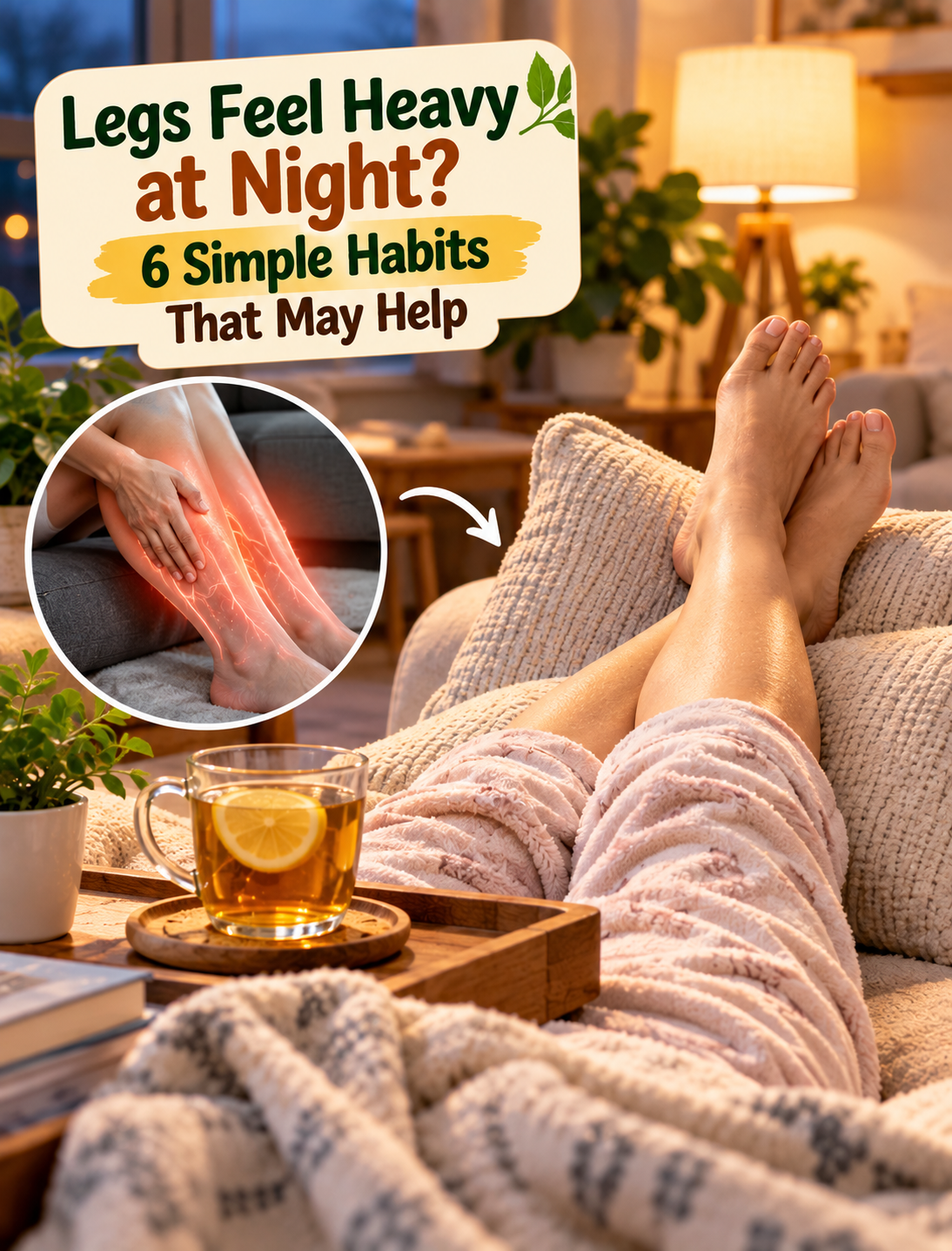
Legs Feel Heavy at Night

Woman resting with elevated legs at night while learning simple ways to manage heavy legs and leg swelling

Legs Feel Heavy at Night: 6 Everyday Habits That May Help

Have your legs ever felt heavy, tired, tight, or unusually uncomfortable at the end of the day? 🦵

For some people, the feeling is linked to spending many hours sitting or standing. In other cases, leg heaviness can occur with swelling, varicose veins, vein problems, certain medicines, or other health conditions.

The good news is that simple habits such as regular movement, changing positions, and elevating your legs may help when everyday inactivity contributes to the problem.

However, persistent or sudden leg heaviness should not automatically be treated as a circulation problem. One-sided swelling, warmth, redness, significant pain, or breathing problems can require prompt medical attention.

Why Do Legs Feel Heavy at Night?

Leg heaviness is a symptom rather than a diagnosis.

It can happen after a long day on your feet, especially when you spend hours standing without changing position. Sitting for long periods can also contribute to swelling and discomfort in the legs.

Other possible contributors include:

  • Varicose veins
  • Fluid buildup or edema
  • Reduced physical activity
  • Certain medicines
  • Pregnancy
  • Higher body weight
  • Vein problems such as chronic venous insufficiency
  • Kidney, liver, heart, or lymphatic conditions
  • Muscle overuse or injury

If the sensation happens occasionally after a busy day and improves with rest or movement, simple lifestyle changes may be reasonable to try.

If it keeps happening or becomes worse, finding the underlying cause is more important than simply trying to relieve the feeling.

Step 1: Break Up Long Periods of Sitting or Standing

One of the simplest changes is to avoid staying in the same position for too long.

When you sit at a desk, watch television, drive, or work at home for several hours, get up regularly and move around.

If your job requires standing, shift positions and take short walking breaks when possible.

Try this simple routine:

  1. Stand up from your chair.
  2. Walk around for a few minutes.
  3. Move your ankles gently.
  4. Stretch your calves if comfortable.
  5. Return to your normal activity.

Regular movement helps the muscles in your lower legs contract, which can help blood move back toward the heart.

You do not need a complicated workout for this basic habit.

Step 2: Take a Short Evening Walk

Walking is a practical way to add movement without requiring special equipment.

A short walk after dinner can help you avoid spending the entire evening sitting.

Start with a comfortable pace and increase your activity gradually if your body tolerates it.

For example:

  • Walk around your neighborhood.
  • Take a gentle walk around your home.
  • Walk while talking on the phone.
  • Take several short walks instead of one long session.

Regular physical activity can support circulation and may help reduce symptoms associated with varicose veins.

If walking causes significant pain, stop and discuss the symptom with a healthcare professional rather than pushing through it.

Step 3: Elevate Your Legs

Leg elevation can be useful when heaviness is related to prolonged standing or fluid buildup.

Try resting your legs on a comfortable footstool or pillows while sitting or lying down.

For people with varicose-vein symptoms, elevating the feet can reduce pressure in the leg veins and help blood return toward the heart.

A simple evening routine can look like this:

  1. Lie down comfortably.
  2. Support your legs with pillows.
  3. Keep the position comfortable rather than forcing your legs into an awkward angle.
  4. Relax for several minutes.
  5. Get up slowly afterward.

Leg elevation may help symptoms, but it does not treat every possible cause of swelling or heaviness.

Step 4: Pay Attention to Swelling

Heavy legs and swollen legs are not exactly the same thing.

Look for changes around your:

  • Ankles
  • Feet
  • Calves
  • Lower legs

Swelling can occur when fluid collects in body tissues. It can be associated with long periods of sitting or standing, varicose veins, certain medicines, pregnancy, and several medical conditions.

You may notice:

  • Socks leaving deeper marks than usual
  • Shoes feeling tighter
  • Puffy ankles
  • Shiny or stretched skin
  • A feeling of fullness or heaviness

If swelling continues for several days, becomes worse, or has no clear explanation, arrange a medical evaluation rather than assuming it is simply from being tired.

Step 5: Look After Your Daily Activity

Your overall activity level matters more than one evening routine.

If most of your day involves sitting, add movement throughout the day instead of trying to compensate with one intense workout at night.

A practical schedule could include:

Morning

  • Walk for a few minutes.
  • Move your ankles while getting ready.

Workday

  • Stand and move regularly.
  • Avoid sitting continuously for several hours.

Afternoon

  • Take another short walk.
  • Change position if you have been standing for a long time.

Evening

  • Take a comfortable walk.
  • Elevate your legs while relaxing if it feels helpful.

NHLBI recommends staying physically active and avoiding long periods of sitting or standing as part of lifestyle management for varicose-vein symptoms.

Step 6: Choose Comfortable Clothing and Shoes

Tight clothing, socks, or shoes can make already uncomfortable legs feel worse.

Choose shoes that allow comfortable movement and avoid footwear that restricts your ankles.

If you spend much of the day standing, comfortable shoes with a low heel may be easier on your legs. The NHS also recommends avoiding clothing, socks, or shoes that are too tight when dealing with leg swelling.

Your goal is not to find a special shoe that “fixes circulation.”

The goal is simply to avoid unnecessary pressure and allow normal movement.

What About Compression Socks?

Compression therapy can help some people with symptoms such as leg swelling, pain, and heaviness, particularly when varicose veins or prolonged sitting or standing are involved.

However, compression is not appropriate for everyone.

The right type and pressure depend on the person’s health and the reason for the swelling or heaviness.

If you regularly have unexplained swelling or have a medical condition affecting your circulation, ask a healthcare professional whether compression garments are appropriate before using them regularly.

A Simple Nighttime Routine

If your legs simply feel tired after a long day, try this practical routine:

1. Move First

Take a gentle walk for several minutes if you feel comfortable.

2. Change Position

Avoid sitting in exactly the same position for the rest of the evening.

3. Elevate Your Legs

Rest your feet on a footstool or pillows while relaxing.

4. Check for Swelling

Look at your ankles and feet and notice whether they appear different from usual.

5. Notice Patterns

Ask yourself whether the heaviness is worse after long periods of standing, sitting, travel, or unusually high activity.

6. Track Repeated Symptoms

If the problem keeps returning, write down when it happens, whether both legs are affected, and whether swelling, pain, warmth, or redness occurs.

This information can make it easier for a healthcare professional to understand the pattern.

When Should Heavy Legs Be Checked?

Occasional tiredness after a long day is different from unexplained or persistent leg symptoms.

Make an appointment with a healthcare professional if:

  • The heaviness keeps returning.
  • Your legs remain swollen.
  • Symptoms are getting worse.
  • You have pain while walking.
  • Both legs become swollen.
  • You develop visible vein changes.
  • Symptoms do not improve after a few days of simple self-care.

Leg swelling can sometimes be connected to vein, kidney, liver, heart, or lymphatic problems, so persistent swelling deserves proper evaluation.

Know the Warning Signs of a Blood Clot

This is especially important because not every heavy leg is simply tiredness.

Seek urgent medical attention if one leg suddenly becomes swollen, painful, warm, or red, especially without an obvious reason. These can be signs of a deep vein thrombosis, although other conditions can cause similar symptoms.

Get emergency help if leg symptoms occur with:

  • Sudden difficulty breathing
  • Chest pain
  • Coughing up blood
  • Fainting or severe dizziness

These symptoms can indicate a potentially serious blood clot that has traveled to the lungs.

Do not try to treat these warning signs with massage, herbal remedies, or home circulation drinks.

The Bottom Line

Legs that feel heavy at night can have simple causes such as a long day of sitting or standing, but the symptom can also occur with swelling, varicose veins, vein problems, medicines, and other health conditions.

Start with practical habits:

  • Move regularly.
  • Avoid sitting or standing in one position for long periods.
  • Take comfortable walks.
  • Elevate your legs when resting.
  • Wear comfortable shoes and clothing.
  • Pay attention to swelling and other changes.

If the problem is persistent, worsening, or accompanied by one-sided swelling, pain, warmth, redness, chest pain, or breathing difficulty, get medical advice instead of relying on home remedies.

Frequently Asked Questions

1. Why do my legs feel heavy at night?

Long periods of sitting or standing can contribute, but varicose veins, swelling, vein problems, medicines, and other conditions can also cause heaviness.

2. Can walking help heavy legs?

Regular walking activates the lower-leg muscles and can support blood return toward the heart.

3. Does elevating your legs help?

Leg elevation can reduce pressure in the leg veins and may ease swelling or heaviness in some people.

4. Can sitting too long cause heavy legs?

Yes, prolonged sitting can contribute to leg swelling and discomfort, particularly when you rarely change position.

5. Should I use compression socks for heavy legs?

Compression can help some people, but the appropriate type depends on the cause, so professional advice is useful for unexplained symptoms.

6. Is one swollen leg a warning sign?

Sudden unexplained swelling in one leg, especially with pain, warmth, or redness, needs prompt medical assessment because a blood clot is one possible cause.

7. When should heavy legs become a concern?

Persistent or worsening symptoms, unexplained swelling, walking-related pain, or symptoms lasting several days should be discussed with a healthcare professional.

8. When is leg heaviness an emergency?

Leg symptoms combined with sudden shortness of breath, chest pain, coughing blood, or fainting require emergency medical attention.

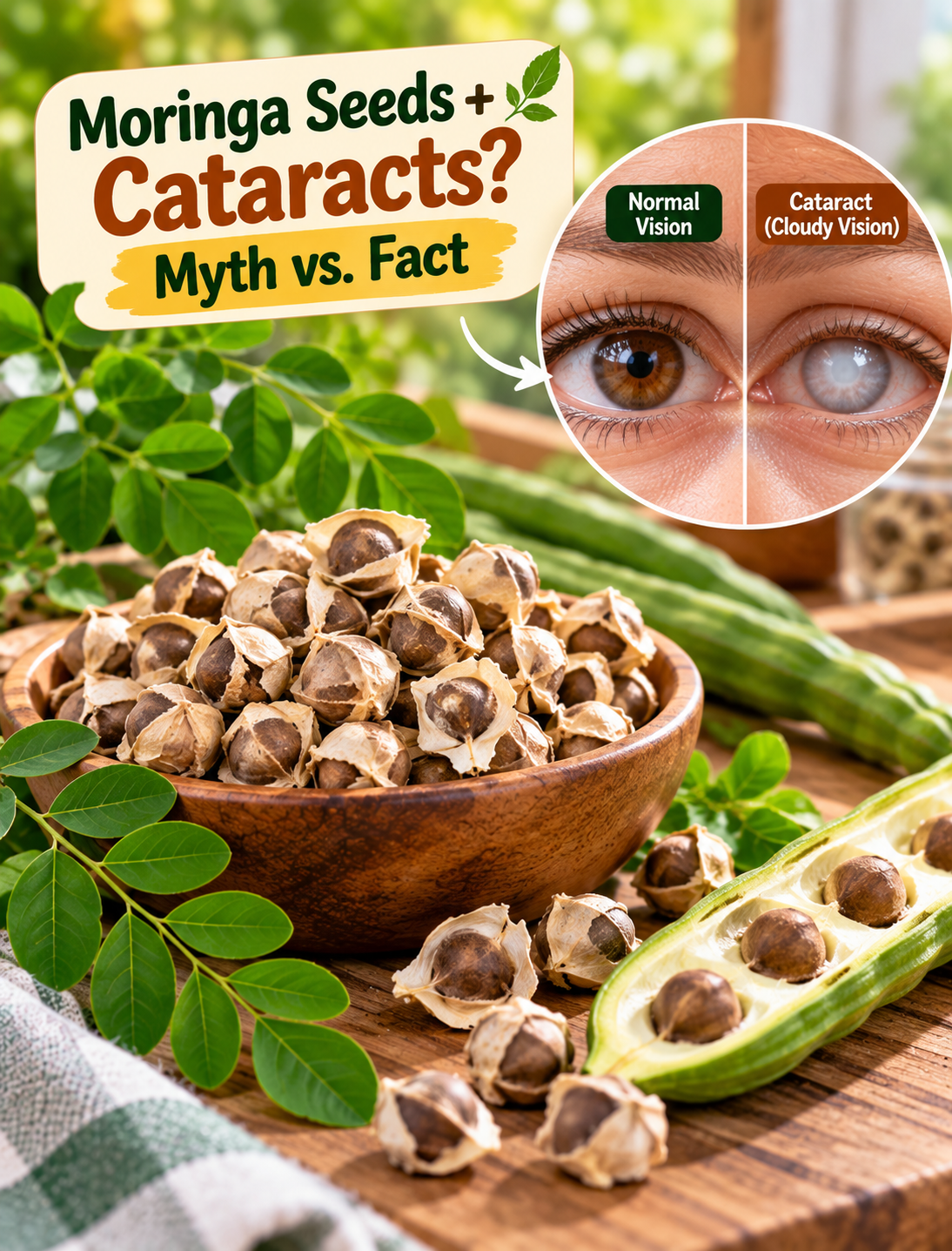
Can Moringa Seeds Treat Cataracts or Cloudy Vision? Myth vs. Fact

Moringa seeds beside an eye-health illustration explaining cataracts, cloudy vision, and the traditional health claim

Can Moringa Seeds Treat Cataracts or Cloudy Vision? Myth vs. Fact

Moringa seeds have been used in traditional wellness practices for generations, but can they actually treat cataracts or cloudy vision?

This question is worth exploring because some online claims connect moringa with eye health. However, traditional use, laboratory research, and proven treatment are three different things.

Moringa (Moringa oleifera) is a plant whose leaves, pods, seeds, and other parts have been used as food and in traditional practices. Research on moringa has explored several possible biological effects, but evidence about moringa seeds specifically and cataract treatment in humans is limited. A review of moringa seeds and oil found that human pharmacological research on the seeds was still lacking.

Most importantly, there is no established evidence that eating moringa seeds can remove cataracts or clear cloudy vision.

What Are Cataracts?

A cataract is a cloudy area that develops in the natural lens of the eye.

The lens normally helps focus light onto the retina. As cataracts develop, proteins in the lens can clump together and make the lens cloudy. This can gradually affect vision.

Common symptoms can include:

  • Cloudy or blurry vision
  • Faded-looking colors
  • Increased sensitivity to light
  • Difficulty seeing at night
  • Halos around lights
  • Double vision in some cases
  • Frequent changes in glasses prescriptions

Cloudy vision does not automatically mean someone has a cataract. Other eye conditions can also cause blurry or hazy vision, so an eye examination is important when vision changes persist.

Why Are Moringa Seeds Linked With Eye Health?

Moringa has a long history of traditional use, and researchers have studied different parts of the plant for their nutritional and biological properties.

Moringa seeds contain protein and fats and have been investigated for possible nutritional applications. However, research on seed-based health effects in humans remains limited.

The confusion often comes from early laboratory research.

One study examined a Moringa oleifera extract on isolated goat eye lenses exposed to high glucose levels. The extract showed changes that suggested a possible protective effect against lens damage in that laboratory model.

That finding is interesting, but it does not demonstrate that eating moringa seeds treats cataracts in people.

Moringa Seeds and Cataracts: Myth vs. Fact

❌ Myth: Moringa seeds can dissolve cataracts

There is no established human evidence showing that eating moringa seeds can dissolve or remove an existing cataract.

✅ Fact: Moringa has been studied for biological effects

Researchers have investigated moringa extracts and different plant parts in laboratory and animal studies, but these findings cannot automatically be applied to cataract treatment in humans.

❌ Myth: Cloudy vision can always be corrected with a food or herb

Cloudy vision has multiple possible causes, and treatment depends on the underlying problem.

✅ Fact: Cataracts are diagnosed through an eye examination

An eye professional can examine the lens and look for cataracts and other conditions that may affect vision.

What Can Moringa Seeds Actually Provide?

Moringa seeds are a food ingredient rather than a proven cataract treatment.

Research reviews describe moringa seeds as containing:

  • Protein
  • Dietary fats
  • Plant compounds
  • Nutrients that may contribute to food value

Moringa seeds and seed-derived products have also been investigated for food applications, including flour and oil.

These nutritional qualities can make moringa interesting as part of a varied diet.

However, nutrition should not be confused with treatment.

Eating a nutritious food does not mean it can reverse a disease that has already developed.

Can Moringa Support Overall Eye-Friendly Nutrition?

A healthy eating pattern can contribute to overall health, including the nutrients needed for normal body function.

The National Eye Institute recommends a diet that includes healthy foods such as fruits and vegetables, leafy greens, nuts, and whole grains as part of healthy-eye habits.

That does not mean one particular food can prevent or cure every eye condition.

A better approach is to think about the overall dietary pattern rather than searching for one special seed or powder.

Try including:

  1. Colorful fruits and vegetables.
  2. Dark leafy greens.
  3. Nuts and seeds in appropriate portions.
  4. Whole grains.
  5. A variety of protein sources.
  6. Adequate fluids.
  7. Foods that fit your individual health needs.

How Should Moringa Seeds Be Used?

If you already eat moringa seeds as a food, treat them as a food rather than as an eye medicine.

A simple approach steps:

1: Choose a reputable food or supplement product.

2: Follow the product’s directions rather than creating a concentrated homemade dose.

3: Avoid combining multiple herbal supplements without checking for possible interactions.

4: Do not use moringa instead of an eye examination.

5: Stop using a product if you develop an unusual reaction and seek appropriate medical advice.

Different moringa products can vary in preparation, concentration, and quality, so the word “moringa” alone does not tell you how strong or standardized a product is. NCCIH notes that dietary supplements can differ from products studied in research and may interact with medicines or medical conditions.

Important Safety Considerations

Natural products still deserve careful use.

Moringa supplements can be more concentrated than the amounts used as ordinary food. People taking prescription medicines should discuss herbal supplements with a healthcare professional because interactions are possible.

Extra caution is appropriate for:

  • Pregnant people
  • Breastfeeding people
  • Children
  • People taking multiple medications
  • People preparing for surgery
  • People with chronic medical conditions

There is also an important recent food-safety lesson. In 2026, the FDA and CDC investigated a multistate Salmonella outbreak associated with certain MOGO-brand moringa leaf powder capsules; the investigation was closed July 17, 2026. This involved moringa leaf powder, not proof that all moringa products are unsafe, but it highlights why product quality and recalls matter when using supplements.

What Actually Helps When You Have Cataracts?

If a cataract is affecting your vision, the most useful step is identifying how much it is affecting your daily life and discussing it with an eye-care professional.

For early cataracts, some people may temporarily manage vision changes with:

  • Brighter lighting
  • Anti-glare sunglasses
  • Magnifying lenses
  • An updated glasses prescription

When cataracts begin interfering with activities such as reading, driving, or watching television, cataract surgery may be recommended. The National Eye Institute states that surgery is the only way to get rid of a cataract. During surgery, the cloudy natural lens is removed and replaced with an artificial lens.

This is very different from claiming that a seed, powder, tea, or homemade remedy can dissolve a cataract.

Simple Eye-Health Habits

You can take practical steps to support long-term eye health.

1. Protect Your Eyes From UV Light

Wear sunglasses that provide appropriate UV protection and consider a hat with a brim when spending time outdoors.

2. Avoid Smoking

Smoking is one of the factors associated with a higher risk of cataracts.

3. Eat a Varied Diet

Include fruits, vegetables, leafy greens, nuts, whole grains, and other nutrient-rich foods.

4. Protect Your Eyes From Injury

Use appropriate protective eyewear during activities that could cause eye trauma.

5. Keep Up With Eye Exams

An eye examination can detect cataracts and other eye problems that may cause changes in vision.

When Should Cloudy Vision Be Checked?

Do not assume that cloudy vision is simply an age-related change.

Make an eye-care appointment if you notice:

  • Persistent blurry or cloudy vision
  • Increasing glare
  • Difficulty seeing at night
  • Faded colors
  • Frequent prescription changes
  • Vision that interferes with reading or driving

Some symptoms can come from conditions other than cataracts, so proper diagnosis matters.

If vision changes suddenly or you develop significant eye pain, a very red eye, or sudden severe vision changes, seek urgent medical evaluation.

The Bottom Line

Can moringa seeds treat cataracts or cloudy vision?

The evidence does not establish moringa seeds as a treatment for cataracts.

Moringa seeds have nutritional value and a history of traditional use, while laboratory research has explored possible biological effects of moringa extracts. But laboratory findings are not the same as proven treatment in humans.

If you enjoy moringa as part of your diet, it can be viewed as one food among many.

But if your vision is cloudy or blurry, the safer approach is to find out why rather than trying to treat the symptom with a homemade remedy.

For diagnosed cataracts that significantly affect daily activities, an eye-care professional can explain the available options, including cataract surgery when appropriate.

Frequently Asked Questions

1. Can moringa seeds remove cataracts?

No established human evidence shows that eating moringa seeds can remove or reverse an existing cataract.

2. Can moringa seeds improve cloudy vision?

There is no good clinical evidence that moringa seeds can reliably clear cloudy or blurry vision.

3. Is moringa good for eye health?

Moringa can be part of a varied diet, but it should not be considered a proven treatment for an eye disease.

4. Can I put moringa powder in my eyes?

No. Do not put moringa powder, seeds, extracts, or homemade mixtures directly into the eyes.

5. What is the proven treatment for cataracts?

When cataracts significantly affect vision, cataract surgery is the established treatment that removes the cloudy lens.

6. Can cloudy vision have causes other than cataracts?

Yes. Several eye conditions can cause blurry or hazy vision, so an eye examination can help identify the cause.

7. Are moringa supplements always safe?

Not necessarily; supplements can vary in quality and may interact with medicines or medical conditions.

8. When should cloudy vision be checked?

Persistent, worsening, or sudden vision changes should be evaluated by an eye-care professional rather than treated with a home remedy.

Natural Ways to Relieve Constipation and Reduce Bloating

Natural ways to relieve constipation and reduce bloating with fiber-rich foods, water, walking, and healthy digestion habits

Natural Ways to Relieve Constipation and Reduce Bloating

Constipation and bloating often show up together, leaving you feeling heavy, uncomfortable, and frustrated. The good news is that simple daily habits can often support more regular bowel movements and easier digestion.

Constipation can involve fewer bowel movements than usual, hard or dry stools, straining, or feeling that you have not completely emptied your bowel. Bloating can make your stomach feel full, swollen, or uncomfortable and may be linked to gas, constipation, food intolerance, or digestive conditions.

The goal is not to find a quick “detox” or miracle drink. Instead, focus on fiber, fluids, movement, regular bathroom habits, and identifying foods or routines that may be making your symptoms worse.

What Causes Constipation and Bloating?

Constipation can happen for several reasons, and more than one factor may be involved.

Common contributors include:

  • Not eating enough fiber
  • Not drinking enough fluids
  • Spending long periods sitting
  • Ignoring the urge to use the bathroom
  • Changes in your normal diet or routine
  • Certain medicines or supplements
  • Travel or changes in daily activity
  • Some digestive or metabolic conditions

Bloating can have several causes as well. Gas is common, but constipation, food intolerance, irritable bowel syndrome, and certain digestive conditions can also contribute.

Understanding the possible cause is important because the same food or habit may help one person but make another person’s symptoms worse.

Step 1: Increase Fiber Slowly

Fiber helps add bulk and can make stool easier to pass. Adults generally need about 22–34 grams of fiber per day, depending on age and sex.

Good choices include:

  • Oatmeal
  • Pears
  • Apples with the skin
  • Berries
  • Oranges
  • Beans
  • Lentils
  • Chickpeas
  • Whole-grain bread
  • Broccoli
  • Green peas
  • Almonds and other nuts

Important: Do Not Add Too Much at Once

A sudden increase in fiber can cause extra gas and bloating.

Instead:

  1. Add one high-fiber food to your daily meals.
  2. Keep the portion moderate.
  3. Give your digestive system time to adjust.
  4. Increase gradually if you tolerate it well.

For people with IBS, gradually increasing fiber can be particularly important because adding too much too quickly may increase gas and bloating.

Step 2: Drink Enough Fluids

Fiber works better when you are getting enough fluids.

Water and other suitable liquids can help keep stool softer and easier to pass. Your individual fluid needs depend on factors such as body size, activity level, health, and climate.

A simple routine is:

  • Keep water available during the day.
  • Drink with meals.
  • Drink when you are thirsty.
  • Increase fluids appropriately when increasing dietary fiber.
  • Replace some sugary drinks with water.

Do not force excessive amounts of water simply because you are constipated.

Step 3: Move Your Body Every Day

Regular physical activity can help support bowel regularity and may also help when you feel bloated.

You do not need an intense workout.

Try:

  • A 10–15 minute walk after a meal
  • Walking around the house during long sitting periods
  • Taking the stairs when comfortable
  • Gentle stretching
  • Light daily activities such as gardening or household chores

Consistency matters more than doing one very long workout occasionally.

Step 4: Build a Regular Bathroom Routine

Your body may respond better when you give yourself a consistent opportunity to use the bathroom.

One practical approach is trying to sit on the toilet 15–45 minutes after breakfast, because eating can stimulate movement in the colon.

Try this routine:

  1. Eat breakfast.
  2. Give yourself enough time afterward.
  3. Go to the bathroom when you feel the urge.
  4. Avoid rushing.
  5. Relax instead of repeatedly straining.
  6. Consider using a small footstool to make yourself more comfortable.

Most importantly, do not regularly ignore the urge to go.

Step 5: Choose Foods That Support Easier Digestion

A balanced plate can be more useful than relying on one “constipation remedy.”

Build meals around:

  • A fiber-rich carbohydrate
  • Vegetables or fruit
  • A protein source
  • Healthy fats
  • Adequate fluids

For example, breakfast could include oatmeal topped with berries and nuts.

Another option is plain yogurt with fruit and oats if dairy is well tolerated.

For lunch or dinner, try beans or lentils with vegetables and a whole grain.

The goal is a pattern of eating that supports regular digestion rather than a single food that promises instant results.

Step 6: Watch Your Personal Bloating Triggers

Certain foods and drinks can increase gas or bloating in some people.

Common triggers may include:

  • Fizzy drinks
  • Very large meals
  • Eating too quickly
  • Some beans and lentils
  • Certain vegetables
  • Foods containing ingredients you personally do not tolerate
  • Large amounts of processed or fatty foods

However, you do not need to eliminate every food that can cause gas.

Instead:

  1. Notice what you eat before symptoms appear.
  2. Record repeated patterns.
  3. Change one thing at a time.
  4. See whether symptoms improve.
  5. Discuss persistent symptoms with a healthcare professional.

Eating smaller meals and avoiding large late-night meals may also help some people with bloating.

Step 7: Slow Down When You Eat

Swallowing extra air can contribute to bloating.

Try these simple habits:

  • Eat more slowly.
  • Chew food thoroughly.
  • Avoid talking with food in your mouth.
  • Limit frequent carbonated drinks if they make you feel bloated.
  • Pay attention to portion size.

These small changes can reduce unnecessary air swallowing and make meals more comfortable.

Step 8: Try a Simple Morning Routine

A consistent morning routine can combine several helpful habits.

Try this:

1. Start with fluids
Have a normal glass of water if that suits your routine.

2. Eat a fiber-containing breakfast
Oatmeal, fruit, whole grains, or another tolerated high-fiber option can help.

3. Move for a few minutes
Take a short walk or do gentle movement.

4. Give yourself bathroom time
Try after breakfast rather than waiting until you are rushed.

5. Respond to your body’s signals
Do not repeatedly ignore the urge to have a bowel movement.

This routine does not guarantee immediate results, but consistency can help establish healthier bowel habits.

Step 9: Be Careful With “Natural” Constipation Remedies

Social media often promotes detox drinks, strong herbal mixtures, special powders, or large amounts of certain oils as instant solutions.

Be cautious with these approaches.

“Natural” does not automatically mean safe or appropriate for everyone.

Some supplements can interact with medicines, and some products may cause diarrhea, abdominal cramps, dehydration, or other problems when used incorrectly.

If dietary and lifestyle changes are not enough, a healthcare professional can help determine whether an over-the-counter treatment is appropriate. NIDDK notes that different types of laxatives may be used depending on the situation, with healthcare guidance especially important for ongoing problems.

Step 10: Know When Bloating or Constipation Needs Attention

Occasional constipation or bloating is common, but persistent symptoms should not simply be ignored.

Talk with a healthcare professional if:

  • Constipation keeps returning.
  • Symptoms do not improve with self-care.
  • You regularly experience significant bloating.
  • Your bowel habits suddenly change.
  • You have unexplained weight loss.
  • You notice blood in your stool.
  • You have ongoing abdominal pain.

Seek prompt medical attention for constipation accompanied by symptoms such as vomiting, fever, constant abdominal pain, inability to pass gas, or unexplained weight loss.

Severe or sudden abdominal pain with marked swelling, vomiting blood, or severe breathing difficulty requires urgent medical attention.

A Simple Daily Plan

Here is an easy routine you can save:

Morning

  • Drink fluids normally.
  • Eat a fiber-containing breakfast.
  • Give yourself bathroom time after eating.
  • Take a short walk.

Afternoon

  • Keep drinking fluids according to your needs.
  • Include vegetables, fruit, whole grains, beans, or another fiber source.
  • Break up long periods of sitting.

Evening

  • Choose a comfortable portion rather than a very large meal.
  • Notice foods that repeatedly trigger bloating.
  • Take a gentle walk if comfortable.
  • Avoid ignoring the urge to use the bathroom.

The most useful approach is usually the one you can repeat consistently.

Frequently Asked Questions

1. What is the fastest natural way to relieve constipation?

Increasing fluids, gradually adding fiber, staying active, and responding to the urge to use the bathroom can support regular bowel movements.

2. Can constipation cause bloating?

Yes. Stool buildup can contribute to abdominal fullness and discomfort, and constipation is a recognized cause of bloating.

3. Should I suddenly eat a lot more fiber?

No. Increase fiber gradually because a sudden increase can cause additional gas and bloating.

4. Does walking help constipation?

Regular physical activity may help relieve constipation and support more regular bowel habits.

5. What foods are good sources of fiber?

Oats, berries, pears, apples with skin, beans, lentils, chickpeas, vegetables, whole grains, and nuts provide dietary fiber.

6. Can drinking water help constipation?

Adequate fluids can help fiber work properly and may make stools softer and easier to pass.

7. When should I see a doctor for constipation?

Seek medical advice when constipation persists or returns frequently, especially with bleeding, ongoing abdominal pain, weight loss, vomiting, fever, or inability to pass gas.

8. Why am I bloated even when I am not constipated?

Gas, food intolerance, IBS, certain foods, eating habits, and other digestive conditions can cause bloating even without constipation.

Final Takeaway

You do not need a complicated detox plan to support better digestion.

Start with gradual fiber, adequate fluids, regular movement, a consistent bathroom routine, slower eating, and attention to personal food triggers.

If constipation or bloating becomes persistent, severe, or unusual for you, look beyond home remedies and find the underlying cause with professional guidance.

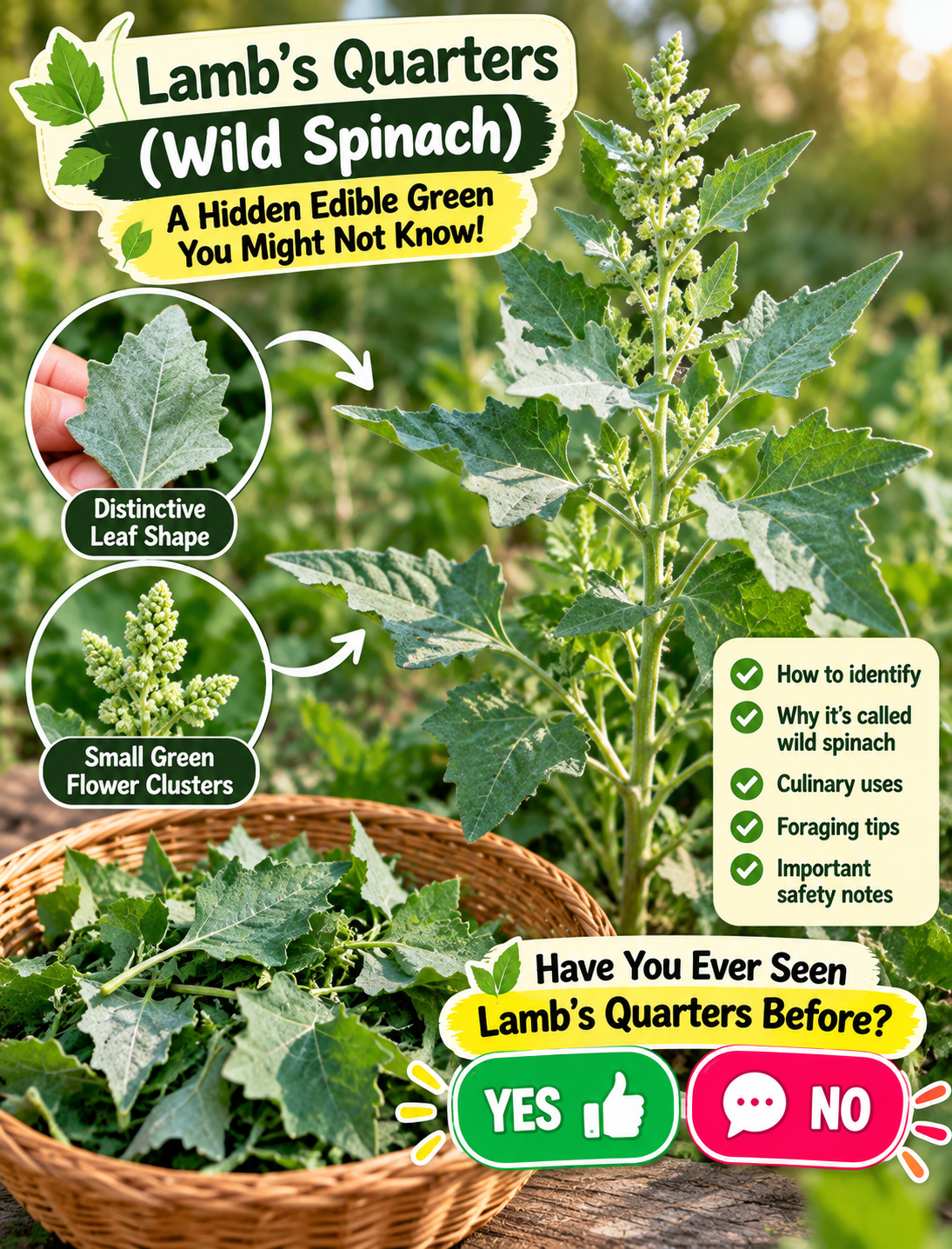
Lamb’s Quarters Identify & Use This Edible Green

Fresh lamb’s quarters wild spinach leaves with identification and safe foraging tips

Lamb’s Quarters / Wild Spinach: What Is This Wild Green?

Have you ever seen this plant growing and didn’t know it could be used as a leafy green? 

If you have ever pulled a leafy weed from a garden and wondered whether it was useful, you may have come across lamb’s quarters.

Common lambsquarters (Chenopodium album) is a widespread annual plant that is sometimes called wild spinach, goosefoot, or pigweed.

Young leaves and tender stems have traditionally been used as cooked greens, and some foragers use the plant in ways similar to spinach. However, identifying a wild plant correctly is essential before eating it.

A plant that looks similar is not automatically the same plant, and growing conditions also matter. Lambsquarters can accumulate nitrates, and wild plants may be exposed to pesticides, fertilizers, animal waste, or other contaminants.

What Are Lamb’s Quarters?

Lamb’s quarters is a leafy annual weed found across much of the United States. It can grow in gardens, cropland, disturbed ground, lawns, and other open areas.

The scientific name most commonly associated with common lambsquarters is Chenopodium album.

You may also hear several different names for this plant, including:

  • Wild spinach
  • Goosefoot
  • Lamb’s quarter
  • Lambsquarters
  • Pigweed

The name “wild spinach” describes how the young leaves can be prepared, rather than meaning the plant is actually a type of cultivated spinach.

Utah State University Extension notes that young lambsquarters can be used similarly to spinach or other green vegetables.

Why Is It Called Wild Spinach?

The comparison comes mainly from the way the young leaves are eaten.

Tender lambsquarters can be used as a leafy green in salads or cooked dishes, although older plants become tougher. University extension resources describe young plants as suitable for salad greens or as a cooked pot herb.

The flavor is generally mild enough to work with familiar ingredients.

You can use properly identified young leaves in:

  • Cooked vegetable dishes
  • Soups
  • Egg dishes
  • Grain bowls
  • Savory pies
  • Mixed greens
  • Simple sautéed greens

Think of it as a wild leafy green, not a miracle plant or medicinal cure.

How Can You Identify Lamb’s Quarters?

Correct identification is the most important part of wild-plant foraging.

Common lambsquarters usually has an upright, branching growth pattern. Its leaves vary in shape, but younger leaves often have a noticeable white or mealy-looking coating, while mature leaves can become more toothed and variable in shape.

The plant also produces small greenish flower clusters that are not showy.

Look for these identifying features:

  1. Upright growth — The plant commonly grows vertically with several branches.
  2. Green leaves — Leaf shape changes as the plant matures.
  3. White mealy appearance — Young leaves often have a distinctive pale or powdery-looking surface.
  4. Toothed leaves — Lower leaves may have noticeable shallow teeth.
  5. Small green flowers — Flowers appear in compact clusters.
  6. Annual growth — Common lambsquarters completes its life cycle in one growing season.

These features can help, but a written description alone is not enough to confirm a wild plant for eating.

Why Proper Identification Matters

Many wild plants can look similar when you first see them.

That makes casual identification risky.

Even experienced gardeners should avoid eating a plant when they are uncertain about its identity.

Follow this basic rule:

If you cannot confidently identify the plant using a reliable field guide or knowledgeable local expert, do not eat it.

Do not identify a plant based only on:

  • A social media photograph
  • A short video
  • A comment from a stranger
  • A general resemblance
  • The fact that animals appear to eat it

Plant appearance can vary with age, growing conditions, and location.

Where Should You NOT Harvest Lamb’s Quarters?

Finding the correct plant is only half of the safety question.

You also need to consider where it grew.

Lambsquarters commonly grows in disturbed areas, agricultural settings, gardens, and other places where the soil may have been exposed to chemicals or contamination.

Avoid harvesting from:

  • Roadsides
  • Areas treated with herbicides or pesticides
  • Recently fertilized areas
  • Industrial or contaminated land
  • Places near chemical runoff
  • Manure piles
  • Areas contaminated by animal feces
  • Locations where you cannot determine the soil history

Oregon State University Extension advises avoiding produce contaminated with animal feces because wildlife and animals can introduce human pathogens.

Wild does not automatically mean clean.

Step-by-Step: How to Handle Lamb’s Quarters Safely

If you have positively identified the plant and know that it grew in a suitable, uncontaminated location, use a careful preparation routine.

Step 1: Confirm the Plant

Compare several features rather than relying on one leaf.

Check the growth pattern, leaf shape, pale mealy coating, stem structure, and flower clusters.

Step 2: Choose Young, Tender Growth

Young leaves and tender tops are generally more suitable for eating because older growth becomes tougher.

Step 3: Inspect the Leaves

Discard leaves that are:

  • Damaged
  • Moldy
  • Diseased-looking
  • Heavily insect-damaged
  • Covered with dirt or animal contamination

Step 4: Wash Thoroughly

Rinse the greens carefully under clean running water.

Remove visible soil, insects, and debris.

Washing cannot make a plant safe if it was harvested from contaminated soil, so location matters before washing.

Step 5: Consider Cooking

Lambsquarters can be prepared similarly to spinach, including steaming or cooking as a pot herb.

Cooking can also reduce some of the oxalic acid present in leafy greens, although it does not make contaminated plants safe.

Step 6: Start With a Modest Portion

Lambsquarters contains oxalic acid, so it is sensible to treat it like a leafy green rather than eating large quantities. Research reviewing wild edible plants identified oxalic acid as an important precaution for common lambsquarters.

People who have been advised to limit dietary oxalates should discuss wild greens with their healthcare professional before adding them regularly.

Simple Ways to Eat Lamb’s Quarters

Once properly identified, cleaned, and prepared, young leaves can fit into familiar meals.

1. Sautéed Greens

  1. Wash the young leaves.
  2. Remove tougher stems.
  3. Heat a small amount of olive oil in a skillet.
  4. Add the greens.
  5. Cook until tender.
  6. Season with garlic, lemon, or black pepper.

2. Egg and Greens Skillet

  1. Lightly cook the greens.
  2. Add chopped tomatoes or onions.
  3. Make small spaces in the mixture.
  4. Add eggs.
  5. Cover and cook until the eggs reach your preferred doneness.

3. Add to Soup

Chop tender leaves and add them toward the end of cooking so they retain some texture.

4. Mix With Other Greens

Combine a small amount with familiar greens such as spinach, kale, or chard.

This can make the flavor more familiar while introducing a different leafy green.

What About the Nutrition?

Lambsquarters contains nutrients and plant compounds, and extension resources describe the foliage as containing vitamin C, carotenoids, and minerals.

However, nutrition can vary with:

  • Plant age
  • Growing conditions
  • Soil
  • Weather
  • Plant part
  • Preparation method

For that reason, it is better to think of lambsquarters as one possible leafy green rather than relying on it as a special source of a particular nutrient.

A varied diet containing many different vegetables and other whole foods remains a more practical approach to nutrition.

Traditional Food Use

Wild greens have been used as food in different cultures for generations.

Lambsquarters has been prepared as a cooked green and used in dishes similar to those made with spinach or other leafy vegetables. University and agricultural sources document its use as a salad green or pot herb.

Traditional food use is different from a medical claim.

You may enjoy lambsquarters as a food, but it should not be promoted as a treatment for disease or as a substitute for medical care.

Important Safety Points Before You Try It

Keep these points in mind before adding any wild green to your meal.

  • Never eat an unidentified wild plant.
  • Use several reliable identification features.
  • Harvest only from areas known to be free from chemical and animal contamination.
  • Wash greens thoroughly.
  • Prefer young, tender leaves.
  • Consider cooking rather than eating large quantities raw.
  • Avoid making large amounts of wild greens a daily habit.
  • Consider oxalate content if you have been told to limit oxalates.
  • Do not assume cooking removes pesticides, heavy metals, or other environmental contaminants.
  • When in doubt, leave the plant where it is.

Lambsquarters can also accumulate nitrates under certain growing conditions, particularly with drought stress or high nitrogen availability.

That is another reason to avoid plants growing in questionable locations or under unknown conditions.

Lamb’s Quarters vs. Regular Spinach

Although lambsquarters is sometimes called wild spinach, the two plants are not the same.

Regular spinach is a cultivated vegetable grown specifically as a food crop.

Lambsquarters is a wild or weedy plant that can be harvested as a leafy green when correctly identified and grown in a suitable location.

The cooking idea is similar, but the safety considerations are different because wild plants have unknown growing histories.

That distinction is especially important for beginners.

A Simple Beginner’s Approach

If you are interested in learning about wild edible plants, start slowly.

Try this approach:

  1. Learn one plant at a time.
  2. Use a reputable regional field guide.
  3. Compare multiple identification characteristics.
  4. Learn the plant’s common look-alikes.
  5. Start with a small culinary use after proper identification.
  6. Keep notes about where and when you found it.
  7. Never eat a plant simply because someone online called it edible.

This approach makes foraging more thoughtful and reduces avoidable mistakes.

Frequently Asked Questions

1. Is lamb’s quarters really edible?

properly identified common lambsquarters has a history of use as a leafy green, particularly when the leaves are young and tender.

2. Why is lamb’s quarters called wild spinach?

Because young leaves can be prepared and cooked in ways similar to spinach.

3. Can you eat lamb’s quarters raw?

Young leaves may be eaten raw, but cooking is another common preparation method and may reduce some oxalic acid.

4. How do you identify lamb’s quarters?

Look for its upright branching form, variable toothed leaves, white mealy appearance on young leaves, and small green flower clusters.

5. Can lamb’s quarters grow near roads?

Grow in disturbed areas and roadsides, but roadside plants should not be harvested because contamination may be difficult to assess.

6. Does lamb’s quarters contain oxalic acid?

Common lambsquarters can contain oxalic acid, which is one reason moderation and appropriate preparation are recommended.

7. Can I eat any plant that looks like lamb’s quarters?

No. Similar-looking plants can be difficult to distinguish, so never eat a wild plant unless its identity is confirmed.

8. Should lamb’s quarters be washed before eating?

Properly identified edible leaves should be washed thoroughly with clean running water before preparation.

Final Takeaway

Lamb’s quarters is more than just a garden weed. 🌿

Common lambsquarters (Chenopodium album) is a widespread wild plant that has been used as a leafy green and is sometimes called wild spinach.

Young leaves can be prepared much like spinach, making this an interesting discovery for people who enjoy learning about traditional foods and wild edibles.

But the most important part of the story is identification and safety.

Never eat an unknown wild plant. Avoid questionable harvesting locations, wash properly identified greens, and remember that cooking does not remove environmental contaminants.

If you are new to foraging, learning one plant carefully is much safer than trying several unfamiliar plants at once.

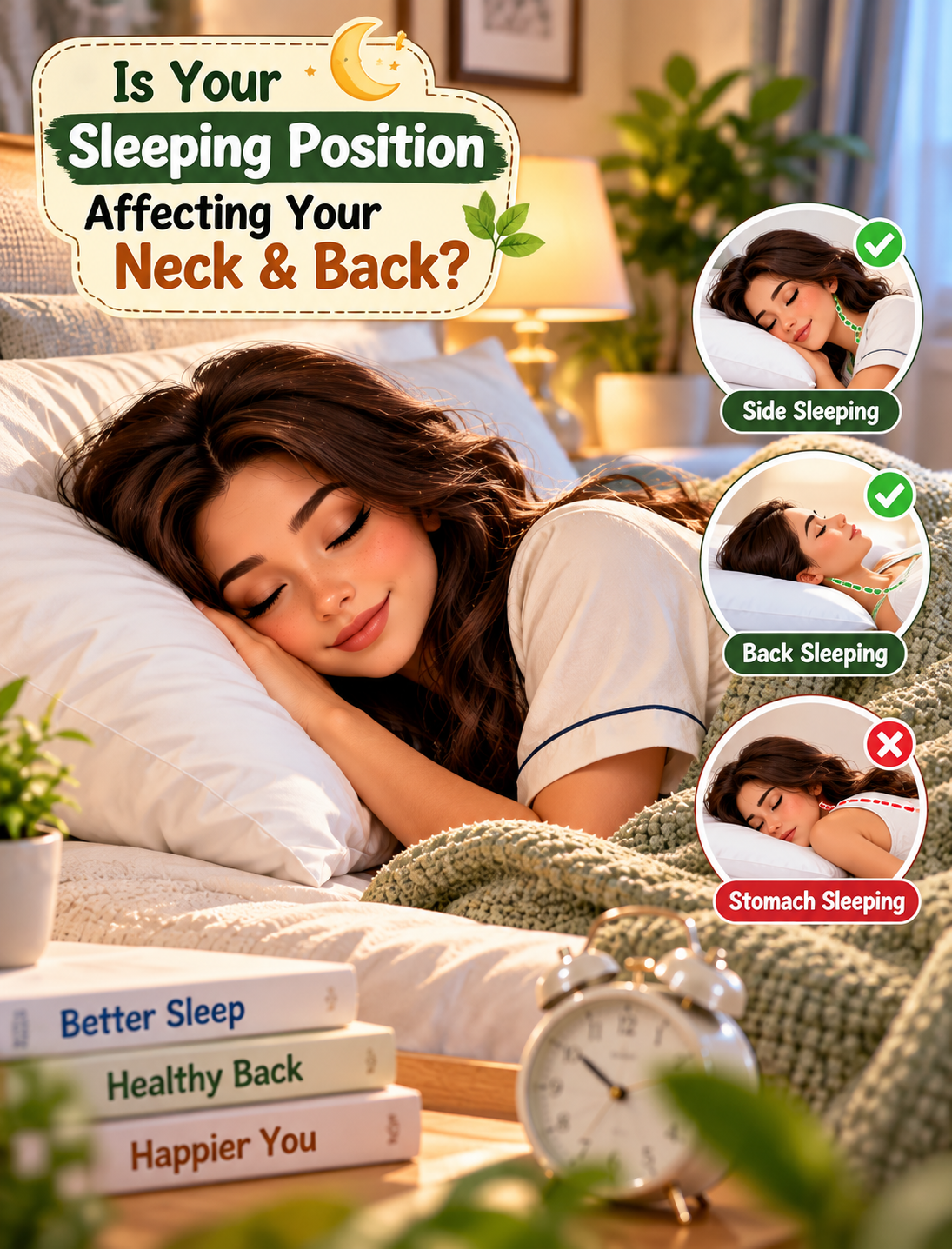
Sleeping Position Tips: How to Support Your Neck & Back at Night

Woman sleeping with proper neck and back alignment using supportive pillows

The Way You Sleep Every Night May Affect Your Neck and Back

Waking up with a stiff neck, tight shoulders, or a sore lower back can sometimes be linked to how your body is positioned during sleep.

Your sleeping position, pillow height, and the support under your body can affect whether your head, neck, and spine stay in a comfortable position overnight. Sleeping awkwardly or using too many or too few pillows can contribute to neck pain.

There is no single sleeping position that works perfectly for everyone. The goal is to find a position that keeps your body supported and your neck and spine in a comfortable, neutral alignment.

Here are practical ways to make your usual sleeping position more comfortable.

Keep Your Neck Aligned

Your neck should stay reasonably aligned with your chest and back while you sleep.

A pillow that pushes your head too far forward can leave your neck bent for hours. A pillow that is too thin may allow your head to drop backward or sideways.

A simple way to check your position is to notice whether your head feels level rather than tilted toward the mattress or ceiling.

Try these simple steps:

  1. Lie down in your normal sleeping position.
  2. Notice whether your head feels tilted.
  3. Adjust your pillow height if needed.
  4. Keep your chin from being pushed strongly toward your chest.
  5. Choose support that feels comfortable rather than forcing a specific position.

Mayo Clinic recommends keeping the head and neck aligned with the body during sleep and using a pillow that supports the neck.

Choose the Right Pillow Height

Pillow height matters because it changes the angle of your neck.

The “right” height is not the same for everyone. It depends on your sleeping position, body shape, mattress, and personal comfort.

If you sleep on your side

You generally need enough pillow height to fill the space between your head and mattress without allowing your head to droop toward the mattress.

A supportive pillow can help keep the head and neck in line with the rest of the body.

If you sleep on your back

A pillow should support your neck without pushing your head too far forward.

If you frequently wake with neck stiffness, experiment with a different pillow height rather than automatically adding more pillows.

If your pillow feels uncomfortable

Try changing one thing at a time. A small adjustment can make it easier to identify what is causing morning discomfort.


Side Sleeping

Side sleeping is common and can be comfortable when your head, shoulders, hips, and legs are properly supported.

One useful adjustment is placing a pillow between your knees.

This can help keep your hips and spine more aligned and reduce twisting through the lower body. Mayo Clinic recommends slightly bending the legs and using a pillow between them for people who sleep on their side.

Step-by-step side-sleeping setup:

  1. Lie comfortably on your side.
  2. Keep your head supported by a suitable pillow.
  3. Avoid tucking your chin tightly toward your chest.
  4. Keep your knees slightly bent.
  5. Place a pillow between your knees if it feels comfortable.
  6. Try to keep your shoulders and hips from twisting in opposite directions.

You do not need to force yourself to sleep on one particular side if another comfortable position works better for you.

Back Sleeping

Back sleeping can provide a neutral position for some people, especially when the neck and lower back have proper support.

A pillow under the knees can reduce pressure on the lower back for some sleepers and help maintain a comfortable spinal curve.

Try this setup:

  1. Lie flat on your back.
  2. Use a supportive pillow for your neck.
  3. Keep your head from being pushed too far forward.
  4. Place a pillow under your knees.
  5. Adjust the pillow height until your neck feels relaxed.

However, back sleeping is not automatically the best choice for everyone. Johns Hopkins notes that some people with neck pain may feel worse on their backs, while others may find this position helpful for lower-back discomfort.

Your comfort and individual health needs matter.

Avoid Uncomfortable Sleeping Positions

Sleeping on your stomach can make it harder to keep your neck in a neutral position because your head usually needs to turn to one side.

It can also place extra stress on the lower back for some people. Mayo Clinic recommends trying other positions when possible if stomach sleeping contributes to back discomfort.

If you naturally sleep on your stomach and changing positions is difficult, focus first on reducing obvious discomfort rather than forcing yourself into a position that prevents you from sleeping.

Watch for these signs:

  • Your neck feels twisted.
  • Your chin stays pushed toward your chest.
  • Your lower back feels overly arched.
  • Your shoulder becomes compressed or painful.
  • You repeatedly wake with stiffness.
  • Your pillow feels too high or too low.

Your sleeping position should allow you to rest without creating obvious strain.

Make Small Changes Before Bed

You do not need to replace your entire bedroom to improve your sleep position.

Start with one change and give yourself time to notice whether it helps.

Simple nighttime checklist:

1. Check your pillow:
Make sure it supports your head without forcing your neck into an awkward angle.

2. Check your position:
Before falling asleep, notice whether your head, neck, and body feel reasonably aligned.

3. Add knee support:
If you sleep on your side, try a pillow between your knees.

4. Try under-knee support:
If you sleep on your back, a pillow under your knees may make your lower back more comfortable.

5. Don’t force a painful position:
If a particular position makes your pain worse, adjust it rather than trying to “train” yourself to tolerate it.

6. Replace worn-out pillows:
An old pillow that no longer provides useful support may contribute to an uncomfortable sleeping position. Johns Hopkins recommends choosing supportive pillows and replacing old pillows when needed.

When Persistent Pain Needs Evaluation

Occasional morning stiffness does not always mean something serious.

However, persistent or severe neck or back pain deserves attention, especially when it does not improve or keeps returning.

You should consider talking with a healthcare professional if pain continues despite reasonable changes to your sleeping setup.

Seek prompt medical attention for back or neck pain accompanied by symptoms such as significant weakness, numbness or tingling, pain after a serious injury, fever, or loss of bladder or bowel control.

Do not assume that changing your pillow will fix pain caused by an underlying medical condition.

A Simple Sleeping-Position Routine

Use this quick routine tonight:

Step 1

Choose your normal sleeping position.

Step 2

Check whether your neck feels neutral and supported.

Step 3

Adjust your pillow height if your head feels tilted.

Step 4

If you sleep on your side, place a pillow between your knees.

Step 5

If you sleep on your back, try a pillow under your knees.

Step 6

Avoid positions that consistently create pain or stiffness.

Step 7

Notice how your neck and back feel when you wake up.

Step 8

Make one small adjustment the next night instead of changing everything at once.

The goal is not to find a “perfect” sleeping position. The goal is to create a comfortable setup that supports your body and allows you to sleep well.

Frequently Asked Questions

1. Can sleeping position cause neck pain?

An awkward sleeping position or poorly supportive pillow can contribute to neck strain and morning stiffness.

2. What is a good sleeping position for back pain?

Side sleeping with a pillow between the knees or back sleeping with a pillow under the knees may help some people feel more comfortable.

3. Is stomach sleeping bad for your back?

Stomach sleeping can place extra stress on the neck and lower back for some people, so another position may be more comfortable.

4. How high should my pillow be?

Your pillow should support your head and keep your neck reasonably aligned rather than pushing your head sharply forward or sideways.

5. Is side sleeping better than back sleeping?

Neither position is universally better; the most comfortable option depends on your body, symptoms, and individual health needs.

6. Should I put a pillow between my knees?

If you sleep on your side, a pillow between your knees can help keep your hips and spine more aligned.

7. Should I put a pillow under my knees?

If you sleep on your back, placing a pillow under your knees may help support a comfortable lower-back position.

8. When should I see a doctor about sleep-related back pain?

See a healthcare professional when pain persists, becomes severe, follows an injury, or occurs with weakness, numbness, fever, or bladder or bowel changes.

Final Takeaway

The way you sleep can affect how your neck and back feel when you wake up. A supportive pillow, comfortable alignment, and small adjustments such as placing a pillow between your knees or under your knees may improve comfort for some people.

There is no single sleeping position that works for everyone. Pay attention to how your body responds, make small changes, and seek professional advice when pain is persistent or comes with warning signs.