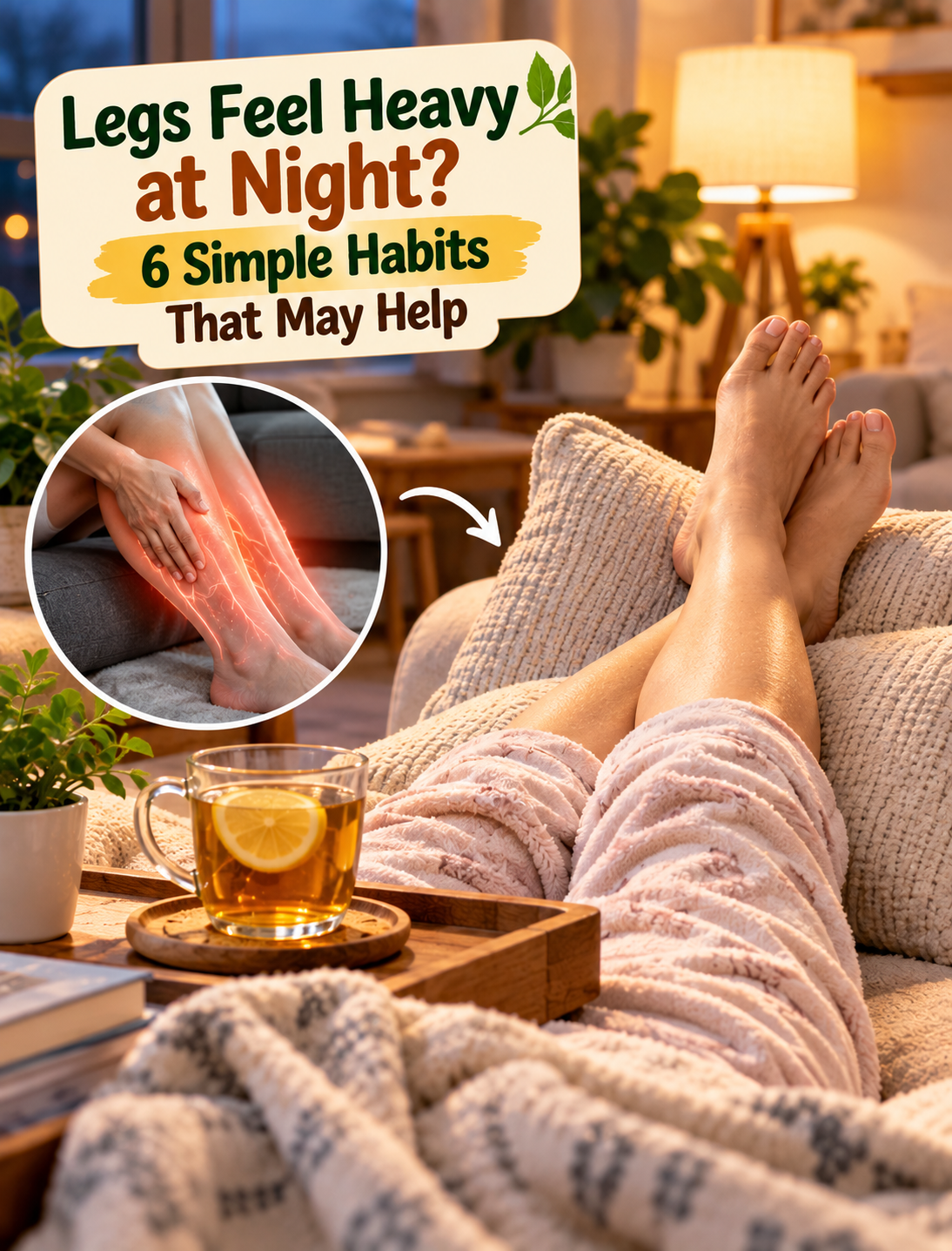
Legs Feel Heavy at Night

Woman resting with elevated legs at night while learning simple ways to manage heavy legs and leg swelling

Legs Feel Heavy at Night: 6 Everyday Habits That May Help

Have your legs ever felt heavy, tired, tight, or unusually uncomfortable at the end of the day? 🦵

For some people, the feeling is linked to spending many hours sitting or standing. In other cases, leg heaviness can occur with swelling, varicose veins, vein problems, certain medicines, or other health conditions.

The good news is that simple habits such as regular movement, changing positions, and elevating your legs may help when everyday inactivity contributes to the problem.

However, persistent or sudden leg heaviness should not automatically be treated as a circulation problem. One-sided swelling, warmth, redness, significant pain, or breathing problems can require prompt medical attention.

Why Do Legs Feel Heavy at Night?

Leg heaviness is a symptom rather than a diagnosis.

It can happen after a long day on your feet, especially when you spend hours standing without changing position. Sitting for long periods can also contribute to swelling and discomfort in the legs.

Other possible contributors include:

  • Varicose veins
  • Fluid buildup or edema
  • Reduced physical activity
  • Certain medicines
  • Pregnancy
  • Higher body weight
  • Vein problems such as chronic venous insufficiency
  • Kidney, liver, heart, or lymphatic conditions
  • Muscle overuse or injury

If the sensation happens occasionally after a busy day and improves with rest or movement, simple lifestyle changes may be reasonable to try.

If it keeps happening or becomes worse, finding the underlying cause is more important than simply trying to relieve the feeling.

Step 1: Break Up Long Periods of Sitting or Standing

One of the simplest changes is to avoid staying in the same position for too long.

When you sit at a desk, watch television, drive, or work at home for several hours, get up regularly and move around.

If your job requires standing, shift positions and take short walking breaks when possible.

Try this simple routine:

  1. Stand up from your chair.
  2. Walk around for a few minutes.
  3. Move your ankles gently.
  4. Stretch your calves if comfortable.
  5. Return to your normal activity.

Regular movement helps the muscles in your lower legs contract, which can help blood move back toward the heart.

You do not need a complicated workout for this basic habit.

Step 2: Take a Short Evening Walk

Walking is a practical way to add movement without requiring special equipment.

A short walk after dinner can help you avoid spending the entire evening sitting.

Start with a comfortable pace and increase your activity gradually if your body tolerates it.

For example:

  • Walk around your neighborhood.
  • Take a gentle walk around your home.
  • Walk while talking on the phone.
  • Take several short walks instead of one long session.

Regular physical activity can support circulation and may help reduce symptoms associated with varicose veins.

If walking causes significant pain, stop and discuss the symptom with a healthcare professional rather than pushing through it.

Step 3: Elevate Your Legs

Leg elevation can be useful when heaviness is related to prolonged standing or fluid buildup.

Try resting your legs on a comfortable footstool or pillows while sitting or lying down.

For people with varicose-vein symptoms, elevating the feet can reduce pressure in the leg veins and help blood return toward the heart.

A simple evening routine can look like this:

  1. Lie down comfortably.
  2. Support your legs with pillows.
  3. Keep the position comfortable rather than forcing your legs into an awkward angle.
  4. Relax for several minutes.
  5. Get up slowly afterward.

Leg elevation may help symptoms, but it does not treat every possible cause of swelling or heaviness.

Step 4: Pay Attention to Swelling

Heavy legs and swollen legs are not exactly the same thing.

Look for changes around your:

  • Ankles
  • Feet
  • Calves
  • Lower legs

Swelling can occur when fluid collects in body tissues. It can be associated with long periods of sitting or standing, varicose veins, certain medicines, pregnancy, and several medical conditions.

You may notice:

  • Socks leaving deeper marks than usual
  • Shoes feeling tighter
  • Puffy ankles
  • Shiny or stretched skin
  • A feeling of fullness or heaviness

If swelling continues for several days, becomes worse, or has no clear explanation, arrange a medical evaluation rather than assuming it is simply from being tired.

Step 5: Look After Your Daily Activity

Your overall activity level matters more than one evening routine.

If most of your day involves sitting, add movement throughout the day instead of trying to compensate with one intense workout at night.

A practical schedule could include:

Morning

  • Walk for a few minutes.
  • Move your ankles while getting ready.

Workday

  • Stand and move regularly.
  • Avoid sitting continuously for several hours.

Afternoon

  • Take another short walk.
  • Change position if you have been standing for a long time.

Evening

  • Take a comfortable walk.
  • Elevate your legs while relaxing if it feels helpful.

NHLBI recommends staying physically active and avoiding long periods of sitting or standing as part of lifestyle management for varicose-vein symptoms.

Step 6: Choose Comfortable Clothing and Shoes

Tight clothing, socks, or shoes can make already uncomfortable legs feel worse.

Choose shoes that allow comfortable movement and avoid footwear that restricts your ankles.

If you spend much of the day standing, comfortable shoes with a low heel may be easier on your legs. The NHS also recommends avoiding clothing, socks, or shoes that are too tight when dealing with leg swelling.

Your goal is not to find a special shoe that “fixes circulation.”

The goal is simply to avoid unnecessary pressure and allow normal movement.

What About Compression Socks?

Compression therapy can help some people with symptoms such as leg swelling, pain, and heaviness, particularly when varicose veins or prolonged sitting or standing are involved.

However, compression is not appropriate for everyone.

The right type and pressure depend on the person’s health and the reason for the swelling or heaviness.

If you regularly have unexplained swelling or have a medical condition affecting your circulation, ask a healthcare professional whether compression garments are appropriate before using them regularly.

A Simple Nighttime Routine

If your legs simply feel tired after a long day, try this practical routine:

1. Move First

Take a gentle walk for several minutes if you feel comfortable.

2. Change Position

Avoid sitting in exactly the same position for the rest of the evening.

3. Elevate Your Legs

Rest your feet on a footstool or pillows while relaxing.

4. Check for Swelling

Look at your ankles and feet and notice whether they appear different from usual.

5. Notice Patterns

Ask yourself whether the heaviness is worse after long periods of standing, sitting, travel, or unusually high activity.

6. Track Repeated Symptoms

If the problem keeps returning, write down when it happens, whether both legs are affected, and whether swelling, pain, warmth, or redness occurs.

This information can make it easier for a healthcare professional to understand the pattern.

When Should Heavy Legs Be Checked?

Occasional tiredness after a long day is different from unexplained or persistent leg symptoms.

Make an appointment with a healthcare professional if:

  • The heaviness keeps returning.
  • Your legs remain swollen.
  • Symptoms are getting worse.
  • You have pain while walking.
  • Both legs become swollen.
  • You develop visible vein changes.
  • Symptoms do not improve after a few days of simple self-care.

Leg swelling can sometimes be connected to vein, kidney, liver, heart, or lymphatic problems, so persistent swelling deserves proper evaluation.

Know the Warning Signs of a Blood Clot

This is especially important because not every heavy leg is simply tiredness.

Seek urgent medical attention if one leg suddenly becomes swollen, painful, warm, or red, especially without an obvious reason. These can be signs of a deep vein thrombosis, although other conditions can cause similar symptoms.

Get emergency help if leg symptoms occur with:

  • Sudden difficulty breathing
  • Chest pain
  • Coughing up blood
  • Fainting or severe dizziness

These symptoms can indicate a potentially serious blood clot that has traveled to the lungs.

Do not try to treat these warning signs with massage, herbal remedies, or home circulation drinks.

The Bottom Line

Legs that feel heavy at night can have simple causes such as a long day of sitting or standing, but the symptom can also occur with swelling, varicose veins, vein problems, medicines, and other health conditions.

Start with practical habits:

  • Move regularly.
  • Avoid sitting or standing in one position for long periods.
  • Take comfortable walks.
  • Elevate your legs when resting.
  • Wear comfortable shoes and clothing.
  • Pay attention to swelling and other changes.

If the problem is persistent, worsening, or accompanied by one-sided swelling, pain, warmth, redness, chest pain, or breathing difficulty, get medical advice instead of relying on home remedies.

Frequently Asked Questions

1. Why do my legs feel heavy at night?

Long periods of sitting or standing can contribute, but varicose veins, swelling, vein problems, medicines, and other conditions can also cause heaviness.

2. Can walking help heavy legs?

Regular walking activates the lower-leg muscles and can support blood return toward the heart.

3. Does elevating your legs help?

Leg elevation can reduce pressure in the leg veins and may ease swelling or heaviness in some people.

4. Can sitting too long cause heavy legs?

Yes, prolonged sitting can contribute to leg swelling and discomfort, particularly when you rarely change position.

5. Should I use compression socks for heavy legs?

Compression can help some people, but the appropriate type depends on the cause, so professional advice is useful for unexplained symptoms.

6. Is one swollen leg a warning sign?

Sudden unexplained swelling in one leg, especially with pain, warmth, or redness, needs prompt medical assessment because a blood clot is one possible cause.

7. When should heavy legs become a concern?

Persistent or worsening symptoms, unexplained swelling, walking-related pain, or symptoms lasting several days should be discussed with a healthcare professional.

8. When is leg heaviness an emergency?

Leg symptoms combined with sudden shortness of breath, chest pain, coughing blood, or fainting require emergency medical attention.
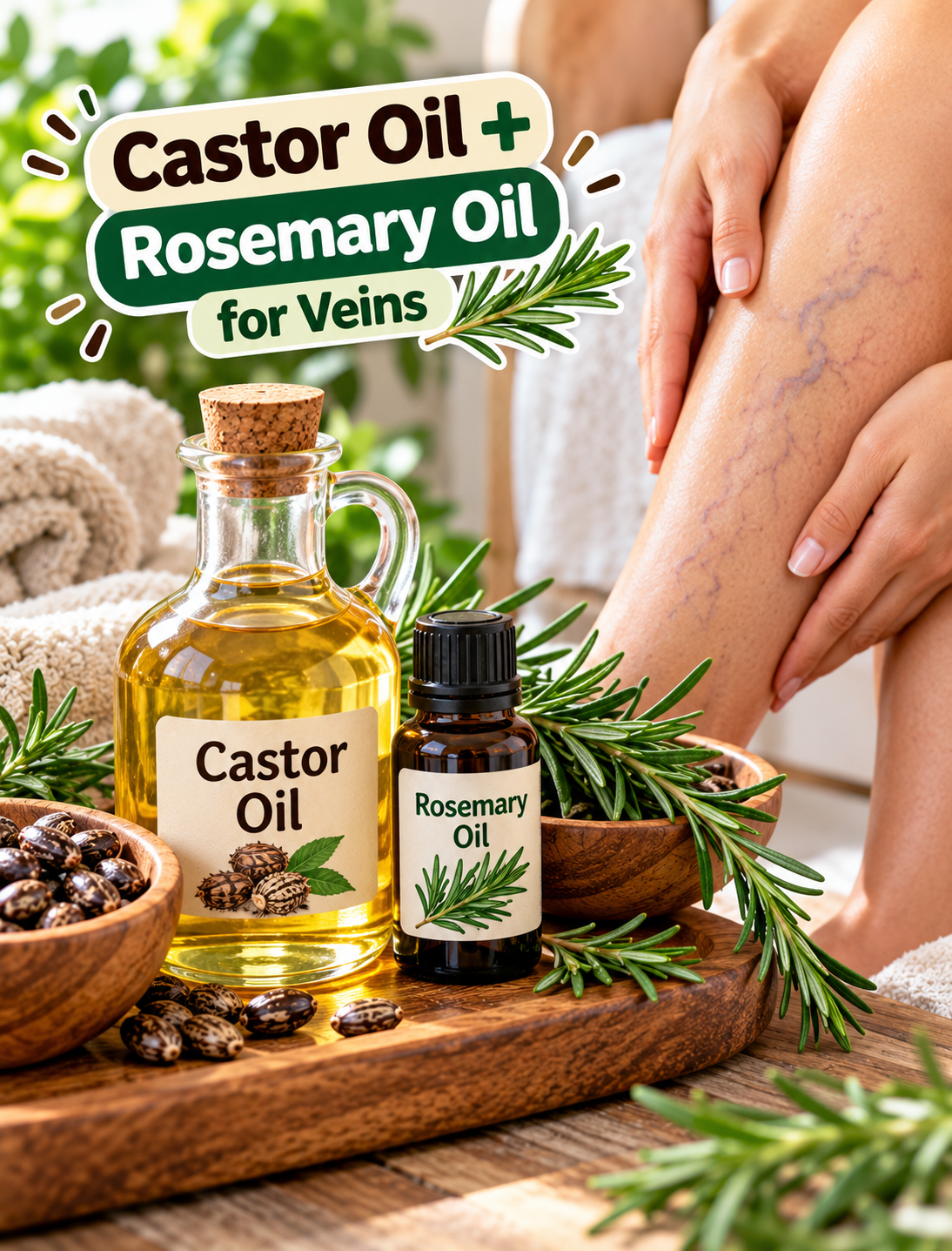
Castor Oil + Rosemary Oil for Veins: What You Should Know

Castor oil and rosemary oil for gentle leg massage with information about vein care and safety

Castor Oil + Rosemary Oil for Veins: What You Should Know

Castor oil and rosemary oil are often discussed online as natural options for leg massage and skin care. Some traditional wellness routines use plant oils to moisturize the skin or make massage feel more comfortable.

However, topical oils should not be presented as a treatment for varicose veins. Varicose veins develop when vein walls or valves become weak or damaged, allowing blood to pool in the veins. Massage oil cannot repair those underlying valves or remove an enlarged vein.

This guide explains what these oils can realistically be used for, how to approach a leg massage safely, and when visible or uncomfortable veins need medical attention.

What Are Varicose Veins?

Varicose veins are enlarged, twisted veins that commonly appear in the legs. They can look blue, purple, or close to the natural color of the skin.

They develop when valves inside the veins do not work properly. Instead of moving blood efficiently back toward the heart, some blood can flow backward and collect inside the vein. This can make the vein stretch and become more visible.

Common symptoms can include:

  • Aching or heaviness in the legs
  • Swelling around the lower legs or ankles
  • Itching or burning around affected veins
  • Muscle cramps
  • Discomfort after prolonged sitting or standing
  • Changes in the skin around a vein

Not every visible vein needs treatment, but painful or worsening symptoms deserve professional evaluation.

Why Do People Use Castor Oil and Rosemary Oil?

Castor oil is a thick plant oil commonly used in cosmetics and skin-care products. Its main fatty acid, ricinoleic acid, can help reduce moisture loss from the skin, but applying pure castor oil can also cause irritation or allergic contact dermatitis in some people.

Rosemary oil is often used as an aromatic ingredient and in massage or personal-care products. Essential oils are concentrated substances, so they should not be treated the same way as ordinary culinary herbs.

People may choose these oils for a leg massage because they:

  • Make the skin feel moisturized
  • Provide a smooth surface for gentle massage
  • Add a pleasant herbal scent
  • Fit into a relaxing self-care routine
  • Can make a simple massage feel more comfortable

These are skin-care and relaxation uses, not proven treatments for varicose veins.

What Can a Leg Massage Actually Do?

A gentle massage can feel relaxing and may temporarily make tired legs feel more comfortable.

The important distinction is that feeling more comfortable does not mean the underlying vein problem has been corrected.

For people with varicose veins, recognized self-care measures include regular physical activity, changing position frequently, elevating the legs, and, when appropriate, compression therapy recommended by a healthcare professional.

Massage oil can therefore be viewed as a personal-care product used during a gentle massage, rather than the active treatment for a vein condition.

How to Use Oils for a Simple Leg Massage

If you simply want to use an oil as part of a skin-care or relaxation routine, keep the approach gentle.

Step 1: Choose the Right Product

Use a product intended for topical use and check its ingredient label.

If using rosemary essential oil, do not apply it directly to the skin in concentrated form. Essential oils are generally used in diluted preparations, and skin irritation or allergic reactions can occur.

Step 2: Patch-Test First

Apply a small amount of the diluted product to a small area of intact skin before using it over a larger area.

Watch for:

  • Redness
  • Burning
  • Itching
  • Swelling
  • Rash

Stop using the product if a reaction develops.

Step 3: Use a Small Amount

Apply only enough oil to reduce friction between your hands and the skin.

A large amount does not provide a greater benefit and can leave the skin excessively greasy.

Step 4: Massage Gently

Use light, comfortable strokes over healthy, intact skin.

Do not press hard directly over a prominent, painful, swollen, or tender vein.

Step 5: Stop if It Hurts

Massage should not cause sharp pain, increasing swelling, burning, or significant discomfort.

If the leg already hurts because of a vein problem, it is better to have the symptoms assessed rather than repeatedly massaging the area.

Can Castor Oil Remove Varicose Veins?

There is no good basis for presenting topical castor oil as a way to remove or repair varicose veins.

Varicose veins are associated with changes in the vein walls and valves, so rubbing an oil onto the skin does not correct the underlying circulation problem. Established treatment options can include lifestyle measures, compression therapy, sclerotherapy, laser treatment, catheter-based procedures, or surgery depending on the person’s condition.

Claims such as “castor oil dissolves varicose veins” or “castor oil repairs damaged vein valves” should therefore be avoided.

Can Rosemary Oil Treat Varicose Veins?

Rosemary essential oil should not be promoted as a treatment that removes varicose veins or repairs damaged vein valves.

A diluted aromatic oil may be used as part of a massage or personal-care routine, but that is different from treating venous disease.

Essential oils can also cause skin irritation or allergic reactions, particularly when used incorrectly or on sensitive skin.

The word “natural” does not automatically mean safe or effective, especially when concentrated plant oils are involved.

What May Actually Help Varicose Vein Symptoms?

If your concern is aching, heaviness, swelling, or tired legs, several evidence-based self-care measures may help.

Keep Your Legs Moving

Walking and regular physical activity encourage the calf muscles to contract, which helps move blood back toward the heart.

Avoid Long Periods in One Position

If your routine requires sitting or standing for long periods, change position regularly and take short movement breaks.

Elevate Your Legs

Raising your legs while sitting or lying down can reduce pressure in the leg veins and may help with swelling and discomfort.

Ask About Compression

Compression stockings can help some people manage symptoms such as swelling, aching, and heaviness. The appropriate level of compression depends on the individual, so professional advice can be useful.

When Should You See a Healthcare Professional?

Don’t rely on oils alone if your leg symptoms are persistent or getting worse.

Make an appointment if you notice:

  • Increasing leg pain
  • Persistent swelling
  • Skin color changes
  • A painful or increasingly prominent vein
  • A sore or ulcer near the ankle
  • Symptoms that interfere with normal activities
  • Varicose veins that suddenly change

NHLBI advises contacting a healthcare provider for varicose veins and seeking prompt care for sudden worsening, sores, or bleeding.

Sudden leg swelling or pain can have causes other than ordinary varicose veins and may require urgent evaluation. A blood clot is one possible concern, particularly when symptoms are new or significant.

Important Safety Tips Before Using These Oils

Keep these points in mind before adding an oil massage to your routine:

  • Never put essential oils directly into an open wound.
  • Avoid applying oils to broken, infected, or irritated skin.
  • Keep essential oils away from the eyes.
  • Dilute essential oils according to appropriate product guidance.
  • Stop immediately if you develop burning, itching, rash, or swelling.
  • Do not use massage oil as a substitute for medical evaluation.
  • Don’t use strong pressure over painful or swollen veins.
  • If you are pregnant, taking medication, or managing a medical condition, ask a healthcare professional before starting a new herbal or essential-oil routine.

Cleveland Clinic notes that topical castor oil can cause irritation and contact dermatitis in some people, while NCCIH notes that essential oils can cause skin irritation or allergic reactions.

A Simple Leg Self-Care Routine

If your goal is simply to relax tired legs, you can keep the routine straightforward:

  1. Take a short walk if comfortable.
  2. Sit down and elevate your legs for a few minutes.
  3. Use a small amount of suitable moisturizer or diluted topical oil if your skin tolerates it.
  4. Massage gently over intact skin, avoiding painful or swollen areas.
  5. Stop if discomfort increases.
  6. Track recurring swelling, pain, or skin changes.
  7. Seek professional advice if symptoms persist or worsen.

This routine supports general self-care without suggesting that an oil can correct a vein disorder.

The Bottom Line

Castor oil and rosemary oil can be part of a simple skin-care or relaxation massage routine, but they should not be described as a cure for varicose veins.

Varicose veins involve changes in the veins themselves, and proven management may include movement, leg elevation, compression therapy, or medical procedures depending on the person’s symptoms and diagnosis.

The safest message is simple: use oils for what they can realistically provide—skin conditioning, aroma, and a comfortable massage—not as a replacement for proper vein care.

FAQs

Can castor oil get rid of varicose veins?

No. There is no good evidence that applying castor oil to the skin removes varicose veins or repairs damaged vein valves.

Can rosemary oil treat spider veins?

Rosemary oil should not be promoted as a treatment for spider veins or varicose veins; topical use is better viewed as a personal-care or aromatic practice.

Can I massage my legs with castor oil?

You can use a suitable topical oil for gentle skin massage if your skin tolerates it, but avoid painful, swollen, or damaged areas.

Should rosemary essential oil be used directly on the skin?

No. Essential oils are concentrated and are generally used in diluted preparations to reduce the risk of irritation or allergic reactions.

What actually helps varicose vein symptoms?

Regular movement, avoiding long periods in one position, leg elevation, and appropriate compression may help symptoms; treatment depends on the individual.

When should varicose veins be checked by a doctor?

Seek professional advice for persistent pain, swelling, skin changes, sores, or veins that suddenly worsen or begin bleeding.

Can oils make varicose veins worse?

They do not fix the underlying vein problem, and topical oils can cause skin irritation or allergic reactions in some people.

Is a natural oil automatically safer than medical treatment?

No. “Natural” does not automatically mean safe or effective, particularly when concentrated essential oils are used.