FACT or MYTH: Natural Supplements Are Always Safe?

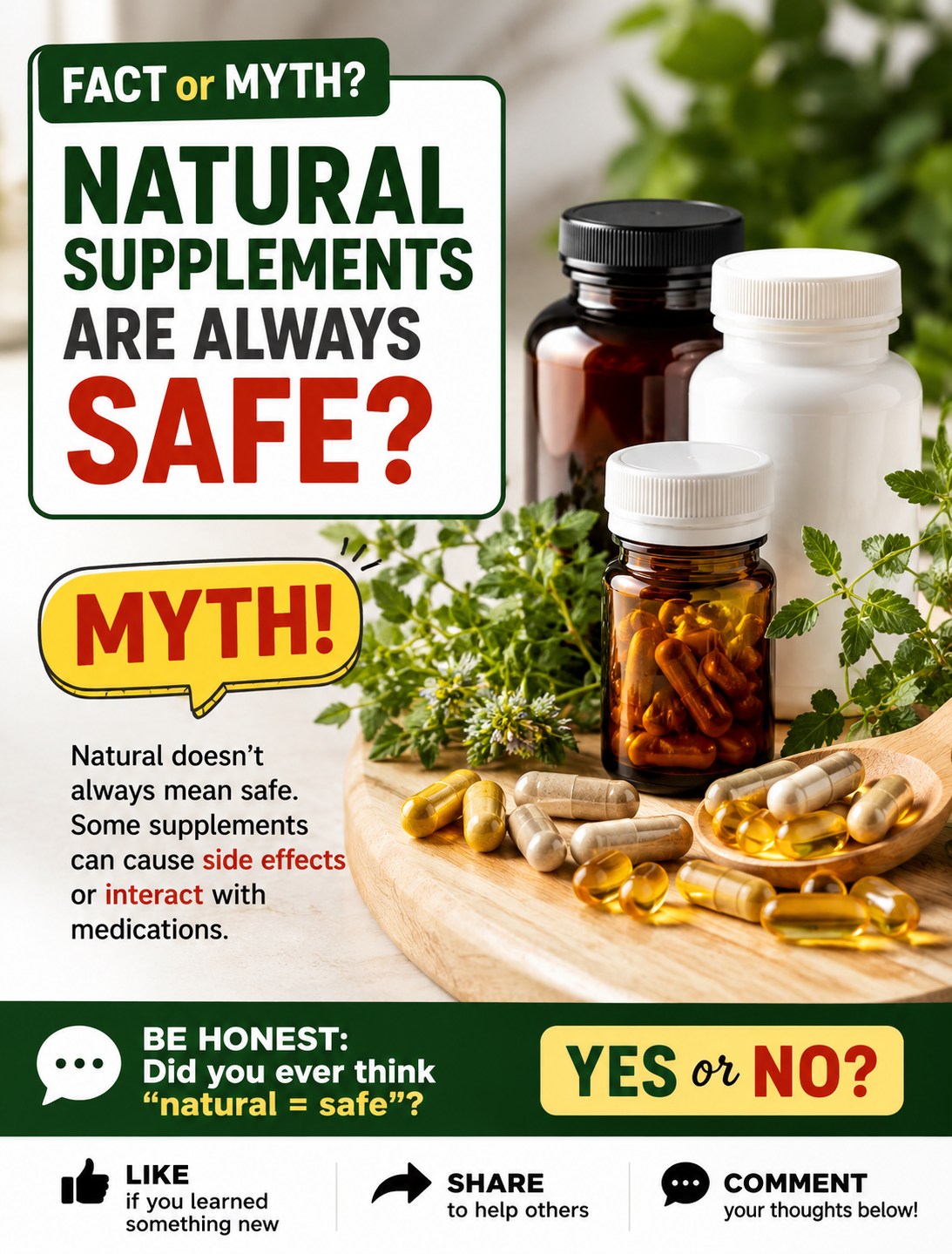
FACT or MYTH natural supplements are always safe, with vitamins, herbs, and dietary supplements shown on a table

FACT or MYTH: Natural Supplements Are Always Safe?

FACT or MYTH? Natural supplements are always safe because they come from plants or other natural sources.

Answer: MYTH.

“Natural” does not automatically mean safe. Vitamins, minerals, herbs, botanicals, amino acids, and other dietary supplements can affect the body in powerful ways. Some can also interact with prescription medicines, over-the-counter drugs, other supplements, or certain medical treatments.

Dietary supplements can be useful for some people when there is a real nutritional need or a specific reason to use them. However, choosing a supplement should be based on evidence, dosage, product quality, and personal health needs—not simply the word “natural” on the label.

Why “Natural” Does Not Always Mean Safe

Many people assume a plant-based product is gentle because it comes from nature. That assumption can be misleading.

Plants contain active compounds that can change how the body works. The same is true for concentrated vitamins, minerals, amino acids, and other ingredients found in supplements.

A supplement may affect blood pressure, blood clotting, blood sugar, heart rate, digestion, or how certain medicines work. The risk depends on the ingredient, dose, product quality, and the person taking it.

The key lesson is simple:

  • Natural does not mean risk-free.
  • More does not always mean better.
  • A supplement can interact with medication.
  • A supplement can cause side effects.
  • A supplement should not automatically replace medical treatment.

Step-by-Step: How to Use Supplements More Safely

Step 1: Know Why You Want the Supplement

Start by identifying your goal.

Are you trying to correct a nutrient deficiency, support your diet, or address a specific health concern?

Avoid buying a product simply because an advertisement promises more energy, rapid weight loss, better immunity, or a quick health fix.

A clear goal makes it easier to decide whether a supplement is appropriate.

Step 2: Check the Ingredients

Read the entire Supplement Facts label before buying or using a product.

Look for:

  • Active ingredients
  • Amount per serving
  • Serving size
  • Other ingredients
  • Suggested use
  • Manufacturer information
  • Warnings and precautions

Do not assume two products are different just because their brand names are different. They may contain the same active ingredients.

Step 3: Check the Dose

Taking more of a nutrient is not automatically better.

Some vitamins and minerals can cause problems when taken in excessive amounts. Combining several products can also increase your total intake without you realizing it.

Check every supplement you take so you can avoid unnecessary duplication.

Step 4: Check for Medication Interactions

This is one of the most important safety steps.

Some dietary supplements can change how medicines are absorbed, broken down, or removed from the body. That can potentially make a medicine less effective or increase its effects.

Before starting a supplement, tell your doctor or pharmacist about:

  • Prescription medicines
  • Over-the-counter medicines
  • Vitamins
  • Herbal products
  • Other dietary supplements

This is especially important if you take medication regularly.

Step 5: Consider Pregnancy, Breastfeeding, and Children

Extra caution is important for children and people who are pregnant or breastfeeding.

A product that is appropriate for one adult may not be appropriate for a child or during pregnancy. FDA recommends discussing supplement use with a healthcare professional in these situations.

Step 6: Think About Surgery

Some supplements can affect bleeding, blood pressure, heart rate, or the effects of medicines used around surgery.

Tell your healthcare team about all supplements you take before a planned procedure. Your healthcare professional may recommend stopping certain products before surgery.

Step 7: Be Careful With Big Health Claims

Be skeptical of products that promise dramatic results.

Watch for claims such as:

  • “Cures everything”
  • “Works instantly”
  • “No side effects”
  • “100% safe”
  • “Melts fat”
  • “Replaces your medication”
  • “Doctors don’t want you to know”

A supplement marketed as a cure or treatment for a disease deserves extra caution. Dietary supplements are not FDA-approved to diagnose, treat, cure, or prevent disease.

Are Dietary Supplements FDA Approved?

This is a common misconception in the United States.

The FDA does not approve dietary supplements for safety and effectiveness before they are sold to consumers. Supplement companies are responsible for meeting applicable safety, quality, and labeling requirements. FDA monitors the market and can take action when products are unsafe or violate federal requirements.

This is different from prescription medicines, which generally go through FDA approval for safety and effectiveness before marketing.

So, seeing a supplement on a store shelf does not mean the FDA has tested and approved it for the health claims shown on its label.

Can Supplements Cause Side Effects?

Yes.

A dietary supplement may cause an unwanted reaction even when it is labeled as natural.

Possible problems can include digestive upset, allergic reactions, changes in blood pressure, abnormal bleeding, or other serious effects depending on the product and person.

Taking multiple supplements at the same time can also increase risk because ingredients may overlap or interact.

If you develop a serious or unexpected reaction after taking a supplement, seek appropriate medical care and discuss the product with a healthcare professional.

What About “Natural” Herbal Supplements?

Herbal products can contain biologically active compounds, so they deserve the same careful approach as other supplements.

Do not assume an herbal product is harmless because it is plant-based.

Before using one, check its ingredients, dose, possible interactions, and known warnings. If you take medication, ask a healthcare professional or pharmacist whether the combination is appropriate.

A Simple Supplement Safety Checklist

Before taking a new dietary supplement, ask yourself these questions:

  1. Why am I taking it?
  2. What are the active ingredients?
  3. What is the recommended serving?
  4. Am I already getting the same nutrient from another product?
  5. Could it interact with my medications?
  6. Do I have a health condition that could change the risk?
  7. Am I pregnant, breastfeeding, or considering a supplement for a child?
  8. Do I have surgery coming up?
  9. Does the product make unrealistic health claims?
  10. Have I discussed it with a healthcare professional when needed?

These simple checks can help you make a more informed decision.

The Bottom Line

MYTH: Natural supplements are always safe.

Natural ingredients can have real effects on the body, and some supplements can cause side effects or interact with medicines. The FDA does not approve dietary supplements for safety and effectiveness before they reach the market, so consumers need to make informed choices.

The safest approach is not to fear supplements or assume they are harmless. Instead, understand the ingredients, follow the label, avoid excessive doses, check for interactions, and ask a qualified healthcare professional when you are unsure.

Natural is a description of the source—not a guarantee of safety.

Frequently Asked Questions

1. Are natural supplements always safe?

No. Natural supplements can cause side effects and may interact with medicines or other supplements.

2. Does the FDA approve dietary supplements before they are sold?

No. FDA does not approve dietary supplements for safety and effectiveness before marketing.

3. Can supplements interact with prescription medicines?

Yes. Some supplements can change how medicines are absorbed, processed, or eliminated.

4. Can you take multiple supplements together?

You should check the ingredients and doses first. Combining products can lead to excessive intake or unwanted interactions.

5. Are herbal supplements safer than prescription medicines?

Not necessarily. Herbal products can contain active compounds that affect the body and interact with medications.

6. Should I tell my doctor about my supplements?

Yes. Tell your doctor or pharmacist about all supplements, vitamins, and herbal products you use.

7. Can supplements replace prescription medicine?

No. Supplements should not be used as a replacement for prescribed treatment without guidance from a healthcare professional.

8. What should I do if I have a bad reaction to a supplement?

Stop using the product and seek appropriate medical advice, especially for a serious reaction. Serious adverse events can also be reported to the FDA.

What Happens When You Drink Celery Juice Every Morning

A glass of fresh celery juice with celery stalks on a healthy breakfast table

What Happens When You Drink Celery Juice Every Morning

Drinking celery juice every morning on an empty stomach has become a popular health trend, largely promoted for its potential benefits on digestion, detoxification, and overall wellness. Here’s what might happen if you start your day with celery juice:

Immediate Effects on Digestion

Celery juice is known for its ability to improve digestion almost immediately after you start including it in your daily routine. It contains nutrients that can increase the production of stomach acid, helping to break down food more efficiently. This can lead to reduced bloating and smoother digestion throughout the day.

Detoxification and Diuretic Effects

Celery has natural diuretic properties, meaning it helps your body eliminate toxins through increased urine output. Drinking celery juice regularly can support kidney function by helping to flush out waste materials more effectively. Additionally, the high water content of celery contributes to hydration, which is crucial for detoxification processes.

Anti-Inflammatory Benefits

Celery is rich in antioxidants and compounds like luteolin and polyacetylenes, which have anti-inflammatory properties. Regular consumption of celery juice can help reduce inflammation in the body, which is beneficial for people suffering from inflammatory conditions such as arthritis, heart disease, or skin issues like acne.

Impact on Blood Pressure and Heart Health

Celery contains phthalides, which are chemical compounds that can help lower blood pressure by relaxing the tissues of the artery walls. This can enhance blood flow and overall heart health. For individuals with high blood pressure, daily consumption of celery juice might contribute to managing their condition more effectively.

Potential for Skin Health Improvement

The vitamins and minerals in celery, along with its hydration properties, can have a positive impact on the skin. Regular intake of celery juice might lead to clearer, more hydrated, and vibrant skin due to its cleansing effects and the presence of vitamin A, which promotes healthy skin cell production.

Possible Weight Management Aid

While celery juice is not a weight loss miracle drink, its low calorie and high fiber content can contribute to weight management. Drinking it in the morning can provide a sense of fullness and reduce cravings, potentially aiding in weight loss efforts as part of a balanced diet.

Considerations and Cautions

Allergies and Sensitivities: Some people might be allergic to celery, and it’s important to consider this before starting a daily juice regimen.

High Sodium Content: Celery is relatively high in sodium compared to other vegetables. People watching their sodium intake should be mindful of their overall consumption.

Medication Interactions: Celery juice can interact with certain medications, especially those for blood pressure and thyroid conditions. It’s important to consult with a healthcare provider if you have any health concerns or are taking prescription drugs.

ٖFinal Thoughts

Drinking celery juice every morning can offer various health benefits, including improved digestion, detoxification, and anti-inflammatory effects. However, it’s important to integrate this practice as part of a balanced diet and lifestyle. Always consider any personal health issues and consult with a healthcare professional to ensure it’s safe and beneficial for you.

5 Quiet Signs You’re More Stressed Than You Think

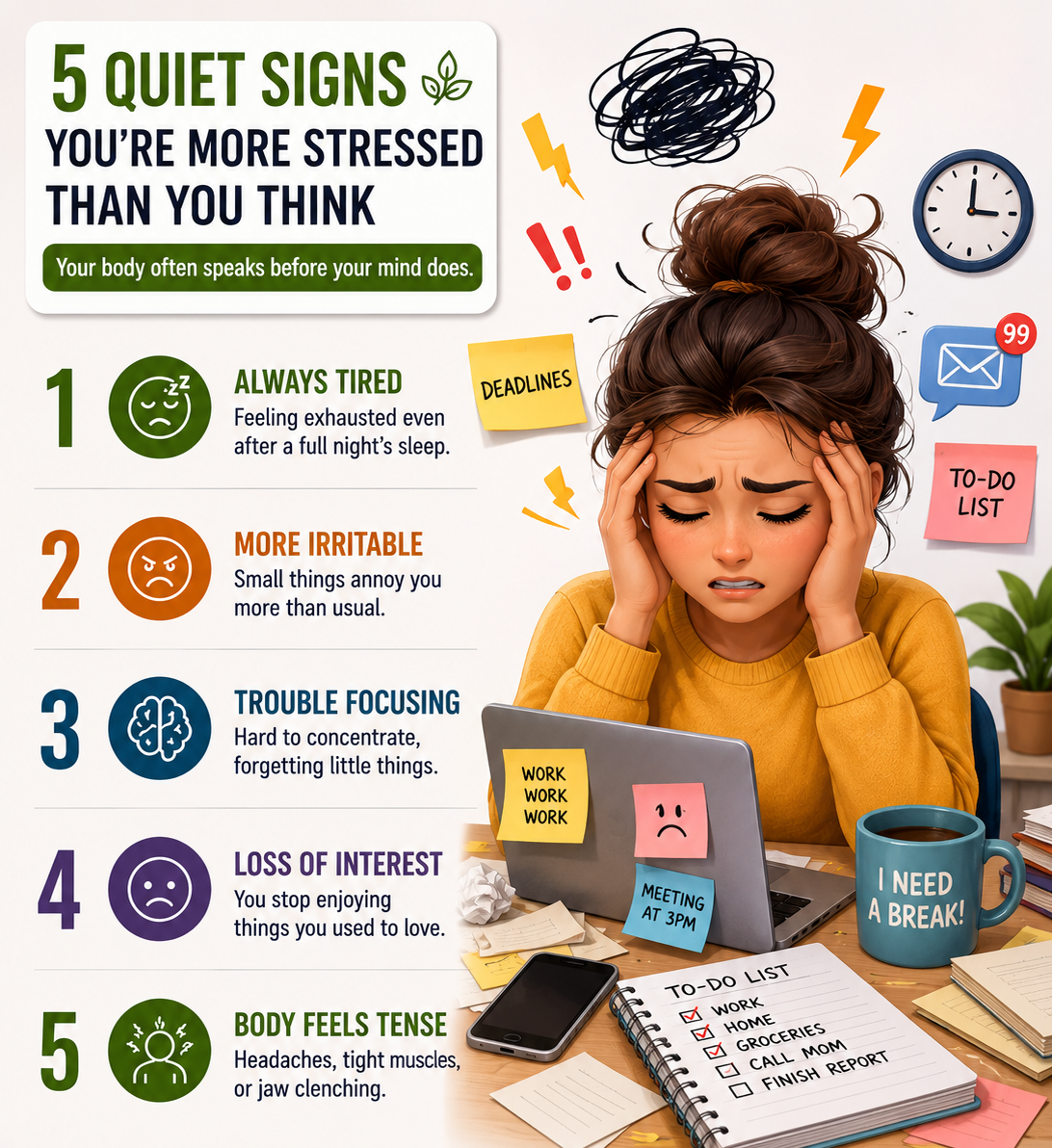
5 quiet signs of stress including fatigue, irritability, poor concentration, low interest, and muscle tension

5 Quiet Signs You’re More Stressed Than You Think

Stress does not always feel like panic or obvious anxiety. Sometimes, it shows up in small changes that are easy to dismiss. You may sleep poorly, lose patience, forget simple things, or feel tired even after a normal night of rest. These signs can happen when your mind and body have been dealing with pressure for too long.

Everyday demands can build stress slowly. Work deadlines, family responsibilities, money concerns, relationship problems, and constant notifications can all make it harder to fully relax. Learning to notice the quieter warning signs can help you make healthy changes before stress starts affecting your daily life.

What Does Stress Feel Like?

Stress is the body’s response to demands, challenges, or situations that feel difficult to manage. A short period of stress can help you stay focused and respond to a problem. Ongoing stress, however, can leave you feeling physically and mentally drained.

Not everyone experiences stress in the same way. One person may become restless, while another may feel unusually tired or withdrawn. Some signs can look like normal parts of a busy lifestyle, which makes them easy to overlook.

The key is to notice changes from your usual mood, energy, sleep, behavior, or concentration.

1. You Feel Tired Even After Sleeping

Feeling tired after a poor night is normal, but regular fatigue can be a sign that your body is not getting enough recovery. Ongoing stress can make it harder to relax at bedtime and may lead to restless or interrupted sleep.

You might spend the night in bed but wake up feeling as if your mind never switched off. Racing thoughts, worrying about tomorrow, or checking your phone late at night can make the problem worse.

Pay attention if tiredness becomes a regular pattern rather than an occasional problem.

A simple evening routine may help. Keep a consistent bedtime, reduce bright screens before sleep, and give yourself quiet time to wind down. Morning daylight and regular daytime movement can also support a healthier sleep schedule.

2. Small Things Start Irritating You

Have you noticed yourself becoming annoyed by things that normally would not bother you?

A shorter temper can be a quiet sign of mental overload. When you are under ongoing pressure, you may have less patience for delays, noise, interruptions, or minor mistakes.

You might snap at someone, feel frustrated in traffic, or become irritated by a simple request. Afterward, you may wonder why your reaction was stronger than expected.

Instead of judging yourself, look for the pattern. Frequent irritability may be a signal that you need a break.

When tension rises, pause before responding. Take several slow breaths, step away for a few minutes, or take a short walk. Creating small breaks during the day can give your mind time to reset.

3. You Have Trouble Focusing

Stress can make it difficult to concentrate on even simple tasks. You may read the same paragraph several times, forget why you entered a room, or struggle to finish work without switching between tasks.

Mental overload can make your attention feel scattered. Constant emails, messages, social media updates, and competing responsibilities can add to that feeling.

Try reducing unnecessary distractions when you need to focus. Choose one task, silence nonessential notifications, and work for a short period before taking a brief break.

Writing down important tasks can also reduce the amount of information you are trying to hold in your mind.

If concentration problems are new, severe, or continue despite getting adequate rest, consider discussing them with a healthcare professional.

4. You Stop Enjoying Your Usual Activities

Another quiet warning sign is losing interest in activities that normally help you feel good.

You may stop meeting friends, skip hobbies, avoid exercise, or spend more time alone because everything feels like extra work. Sometimes, people assume they are simply busy when they are actually feeling emotionally drained.

Regular enjoyable activities can provide valuable mental breaks. They do not need to be complicated or expensive.

Take a walk around your neighborhood, cook a favorite meal, listen to music, read a few pages, spend time with someone you trust, or sit outside without your phone.

If loss of interest lasts for weeks or comes with persistent sadness, hopelessness, or other concerning changes, seek professional support rather than assuming it is only everyday stress.

5. Your Body Feels Constantly Tense

Stress is not only a mental experience. It can also affect how your body feels.

You may notice tight shoulders, a clenched jaw, headaches, muscle tension, stomach discomfort, or a general feeling that you cannot fully relax. Some people unconsciously tighten their muscles while working, driving, or thinking about problems.

Start checking your body during the day. Are your shoulders raised? Is your jaw tight? Are you holding your breath?

Gentle stretching, slow breathing, regular movement, and short relaxation breaks can help release physical tension.

Do not automatically blame physical symptoms on stress. New, severe, persistent, or unexplained symptoms should be evaluated by a qualified healthcare professional.

How to Manage Everyday Stress

You do not need to change your entire life to create more calm. Small habits can make daily pressure easier to manage.

Start by identifying what is causing the most stress. Separate problems you can control from situations you cannot change immediately. Focus your energy on practical actions rather than trying to solve everything at once.

Build short recovery periods into your day. A five-minute breathing break, a short walk, or a few minutes away from your screen can create space between responsibilities.

Protect your sleep schedule, eat regular balanced meals, stay physically active, and maintain supportive relationships. These basic habits can give your body and mind a stronger foundation for handling daily challenges.

It can also help to set boundaries. You do not have to answer every message immediately or accept every request. Saying no to unnecessary demands can protect time for rest and important priorities.

If stress begins interfering with sleep, work, relationships, or your ability to manage everyday responsibilities, talking with a healthcare professional or mental health professional can be a useful next step.

When Should You Take Stress Seriously?

Occasional stress is part of life, but persistent symptoms deserve attention. Take your symptoms seriously when they continue, become stronger, or interfere with normal activities.

Do not ignore severe emotional distress or thoughts of harming yourself. In the United States, you can call or text 988 to reach the Suicide & Crisis Lifeline for immediate crisis support.

For physical symptoms such as chest pain, severe shortness of breath, fainting, or other emergency warning signs, seek emergency medical care.

Frequently Asked Questions

What are the quiet signs of stress?

Common subtle signs include ongoing tiredness, irritability, poor concentration, reduced interest in activities, and persistent muscle tension.

Can stress make you tired all the time?

Yes, ongoing stress can interfere with relaxation and sleep, which may contribute to daytime fatigue and low energy.

Can stress affect concentration?

Yes. Mental pressure and constant worry can make it harder to focus, remember details, and complete everyday tasks.

Why does stress make me irritated?

Ongoing pressure can reduce your emotional patience, making ordinary interruptions or minor problems feel more frustrating than usual.

Can stress cause muscle tension?

Yes. Stress can cause your muscles to stay tense, especially around the shoulders, neck, jaw, and back.

How can I calm stress quickly?

Slow breathing, a short walk, gentle stretching, stepping away from screens, and a few minutes of quiet time may help reduce immediate tension.

When should I talk to a doctor about stress?

Consider professional help when stress symptoms persist, worsen, disrupt daily life, or are difficult to manage on your own.

Is all stress harmful?

No. Short-term stress can help you respond to challenges, but prolonged or overwhelming stress can affect sleep, mood, concentration, and overall well-being.