Crispy Cheesy Zucchini Roll-Ups

Zucchini Roll-Ups with ricotta, mozzarella, Parmesan, garlic, herbs, marinara sauce, and crispy golden edges

Crispy Cheesy Zucchini Roll-Ups

Zucchini Roll-Ups are a crispy, cheesy, and flavorful way to turn fresh zucchini into an easy appetizer, side dish, or light meal. Thin zucchini strips are softened just enough to roll, filled with a creamy mixture of ricotta, mozzarella, Parmesan, garlic, and herbs, then baked until the cheese is hot and the edges turn golden.

These Zucchini Roll-Ups are perfect when you want something comforting without using pasta. They work well for family dinners, parties, meal prep, or as a vegetable-packed side served with marinara sauce.

Prep Time: 25 minutes
Cook Time: 25 minutes
Total Time: 50 minutes
Servings: 6

Ingredients

For the Zucchini

  • 3 large zucchini
  • 1 tablespoon olive oil
  • 1/2 teaspoon salt
  • 1/4 teaspoon black pepper
  • 1/2 teaspoon garlic powder

Cheese Filling

  • 1 cup ricotta cheese
  • 1 cup shredded mozzarella cheese, divided
  • 1/2 cup grated Parmesan cheese, divided
  • 1 large egg
  • 2 garlic cloves, minced
  • 2 tablespoons chopped fresh parsley
  • 1 tablespoon chopped fresh basil
  • 1/2 teaspoon dried oregano
  • 1/4 teaspoon red pepper flakes, optional
  • 1/4 teaspoon black pepper

For Assembly

  • 1 cup thick marinara sauce
  • 2 tablespoons breadcrumbs, optional
  • 1 tablespoon olive oil
  • Fresh basil, for garnish
  • Extra Parmesan, for serving

Why You’ll Love This Recipe

Zucchini Roll-Ups give you all the creamy, cheesy comfort of a baked Italian dish while keeping zucchini at the center of the recipe. The filling is rich and savory, but the fresh vegetable base keeps each serving balanced and light.

Another reason to love Zucchini Roll-Ups is their versatility. You can serve them as a vegetarian main dish, a party appetizer, or a side with chicken, fish, or salad.

They also look impressive on the table even though the method is simple.

How to Make Zucchini Roll-Ups

Step 1: Slice the Zucchini

Trim the ends from the zucchini.

Using a mandoline or a sharp knife, slice each zucchini lengthwise into strips about 1/8 inch thick.

Try to keep the strips similar in thickness so they soften evenly and roll without breaking.

Step 2: Remove Excess Moisture

Arrange the zucchini strips on paper towels or clean kitchen towels.

Sprinkle lightly with salt and let them sit for about 10 minutes.

Pat the surface dry.

Removing excess moisture helps Zucchini Roll-Ups stay firm instead of becoming watery during baking.

Step 3: Soften the Strips

Brush the zucchini lightly with olive oil and season with black pepper and garlic powder.

Place the strips on a parchment-lined baking sheet and bake at 400°F or 200°C for 5 to 7 minutes.

They should become flexible but not fully cooked.

Let them cool slightly before filling.

Step 4: Make the Cheese Filling

In a medium bowl, combine ricotta, half of the mozzarella, half of the Parmesan, egg, garlic, parsley, basil, oregano, red pepper flakes, and black pepper.

Mix until smooth and evenly combined.

The filling for Zucchini Roll-Ups should be thick enough to stay inside the rolls.

Step 5: Prepare the Baking Dish

Spread about 3/4 cup of marinara sauce over the bottom of a medium baking dish.

A thin layer of sauce prevents sticking and gives the Zucchini Roll-Ups extra tomato flavor without making them soggy.

Step 6: Fill and Roll

Place one zucchini strip on a clean work surface.

Add about 1 tablespoon of cheese filling near one end.

Roll gently but firmly, keeping the filling inside.

Place the roll seam-side down in the baking dish.

Repeat with the remaining strips.

Step 7: Add the Topping

Spoon the remaining marinara lightly over the tops.

Sprinkle with the reserved mozzarella and Parmesan.

For extra crunch, mix breadcrumbs with 1 tablespoon olive oil and scatter a small amount over the cheese.

This gives Zucchini Roll-Ups crisp, golden edges while keeping the center soft and creamy.

Step 8: Bake

Bake uncovered at 400°F or 200°C for 18 to 22 minutes.

The cheese should be melted and bubbling, and the zucchini should be tender.

For a more golden top, broil for 1 to 2 minutes at the end, watching closely.

Step 9: Rest Before Serving

Remove the baking dish from the oven and let it rest for about 5 minutes.

This short resting period helps Zucchini Roll-Ups hold their shape and makes them easier to serve.

Step 10: Garnish

Finish with fresh basil, extra Parmesan, and a little black pepper.

Serve warm with extra marinara on the side.

Serving Suggestions

Zucchini Roll-Ups pair beautifully with grilled chicken, roasted salmon, shrimp, or meatballs.

For a vegetarian meal, serve them with garlic bread, a green salad, roasted vegetables, or white beans.

You can also serve Zucchini Roll-Ups as an appetizer with warm marinara sauce for dipping.

For a Mediterranean-style plate, add olives, cucumber salad, hummus, and roasted peppers.

For a cozy seasonal meal, try our Crockpot Pumpkin Chili – Fall Special, packed with warm spices and comforting fall flavor.

Recipe Tips

Choose large, straight zucchini because they are easier to slice into long strips.

Use a mandoline for consistent thickness if you have one.

Do not skip the salting step because zucchini naturally contains a lot of water.

Pat the strips dry before baking.

Pre-baking makes the rolls easier to shape without cracking.

Use whole-milk ricotta for the creamiest filling.

Choose a thick marinara sauce rather than a watery one.

Do not overfill the rolls.

Place each roll seam-side down so it stays closed while baking.

Broil briefly at the end if you want extra browning.

Easy Variations

Add chopped spinach to the ricotta mixture for extra greens.

Zucchini Roll-Ups can also be filled with cooked chicken, turkey, or Italian sausage for a higher-protein version.

For Mediterranean flavor, add crumbled feta, chopped olives, and oregano.

You can also add sun-dried tomatoes or roasted red peppers to the cheese filling.

For a spicy version, stir extra red pepper flakes into the filling or use arrabbiata sauce instead of regular marinara.

If you prefer a lighter filling, replace part of the ricotta with cottage cheese.

Make-Ahead Instructions

Zucchini Roll-Ups are easy to prepare ahead.

Slice and soften the zucchini, prepare the cheese filling, assemble the rolls, and refrigerate them in the baking dish for up to 24 hours.

Keep the dish covered until you are ready to bake.

If baking directly from the refrigerator, add about 5 minutes to the cooking time.

For the best texture, wait to add breadcrumbs until just before baking.

Storage and Reheating

Store leftover Zucchini Roll-Ups in an airtight container in the refrigerator for up to 3 days.

Reheat them in a 350°F or 175°C oven for 10 to 15 minutes, or until hot.

You can also microwave individual portions in short intervals, although the zucchini will be softer.

Freezing is possible, but the zucchini may release more liquid after thawing. For the best texture, enjoy the rolls fresh or refrigerated.

Nutrition Information

Approximate nutrition per serving:

Calories: 285
Protein: 18 g
Carbohydrates: 13 g
Fat: 19 g
Saturated Fat: 9 g
Fiber: 3 g
Sugar: 6 g
Sodium: 590 mg

Nutrition values are estimates and may vary depending on the cheeses, marinara sauce, breadcrumbs, and serving size.

Frequently Asked Questions

Can I make these without ricotta?

Yes. Cottage cheese, cream cheese, or a mixture of feta and mozzarella can work as substitutes.

How do I stop the zucchini from becoming watery?

Salt the strips, let them rest, pat them dry, and pre-bake them briefly before rolling.

Can I make these low-carb?

Yes. Zucchini Roll-Ups are naturally lower in carbohydrates than pasta-based roll-ups. Use a low-sugar marinara and skip the breadcrumbs if desired.

Can I add meat to the filling?

Yes. Cooked ground turkey, chicken, beef, or sausage can be mixed with the cheese filling.

Can I use yellow squash?

Yes. Choose long, straight yellow squash and prepare it the same way.

Can I make them in the air fryer?

Yes. Arrange the rolls in a small air-fryer-safe dish and cook at 350°F or 175°C until the cheese is hot and melted.

What sauce works best?

A thick marinara, tomato-basil sauce, or arrabbiata sauce works best because it complements the cheese without adding too much moisture.

Final Thoughts

Zucchini Roll-Ups are an easy way to turn fresh zucchini into a warm, cheesy, and satisfying dish. Creamy ricotta, mozzarella, Parmesan, garlic, herbs, and tomato sauce create classic Italian-inspired flavors while the zucchini keeps the recipe fresh.

Because Zucchini Roll-Ups can be customized with different cheeses, vegetables, or proteins, they work for everything from weeknight dinners to party appetizers.

Keep this Zucchini Roll-Ups recipe in your rotation whenever you want a colorful, comforting dish that is easy to prepare and full of cheesy flavor.

If you enjoy fresh Mediterranean-inspired recipes, you may also like our Sun-Dried Tomato, Spinach & Goat Cheese Frittata.
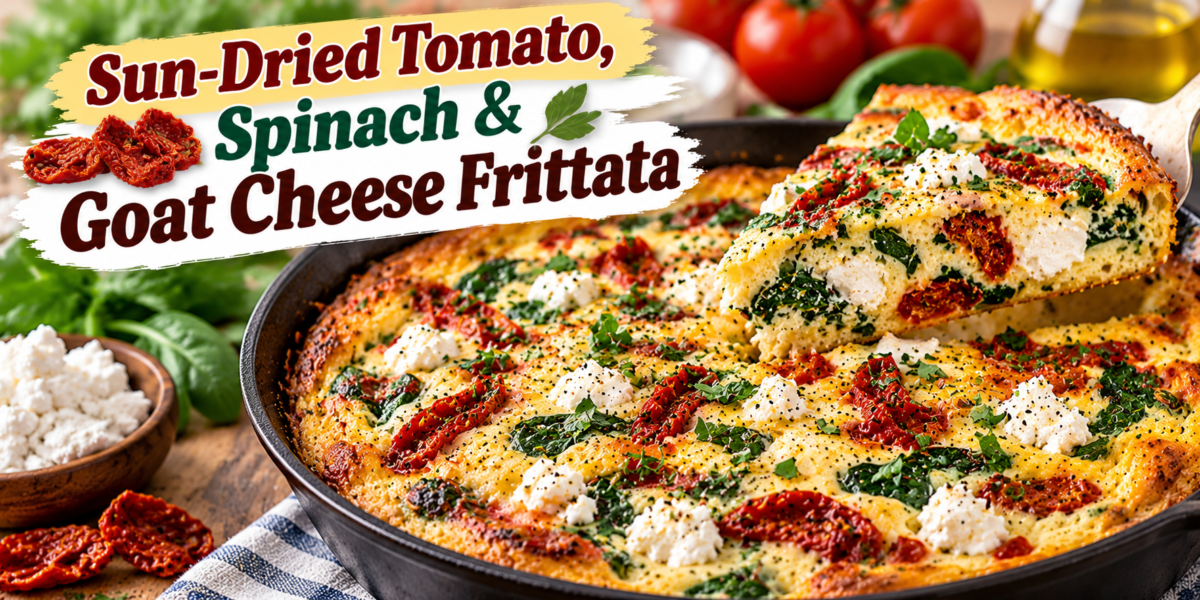
Sun-Dried Tomato, Spinach & Goat Cheese Frittata

Goat Cheese Frittata with sun-dried tomatoes, spinach, eggs, fresh herbs, and creamy goat cheese

Sun-Dried Tomato, Spinach & Goat Cheese Frittata

Goat Cheese Frittata is a colorful, protein-rich breakfast or brunch recipe made with eggs, tangy goat cheese, tender spinach, sun-dried tomatoes, fresh herbs, and a touch of garlic. The eggs bake into a soft, custardy base while the cheese melts into creamy pockets and the tomatoes add concentrated sweet-savory flavor.

This frittata is easy enough for a weekday breakfast but elegant enough for brunch, holidays, or entertaining. It can be served warm, at room temperature, or chilled, and it pairs beautifully with toast, roasted potatoes, fruit, or a simple green salad.

Prep Time: 15 minutes
Cook Time: 25 minutes
Total Time: 40 minutes
Servings: 6

Ingredients

For the Egg Base

  • 8 large eggs
  • 1/2 cup whole milk or half-and-half
  • 1/2 teaspoon salt
  • 1/4 teaspoon black pepper
  • 1/2 teaspoon dried oregano
  • 1/4 teaspoon smoked paprika
  • 1 tablespoon chopped fresh parsley
  • 1 tablespoon chopped fresh basil

For the Filling

  • 1 tablespoon extra virgin olive oil
  • 1 small shallot or 1/2 small red onion, finely chopped
  • 2 garlic cloves, minced
  • 3 cups baby spinach
  • 1/2 cup sun-dried tomatoes, drained and sliced
  • 4 ounces goat cheese, crumbled
  • 1/4 cup grated Parmesan cheese
  • 1 tablespoon chopped fresh chives, optional

Optional Garnishes

  • Extra goat cheese
  • Fresh basil
  • Chopped parsley
  • Red pepper flakes
  • Lemon zest

Why You’ll Love This Recipe

Goat Cheese Frittata is simple, flavorful, and flexible. The combination of creamy eggs, tangy cheese, spinach, and sun-dried tomatoes creates a balanced Mediterranean-style flavor without requiring complicated ingredients.

Another reason to love this frittata is that it works well for meal prep. You can bake it ahead, slice it into portions, and reheat it during the week for a quick breakfast or light lunch.

It is also easy to customize with mushrooms, roasted peppers, asparagus, olives, zucchini, or different herbs.

How to Make Goat Cheese Frittata

Step 1: Preheat the Oven

Preheat the oven to 375°F or 190°C.

Lightly grease a 10-inch oven-safe skillet with olive oil or cooking spray.

Using an oven-safe skillet allows the Goat Cheese Frittata to start on the stovetop and finish in the oven without transferring the mixture to another dish.

Step 2: Whisk the Egg Mixture

Crack the eggs into a large bowl.

Add the milk, salt, black pepper, oregano, smoked paprika, parsley, and basil.

Whisk until the yolks and whites are fully combined and the mixture looks slightly frothy.

A well-whisked base helps Goat Cheese Frittata bake evenly and gives it a softer texture.

Step 3: Sauté the Aromatics

Heat the olive oil in the skillet over medium heat.

Add the shallot and cook for 2 to 3 minutes until softened.

Stir in the garlic and cook for about 30 seconds, just until fragrant.

Avoid browning the garlic because it can become bitter.

Step 4: Wilt the Spinach

Add the spinach to the skillet in batches.

Stir gently until the leaves wilt, which should take about 2 minutes.

If the spinach releases excess liquid, cook for another minute so most of the moisture evaporates.

Removing extra moisture helps Goat Cheese Frittata stay tender instead of watery.

Step 5: Add the Sun-Dried Tomatoes

Stir the sliced sun-dried tomatoes into the spinach mixture.

Spread the vegetables evenly across the bottom of the skillet.

The sun-dried tomatoes give Goat Cheese Frittata a concentrated tomato flavor that pairs especially well with tangy goat cheese.

Step 6: Pour in the Eggs

Reduce the heat to medium-low.

Pour the egg mixture evenly over the vegetables.

Use a spatula to gently move the ingredients so the spinach and tomatoes are distributed throughout the pan.

Let the eggs cook undisturbed for about 2 minutes, just until the edges begin to set.

Step 7: Add the Cheese

Scatter the goat cheese and Parmesan evenly over the top.

Press a few pieces of goat cheese lightly into the egg mixture while leaving some visible on the surface.

This creates creamy pockets throughout Goat Cheese Frittata while also giving the top an attractive finish.

Step 8: Bake

Transfer the skillet to the preheated oven.

Bake for 15 to 18 minutes, or until the center is just set.

The eggs should no longer look wet, but avoid baking until very firm because overcooked eggs can become rubbery.

Goat Cheese Frittata will continue to set slightly as it rests.

Step 9: Rest Before Slicing

Remove the skillet from the oven and let it rest for 5 to 10 minutes.

This gives the eggs time to settle and makes the slices cleaner.

Step 10: Garnish and Serve

Sprinkle with fresh chives, basil, parsley, or a little lemon zest.

Add extra crumbled goat cheese or red pepper flakes if desired.

Serve Goat Cheese Frittata warm or at room temperature.

Serving Suggestions

This frittata is delicious with toasted sourdough, warm pita, roasted breakfast potatoes, or a simple arugula salad.

For brunch, serve it with fresh fruit, Greek yogurt, avocado, olives, and sliced tomatoes.

You can also pair Goat Cheese Frittata with soup or a grain salad for a light lunch.

Its room-temperature appeal also makes it convenient for picnics and brunch buffets.

For another crispy and flavorful side dish, try our Air Fryer Butternut Squash Fries with Garlic Aioli.

Recipe Tips

Use room-temperature eggs if possible because they blend more smoothly with the milk.

Drain oil-packed sun-dried tomatoes well before adding them.

Cook the spinach until excess moisture evaporates.

Use an oven-safe skillet so the eggs can move directly from stovetop to oven.

Do not overbake Goat Cheese Frittata. Remove it when the center is just set.

Crumbled goat cheese works best when distributed in small and medium pieces.

Let the frittata rest before slicing.

For a richer texture, use half-and-half instead of milk.

Easy Variations

Add sautéed mushrooms for an earthy flavor.

Goat Cheese Frittata can also be made with roasted red peppers, asparagus, zucchini, or artichoke hearts.

For a stronger Mediterranean profile, add chopped Kalamata olives and a pinch of red pepper flakes.

If goat cheese is not available, feta, ricotta, or soft cream cheese can be used, although the flavor will be different.

For extra protein, add cooked chicken sausage, turkey sausage, or smoked salmon.

You can also add fresh dill, thyme, or chives for a different herb profile.

Make-Ahead Instructions

Goat Cheese Frittata is an excellent make-ahead breakfast.

Bake it one day in advance, let it cool completely, then cover and refrigerate.

You can serve it chilled, at room temperature, or gently reheated.

For meal prep, cut it into individual slices and refrigerate for quick breakfasts.

Storage and Reheating

Store leftover Goat Cheese Frittata in an airtight container in the refrigerator for up to 4 days.

Reheat slices in a 325°F or 165°C oven for about 8 to 10 minutes, or microwave in short intervals.

Avoid overheating because eggs can become dry.

Freeze individual slices for up to 2 months; thaw overnight and reheat gently.

Nutrition Information

Approximate nutrition per serving:

Calories: 260
Protein: 17 g
Carbohydrates: 7 g
Fat: 18 g
Saturated Fat: 8 g
Fiber: 2 g
Sugar: 4 g
Sodium: 520 mg

Nutrition values are estimates and may vary depending on the milk, cheese, sun-dried tomatoes, and serving size.

Frequently Asked Questions

Can I make this without an oven-safe skillet?

Yes. Cook the vegetables in a regular skillet, transfer them to a greased baking dish, pour the egg mixture over the top, add the cheese, and bake.

Can I use feta instead of goat cheese?

Yes. Feta works well, although it is firmer and saltier than goat cheese.

Can I use frozen spinach?

Yes. Thaw it completely and squeeze out as much water as possible before adding it.

How do I know when the frittata is done?

The center should look set and no longer wet. A slight jiggle is fine because it will continue cooking as it rests.

Can I make this dairy-free?

Yes. Use unsweetened dairy-free milk and replace the goat cheese and Parmesan with dairy-free alternatives.

Can I serve it cold?

Yes. Goat Cheese Frittata tastes good chilled or at room temperature, making it convenient for meal prep and brunch.

Can I add meat?

Yes. Cooked chicken sausage, turkey sausage, bacon, or smoked salmon can be added before baking.

Final Thoughts

Goat Cheese Frittata is an easy, colorful way to combine eggs, spinach, sun-dried tomatoes, herbs, and creamy cheese in one satisfying dish. It feels special enough for brunch but is simple enough for everyday cooking.

Because Goat Cheese Frittata stores well and can be served warm or at room temperature, it is also a practical choice for meal prep, holidays, and casual entertaining.

Keep this Goat Cheese Frittata recipe in your rotation whenever you want a flavorful Mediterranean-inspired breakfast or light meal that comes together with simple ingredients.

If you enjoy cheesy and comforting baked recipes, you may also like our Cheesy Garlic Pizza Bread.

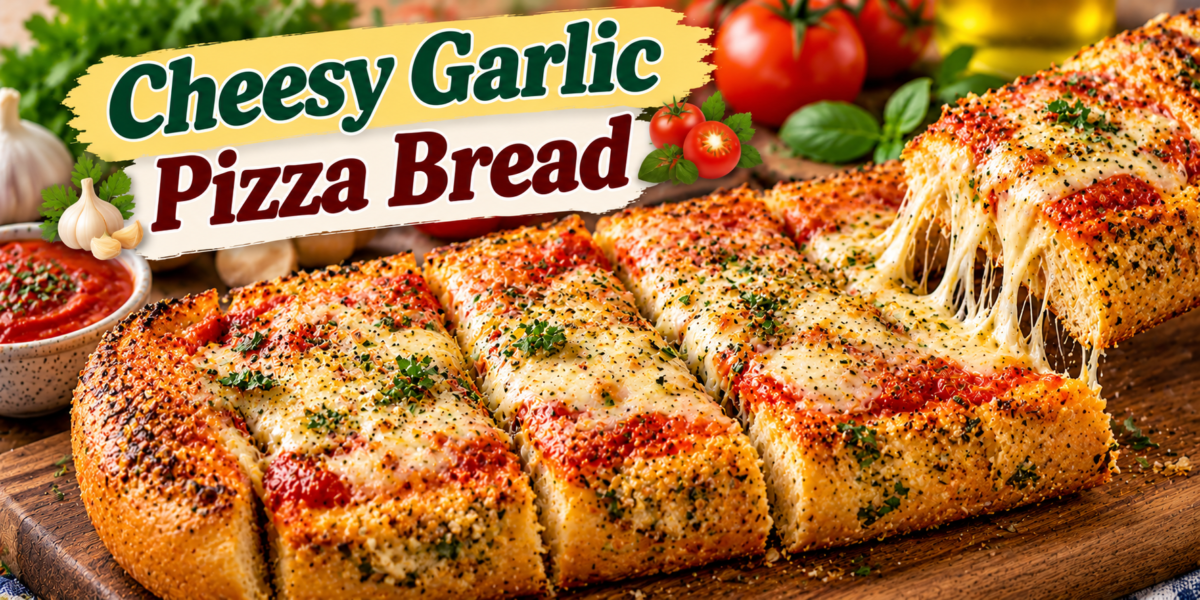
Cheesy Garlic Pizza Bread

Cheesy Garlic Pizza Bread with garlic butter, pizza sauce, mozzarella, Parmesan, herbs, and crispy golden bread

Cheesy Garlic Pizza Bread

Cheesy Garlic Pizza Bread is a quick, savory bake made with crusty bread, garlic butter, pizza sauce, mozzarella, Parmesan, herbs, and your favorite toppings. It combines the crisp edges of garlic bread with the cheesy comfort of pizza, making it perfect for snacks, easy lunches, family dinners, parties, or game-day spreads.

This Cheesy Garlic Pizza Bread is simple enough for beginners and flexible enough to customize. You can keep it classic with cheese and herbs, add pepperoni or vegetables, or serve it with marinara for dipping.

Prep Time: 15 minutes
Bake Time: 12 to 15 minutes
Total Time: About 30 minutes
Servings: 6

Ingredients

For the Garlic Bread Base

  • 1 large French bread loaf or Italian bread loaf
  • 4 tablespoons unsalted butter, softened
  • 2 tablespoons extra virgin olive oil
  • 3 garlic cloves, finely minced
  • 1 tablespoon chopped fresh parsley
  • 1/2 teaspoon dried oregano
  • 1/4 teaspoon garlic powder
  • 1/4 teaspoon salt

For the Pizza Topping

  • 3/4 cup pizza sauce or thick marinara
  • 2 cups shredded mozzarella cheese
  • 1/3 cup freshly grated Parmesan cheese
  • 1/2 teaspoon Italian seasoning
  • 1/4 teaspoon red pepper flakes, optional
  • 1/3 cup sliced pepperoni, optional
  • 1/4 cup sliced black olives, optional
  • 1/4 cup diced bell pepper, optional
  • 2 tablespoons chopped fresh basil

 Serving

  • Warm marinara sauce
  • Extra Parmesan
  • Fresh basil
  • Red pepper flakes

Why You’ll Love This Recipe

Cheesy Garlic Pizza Bread gives you the best parts of pizza and garlic bread in one easy recipe. The base turns crisp around the edges while staying slightly soft in the center, and the garlic butter soaks into the bread before the sauce and cheese are added.

Another reason to love this recipe is how easy it is to adapt. Use different cheeses, vegetables, or cooked meats to suit your taste.

How to Make Cheesy Garlic Pizza Bread

Step 1: Preheat the Oven

Preheat the oven to 425°F or 220°C.

Line a large baking sheet with parchment paper or foil.

A hot oven helps Cheesy Garlic Pizza Bread develop crisp edges quickly while melting the cheese evenly.

Step 2: Prepare the Bread

Slice the loaf in half lengthwise so you have two long pieces.

Place them cut-side up on the prepared baking sheet.

If the loaf is very thick, gently press the center down slightly with your hand to create a flatter surface for the toppings.

Step 3: Make the Garlic Butter

In a small bowl, combine softened butter, olive oil, minced garlic, parsley, oregano, garlic powder, and salt.

Mix until smooth.

Spread the garlic butter evenly over the cut surfaces of the bread.

This layer is what gives Cheesy Garlic Pizza Bread its rich garlic flavor from the very first bite.

Step 4: Toast the Bread First

Bake the buttered bread for 5 minutes before adding the pizza toppings.

This short pre-bake helps the surface become slightly crisp and prevents the sauce from soaking in too deeply.

Remove the bread from the oven once the edges begin to look lightly golden.

Step 5: Add the Pizza Sauce

Spread a thin, even layer of pizza sauce over each half.

Do not use too much sauce because excess moisture can make Cheesy Garlic Pizza Bread soggy.

Leave a small border around the edges for a crisp finish.

Step 6: Add the Cheese

Sprinkle mozzarella evenly over the sauce.

Add Parmesan, Italian seasoning, and red pepper flakes if using.

For the best melt, spread the cheese all the way toward the edges without covering the crust completely.

Step 7: Add Optional Toppings

Add pepperoni, olives, bell pepper, mushrooms, cooked sausage, or any other toppings you enjoy.

Keep the toppings fairly light so Cheesy Garlic Pizza Bread stays crisp and easy to slice.

Watery vegetables should be cooked or patted dry before adding.

Step 8: Bake Until Golden

Return the bread to the oven.

Bake for 7 to 10 minutes, or until the mozzarella is fully melted and bubbling.

For extra color, broil for 1 to 2 minutes at the end, watching closely.

Cheesy Garlic Pizza Bread is ready when the cheese has golden spots and the bread edges are crisp.

Step 9: Finish with Fresh Herbs

Remove the bread from the oven and sprinkle with fresh basil, extra parsley, or more Parmesan.

Let it rest for 2 to 3 minutes before slicing.

Step 10: Slice and Serve

Cut each half into thick strips or squares.

Serve Cheesy Garlic Pizza Bread warm with marinara sauce for dipping.

Serving Suggestions

Cheesy Garlic Pizza Bread works as an appetizer, snack, or light meal.

Serve it with tomato soup, minestrone, Caesar salad, cucumber salad, or roasted vegetables.

For a party, cut Cheesy Garlic Pizza Bread into smaller squares and serve with warm marinara or garlic dip.

It also pairs well with grilled chicken, meatballs, pasta, or a large Italian-style salad.

For another crispy and flavorful air fryer recipe, try our Air Fryer Crispy Pesto Gnocchi with basil pesto and Parmesan.

Recipe Tips

Use sturdy French or Italian bread rather than very soft sandwich bread.

Do not skip the first short bake with garlic butter.

Use a thick pizza sauce so the bread stays crisp.

Freshly shredded mozzarella melts more smoothly than many pre-shredded varieties.

Cheesy Garlic Pizza Bread tastes best when served immediately after baking.

Avoid overloading the bread with toppings.

Cook mushrooms, zucchini, or other watery vegetables before adding them.

Broil briefly at the end if you want browned cheese.

Let the bread rest for a few minutes before slicing so the cheese stays in place.

Easy Variations

For a classic pepperoni version, add thin slices of pepperoni over the mozzarella.

Cheesy Garlic Pizza Bread can also be made with cooked chicken, mushrooms, spinach, roasted peppers, or olives.

For a Mediterranean variation, use feta, mozzarella, tomatoes, olives, oregano, and a little red onion.

For extra heat, add jalapeños, chili flakes, or spicy sausage.

You can also use pesto instead of pizza sauce for a basil-forward version.

For a white pizza variation, skip the tomato sauce and use ricotta, mozzarella, Parmesan, garlic, and herbs.

Make-Ahead Instructions

Cheesy Garlic Pizza Bread is best baked fresh, but you can prepare several components ahead.

Mix the garlic butter up to 3 days in advance and refrigerate it in an airtight container. Let it soften slightly before spreading.

Prepare the cheese and toppings a day ahead if needed.

For best texture, assemble and bake the bread shortly before serving rather than letting it sit with sauce for hours.

Storage and Reheating

Store leftover Cheesy Garlic Pizza Bread in an airtight container in the refrigerator for up to 3 days.

To reheat, place slices in a 375°F or 190°C oven for 5 to 8 minutes until hot and crisp.

An air fryer also works well at 350°F or 175°C for 3 to 5 minutes.

The microwave is convenient, but the bread will become softer.

You can freeze baked slices for up to 2 months and reheat them in the oven.

Nutrition Information

Approximate nutrition per serving:

Calories: 390
Protein: 16 g
Carbohydrates: 38 g
Fat: 20 g
Saturated Fat: 9 g
Fiber: 3 g
Sugar: 5 g
Sodium: 760 mg

Nutrition values are estimates and may vary depending on the bread, cheese, sauce, and toppings.

Frequently Asked Questions

Can I use baguette instead of French bread?

Yes. A baguette works well and gives the finished bread an even crispier texture.

Can I make this without pizza sauce?

Yes. Use pesto, garlic cream sauce, or a thin layer of ricotta instead.

What cheese works best?

Mozzarella is the best base cheese because it melts well, while Parmesan adds flavor. Provolone and cheddar can also be mixed in.

How do I keep the bread from getting soggy?

Pre-bake the garlic-buttered bread, use a thick sauce, and avoid adding too many wet toppings.

Can I make it vegetarian?

Yes. Skip the pepperoni and use vegetables such as peppers, olives, mushrooms, spinach, or artichokes.

Can I use an air fryer?

Yes. Cut the bread to fit the basket and air fry at 375°F or 190°C until the cheese is melted and the edges are crisp.

What can I serve with it?

Soup, salad, pasta, grilled chicken, meatballs, or a simple vegetable side all pair well.

Final Thoughts

Cheesy Garlic Pizza Bread is an easy way to turn a simple loaf of bread into a warm, cheesy, crowd-pleasing meal or snack. Garlic butter, pizza sauce, mozzarella, Parmesan, herbs, and crisp bread come together quickly with very little preparation.

Because Cheesy Garlic Pizza Bread is so customizable, you can keep it simple or add your favorite pizza toppings depending on the occasion.

Keep this Cheesy Garlic Pizza Bread recipe in your rotation whenever you want something fast, flavorful, and comforting without making pizza dough from scratch.

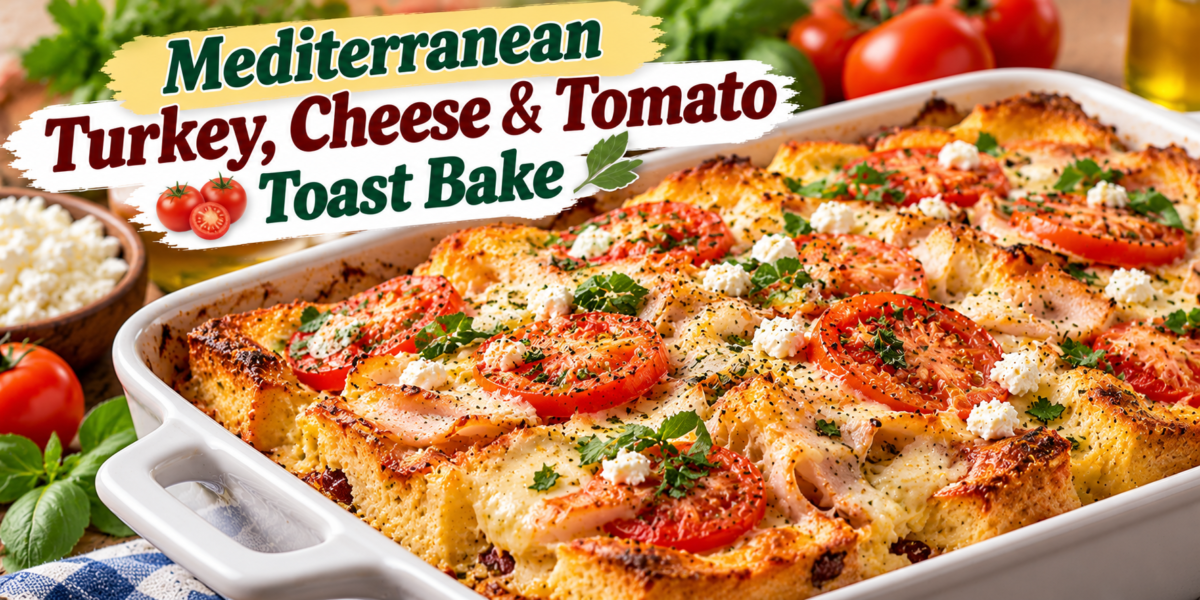
If you enjoy easy Mediterranean-inspired brunch recipes, you may also like our Mediterranean Turkey, Cheese & Tomato Toast Bake.

Mediterranean Turkey, Cheese & Tomato Toast Bake

Turkey Toast Bake with sliced turkey, tomatoes, eggs, mozzarella, feta, herbs, and toasted bread

Mediterranean Turkey, Cheese & Tomato Toast Bake

Turkey Toast Bake is a warm, cheesy Mediterranean-inspired breakfast or brunch dish made with toasted bread, sliced turkey, ripe tomatoes, eggs, herbs, and melted cheese. It combines the comfort of a savory breakfast casserole with the fresh flavors of tomato, oregano, parsley, and olive oil. The result is soft in the center, crisp around the edges, and full of satisfying flavor.

This recipe is a great way to use leftover bread and cooked turkey. It works well for weekend brunch, quick family breakfasts, or a simple light dinner. Because everything bakes in one dish, preparation stays easy and cleanup is minimal.

Prep Time: 20 minutes
Bake Time: 30 to 35 minutes
Total Time: About 55 minutes
Servings: 6

Ingredients

For the Toast Bake

  • 8 slices rustic bread, sourdough, or whole-grain bread
  • 2 cups cooked turkey, sliced or chopped
  • 2 medium tomatoes, thinly sliced
  • 1 1/2 cups shredded mozzarella cheese
  • 1/2 cup crumbled feta cheese
  • 1/4 cup finely chopped red onion
  • 2 tablespoons chopped fresh parsley
  • 1 tablespoon chopped fresh basil
  • 1 teaspoon dried oregano
  • 1 tablespoon extra virgin olive oil

For the Egg Mixture

  • 6 large eggs
  • 1 cup milk
  • 1/4 cup plain Greek yogurt
  • 1 teaspoon Dijon mustard
  • 1/2 teaspoon garlic powder
  • 1/2 teaspoon salt
  • 1/4 teaspoon black pepper
  • 1/4 teaspoon smoked paprika

Optional Garnishes

  • Fresh basil
  • Chopped parsley
  • Extra feta
  • Red pepper flakes
  • Sliced olives
  • Freshly cracked black pepper

Why You’ll Love This Recipe

Turkey Toast Bake is simple, filling, and easy to assemble with everyday ingredients. The bread absorbs the savory egg mixture while the turkey and cheese add plenty of richness.

Another reason to love Turkey Toast Bake is its versatility. You can switch the bread, cheese, vegetables, or herbs based on what you have available. It can also be assembled ahead, making it useful for brunches, holidays, or busy mornings.

How to Make Turkey Toast Bake

Step 1: Prepare the Baking Dish

Preheat the oven to 375°F or 190°C.

Lightly grease a 9 x 13-inch baking dish with olive oil or cooking spray.

Arrange the bread slices in a single layer or slightly overlapping, depending on the shape of your dish.

Using sturdy bread helps Turkey Toast Bake hold its structure after the egg mixture is added.

Step 2: Layer the Turkey

Arrange the cooked turkey evenly over the bread.

You can use sliced roast turkey, leftover turkey breast, or chopped deli-style turkey if that is what you have on hand.

Try to distribute it evenly so every portion of Turkey Toast Bake gets a good amount of filling.

Step 3: Add Tomatoes and Onion

Layer the tomato slices over the turkey.

Scatter the chopped red onion across the dish.

Drizzle lightly with olive oil and sprinkle with oregano, parsley, and basil.

The tomatoes add moisture and freshness while the onion adds a savory bite.

Step 4: Add the Cheese

Sprinkle mozzarella evenly over the tomatoes and turkey.

Add crumbled feta on top.

The combination of mozzarella and feta gives Turkey Toast Bake both creamy meltiness and a salty Mediterranean-style finish.

Step 5: Make the Egg Mixture

In a large bowl, whisk together the eggs, milk, Greek yogurt, Dijon mustard, garlic powder, salt, black pepper, and smoked paprika.

Whisk until smooth and evenly combined.

The yogurt gives the custard extra creaminess without making it too heavy.

Step 6: Pour Over the Bread

Slowly pour the egg mixture over the entire baking dish.

Press the bread down gently with the back of a spoon so it can absorb some of the liquid.

Let the assembled dish rest for about 10 minutes before baking.

This resting time helps Turkey Toast Bake develop a tender, cohesive texture.

Step 7: Bake Until Golden

Place the dish in the oven and bake uncovered for 30 to 35 minutes.

The eggs should be set in the center, the cheese should be melted, and the edges of the bread should look golden and crisp.

If the top browns too quickly, loosely cover the dish with foil for the final 10 minutes.

Step 8: Rest Before Slicing

Remove the dish from the oven and let it rest for 8 to 10 minutes.

Resting makes Turkey Toast Bake easier to cut into neat portions and gives the egg mixture time to settle.

Step 9: Garnish and Serve

Sprinkle with fresh basil, parsley, extra feta, or red pepper flakes.

Serve Turkey Toast Bake warm with your favorite breakfast or brunch sides.

Serving Suggestions

Turkey Toast Bake pairs beautifully with a crisp cucumber salad, fresh fruit, roasted potatoes, or a simple green salad.

For brunch, serve it with yogurt, olives, avocado, or a tomato-cucumber platter.

You can also serve Turkey Toast Bake with soup for a light lunch or dinner.

A spoonful of tzatziki or garlic yogurt sauce on the side adds even more Mediterranean flavor.

For another cheesy and satisfying dinner idea, try our Crustless Pizza Bake with seasoned beef, pizza sauce, pepperoni, and melted mozzarella.

Recipe Tips

Use bread that is slightly stale or toasted so it absorbs the egg mixture without becoming soggy.

Avoid very watery tomatoes. If needed, blot the slices with paper towels before adding them.

Use cooked turkey rather than raw turkey.

Shred your own mozzarella if possible for smoother melting.

Turkey Toast Bake tastes best when the bread is fully coated but not completely submerged in liquid.

Let the dish rest before slicing.

For extra crisp edges, place the baking dish on the center oven rack.

If you want stronger herb flavor, add extra oregano or basil just before serving.

Easy Variations

Add baby spinach between the turkey and tomato layers for extra vegetables.

Turkey Toast Bake can also be made with roasted peppers, mushrooms, olives, zucchini, or artichoke hearts.

Replace mozzarella with provolone, Gouda, or Monterey Jack if you want a different cheese profile.

For a stronger Mediterranean flavor, add Kalamata olives and a little lemon zest.

You can also replace turkey with cooked chicken, smoked salmon, or leftover roast beef.

For a vegetarian variation, leave out the turkey and add extra vegetables, chickpeas, or white beans.

Make-Ahead Instructions

Turkey Toast Bake is ideal for preparing ahead.

Assemble the complete dish the night before, cover it tightly, and refrigerate.

The next morning, remove it from the refrigerator while the oven preheats, then bake as directed. You may need to add 5 to 10 minutes to the baking time if the dish is very cold.

For the best texture, add fresh herbs after baking rather than before refrigerating overnight.

Storage and Reheating

Store leftover Turkey Toast Bake in an airtight container in the refrigerator for up to 3 days.

Reheat individual portions in a 325°F or 165°C oven until warmed through, or microwave in short intervals.

For a crisper texture, use an air fryer for 4 to 6 minutes at 350°F or 175°C.

Freezing is possible for up to 2 months. Wrap individual portions well, thaw overnight in the refrigerator, and reheat gently.

Nutrition Information

Approximate nutrition per serving:

Calories: 390
Protein: 29 g
Carbohydrates: 28 g
Fat: 19 g
Saturated Fat: 8 g
Fiber: 3 g
Sugar: 6 g
Sodium: 760 mg

Nutrition values are estimates and may vary depending on the bread, turkey, cheese, and serving size.

Frequently Asked Questions

Can I use deli turkey?

Yes. Thinly sliced deli turkey works well. Choose a lower-sodium variety if possible because feta and cheese already add salt.

Can I use whole-grain bread?

Yes. Whole-grain bread works very well and gives the dish a slightly heartier texture.

Can I make this without feta?

Yes. Replace feta with ricotta, goat cheese, or extra mozzarella.

Can I add more vegetables?

Yes. Spinach, mushrooms, peppers, olives, zucchini, or artichoke hearts all work well.

How do I keep the bake from becoming soggy?

Use sturdy bread, blot juicy tomatoes, and avoid adding too much milk. Allowing the baked dish to rest also helps the texture set.

Can I prepare it the night before?

Yes. Turkey Toast Bake is excellent for overnight preparation. Cover and refrigerate, then bake the next morning.

What can I serve with it?

Fresh fruit, cucumber salad, roasted potatoes, greens, yogurt sauce, and avocado all pair well with this dish.

Final Thoughts

Turkey Toast Bake is an easy way to turn bread, cooked turkey, tomatoes, eggs, and cheese into a warm and satisfying Mediterranean-inspired meal. The combination of crisp edges, creamy egg filling, fresh herbs, and melted cheese makes it both comforting and flavorful.

Because Turkey Toast Bake can be customized with different vegetables, cheeses, and herbs, it is easy to adapt for breakfast, brunch, lunch, or a light dinner.

Keep this Turkey Toast Bake recipe in your rotation whenever you need an easy make-ahead dish that is practical, colorful, and full of Mediterranean-inspired flavor.

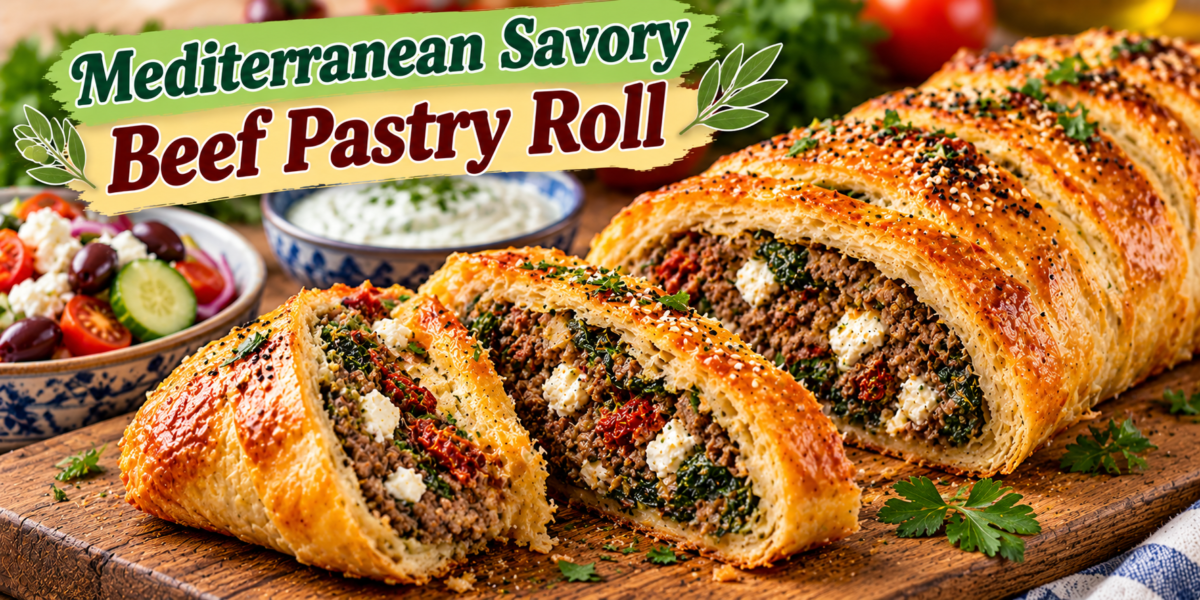
If you enjoy flaky and savory baked recipes, you may also like our Mediterranean Savory Beef Pastry Roll.

Mediterranean Savory Beef Pastry Roll

Beef Pastry Roll with seasoned ground beef, spinach, feta, herbs, garlic, and golden flaky puff pastry

Mediterranean Savory Beef Pastry Roll

Beef Pastry Roll is a flaky, golden savory bake filled with seasoned ground beef, onion, garlic, spinach, feta, herbs, and warm Mediterranean spices. The buttery pastry wraps around a rich filling that stays juicy inside while the exterior bakes crisp and deeply golden.

This savory roll is easy to prepare with store-bought puff pastry, which keeps the method simple while still giving the finished dish an impressive bakery-style appearance.

Prep Time: 25 minutes
Cook Time: 35 minutes
Total Time: 1 hour
Servings: 6

Ingredients

For the Beef Filling

  • 1 pound lean ground beef
  • 1 tablespoon extra virgin olive oil
  • 1 small yellow onion, finely diced
  • 3 garlic cloves, minced
  • 1 teaspoon ground cumin
  • 1 teaspoon smoked paprika
  • 1 teaspoon dried oregano
  • 1/2 teaspoon ground coriander
  • 1/4 teaspoon cinnamon
  • 1/2 teaspoon salt
  • 1/4 teaspoon black pepper
  • 2 cups baby spinach, roughly chopped
  • 1/3 cup crumbled feta cheese
  • 2 tablespoons chopped fresh parsley
  • 1 tablespoon chopped fresh mint, optional
  • 1 tablespoon tomato paste
  • 1 teaspoon fresh lemon juice

For the Pastry

  • 1 sheet puff pastry, thawed
  • 1 large egg
  • 1 tablespoon water
  • 1 tablespoon sesame seeds
  • 1 teaspoon nigella seeds, optional

For Serving

  • Tzatziki
  • Greek yogurt sauce
  • Lemon wedges
  • Fresh parsley
  • Tomato-cucumber salad

Why You’ll Love This Recipe

Beef Pastry Roll combines crisp pastry with a flavorful Mediterranean filling, so every slice has a satisfying contrast of textures. The beef is seasoned with cumin, paprika, oregano, coriander, and a tiny touch of cinnamon, giving the filling warmth without making it overly spicy.

Another reason to love Beef Pastry Roll is how flexible it is. You can serve it as a main dish, cut it into smaller pieces for a party, or pair it with salad for an easy lunch.

How to Make Beef Pastry Roll

Step 1: Prepare the Filling

Heat olive oil in a large skillet over medium heat.

Add the onion and cook for 4 to 5 minutes until softened. Stir in the garlic and cook for another 30 seconds.

Add the ground beef and cook for 6 to 8 minutes, breaking it into small pieces with a wooden spoon.

Cook until the beef is browned and most of the excess moisture has evaporated.

A relatively dry filling helps Beef Pastry Roll stay crisp rather than becoming soggy.

Step 2: Add the Spices

Stir in cumin, smoked paprika, oregano, coriander, cinnamon, salt, and black pepper.

Add the tomato paste and cook for 1 minute.

This brief cooking step helps deepen the flavor of the spices and tomato paste.

Step 3: Add Spinach and Herbs

Add the chopped spinach to the skillet.

Cook for 1 to 2 minutes until wilted.

Remove the skillet from the heat and stir in parsley, mint, lemon juice, and feta.

Let the filling cool for 10 to 15 minutes before assembling the Beef Pastry Roll.

Step 4: Prepare the Puff Pastry

Preheat the oven to 400°F or 200°C.

Line a baking sheet with parchment paper.

Unfold the thawed puff pastry on a lightly floured surface and gently roll it into a rectangle if needed.

The pastry should remain cool so the layers puff properly in the oven.

Step 5: Add the Filling

Spoon the cooled beef mixture down the center of the pastry, leaving a border around the edges.

Keep the filling in an even line so the Beef Pastry Roll has a neat shape when sliced.

Avoid overfilling because too much filling can cause the pastry to split during baking.

Step 6: Roll and Seal

Fold the pastry over the filling and roll it gently into a log.

Place the seam side down on the prepared baking sheet.

Pinch the ends to seal, then tuck them slightly underneath.

Step 7: Add Egg Wash

Whisk the egg with 1 tablespoon water.

Brush the entire surface of the Beef Pastry Roll with the egg wash.

Sprinkle sesame seeds and nigella seeds over the top if using.

Use a sharp knife to make several shallow diagonal slashes across the pastry so steam can escape.

Step 8: Bake

Bake for 30 to 35 minutes until the pastry is puffed and deeply golden brown.

If one side browns faster, rotate the baking sheet halfway through.

Beef Pastry Roll is ready when the pastry looks crisp and the filling is hot in the center.

Step 9: Rest Before Slicing

Let the roll rest for 8 to 10 minutes after baking.

This allows the filling to settle and makes cleaner slices.

Use a serrated knife for the neatest pieces.

Step 10: Garnish and Serve

Transfer to a serving board or platter.

Sprinkle with fresh parsley and serve Beef Pastry Roll with tzatziki, yogurt sauce, or lemon wedges.

Serving Suggestions

Beef Pastry Roll pairs especially well with fresh Mediterranean sides. Serve it with Greek salad, cucumber salad, roasted peppers, hummus, or lemony potatoes.

For a lighter lunch, pair Beef Pastry Roll with arugula, tomatoes, olives, and a simple lemon dressing.

For another fresh and colorful meal, try our Tex-Mex Chopped Chicken Salad with seasoned chicken, avocado, black beans, and creamy lime dressing.

Recipe Tips

Cool the beef filling before placing it on the pastry.

Drain excess grease from the beef if necessary.

Avoid using a watery filling because moisture can soften the pastry.

Keep puff pastry cold until you are ready to assemble.

Do not overfill the roll.

Brush the entire surface with egg wash for a glossy golden crust.

Use a sharp knife to make steam vents.

Let Beef Pastry Roll rest before slicing so the filling stays inside.

Reheat leftovers in the oven or air fryer instead of the microwave for the best texture.

Easy Variations

Add chopped Kalamata olives for extra Mediterranean flavor.

Beef Pastry Roll can also be made with ground lamb, turkey, or chicken.

For more vegetables, add finely diced mushrooms, roasted red pepper, or grated zucchini. Cook watery vegetables first so the filling stays dry.

For a cheesier version, add shredded mozzarella along with the feta.

If you enjoy heat, add red pepper flakes or a little harissa to the beef mixture.

You can also replace puff pastry with phyllo dough for a thinner, extra-crisp variation.

Make-Ahead Instructions

Beef Pastry Roll can be assembled several hours ahead.

Prepare and cool the filling completely, assemble the roll, then refrigerate it on a parchment-lined baking sheet. Keep it covered and brush with egg wash just before baking.

For freezing, assemble the unbaked roll, wrap it well, and freeze. Thaw overnight in the refrigerator before baking for the most even result.

Storage and Reheating

Store leftover Beef Pastry Roll in an airtight container in the refrigerator for up to 3 days.

Reheat slices in a 350°F or 175°C oven for 8 to 10 minutes. An air fryer at 350°F also works well and helps restore crispness.

The microwave can be used, but the pastry will become softer.

You can freeze baked slices for up to 2 months. Thaw in the refrigerator before reheating.

Nutrition Information

Approximate nutrition per serving:

Calories: 430
Protein: 20 g
Carbohydrates: 28 g
Fat: 27 g
Saturated Fat: 10 g
Fiber: 3 g
Sugar: 3 g
Sodium: 620 mg

Nutrition values are estimates and may vary depending on the beef, pastry, feta, and serving size.

Frequently Asked Questions

Can I use ground lamb instead of beef?

Yes. Ground lamb is an excellent alternative and gives the dish an even stronger Mediterranean flavor.

Can I make this without feta?

Yes. Leave it out or replace it with mozzarella, ricotta, or another cheese you enjoy.

How do I keep the pastry from getting soggy?

Cool the filling, remove excess moisture, and avoid adding too much wet sauce. A dry filling is one of the most important steps for crisp pastry.

Can I make smaller individual rolls?

Yes. Cut the pastry into rectangles, divide the filling, and make smaller rolls. Reduce the baking time and check them after about 20 minutes.

Can I use phyllo dough?

Yes. Layer several sheets of phyllo with olive oil or melted butter between each layer, then add the filling and roll carefully.

What sauce goes best with it?

Tzatziki, garlic yogurt sauce, tahini-yogurt sauce, or a simple lemon-herb yogurt dip all work well.

Can I serve it cold?

It can be eaten at room temperature, but Beef Pastry Roll tastes best warm when the pastry is crisp and the cheese is soft.

Final Thoughts

Beef Pastry Roll is an easy way to combine flaky pastry, savory beef, feta, spinach, garlic, herbs, and Mediterranean spices in one impressive dish.

Because Beef Pastry Roll can be served as a main course, appetizer, or party food, it is a useful recipe to keep in your rotation.

Keep this recipe on hand whenever you want a warm, golden, satisfying savory bake that looks special but is still simple enough for everyday cooking.

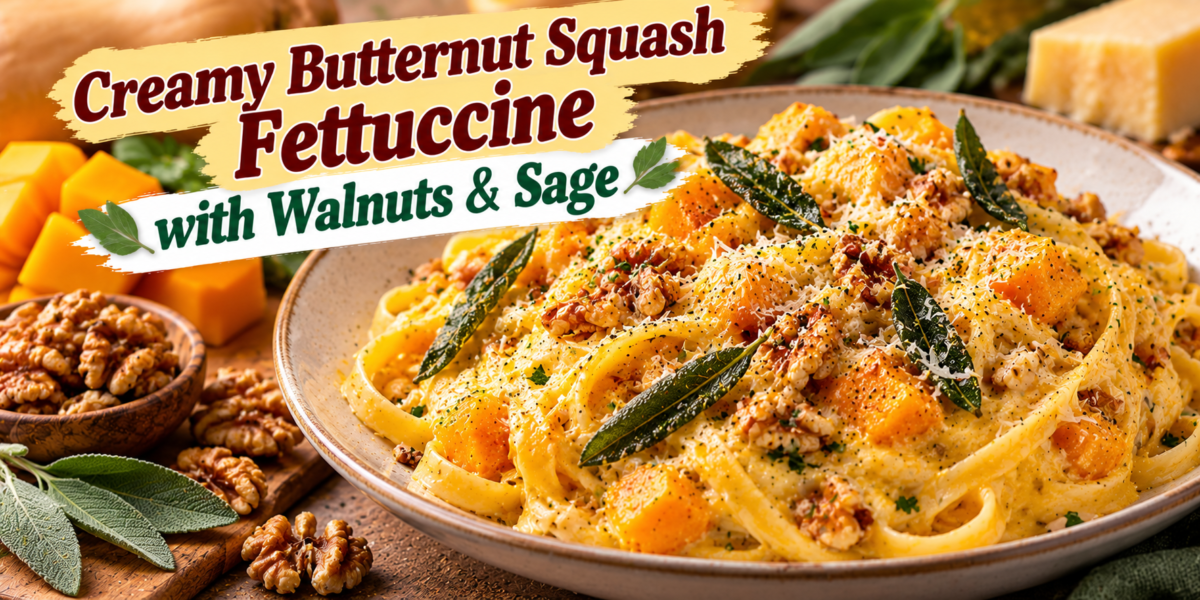
If you enjoy cozy and creamy pasta dishes, you may also like our Creamy Butternut Squash Fettuccine with Walnuts & Sage.

Creamy Butternut Squash Fettuccine with Walnuts & Sage

Butternut Squash Fettuccine with creamy squash sauce, Parmesan, toasted walnuts, fresh sage, and tender pasta

Creamy Butternut Squash Fettuccine with Walnuts & Sage

Butternut Squash Fettuccine is a cozy pasta dish made with silky roasted squash, garlic, Parmesan, fresh sage, toasted walnuts, and tender ribbons of fettuccine. The sauce is naturally creamy from the squash, so you get a rich texture without needing a heavy amount of cream. Sweet squash, nutty Parmesan, earthy sage, and crunchy walnuts make every bite balanced and comforting.

This Butternut Squash Fettuccine is perfect for fall dinners, holiday meals, or any night when you want a restaurant-style pasta that still feels easy to make at home. It works beautifully as a vegetarian main dish and pairs well with salads, roasted vegetables, or simple grilled protein.

Prep Time: 20 minutes
Cook Time: 35 minutes
Total Time: 55 minutes
Servings: 4

Ingredients

For the Butternut Squash Sauce

  • 3 cups peeled and cubed butternut squash
  • 2 tablespoons extra virgin olive oil
  • 1 small yellow onion, diced
  • 3 garlic cloves, minced
  • 1 teaspoon fresh sage, finely chopped
  • 1/2 teaspoon dried thyme
  • 1/2 teaspoon salt
  • 1/4 teaspoon black pepper
  • 1/8 teaspoon ground nutmeg
  • 1 1/2 cups vegetable broth
  • 1/2 cup whole milk or half-and-half
  • 1/2 cup freshly grated Parmesan cheese

For the Pasta

  • 12 ounces fettuccine
  • 1/2 cup reserved pasta water
  • 1 tablespoon butter
  • 1/3 cup walnuts, roughly chopped
  • 6 to 8 fresh sage leaves
  • 1 tablespoon fresh lemon juice

Why You’ll Love This Recipe

Butternut Squash Fettuccine has a creamy texture without relying on a heavy cream sauce. Roasted or sautéed squash blends into a naturally smooth base, while Parmesan adds savory richness.

Another reason to love Butternut Squash Fettuccine is the contrast of textures. Tender pasta and silky sauce pair with crunchy walnuts and crisp sage for a dish that feels more interesting than a basic weeknight pasta.

How to Make Butternut Squash Fettuccine

Step 1: Cook the Butternut Squash

Heat 1 tablespoon olive oil in a large skillet or Dutch oven over medium heat.

Add the butternut squash, onion, salt, and black pepper. Cook for 8 to 10 minutes, stirring occasionally, until the onion softens and the squash begins to brown lightly.

Add the garlic, chopped sage, thyme, and nutmeg. Cook for about 30 seconds until fragrant.

This aromatic base gives Butternut Squash Fettuccine its warm, savory flavor.

Step 2: Simmer Until Tender

Pour in the vegetable broth.

Bring the mixture to a gentle simmer, cover, and cook for 10 to 12 minutes, or until the squash is very tender when pierced with a fork.

Step 3: Blend the Sauce

Carefully transfer the squash mixture to a blender, or use an immersion blender directly in the pot.

Add the milk or half-and-half and blend until completely smooth.

Return the sauce to the skillet and keep it over low heat.

The sauce for Butternut Squash Fettuccine should be silky and pourable, not overly thick.

Step 4: Cook the Fettuccine

While the sauce simmers, bring a large pot of salted water to a boil.

Cook the fettuccine until al dente according to the package directions.

Before draining, reserve about 1/2 cup of pasta water.

Drain the pasta and set it aside.

Step 5: Toast the Walnuts

In a small dry skillet over medium heat, toast the chopped walnuts for 3 to 4 minutes, stirring often.

Remove them as soon as they smell fragrant and look lightly golden.

Toasted walnuts add a deep, nutty flavor that works especially well with Butternut Squash Fettuccine.

Step 6: Crisp the Sage

Add the butter to the same skillet.

Once melted, add the whole sage leaves and cook for 30 to 60 seconds per side, until crisp.

Transfer the leaves to a paper towel.

Step 7: Finish the Sauce

Stir the Parmesan into the warm squash sauce until melted.

Add lemon juice and taste for seasoning.

If the sauce is too thick, stir in a little reserved pasta water until it reaches a smooth consistency.

Butternut Squash Fettuccine tastes best when the sauce lightly coats the noodles instead of sitting too heavily on them.

Step 8: Toss with the Pasta

Add the cooked fettuccine to the skillet.

Use tongs to toss until every strand is coated.

Cook over low heat for 1 to 2 minutes so the pasta absorbs some of the sauce.

Step 9: Add Walnuts and Sage

Fold in half of the toasted walnuts.

Transfer the pasta to serving bowls and top with the remaining walnuts and crisp sage leaves.

Serve Butternut Squash Fettuccine immediately with extra Parmesan and black pepper.

Serving Suggestions

Butternut Squash Fettuccine is satisfying enough to serve as a vegetarian main dish.

Pair it with a crisp arugula salad, roasted Brussels sprouts, green beans, or garlic bread for a complete dinner.

For extra protein, serve Butternut Squash Fettuccine with grilled chicken, roasted salmon, shrimp, or white beans.

For a sweet brunch or dessert option, try our Blueberry Cream Cheese Loaf with juicy berries and a creamy cheese center.

Recipe Tips

Cut the squash into similar-size cubes so it cooks evenly.

Cook the squash until very soft before blending.

Fresh sage gives Butternut Squash Fettuccine the best flavor, especially when some leaves are crisped for garnish.

Use freshly grated Parmesan because it melts more smoothly.

Reserve pasta water before draining the noodles.

Add pasta water gradually so the sauce does not become too thin.

Toast walnuts carefully because they can burn quickly.

Serve the pasta immediately because the sauce thickens as it cools.

Easy Variations

For extra vegetables, add baby spinach to the finished sauce and stir until wilted.

Butternut Squash Fettuccine is also delicious with sautéed mushrooms, roasted broccoli, or caramelized onions.

For a richer version, replace the milk with half-and-half or add a small splash of cream.

Pecans or hazelnuts can replace the walnuts.

For extra heat, add red pepper flakes.

You can also stir in cooked chicken sausage, grilled chicken, or crispy pancetta if you do not need the recipe to stay vegetarian.

Make-Ahead Instructions

Butternut Squash Fettuccine can be partially prepared ahead.

Make the sauce up to 3 days in advance and refrigerate it in an airtight container.

Toast the walnuts and store them separately at room temperature.

When ready to serve, cook fresh pasta, gently reheat the sauce, and add a splash of broth or milk if it has thickened.

Storage and Reheating

Store leftover Butternut Squash Fettuccine in an airtight container in the refrigerator for up to 3 days.

Reheat gently in a skillet over low heat with a splash of milk, broth, or water.

You can also microwave individual portions in short intervals, stirring between each one.

The sauce will thicken in the refrigerator, so adding a little liquid is important.

Freezing the sauce alone works better than freezing the finished pasta. Freeze the sauce for up to 2 months, then thaw overnight before reheating.

Nutrition Information

Approximate nutrition per serving:

Calories: 560
Protein: 17 g
Carbohydrates: 76 g
Fat: 22 g
Saturated Fat: 7 g
Fiber: 8 g
Sugar: 9 g
Sodium: 620 mg

Nutrition values are estimates and may vary depending on the pasta, milk, Parmesan, walnuts, and serving size.

Frequently Asked Questions

Can I use frozen butternut squash?

Yes. Frozen squash works well. Cook it until completely tender and allow excess moisture to evaporate before blending.

Can I make the sauce dairy-free?

Yes. Use unsweetened oat milk or another neutral dairy-free milk and replace Parmesan with a dairy-free alternative or nutritional yeast.

Can I use another pasta shape?

Yes. Linguine, tagliatelle, penne, rigatoni, or spaghetti can all replace fettuccine.

How do I make the sauce thinner?

Add reserved pasta water, broth, or milk a few tablespoons at a time until the sauce reaches the texture you prefer.

Can I roast the squash instead?

Yes. Roast the squash at 425°F or 220°C until tender and caramelized, then blend it with the remaining sauce ingredients.

What can I use instead of walnuts?

Pecans, hazelnuts, almonds, pumpkin seeds, or pine nuts are all good substitutes.

Can I add protein?

Yes. Chicken, shrimp, salmon, white beans, or chicken sausage pair well with the creamy squash sauce.

Final Thoughts

Butternut Squash Fettuccine is a cozy pasta that combines sweet squash, savory Parmesan, garlic, fresh sage, and crunchy walnuts in a smooth, creamy sauce.

Because Butternut Squash Fettuccine can be customized with extra vegetables, different nuts, or added protein, it is easy to adapt for both weeknight dinners and special occasions.

Keep this Butternut Squash Fettuccine recipe in your fall rotation whenever you want a comforting pasta that feels elegant but is still simple enough to make at home.

If you enjoy savory breakfast and brunch recipes, you may also like our Sun-Dried Tomato, Spinach & Goat Cheese Frittata.