Air Fryer Crispy Kurkure Spiral Potato Skewers

Air Fryer Crispy Kurkure Spiral Potato Skewers

Air Fryer Crispy Kurkure Spiral Potato Skewers

Air Fryer Crispy Kurkure Spiral Potato Skewers are a fun way to turn ordinary potatoes into a crunchy, spicy snack. Each potato is cut into a long spiral, coated with flavorful seasonings, and air-fried until the edges turn golden and crisp. The result is a street-food-style treat that looks impressive but uses simple ingredients.

This recipe is perfect for game days, family snacks, weekend gatherings, or an easy side dish. You can adjust the spice level, add your favorite seasonings, and serve the potatoes with ketchup, ranch dressing, or a creamy garlic dip.

The best part is that an air fryer needs much less oil than deep-frying. With the right potato, a thin coating of oil, and enough space in the basket, you can make crispy spiral potatoes at home without a pot of hot oil.

Why You Will Love These Air Fryer Spiral Potato Skewers

  • Extra crunchy texture: A light coating of cornstarch or rice flour helps create crisp edges.
  • Simple ingredients: You only need potatoes, oil, and a few everyday seasonings.
  • Less oil: Air frying uses less oil than traditional deep-frying.
  • Easy to customize: Make them mild, spicy, cheesy, or smoky.
  • Fun to serve: The spiral shape makes these potatoes a great snack for parties and family movie nights.
  • Beginner-friendly: You can prepare the potatoes with a sharp knife or a spiral potato cutter.

Ingredients for Air Fryer Crispy Kurkure Spiral Potato Skewers

This recipe makes 4 potato skewers and serves about 2 to 4 people, depending on portion size.

  • 4 medium russet potatoes
  • 2 tablespoons olive oil or avocado oil
  • 2 tablespoons cornstarch or rice flour
  • 1 teaspoon paprika
  • 1 teaspoon garlic powder
  • 1/2 teaspoon onion powder
  • 1/2 teaspoon chili powder
  • 1/2 teaspoon salt, or to taste
  • 1/4 teaspoon ground black pepper
  • 1/2 teaspoon dried oregano, optional
  • 4 wooden or metal skewers

Optional toppings and dips:

  • 2 tablespoons grated Parmesan cheese
  • Chopped fresh parsley
  • Ranch dressing
  • Ketchup
  • Garlic yogurt dip
  • Your favorite hot sauce

Ingredient tips:

  • Russet potatoes are a good choice because their starchy texture helps the outside become crisp.
  • Cornstarch creates a light, crunchy coating, while rice flour also works well.
  • Use smoked paprika for a deeper, smoky flavor.
  • Choose a neutral oil if you prefer a milder taste.

How to Make Air Fryer Crispy Kurkure Spiral Potato Skewers

Follow these steps for evenly seasoned potatoes with crisp edges and tender centers.

Step 1: Wash and Prepare the Potatoes

Wash the potatoes under running water and scrub away any dirt. Dry them with a clean kitchen towel before cutting.

You can peel the potatoes if you prefer, but leaving the skin on adds texture. Remove any green areas, sprouts, or damaged spots before cooking.

Choose potatoes that are similar in size so they cook at roughly the same rate.

Step 2: Insert the Skewers

Push a skewer lengthwise through the center of each potato. Keep the skewer near the middle so the potato stays balanced while you cut it.

Use metal skewers or wooden skewers that are suitable for cooking. If using wooden skewers, check the manufacturer’s instructions for air-fryer use and trim them if necessary so they fit safely inside the basket.

Step 3: Cut the Potatoes into Spirals

Place one potato on a cutting board. Starting at one end, carefully cut at an angle while slowly rotating the potato around the skewer.

Keep the cuts connected to create one continuous spiral. Once the potato is cut, gently pull the slices apart along the skewer to form an even spring-like shape.

Aim for thin, consistent slices, but avoid stretching them so far that they tear. Repeat with the remaining potatoes.

Tip: A spiral potato cutter can make this step easier, especially if you are preparing several skewers.

Step 4: Soak and Dry the Potatoes

Place the spiral potatoes in a bowl of cold water for about 15 to 20 minutes. This helps remove some surface starch and can improve the final texture.

Remove the potatoes from the water and drain them well. Pat every side dry with paper towels or a clean kitchen towel.

This step matters because excess moisture can prevent the seasoning from sticking and slow down browning.

Step 5: Mix the Seasonings

In a small bowl, combine the cornstarch, paprika, garlic powder, onion powder, chili powder, salt, black pepper, and optional oregano.

Stir until the spices are evenly mixed. Breaking up any lumps helps the coating spread more evenly across the potato spirals.

Step 6: Coat the Spiral Potatoes

Place the dried potatoes on a tray. Brush or lightly spray them with oil, turning each skewer to cover as much of the surface as possible.

Sprinkle the seasoning mixture over the spirals. Rotate each potato while coating it so the spices reach the inner and outer edges.

Use a light, even coating rather than piling the powder onto the potatoes. Too much dry seasoning can create a powdery texture instead of a crisp finish.

Step 7: Preheat the Air Fryer

Preheat your air fryer to 375°F (190°C) for about 3 to 5 minutes, if your model recommends preheating.

Lightly spray the basket with an air-fryer-safe oil or use a suitable perforated liner that does not block airflow. Avoid loose parchment paper that could lift into the heating element.

Step 8: Arrange the Potato Skewers

Place the spiral potatoes in the basket in a single layer, leaving space between them. The hot air needs room to circulate around the slices.

Cook in batches if necessary. Do not force the skewers into the basket or let them touch the heating element.

Step 9: Air Fry Until Golden and Crispy

Air fry at 375°F (190°C) for approximately 18 to 25 minutes, depending on the thickness of the slices, potato size, and air-fryer model.

Turn the skewers carefully halfway through cooking. Check their progress after about 15 minutes, then continue cooking until the edges are golden and crisp and the potato centers are tender.

If the potatoes are browning too quickly, lower the temperature slightly. If they are tender but still pale, cook them for a few more minutes while watching closely.

Always check that the potatoes are fully cooked before serving.

Step 10: Add Toppings and Serve

Carefully remove the skewers with heat-safe tongs. Let them rest for 1 to 2 minutes so the surface can firm up slightly.

Sprinkle with Parmesan cheese or fresh parsley if desired. Serve immediately with ranch, ketchup, garlic dip, or hot sauce.

The potatoes are best enjoyed fresh from the air fryer, while their edges are still crisp.

Tips for the Crispiest Spiral Potato Skewers

Small changes in preparation can make a noticeable difference in the final texture.

  • Dry the potatoes thoroughly: Water left on the surface can make the coating soft.
  • Cut even spirals: Slices of similar thickness cook more evenly.
  • Use a light oil coating: A small amount of oil helps the potatoes brown and crisp.
  • Avoid overcrowding: Cook in batches if the basket is small.
  • Apply the coating evenly: Too much cornstarch can leave a dry, powdery finish.
  • Check early: Thin potato slices can crisp faster than expected.
  • Serve right away: Steam builds up as the potatoes sit, which can soften the crust.

Flavor Variations to Try

Once you master the basic recipe, you can change the seasoning to suit your taste.

Spicy Kurkure-Style Potatoes

Add a little extra chili powder and a pinch of cayenne pepper. Reduce the amount if you prefer a gentler heat.

Cheesy Spiral Potato Skewers

Sprinkle finely grated Parmesan over the cooked potatoes. Adding the cheese near the end helps prevent it from burning during a long cooking time.

Smoky BBQ Potatoes

Replace some of the paprika with smoked paprika and add a small amount of BBQ seasoning. Check the seasoning label because some blends already contain salt.

Garlic Herb Potatoes

Use extra garlic powder with dried parsley or oregano. Serve with a garlic yogurt dip for a savory flavor.

Lemon Pepper Potatoes

Add lemon pepper seasoning to the spice mix. Finish with a small squeeze of lemon after cooking for a bright, fresh taste.

What to Serve with Spiral Potato Skewers

These crunchy potatoes pair well with simple dips and a variety of meals.

  • Burgers and sandwiches: Serve them as a fun alternative to regular fries.
  • Chicken tenders: Add a crispy potato side to an easy family dinner.
  • Grilled vegetables: Pair the skewers with peppers, zucchini, or corn.
  • Party snack boards: Arrange the potatoes with vegetable sticks and several dipping sauces.
  • Creamy dips: Ranch, garlic yogurt, and sour cream dips balance the spicy seasoning.
  • Game-day spreads: Serve them with wings, sliders, and other finger foods.

For a balanced snack, pair the potatoes with a protein-rich dip or another source of protein and add fresh vegetables on the side.

How to Store and Reheat Leftovers

Spiral potatoes taste best immediately after cooking, but you can save leftovers.

Refrigeration: Let the potatoes cool, then refrigerate them in a covered container within two hours of cooking. Use refrigerated leftovers within 3 to 4 days.

Reheating: Place the potatoes in a single layer in the air fryer and heat at 350°F (175°C) for about 3 to 6 minutes, checking frequently. Add a little more time if needed until they are hot throughout.

Freezing: Freezing is not ideal because the potato texture may change after thawing. For the best results, prepare a fresh batch when you want the crispiest texture.

Avoid storing the potatoes while they are still steaming hot in a tightly sealed container, as trapped moisture can soften the coating.

Common Mistakes to Avoid

  • Using wet potatoes: Always dry them after soaking.
  • Making the spirals too thin: Very thin slices can break or burn before the center cooks.
  • Cutting unevenly: Thick and thin sections may finish at different times.
  • Adding too much seasoning powder: Excess starch can leave a chalky coating.
  • Skipping the halfway check: Turning the skewers helps them cook more evenly.
  • Expecting deep-fried results: Air-fried potatoes can be crisp, but their texture may differ from potatoes cooked in hot oil.
  • Leaving the skewers unattended: Air fryers vary, so cooking time should be treated as a guide.

Frequently Asked Questions

1. Can I make spiral potato skewers without a spiral cutter?

Yes. Thread a skewer through the potato and carefully cut at an angle while rotating it to create a connected spiral.

2. What temperature is best for air fryer spiral potatoes?

Start at 375°F (190°C) and cook for about 18 to 25 minutes, adjusting the time for slice thickness and your air fryer.

3. Why are my spiral potatoes not crispy?

The potatoes may be too wet, crowded in the basket, or coated with too much seasoning powder. Dry them well and allow space for airflow.

4. Do I need to soak the potatoes before air frying?

Soaking for 15 to 20 minutes can remove excess surface starch and may help improve crispness, but it is optional.

5. Which potatoes work best for this recipe?

Russet potatoes are a reliable choice because their starchy texture works well for crisp edges and a fluffy center.

6. Can I make these potatoes without cornstarch?

Yes. Leave it out or use rice flour for a light coating, although the texture may be slightly different.

7. How do I know when the potatoes are done?

The edges should be golden and crisp, and the thicker sections should be tender when pierced with a fork.

8. Can I prepare spiral potatoes ahead of time?

You can cut and soak the potatoes ahead, but dry them thoroughly and cook them close to serving time for the best texture.

Final Thoughts

Air Fryer Crispy Kurkure Spiral Potato Skewers turn basic potatoes into a crunchy, flavorful snack with an eye-catching shape. A simple spice blend, careful cutting, and proper air circulation help create golden edges without deep-frying.

Try the original spicy seasoning first, then experiment with cheesy, smoky, or garlic-herb flavors. Serve the skewers hot with your favorite dipping sauce for a fun snack, party appetizer, or side dish the whole family can enjoy.
 

Lemon Basil Orzo with Burrata & Roasted Pine Nuts

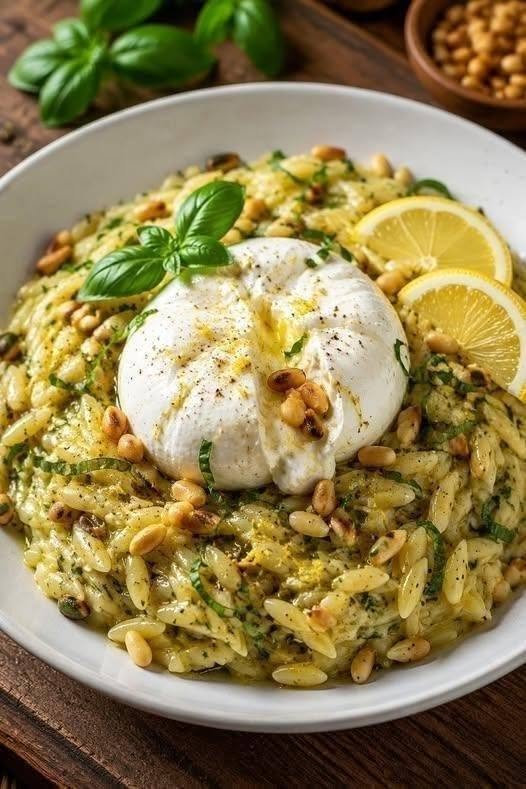
Lemon Basil Orzo with creamy burrata, fresh basil, lemon slices, Parmesan, and roasted pine nuts

Lemon Basil Orzo with Burrata & Roasted Pine Nuts

Lemon Basil Orzo is a bright, creamy, and elegant pasta dish made with tender orzo, fresh basil, lemon, Parmesan, creamy burrata, and roasted pine nuts. It has a fresh Mediterranean-inspired flavor with a rich, silky texture that feels special enough for entertaining but simple enough for a weeknight dinner.

This Lemon Basil Orzo recipe balances citrus, herbs, cheese, and toasted nuts in every bite. The burrata adds a soft, creamy center, while the pine nuts bring a warm, nutty crunch. You can serve it as a vegetarian main dish or pair it with chicken, shrimp, salmon, or roasted vegetables.

Prep Time: 15 minutes
Cook Time: 20 minutes
Total Time: About 35 minutes
Servings: 4

Ingredients

the Orzo

  • 1 1/2 cups dry orzo
  • 2 tablespoons extra virgin olive oil
  • 3 garlic cloves, minced
  • 3 cups vegetable or chicken broth
  • 1/2 teaspoon salt
  • 1/4 teaspoon black pepper
  • 1/2 teaspoon dried oregano
  • 1/4 teaspoon red pepper flakes, optional

the Lemon Basil Sauce

  • 1/3 cup grated Parmesan cheese
  • 1/3 cup fresh basil leaves, finely sliced
  • 2 tablespoons fresh lemon juice
  • 1 teaspoon lemon zest
  • 2 tablespoons extra virgin olive oil
  • 2 tablespoons reserved pasta liquid or broth, as needed

Topping

  • 1 large burrata ball, about 4 to 8 ounces
  • 1/3 cup pine nuts
  • Fresh basil leaves
  • Lemon slices or wedges
  • Freshly cracked black pepper
  • Extra Parmesan, optional

Why You’ll Love This Recipe

Lemon Basil Orzo is quick to prepare but looks impressive on the table. The orzo becomes creamy as it cooks, while lemon and basil keep the dish fresh and light.

Another reason to love Lemon Basil Orzo is the contrast of textures. The tender pasta, creamy burrata, and toasted pine nuts make every forkful more interesting.

How to Make Lemon Basil Orzo

Step 1: Toast the Pine Nuts

Place a dry skillet over medium-low heat.

Add the pine nuts and cook for 2 to 4 minutes, stirring often, until lightly golden and fragrant.

Transfer them immediately to a plate and set aside.

Step 2: Sauté the Garlic

Heat 2 tablespoons olive oil in a large skillet or shallow saucepan over medium heat.

Add the minced garlic and cook for about 30 seconds, just until fragrant.

Do not let the garlic brown too much because burnt garlic can make Lemon Basil Orzo taste bitter.

Step 3: Toast the Orzo

Add the dry orzo to the skillet.

Stir for 1 to 2 minutes so the pasta is lightly coated in olive oil and begins to toast.

Step 4: Add the Broth

Pour in the broth.

Add salt, black pepper, oregano, and optional red pepper flakes.

Stir well and bring the mixture to a gentle simmer.

Step 5: Cook the Orzo

Reduce the heat to medium-low.

Cook uncovered for 8 to 10 minutes, stirring frequently so the orzo does not stick to the bottom.

The pasta should absorb most of the liquid while becoming tender and creamy.

Step 6: Add Lemon and Parmesan

Once the orzo is tender, reduce the heat to low.

Stir in the Parmesan, lemon juice, and lemon zest.

The cheese should melt into the pasta and create a silky texture.

At this stage, Lemon Basil Orzo should look creamy without being soupy.

Step 7: Add the Fresh Basil

Remove the skillet from the heat.

Fold in the sliced fresh basil and 2 tablespoons olive oil.

Step 8: Adjust the Texture

Check the consistency before serving.

Add a small splash of warm broth if needed to keep the pasta creamy.

Step 9: Transfer to a Serving Dish

Spoon Lemon Basil Orzo into a wide serving bowl or shallow platter.

Step 10: Add the Burrata

Place the burrata in the center of the warm orzo.

Step 11: Add the Pine Nuts

Sprinkle the roasted pine nuts over the orzo and burrata.

Add extra basil, black pepper, lemon zest, and Parmesan if desired.

Step 12: Serve Immediately

Serve while the orzo is warm and the burrata is soft.

A final drizzle of good olive oil just before serving adds shine and rounds out the lemon and herb flavors. If you are serving guests, arrange a few lemon slices and basil leaves around the burrata for a simple restaurant-style presentation.

Serving Suggestions

Lemon Basil Orzo can be served as a vegetarian main course or as a flavorful side dish.

Pair Lemon Basil Orzo with grilled chicken, lemon garlic shrimp, baked salmon, or white fish for a more substantial dinner.

For a vegetarian meal, serve it with roasted asparagus, zucchini, cherry tomatoes, eggplant, or a crisp green salad.

For another creamy orzo dinner, try our Dump and Bake Lemon Feta Chicken Orzo with tender chicken, lemon, spinach, herbs, and feta.

Recipe Tips

Use fresh lemon juice for the brightest flavor.

Fresh basil is best added after the pan comes off the heat so it does not turn dark or lose its aroma.

Stir the orzo often while cooking because the small pasta shape can stick easily.

Toast the pine nuts separately and remove them from the pan as soon as they become golden.

For the creamiest Lemon Basil Orzo, do not rinse the orzo after cooking because the natural starch helps create the sauce.

Let the burrata come to room temperature for about 15 minutes before serving so the center is extra creamy.

Taste before adding more salt because Parmesan, broth, and burrata can all contribute saltiness.

Easy Variations

Lemon Basil Orzo is easy to customize.

For extra vegetables, stir in baby spinach, peas, roasted zucchini, asparagus, or cherry tomatoes.

A protein-rich version can include grilled chicken, sautéed shrimp, or flaked salmon.

For extra garlic flavor, roast a head of garlic and stir a few soft cloves into the finished orzo.

You can replace burrata with fresh mozzarella, ricotta, or goat cheese.

For a stronger herb flavor, add parsley, dill, mint, or chives along with the basil.

If pine nuts are unavailable, use toasted walnuts, almonds, pistachios, or sunflower seeds.

Make-Ahead Instructions

Lemon Basil Orzo is best served fresh because orzo continues absorbing liquid as it sits.

You can prepare several components ahead to save time.

Wash and slice the basil, grate the Parmesan, zest the lemon, and measure the ingredients earlier in the day.

The cooked orzo can be prepared a few hours ahead, but reserve extra broth for reheating.

Add the burrata, fresh basil, and pine nuts shortly before serving.

Storage and Reheating

Store leftover Lemon Basil Orzo in an airtight container in the refrigerator for up to 4 days.

Keep leftover burrata separately if possible.

The orzo will thicken in the refrigerator, so add a small splash of broth, water, or milk before reheating.

Warm it gently in a skillet over low heat, stirring frequently.

Add fresh basil, lemon juice, and a little olive oil after reheating to refresh the flavor.

Nutrition Information

Approximate nutrition per serving:

Calories: 520
Protein: 18 g
Carbohydrates: 59 g
Fat: 24 g
Saturated Fat: 9 g
Fiber: 4 g
Sugar: 4 g
Sodium: 620 mg

Nutrition values are estimates and may vary depending on the burrata, broth, Parmesan, pine nuts, olive oil, and serving size.

Frequently Asked Questions

Can I use another pasta instead of orzo?

Yes. Small pasta shapes such as ditalini or small shells can work, although the amount of liquid and cooking time may need adjusting.

Can I use mozzarella instead of burrata?

Yes.

Why is my orzo too thick?

Orzo absorbs liquid quickly. Stir in a splash of broth or hot water until the texture becomes creamy again.

Can I make this without pine nuts?

Yes. Toasted walnuts, almonds, pistachios, or sunflower seeds are good alternatives.

Can I add vegetables?

Yes. Spinach, peas, asparagus, zucchini, cherry tomatoes, and roasted peppers all work well.

Can I serve it cold?

Yes, but the texture will be firmer. If serving cold, add a little extra olive oil and lemon juice before serving.

Can I make it ahead?

You can prepare it a few hours ahead, but Lemon Basil Orzo has the best creamy texture when served shortly after cooking.

Final Thoughts

Lemon Basil Orzo is an easy way to turn simple pasta into an elegant dish with fresh lemon, basil, creamy burrata, and crunchy pine nuts.

Because Lemon Basil Orzo can be served as either a vegetarian main course or a versatile side dish, it works well for weeknight dinners, spring gatherings, and casual entertaining.

Keep this Lemon Basil Orzo recipe handy whenever you want a fresh, creamy pasta dish that comes together quickly but still feels special.

With silky orzo, bright citrus, fragrant basil, rich burrata, and toasted pine nuts, Lemon Basil Orzo delivers a beautiful combination of freshness, creaminess, and crunch in every serving.

You may also enjoy our Mediterranean Lemon Chicken Orzo Soup for a warm, comforting meal with tender chicken, bright lemon, herbs, and orzo.


Cheesy Asparagus Casserole

Cheesy Asparagus Casserole

Asparagus Casserole is a creamy, cheesy, oven-baked side dish made with fresh asparagus, a rich homemade sauce, and plenty of melted cheese. It is simple enough for weeknight dinners but elegant enough for Easter, Thanksgiving, Christmas, or spring gatherings.

This Asparagus Casserole combines tender asparagus with garlic, cream, Parmesan, mozzarella, and herbs for a warm, comforting dish with a lightly golden top. It pairs beautifully with chicken, beef, fish, or other roasted vegetables.

Prep Time: 15 minutes
Cook Time: 30–35 minutes
Total Time: About 50 minutes
Servings: 6

Ingredients

the Asparagus

  • 2 pounds fresh asparagus
  • 1 tablespoon olive oil
  • 1/2 teaspoon salt
  • 1/4 teaspoon black pepper

the Creamy Sauce

  • 2 tablespoons unsalted butter
  • 3 garlic cloves, minced
  • 2 tablespoons all-purpose flour
  • 1 1/2 cups whole milk
  • 1/2 cup heavy cream
  • 1/2 teaspoon onion powder
  • 1/2 teaspoon dried thyme
  • 1/4 teaspoon smoked paprika
  • 1/4 teaspoon black pepper
  • 1/2 teaspoon salt

the Cheese Layer

  • 1 cup shredded mozzarella cheese
  • 1 cup shredded cheddar cheese
  • 1/2 cup grated Parmesan cheese

Finishing

  • 1 tablespoon chopped fresh parsley
  • Fresh thyme, optional
  • Red pepper flakes, optional

Why You’ll Love This Recipe

Asparagus Casserole is easy to assemble and turns a simple vegetable into a rich, comforting side dish. The sauce is creamy without being too heavy, while the cheese adds a savory finish and a golden top.

Another reason to love Asparagus Casserole is how well it fits into different meals. Serve it with roasted chicken, baked salmon, steak, turkey, or a vegetarian main. It can also be prepared ahead, which is useful for holidays and family gatherings.

How to Make Asparagus Casserole

Step 1: Preheat the Oven

Preheat the oven to 375°F or 190°C.

Lightly grease a 9 x 13-inch baking dish with butter, olive oil, or cooking spray.

Step 2: Prepare the Asparagus

Wash the asparagus and dry it thoroughly.

Trim off the woody ends. If the spears are unusually thick, lightly peel the lower portion with a vegetable peeler.

Arrange the asparagus in the prepared baking dish in an even layer.

Step 3: Season the Asparagus

Drizzle the asparagus with olive oil.

Sprinkle with salt and black pepper, then toss gently so the spears are lightly coated.

Keeping everything evenly seasoned helps Asparagus Casserole taste balanced from edge to edge.

Step 4: Start the Cream Sauce

Melt the butter in a medium saucepan over medium heat.

Add the minced garlic and cook for about 30 seconds, just until fragrant.

Do not allow the garlic to brown because burnt garlic can make the finished sauce bitter.

Step 5: Add the Flour

Sprinkle the flour over the melted butter and garlic.

Whisk continuously for about 1 minute.

This creates a simple roux that thickens the sauce and helps Asparagus Casserole stay creamy instead of watery.

Step 6: Add the Milk and Cream

Slowly pour in the milk while whisking constantly.

Add the heavy cream and continue whisking until smooth.

Cook for 3 to 5 minutes, stirring frequently, until the sauce begins to thicken enough to lightly coat the back of a spoon.

Step 7: Season the Sauce

Add onion powder, dried thyme, smoked paprika, salt, and black pepper.

Stir well and taste.

Adjust the seasoning if necessary, remembering that Parmesan and other cheeses will add extra saltiness.

Step 8: Add the Parmesan

Stir the Parmesan into the warm sauce.

Continue stirring until the cheese melts and the sauce becomes smooth and creamy.

Remove the saucepan from the heat.

Step 9: Pour the Sauce Over the Asparagus

Pour the creamy sauce evenly over the asparagus.

Use a spoon to spread it gently so most of the spears are coated.

The sauce should settle around the asparagus without completely hiding the fresh green tips.

Step 10: Add the Cheese

Sprinkle mozzarella and cheddar evenly over the top.

This creates the rich, golden finish that makes Asparagus Casserole especially comforting.

Step 11: Bake

Place the baking dish in the oven and bake uncovered for 25 to 30 minutes.

The sauce should bubble gently around the edges, the asparagus should become tender, and the cheese should be completely melted.

Step 12: Brown the Top

For a deeper golden finish, switch the oven to broil for 1 to 2 minutes.

Watch the casserole carefully because melted cheese can go from golden to burned very quickly.

Step 13: Rest Before Serving

Remove Asparagus Casserole from the oven and let it rest for 5 to 10 minutes.

This short resting period allows the creamy sauce to settle and thicken slightly, making the casserole easier to serve.

Step 14: Garnish and Serve

Sprinkle the top with chopped parsley, fresh thyme, or a pinch of red pepper flakes.

Serve warm while the cheese is soft and melted.

Serving Suggestions

Asparagus Casserole is a versatile side dish that pairs well with roasted chicken, turkey, baked salmon, grilled steak, pork tenderloin, or white fish.

For a vegetarian meal, pair Asparagus Casserole with lentils, quinoa, roasted potatoes, stuffed mushrooms, or a crisp green salad.

It also fits naturally on holiday tables alongside mashed potatoes, roasted carrots, green beans, stuffing, or warm dinner rolls.

A fresh tomato salad or lemony leafy salad provides a bright contrast to the creamy sauce and melted cheese.

For another cheesy vegetable side, try our Cheesy Cauliflower & Broccoli Veggie Casserole with tender vegetables and a rich, comforting cheese sauce.


Recipe Tips

Choose fresh asparagus with firm stalks and tightly closed tips.

Trim the woody ends before cooking because they can stay tough even after baking.

Dry the asparagus well after washing. Extra water can thin the sauce.

Use freshly shredded cheese when possible because it usually melts more smoothly than pre-shredded varieties.

Do not boil or blanch the asparagus first. It cooks directly in the casserole and stays firmer this way.

For the best Asparagus Casserole, keep the asparagus in a fairly even layer so every spear gets enough sauce and cheese.

If the casserole seems loose immediately after baking, let it rest for 10 minutes before serving.

Easy Variations

Asparagus Casserole can be customized with different toppings, vegetables, and cheeses.

For extra crunch, sprinkle buttery breadcrumbs or crushed crackers over the cheese before baking.

For stronger savory flavor, add sautéed mushrooms or caramelized onions.

A spicy version can include red pepper flakes, cayenne pepper, or pepper jack cheese.

For Mediterranean flavor, add feta, mozzarella, sun-dried tomatoes, and oregano.

You can also add cooked chicken, ham, or bacon to make the casserole more substantial.

For a lower-carb version, skip breadcrumbs and keep the topping focused on cheese, herbs, and Parmesan.

Make-Ahead Instructions

Asparagus Casserole can be prepared ahead, making it useful for busy holidays and entertaining.

Assemble the casserole through the cheese layer, cover the baking dish tightly, and refrigerate for up to 24 hours.

When ready to cook, let the dish sit at room temperature for about 20 minutes while the oven preheats.

A chilled casserole may require an additional 5 to 10 minutes of baking.

Storage and Reheating

Store leftover Asparagus Casserole in an airtight container in the refrigerator for up to 4 days.

To reheat a larger portion, place it in a baking dish, cover loosely with foil, and warm at 350°F or 175°C for 15 to 20 minutes.

Individual portions can be reheated in the microwave.

Avoid overheating because asparagus can become overly soft and creamy cheese sauces may separate when exposed to excessive heat.

Nutrition Information

Approximate nutrition per serving:

Calories: 330
Protein: 16 g
Carbohydrates: 14 g
Fat: 24 g
Saturated Fat: 14 g
Fiber: 4 g
Sugar: 6 g
Sodium: 620 mg

Nutrition values are estimates and may vary depending on the cheese, cream, asparagus, and exact serving size.

Frequently Asked Questions

Can I use frozen asparagus?

Yes, but fresh asparagus gives the best texture. If using frozen asparagus, thaw it completely and drain it very well before assembling the dish.

Can I make this without heavy cream?

Yes. Replace the heavy cream with additional whole milk. The sauce will be slightly lighter but will still work.

Why is my casserole watery?

The asparagus may contain excess moisture, or the cream sauce may not have thickened enough before baking. Dry the asparagus thoroughly and cook the sauce until it coats a spoon.

Can I add breadcrumbs?

Yes. Mix breadcrumbs with a small amount of melted butter and sprinkle them over the cheese before baking.

Can I use another cheese?

Yes. Gruyère, Monterey Jack, provolone, Swiss, or a mild Italian cheese blend all work well.

Can I make it ahead?

Yes. Assemble the dish, cover it, refrigerate for up to 24 hours, and bake when needed.

Can I freeze leftovers?

You can, but the sauce and asparagus may become softer after thawing. Refrigerated leftovers usually have the best texture.

Final Thoughts

Asparagus Casserole is a simple way to turn fresh asparagus into a creamy, cheesy side dish that feels both comforting and special.

Because Asparagus Casserole can be prepared ahead and paired with many different main courses, it works well for holidays, family dinners, and spring gatherings.

Keep this Asparagus Casserole recipe handy whenever you want an easy vegetable side with a rich sauce and golden cheese topping.

With tender asparagus, creamy garlic sauce, melted cheese, and fresh herbs, Asparagus Casserole is a dependable baked side dish that brings plenty of flavor to the table.

You may also enjoy our Spinach & Mushroom Breakfast Casserole for an easy make-ahead breakfast packed with vegetables and savory flavor.

Fluffy Cottage Cheese Oat Pancakes

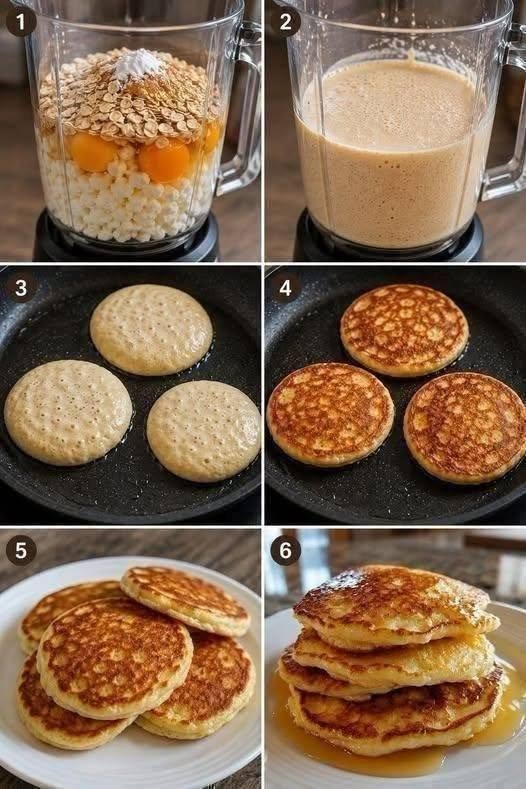
Cottage Cheese Oat Pancakes with cottage cheese, rolled oats, eggs, golden edges, and a soft fluffy center

Fluffy Cottage Cheese Oat Pancakes

Cottage Cheese Oat Pancakes are a soft, hearty, and protein-rich breakfast made with cottage cheese, rolled oats, eggs, milk, and a few simple pantry ingredients. They have a tender center, lightly golden edges, and a mild flavor that works beautifully with fruit, yogurt, nut butter, or a small drizzle of maple syrup.

The oats provide a hearty base, while cottage cheese adds moisture, protein, and a creamy texture. Everything blends in minutes, making the recipe convenient for busy mornings and meal prep.

Prep Time: 10 minutes
Cook Time: 15 minutes
Total Time: About 25 minutes
Servings: 4

Ingredients

For the Pancake Batter

  • 1 cup cottage cheese
  • 1 1/2 cups rolled oats
  • 3 large eggs
  • 1/2 cup milk
  • 1 tablespoon maple syrup or honey
  • 1 teaspoon vanilla extract
  • 1 1/2 teaspoons baking powder
  • 1/2 teaspoon ground cinnamon
  • 1/4 teaspoon salt

For Cooking

  • 1 to 2 teaspoons butter or neutral oil

Optional Toppings

  • Fresh berries
  • Sliced banana
  • Greek yogurt
  • Peanut butter or almond butter
  • Chopped walnuts or pecans
  • Maple syrup
  • Cinnamon

Why You’ll Love This Recipe

Cottage Cheese Oat Pancakes are easy to prepare and use familiar ingredients that are often already in the kitchen. The blender creates a smooth batter without needing flour, and the cottage cheese keeps the pancakes soft and satisfying.

They are also flexible: serve them with berries and yogurt, or keep them simple with butter and cinnamon. Cooked pancakes refrigerate and freeze well for quick breakfasts.

How to Make Cottage Cheese Oat Pancakes

Step 1: Add the Oats to the Blender

Place the rolled oats in a high-speed blender.

Blend for 15 to 20 seconds until the oats become a coarse flour. This step helps Cottage Cheese Oat Pancakes cook with a smoother, more traditional pancake texture.

Breaking the oats down first creates a more even batter.

Step 2: Add the Wet Ingredients

Add the cottage cheese, eggs, milk, maple syrup or honey, and vanilla extract to the blender.

Blend for about 30 seconds until the mixture looks smooth and creamy.

Scrape down the blender sides if needed.

Step 3: Add the Remaining Ingredients

Add baking powder, cinnamon, and salt.

Blend again for 10 to 15 seconds, just until everything is combined.

The batter for Cottage Cheese Oat Pancakes should be thick but pourable. If it looks too thick, add 1 to 2 tablespoons of milk and blend briefly.

Step 4: Rest the Batter

Let the batter rest for 5 minutes.

The oats absorb liquid during this time, helping the pancakes hold together. If the batter becomes too thick, stir in a splash of milk.

Step 5: Heat the Skillet

Place a large nonstick skillet or griddle over medium-low heat.

Add a small amount of butter or oil and spread it across the surface.

Medium-low heat works best because Cottage Cheese Oat Pancakes are slightly thicker than standard pancakes and need enough time to cook through without burning on the outside.

Step 6: Portion the Batter

Pour about 1/4 cup of batter onto the skillet for each pancake.

Use the back of a spoon to spread the batter gently into a round shape if needed.

Leave enough space for easy flipping.

Step 7: Cook the First Side

Cook for 2 to 3 minutes.

Small bubbles should appear and the edges should look set. Wait until the bottom is golden before flipping.

Step 8: Flip and Finish Cooking

Slide a thin spatula underneath each pancake and flip carefully.

Cook for another 1 to 2 minutes, or until the second side is golden and the center is cooked through.

Transfer the finished Cottage Cheese Oat Pancakes to a plate and loosely cover them to keep warm while cooking the remaining batter.

Step 9: Repeat with the Remaining Batter

Add a little more butter or oil to the skillet if necessary.

Continue cooking the rest of the batter in batches.

If the skillet becomes too hot, reduce the heat slightly so the pancakes do not brown too quickly.

Step 10: Serve Warm

Serve the pancakes while warm with your favorite toppings.

Fresh berries, banana slices, Greek yogurt, nut butter, chopped nuts, or a light drizzle of maple syrup all work well.

Serving Suggestions

Cottage Cheese Oat Pancakes can be served in many different ways depending on whether you want a light breakfast or a more filling meal.

For a simple breakfast, top Cottage Cheese Oat Pancakes with strawberries, blueberries, raspberries, or sliced banana. Cottage Cheese Oat Pancakes also pair well with yogurt.

For extra protein, add a spoonful of Greek yogurt or nut butter.

You can also serve them with scrambled eggs, boiled eggs, or fresh fruit on the side.

For brunch, arrange them on a platter with several toppings.

For a chocolatey breakfast option, try our Fluffy Choco Pancakes with a soft texture and rich cocoa flavor.

Recipe Tips

Use small-curd or blended cottage cheese for the smoothest batter.

Rolled oats work best, but quick oats can also be used if necessary.

Do not use steel-cut oats because they do not soften or blend in the same way.

Let the batter rest before cooking so the oats have time to absorb moisture.

Cook Cottage Cheese Oat Pancakes over medium-low heat. High heat can brown the outside before the center finishes cooking.

Keep the pancakes medium-sized rather than very large because smaller pancakes are easier to flip.

If the batter becomes too thick while sitting, add a small splash of milk and stir well.

Easy Variations

Cottage Cheese Oat Pancakes are easy to customize with different flavors.

For blueberry pancakes, gently fold fresh or frozen blueberries into the batter after blending. Cottage Cheese Oat Pancakes also work well with raspberries.

For chocolate flavor, add 1 tablespoon unsweetened cocoa powder and a small handful of mini chocolate chips.

A banana version can include half a ripe banana blended into the batter.

For a warm-spice variation, add nutmeg, pumpkin pie spice, or extra cinnamon.

You can also add lemon zest for a brighter flavor.

For extra texture, sprinkle chopped pecans or walnuts over the pancakes immediately after pouring the batter into the skillet.

Make-Ahead Instructions

Cottage Cheese Oat Pancakes are a practical make-ahead breakfast.

Cook the full batch, let the pancakes cool completely, and store them in an airtight container in the refrigerator.

You can prepare them on the weekend and reheat individual portions during busy mornings.

The batter can be refrigerated for a few hours. Stir in a little milk before cooking if it thickens.

Storage and Reheating

Store leftover pancakes in an airtight container in the refrigerator for up to 4 days.

To reheat, place them in a toaster, skillet, microwave, or toaster oven.

A toaster or skillet restores lightly crisp edges.

For longer storage, place cooled pancakes in a single layer on a tray and freeze until firm.

Transfer them to a freezer-safe bag with parchment between layers and freeze for up to 2 months.

Reheat directly from frozen or thaw overnight in the refrigerator.

Nutrition Information

Approximate nutrition per serving, before toppings:

Calories: 285
Protein: 18 g
Carbohydrates: 34 g
Fat: 9 g
Saturated Fat: 3 g
Fiber: 4 g
Sugar: 7 g
Sodium: 410 mg

Nutrition values are estimates and may vary by ingredients and serving size.

Frequently Asked Questions

Can I make these without a blender?

Yes. Use oat flour instead of rolled oats and whisk the ingredients together. The cottage cheese may remain slightly textured unless you blend it separately.

Can I use low-fat cottage cheese?

Yes. Low-fat cottage cheese works well, although full-fat cottage cheese usually creates a slightly richer texture.

Why are my pancakes too dense?

The batter may be too thick, or the pancakes may be too large. Add a little milk and keep the portions moderate.

Can I use quick oats?

Yes. Quick oats work, but the batter may become thicker more quickly.

Can I make them gluten-free?

Yes, if you use oats that are certified gluten-free.

Can I freeze them?

Yes. Cottage Cheese Oat Pancakes freeze well for up to 2 months and can be reheated as needed.

Can I make them sweeter?

Yes. Add a little extra maple syrup or honey to the batter, or serve them with fruit and syrup.

Final Thoughts

Cottage Cheese Oat Pancakes are an easy way to turn oats, eggs, and cottage cheese into a warm, satisfying breakfast with a soft texture and plenty of protein.

Because Cottage Cheese Oat Pancakes can be customized with fruit, chocolate, nuts, or spices, they work well for both everyday breakfasts and weekend brunch.

Keep this Cottage Cheese Oat Pancakes recipe handy whenever you want a quick blender breakfast that is filling, simple, and easy to prepare.

With tender centers, golden edges, hearty oats, and creamy cottage cheese, Cottage Cheese Oat Pancakes are a practical homemade breakfast that works well for meal prep, family mornings, or a relaxed brunch.

You may also enjoy our Fluffy Thick Pancakes for a classic, soft, and satisfying breakfast or brunch.

No-Bake Coconut Truffles with Sweet Raspberry Centers

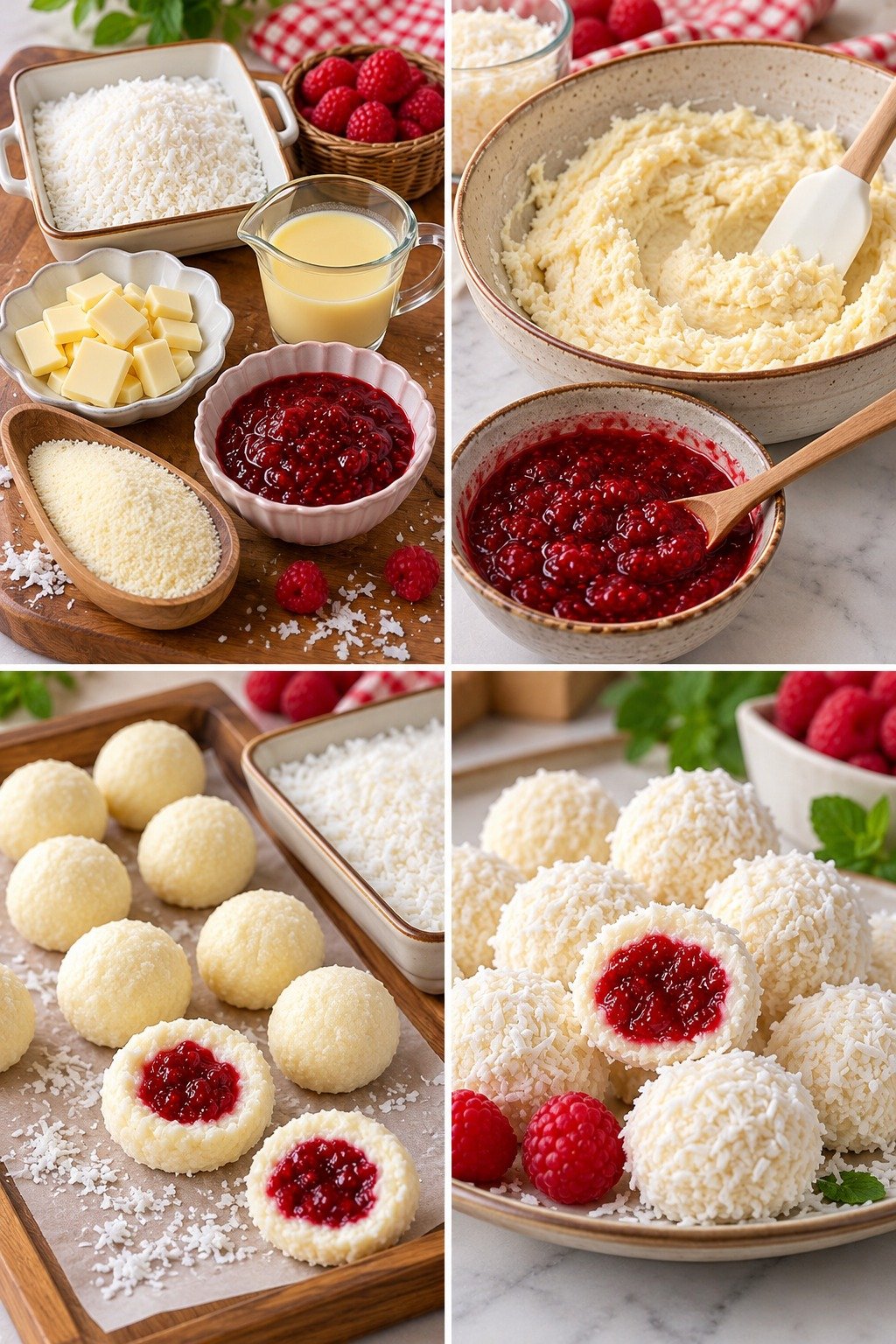
Coconut Raspberry Truffles with creamy coconut coating, sweet raspberry centers, shredded coconut, and a soft no-bake texture

No-Bake Coconut Truffles with Sweet Raspberry Centers

Coconut Raspberry Truffles are soft, creamy, and naturally pretty no-bake treats made with shredded coconut, creamy coconut mixture, and a sweet raspberry center. Each bite has a chewy coconut exterior and a bright fruity filling, making these truffles perfect for holidays, parties, gifting, or an easy make-ahead dessert.

This Coconut Raspberry Truffles recipe is simple to prepare and does not require an oven. The coconut mixture comes together quickly, the raspberry filling adds a fresh contrast, and the finished truffles can be rolled in extra coconut for a snowy, elegant appearance.

Prep Time: 25 minutes
Chill Time: 1 hour
Total Time: About 1 hour 25 minutes
Servings: 18 truffles

Ingredients

For the Coconut Mixture

  • 2 cups finely shredded unsweetened coconut
  • 1 cup sweetened condensed milk
  • 1/2 cup coconut flour
  • 1 teaspoon vanilla extract
  • 1/4 teaspoon salt

For the Raspberry Centers

  • 1 cup fresh or frozen raspberries
  • 2 tablespoons granulated sugar or honey
  • 1 teaspoon lemon juice
  • 1 teaspoon cornstarch mixed with 1 teaspoon water, optional

For Coating

  • 1 cup shredded coconut
  • Melted white chocolate, optional
  • Freeze-dried raspberry powder, optional

Why You’ll Love This Recipe

Coconut Raspberry Truffles are easy to make, require no baking, and look beautiful with very little decorating. The creamy coconut shell and tart-sweet raspberry center create a balanced flavor that feels more special than a basic candy.

Another reason to love Coconut Raspberry Truffles is that they can be prepared ahead and store well in the refrigerator for parties, dessert trays, and edible gifts.

They are also easy to customize with white chocolate, lemon zest, different berries, or toasted coconut.

How to Make Coconut Raspberry Truffles

Step 1: Prepare the Raspberry Filling

Add the raspberries, sugar or honey, and lemon juice to a small saucepan.

Cook over medium-low heat for 5 to 7 minutes, stirring and gently mashing the berries as they soften.

The mixture should become thick and jammy.

If your raspberries release a lot of liquid, stir in the cornstarch mixture and cook for another minute.

Step 2: Cool the Raspberry Mixture

Transfer the cooked raspberry filling to a small bowl.

Let it cool to room temperature, then refrigerate for 20 to 30 minutes.

The filling needs to be thick and cold before assembling Coconut Raspberry Truffles because a warm center can make the coconut mixture too soft.

Step 3: Make the Coconut Mixture

In a large bowl, combine the shredded coconut, sweetened condensed milk, coconut flour, vanilla, and salt.

Stir until a thick, sticky dough forms.

The mixture should hold together when pressed between your fingers.

If it feels too soft, add another tablespoon of coconut flour.

If it feels too dry, add a small spoonful of condensed milk.

Step 4: Chill the Coconut Mixture

Cover the bowl and refrigerate the coconut mixture for about 20 minutes.

Chilling makes Coconut Raspberry Truffles easier to shape and keeps the dough from sticking excessively to your hands.

Step 5: Portion the Dough

Scoop about 1 tablespoon of coconut mixture and roll it gently into a ball.

Flatten the ball in your palm to create a small round disc.

Step 6: Add the Raspberry Center

Place about 1/2 teaspoon of chilled raspberry filling in the middle of the flattened coconut disc.

Do not overfill it.

Bring the edges of the coconut mixture up and around the filling, pinch them together, and gently roll the piece into a smooth ball.

The raspberry should be completely enclosed.

Step 7: Repeat with the Remaining Mixture

Continue filling and shaping until all the coconut mixture is used.

If the dough becomes too soft while working, return it to the refrigerator for 10 minutes.

This helps Coconut Raspberry Truffles stay round and neat.

Step 8: Coat in Coconut

Place the extra shredded coconut in a shallow bowl.

Roll each truffle in the coconut until evenly coated.

Press lightly so the flakes adhere to the surface.

Step 9: Chill Until Firm

Arrange Coconut Raspberry Truffles on a parchment-lined tray.

Refrigerate for at least 30 minutes before serving.

This final chill helps the exterior become firmer while keeping the center soft and fruity.

Step 10: Decorate if Desired

For a more elegant finish, drizzle the chilled truffles with melted white chocolate.

You can also sprinkle a small amount of freeze-dried raspberry powder over the top for extra color and berry flavor.

Serving Suggestions

Coconut Raspberry Truffles are ideal for dessert boards, holiday trays, afternoon tea, or small after-dinner treats.

Serve them with fresh raspberries, strawberries, or blueberries for a colorful presentation.

For parties, arrange Coconut Raspberry Truffles in mini paper candy cups for easy serving.

They also pair well with coffee, tea, hot chocolate, or a glass of cold milk.

For gifting, place the truffles in a small box lined with parchment paper and keep them chilled until ready to give.

For a bold and savory dinner, try our Cowboy Butter Chicken with garlic, lemon, herbs, and a rich buttery sauce.

Recipe Tips

Use finely shredded coconut for the smoothest texture and easiest shaping.

Cook the raspberry filling until thick. A runny center can leak through the coconut shell.

Let the raspberry mixture cool completely before assembling.

Chill the coconut mixture if it feels too sticky.

Do not make the raspberry centers too large. A small amount gives enough fruity flavor while keeping the truffle easy to seal.

For neat Coconut Raspberry Truffles, lightly dampen or grease your hands before rolling.

If using frozen raspberries, thawing is not necessary, but the cooking time may be slightly longer.

Easy Variations

Coconut Raspberry Truffles are easy to customize with different flavors.

For a white chocolate version, dip the finished chilled truffles halfway into melted white chocolate and let them set on parchment.

For extra citrus flavor, add lemon zest or orange zest to the coconut mixture.

You can replace raspberries with strawberries, blackberries, or blueberries, although the cooking time may vary depending on how juicy the fruit is.

A chocolate variation can include cocoa powder in the coconut mixture or a drizzle of dark chocolate over the finished truffles.

For extra crunch, place a toasted almond or hazelnut in the center with a tiny amount of raspberry filling.

You can also roll the truffles in toasted coconut for a deeper, nuttier flavor.

You may also enjoy our Homemade Creamy Vanilla Ice Cream for a smooth, classic dessert with rich vanilla flavor and a creamy texture.

Make-Ahead Instructions

Coconut Raspberry Truffles are excellent for making ahead because they need time to chill and become firm.

Prepare the raspberry filling up to 3 days in advance and keep it refrigerated in an airtight container.

The coconut mixture can also be made one day ahead and stored covered in the refrigerator.

You can assemble the full truffles up to 2 days before serving.

Storage and Freezing

Store Coconut Raspberry Truffles in an airtight container in the refrigerator for up to 5 days.

Place parchment paper between layers if stacking them.

For longer storage, freeze the finished truffles on a tray until firm, then transfer them to a freezer-safe container.

Freeze for up to 2 months.

Thaw in the refrigerator before serving.

If the outer coconut coating looks slightly moist after thawing, roll the truffles in a little fresh shredded coconut before serving.

Nutrition Information

Approximate nutrition per truffle:

Calories: 145
Protein: 2 g
Carbohydrates: 19 g
Fat: 7 g
Saturated Fat: 6 g
Fiber: 2 g
Sugar: 14 g
Sodium: 55 mg

Nutrition values are estimates and may vary depending on the coconut, condensed milk, raspberry filling, and optional toppings.

Frequently Asked Questions

Can I use store-bought raspberry jam?

Yes. Use a thick raspberry jam or preserves. Avoid very runny jam because it may be harder to seal inside the truffles.

Can I make these without coconut flour?

Yes. Add extra shredded coconut a little at a time until the mixture is firm enough to shape.

Can I use frozen raspberries?

Yes. Frozen raspberries work well and can be cooked directly from frozen.

Why are my truffles too soft?

The coconut mixture may need more chilling or a little extra coconut flour. Warm hands can also soften the mixture while shaping.

Can I make them dairy-free?

Yes. Use sweetened condensed coconut milk instead of traditional condensed milk.

Can I dip them in chocolate?

Yes. White, milk, or dark chocolate can all be used for dipping or drizzling.

Can I freeze them?

Yes. Coconut Raspberry Truffles freeze well for up to 2 months when stored in an airtight container.

Final Thoughts

Coconut Raspberry Truffles are an easy no-bake dessert that combines creamy coconut with a bright, sweet raspberry center in every bite.

Because Coconut Raspberry Truffles can be made ahead, customized, and stored easily, they are ideal for holidays, parties, gifting, and simple family desserts.

Keep this Coconut Raspberry Truffles recipe handy whenever you want a small treat that looks elegant without requiring complicated baking.

With chewy coconut, creamy sweetness, and a fruity raspberry center, Coconut Raspberry Truffles are a colorful homemade dessert that is easy to prepare and enjoyable to share.

Blueberry Banana Yogurt Popsicles

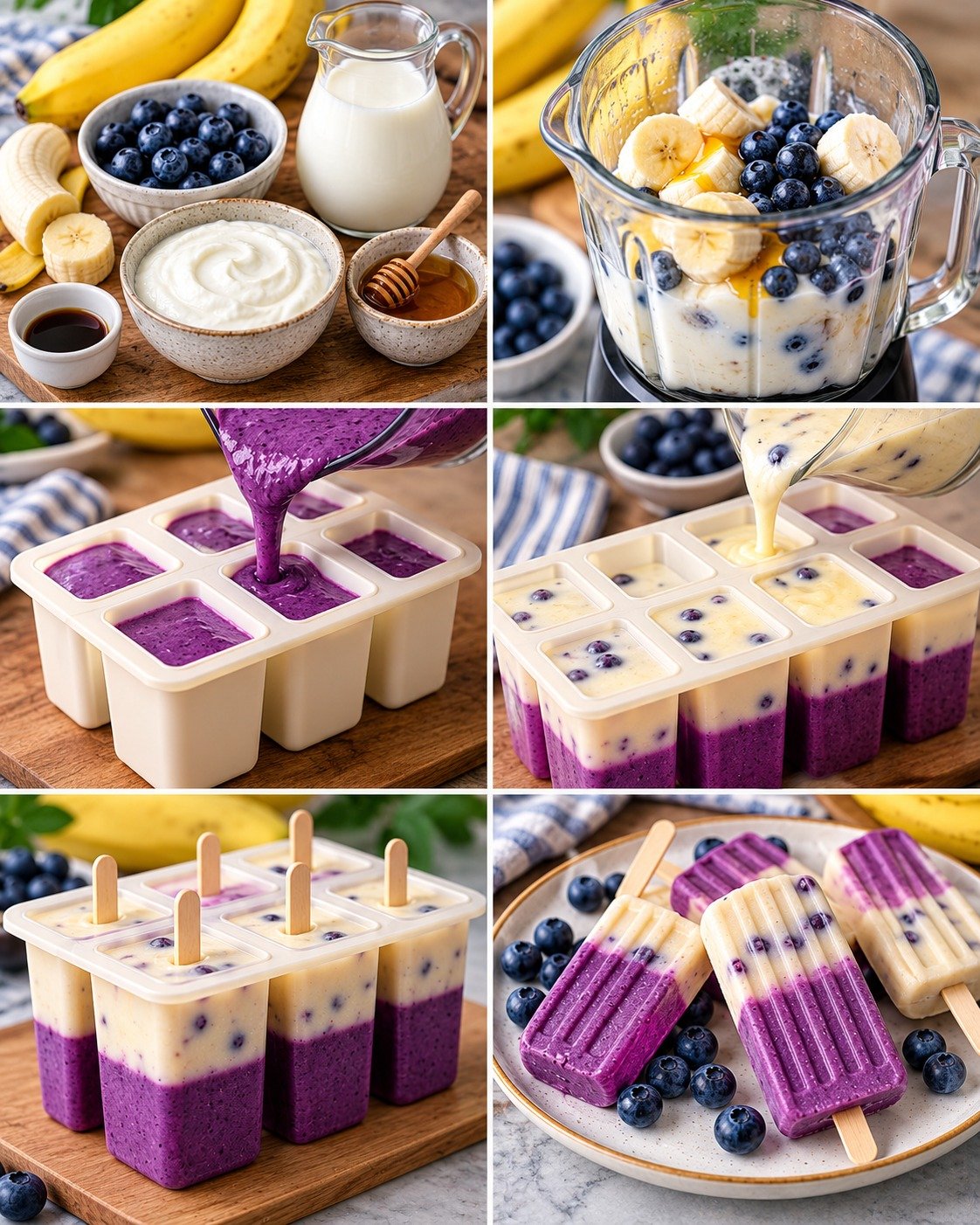
Blueberry Yogurt Popsicles with blueberries, ripe banana, Greek yogurt, honey, and a creamy frozen texture

Blueberry Banana Yogurt Popsicles

Blueberry Yogurt Popsicles are a cool, creamy, and naturally fruity frozen treat made with blueberries, ripe banana, Greek yogurt, and a touch of honey or maple syrup. They are easy to blend, freeze, and serve on hot days or as a light homemade dessert.

These Blueberry Yogurt Popsicles get their sweetness from ripe banana and berries, while Greek yogurt gives them a smooth, creamy texture and a little extra protein. The recipe is easy to customize with different fruits or dairy-free yogurt.

Prep Time: 10 minutes
Freeze Time: 4–6 hours
Total Time: About 4 hours 10 minutes
Servings: 8 popsicles

Ingredients

For the Popsicles

  • 2 cups fresh or frozen blueberries
  • 1 large ripe banana
  • 1 1/2 cups plain Greek yogurt
  • 2 tablespoons honey or maple syrup
  • 1 teaspoon vanilla extract
  • 1 tablespoon fresh lemon juice
  • 2 to 4 tablespoons milk, as needed

Optional Add-Ins

  • 1 tablespoon chia seeds
  • 1 tablespoon ground flaxseed
  • 2 tablespoons shredded coconut
  • 1/4 teaspoon cinnamon
  • Extra blueberries for layering

Why You’ll Love This Recipe

Blueberry Yogurt Popsicles are simple enough for everyday snacks but colorful enough to serve at summer gatherings. The blueberries add a bright berry flavor, the banana makes the mixture naturally creamy, and the yogurt helps create a smooth frozen texture.

You can make them sweeter or tangier, use fresh or frozen berries, add extra fruit, or choose a dairy-free yogurt if needed.

How to Make Blueberry Yogurt Popsicles

Step 1: Prepare the Fruit

Wash the blueberries if using fresh fruit and drain them well.

Peel the banana and break it into chunks.

A very ripe banana works best because it adds more natural sweetness and blends into the yogurt easily.

If using frozen blueberries, there is no need to thaw them completely. Letting them soften for 5 minutes can make blending easier.

Step 2: Add Everything to the Blender

Place the blueberries, banana, Greek yogurt, honey or maple syrup, vanilla, and lemon juice in a blender.

Start with 2 tablespoons of milk.

The milk is only there to help the mixture blend smoothly, so avoid adding too much at once.

Step 3: Blend Until Smooth

Blend on high for 45 to 60 seconds.

Stop and scrape down the sides if needed.

Continue blending until the mixture is smooth, creamy, and evenly purple.

The base for Blueberry Yogurt Popsicles should be thick but pourable.

If it seems too thick, add another tablespoon of milk and blend again.

Step 4: Taste the Mixture

Taste the Blueberry Yogurt Popsicles mixture before freezing.

If the blueberries are tart, add a little more honey or maple syrup.

Frozen foods taste slightly less sweet, so make the mixture a little sweeter than the final popsicles.

Step 5: Prepare the Molds

Set your popsicle mold on a flat surface.

If you want a prettier layered look, drop a few whole blueberries into the bottom of each mold before adding the blended mixture.

Step 6: Fill the Popsicle Molds

Pour the mixture into the molds, leaving a small amount of space at the top because the popsicles will expand slightly as they freeze.

Tap the mold gently on the counter to release large air pockets.

Step 7: Insert the Sticks

Place the lid on the mold and insert the popsicle sticks.

If your mold has no lid, freeze the pops for about 1 hour, then insert the sticks once the mixture is partially firm.

Step 8: Freeze Until Solid

Place Blueberry Yogurt Popsicles in the freezer for at least 4 to 6 hours.

For the firmest texture, freeze them overnight.

Try to place the mold on a level shelf so the popsicles freeze evenly.

Step 9: Unmold the Popsicles

To remove the popsicles, run the outside of the mold under lukewarm water for about 10 to 15 seconds.

Do not use very hot water because it can melt the outside too quickly.

Gently pull the sticks until the pops release.

Step 10: Serve Immediately

Serve Blueberry Yogurt Popsicles as soon as they are unmolded.

Store extras in parchment or a freezer-safe container.

Serving Suggestions

Blueberry Yogurt Popsicles are refreshing on their own, but they can also be part of a fun summer dessert spread.

Serve them with fresh berries, sliced peaches, watermelon, or a small bowl of mixed fruit.

For parties, keep Blueberry Yogurt Popsicles on a chilled tray.

They also work well after lunch, after outdoor activities, or as a lighter dessert after a barbecue.

For a richer dessert option, try our Dubai Chocolate Bar with creamy pistachio filling, crispy kataifi, and a smooth chocolate shell.

Recipe Tips

Use a ripe banana with brown spots for the best sweetness and creamy texture.

Full-fat Greek yogurt creates a richer, smoother frozen result, but low-fat yogurt can also work.

Do not add too much milk. A thinner mixture can freeze more icy.

Taste Blueberry Yogurt Popsicles before freezing and adjust the sweetness if needed.

If you are using very tart berries, a little extra honey or maple syrup can improve the balance.

Let the frozen pops sit at room temperature for 1 to 2 minutes before eating if they are extremely firm.

Easy Variations

Blueberry Yogurt Popsicles can be customized in several simple ways.

For a mixed berry version, replace part of the blueberries with strawberries, raspberries, or blackberries.

For a tropical version, add mango or pineapple.

A chocolate version can include a small amount of cocoa powder and a few mini chocolate chips.

For extra texture, stir in chia seeds after blending.

You can also make a layered version by blending half the blueberries with the yogurt mixture, then alternating that mixture with plain yogurt in the molds.

For dairy-free Blueberry Yogurt Popsicles, use thick coconut, almond, or soy yogurt.

You may also enjoy our Creamy Fruit Salad Recipe for a fresh and colorful dessert made with juicy fruit and a light creamy dressing.

Make-Ahead Instructions

Blueberry Yogurt Popsicles are perfect for making ahead because they need several hours to freeze.

Prepare the mixture in the morning and freeze it for an afternoon snack, or make the pops the night before for the next day.

You can also blend the mixture up to 24 hours ahead and refrigerate it before filling the molds.

Storage

Store Blueberry Yogurt Popsicles in their molds or transfer the frozen pops to an airtight freezer-safe container.

If removing them from the mold for storage, wrap each popsicle in parchment paper or wax paper so they do not stick together.

For the best flavor and texture, enjoy them within 2 to 3 weeks.

Longer storage can create more ice crystals.

Nutrition Information

Approximate nutrition per popsicle:

Calories: 95
Protein: 4 g
Carbohydrates: 16 g
Fat: 2 g
Saturated Fat: 1 g
Fiber: 2 g
Sugar: 12 g
Sodium: 30 mg

Nutrition values are estimates and will vary depending on the yogurt, sweetener, milk, fruit size, and optional add-ins used.

Frequently Asked Questions

Can I use frozen blueberries?

Yes. Frozen blueberries work very well and often make the blended mixture thicker and colder.

Can I use regular yogurt instead of Greek yogurt?

Yes, but the popsicles may have a slightly icier texture because regular yogurt usually contains more water.

Can I make them without banana?

Yes. Replace the banana with extra berries, mango, or a little more yogurt. You may need additional sweetener.

Can I make them dairy-free?

Yes. Use a thick dairy-free yogurt and plant-based milk.

Why are my popsicles icy?

The mixture may contain too much liquid or not enough creamy ingredients. Using thick yogurt and banana helps create a softer texture.

Can I add protein powder?

Yes. A small amount of vanilla or unflavored protein powder can be blended in, but too much can make Blueberry Yogurt Popsicles chalky.

How do I get the popsicles out of the mold easily?

Run lukewarm water over the outside of the mold for 10 to 15 seconds, then pull gently on the stick.

Final Thoughts

Blueberry Yogurt Popsicles are an easy way to turn blueberries, banana, and yogurt into a cool homemade treat that is colorful, creamy, and refreshing.

Because Blueberry Yogurt Popsicles can be prepared ahead and customized with different fruits or add-ins, they are useful for summer snacks, family desserts, and warm-weather gatherings.

Keep this Blueberry Yogurt Popsicles recipe handy whenever you want a simple frozen dessert made from familiar ingredients.

With juicy blueberries, naturally sweet banana, creamy yogurt, and an easy blend-and-freeze method, Blueberry Yogurt Popsicles are a fun homemade treat for both children and adults.