Creamy Fruit Salad Recipe

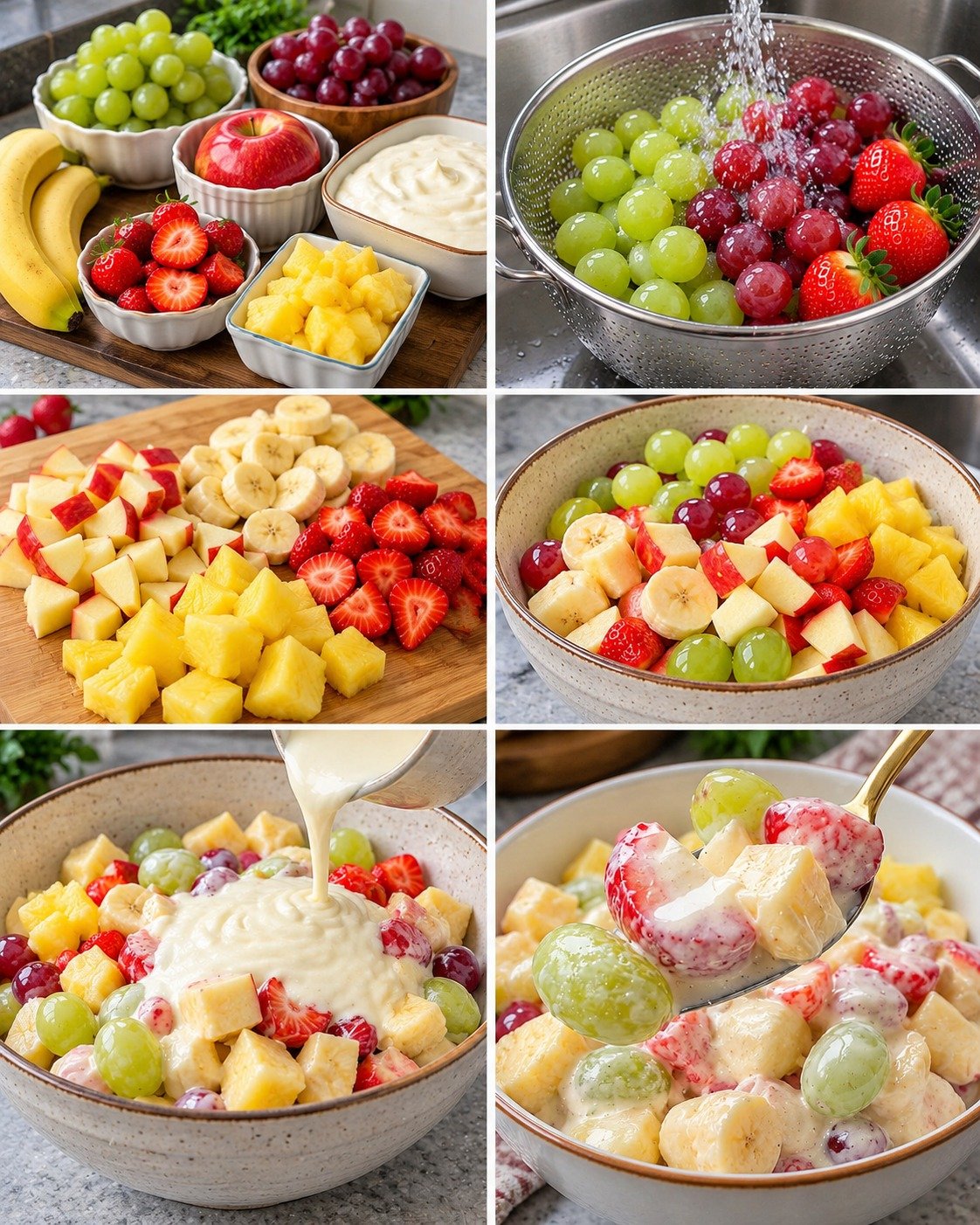
Creamy Fruit Salad with grapes, strawberries, blueberries, pineapple, apples, bananas, and a creamy yogurt dressing

Creamy Fruit Salad Recipe

Creamy Fruit Salad is a colorful, refreshing dessert made with a mix of fresh fruit and a smooth, lightly sweet dressing. It is quick to prepare, easy to customize, and perfect for summer gatherings, brunch tables, potlucks, family dinners, or holiday meals.

This Creamy Fruit Salad combines juicy grapes, berries, pineapple, apples, bananas, and mandarin oranges with a creamy yogurt-based dressing. The result is bright, cool, and satisfying without feeling too heavy. You can prepare most of the ingredients ahead, then fold everything together shortly before serving.

Prep Time: 20 minutes
Chill Time: 30 minutes
Total Time: About 50 minutes
Servings: 8

Ingredients

For the Fruit

  • 2 cups seedless grapes, halved
  • 2 cups strawberries, hulled and sliced
  • 1 cup blueberries
  • 1 cup pineapple chunks, well drained
  • 1 cup mandarin orange segments, well drained
  • 1 large crisp apple, diced
  • 2 bananas, sliced
  • 1 cup mini marshmallows, optional

For the Creamy Dressing

  • 1 cup plain Greek yogurt
  • 1/2 cup whipped topping or whipped cream
  • 2 tablespoons honey or maple syrup
  • 1 teaspoon vanilla extract
  • 1 tablespoon fresh lemon juice
  • 1 teaspoon lemon zest, optional

Optional Toppings

  • Chopped pecans or walnuts
  • Toasted coconut
  • Fresh mint
  • Extra berries
  • Pomegranate seeds

Why You’ll Love This Recipe

Creamy Fruit Salad is simple, flexible, and full of fresh flavor. It takes only a short time to prepare, yet it looks colorful enough for parties and special occasions.

Another reason to love Creamy Fruit Salad is the balance between sweet fruit and tangy yogurt. The dressing coats the fruit lightly instead of covering up its natural flavor.

This recipe is also easy to adjust. You can use whatever fruit is in season, leave out marshmallows, add nuts, or make the dressing sweeter or lighter depending on your preference.

How to Make Creamy Fruit Salad

Step 1: Wash and Dry the Fruit

Wash the grapes, strawberries, blueberries, apples, and any other fresh fruit you are using.

Dry everything thoroughly before cutting. Excess water can thin the dressing and make the finished salad watery.

Step 2: Prepare the Grapes and Berries

Halve the grapes and slice the strawberries into bite-size pieces.

Leave blueberries whole unless they are very large.

Place the prepared fruit in a large mixing bowl.

Step 3: Drain the Canned Fruit

Drain the pineapple chunks and mandarin oranges very well.

Let them sit in a strainer for a few minutes so extra liquid can drip away.

Too much liquid can make Creamy Fruit Salad loose and watery.

Step 4: Prepare the Apple

Core the apple and cut it into small cubes.

You can leave the peel on for extra color and texture.

Toss the diced apple with a small amount of lemon juice to slow browning.

Step 5: Prepare the Bananas

Slice the bananas shortly before mixing the salad.

Bananas soften quickly, so adding them later helps Creamy Fruit Salad stay fresh and attractive.

Step 6: Make the Creamy Dressing

In a medium bowl, whisk together Greek yogurt, whipped topping, honey or maple syrup, vanilla extract, lemon juice, and optional lemon zest.

Whisk until smooth and creamy.

Taste the dressing and adjust the sweetness if needed.

Step 7: Combine the Fruit

Add the pineapple, mandarin oranges, apple, and bananas to the bowl with the grapes and berries.

If using mini marshmallows, add them now.

Gently toss the fruit once so everything is evenly distributed.

Step 8: Add the Dressing

Pour the creamy dressing over the fruit.

Use a large spoon or silicone spatula to fold everything together gently.

Avoid stirring too aggressively because softer fruits can break apart.

The dressing should lightly coat every piece rather than pool at the bottom of the bowl.

Step 9: Chill the Salad

Cover the bowl and refrigerate Creamy Fruit Salad for about 30 minutes.

Chilling gives the flavors time to blend and makes the salad especially refreshing.

Do not chill for too many hours after adding bananas because they can become soft and darken.

Step 10: Add Toppings and Serve

Just before serving, add chopped nuts, toasted coconut, mint, extra berries, or pomegranate seeds if desired.

Serve cold.

Serving Suggestions

Creamy Fruit Salad works well as a light dessert, brunch side, picnic dish, or holiday table addition.

Serve it alongside pancakes, waffles, muffins, eggs, or breakfast casseroles for brunch.

For a summer meal, pair Creamy Fruit Salad with grilled chicken, burgers, sandwiches, or barbecue dishes.

You can also spoon it into small dessert cups for individual servings at parties, baby showers, or family gatherings.

For a more elegant presentation, garnish each serving with mint and a few fresh berries.

For another easy and creamy dessert, try our 3-Ingredient Banana Chocolate Mousse made with ripe bananas, cocoa powder, and Greek yogurt.

Recipe Tips

Use a mix of colors and textures. Grapes, strawberries, blueberries, pineapple, apples, and oranges create a visually appealing bowl.

Dry the fruit well before mixing it with the dressing.

Choose firm, ripe fruit. Overripe fruit can become mushy once mixed.

Add bananas near the end because they soften quickly.

Drain canned fruit thoroughly.

Use thick Greek yogurt instead of a thin regular yogurt for the creamiest dressing.

For the best Creamy Fruit Salad, fold rather than stir so the fruit stays intact.

Taste before adding extra sweetener because some fruit can already be very sweet.

Easy Variations

Creamy Fruit Salad is easy to customize throughout the year.

For a tropical version, use pineapple, mango, kiwi, banana, mandarin oranges, and toasted coconut.

A berry version can include strawberries, blueberries, raspberries, and blackberries.

For a fall variation, add apples, pears, grapes, dried cranberries, and chopped pecans.

You can also turn Creamy Fruit Salad into a more dessert-like dish by adding mini marshmallows, white chocolate chips, or shredded coconut.

For a lighter dressing, use only Greek yogurt with honey and vanilla.

If you want extra crunch, add chopped walnuts, pecans, almonds, or granola immediately before serving.

Make-Ahead Instructions

Creamy Fruit Salad is best when assembled close to serving time, but several parts can be prepared ahead.

Wash, dry, and cut firm fruit such as grapes, strawberries, pineapple, and apples up to several hours in advance.

Store each type of fruit in covered containers in the refrigerator.

Prepare the dressing separately and keep it chilled.

Slice the bananas and combine all ingredients about 30 minutes before serving.

This method helps the fruit maintain its color, shape, and fresh texture.

Storage

Store leftover Creamy Fruit Salad in an airtight container in the refrigerator for up to 2 days.

The fruit will gradually release juice, so the dressing may become thinner over time.

Stir gently before serving leftovers.

If possible, avoid freezing the salad. Most fresh fruit changes texture after freezing and thawing, and creamy yogurt-based dressings can separate.

For the best quality, prepare only the amount you expect to use within a day or two.

Nutrition Information

Approximate nutrition per serving:

Calories: 185
Protein: 4 g
Carbohydrates: 36 g
Fat: 4 g
Saturated Fat: 2 g
Fiber: 4 g
Sugar: 27 g
Sodium: 40 mg

Nutrition values are estimates and may vary depending on the fruit, yogurt, sweetener, whipped topping, and optional additions used.

Frequently Asked Questions

Can I use frozen fruit?

Fresh fruit is best because frozen fruit often releases a lot of water as it thaws. If using frozen berries, thaw and drain them thoroughly first.

Can I make this without whipped topping?

Yes. Use extra Greek yogurt for a lighter dressing, or fold in freshly whipped cream if you prefer.

How do I keep bananas from turning brown?

Slice them shortly before serving and toss them gently with a little lemon juice.

Why did my salad become watery?

The fruit may not have been dried or drained well enough. Juicy fruit also releases liquid as it sits.

Can I make it dairy-free?

Yes. Use a thick dairy-free yogurt and dairy-free whipped topping.

Can I add marshmallows?

Yes. Mini marshmallows add extra sweetness and a soft texture.

What fruit should I avoid?

Very watery melon can thin the dressing, and extremely ripe fruit can become mushy. If using melon, dry it well and add it shortly before serving.

Final Thoughts

Creamy Fruit Salad is an easy way to turn a variety of colorful fruit into a refreshing dish with a smooth, lightly sweet dressing.

Because Creamy Fruit Salad is flexible, you can adjust it to match the season, the occasion, or whatever fruit you already have at home.

Keep this Creamy Fruit Salad recipe handy for brunch, potlucks, summer cookouts, holidays, and simple family desserts.

With juicy fruit, creamy yogurt dressing, and plenty of easy variations, Creamy Fruit Salad is a bright, refreshing recipe that works for both everyday meals and special occasions.

You may also enjoy our Homemade Creamy Vanilla Ice Cream for a smooth, classic frozen dessert that pairs beautifully with fresh fruit and sweet treats.
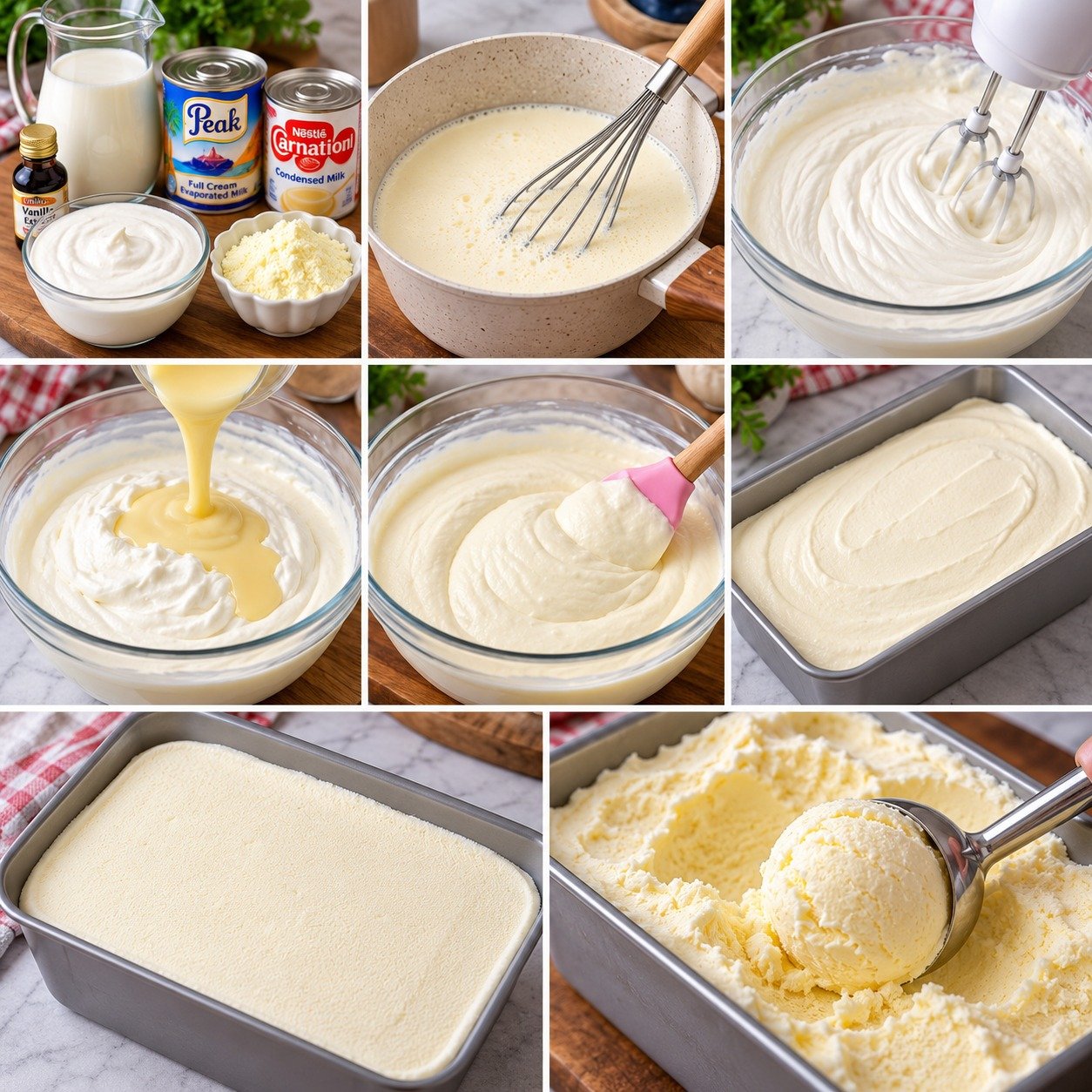

Homemade Creamy Vanilla Ice Cream

Vanilla Ice Cream with a smooth creamy texture, real vanilla, rich dairy base, and classic homemade scoops

Homemade Creamy Vanilla Ice Cream

Vanilla Ice Cream is a classic frozen dessert with a smooth, creamy texture and rich vanilla flavor. This homemade version uses heavy cream, whole milk, sugar, egg yolks, and real vanilla to create a scoopable dessert that tastes fresh, simple, and luxurious.

This Vanilla Ice Cream recipe is perfect for summer, birthdays, family dinners, or anytime you want a dependable homemade dessert. The custard base gives it a rich texture, while chilling and churning help create a smooth finish without icy crystals.

Prep Time: 20 minutes
Cook Time: 10 minutes
Chill Time: 4 hours
Churn Time: 20–25 minutes
Freeze Time: 3–4 hours
Total Time: About 8 hours
Servings: 8

Ingredients

For the Ice Cream Base

  • 2 cups heavy cream
  • 1 cup whole milk
  • 3/4 cup granulated sugar
  • 5 large egg yolks
  • 1 tablespoon pure vanilla extract
  • 1 vanilla bean, optional
  • 1/4 teaspoon salt

Optional Toppings

  • Fresh berries
  • Chocolate sauce
  • Caramel sauce
  • Chopped nuts
  • Crushed cookies
  • Sprinkles

Why You’ll Love This Recipe

Vanilla Ice Cream is one of the most versatile desserts you can make at home. It tastes wonderful on its own, but it also pairs beautifully with pies, brownies, cakes, cobblers, cookies, and fruit desserts.

Another reason to love Vanilla Ice Cream is the texture. A cooked custard base made with egg yolks gives the finished ice cream a rich, creamy body that stays smooth after freezing.

The recipe is also easy to customize. Once you master the vanilla base, you can add chocolate chips, cookie pieces, caramel, fruit swirls, toasted nuts, or other favorite mix-ins.

How to Make Vanilla Ice Cream

Step 1: Warm the Cream and Milk

Pour the heavy cream and whole milk into a medium saucepan.

Add half of the sugar and the salt.

If using a vanilla bean, split it lengthwise and scrape the seeds into the saucepan. Add the empty pod as well.

Warm the mixture over medium-low heat until it is steaming but not boiling. Stir occasionally so the sugar begins to dissolve and the milk does not scorch on the bottom.

Step 2: Whisk the Egg Yolks

While the dairy mixture heats, place the egg yolks and remaining sugar in a medium bowl.

Whisk for 1 to 2 minutes until the mixture becomes slightly lighter and smoother.

This step helps the sugar begin dissolving and prepares the yolks for tempering.

Step 3: Temper the Eggs

Slowly pour about 1/2 cup of the hot cream mixture into the egg yolks while whisking constantly.

Add another small amount and continue whisking.

Tempering raises the temperature of the yolks gradually so they do not scramble when added to the hot dairy mixture.

Step 4: Cook the Custard

Pour the warmed egg mixture back into the saucepan.

Cook over low to medium-low heat, stirring constantly with a wooden spoon or silicone spatula.

The custard for Vanilla Ice Cream should gradually thicken enough to coat the back of a spoon.

Do not let the mixture boil.

If you have an instant-read thermometer, aim for approximately 170°F to 175°F, or 77°C to 79°C.

Step 5: Strain the Mixture

Remove the saucepan from the heat.

Pour the custard through a fine-mesh strainer into a clean bowl.

Straining removes any tiny cooked egg pieces and helps the final texture stay silky and smooth.

Discard the vanilla bean pod if you used one.

Step 6: Add the Vanilla

Stir in the vanilla extract.

Taste the base once it has cooled slightly. The vanilla flavor should be noticeable because freezing can slightly dull sweetness and aroma.

Step 7: Cool the Custard

Let the custard stand at room temperature for about 15 minutes.

Cover the surface or transfer the mixture to an airtight container.

Refrigerate the Vanilla Ice Cream base for at least 4 hours, preferably overnight.

A thoroughly chilled base churns more efficiently and usually produces a smoother, creamier finished dessert.

Step 8: Churn the Ice Cream

Pour the cold custard into your ice cream maker.

Churn according to the manufacturer’s instructions, usually for about 20 to 25 minutes.

The mixture should become thick and resemble soft-serve ice cream.

Avoid over-churning once the mixture has become thick because excessive churning can affect the smooth texture.

Step 9: Transfer to a Freezer Container

Spoon the churned ice cream into a shallow freezer-safe container.

Smooth the top with a spatula.

Press a piece of parchment paper or plastic wrap directly against the surface before sealing the container. This helps reduce the formation of unwanted ice crystals.

Step 10: Freeze Until Firm

Freeze Vanilla Ice Cream for 3 to 4 hours, or until it becomes firm enough to scoop.

For the creamiest texture, avoid repeatedly thawing and refreezing the container.

Step 11: Soften Before Serving

Homemade ice cream usually freezes harder than many commercial varieties because it contains fewer stabilizers.

Let the container sit at room temperature for about 5 to 10 minutes before scooping.

This short rest makes the texture creamier and much easier to serve.

Serving Suggestions

Vanilla Ice Cream is delicious in a simple bowl or cone, but it is also one of the best desserts for pairing with baked treats.

Serve Vanilla Ice Cream with warm apple pie, brownies, peach cobbler, bread pudding, waffles, pancakes, or chocolate cake.

For a fruit-based dessert, add strawberries, blueberries, peaches, cherries, raspberries, or sliced bananas.

You can also create classic ice cream sundaes with chocolate sauce, caramel sauce, whipped cream, chopped nuts, sprinkles, and cherries.

For a simple summer dessert, add a scoop over grilled peaches or warm berry compote.

For another rich and easy dessert, try our No Bake Twix Bars with a buttery biscuit base, gooey caramel, and smooth chocolate topping.

Recipe Tips

Use full-fat dairy for the richest texture. Heavy cream and whole milk provide enough fat to keep the finished dessert smooth and satisfying.

Do not boil the custard. High heat can scramble the egg yolks and give the mixture an unpleasant grainy texture.

Chill the custard completely before churning. A colder base freezes faster, which can help create smaller ice crystals and a smoother result.

For the strongest flavor, use pure vanilla extract rather than imitation vanilla.

A vanilla bean can make Vanilla Ice Cream even more aromatic while adding attractive vanilla specks throughout the finished dessert.

Do not overfill the ice cream machine. The mixture expands as air is incorporated while churning.

Store the finished dessert toward the back of the freezer, where the temperature stays more consistent.

Easy Variations

Vanilla Ice Cream is a great starting point for many other homemade flavors.

For chocolate chip ice cream, add mini chocolate chips during the final few minutes of churning.

For cookies and cream, fold in crushed chocolate sandwich cookies once the mixture becomes thick.

Create a caramel swirl by layering caramel sauce through the freshly churned ice cream before freezing.

For strawberry flavor, fold in a thick strawberry puree or small pieces of cooked and cooled strawberries.

A coffee variation can be made by steeping coffee beans in the warm cream mixture, then straining them out before tempering the egg yolks.

You can also add toasted pecans, brownie pieces, peanut butter ribbons, chopped chocolate, or crushed cookies.

You may also enjoy our 3 Refreshing Homemade Fruit Drinks Recipes for simple, fruity beverages that are perfect for warm days and family gatherings.

Make-Ahead Instructions

Vanilla Ice Cream is naturally a make-ahead dessert because the custard needs time to chill and the churned ice cream needs additional freezer time before serving.

Prepare the custard up to 2 days in advance and keep it covered in the refrigerator.

Churn it when convenient, transfer it to a freezer-safe container, and freeze until firm.

For birthdays, dinner parties, or holiday meals, preparing the ice cream one or two days ahead reduces last-minute work and gives the dessert plenty of time to set.

Storage

Store Vanilla Ice Cream in an airtight freezer-safe container.

For the best flavor and texture, enjoy it within about 2 weeks.

Covering the surface directly with parchment paper or plastic wrap helps reduce freezer burn and ice crystals.

Avoid storing the container in the freezer door because frequent temperature changes can cause the dessert to soften and refreeze.

If it becomes very firm, allow it to soften for a few minutes at room temperature before scooping.

Nutrition Information

Approximate nutrition per serving:

Calories: 330
Protein: 4 g
Carbohydrates: 27 g
Fat: 24 g
Saturated Fat: 15 g
Fiber: 0 g
Sugar: 25 g
Sodium: 95 mg

Nutrition values are estimates and may vary depending on the cream, milk, sugar, portion size, vanilla, and optional toppings.

Frequently Asked Questions

Can I make this without an ice cream maker?

Yes. Pour the chilled base into a shallow freezer-safe container and freeze it. Stir or whisk vigorously every 30 to 45 minutes during the first 3 hours to break up larger ice crystals. The texture may not be quite as smooth as machine-churned ice cream, but it will still taste delicious.

Why is my homemade ice cream icy?

The base may not have been cold enough before churning, or it may have frozen too slowly. Proper chilling, enough fat, and airtight storage help produce a creamier result.

Can I use only milk?

Using only milk will make the dessert significantly less creamy. Heavy cream is important for the rich texture associated with Vanilla Ice Cream.

Can I use vanilla bean paste?

Yes. Vanilla bean paste works very well and gives the dessert attractive visible vanilla specks.

Why did my custard curdle?

The heat may have been too high or the mixture may have boiled. Cook gently and stir constantly once the egg yolks are added.

Can I reduce the sugar?

You can reduce it slightly, but sugar affects more than sweetness. It also helps keep homemade ice cream softer after freezing.

How long does homemade ice cream last?

For the best quality, enjoy it within about 2 weeks. Longer storage can gradually lead to more ice crystals and reduced freshness.

Final Thoughts

Vanilla Ice Cream is a timeless homemade dessert with a creamy texture, rich dairy flavor, and fragrant vanilla in every scoop.

Because Vanilla Ice Cream pairs with so many desserts and toppings, it is a useful recipe to keep for summer gatherings, birthdays, holidays, and casual family treats.

Keep this Vanilla Ice Cream recipe handy whenever you want a classic frozen dessert made from simple ingredients.

With a silky custard base, real vanilla, and a smooth churned texture, Vanilla Ice Cream proves that one of the simplest flavors can still be one of the most satisfying homemade desserts.

Ginger and Clove Tea

Ginger and Clove Tea

Ginger and clove tea is a warm, fragrant drink made by gently simmering fresh ginger and whole cloves in water. The ginger gives it a lively, slightly peppery taste, while the cloves add a deep, sweet spice aroma. You can drink it hot or chill it for a refreshing spiced drink.

The photo shows a bottle containing ginger, cloves, and what appear to be other herbs, but the ingredients and quantities cannot be confirmed from the image. This recipe uses just ginger and cloves as its flavor base, with optional honey and lemon added when serving.

Prep Time: 5 minutes
Cook Time: 10 minutes
Steeping Time: 5 minutes
Servings: 4

Ingredients
4 cups water
2 inches fresh ginger, thinly sliced
4 whole cloves
1–2 teaspoons honey per cup, optional
Lemon slices, optional
Instructions

Step 1: Prepare the ginger. Rinse the ginger under running water, rubbing away any visible dirt. Slice it thinly so more of its surface touches the water. You can leave the peel on if it is clean, or remove it if you prefer. Thin slices give the tea a stronger flavor than one large piece.

Step 2: Add the ingredients to a saucepan. Pour the water into a small saucepan. Add the sliced ginger and four whole cloves. Keep the cloves whole so they are easy to strain out later. Ground cloves would leave fine particles in the finished drink.

Step 3: Bring to a gentle boil. Place the saucepan over medium-high heat. When the water begins to boil, lower the heat so it simmers gently. There is no need for a vigorous boil; a quiet simmer extracts plenty of flavor.

Step 4: Simmer for 10 minutes. Let the ginger and cloves simmer uncovered for about 10 minutes. The water will take on a pale golden color and a warm aroma. For a milder tea, simmer for only 5 minutes. If you prefer a stronger ginger taste, use the full 10 minutes and allow the tea to steep afterward.

Step 5: Steep and strain. Turn off the heat, cover the saucepan, and leave it for 5 minutes. Pour the tea through a fine-mesh strainer into a heat-safe jug or directly into cups. Discard the ginger slices and cloves, or set the ginger aside if you want to use it once more for a weaker second batch.

Step 6: Sweeten individual servings. Taste the tea before adding anything. If desired, stir 1–2 teaspoons of honey into each warm cup. Add a lemon slice for a brighter flavor. Sweetening each cup separately lets everyone adjust the drink to their taste.

Step 7: Serve hot or cold. Enjoy the tea warm immediately. For a cold drink, let the strained tea cool briefly, transfer it to a covered container, and refrigerate it. Pour it over ice when ready to serve, adding honey or lemon after tasting.

Tips

Start with a modest amount of cloves. Four whole cloves are enough to give four cups of tea a noticeable spiced aroma. Cloves can dominate the drink if too many are used or if they remain in the liquid for hours. Straining them after steeping keeps the flavor balanced.

Slice rather than grate the ginger. Thin slices are easy to remove and leave a clear tea. Grated ginger makes a stronger drink, but it also produces small fibers that require more careful straining. For this simple version, sliced ginger works well.

Taste before adding honey. Fresh ginger has a naturally lively taste, and cloves have a sweet aroma even though they do not add sugar. You may find that the tea needs less honey than expected. Add a little, stir, and taste again.

Use a saucepan for the hot preparation. The bottle in the image is a serving or storage style of container, not a reason to brew tea in disposable plastic. Simmer the ingredients in a saucepan, strain the liquid, and then transfer the cooled tea to a clean, suitable container.

Keep the recipe simple. The image appears to contain leaves, but they cannot be identified reliably. Avoid adding an unidentified herb to a drink. Ginger, cloves, water, and optional lemon are enough to produce a flavorful tea.

Adjust the strength with time. If your first batch tastes too strong, shorten the simmer to 5 minutes next time or add a little hot water to your cup. If it tastes too mild, let it steep a few minutes longer after turning off the heat. Changing the steeping time is easier than adding many more cloves.

Storage

Strain out the ginger and cloves before storing the tea. Pour it into a clean, covered container and refrigerate for up to 2 days for the best flavor. As a general food-safety practice, do not leave prepared drinks containing fresh ingredients sitting at room temperature for extended periods; refrigerate them promptly after cooling. FoodSafety.gov advises refrigerating perishable prepared foods within 2 hours.

To serve leftovers warm, pour only the amount you want into a saucepan or microwave-safe cup and heat it until pleasantly hot. You can also serve it cold over ice. Add fresh lemon and honey after reheating or pouring; this keeps their flavors distinct.

Serving Ideas

For a cozy cup, serve the tea hot with a thin lemon slice floating on top. Place honey on the table so each person can decide how sweet to make it. It pairs well with breakfast toast, a plain biscuit, or a lightly sweet snack.

For a cold version, pour the chilled tea over ice in a tall glass and add a fresh lemon slice. If you plan to serve it to guests, make the unsweetened tea ahead and offer honey separately. The ginger and clove flavors remain noticeable whether the drink is hot or chilled.

You can also serve smaller portions after a meal. Because the flavor is concentrated and spicy, a modest cup may be more enjoyable than a large one, especially for someone trying it for the first time.

Nutrition Benefits

Without honey, this tea contains very few calories. Honey adds sweetness and calories according to the amount used. The recipe is mainly a flavorful way to prepare a warm or cold drink.

The image suggests that the ginger and clove mixture will “do” something for your health, but it does not state a specific, supported benefit. This beverage should be presented as a tea rather than a treatment or cure. Ginger can cause heartburn or stomach discomfort in some people, and herbal products can interact with medicines; if you take medication and plan to consume ginger regularly for a health purpose, ask a health professional.

Q&A

Can I use powdered ginger instead of fresh ginger?
Fresh ginger gives this recipe its clean, bright flavor and is easy to strain. Powdered ginger will make a cloudier, more concentrated drink, so this recipe is best made with fresh slices.

Can I use ground cloves?
Whole cloves are recommended. Ground cloves are difficult to remove and can make the tea gritty. If you only have ground cloves, use a very small pinch and strain the drink through a fine filter.

Does the tea need honey?
No. Honey is optional. Taste the tea first, then sweeten your own cup if you like.

Can I leave the ginger and cloves in the bottle overnight?
It is better to strain them out after steeping. Leaving them in makes the drink increasingly strong, particularly from the cloves. Store the strained tea covered in the refrigerator.

Can I make a larger batch?
Yes. Double the water, ginger, and cloves, then use the same simmering and steeping times. Use a saucepan large enough to leave room above the liquid as it simmers.

Is this the exact recipe in the photo?
No. The photo does not show a complete ingredient list or method. This is a practical ginger and clove tea inspired by the visible ingredients.

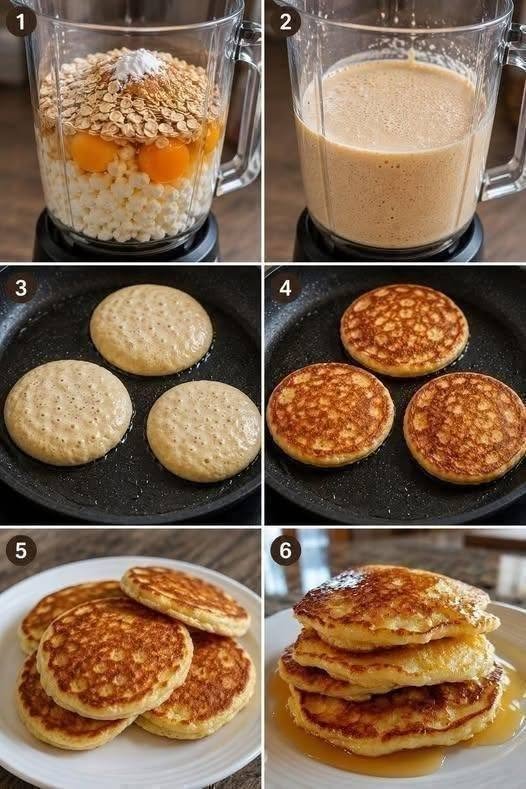
Blender Cottage Cheese Oatmeal Pancakes

Blender Cottage  Cheese Oatmeal Pancakes

Prep Time: 10 minutes
Cook Time: 15 minutes
Servings: 3, approximately 9 small pancakes

Ingredients

1 cup cottage  cheese
1 cup old-fashioned rolled oats
3 large eggs
1 teaspoon baking powder
1 teaspoon vanilla extract
1 tablespoon honey or maple syrup, optional
¼ teaspoon salt
1–2 tablespoons milk, only if needed
Butter or oil, for greasing the skillet

Instructions

Step 1: Add the ingredients to a blender.
Place the cottage cheese, oats, eggs, baking powder, vanilla, salt, and optional honey or maple syrup into a blender. Adding the eggs and cottage cheese first helps the blades move through the mixture.

Step 2: Blend until smooth.
Blend for 30–60 seconds, stopping to scrape down the sides if necessary. The batter should be mostly smooth, with no large cottage cheese curds or whole oats remaining.

Step 3: Let the batter rest.
Allow the batter to sit for 5–10 minutes so the oats absorb moisture. It should become thick but pourable. If it is too thick to pour, blend in milk, 1 tablespoon at a time. Avoid adding too much liquid, which can make the pancakes spread excessively.

Step 4: Heat the skillet.
Place a nonstick skillet or griddle over medium-low heat. Lightly grease it with butter or oil. These pancakes brown fairly quickly, so a moderate temperature helps the centers cook before the outsides become too dark.

Step 5: Portion the pancakes.
Pour approximately ¼ cup of batter into the skillet for each pancake. Leave space between them for easy flipping. Gently spread the batter into small rounds if needed.

Step 6: Cook the first side.
Cook for 2–3 minutes, until the edges begin to set, small bubbles appear on top, and the underside is golden brown. Wait until the pancakes hold their shape before sliding a spatula underneath.

Step 7: Flip and finish cooking.
Carefully flip each pancake and cook for another 1–2 minutes. The centers should be set and no longer wet. If the pancakes brown before cooking through, lower the heat and allow a little more time.

Step 8: Repeat and serve.
Transfer the cooked pancakes to a plate and repeat with the remaining batter, lightly greasing the skillet between batches. Serve warm with your favorite toppings.

Tips

Use small-curd cottage cheese for easier blending; either full-fat or reduced-fat works.
Rolled oats give reliable results. Quick oats can also work, but avoid steel-cut oats.
Keep the pancakes small because the tender batter is easier to flip in smaller portions.
Stir the batter between batches. It may thicken as it stands; add a small splash of milk if necessary.
For a less sweet version, omit the honey or maple syrup from the batter.
Add a pinch of cinnamon for extra flavor.
Use certified gluten-free oats if you need a gluten-free version.
Avoid pressing the pancakes with the spatula, which can flatten their soft centers.

Storage

Cool the pancakes before storing them in an airtight container. Refrigerate within 2 hours and use within 3–4 days.

To freeze, place the cooled pancakes in a single layer on a tray until firm, then transfer to a freezer-safe bag with parchment paper between layers. Freeze for up to 2 months for best quality.

Reheat in a microwave, toaster oven, or lightly greased skillet until hot throughout. A skillet or toaster oven helps restore the lightly crisp edges.

Serving Ideas

Fresh berries and a spoonful of Greek yogurt
Sliced bananas and peanut butter
A light drizzle of maple syrup or honey
Warm cinnamon apples
Chopped walnuts and strawberries

For a finish similar to the picture, stack the warm pancakes and drizzle a little honey or maple syrup over the top.

Nutrition Benefits

Cottage cheese and eggs provide protein, while oats contribute fiber and carbohydrates. This combination makes the pancakes a satisfying breakfast. Fresh fruit adds variety, and using a modest amount of syrup keeps added sugar lower.

Estimated Nutrition per Serving

For approximately 3 pancakes, using 2% cottage  cheese and excluding optional sweetener, cooking fat, and toppings:

Calories: 245
Protein: 19 g
Carbohydrates: 22 g
Fat: 9 g
Fiber: 3 g

Actual values depend on the brands and portion sizes used.

Q&A

Can I make these without a blender?
Yes. Replace the rolled oats with approximately ¾ cup oat flour, mash the cottage cheese well, and whisk everything together. The texture will be less smooth.

Why are my pancakes falling apart?
The batter may be too thin, or you may be flipping them before the first side sets. Rest the batter, keep the pancakes small, and wait until the edges are firm.

Can I prepare the batter ahead?
For the best texture, blend it shortly before cooking. If refrigerated overnight, it will thicken considerably; stir and add a little milk before using.

Do these taste strongly of cottage cheese?
The flavor is mild once blended and cooked. Vanilla and your chosen toppings help give them a familiar pancake taste.

Can I add blueberries or chocolate chips?
Yes. Scatter a few onto each pancake immediately after pouring the batter into the skillet.

Are these the exact ingredients shown in the picture?
The image appears to show cottage cheese, eggs, oats, and a raising agent blended into pancakes. This recipe is a practical recreation; exact quantities cannot be confirmed from the image alone.

Cucumber Cream Cheese Tea Sandwiches

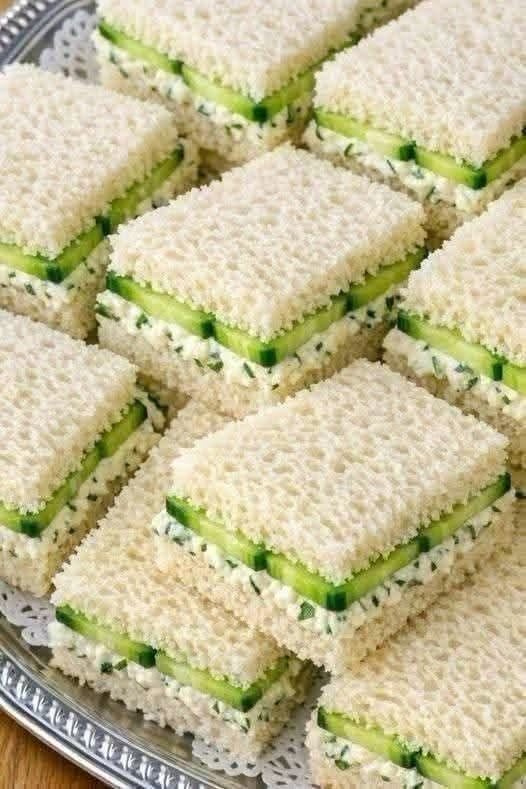
Fresh Cucumber Cream Cheese Tea Sandwiches with soft white bread, thin cucumber slices, and creamy herb filling on a serving platter.

Cucumber Cream Cheese Tea Sandwiches – Easy No-Cook Party Recipe

Description

Cucumber Cream Cheese Tea Sandwiches are light, refreshing, and delicious bite-sized sandwiches made with soft bread, crisp cucumber slices, and a creamy herb filling. Inspired by traditional English afternoon tea, these elegant little sandwiches are perfect for brunch, baby showers, bridal showers, birthday parties, picnics, and family gatherings.

The combination of cool cucumber, smooth cream cheese, fresh dill, and delicate bread creates a wonderful balance of flavors and textures. Every bite is creamy, slightly crunchy, and full of fresh herbal flavor.

One of the best things about this Cucumber Cream Cheese Tea Sandwiches recipe is that it requires no cooking. With just a few everyday ingredients and approximately 20 minutes of preparation, you can create a beautiful appetizer that looks impressive on any serving platter.

The secret to perfect cucumber sandwiches is removing excess moisture from the cucumber and spreading the cream cheese evenly across the bread. This prevents soggy sandwiches and helps them hold their shape.

Whether you’re preparing an elegant afternoon tea or a quick snack for guests, these homemade cucumber sandwiches are a simple and delicious choice.

Prep Time: 20 minutes
Cook Time: 0 minutes
Optional Chilling Time: 15–20 minutes
Total Time: 20–40 minutes
Servings: 6
Yield: 6 whole sandwiches or 24 small tea sandwiches
Cuisine: British-Inspired
Course: Appetizer, Snack, Light Lunch

Ingredients

For the Sandwiches

  • 12 slices soft white sandwich bread
  • 1 large English cucumber, thinly sliced
  • 8 oz (225 g) cream cheese, softened
  • 2 tablespoons mayonnaise or plain Greek yogurt
  • 1 tablespoon fresh dill, finely chopped
  • 1 tablespoon fresh chives or parsley, chopped
  • 1 teaspoon fresh lemon juice
  • ¼ teaspoon garlic powder
  • ¼ teaspoon freshly ground black pepper
  • Salt, to taste

Optional Garnishes

  • Fresh dill sprigs
  • Thin cucumber slices
  • Fresh parsley
  • Lemon zest

Step-by-Step Instructions

Step 1: Prepare the Cucumber

Wash the English cucumber thoroughly under cool running water.

Using a sharp knife or mandoline slicer, cut the cucumber into thin, even rounds.

Arrange the cucumber slices on clean paper towels and gently pat them dry.

Removing excess moisture is important because cucumber naturally contains a large amount of water. If the slices are too wet, the bread may become soggy.

You can leave the cucumber skin on for extra color and a pleasant crunch.

Step 2: Prepare the Cream Cheese Filling

Place the softened cream cheese in a medium mixing bowl.

Add mayonnaise or Greek yogurt and stir until the mixture becomes smooth and spreadable.

Mix in the chopped dill, chives, lemon juice, garlic powder, and black pepper.

Taste the filling and add a small amount of salt if necessary.

The finished mixture should be creamy, flavorful, and easy to spread without being runny.

Step 3: Prepare the Bread

Arrange the bread slices on a clean cutting board.

For traditional English-style tea sandwiches, carefully remove the crusts using a sharp serrated knife.

Removing the crusts creates soft, neat edges and gives the sandwiches an elegant appearance.

However, you can leave the crusts on if you prefer a more casual presentation.

Step 4: Spread the Cream Cheese

Spread a thin, even layer of the prepared herb cream cheese mixture onto one side of all 12 bread slices.

Make sure the filling reaches close to the edges.

This helps create a moisture barrier between the bread and cucumber while ensuring every bite contains the creamy filling.

Avoid using too much filling because it may squeeze out when the sandwiches are assembled.

Step 5: Add the Cucumber

Arrange a single layer of cucumber slices over six prepared bread slices.

Slightly overlap the cucumber rounds to cover most of the bread.

For additional flavor, sprinkle a little fresh dill or black pepper over the cucumber.

Step 6: Assemble the Sandwiches

Place the remaining six bread slices over the cucumber, with the cream cheese side facing inward.

Gently press the sandwiches together.

Avoid pressing too firmly, as this may flatten the bread or push the filling out.

You should now have six complete sandwiches.

Step 7: Chill Before Cutting

Place the assembled sandwiches on a tray and cover them.

Refrigerate for approximately 15–20 minutes.

This optional step helps the cream cheese become slightly firmer, making the sandwiches easier to cut neatly.

Step 8: Cut and Serve

Using a sharp serrated knife, cut each whole sandwich into four small squares or rectangles.

This produces approximately 24 bite-sized tea sandwiches.

Arrange them neatly on a serving platter and garnish with fresh dill, parsley, or cucumber slices.

Serve chilled or shortly after preparation for the best texture.

Tips and Notes

Use fresh bread: Soft white sandwich bread provides the classic delicate texture of traditional cucumber tea sandwiches.

Choose English cucumber: English cucumbers have thin skins and fewer seeds, making them ideal for this recipe.

Remove excess moisture: Always pat cucumber slices dry before assembling the sandwiches.

Soften the cream cheese: Room-temperature cream cheese mixes more smoothly and spreads without tearing the bread.

Use fresh herbs: Fresh dill and chives provide a delicious, aromatic flavor.

Avoid overfilling: A thin, even layer of cream cheese is better than an overly thick filling.

Chill before slicing: Refrigerating the assembled sandwiches briefly helps create clean, attractive edges.

Prepare ahead: The cream cheese filling can be prepared up to 24 hours in advance and stored in the refrigerator.

Storage: Keep assembled sandwiches in an airtight container in the refrigerator and enjoy within 24 hours for the best quality. Do not leave them at room temperature for more than two hours, or one hour above 90°F (32°C).

Delicious Variations

Dill and Lemon Cucumber Sandwiches

Add extra fresh dill and a little grated lemon zest to the cream cheese filling for a brighter flavor.

Garlic Herb Cucumber Sandwiches

Add a small amount of finely minced fresh garlic for a stronger savory taste.

Greek Yogurt Cucumber Sandwiches

Replace the mayonnaise with thick plain Greek yogurt for a slightly tangier filling.

Whole-Wheat Cucumber Sandwiches

Use soft whole-wheat sandwich bread instead of white bread for a nuttier flavor and potentially more fiber.

Cucumber and Smoked Salmon Sandwiches

Add thin pieces of smoked salmon between the cucumber and cream cheese layers for a more substantial appetizer.

Frequently Asked Questions

Can I make Cucumber Cream Cheese Tea Sandwiches the night before?

You can prepare the cream cheese filling a day ahead, but it is best to assemble the sandwiches on the day you plan to serve them. Cucumbers release moisture over time, which can soften the bread.

How do I keep cucumber sandwiches from getting soggy?

Pat the cucumber slices dry, use a thick cream cheese filling, and spread the filling over both pieces of bread. Assemble the sandwiches close to serving time.

Should I peel the cucumber?

Peeling is optional. English cucumber skin is usually thin and tender, so it can be left on.

Can I use flavored cream cheese?

Yes. Garlic and herb cream cheese or chive cream cheese can work well. Adjust the additional seasonings to avoid overpowering the cucumber.

Can I make these sandwiches gluten-free?

Yes. Replace the regular bread with soft gluten-free sandwich bread and check the remaining ingredients for gluten-containing additives.

Can I freeze cucumber tea sandwiches?

Freezing is not recommended because cucumbers become watery after thawing, and the bread may lose its soft texture.

What can I serve with cucumber tea sandwiches?

These sandwiches pair beautifully with hot tea, lemonade, fresh berries, fruit salad, mini quiches, vegetable sticks, or other small appetizers.

Servings and Nutrition

Servings: 6
Yield: 24 small tea sandwiches
Serving Size: 4 small pieces (equivalent to one whole sandwich)

Estimated Nutrition Per Serving

Nutrient Approximate Amount
Calories 340 kcal
Protein 9 g
Carbohydrates 31 g
Fat 21 g
Fiber 2 g
Sugar 5 g
Sodium 460 mg

Nutrition values are estimates based on standard white bread, full-fat cream cheese, and mayonnaise. Actual values depend on ingredient brands and portion sizes.

Final Thoughts

Cucumber Cream Cheese Tea Sandwiches are a wonderful choice when you want something fresh, simple, and elegant without spending hours in the kitchen.

With soft bread, crunchy cucumber, and a delicious herb cream cheese filling, these little sandwiches are perfect for entertaining or enjoying as a light snack.

Prepare them for your next brunch, afternoon tea, or family gathering and serve them fresh for the best flavor and texture.

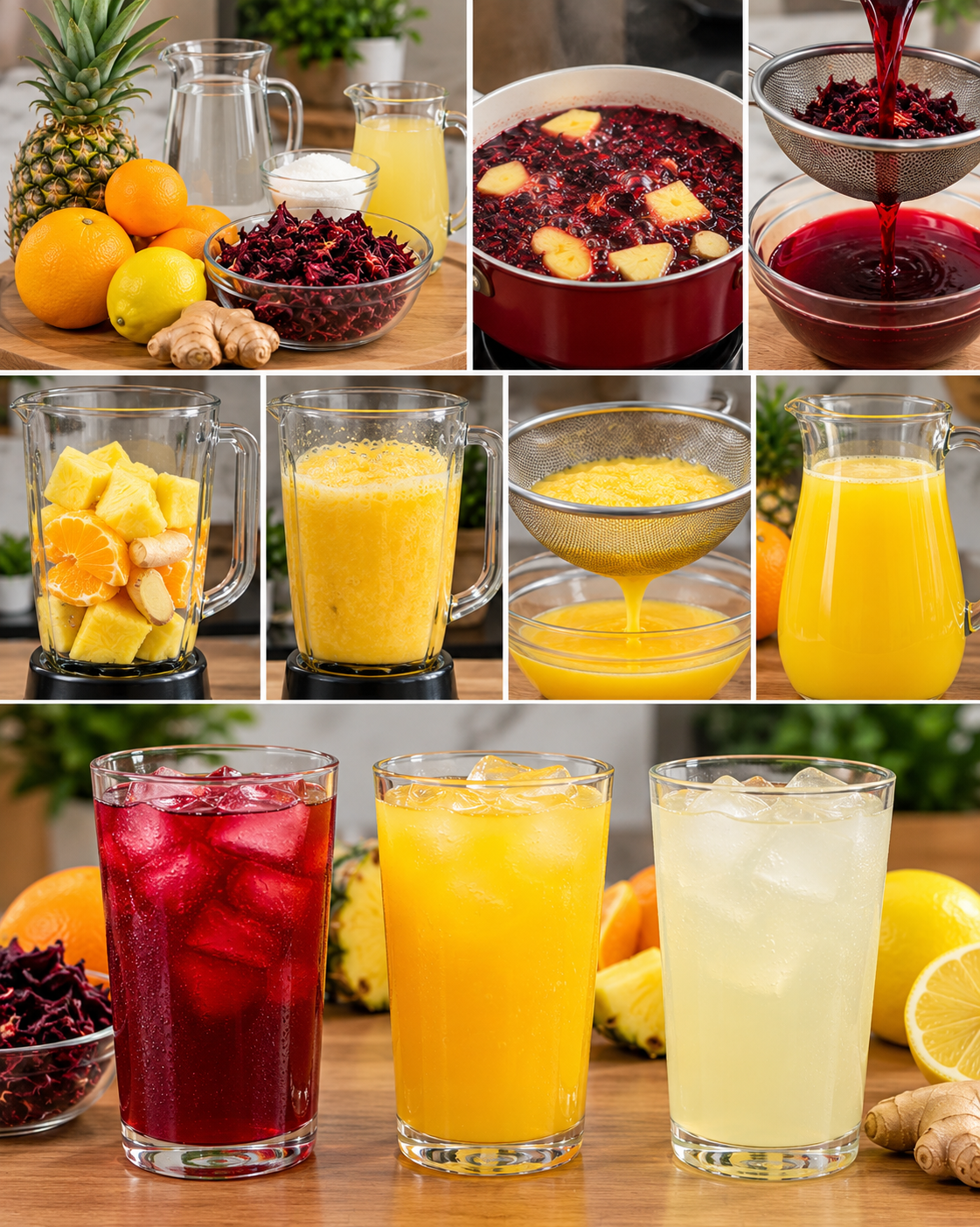
3 Refreshing Homemade Fruit Drinks Recipes

Easy Homemade Fruit Drinks – Zobo, Pineapple Juice & Lemonade

3 Refreshing Homemade Fruit Drinks Recipes – Zobo, Tropical Pineapple Juice & Fresh Lemonade

Description

These 3 Refreshing Homemade Fruit Drinks Recipes are perfect for hot summer days, family gatherings, parties, or simply enjoying a delicious homemade beverage. With fresh fruits, natural ingredients, and easy preparation methods, you can make three colorful drinks right in your kitchen.

This collection includes a vibrant Hibiscus Zobo Drink, a sweet and tangy Tropical Orange-Pineapple Juice, and a classic Fresh Lemonade. Each drink offers its own unique flavor, beautiful color, and refreshing taste.

The Hibiscus Zobo Drink has a deep ruby-red color with a pleasantly tart flavor. The Tropical Orange-Pineapple Juice is naturally sweet, fruity, and packed with tropical goodness. Meanwhile, the Fresh Lemonade is light, citrusy, and perfect for cooling down on warm afternoons.

These homemade fruit drinks are easy to customize. You can adjust the sweetness, add fresh herbs, or serve them over ice for an extra refreshing experience.

Preparation Time: 10–15 minutes per drink Cooking Time: 15–20 minutes for Zobo Chilling Time: 1–2 hours Difficulty: Easy Best Served: Chilled

Ingredients

1. Hibiscus Zobo Drink

  • 2 cups dried hibiscus flowers (zobo)

  • 1.5 liters water

  • 100 g fresh pineapple, chopped

  • 30 g fresh ginger, sliced

  • 1 medium orange

  • Sugar or honey, to taste (optional)

  • Ice cubes, for serving

2. Tropical Orange-Pineapple Juice

  • 2 cups fresh pineapple chunks (approximately 330 g)

  • 3 medium oranges, peeled and deseeded

  • 10 g fresh ginger (optional)

  • ½–1 cup cold water

  • Sugar or honey, to taste (optional)

  • Ice cubes, for serving

3. Fresh Homemade Lemonade

  • 4 medium lemons

  • 1 liter cold water

  • 80–100 g granulated sugar, or to taste

  • Ice cubes, as needed

  • Fresh lemon slices, for garnish

  • Fresh mint leaves (optional)

Step-by-Step Instructions

Recipe 1: Hibiscus Zobo Drink

Step 1: Wash the Hibiscus Flowers

Place the dried hibiscus flowers in a large bowl and rinse thoroughly under cool running water to remove dust or dirt.

Drain the water and set the cleaned flowers aside.

Step 2: Prepare the Fruits and Ginger

Wash the pineapple, orange, and ginger.

Cut the pineapple into small chunks and slice the ginger into thin pieces. Keep the orange aside for juicing later.

Step 3: Simmer the Zobo Mixture

Pour 1.5 liters of water into a large saucepan.

Add the rinsed hibiscus flowers, chopped pineapple, and sliced ginger.

Bring the mixture to a gentle boil over medium heat.

Reduce the heat and simmer for approximately 15–20 minutes.

During cooking, the liquid will gradually develop a beautiful deep red color.

Step 4: Cool and Strain

Turn off the heat and allow the mixture to cool slightly.

Place a fine-mesh strainer over a large heatproof bowl or pitcher.

Carefully pour the mixture through the strainer to remove the hibiscus flowers, ginger, and pineapple pieces.

Step 5: Add Orange Juice

Squeeze the juice from one medium orange and add it to the strained Zobo Drink.

Stir well to combine.

Taste the mixture and add sugar or honey if desired.

Step 6: Chill and Serve

Transfer the drink to a clean pitcher and refrigerate until thoroughly chilled.

Serve over ice cubes in tall glasses.

For a beautiful presentation, garnish with orange slices or fresh mint leaves.

Recipe 2: Tropical Orange-Pineapple Juice

Step 1: Prepare the Pineapple

Wash the pineapple, remove the outer skin and core if tough, and cut the flesh into small chunks.

Measure approximately 2 cups of pineapple pieces.

Step 2: Prepare the Oranges

Peel the oranges and remove any visible seeds.

Separate the orange segments and place them in a bowl.

Step 3: Blend the Ingredients

Add the pineapple chunks, orange segments, and optional ginger to a blender.

Pour in ½ cup of cold water.

Blend for approximately 45–60 seconds until the mixture becomes smooth.

If the juice is too thick, gradually add more water until you reach your preferred consistency.

Step 4: Strain if Desired

For a smooth, juice-like texture, pour the blended mixture through a fine-mesh strainer.

If you prefer a thicker, smoothie-style drink with more fiber, skip the straining step.

Step 5: Adjust the Sweetness

Taste the juice before adding any sweetener.

Pineapple and oranges are naturally sweet, so additional sugar may not be necessary.

If desired, add a small amount of honey and stir until combined.

Step 6: Serve Cold

Refrigerate until chilled.

Pour into transparent glasses filled with ice cubes.

Garnish with pineapple wedges or orange slices for a tropical presentation.

Recipe 3: Fresh Homemade Lemonade

Step 1: Wash and Juice the Lemons

Wash four medium lemons thoroughly.

Cut each lemon in half and squeeze out the juice using a citrus juicer.

Remove any seeds.

Step 2: Dissolve the Sugar

For smoother lemonade, dissolve 80–100 g sugar in a small portion of the water, stirring until completely dissolved.

You can use slightly warm water to help dissolve the sugar, then allow it to cool.

Step 3: Combine the Ingredients

Pour the freshly squeezed lemon juice into a large pitcher.

Add the dissolved sugar mixture and the remaining cold water.

Stir thoroughly until everything is evenly combined.

Step 4: Adjust the Flavor

Taste the lemonade.

If it tastes too sour, add a little more water or sweetener.

If you prefer a stronger lemon flavor, add a small amount of extra lemon juice.

Step 5: Chill and Serve

Place the pitcher in the refrigerator until cold.

Fill serving glasses with ice cubes and pour the lemonade over the ice.

Garnish with fresh lemon slices and mint leaves.

Serve immediately and enjoy!

Tips and Notes

Use fresh fruits: Fresh pineapple, oranges, and lemons provide the best flavor and natural sweetness.

Adjust sweetness gradually: Always taste the drinks before adding sugar or honey. Ripe fruits may provide enough sweetness naturally.

Use filtered water: Clean, filtered water helps produce fresh-tasting homemade drinks.

Avoid excessive boiling: Simmer the hibiscus mixture gently rather than boiling aggressively for a long time.

Keep more fiber: For the orange-pineapple drink, avoid straining if you prefer a thicker texture and want to retain more of the fruit’s fiber.

Make colorful party drinks: Serve all three drinks in transparent glasses to highlight their red, golden-orange, and pale-yellow colors.

Add fresh herbs: Mint pairs beautifully with lemonade, while a small amount of ginger complements the tropical juice and Zobo Drink.

Make ahead: Prepare the drinks a few hours before serving and keep them refrigerated.

Storage: Store all drinks in clean, covered containers at 40°F (4°C) or below. For best quality and safety, consume fresh unpasteurized fruit drinks within 1–2 days. Refrigeration slows spoilage but does not eliminate all food-safety risks.

Important: Homemade drinks can be refreshing and provide some nutrients, but they do not replace drinking water or eating whole fruits.

Frequently Asked Questions

1. Can I prepare all three homemade fruit drinks ahead of time?

Yes. You can prepare these drinks several hours before a party or family gathering. Keep them refrigerated in covered containers until serving.

2. Can I make these fruit drinks without sugar?

Absolutely. The Tropical Orange-Pineapple Juice may be naturally sweet enough without added sugar. For Zobo and lemonade, you can reduce or omit the sweetener according to your taste.

3. What is Hibiscus Zobo Drink?

Zobo is a popular hibiscus-based beverage, especially in Nigeria and other parts of West Africa. It is traditionally prepared by simmering dried hibiscus calyces in water, often with ginger, pineapple, or other flavorings.

4. Can I use frozen pineapple instead of fresh pineapple?

Yes. Frozen pineapple works well in the tropical juice recipe. It can also help create a colder, thicker drink without requiring much ice.

5. Can I use bottled lemon juice for lemonade?

Freshly squeezed lemon juice is recommended because it provides a brighter flavor. However, bottled lemon juice can be used when fresh lemons are unavailable.

6. Which drink is best for summer parties?

All three are excellent choices. Zobo offers a vibrant red color, tropical pineapple juice provides a fruity orange flavor, and lemonade is a familiar, refreshing classic.

7. Can children enjoy these drinks?

Yes, children can enjoy age-appropriate portions of these drinks, provided they have no relevant allergies or medical restrictions. Use little or no added sugar, and avoid giving honey to infants younger than 12 months.

Servings and Nutrition

The number of servings depends on the glass size and final liquid yield.

Drink Approximate Yield Estimated Calories per 250 ml
Hibiscus Zobo Drink 5–6 glasses 15–35 kcal without added sweetener
Tropical Orange-Pineapple Juice 3–4 glasses 90–130 kcal without added sweetener
Fresh Lemonade 4–5 glasses 65–85 kcal with the listed sugar

Nutrition estimates vary depending on the fruits, amount of sweetener, straining method, and serving size.

Conclusion

These 3 Refreshing Homemade Fruit Drinks Recipes are easy, colorful, and perfect for enjoying with family and friends.

From the rich ruby-red Hibiscus Zobo Drink to the sweet Tropical Orange-Pineapple Juice and refreshing Fresh Lemonade, each recipe offers a delicious homemade alternative to many commercially sweetened beverages.

Prepare your favorite, serve it chilled, and enjoy a fresh and flavorful drink!