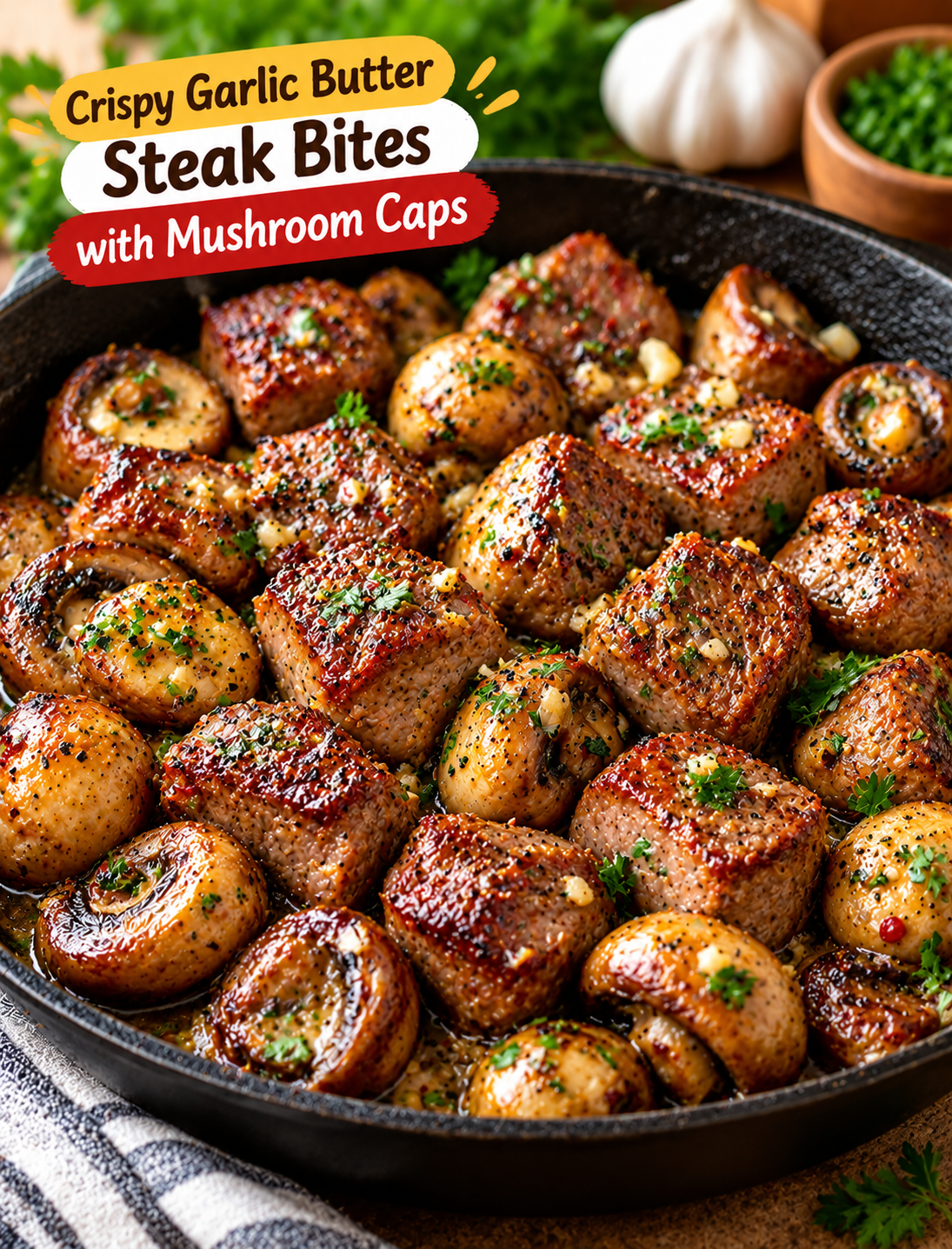
Garlic Butter Steak Bites with Mushrooms

Garlic Butter Steak Bites with Mushrooms

Craving a steakhouse-style dinner without the high price or long cooking time? These Crispy Garlic Butter Steak Bites with Mushroom Caps bring juicy beef, golden mushrooms, and rich garlic butter together in one skillet.

The steak develops a browned crust while the mushrooms soak up the savory butter and garlic. Fresh parsley adds a bright finish, and a little black pepper gives every bite extra flavor. Best of all, you can make this satisfying meal with simple ingredients and basic kitchen tools.

Serve these steak bites as a quick weeknight dinner, a party appetizer, or a special meal for two. They also pair well with mashed potatoes, roasted vegetables, rice, or crusty bread that can soak up the garlic butter sauce.

The secret to great steak bites is a hot skillet, dry steak, and enough space for the beef to brown. Follow the steps below to get tender steak, flavorful mushroom caps, and a delicious buttery finish.

Why You Will Love These Garlic Butter Steak Bites

  • Big steakhouse flavor: Garlic, butter, and browned beef create a rich, savory combination.
  • Golden mushroom caps: Mushrooms develop a deep, earthy flavor when seared in a hot skillet.
  • Quick cooking: Small steak cubes cook faster than a whole steak.
  • One-pan convenience: Cook the steak and mushrooms in the same skillet for easy cleanup.
  • Flexible serving options: Enjoy the bites as an appetizer, main course, or protein topping for a salad.
  • Simple ingredients: Most ingredients are easy to find at a regular grocery store.
  • Easy to customize: Add red pepper flakes, fresh thyme, or a splash of lemon juice to change the flavor.

Ingredients for Crispy Garlic Butter Steak Bites with Mushroom Caps

Choose a tender cut of beef and fresh mushrooms for the best texture. Drying the steak before cooking helps it brown instead of steam.

For the Steak Bites

  • 1 pound sirloin steak, cut into 1-inch cubes
  • 1 tablespoon olive oil
  • 1/2 teaspoon kosher salt, or to taste
  • 1/2 teaspoon freshly ground black pepper
  • 1/2 teaspoon smoked paprika, optional

Sirloin is a good choice because it offers a balance of tenderness, flavor, and value. Ribeye also works well if you prefer a richer result.

For the Garlic Butter Mushrooms

  • 8 ounces whole cremini or button mushrooms
  • 3 tablespoons unsalted butter
  • 4 garlic cloves, minced
  • 1 teaspoon fresh thyme leaves, optional
  • 1 tablespoon chopped fresh parsley
  • 1 teaspoon Worcestershire sauce, optional
  • 1 teaspoon lemon juice, optional

Cremini mushrooms have a deeper flavor than white button mushrooms, but either type works well. Choose mushrooms that feel firm and look fresh, without slimy spots.

Equipment You Will Need

  • A large cast-iron or heavy-bottomed skillet
  • A sharp knife
  • A cutting board
  • Paper towels
  • Tongs or a spatula
  • A small bowl
  • An instant-read meat thermometer

A large skillet is important because crowded steak cubes release moisture and may steam instead of forming a browned crust.

How to Make Crispy Garlic Butter Steak Bites with Mushroom Caps

Follow these steps to brown the steak, cook the mushrooms, and finish everything in a flavorful garlic butter sauce.

Step 1: Prepare the Steak

Cut the steak into evenly sized 1-inch cubes. Pat each piece dry with paper towels to remove surface moisture.

Place the cubes in a bowl and season them with salt, black pepper, and smoked paprika if using. Let the steak sit briefly while you prepare the mushrooms and garlic.

Step 2: Clean and Prepare the Mushrooms

Wipe the mushrooms with a damp paper towel or rinse them briefly and dry them well. Trim the ends of the stems if needed.

Leave small mushrooms whole to create the mushroom-cap appearance. Cut larger mushrooms in half so they cook evenly without becoming too small.

Step 3: Heat the Skillet

Place a large skillet over medium-high to high heat. Add the olive oil and allow it to become hot before adding the steak.

A properly heated skillet helps the beef develop a browned crust. If the oil begins to smoke heavily, lower the heat slightly before continuing.

Step 4: Sear the Steak Bites

Add the steak cubes in a single layer, leaving space between the pieces. Cook for about 2 minutes without moving them, then turn and sear the other sides for another 2–3 minutes as needed.

The exact cooking time depends on the cut, cube size, pan temperature, and desired doneness. For a better crust, cook in batches rather than crowding the skillet.

Transfer the browned steak to a clean plate while you cook the mushrooms. The steak can finish cooking later in the butter sauce.

Step 5: Brown the Mushroom Caps

Add the mushrooms to the same skillet, using a little extra oil if the pan is dry. Cook for about 4–6 minutes, stirring occasionally, until they release moisture and develop golden-brown surfaces.

Avoid stirring constantly because the mushrooms need direct contact with the hot pan to brown. If liquid collects in the skillet, continue cooking until most of it evaporates.

Step 6: Add the Garlic and Butter

Reduce the heat to medium. Add the butter, minced garlic, and fresh thyme if using.

Stir for about 30–60 seconds, just until the garlic smells fragrant. Do not let the garlic turn dark brown because burnt garlic can make the sauce taste bitter.

Step 7: Build the Garlic Butter Sauce

Stir in the Worcestershire sauce if using. Scrape the browned bits from the bottom of the skillet to mix their flavor into the butter.

Add the chopped parsley and a small squeeze of lemon juice if you want a brighter finish. Taste the sauce before adding extra salt.

Step 8: Return the Steak to the Skillet

Return the steak bites and any accumulated juices to the pan. Toss gently with the mushrooms and garlic butter so each piece gets coated.

Cook briefly until the steak reaches your preferred safe internal temperature. Use an instant-read thermometer rather than relying only on the outside color.

For whole-muscle beef steaks, the USDA recommends a minimum internal temperature of 145°F (63°C), followed by a three-minute rest. Check a few of the larger cubes because they may cook at different rates.

Step 9: Garnish and Serve

Remove the skillet from the heat and sprinkle the steak bites with fresh parsley. Spoon the garlic butter and mushroom juices over the beef before serving.

Serve immediately while the steak is warm and the mushrooms are glossy. A warm serving plate helps keep the garlic butter from cooling too quickly.

Tips for Extra-Crispy Steak Bites

  • Dry the steak first: Surface moisture prevents the beef from browning well.
  • Use a hot skillet: High heat creates a flavorful crust before the center overcooks.
  • Cook in batches: Give each cube enough room to sear on multiple sides.
  • Avoid constant flipping: Let the steak develop color before turning it.
  • Choose similar-sized cubes: Even pieces are easier to cook consistently.
  • Brown the mushrooms properly: Let their moisture evaporate before adding the butter.
  • Add garlic near the end: Garlic burns faster than steak and mushrooms.
  • Do not overcook the beef: Small cubes can go from tender to dry in a short time.
  • Use fresh parsley: A small amount adds color and balances the rich sauce.

Easy Variations to Try

Spicy Garlic Butter Steak Bites

Add a pinch of red pepper flakes or cayenne pepper to the butter sauce. Adjust the amount to suit your preferred heat level.

Steak Bites with Parmesan

Sprinkle finely grated Parmesan over the steak and mushrooms just before serving. The cheese adds a salty, savory finish.

Lemon Herb Steak Bites

Add fresh lemon juice, parsley, and thyme after cooking. This combination brightens the rich butter flavor without overpowering the beef.

Steak Bites with Onion

Add sliced yellow onion after removing the steak. Cook until softened and lightly browned, then add the mushrooms and continue with the recipe.

Creamy Garlic Mushroom Steak Bites

After cooking the mushrooms and garlic, stir in a small splash of heavy cream. Simmer briefly before returning the steak to the skillet, making sure the sauce does not boil aggressively.

What to Serve with Garlic Butter Steak Bites

These steak bites pair well with simple sides that complement the rich beef and mushrooms.

  • Mashed potatoes: Creamy potatoes soak up the garlic butter sauce.
  • Roasted asparagus: Its fresh flavor balances the richness of the steak.
  • Steamed green beans: A crisp vegetable side keeps the meal simple.
  • White or brown rice: Rice catches the buttery mushroom juices.
  • Roasted broccoli: Lightly browned broccoli adds texture and color.
  • Crusty bread: Serve warm bread to mop up the sauce.
  • Fresh green salad: A lemon-based dressing adds a refreshing contrast.

For a low-effort dinner, serve the steak bites with roasted vegetables and mashed potatoes. For a party, arrange them on a platter with cocktail picks and a small bowl of extra garlic butter.

How to Store and Reheat Leftovers

Let the steak and mushrooms cool slightly, then transfer them to a shallow, airtight container. Refrigerate within two hours of cooking and keep the refrigerator at 40°F (4°C) or below.

Use refrigerated leftovers within three to four days. Store the steak with its garlic butter juices to help prevent the meat from drying out.

To reheat, warm the steak and mushrooms in a skillet over medium-low heat with a small splash of water or broth. Stir gently until heated through, and avoid cooking longer than necessary.

You can also use a microwave in short intervals, stirring between each interval for more even heating. Reheat leftovers to 165°F (74°C) for food safety.

Freezing is possible, but the steak may become less tender after thawing. If freezing, use a freezer-safe airtight container and thaw overnight in the refrigerator before reheating.

Common Mistakes to Avoid

  • Crowding the skillet: Too many steak cubes lower the pan temperature and reduce browning.
  • Using damp steak: Moisture can create steam instead of a crisp surface.
  • Adding garlic too early: Garlic can burn while the steak is searing.
  • Moving the steak constantly: Frequent stirring prevents a good crust from forming.
  • Cooking mushrooms in a wet pan: Allow excess moisture to evaporate before adding butter.
  • Guessing doneness by color: Use a thermometer to check the internal temperature.
  • Using too much salt: Worcestershire sauce and salted butter can add extra sodium.
  • Leaving leftovers out too long: Refrigerate cooked beef and mushrooms promptly.

Frequently Asked Questions

1. What is the best steak for garlic butter steak bites?

Sirloin is a reliable choice because it is flavorful, tender when cooked properly, and often more affordable than premium cuts.

2. How do I get a crispy crust on steak bites?

Pat the steak dry, heat the skillet well, and sear the cubes in a single layer without moving them too soon.

3. Can I use different mushrooms?

Yes. Cremini, white button, and small portobello mushrooms all work well in garlic butter steak bites.

4. Can I make steak bites without butter?

Yes. Use olive oil instead, although butter provides the classic rich flavor of this recipe.

5. How long should I cook steak bites?

Small cubes often need only a few minutes per side, but cooking time varies with size, heat, and desired doneness.

6. Can I make this recipe ahead of time?

For the best texture, prepare the ingredients ahead but cook the steak shortly before serving to keep it tender.

7. How should I reheat leftover steak bites?

Warm them gently in a skillet with a little broth or water, then heat leftovers to 165°F (74°C).

8. Can I serve garlic butter steak bites as an appetizer?

Yes. Use smaller portions, keep the mushroom caps whole when possible, and serve with toothpicks or small forks.

Final Thoughts

Crispy Garlic Butter Steak Bites with Mushroom Caps deliver steakhouse flavor with simple ingredients and one skillet. The browned beef, golden mushrooms, and fragrant garlic butter create a satisfying combination for weeknight dinners and special occasions.

For the best results, dry the steak, give the cubes room to sear, and add the garlic only after the mushrooms have browned. Check the internal temperature carefully and serve the steak while it is warm.

Pair these bites with mashed potatoes, rice, roasted vegetables, or crusty bread for an easy meal. If you try this recipe, share your favorite side dish or seasoning variation with us.
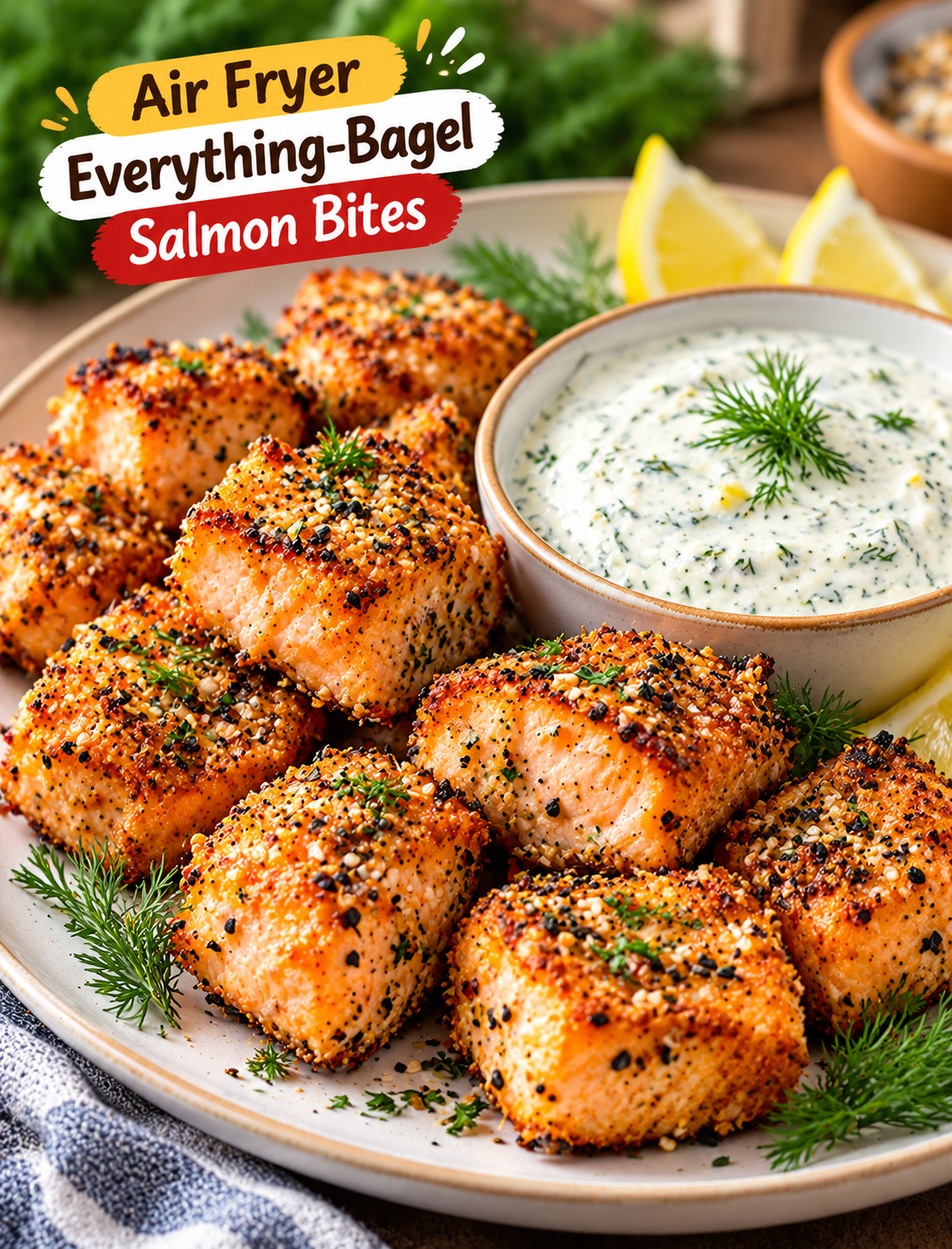
 

Air Fryer Everything-Bagel Salmon Bites

Air Fryer Everything-Bagel Salmon Bites

Looking for a quick salmon recipe with a crunchy coating and a creamy dipping sauce? These Air Fryer Crispy Everything-Bagel Crusted Salmon Bites deliver bold flavor, tender fish, and golden edges without deep-frying.

Fresh salmon cubes are coated with everything-bagel seasoning and a light, crispy crust. They cook quickly in the air fryer, making them a great option for busy weeknights, easy lunches, or a crowd-pleasing appetizer.

The dill-garlic mayo adds a cool, tangy finish that pairs well with the savory seasoning. Fresh dill, minced garlic, mayonnaise, and lemon juice create a simple dipping sauce that takes only a few minutes to prepare.

This recipe is easy enough for beginners and flexible enough for different meals. Serve the salmon bites over rice, tuck them into lettuce wraps, or arrange them on a platter with fresh vegetables.

Why You Will Love These Air Fryer Salmon Bites

  • Crispy without deep-frying: The air fryer creates a golden coating with less oil than traditional frying.
  • Quick cooking time: Small salmon cubes cook faster than whole fillets.
  • Bold seasoning: Everything-bagel seasoning adds sesame, garlic, onion, and a savory crunch.
  • Creamy homemade dip: Dill-garlic mayo balances the rich salmon and salty seasoning.
  • Easy to serve: These bites work as an appetizer, lunch, or main dish.
  • Simple ingredients: Fresh salmon, a few pantry staples, and basic sauce ingredients are all you need.
  • Easy to customize: Adjust the seasoning, add lemon zest, or use Greek yogurt for part of the mayo.

Ingredients for Air Fryer Crispy Everything-Bagel Salmon Bites

Use fresh or fully thawed salmon for the best texture. Patting the fish dry before coating helps the seasoning stick and reduces excess moisture.

For the Salmon Bites

  • 1 pound skinless salmon fillet, cut into 1-inch cubes
  • 1 tablespoon olive oil
  • 2 tablespoons everything-bagel seasoning
  • 1/3 cup panko breadcrumbs
  • 1 tablespoon all-purpose flour
  • 1 large egg, beaten
  • 1/4 teaspoon black pepper, or to taste
  • Cooking spray, as needed

The panko breadcrumbs provide a light crunch, while the flour and egg help the coating stick to the salmon. Everything-bagel seasoning adds the main flavor, so additional salt is usually unnecessary.

For the Dill-Garlic Mayo

  • 1/2 cup mayonnaise
  • 1 tablespoon fresh dill, finely chopped
  • 1 small garlic clove, minced
  • 1 teaspoon fresh lemon juice
  • 1/4 teaspoon black pepper
  • A little lemon zest, optional

Fresh dill gives the sauce a bright herbal flavor. Lemon juice cuts through the richness of the mayonnaise, while garlic adds a savory finish.

Equipment You Will Need

  • Air fryer
  • Cutting board
  • Sharp knife
  • Two or three shallow bowls
  • Mixing bowl
  • Small whisk or spoon
  • Tongs
  • Instant-read food thermometer

A thermometer is especially useful because salmon cubes can vary in thickness and cook at slightly different rates.

How to Make Air Fryer Crispy Everything-Bagel Crusted Salmon Bites

Follow these steps to make evenly coated salmon bites with a crisp outside and tender center.

Step 1: Prepare the Salmon

Pat the salmon fillet dry with paper towels. Remove any remaining pin bones, then cut the fish into evenly sized 1-inch cubes.

Keeping the pieces close in size helps them cook evenly. Place the cubes in a bowl and lightly coat them with olive oil and black pepper.

Step 2: Prepare the Crispy Coating

Add the flour to one shallow bowl. Beat the egg in a second bowl, then mix the panko breadcrumbs with the everything-bagel seasoning in a third bowl.

Arrange the bowls in order so you can coat the salmon without making a mess. This setup also helps keep the breadcrumb mixture from becoming wet too early.

Step 3: Coat the Salmon Cubes

Roll each salmon cube lightly in flour, dip it into the beaten egg, and then press it into the panko and everything-bagel seasoning mixture.

Turn each piece so the coating covers the sides. Press gently to help the crumbs stick, but avoid squeezing the fish because salmon can break apart easily.

Step 4: Preheat the Air Fryer

Preheat the air fryer to 400°F (200°C) for about 3–5 minutes, following your appliance’s instructions.

A hot cooking basket helps the coating begin crisping as soon as the salmon goes in. If your model does not require preheating, follow the manufacturer’s guidance.

Step 5: Arrange the Salmon Bites

Lightly spray the air fryer basket with cooking spray if permitted by the manufacturer’s instructions. Place the coated salmon cubes in a single layer with space between each piece.

Avoid stacking or overcrowding the bites. Cook in batches if needed, because good airflow helps the coating become crisp instead of steaming.

Step 6: Air Fry Until Golden

Air fry the salmon bites at 400°F (200°C) for approximately 6–9 minutes, turning them gently halfway through cooking.

Cooking time depends on the size of the cubes and the air fryer model. Start checking early so the fish stays moist, and cook longer if needed to reach a safe internal temperature of 145°F (63°C).

Step 7: Make the Dill-Garlic Mayo

While the salmon cooks, combine the mayonnaise, chopped dill, minced garlic, lemon juice, and black pepper in a small bowl.

Stir until smooth and evenly mixed. Taste the sauce and add a little more lemon juice or dill if you prefer a brighter flavor.

Step 8: Check the Salmon for Doneness

Use an instant-read thermometer to check the thickest salmon pieces. The center should reach 145°F (63°C) for food safety.

The coating should look golden, and the fish should separate easily with a fork. If the center has not reached the recommended temperature, continue cooking in short intervals and check again.

Step 9: Serve While Warm

Transfer the salmon bites to a serving plate and let them rest briefly. Serve the dill-garlic mayo on the side to keep the coating crisp.

Add lemon wedges and a little extra chopped dill for a fresh finish. For a party platter, arrange the bites around a small bowl of sauce so guests can dip each piece easily.

Tips for Extra-Crispy Air Fryer Salmon Bites

  • Dry the fish thoroughly: Excess surface moisture can weaken the coating.
  • Cut even cubes: Similar-sized pieces cook more consistently.
  • Use panko breadcrumbs: Their larger flakes create a lighter, crunchier texture than fine breadcrumbs.
  • Press on the coating: A gentle press helps the seasoning and crumbs adhere.
  • Leave space between pieces: Air circulation is essential for browning.
  • Turn the bites carefully: Use tongs to avoid pulling off the crust.
  • Check early: Small salmon cubes can cook quickly, so do not rely on time alone.
  • Serve the sauce separately: Adding mayo directly to the coating can make the bites soggy.
  • Use a light spray of oil: A small amount can improve browning without soaking the crust.

Easy Variations to Try

Spicy Everything-Bagel Salmon Bites

Add a pinch of cayenne pepper or smoked paprika to the breadcrumb mixture. Serve with a little hot sauce stirred into the dill-garlic mayo.

Lemon-Herb Salmon Bites

Add lemon zest and extra dried parsley to the coating. This variation gives the salmon a fresh citrus flavor that pairs well with roasted vegetables.

Parmesan-Crusted Salmon Bites

Mix a tablespoon or two of finely grated Parmesan into the panko coating. The cheese adds a savory taste and helps the crust develop a deeper golden color.

Lighter Dill-Garlic Dip

Replace half the mayonnaise with plain Greek yogurt. The result is a tangier sauce with a lighter texture.

Gluten-Free Salmon Bites

Use certified gluten-free panko and a gluten-free flour blend. Check the seasoning label as well if you need to avoid gluten completely.

What to Serve with Everything-Bagel Salmon Bites

These salmon bites pair well with fresh sides and simple grains.

  • Roasted broccoli: Its crisp edges and mild flavor complement the savory fish.
  • Rice bowls: Serve the salmon over rice with cucumber, avocado, and lemon.
  • Fresh green salad: A crisp salad balances the rich coating and creamy dip.
  • Roasted potatoes: Add potatoes for a hearty family dinner.
  • Cucumber salad: Thinly sliced cucumbers with lemon make a refreshing side.
  • Steamed green beans: Their fresh flavor works well with the everything-bagel seasoning.
  • Lettuce wraps: Add salmon, shredded carrots, and cucumber for a lighter meal.

For a quick lunch, build a bowl with rice, salmon bites, cucumber, and a small spoonful of dill-garlic mayo.

How to Store and Reheat Leftovers

Let leftover salmon cool briefly, then refrigerate it in a shallow, airtight container within two hours of cooking. Keep the refrigerator at 40°F (4°C) or below and use the leftovers within three to four days.

For the best texture, reheat the salmon in an air fryer at 350°F (175°C) for a few minutes until heated through. Check the center with a food thermometer and make sure leftovers reach 165°F (74°C).

Microwaving is convenient, but it may soften the crunchy coating. Store the dill-garlic mayo in a separate covered container and refrigerate it promptly.

You can prepare the sauce up to one day ahead and keep it refrigerated. Avoid leaving the salmon or mayonnaise-based dip at room temperature for extended periods.

Freezing cooked salmon bites is possible, but the coating may lose some crispness after thawing. Freeze them in a suitable airtight container and reheat thoroughly before serving.

Common Mistakes to Avoid

  • Using wet salmon: Moisture can make the coating slide off.
  • Skipping the egg wash: The breadcrumbs may not stick well without a binding layer.
  • Overcrowding the basket: Crowded pieces tend to steam rather than crisp.
  • Using too much oil: Excess oil can make the coating greasy.
  • Overcooking the fish: Salmon can become dry when cooked longer than necessary.
  • Adding sauce too early: Keep the mayo separate until serving.
  • Ignoring seasoning salt: Everything-bagel seasoning often contains salt, so taste before adding more.
  • Skipping the temperature check: A golden crust does not guarantee the center is fully cooked.

Frequently Asked Questions

1. Can I use frozen salmon?

Yes. Thaw the salmon completely in the refrigerator, then pat it dry before cutting and coating.

2. How long do salmon bites take in the air fryer?

At 400°F (200°C), 1-inch cubes often take about 6–9 minutes, but always check that the center reaches 145°F (63°C).

3. Can I make salmon bites without panko?

Yes. Use regular breadcrumbs or crushed gluten-free crackers, although the final coating may have a different texture.

4. Can I prepare the dill-garlic mayo ahead of time?

Yes. Mix the sauce up to one day ahead and keep it covered in the refrigerator until serving.

5. How do I stop the coating from falling off?

Pat the salmon dry, use the flour-egg-breadcrumb coating sequence, and turn the bites gently during cooking.

6. Can I cook these salmon bites without an air fryer?

Yes. Bake them on a lined baking sheet at 425°F (220°C), turning carefully and checking for an internal temperature of 145°F (63°C).

7. Are salmon bites good for meal prep?

Yes. Store the cooked bites and dipping sauce separately, then reheat the salmon before serving for the best texture.

8. What can I use instead of mayonnaise?

Plain Greek yogurt can replace some or all of the mayonnaise, creating a tangier dill-garlic sauce.

Final Thoughts

Air Fryer Crispy Everything-Bagel Crusted Salmon Bites with Dill-Garlic Mayo are an easy way to turn salmon into a crunchy, flavorful meal. The seasoned panko coating adds texture, while the creamy dill sauce brings freshness to every bite.

For the best results, dry the salmon well, leave space in the air fryer basket, and check the internal temperature before serving. Keep the dipping sauce separate until the last moment to preserve the crispy crust.

Serve these salmon bites as a quick dinner, an easy lunch, or a party appetizer with your favorite sides. If you try this recipe, share your favorite variation and let us know how you served it.


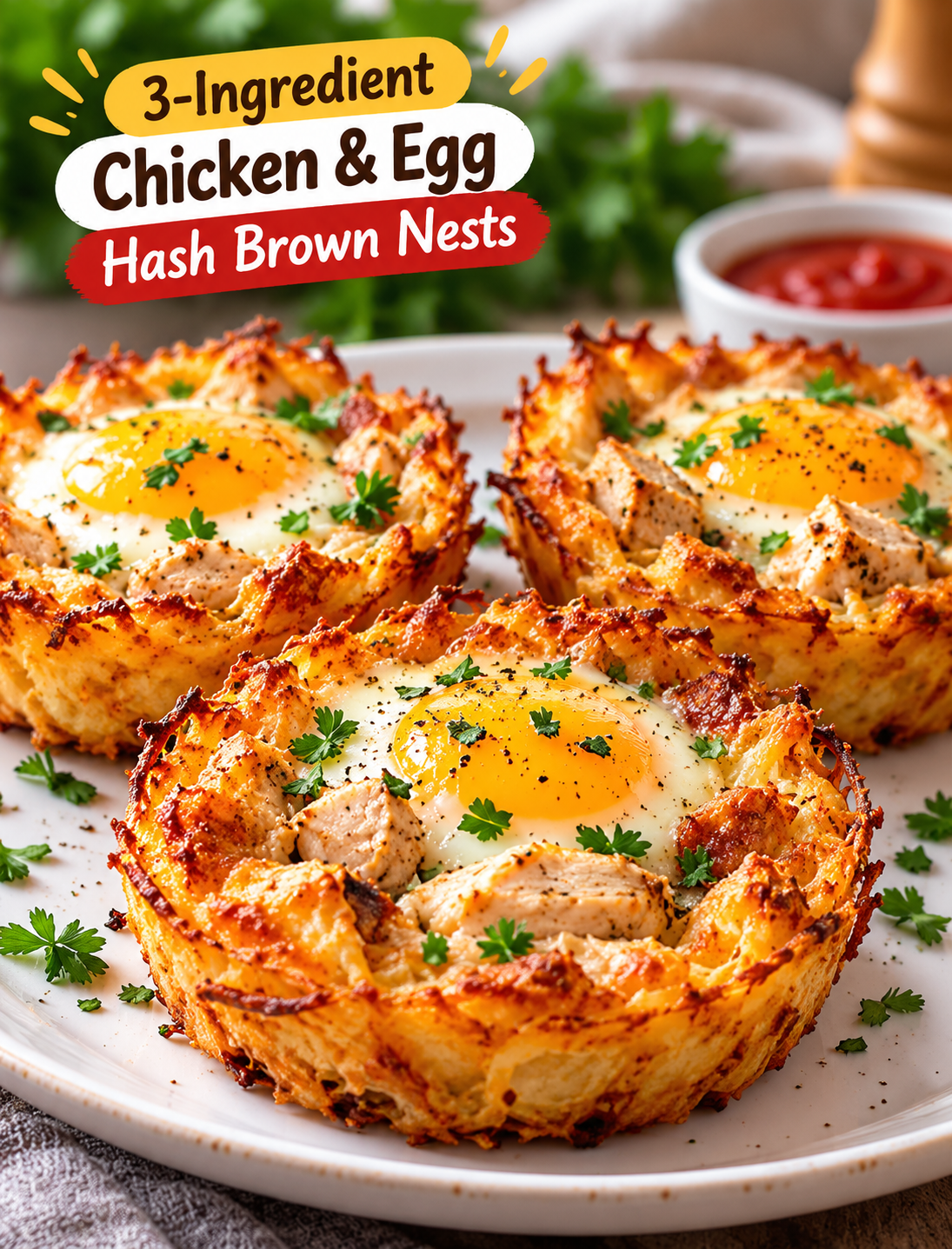
3-Ingredient Crispy Chicken & Egg Hash Brown Nests

3-Ingredient Crispy Chicken & Egg Hash Brown Nests

Want a breakfast that is crispy on the outside, tender in the middle, and easy to make with just three main ingredients? These 3-Ingredient Crispy Chicken & Egg Hash Brown Nests turn simple ingredients into a satisfying breakfast that looks impressive without requiring much prep time.

Each nest combines golden hash browns, savory cooked chicken, and an egg baked right in the center. The potatoes develop crispy edges, the chicken adds a hearty bite, and the egg brings everything together in one easy serving.

This recipe is perfect for busy weekday mornings, relaxed weekend brunches, or a quick breakfast meal prep idea. You can prepare the potato nests ahead of time and bake them when you are ready to eat.

The best part is that you do not need a long ingredient list or complicated cooking steps. With a muffin tin, a few basic kitchen tools, and three main ingredients, you can make a breakfast your whole family will enjoy.

Why You Will Love These Chicken & Egg Hash Brown Nests

  • Only three main ingredients: Frozen hash browns, cooked chicken, and eggs form the base of this easy recipe.
  • Crispy potato edges: Pressing the shredded potatoes into muffin cups helps create golden, crunchy nests.
  • Protein-rich breakfast: Chicken and eggs provide protein to help make breakfast more satisfying.
  • Easy individual servings: Each nest is portioned separately, making breakfast simple to serve.
  • Great for meal prep: Bake the potato shells ahead and add the eggs when you are ready to finish cooking.
  • Easy to customize: Add black pepper, garlic powder, paprika, or your favorite herbs if you have them on hand.
  • Family-friendly: The mild flavors work well for adults and kids who enjoy eggs, chicken, and crispy potatoes.

Ingredients for 3-Ingredient Crispy Chicken & Egg Hash Brown Nests

You need three main ingredients to make these crispy breakfast nests. Salt, pepper, and cooking spray are optional kitchen basics.

1. Frozen Shredded Hash Browns

Use thawed frozen shredded hash browns for a quick and easy potato base. Removing excess moisture is important because wet potatoes can become soft instead of crispy.

2. Cooked Chicken

Use cooked, shredded or finely chopped chicken breast for a savory filling. Leftover roasted chicken or plain rotisserie chicken works well, provided it has been stored safely.

3. Eggs

Use one egg for each nest. The egg cooks in the center of the potato shell and gives each serving a classic breakfast flavor.

Optional Seasonings

  • Salt, to taste
  • Black pepper, to taste
  • Garlic powder, optional
  • Paprika, optional
  • Cooking spray or a little oil for greasing the muffin tin

These extras are optional and are not counted among the three main ingredients.

Equipment You Will Need

  • A standard 6-cup or 12-cup muffin tin
  • A mixing bowl
  • A clean kitchen towel or paper towels
  • A spoon
  • A fork
  • An oven
  • A food thermometer for checking doneness

A nonstick muffin tin makes it easier to remove the nests without breaking their crispy edges.

How to Make 3-Ingredient Crispy Chicken & Egg Hash Brown Nests

Follow these simple steps to create golden potato nests filled with chicken and baked eggs.

Step 1: Preheat the Oven

Preheat your oven to 400°F (200°C). Lightly grease six muffin cups with cooking spray or a small amount of oil.

Preheating helps the potatoes begin cooking as soon as they enter the oven. Greasing the cups also reduces sticking and helps the nests release more easily.

Step 2: Thaw and Dry the Hash Browns

Place the thawed hash browns in a clean kitchen towel or between layers of paper towels. Press gently to remove as much excess moisture as possible.

Dry potatoes brown more effectively because less water needs to evaporate during cooking. Do not skip this step if you want crispier edges.

Step 3: Prepare the Chicken

Shred or finely chop the cooked chicken into small pieces. Smaller pieces fit better inside the potato nests and make each bite easier to eat.

If you are using leftover chicken, make sure it has been refrigerated properly and reheated or cooked as directed in the recipe. Avoid using chicken that has been left at room temperature for more than two hours.

Step 4: Shape the Potato Nests

Divide the dried hash browns among the six greased muffin cups. Press the potatoes firmly against the bottom and sides of each cup to create a small well in the center.

Keep the potato layer even so the edges cook at a similar rate. Avoid making the bottom too thick because it may stay soft while the top becomes brown.

Step 5: Bake the Potato Shells

Bake the potato nests for 15–20 minutes, or until the edges begin to turn golden and crisp.

Oven temperatures and muffin tins vary, so check the potatoes near the end of this first baking period. If the centers still look very wet, give them a few more minutes before adding the filling.

Step 6: Add the Cooked Chicken

Remove the muffin tin from the oven carefully. Divide the chopped chicken evenly among the potato nests, keeping the center of each nest open for an egg.

Do not pack the chicken too tightly into the cups. Leaving enough space in the center helps the eggs sit securely without spilling over the edges.

Step 7: Crack an Egg into Each Nest

Crack one egg into the center of each potato nest. For smaller muffin cups, you may need to remove a little egg white before adding the egg to prevent overflow.

Season lightly with salt and black pepper if desired. Keep the yolk intact if you prefer a classic sunny-center appearance.

Step 8: Bake Until the Eggs Are Set

Return the muffin tin to the oven and bake for another 10–15 minutes, checking the eggs as they cook.

The exact time depends on the size of your eggs and how firm you like the yolks. For food safety, cook the eggs until the whites and yolks are firm, or use pasteurized eggs if preparing a softer-yolk version.

Step 9: Rest and Remove the Nests

Remove the muffin tin from the oven and let the nests rest for about 3–5 minutes. Carefully loosen the edges with a small silicone spatula or butter knife.

Lift each nest out gently to keep the potato shell intact. Serve while warm for the best contrast between crispy potatoes, savory chicken, and tender egg.

Tips for the Crispiest Hash Brown Nests

  • Remove excess water: Wet hash browns are one of the main reasons potato nests turn soft.
  • Grease the muffin tin: A light coating helps prevent the potato shells from sticking.
  • Press firmly: Compact potatoes hold their shape better after baking.
  • Pre-bake the shells: This gives the potatoes time to develop color before the chicken and eggs are added.
  • Use cooked chicken: Raw chicken will not cook safely in the short egg-baking stage.
  • Leave room for the eggs: Overfilled muffin cups can spill and make removal harder.
  • Avoid overcrowding: Leave space between the muffin cups when using a larger baking pan.
  • Check the centers: The edges may brown before the thickest part of the potato base is crisp.

Easy Variations to Try

Cheesy Chicken Hash Brown Nests

Sprinkle a small amount of shredded cheddar or mozzarella over the chicken before adding the egg. The cheese melts into the filling and adds a creamy, savory flavor.

Spicy Breakfast Nests

Add a pinch of smoked paprika, black pepper, or chili flakes to the hash browns. Serve with hot sauce if you enjoy a little heat.

Garlic Herb Chicken Nests

Season the cooked chicken with garlic powder and dried parsley before adding it to the potato shells. This gives the filling more flavor without adding much prep time.

Turkey or Ham Nests

Replace the cooked chicken with chopped cooked turkey or ham. Check the salt level before seasoning because some prepared meats are already salty.

Vegetable Breakfast Nests

Add a small amount of finely chopped bell pepper or spinach to the chicken. Cook watery vegetables first so they do not release too much moisture into the potato shells.

These additions change the original three-ingredient recipe, but they are useful options when you want more variety.

What to Serve with Chicken & Egg Hash Brown Nests

These breakfast nests are filling enough to serve on their own, but a few simple sides can turn them into a complete brunch.

  • Fresh fruit: Serve with berries, orange slices, or melon for a fresh contrast.
  • Avocado slices: Add creamy avocado and a squeeze of lemon for a simple side.
  • Green salad: A light salad works well for a breakfast-for-lunch meal.
  • Whole-grain toast: Serve with toast when you want a more substantial breakfast.
  • Salsa: Add a spoonful of mild or spicy salsa for extra flavor.
  • Greek yogurt: Plain Greek yogurt with fruit makes an easy side for a breakfast spread.

For a family brunch, arrange the nests on a platter and serve the sides separately so everyone can build their own plate.

Make-Ahead and Meal Prep Instructions

You can prepare the potato shells ahead of time to save time on busy mornings.

  1. Bake the hash brown shells until lightly golden.
  2. Let them cool, then refrigerate them in a covered container.
  3. Keep the cooked chicken refrigerated in a separate container.
  4. When ready to serve, add the chicken and eggs to the shells.
  5. Bake until the potato edges are crisp and the eggs are fully cooked.

For the best texture, assemble and bake the eggs shortly before serving. Fully assembled nests can also be reheated, but the egg texture may become firmer and the potatoes may lose some crispness.

How to Store and Reheat Leftovers

Allow leftover nests to cool promptly, then place them in an airtight container in the refrigerator within two hours of cooking. Store them at 40°F (4°C) or below and eat within three to four days.

To reheat, place the nests in an oven or air fryer at approximately 350°F (175°C) until heated through. Check the center with a food thermometer and make sure leftovers reach 165°F (74°C).

Microwaving is faster, but it usually makes the potato edges softer. Avoid leaving cooked eggs and chicken at room temperature for extended periods.

For longer storage, freeze the fully cooked and cooled nests in a freezer-safe container. Thaw them in the refrigerator before reheating, and use a thermometer to confirm that they are heated safely throughout.

Common Mistakes to Avoid

  • Using wet potatoes: Excess moisture prevents proper browning.
  • Skipping the first bake: Adding eggs too early can leave the potato base undercooked.
  • Using too much filling: Overfilled nests are harder to remove from the muffin tin.
  • Adding raw chicken: The chicken should already be fully cooked before assembly.
  • Overbaking the eggs: Long baking times can make eggs rubbery and dry.
  • Removing nests too quickly: A short resting period helps the potato shells hold together.
  • Assuming every oven cooks the same: Check the texture and doneness rather than relying on time alone.

Frequently Asked Questions

1. Can I use fresh potatoes instead of frozen hash browns?

Yes. Peel and shred fresh potatoes, then squeeze out as much moisture as possible before shaping the nests.

2. Can I make these chicken and egg nests without a muffin tin?

Yes. Shape small potato nests on a greased baking sheet, leaving enough space between them to hold the filling.

3. Can I use rotisserie chicken?

Yes. Remove the skin and bones, then shred the cooked chicken into small pieces before adding it to the nests.

4. How do I make hash brown nests extra crispy?

Dry the potatoes well, press them firmly into the muffin cups, and pre-bake the shells until their edges turn golden.

5. Can I prepare these nests the night before?

Yes. Pre-bake the potato shells and refrigerate them with the cooked chicken separately, then add the eggs and finish baking in the morning.

6. Can I freeze cooked hash brown nests?

Yes. Cool them completely, freeze them in a sealed container, and reheat until the centers reach 165°F (74°C).

7. How do I know when the eggs are fully cooked?

The whites and yolks should be firm for the safest preparation. Check the center carefully because cooking times vary by oven and egg size.

8. Are these chicken and egg hash brown nests good for meal prep?

Yes. They provide individual portions of potatoes, chicken, and eggs, and they can be refrigerated and reheated for convenient breakfasts.

Final Thoughts

These 3-Ingredient Crispy Chicken & Egg Hash Brown Nests are a simple way to make breakfast feel special without spending hours in the kitchen. Crispy potato shells, savory cooked chicken, and baked eggs come together in convenient individual portions.

Drying the hash browns, pre-baking the potato shells, and cooking the eggs thoroughly are the most important steps for a successful result. Once you master the basic method, you can try different seasonings, vegetables, and cheeses to suit your taste.

Make a batch for weekend brunch, prepare the potato shells ahead for busy mornings, or serve these nests as part of a hearty breakfast spread. If you try this recipe, share your favorite variation and let us know how your chicken and egg hash brown nests turned out.


No Bake Peanut Butter Balls

Peanut Butter Balls with creamy peanut butter centers and smooth chocolate coating

No Bake Peanut Butter Balls

Peanut Butter Balls are a rich, creamy, chocolate-coated no-bake treat made with peanut butter, softened butter, powdered sugar, vanilla, and melted chocolate. They are simple enough for everyday dessert but festive enough for Christmas cookie trays, parties, gift boxes, and holiday gatherings. Peanut Butter Balls have a smooth peanut butter center surrounded by a crisp chocolate shell, giving every bite the perfect balance of salty, sweet, creamy, and chocolatey flavors.

This recipe requires no oven and can be prepared ahead, making it especially useful during busy holidays or whenever you need an easy homemade sweet.

Prep Time: 25 minutes
Chill Time: 1 hour
Chocolate Setting Time: 30 minutes
Total Time: About 1 hour 55 minutes
Servings: 30 balls

Ingredients

For the Peanut Butter Filling

  • 1 1/2 cups creamy peanut butter
  • 1/2 cup unsalted butter, softened
  • 1 teaspoon vanilla extract
  • 3 cups powdered sugar
  • 1/4 teaspoon salt
  • 1/2 cup graham cracker crumbs, optional for extra texture

For the Chocolate Coating

  • 12 ounces semi-sweet chocolate
  • 1 tablespoon coconut oil or vegetable shortening

Optional Toppings

  • Crushed peanuts
  • Flaky sea salt
  • White chocolate drizzle
  • Holiday sprinkles
  • Mini chocolate chips

Why You’ll Love This Recipe

Peanut Butter Balls are incredibly easy to make because there is no baking, no complicated candy thermometer, and no difficult technique involved. The filling mixes together in just a few minutes, and chilling makes it easy to shape.

Another reason to love Peanut Butter Balls is that they store very well. You can make a large batch several days before a party and keep them chilled until needed.

They are also easy to customize with different chocolate coatings, toppings, or crunchy additions.

How to Make Peanut Butter Balls

Step 1: Prepare the Baking Sheet

Line a large baking sheet with parchment paper or wax paper.

Make sure the baking sheet can fit inside your refrigerator or freezer.

Step 2: Beat the Peanut Butter and Butter

Place the peanut butter and softened butter in a large mixing bowl.

Beat with an electric mixer for 1 to 2 minutes, or until smooth and creamy.

The butter should be soft but not melted.

Step 3: Add Vanilla and Salt

Add the vanilla extract and salt.

Mix again until evenly incorporated.

These simple ingredients help balance the sweetness and deepen the peanut butter flavor.

Step 4: Add the Powdered Sugar

Gradually add the powdered sugar, about 1 cup at a time.

Mix on low speed after each addition.

As more powdered sugar is added, the mixture will become thick and dough-like.

The filling for Peanut Butter Balls should be firm enough to roll without sticking heavily to your hands.

Step 5: Add Graham Cracker Crumbs

If using graham cracker crumbs, fold them into the mixture.

They add a little extra structure and subtle texture but are completely optional.

Step 6: Shape the Balls

Scoop about 1 tablespoon of filling at a time.

Roll between your palms to create smooth balls.

Arrange them on the prepared baking sheet.

Try to keep the portions similar in size so they look neat and set evenly.

Step 7: Chill the Filling

Place Peanut Butter Balls in the refrigerator for at least 30 minutes or in the freezer for about 15 minutes.

The centers should be firm before dipping into chocolate.

Chilling helps prevent them from falling apart when coated.

Step 8: Melt the Chocolate

Place the chocolate and coconut oil in a microwave-safe bowl.

Microwave in 20-second intervals, stirring thoroughly after each interval, until smooth.

You can also melt the chocolate in a heatproof bowl set over gently simmering water.

Step 9: Dip in Chocolate

Use a fork or candy dipping tool to lower each chilled ball into the melted chocolate.

Turn gently until completely coated.

Lift it out and allow excess chocolate to drip back into the bowl.

Step 10: Transfer to the Tray

Place each coated ball back onto the parchment-lined baking sheet.

Before the chocolate sets, add crushed peanuts, sea salt, or sprinkles if desired.

At this stage, Peanut Butter Balls should have a smooth glossy chocolate coating.

Step 11: Chill Until Set

Refrigerate for about 30 minutes, or until the chocolate has completely hardened.

Step 12: Finish and Serve

If desired, drizzle the finished Peanut Butter Balls with melted white chocolate for decoration.

Serve chilled or allow them to sit at room temperature for several minutes before eating.

Serving Suggestions

Peanut Butter Balls are perfect for Christmas cookie trays, dessert boards, birthday parties, potlucks, and edible holiday gifts.

Serve Peanut Butter Balls alongside chocolate chip cookies, brownies, fudge, truffles, or fresh strawberries for a varied dessert platter.

They also pair well with coffee, hot chocolate, milk, or tea.

For gifting, place them in small paper candy cups and arrange them in a decorative tin or box.

For another hearty family dinner, try our Butternut Squash Casserole With Rice & Ground Beef with tender squash, seasoned beef, rice, tomatoes, herbs, and melted cheese.

Recipe Tips

Use regular creamy peanut butter rather than very runny natural peanut butter for the most reliable texture.

Make sure the butter is softened but not melted.

Add powdered sugar gradually so you can control the consistency.

For the best Peanut Butter Balls shape, chill the mixture before dipping.

If the filling feels too sticky, add 1 to 2 tablespoons additional powdered sugar.

If it feels too dry, mix in a small spoonful of peanut butter.

Keep the centers cold while dipping them into warm chocolate.

Use coconut oil or shortening to help the melted chocolate become smoother and easier to coat.

Let excess chocolate drip off before placing each piece on parchment.

Easy Variations

Peanut Butter Balls can be customized in many ways.

For a crunchy version, use crunchy peanut butter or stir chopped roasted peanuts into the filling.

For a dark chocolate version, coat them with bittersweet or dark chocolate.

You can make Peanut Butter Balls with white chocolate for a sweeter variation.

For extra texture, add finely crushed pretzels or graham crackers to the filling.

A holiday version can be decorated with red and green sprinkles.

For a sweet-and-salty finish, sprinkle a tiny amount of flaky sea salt on top before the chocolate hardens.

You may also enjoy our Cheesy Garlic Green Beans for a creamy, garlicky side dish with tender green beans, mozzarella, Parmesan, and a golden baked topping.

Make-Ahead Instructions

This recipe is ideal for preparing ahead.

Make the peanut butter centers up to 2 days before coating them.

Store the shaped centers in an airtight container in the refrigerator.

You can also prepare the complete Peanut Butter Balls several days before serving.

Once the chocolate has set, arrange them between layers of parchment paper in a covered container and keep refrigerated.

Storage and Freezing

Store Peanut Butter Balls in an airtight container in the refrigerator for up to 2 weeks.

Keep parchment paper between layers to prevent sticking.

They can also be frozen for up to 2 months.

Freeze them in a single layer until firm, then transfer to a freezer-safe container.

Thaw in the refrigerator before serving.

Avoid storing them in a very warm room because the chocolate coating can soften and the peanut butter filling may become too soft.

Nutrition Information

Approximate nutrition per ball:

Calories: 185
Protein: 4 g
Carbohydrates: 19 g
Fat: 11 g
Saturated Fat: 5 g
Fiber: 1 g
Sugar: 15 g
Sodium: 90 mg

Nutrition values are estimates and may vary depending on the peanut butter, chocolate, powdered sugar, toppings, and portion size.

Frequently Asked Questions

Can I use natural peanut butter?

You can, but natural peanut butter can be runnier because the oils separate. A no-stir creamy peanut butter usually gives the most consistent filling.

Can I use milk chocolate?

Yes. Milk chocolate creates a sweeter coating, while semi-sweet or dark chocolate provides more contrast with the filling.

Why are my Peanut Butter Balls too soft?

The filling may need more powdered sugar or additional chilling time. Add a little more sugar and refrigerate until firm.

Can I make them without butter?

Yes. You can replace some or all of the butter with additional peanut butter, although the texture will be slightly denser.

Can I add graham cracker crumbs?

Yes. Graham cracker crumbs add structure and a subtle crunch.

How do I keep the chocolate smooth?

Melt it slowly, stir frequently, and add a small amount of coconut oil or shortening.

Can I freeze these treats?

Yes. Peanut Butter Balls freeze very well for up to 2 months when stored in an airtight container.

Final Thoughts

Peanut Butter Balls are an easy homemade treat that combines creamy peanut butter filling with a rich chocolate coating.

Because Peanut Butter Balls require no baking and use simple pantry ingredients, they are especially convenient for holidays, parties, gift boxes, and make-ahead desserts.

Keep this Peanut Butter Balls recipe handy whenever you need an easy sweet treat that looks impressive without requiring complicated preparation.

With smooth peanut butter centers, crisp chocolate shells, and endless topping options, Peanut Butter Balls are a classic no-bake dessert that is easy to prepare, easy to store, and always enjoyable.

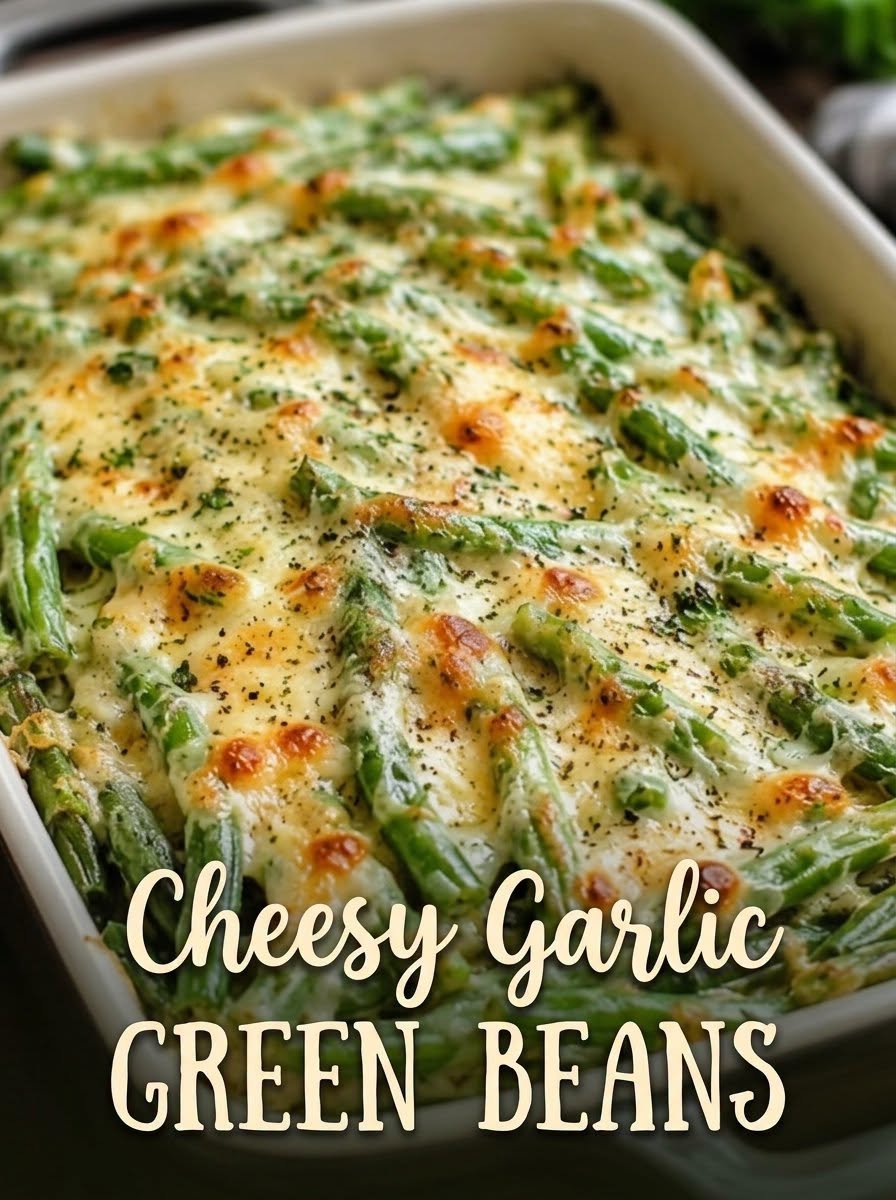
Cheesy Garlic Green Beans

Cheesy Green Beans with creamy garlic sauce, mozzarella, Parmesan, herbs, and golden baked cheese

Cheesy Garlic Green Beans

Cheesy Green Beans are a creamy, savory vegetable side dish made with tender green beans, garlic, cream cheese, mozzarella, Parmesan, and simple herbs. Cheesy Green Beans combine fresh green beans with a rich garlic cheese sauce and a golden baked topping, creating a side dish that pairs well with chicken, beef, turkey, pork, or fish.

Prep Time: 20 minutes
Cook Time: 30 minutes
Total Time: About 50 minutes
Servings: 6

Ingredients

For the Green Beans

  • 1 1/2 pounds fresh green beans, trimmed
  • 1 tablespoon olive oil
  • 1/2 teaspoon salt
  • 1/4 teaspoon black pepper
  • 1/2 teaspoon garlic powder

For the Creamy Garlic Cheese Sauce

  • 2 tablespoons unsalted butter
  • 4 garlic cloves, minced
  • 2 tablespoons all-purpose flour
  • 1 1/2 cups whole milk
  • 4 ounces cream cheese, softened
  • 1 cup shredded mozzarella cheese
  • 1/2 cup grated Parmesan cheese
  • 1/2 teaspoon Italian seasoning
  • 1/4 teaspoon onion powder
  • 1/4 teaspoon black pepper
  • Pinch of red pepper flakes, optional

For the Topping

  • 1/2 cup shredded mozzarella cheese
  • 1/4 cup grated Parmesan cheese
  • 1 tablespoon chopped fresh parsley
  • Extra black pepper, optional

Why You’ll Love This Recipe

Cheesy Green Beans are easy to prepare and turn a simple vegetable into a creamy, crowd-friendly side dish. The beans stay tender with a little bite, while the sauce adds garlic, cheese, and herb flavor without completely covering the freshness of the vegetables.

Another reason to love this dish is how well it works for holidays and make-ahead meals. You can blanch the beans, prepare the sauce, assemble the casserole, and refrigerate it before baking. That makes this recipe especially convenient for Thanksgiving, Christmas, Easter, or busy family dinners.

How to Make Cheesy Green Beans

Step 1: Preheat the Oven

Preheat the oven to 375°F or 190°C.

Lightly grease a 9-by-13-inch baking dish with butter, olive oil, or cooking spray.

Step 2: Prepare the Green Beans

Trim the ends from the green beans and rinse them well under cold water.

Bring a large pot of salted water to a boil.

Add the green beans and cook for 4 to 5 minutes, just until they turn bright green and become slightly tender.

Step 3: Cool the Beans

Drain the beans and transfer them immediately to a bowl of ice water.

Let them sit for 2 to 3 minutes, then drain well and pat dry.

This stops the cooking process and helps Cheesy Green Beans keep a better texture after baking.

Step 4: Season the Beans

Place the dried green beans in the prepared baking dish.

Drizzle with olive oil and season with salt, black pepper, and garlic powder.

Toss gently so the beans are evenly coated.

Step 5: Start the Garlic Sauce

Melt the butter in a medium saucepan over medium heat.

Add the minced garlic and cook for about 30 seconds, stirring constantly, until fragrant.

Do not let the garlic brown too much.

Step 6: Add the Flour

Sprinkle the flour over the butter and garlic.

Whisk continuously for about 1 minute.

The mixture should look smooth and bubbly.

Step 7: Add the Milk

Slowly pour in the milk while whisking constantly.

Continue cooking for 3 to 4 minutes, stirring frequently, until the sauce begins to thicken.

The sauce for Cheesy Green Beans should be creamy but still easy to pour.

Step 8: Add the Cheese

Reduce the heat to low.

Add the cream cheese, 1 cup mozzarella, and 1/2 cup Parmesan.

Stir until the cheeses are melted and the sauce is smooth.

Add Italian seasoning, onion powder, black pepper, and optional red pepper flakes.

Step 9: Combine the Beans and Sauce

Pour the cheese sauce evenly over the green beans.

Use a spoon or spatula to gently toss the beans so they are coated with the sauce.

At this stage, Cheesy Green Beans should look creamy and evenly covered without being soupy.

Step 10: Add the Topping

Sprinkle the remaining mozzarella and Parmesan over the top.

Add a little extra black pepper if desired.

Step 11: Bake

Bake uncovered for 20 to 25 minutes, or until the sauce is bubbling around the edges and the cheese on top is melted and lightly golden.

For more browning, broil for 1 to 2 minutes at the end while watching closely.

Step 12: Rest and Serve

Remove Cheesy Green Beans from the oven and let them rest for about 5 minutes.

Sprinkle with chopped parsley before serving.

Serving Suggestions

Cheesy Green Beans pair well with roasted chicken, baked turkey, grilled steak, pork chops, meatloaf, ham, or salmon.

For a holiday meal, serve Cheesy Green Beans alongside mashed potatoes, stuffing, roasted carrots, cranberry sauce, and dinner rolls.

They also work well with pasta, rice, roasted potatoes, or a simple green salad for an easy family dinner.

For another Italian-inspired dinner, try our Crispy Parmesan Chicken Cutlets with melted mozzarella, fresh tomatoes, basil, and sweet balsamic glaze.

Recipe Tips

Use fresh green beans when possible because they hold their texture better than canned beans.

Blanch the beans only until slightly tender. They will continue cooking in the oven.

Dry the beans well after the ice bath so excess water does not thin the sauce.

Freshly grated Parmesan and mozzarella usually melt more smoothly than many pre-shredded cheeses.

For the best Cheesy Green Beans texture, keep the sauce creamy but not overly thin before pouring it over the beans.

Taste the cheese sauce before adding extra salt because Parmesan can already be salty.

If the top is browning too quickly, cover the dish loosely with foil.

Easy Variations

Cheesy Green Beans are easy to customize.

For extra crunch, sprinkle toasted breadcrumbs over the cheese before baking.

For a mushroom version, sauté sliced mushrooms with the garlic before making the sauce.

You can make Cheesy Green Beans with cheddar, Monterey Jack, Gruyère, or a combination of cheeses instead of mozzarella.

For a slightly smoky flavor, add cooked crumbled bacon or a pinch of smoked paprika.

For extra vegetables, mix in sautéed mushrooms, roasted red peppers, or a small amount of spinach.

A spicy version can include jalapeño, cayenne, or extra red pepper flakes.

You may also enjoy our Tortilla Wraps with Ground Beef for a hearty family meal filled with seasoned beef, melted cheese, onions, peppers, and soft tortillas.

Make-Ahead Instructions

This recipe can be prepared in advance.

Blanch the beans, make the sauce, and assemble Cheesy Green Beans in the baking dish up to 24 hours before serving.

Cover tightly and refrigerate.

When ready to bake, let the dish sit at room temperature for about 20 minutes while the oven preheats.

You may need to add 5 to 10 minutes to the baking time if the casserole is still cold.

Storage and Reheating

Store leftover Cheesy Green Beans in an airtight container in the refrigerator for up to 3 days.

Reheat a larger portion in a 350°F or 175°C oven until hot.

Individual portions can be reheated in the microwave in short intervals.

If the sauce thickens too much after refrigeration, stir in a small splash of milk before reheating.

Freezing is possible, but the cheese sauce may become slightly grainy after thawing, so refrigerated leftovers usually have the best texture.

Nutrition Information

Approximate nutrition per serving:

Calories: 290
Protein: 14 g
Carbohydrates: 17 g
Fat: 20 g
Saturated Fat: 11 g
Fiber: 5 g
Sugar: 7 g
Sodium: 520 mg

Nutrition values are estimates and may vary depending on the cheeses, milk, green beans, and serving size.

Frequently Asked Questions

Can I use frozen green beans?

Yes. Thaw them first, drain well, and pat dry before assembling the dish. They may be slightly softer than fresh beans.

Can I use canned green beans?

Yes, but drain them thoroughly and skip the blanching step. The finished texture will be softer.

Can I make Cheesy Green Beans ahead?

Yes. Assemble the dish up to one day in advance, refrigerate, and bake shortly before serving.

Can I use cheddar cheese?

Yes. Cheddar works well and gives the dish a sharper flavor.

Why is my cheese sauce too thin?

The sauce may need another minute or two of cooking before the cheese is added. It will also thicken slightly as it bakes.

Can I add bacon?

Yes. Cooked crumbled bacon can be mixed into the beans or sprinkled over the top before baking.

Can I make this gluten-free?

Yes. Use a gluten-free all-purpose flour blend or cornstarch to thicken the sauce.

Final Thoughts

Cheesy Green Beans are an easy way to turn fresh green beans into a creamy, comforting side dish with plenty of garlic and cheese flavor.

Because Cheesy Green Beans combine tender vegetables, garlic, cream cheese, mozzarella, Parmesan, and herbs, they work for both everyday dinners and special occasions.

Keep this Cheesy Green Beans recipe handy for holidays, potlucks, family dinners, or anytime you want a vegetable side that feels warm and satisfying.

With tender green beans, creamy garlic sauce, melted cheese, and a golden baked top, Cheesy Green Beans are simple to prepare, easy to customize, and delicious enough to earn a regular place on the dinner table.

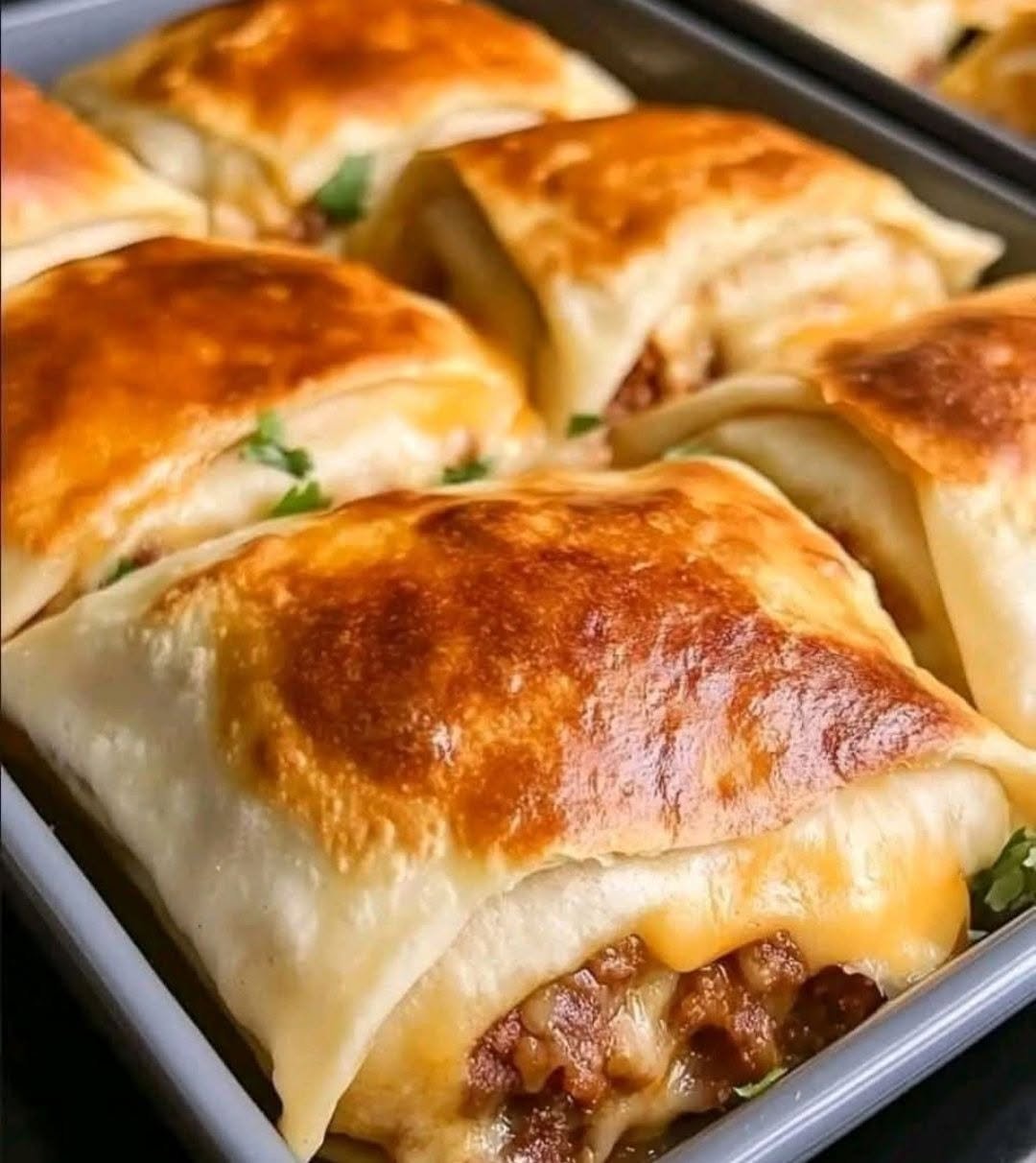
Tortilla Wraps with Ground Beef

Beef Tortilla Wraps filled with seasoned ground beef, melted cheese, onions, peppers, and golden baked tortillas

Tortilla Wraps with Ground Beef

Beef Tortilla Wraps are a warm, cheesy, and satisfying meal made with seasoned ground beef, soft flour tortillas, melted cheese, onions, peppers, and a simple savory sauce. They are easy enough for busy weeknights, hearty enough for family dinners, and flexible enough to customize with your favorite toppings. Beef Tortilla Wraps can be folded, rolled, and baked until golden, giving you crisp edges, a soft center, and plenty of rich beef and cheese in every bite.

Prep Time: 20 minutes
Cook Time: 25 minutes
Total Time: About 45 minutes
Servings: 6

Ingredients

For the Ground Beef Filling

  • 1 1/2 pounds lean ground beef
  • 1 tablespoon olive oil
  • 1 medium onion, finely diced
  • 1 small red bell pepper, diced
  • 3 garlic cloves, minced
  • 1 tablespoon tomato paste
  • 1 teaspoon smoked paprika
  • 1 teaspoon ground cumin
  • 1 teaspoon chili powder
  • 1/2 teaspoon dried oregano
  • 1/2 teaspoon salt
  • 1/4 teaspoon black pepper
  • 1/4 teaspoon red pepper flakes, optional
  • 1/3 cup beef broth or water

For the Wraps

  • 6 large flour tortillas
  • 1 1/2 cups shredded cheddar cheese
  • 1 cup shredded mozzarella or Monterey Jack
  • 1/2 cup salsa
  • 2 tablespoons chopped fresh parsley or cilantro
  • 1 tablespoon melted butter or olive oil, for brushing

Optional Toppings

  • Sour cream
  • Avocado
  • Chopped tomatoes
  • Sliced jalapeños
  • Extra salsa
  • Chopped green onions
  • Shredded lettuce

Why You’ll Love This Recipe

Beef Tortilla Wraps are easy to prepare and use ingredients that are simple to find. The ground beef cooks quickly, the tortillas are easy to fold, and the cheese melts beautifully around the filling.

Another reason to love Beef Tortilla Wraps is their flexibility. You can make them mild or spicy, add vegetables, change the cheese, or serve them with different dips. They also work well for meal prep because the beef filling can be cooked in advance.

How to Make Beef Tortilla Wraps

Step 1: Preheat the Oven

Preheat the oven to 400°F or 200°C.

Lightly grease a baking dish or line a baking sheet with parchment paper.

Step 2: Cook the Ground Beef

Heat olive oil in a large skillet over medium-high heat.

Add the ground beef and cook for 6 to 8 minutes, breaking it into small crumbles with a wooden spoon or spatula.

Cook until browned and no pink remains.

Drain excess grease if necessary.

Step 3: Add the Onion and Pepper

Add the diced onion and bell pepper to the skillet.

Cook for 4 to 5 minutes, stirring occasionally, until the vegetables begin to soften.

Step 4: Add Garlic and Seasonings

Stir in the minced garlic, tomato paste, smoked paprika, cumin, chili powder, oregano, salt, black pepper, and red pepper flakes.

Cook for about 1 minute so the spices become fragrant.

This seasoned mixture gives Beef Tortilla Wraps their rich, savory flavor.

Step 5: Add Broth

Pour in the beef broth or water.

Stir well and cook for 2 to 3 minutes, or until most of the liquid has reduced.

The filling should be moist but not watery.

Step 6: Warm the Tortillas

Warm the tortillas for a few seconds in the microwave or in a dry skillet.

Soft, warm tortillas are easier to fold without cracking.

Step 7: Fill the Tortillas

Place one tortilla on a clean surface.

Spoon a generous amount of beef filling into the center.

Add a spoonful of salsa and sprinkle with cheddar and mozzarella.

At this stage, Beef Tortilla Wraps should be generously filled but still easy to close.

Step 8: Fold the Wraps

Fold the left and right sides of the tortilla toward the center.

Fold the bottom edge up over the filling, then roll tightly toward the top.

Place each wrap seam-side down in the prepared baking dish.

Step 9: Add Cheese

Sprinkle a little extra cheese over the top of each wrap if desired.

Brush the exposed tortilla lightly with melted butter or olive oil.

Step 10: Bake

Bake for 12 to 15 minutes, or until the tortillas are lightly golden and the cheese inside is melted.

For extra browning, broil for 1 to 2 minutes at the end while watching closely.

Step 11: Garnish

Remove Beef Tortilla Wraps from the oven and let them rest for 5 minutes.

Sprinkle with chopped parsley, cilantro, or green onions.

Step 12: Serve

Serve hot with sour cream, avocado, salsa, or your favorite fresh toppings.

Serving Suggestions

Beef Tortilla Wraps are filling enough to serve as a complete meal.

Pair Beef Tortilla Wraps with a simple green salad, black beans, corn salad, roasted vegetables, Mexican-style rice, or a fresh tomato and avocado salad.

For a lighter plate, serve them with shredded lettuce, cucumber, tomato, and a squeeze of lime.

You can also add a bowl of salsa, guacamole, or yogurt-based dip on the side.

For another festive seafood dinner, try our Baked Salmon with Cranberry Salsa and Pecans, topped with bright cranberry salsa, toasted pecans, fresh herbs, and citrus.

Recipe Tips

Use lean ground beef so the filling does not become overly greasy.

Drain excess fat after browning the beef.

Do not overfill the tortillas because they will be harder to roll and may split during baking.

For the best Beef Tortilla Wraps texture, warm the tortillas before folding.

Use freshly shredded cheese for smoother melting.

Keep the filling thick rather than watery so the tortillas do not become soggy.

Place the wraps seam-side down so they stay closed while baking.

Let them rest for a few minutes before serving because the cheese and filling will be very hot.

Easy Variations

Beef Tortilla Wraps are easy to customize.

For extra vegetables, add corn, black beans, mushrooms, zucchini, spinach, or chopped jalapeños to the beef mixture.

You can make Beef Tortilla Wraps with ground turkey or ground chicken instead of beef.

For a spicier version, add hot salsa, cayenne, chipotle powder, or extra chili flakes.

Pepper Jack cheese can replace some of the cheddar for more heat.

For a smoky version, add a little smoked paprika and chopped roasted peppers.

You can also make a breakfast-style version with scrambled eggs, beef, cheese, and avocado.

You may also enjoy our Shrimp and Snow Peas Stir-Fry for a quick dinner with tender shrimp, crisp snow peas, garlic, ginger, and a glossy savory sauce.

Make-Ahead Instructions

The beef filling can be prepared up to 3 days ahead.

Cool completely and store in an airtight container in the refrigerator.

When ready to assemble Beef Tortilla Wraps, reheat the filling slightly, warm the tortillas, and continue with the recipe.

You can also assemble the wraps several hours ahead. Cover tightly and refrigerate, then bake shortly before serving.

Storage and Reheating

Store leftover Beef Tortilla Wraps in an airtight container in the refrigerator for up to 3 days.

For the best texture, reheat them in a 350°F or 175°C oven for 10 to 12 minutes.

An air fryer can also work well for reheating and restoring crisp edges.

Microwave individual portions in short intervals if needed, although the tortillas may become softer.

You can freeze fully assembled, unbaked wraps. Wrap each one tightly, freeze for up to 2 months, and thaw overnight in the refrigerator before baking.

Nutrition Information

Approximate nutrition per serving:

Calories: 560
Protein: 34 g
Carbohydrates: 43 g
Fat: 28 g
Saturated Fat: 12 g
Fiber: 4 g
Sugar: 5 g
Sodium: 920 mg

Nutrition values are estimates and may vary depending on the tortillas, beef, cheese, salsa, and serving size.

Frequently Asked Questions

Can I use corn tortillas?

Yes, but large flour tortillas are easier to fold into sealed wraps. Corn tortillas work better for smaller folded tacos.

Can I make these wraps ahead?

Yes. Prepare the filling ahead or fully assemble the wraps several hours before baking.

Can I use ground turkey?

Yes. Ground turkey or chicken can replace the beef.

Why are my tortillas tearing?

The tortillas may be too cold or dry. Warm them briefly before filling and folding.

Can I add beans?

Yes. Black beans or pinto beans work very well in the filling.

Can I make them spicy?

Yes. Add jalapeños, hot salsa, cayenne, chipotle seasoning, or Pepper Jack cheese.

Can I freeze Beef Tortilla Wraps?

Yes. Wrap them tightly and freeze for up to 2 months. Thaw before baking for the most even texture.

Final Thoughts

Beef Tortilla Wraps are an easy way to turn ground beef, cheese, tortillas, and simple seasonings into a hearty family meal.

Because Beef Tortilla Wraps combine savory beef, melted cheese, soft tortillas, vegetables, and flavorful spices, they are satisfying without requiring complicated preparation.

Keep this Beef Tortilla Wraps recipe handy for busy weeknights, family dinners, meal prep, or casual gatherings.

With golden tortillas, seasoned beef, gooey cheese, and flexible toppings, Beef Tortilla Wraps are a dependable dinner that is easy to make, easy to customize, and delicious straight from the oven.