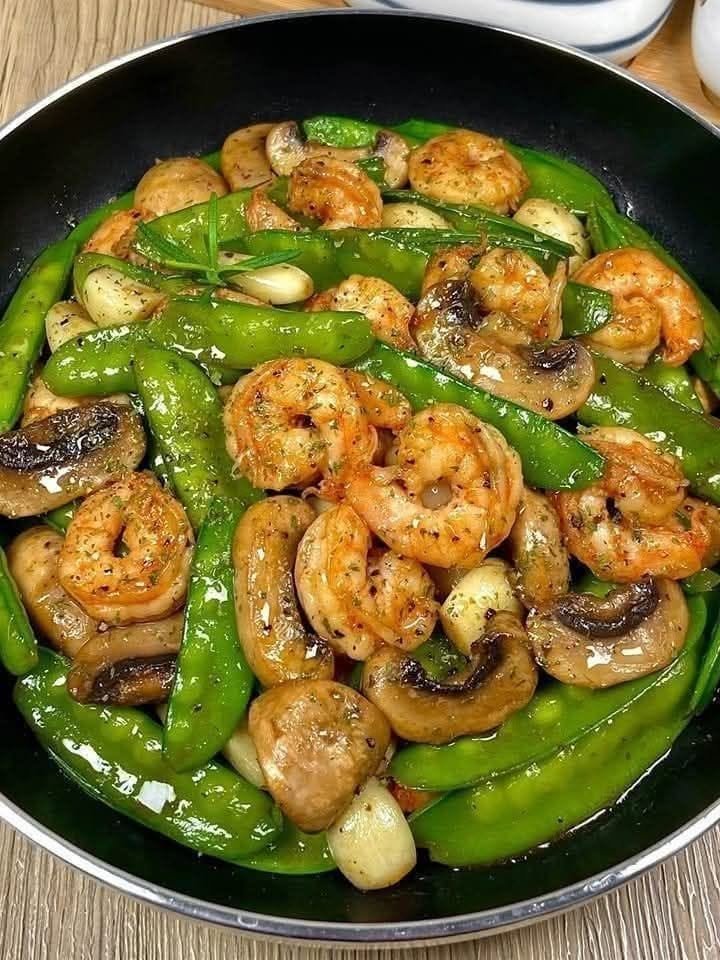
Shrimp and Snow Peas Stir-Fry

Shrimp Snow Peas with tender shrimp, crisp snow peas, red bell pepper, garlic, ginger, and glossy stir-fry sauce

Shrimp and Snow Peas Stir-Fry

Shrimp Snow Peas is a quick, colorful stir-fry made with tender shrimp, crisp snow peas, garlic, ginger, green onions, and a glossy savory sauce. It is perfect for busy weeknights because the entire dish comes together in about 30 minutes. Shrimp Snow Peas balances juicy seafood with crunchy vegetables and a light sauce that coats every bite without feeling heavy.

Prep Time: 15 minutes
Cook Time: 12 minutes
Total Time: About 27 minutes
Servings: 4

Ingredients

For the Shrimp

  • 1 1/2 pounds large shrimp, peeled and deveined
  • 1 tablespoon soy sauce
  • 1 teaspoon sesame oil
  • 1 teaspoon cornstarch
  • 1/4 teaspoon black pepper

Ingredients For the Stir-Fry

  • 3 cups snow peas, trimmed
  • 1 red bell pepper, thinly sliced
  • 3 green onions, sliced
  • 3 garlic cloves, minced
  • 1 tablespoon fresh ginger, finely grated
  • 1 tablespoon neutral oil
  • 1 teaspoon sesame oil

For the Sauce

  • 1/3 cup low-sodium soy sauce
  • 1/3 cup chicken broth or water
  • 1 tablespoon oyster sauce
  • 1 tablespoon honey or brown sugar
  • 1 tablespoon rice vinegar
  • 1 teaspoon sesame oil
  • 1 teaspoon cornstarch
  • 1/4 teaspoon red pepper flakes, optional

For Serving

  • Steamed jasmine rice, brown rice, or noodles
  • Sesame seeds
  • Extra green onions
  • Lime wedges, optional

Why You’ll Love This Recipe

Shrimp Snow Peas is fast, fresh, and full of texture. The shrimp cook in only a few minutes, while the snow peas stay crisp and bright green.

Another reason to love Shrimp Snow Peas is its flexibility. You can add mushrooms, carrots, broccoli, or baby corn without changing the basic method.

It is also a great option when you want a takeout-style dinner at home with simple ingredients and a lighter sauce.

How to Make Shrimp Snow Peas

Step 1: Prepare the Shrimp

Pat the shrimp dry with paper towels.

Place them in a bowl and add soy sauce, sesame oil, cornstarch, and black pepper.

Toss until evenly coated and let the shrimp sit for about 10 minutes while you prepare the vegetables and sauce.

Step 2: Make the Sauce

In a small bowl, whisk together soy sauce, broth, oyster sauce, honey, rice vinegar, sesame oil, cornstarch, and red pepper flakes.

Whisk until the cornstarch is completely dissolved.

The sauce for Shrimp Snow Peas should look smooth and fairly thin at this stage because it will thicken quickly once it hits the hot pan.

Step 3: Prepare the Vegetables

Trim the ends from the snow peas and remove any tough strings.

Slice the bell pepper into thin strips.

Chop the green onions, keeping the white and green parts separate.

Have the garlic and ginger ready before you begin cooking because stir-fry moves quickly.

Step 4: Heat the Pan

Place a large wok or skillet over medium-high to high heat.

Add the neutral oil and let it heat until shimmering.

A hot pan helps the shrimp sear quickly and keeps the vegetables crisp.

Step 5: Cook the Shrimp

Add the shrimp in a single layer.

Cook for about 1 to 2 minutes per side, just until pink and lightly golden.

Remove the shrimp from the pan and set aside.

Do not overcook because the shrimp will return to the pan later.

Step 6: Cook the Aromatics

Add the remaining sesame oil if the pan looks dry.

Add garlic, ginger, and the white parts of the green onions.

Stir-fry for about 30 seconds, just until fragrant.

This step gives Shrimp Snow Peas its fresh aromatic base.

Step 7: Add the Vegetables

Add the snow peas and sliced bell pepper.

Stir-fry for 2 to 3 minutes.

The snow peas should turn bright green and stay crisp-tender rather than soft.

Step 8: Add the Sauce

Give the sauce another quick whisk and pour it into the pan.

Stir constantly as it begins to simmer.

The cornstarch will thicken the sauce in about 1 minute.

Step 9: Return the Shrimp

Add the cooked shrimp back to the pan.

Toss everything together until the shrimp and vegetables are coated in the glossy sauce.

At this point, Shrimp Snow Peas should look bright, fresh, and lightly sauced.

Step 10: Finish the Stir-Fry

Cook for another 1 to 2 minutes, just until the shrimp are heated through and the sauce clings to the ingredients.

Taste and adjust with extra soy sauce, rice vinegar, or red pepper flakes if needed.

Step 11: Garnish

Remove the pan from the heat.

Sprinkle with green onion tops and sesame seeds.

Step 12: Serve

Serve Shrimp Snow Peas immediately over rice or noodles while the vegetables are still crisp.

Serving Suggestions

Shrimp Snow Peas is delicious over steamed jasmine rice, brown rice, or fluffy white rice.

For a lower-carb option, serve the stir-fry over cauliflower rice or with extra stir-fried vegetables.

You can also pair it with noodles, fried rice, cucumber salad, or steamed bok choy.

For a larger meal, serve with spring rolls, vegetable dumplings, or a simple broth-based soup.

For a refreshing dessert after your meal, try our No-Bake Key Lime Pie with a creamy lime filling, buttery graham cracker crust, and bright citrus flavor.

Recipe Tips

Pat the shrimp dry before marinating so they sear rather than steam.

Use a large skillet or wok so the ingredients have enough room to cook quickly.

Do not overcrowd the pan, especially when cooking the shrimp.

For the best Shrimp Snow Peas texture, keep the heat fairly high and cook the snow peas briefly.

Whisk the sauce again immediately before adding because cornstarch settles quickly.

Fresh ginger and garlic give the best flavor.

Do not overcook the shrimp. They should be just opaque and tender.

If the sauce becomes too thick, add a splash of broth or water.

Easy Variations

Shrimp Snow Peas is easy to customize with other vegetables.

Add mushrooms, broccoli, carrots, baby corn, zucchini, or water chestnuts for extra texture.

For a spicy version, add chili garlic sauce, sriracha, or more red pepper flakes.

You can make Shrimp Snow Peas with chicken or thinly sliced beef instead of shrimp, adjusting the cooking time as needed.

For a sweeter sauce, increase the honey slightly.

For extra sesame flavor, add toasted sesame seeds and a tiny drizzle of sesame oil just before serving.

You may also enjoy our Avocado Lettuce Boats for a fresh, creamy, and easy meal with avocado, chickpeas, cucumber, tomatoes, herbs, and lemon dressing.

Make-Ahead Instructions

Most of the prep can be done in advance.

Clean and trim the snow peas, slice the bell pepper, chop the green onions, and mix the sauce up to one day ahead.

Store everything separately in airtight containers in the refrigerator.

The shrimp can be peeled and deveined ahead, but wait to add the cornstarch marinade until shortly before cooking.

For the best texture, cook the stir-fry just before serving.

Storage and Reheating

Store leftover Shrimp Snow Peas in an airtight container in the refrigerator for up to 2 days.

Reheat gently in a skillet over medium heat with a splash of water or broth.

Microwave individual portions in short intervals if needed.

Avoid reheating for too long because shrimp can become rubbery and snow peas can lose their crisp texture.

Freezing is not ideal because the vegetables may become soft after thawing.

Nutrition Information

Approximate nutrition per serving, without rice or noodles:

Calories: 310
Protein: 33 g
Carbohydrates: 19 g
Fat: 12 g
Saturated Fat: 2 g
Fiber: 4 g
Sugar: 8 g
Sodium: 980 mg

Nutrition values are estimates and may vary depending on the shrimp, sauces, vegetables, and serving size.

Frequently Asked Questions

Can I use frozen shrimp?

Yes. Thaw completely, drain well, and pat dry before marinating.

Can I use frozen snow peas?

Fresh snow peas are best because they stay crisper, but frozen snow peas can work if added directly from frozen and cooked briefly.

Can I make Shrimp Snow Peas without oyster sauce?

Yes. Replace it with extra soy sauce plus a small amount of hoisin sauce, or simply omit it and adjust the seasoning.

Can I add noodles?

Yes. Cook noodles separately and toss them into the pan at the end.

Can I make this spicy?

Yes. Add red pepper flakes, chili garlic sauce, sriracha, or fresh sliced chili.

Why is my sauce too thick?

The cornstarch may have thickened more than expected. Add broth or water one tablespoon at a time until the sauce loosens.

Can I make this ahead?

You can prepare the ingredients in advance, but Shrimp Snow Peas is best cooked right before serving.

Final Thoughts

Shrimp Snow Peas is a fast and flavorful way to combine tender seafood, crisp vegetables, garlic, ginger, and a savory stir-fry sauce.

Because Shrimp Snow Peas cooks quickly and uses simple ingredients, it is especially useful for busy weeknights when you still want a fresh homemade dinner.

Keep this Shrimp Snow Peas recipe handy for quick lunches, family dinners, or takeout-inspired meals at home.

With juicy shrimp, crisp snow peas, colorful peppers, and glossy sauce, Shrimp Snow Peas delivers a satisfying balance of freshness, texture, and savory flavor in every bite.
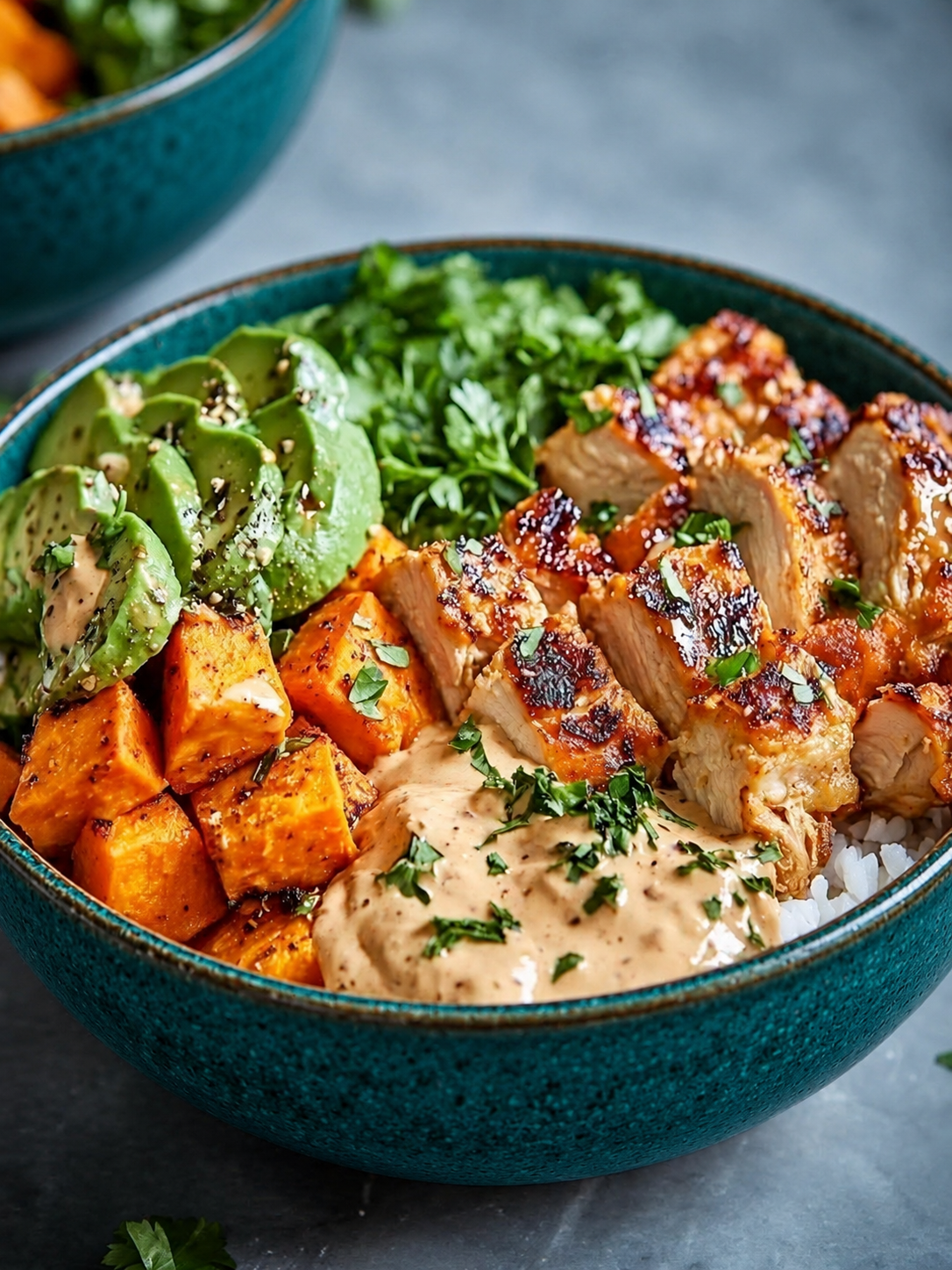
Chicken & Sweet Potato Bowls

Chicken sweet potato bowls with rice, avocado, fresh greens, and creamy yogurt sauce served in a deep teal bowl

Healthy Chicken & Sweet Potato Bowls (Easy Meal-Prep Magic)

Description

These Healthy Chicken & Sweet Potato Bowls combine juicy seasoned chicken, golden roasted sweet potatoes, fluffy rice, fresh greens, and creamy avocado. A smoky lemon-yogurt sauce brings everything together with a tangy finish.

The sweet potatoes develop caramelized edges in the oven, while the chicken cooks in a skillet until beautifully golden. Served over rice with crisp greens, each bowl offers a satisfying combination of textures and flavors.

This recipe is inspired by the pictured bowl, with a simple homemade sauce to match its creamy topping. It makes four generous servings and is easy to prepare ahead: store the cooked ingredients separately from the greens, avocado, and dressing, then assemble when ready to eat.

Prep Time: 20 minutes
Cook Time: 30–35 minutes
Total Time: Approximately 55 minutes
Servings: 4

Ingredients

For the Seasoned Chicken

  • 1½ pounds (680 g) boneless, skinless chicken breasts
  • 1 tablespoon olive oil
  • 1 tablespoon fresh lemon juice
  • 1 teaspoon smoked paprika
  • 1 teaspoon garlic powder
  • ½ teaspoon ground cumin
  • ½ teaspoon dried oregano
  • ½ teaspoon salt
  • ¼ teaspoon freshly ground black pepper

For the Roasted Sweet Potatoes

  • 2 medium-large sweet potatoes, approximately 600 g total
  • 1 tablespoon olive oil
  • ½ teaspoon smoked paprika
  • ½ teaspoon garlic powder
  • ¼ teaspoon salt
  • ¼ teaspoon black pepper

For the Bowl Base and Toppings

  • 2 cups cooked rice, white or brown
  • 4 cups baby spinach, arugula, or chopped romaine
  • 1 large avocado, sliced
  • ¼ cup chopped fresh parsley or cilantro
  • 2 teaspoons sesame seeds, optional
  • Lemon wedges, for serving

For the Creamy Smoky Yogurt Sauce

  • ¾ cup plain Greek yogurt
  • 1 tablespoon olive oil
  • 1 tablespoon fresh lemon juice
  • 1 teaspoon Dijon mustard
  • ½ teaspoon smoked paprika
  • ½ teaspoon garlic powder
  • ¼ teaspoon ground cumin
  • ¼ teaspoon salt, or to taste
  • 1–3 tablespoons water, to thin
  • Hot sauce, optional, to taste

Step-by-Step Instructions

1. Prepare the Sweet Potatoes

Preheat the oven to 425°F (220°C). Line a large rimmed baking tray with parchment paper.

Wash the sweet potatoes and peel them if preferred. Cut into even ¾-inch cubes so they cook at a similar rate.

Toss with the olive oil, smoked paprika, garlic powder, salt, and pepper. Spread across the tray in a single layer, leaving a little space between the pieces.

2. Roast Until Golden

Roast for 25–35 minutes, turning halfway through, until the sweet potatoes are tender inside and golden around the edges.

Avoid overcrowding the tray, which can make the cubes steam rather than brown. Use two trays if necessary.

3. Season the Chicken

While the sweet potatoes roast, pat the chicken dry. Slice thick breasts horizontally into evenly sized cutlets, approximately ¾ inch thick.

Combine the olive oil, lemon juice, smoked paprika, garlic powder, cumin, oregano, salt, and pepper in a bowl. Add the chicken and turn to coat.

Let it stand briefly while preparing the remaining ingredients, or cover and refrigerate if seasoning further ahead.

4. Cook the Chicken

Heat a large skillet over medium heat. Add the chicken in a single layer, working in batches if needed.

Cook for approximately 5–7 minutes per side, depending on thickness. Reduce the heat if the seasoning browns too quickly.

The chicken is ready when its thickest part reaches 165°F (74°C) on a food thermometer. Transfer to a clean plate and rest for 5 minutes before slicing into thick strips or bite-size pieces.

5. Make the Sauce

Whisk together the Greek yogurt, olive oil, lemon juice, Dijon mustard, smoked paprika, garlic powder, cumin, and salt.

Add water one tablespoon at a time until the sauce reaches your preferred consistency. Keep it thick for spooning over the bowl or thin it slightly for drizzling.

Taste and add optional hot sauce for a little heat.

6. Prepare the Bowl Ingredients

Cook the rice according to its package instructions if you have not already prepared it.

Wash and dry the greens thoroughly. Chop the herbs and slice the avocado just before serving.

For romaine, cut the leaves into small pieces. Baby spinach and arugula can be used whole.

7. Assemble the Bowls

Divide the cooked rice among four bowls, using approximately ½ cup per serving.

Arrange the greens, roasted sweet potatoes, sliced chicken, and avocado in separate sections over the rice. Spoon the sauce over the chicken or place a generous dollop on the side.

Finish with fresh herbs, optional sesame seeds, and a lemon wedge.

Tips and Notes

  • Cut the chicken evenly: Similar thickness helps prevent some pieces from drying out while others finish cooking.
  • Dry the greens well: Excess water can dilute the sauce and make stored bowls soggy.
  • Use your preferred grain: Quinoa, bulgur, or couscous can replace the rice. Follow the package cooking instructions.
  • Try chicken thighs: Boneless, skinless thighs work well; adjust the cooking time and check the internal temperature.
  • Change the vegetables: Roasted broccoli, zucchini, or bell peppers make useful additions.
  • Keep the avocado fresh: Slice it shortly before eating for the best color and texture.
  • Make a dairy-free sauce: Use an unsweetened dairy-free yogurt alternative and adjust the lemon and seasonings to taste.
  • Control the heat: The base recipe is mild. Add chili flakes or hot sauce individually when serving.

Meal-Prep and Storage

Divide the chicken, sweet potatoes, and rice among four shallow meal-prep containers. Refrigerate promptly, within 2 hours of cooking, and use within 3–4 days.

Pack the greens and sauce separately. Add freshly sliced avocado when serving.

Reheat the chicken, rice, and sweet potatoes until hot throughout, reaching 165°F (74°C). Add a small splash of water to the rice before microwaving to help soften it. Finish with the cold greens, avocado, sauce, and herbs.

Frequently Asked Questions

Can I make these bowls without rice?

Yes. Serve the chicken and sweet potatoes over extra greens, or use cauliflower rice. This changes the portion size and nutritional values.

Can I use leftover cooked chicken?

Yes. Use approximately 3–4 cups sliced cooked chicken. Warm it gently with a little paprika, cumin, and lemon juice, and follow the original chicken’s storage timeline.

Can I prepare the sauce ahead?

Yes. Keep it in a sealed container in the refrigerator for up to 3–4 days, provided the yogurt is still within its use-by date. Stir before serving.

Can I make the bowls vegetarian?

Replace the chicken with roasted chickpeas or seasoned tofu. Roast or pan-fry separately, then assemble with the remaining ingredients.

Servings & Nutrition

Servings: 4
Serving Size: One-quarter of the recipe, including rice, avocado, and sauce

Approximate nutrition per serving:

  • Calories: 650 kcal
  • Protein: 48 g
  • Carbohydrates: 63 g
  • Fiber: 9 g
  • Total Fat: 24 g
  • Saturated Fat: 4 g

Nutrition is estimated using skinless chicken breast, cooked white rice, and nonfat Greek yogurt. Values vary with ingredient brands, avocado size, and optional toppings.

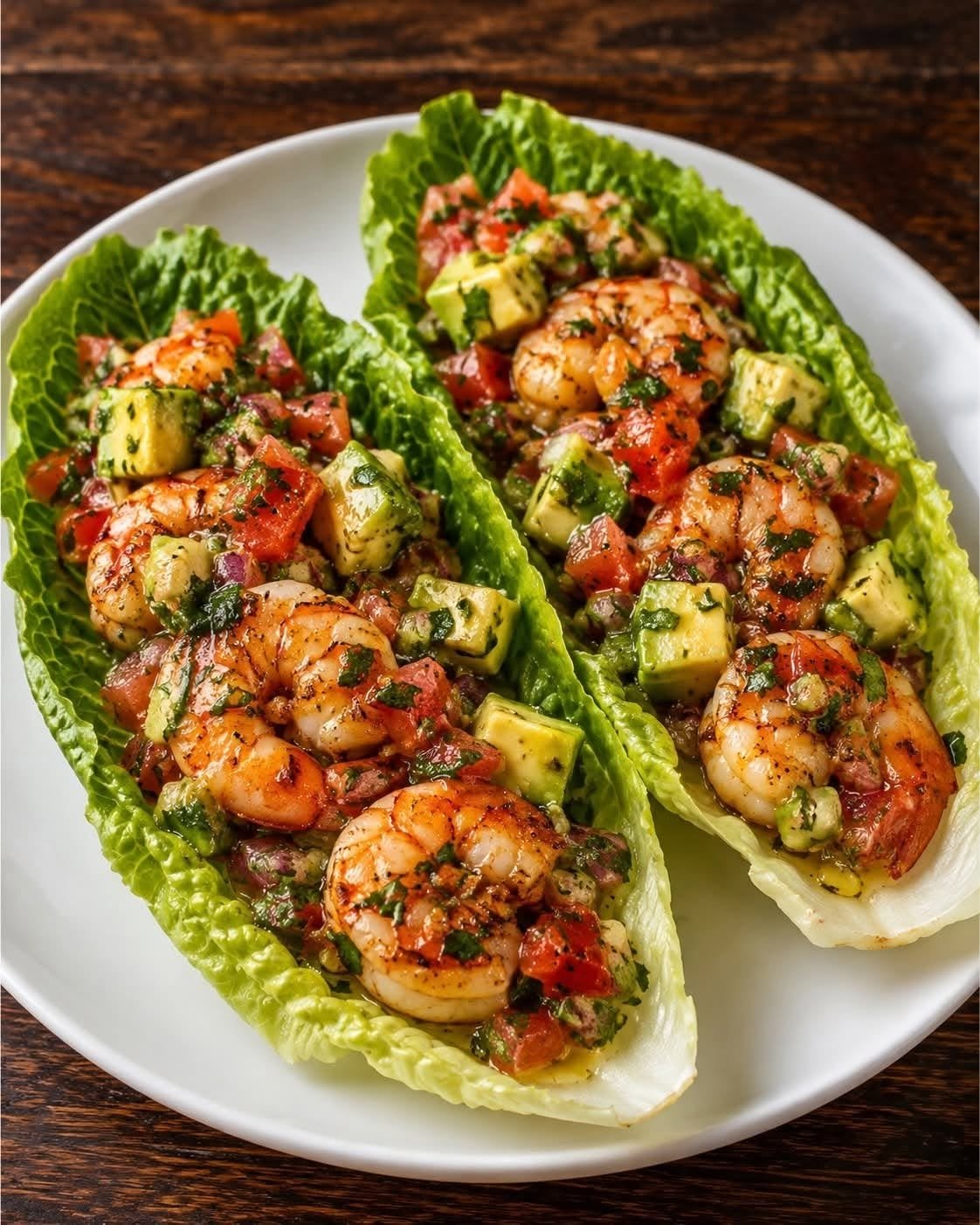
Avocado Lettuce Boats – Fresh, Creamy & Easy

Avocado Lettuce Boats with creamy avocado, chickpeas, cucumber, tomatoes, fresh herbs, and lemon dressing

Avocado Lettuce Boats – Fresh, Creamy & Easy

Avocado Lettuce Boats are a fresh, crunchy, and satisfying meal made with crisp lettuce leaves, creamy avocado, protein-rich chickpeas, juicy tomatoes, cucumber, herbs, and a light lemon dressing. They are quick enough for lunch, light enough for a snack, and easy to customize with your favorite fillings. Avocado Lettuce Boats are especially useful when you want something cool, colorful, and simple without turning on the oven.

Prep Time: 15 minutes
Cook Time: 0 minutes
Total Time: 15 minutes
Servings: 4

Ingredients

For the Lettuce Boats

  • 8 large romaine, butter lettuce, or iceberg leaves
  • 2 ripe avocados, diced
  • 1 cup cooked chickpeas, rinsed and drained
  • 1 cup cherry tomatoes, halved
  • 1 small cucumber, diced
  • 1/4 cup red onion, finely chopped
  • 1/4 cup crumbled feta cheese, optional
  • 2 tablespoons chopped fresh parsley
  • 1 tablespoon chopped fresh dill
  • 1 tablespoon pumpkin seeds or sunflower seeds, optional

For the Lemon Dressing

  • 2 tablespoons extra virgin olive oil
  • 2 tablespoons fresh lemon juice
  • 1 teaspoon Dijon mustard
  • 1 small garlic clove, finely minced
  • 1/2 teaspoon dried oregano
  • 1/4 teaspoon black pepper
  • 1/4 teaspoon salt
  • 1/2 teaspoon honey or maple syrup, optional

Optional Add-Ins

  • Chopped grilled chicken
  • Tuna
  • Hard-boiled eggs
  • Black beans
  • Corn
  • Sliced olives
  • Roasted red peppers
  • Crumbled goat cheese
  • Fresh mint
  • Red pepper flakes

Why You’ll Love This Recipe

Avocado Lettuce Boats are crisp, creamy, and full of fresh flavor. The lettuce creates a refreshing base, while the avocado adds richness and the chickpeas make each serving more filling.

Another reason to love Avocado Lettuce Boats is their flexibility. You can keep them vegetarian, add tuna or chicken for extra protein, or use different vegetables depending on what you have available.

They are also naturally portioned, easy to serve, and ideal for warm days, quick lunches, picnic-style meals, or meal prep.

How to Make Avocado Lettuce Boats

Step 1: Prepare the Lettuce

Separate the lettuce leaves carefully so they stay whole.

Rinse them under cold water and dry thoroughly with paper towels or a salad spinner.

Choose the largest and sturdiest leaves for the boats.

Step 2: Prepare the Avocado

Cut the avocados in half, remove the pits, and scoop out the flesh.

Dice the avocado into small bite-sized pieces.

Place it in a bowl and toss gently with a small squeeze of lemon juice to slow browning.

Step 3: Prepare the Vegetables

Halve the cherry tomatoes, dice the cucumber, and finely chop the red onion.

Chop the parsley and dill.

Keeping the vegetables relatively small makes Avocado Lettuce Boats easier to eat and helps the filling stay inside the leaves.

Step 4: Prepare the Chickpeas

Drain and rinse the chickpeas thoroughly.

Pat them dry with paper towels so they do not add extra moisture to the filling.

For a softer filling, lightly mash about one-third of the chickpeas with a fork.

Step 5: Make the Dressing

In a small bowl, whisk together olive oil, lemon juice, Dijon mustard, garlic, oregano, black pepper, salt, and optional honey.

Whisk until the mixture looks smooth and slightly emulsified.

The dressing should taste bright, tangy, and lightly savory.

Step 6: Combine the Filling

In a large mixing bowl, add avocado, chickpeas, tomatoes, cucumber, red onion, parsley, and dill.

Add feta if using.

Pour the dressing over the mixture.

Step 7: Toss Gently

Use a large spoon or silicone spatula to fold the ingredients together.

Be gentle so the avocado stays in distinct pieces instead of becoming completely mashed.

At this stage, the filling for Avocado Lettuce Boats should look colorful, creamy, and fresh.

Step 8: Arrange the Lettuce Leaves

Place the prepared lettuce leaves on a large serving platter or individual plates.

If a leaf feels too flexible, place a smaller leaf underneath it for extra support.

Step 9: Fill the Boats

Spoon the avocado and chickpea mixture into the center of each leaf.

Do not overfill, or the lettuce may tear when lifted.

Step 10: Add Toppings

Sprinkle pumpkin seeds, sunflower seeds, extra feta, chopped herbs, or red pepper flakes over the filled leaves.

For extra protein, add chopped chicken, tuna, sliced egg, or another protein of your choice.

Step 11: Add a Final Drizzle

Drizzle Avocado Lettuce Boats lightly with any remaining dressing.

A final squeeze of lemon also adds brightness.

Step 12: Serve

Serve immediately while the lettuce is crisp and the avocado is fresh.

Serving Suggestions

Avocado Lettuce Boats work well as a light lunch, snack, appetizer, or easy dinner.

Pair Avocado Lettuce Boats with soup, roasted vegetables, whole-grain toast, quinoa, or a small bowl of rice for a more substantial meal.

For a Mediterranean-style plate, serve them with hummus, olives, grilled chicken, feta, and warm pita.

They also work well alongside baked salmon, shrimp, turkey burgers, or grilled vegetables.

For another fresh and protein-rich meal, try our High-Protein Cucumber Snack Bowl with cucumber, cottage cheese, eggs, chickpeas, herbs, and creamy lemon dressing.

Recipe Tips

Use ripe but firm avocados so they stay in pieces after mixing.

Dry the lettuce very well before filling. Extra moisture can make the leaves slippery and dilute the dressing.

Choose broad, sturdy lettuce leaves for the best shape.

For the best Avocado Lettuce Boats texture, add the dressing and assemble just before serving.

Toss the avocado with lemon juice immediately after cutting to help slow discoloration.

Drain the chickpeas well.

If your cucumber is especially watery, remove the seeds before dicing.

Do not overfill the leaves.

Keep extra dressing on the side if serving for a party so guests can add more as they like.

Easy Variations

Avocado Lettuce Boats can be changed easily depending on the ingredients you have.

For a tuna version, mix drained tuna into the chickpea and avocado filling.

For a chicken version, add chopped grilled or rotisserie chicken.

You can make Avocado Lettuce Boats with black beans, corn, cilantro, and lime for a Southwest-style variation.

For Mediterranean flavor, add kalamata olives, feta, roasted red peppers, parsley, and oregano.

For extra crunch, use chopped almonds, pumpkin seeds, or sunflower seeds.

A spicy version can include jalapeño, chili flakes, or a small spoonful of hot sauce.

You may also enjoy our Cranberry Chickpea Salad for a fresh Mediterranean-style dish with chickpeas, cranberries, feta, herbs, and a bright lemon vinaigrette.

Make-Ahead Instructions

Most components can be prepared ahead, but final assembly is best done shortly before eating.

Wash and dry the lettuce, chop the vegetables, rinse the chickpeas, and make the dressing up to one day ahead.

Store each component separately in airtight containers in the refrigerator.

Cut the avocado as close to serving time as possible.

Avocado Lettuce Boats are best when the lettuce is crisp and the avocado has not had time to darken.

Storage

Store leftover filling in an airtight container in the refrigerator for up to 2 days.

Press plastic wrap directly onto the surface if possible to reduce air exposure around the avocado.

Keep lettuce leaves separate from the filling.

Do not freeze Avocado Lettuce Boats because lettuce and avocado both lose their texture after freezing and thawing.

If the filling releases a little liquid after refrigeration, stir gently before serving.

Nutrition Information

Approximate nutrition per serving:

Calories: 290
Protein: 8 g
Carbohydrates: 28 g
Fat: 18 g
Saturated Fat: 3 g
Fiber: 11 g
Sugar: 6 g
Sodium: 320 mg

Nutrition values are estimates and may vary depending on the avocado size, feta, dressing, chickpeas, optional toppings, and portion size.

Frequently Asked Questions

Can I use iceberg lettuce?

Yes. Iceberg leaves are crisp and sturdy, although romaine and butter lettuce also work very well.

Can I add chicken?

Yes. Chopped grilled, baked, or rotisserie chicken is a great addition.

Can I make Avocado Lettuce Boats ahead?

You can prepare most of the components ahead, but assemble the boats shortly before serving for the best texture.

Can I use black beans instead of chickpeas?

Yes. Black beans work well and give the filling a slightly different flavor.

How do I keep the avocado from turning brown?

Toss it with fresh lemon or lime juice and keep it covered tightly until serving.

Can I make these dairy-free?

Yes. Simply omit the feta or use a dairy-free alternative.

What lettuce works best?

Romaine hearts, butter lettuce, and iceberg all work. Choose large, sturdy leaves that can hold the filling.

Final Thoughts

Avocado Lettuce Boats are an easy way to turn simple fresh ingredients into a colorful, satisfying meal.

Because Avocado Lettuce Boats combine crisp lettuce, creamy avocado, chickpeas, cucumber, tomatoes, herbs, and lemon dressing, they offer a balanced mix of textures and bright flavors.

Keep this Avocado Lettuce Boats recipe handy for quick lunches, warm-weather dinners, meal prep, or easy entertaining.

With crisp leaves, creamy avocado, fresh vegetables, and flexible toppings, Avocado Lettuce Boats are simple to prepare, easy to customize, and refreshing enough to make again and again.

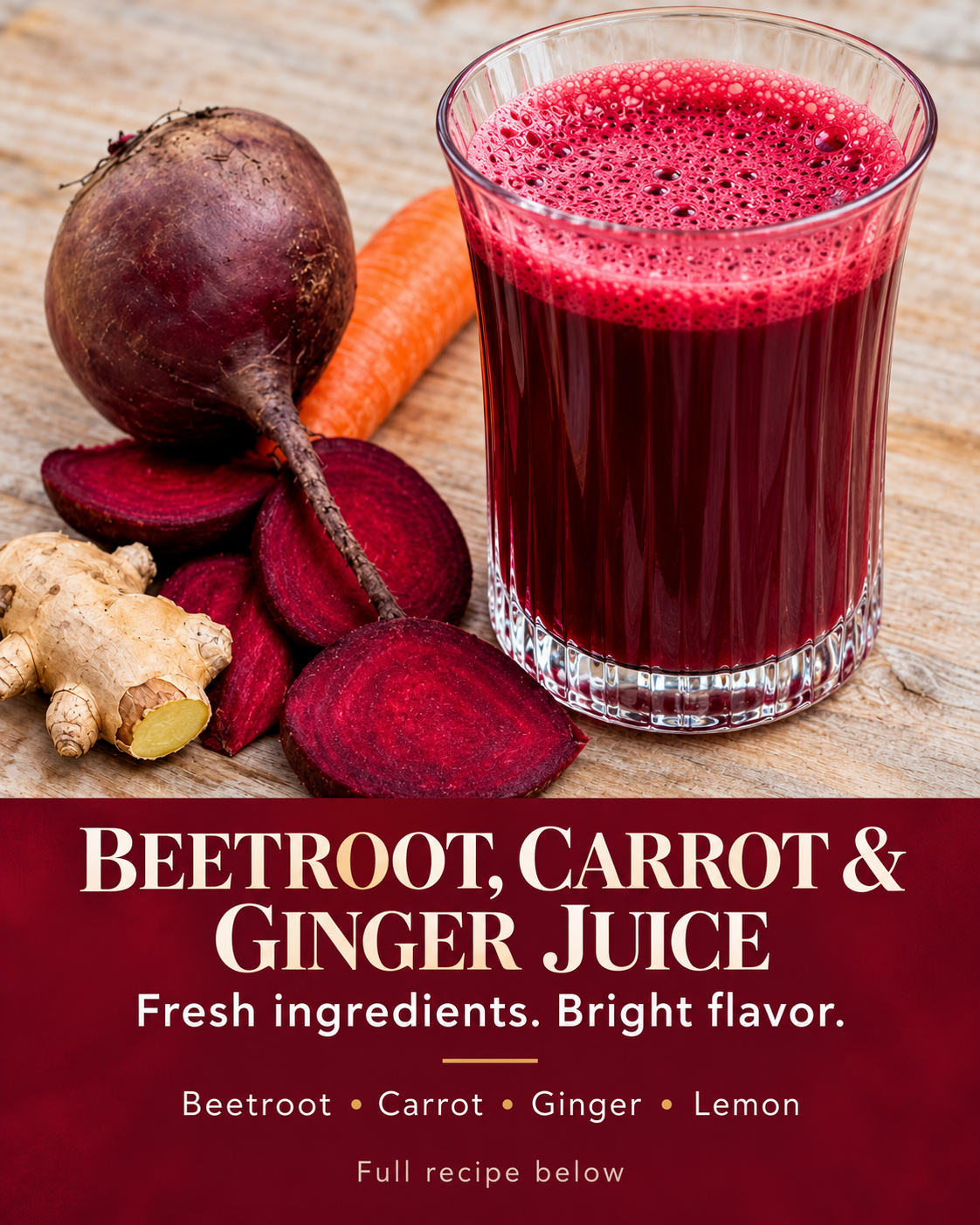
Beetroot, Carrot and Ginger Juice

Beetroot carrot ginger juice in a ribbed glass beside fresh beetroot slices, carrot, and ginger on a wooden table

Beetroot, Carrot and Ginger Juice

Description

This beetroot, carrot and ginger juice is a colorful homemade drink with an earthy sweetness and a gentle spicy kick. Fresh beetroot gives it a deep ruby color, carrots add natural sweetness, and ginger brings a bright, warming flavor. A squeeze of lemon balances the vegetables and makes the drink taste fresher.

You can prepare it with a blender or a juicer. The blender method gives you the option of keeping the pulp for a thicker drink with more fiber, while straining produces a smoother juice.

The image’s claim that drinking this for three days will balance cholesterol or reduce fatigue is not established. Present it as a refreshing vegetable drink without promising those results.

Prep Time: 10 minutes
Cook Time: None
Total Time: 10 minutes
Servings: 2 small glasses

Ingredients

For the Juice

  • 1 medium raw beetroot, approximately 150 g
  • 2 medium carrots, approximately 150 g total
  • ½-inch piece fresh ginger, approximately 5 g
  • 1 tablespoon freshly squeezed lemon juice, optional
  • ¾–1 cup cold drinking water, for the blender method
  • Ice cubes, optional

Optional Flavor Additions

  • ½ small apple, cored, for extra sweetness
  • A few fresh mint leaves
  • Additional water, to adjust the consistency

Step-by-Step Instructions

1. Wash and Prepare the Vegetables

Wash the beetroot and carrots thoroughly under running water, scrubbing away any soil. Trim off their tops and ends, then peel them if desired.

Cut the beetroot and carrots into small pieces so your blender can process them easily. Peel the ginger with the edge of a spoon and chop it finely.

Beetroot can stain surfaces, so rinse your cutting board and utensils promptly after preparation.

2. Add Everything to the Blender

Place the chopped beetroot, carrots, and ginger in a blender. Add ¾ cup cold drinking water and the optional lemon juice.

If using apple, chop it into small pieces and add it at this stage. Avoid adding ice until the vegetables have blended smoothly unless your blender is designed to crush it.

3. Blend Until Smooth

Blend on high speed for approximately 60–90 seconds, or until the vegetables are finely processed.

Stop and scrape down the sides if necessary. Add the remaining water a little at a time if the mixture is too thick to blend. The exact blending time will depend on your appliance.

4. Keep the Pulp or Strain

For a thicker drink, leave the pulp in and blend until the texture is as smooth as possible.

For a smoother juice, pour the mixture through a fine-mesh sieve or a clean nut-milk bag into a jug. Press gently with a spoon or squeeze the bag to extract the liquid.

Straining removes much of the fiber, so the two versions will have different textures and nutritional values.

5. Taste and Serve

Taste the juice and adjust it to your preference. Add a little more lemon juice for brightness or extra water for a milder flavor.

Pour into two small glasses. Serve immediately, with ice or a few mint leaves if desired.

6. Juicer Method

If using a juicer, prepare the vegetables according to your appliance’s instructions. Feed the beetroot, carrots, and ginger through the machine, alternating between ingredients.

Stir in the optional lemon juice afterward. You will not need the blending water, although you can dilute the finished juice to taste. Yield will vary by juicer.

Tips and Notes

  • Start with less ginger: Its flavor can become strong quickly. Begin with a small piece and add more after tasting.
  • Use fresh, firm vegetables: Soft or shriveled vegetables may give a less pleasant flavor.
  • Adjust the earthy taste: A little lemon or apple can make beetroot more appealing to beginners.
  • Skip unnecessary sweeteners: Taste the carrots and beetroot before deciding whether the drink needs extra sweetness.
  • Serve chilled: Cold ingredients make the juice refreshing without requiring much ice.
  • Expect separation: Homemade juice naturally settles. Stir or shake before serving.
  • Keep the portion modest: This recipe makes two small glasses; there is no need to drink the entire batch at once.

Storage

Freshly prepared juice tastes best immediately. If necessary, transfer it to a clean, tightly sealed container and refrigerate promptly. Use within 24 hours for the best quality.

Do not leave the prepared drink sitting at room temperature for extended periods.

Frequently Asked Questions

Can I use cooked beetroot?

Yes. Plain cooked, cooled beetroot works in the blender method, although the flavor and texture will differ slightly. Avoid pickled beetroot because its vinegar and seasoning will change the drink.

Can I make it without a juicer?

Absolutely. Blend the ingredients with water, then either retain the pulp or strain according to your preference.

Do I need to add lemon?

No. Lemon is optional, but it helps balance the earthy beetroot flavor. You can also use a small squeeze of lime.

Do I need to drink it on an empty stomach?

No. Enjoy it whenever it suits you, including alongside breakfast or a snack.

Servings and Nutrition

Yield: Approximately 2 small glasses; volume depends on added water and straining
Serving Size: Half the prepared batch

Estimated nutrition per serving, with pulp retained and without optional apple:

  • Calories: 65 kcal
  • Protein: 2 g
  • Carbohydrates: 15 g
  • Fiber: 4 g
  • Total Fat: Less than 1 g
  • Added Sugar: 0 g

Nutrition is approximate. Straining removes pulp and changes the fiber content and other values.

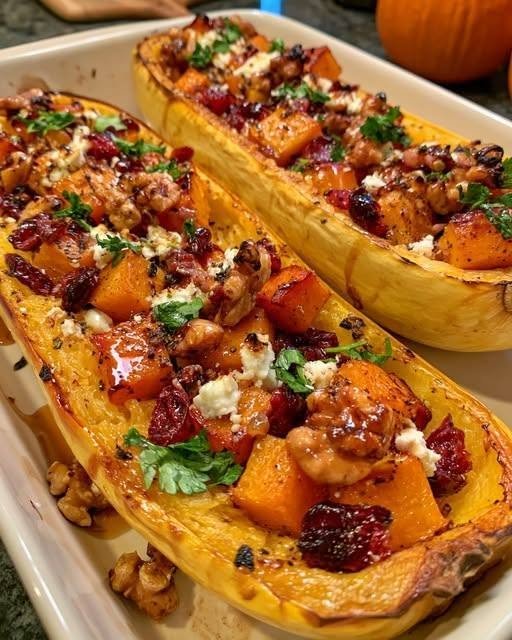
Spaghetti Squash Boats

Golden spaghetti squash boats filled with roasted butternut squash, dried cranberries, feta cheese, walnuts, and fresh parsley

Golden Spaghetti Squash Boats with Roasted Butternut Squash, Cranberries, Feta and Walnuts

Description

These Golden Spaghetti Squash Boats combine tender roasted spaghetti squash with caramelized butternut squash, sweet dried cranberries, creamy feta cheese, and crunchy walnuts. A simple maple and balsamic dressing brings the filling together, while fresh parsley adds a bright finishing touch.

The squash shells become natural serving bowls, making this colorful dish beautiful enough for a holiday table and practical enough for a cozy family dinner. Underneath the toppings, the spaghetti squash separates into delicate golden strands that soak up the dressing.

This version is inspired by the pictured dish. It works well as a vegetarian main course or a generous side alongside roasted chicken, baked fish, or a chickpea salad.

Prep Time: 20 minutes
Cook Time: 50–60 minutes
Total Time: Approximately 1 hour 20 minutes
Servings: 4
Yield: 4 stuffed squash halves

Ingredients

For the Spaghetti Squash Boats

  • 2 small spaghetti squash, approximately 1½–2 pounds each
  • 1 tablespoon olive oil
  • ½ teaspoon salt, or to taste
  • ¼ teaspoon freshly ground black pepper

For the Roasted Butternut Squash

  • 3 cups peeled butternut squash, cut into ¾-inch cubes
  • 1 tablespoon olive oil
  • ½ teaspoon dried thyme
  • ½ teaspoon garlic powder
  • ¼ teaspoon smoked paprika
  • ¼ teaspoon salt
  • ¼ teaspoon black pepper

For the Filling and Toppings

  • ½ cup dried cranberries
  • ½ cup roughly chopped walnuts
  • ¾ cup crumbled feta cheese, divided
  • ¼ cup chopped fresh parsley, divided

For the Maple-Balsamic Dressing

  • 1 tablespoon olive oil
  • 1 tablespoon balsamic vinegar
  • 1 tablespoon maple syrup
  • 1 teaspoon Dijon mustard
  • 1 small garlic clove, finely grated

Step-by-Step Instructions

1. Prepare the Oven and Baking Trays

Preheat the oven to 400°F (200°C). Line two large rimmed baking trays with parchment paper.

Use one tray for the spaghetti squash and the other for the butternut squash. Keeping them separate allows you to remove each vegetable when it is properly cooked.

2. Cut and Clean the Spaghetti Squash

Place each spaghetti squash on a stable cutting board. Carefully cut it lengthwise with a sharp, sturdy knife. Scoop out the seeds and loose fibers with a spoon.

If the squash is too hard to cut safely, pierce it several times and microwave briefly, about 3–5 minutes, to soften the skin slightly. Let it cool enough to handle before cutting.

Brush the cut surfaces with olive oil and season with salt and pepper. Place the halves cut-side down on the first baking tray.

3. Roast the Spaghetti Squash

Roast for 35–50 minutes, depending on size. The squash is ready when a knife slides through the flesh easily and the inside separates into strands when scraped with a fork.

Check smaller squash early. Avoid roasting until the shells collapse, as they need to hold the filling.

4. Roast the Butternut Squash

Meanwhile, toss the butternut squash cubes with olive oil, thyme, garlic powder, smoked paprika, salt, and pepper.

Spread them in a single layer on the second tray, leaving space between the pieces. Roast for 25–35 minutes, turning halfway through, until tender with golden edges.

Both trays can cook together. Rotate their positions if your oven browns unevenly.

5. Prepare the Dressing and Walnuts

Whisk the olive oil, balsamic vinegar, maple syrup, Dijon mustard, and grated garlic in a small bowl until combined.

Toast the walnuts in a dry skillet over medium-low heat for 3–5 minutes, stirring frequently. Remove them as soon as they smell fragrant and begin to deepen in color.

6. Loosen the Golden Squash Strands

Let the roasted spaghetti squash cool for about 5 minutes, then carefully turn the halves cut-side up.

Using a fork, gently scrape the flesh into spaghetti-like strands. Leave a thin layer of flesh attached to the skin to support the shells.

If liquid has collected inside, carefully spoon it out before adding the filling.

7. Fill the Squash Boats

Place the roasted butternut squash in a large bowl. Add the cranberries, half the walnuts, half the feta, and half the parsley.

Pour over the dressing and gently toss. Divide the mixture among the four squash halves, lightly folding some into the loosened strands while leaving plenty of topping visible.

8. Bake and Finish

Return the filled boats to the oven, cut-side up, for 8–10 minutes, until heated through.

Scatter over the remaining feta, walnuts, and parsley. Serve warm, scooping through the topping and golden strands together.

Tips and Notes

  • Choose similar-sized squash: This helps all four boats cook at approximately the same rate.
  • Keep the butternut cubes even: Uniform pieces roast more evenly and are easier to serve.
  • Avoid crowding the tray: Space allows the butternut squash to caramelize instead of steam.
  • Adjust the sweetness: For a less sweet dish, reduce the maple syrup or use fewer cranberries.
  • Swap the cheese: Crumbled goat cheese works well in place of feta.
  • Make it nut-free: Replace walnuts with pumpkin seeds, checking ingredient labels if allergies are a concern.
  • Add chickpeas: Fold in 1½ cups drained, rinsed chickpeas for a more substantial vegetarian meal.
  • Make it vegan: Use a suitable dairy-free feta alternative or omit the cheese and adjust the seasoning.
  • Prepare ahead: Roast both squash varieties a day ahead and refrigerate. Assemble and reheat until hot throughout; cold boats will need longer than the final baking time above.

Storage and Reheating

Store leftovers in covered containers in the refrigerator for 3–4 days.

Reheat in a baking dish at 350°F (175°C), loosely covered with foil, until hot throughout. Individual portions can also be microwaved. Add fresh parsley and extra toasted walnuts after reheating for better texture.

Frequently Asked Questions

Can I use butternut squash as the boat instead?

Yes, but the result will have solid, creamy flesh rather than spaghetti-like strands. Roast the halves until tender, scoop out a little flesh to create space, and add the filling. Cooking time will depend on their size.

Why is my spaghetti squash watery?

Spaghetti squash naturally releases moisture, especially when overcooked. Roast cut-side down, check for doneness early, and remove any pooled liquid before filling.

Can I leave out the cranberries?

Yes. Omit them for a more savory dish, or substitute a smaller quantity of chopped dried cherries or apricots.

Do I eat the squash skin?

The skin serves as the bowl and is usually left uneaten. Scoop out the tender flesh and filling with a fork.

Servings and Nutrition

Servings: 4
Serving Size: 1 stuffed squash half

Approximate nutrition per serving:

  • Calories: 490 kcal
  • Protein: 10 g
  • Carbohydrates: 62 g
  • Fiber: 10 g
  • Fat: 26 g
  • Saturated Fat: 6 g

Estimates vary with squash size, ingredient brands, and the amount of edible flesh. Optional additions are not included.

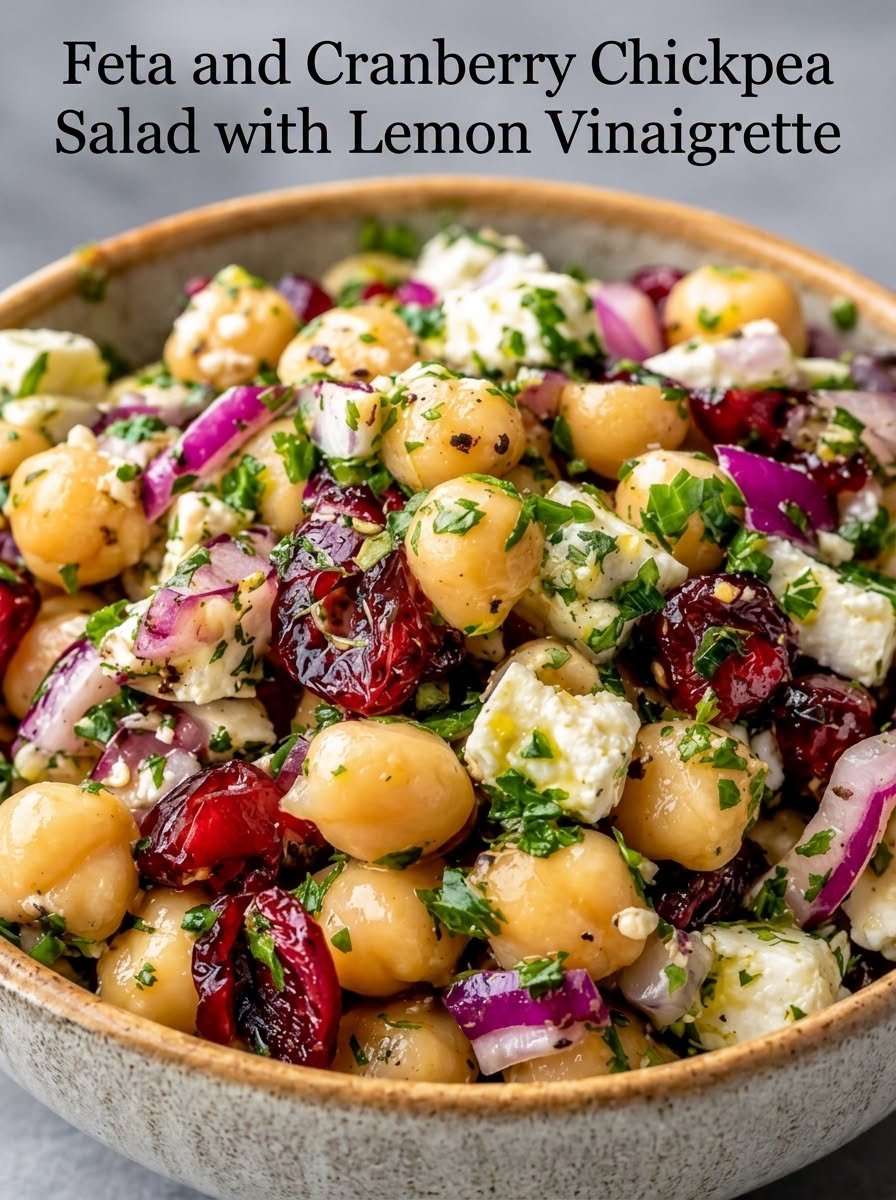
Cranberry Chickpea Salad

Cranberry chickpea salad with feta cheese, red onion, parsley, and lemon vinaigrette in a ceramic bowl

Feta and Cranberry Chickpea Salad with Lemon Vinaigrette

Description

This Feta and Cranberry Chickpea Salad with Lemon Vinaigrette brings together tender chickpeas, sweet dried cranberries, creamy feta, and crisp red onion in a bright, refreshing dressing. Fresh parsley adds color and freshness, while lemon juice balances the richness of the cheese and olive oil.

Every bite offers a delicious mix of sweet, salty, and tangy flavors. The chickpeas make the salad satisfying enough for a light lunch, while the simple ingredients make it easy to serve alongside roasted chicken, baked fish, or warm pita bread.

There is no cooking required when using canned chickpeas, and the salad comes together in about 15 minutes. A short rest in the refrigerator allows the chickpeas to absorb the dressing, making this a convenient option for meal preparation, packed lunches, and family gatherings.

Prep Time: 15 minutes
Cook Time: None
Optional Chilling Time: 20–30 minutes
Servings: 4 generous side servings
Recipe Type: Salad, Side Dish, Light Lunch

Ingredients

For the Chickpea Salad

  • 2 cans chickpeas, 15 ounces (425 g) each, drained and rinsed; approximately 3 cups drained
  • ¾ cup crumbled feta cheese, approximately 110 g
  • ½ cup dried cranberries
  • ⅓ cup finely diced red onion
  • ⅓ cup chopped fresh flat-leaf parsley

For the Lemon Vinaigrette

  • 3 tablespoons extra virgin olive oil
  • 3 tablespoons freshly squeezed lemon juice
  • 1 teaspoon finely grated lemon zest
  • 1 teaspoon Dijon mustard
  • 1 teaspoon honey, optional
  • 1 small garlic clove, finely minced or grated
  • ½ teaspoon dried oregano
  • ¼ teaspoon freshly ground black pepper
  • Salt, to taste

Step-by-Step Instructions

1. Prepare the Chickpeas

Drain the canned chickpeas and rinse thoroughly under cool running water. Let them drain in a colander, then gently pat dry with a clean kitchen towel or paper towels.

Removing excess water helps the lemon vinaigrette coat the chickpeas properly and prevents a watery salad. Transfer the chickpeas to a large mixing bowl.

2. Chop the Onion and Parsley

Finely dice the red onion and chop the parsley, removing any thick stems.

For a milder onion flavor, soak the diced onion in cold water for 5–10 minutes. Drain well and pat dry before adding it to the chickpeas.

3. Make the Lemon Vinaigrette

In a small bowl, whisk together the olive oil, lemon juice, lemon zest, Dijon mustard, optional honey, garlic, oregano, and black pepper.

Whisk until the dressing looks slightly thickened and well combined. Alternatively, place everything in a small jar, secure the lid, and shake thoroughly.

Taste before adding salt, as the feta will contribute saltiness to the finished salad.

4. Combine the Salad

Add the dried cranberries, red onion, and parsley to the chickpeas. Pour over the lemon vinaigrette and toss until everything is evenly coated.

Use a large spoon or flexible spatula, folding gently so the chickpeas remain whole.

5. Fold in the Feta

Add the crumbled feta and gently fold it through the salad. Adding it last keeps some of the cheese in creamy chunks instead of breaking it down completely.

Taste and adjust the seasoning. Add a little more lemon juice for extra brightness or a small pinch of salt if needed.

6. Chill and Serve

Serve immediately, or cover and refrigerate for 20–30 minutes to let the flavors blend.

Before serving, gently toss again to redistribute any dressing that has settled at the bottom. Finish with a little extra parsley and freshly ground black pepper, if desired.

Tips and Notes

  • Choose firm chickpeas: They should be tender but hold their shape. If using home-cooked chickpeas, cool them completely before assembling.
  • Use fresh lemon juice: It gives the vinaigrette a brighter flavor than bottled juice. Zest the lemon before squeezing it.
  • Balance the sweetness: Many dried cranberries contain added sugar. Taste the dressing with the salad before adding honey.
  • Keep the feta chunky: A block of feta crumbled by hand usually provides larger, creamier pieces.
  • Add extra crunch: Diced cucumber, chopped celery, or toasted pumpkin seeds work well. Add watery vegetables shortly before serving.
  • Make it a meal: Serve over leafy greens with warm pita, or add cooked quinoa for a larger lunch.
  • Prepare ahead: Make the salad several hours in advance. Reserve a little parsley and feta to scatter over the top before serving.
  • Store properly: Refrigerate in a sealed container and enjoy within 3–4 days. Stir before serving. Freezing is not recommended because the texture will suffer.

Frequently Asked Questions

Can I use dried chickpeas?

Yes. Use approximately 3 cups of fully cooked, drained chickpeas. Cook them until tender, then cool completely before mixing with the other ingredients.

Can I replace the dried cranberries?

Yes. Chopped dried cherries, raisins, or chopped dried apricots offer a different sweet contrast. Start with a smaller amount and adjust to taste.

Can I make this salad dairy-free?

Replace the feta with a dairy-free feta alternative or omit it. If leaving it out, taste the finished salad and adjust the salt and lemon juice.

Can I leave out the honey?

Absolutely. The cranberries already provide sweetness, so the honey is optional.

What can I serve with this salad?

Pair it with grilled chicken, baked salmon, roasted vegetables, pita bread, or a simple vegetable soup. It also works well as part of a picnic or buffet.

Servings and Nutrition

Yield: 4 generous side servings
Serving Size: Approximately one-quarter of the recipe

Estimated nutrition per serving:

  • Calories: 390 kcal
  • Protein: 12 g
  • Carbohydrates: 45 g
  • Fiber: 9 g
  • Total Fat: 19 g
  • Saturated Fat: 5 g

Nutrition is approximate and varies with the chickpea, feta, and cranberry brands used, as well as optional honey.

Chickpeas contribute plant-based protein and fiber, while feta adds calcium and flavor. Olive oil provides mostly unsaturated fats. For a less salty version, use no-salt-added chickpeas, rinse them well, and reduce the feta slightly.