Creamy Orzo with Roasted Butternut Squash & Spinach

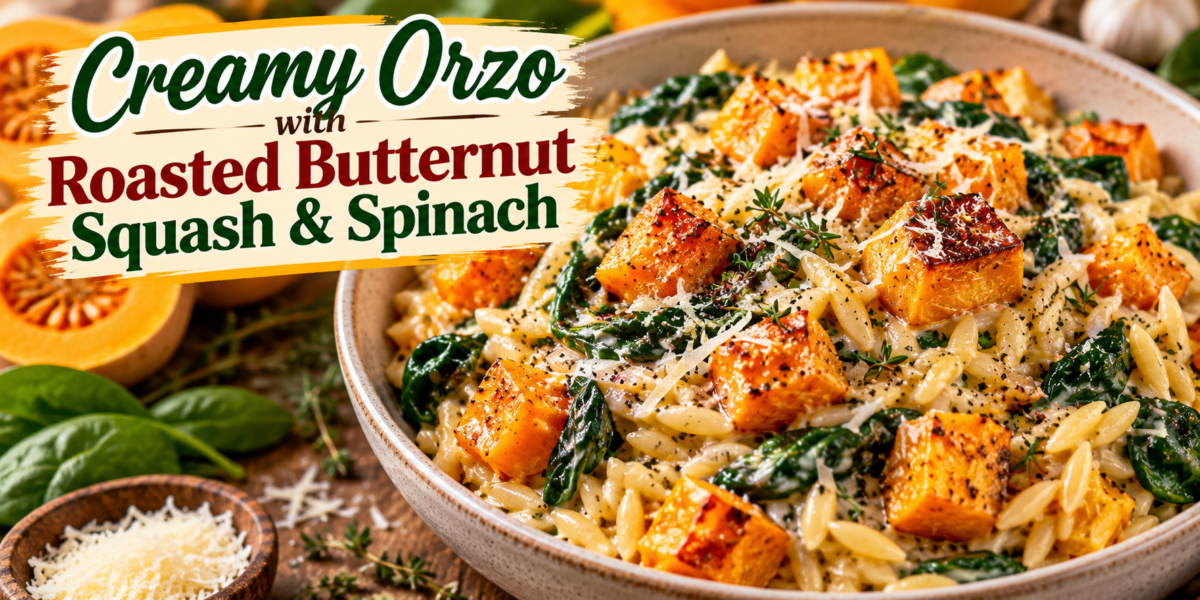
Creamy Orzo with roasted butternut squash, spinach, Parmesan, garlic, and fresh herbs

Creamy Orzo with Roasted Butternut Squash & Spinach

This Creamy Orzo recipe combines tender orzo pasta with golden roasted butternut squash, silky spinach, garlic, Parmesan, fresh thyme, and a lightly creamy sauce. The roasted squash brings natural sweetness and caramelized edges, while spinach adds freshness and color. Parmesan gives the dish a rich savory finish, and a little lemon keeps the sauce bright instead of heavy.

This Creamy Orzo is a cozy one-pan-inspired meal that feels elegant enough for guests while remaining simple enough for a weeknight dinner. The texture is somewhere between creamy pasta and a comforting risotto, but the small rice-shaped orzo cooks much faster. Each spoonful of Creamy Orzo brings together tender pasta, roasted squash, wilted greens, herbs, and plenty of Parmesan.

Prep Time: 20 minutes
Roasting Time: 25 minutes
Cooking Time: 20 minutes
Total Time: 1 hour 5 minutes
Servings: 6

Ingredients

For the Roasted Butternut Squash

3 cups peeled butternut squash, cut into ¾-inch cubes

1½ tablespoons extra virgin olive oil

½ teaspoon dried thyme

½ teaspoon garlic powder

¼ teaspoon smoked paprika

½ teaspoon sea salt

¼ teaspoon freshly ground black pepper

For the Orzo

1½ cups dry orzo pasta

2 tablespoons extra virgin olive oil

3 garlic cloves, finely minced

1 small yellow onion, finely diced

4 cups low-sodium vegetable broth

½ cup heavy cream

3 cups fresh baby spinach

¾ cup freshly grated Parmesan cheese

1 tablespoon fresh lemon juice

1 teaspoon lemon zest

1 teaspoon fresh thyme leaves

¼ teaspoon red pepper flakes, optional

½ teaspoon black pepper

Salt, to taste

For Garnishing

Extra Parmesan

Fresh thyme

Freshly cracked black pepper

A drizzle of extra virgin olive oil

A few roasted squash cubes

Lemon wedges, optional

Step-by-Step Instructions

1. Prepare the Oven

Preheat the oven to 425°F (220°C). Line a large rimmed baking sheet with parchment paper. A hot oven is important because the squash needs enough heat to become tender inside while developing browned, caramelized edges for Creamy Orzo.

2. Season the Squash

Place the cubed butternut squash in a large bowl. Add olive oil, dried thyme, garlic powder, smoked paprika, salt, and black pepper. Toss thoroughly until every piece is lightly coated.

Spread the squash over the prepared baking sheet in a single layer. Leave a little space between the cubes whenever possible. If the pieces are crowded, they will release steam instead of roasting and may not develop the golden edges that give the finished dish so much flavor.

3. Roast the Butternut Squash

Roast the squash for 20–25 minutes. Turn the pieces once halfway through cooking so multiple sides can brown evenly.

The squash is ready when it can be pierced easily with a fork and the edges are golden brown. Do not worry if a few corners become deeply caramelized. Those browned pieces add a wonderful sweet and savory flavor.

Reserve a few of the prettiest roasted cubes for the final garnish, especially when presenting Creamy Orzo for guests.

4. Start the Orzo Base

While the squash roasts, heat two tablespoons of olive oil in a large deep skillet or wide saucepan over medium heat.

Add the diced onion and cook for 3–4 minutes until it becomes soft and translucent. Add the minced garlic and cook for another 30–45 seconds, stirring constantly so the garlic becomes fragrant without browning.

Add the dry orzo and stir for approximately one minute. Lightly coating the pasta in the oil helps develop its flavor and keeps the grains from sticking together too quickly.

5. Add the Broth

Pour the vegetable broth into the skillet and stir well. Bring the mixture to a gentle simmer.

Cook for approximately 8–10 minutes, stirring frequently. Orzo can settle on the bottom of the pan, so regular stirring is important. Keep the heat moderate rather than allowing the liquid to boil aggressively.

As the pasta cooks, it absorbs the broth and releases starch. This creates the naturally creamy texture that makes this dish so comforting.

6. Make It Creamy

When the orzo is almost tender but still has a little bite, reduce the heat to low. Stir in the heavy cream and continue cooking for another 2–3 minutes.

Add the Parmesan gradually, stirring until it melts into the sauce. The mixture should become glossy and creamy.

For the best Creamy Orzo, avoid adding the Parmesan over very high heat. Gentle heat allows the cheese to melt smoothly without becoming stringy.

7. Add the Spinach

Add the fresh baby spinach in handfuls. Stir gently until the leaves wilt into the warm pasta.

This usually takes only 1–2 minutes. The spinach should remain vibrant rather than becoming overcooked.

Add lemon juice, lemon zest, fresh thyme, black pepper, and optional red pepper flakes. Taste and adjust the salt if needed.

The lemon is important because it cuts through the richness of the cream and Parmesan while bringing out the sweetness of the roasted squash in Creamy Orzo.

8. Combine the Squash and Pasta

Reserve some roasted squash for decoration and gently fold the remaining cubes into the pasta.

Do not stir too aggressively because the squash is tender and can break apart. A few smaller pieces naturally blend into the sauce, which is perfectly fine and adds even more squash flavor to the Creamy Orzo.

The Creamy Orzo should now have a thick but spoonable consistency. If it seems too thick, add two or three tablespoons of warm vegetable broth and stir gently.

9. Rest Briefly

Remove the skillet from the heat and let it rest for 3–5 minutes. During this short resting period, the sauce will thicken slightly while the flavors settle.

If the pasta becomes thicker than you prefer, loosen it with a small splash of warm broth or cream.

10. Garnish and Serve

Spoon the finished pasta into warm bowls. Top each serving with reserved roasted butternut squash, extra Parmesan, fresh thyme, and freshly cracked black pepper.

For a brighter presentation, add a small drizzle of olive oil and a lemon wedge on the side.

Tips for the Best Creamy Orzo

Cut the Squash Evenly

Try to keep the squash cubes close to the same size. Uniform pieces roast more evenly and make the finished dish look more attractive.

Very large cubes may remain firm while small pieces become overly soft. Around ¾ inch is a useful size for this recipe.

Do Not Overcrowd the Baking Sheet

Give the squash enough space to roast properly. If necessary, use two baking sheets.

A crowded pan traps moisture and produces softer vegetables. Proper spacing encourages caramelization and gives the squash its delicious golden edges.

Stir the Orzo Frequently

Unlike long pasta, orzo cooks directly in the broth and can settle on the bottom of the pan. Stir every minute or two during the main cooking stage.

Frequent stirring also helps distribute the starch, which contributes to the creamy consistency of Creamy Orzo.

Keep the Heat Moderate

High heat can cause the broth to evaporate before the orzo becomes tender. A gentle simmer gives the pasta time to absorb the liquid evenly.

For the best Creamy Orzo, keep the heat low once the cream and Parmesan are added.

Adjust the Consistency

Orzo continues absorbing liquid even after it leaves the stove. Therefore, the finished dish should look slightly looser than the consistency you ultimately want.

If it becomes too thick while sitting, add a splash of warm broth and stir gently.

Serving Suggestions

Serve this Creamy Orzo as a complete vegetarian meal with a crisp green salad dressed with lemon and olive oil. The fresh salad provides a pleasant contrast to the rich pasta and makes Creamy Orzo feel lighter.

For extra protein, add grilled chicken, roasted chickpeas, white beans, or pan-seared salmon to Creamy Orzo. The mild flavor of the pasta allows these additions to work without overpowering the squash and spinach.

This dish also makes a beautiful holiday side. Place it in a large serving bowl and finish with Parmesan, thyme, roasted squash, and freshly cracked pepper.

For a Mediterranean-inspired table, serve Creamy Orzo alongside roasted vegetables, cucumber salad, olives, warm bread, and a simple tomato salad.

Make-Ahead Instructions

The roasted squash can be prepared up to one day ahead. Once cooled, store it in an airtight container in the refrigerator.

The onion and garlic can also be chopped ahead, and the Parmesan can be grated in advance.

Because the orzo continues absorbing liquid as it sits, Creamy Orzo is best served soon after cooking. If you need to prepare it earlier, keep the sauce slightly looser and reserve some warm broth for reheating.

When reheating, place the pasta in a skillet over low heat and add a splash of vegetable broth. Stir gently until warmed through and creamy again.

Storage Instructions

Store leftovers in an airtight container in the refrigerator for up to three days.

The Creamy Orzo will become thicker after refrigeration because the pasta continues absorbing the sauce. Add a splash of vegetable broth or milk when reheating.

Warm leftovers gently on the stovetop or in the microwave, stirring occasionally. Avoid overheating because excessive heat can make the cream sauce too thick.

For the freshest texture, add a little fresh Parmesan, black pepper, and thyme after reheating Creamy Orzo.

Freezing is not recommended because the creamy sauce and spinach may change texture after thawing.

Frequently Asked Questions

Can I use frozen butternut squash?

Yes. Thaw it first and drain away excess moisture. Frozen squash may soften more quickly, so watch it closely during roasting.

Can I replace the heavy cream?

Yes. Half-and-half, evaporated milk, or unsweetened cooking cream can be used. For a lighter version, use additional vegetable broth and a little extra Parmesan.

Can I make this recipe vegetarian?

Yes. Use a vegetarian Parmesan if needed and make sure your vegetable broth is vegetarian.

Can I make it vegan?

Use plant-based cream, vegan Parmesan, and vegetable broth. Choose a dairy-free alternative that melts smoothly into the pasta.

Can I add protein?

Absolutely. Grilled chicken, roasted chickpeas, white beans, shrimp, or salmon can turn this into a more substantial meal.

Can I use another green?

Yes. Kale, Swiss chard, or arugula can replace spinach. Tougher greens may require a few extra minutes of cooking.

Why did my orzo become too thick?

Orzo continues absorbing liquid after cooking. Add warm broth a little at a time until the desired consistency returns.

Nutrition Information

Approximate nutrition per serving:

Calories: 465 kcal
Protein: 16g
Carbohydrates: 58g
Fat: 19g
Fiber: 6g
Sugar: 7g
Sodium: 620mg

Nutrition values are estimates and may vary according to ingredient brands, serving sizes, and substitutions.

Flavor Variations

For a stronger garlic flavor, roast a few whole garlic cloves alongside the squash and mash them into the finished pasta.

For extra heat, increase the red pepper flakes or add a small amount of chili oil just before serving.

For a Mediterranean twist, add sun-dried tomatoes, chopped olives, or a little crumbled feta.

For additional crunch, sprinkle toasted pine nuts, walnuts, or pumpkin seeds over each bowl.

For a brighter autumn flavor, add a small amount of fresh sage with the thyme. Sage pairs beautifully with roasted squash and Parmesan.

If you want a deeper savory flavor, replace part of the vegetable broth with mushroom broth.

Final Thoughts

This Creamy Orzo brings together some of the most comforting flavors of the season in one satisfying bowl. Roasted butternut squash provides natural sweetness and caramelized edges, while spinach adds freshness and color.

The small orzo pasta absorbs the seasoned vegetable broth as it cooks, creating a creamy texture without requiring complicated risotto techniques. Parmesan adds savory richness, while lemon juice and zest keep the dish balanced.

The roasted squash is especially important because it adds a deeper flavor than simply simmering raw squash with the pasta. Its browned edges provide little bursts of caramelized sweetness throughout the dish.

Another advantage of this recipe is its versatility. It can be served as a vegetarian main course, a holiday side, or a comforting weeknight dinner. You can easily add chicken, beans, chickpeas, shrimp, or salmon when you want additional protein.

For the best result, roast the squash until the edges are golden, stir the orzo regularly, and add the Parmesan over gentle heat. Keep a little warm broth nearby so you can adjust the consistency before serving.

This Creamy Orzo is best enjoyed warm, topped with extra Parmesan, fresh thyme, black pepper, and a few beautifully roasted squash cubes. A small squeeze of lemon just before eating can make the flavors even brighter.

Whether served as a cozy family dinner or placed in the center of a festive table, this Creamy Orzo offers a delicious balance of creamy pasta, sweet roasted squash, tender spinach, fragrant herbs, and savory Parmesan. It is comforting, colorful, and easy to customize for different occasions.

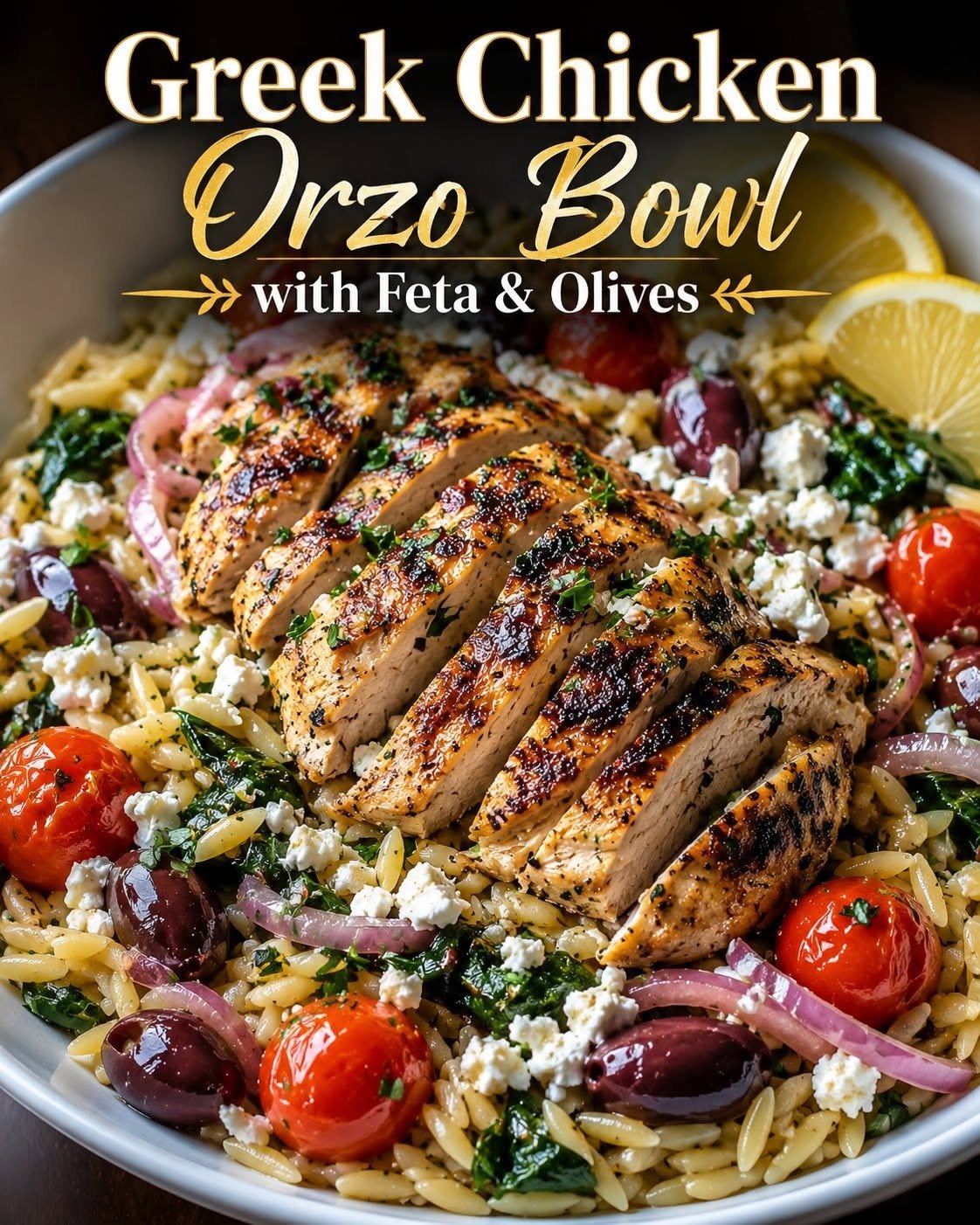
Greek Chicken Orzo Bowl with Feta & Olives

Greek Chicken Orzo Bowl with Feta & Olives

Greek Chicken Orzo Bowl with Feta & Olives

Description

This Greek Chicken Orzo Bowl with Feta & Olives is a fresh, colorful Mediterranean-inspired meal packed with juicy lemon-herb chicken, tender orzo, crisp vegetables, briny Kalamata olives, and creamy feta cheese. Everything comes together with a bright homemade lemon-oregano dressing that gives every bite a delicious balance of savory, tangy, and fresh flavors. The combination of protein-rich chicken, satisfying orzo, vegetables, and olive oil makes these bowls filling enough for dinner while still feeling light and vibrant. They’re perfect for busy weeknights, summer lunches, healthy meal prep, or serving family-style when you want something impressive without complicated cooking.

Ingredients For the Greek Chicken

  • 1½ lbs boneless, skinless chicken breasts or thighs
  • 2 tbsp extra-virgin olive oil
  • 2 tbsp fresh lemon juice
  • 3 garlic cloves, minced
  • 1½ tsp dried oregano
  • 1 tsp smoked paprika
  • ½ tsp ground cumin
  • ¾ tsp salt
  • ½ tsp freshly ground black pepper
  • 1 tsp lemon zest

Orzo

  • 1½ cups dry orzo pasta
  • 4 cups water or low-sodium chicken broth
  • 1 tbsp extra-virgin olive oil
  • 1 tbsp fresh lemon juice
  • 2 tbsp fresh parsley, chopped
  • ¼ tsp salt
  • ¼ tsp black pepper

For the Bowl Toppings

  • 1½ cups cherry tomatoes, halved
  • 1 large cucumber, diced
  • ½ small red onion, thinly sliced
  • ¾ cup Kalamata olives, pitted and halved
  • 1 cup crumbled feta cheese
  • ¼ cup fresh parsley, chopped
  • 2 tbsp fresh dill, chopped, optional
  • Lemon wedges, for serving

Lemon-Oregano Dressing

  • ¼ cup extra-virgin olive oil
  • 3 tbsp fresh lemon juice
  • 1 tbsp red wine vinegar
  • 1 garlic clove, finely minced
  • 1 tsp dried oregano
  • 1 tsp Dijon mustard
  • ½ tsp honey
  • ¼ tsp salt
  • ¼ tsp freshly ground black pepper

Step-by-Step Instructions

Begin by preparing the chicken marinade. In a large bowl, combine olive oil, lemon juice, minced garlic, oregano, smoked paprika, cumin, salt, black pepper, and lemon zest.

Add the chicken and toss thoroughly until every piece is coated in the marinade.

Cover and refrigerate for at least 30 minutes. For deeper flavor, marinate for up to several hours in the refrigerator.

While the chicken marinates, prepare the lemon-oregano dressing.

Add olive oil, lemon juice, red wine vinegar, garlic, oregano, Dijon mustard, honey, salt, and black pepper to a small jar.

Close tightly and shake vigorously until emulsified. Set aside.

Bring water or chicken broth to a boil in a medium saucepan.

Add the orzo and cook according to the package directions until al dente, stirring occasionally.

Drain the orzo thoroughly.

Transfer it to a large bowl and immediately toss with olive oil, lemon juice, parsley, salt, and black pepper.

Set aside and allow it to cool slightly while preparing the chicken.

Heat a large skillet or grill pan over medium-high heat.

Remove the chicken from the marinade, allowing excess marinade to drip away. Discard any marinade that contacted raw chicken.

Place the chicken in the hot skillet.

Cook for approximately 5–7 minutes per side, depending on thickness.

Continue cooking until the thickest part reaches an internal temperature of 165°F (74°C).

Transfer the cooked chicken to a clean cutting board.

Allow it to rest for 5–10 minutes before slicing. This helps keep the chicken juicy.

Meanwhile, prepare the vegetables.

Halve the cherry tomatoes, dice the cucumber, thinly slice the red onion, and halve the Kalamata olives.

For a milder onion flavor, soak the sliced red onion in cold water for approximately 10 minutes, then drain thoroughly.

Divide the warm or room-temperature lemon-herb orzo among four large serving bowls.

Arrange cucumber, cherry tomatoes, red onion, and Kalamata olives around the orzo.

Slice the rested chicken into strips or bite-sized pieces.

Place a generous portion of Greek chicken over each bowl.

Sprinkle crumbled feta generously over the chicken and vegetables.

Add fresh parsley and optional dill.

Drizzle the lemon-oregano dressing over each bowl.

Finish with freshly ground black pepper and an extra squeeze of lemon.

Serve immediately with lemon wedges on the side.

Tips

  • Don’t overcook the chicken. Use an instant-read thermometer and remove it once the center reaches 165°F (74°C).
  • Chicken thighs are an excellent alternative to breasts and tend to remain especially juicy.
  • Cooking orzo in chicken broth instead of water gives it additional savory flavor.
  • Toss warm orzo with lemon juice and olive oil immediately after draining so it absorbs the flavor.
  • Use good-quality Kalamata olives for their rich, briny flavor.
  • Block feta crumbled by hand often has a creamier texture than pre-crumbled feta.
  • Add the dressing shortly before serving if you want the vegetables to remain especially crisp.
  • For additional crunch, add sliced bell peppers or chopped romaine.

Notes

These Greek chicken orzo bowls are excellent for meal prep. Prepare the chicken, orzo, dressing, and vegetables ahead and refrigerate them in separate airtight containers. Assemble the bowls when ready to eat. For the freshest texture, keep the dressing separate and add it immediately before serving. Refrigerate cooked chicken promptly and enjoy leftovers within 3–4 days.
For an even more Mediterranean-style bowl, add hummus, tzatziki, roasted red peppers, chickpeas, artichoke hearts, or pepperoncini. You can also substitute quinoa or brown rice for the orzo if desired.

Q&A

Can I make this bowl ahead of time?
Yes. It is an excellent meal-prep recipe. Store the components separately and assemble when ready to eat.
Can I serve the orzo cold?
Absolutely. This bowl is delicious with warm, room-temperature, or chilled orzo.
Can I use rotisserie chicken?
Yes. For a shortcut, season shredded rotisserie chicken with lemon juice, oregano, olive oil, and black pepper before adding it to the bowls.
Can I make it vegetarian?
Yes. Replace the chicken with chickpeas, grilled tofu, or roasted vegetables.
What can I use instead of Kalamata olives?
Green olives or another Mediterranean-style olive can be substituted, or simply leave them out.
What sauce goes well with this bowl?
The lemon-oregano dressing is excellent, but homemade tzatziki also makes a delicious creamy addition.

Servings

Makes approximately 4 generous servings

Nutrition (Approx. Per Serving)

  • Calories: 620
  • Protein: 45g
  • Carbohydrates: 57g
  • Fat: 25g
  • Saturated Fat: 7g
  • Fiber: 6g
  • Sugar: 7g
  • Sodium: 850mg
  • Cholesterol: 115mg
  • Potassium: 820mg
    Nutritional values are estimates and may vary depending on chicken, feta, olives, orzo, dressing, and portion size.