Perfect Easy Roasted Eggplant Recipe
Description
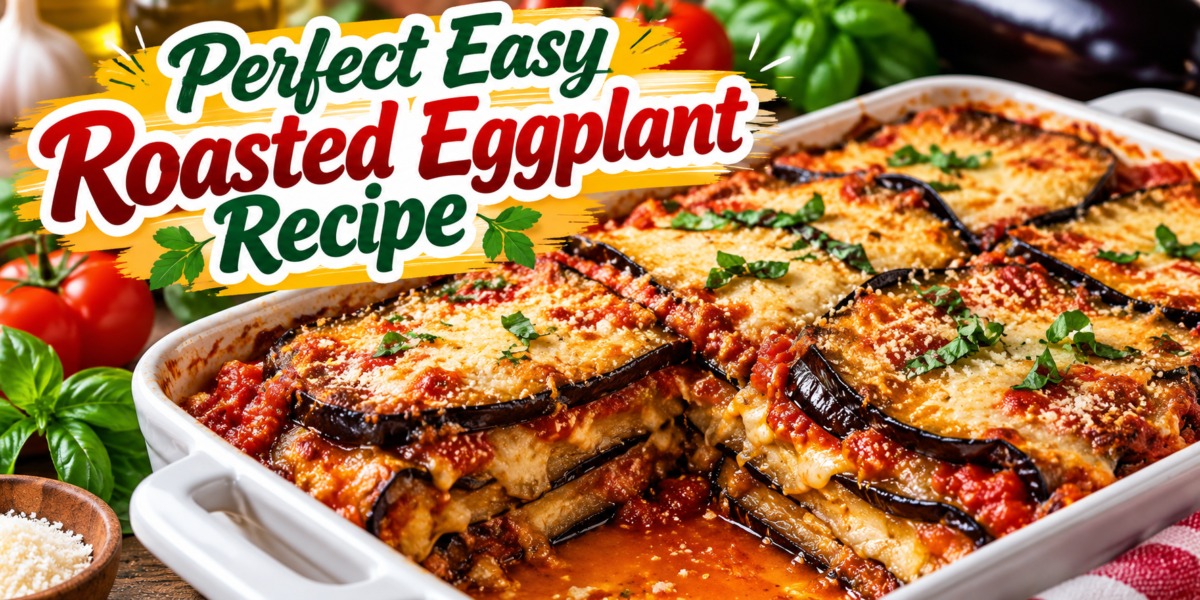
Roasted Eggplant is a simple, flavorful side dish made with tender eggplant, olive oil, garlic, tomatoes, Parmesan, mozzarella, and fresh basil. The eggplant becomes beautifully soft inside with lightly caramelized edges, while the tomato sauce and melted cheese create a comforting Mediterranean-inspired flavor.
This recipe is easy enough for a weeknight dinner and delicious enough to serve when guests come over. The ingredients are simple, affordable, and easy to find. You can serve it as a side dish, vegetarian main course, or topping for toasted bread and pasta.
The secret to delicious Roasted Eggplant is preparing the slices properly, using enough seasoning, and giving the vegetables enough space on the baking tray.
Ingredients
For the Eggplant
2 large eggplants, sliced into 1/2-inch rounds
3 tablespoons olive oil
1 teaspoon salt
1/2 teaspoon black pepper
1 teaspoon Italian seasoning
1/2 teaspoon garlic powder
1/2 teaspoon paprika
For the Tomato Sauce
2 cups crushed tomatoes
3 garlic cloves, minced
1 tablespoon olive oil
1 teaspoon dried oregano
1/2 teaspoon dried basil
1/2 teaspoon salt
1/4 teaspoon black pepper
1/4 teaspoon red pepper flakes, optional
For the Topping
1 cup shredded mozzarella cheese
1/2 cup grated Parmesan cheese
1/4 cup fresh basil, chopped
1 tablespoon fresh parsley, chopped
Step-by-Step Instructions
Prepare the Eggplant
Start by washing the eggplants and removing the stems.
Slice them into rounds about 1/2 inch thick. Try to keep the slices similar in size so they cook evenly.
Place the slices on a large baking sheet or cutting board.
Sprinkle both sides with salt.
Let them sit for about 15 minutes. This step can help draw out some excess moisture and improve the final texture.
Pat the slices dry with paper towels.
Season both sides with black pepper, Italian seasoning, garlic powder, and paprika.
Drizzle olive oil over the slices and gently toss or brush until they are evenly coated.
This preparation gives the Roasted Eggplant a flavorful surface and helps the slices develop golden edges.
Roast the Eggplant
Preheat your oven to 425°F (220°C).
Line a large baking sheet with parchment paper.
Arrange the eggplant slices in a single layer.
Leave a little space between the pieces.
Avoid stacking them because crowded slices tend to steam instead of roast.
Place the tray in the oven.
Roast for about 20 minutes.
Carefully flip the slices.
Continue roasting for another 10 to 15 minutes.
The eggplant should become tender in the center with golden-brown edges.
Keep an eye on the slices during the final few minutes because thinner pieces may cook faster.
Well-roasted Roasted Eggplant should be tender without becoming completely mushy.
Prepare the Tomato Sauce
While the eggplant is roasting, prepare the sauce.
Heat one tablespoon of olive oil in a saucepan over medium heat.
Add the minced garlic.
Cook for about 30 seconds until fragrant.
Do not allow the garlic to burn.
Add crushed tomatoes, oregano, dried basil, salt, black pepper, and red pepper flakes if using.
Stir well.
Bring the sauce to a gentle simmer.
Cook for 10 to 12 minutes.
Stir occasionally.
The sauce should become slightly thicker and more flavorful.
Taste and adjust the seasoning.
Fresh tomato sauce adds moisture and acidity that balance the richness of the cheese and Roasted Eggplant.
Assemble the Dish
Reduce the oven temperature to 400°F (200°C).
Spread a thin layer of tomato sauce across the bottom of a baking dish.
Arrange a layer of roasted eggplant over the sauce.
Add another spoonful of tomato sauce.
Sprinkle some mozzarella and Parmesan over the top.
Continue layering the eggplant, sauce, and cheese until everything has been used.
Finish with a generous layer of mozzarella and Parmesan.
The cheese should cover most of the surface.
Add a little dried oregano if desired.
This layered method allows the sauce to soak into the Roasted Eggplant while the cheese creates a golden, bubbling topping.
Bake Until Golden
Place the assembled dish in the oven.
Bake uncovered for 15 to 20 minutes.
The cheese should melt completely and become lightly golden.
For a darker topping, switch to broil for 1 to 2 minutes.
Watch the dish closely during broiling.
Remove it from the oven and let it rest for about 5 minutes.
Scatter fresh basil and parsley over the top.
The resting time allows the sauce to settle and makes the dish easier to serve.
Tips for the Best Results
Choose eggplants that feel firm and have smooth, shiny skin.
Smaller or medium eggplants can have a tender texture and fewer large seeds.
Cut the slices evenly so they roast at the same rate.
Do not use excessive oil. Eggplant absorbs oil quickly, so a moderate amount is usually enough.
Give the slices plenty of room on the baking tray.
This is one of the most important steps for getting nicely browned Roasted Eggplant.
Roast at a high temperature to encourage caramelization.
Flip the slices halfway through cooking.
If your eggplant releases a lot of moisture, continue roasting for a few extra minutes.
Fresh garlic and herbs provide more flavor than relying only on dried seasonings.
Let the finished dish rest before serving.
Easy Variations
Add Bell Peppers
Thinly sliced bell peppers can be roasted alongside the eggplant.
Red, yellow, and orange peppers add sweetness and color.
Add Zucchini
Zucchini can be layered with the eggplant.
Slice it thinly and roast it briefly before assembling the dish.
Add Mushrooms
Sliced mushrooms create an earthy flavor.
Roast them separately first so excess moisture does not make the casserole watery.
Make It Spicy
Add extra red pepper flakes to the tomato sauce.
You can also add thinly sliced fresh chili peppers.
Add Fresh Herbs
Basil is a natural pairing, but parsley, oregano, thyme, or rosemary can also be used.
Fresh herbs added after baking give the Roasted Eggplant a bright finish.
Serving Suggestions
Serve the dish warm as a vegetarian main course.
It pairs beautifully with a crisp green salad.
Crusty bread is perfect for soaking up the tomato sauce.
You can also serve the Roasted Eggplant over pasta for a more substantial dinner.
For a Mediterranean-style meal, add olives, cucumber, tomatoes, hummus, and warm pita bread.
A spoonful of plain Greek yogurt can provide a cool contrast to the warm tomato sauce.
The dish also works well alongside grilled chicken or fish when you want to serve it as a vegetable side.
Make-Ahead Instructions
The eggplant can be roasted several hours ahead.
Prepare the tomato sauce separately and keep it refrigerated.
When you are ready to serve, assemble the layers in a baking dish.
Add the cheese just before baking.
This makes Roasted Eggplant convenient for dinner parties and busy evenings.
You can also assemble the entire dish earlier in the day.
Cover it and refrigerate until needed.
Allow a little extra baking time if the dish is cold from the refrigerator.
Storage Instructions
Allow leftovers to cool before storing.
Place them in an airtight container.
Refrigerate for up to 3 to 4 days.
Reheat individual portions in the oven or microwave.
The oven usually gives the best texture because it helps warm the eggplant without making the cheese overly soft.
Keep fresh basil separate and add it after reheating.
Leftover Roasted Eggplant can also be chopped and added to pasta, sandwiches, wraps, or grain bowls.
Common Mistakes to Avoid
Avoid slicing the eggplant too thin because it can become overly soft.
Do not overcrowd the baking sheet.
Too much oil can make the dish greasy.
Avoid under-seasoning the eggplant.
Do not rush the roasting process.
The eggplant needs enough heat and time to become tender.
Avoid using too much tomato sauce between the layers.
Excess sauce can make the dish watery.
Do not add fresh basil before baking because it can lose its fresh flavor.
Add it after the dish comes out of the oven.
These simple details make a noticeable difference in the final texture of Roasted Eggplant.
Frequently Asked Questions
Do I need to peel the eggplant?
No. The skin is edible and helps the slices hold their shape during cooking.
Why is my eggplant watery?
Eggplant naturally contains moisture. Salting, patting the slices dry, and roasting them at high heat can help reduce excess moisture.
Can I use a different cheese?
Yes. Mozzarella and Parmesan can be replaced or combined with provolone, Italian cheese blends, or Pecorino Romano.
Can I make this recipe vegan?
Yes. Replace the dairy cheese with your favorite plant-based mozzarella and Parmesan alternatives.
Can I grill the eggplant?
Yes. Grill the slices until tender and lightly charred before layering them with the tomato sauce.
Can I use jarred tomato sauce?
Absolutely. A good-quality marinara sauce is a convenient substitute for homemade tomato sauce.
Can I freeze leftovers?
Yes, although the texture of the eggplant may become softer after thawing. Store cooled portions in freezer-safe containers.
How can I make the dish crispier?
Roast the eggplant thoroughly before layering and avoid adding excessive sauce.
Can I add meat?
Yes. Cooked ground beef, turkey, or Italian sausage can be added between the layers if you want a meatier casserole.
What herbs work best?
Fresh basil is especially delicious, but parsley, oregano, thyme, and rosemary also complement the dish.
Nutrition Information
Approximate nutrition per serving:
Calories: 285 kcal
Protein: 13g
Carbohydrates: 22g
Fat: 17g
Fiber: 7g
Sugar: 9g
Sodium: 680mg
Nutrition values are estimates and can vary depending on the ingredients and portion sizes used.
Why You Will Love This Recipe
There are many reasons to keep Roasted Eggplant in your recipe rotation.
The eggplant becomes tender and flavorful during roasting.
Tomato sauce adds brightness and moisture.
Mozzarella creates a creamy, melted topping.
Parmesan adds a savory finish.
Fresh basil brings everything together.
The recipe is also flexible enough for different diets and preferences.
This recipe is easy to customize for different preferences. For a vegetarian or vegan version, choose suitable plant-based ingredients. Extra vegetables can add more color, flavor, and texture. For more heat, increase the chili or red pepper flakes. Different cheeses can create new flavor combinations. Leftovers can also be used in pasta, sandwiches, wraps, or grain bowls.
Another benefit is that most of the work happens in the oven.
Once the eggplant is prepared, roasting develops much of its flavor without constant stirring.
The finished Roasted Eggplant can be served as a side dish or made into a complete meal with bread, salad, pasta, or grains.
Final Thoughts
Roasted Eggplant is a simple way to turn fresh eggplant into a comforting and flavorful dish.
The high-temperature roasting process gives the slices tender centers and golden edges.
Tomato sauce adds a bright Mediterranean flavor, while mozzarella and Parmesan create a rich, bubbling topping.
Fresh basil and parsley provide a refreshing finish.
For the best result, choose firm eggplants, slice them evenly, season them well, and avoid overcrowding the baking tray.
The recipe can easily be adapted with zucchini, peppers, mushrooms, olives, extra herbs, or a little spice.
Serve Roasted Eggplant with crusty bread for a simple vegetarian dinner, or pair it with grilled chicken or fish as a flavorful side.
It is also useful for meal prep because leftovers can be refrigerated and reheated.
The combination of tender vegetables, savory tomato sauce, melted cheese, and fresh herbs makes Roasted Eggplant a satisfying recipe for weeknight dinners, family meals, and casual gatherings.
Once you make this recipe, Roasted Eggplant can become an easy favorite whenever you want a warm, flavorful vegetable dish with simple Mediterranean-inspired ingredients.