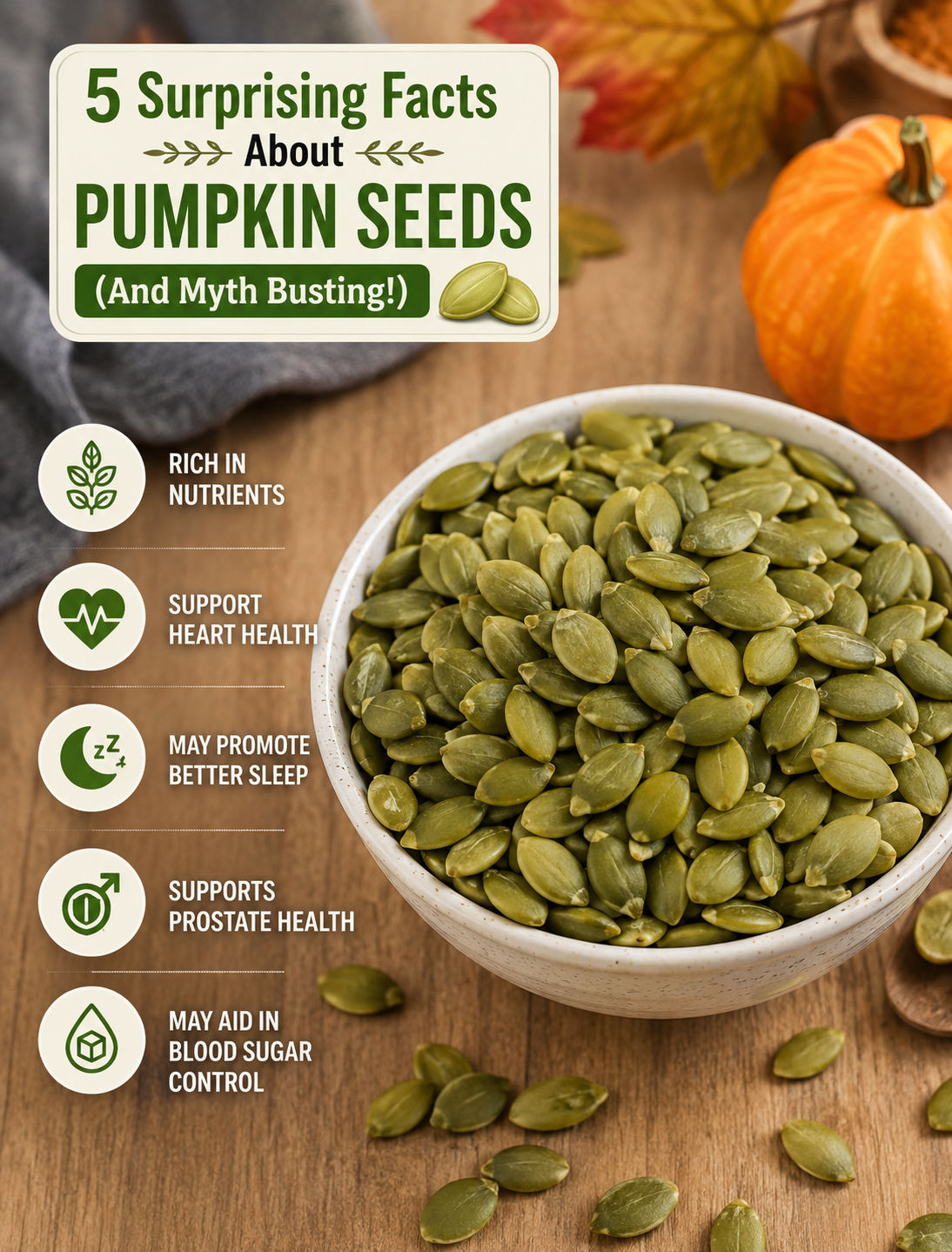
5 Surprising Facts About Pumpkin Seeds and Myth Busting

Roasted pumpkin seeds in a bowl showing their nutritious and crunchy texture

5 Surprising Facts About Pumpkin Seeds and Myth Busting

Pumpkin seeds, often called pepitas, are small but nutrient-rich foods that can fit easily into a balanced diet. They provide protein, healthy unsaturated fats, fiber, magnesium, zinc, iron, and other nutrients. Their crunchy texture also makes them an easy addition to snacks, salads, yogurt, oatmeal, and baked foods.

But some claims about pumpkin seeds go further than the available evidence supports. They are not a miracle food, and eating them does not replace medical care or a balanced diet. Still, their nutrient profile makes them a smart choice when eaten in reasonable portions.

Here are five useful facts about pumpkin seeds, along with common myths worth clearing up.

1. Rich in Nutrients

Pumpkin seeds provide several important nutrients in a relatively small serving. About 1 ounce of shelled, roasted pumpkin seeds provides roughly 160 calories, 8 grams of protein, 14 grams of fat, and about 2 grams of fiber.

Much of their fat comes from unsaturated fatty acids, which are commonly included in heart-healthy eating patterns. Pumpkin seeds also provide magnesium, zinc, iron, phosphorus, and copper.

Magnesium supports normal muscle and nerve function and helps the body maintain healthy bones and energy production. Zinc supports immune function, wound healing, and normal cell growth. Iron helps the body make hemoglobin, the protein that carries oxygen in red blood cells.

Myth: Pumpkin seeds provide every nutrient the body needs.

Reality: They are nutrient-dense, but no single food supplies all essential nutrients. Use them as part of a varied diet that includes vegetables, fruits, whole grains, legumes, dairy or fortified alternatives, and protein foods.

2. Heart Health Benefits

Pumpkin seeds can be part of a heart-conscious eating pattern because they contain unsaturated fats, fiber, minerals, and antioxidant compounds.

Replacing foods high in saturated fat with foods containing more unsaturated fat can support healthier blood cholesterol levels. Pumpkin seeds can work well in this role when they replace less nutritious snack foods rather than simply adding extra calories to the diet.

Their magnesium content is another nutritional advantage. Magnesium is involved in normal muscle function, including the heart muscle, as well as many other processes in the body.

Pumpkin seeds also contain plant compounds with antioxidant activity. However, it is important not to turn this into a promise that pumpkin seeds prevent heart disease.

Myth: Eating pumpkin seeds alone can lower cholesterol or prevent heart disease.

Reality: Heart health depends on the overall diet, physical activity, weight management, blood pressure, cholesterol levels, smoking status, and other factors.

3. Promote Better Sleep

Pumpkin seeds contain tryptophan, an amino acid involved in the body’s production of serotonin and melatonin. They also provide magnesium, which plays a role in normal nerve and muscle function.

These nutrients make pumpkin seeds an interesting food to include in an evening snack. However, evidence that eating pumpkin seeds directly improves sleep quality is limited. Sleep is influenced by many factors, including stress, caffeine intake, screen use, medications, sleep routines, and underlying health conditions.

A small serving of pumpkin seeds with another nutritious food may be a satisfying nighttime snack, but it should not be viewed as a sleep treatment.

Myth: Eating pumpkin seeds before bed guarantees better sleep.

Reality: Pumpkin seeds contain nutrients associated with normal sleep-related processes, but eating them does not guarantee longer or deeper sleep.

4. Support Prostate Health

Pumpkin seeds have a long history of use in traditional diets and wellness practices for men’s health. They contain zinc, magnesium, healthy fats, phytosterols, and other plant compounds.

Research has explored pumpkin seed products and their potential role in urinary symptoms associated with benign prostatic hyperplasia, or BPH. Some studies have reported possible benefits, but the evidence is not strong enough to say that eating pumpkin seeds can shrink an enlarged prostate or treat BPH.

Men with frequent urination, difficulty starting urination, weak urine flow, or other urinary changes should talk with a healthcare professional. These symptoms can have several causes and should not automatically be blamed on an enlarged prostate.

Myth: Pumpkin seeds can cure an enlarged prostate.

Reality: Pumpkin seeds may be a nutritious addition to the diet, but they are not a proven treatment for BPH or other prostate conditions.

5. Aid in Blood Sugar Control

Pumpkin seeds contain protein, fat, fiber, and relatively little carbohydrate per serving. These characteristics can make them a more filling snack than many refined, sugary foods.

Their magnesium content may also be relevant because magnesium is involved in glucose metabolism and insulin function. However, eating pumpkin seeds does not automatically control blood sugar.

It is also better to avoid describing pumpkin seeds as having a specific “low glycemic index” because GI values depend on the food and serving being tested, and whole pumpkin seeds contain relatively little available carbohydrate.

For people managing diabetes, portion size still matters because pumpkin seeds are calorie-dense. Unsalted or lightly salted varieties are often a practical choice.

Myth: Pumpkin seeds can replace diabetes medication or normalize blood sugar by themselves.

Reality: They can fit into a balanced diabetes-friendly eating pattern, but they should not replace prescribed treatment, monitoring, or professional medical advice.

How to Incorporate Pumpkin Seeds into Your Diet

Pumpkin seeds are easy to use in everyday meals. Choose plain, dry-roasted, or lightly salted varieties when you want to limit added sodium.

For a simple snack, enjoy a small handful of pumpkin seeds with fresh fruit or plain yogurt. The combination adds protein, healthy fats, and texture.

Sprinkle them over oatmeal, salads, soups, roasted vegetables, or grain bowls for extra crunch. You can also mix them into homemade granola or add them to whole-grain muffins and breads.

Ground pumpkin seeds can be blended into smoothies or stirred into oatmeal. Pumpkin seed butter can also be spread on whole-grain toast or paired with fruit.

When buying packaged pumpkin seeds, check the Nutrition Facts label for added sodium, sugar, and serving size. Because they are energy-dense, a measured portion can make it easier to enjoy them without unintentionally eating large amounts.

For most adults, the key is consistency and variety. Pumpkin seeds can complement a nutritious eating pattern, but they work best alongside other whole foods rather than as a standalone health solution.

Frequently Asked Questions

Are pumpkin seeds good for you?

Yes. Pumpkin seeds provide protein, unsaturated fats, fiber, magnesium, zinc, iron, and other nutrients that can support an overall balanced diet.

How many pumpkin seeds should I eat per day?

A practical serving is about 1 ounce, or roughly a small handful, depending on your calorie and nutrition needs.

Do pumpkin seeds help you sleep?

They contain tryptophan and magnesium, but there is not enough evidence to say that pumpkin seeds directly improve sleep for everyone.

Are pumpkin seeds good for men’s health?

They provide zinc and other nutrients important for normal health, but pumpkin seeds should not be considered a treatment for prostate disease or urinary problems.

Can pumpkin seeds help manage blood sugar?

Their protein, fat, fiber, and low carbohydrate content can make them a useful snack choice, but they do not replace diabetes treatment or blood sugar management plans.

Are roasted pumpkin seeds healthy?

Yes, roasted pumpkin seeds can remain nutritious, although heavily salted or flavored versions may contain more sodium, sugar, or added ingredients.

Should I eat pumpkin seeds with the shell?

Shelled pumpkin seeds are easier to eat and commonly sold as pepitas; whole seeds with tough shells contain more fiber but may be harder to digest.

Can pumpkin seeds help lower cholesterol?

They can contribute to a heart-healthy diet because they contain unsaturated fats and other beneficial nutrients, but they should not be viewed as a standalone cholesterol-lowering treatment.
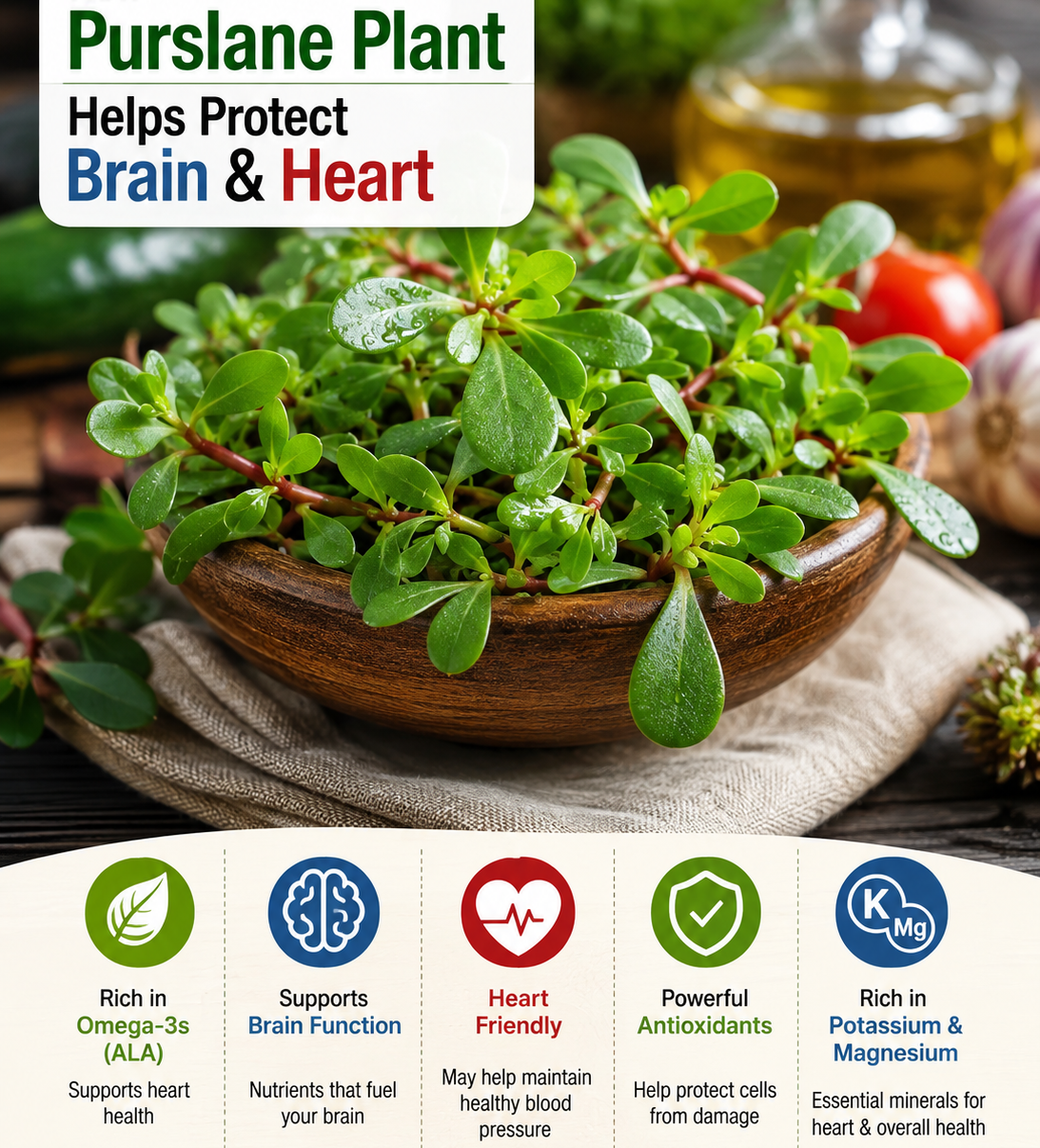
Purslane Plant Helps Protect Brain and Heart

Purslane Plant Helps Protect Brain and Heart

Purslane Plant Helps Protect Brain and Heart

Purslane is a small leafy plant that is often treated as a common garden weed. Its scientific name is Portulaca oleracea, and it has been eaten as a vegetable in many parts of the world for generations. What makes purslane interesting is its mix of omega-3 fatty acids, antioxidants, vitamins, and minerals.

Adding nutrient-rich greens to your diet can support overall health, and purslane offers several nutrients linked with cardiovascular and brain function. It contains alpha-linolenic acid (ALA), a plant-based omega-3 fat, along with vitamin C, vitamin E, carotenoids, magnesium, potassium, and other beneficial compounds. (PubMed)

Research does not show that eating purslane can prevent heart disease, stroke, dementia, or other medical conditions by itself. However, its nutritional profile makes it a useful addition to a balanced eating pattern focused on vegetables, fruits, whole grains, beans, nuts, and healthy fats.

What Is Purslane?

Purslane is a succulent green plant with small, rounded leaves and reddish stems. It can grow in gardens, lawns, fields, and cracks in sidewalks, but wild plants should not automatically be considered safe to eat.

Edible purslane has a slightly lemony, salty, or tangy flavor and can be eaten raw or cooked. Young leaves and tender stems are commonly added to salads, soups, sandwiches, stir-fries, and vegetable dishes.

The plant is especially notable for its ALA content. ALA is an essential omega-3 fatty acid, meaning the body needs it but cannot make enough of it on its own. Purslane also supplies antioxidant compounds that help protect cells from oxidative stress. (PubMed)

How Purslane Supports Heart Health

It Provides Plant-Based Omega-3 Fatty Acids

One of the most interesting features of purslane is its ALA omega-3 content. ALA is different from the EPA and DHA omega-3 fats found mainly in fatty fish, but it still plays an important role in a healthy diet.

Research on dietary ALA has found associations between higher intake and better cardiovascular outcomes, although the evidence does not mean that one food can prevent heart disease. (PubMed)

Purslane can therefore contribute a plant-based source of omega-3 fat to meals, especially for people who regularly include plant foods in their diet.

It May Support Healthy Blood Pressure

Potassium and magnesium are important minerals involved in normal muscle and nerve function, including the cardiovascular system. Purslane provides both minerals, although the exact nutrient content can vary depending on growing conditions and plant variety. (PubMed)

A 2025 systematic review of randomized trials found that purslane consumption was associated with a modest reduction in systolic blood pressure, while the evidence for diastolic blood pressure was less certain. The researchers also noted that more high-quality studies are needed. (PubMed)

This makes purslane an interesting food for a heart-conscious diet, but it should not replace prescribed blood-pressure treatment.

It Contains Antioxidant Compounds

Oxidative stress occurs when reactive molecules can damage cells faster than the body can control them. Diets rich in plant foods provide antioxidants and other compounds that help support the body’s natural defense systems.

Purslane contains vitamin C, vitamin E, carotenoids, phenolic compounds, flavonoids, and glutathione. Studies have measured antioxidant activity in purslane leaves, although laboratory antioxidant activity does not automatically translate into a specific health effect in people. (PubMed)

Eating purslane as part of a varied diet can increase exposure to these plant compounds without relying on supplements.

How Purslane May Support Brain Health

ALA Plays a Role in Brain Function

The brain contains a large amount of fat, and dietary fatty acids are important for normal brain structure and function. ALA is one of the essential fatty acids used by the body, although its conversion into the longer-chain omega-3 fats EPA and DHA is limited.

Research examining ALA and cognition has produced promising but still developing findings. A 2022 review reported potential cardiovascular benefits of ALA and described the evidence related to cognition as encouraging but not yet strong enough for firm conclusions. (PubMed)

For this reason, purslane is better viewed as one nutritious source of ALA rather than a treatment for memory loss or cognitive decline.

Antioxidants Help Defend Cells

Brain cells are particularly active and require a steady supply of oxygen and nutrients. Antioxidant-rich foods may help the body manage oxidative stress as part of normal cellular defense.

Purslane provides several antioxidant compounds, including vitamin C, vitamin E, carotenoids, and polyphenols. Research has identified antioxidant activity in purslane extracts and leaves, but human clinical evidence on brain protection remains limited. (PubMed)

A diet containing many colorful vegetables, fruits, legumes, nuts, and whole grains provides a broader range of protective plant compounds than relying on one food.

It Adds Important Minerals to the Diet

Purslane contains minerals such as magnesium, potassium, and calcium. These nutrients contribute to normal nerve, muscle, and cellular function.

Magnesium is involved in hundreds of biochemical reactions in the body, while potassium helps maintain normal fluid balance, nerve signaling, and muscle function. A varied diet can help provide these nutrients consistently. (PubMed)

How to Add Purslane to Your Diet

Fresh purslane can be used much like other leafy greens. Wash it thoroughly under running water and remove damaged portions before eating.

Try adding young leaves to salads for a slightly crisp texture and tangy flavor. You can also mix chopped purslane into soups, omelets, grain bowls, vegetable sautés, or bean dishes.

Another simple option is to combine purslane with tomatoes, cucumbers, onions, olive oil, and lemon juice. This creates a vegetable-rich side dish with healthy fats and several plant nutrients.

Cooking may change the levels of certain nutrients and plant compounds, so using both raw and cooked preparations can add variety to your meals.

Important Safety Considerations

Purslane contains oxalates, which can be important for people who have been advised by a healthcare professional to limit dietary oxalate. A published review reported substantial oxalate levels in fresh purslane leaves. (PubMed)

People taking medications that affect blood pressure, potassium, or fluid balance should speak with a healthcare professional before making large dietary changes involving purslane.

Do not eat a wild plant simply because it looks like purslane. Plants growing near roads, lawns treated with chemicals, or areas contaminated by animals may carry unwanted substances. When possible, use purslane that has been properly identified and grown for food.

Purslane should also be considered a food rather than a substitute for medication. A heart- and brain-supportive lifestyle includes regular physical activity, adequate sleep, healthy blood pressure and cholesterol management, not smoking, and an overall balanced diet.

The Bottom Line

Purslane is a nutrient-dense leafy green with a unique nutritional profile. Its ALA omega-3 fatty acids, antioxidants, vitamin C, vitamin E, potassium, magnesium, and other plant compounds make it a useful addition to a varied diet. (PubMed)

The strongest reason to eat purslane is not that it acts like a medicine. Its value comes from adding another whole plant food to meals while providing nutrients associated with normal cardiovascular and cellular function.

Current research suggests that purslane may support factors related to heart health, including blood pressure, while its possible role in brain health remains an area of ongoing research. (PubMed)

For better long-term health, enjoy purslane alongside other vegetables, fruits, beans, whole grains, nuts, seeds, and healthy sources of fat rather than depending on a single food.

Frequently Asked Questions

Is purslane good for the heart?

Purslane provides ALA omega-3 fats, potassium, magnesium, and antioxidants that can fit into a heart-healthy diet. (PubMed)

Can purslane help protect the brain?

Purslane supplies ALA and antioxidant compounds, but direct evidence that it prevents brain disease or cognitive decline is still limited. (PubMed)

Does purslane contain omega-3 fatty acids?

Yes. Purslane is notable for its alpha-linolenic acid (ALA), a plant-based essential omega-3 fatty acid. (PubMed)

Can purslane lower blood pressure?

Research suggests purslane may modestly reduce systolic blood pressure, but more high-quality studies are needed to confirm its long-term effects. (PubMed)

Is it safe to eat purslane every day?

Purslane can be part of a varied diet, but people who need to limit oxalates or manage certain medical conditions should ask a healthcare professional first.

What nutrients are found in purslane?

Purslane contains ALA, vitamins C and E, carotenoids, potassium, magnesium, calcium, and several antioxidant plant compounds. (PubMed)

Can purslane replace heart or brain medication?

No. Purslane is a nutritious food and should not replace prescribed medicines or professional treatment for cardiovascular or neurological conditions.

🌿 Looking for more natural wellness tips? Follow These 👇👇👇

Rosemary Tea on an Empty Stomach – Natural Morning Boost

Benefits of Eating Dates

Doctors Reveal That Eating Beets Causes…

Lemon and Clove Natural Home Remedy

Beetroot, Cucumber & Ginger Detox Juice

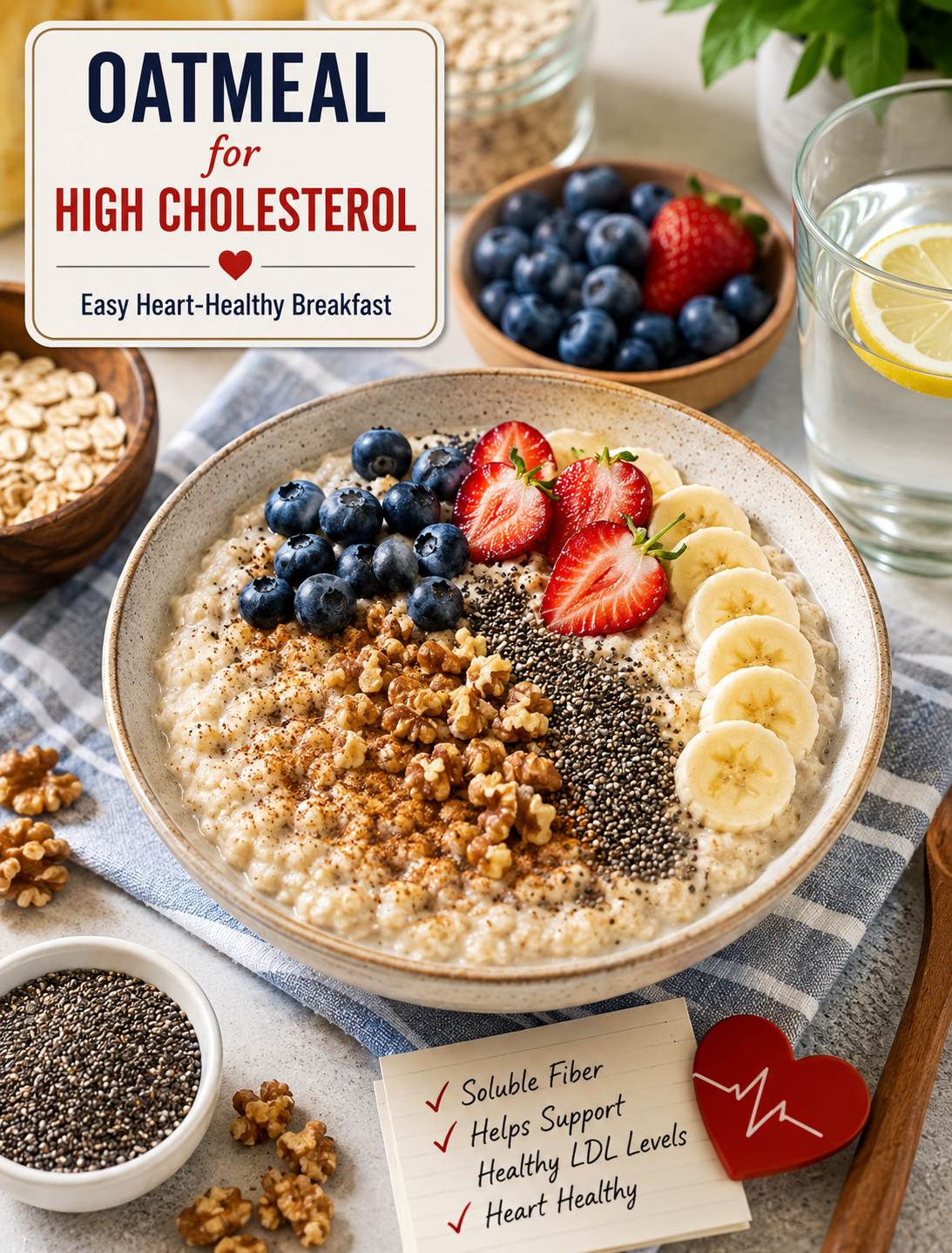
Oatmeal for high cholesterol

oatmeal for high cholesterol

Oatmeal for high cholesterol

Try This Easy Heart-Healthy Food

High cholesterol can be easy to overlook because it usually does not cause noticeable symptoms. Yet high levels of LDL cholesterol can increase the risk of heart disease and stroke over time. One simple way to improve your daily eating pattern is to choose more foods that provide soluble fiber, including oats.

Oatmeal is an affordable, filling, and versatile breakfast that can fit into a heart-conscious diet. The key ingredient is a type of soluble fiber called beta-glucan, which is naturally found in oats. Soluble fiber can help reduce the amount of cholesterol absorbed through the digestive tract.

That does not mean one bowl of oatmeal will fix high cholesterol. Your cholesterol level is influenced by your overall diet, activity level, genetics, age, and other health factors. Still, making oatmeal a regular part of a balanced eating pattern can be a practical step toward better heart health.

Why Oatmeal May Help With Cholesterol

The main reason oats stand out is their soluble fiber content. When soluble fiber mixes with water in the digestive tract, it forms a gel-like substance that can affect how cholesterol and bile acids are handled by the body.

NHLBI includes oats among the foods that can provide soluble fiber as part of its cholesterol-lowering eating approach. MedlinePlus also recommends soluble-fiber foods such as oatmeal and oat bran for people working to improve cholesterol through diet.

Oats also provide whole-grain carbohydrates, fiber, and several vitamins and minerals. A typical cup of cooked oatmeal contains about 4 grams of dietary fiber, although the exact amount varies by product and serving size.

For people concerned about LDL cholesterol, replacing less nutritious breakfast choices with plain oats can be a useful dietary change. The benefit comes from the overall food pattern rather than oatmeal acting as a medicine.

The Best Type of Oatmeal to Choose

Not all oatmeal products are equally useful for a heart-healthy breakfast. Plain rolled oats and steel-cut oats are simple choices because they contain the whole oat grain and can be prepared without large amounts of added sugar.

Old-fashioned rolled oats cook quickly and work well for everyday breakfasts. Steel-cut oats have a chewier texture and usually take longer to prepare. Both can provide soluble fiber.

Instant oats can also fit into a healthy diet. The important step is checking the Nutrition Facts label and choosing varieties with little or no added sugar and a reasonable amount of sodium.

Flavored oatmeal packets can contain added sugars that make an otherwise nutritious breakfast less balanced. If you enjoy flavored oats, compare labels and look for options with less added sugar.

Easy Heart-Healthy Oatmeal Recipe

You do not need a complicated recipe to make oatmeal more nutritious.

Ingredients

  • ½ cup dry rolled oats
  • 1 cup water or unsweetened milk
  • ½ cup fresh or frozen berries
  • 1 tablespoon chia seeds
  • 1 tablespoon chopped walnuts
  • Cinnamon for flavor
  • Optional: a small amount of sliced banana

Directions

  1. Add oats and liquid to a small saucepan.
  2. Cook according to the package directions until creamy.
  3. Transfer the oatmeal to a bowl.
  4. Add berries, chia seeds, walnuts, and cinnamon.
  5. Stir gently and serve warm.

This combination adds more fiber, plant foods, and unsaturated fats without requiring a large amount of added sugar.

Why Berries, Chia Seeds, and Walnuts Make a Good Topping

Oatmeal provides the base, but the toppings can determine whether your breakfast remains heart-conscious.

Berries add natural sweetness and fiber without requiring syrup or large amounts of added sugar. Fresh and frozen berries can both work well.

Chia seeds provide fiber and plant-based nutrients. They also add texture and can make oatmeal more filling.

Walnuts provide mostly unsaturated fats, which can be a better choice than toppings high in saturated fat. Nuts and seeds are included among foods that can fit into heart-healthy eating patterns.

If you want a creamier bowl, choose plain low-fat yogurt instead of heavy cream. Another option is unsweetened soy or almond milk fortified with calcium and vitamin D.

What to Avoid Adding to Oatmeal

A healthy bowl can become less heart-friendly when it is loaded with added sugar and saturated fat.

Try to limit large amounts of brown sugar, flavored syrups, sweetened creamers, candy pieces, and high-sugar granola.

You also do not need butter to make oatmeal taste good. Cinnamon, berries, banana, chopped nuts, vanilla, or unsweetened nut butter can provide plenty of flavor.

If you use peanut or almond butter, choose a product with minimal added sugar and no partially hydrogenated oils.

The goal is not to make breakfast completely fat-free. Instead, choose more unsaturated fats and limit saturated fat as part of an overall heart-healthy eating pattern. The American Heart Association’s 2026 dietary guidance emphasizes whole grains, vegetables, fruits, healthy protein sources, unsaturated fats, and minimally processed foods.

How Much Oatmeal Should You Eat?

A practical starting point is about ½ cup of dry oats, which produces roughly one serving after cooking. Your ideal portion depends on your calorie needs and the rest of your breakfast.

Eating more oatmeal is not automatically better. A balanced meal can include oats along with fruit, seeds, nuts, or another nutritious protein source.

If you are increasing fiber quickly, start gradually and drink enough fluids. A sudden increase in fiber can cause gas, bloating, or abdominal discomfort in some people.

Oatmeal Is Part of a Bigger Cholesterol Strategy

Eating oatmeal can support a healthier diet, but it should not be your only strategy for managing LDL cholesterol.

NHLBI recommends reducing saturated fat while increasing soluble fiber and choosing foods such as whole grains, fruits, vegetables, beans, nuts, and seeds.

Regular physical activity can also support cardiovascular health. Maintaining a healthy weight, avoiding tobacco, and following your healthcare professional’s treatment plan are important parts of managing heart disease risk.

If you have been diagnosed with high cholesterol, continue taking prescribed medication unless your healthcare professional tells you otherwise. Food choices can complement treatment but should not replace medical care.

Can Oatmeal Lower LDL Cholesterol?

Research and clinical guidance support the role of oat-based soluble fiber in helping maintain healthier cholesterol levels. The FDA has an authorized health claim connecting soluble fiber from certain whole-oat foods with reduced coronary heart disease risk when specific conditions are met.

The effect depends on the amount and overall dietary pattern. Eating a small serving occasionally is unlikely to produce the same benefit as consistently choosing fiber-rich foods as part of a balanced diet.

This is why the most useful approach is to make oats one regular part of your weekly meal plan.

A Simple Breakfast Upgrade Worth Trying

If your usual breakfast is sugary cereal, pastries, or a highly processed breakfast bar, switching to plain oatmeal can be a simple improvement.

Start with rolled or steel-cut oats and add fruit for natural sweetness. Then add chia seeds or walnuts for extra texture and nutrients.

This breakfast is inexpensive, easy to customize, and suitable for busy mornings. It can also be prepared the night before as overnight oats if you prefer a cold breakfast.

Most importantly, keep the bigger picture in mind. A heart-healthy diet is built from many small choices rather than one miracle food.

Oatmeal can provide soluble fiber, but your overall eating pattern matters more than any single ingredient. Pairing oats with fruits, vegetables, legumes, nuts, seeds, whole grains, and healthier fats creates a stronger foundation for cardiovascular health.

Frequently Asked Questions

Is oatmeal good for high cholesterol?

Yes. Oatmeal provides soluble fiber, including beta-glucan, which can support healthier LDL cholesterol levels when included in a balanced diet.

What type of oatmeal is best for cholesterol?

Plain rolled oats, steel-cut oats, and unsweetened oat products are good choices because they provide soluble fiber without requiring added sugar.

How does oatmeal help lower LDL cholesterol?

The soluble fiber in oats can reduce cholesterol absorption in the digestive tract and support healthier blood cholesterol levels.

Can I eat oatmeal every day?

Yes, oatmeal can be eaten regularly as part of a varied diet that includes other whole grains, fruits, vegetables, legumes, nuts, and seeds.

Are instant oats good for cholesterol?

Plain instant oats can fit a heart-healthy diet, but check the label for added sugar and sodium before choosing flavored varieties.

What should I add to oatmeal for heart health?

Try berries, chia seeds, walnuts, sliced fruit, cinnamon, or unsweetened nut butter instead of large amounts of sugar or syrup.

Is oatmeal better than sugary cereal?

Plain oatmeal is often a better choice because it can provide more soluble fiber and allows you to control added sugar and toppings.

Can oatmeal replace cholesterol medicine?

No. Oatmeal can support a heart-healthy diet but should not replace cholesterol medication prescribed by your healthcare professional.

How much soluble fiber should I get?

MedlinePlus recommends about 10 to 25 grams of soluble fiber daily for people trying to lower cholesterol through diet, with foods such as oats, beans, and fruit contributing to that total.

Can oatmeal cause bloating?

Increasing fiber too quickly can cause gas or bloating, so gradually increase high-fiber foods and drink enough fluids.

Is oatmeal good for heart health?

Oatmeal can support heart health because it provides whole-grain nutrients and soluble fiber that can help improve blood cholesterol levels.

Can I add honey to oatmeal?

You can use a small amount, but berries or sliced fruit can add sweetness while keeping added sugar lower.