Roasted Pumpkin Seeds Before Bed

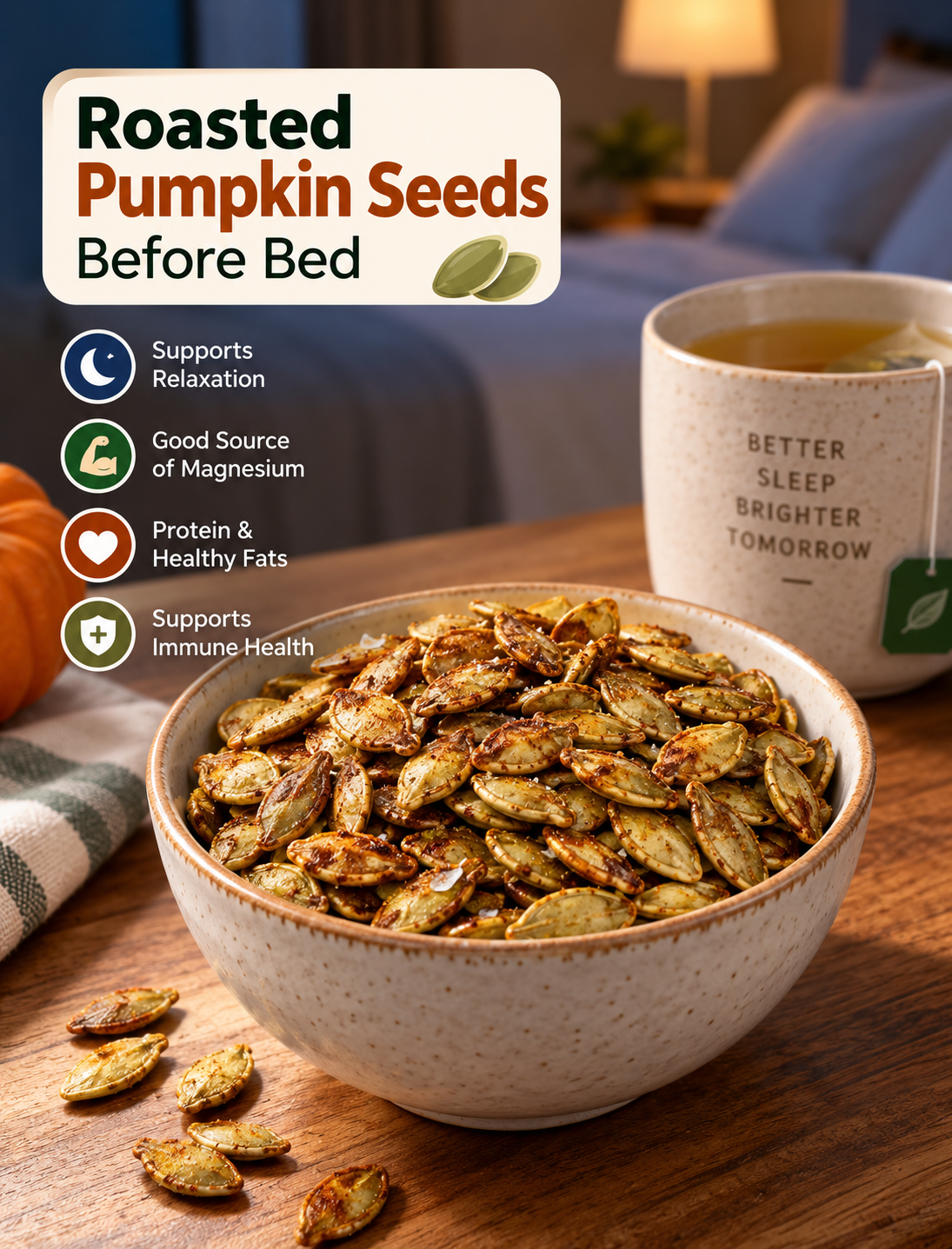
Crispy roasted pumpkin seeds in a bowl, a healthy bedtime snack rich in magnesium and protein

Roasted Pumpkin Seeds Before Bed

Roasted pumpkin seeds are a simple, crunchy snack that can fit well into an evening routine. They provide protein, magnesium, zinc, healthy fats, and fiber in a small serving. These nutrients support normal muscle and nerve function while the protein and fat can help you feel satisfied.

A small portion of pumpkin seeds before bed may be a better choice than heavily processed sweets or salty snacks. They are also easy to prepare at home and can be seasoned in many ways, from garlic and smoked paprika to cinnamon and a touch of maple syrup.

Description

This roasted pumpkin seeds before bed recipe uses basic ingredients and takes about 45 minutes from preparation through cooling. The seeds are roasted at a moderate temperature so they become crisp without burning.

Pumpkin seeds contain magnesium and tryptophan, nutrients that are involved in normal nervous system function and sleep-related processes. However, eating pumpkin seeds does not guarantee better sleep. A balanced diet, regular sleep schedule, and healthy bedtime habits also matter.

For a light evening snack, aim for about ¼ cup or 30 grams rather than eating large amounts. Pumpkin seeds are nutrient-dense but also relatively high in calories.

Roasted Pumpkin Seeds Recipe

Ingredients

  • 1 cup raw pumpkin seeds, cleaned and dried
  • 1 tablespoon olive oil or avocado oil
  • ½ teaspoon sea salt
  • ¼ teaspoon garlic powder, optional
  • ¼ teaspoon smoked paprika, optional
  • ¼ teaspoon black pepper, optional

Optional Sweet Version

  • ½ teaspoon ground cinnamon
  • ½ teaspoon maple syrup or honey, optional

Instructions

Step 1

Preheat your oven to 300°F (150°C). A moderate oven temperature helps the seeds become crisp while reducing the chance of over-browning.

Step 2

Wash the fresh pumpkin seeds thoroughly under cool water. Remove as much pumpkin pulp as possible because leftover moisture and pulp can affect their texture.

Step 3

Spread the cleaned seeds on a clean kitchen towel and pat them completely dry. Let them air-dry for a few minutes if they still feel damp.

Step 4

Place the dry seeds in a bowl. Add the olive oil or avocado oil, then mix in sea salt and your preferred savory seasonings.

Step 5

For a sweet variation, combine the seeds with cinnamon and a small amount of maple syrup or honey. Use only enough sweetener to lightly coat the seeds.

Step 6

Spread the seasoned seeds in a single layer on a parchment-lined baking sheet. Avoid piling them together because even spacing helps them roast evenly.

Step 7

Roast for 20–25 minutes, stirring once halfway through. Start checking near the 20-minute mark because oven temperatures and seed moisture can vary.

Step 8

Remove the baking sheet and let the seeds cool for about 10 minutes. They become crisper as they cool, so avoid judging the final texture while they are still hot.

Step 9

Measure about ¼ cup or 30 grams for an evening serving. Store the remaining seeds in an airtight container only after they have cooled completely.

Preparation Time

  • Prep Time: 10 minutes
  • Cook Time: 25 minutes
  • Cooling Time: 10 minutes
  • Total Time: 45 minutes

Servings

  • Makes: 4 servings
  • Serving Size: ¼ cup, about 30 g

Nutritional Information (Per Serving)

Approximate nutrition per ¼-cup serving:

  • Calories: 180
  • Protein: 9 g
  • Carbohydrates: 4 g
  • Fiber: 2 g
  • Fat: 15 g
  • Saturated Fat: 2.5 g
  • Magnesium: 150 mg
  • Zinc: 2.5 mg
  • Iron: 2.3 mg
  • Potassium: 220 mg
  • Sodium: 140 mg

Values can change depending on the pumpkin seeds, oil, seasonings, and amount of salt used.

Health Benefits

1. Supports Normal Sleep-Related Nutrition

Pumpkin seeds provide magnesium and tryptophan, which are involved in normal nerve function and sleep-related processes. They can be part of a balanced evening eating pattern.

2. Rich in Magnesium

Magnesium contributes to normal muscle and nerve function. Pumpkin seeds are one of the better food sources of this mineral.

3. Provides Plant-Based Protein

A serving supplies protein that can help make a small bedtime snack more satisfying. Pairing protein with healthy fats can also help reduce hunger later in the evening.

4. Contains Healthy Unsaturated Fats

Pumpkin seeds naturally contain mostly unsaturated fats. Replacing some foods higher in saturated fat with unsaturated-fat sources can support a heart-healthy eating pattern.

5. Provides Zinc

Zinc contributes to normal immune function and helps support several important processes in the body. Pumpkin seeds can add zinc to an overall balanced diet.

6. Contains Antioxidant Nutrients

Pumpkin seeds contain vitamin E and other plant compounds. These nutrients contribute to the body’s antioxidant defenses.

7. Helps Promote Fullness

The combination of protein, fat, and fiber makes pumpkin seeds more filling than many low-protein snack foods. Keeping the portion moderate is important because seeds are calorie-dense.

8. Works Well With Balanced Snacks

Pumpkin seeds can be eaten alone or added to plain Greek yogurt, oatmeal, or another balanced snack. Combining them with other nutrient-rich foods can make an evening snack more satisfying.

Recipe Notes

  • Dry the seeds thoroughly before adding oil and seasonings.
  • Spread the seeds in one layer for more even roasting.
  • Stir halfway through cooking to reduce uneven browning.
  • Check the seeds early because roasting times vary between ovens.
  • Let them cool completely before placing them in storage.
  • Use unsalted seeds if you want better control over sodium.
  • Reduce the oil if you prefer a lighter snack.
  • Shelled pepitas can be used when you prefer a softer texture.

Tips

  • Add cinnamon for a warm, naturally sweet flavor.
  • Use smoked paprika and garlic powder for a savory version.
  • Add rosemary or thyme for an herb-seasoned batch.
  • Keep the serving near ¼ cup if you are watching calorie intake.
  • Pair the seeds with plain yogurt for additional protein.
  • Sprinkle them over oatmeal for crunch and extra nutrients.
  • Enjoy them about 30–60 minutes before bed if they fit comfortably into your routine.
  • Avoid eating a large portion immediately before lying down if heavy snacks disturb your sleep.

Storage

Allow the roasted seeds to cool completely before storage. Place them in a clean, airtight container and keep them in a cool, dry location.

  • Room Temperature: Up to 2 weeks
  • Refrigerator: Up to 1 month
  • Freezer: Up to 3 months

For the best texture, keep moisture away from the container. If the seeds develop an unusual smell, taste, or appearance, discard them.

Frequently Asked Questions (Q&A)

Q1: Can I eat pumpkin seeds every night?
Yes, a moderate serving can fit into a healthy diet for most people, especially when total calorie and sodium intake are considered.

Q2: Why are pumpkin seeds considered a good bedtime snack?
They provide protein, magnesium, healthy fats, and fiber, which can make a small evening snack more satisfying.

Q3: Should I eat pumpkin seeds with or without the shell?
Both can be eaten, but shelled pumpkin seeds are softer and easier to chew, while roasted whole seeds provide additional texture and fiber.

Q4: Can I roast pumpkin seeds without oil?
Yes, pumpkin seeds can be dry-roasted, although a small amount of oil helps seasonings adhere and can improve browning.

Q5: Are pumpkin seeds good for weight management?
They can fit into a weight-management diet because protein, fat, and fiber promote fullness, but portion size matters because seeds are calorie-dense.

Q6: Can children eat roasted pumpkin seeds?
Older children who can safely chew them may eat them, while younger children should be given an age-appropriate form to reduce choking risk.

Q7: Can people with diabetes eat pumpkin seeds?
Pumpkin seeds can generally fit into a balanced eating pattern, but people with diabetes should consider portions and follow their individual dietary guidance.

Q8: What is the best time to eat pumpkin seeds before bed?
A small serving about 30–60 minutes before bedtime can work well if you prefer a light snack in the evening.
Yummy & Crispy Cottage Cheese Chips

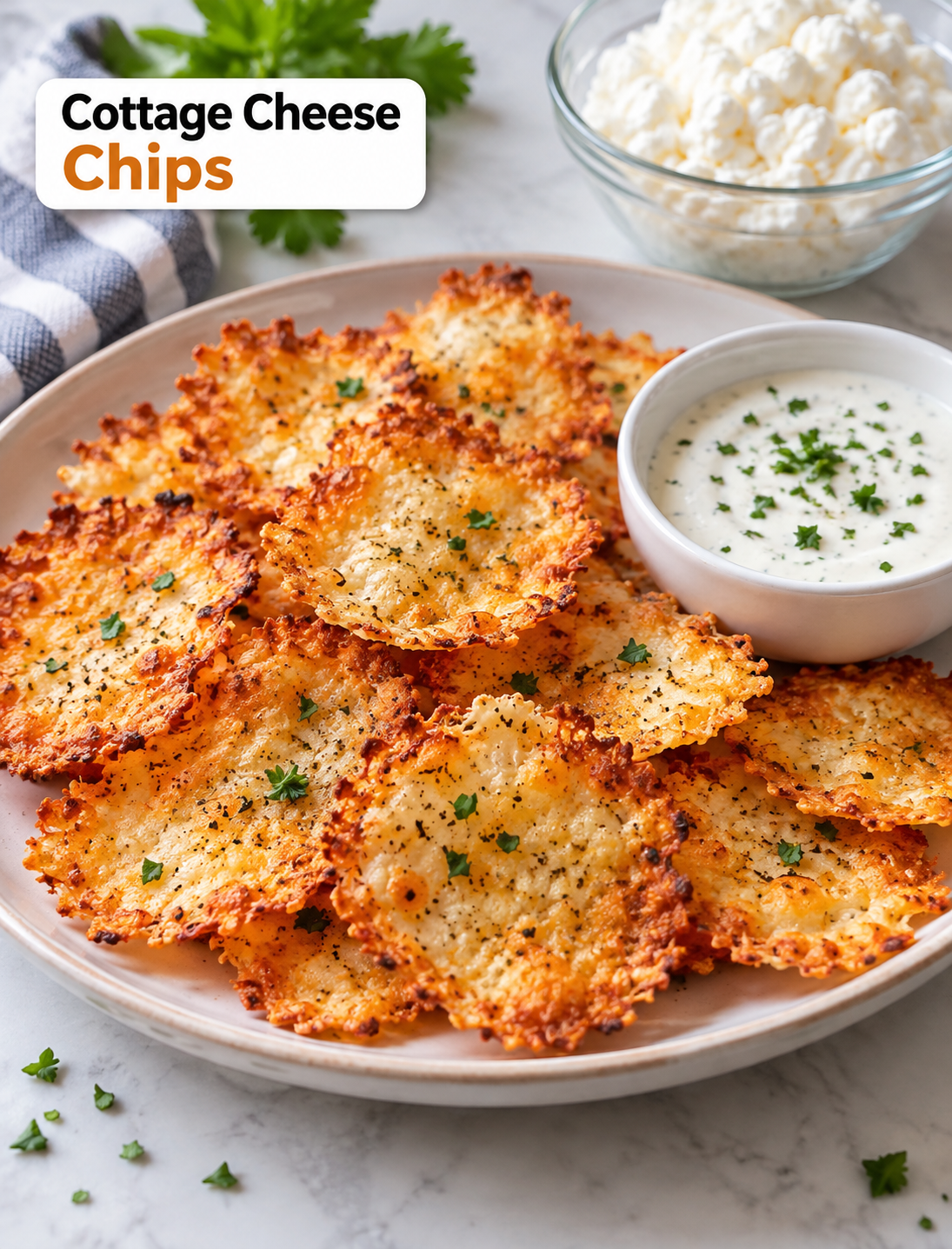
Crispy golden cottage cheese chips on a plate, showing a crunchy high-protein baked snack

Yummy & Crispy Cottage Cheese Chips

If you love crunchy snacks but want something with more protein, these Yummy & Crispy Cottage Cheese Chips are worth trying. They use simple ingredients and bake into thin, golden bites with crisp edges and a savory flavor.

Cottage cheese gives these chips a protein boost while keeping the recipe simple. You can season them with garlic, smoked paprika, onion powder, or black pepper to match your taste.

They make a convenient snack for busy afternoons, movie nights, or whenever you want something crunchy without reaching for traditional chips.

Why You’ll Love These Cottage Cheese Chips

These homemade chips are easy to customize and require very little prep.

  • High in protein: Cottage cheese provides protein in every serving.
  • Low in carbs: The basic recipe contains only a small amount of carbohydrates.
  • Gluten-free: The ingredients naturally contain no wheat or gluten.
  • Easy to make: You only need cottage cheese and a few optional seasonings.
  • Customizable: Change the spices to create different flavors.
  • Oven-baked: Baking creates a crisp texture without deep frying.
  • Great for snacking: Small portions are easy to grab when cravings hit.

For the crispiest texture, use small-curd cottage cheese and spread each portion into a thin round.

Ingredients

The ingredient list is short, which makes this recipe easy to prepare.

  • 1 cup small-curd cottage cheese: A 4% milk-fat variety works well for browning and crisping.
  • 1/4 teaspoon garlic powder: Adds a savory garlic flavor.
  • 1/4 teaspoon smoked paprika: Gives the chips a mild smoky taste.
  • 1/4 teaspoon onion powder: Adds extra savory depth.
  • Black pepper: Add according to your taste.
  • Salt: Use only if your cottage cheese is not already salty.

You can also add finely grated Parmesan or cheddar for a stronger cheesy flavor.

How to Make Cottage Cheese Chips

Follow these steps for thin, crispy cottage cheese bites.

Step 1: Preheat the Oven

Preheat your oven to 350°F (175°C). Line a baking sheet with a silicone baking mat or parchment paper.

A silicone mat can help with even browning and makes it easier to lift the finished chips.

Step 2: Remove Excess Moisture

Place the cottage cheese in a fine-mesh strainer if it contains a lot of liquid. Let the excess moisture drain before baking.

This step is optional, but reducing moisture can help the chips become crispier.

Step 3: Make Small Portions

Scoop cottage cheese onto the prepared baking sheet using a spoon.

Create small rounds about 1.5 inches wide. Leave several inches of space between each portion so they do not merge while baking.

Step 4: Flatten the Cottage Cheese

Use the back of a spoon to gently spread each portion into a thin layer.

Keep the center and edges relatively even. Thinner rounds usually produce a crunchier result.

Step 5: Add Seasoning

Sprinkle the garlic powder, smoked paprika, onion powder, and black pepper over the cottage cheese.

Use a light layer of seasoning because concentrated spices can darken quickly during baking.

Step 6: Bake Until Golden

Place the baking sheet in the oven and bake for 30–40 minutes.

Start checking around the 30-minute mark because thinner chips can cook faster. Look for golden edges and a firm, dry appearance.

Step 7: Cool Completely

Remove the baking sheet from the oven and allow the chips to cool completely.

Do not remove them immediately. The chips become firmer and crispier as they cool.

Step 8: Serve and Enjoy

Once completely cool, gently lift the chips from the baking surface.

Serve them on their own or pair them with a protein-rich dip for a more filling snack.

Tips for Extra Crispy Chips

A few small details can make a big difference in the final texture.

  • Choose small-curd cottage cheese: It spreads more easily and tends to bake more evenly.
  • Drain excess liquid: Less moisture can help the chips dry and crisp.
  • Spread them thin: Thick portions are more likely to stay soft in the center.
  • Avoid overcrowding: Give each chip enough space for even heat exposure.
  • Watch the final minutes: Cottage cheese can go from golden to overly browned quickly.
  • Cool before serving: The texture improves as the chips reach room temperature.
  • Use a silicone mat: It can make browning more consistent and removal easier.

If your first batch is slightly chewy, try making the rounds thinner or draining more moisture from the cottage cheese.

Flavor Variations For;

Once you have the basic method down, you can create several different flavors.

Parmesan version, mix a small amount of finely grated Parmesan into the cottage cheese before baking.

Spicy version, add a pinch of cayenne pepper or chili powder.

Ranch-style snack, use dried parsley, garlic powder, onion powder, and a small amount of dried dill.

Smoky flavor, increase the smoked paprika slightly while keeping the overall seasoning light.

These variations let you change the flavor without changing the basic baking method.

How to Make Them in an Air Fryer

You can also prepare cottage cheese chips in an air fryer.

Place small portions on parchment designed for air-fryer use, leaving enough space between them. Flatten each portion into a thin round.

Cook at 325°F (160°C) for about 10–12 minutes, checking frequently near the end.

Cooking time can vary between air fryer models, so watch the chips closely as they become golden and crisp.

How to Store Cottage Cheese Chips

For the best texture, eat these chips on the day they are made.

If you have leftovers, place them in an airtight container and keep them at room temperature for up to 2 days.

Moisture can soften the chips during storage. If they lose some of their crunch, briefly reheating them may help restore their texture.

Nutrition Information

The estimated nutrition for about 10 chips is:

  • Calories: 90
  • Protein: 10g
  • Fat: 4.5g
  • Carbohydrates: 2g
  • Fiber: 0g
  • Sugar: 1g

Nutrition can vary based on the cottage cheese brand, fat percentage, portion size, and additional ingredients.

Frequently Asked Questions

Can I use low-fat cottage cheese?

Yes, but low-fat or nonfat cottage cheese may produce a softer or chewier texture than full-fat cottage cheese.

Why are my cottage cheese chips not crispy?

Excess moisture or thick portions are common causes, so drain the cottage cheese and spread each chip as thin as possible.

Can I make these chips without seasoning?

Yes, you can bake the cottage cheese without spices, although adding seasoning gives the chips more flavor.

Can I add Parmesan cheese?

Yes, finely grated Parmesan can add a stronger cheesy flavor and help create a crispier texture.

Are cottage cheese chips gluten-free?

The basic recipe is naturally gluten-free, but always check packaged ingredients such as seasonings for gluten-containing additives.

Can I make these chips in an air fryer?

Yes, air fry them at about 325°F (160°C) for 10–12 minutes, checking closely because cooking times vary by appliance.

How long do cottage cheese chips last?

Store them in an airtight container at room temperature for up to 2 days, but they have the best crunch when eaten fresh.

Can I use large-curd cottage cheese?

You can, but small-curd cottage cheese generally spreads more evenly and gives you a better texture for thin baked chips.

Final Thoughts

These Crispy Cottage Cheese Chips turn a simple dairy ingredient into a crunchy homemade snack with plenty of room for customization. The key is to control moisture, spread the cottage cheese thin, and let the chips cool completely before serving.

Try the basic garlic-paprika seasoning first, then experiment with Parmesan, ranch-style herbs, or a little heat. For the best crunch, enjoy your batch fresh from the oven once it has cooled.

5 Surprising Facts About Pumpkin Seeds and Myth Busting

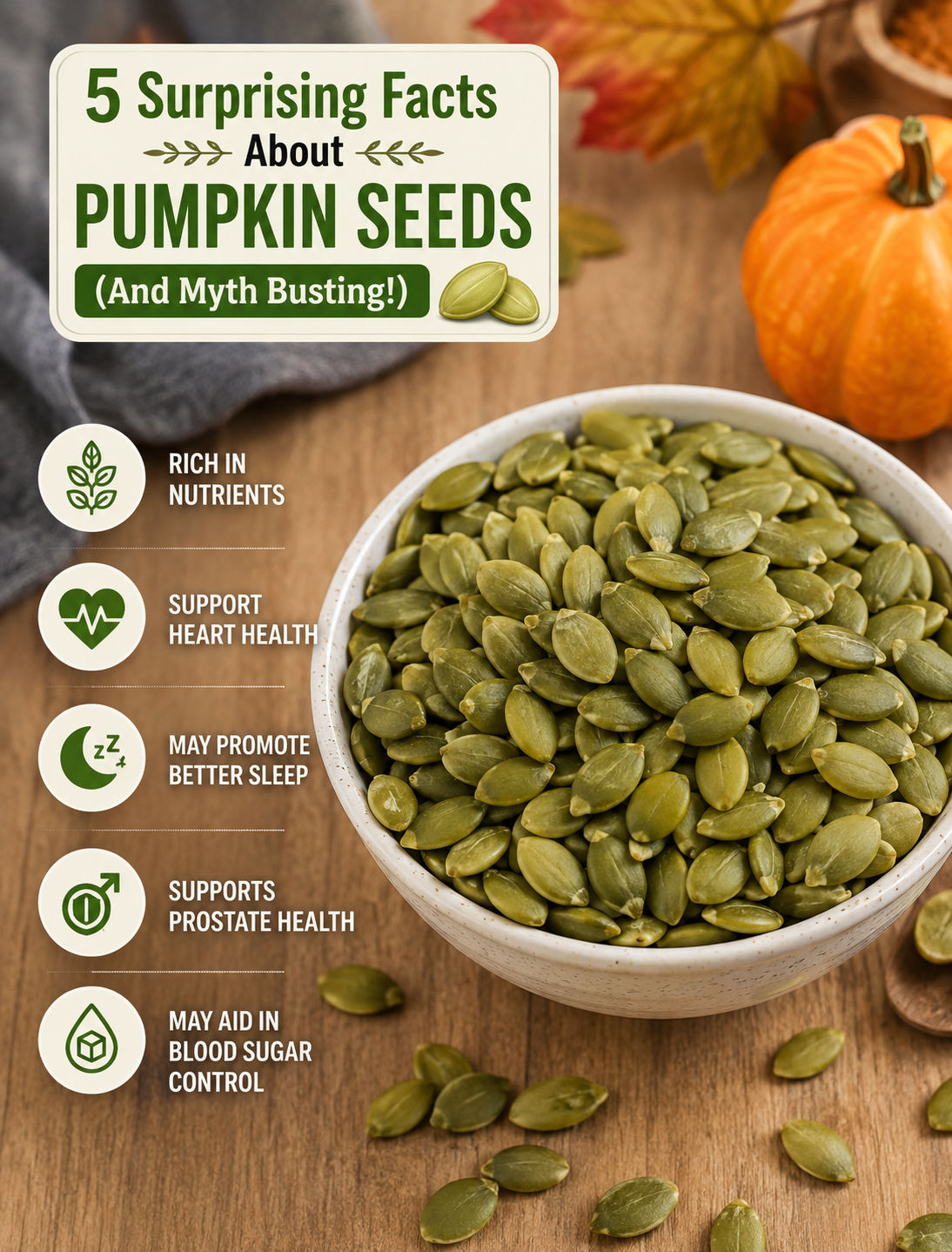
Roasted pumpkin seeds in a bowl showing their nutritious and crunchy texture

5 Surprising Facts About Pumpkin Seeds and Myth Busting

Pumpkin seeds, often called pepitas, are small but nutrient-rich foods that can fit easily into a balanced diet. They provide protein, healthy unsaturated fats, fiber, magnesium, zinc, iron, and other nutrients. Their crunchy texture also makes them an easy addition to snacks, salads, yogurt, oatmeal, and baked foods.

But some claims about pumpkin seeds go further than the available evidence supports. They are not a miracle food, and eating them does not replace medical care or a balanced diet. Still, their nutrient profile makes them a smart choice when eaten in reasonable portions.

Here are five useful facts about pumpkin seeds, along with common myths worth clearing up.

1. Rich in Nutrients

Pumpkin seeds provide several important nutrients in a relatively small serving. About 1 ounce of shelled, roasted pumpkin seeds provides roughly 160 calories, 8 grams of protein, 14 grams of fat, and about 2 grams of fiber.

Much of their fat comes from unsaturated fatty acids, which are commonly included in heart-healthy eating patterns. Pumpkin seeds also provide magnesium, zinc, iron, phosphorus, and copper.

Magnesium supports normal muscle and nerve function and helps the body maintain healthy bones and energy production. Zinc supports immune function, wound healing, and normal cell growth. Iron helps the body make hemoglobin, the protein that carries oxygen in red blood cells.

Myth: Pumpkin seeds provide every nutrient the body needs.

Reality: They are nutrient-dense, but no single food supplies all essential nutrients. Use them as part of a varied diet that includes vegetables, fruits, whole grains, legumes, dairy or fortified alternatives, and protein foods.

2. Heart Health Benefits

Pumpkin seeds can be part of a heart-conscious eating pattern because they contain unsaturated fats, fiber, minerals, and antioxidant compounds.

Replacing foods high in saturated fat with foods containing more unsaturated fat can support healthier blood cholesterol levels. Pumpkin seeds can work well in this role when they replace less nutritious snack foods rather than simply adding extra calories to the diet.

Their magnesium content is another nutritional advantage. Magnesium is involved in normal muscle function, including the heart muscle, as well as many other processes in the body.

Pumpkin seeds also contain plant compounds with antioxidant activity. However, it is important not to turn this into a promise that pumpkin seeds prevent heart disease.

Myth: Eating pumpkin seeds alone can lower cholesterol or prevent heart disease.

Reality: Heart health depends on the overall diet, physical activity, weight management, blood pressure, cholesterol levels, smoking status, and other factors.

3. Promote Better Sleep

Pumpkin seeds contain tryptophan, an amino acid involved in the body’s production of serotonin and melatonin. They also provide magnesium, which plays a role in normal nerve and muscle function.

These nutrients make pumpkin seeds an interesting food to include in an evening snack. However, evidence that eating pumpkin seeds directly improves sleep quality is limited. Sleep is influenced by many factors, including stress, caffeine intake, screen use, medications, sleep routines, and underlying health conditions.

A small serving of pumpkin seeds with another nutritious food may be a satisfying nighttime snack, but it should not be viewed as a sleep treatment.

Myth: Eating pumpkin seeds before bed guarantees better sleep.

Reality: Pumpkin seeds contain nutrients associated with normal sleep-related processes, but eating them does not guarantee longer or deeper sleep.

4. Support Prostate Health

Pumpkin seeds have a long history of use in traditional diets and wellness practices for men’s health. They contain zinc, magnesium, healthy fats, phytosterols, and other plant compounds.

Research has explored pumpkin seed products and their potential role in urinary symptoms associated with benign prostatic hyperplasia, or BPH. Some studies have reported possible benefits, but the evidence is not strong enough to say that eating pumpkin seeds can shrink an enlarged prostate or treat BPH.

Men with frequent urination, difficulty starting urination, weak urine flow, or other urinary changes should talk with a healthcare professional. These symptoms can have several causes and should not automatically be blamed on an enlarged prostate.

Myth: Pumpkin seeds can cure an enlarged prostate.

Reality: Pumpkin seeds may be a nutritious addition to the diet, but they are not a proven treatment for BPH or other prostate conditions.

5. Aid in Blood Sugar Control

Pumpkin seeds contain protein, fat, fiber, and relatively little carbohydrate per serving. These characteristics can make them a more filling snack than many refined, sugary foods.

Their magnesium content may also be relevant because magnesium is involved in glucose metabolism and insulin function. However, eating pumpkin seeds does not automatically control blood sugar.

It is also better to avoid describing pumpkin seeds as having a specific “low glycemic index” because GI values depend on the food and serving being tested, and whole pumpkin seeds contain relatively little available carbohydrate.

For people managing diabetes, portion size still matters because pumpkin seeds are calorie-dense. Unsalted or lightly salted varieties are often a practical choice.

Myth: Pumpkin seeds can replace diabetes medication or normalize blood sugar by themselves.

Reality: They can fit into a balanced diabetes-friendly eating pattern, but they should not replace prescribed treatment, monitoring, or professional medical advice.

How to Incorporate Pumpkin Seeds into Your Diet

Pumpkin seeds are easy to use in everyday meals. Choose plain, dry-roasted, or lightly salted varieties when you want to limit added sodium.

For a simple snack, enjoy a small handful of pumpkin seeds with fresh fruit or plain yogurt. The combination adds protein, healthy fats, and texture.

Sprinkle them over oatmeal, salads, soups, roasted vegetables, or grain bowls for extra crunch. You can also mix them into homemade granola or add them to whole-grain muffins and breads.

Ground pumpkin seeds can be blended into smoothies or stirred into oatmeal. Pumpkin seed butter can also be spread on whole-grain toast or paired with fruit.

When buying packaged pumpkin seeds, check the Nutrition Facts label for added sodium, sugar, and serving size. Because they are energy-dense, a measured portion can make it easier to enjoy them without unintentionally eating large amounts.

For most adults, the key is consistency and variety. Pumpkin seeds can complement a nutritious eating pattern, but they work best alongside other whole foods rather than as a standalone health solution.

Frequently Asked Questions

Are pumpkin seeds good for you?

Yes. Pumpkin seeds provide protein, unsaturated fats, fiber, magnesium, zinc, iron, and other nutrients that can support an overall balanced diet.

How many pumpkin seeds should I eat per day?

A practical serving is about 1 ounce, or roughly a small handful, depending on your calorie and nutrition needs.

Do pumpkin seeds help you sleep?

They contain tryptophan and magnesium, but there is not enough evidence to say that pumpkin seeds directly improve sleep for everyone.

Are pumpkin seeds good for men’s health?

They provide zinc and other nutrients important for normal health, but pumpkin seeds should not be considered a treatment for prostate disease or urinary problems.

Can pumpkin seeds help manage blood sugar?

Their protein, fat, fiber, and low carbohydrate content can make them a useful snack choice, but they do not replace diabetes treatment or blood sugar management plans.

Are roasted pumpkin seeds healthy?

Yes, roasted pumpkin seeds can remain nutritious, although heavily salted or flavored versions may contain more sodium, sugar, or added ingredients.

Should I eat pumpkin seeds with the shell?

Shelled pumpkin seeds are easier to eat and commonly sold as pepitas; whole seeds with tough shells contain more fiber but may be harder to digest.

Can pumpkin seeds help lower cholesterol?

They can contribute to a heart-healthy diet because they contain unsaturated fats and other beneficial nutrients, but they should not be viewed as a standalone cholesterol-lowering treatment.