Mongolian Ground Beef Noodles

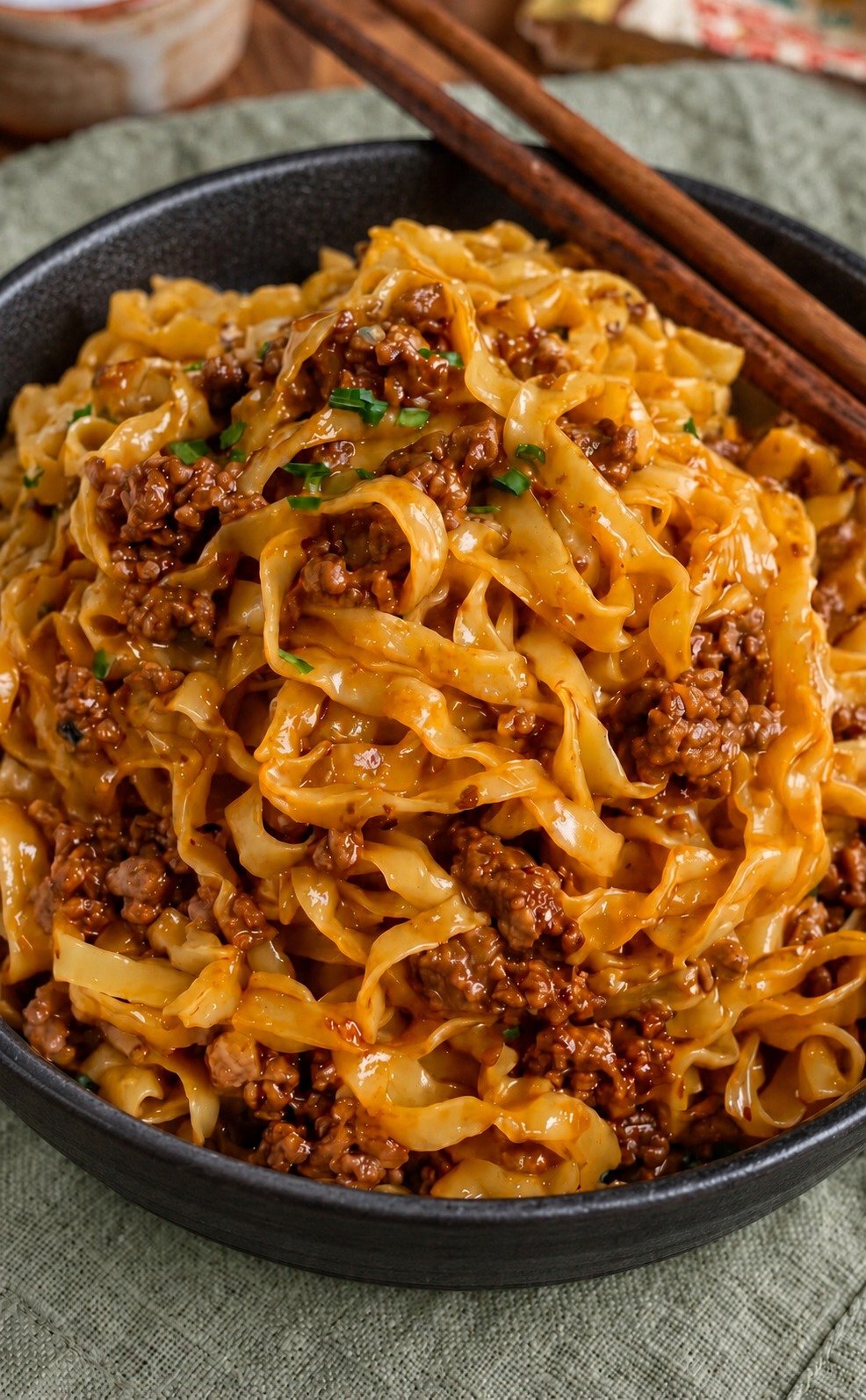
Mongolian Beef Noodles with ground beef, tender noodles, garlic, ginger, green onions, and glossy savory-sweet sauce

Mongolian Ground Beef Noodles

Mongolian Beef Noodles are a quick, savory-sweet dinner made with ground beef, tender noodles, garlic, ginger, green onions, and a glossy Mongolian-style sauce. They are easy enough for busy weeknights but flavorful enough to feel like takeout at home. Mongolian Beef Noodles come together in one skillet after the noodles are cooked, making cleanup simple and dinner fast.

The sauce is made with soy sauce, brown sugar, hoisin sauce, garlic, ginger, and a little sesame oil. It coats the beef and noodles beautifully, giving every bite a balance of salty, sweet, and savory flavor.

Prep Time: 15 minutes
Cook Time: 20 minutes
Total Time: About 35 minutes
Servings: 4 to 6

Ingredients

For the Noodles

  • 12 ounces lo mein noodles, spaghetti, linguine, or ramen noodles
  • Water for boiling
  • Pinch of salt

For the Ground Beef

  • 1 1/2 pounds ground beef
  • 1 tablespoon sesame oil or neutral oil
  • 4 garlic cloves, minced
  • 1 tablespoon fresh ginger, finely grated
  • 4 green onions, sliced, white and green parts separated

Ingredients For the Mongolian Sauce

  • 1/2 cup low-sodium soy sauce
  • 1/3 cup brown sugar
  • 2 tablespoons hoisin sauce
  • 1 tablespoon rice vinegar
  • 1 tablespoon sesame oil
  • 1/2 cup beef broth or water
  • 1 tablespoon cornstarch
  • 1/4 teaspoon red pepper flakes, optional
  • 1/4 teaspoon black pepper

For Garnish

  • Sliced green onions
  • Sesame seeds
  • Red pepper flakes, optional

Why You’ll Love This Recipe

Mongolian Beef Noodles are fast, budget-friendly, and packed with flavor. Ground beef cooks much faster than sliced steak, which makes this version especially convenient for weeknight meals.

Another reason to love Mongolian Beef Noodles is their flexibility. You can add broccoli, bell peppers, carrots, mushrooms, snap peas, or spinach without changing the basic method.

The sauce also has a familiar takeout-style flavor, but making it at home allows you to control the sweetness, saltiness, and spice level.

How to Make Mongolian Beef Noodles

Step 1: Cook the Noodles

Bring a large pot of water to a boil.

Add the noodles and cook according to the package directions until just al dente.

Drain well and set aside.

Avoid overcooking because the noodles will continue to soften slightly when tossed with the hot sauce.

Step 2: Prepare the Sauce

In a medium bowl, whisk together soy sauce, brown sugar, hoisin sauce, rice vinegar, sesame oil, beef broth, cornstarch, red pepper flakes, and black pepper.

Whisk until the cornstarch is completely dissolved.

The sauce for Mongolian Beef Noodles should look smooth and thin at this stage because it will thicken in the skillet.

Step 3: Heat the Skillet

Place a large skillet or wok over medium-high heat.

Add the oil and let it heat for about 30 seconds.

Step 4: Brown the Ground Beef

Add the ground beef.

Break it apart with a wooden spoon or spatula and cook for 6 to 8 minutes, stirring occasionally, until browned and fully cooked.

Drain excess grease if necessary.

Step 5: Add Garlic and Ginger

Push the beef slightly to one side of the skillet.

Add the garlic, ginger, and white parts of the green onions.

Cook for about 30 to 60 seconds, stirring constantly, until fragrant.

This step gives Mongolian Beef Noodles their signature aromatic flavor.

Step 6: Add the Sauce

Pour the prepared Mongolian sauce into the skillet.

Stir well so the beef is evenly coated.

Bring the mixture to a gentle simmer.

Step 7: Let the Sauce Thicken

Cook for 2 to 3 minutes, stirring frequently.

The cornstarch will thicken the sauce until it becomes glossy and coats the beef.

If it becomes too thick, add a small splash of broth or water.

Step 8: Add the Noodles

Add the cooked noodles directly to the skillet.

Use tongs to toss them gently through the beef and sauce.

At this stage, Mongolian Beef Noodles should look glossy, saucy, and evenly coated.

Step 9: Adjust the Flavor

Taste the noodles.

Add a little extra soy sauce if you want more saltiness, rice vinegar for more tang, or red pepper flakes for more heat.

If the sauce tastes too strong, a splash of water or broth can soften the flavor.

Step 10: Finish with Green Onions

Add most of the green onion tops.

Toss once more until everything is combined.

Step 11: Garnish

Sprinkle with sesame seeds, remaining green onions, and extra red pepper flakes if desired.

Step 12: Serve

Serve Mongolian Beef Noodles immediately while the noodles are hot and the sauce is glossy.

Serving Suggestions

Mongolian Beef Noodles are filling enough to serve as a complete dinner.

Pair Mongolian Beef Noodles with steamed broccoli, garlic bok choy, roasted green beans, cucumber salad, or sesame vegetables.

For a lighter meal, serve smaller portions with a crisp cabbage slaw.

You can also serve the noodles with spring rolls, dumplings, or a simple vegetable soup for a takeout-style dinner at home.

For another cheesy vegetable dish, try our Crispy Cheesy Zucchini Roll-Ups with tender zucchini, creamy ricotta, mozzarella, Parmesan, herbs, and marinara.

Recipe Tips

Cook the noodles only until al dente so they do not become mushy when tossed in the sauce.

Use low-sodium soy sauce because the hoisin sauce and broth can also contain salt.

Break the ground beef into small pieces so it mixes evenly with the noodles.

Fresh garlic and ginger give the best flavor.

For the best Mongolian Beef Noodles texture, let the sauce thicken before adding the noodles.

Do not let the sauce reduce too far, or the noodles may become sticky and dry.

Use a large skillet or wok so there is enough room to toss everything evenly.

Easy Variations

Mongolian Beef Noodles can be customized with different vegetables, proteins, and noodle types.

Add broccoli florets, carrots, bell peppers, mushrooms, snap peas, or zucchini for extra vegetables.

For a spicy version, add chili garlic sauce, sriracha, or more red pepper flakes.

You can make Mongolian Beef Noodles with ground turkey or ground chicken instead of beef.

For a richer flavor, add a teaspoon of oyster sauce to the sauce.

Ramen noodles, udon noodles, lo mein noodles, spaghetti, or linguine can all work.

You can also add chopped peanuts or cashews for extra crunch.

You may also enjoy our Cranberry Brie Sourdough Pull-Apart Bread for a festive appetizer with creamy Brie, tart cranberry sauce, garlic butter, rosemary, and golden sourdough.

Make-Ahead Instructions

Mongolian Beef Noodles can be partially prepared ahead.

Cook the ground beef and make the sauce up to 2 days in advance.

Store them separately in airtight containers in the refrigerator.

The noodles can also be cooked ahead, tossed lightly with oil, and refrigerated.

When ready to serve, reheat the beef and sauce in a skillet, then add the noodles and toss until hot.

Storage and Reheating

Store leftover Mongolian Beef Noodles in an airtight container in the refrigerator for up to 4 days.

Reheat in a skillet over medium-low heat with a splash of water or broth to loosen the sauce.

Individual portions can also be microwaved in short intervals.

Avoid overheating because noodles can become overly soft.

Freezing is possible, but freshly refrigerated leftovers usually have the best texture.

Nutrition Information

Approximate nutrition per serving:

Calories: 560
Protein: 31 g
Carbohydrates: 64 g
Fat: 21 g
Saturated Fat: 7 g
Fiber: 3 g
Sugar: 18 g
Sodium: 920 mg

Nutrition values are estimates and may vary depending on the noodles, beef, sauces, and serving size.

Frequently Asked Questions

Can I use spaghetti instead of Asian noodles?

Yes. Spaghetti or linguine works very well if lo mein or ramen noodles are unavailable.

Can I reduce the sugar?

Yes. Reduce the brown sugar to 1/4 cup or less according to your preference.

Can I make this spicy?

Yes. Add chili garlic sauce, sriracha, cayenne, or extra red pepper flakes.

Can I add vegetables?

Yes. Broccoli, mushrooms, peppers, carrots, snap peas, and spinach all work well.

Can I use ground turkey?

Yes. Ground turkey or chicken can replace ground beef.

Why is my sauce too thick?

The cornstarch may have thickened too much. Add broth or water, one tablespoon at a time, until the consistency improves.

Can I make Mongolian Beef Noodles ahead?

Yes. For the best texture, prepare the components separately and combine them when reheating.

Final Thoughts

Mongolian Beef Noodles are an easy way to turn ground beef and simple pantry ingredients into a fast, flavorful dinner.

Because Mongolian Beef Noodles combine savory beef, tender noodles, garlic, ginger, green onions, and a glossy sweet-and-savory sauce, they are satisfying without requiring complicated cooking.

Keep this Mongolian Beef Noodles recipe handy whenever you want an easy weeknight dinner with takeout-inspired flavor.

With browned beef, tender noodles, garlic, ginger, soy sauce, sesame oil, and green onions, Mongolian Beef Noodles deliver a comforting meal that comes together quickly and is easy to customize.

Air Fryer Samosa-Style Loaded Egg Cups

Air Fryer Samosa-Style Loaded Egg Cups

Air Fryer Samosa-Style Loaded Egg Cups bring together the bold flavors of a classic samosa and the convenience of an easy egg breakfast. Each cup is filled with fluffy eggs, tender potatoes, green peas, onions, and warm Indian spices. The result is a savory, satisfying meal with plenty of flavor in every bite.

These egg cups are a fun way to use leftover cooked potatoes and make breakfast more exciting. They work well for busy mornings, weekend brunch, meal prep, or a protein-rich snack. You can also adjust the spice level and fillings to suit your taste.

Instead of wrapping the filling in pastry, this recipe uses eggs to hold the samosa-inspired mixture together. The air fryer cooks the cups in individual portions, making them easy to serve and store.

Why You’ll Love These Air Fryer Samosa-Style Loaded Egg Cups

  • Samosa-inspired flavor: Potatoes, peas, cumin, coriander, and garam masala create a familiar savory taste.
  • Easy individual portions: Each egg cup is simple to serve for breakfast or brunch.
  • Air fryer convenience: The compact cooking space helps the eggs cook without heating a full-size oven.
  • Flexible ingredients: Use fresh, frozen, or leftover vegetables based on what you have.
  • Meal-prep friendly: Prepare a batch ahead of time and reheat portions when needed.
  • Adjustable heat: Add green chilies for extra spice or leave them out for a milder flavor.

Ingredients You’ll Need

This recipe makes approximately 6 egg cups, depending on the size of your silicone molds or oven-safe ramekins.

Main Ingredients

  • 4 large eggs
  • 1 medium potato, peeled and diced small
  • 1/3 cup green peas, fresh or frozen
  • 1/4 cup finely chopped onion
  • 1 small green chili, finely chopped (optional)
  • 2 tablespoons chopped fresh cilantro
  • 2 tablespoons milk
  • 1 teaspoon olive oil
  • Salt, to taste
  • Black pepper, to taste

Samosa-Style Seasonings

  • 1/2 teaspoon ground cumin
  • 1/2 teaspoon ground coriander
  • 1/4 teaspoon garam masala
  • 1/4 teaspoon ground turmeric
  • 1/4 teaspoon chili powder, or to taste

Optional Toppings

  • 2 tablespoons shredded cheddar cheese
  • Extra chopped cilantro
  • A pinch of chili flakes
  • Plain Greek yogurt or mint chutney for serving

Ingredient note: The potatoes must be cooked until tender before they go into the egg mixture. Raw potato cubes may remain firm before the eggs finish cooking.

Equipment Needed

  • Air fryer
  • Six small silicone muffin cups or suitable oven-safe ramekins
  • Mixing bowl
  • Whisk or fork
  • Small skillet or microwave-safe bowl
  • Measuring spoons
  • Knife and cutting board

Make sure your cups are heat-safe and fit inside your air fryer basket. Do not use ordinary plastic containers or paper cups that are not rated for air fryer temperatures.

How to Make Air Fryer Samosa-Style Loaded Egg Cups

Step 1: Cook the Potatoes

  1. Peel the potato and cut it into small, evenly sized cubes.
  2. Boil the cubes in water for about 8–12 minutes, or until fork-tender.
  3. Drain the potatoes thoroughly and let them cool slightly.
  4. Gently mash a few pieces while leaving the rest in small chunks for texture.

You can also use leftover boiled potatoes to save time. Avoid adding watery potatoes to the egg mixture because excess moisture can make the cups soft.

Step 2: Prepare the Samosa-Style Filling

  1. Heat the olive oil in a small skillet over medium heat.
  2. Add the chopped onion and cook for 2–3 minutes until softened.
  3. Stir in the cumin, coriander, turmeric, garam masala, and chili powder.
  4. Add the cooked potatoes and green peas.
  5. Cook for another 2–3 minutes, stirring gently to coat the vegetables with the spices.
  6. Add the chopped green chili, if using, and season with salt and black pepper.
  7. Remove the skillet from the heat and stir in the fresh cilantro.

Let the filling cool for a few minutes before combining it with the eggs. This helps prevent the hot filling from starting to cook the eggs too early.

Step 3: Whisk the Eggs

  1. Crack the eggs into a medium mixing bowl.
  2. Add the milk, a small pinch of salt, and black pepper.
  3. Whisk until the yolks and whites are fully combined.
  4. Stir in the shredded cheddar cheese if you want a richer, cheesier result.

Do not overfill the bowl with milk. Too much liquid can make the egg cups watery and slow down the cooking process.

Step 4: Prepare the Air Fryer Cups

  1. Preheat the air fryer to 320°F for about 3 minutes, if your model recommends preheating.
  2. Lightly grease six heat-safe silicone muffin cups or ramekins.
  3. Divide the potato and pea mixture evenly among the cups.
  4. Pour the beaten eggs over the filling, leaving a little room at the top.
  5. Sprinkle extra cilantro or a small amount of cheese over each cup, if desired.

Arrange the cups in a single layer inside the air fryer basket. Leave a little space between them so hot air can circulate.

Step 5: Air Fry Until Set

  1. Place the filled cups carefully in the air fryer basket.
  2. Cook at 320°F for approximately 10–15 minutes.
  3. Begin checking around the 10-minute mark because air fryers and cup sizes vary.
  4. Insert a clean knife into the center of one cup. The eggs should be set rather than liquid.
  5. If needed, continue cooking in 1–2 minute increments until done.

For food safety, the center of an egg dish should reach 160°F. Use a food thermometer to check the temperature when possible. Avoid relying on browning alone to judge doneness.

Step 6: Cool and Serve

  1. Turn off the air fryer and carefully remove the cups using heat-safe tongs or oven mitts.
  2. Let them rest for 2–3 minutes so they can firm up.
  3. Gently loosen the edges with a small silicone spatula if needed.
  4. Transfer the egg cups to a serving plate.
  5. Garnish with fresh cilantro and serve with mint chutney, plain Greek yogurt, or your favorite breakfast sauce.

Enjoy them warm for the best texture and flavor.

Tips for the Best Results

  • Cut the potatoes small: Small cubes distribute evenly and are easier to bite into.
  • Cook the vegetables first: This prevents undercooked potatoes and excess moisture.
  • Use heat-safe cups: Silicone muffin cups or oven-safe ramekins are suitable when rated for your air fryer temperature.
  • Leave room at the top: Eggs expand slightly as they cook, so avoid filling the cups to the rim.
  • Check early: A compact air fryer may cook the eggs faster than a larger model.
  • Adjust the seasoning: Start with a small amount of chili powder and add more next time if you prefer extra heat.
  • Avoid overcrowding: Cook in batches if the cups do not fit comfortably in one layer.

Easy Variations to Try

Cheese and Potato Egg Cups

Add shredded cheddar, Monterey Jack, or pepper jack cheese before cooking. The cheese adds a creamy texture and a little extra richness.

Vegetarian Loaded Egg Cups

The basic recipe is vegetarian. Add finely chopped bell peppers, spinach, or extra peas for more vegetables, but cook moisture-heavy vegetables first.

Spicy Samosa Egg Cups

Include finely chopped green chili or a pinch of cayenne pepper. Adjust the amount to match your preferred heat level.

Higher-Protein Version

Serve the egg cups with plain Greek yogurt, or add a small amount of cooked, finely crumbled tofu to the vegetable filling. Keep the filling quantity moderate so the eggs can hold everything together.

Dairy-Free Version

Replace the milk with an unsweetened plant-based alternative or omit it. Skip the cheese or use a suitable dairy-free alternative.

What to Serve With Samosa-Style Egg Cups

These savory egg cups pair well with simple sides that balance their warm spices.

  • Fresh fruit for a quick breakfast
  • Plain Greek yogurt for a cool, creamy side
  • Mint chutney for a fresh, tangy finish
  • Sliced cucumbers and tomatoes for a light brunch plate
  • Whole-grain toast for a more filling meal
  • A simple green salad for lunch

For a brunch spread, serve the cups alongside fruit, toast, and a small bowl of chutney so everyone can choose their favorite combination.

How to Store and Reheat

Refrigerator

Allow the egg cups to cool, then place them in an airtight container. Refrigerate within 2 hours of cooking and use within 3–4 days.

Freezer

For longer storage, freeze the cooled cups in a single layer until firm, then transfer them to a freezer-safe container. For best quality, use within 2 months. The potato and egg texture may change slightly after freezing.

Reheating in the Air Fryer

Place refrigerated egg cups in the air fryer at 300°F for about 3–5 minutes, checking that the centers are hot. Add a little extra time if needed.

Reheating in the Microwave

Place one egg cup on a microwave-safe plate and heat in short 20–30 second intervals until warmed through. Cooking time depends on the size and power of your microwave.

Reheat leftovers to 165°F. Avoid reheating the same portion multiple times.

Common Mistakes to Avoid

  • Adding raw potatoes: They may not soften before the eggs finish cooking.
  • Using too much milk: Excess liquid can make the center soft and watery.
  • Filling the cups completely: The mixture needs room to expand during cooking.
  • Cooking at too high a temperature: The outside may brown before the center sets.
  • Skipping the temperature check: Egg dishes should reach 160°F for safe cooking.
  • Removing the cups too quickly: A short resting time helps them hold their shape.

Frequently Asked Questions

1. Can I make these egg cups without milk?

Yes. You can omit the milk or replace it with a small amount of unsweetened plant-based milk.

2. Can I use frozen peas?

Yes. Add frozen peas directly to the skillet and cook until heated through before mixing them with the potatoes.

3. What temperature should I use?

Start at 320°F and cook for about 10–15 minutes, checking early because air fryer models and cup sizes differ.

4. How do I know when the egg cups are done?

The center should be set, not runny, and reach 160°F when checked with a food thermometer.

5. Can I prepare them ahead of time?

Yes. Cook the egg cups, refrigerate them in an airtight container, and reheat individual portions when needed.

6. Are these egg cups spicy?

They have a mild, warm spice flavor. Omit the green chili and reduce the chili powder for a gentler version.

7. Can I use a metal muffin pan?

Only if the pan is oven-safe, fits securely in your air fryer, and allows enough room for air circulation.

8. Can I freeze cooked egg cups?

Yes. Freeze them in a sealed, freezer-safe container for best quality within 2 months, then reheat until the center is hot.

Final Thoughts

Air Fryer Samosa-Style Loaded Egg Cups offer a simple way to enjoy the familiar flavors of a samosa in an easy breakfast format. Tender potatoes, green peas, warm spices, and fluffy eggs make each cup flavorful and satisfying.

Prepare them for a weekend brunch, make a batch for busy mornings, or customize the filling with your favorite vegetables and cheese. With pre-cooked potatoes and a few basic ingredients, you can enjoy a savory, samosa-inspired meal without making pastry or deep-frying.


Air Fryer Quick Cheese & Chili French Toast Bake

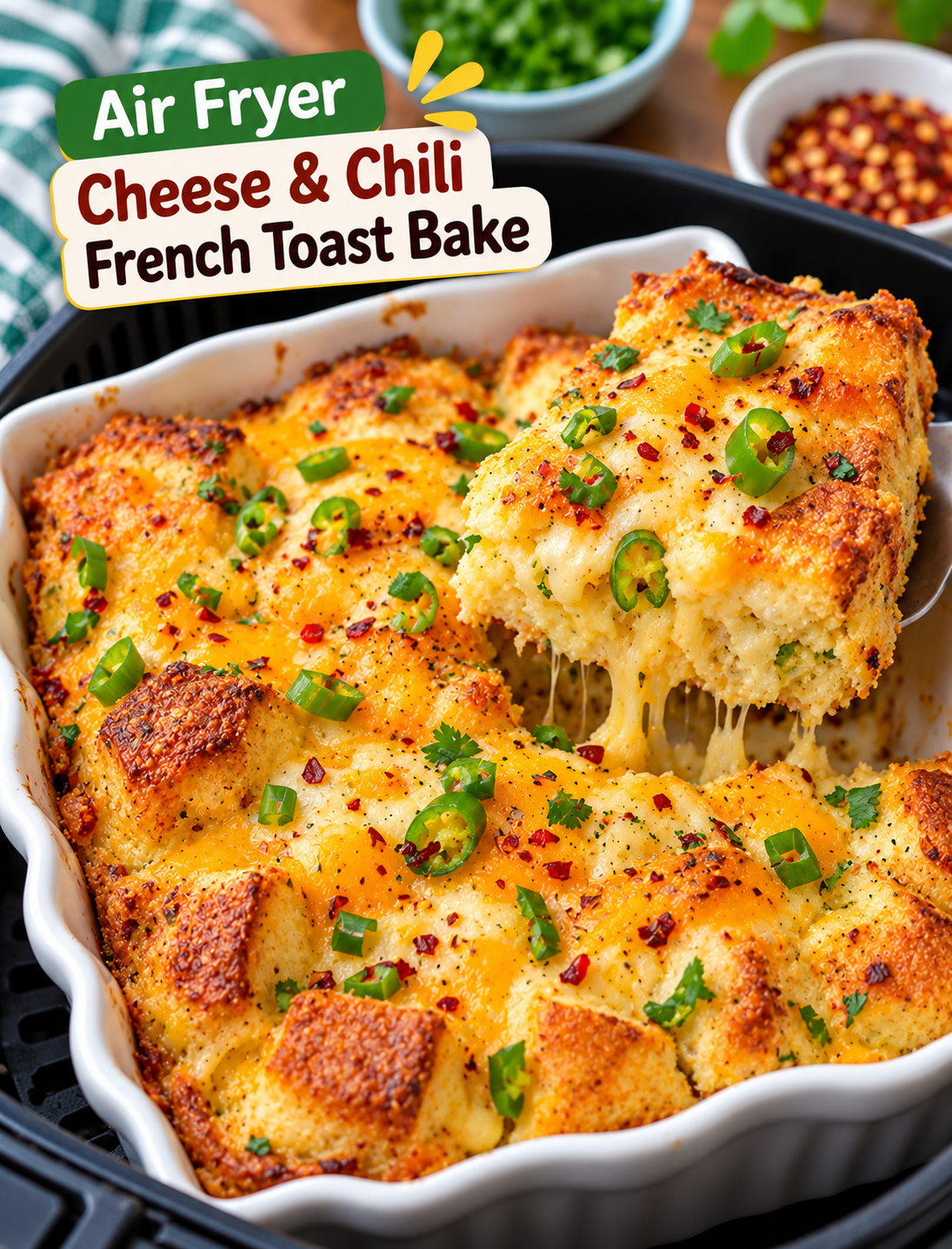
Air Fryer Cheese and Chili French Toast Bake
Air Fryer Quick Cheese & Chili French Toast Bake

Need a quick breakfast with melted cheese, a little heat, and golden, tender bread? This Air Fryer Quick Cheese & Chili French Toast Bake combines everyday sandwich bread, eggs, shredded cheese, and fresh chili in one easy savory dish. It is a simple way to turn basic ingredients into a warm breakfast or satisfying brunch.

Unlike sweet French toast made with cinnamon and syrup, this savory version gets its flavor from cheese, chili, black pepper, and herbs. The egg mixture soaks into the bread, while the cheese melts into a rich, savory topping. The air fryer cooks the mixture in a small baking dish, making it a useful option when you want a quick meal without heating a full-size oven.

Serve this cheesy French toast bake for breakfast, brunch, or a light lunch. You can also customize it with bell peppers, green onions, cooked turkey bacon, or your favorite shredded cheese.

Why You’ll Love This Recipe

  • Quick preparation: Mix the ingredients in minutes and let the air fryer handle the cooking.
  • Cheesy and flavorful: Melted cheese adds a rich taste, while chili provides a gentle kick.
  • Easy ingredients: Use sandwich bread, eggs, milk, cheese, and basic seasonings.
  • Small-batch friendly: Prepare it in an air-fryer-safe dish that fits your appliance.
  • Customizable heat: Use mild green chilies or add extra chili flakes for a spicier breakfast.
  • Great for busy mornings: Serve it with fruit or a simple side salad for an easy meal.
  • Less cleanup: Mixing the egg mixture in one bowl keeps preparation simple.

Recipe Overview

  • Prep Time: 8 minutes
  • Cook Time: 12–18 minutes
  • Total Time: 20–26 minutes
  • Servings: 2
  • Yield: 2 servings
  • Cooking Temperature: 320°F (160°C)
  • Cooking Method: Air fryer
  • Cuisine: American-inspired
  • Meal Type: Breakfast or brunch

Cooking time can vary based on the depth of your baking dish, the type of bread, and your air fryer model. Always check that the egg mixture is fully set before serving.

Ingredients You’ll Need

Main Ingredients

  • 4 slices sandwich bread, white or whole wheat
  • 2 large eggs
  • 1/4 cup milk
  • 1/2 cup shredded cheddar cheese
  • 1 small green chili, finely chopped, or 1 tablespoon diced mild green chilies
  • 1 tablespoon finely chopped green onion
  • 1/4 teaspoon garlic powder
  • 1/4 teaspoon ground black pepper
  • 1/4 teaspoon salt, or to taste
  • 1 teaspoon butter or oil, for greasing the baking dish

Optional Toppings

  • 1 tablespoon chopped fresh parsley or cilantro
  • 1 tablespoon extra shredded cheese
  • A pinch of red pepper flakes
  • 1 tablespoon finely diced red bell pepper

Cheddar gives this dish a sharp, savory flavor, while Monterey Jack melts smoothly. Use a combination of both if you prefer a creamy cheese topping.

Choose a small, shallow, oven-safe dish that fits comfortably inside your air fryer basket. Check your appliance manual to confirm that the dish is suitable for the cooking temperature.

Step-by-Step Instructions

Step 1: Prepare the Bread

  1. Cut the sandwich bread into small cubes, about 1 inch wide.
  2. Place the bread cubes in a mixing bowl.
  3. Separate any pieces that are stuck together so the egg mixture can coat them evenly.
  4. Set the bowl aside while you prepare the liquid mixture.

Slightly stale bread works well because it absorbs the egg mixture without falling apart too quickly. Fresh bread also works, but handle it gently after adding the liquid.

Step 2: Make the Egg Mixture

  1. Crack the eggs into a medium bowl.
  2. Add the milk, salt, black pepper, and garlic powder.
  3. Whisk until the yolks and whites are fully combined.
  4. Stir in the chopped green chili and green onion.
  5. Add half of the shredded cheddar cheese and mix gently.

Whisking the eggs well helps distribute the seasonings throughout the bake. If you prefer a milder flavor, remove the chili seeds or use diced mild green chilies.

Step 3: Combine the Bread and Egg Mixture

  1. Pour the egg mixture over the bread cubes.
  2. Gently fold the bread into the liquid using a spoon or spatula.
  3. Let the mixture rest for 2–3 minutes.
  4. Stir once more so the bread absorbs the egg mixture evenly.

Avoid crushing the bread while mixing. The cubes should be moist but still hold their shape.

Step 4: Prepare the Baking Dish

  1. Lightly grease a small air-fryer-safe baking dish with butter or oil.
  2. Transfer the bread and egg mixture into the dish.
  3. Spread it into an even layer.
  4. Sprinkle the remaining cheddar cheese over the top.
  5. Add optional diced bell pepper or extra chili flakes if desired.

An even layer helps the center cook at the same rate as the edges. Do not fill the dish to the brim because the egg mixture may rise slightly as it cooks.

Step 5: Preheat the Air Fryer

  1. Preheat the air fryer to 320°F (160°C) for 3 minutes if your model recommends preheating.
  2. Make sure the basket is clean and dry.
  3. Carefully place the filled baking dish on a stable surface before moving it into the basket.

A moderate temperature helps the eggs set without browning the cheese too quickly. Follow your air fryer’s instructions for safe use of baking dishes.

Step 6: Air Fry the French Toast Bake

  1. Place the baking dish in the air fryer basket.
  2. Cook at 320°F (160°C) for 12–18 minutes.
  3. Begin checking the dish at the 12-minute mark.
  4. Look for a set center and melted cheese on top.
  5. If the center still looks wet, continue cooking in 2-minute intervals.
  6. Check the center with a food thermometer; the egg mixture should reach 160°F (71°C).

Cooking time depends on the depth of the dish and the air fryer. If the cheese browns too quickly, lower the temperature slightly and continue cooking until the center is fully set.

Step 7: Rest and Garnish

  1. Carefully remove the hot dish using oven mitts.
  2. Let the French toast bake rest for 2–3 minutes.
  3. Sprinkle fresh parsley or cilantro over the top.
  4. Add a little extra black pepper or chili flakes if desired.
  5. Cut into portions and serve warm.

Resting briefly helps the bake hold its shape when sliced. Use a heat-safe utensil to remove each serving.

Expert Tips for the Best Results

  • Use the right baking dish: A shallow dish allows heat to reach the center more evenly.
  • Avoid excess milk: Too much liquid can leave the middle soggy.
  • Cut the bread evenly: Similar-sized cubes absorb the egg mixture at a similar rate.
  • Do not overcrowd the dish: A thick layer takes longer to cook through.
  • Choose a melting cheese: Cheddar, Monterey Jack, and mozzarella work well.
  • Adjust the chili: Start with a small amount if you are unsure how spicy you want the dish.
  • Check the center: A browned top does not mean the eggs are fully cooked.
  • Serve soon after cooking: The bread has its best texture while the cheese is warm and melted.

Delicious Variations to Try

Extra Cheesy French Toast Bake

Add 2 tablespoons of shredded mozzarella along with the cheddar. The mozzarella creates a stretchy cheese layer, while cheddar provides a stronger flavor.

Spicy Chili Cheese Bake

Add 1/4 teaspoon red pepper flakes and a little extra chopped green chili. Use this version if you enjoy a more noticeable heat.

Bell Pepper and Green Onion Bake

Stir in 2 tablespoons of finely diced red or green bell pepper. Keep the pieces small so they soften during the short cooking time.

Turkey Bacon Cheese Bake

Add 2 tablespoons of fully cooked, chopped turkey bacon to the bread mixture. Make sure the pieces are evenly distributed before cooking.

Whole Wheat French Toast Bake

Use whole wheat sandwich bread for a heartier flavor. If the bread is dense, let it soak for an extra minute before transferring it to the baking dish.

Herb and Garlic Version

Add a pinch of dried oregano and a little extra garlic powder. Finish with chopped parsley for a savory, herb-filled flavor.

What to Serve With Cheese & Chili French Toast Bake

Pair this savory breakfast with a simple side to make the meal more complete.

  • Fresh fruit: Serve with berries, orange slices, or apple wedges for a sweet contrast.
  • Avocado slices: Add creamy avocado with a pinch of salt and black pepper.
  • Simple green salad: Toss mixed greens with a light lemon dressing for a brunch-style meal.
  • Roasted tomatoes: Serve with warm tomatoes for a fresh, savory side.
  • Plain Greek yogurt: Add a small bowl of yogurt with herbs as a cool accompaniment.
  • Breakfast potatoes: Pair with seasoned air-fried potatoes for a more filling meal.

For a weekend brunch, serve the bake with fresh fruit and coffee. For lunch, add a green salad and keep the portion size suited to your appetite.

How to Store and Reheat Leftovers

Refrigerating

Let the bake cool slightly, then place leftovers in a covered container. Refrigerate within 2 hours of cooking and use within 3–4 days.

Freezing

For better texture, refrigerate this recipe when possible because the bread may become softer after freezing. If freezing, divide fully cooked portions into freezer-safe containers and use within 2 months for best quality.

Reheating in the Air Fryer

  1. Place a portion in an air-fryer-safe dish.
  2. Reheat at 300°F (150°C) for about 3–6 minutes.
  3. Check the center and continue heating if necessary.
  4. Make sure leftovers reach 165°F (74°C) before serving.

Reheating time depends on the portion size and whether the food is chilled or frozen. Avoid reheating the same portion more than once.

Common Mistakes to Avoid

  • Adding too much milk: Excess liquid can make the center wet instead of tender.
  • Using a dish that is too deep: A thick mixture may cook unevenly.
  • Adding large chili pieces: Big pieces can create uneven heat and texture.
  • Skipping the center check: The top can brown before the egg mixture sets.
  • Using a dish that does not fit: A crowded basket blocks airflow and makes handling unsafe.
  • Overcooking the bread: Excessive cooking can dry out the edges.
  • Serving without resting: A brief rest helps the bake hold together when cut.

Frequently Asked Questions

1. Can I make cheese and chili French toast in an air fryer?

Yes. Combine bread, eggs, milk, cheese, and chili in an air-fryer-safe dish and cook at 320°F (160°C) until the center is set.

2. Which cheese works best for this recipe?

Cheddar gives a sharp flavor, while mozzarella and Monterey Jack melt smoothly; you can also combine two cheeses.

3. How do I keep the French toast bake from becoming soggy?

Measure the milk carefully, use bread that can hold its shape, and cook until the egg mixture is fully set.

4. Can I make this recipe less spicy?

Yes. Use mild green chilies, remove the seeds from fresh chilies, or leave out the chili entirely.

5. Can I prepare the mixture ahead of time?

You can whisk the egg mixture and chop the toppings ahead, but combine them with the bread shortly before cooking for better texture.

6. How do I know when the bake is fully cooked?

The center should be set, and a food thermometer should read 160°F (71°C) for the egg mixture.

7. Can I use gluten-free bread?

Yes. Use gluten-free sandwich bread and check the labels on your other ingredients if you need to avoid gluten.

8. Can I reheat leftover French toast bake?

Yes. Reheat it in the air fryer at 300°F (150°C) until hot throughout, reaching 165°F (74°C) for food safety.

Final Thoughts

Air Fryer Quick Cheese & Chili French Toast Bake is an easy way to make a warm, savory breakfast with bread, eggs, melted cheese, and a little heat. It uses everyday ingredients and cooks in a small dish, making it useful for busy mornings or relaxed weekend brunches.

For the best texture, cut the bread evenly, measure the milk carefully, and check the center before serving. Adjust the chili and cheese to match your taste, then pair the bake with fresh fruit, avocado, or a simple salad.

If you try this recipe, leave a comment and tell us whether you prefer mild green chili or a spicy version with extra pepper flakes!


Cranberry Brie Sourdough Pull-Apart Bread

Cranberry Brie Bread with melted Brie, cranberry sauce, garlic butter, rosemary, and golden sourdough

Cranberry Brie Sourdough Pull-Apart Bread

Cranberry Brie Bread is a festive pull-apart appetizer made with a crusty sourdough loaf, creamy Brie, tart cranberry sauce, melted butter, garlic, rosemary, and a touch of honey. It looks impressive on a holiday table, but the preparation is surprisingly simple. Cranberry Brie Bread is ideal for Christmas parties, Thanksgiving gatherings, winter brunches, or any occasion when you want a warm, cheesy centerpiece that guests can pull apart and share.

Prep Time: 20 minutes
Cook Time: 25 minutes
Total Time: About 45 minutes
Servings: 8 to 10

Ingredients

For the Bread

  • 1 large round sourdough loaf
  • 8 ounces Brie cheese, chilled
  • 1/2 cup cranberry sauce
  • 4 tablespoons unsalted butter, melted
  • 2 garlic cloves, finely minced
  • 1 tablespoon fresh rosemary, finely chopped
  • 1 teaspoon fresh thyme leaves
  • 1 tablespoon honey
  • 1/4 teaspoon black pepper
  • Pinch of flaky sea salt

Optional Garnishes

  • Fresh cranberries
  • Extra rosemary sprigs
  • Chopped pecans or walnuts
  • Extra honey for drizzling

Why You’ll Love This Recipe

Cranberry Brie Bread combines crisp sourdough, gooey cheese, and sweet-tart cranberry sauce in every bite. The bread becomes golden around the edges while the Brie melts into the cuts, creating a rich, creamy texture.

Another reason to love Cranberry Brie Bread is that it doubles as both an appetizer and an edible centerpiece. It can go straight from the oven to the table, and guests can simply pull off pieces as they eat.

It is also easy to customize with nuts, herbs, different fruit preserves, or extra honey.

How to Make Cranberry Brie Bread

Step 1: Preheat the Oven

Preheat the oven to 375°F or 190°C.

Line a baking sheet with parchment paper or foil.

Step 2: Slice the Sourdough

Place the sourdough loaf on a cutting board.

Using a sharp serrated knife, make deep cuts across the loaf in one direction, spacing them about 1 inch apart.

Rotate the loaf and make cuts in the opposite direction to create a crosshatch pattern.

Do not cut all the way through the bottom crust.

The base should stay intact so Cranberry Brie Bread holds together while baking.

Step 3: Prepare the Brie

Keep the Brie cold until you are ready to cut it.

Slice it into small cubes or thin pieces that will fit easily into the cuts in the bread.

You can leave the rind on because it is edible and melts well.

Step 4: Make the Herb Butter

In a small bowl, combine the melted butter, minced garlic, chopped rosemary, thyme, honey, and black pepper.

Stir until well combined.

This buttery herb mixture gives the loaf extra savory flavor and helps the sourdough turn golden in the oven.

Step 5: Brush the Bread

Gently pull apart the sections of the sourdough.

Use a pastry brush or small spoon to drizzle the herb butter into the cuts.

Try to distribute it throughout the entire loaf rather than only over the top.

Step 6: Add the Brie

Push the Brie pieces deep into the cuts.

Spread them evenly so almost every section contains cheese.

Do not worry if some pieces sit slightly above the surface because they will melt as the bread bakes.

Step 7: Add the Cranberry Sauce

Spoon small amounts of cranberry sauce into the spaces between the bread cubes.

Use about 1/2 cup total so the bread gets plenty of cranberry flavor without becoming soggy.

At this stage, the loaf should look generously filled with cheese and cranberry sauce.

Step 8: Wrap and Bake

Place the loaf on the prepared baking sheet.

Loosely cover it with foil.

Bake for 15 minutes.

The foil helps warm the center and melt the Brie without overbrowning the crust.

Step 9: Uncover and Finish Baking

Remove the foil.

Bake for another 8 to 12 minutes, or until the cheese is melted and the top of the bread is golden and crisp.

If you want deeper browning, broil for 1 minute at the end while watching closely.

Step 10: Add the Finishing Touches

Remove Cranberry Brie Bread from the oven.

Drizzle lightly with honey and sprinkle with flaky sea salt.

Add chopped nuts if desired.

Step 11: Garnish

Decorate with fresh rosemary sprigs and a few fresh cranberries around the serving board.

Let the loaf rest for about 5 minutes before serving.

Step 12: Serve

Place Cranberry Brie Bread on a large platter or wooden board.

Invite guests to pull away the cheesy bread pieces while they are still warm.

Serving Suggestions

Cranberry Brie Bread is perfect for a holiday appetizer spread.

Serve Cranberry Brie Bread with sliced apples, pears, grapes, roasted nuts, olives, and extra crackers for a festive grazing board.

It also pairs well with soups, salads, roasted vegetables, or a holiday brunch menu.

For a more substantial appetizer table, add cured meats, extra cheeses, and fresh fruit.

For another flavorful dinner, try our Mongolian Chicken Recipe with tender chicken coated in a sticky, savory-sweet sauce that is easy to make at home.

Recipe Tips

Use a sturdy round sourdough loaf so the bread can hold the melted cheese and cranberry sauce.

A serrated bread knife makes the crosshatch cuts much easier.

Do not cut through the bottom crust or the loaf may fall apart.

Keep the Brie chilled until slicing because cold cheese is easier to handle.

For the best Cranberry Brie Bread, push the cheese deep into the cuts so it melts throughout the loaf.

Avoid adding too much cranberry sauce because excess moisture can soften the bread.

Cover the loaf during the first part of baking so the center warms before the outside becomes too dark.

Serve soon after baking for the best texture.

Easy Variations

Cranberry Brie Bread can be customized in many ways.

Replace cranberry sauce with fig jam, apricot preserves, raspberry preserves, or apple butter.

Add chopped pecans or walnuts between the bread pieces for extra crunch.

For a savory-sweet version, add thin pieces of cooked bacon or prosciutto.

A rosemary-orange variation can be made by adding a little orange zest to the cranberry sauce.

You can also make Cranberry Brie Bread with Camembert instead of Brie for a slightly stronger cheese flavor.

For extra richness, drizzle a small amount of maple syrup over the finished loaf.

You may also enjoy our Spinach and Cheese Stuffed Portobello for a rich, cheesy vegetarian meal with tender mushrooms, spinach, ricotta, mozzarella, and Parmesan.

Make-Ahead Instructions

Cranberry Brie Bread can be partially assembled ahead of time.

Cut the sourdough loaf and prepare the herb butter several hours before serving.

You can also cut the Brie and keep it refrigerated.

For the best texture, add the cranberry sauce and Brie shortly before baking.

If you fully assemble the loaf in advance, cover it tightly and refrigerate for no more than a few hours so the bread does not absorb too much moisture.

Storage and Reheating

Store leftover Cranberry Brie Bread in an airtight container or wrap it tightly with foil.

Refrigerate for up to 2 days.

To reheat, place it in a 350°F or 175°C oven for about 10 minutes, loosely covered with foil.

Remove the foil for the final few minutes to re-crisp the bread.

Microwaving is not recommended because the crust can become chewy.

Nutrition Information

Approximate nutrition per serving:

Calories: 310
Protein: 10 g
Carbohydrates: 34 g
Fat: 16 g
Saturated Fat: 9 g
Fiber: 2 g
Sugar: 8 g
Sodium: 520 mg

Nutrition values are estimates and may vary depending on the sourdough loaf, Brie, cranberry sauce, butter, and serving size.

Frequently Asked Questions

Can I use another type of bread?

Yes. A round Italian loaf, boule, or sturdy country bread can replace sourdough.

Do I need to remove the Brie rind?

No. The rind is edible and helps the cheese hold its shape as you stuff the bread.

Can I use homemade cranberry sauce?

Yes. Homemade or store-bought cranberry sauce both work well.

Can I make this without honey?

Yes. You can leave it out or use maple syrup instead.

Can I add nuts?

Yes. Pecans and walnuts pair especially well with Brie and cranberry.

Can I make Cranberry Brie Bread ahead?

Yes. Prepare the bread and fillings ahead, but assemble as close to baking time as possible for the best texture.

Final Thoughts

Cranberry Brie Bread is an easy way to turn a simple sourdough loaf into a festive holiday appetizer with plenty of color, texture, and melted cheese.

Because Cranberry Brie Bread combines creamy Brie, tart cranberry sauce, garlic butter, herbs, and crusty bread, every pull-apart piece delivers a balance of sweet and savory flavor.

Keep this Cranberry Brie Bread recipe handy for Christmas, Thanksgiving, winter parties, brunches, or any occasion that calls for an impressive but easy appetizer.

With golden sourdough, gooey cheese, bright cranberries, rosemary, garlic, and honey, Cranberry Brie Bread makes a beautiful centerpiece that is just as enjoyable to eat as it is to serve.

Spinach and Cheese Stuffed Portobello

Stuffed Portobello with spinach, ricotta, mozzarella, Parmesan, garlic, herbs, and tender baked mushrooms

Spinach and Cheese Stuffed Portobello

Stuffed Portobello is a hearty, oven-baked vegetarian dish made with large portobello mushrooms, creamy spinach, ricotta, mozzarella, Parmesan, garlic, and herbs. It is simple enough for a weeknight dinner but elegant enough for brunch, holidays, or casual entertaining. Stuffed Portobello also works well as a low-carb main course or a flavorful side dish alongside chicken, fish, or salad.

The mushrooms become tender and juicy in the oven, while the cheesy spinach filling turns creamy and golden on top.

Prep Time: 20 minutes
Cook Time: 30 minutes
Total Time: About 50 minutes
Servings: 4

Ingredients

For the Portobello Mushrooms

  • 4 large portobello mushroom caps
  • 1 tablespoon olive oil
  • 1/2 teaspoon salt
  • 1/4 teaspoon black pepper
  • 1/2 teaspoon Italian seasoning

Ingredients For the Spinach and Cheese Filling

  • 2 cups fresh spinach, chopped
  • 1 tablespoon olive oil
  • 2 garlic cloves, minced
  • 3/4 cup ricotta cheese
  • 1/2 cup shredded mozzarella cheese
  • 1/3 cup grated Parmesan cheese
  • 2 tablespoons cream cheese, softened
  • 1 tablespoon chopped fresh parsley
  • 1 teaspoon lemon zest
  • 1/2 teaspoon dried oregano
  • 1/4 teaspoon black pepper
  • Pinch of red pepper flakes, optional

For the Topping

  • 1/2 cup shredded mozzarella cheese
  • 2 tablespoons grated Parmesan cheese
  • 1 tablespoon chopped parsley
  • Cherry tomatoes or sun-dried tomatoes, optional

Why You’ll Love This Recipe

Stuffed Portobello is rich, cheesy, and satisfying without requiring complicated ingredients. The mushrooms provide a savory, meaty texture, while the spinach and cheese filling stays creamy and flavorful.

Another reason to love Stuffed Portobello is its flexibility. You can add sun-dried tomatoes, artichokes, cooked chicken, sausage, or extra vegetables depending on what you have available.

It is also easy to prepare ahead, making it useful for busy evenings or entertaining.

How to Make Stuffed Portobello

Step 1: Preheat the Oven

Preheat the oven to 400°F or 200°C.

Lightly grease a baking dish or line a rimmed baking sheet with parchment paper.

Step 2: Clean the Mushrooms

Wipe the portobello caps gently with a damp paper towel.

Remove the stems by twisting them carefully.

Use a spoon to scrape out the dark gills if you prefer a cleaner-looking filling, although this step is optional.

Step 3: Season the Mushrooms

Brush both sides of the mushroom caps with olive oil.

Season with salt, black pepper, and Italian seasoning.

Arrange them cavity-side up in the prepared baking dish.

Step 4: Pre-Bake the Mushrooms

Bake the mushroom caps for 10 minutes.

Remove them from the oven and carefully pour off any liquid that collects inside.

Pre-baking helps Stuffed Portobello avoid becoming watery once the filling is added.

Step 5: Cook the Spinach

Heat 1 tablespoon olive oil in a skillet over medium heat.

Add the garlic and cook for about 30 seconds.

Add the chopped spinach and cook for 1 to 2 minutes until wilted.

Remove the skillet from the heat and let the spinach cool slightly.

Step 6: Make the Cheese Filling

In a mixing bowl, combine ricotta, mozzarella, Parmesan, cream cheese, parsley, lemon zest, oregano, black pepper, and red pepper flakes if using.

Add the cooked spinach and mix until evenly combined.

The filling for Stuffed Portobello should be creamy and thick enough to hold its shape.

Step 7: Fill the Mushroom Caps

Divide the spinach and cheese mixture evenly among the mushroom caps.

Spoon the filling into the center and gently spread it to the edges.

Do not press too firmly.

Step 8: Add the Topping

Sprinkle the remaining mozzarella and Parmesan over the filled mushrooms.

Add chopped sun-dried tomatoes or halved cherry tomatoes if desired.

At this stage, Stuffed Portobello should look generously filled and ready to bake.

Step 9: Bake

Return the mushrooms to the oven.

Bake for 15 to 20 minutes, or until the filling is hot and the cheese is melted.

Step 10: Broil for Extra Color

For a golden finish, switch the oven to broil for 1 to 2 minutes.

Watch closely so the cheese does not burn.

Step 11: Rest Before Serving

Remove Stuffed Portobello from the oven and let it rest for 5 minutes.

This helps the filling set slightly and makes the mushrooms easier to serve.

Step 12: Garnish and Serve

Sprinkle with fresh parsley, extra Parmesan, black pepper, or red pepper flakes.

Serve warm.

Serving Suggestions

Stuffed Portobello is filling enough to serve as a vegetarian main course.

Pair it with a crisp green salad, roasted asparagus, garlic green beans, quinoa, couscous, or crusty bread.

You can also serve Stuffed Portobello alongside grilled chicken, baked salmon, or roasted turkey as a hearty side dish.

For a Mediterranean-style plate, add tomato cucumber salad, olives, hummus, and warm pita.

For a cool and creamy dessert, try our Creamy Avocado Ice Cream made with ripe avocado, heavy cream, condensed milk, lime, and vanilla.

Recipe Tips

Choose large portobello caps that feel firm and heavy for their size.

Avoid soaking mushrooms in water because they absorb moisture quickly. Wipe them clean instead.

Pre-bake the mushroom caps before filling to remove some excess liquid.

Drain or squeeze cooked spinach if it releases a lot of moisture.

Use whole-milk ricotta for the creamiest Stuffed Portobello filling.

Freshly grated Parmesan melts more smoothly and gives better flavor.

Do not overbake the mushrooms. They should be tender but still sturdy enough to hold the filling.

Let the dish rest briefly before serving.

Easy Variations

Stuffed Portobello is easy to customize with different cheeses, vegetables, and proteins.

For a Mediterranean variation, add crumbled feta, sun-dried tomatoes, olives, and oregano.

For extra vegetables, mix in chopped artichoke hearts, roasted red peppers, zucchini, or sautéed onions.

You can make Stuffed Portobello heartier by adding cooked ground turkey, shredded chicken, or Italian sausage.

For a sharper cheese flavor, replace some mozzarella with provolone or Gruyère.

A small spoonful of pesto can be stirred into the filling for extra basil and garlic flavor.

For a spicy version, increase the red pepper flakes or add chopped jalapeño.

You may also enjoy our Classic Italian Spaghetti Pasta Salad for a fresh and colorful side dish with tender pasta, crisp vegetables, olives, Parmesan, and zesty Italian dressing.

Make-Ahead Instructions

This dish is convenient for make-ahead meals.

Clean and pre-bake the mushroom caps, prepare the spinach filling, and assemble the dish up to one day in advance.

Cover tightly and refrigerate.

When ready to bake, let the dish sit at room temperature while the oven preheats.

Add about 5 extra minutes to the baking time if the mushrooms are still very cold.

Storage and Reheating

Store leftovers in an airtight container in the refrigerator for up to 3 days.

For the best texture, reheat the mushrooms in a 350°F or 175°C oven for about 10 to 12 minutes, until the centers are hot and the cheese softens again.

You can also microwave individual portions in short intervals, although the mushrooms may become softer.

Freezing is possible, but the texture of mushrooms and ricotta may change after thawing, so refrigerated leftovers are usually best.

Nutrition Information

Approximate nutrition per serving:

Calories: 310
Protein: 18 g
Carbohydrates: 12 g
Fat: 22 g
Saturated Fat: 10 g
Fiber: 3 g
Sugar: 5 g
Sodium: 620 mg

Nutrition values are estimates and may vary depending on the cheeses, mushroom size, toppings, and serving size.

Frequently Asked Questions

Do I need to remove the mushroom gills?

No. The gills are edible, but removing them creates more room for filling and keeps the mixture lighter in color.

Can I use frozen spinach?

Yes. Thaw it completely and squeeze out as much moisture as possible before mixing it with the cheeses.

Can I make this without ricotta?

Yes. Cottage cheese, goat cheese, or extra cream cheese can be used, although the texture will change slightly.

Can I add meat?

Yes. Cooked chicken, turkey, sausage, or ground beef can be mixed into the filling.

Why are my mushrooms watery?

Portobellos naturally release moisture while baking. Pre-baking and draining the caps before filling helps reduce excess liquid.

Can I make this gluten-free?

Yes. The basic recipe is naturally gluten-free, but always check packaged cheese and seasonings if needed.

Final Thoughts

Stuffed Portobello is an easy way to turn simple mushrooms into a rich, cheesy, vegetable-packed meal.

Because Stuffed Portobello combines tender mushrooms, spinach, ricotta, mozzarella, Parmesan, garlic, herbs, and lemon, every bite is savory and satisfying.

Keep this Stuffed Portobello recipe handy whenever you want a vegetarian dinner that feels comforting without requiring pasta or a heavy casserole.

With juicy mushrooms, creamy spinach filling, melted cheese, garlic, herbs, and a golden top, Stuffed Portobello delivers a flavorful oven-baked meal that works for both everyday dinners and special occasions.

Classic Italian Spaghetti Pasta Salad

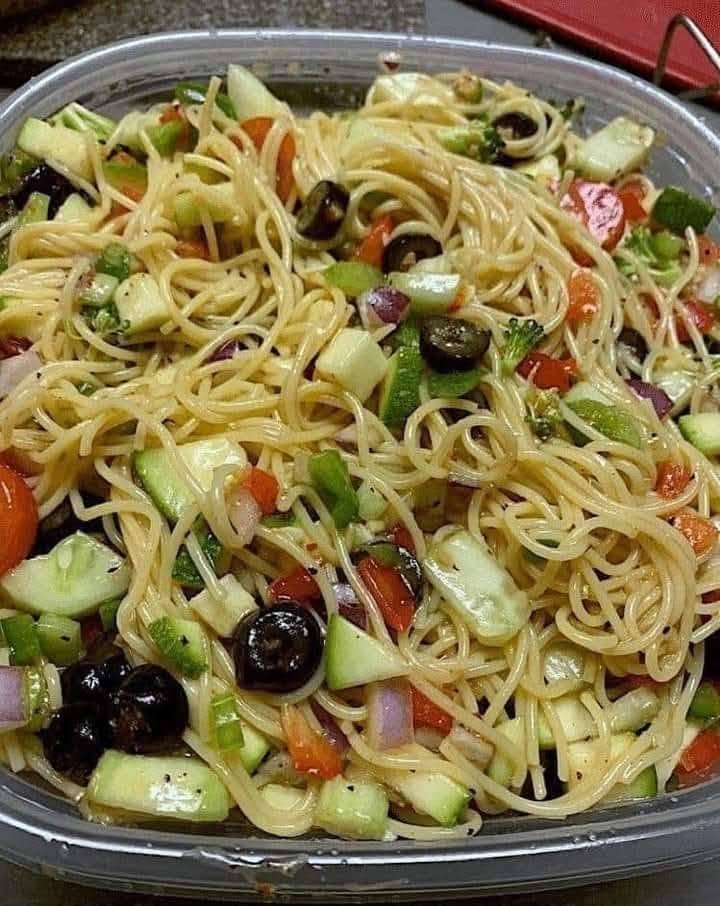
Spaghetti Pasta Salad with cucumber, tomatoes, bell peppers, black olives, red onion, Parmesan, and Italian dressing

Classic Italian Spaghetti Pasta Salad

Spaghetti Pasta Salad is a colorful, refreshing side dish made with tender spaghetti, crisp vegetables, black olives, fresh herbs, Parmesan, and a zesty Italian dressing. It is easy to prepare, travels well, and tastes even better after chilling, which makes it perfect for picnics, potlucks, barbecues, parties, and make-ahead lunches.

This Spaghetti Pasta Salad combines familiar pasta with crunchy cucumber, bell pepper, tomatoes, red onion, and olives for a bright dish that works alongside grilled meats, sandwiches, or other summer favorites.

Prep Time: 20 minutes
Cook Time: 10 minutes
Chill Time: 1 hour
Total Time: About 1 hour 30 minutes
Servings: 8

Ingredients

For the Pasta Salad

  • 12 ounces spaghetti
  • 1 cup cherry tomatoes, halved
  • 1 large cucumber, diced
  • 1 green bell pepper, diced
  • 1 red bell pepper, diced
  • 1/2 red onion, finely chopped
  • 1 cup black olives, sliced
  • 1/2 cup grated Parmesan cheese
  • 1/4 cup chopped fresh parsley
  • 2 tablespoons chopped fresh basil

For the Italian Dressing

  • 1/2 cup extra virgin olive oil
  • 1/4 cup red wine vinegar
  • 1 tablespoon fresh lemon juice
  • 1 teaspoon Dijon mustard
  • 1 teaspoon honey or sugar
  • 1 garlic clove, finely grated
  • 1 teaspoon dried oregano
  • 1/2 teaspoon dried basil
  • 1/2 teaspoon garlic powder
  • 1/2 teaspoon salt
  • 1/4 teaspoon black pepper
  • Pinch of red pepper flakes, optional

Why You’ll Love This Recipe

Spaghetti Pasta Salad is easy to assemble and packed with color, texture, and fresh flavor. The spaghetti gives the salad a familiar, satisfying base, while the vegetables keep it crisp and light.

Another reason to love Spaghetti Pasta Salad is that it is ideal for make-ahead meals. A little chilling time allows the pasta to absorb the dressing, so the flavor becomes more balanced and delicious.

It is also easy to customize with cheese, extra vegetables, salami, chickpeas, or different herbs depending on what you have available.

How to Make Spaghetti Pasta Salad

Step 1: Cook the Spaghetti

Bring a large pot of salted water to a boil.

Add the spaghetti and cook according to the package directions until al dente.

Avoid overcooking because pasta that is too soft can become mushy once mixed with dressing.

Step 2: Drain and Cool

Drain the spaghetti in a colander.

Rinse briefly under cool water to stop the cooking process and remove excess surface starch.

Shake off as much water as possible.

For the best Spaghetti Pasta Salad texture, let the pasta cool and drain well before adding the dressing.

Step 3: Prepare the Vegetables

While the pasta cools, halve the cherry tomatoes and dice the cucumber, green bell pepper, red bell pepper, and red onion.

Slice the black olives and chop the parsley and basil.

Try to cut the vegetables into small, similar-size pieces so every forkful contains a balanced mix of ingredients.

Step 4: Make the Dressing

In a jar or small bowl, combine olive oil, red wine vinegar, lemon juice, Dijon mustard, honey, garlic, oregano, dried basil, garlic powder, salt, black pepper, and optional red pepper flakes.

Whisk or shake until the dressing is well combined.

The dressing should taste bright, tangy, savory, and slightly sweet.

Step 5: Combine the Pasta and Vegetables

Place the cooled spaghetti in a large mixing bowl.

Add the tomatoes, cucumber, bell peppers, red onion, black olives, parsley, and basil.

Toss gently to distribute the ingredients.

Step 6: Add the Dressing

Pour about three-quarters of the dressing over the pasta mixture.

Toss until the pasta and vegetables are evenly coated.

The noodles in Spaghetti Pasta Salad should look glossy but not drenched.

Step 7: Add Parmesan

Sprinkle in the grated Parmesan.

Toss gently again.

Parmesan adds salty, savory flavor and helps the dressing cling to the spaghetti.

Step 8: Chill

Cover the bowl and refrigerate for at least 1 hour.

This gives the flavors time to blend and allows the pasta to absorb some of the dressing.

Step 9: Refresh Before Serving

Remove the salad from the refrigerator.

Toss it again and add the remaining dressing if the pasta looks dry.

Taste and adjust the salt, pepper, vinegar, or lemon juice if needed.

Step 10: Garnish and Serve

Transfer Spaghetti Pasta Salad to a large serving bowl.

Top with extra Parmesan, parsley, basil, black olives, or a few fresh tomato halves.

Serve chilled or slightly cool.

Serving Suggestions

Spaghetti Pasta Salad is an excellent side dish for grilled chicken, burgers, sandwiches, baked fish, or barbecue meals.

Serve Spaghetti Pasta Salad alongside roasted vegetables, garlic bread, corn on the cob, or a simple green salad.

It also works well as part of a picnic or buffet table because it can be made ahead and served cold.

For a heartier meal, add grilled chicken, turkey, salami, tuna, or chickpeas directly to the salad.

For another classic make-ahead side, try our Classic American Potato Salad with tender potatoes, creamy dressing, mustard, and a tangy homemade flavor.

Recipe Tips

Cook the spaghetti only until al dente so it stays firm after chilling.

Drain the pasta thoroughly. Excess water can dilute the Italian dressing.

Cut the vegetables into small, even pieces for easier mixing and serving.

Use freshly grated Parmesan for better flavor and texture.

Taste Spaghetti Pasta Salad after chilling because cold pasta often needs a little extra seasoning before serving.

Reserve some of the dressing instead of adding it all at once. The pasta will absorb dressing as it rests, and the reserved portion can freshen it before serving.

Easy Variations

Spaghetti Pasta Salad can be changed easily to suit different tastes.

Add pepperoni, salami, or diced cooked chicken for extra protein.

For a Mediterranean variation, add feta, artichoke hearts, pepperoncini, and Kalamata olives.

You can also add broccoli florets, shredded carrots, zucchini, celery, or spinach for extra vegetables.

For a creamy Spaghetti Pasta Salad, stir a few tablespoons of mayonnaise or Greek yogurt into the Italian dressing.

Add mozzarella pearls for a Caprese-inspired version.

A can of drained chickpeas or white beans can make the salad more filling while keeping it meatless.

You may also enjoy our Melt-in-Your-Mouth Butter Cookies for a soft, buttery dessert with delicate texture and simple homemade flavor.

Make-Ahead Instructions

Spaghetti Pasta Salad is one of the best dishes to make in advance.

Prepare the salad several hours or up to one day before serving.

Keep a small amount of dressing separate and add it shortly before serving to refresh the pasta.

For the best appearance, you can also reserve some fresh parsley, basil, tomatoes, and Parmesan for garnish.

Storage

Store leftover Spaghetti Pasta Salad in an airtight container in the refrigerator for up to 4 days.

Toss the salad before serving again because the dressing may settle at the bottom.

If the pasta seems dry after refrigeration, add a small splash of olive oil, vinegar, or reserved dressing.

Freezing is not recommended because the fresh vegetables lose their crisp texture after thawing.

Nutrition Information

Approximate nutrition per serving:

Calories: 360
Protein: 10 g
Carbohydrates: 45 g
Fat: 16 g
Saturated Fat: 4 g
Fiber: 4 g
Sugar: 6 g
Sodium: 480 mg

Nutrition values are estimates and may vary depending on the pasta, Parmesan, dressing, and serving size.

Frequently Asked Questions

Can I make this recipe the night before?

Yes. In fact, chilling overnight can improve the flavor. Save some dressing to toss with the salad before serving.

Should I rinse the spaghetti after cooking?

For this cold pasta salad, a quick rinse is helpful because it stops cooking and removes some surface starch.

Can I use another pasta shape?

Yes. Rotini, penne, farfalle, or shells also work, although long spaghetti gives the dish its classic look.

Can I use bottled Italian dressing?

Yes. Bottled dressing is a convenient shortcut, but homemade dressing gives you more control over the flavor.

Can I add meat?

Yes. Grilled chicken, salami, pepperoni, turkey, or tuna are all good additions.

Can I make it gluten-free?

Yes. Use your favorite gluten-free spaghetti and cook according to the package instructions.

Can I make it vegetarian?

Yes. The basic recipe is vegetarian. Simply check that the Parmesan you use meets your dietary preferences.

Final Thoughts

Spaghetti Pasta Salad is a simple way to turn everyday pasta and fresh vegetables into a colorful, make-ahead dish that works for almost any gathering.

Because Spaghetti Pasta Salad is easy to customize and tastes great chilled, it is especially useful for summer meals, picnics, potlucks, family dinners, and meal prep.

Keep this Spaghetti Pasta Salad recipe handy whenever you need a fresh side dish that is inexpensive, flexible, and easy to serve.

With tender spaghetti, crisp vegetables, black olives, Parmesan, fresh herbs, and zesty Italian dressing, Spaghetti Pasta Salad delivers classic flavor and satisfying texture in every serving.