Key Lime Pie… but Make It Very Low-Carb

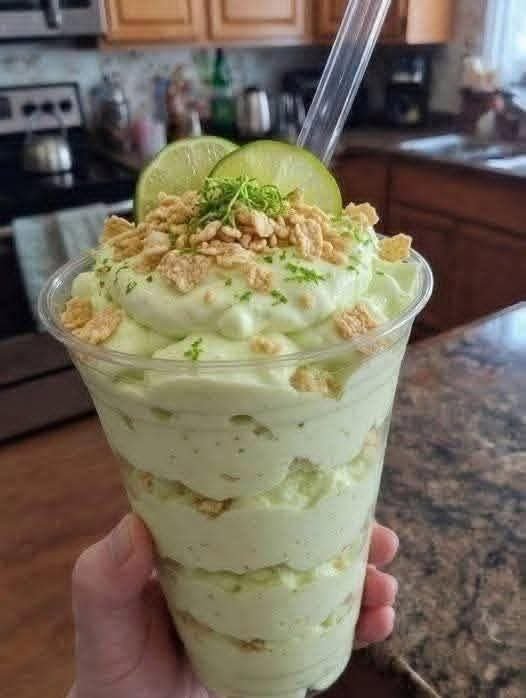
Key Lime Fluff with creamy lime filling, fresh lime slices, lime zest, and crunchy nut topping

Key Lime Pie… but Make It Very Low-Carb

Key Lime Fluff is a cool, creamy dessert inspired by classic key lime pie, but made without a traditional crust and with a low-sugar approach. It has a silky mousse-like texture, bright citrus flavor, and a rich creaminess that makes it perfect for warm days, easy desserts, or make-ahead treats. Key Lime Fluff is especially useful when you want something that feels indulgent without relying on a full graham cracker crust or a large amount of added sugar.

This version uses cream cheese, heavy cream, unsweetened Greek yogurt, fresh lime juice, lime zest, vanilla, and a low-carb sweetener. A small crunchy topping adds contrast, but it is optional if you want to keep the carbohydrate count as low as possible.

Prep Time: 15 minutes
Chill Time: 1 hour
Total Time: About 1 hour 15 minutes
Servings: 4

Ingredients

For the Key Lime Fluff

  • 8 ounces cream cheese, softened
  • 1 cup heavy whipping cream, cold
  • 1/2 cup plain unsweetened Greek yogurt
  • 3 tablespoons fresh lime juice
  • 1 tablespoon finely grated lime zest
  • 1/3 cup powdered low-carb sweetener, or to taste
  • 1 teaspoon vanilla extract
  • Pinch of salt

Optional Crunchy Topping

  • 1/4 cup chopped pecans or walnuts
  • 2 tablespoons unsweetened shredded coconut
  • 1 tablespoon almond flour
  • 1 teaspoon melted butter
  • Small pinch of cinnamon

For Garnish

  • Extra lime zest
  • Thin lime slices
  • A few crushed toasted nuts
  • Unsweetened whipped cream, optional

Why You’ll Love This Recipe

Key Lime Fluff is simple, refreshing, and does not require baking. The filling comes together in minutes and develops an even better texture after chilling.

Another reason to love this dessert is its balance of rich and bright flavors. Cream cheese and heavy cream make the dessert smooth, while fresh lime juice and zest keep it from tasting too heavy.

How to Make Key Lime Fluff

Step 1: Soften the Cream Cheese

Place the cream cheese at room temperature until soft enough to beat smoothly.

Soft cream cheese blends much more easily and helps prevent small lumps in the finished dessert.

Step 2: Beat the Cream Cheese

Add the softened cream cheese to a large mixing bowl.

Beat with an electric mixer for 1 to 2 minutes until smooth and creamy.

Step 3: Add the Sweetener

Add the powdered low-carb sweetener, vanilla extract, and salt.

Beat again until fully combined.

Using a powdered sweetener works better than a granulated one because it dissolves more easily and gives the mixture a smoother texture.

Step 4: Add Lime Flavor

Add the fresh lime juice and finely grated lime zest.

Mix on low speed until incorporated.

The mixture should taste bright and tangy but still creamy.

Step 5: Add Greek Yogurt

Add the unsweetened Greek yogurt and mix until smooth.

The yogurt adds a slight tang that works especially well with the lime.

Step 6: Whip the Cream

In a separate chilled bowl, beat the heavy cream until medium-stiff peaks form.

Step 7: Fold the Mixtures Together

Add about one-third of the whipped cream to the cream cheese mixture and fold gently.

Once combined, fold in the remaining whipped cream.

Use a spatula and gentle strokes so the dessert stays light and airy.

At this stage, the filling should be thick, soft, and mousse-like.

Step 8: Prepare the Optional Crunch

If using the topping, combine the chopped nuts, coconut, almond flour, melted butter, and cinnamon in a small skillet.

Toast over medium-low heat for 3 to 4 minutes, stirring frequently.

Step 9: Assemble the Dessert Cups

Spoon a small amount of Key Lime Fluff into each serving cup.

Add a light layer of the cooled nut mixture if desired.

Continue layering until the cups are filled.

Step 10: Chill

Cover the cups and refrigerate for at least 1 hour.

Chilling helps the mixture become firmer and allows the lime flavor to develop.

Step 11: Garnish

Top with extra lime zest, a thin lime slice, a little whipped cream, or a few toasted nuts.

Step 12: Serve

Serve cold for the best texture and flavor.

Serving Suggestions

Key Lime Fluff is delicious on its own, but it can also be served with fresh berries such as raspberries, strawberries, or blackberries in small portions.

For extra crunch, sprinkle a little toasted pecan or coconut mixture over the top just before serving.

For another wholesome homemade snack, try our Healthy Flourless Nut & Seed Cookies packed with oats, nuts, seeds, nut butter, and a touch of natural sweetness.

Recipe Tips

Use full-fat cream cheese for the richest and smoothest texture.

Make sure the cream cheese is fully softened before mixing.

Use fresh lime juice rather than bottled juice when possible because fresh juice has a brighter flavor.

Finely grate only the green outer part of the lime peel. Avoid the bitter white pith underneath.

For the best Key Lime Fluff texture, whip the cream separately and fold it in gently.

Taste the mixture before chilling and adjust the sweetener if necessary.

Do not add too much lime juice at once because excessive liquid can loosen the mixture.

Easy Variations

Key Lime Fluff is easy to customize while keeping the same creamy base.

For a coconut-lime version, add a few drops of coconut extract and garnish with toasted unsweetened coconut.

For a cheesecake-style variation, increase the cream cheese slightly and reduce the yogurt.

You can make Key Lime Fluff with lemon instead of lime for a bright lemon mousse.

For extra richness, add a spoonful of mascarpone.

If you prefer a firmer dessert, chill it for several hours or overnight before serving.

You may also enjoy our Creamed Peas on Toast for a simple old-fashioned comfort meal with tender green peas, creamy white sauce, and crisp golden toast.

Make-Ahead Instructions

This dessert is ideal for preparing ahead.

Make the filling, portion it into serving cups, cover, and refrigerate for up to 2 days.

Add crunchy toppings only shortly before serving so they stay crisp.

Key Lime Fluff can also be stored in one large covered bowl and portioned later.

Storage

For best results, keep Key Lime Fluff chilled. Store leftover Key Lime Fluff in an airtight container in the refrigerator for up to 3 days.

Keep the nut topping separate when possible.

Freezing is possible, but the texture may become firmer and more ice-cream-like. If frozen, let it soften in the refrigerator before serving.

Do not leave the dessert at room temperature for extended periods because it contains dairy.

Nutrition Information

Approximate nutrition per serving, without optional topping:

Calories: 390
Protein: 8 g
Carbohydrates: 8 g
Fiber: 0 g
Net Carbohydrates: About 8 g
Fat: 37 g
Saturated Fat: 23 g
Sugar: 5 g
Sodium: 250 mg

Nutrition values are estimates and vary depending on the cream cheese, yogurt, sweetener, lime juice, and portion size.

Despite the popular “zero carb” description, this dessert is not truly carb-free. Dairy products and lime juice naturally contain small amounts of carbohydrate. Using an appropriate low-carb sweetener and skipping high-carb crust or toppings can keep the carb count much lower than traditional key lime pie.

Frequently Asked Questions

Is this dessert really zero carb?

No. Key Lime Fluff is very low in carbohydrates compared with traditional key lime pie, but cream cheese, Greek yogurt, heavy cream, and lime juice all contain small amounts of carbohydrate.

Can I use bottled lime juice?

Yes, but fresh lime juice generally gives a brighter and fresher flavor.

Can I use regular sugar?

Yes. Regular powdered sugar works, but it will significantly increase the carbohydrate and sugar content.

Can I make this without Greek yogurt?

Yes. Replace it with additional cream cheese, sour cream, or whipped cream.

Can I make Key Lime Fluff dairy-free?

You can try dairy-free cream cheese and coconut cream, but the texture and nutrition will be different.

Why is my mixture too soft?

The cream may not have been whipped firmly enough, the cream cheese may have been too warm, or too much lime juice may have been added.

Can I freeze it?

Yes. Freeze it in individual cups for a firmer frozen dessert, then allow it to soften slightly before eating.

Final Thoughts

Key Lime Fluff is a simple way to enjoy the tangy flavor of key lime pie without making a traditional crust or using a large amount of sugar.

Because Key Lime Fluff combines cream cheese, whipped cream, Greek yogurt, lime juice, and lime zest, it has a rich texture balanced by fresh citrus flavor.

Keep this Key Lime Fluff recipe handy for warm-weather desserts, make-ahead treats, parties, or evenings when you want something cool and creamy.

With its smooth texture, bright lime flavor, and easy no-bake preparation, Key Lime Fluff is a refreshing dessert that feels indulgent while remaining much lower in carbohydrates than a traditional slice of key lime pie.
Creamed Peas on Toast

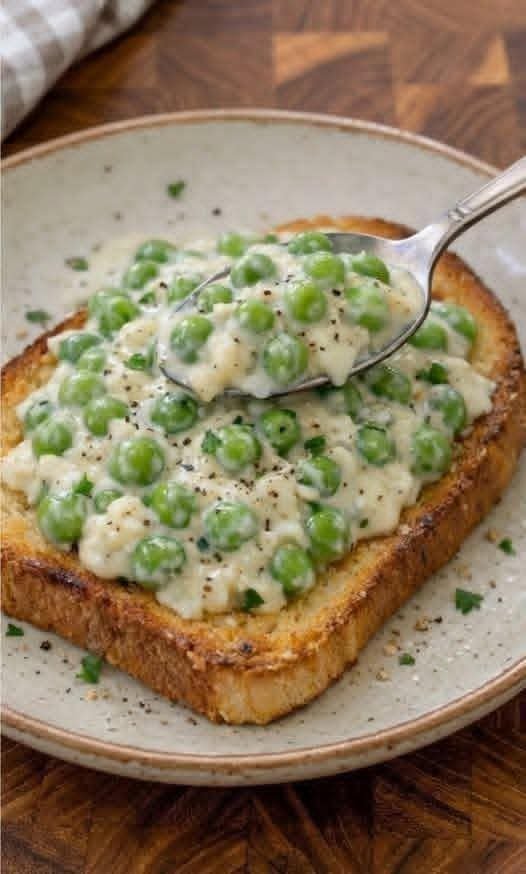
Creamed Peas served over crisp golden toast with creamy white sauce, green peas, black pepper, and fresh herbs

Creamed Peas on Toast

Creamed Peas are a classic comfort-food dish made with tender green peas in a smooth, lightly seasoned cream sauce served over crisp golden toast. This old-fashioned recipe is simple, budget-friendly, and perfect for breakfast, lunch, or a quick light dinner. Creamed Peas are especially useful when you want something warm and satisfying without spending much time in the kitchen.

The combination of buttery toast, sweet peas, and creamy white sauce gives this dish a nostalgic homemade flavor. You only need a few basic ingredients, and the entire recipe comes together in about 25 minutes.

Prep Time: 10 minutes
Cook Time: 15 minutes
Total Time: About 25 minutes
Servings: 4

Ingredients

For the Creamed Peas

  • 3 cups frozen green peas
  • 3 tablespoons unsalted butter
  • 3 tablespoons all-purpose flour
  • 2 cups whole milk
  • 1/4 cup heavy cream
  • 1/2 teaspoon salt
  • 1/4 teaspoon black pepper
  • 1/4 teaspoon garlic powder
  • 1/8 teaspoon onion powder
  • Pinch of ground nutmeg, optional
  • 1 teaspoon lemon juice, optional

For the Toast

  • 8 slices sturdy sandwich bread, sourdough, or country bread
  • 2 tablespoons butter, softened
  • Chopped parsley or chives for garnish
  • Extra black pepper for serving

Why You’ll Love This Recipe

Creamed Peas are quick, comforting, and made with ingredients that are easy to keep on hand. Frozen peas work beautifully, which means there is no need to wait for fresh peas to be in season.

Another reason to love Creamed Peas is their versatility. You can keep the sauce simple, add herbs, include cooked chicken or ham, or serve the mixture over biscuits, baked potatoes, or rice instead of toast.

The recipe is also easy to adjust. Use more milk for a thinner sauce or let it cook a little longer if you prefer a thicker, richer consistency.

How to Make Creamed Peas

Step 1: Prepare the Peas

Bring a small saucepan of lightly salted water to a gentle boil.

Add the frozen peas and cook for about 2 to 3 minutes, just until heated through and bright green.

Drain well and set aside.

Avoid overcooking because the peas will warm again in the cream sauce.

Step 2: Toast the Bread

While the peas cook, toast the bread until golden and crisp.

Spread each slice lightly with softened butter.

For extra flavor, you can toast the bread in a skillet with butter instead of using a toaster.

Step 3: Melt the Butter

Place a medium saucepan or deep skillet over medium heat.

Add 3 tablespoons butter and let it melt completely.

Step 4: Make the Roux

Sprinkle the flour over the melted butter.

Whisk constantly for about 1 minute.

The mixture should become smooth and slightly bubbly without turning brown.

This roux is what gives Creamed Peas their thick, velvety sauce.

Step 5: Add the Milk

Slowly pour in the milk while whisking continuously.

Adding it gradually helps prevent lumps.

Continue whisking until the mixture is smooth.

Step 6: Thicken the Sauce

Cook the sauce over medium heat for 4 to 5 minutes, stirring frequently.

It should gradually thicken enough to coat the back of a spoon.

Do not let it boil aggressively.

Step 7: Add the Cream and Seasonings

Stir in the heavy cream, salt, black pepper, garlic powder, onion powder, and optional nutmeg.

Simmer gently for another minute.

At this stage, the sauce for Creamed Peas should be smooth, creamy, and well seasoned.

Step 8: Add the Peas

Fold the cooked peas into the cream sauce.

Stir gently so the peas stay whole.

Cook for 2 to 3 minutes, until everything is hot.

Step 9: Adjust the Consistency

If the sauce is too thick, add a small splash of milk.

If it is too thin, continue simmering for another minute or two.

Step 10: Add a Bright Finish

Stir in the optional lemon juice just before removing the pan from the heat.

The small amount of acidity helps balance the richness of the sauce.

Step 11: Assemble the Toast

Place two slices of toast on each serving plate.

Spoon a generous portion of Creamed Peas over the toast.

Let some of the sauce soak into the bread while keeping the edges crisp.

Step 12: Garnish and Serve

Sprinkle with chopped parsley or chives and a little extra black pepper.

Serve immediately while the toast is warm.

Serving Suggestions

This dish is filling enough for a simple breakfast or lunch, but it can also be served as part of a larger meal.

Pair Creamed Peas with scrambled eggs, fried eggs, roasted tomatoes, breakfast potatoes, or turkey sausage for a hearty morning plate.

For lunch or dinner, serve them with grilled chicken, baked ham, roasted vegetables, or a fresh green salad.

You can also spoon the creamy pea mixture over biscuits, mashed potatoes, rice, or baked potatoes when you want a change from toast.

For another creamy seafood dish, try our Baked Shrimp Parmesan Alfredo Seafood Cups with tender shrimp, rich Alfredo sauce, Parmesan, mozzarella, and crisp golden shells.

Recipe Tips

Use frozen peas rather than canned peas if possible. Frozen peas usually have a brighter color, fresher flavor, and firmer texture.

Do not overcook the peas before adding them to the sauce.

Whisk continuously while adding the milk so the sauce stays smooth and lump-free.

Use whole milk for the creamiest texture, although 2% milk can also work.

For richer Creamed Peas, add a little extra cream or a spoonful of cream cheese.

Toast the bread until it is crisp enough to hold the sauce without becoming soggy immediately.

Season gradually, especially with salt, because butter and bread can already contain sodium.

Easy Variations

This recipe can be customized in several easy ways.

For a ham version, stir in 1 cup of diced cooked ham before serving.

For extra protein, add shredded cooked chicken or turkey.

You can make Creamed Peas with pearl onions for a traditional holiday-style variation. Cook the onions until tender and stir them into the sauce with the peas.

For a cheesy version, add 1/2 cup shredded cheddar or Parmesan after the sauce thickens.

Fresh dill, parsley, chives, or thyme can also be added for more herb flavor.

For a slightly sweeter version, add a small pinch of sugar to highlight the natural sweetness of the peas.

You may also enjoy our Slow Cooker Cabbage and Ground Beef Stew for a hearty, comforting meal with tender cabbage, seasoned beef, potatoes, carrots, tomatoes, and savory broth.

Make-Ahead Instructions

The creamy pea mixture can be prepared up to 2 days ahead.

Let it cool completely, transfer it to an airtight container, and refrigerate.

When ready to serve, reheat gently in a saucepan over low heat.

Add a splash of milk because the sauce will usually thicken in the refrigerator.

Toast the bread fresh just before serving so it stays crisp.

Storage and Reheating

Store leftover Creamed Peas in an airtight container in the refrigerator for up to 3 days.

Keep the toast separate from the sauce to prevent it from becoming soggy.

Reheat the pea mixture in a saucepan over low heat, stirring frequently.

Add a tablespoon or two of milk if needed to loosen the sauce.

Individual portions can also be microwaved in short intervals, stirring between each interval.

Freezing is not ideal because dairy-based sauces can separate after thawing.

Nutrition Information

Approximate nutrition per serving, including toast:

Calories: 420
Protein: 14 g
Carbohydrates: 56 g
Fat: 17 g
Saturated Fat: 9 g
Fiber: 8 g
Sugar: 13 g
Sodium: 520 mg

Nutrition values are estimates and may vary depending on the bread, milk, cream, butter, and serving size.

Frequently Asked Questions

Can I use canned peas?

Yes, but drain them well and add them only near the end because they are already soft.

Can I use fresh peas?

Yes. Cook fresh peas until tender before adding them to the sauce.

Can I make Creamed Peas without heavy cream?

Yes. Use additional milk instead. The sauce will be slightly lighter but still creamy.

Can I use gluten-free bread?

Yes. Choose your favorite gluten-free bread and use a gluten-free all-purpose flour blend for the sauce if needed.

Why is my sauce lumpy?

The milk may have been added too quickly. Whisking constantly and adding the milk gradually usually prevents lumps.

Can I add cheese?

Yes. Cheddar, Parmesan, Gruyère, or Monterey Jack can be stirred into the hot sauce.

Can I make this recipe ahead?

Yes. Make the pea mixture ahead, refrigerate it, and prepare fresh toast when ready to serve.

Final Thoughts

Creamed Peas are a simple reminder that a few everyday ingredients can create a warm and satisfying meal.

Because Creamed Peas combine sweet green peas, buttery white sauce, and crisp toast, the dish has a pleasant balance of creamy and crunchy textures.

Keep this Creamed Peas recipe handy for busy mornings, easy lunches, quick dinners, or days when you want an old-fashioned comfort food.

With tender peas, a smooth sauce, crisp bread, and gentle seasoning, Creamed Peas are easy to prepare, economical, and comforting enough to become a regular part of your meal rotation.

Slow Cooker Cabbage and Ground Beef Stew

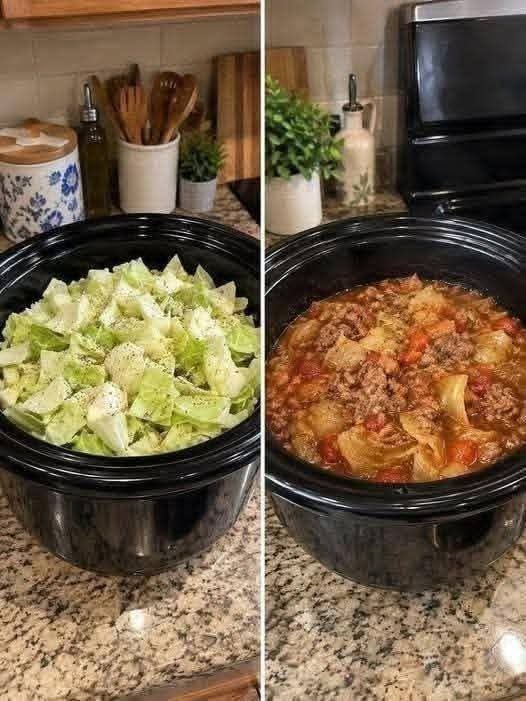
Cabbage Beef Stew with ground beef, tender cabbage, potatoes, carrots, tomatoes, and savory broth

Slow Cooker Cabbage and Ground Beef Stew

Cabbage Beef Stew is a cozy slow cooker meal made with ground beef, tender cabbage, tomatoes, potatoes, carrots, onion, garlic, and savory herbs. It is hearty enough for dinner, simple enough for busy weekdays, and perfect when you want a warm one-pot meal with minimal effort. Cabbage Beef Stew develops deep flavor as it cooks slowly, allowing the vegetables to soften while the beef and tomato broth become rich and comforting.

Prep Time: 20 minutes
Cook Time: 6 to 7 hours on LOW or 3 to 4 hours on HIGH
Total Time: About 6 hours 30 minutes
Servings: 6 to 8

Ingredients

For the Ground Beef

  • 1 1/2 pounds lean ground beef
  • 1 tablespoon olive oil
  • 1 medium yellow onion, diced
  • 3 garlic cloves, minced
  • 1 teaspoon salt
  • 1/2 teaspoon black pepper

Ingredients For the Stew

  • 1 small green cabbage, cored and chopped
  • 3 medium potatoes, peeled and cut into 1-inch cubes
  • 2 medium carrots, sliced
  • 2 celery stalks, sliced
  • 1 can (14.5 ounces) diced tomatoes
  • 1 can (15 ounces) tomato sauce
  • 3 cups low-sodium beef broth
  • 1 tablespoon tomato paste
  • 1 teaspoon smoked paprika
  • 1 teaspoon dried Italian seasoning
  • 1/2 teaspoon dried thyme
  • 1/2 teaspoon onion powder
  • 1/4 teaspoon red pepper flakes, optional
  • 1 tablespoon Worcestershire sauce

For Finishing

  • 1 tablespoon chopped fresh parsley
  • Salt and black pepper to taste
  • Extra broth if needed

Why You’ll Love This Recipe

Cabbage Beef Stew is a practical recipe because it uses inexpensive, everyday ingredients and turns them into a filling family meal. The slow cooker does most of the work, so you can prepare everything earlier in the day and return to a hot dinner.

Another reason to love this recipe is its flexibility. You can add more vegetables, adjust the seasoning, or change the potatoes depending on what you already have at home.

How to Make Cabbage Beef Stew

Step 1: Brown the Ground Beef

Heat a large skillet over medium-high heat.

Add the olive oil and ground beef. Break the beef into small crumbles with a wooden spoon or spatula.

Cook for 6 to 8 minutes, or until the beef is browned and no pink remains.

Drain excess grease if necessary.

Step 2: Add Onion and Garlic

Add the diced onion to the skillet with the beef.

Cook for 3 to 4 minutes until the onion begins to soften.

Stir in the garlic and cook for another 30 seconds.

Season with salt and black pepper.

Browning the beef before slow cooking gives Cabbage Beef Stew a deeper flavor and helps prevent excess grease in the finished dish.

Step 3: Prepare the Vegetables

Core the cabbage and cut it into bite-sized pieces.

Peel and cube the potatoes, slice the carrots, and chop the celery.

Step 4: Layer the Slow Cooker

Add the potatoes, carrots, celery, and half of the cabbage to the slow cooker.

Spoon the browned beef and onion mixture over the vegetables.

Add the remaining cabbage on top.

Step 5: Add Tomatoes and Broth

Pour in the diced tomatoes, tomato sauce, and beef broth.

Add the tomato paste, Worcestershire sauce, smoked paprika, Italian seasoning, thyme, onion powder, and red pepper flakes if using.

Step 6: Stir Gently

Use a large spoon to gently combine the ingredients.

The slow cooker may look very full at first, but the cabbage will shrink considerably as it cooks.

Cabbage Beef Stew should have enough liquid to cook the vegetables, but the cabbage does not need to be completely submerged.

Step 7: Slow Cook

Cover and cook on LOW for 6 to 7 hours or on HIGH for 3 to 4 hours.

Avoid opening the lid often because each time you remove it, heat escapes and cooking slows down.

Step 8: Check the Vegetables

Near the end of the cooking time, test the potatoes and carrots with a fork.

They should be tender but not falling apart.

Stir the stew carefully to redistribute the cabbage and beef.

Step 9: Adjust the Consistency

If Cabbage Beef Stew is thicker than you prefer, add 1/2 cup extra beef broth.

If it seems too thin, remove the lid and cook on HIGH for 15 to 20 minutes so some liquid can evaporate.

Step 10: Taste and Season

Taste the broth and adjust the salt, black pepper, paprika, or Worcestershire sauce.

A small splash of vinegar can also brighten the flavor if desired.

Step 11: Add Fresh Parsley

Stir in the chopped parsley just before serving.

Step 12: Serve

Ladle Cabbage Beef Stew into bowls and serve hot.

Serving Suggestions

Cabbage Beef Stew is filling enough to serve as a complete meal.

Pair it with crusty bread, dinner rolls, cornbread, or garlic toast for soaking up the tomato-rich broth.

You can also serve Cabbage Beef Stew with a simple green salad, roasted green beans, or steamed vegetables.

For another comforting cabbage dish, try our Bacon Fried Cabbage with crispy bacon, tender cabbage, onion, garlic, and savory seasonings.

Recipe Tips

Use lean ground beef to keep the broth from becoming overly greasy.

Browning the meat before adding it to the slow cooker improves both texture and flavor.

Cut the vegetables into similar-sized pieces for even cooking.

Do not chop the cabbage too finely because larger pieces hold their shape better during long cooking.

For the best Cabbage Beef Stew texture, place potatoes and carrots near the bottom of the slow cooker where they receive more direct heat.

Do not overfill your slow cooker. Leave a little space at the top so heat can circulate properly.

Easy Variations

Cabbage Beef Stew can be adjusted to suit different tastes.

For a smoky variation, add sliced kielbasa or smoked sausage along with the ground beef.

For extra vegetables, add green beans, zucchini, bell peppers, mushrooms, or corn.

You can make it slightly spicy by increasing the red pepper flakes or adding a dash of hot sauce.

For a lower-carb version, omit the potatoes and add extra cabbage, celery, or cauliflower.

Ground turkey or ground chicken can replace the beef if you prefer a lighter protein.

You may also enjoy our Creamy Garlic Shrimp Spinach Skillet for a rich seafood dinner with tender shrimp, fresh spinach, garlic, Parmesan, cream, and lemon.

Make-Ahead Instructions

This recipe works well for meal preparation.

Brown the beef and chop all the vegetables the night before.

In the morning, transfer everything to the slow cooker, add the remaining ingredients, and begin cooking.

Cabbage Beef Stew can also be fully cooked a day ahead because the flavor becomes even more developed after resting overnight.

Storage and Reheating

Store leftover Cabbage Beef Stew in an airtight container in the refrigerator for up to 4 days.

Reheat individual portions in the microwave or warm a larger amount in a saucepan over medium-low heat.

Add a splash of broth or water if the stew thickens during storage.

This recipe also freezes well. Cool completely, transfer to freezer-safe containers, and freeze for up to 3 months.

Thaw overnight in the refrigerator before reheating.

Nutrition Information

Approximate nutrition per serving:

Calories: 390
Protein: 27 g
Carbohydrates: 38 g
Fat: 15 g
Saturated Fat: 5 g
Fiber: 7 g
Sugar: 10 g
Sodium: 720 mg

Nutrition values are estimates and may vary depending on the beef, broth, vegetables, and serving size.

Frequently Asked Questions

Can I put raw ground beef directly in the slow cooker?

You can, but browning it first gives better flavor and allows you to drain excess grease.

Can I use red cabbage?

Yes, although it will change the color of the broth and may have a slightly different flavor.

Can I make Cabbage Beef Stew without potatoes?

Yes. Leave them out or replace them with cauliflower, turnips, or additional carrots.

Can I use canned potatoes?

Yes, but add them during the final hour because they are already cooked and can become too soft.

Can I add beans?

Yes. Kidney beans, white beans, or pinto beans can be added during the final hour of cooking.

Why is my cabbage still firm?

It may need more time, especially if it was cut into very large pieces. Stir it into the hotter liquid and continue cooking.

Can I cook this overnight?

It is better to cook during the day and refrigerate promptly after cooling rather than leaving the finished stew sitting for many hours.

Final Thoughts

Cabbage Beef Stew is a dependable slow cooker dinner that turns simple ingredients into a warm and satisfying meal.

Because Cabbage Beef Stew combines savory ground beef, tender cabbage, potatoes, carrots, tomatoes, garlic, and herbs, it delivers plenty of flavor without requiring complicated preparation.

Keep this Cabbage Beef Stew recipe handy for cold evenings, busy weekdays, meal prep, or family dinners when you want something hearty and easy.

With tender vegetables, rich tomato broth, and seasoned beef in every bowl, Cabbage Beef Stew is a comforting one-pot meal that is simple to prepare and easy to enjoy.

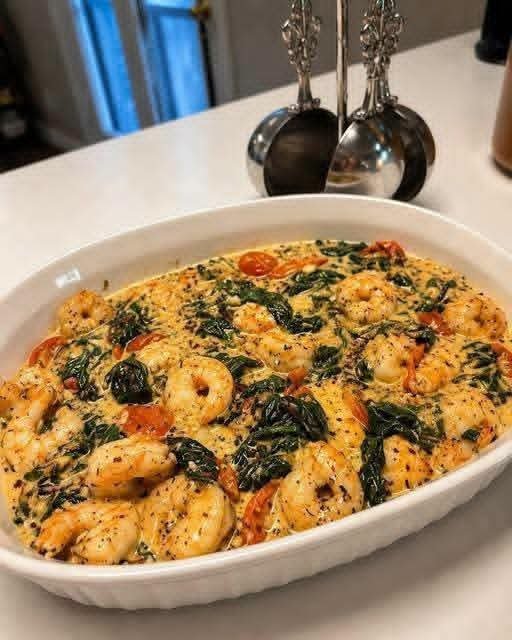
Creamy Garlic Shrimp Spinach Skillet Recipe

Garlic Shrimp Skillet with tender shrimp, creamy Parmesan sauce, fresh spinach, garlic, and lemon

Creamy Garlic Shrimp Spinach Skillet Recipe

Garlic Shrimp Skillet is a creamy, savory seafood dinner made with tender shrimp, fresh spinach, garlic, Parmesan, cream, and simple seasonings. It comes together in one pan, making it perfect for busy weeknights when you want something quick but still comforting. Garlic Shrimp Skillet has a rich sauce, bright garlic flavor, and tender spinach that blends beautifully with the shrimp.

Prep Time: 15 minutes
Cook Time: 20 minutes
Total Time: About 35 minutes
Servings: 4

Ingredients

For the Shrimp

  • 1 1/2 pounds large shrimp, peeled and deveined
  • 1 tablespoon olive oil
  • 1 tablespoon unsalted butter
  • 1/2 teaspoon paprika
  • 1/2 teaspoon salt
  • 1/4 teaspoon black pepper
  • 1/4 teaspoon red pepper flakes, optional

Ingredients For the Creamy Garlic Spinach Sauce

  • 1 tablespoon unsalted butter
  • 5 garlic cloves, minced
  • 1 cup heavy cream
  • 1/2 cup low-sodium chicken broth
  • 3/4 cup freshly grated Parmesan cheese
  • 4 cups fresh baby spinach
  • 1 teaspoon Italian seasoning
  • 1 teaspoon lemon juice
  • 1/2 teaspoon lemon zest
  • 1/4 teaspoon black pepper
  • Salt to taste

For Garnish

  • Chopped fresh parsley
  • Extra Parmesan
  • Lemon wedges
  • Red pepper flakes, optional

Why You’ll Love This Recipe

Garlic Shrimp Skillet is fast, flavorful, and made with simple ingredients. The shrimp cook in just a few minutes, while the creamy garlic sauce comes together in the same pan.

Another reason to love Garlic Shrimp Skillet is the balance of textures and flavors. The shrimp stay tender, the spinach softens into the sauce, and Parmesan adds a savory finish.

It is also versatile enough to serve with pasta, rice, mashed potatoes, vegetables, or crusty bread.

How to Make Garlic Shrimp Skillet

Step 1: Prepare the Shrimp

Pat the shrimp dry with paper towels. Season with paprika, salt, black pepper, and optional red pepper flakes.

Drying the shrimp helps them sear instead of steaming in the skillet.

Step 2: Heat the Pan

Place a large skillet over medium-high heat.

Add olive oil and 1 tablespoon butter. Let the butter melt and begin to foam.

Step 3: Cook the Shrimp

Add the shrimp in a single layer.

Cook for about 1 to 2 minutes per side, or until pink and lightly golden.

Do not overcook. Remove the shrimp from the skillet and set aside.

Step 4: Sauté the Garlic

Reduce the heat to medium.

Add the remaining tablespoon of butter and the minced garlic.

Cook for about 30 seconds, stirring constantly, until fragrant.

This step gives Garlic Shrimp Skillet its deep garlic flavor without letting the garlic burn.

Step 5: Add the Broth

Pour in the chicken broth and scrape the bottom of the skillet with a wooden spoon.

This loosens the flavorful browned bits left from the shrimp.

Simmer for about 2 minutes.

Step 6: Add the Cream

Pour in the heavy cream.

Add Italian seasoning, black pepper, and a small pinch of salt.

Bring the mixture to a gentle simmer and cook for 2 to 3 minutes.

Step 7: Add Parmesan

Reduce the heat to low.

Stir in the Parmesan a little at a time until melted and smooth.

The sauce for Garlic Shrimp Skillet should be creamy, glossy, and thick enough to coat the back of a spoon.

Step 8: Add the Spinach

Add the spinach in batches, stirring after each addition.

Cook for 2 to 3 minutes, until the spinach is wilted and evenly distributed through the sauce.

Step 9: Add Lemon

Stir in the lemon juice and lemon zest.

The lemon brightens the rich sauce without overpowering the garlic or Parmesan.

Step 10: Return the Shrimp

Return the cooked shrimp and any accumulated juices to the skillet.

Gently stir until the shrimp are coated in the sauce.

Cook for only 1 to 2 minutes more, just until heated through.

At this stage, Garlic Shrimp Skillet should be creamy and bubbling gently around the edges.

Step 11: Adjust the Sauce

If the sauce seems too thick, add a splash of broth or cream.

If it seems too thin, simmer for another minute on low heat.

Taste and adjust the salt, pepper, lemon, or red pepper flakes.

Step 12: Garnish and Serve

Remove the pan from the heat.

Sprinkle Garlic Shrimp Skillet with chopped parsley, extra Parmesan, and red pepper flakes if desired.

Serve immediately with lemon wedges.

Serving Suggestions

Garlic Shrimp Skillet is rich enough to serve over pasta, rice, or mashed potatoes.

For a lighter option, pair the creamy shrimp with cauliflower rice, roasted asparagus, zucchini noodles, broccoli, or a simple green salad.

Crusty bread is also excellent for soaking up the creamy sauce.

For a more complete dinner, serve it with roasted vegetables and a fresh tomato cucumber salad.

For another cozy comfort meal, try our Amish Snow Day Soup with tender vegetables, a creamy broth, and simple homestyle flavor.

Recipe Tips

Use large or jumbo shrimp because they are easier to sear without overcooking.

Pat the shrimp dry before seasoning.

Cook the shrimp in a single layer so they brown evenly.

Freshly grated Parmesan melts more smoothly than many pre-shredded varieties.

Keep the heat low when adding the cheese to prevent the sauce from becoming grainy.

For the best Garlic Shrimp Skillet texture, add the cooked shrimp back only at the end.

Do not boil the sauce after adding the Parmesan.

Add spinach in batches because it will wilt quickly and take up much less space.

Use fresh lemon juice for a brighter flavor.

Easy Variations

This recipe is easy to customize.

For a spicy version, increase the red pepper flakes or add a small spoonful of chili garlic sauce.

You can make Garlic Shrimp Skillet with mushrooms by sautéing sliced mushrooms before adding the garlic.

For extra vegetables, add sun-dried tomatoes, asparagus, zucchini, or roasted red peppers.

A Tuscan-style version can include sun-dried tomatoes and a little extra Italian seasoning.

For a lighter sauce, replace part of the heavy cream with half-and-half, keeping the heat gentle to reduce the chance of curdling.

You can also add cooked pasta directly to the skillet and toss everything together before serving.

You may also enjoy our Sticky Cinnamon Pull-Apart Bread for a soft, gooey homemade treat filled with warm cinnamon flavor and a sweet sticky finish.

Make-Ahead Instructions

This dish is best fresh, but several components can be prepared in advance.

Peel and devein the shrimp, mince the garlic, grate the Parmesan, and wash the spinach up to one day ahead.

Store each component separately in the refrigerator.

You can also measure the seasonings and broth in advance.

For the best Garlic Shrimp Skillet texture, cook the shrimp and sauce shortly before serving.

Storage and Reheating

Store leftover Garlic Shrimp Skillet in an airtight container in the refrigerator for up to 2 days.

Reheat gently in a skillet over low heat.

Add a splash of broth, cream, or milk if the sauce has thickened in the refrigerator.

Avoid high heat because shrimp can become rubbery and creamy sauces can separate.

Microwave individual portions in short intervals, stirring between each interval.

Freezing is not recommended because the cream sauce may separate after thawing.

Nutrition Information

Approximate nutrition per serving:

Calories: 470
Protein: 39 g
Carbohydrates: 8 g
Fat: 31 g
Saturated Fat: 17 g
Fiber: 2 g
Sugar: 2 g
Sodium: 820 mg

Nutrition values are estimates and may vary depending on the shrimp, cream, Parmesan, broth, and portion size.

Frequently Asked Questions

Can I use frozen shrimp?

Yes. Thaw the shrimp completely, drain well, and pat dry before seasoning and cooking.

Can I use cooked shrimp?

Yes, but add fully cooked shrimp only at the end and heat briefly so they do not become tough.

Can I use half-and-half instead of heavy cream?

Yes. The sauce will be lighter and slightly thinner. Keep the heat low to reduce the risk of splitting.

Can I make Garlic Shrimp Skillet without Parmesan?

Yes, although Parmesan adds flavor and helps thicken the sauce. You can use another hard cheese such as Pecorino Romano, keeping in mind it may be saltier.

Can I add pasta?

Yes. Cook pasta separately, reserve some pasta water, and toss the pasta into the skillet before serving.

Can I add more vegetables?

Yes. Mushrooms, asparagus, zucchini, sun-dried tomatoes, or broccoli all work well.

Why did my cream sauce separate?

The heat may have been too high, especially after adding the cheese. Keep the sauce at a gentle simmer and avoid boiling.

Final Thoughts

Garlic Shrimp Skillet is an easy way to turn shrimp, spinach, garlic, cream, and Parmesan into a satisfying one-pan dinner.

Because Garlic Shrimp Skillet combines tender seafood, fresh spinach, bright lemon, garlic, and a creamy Parmesan sauce, it works for both busy weeknights and relaxed weekend meals.

Keep this Garlic Shrimp Skillet recipe handy when you want a quick seafood dinner that feels comforting without requiring complicated preparation.

With its creamy sauce, tender shrimp, wilted spinach, and plenty of garlic flavor, Garlic Shrimp Skillet is a dependable skillet meal that pairs well with pasta, rice, vegetables, or crusty bread.

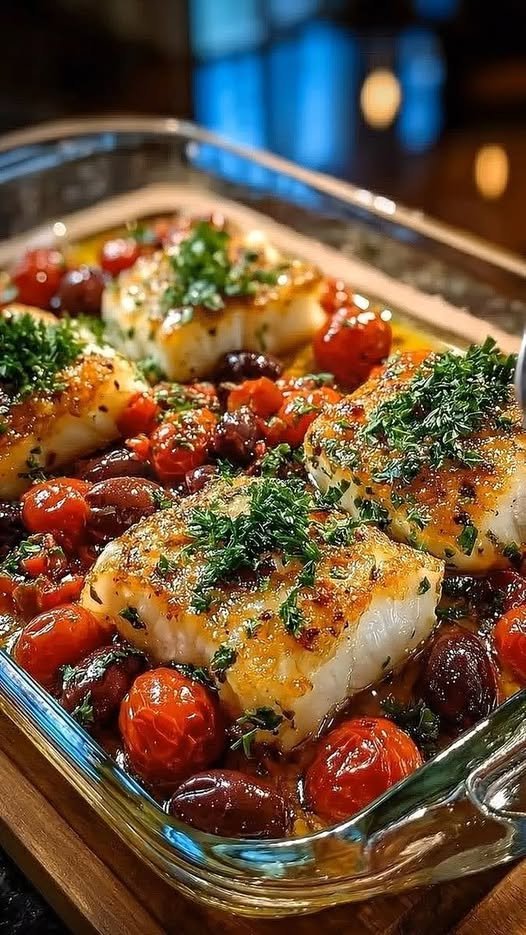
Baked Fish with Tomatoes and Olives

Baked Fish with Tomatoes and Olives

A Healthy Mediterranean Fish Recipe with Garlic, Lemon, and Fresh Herbs

Baked Fish with Tomatoes and Olives is a flavorful Mediterranean-inspired dish that combines tender, flaky fish with juicy tomatoes, briny olives, fresh garlic, lemon, and aromatic herbs. Everything bakes together in one dish, allowing the fish to absorb the delicious juices from the vegetables, olive oil, and seasonings.

This recipe is perfect for a healthy weeknight dinner, a relaxed family meal, or an elegant dinner for guests. It uses simple ingredients, requires minimal preparation, and creates a beautiful dish without complicated cooking techniques. Serve it with roasted potatoes, steamed vegetables, couscous, or crusty bread to soak up the delicious tomato and olive sauce.

Recipe Overview

  • Preparation Time: 15 minutes
  • Cooking Time: 20–25 minutes
  • Total Time: Approximately 40 minutes
  • Servings: 4
  • Cuisine: Mediterranean
  • Course: Lunch or dinner
  • Cooking Method: Oven-baked
  • Difficulty: Easy

Ingredients

For the Fish

  • 4 white fish fillets, approximately 5–6 ounces each
  • 2 tablespoons extra-virgin olive oil
  • 3 garlic cloves, minced
  • 1 tablespoon fresh lemon juice
  • 1 teaspoon lemon zest
  • 1 teaspoon dried oregano
  • 1/2 teaspoon smoked paprika
  • 1/2 teaspoon salt, or to taste
  • 1/4 teaspoon freshly ground black pepper
  • 1/2 teaspoon dried thyme, optional

Cod, haddock, halibut, or sea bass are excellent choices. Select fillets of similar thickness so they cook evenly.

For the Tomato and Olive Topping

  • 2 cups cherry tomatoes, halved
  • 1 cup mixed olives, pitted and halved
  • 1 small red onion, thinly sliced
  • 1 medium red bell pepper, thinly sliced
  • 2 tablespoons extra-virgin olive oil
  • 1 tablespoon fresh lemon juice
  • 1 tablespoon capers, optional
  • 1 teaspoon dried oregano
  • 1/4 teaspoon red pepper flakes, optional
  • 2 tablespoons chopped fresh parsley
  • 1 tablespoon chopped fresh basil
  • Lemon wedges, for serving

Optional Additions

  • 1/4 cup crumbled feta cheese
  • 1 tablespoon chopped fresh dill
  • 1/2 teaspoon ground cumin
  • 1/4 cup dry white wine or vegetable broth
  • A handful of baby spinach

These additions are optional and can be adjusted to suit your taste.

Instructions

Step 1: Preheat the Oven

Preheat your oven to 400°F (200°C). Lightly grease a medium baking dish with olive oil or use a shallow oven-safe casserole dish.

A dish large enough to hold the fish in a single layer is ideal. Avoid stacking the fillets because this can cause uneven cooking and make the fish release excess moisture.

Step 2: Prepare the Fish

Pat the fish fillets dry using paper towels. Removing excess moisture helps the seasonings adhere and allows the fish to bake without becoming unnecessarily watery.

Check the fillets for any remaining bones and remove them carefully. Place the fish in the prepared baking dish, leaving a little space between each piece.

In a small bowl, combine two tablespoons of olive oil, minced garlic, lemon juice, lemon zest, dried oregano, smoked paprika, salt, black pepper, and thyme.

Brush this mixture evenly over both sides of the fish where practical. Let the seasoned fish rest for approximately five minutes while you prepare the vegetables.

Step 3: Prepare the Tomatoes and Olives

Wash the cherry tomatoes and cut them in half. Slice the red onion thinly, and cut the bell pepper into narrow strips.

Place the tomatoes, olives, red onion, and bell pepper in a large bowl. Add two tablespoons of olive oil, one tablespoon of lemon juice, oregano, and red pepper flakes if using.

Toss gently until the vegetables are evenly coated. Stir in the capers if you enjoy their tangy, salty flavor.

The combination of sweet tomatoes, savory olives, and aromatic onion creates a rich Mediterranean flavor without requiring a heavy sauce.

Step 4: Arrange the Vegetables Around the Fish

Spread the tomato and olive mixture around and over the fish fillets. Distribute the vegetables evenly so their juices can mingle with the lemon-garlic seasoning.

If desired, pour a little vegetable broth or dry white wine into the bottom of the baking dish. This adds moisture and creates extra flavorful juices for serving.

Avoid adding too much liquid, as the tomatoes will release their own juices during baking.

Step 5: Bake the Fish

Place the baking dish in the preheated oven and bake for approximately 15–25 minutes, depending on the thickness and type of fish.

Thin fillets may finish sooner, while thicker pieces can require additional time. Begin checking the fish after about 15 minutes.

The fish is ready when it becomes opaque and flakes easily with a fork. For food safety, the thickest part should reach 145°F (63°C), measured with a food thermometer.

Avoid overcooking, as fish can quickly become dry. If your fillets are particularly thin, check them early.

Step 6: Add Fresh Herbs

Remove the dish from the oven and allow it to rest for two to three minutes.

Sprinkle the chopped parsley and fresh basil over the fish and vegetables. Add crumbled feta cheese if desired, allowing the residual heat to soften it slightly.

Fresh herbs brighten the flavor and complement the richness of the olive oil and the saltiness of the olives.

Step 7: Serve and Enjoy

Transfer each fish fillet to a plate and spoon the roasted tomatoes, olives, onions, and pan juices over the top.

Serve with fresh lemon wedges so everyone can add extra citrus to taste. Pair the fish with roasted potatoes, brown rice, couscous, steamed green beans, or a crisp cucumber salad.

For a low-carbohydrate meal, serve it with cauliflower rice, roasted zucchini, or sautéed spinach.

Tips for the Best Baked Fish with Tomatoes and Olives

Choose the right fish: Firm white fish such as cod, haddock, and halibut work especially well. Salmon is another option if you prefer a richer flavor, although its cooking time may differ.

Use ripe tomatoes: Sweet, ripe cherry tomatoes create a naturally flavorful sauce. If using larger tomatoes, cut them into bite-sized pieces.

Adjust the salt carefully: Olives and capers already contain salt. Taste the vegetable mixture before adding extra seasoning, especially if your olives are particularly salty.

Do not overcrowd the dish: Arrange the fish in a single layer to promote even cooking. Use two baking dishes if necessary.

Watch the cooking time: Fish thickness matters more than the exact number of minutes. Start checking early and remove the dish once the fish reaches a safe internal temperature.

Make it spicy: Add extra red pepper flakes or a small amount of finely chopped fresh chili for a gentle kick.

Add cheese at the end: Feta adds a creamy, tangy contrast. Adding it near the end helps preserve its texture and flavor.

Use quality olive oil: Extra-virgin olive oil adds fruity, peppery notes that complement the tomatoes, herbs, and olives.

Delicious Variations

1. Greek-Style Baked Fish

Add crumbled feta cheese, sliced Kalamata olives, oregano, and extra lemon juice. Serve with a traditional Greek salad and warm pita bread.

2. Mediterranean Fish with Spinach

Add two handfuls of baby spinach during the final five minutes of baking. The spinach will wilt into the tomato juices and provide extra color and nutrients.

3. Spicy Tomato and Olive Fish

Include red pepper flakes, a pinch of cayenne pepper, and a little smoked paprika. This version is ideal for anyone who enjoys bold, spicy flavors.

4. Fish with Artichokes and Olives

Add drained artichoke hearts to the vegetable mixture before baking. Their mild, tangy flavor pairs beautifully with tomatoes, garlic, and lemon.

5. One-Pan Fish with Potatoes

Add thinly sliced potatoes to the baking dish, season them with olive oil and oregano, and roast until nearly tender before adding the fish. This prevents the potatoes from remaining undercooked while the fish finishes baking.

What to Serve with Baked Fish

This recipe pairs well with a variety of side dishes:

  • Roasted baby potatoes: Crispy edges and fluffy centers complement the tender fish.
  • Lemon couscous: A light, fluffy side that absorbs the tomato juices.
  • Brown rice: A hearty whole-grain option for a satisfying dinner.
  • Steamed asparagus: Adds freshness and a pleasant tender-crisp texture.
  • Greek salad: Cucumber, tomatoes, red onion, and feta make a refreshing accompaniment.
  • Crusty whole-grain bread: Perfect for soaking up the garlic, olive oil, and tomato sauce.
  • Roasted zucchini: Keeps the meal light while adding another Mediterranean vegetable.

Storage and Reheating

Allow leftovers to cool and refrigerate them in an airtight container within two hours of cooking. Store at 40°F (4°C) or below and consume within three to four days.

To reheat, place the fish and vegetables in an oven-safe dish, cover loosely, and warm at 300°F (150°C) until heated through. Add a small splash of water or broth if the sauce appears dry.

You can also reheat individual portions in the microwave using short intervals at medium power. Take care not to overheat, as this can make the fish tough.

Freezing is possible, although the texture of the cooked fish and tomatoes may become softer after thawing. For the best quality, enjoy the dish freshly prepared or refrigerated.

Nutrition Information

The following values are estimates per serving, assuming four servings and excluding optional feta cheese and side dishes.

  • Calories: 300–360
  • Protein: 32–38 grams
  • Carbohydrates: 10–14 grams
  • Fat: 14–19 grams
  • Fiber: 3–5 grams
  • Sugar: 5–7 grams
  • Sodium: Varies considerably depending on the olives, capers, and added salt

Actual nutrition values depend on the type of fish, portion size, and ingredients used.

Health Benefits

Provides high-quality protein: Fish supplies protein that supports muscle maintenance and normal body functions.

Contains beneficial fats: Olive oil provides predominantly monounsaturated fats, which can be part of a heart-conscious eating pattern.

Offers vitamins and antioxidants: Tomatoes provide vitamin C and lycopene, while fresh herbs and bell peppers contribute additional plant compounds and nutrients.

Includes healthy vegetables: Tomatoes, onions, and peppers contribute fiber and a variety of vitamins and minerals.

Supports balanced meals: Pairing fish with vegetables and a suitable whole grain creates a balanced meal with protein, carbohydrates, fats, and fiber.

The nutritional benefits depend on the ingredients and the overall eating pattern. This recipe can fit many balanced diets, but individual dietary needs vary.

Frequently Asked Questions

Can I use frozen fish?

Yes. Thaw frozen fish completely in the refrigerator before cooking, then pat it dry. This helps prevent excess water from diluting the sauce.

Can I use canned tomatoes?

Yes. Use approximately one 14-ounce can of drained diced tomatoes if fresh tomatoes are unavailable. The finished sauce may be softer and slightly more concentrated.

How do I keep the fish from drying out?

Use fillets of similar thickness, check them early, and remove them from the oven when they reach 145°F (63°C). Avoid baking longer than necessary.

Can I prepare this dish ahead of time?

You can chop the vegetables and mix the seasonings several hours ahead. Refrigerate the prepared components separately, then assemble and bake shortly before serving for the best texture.

Are green or black olives better?

Both work well. Kalamata olives provide a rich, fruity flavor, while green olives offer a firmer texture and sharper taste. A mixture creates a more complex flavor.

Is this recipe suitable for a low-carb diet?

Yes. Fish, tomatoes, olives, and olive oil can fit a lower-carbohydrate eating plan. Choose low-carb side dishes such as roasted vegetables or cauliflower rice.

How can I tell when the fish is cooked?

The fish should appear opaque and separate into flakes when gently tested with a fork. A food thermometer is the most reliable way to confirm that the thickest part has reached 145°F (63°C).

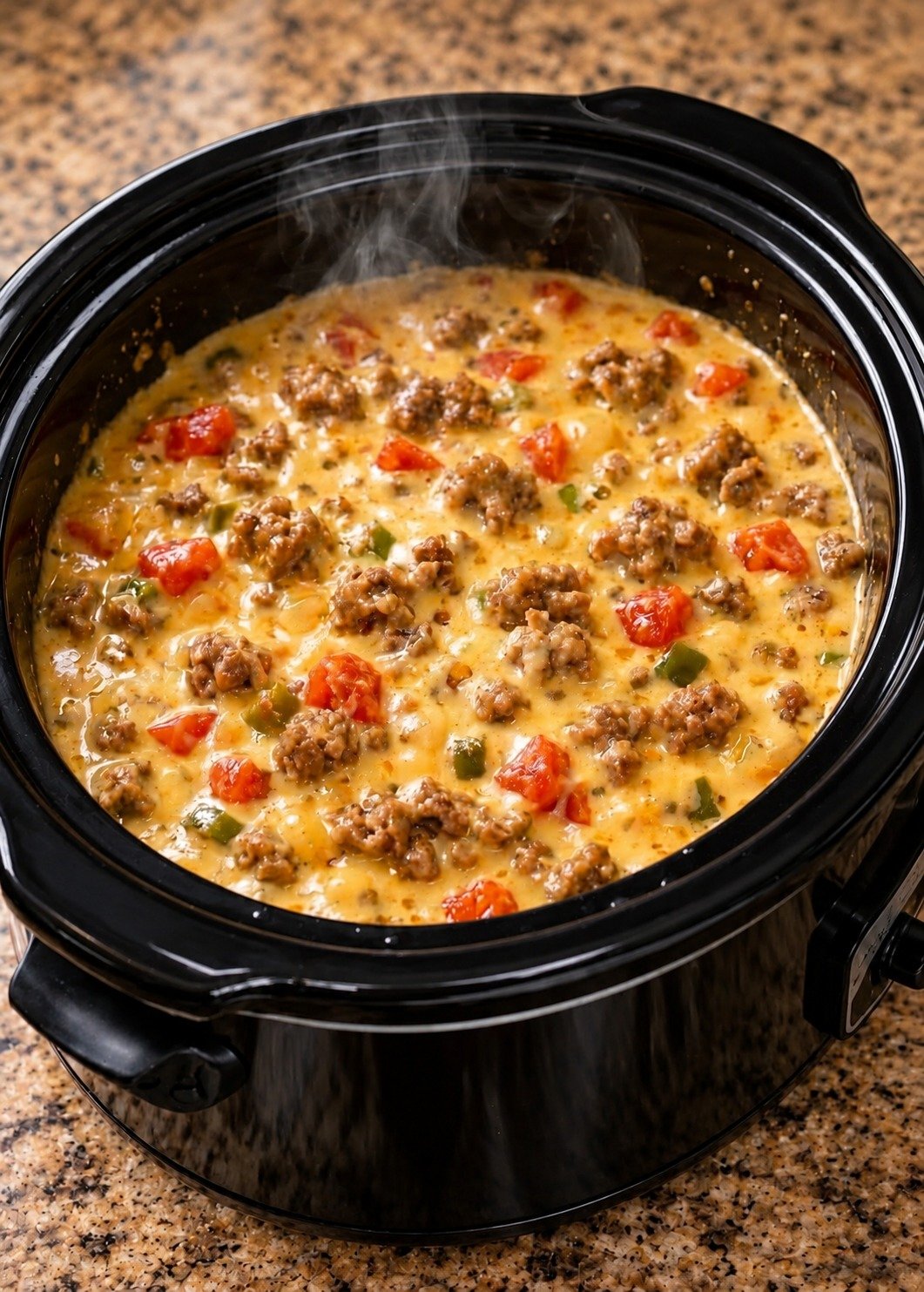
Slow Cooker Sausage Dip

Sausage Dip with creamy cheese, savory sausage, tomatoes, green onions, and tortilla chips

Slow Cooker Sausage Dip

Sausage Dip is a creamy, cheesy slow cooker appetizer made with savory sausage, cream cheese, tomatoes with green chiles, cheddar, and simple seasonings. It works for game day, holidays, potlucks, or family gatherings. Sausage Dip requires very little hands-on work, and the slow cooker keeps it warm and scoopable for serving.

The browned sausage, melted cheese, and tangy tomatoes create a hearty dip. Keep it mild or add jalapeños and hot sausage for more heat.

Prep Time: 15 minutes
Cook Time: 1 hour 30 minutes to 2 hours
Total Time: About 2 hours
Servings: 10 to 12

Ingredients

For the Dip

  • 1 pound ground breakfast sausage
  • 8 ounces cream cheese, softened and cubed
  • 1 can (10 ounces) diced tomatoes with green chiles, lightly drained
  • 1 cup shredded cheddar cheese
  • 1/2 cup shredded Monterey Jack cheese
  • 1/3 cup sour cream
  • 1/4 cup milk
  • 1 teaspoon garlic powder
  • 1/2 teaspoon onion powder
  • 1/2 teaspoon smoked paprika
  • 1/4 teaspoon black pepper
  • 1/4 teaspoon chili powder
  • 2 green onions, sliced

Optional Add-Ins

  • 1 small jalapeño, finely diced
  • 1/4 teaspoon cayenne pepper
  • 1/2 cup cooked crumbled bacon
  • 1/2 cup canned corn, drained
  • 1/2 cup black beans, rinsed and drained

For Serving

  • Tortilla chips
  • Crackers
  • Toasted baguette slices
  • Celery sticks
  • Bell pepper strips

Why You’ll Love This Recipe

Sausage Dip is easy to prepare because most of the cooking happens in the slow cooker. The only step that needs attention is browning the sausage before it goes into the crock.

Another reason to love Sausage Dip is its creamy texture. Cream cheese adds body, cheddar adds sharpness, and Monterey Jack melts smoothly.

It is also easy to customize with mild or hot sausage, vegetables, or different cheeses. The slow cooker keeps it warm for easy party serving.

How to Make Sausage Dip

Step 1: Brown the Sausage

Heat a large skillet over medium heat.

Add the sausage and cook for 7 to 9 minutes, breaking it into small crumbles with a wooden spoon or spatula.

Cook until there is no pink remaining.

Drain off excess grease so the finished dip does not become oily.

Step 2: Prepare the Slow Cooker

Lightly grease a 3- to 4-quart slow cooker to prevent sticking and make cleanup easier.

Step 3: Add the Main Ingredients

Transfer the cooked sausage to the slow cooker.

Add the cream cheese, tomatoes with green chiles, cheddar, Monterey Jack, sour cream, and milk.

Sprinkle in the garlic powder, onion powder, smoked paprika, black pepper, and chili powder.

Step 4: Begin Slow Cooking

Cover and cook on LOW for 1 hour.

Avoid using HIGH at the beginning because dairy-based dips can heat unevenly or become greasy if they get too hot too quickly.

Step 5: Stir the Dip

After 1 hour, remove the lid and stir thoroughly.

The cream cheese should be soft enough to blend into the other ingredients.

At this point, Sausage Dip will start becoming smooth and creamy.

Step 6: Continue Cooking

Cover again and cook on LOW for another 30 to 60 minutes.

Stir every 20 to 30 minutes if possible.

The dip is ready when the cheese has melted and the mixture is hot and scoopable.

Step 7: Adjust the Consistency

If the dip is too thick, stir in 1 tablespoon of milk at a time.

If too thin, leave the lid slightly open for 10 to 15 minutes.

Step 8: Add Fresh Flavor

Stir in sliced green onions just before serving.

If you are using jalapeños, cooked bacon, corn, or black beans, add them during the final 20 minutes of cooking.

Step 9: Keep Warm

Once Sausage Dip is fully melted and creamy, switch the slow cooker to the WARM setting.

Stir occasionally during serving, especially around the edges.

Step 10: Garnish and Serve

Top with extra cheddar, green onions, diced tomatoes, chopped cilantro, or sliced jalapeños if desired.

Serve immediately with tortilla chips, crackers, vegetables, or toasted bread.

Serving Suggestions

Sausage Dip is especially good with sturdy tortilla chips because they can hold plenty of the creamy mixture without breaking.

You can also serve Sausage Dip with pretzel crisps, buttery crackers, pita chips, toasted baguette slices, mini naan, celery sticks, cucumber rounds, or strips of red and yellow bell pepper.

For a larger party spread, serve it with sliders, wings, meatballs, nachos, and vegetables.

Use leftovers over baked potatoes, nachos, or scrambled eggs.

For a rich seafood dinner, try our Mediterranean Creamy Spinach & Shrimp Stuffed Salmon with tender salmon, creamy spinach, shrimp, garlic, and Mediterranean-inspired flavors.

Recipe Tips

Use good-quality sausage because it provides much of the flavor in the dip.

Drain the sausage well after browning. Excess grease can make the cheese mixture separate.

Cut the cream cheese into cubes before adding it to the slow cooker so it melts more evenly.

Freshly shredded cheese usually melts more smoothly than pre-shredded cheese.

For the smoothest Sausage Dip, cook on LOW and stir several times instead of trying to melt everything quickly on HIGH.

Do not leave the slow cooker uncovered for long periods because the surface can dry out.

If the dip thickens while sitting on the WARM setting, stir in a splash of milk.

Taste before adding extra salt because sausage, cheddar, and canned tomatoes can already be salty.

Easy Variations

Sausage Dip can be made mild, spicy, smoky, or extra cheesy depending on your preference.

For more heat, use hot breakfast sausage and add diced jalapeños or cayenne pepper.

For a smoky version, add cooked bacon and a little extra smoked paprika.

You can make Sausage Dip with spicy Italian sausage if you prefer a stronger herb flavor.

For a Tex-Mex version, add black beans, corn, taco seasoning, and cilantro.

Pepper Jack can replace Monterey Jack if you want more spice.

For a lighter variation, use reduced-fat cream cheese and replace some sour cream with plain Greek yogurt.

You may also enjoy our Mongolian Ground Beef Noodles for a quick weeknight meal with savory beef, tender noodles, garlic, ginger, and a glossy sweet-and-savory sauce.

Make-Ahead Instructions

This is a convenient make-ahead appetizer.

Brown the sausage up to 2 days in advance and store it in an airtight container in the refrigerator.

Measure the spices, shred the cheese, and slice the green onions ahead.

When you are ready to cook, place everything in the slow cooker and follow the recipe as written.

For best texture, cook it close to serving time.

Storage and Reheating

Store leftover Sausage Dip in an airtight container in the refrigerator for up to 3 days.

To reheat a larger amount, return it to the slow cooker and warm on LOW until hot, stirring occasionally.

For individual portions, microwave in 20- to 30-second intervals and stir between each interval.

Add a small splash of milk if the dip becomes too thick after refrigeration.

Freezing is not recommended because cream cheese and sour cream can separate and become grainy after thawing.

Nutrition Information

Approximate nutrition per serving:

Calories: 290
Protein: 14 g
Carbohydrates: 5 g
Fat: 24 g
Saturated Fat: 11 g
Fiber: 1 g
Sugar: 3 g
Sodium: 650 mg

Nutrition values are estimates and may vary depending on the sausage, cheeses, tomatoes, add-ins, and serving size.

Frequently Asked Questions

Can I use Italian sausage?

Yes. Mild or spicy Italian sausage works well, although the herb flavor will be different from breakfast sausage.

Can I use Velveeta?

Yes. You can replace part of the cheddar and Monterey Jack with processed cheese for an especially smooth texture.

Do I have to drain the tomatoes?

Lightly draining them is best. Leaving a small amount of liquid helps the dip stay creamy, but too much can make it watery.

Can I make Sausage Dip spicy?

Yes. Use hot sausage, jalapeños, cayenne, Pepper Jack, or hot sauce.

Can I double the recipe?

Yes. Use a larger slow cooker and allow additional heating time. Stir well so the center heats evenly.

How long can it stay on warm?

For serving, keep it on WARM and stir occasionally. For food safety and best texture, avoid leaving it out for extended periods beyond your gathering.

Can I make this without sour cream?

Yes. Replace it with plain Greek yogurt or add a little extra cream cheese and milk.

Final Thoughts

Sausage Dip is one of those simple slow cooker appetizers that delivers plenty of flavor without requiring complicated preparation.

Because Sausage Dip combines savory sausage, creamy cheese, tomatoes, garlic, and warm spices, it works equally well for game day, holiday parties, potlucks, and relaxed family gatherings.

Keep this Sausage Dip recipe handy when you need a hot appetizer that can stay warm and ready to serve while everyone enjoys the party.

With its creamy texture, cheesy flavor, and easy slow cooker preparation, Sausage Dip is a dependable crowd-pleaser that pairs with everything from tortilla chips and crackers to vegetables and toasted bread.