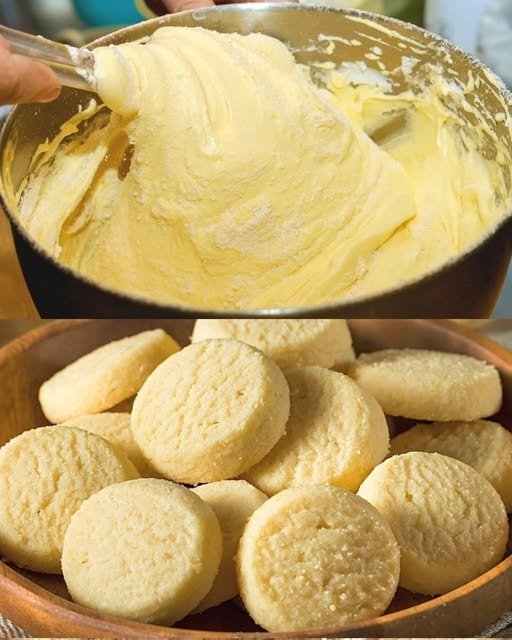
Melt-in-Your-Mouth Butter Cookies

Butter Cookies with a soft melt-in-your-mouth texture, light golden edges, and classic buttery flavor

Melt-in-Your-Mouth Butter Cookies

Butter Cookies are soft, rich, and delicately crisp around the edges, with a tender texture that almost melts as soon as you take a bite. Made with butter, sugar, flour, vanilla, and a few simple pantry ingredients, these classic cookies are easy enough for everyday baking but elegant enough for holidays, tea trays, cookie boxes, and homemade gifts. They are loved for buttery flavor and simple preparation.

This recipe creates cookies that hold their shape well while staying light and tender inside. You can make them plain, sprinkle them with sugar, pipe them into pretty shapes, or dip the cooled cookies in chocolate for a more decorative finish.

Prep Time: 20 minutes
Chill Time: 30 minutes
Bake Time: 12 to 15 minutes
Total Time: About 1 hour 5 minutes
Servings: 24 cookies

Ingredients

For the Cookie Dough

  • 1 cup unsalted butter, softened
  • 2/3 cup powdered sugar
  • 1/4 cup granulated sugar
  • 1 large egg yolk
  • 2 teaspoons vanilla extract
  • 2 cups all-purpose flour
  • 1/4 cup cornstarch
  • 1/4 teaspoon salt
  • 2 tablespoons milk, only if needed

Optional Toppings

  • Coarse sugar
  • Melted chocolate
  • Sprinkles
  • Chopped nuts
  • Powdered sugar

Why You’ll Love This Recipe

Butter Cookies are simple, dependable, and made with ingredients that are easy to keep in the pantry. The combination of softened butter, powdered sugar, and cornstarch creates a fine, delicate crumb.

Another reason to love Butter Cookies is their flexibility. Shape them into rounds, pipe them, or press them with a fork.

They also store well, making them practical for holiday baking, cookie tins, or make-ahead dessert trays.

How to Make Butter Cookies

Step 1: Soften the Butter

Place the butter at room temperature until it becomes soft enough to press easily with a finger but is not melted.

Properly softened butter blends smoothly with the sugar and gives the cookies a tender texture.

Step 2: Cream the Butter and Sugars

Add the softened butter, powdered sugar, and granulated sugar to a large mixing bowl.

Beat with a hand mixer or stand mixer for 2 to 3 minutes, until pale, light, and fluffy.

This step helps Butter Cookies develop a soft texture and prevents the dough from feeling heavy.

Step 3: Add the Egg Yolk and Vanilla

Add the egg yolk and vanilla extract.

Beat again until fully incorporated.

The egg yolk adds richness while helping the dough hold together without making the cookies cakey.

Step 4: Mix the Dry Ingredients

In a separate bowl, whisk together the flour, cornstarch, and salt.

The cornstarch is important because it helps create the signature melt-in-your-mouth texture.

Step 5: Combine Wet and Dry Ingredients

Add the dry ingredients to the butter mixture in two additions.

Mix on low speed just until the flour disappears.

Avoid overmixing because too much mixing can make Butter Cookies firm instead of tender.

If the dough feels too stiff to shape or pipe, add 1 tablespoon of milk at a time until it becomes workable.

Step 6: Chill the Dough

Cover the dough and refrigerate for 30 minutes.

Chilling helps the cookies hold their shape and prevents excessive spreading in the oven.

Step 7: Preheat the Oven

Preheat the oven to 350°F or 175°C.

Line two baking sheets with parchment paper.

Step 8: Shape the Cookies

Scoop about 1 tablespoon of dough for each cookie.

Roll into smooth balls and place them about 2 inches apart on the prepared baking sheets.

Flatten each ball slightly with your fingers or use a fork to create a simple pattern.

If you prefer piped Butter Cookies, transfer the softened dough to a sturdy piping bag fitted with a large star tip and pipe small swirls directly onto the parchment.

Step 9: Add Optional Sugar

Sprinkle the tops lightly with coarse sugar if desired.

This adds a subtle crunch and a sparkling finish.

Step 10: Bake

Bake for 12 to 15 minutes, or until the edges are just beginning to turn pale golden.

The centers should remain light in color.

Do not overbake Butter Cookies, because their best texture comes from keeping the centers tender and delicate.

Step 11: Cool on the Tray

Let the cookies rest on the baking sheet for 5 minutes.

They will be fragile while hot, so allow them to firm slightly before moving them.

Step 12: Transfer to a Rack

Carefully transfer the cookies to a wire rack.

Cool completely before decorating or storing.

Step 13: Decorate if Desired

Dip half of each cookie in melted chocolate and place on parchment until set.

You can also dust them with powdered sugar, add sprinkles, or leave Butter Cookies completely plain for a classic look.

Serving Suggestions

Butter Cookies are perfect with coffee, tea, hot chocolate, or a glass of milk.

Serve Butter Cookies on holiday cookie trays, afternoon tea platters, dessert boards, or alongside fresh berries and whipped cream.

They also make a lovely homemade gift in a decorative tin.

For a fresh and healthy shrimp meal, try our Shrimp and Avocado Bowls with juicy shrimp, creamy avocado, rice, crisp vegetables, and bright lime dressing.

Recipe Tips

Use real butter for the best flavor and texture.

Make sure the butter is softened but not melted. Melted butter can cause the cookies to spread too much.

Measure the flour carefully. Too much flour can make the dough dry and crumbly.

Powdered sugar gives the cookies a finer, softer crumb than granulated sugar alone.

Cornstarch helps Butter Cookies stay light and tender.

Chill the dough before baking, especially if your kitchen is warm.

Bake only until the edges begin to turn golden.

Let the cookies cool before handling because they are delicate while warm.

Easy Variations

Butter Cookies can be customized with many simple flavors.

Add 1 teaspoon almond extract along with the vanilla for a classic bakery-style aroma.

For lemon cookies, add 1 tablespoon finely grated lemon zest.

Orange zest also works well and gives the cookies a bright citrus flavor.

For a chocolate version, replace 1/4 cup of the flour with unsweetened cocoa powder.

Add mini chocolate chips, finely chopped pecans, or toasted almonds for extra texture.

You can also sandwich two cookies together with jam, chocolate spread, or buttercream.

For a festive version, dip cooled cookies in white or dark chocolate and decorate with sprinkles.

You may also enjoy our New Orleans Shrimp and Corn Bisque for a rich, creamy seafood soup with tender shrimp, sweet corn, Cajun seasoning, and flavorful broth.

Make-Ahead Instructions

Butter Cookies are excellent for make-ahead baking.

Prepare the dough up to 2 days in advance and keep it tightly covered in the refrigerator.

Let chilled dough sit at room temperature for several minutes before shaping if it becomes too firm.

You can also shape the cookies and freeze them before baking.

Arrange the unbaked cookies on a tray and freeze until firm, then transfer them to a freezer-safe container.

Bake from frozen, adding 1 to 2 minutes to the baking time if needed.

Storage and Freezing

Store leftover Butter Cookies in an airtight container at room temperature for up to 7 days.

Keep the container in a cool, dry place.

Place parchment paper between layers if the cookies are decorated with chocolate or sugar.

For longer storage, freeze the baked cookies for up to 2 months.

Thaw them at room temperature while still covered so condensation does not form directly on the cookies.

Nutrition Information

Approximate nutrition per cookie:

Calories: 135
Protein: 1 g
Carbohydrates: 14 g
Fat: 8 g
Saturated Fat: 5 g
Fiber: 0.5 g
Sugar: 6 g
Sodium: 30 mg

Nutrition values are estimates and may vary depending on the size of the cookies, toppings, chocolate, and exact ingredients used.

Frequently Asked Questions

Can I use salted butter?

Yes. If using salted butter, leave out the added salt or reduce it significantly.

Why did my cookies spread too much?

The butter may have been too warm, or the dough may not have chilled long enough.

Can I use a cookie press?

Yes. This dough works well in a cookie press if it is soft enough to move through the press but not warm or greasy.

Why are my cookies dry?

Too much flour or overbaking can make them dry. Measure carefully and remove them from the oven when the edges are only lightly golden.

Can I make them without cornstarch?

Yes, but the texture will be slightly less delicate. Replace the cornstarch with an equal amount of flour if necessary.

Can I freeze the dough?

Yes. The dough can be frozen for up to 2 months. Thaw overnight in the refrigerator before shaping.

Can I add chocolate?

Yes. Dip the cooled cookies in melted chocolate or drizzle chocolate over the tops for a decorative finish.

Final Thoughts

Butter Cookies are a classic homemade treat that proves simple ingredients can create an elegant dessert with a rich, delicate texture.

Because Butter Cookies are easy to shape, decorate, store, and gift, they are perfect for holidays, family baking, cookie exchanges, and everyday treats.

Keep this Butter Cookies recipe handy whenever you want a simple cookie with buttery flavor and a soft, melt-in-your-mouth crumb.

With real butter, vanilla, powdered sugar, cornstarch, and a light golden finish, Butter Cookies deliver classic bakery-style flavor with very little effort.

New Orleans Shrimp and Corn Bisque

Shrimp Corn Bisque with tender shrimp, sweet corn, creamy broth, Cajun seasoning, vegetables, and fresh herbs

New Orleans Shrimp and Corn Bisque

Shrimp Corn Bisque is a rich, creamy Southern-style soup made with tender shrimp, sweet corn, aromatic vegetables, Cajun seasoning, butter, cream, and a flavorful seafood broth. It is inspired by the comforting flavors of New Orleans cooking and works beautifully as a cozy dinner, holiday starter, or special weekend meal. Shrimp Corn Bisque combines sweetness from the corn with savory seafood flavor and a gently spiced creamy base.

Prep Time: 20 minutes
Cook Time: 40 minutes
Total Time: About 1 hour
Servings: 6

Ingredients

For the Shrimp

  • 1 1/2 pounds medium or large shrimp, peeled and deveined
  • 1 tablespoon olive oil
  • 1/2 teaspoon Cajun seasoning
  • 1/4 teaspoon salt
  • 1/4 teaspoon black pepper

Ingredients For the Bisque

  • 3 tablespoons unsalted butter
  • 1 medium yellow onion, finely diced
  • 2 celery stalks, finely diced
  • 1 small red bell pepper, finely diced
  • 3 garlic cloves, minced
  • 3 tablespoons all-purpose flour
  • 4 cups seafood stock or chicken broth
  • 2 cups corn kernels, fresh or frozen
  • 1 cup heavy cream
  • 1/2 cup whole milk
  • 1 teaspoon Cajun seasoning
  • 1/2 teaspoon smoked paprika
  • 1/2 teaspoon dried thyme
  • 1 bay leaf
  • 1/2 teaspoon salt, or to taste
  • 1/4 teaspoon black pepper
  • 1 teaspoon Worcestershire sauce
  • 1 tablespoon fresh lemon juice

For Garnish

  • 2 green onions, sliced
  • 2 tablespoons chopped fresh parsley
  • Extra corn kernels, optional
  • Extra cooked shrimp, optional
  • Dash of hot sauce, optional

Why You’ll Love This Recipe

Shrimp Corn Bisque is creamy, comforting, and full of flavor without requiring difficult techniques. The corn adds natural sweetness, while the shrimp brings a delicate seafood taste that pairs beautifully with Cajun spices.

Another reason to love Shrimp Corn Bisque is its flexibility. You can make it mild or spicy, use fresh or frozen corn, and adjust the thickness depending on whether you prefer a lighter soup or a more luxurious bisque.

It also works well as a starter for a holiday menu or as a complete meal with crusty bread or a simple salad.

How to Make Shrimp Corn Bisque

Step 1: Season the Shrimp

Pat the shrimp dry with paper towels.

Toss them with olive oil, Cajun seasoning, salt, and black pepper.

Set them aside while you prepare the soup base.

Step 2: Sear the Shrimp

Heat a large Dutch oven or soup pot over medium-high heat.

Add the shrimp in a single layer and cook for about 1 to 2 minutes per side, just until pink and almost cooked through.

Transfer the shrimp to a plate.

Do not overcook them because they will return to the soup later.

Step 3: Cook the Vegetables

Reduce the heat to medium and add the butter.

Once melted, add the onion, celery, and red bell pepper.

Cook for 5 to 6 minutes, stirring occasionally, until the vegetables soften.

The onion, celery, and bell pepper create a classic aromatic base and give Shrimp Corn Bisque a deeper Southern flavor.

Step 4: Add the Garlic

Stir in the garlic and cook for about 30 seconds.

Keep stirring so the garlic becomes fragrant without browning.

Step 5: Add the Flour

Sprinkle the flour over the vegetables.

Stir constantly for 1 to 2 minutes.

This creates a light roux that thickens the soup and gives it a silky texture.

Step 6: Add the Stock

Slowly pour in the seafood stock while whisking or stirring continuously.

Scrape any browned bits from the bottom of the pot because they add extra flavor.

Step 7: Add the Corn and Seasonings

Stir in the corn, Cajun seasoning, smoked paprika, thyme, bay leaf, salt, black pepper, and Worcestershire sauce.

Bring the mixture to a gentle simmer.

At this stage, Shrimp Corn Bisque should smell savory, slightly smoky, and warmly spiced.

Step 8: Simmer the Soup

Reduce the heat to medium-low.

Simmer uncovered for 15 to 20 minutes, stirring occasionally.

This gives the corn time to soften and allows the seasoning to blend into the broth.

Step 9: Blend Part of the Soup

Remove the bay leaf.

Use an immersion blender to blend about one-third to one-half of the soup directly in the pot.

Leaving some corn and vegetables whole gives Shrimp Corn Bisque a creamy texture while keeping a little bite.

If using a countertop blender, carefully blend a small portion at a time.

Step 10: Add Cream and Milk

Reduce the heat to low.

Stir in the heavy cream and whole milk.

Warm gently for 3 to 5 minutes.

Do not let the soup boil aggressively after the dairy is added.

Step 11: Return the Shrimp

Add the cooked shrimp back to the pot.

Simmer gently for 2 to 3 minutes, just until the shrimp are fully cooked and heated through.

Step 12: Add Lemon Juice

Stir in the fresh lemon juice.

The acidity brightens Shrimp Corn Bisque and balances the richness of the cream.

Taste and adjust the salt, black pepper, Cajun seasoning, or lemon juice if needed.

Step 13: Garnish and Serve

Ladle the soup into warm bowls.

Top with green onions, parsley, extra corn, or a few reserved shrimp.

Serve Shrimp Corn Bisque hot with crusty bread, crackers, or your favorite side.

Serving Suggestions

Shrimp Corn Bisque is rich enough to serve as a main course, but simple sides can make the meal feel complete.

Serve Shrimp Corn Bisque with warm French bread, garlic bread, cornbread, or buttery crackers.

A crisp green salad, tomato cucumber salad, or roasted vegetables can balance the creamy soup.

For a New Orleans-inspired dinner, pair it with rice, a simple seafood salad, or a lightly dressed slaw.

For another festive holiday appetizer, try our Christmas Cranberry Walnut Cheese Balls with creamy cheese, sweet-tart cranberries, crunchy walnuts, and fresh herbs.

Recipe Tips

Use seafood stock if possible because it gives the soup a stronger shrimp flavor.

Do not overcook the shrimp. Add them back near the end so they stay tender.

Blend only part of the soup if you want a balance of smooth and chunky texture.

Use fresh corn when it is in season, but frozen corn works very well year-round.

For the best Shrimp Corn Bisque texture, keep the heat low after adding the cream.

If the bisque becomes too thick, add a splash of broth or milk.

If it is too thin, simmer it uncovered for several extra minutes before adding the shrimp.

Taste carefully before adding extra salt because Cajun seasoning and stock can both contain sodium.

Easy Variations

Shrimp Corn Bisque is easy to customize.

For a spicier version, add cayenne pepper, hot sauce, or extra Cajun seasoning.

Add crab meat for a richer seafood variation.

You can also stir in diced potatoes for a heartier soup.

For extra vegetables, add chopped spinach, zucchini, or roasted red peppers.

A smoky version of Shrimp Corn Bisque can include a small amount of cooked bacon or smoked sausage, although this changes the lighter seafood flavor.

For a slightly lighter bisque, replace part of the heavy cream with half-and-half.

You may also enjoy our Spinach, Feta & Sun-Dried Tomato Phyllo Cups for a crisp, savory appetizer filled with creamy feta, spinach, and rich sun-dried tomato flavor.

Make-Ahead Instructions

Shrimp Corn Bisque can be prepared ahead, but the shrimp are best added close to serving time.

Make the soup base through the blending step, then cool it completely and refrigerate for up to 2 days.

When ready to serve, reheat the base gently, add the cream, then cook or add the shrimp.

This method helps keep the seafood tender rather than rubbery.

Storage and Reheating

Store leftover Shrimp Corn Bisque in an airtight container in the refrigerator for up to 3 days.

Reheat gently over medium-low heat, stirring often.

Avoid boiling because high heat can cause the cream to separate and can overcook the shrimp.

If the soup thickens in the refrigerator, add a little broth or milk while reheating.

Freezing is possible, but cream-based soups can sometimes change texture after thawing. For best results, freeze the soup before adding cream and shrimp.

Nutrition Information

Approximate nutrition per serving:

Calories: 440
Protein: 31 g
Carbohydrates: 27 g
Fat: 24 g
Saturated Fat: 13 g
Fiber: 3 g
Sugar: 8 g
Sodium: 760 mg

Nutrition values are estimates and may vary depending on the stock, cream, shrimp, corn, and serving size.

Frequently Asked Questions

Can I use frozen shrimp?

Yes. Thaw them completely, drain well, and pat dry before seasoning.

Can I use frozen corn?

Yes. Frozen corn works very well and can be added directly to the simmering soup.

Can I make this without heavy cream?

Yes. Half-and-half can be used for a lighter texture, although the bisque will be less rich.

What is the best stock to use?

Seafood or shrimp stock gives the strongest flavor, but chicken broth also works.

Can I make the soup spicy?

Yes. Add cayenne pepper, hot sauce, or extra Cajun seasoning to taste.

Can I add crab meat?

Yes. Lump crab meat is an excellent addition and can be stirred in near the end.

How do I make the bisque thicker?

Blend a larger portion of the corn and vegetables, or simmer the soup uncovered for a few extra minutes before adding the cream.

Final Thoughts

Shrimp Corn Bisque is a comforting way to bring shrimp, sweet corn, aromatic vegetables, Cajun seasoning, and creamy broth together in one satisfying pot.

Because Shrimp Corn Bisque can be made mild or spicy and works as either a starter or main course, it is versatile enough for family dinners, holidays, and special occasions.

Keep this Shrimp Corn Bisque recipe handy whenever you want a rich seafood soup with warm New Orleans-inspired flavor.

With tender shrimp, sweet corn, creamy broth, garlic, vegetables, herbs, and a bright lemon finish, Shrimp Corn Bisque delivers a cozy balance of sweetness, savoriness, and gentle spice in every bowl.

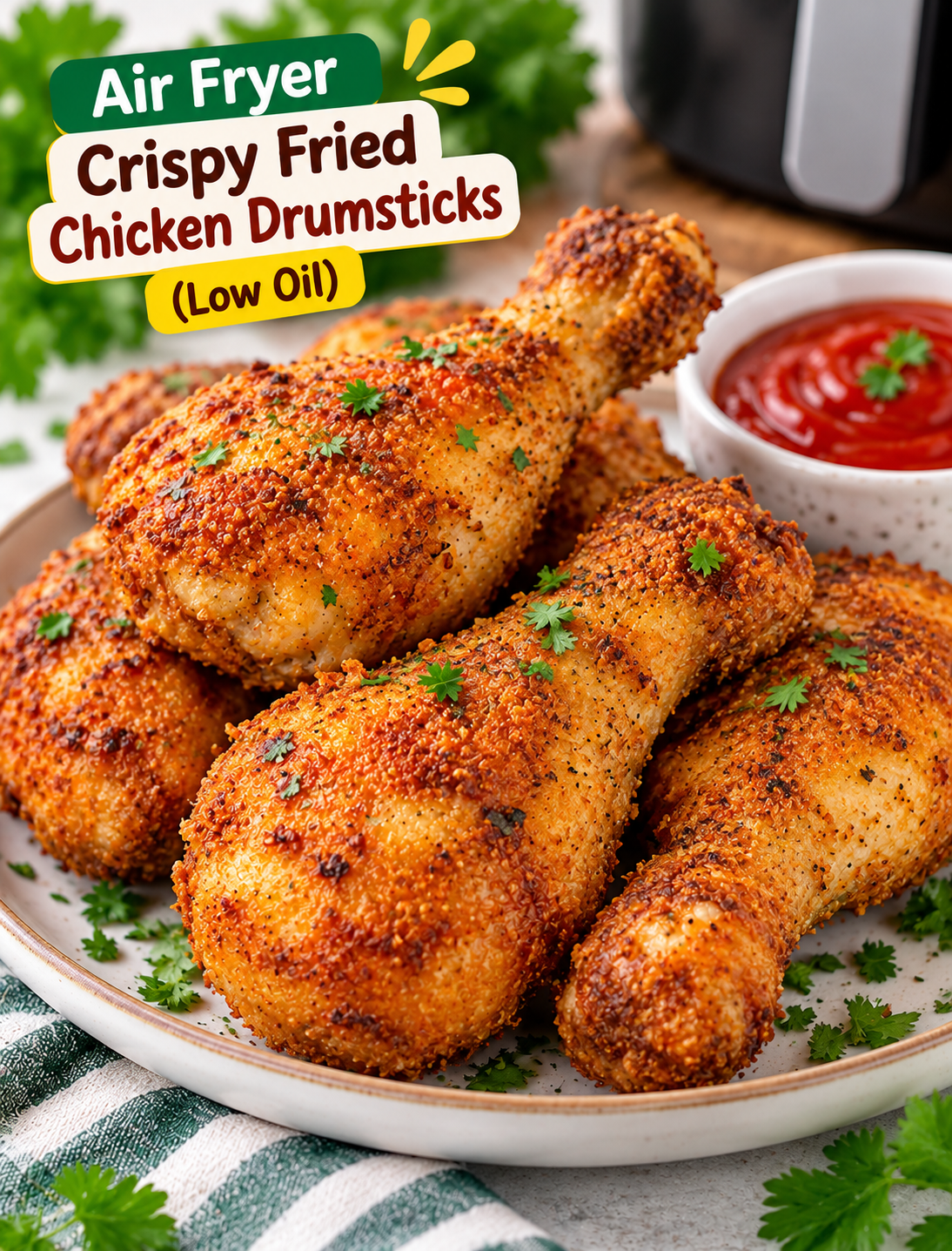
Air Fryer Crispy Fried Chicken Drumsticks

Air Fryer Crispy Fried Chicken Drumsticks

Craving crispy fried chicken without the mess of a pot of hot oil? These Air Fryer Crispy Fried Chicken Drumsticks deliver a crunchy, golden coating with juicy, tender meat inside. They use a light coating of oil and simple pantry seasonings to create a delicious chicken dinner with less oil than traditional deep-frying.

This easy recipe is perfect for busy weeknights, family dinners, game-day snacks, or weekend gatherings. A flavorful seasoning blend adds savory taste, while a seasoned flour coating creates the crisp texture everyone loves. The air fryer circulates hot air around each drumstick, helping the outside brown while the chicken cooks through.

Serve these crispy chicken drumsticks with coleslaw, roasted potatoes, corn on the cob, or your favorite dipping sauce. Once you learn a few simple tricks, you can make this satisfying meal at home without standing over a frying pan.

Why You’ll Love This Recipe

  • Crispy coating: A seasoned flour mixture creates a crunchy exterior when cooked with a light oil coating.
  • Juicy chicken: The drumsticks stay tender when you avoid overcooking them.
  • Less oil: Air frying requires much less oil than traditional deep-frying.
  • Easy ingredients: The recipe uses everyday seasonings and basic pantry staples.
  • Simple preparation: Coat the chicken, arrange it in the basket, and let the air fryer do most of the work.
  • Family-friendly meal: Serve the drumsticks with classic American sides for an easy dinner.
  • Flexible seasoning: Adjust the paprika, black pepper, and cayenne to suit your preferred heat level.

Recipe Overview

  • Prep Time: 15 minutes
  • Cook Time: 22–28 minutes
  • Total Time: 37–43 minutes
  • Servings: 4
  • Yield: 8 chicken drumsticks
  • Cooking Temperature: 380°F (193°C)
  • Cooking Method: Air fryer
  • Cuisine: American-inspired
  • Main Ingredients: Chicken drumsticks, flour, seasonings, and oil

Cooking time depends on drumstick size, air fryer model, and how many pieces fit in the basket. Always check the internal temperature before serving.

Ingredients You’ll Need

For the Chicken

  • 8 chicken drumsticks, about 2–2½ pounds
  • 1 tablespoon olive oil or avocado oil
  • 1/2 teaspoon salt, or to taste
  • 1/2 teaspoon ground black pepper
  • 1 teaspoon garlic powder
  • 1 teaspoon onion powder
  • 1 teaspoon paprika
  • 1/2 teaspoon dried oregano
  • 1/4 teaspoon cayenne pepper, optional

For the Crispy Coating

  • 1/2 cup all-purpose flour
  • 2 tablespoons cornstarch
  • 1 teaspoon paprika
  • 1/2 teaspoon garlic powder
  • 1/2 teaspoon salt
  • 1/4 teaspoon black pepper

Optional Ingredients

  • 1/4 teaspoon baking powder for a lighter, craggy coating
  • 1/2 teaspoon dried thyme for extra savory flavor
  • Hot sauce for serving
  • Lemon wedges for a fresh finish

Use cornstarch with the flour to help create a crisp coating. Patting the chicken dry before seasoning also helps the flour mixture stick better.

Step-by-Step Instructions

Step 1: Prepare the Chicken Drumsticks

  1. Remove the drumsticks from their packaging.
  2. Pat each piece thoroughly dry with paper towels.
  3. Trim any loose skin or excess fat if needed.
  4. Place the chicken in a large mixing bowl.

Dry chicken gives the seasoning and coating a better chance to stick. Do not rinse raw chicken because splashing water can spread harmful bacteria around the sink and nearby surfaces.

Step 2: Season the Chicken

  1. Add the salt, black pepper, garlic powder, onion powder, paprika, oregano, and optional cayenne to the chicken.
  2. Drizzle the olive oil over the drumsticks.
  3. Toss the chicken until each piece is evenly coated.
  4. Let the seasoned chicken rest for 5–10 minutes while you prepare the flour mixture.

The seasonings add flavor beneath the crispy exterior. For a milder version, leave out the cayenne pepper.

Step 3: Mix the Crispy Flour Coating

  1. Add the all-purpose flour to a shallow bowl.
  2. Mix in the cornstarch, paprika, garlic powder, salt, and black pepper.
  3. Stir with a fork until the seasonings are evenly distributed.
  4. Add the optional baking powder if you want a more textured coating.

A shallow bowl makes it easier to coat the drumsticks evenly. Break up any lumps so that each piece receives a thin, consistent layer.

Step 4: Coat Each Drumstick

  1. Place one seasoned drumstick in the flour mixture.
  2. Turn it several times to cover all sides.
  3. Press the coating gently against the skin.
  4. Shake off any loose flour.
  5. Transfer the coated drumstick to a clean plate.
  6. Repeat with the remaining pieces.

Keep the coating relatively thin because thick patches of dry flour may remain powdery after cooking. If the flour looks completely dry on the chicken, lightly mist those spots with oil before air frying.

Step 5: Preheat the Air Fryer

  1. Preheat the air fryer to 380°F (193°C) for 3–5 minutes if your model recommends preheating.
  2. Check that the basket is clean and dry.
  3. Lightly spray the basket with an air-fryer-safe oil if needed.

Preheating helps the coating begin browning quickly. Check your appliance manual for any specific preheating instructions.

Step 6: Arrange the Drumsticks in the Basket

  1. Place the coated drumsticks in a single layer.
  2. Leave space between the pieces so hot air can circulate.
  3. Avoid stacking or overlapping the chicken.
  4. Lightly spray the exposed flour coating with oil.

The oil helps the flour brown and reduces dry, powdery spots. Cook in batches if the drumsticks do not fit comfortably in one layer.

Step 7: Air Fry Until Crispy

  1. Cook the drumsticks at 380°F (193°C) for 10–12 minutes.
  2. Carefully turn each piece with tongs.
  3. Lightly spray any remaining dry flour patches with oil.
  4. Continue cooking for another 12–16 minutes.
  5. Check the thickest part of the largest drumstick with a meat thermometer, avoiding the bone.
  6. Continue cooking in short intervals if the chicken has not reached a safe internal temperature.

The total cooking time is usually 22–28 minutes, but larger pieces may need longer. The coating should be golden brown, and the meat must reach at least 165°F (74°C) internally to be safe to eat.

Step 8: Rest and Serve

  1. Transfer the cooked drumsticks to a clean plate or wire rack.
  2. Let them rest for about 3–5 minutes.
  3. Check that the coating remains crisp and the chicken is fully cooked.
  4. Serve warm with your favorite side dishes and dipping sauces.

Avoid covering the chicken tightly with foil while it rests because trapped steam can soften the crispy coating.

Expert Tips for Extra Crispy Chicken Drumsticks

  • Pat the chicken dry: Excess moisture makes the coating harder to crisp.
  • Use cornstarch: Combining cornstarch with flour helps create a lighter, crispier crust.
  • Spray the coating lightly: Oil helps the flour brown instead of staying powdery.
  • Avoid overcrowding: Space between the drumsticks improves airflow and browning.
  • Turn halfway through: Flipping helps the chicken cook more evenly.
  • Use a thermometer: Color alone cannot confirm that chicken is safely cooked.
  • Choose similar-sized pieces: Drumsticks of similar size are more likely to finish at the same time.
  • Serve promptly: Air-fried chicken has its best texture shortly after cooking.

Delicious Variations to Try

Spicy Air Fryer Chicken Drumsticks

Add 1/2 teaspoon cayenne pepper and 1/2 teaspoon chili powder to the flour coating. Serve with hot sauce for extra heat.

Garlic Parmesan Drumsticks

Mix 2 tablespoons finely grated Parmesan with the dry coating. After cooking, sprinkle a little more Parmesan over the hot chicken if desired.

Smoky BBQ Chicken Drumsticks

Add 1/2 teaspoon smoked paprika to the seasoning mixture. Brush the cooked drumsticks lightly with barbecue sauce during the final 2–3 minutes, watching carefully to prevent the sauce from burning.

Lemon Herb Chicken Drumsticks

Add dried thyme, oregano, and a little lemon zest to the seasoning. Serve with fresh lemon wedges for a bright, savory finish.

Gluten-Free Option

Replace the all-purpose flour with a gluten-free flour blend suitable for coating. Check all seasonings and other packaged ingredients for gluten if you need to avoid it strictly.

What to Serve With Crispy Chicken Drumsticks

Pair these air-fried drumsticks with familiar sides for a balanced and satisfying meal.

  • Coleslaw: Cool, crunchy cabbage adds a refreshing contrast to the crispy chicken.
  • Roasted potatoes: Season potato wedges with garlic and paprika for a hearty side.
  • Corn on the cob: Serve boiled or roasted corn with a little butter and black pepper.
  • Green salad: Combine lettuce, cucumber, tomatoes, and your favorite dressing.
  • Macaroni and cheese: Creamy pasta complements the crunchy coating.
  • Steamed green beans: Add a simple vegetable side without extra frying.
  • Dipping sauces: Ranch, honey mustard, barbecue sauce, and hot sauce all pair well with chicken.

For a casual family dinner, serve two drumsticks per adult with one vegetable side and one filling side.

How to Store and Reheat Leftovers

Refrigerating

Allow the chicken to cool slightly, then refrigerate it in a shallow, airtight container within 2 hours of cooking. Use refrigerated leftovers within 3–4 days.

Freezing

Let the cooked drumsticks cool, then freeze them in a freezer-safe container or bag. For best quality, use within 2–3 months. Thaw in the refrigerator before reheating for more even results.

Reheating in the Air Fryer

  1. Preheat the air fryer to 350°F (175°C).
  2. Arrange the refrigerated drumsticks in a single layer.
  3. Heat for about 5–8 minutes, turning once if needed.
  4. Check that the center reaches 165°F (74°C) before serving.

Reheating time depends on the size and starting temperature of the chicken. Avoid repeated reheating because it can dry out the meat and reduce its quality.

Common Mistakes to Avoid

  • Skipping the drying step: Wet skin can lead to uneven coating.
  • Leaving excess flour on the chicken: Thick dry patches may not crisp properly.
  • Using too little oil on dry spots: Flour that is not lightly coated may remain pale and powdery.
  • Overcrowding the basket: Packed drumsticks block airflow and cook unevenly.
  • Setting the temperature too high: The outside may darken before the meat cooks through.
  • Relying on color alone: Golden chicken is not always fully cooked inside.
  • Covering the cooked chicken tightly: Steam can soften the crust.
  • Putting cooked chicken on the raw-chicken plate: Always use clean plates, utensils, and a clean thermometer probe.

Frequently Asked Questions

1. How long do chicken drumsticks take in the air fryer?

At 380°F (193°C), plan for about 22–28 minutes, turning halfway through, and cook until the thickest part reaches 165°F (74°C).

2. How do I make air fryer drumsticks extra crispy?

Pat the chicken dry, use a flour and cornstarch coating, spray dry flour patches lightly with oil, and leave space between the pieces.

3. Do I need to boil chicken drumsticks before air frying?

No. Raw drumsticks can cook directly in the air fryer when the cooking time is sufficient and the internal temperature reaches 165°F (74°C).

4. Can I make this recipe without flour?

Yes. You can use seasoned cornstarch or a suitable gluten-free coating, although the texture may differ from the flour-based version.

5. Why is my chicken coating still powdery?

The coating may have too much flour or too little oil. Shake off excess flour and lightly spray any dry patches before cooking.

6. Can I use frozen chicken drumsticks?

For the most even coating and cooking, thaw the drumsticks safely in the refrigerator before following this recipe.

7. Can I prepare the chicken ahead of time?

You can season and refrigerate the chicken in a covered container, then coat it shortly before cooking for the best crust.

8. How do I know when chicken drumsticks are done?

Insert a meat thermometer into the thickest part without touching the bone; the internal temperature must reach at least 165°F (74°C).

Final Thoughts

Air Fryer Crispy Fried Chicken Drumsticks are a practical way to enjoy crunchy, flavorful chicken at home with much less oil than traditional deep-frying. A simple seasoning blend, a flour-and-cornstarch coating, and proper air circulation help create a golden crust while keeping the meat tender.

For the best results, dry the chicken thoroughly, coat each piece evenly, and avoid overcrowding the basket. Most importantly, use a meat thermometer to confirm that every drumstick reaches 165°F (74°C).

Serve these drumsticks with your favorite sides and dipping sauces for an easy family dinner or a crowd-pleasing game-day meal. If you try this recipe, leave a comment and share which seasoning variation you enjoyed most!


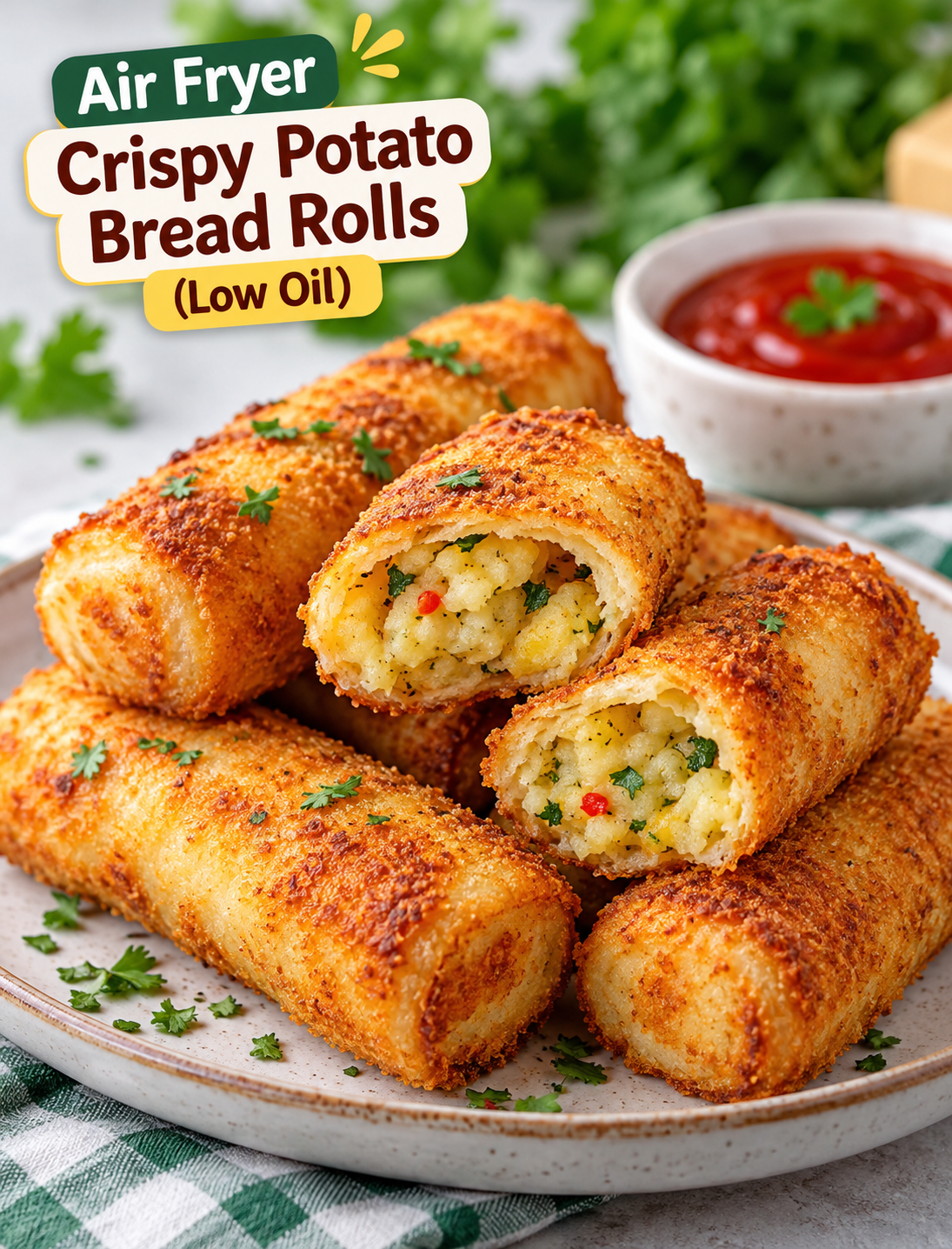
Air Fryer Crispy Potato Bread Rolls (Low Oil)

Air Fryer Crispy Potato Bread Rolls
Air Fryer Crispy Potato Bread Rolls (Low Oil)

Want a crunchy snack without deep-frying? These Air Fryer Crispy Potato Bread Rolls (Low Oil) have a golden, crisp outside and a soft, flavorful potato filling inside. They are easy to prepare with everyday ingredients and need only a light coating of oil to achieve a satisfying crunch.

Each roll combines mashed potatoes, simple spices, fresh herbs, and sandwich bread. The air fryer helps crisp the bread while keeping the filling soft and warm. Serve these potato bread rolls as an afternoon snack, a quick breakfast, or an easy party appetizer.

This recipe is perfect for busy weekdays because you can prepare the potato filling ahead of time. You can also adjust the spices, add cheese, or include vegetables to suit your family’s taste.

Why You’ll Love This Recipe

  • Less oil: Air frying uses much less oil than traditional deep-frying.
  • Crispy texture: Lightly brushing or spraying the bread with oil helps it turn golden and crisp.
  • Simple ingredients: You only need potatoes, bread, seasonings, and a few pantry staples.
  • Easy to customize: Add shredded cheese, peas, corn, or chopped bell peppers to the filling.
  • Quick preparation: Use leftover boiled potatoes to reduce prep time.
  • Family-friendly snack: These rolls are easy to serve with ketchup, yogurt dip, or your favorite sauce.

Recipe Overview

  • Prep Time: 20 minutes
  • Cook Time: 10–14 minutes
  • Total Time: 30–34 minutes
  • Servings: 4
  • Yield: 8 small bread rolls
  • Cooking Method: Air fryer
  • Temperature: 375°F (190°C)
  • Dietary Style: Vegetarian
  • Oil Level: Low oil

Cooking times may vary depending on your air fryer model, bread thickness, and the size of the rolls.

Ingredients You’ll Need

For the Potato Filling

  • 2 medium potatoes, about 10–12 ounces total
  • 1/4 cup finely chopped onion
  • 2 tablespoons chopped fresh cilantro or parsley
  • 1/2 teaspoon ground cumin
  • 1/2 teaspoon paprika
  • 1/4 teaspoon ground black pepper
  • 1/2 teaspoon salt, or to taste
  • 1 small green chili, finely chopped (optional)
  • 1/4 cup frozen peas or sweet corn, thawed (optional)

For the Bread Rolls

  • 8 slices sandwich bread, white or whole wheat
  • 2–3 tablespoons water or milk, for sealing if needed
  • 1–2 teaspoons olive oil or avocado oil, for brushing or spraying

Optional Add-Ins

  • 1/4 cup shredded cheddar or mozzarella cheese
  • 1/4 teaspoon garlic powder
  • 1 tablespoon finely chopped green onion

Choose soft, fresh bread that bends without cracking. Use potatoes that mash easily, and let the filling cool before shaping the rolls.

Step-by-Step Instructions

Step 1: Boil the Potatoes

  1. Peel the potatoes and cut them into evenly sized chunks.
  2. Place them in a saucepan and cover with water.
  3. Bring the water to a boil and cook for 12–15 minutes, or until the potatoes are fork-tender.
  4. Drain the potatoes thoroughly and let them cool for a few minutes.

Tip: Remove as much excess moisture as possible because wet potatoes can make the bread soggy.

Step 2: Prepare the Potato Filling

  1. Transfer the cooked potatoes to a bowl.
  2. Mash them until mostly smooth, leaving a few small pieces if you prefer more texture.
  3. Add the chopped onion, cilantro or parsley, cumin, paprika, black pepper, and salt.
  4. Mix in the optional green chili, peas, corn, or garlic powder.
  5. Stir until the seasonings are evenly distributed.
  6. Taste the filling and adjust the salt or spices as needed.

The filling should hold its shape when pressed between your fingers. If it feels wet, add a little more mashed potato rather than extra liquid.

Step 3: Prepare the Bread Slices

  1. Place a slice of bread on a clean cutting board.
  2. Trim the crusts if desired, especially if the bread is thick or firm.
  3. Use a rolling pin to flatten the bread gently.
  4. Repeat with the remaining slices.

Flattening the bread makes it easier to roll and seal. If your bread is very fresh and soft, press gently to avoid tearing it.

Step 4: Shape the Potato Bread Rolls

  1. Place about 2 tablespoons of potato filling along one edge of each flattened slice.
  2. Roll the bread tightly around the filling.
  3. Lightly moisten the final edge with water or milk if needed.
  4. Press the seam gently to seal it.
  5. Shape the ends with your fingers so the filling stays inside.
  6. Repeat until all eight rolls are ready.

Avoid adding too much filling because overstuffed rolls can split during cooking. Keep the filling away from the edges to make sealing easier.

Step 5: Preheat the Air Fryer

  1. Preheat your air fryer to 375°F (190°C) for 3–5 minutes if your model recommends preheating.
  2. Check that the basket is clean and dry.
  3. Lightly spray or brush the basket with oil if needed to prevent sticking.

A properly heated air fryer helps the bread begin crisping as soon as the rolls enter the basket.

Step 6: Add a Light Coat of Oil

  1. Arrange the shaped rolls on a plate.
  2. Lightly brush or spray each roll with olive oil or avocado oil.
  3. Coat the outer surface evenly, including the seam.
  4. Use only enough oil to cover the bread with a thin layer.

A light coating encourages browning without the large amount of oil required for deep-frying. Avoid pouring oil directly into the air fryer basket.

Step 7: Air Fry Until Golden and Crispy

  1. Place the rolls in the air fryer basket in a single layer.
  2. Leave a little space between each roll so hot air can circulate.
  3. Air fry at 375°F (190°C) for 5–7 minutes.
  4. Carefully turn the rolls with tongs.
  5. Cook for another 5–7 minutes, checking for an evenly golden, crisp surface.
  6. Add 1–2 extra minutes if the bread still looks pale.

The rolls are ready when the outside is crisp and the filling is hot. Check them early the first time because air fryers can cook at different speeds.

Important: Do not overcrowd the basket. Cook in batches if necessary to prevent soft spots and uneven browning.

Step 8: Rest and Serve

  1. Transfer the cooked rolls to a plate or wire rack.
  2. Let them rest for 2 minutes before serving.
  3. Cut one roll in half to check that the filling is heated through.
  4. Serve warm with ketchup, mint yogurt sauce, or a simple cilantro dip.

These rolls taste best straight from the air fryer, when the outside is crisp and the potato center is soft.

Expert Tips for Extra Crispy Potato Bread Rolls

  • Dry the potatoes well: Excess moisture can soften the bread from the inside.
  • Cool the filling: Warm filling can make the bread damp and difficult to seal.
  • Flatten the bread evenly: Uniform thickness helps the rolls cook at a similar rate.
  • Use a light oil coating: A thin layer helps brown the bread without making it greasy.
  • Leave space in the basket: Good airflow is essential for crisp results.
  • Turn halfway through: Flipping helps both sides brown more evenly.
  • Check your air fryer early: Reduce the cooking time if your appliance browns food quickly.
  • Avoid wet fillings: Drain peas, corn, and other vegetables before mixing them into the potatoes.

Delicious Variations to Try

Cheesy Potato Bread Rolls

Add 1/4 cup shredded cheddar or mozzarella to the cooled potato mixture. Keep the cheese inside the filling and seal the bread firmly to reduce leakage.

Spicy Potato Rolls

Mix in chopped green chili, a pinch of cayenne pepper, or extra paprika. Adjust the heat to suit your taste.

Vegetable Potato Rolls

Add finely chopped bell peppers, cooked peas, or sweet corn. Cook watery vegetables first and drain them before mixing them into the filling.

Whole Wheat Bread Rolls

Use whole wheat sandwich bread for a heartier flavor. Flatten it gently, and moisten the edges only if needed because some whole wheat bread tears more easily.

Garlic Herb Potato Rolls

Add garlic powder, chopped parsley, and a small pinch of dried oregano to the filling. Use a light coating of olive oil for a savory finish.

What to Serve With Air Fryer Potato Bread Rolls

These crispy potato snacks pair well with several easy sides and dips.

  • Ketchup: A classic option with a sweet and tangy flavor.
  • Mint yogurt dip: Mix plain Greek yogurt with mint, lemon juice, and a pinch of salt.
  • Ranch dressing: A creamy dip that works well with mild potato filling.
  • Fresh salad: Serve with cucumber, tomato, and lettuce for a refreshing contrast.
  • Tomato soup: Pair the rolls with a warm bowl of soup for a simple lunch.
  • Scrambled eggs: Add eggs and fresh fruit for a more filling breakfast.

For a party platter, serve the rolls with two or three dipping sauces so guests can choose their favorite.

How to Store and Reheat Leftovers

Refrigerating

Let the rolls cool, then place them in an airtight container. Refrigerate within 2 hours of cooking and use within 3–4 days.

Freezing

For the best texture, freeze the shaped rolls before air frying. Arrange them on a tray until firm, then transfer them to a freezer-safe bag or container. Cook from frozen, adding a few minutes and checking that the center is hot.

You can also freeze cooked rolls, although the bread may soften slightly after thawing.

Reheating

Reheat refrigerated cooked rolls in an air fryer at 350°F (175°C) for about 3–5 minutes, checking that they are heated through. Avoid microwaving if crispness is important because the bread may become soft.

Common Mistakes to Avoid

  • Using watery mashed potatoes: This makes the bread soggy and harder to seal.
  • Overfilling the bread: Too much filling can cause cracks and leaks.
  • Skipping the oil completely: The rolls may still cook, but the outside can look drier and brown less evenly.
  • Stacking the rolls: Overlapping blocks airflow and creates uneven texture.
  • Cooking at too high a temperature: The bread may brown before the filling heats through.
  • Serving immediately after cutting: Let the rolls rest briefly to reduce filling spillage.

Frequently Asked Questions

1. Can I make potato bread rolls in an air fryer with very little oil?

Yes. Brush or spray the rolls with just 1–2 teaspoons of oil in total, adjusting the amount for your air fryer and batch size.

2. What temperature is best for air fryer potato bread rolls?

Start at 375°F (190°C) and cook for 10–14 minutes, turning halfway through until the bread is golden and crisp.

3. Why are my air fryer bread rolls not crispy?

Wet filling, overcrowding, or too little airflow can cause soft bread. Dry the potatoes, space out the rolls, and use a light oil coating.

4. Can I prepare the potato filling ahead of time?

Yes. Refrigerate the cooled filling in an airtight container for up to 3–4 days, then shape the rolls when you are ready to cook.

5. Can I use whole wheat bread instead of white bread?

Yes. Whole wheat sandwich bread works well, but flatten it gently because some varieties are less flexible than white bread.

6. Can I freeze potato bread rolls?

Yes. Freeze the shaped, uncooked rolls in a single layer before transferring them to a freezer-safe container. Air fry from frozen and add cooking time as needed.

7. Are these potato bread rolls vegetarian?

Yes. The basic recipe is vegetarian when made with vegetable ingredients and suitable bread. Check the labels on bread, cheese, and sauces if you follow specific dietary requirements.

8. What dips go best with crispy potato bread rolls?

Ketchup, mint yogurt dip, ranch dressing, and cilantro chutney all pair well with the seasoned potato filling.

Final Thoughts

Air Fryer Crispy Potato Bread Rolls (Low Oil) are a simple way to enjoy a crunchy, savory snack without deep-frying. The soft potato filling, everyday spices, and golden bread make them suitable for breakfast, lunchboxes, parties, or an easy afternoon treat.

For the best results, keep the filling dry, seal each roll carefully, and arrange the rolls in a single layer. Serve them warm with your favorite dip, and experiment with cheese, vegetables, or herbs to create a version your family will love.

If you try this recipe, leave a comment with your favorite filling variation and let other readers know how your rolls turned out!


Spinach, Feta & Sun-Dried Tomato Phyllo Cups

Golden spinach feta phyllo cups filled with creamy cheese and sun-dried tomatoes

Spinach, Feta & Sun-Dried Tomato Phyllo Cups

Description

These Spinach, Feta & Sun-Dried Tomato Phyllo Cups combine crisp, golden pastry with a creamy, savory filling. Sautéed spinach adds freshness, feta brings a pleasantly salty flavor, and sun-dried tomatoes provide a rich, tangy sweetness. Cream cheese holds everything together, creating a smooth filling that contrasts beautifully with the delicate pastry.
Serve these bite-sized cups as a party appetizer, a holiday starter, or a light lunch alongside a fresh salad. A standard muffin tin makes them easy to shape, and the filling can be prepared ahead to simplify assembly.

Ingredients

For the Phyllo Cups

  • 12 sheets phyllo dough, thawed according to package instructions
  • 3 tablespoons melted unsalted butter or olive oil

For the Spinach and Cheese Filling

  • 5 ounces fresh spinach, chopped
  • 1 teaspoon olive oil, for sautéing
  • 4 ounces feta cheese, crumbled
  • 4 ounces cream cheese, softened
  • ⅓ cup oil-packed sun-dried tomatoes, drained well and finely chopped
  • 1 small garlic clove, minced
  • ¼ teaspoon freshly ground black pepper
  • ¼ teaspoon dried oregano
  • 1 teaspoon lemon juice, optional
  • Salt, only if needed

Step-by-Step Instructions

1. Preheat the Oven

Preheat your oven to 375°F (190°C). Lightly grease a standard 12-cup muffin tin, including the upper edges, so the pastry releases easily after baking.

2. Cook the Spinach

Heat 1 teaspoon olive oil in a skillet over medium heat. Add the spinach and cook for 2–3 minutes, stirring occasionally, until wilted. Stir in the minced garlic and cook for another 30 seconds.
Transfer the spinach to a bowl and allow it to cool. Once cool enough to handle, squeeze out excess liquid using a clean kitchen towel or a fine-mesh strainer. This step helps prevent a soggy pastry base.

3. Mix the Filling

Combine the softened cream cheese, crumbled feta, drained sun-dried tomatoes, spinach, black pepper, and oregano. Stir until evenly mixed. Add the lemon juice if you would like a brighter flavor.
Taste before adding salt, as feta and sun-dried tomatoes may already provide enough seasoning.

4. Prepare the Phyllo

Unroll the thawed phyllo onto a clean work surface. Cover it with plastic wrap and place a slightly damp towel over the plastic to prevent the sheets from drying out.
Lay one sheet on your work surface and brush lightly with melted butter or olive oil. Place a second sheet on top, brush again, and repeat until you have a stack of four sheets.
Cut the stack into four roughly equal squares or rectangles. Each piece should be large enough to line a muffin well with a little pastry extending above the rim. Repeat with the remaining eight sheets to make 12 layered pieces.

5. Assemble the Cups

Gently press each layered piece into a muffin well, allowing the edges to form a loose, ruffled shape. Divide the filling evenly among the 12 cups, using approximately 1½–2 tablespoons per cup. Keep the filling below the pastry edges.

6. Bake Until Golden

Bake for 15–20 minutes, until the pastry edges are golden brown, the bases are crisp, and the filling is hot. Check toward the end of baking because thin phyllo edges can brown quickly.

7. Cool and Serve

Leave the cups in the tin for about 5 minutes, then carefully transfer them to a wire rack. Serve warm for the best combination of creamy filling and crisp pastry.

Tips and Notes

Keep the phyllo covered: Work with one stack at a time. Exposed sheets can dry out and crack quickly.

Use a light coating of butter: Brush gently rather than soaking the pastry, and distribute the measured butter across all 12 sheets.

Drain the filling ingredients: Squeeze the spinach thoroughly and blot excess oil from the tomatoes.

Use frozen spinach if preferred: Substitute about ½ cup thawed, firmly squeezed frozen spinach.

Prepare ahead: Refrigerate the filling in a covered container for up to 24 hours. Assemble shortly before baking for the crispest result.

Store leftovers: Refrigerate cooled cups in an airtight container for up to 3 days. Reheat at 350°F (175°C) for 8–10 minutes, until hot and crisp. Microwaving will soften the pastry.

Frequently Asked Questions

Can I use ready-made phyllo shells?

Yes. This quantity of filling should fill approximately 24–30 mini phyllo shells, depending on their size. Follow the package directions and bake until the filling is hot and the shells are crisp.

Can I replace the feta cheese?

Crumbled goat cheese works well and gives a similarly tangy flavor. For a milder filling, try ricotta, draining it first if it appears watery.

Why are my phyllo cups soggy underneath?

Excess moisture from spinach is a common cause. A wet filling or insufficient baking can also soften the base. Drain the ingredients thoroughly and check that the pastry bottoms are golden before removing the cups.

Can I serve these at room temperature?

Yes. They are delicious warm or at room temperature. Refrigerate them within 2 hours of baking or serving.

Servings and Nutrition

Yield: 12 cups
Servings: 6, with 2 cups per serving
Preparation time: 25 minutes
Cooking time: 20 minutes
Total time: Approximately 45 minutes
Estimated nutrition per cup: 145 calories, 4 g protein, 12 g carbohydrates, 9 g fat, and 1 g fiber. Values vary with the size and brand of phyllo sheets, cheese, and tomatoes used.

Doctors Reveal What Eating a Banana Every Day Can Do for Your Body

Doctors Reveal What Eating a Banana Every Day Can Do for Your Body

Description

Bananas are among the most popular fruits in the world, and for good reason. They are naturally sweet, affordable, easy to digest for many people, and packed with important nutrients. But what actually happens to your body when you eat a banana every day?

Nutrition experts recognize bananas as a useful source of potassium, vitamin B6, carbohydrates, and dietary fiber. These nutrients support normal muscle function, heart health, digestion, and energy metabolism.

Although bananas are nutritious, they are not a miracle food or a treatment for medical conditions. Their benefits are most meaningful when they are part of a balanced diet that includes vegetables, whole grains, proteins, and other fruits.

One of the easiest ways to enjoy bananas is in a creamy banana oatmeal breakfast bowl. This simple recipe combines fresh banana, oats, milk, and cinnamon to create a filling, naturally sweet breakfast without added refined sugar.

Prep Time: 5 minutes Cook Time: 5–7 minutes Total Time: 12 minutes Servings: 2

Ingredients For the Banana Oatmeal

  • 2 medium ripe bananas

  • 1 cup rolled oats

  • 2 cups milk or unsweetened almond milk

  • ½ teaspoon ground cinnamon

  • 1 teaspoon vanilla extract

  • 1 tablespoon chia seeds

  • 1 tablespoon natural peanut butter (optional)

Optional Toppings

  • 1 tablespoon chopped walnuts

  • ¼ cup fresh blueberries

  • A few extra banana slices

  • A pinch of cinnamon

Step-by-Step Instructions

Step 1: Prepare the Bananas

Peel both bananas. Mash one banana in a small bowl using a fork until smooth and creamy. Slice the second banana into thin rounds and set aside for topping.

The mashed banana naturally sweetens the oatmeal, reducing the need for added sugar.

Step 2: Heat the Milk

Pour the milk into a medium saucepan and place it over medium-low heat. Warm gently without bringing it to a rapid boil.

Step 3: Add the Oats

Stir the rolled oats into the warm milk. Cook for approximately 5–7 minutes, stirring occasionally, until the oats soften and the mixture begins to thicken.

Step 4: Add the Banana

Add the mashed banana, cinnamon, and vanilla extract. Stir until everything is thoroughly combined.

The banana creates a naturally creamy texture while adding sweetness and flavor.

Step 5: Add the Chia Seeds

Stir in the chia seeds and continue cooking for another minute. If the oatmeal becomes too thick, add a small splash of milk.

Step 6: Serve

Divide the oatmeal between two bowls. Arrange the sliced banana on top, then add blueberries, walnuts, or peanut butter if desired.

Serve warm for a satisfying breakfast.

Health Benefits of Eating Bananas

1. Supports Normal Heart Function

Bananas contain potassium, an essential mineral that helps regulate fluid balance and supports normal blood pressure. Getting adequate potassium from foods can contribute to cardiovascular health, especially as part of an overall healthy eating pattern.

2. Provides Natural Energy

Bananas contain carbohydrates that your body converts into energy. This makes them a convenient snack before physical activity or during a busy morning.

3. Supports Digestive Health

Bananas provide dietary fiber, which helps support regular bowel movements. Slightly green bananas also contain resistant starch, while ripe bananas contain more readily digestible sugars.

4. Supports Muscle Function

Potassium is important for normal muscle contractions and nerve signaling. However, eating bananas alone does not guarantee that muscle cramps will be prevented.

5. Provides Important Vitamins

Bananas contain vitamin B6, which contributes to normal protein metabolism and nervous system function. They also provide modest amounts of vitamin C.

6. May Help You Feel Satisfied

The fiber in bananas, especially when combined with protein-rich or fiber-rich foods such as yogurt, nuts, or oats, can help make a snack or meal more satisfying.

Tips and Notes

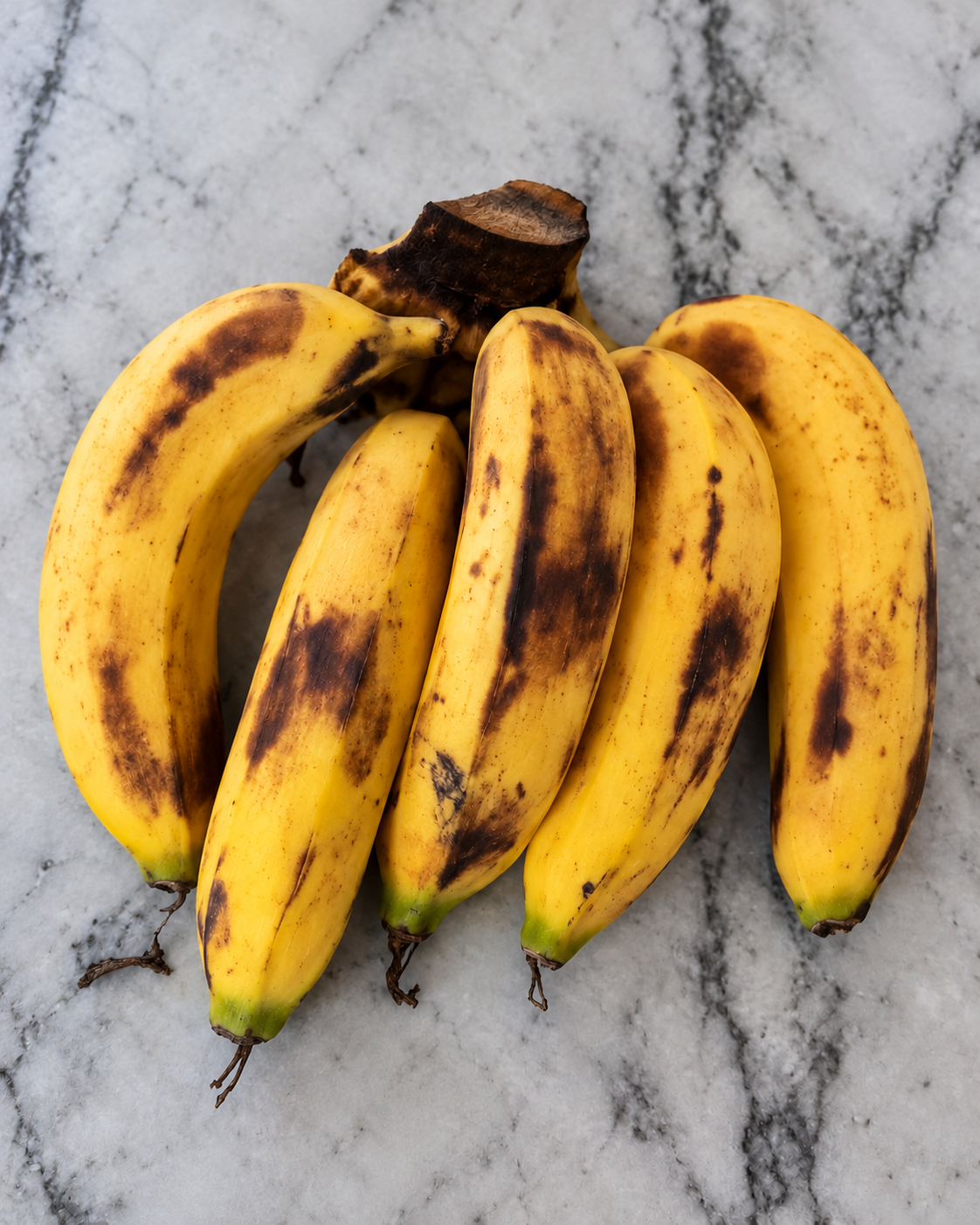
Choose ripe bananas: Yellow bananas with small brown spots are naturally sweeter and work especially well in oatmeal.

Avoid unnecessary sugar: Ripe bananas provide plenty of natural sweetness, so added sugar is often unnecessary.

Add protein: Greek yogurt, peanut butter, or milk can make this breakfast more balanced and satisfying.

Control portions: One medium banana is a reasonable serving for many adults, although individual dietary needs vary.

Important health note: People with kidney disease or those who have been advised to limit potassium should ask their healthcare professional how bananas fit into their diet.

Storage: Refrigerate leftover oatmeal in an airtight container for up to 3 days. Add a little milk when reheating.

Frequently Asked Questions

Is eating one banana every day healthy?

For most healthy adults, eating one banana daily can be part of a nutritious, balanced diet. Variety in fruit choices is still important.

Can bananas help with weight loss?

Bananas can fit into a weight-management eating plan because they provide fiber and nutrients. However, no single food causes weight loss.

Are bananas good for people with diabetes?

Bananas can be included in many diabetes meal plans, but portion size and carbohydrate intake matter. Pairing bananas with protein or fat may help moderate the blood glucose response.

Is it better to eat bananas in the morning or evening?

There is no strong evidence that bananas provide unique health benefits at a particular time of day. Enjoy them whenever they fit your routine.

Can bananas lower blood pressure immediately?

No. Although potassium supports healthy blood pressure regulation, eating a banana does not provide an immediate treatment for high blood pressure.

Servings and Nutrition

Servings: 2 Serving Size: 1 bowl of banana oatmeal

Estimated Nutrition Per Serving (using 2% dairy milk and chia seeds, without optional toppings):

  • Calories: 360 kcal

  • Protein: 13 g

  • Carbohydrates: 62 g

  • Fat: 8 g

  • Fiber: 9 g

  • Sugar: 22 g

  • Potassium: Approximately 800 mg

Nutrition values are estimates and may vary depending on the milk, banana size, and additional toppings.

Final Thoughts

Eating a banana every day can be a simple way to add potassium, fiber, vitamin B6, and natural carbohydrates to your diet. Bananas support several normal body functions, but they should not be promoted as cures for disease.