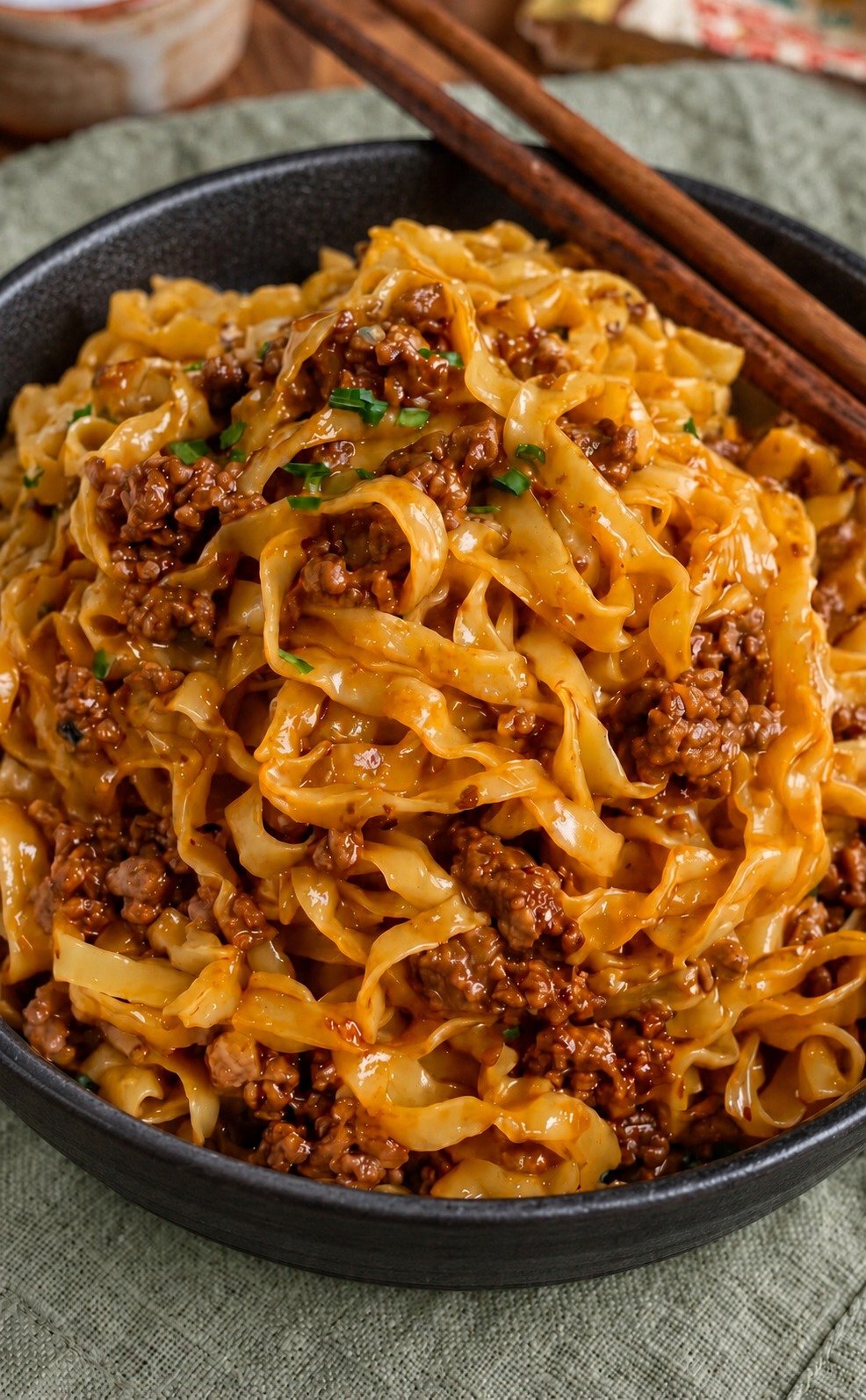
Mongolian Ground Beef Noodles

Mongolian Beef Noodles with ground beef, tender noodles, garlic, ginger, green onions, and glossy savory-sweet sauce

Mongolian Ground Beef Noodles

Mongolian Beef Noodles are a quick, savory-sweet dinner made with ground beef, tender noodles, garlic, ginger, green onions, and a glossy Mongolian-style sauce. They are easy enough for busy weeknights but flavorful enough to feel like takeout at home. Mongolian Beef Noodles come together in one skillet after the noodles are cooked, making cleanup simple and dinner fast.

The sauce is made with soy sauce, brown sugar, hoisin sauce, garlic, ginger, and a little sesame oil. It coats the beef and noodles beautifully, giving every bite a balance of salty, sweet, and savory flavor.

Prep Time: 15 minutes
Cook Time: 20 minutes
Total Time: About 35 minutes
Servings: 4 to 6

Ingredients

For the Noodles

  • 12 ounces lo mein noodles, spaghetti, linguine, or ramen noodles
  • Water for boiling
  • Pinch of salt

For the Ground Beef

  • 1 1/2 pounds ground beef
  • 1 tablespoon sesame oil or neutral oil
  • 4 garlic cloves, minced
  • 1 tablespoon fresh ginger, finely grated
  • 4 green onions, sliced, white and green parts separated

Ingredients For the Mongolian Sauce

  • 1/2 cup low-sodium soy sauce
  • 1/3 cup brown sugar
  • 2 tablespoons hoisin sauce
  • 1 tablespoon rice vinegar
  • 1 tablespoon sesame oil
  • 1/2 cup beef broth or water
  • 1 tablespoon cornstarch
  • 1/4 teaspoon red pepper flakes, optional
  • 1/4 teaspoon black pepper

For Garnish

  • Sliced green onions
  • Sesame seeds
  • Red pepper flakes, optional

Why You’ll Love This Recipe

Mongolian Beef Noodles are fast, budget-friendly, and packed with flavor. Ground beef cooks much faster than sliced steak, which makes this version especially convenient for weeknight meals.

Another reason to love Mongolian Beef Noodles is their flexibility. You can add broccoli, bell peppers, carrots, mushrooms, snap peas, or spinach without changing the basic method.

The sauce also has a familiar takeout-style flavor, but making it at home allows you to control the sweetness, saltiness, and spice level.

How to Make Mongolian Beef Noodles

Step 1: Cook the Noodles

Bring a large pot of water to a boil.

Add the noodles and cook according to the package directions until just al dente.

Drain well and set aside.

Avoid overcooking because the noodles will continue to soften slightly when tossed with the hot sauce.

Step 2: Prepare the Sauce

In a medium bowl, whisk together soy sauce, brown sugar, hoisin sauce, rice vinegar, sesame oil, beef broth, cornstarch, red pepper flakes, and black pepper.

Whisk until the cornstarch is completely dissolved.

The sauce for Mongolian Beef Noodles should look smooth and thin at this stage because it will thicken in the skillet.

Step 3: Heat the Skillet

Place a large skillet or wok over medium-high heat.

Add the oil and let it heat for about 30 seconds.

Step 4: Brown the Ground Beef

Add the ground beef.

Break it apart with a wooden spoon or spatula and cook for 6 to 8 minutes, stirring occasionally, until browned and fully cooked.

Drain excess grease if necessary.

Step 5: Add Garlic and Ginger

Push the beef slightly to one side of the skillet.

Add the garlic, ginger, and white parts of the green onions.

Cook for about 30 to 60 seconds, stirring constantly, until fragrant.

This step gives Mongolian Beef Noodles their signature aromatic flavor.

Step 6: Add the Sauce

Pour the prepared Mongolian sauce into the skillet.

Stir well so the beef is evenly coated.

Bring the mixture to a gentle simmer.

Step 7: Let the Sauce Thicken

Cook for 2 to 3 minutes, stirring frequently.

The cornstarch will thicken the sauce until it becomes glossy and coats the beef.

If it becomes too thick, add a small splash of broth or water.

Step 8: Add the Noodles

Add the cooked noodles directly to the skillet.

Use tongs to toss them gently through the beef and sauce.

At this stage, Mongolian Beef Noodles should look glossy, saucy, and evenly coated.

Step 9: Adjust the Flavor

Taste the noodles.

Add a little extra soy sauce if you want more saltiness, rice vinegar for more tang, or red pepper flakes for more heat.

If the sauce tastes too strong, a splash of water or broth can soften the flavor.

Step 10: Finish with Green Onions

Add most of the green onion tops.

Toss once more until everything is combined.

Step 11: Garnish

Sprinkle with sesame seeds, remaining green onions, and extra red pepper flakes if desired.

Step 12: Serve

Serve Mongolian Beef Noodles immediately while the noodles are hot and the sauce is glossy.

Serving Suggestions

Mongolian Beef Noodles are filling enough to serve as a complete dinner.

Pair Mongolian Beef Noodles with steamed broccoli, garlic bok choy, roasted green beans, cucumber salad, or sesame vegetables.

For a lighter meal, serve smaller portions with a crisp cabbage slaw.

You can also serve the noodles with spring rolls, dumplings, or a simple vegetable soup for a takeout-style dinner at home.

For another cheesy vegetable dish, try our Crispy Cheesy Zucchini Roll-Ups with tender zucchini, creamy ricotta, mozzarella, Parmesan, herbs, and marinara.

Recipe Tips

Cook the noodles only until al dente so they do not become mushy when tossed in the sauce.

Use low-sodium soy sauce because the hoisin sauce and broth can also contain salt.

Break the ground beef into small pieces so it mixes evenly with the noodles.

Fresh garlic and ginger give the best flavor.

For the best Mongolian Beef Noodles texture, let the sauce thicken before adding the noodles.

Do not let the sauce reduce too far, or the noodles may become sticky and dry.

Use a large skillet or wok so there is enough room to toss everything evenly.

Easy Variations

Mongolian Beef Noodles can be customized with different vegetables, proteins, and noodle types.

Add broccoli florets, carrots, bell peppers, mushrooms, snap peas, or zucchini for extra vegetables.

For a spicy version, add chili garlic sauce, sriracha, or more red pepper flakes.

You can make Mongolian Beef Noodles with ground turkey or ground chicken instead of beef.

For a richer flavor, add a teaspoon of oyster sauce to the sauce.

Ramen noodles, udon noodles, lo mein noodles, spaghetti, or linguine can all work.

You can also add chopped peanuts or cashews for extra crunch.

You may also enjoy our Cranberry Brie Sourdough Pull-Apart Bread for a festive appetizer with creamy Brie, tart cranberry sauce, garlic butter, rosemary, and golden sourdough.

Make-Ahead Instructions

Mongolian Beef Noodles can be partially prepared ahead.

Cook the ground beef and make the sauce up to 2 days in advance.

Store them separately in airtight containers in the refrigerator.

The noodles can also be cooked ahead, tossed lightly with oil, and refrigerated.

When ready to serve, reheat the beef and sauce in a skillet, then add the noodles and toss until hot.

Storage and Reheating

Store leftover Mongolian Beef Noodles in an airtight container in the refrigerator for up to 4 days.

Reheat in a skillet over medium-low heat with a splash of water or broth to loosen the sauce.

Individual portions can also be microwaved in short intervals.

Avoid overheating because noodles can become overly soft.

Freezing is possible, but freshly refrigerated leftovers usually have the best texture.

Nutrition Information

Approximate nutrition per serving:

Calories: 560
Protein: 31 g
Carbohydrates: 64 g
Fat: 21 g
Saturated Fat: 7 g
Fiber: 3 g
Sugar: 18 g
Sodium: 920 mg

Nutrition values are estimates and may vary depending on the noodles, beef, sauces, and serving size.

Frequently Asked Questions

Can I use spaghetti instead of Asian noodles?

Yes. Spaghetti or linguine works very well if lo mein or ramen noodles are unavailable.

Can I reduce the sugar?

Yes. Reduce the brown sugar to 1/4 cup or less according to your preference.

Can I make this spicy?

Yes. Add chili garlic sauce, sriracha, cayenne, or extra red pepper flakes.

Can I add vegetables?

Yes. Broccoli, mushrooms, peppers, carrots, snap peas, and spinach all work well.

Can I use ground turkey?

Yes. Ground turkey or chicken can replace ground beef.

Why is my sauce too thick?

The cornstarch may have thickened too much. Add broth or water, one tablespoon at a time, until the consistency improves.

Can I make Mongolian Beef Noodles ahead?

Yes. For the best texture, prepare the components separately and combine them when reheating.

Final Thoughts

Mongolian Beef Noodles are an easy way to turn ground beef and simple pantry ingredients into a fast, flavorful dinner.

Because Mongolian Beef Noodles combine savory beef, tender noodles, garlic, ginger, green onions, and a glossy sweet-and-savory sauce, they are satisfying without requiring complicated cooking.

Keep this Mongolian Beef Noodles recipe handy whenever you want an easy weeknight dinner with takeout-inspired flavor.

With browned beef, tender noodles, garlic, ginger, soy sauce, sesame oil, and green onions, Mongolian Beef Noodles deliver a comforting meal that comes together quickly and is easy to customize.
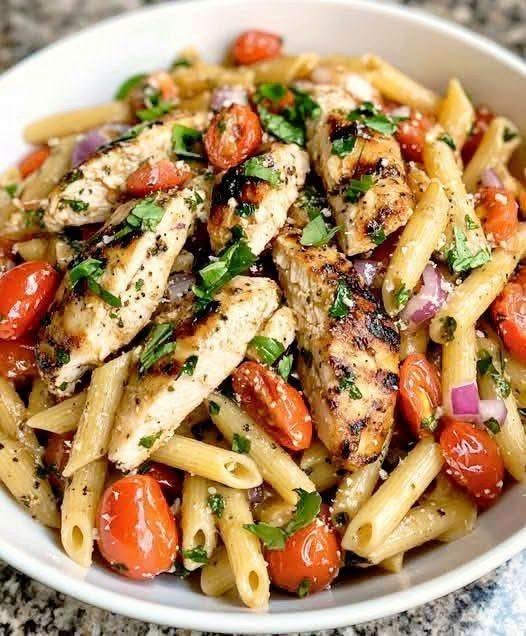
Bruschetta Chicken Pasta

Bruschetta Chicken Pasta with juicy chicken, fresh tomatoes, basil, garlic, Parmesan, and balsamic glaze

Bruschetta Chicken Pasta

Bruschetta Chicken Pasta is a fresh, colorful dinner made with juicy seasoned chicken, tender pasta, ripe tomatoes, garlic, basil, Parmesan, and a light balsamic finish. It has the bright flavor of classic bruschetta with the comfort of a warm pasta dish, making it ideal for busy weeknights, family dinners, or casual entertaining.

Bruschetta Chicken Pasta is especially useful when you want something satisfying without a heavy cream sauce. The tomato mixture stays fresh and vibrant, while the chicken and pasta make the dish filling enough for a complete meal.

Prep Time: 20 minutes
Cook Time: 25 minutes
Total Time: About 45 minutes
Servings: 4 to 6

Ingredients

For the Chicken

  • 1 1/2 pounds boneless, skinless chicken breasts, cut into bite-size pieces
  • 1 tablespoon olive oil
  • 1 teaspoon Italian seasoning
  • 1/2 teaspoon garlic powder
  • 1/2 teaspoon smoked paprika
  • 1/2 teaspoon salt
  • 1/4 teaspoon black pepper

For the Pasta

  • 12 ounces penne, rotini, farfalle, or rigatoni
  • 1 tablespoon salt for the pasta water
  • 1/2 cup reserved pasta water, as needed

Ingredients For the Bruschetta Topping

  • 2 cups cherry or grape tomatoes, diced
  • 3 garlic cloves, finely minced
  • 1/3 cup fresh basil, chopped
  • 2 tablespoons extra virgin olive oil
  • 1 tablespoon balsamic vinegar
  • 1/2 teaspoon salt
  • 1/4 teaspoon black pepper

For Finishing

  • 1/2 cup freshly grated Parmesan cheese
  • 2 tablespoons balsamic glaze, optional
  • 2 tablespoons chopped fresh parsley
  • Extra basil and Parmesan, for serving

Why You’ll Love This Recipe

Bruschetta Chicken Pasta is quick, fresh, and full of familiar Italian-inspired flavors. The tomatoes bring natural sweetness and acidity, the basil adds freshness, and the chicken makes the dish hearty without making it feel too rich.

Another reason to love Bruschetta Chicken Pasta is how flexible it is. You can add spinach, zucchini, mushrooms, mozzarella, or extra vegetables depending on what you already have in the kitchen.

How to Make Bruschetta Chicken Pasta

Step 1: Prepare the Bruschetta Mixture

In a medium bowl, combine the diced tomatoes, minced garlic, chopped basil, extra virgin olive oil, balsamic vinegar, salt, and black pepper.

Stir gently and let the mixture rest for 10 to 15 minutes. This gives the tomatoes time to release some of their juices and allows the garlic and basil flavors to blend.

Step 2: Cook the Pasta

Bring a large pot of salted water to a boil.

Add the pasta and cook according to the package directions until al dente.

Before draining, reserve about 1/2 cup of pasta water.

Drain the pasta and set it aside.

Step 3: Season the Chicken

Pat the chicken pieces dry with paper towels.

Season them with Italian seasoning, garlic powder, smoked paprika, salt, and black pepper.

Step 4: Cook the Chicken

Heat olive oil in a large skillet over medium-high heat.

Add the chicken in a single layer and cook for 6 to 8 minutes, stirring occasionally, until golden on the outside and cooked through.

Transfer the chicken to a plate if you need extra room in the skillet.

Properly browned chicken gives Bruschetta Chicken Pasta a deeper savory flavor and better texture.

Step 5: Add the Pasta

Reduce the heat to medium.

Add the drained pasta to the skillet with the cooked chicken.

Toss gently to combine.

If the skillet looks dry, add a small splash of reserved pasta water.

Step 6: Add Parmesan

Sprinkle in the Parmesan and toss again.

The cheese should lightly coat the pasta rather than create a heavy sauce.

Step 7: Add the Bruschetta Mixture

Remove the skillet from the heat.

Add about three-quarters of the tomato mixture and toss gently.

Keeping the skillet off the heat helps preserve the fresh tomato and basil flavor that makes Bruschetta Chicken Pasta so bright.

Step 8: Adjust the Texture

If needed, add another spoonful of reserved pasta water.

The pasta should look glossy and lightly coated with tomato juices, olive oil, and Parmesan.

Step 9: Add the Remaining Topping

Spoon the remaining bruschetta mixture over the top.

This gives Bruschetta Chicken Pasta a fresh, colorful finish and ensures some of the tomatoes stay crisp and juicy.

Step 10: Garnish and Serve

Sprinkle with fresh parsley, extra basil, and Parmesan.

Drizzle lightly with balsamic glaze if desired.

Serve Bruschetta Chicken Pasta immediately while the chicken and pasta are warm and the tomato topping is fresh.

Serving Suggestions

Bruschetta Chicken Pasta is filling enough to serve on its own, but it also pairs well with simple sides.

Serve it with garlic bread, a crisp green salad, roasted asparagus, steamed broccoli, or a cucumber tomato salad.

For another creamy chicken dinner, try our Creamy Mushroom Chicken Bake with tender chicken, savory mushrooms, garlic, Parmesan, and melted mozzarella.

Recipe Tips

Use ripe tomatoes because their flavor is a major part of the finished dish.

Let the bruschetta mixture rest before adding it to the pasta. This creates flavorful juices that lightly coat the noodles.

Cook the pasta only until al dente so it does not become overly soft when mixed with the warm chicken.

Cut the chicken into similar-size pieces for even cooking.

Fresh basil gives Bruschetta Chicken Pasta a brighter flavor than dried basil.

Add the tomato mixture off the heat to keep the tomatoes from breaking down too much.

Freshly grated Parmesan melts and coats the pasta better than pre-shredded cheese.

Taste the dish before adding extra salt because Parmesan and the salted pasta water already contribute seasoning.

Easy Variations

Bruschetta Chicken Pasta is easy to customize with different vegetables, cheeses, and proteins.

Add fresh mozzarella pearls for a Caprese-inspired variation.

Stir in baby spinach while the pasta is still warm so it wilts gently.

Sautéed zucchini, mushrooms, asparagus, or bell peppers can be added for extra vegetables.

For a creamier Bruschetta Chicken Pasta, stir in a small spoonful of cream cheese or a splash of heavy cream before adding the tomatoes.

You can replace chicken with shrimp for a seafood version.

For extra heat, add red pepper flakes, chopped chili, or a drizzle of chili oil.

Whole-wheat pasta, chickpea pasta, or gluten-free pasta can also be used.

You may also enjoy our Slow Cooker Creamy Garlic Mushroom Chicken Recipe for an easy, comforting meal with tender chicken, mushrooms, garlic, and a rich creamy sauce.

Make-Ahead Instructions

The dish is best when the tomato topping is fresh, but several parts can be prepared ahead.

Mix the tomato, garlic, olive oil, and balsamic components a few hours in advance and refrigerate. Add the basil closer to serving for the freshest flavor.

The chicken can be cooked up to one day ahead and refrigerated in an airtight container.

You can also cook the pasta slightly under al dente, cool it, and refrigerate it separately.

When ready to serve, reheat the chicken and pasta gently, then add the fresh bruschetta mixture off the heat.

Storage and Reheating

Store leftover Bruschetta Chicken Pasta in an airtight container in the refrigerator for up to 3 days.

For the best texture, reheat the chicken and pasta gently in a skillet over medium-low heat with a splash of water or broth.

If possible, add a little fresh tomato, basil, or balsamic glaze after reheating to restore the bright flavor.

Individual portions can also be microwaved in short intervals.

Nutrition Information

Approximate nutrition per serving:

Calories: 510
Protein: 39 g
Carbohydrates: 55 g
Fat: 16 g
Saturated Fat: 4 g
Fiber: 4 g
Sugar: 6 g
Sodium: 690 mg

Nutrition values are estimates and may vary depending on the pasta, chicken, Parmesan, olive oil, and serving size.

Frequently Asked Questions

Can I use chicken thighs instead of chicken breasts?

Yes. Boneless, skinless chicken thighs work well and remain especially juicy during cooking.

Can I use regular tomatoes instead of cherry tomatoes?

Yes. Roma or vine tomatoes are good choices. Remove excess seeds if the tomatoes are especially juicy.

Can I make this without balsamic vinegar?

Yes. Fresh lemon juice can provide acidity, although the flavor will be different.

Can I add mozzarella?

Yes. Fresh mozzarella pearls or diced mozzarella are excellent additions and make the dish taste more like a Caprese-style pasta.

Can I serve this cold?

Yes. Bruschetta Chicken Pasta can be chilled and served as a pasta salad. If serving cold, add a little extra olive oil and fresh basil before serving.

Can I make it gluten-free?

Yes. Use your favorite gluten-free pasta and check that all packaged seasonings are suitable.

Can I add more vegetables?

Yes. Spinach, zucchini, asparagus, mushrooms, roasted peppers, and artichoke hearts all pair well with the tomato and basil flavors.

Final Thoughts

Bruschetta Chicken Pasta is an easy way to combine juicy chicken, tender pasta, fresh tomatoes, garlic, basil, Parmesan, and balsamic in one satisfying dinner.

Because Bruschetta Chicken Pasta uses a fresh tomato topping instead of a heavy sauce, it feels bright while still offering plenty of comfort and protein.

Keep this Bruschetta Chicken Pasta recipe handy whenever you want a colorful pasta dinner that is quick enough for weeknights but attractive enough for guests.

With golden chicken, ripe tomatoes, fragrant basil, garlic, Parmesan, and a light balsamic finish, Bruschetta Chicken Pasta delivers a fresh Italian-inspired meal with simple ingredients and plenty of flavor.