Tuna Egg Avocado Protein Salad

Tuna Egg Avocado Protein Salad

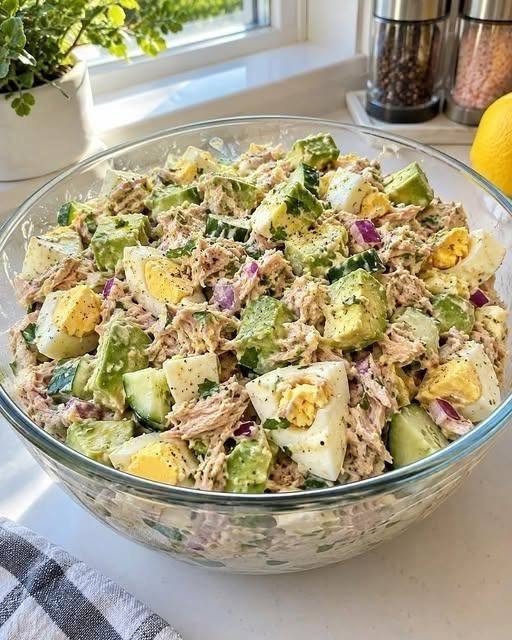
This Tuna Egg Avocado Protein Salad combines flaky tuna, tender hard-boiled eggs, creamy avocado, and crunchy cucumber with a lemon-dill dressing. Red onion adds a little sharpness, while mayonnaise and Greek yogurt bring everything together without hiding the texture of the ingredients.

Enjoy it on its own, spoon it into lettuce cups, or serve it with whole-grain toast for an easy lunch. This version includes the main ingredients visible in the photo, with chunky pieces of egg and avocado throughout.

Recipe Information

  • Preparation time: 15 minutes
  • Cooking time: 12 minutes, if cooking eggs from scratch
  • Total time: Approximately 30 minutes, including cooling the eggs
  • Servings: 4
  • Course: Lunch, light dinner, or side dish
  • Difficulty: Easy

Ingredients

For the Salad

  • 2 cans tuna in water, 5 ounces (142 g) each, thoroughly drained
  • 3 large hard-boiled eggs, peeled
  • 1 medium ripe but firm avocado
  • 1 cup diced cucumber
  • ¼ cup finely diced red onion
  • 2 tablespoons finely chopped fresh dill
  • 1 tablespoon chopped fresh parsley, optional

For the Creamy Lemon Dressing

  • ¼ cup mayonnaise
  • ¼ cup plain Greek yogurt
  • 1 tablespoon fresh lemon juice
  • 1 teaspoon Dijon mustard
  • ¼ teaspoon garlic powder
  • ¼ teaspoon black pepper
  • Salt, to taste

Instructions

1. Cook and Cool the Eggs

If you do not already have hard-boiled eggs, place the eggs in a saucepan and cover with cold water by about 1 inch.

Bring the water to a boil, cover the pan, and remove it from the heat. Let the eggs stand for 10–12 minutes, then transfer them to a bowl of ice water.

Once completely cool, peel and cut into chunky pieces or quarters. Set aside a few pieces to place on top of the finished salad.

2. Drain and Flake the Tuna

Drain the tuna thoroughly, pressing gently to remove excess liquid.

Transfer to a large mixing bowl and separate it into flakes with a fork. Leave some larger pieces rather than mashing it into a paste.

3. Prepare the Vegetables

Dice the cucumber and pat it dry with a clean kitchen towel. If it has a watery, heavily seeded centre, remove that portion before chopping.

Finely dice the red onion and chop the dill and optional parsley.

For a milder onion flavour, soak the diced onion in cold water for five minutes, then drain and pat dry.

4. Mix the Dressing

In a small bowl, whisk together the mayonnaise, Greek yogurt, lemon juice, Dijon mustard, garlic powder, and black pepper.

Taste before adding salt, as the tuna and mayonnaise may already provide enough.

The dressing should be creamy and spoonable.

5. Combine the Tuna and Vegetables

Add the cucumber, red onion, dill, and optional parsley to the tuna.

Spoon over the dressing and fold gently until everything is evenly coated.

6. Add the Avocado and Eggs

Cut the avocado in half, remove the stone, and dice the flesh into bite-sized chunks.

Add the avocado and chopped eggs to the bowl. Fold gently with a broad spoon or spatula, keeping the pieces intact.

Avoid vigorous stirring, which can mash the avocado and break up the eggs.

7. Garnish and Serve

Arrange the reserved egg pieces on top. Finish with extra dill and a little freshly ground black pepper.

Serve immediately, or refrigerate briefly until chilled. For the freshest appearance, add the avocado shortly before serving.

Tips for the Best Salad

  • Choose a ripe but firm avocado. It should yield slightly when pressed while still holding its shape when diced.
  • Cool the eggs completely. Warm eggs can soften the avocado and warm the dressing.
  • Drain the tuna well. Excess liquid makes the salad watery.
  • Dry the cucumber. This helps keep the dressing thick.
  • Fold in delicate ingredients last. Adding eggs and avocado at the end preserves the chunky appearance shown in the photo.
  • Adjust the dressing gradually. If you prefer a lightly dressed salad, start with three-quarters of the dressing and add more as needed.

Easy Variations

Without Mayonnaise

Replace the mayonnaise with an equal amount of plain Greek yogurt. The dressing will taste tangier and less rich.

Extra Crunch

Add ¼ cup finely chopped celery or a few sliced radishes.

Pickle and Dill

Fold in 2 tablespoons chopped dill pickles. Taste before adding extra salt or lemon juice.

Spicy Version

Add a small pinch of chilli flakes or a little hot sauce to the dressing.

Serving Suggestions

Serve this salad:

  • In lettuce cups
  • Over mixed salad greens
  • With whole-grain toast or crackers
  • Inside a pita pocket or tortilla wrap
  • Alongside sliced tomatoes and bell peppers

Bread, crackers, and other accompaniments are additional to the nutrition estimate below.

Storage and Meal Preparation

Store the salad in an airtight container in the refrigerator. It is best enjoyed the day it is made, as avocado gradually browns and cucumber releases moisture.

For meal preparation, mix the tuna, cucumber, onion, herbs, and dressing ahead of time. Keep the hard-boiled eggs refrigerated separately and cut the avocado just before serving.

Freezing is not recommended because the dressing and vegetables lose their texture after thawing.

Estimated Nutritional Information

Approximate values per serving, based on four servings, regular mayonnaise, plain nonfat Greek yogurt, about 150 g avocado flesh, and approximately 226 g drained tuna.

Nutrient Per Serving
Calories 300 kcal
Protein 21 g
Carbohydrates 6 g
Total Fat 22 g
Saturated Fat 4 g
Dietary Fiber 3 g
Total Sugars 2 g

Values are estimates and vary with ingredient brands, drained tuna weight, avocado size, and portion size.

Frequently Asked Questions

Can I make this salad the night before?

Yes. Prepare the tuna mixture and dressing, then refrigerate in a covered container. Add the chopped eggs and freshly diced avocado before serving for the best texture.

Can I use tuna packed in oil?

Yes. Drain it thoroughly before adding it. The flavour will be richer, and the nutritional values will differ.

Can I use dried dill?

Yes. Start with 1 teaspoon dried dill, let the dressing rest briefly, then taste and add more if needed.

How do I keep the avocado from browning?

Add it shortly before serving and coat it gently with the lemon dressing. Lemon juice can slow browning, although it will not prevent it completely.

Why is my salad watery?

The tuna may not have been drained enough, or the cucumber may have released excess moisture. Drain and dry these ingredients thoroughly before mixing.

Can I add more eggs?

Yes. Add an extra hard-boiled egg if you prefer a more egg-forward salad. Increase the dressing slightly only if needed; the nutrition estimate will also change.

 

Crispy Baked Cauliflower Bites with Creamy Spicy Dip

Crispy Baked Cauliflower Bites with Creamy Spicy Dip

These crispy cauliflower bites have a golden breadcrumb coating and a tender centre. Seasoned with garlic, paprika, and Parmesan, they make a delicious snack, appetizer, or side dish. Serve them fresh from the oven with a creamy spicy dip for an easy crowd-pleaser.

This homemade version is inspired by the dish in your photo.

Prep time: 20 minutes

Cook time: 25–30 minutes

Total time: 45–50 minutes

Servings: 4

Oven temperature: 425°F (220°C)

Ingredients

For the Cauliflower

  • 1 medium cauliflower, approximately 700–800 g, cut into bite-sized florets
  • ½ cup all-purpose flour
  • 2 large eggs
  • 2 tablespoons milk
  • 1½ cups panko breadcrumbs
  • ½ cup finely grated Parmesan cheese
  • 1 teaspoon garlic powder
  • 1 teaspoon smoked or sweet paprika
  • ½ teaspoon onion powder
  • ½ teaspoon salt, or to taste
  • ¼ teaspoon black pepper
  • ¼ teaspoon chilli powder, optional
  • 2–3 tablespoons olive oil, or cooking oil spray
  • 1 tablespoon chopped fresh parsley, for garnish

For the Creamy Spicy Dip

  • ¼ cup mayonnaise
  • ¼ cup plain thick yogurt
  • 1 tablespoon ketchup
  • 1–2 teaspoons sriracha or your favourite hot sauce
  • 1 teaspoon lemon juice
  • ¼ teaspoon garlic powder
  • A pinch of salt, if needed

How to Make Crispy Cauliflower Bites

1. Preheat the Oven

Preheat your oven to 425°F (220°C). Line a large baking tray with baking paper and lightly brush or spray it with oil.

Use two trays if necessary so the cauliflower can sit in a single layer without touching.

2. Prepare the Cauliflower

Wash the cauliflower and cut it into evenly sized florets, approximately 1½–2 inches wide.

Dry thoroughly with a clean kitchen towel. Excess moisture can prevent the coating from becoming crisp.

There is no need to boil the cauliflower first.

3. Set Up the Coating Bowls

Prepare three shallow bowls:

  • Bowl 1: Add the flour.
  • Bowl 2: Whisk together the eggs and milk.
  • Bowl 3: Combine the panko breadcrumbs, Parmesan, garlic powder, paprika, onion powder, salt, black pepper, and optional chilli powder.

Stir the breadcrumb mixture well to distribute the seasonings.

4. Coat the Florets

Working with one floret at a time:

  1. Lightly coat it in flour, shaking off the excess.
  2. Dip it into the egg mixture.
  3. Press it into the seasoned breadcrumbs, covering all sides.

Place each coated floret on the prepared baking tray, leaving space between the pieces.

5. Add a Little Oil

Lightly spray the coated florets with cooking oil, or gently drizzle the olive oil over them.

A thin, even coating of oil helps the breadcrumbs turn golden and crisp.

6. Bake Until Golden

Bake for 25–30 minutes, carefully turning the florets after about 15 minutes.

They are ready when the coating is golden brown and the thickest part of the stem is tender when pierced with a fork.

For extra colour, place under the grill or broiler for 1–2 minutes at the end, watching closely to prevent burning.

7. Make the Dip

While the cauliflower bakes, combine the mayonnaise, yogurt, ketchup, hot sauce, lemon juice, and garlic powder in a small bowl.

Stir until smooth. Taste and adjust the hot sauce or salt as needed. Refrigerate until ready to serve.

8. Garnish and Serve

Let the cauliflower rest for 2–3 minutes, then sprinkle with chopped parsley.

Serve immediately with the creamy spicy dip on the side. Keeping the dip separate helps preserve the crisp coating.

Air Fryer Instructions

Prepare and coat the cauliflower as directed above.

  1. Preheat the air fryer to 390°F (200°C).
  2. Lightly spray the basket and coated florets with oil.
  3. Arrange the florets in a single layer, working in batches.
  4. Air-fry for 12–16 minutes, turning halfway through.
  5. Check that the stems are tender and the coating is golden before serving.

Cooking time may vary depending on your air fryer and the size of the florets.

Tips for the Crispiest Coating

  • Dry the cauliflower thoroughly. Water on the surface makes it harder for the coating to stick.
  • Use panko breadcrumbs. Their coarse texture gives a lighter, crunchier crust.
  • Keep the florets similar in size. This helps them cook evenly.
  • Avoid overcrowding. Leave room for hot air to circulate.
  • Press the crumbs on gently. This helps the coating stay attached.
  • Serve promptly. The crust gradually softens as the cauliflower releases steam.

Easy Variations

Less Spicy

Leave out the chilli powder and hot sauce. Serve with garlic yogurt dip or ranch dressing.

Without Parmesan

Omit the Parmesan and add an extra ¼ cup of breadcrumbs. Taste and adjust the seasoning.

Gluten-Free

Use a gluten-free flour blend and gluten-free panko breadcrumbs. Check the labels on your sauces and seasonings as well.

Lemon and Herb

Add ½ teaspoon dried oregano to the breadcrumb mixture. Finish with a little lemon zest and chopped parsley after baking.

What to Serve with Cauliflower Bites

These bites work well alongside:

  • Grilled chicken or fish
  • Burgers and sandwiches
  • A fresh green salad
  • Wraps with lettuce and garlic sauce
  • Other appetizers for a party platter

Storage and Reheating

Refrigerator: Let the cauliflower cool, then store in an airtight container for up to 3–4 days. Refrigerate within two hours of cooking. Store the dip separately and use within 3 days.

Oven: Reheat at 400°F (200°C) for approximately 8–12 minutes, until hot and crisp.

Air fryer: Reheat at 375°F (190°C) for approximately 4–6 minutes.

A microwave will warm the bites, but the breadcrumb coating will soften.

Frequently Asked Questions

Do I need to boil the cauliflower before baking?

No. Bite-sized raw florets cook through during baking. Boiling first can introduce extra moisture and make the finished bites softer.

Why are my cauliflower bites not crispy?

Common causes include wet florets, overcrowding the tray, using too little oil, or baking at too low a temperature. Spread the pieces out and fully preheat your oven.

Can I use regular breadcrumbs?

Yes. Regular dry breadcrumbs work, although the coating will be finer and less crunchy than panko.

Can I use frozen cauliflower?

Fresh cauliflower gives the most reliable texture. If using frozen, thaw it completely and dry it thoroughly before coating. The finished bites may be softer.

Can I prepare them ahead?

You can cut the cauliflower, mix the dry coating, and prepare the dip in advance. Keep everything separate and refrigerate the cauliflower and dip. Coat and bake shortly before serving for the best crunch.

Estimated Nutrition per Serving

Based on 4 servings, using 2 tablespoons olive oil. Values include the creamy spicy dip.

Nutrient Per Serving
Calories 440 kcal
Protein 16 g
Carbohydrates 42 g
Dietary Fiber 5 g
Total Sugars 7 g
Total Fat 24 g
Saturated Fat 5 g
Cholesterol 110 mg
Sodium 850 mg

Nutrition values are approximate and vary depending on ingredient brands, cauliflower size, and how much coating, oil, and dip is consumed.

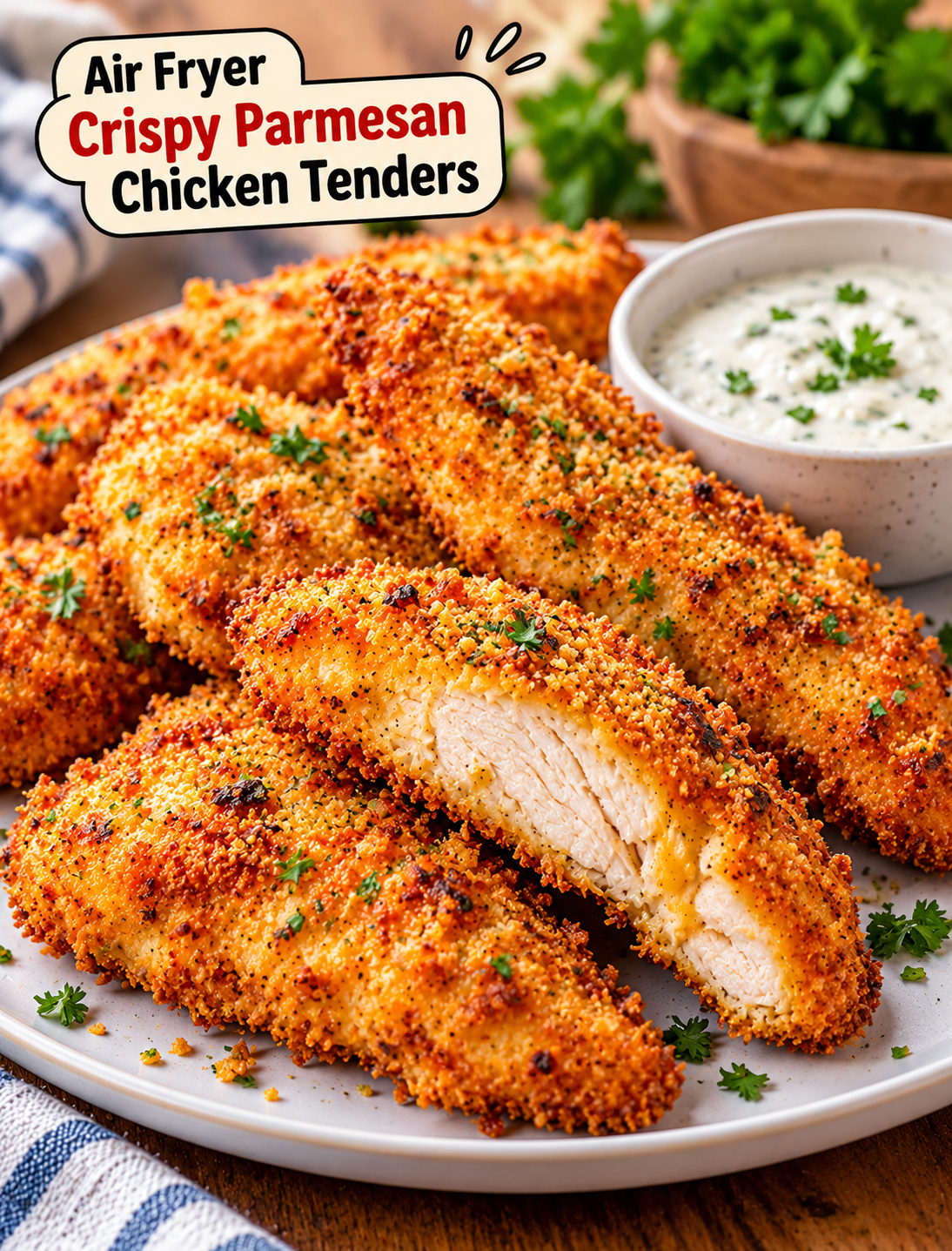
Air Fryer Crispy Parmesan Crusted Chicken Tenders

Air Fryer Crispy Parmesan Crusted Chicken Tenders


Air Fryer Crispy Parmesan Crusted Chicken Tenders are a delicious way to enjoy crunchy chicken without deep frying. Each tender has a golden Parmesan coating, a juicy center, and a savory flavor that pairs well with your favorite dipping sauce. The air fryer helps crisp the outside with just a little oil, making this recipe useful for quick dinners, easy lunches, and family-friendly snacks.

You only need a few everyday ingredients to prepare these chicken tenders at home. Parmesan cheese adds a salty, nutty taste, while breadcrumbs create the crisp outer layer. Garlic powder, paprika, and black pepper bring extra flavor without making the coating complicated.

This recipe works well with fresh chicken tenderloins or chicken breast cut into strips. Serve the finished tenders with ranch dressing, honey mustard, barbecue sauce, or marinara. Add a simple salad, roasted vegetables, or potato wedges to make the meal more filling.

Why You’ll Love These Parmesan Crusted Chicken Tenders

  • Crispy coating: Parmesan cheese and breadcrumbs create a flavorful, crunchy crust.
  • Less oil: Air frying uses much less oil than traditional deep frying.
  • Simple ingredients: Most ingredients are easy to find at a regular grocery store.
  • Quick cooking: Thin chicken strips cook faster than whole chicken breasts.
  • Family-friendly flavor: Garlic, paprika, and Parmesan provide savory flavor without excessive heat.
  • Easy to customize: You can adjust the seasonings, use gluten-free breadcrumbs, or add a little cayenne pepper.
  • Versatile serving options: Enjoy the tenders as a main dish, sandwich filling, salad topping, or party snack.

Ingredients You’ll Need

This recipe makes approximately 4 servings, depending on the size of the chicken strips.

  • 1 pound chicken tenderloins: Use fresh, boneless, skinless chicken. If using chicken breasts, cut them into evenly sized strips.
  • ½ cup finely grated Parmesan cheese: Freshly grated Parmesan gives the coating a rich, savory flavor.
  • ¾ cup plain breadcrumbs or panko: Panko usually creates a lighter, crunchier texture.
  • ½ teaspoon garlic powder: Adds a savory taste to the crust.
  • ½ teaspoon paprika: Provides color and mild, smoky flavor.
  • ¼ teaspoon onion powder: Adds extra depth to the seasoning.
  • ¼ teaspoon black pepper: Gives the coating a gentle peppery taste.
  • ¼ teaspoon salt, or to taste: Adjust according to the saltiness of your Parmesan.
  • 1 large egg: Helps the Parmesan breadcrumb mixture stick to the chicken.
  • 2 tablespoons milk: Loosens the beaten egg and helps coat the strips evenly.
  • 1–2 teaspoons olive oil or cooking spray: Helps the coating brown and crisp in the air fryer.

Optional ingredients: Add a pinch of Italian seasoning for a herby flavor or a small pinch of cayenne pepper for extra heat. Avoid adding too much salt because Parmesan cheese already contains sodium.

Equipment Needed

  • Air fryer
  • Two shallow bowls or plates
  • Whisk or fork
  • Tongs
  • Meat thermometer
  • Cutting board and knife, if cutting chicken breasts into strips

How to Make Air Fryer Crispy Parmesan Crusted Chicken Tenders

Follow these steps for evenly coated chicken with a golden crust and a juicy center.

Step 1: Prepare the Chicken

Pat the chicken tenderloins dry with paper towels. If you are using chicken breasts, cut them into strips of similar thickness so they cook at about the same rate.

Remove any visible tendon from the tenderloins if desired. Keep the strips reasonably uniform, because very thin pieces may dry out before thicker pieces finish cooking.

Wash your hands and clean any surfaces that come into contact with raw chicken. Keep raw chicken separate from cooked food and ready-to-eat ingredients.

Step 2: Make the Parmesan Coating

Add the breadcrumbs, grated Parmesan cheese, garlic powder, paprika, onion powder, black pepper, and salt to a shallow bowl. Stir until the cheese and seasonings are evenly mixed.

Use finely grated Parmesan so it blends well with the breadcrumbs. Large cheese shavings may fall off during coating or melt unevenly while cooking.

If you prefer a stronger Parmesan flavor, replace a small portion of the breadcrumbs with additional grated cheese. Keep enough breadcrumbs in the mixture to create a dry coating.

Step 3: Prepare the Egg Mixture

Crack the egg into a second shallow bowl. Add the milk and whisk until the mixture looks smooth.

The egg mixture helps the dry coating cling to the chicken. If the egg is not beaten well, thick patches may form on the surface and create uneven breading.

Place the egg bowl beside the Parmesan mixture to make the coating process easier.

Step 4: Coat Each Chicken Tender

Dip one chicken strip into the egg mixture and let the excess drip back into the bowl. Transfer it to the Parmesan breadcrumb mixture and press gently on both sides.

Make sure the ends and edges are covered. Place each coated strip on a clean plate or tray while you finish the remaining pieces.

For a thicker crust, dip the strip in the egg mixture and breadcrumb coating a second time. Press the coating gently so it stays attached, but do not squeeze the chicken too hard.

Step 5: Preheat and Prepare the Air Fryer

Preheat your air fryer to 400°F for about 3 minutes, if your model recommends preheating. Check the manufacturer’s instructions because preheating settings vary.

Lightly spray the basket with an air-fryer-safe cooking spray or brush it with a small amount of oil. Avoid aerosol sprays that can damage certain air fryer basket coatings.

Arrange the chicken tenders in a single layer. Leave space between the pieces so hot air can circulate around the coating.

Step 6: Air Fry Until Golden

Cook the tenders at 400°F for approximately 8–12 minutes, turning them halfway through. Cooking time depends on the thickness of the chicken and the design of your air fryer.

Check the thinnest strips first to prevent overcooking. If the coating needs more color, cook for another 1–2 minutes while watching closely.

The chicken is safe to eat when the thickest part reaches an internal temperature of 165°F, measured with a food thermometer. Do not rely on the coating color alone to judge doneness.

If you have several batches, keep the uncooked coated chicken refrigerated until you are ready to cook it. Avoid leaving raw poultry at room temperature while the first batch cooks.

Step 7: Rest and Serve

Transfer the cooked tenders to a clean plate or wire rack. Let them rest for 2–3 minutes before serving.

Serve immediately for the best crunch. Pair them with ranch, honey mustard, barbecue sauce, or marinara, and add your favorite vegetables or side dish.

If you are serving a crowd, cook the tenders in batches instead of stacking them. Stacking traps steam and can soften the Parmesan crust.

Tips for Extra Crispy Parmesan Chicken Tenders

  • Dry the chicken first: Removing excess moisture helps the coating stick and brown.
  • Use panko breadcrumbs: Their larger flakes often create a crispier texture than fine breadcrumbs.
  • Grate the Parmesan finely: Fine cheese mixes evenly with the breadcrumbs.
  • Do not overcrowd the basket: Airflow is important for crisp edges.
  • Turn the tenders halfway through: This helps both sides brown more evenly.
  • Use a light oil coating: Too much oil can make the crust greasy, while too little may leave it pale.
  • Check the internal temperature: Chicken should reach 165°F for food safety.
  • Serve soon after cooking: The crust is at its best before steam softens it.

Best Dipping Sauces and Side Dishes

These chicken tenders work with creamy, tangy, or smoky sauces. Choose a dip based on how you plan to serve the meal.

  • Ranch dressing: A cool, creamy match for the savory Parmesan crust.
  • Honey mustard: Adds sweetness and a gentle mustard flavor.
  • Barbecue sauce: Offers a smoky, slightly sweet contrast.
  • Marinara sauce: Creates an Italian-inspired pairing with the Parmesan coating.
  • Garlic yogurt dip: Provides a lighter, tangy option.

For sides, try air fryer potato wedges, roasted broccoli, green beans, a garden salad, or corn on the cob. You can also slice the tenders over a salad or place them inside a sandwich with lettuce and tomato.

Easy Recipe Variations

Spicy Parmesan Chicken Tenders

Add ¼ teaspoon of cayenne pepper or a pinch of chili flakes to the breadcrumb mixture. Start with a small amount and adjust the heat to your preference.

Garlic Herb Chicken Tenders

Mix Italian seasoning and a little dried parsley into the Parmesan coating. Serve with marinara or a simple garlic dip.

Gluten-Free Parmesan Tenders

Replace regular breadcrumbs with certified gluten-free breadcrumbs or crushed gluten-free crackers. Check the labels on all packaged ingredients if you need to avoid gluten.

Extra-Cheesy Chicken Tenders

Add a small amount of finely grated Pecorino Romano to the Parmesan mixture. Because both cheeses can be salty, reduce the added salt and taste the coating before using it.

How to Store and Reheat Leftovers

Refrigerator: Let the chicken cool briefly, then place it in a shallow airtight container. Refrigerate within 2 hours of cooking and use within 3–4 days.

Freezer: Freeze cooled tenders in a single layer until firm, then move them to a freezer-safe container or bag. For best quality, use within 2–3 months.

Air fryer reheating: Reheat refrigerated tenders at 350°F for about 3–5 minutes, checking that the centers reach 165°F. Frozen cooked tenders need additional time, so check the internal temperature before serving.

Avoid the microwave if you want a crunchy crust: Microwaving heats the chicken quickly but often makes the breading soft. An air fryer or oven usually gives better texture.

Frequently Asked Questions

1. Can I use chicken breasts instead of tenderloins?

Yes. Cut boneless, skinless chicken breasts into evenly sized strips so they cook at a similar rate.

2. How long do chicken tenders take in the air fryer?

At 400°F, start with 8–12 minutes and turn halfway through; cook until the thickest piece reaches 165°F.

3. Can I make Parmesan chicken tenders without eggs?

Yes. Use a suitable egg-free binder, such as plain yogurt or a little milk with flour, although the coating may stick differently.

4. Why is my Parmesan coating falling off?

Excess moisture, too little egg wash, or loose breading can cause the coating to fall off. Pat the chicken dry and press the breadcrumbs gently onto each strip.

5. Can I use pre-grated Parmesan cheese?

Yes. Finely grated packaged Parmesan works, although freshly grated cheese may blend more evenly with the breadcrumbs.

6. Can I prepare these chicken tenders ahead of time?

Yes. Coat the chicken and refrigerate it in a covered container, then air fry shortly before serving for the best texture.

7. Can I cook frozen raw breaded chicken tenders with this method?

This recipe is designed for fresh chicken. Frozen raw tenders may need different timing, so follow the package directions and verify that they reach 165°F internally.

8. How can I make the tenders crispier without deep frying?

Use panko, remove excess moisture from the chicken, lightly oil the coating, and leave space between pieces in the air fryer.

Final Thoughts

Air Fryer Crispy Parmesan Crusted Chicken Tenders are an easy choice when you want crunchy, flavorful chicken without deep frying. The Parmesan and breadcrumb coating creates a savory crust, while the air fryer keeps the cooking process simple and convenient.

For the best results, cut the chicken evenly, coat each strip thoroughly, and cook in a single layer. Check the internal temperature rather than relying only on color, and serve the tenders while the crust is still crisp. Pair them with a favorite dip and a simple side for a meal that works for lunch, dinner, or a casual gathering.


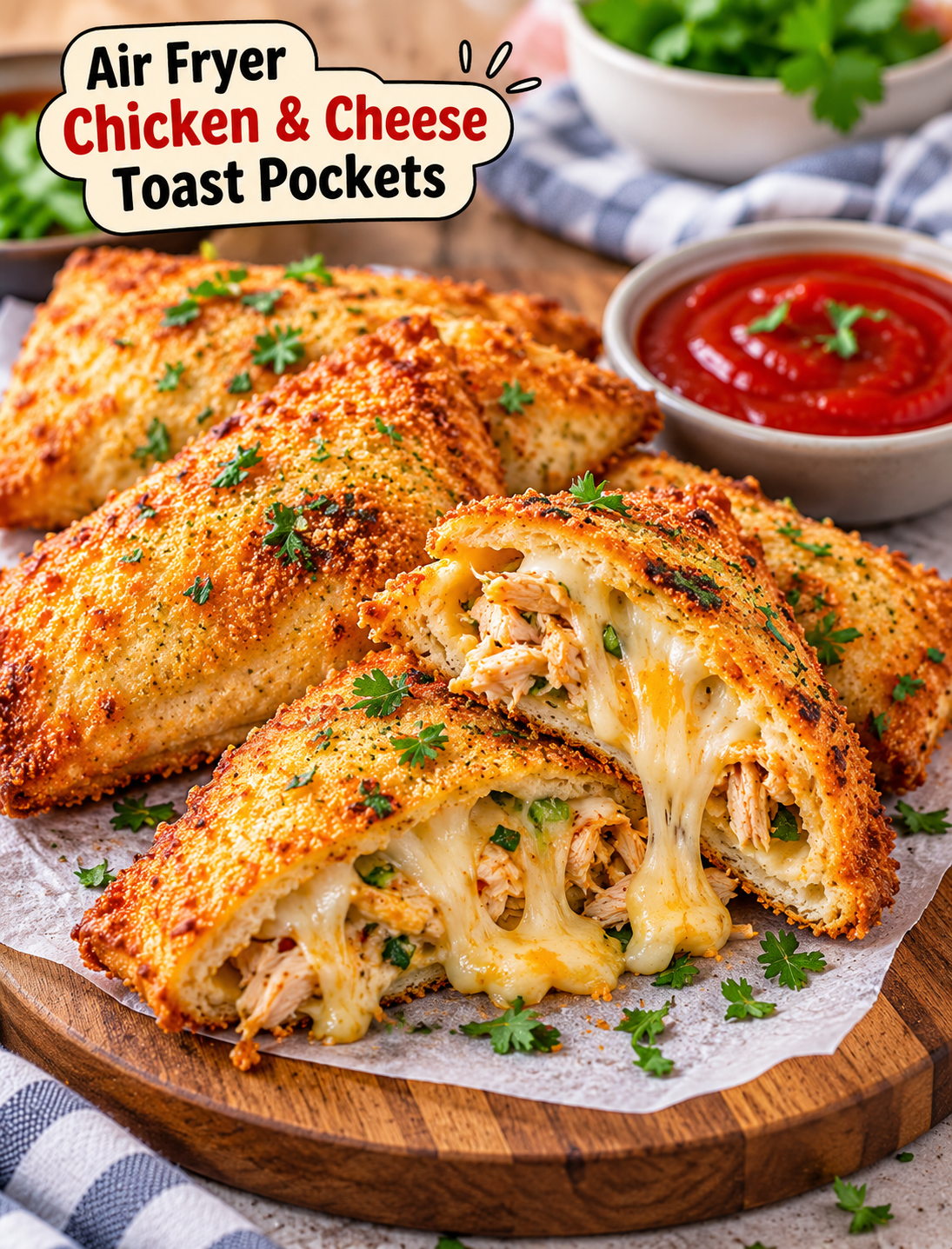
Air Fryer Chicken & Cheese Toast Pockets

Air Fryer Crispy Chicken & Cheese Toast Pockets

Air Fryer Crispy Chicken & Cheese Toast Pockets are a quick, satisfying meal made with bread, cooked chicken, melted cheese, and simple seasonings. The outside turns golden and crisp in the air fryer, while the inside stays warm, cheesy, and flavorful. They are perfect for busy weeknights, quick lunches, after-school snacks, or a casual weekend meal.

This easy recipe uses everyday ingredients and does not require deep frying. You can use leftover roast chicken, rotisserie chicken, or freshly cooked chicken to make the filling. Cheddar, mozzarella, or a blend of both gives the pockets a rich, cheesy center.

The best part is that you can prepare these crispy chicken toast pockets in just a few simple steps. Serve them with ketchup, ranch dressing, garlic sauce, or your favorite dipping sauce for a meal the whole family can enjoy.

Why You’ll Love These Air Fryer Chicken & Cheese Toast Pockets

  • Crispy without deep frying: The air fryer creates a golden, crunchy exterior with only a light coating of oil.
  • Quick and convenient: Using cooked chicken helps you prepare the filling in minutes.
  • Cheesy and satisfying: Melted cheese binds the filling together and adds plenty of flavor.
  • Easy to customize: Add vegetables, spices, or different cheeses to suit your taste.
  • Great for leftovers: This recipe is a practical way to use leftover cooked chicken.
  • Family-friendly: The mild seasoning and handheld shape make these pockets easy to serve for lunch or snacks.

Ingredients You’ll Need

Use fresh bread and fully cooked chicken for the best results. The measurements below make approximately 4 toast pockets, depending on the size of your bread slices.

  • 8 slices sandwich bread: White bread works well, but whole-wheat bread is another option.
  • 1 cup cooked chicken: Shred or finely chop the chicken so the filling fits neatly inside each pocket.
  • ½ cup shredded cheddar cheese: Adds a rich, savory flavor.
  • ½ cup shredded mozzarella cheese: Helps create a soft, stretchy cheese center.
  • 2 tablespoons mayonnaise: Adds moisture and helps the filling hold together.
  • 1 tablespoon finely chopped green onion: Adds a mild onion flavor.
  • ¼ teaspoon garlic powder: Gives the chicken filling a savory taste.
  • ¼ teaspoon paprika: Adds gentle warmth and color.
  • ¼ teaspoon black pepper: Provides a little extra seasoning.
  • Salt to taste: Adjust the amount based on how salty your chicken and cheese are.
  • 1 egg, beaten: Helps seal the bread edges.
  • 1–2 teaspoons olive oil or cooking spray: Helps the outside become golden and crisp.

Optional additions: Finely chopped bell pepper, a pinch of chili flakes, or a little chopped parsley can add extra flavor. Avoid adding too many wet ingredients because excess moisture can make the bread soggy.

Equipment Needed

  • Air fryer
  • Mixing bowl
  • Fork or spoon
  • Cutting board
  • Rolling pin or flat-bottomed cup
  • Pastry brush
  • Fork for sealing the edges
  • Silicone-tipped tongs or a spatula

How to Make Air Fryer Crispy Chicken & Cheese Toast Pockets

Follow these numbered steps for crisp bread, a flavorful filling, and melted cheese in every bite.

Step 1: Prepare the Chicken Filling

Place the cooked, shredded chicken in a mixing bowl. Add the cheddar cheese, mozzarella cheese, mayonnaise, green onion, garlic powder, paprika, black pepper, and salt.

Mix everything until the ingredients are evenly combined. Break up any large pieces of chicken so the filling spreads easily across the bread.

The mixture should be moist enough to hold together without becoming watery. If your chicken is already seasoned, taste the filling before adding extra salt.

Step 2: Flatten the Bread Slices

Place the bread slices on a clean cutting board. Use a rolling pin to flatten each slice gently until it is thin but not torn.

Flattening the bread makes it easier to fold and seal. It also helps the pockets develop a crisp texture during air frying.

If the crusts are very firm, trim them off for easier sealing. You can save the crusts for breadcrumbs or another recipe.

Step 3: Add the Filling

Spoon approximately 2 tablespoons of chicken and cheese filling onto one side of each flattened bread slice. Leave a clear border around the edges so the filling does not squeeze out.

Avoid overfilling the bread. Too much filling can prevent the edges from sealing properly and may cause cheese to leak into the air fryer basket.

For evenly sized pockets, divide the filling into eight portions before assembling them.

Step 4: Fold and Seal the Pockets

Fold each bread slice over the filling to create a half-moon or rectangular pocket. Brush a little beaten egg along the edges, then press them firmly together.

Use the back of a fork to crimp around the edges. Check every pocket for gaps before cooking.

A tight seal keeps the filling inside and helps the bread hold its shape. If the bread cracks while folding, press the damaged area gently together before sealing.

Step 5: Preheat the Air Fryer

Preheat your air fryer to 375°F for about 3 minutes, if your model recommends preheating.

Lightly brush or spray the outside of each pocket with olive oil. This helps the bread brown evenly and develop a crisp finish.

Place the pockets on a plate while the air fryer heats. Do not stack them, because the surfaces need space to crisp properly.

Step 6: Air Fry Until Golden and Crispy

Arrange the toast pockets in a single layer in the air fryer basket. Leave a little space between each one so hot air can circulate.

Air fry at 375°F for 6–9 minutes, flipping the pockets carefully halfway through cooking. Check them early because thin bread may brown faster than thick bread.

The pockets are ready when both sides look golden and crisp, the cheese is melted, and the filling is hot throughout. If they need more color, cook for another 1–2 minutes while watching closely.

Because the chicken is already cooked, the main goal is to heat the filling thoroughly and crisp the bread. If you use any freshly cooked chicken in the filling, cook it separately first and make sure it reaches a safe internal temperature of 165°F.

Step 7: Rest, Slice, and Serve

Remove the pockets carefully using tongs or a spatula. Let them rest for 2 minutes before cutting or serving.

The short resting time allows the melted cheese to settle and reduces the chance of burning your mouth. Slice each pocket in half if you want a snack-sized serving.

Serve warm with ketchup, ranch dressing, barbecue sauce, or marinara. Add a simple green salad, sliced cucumbers, or fresh fruit to turn the pockets into a more complete meal.

Expert Tips for the Crispiest Toast Pockets

  • Use fully cooled filling: Very hot filling can soften the bread before cooking.
  • Choose bread that folds easily: Fresh sandwich bread is usually easier to seal than dry bread.
  • Keep the filling away from the edges: A clear border helps prevent leaks.
  • Do not skip the oil: A light coating encourages browning without deep frying.
  • Avoid overcrowding: Cook in batches if needed to maintain good airflow.
  • Check your air fryer early: Different models and bread thicknesses can change the cooking time.
  • Use finely shredded cheese: Smaller pieces melt more evenly and combine well with the chicken.
  • Do not use excess mayonnaise: Too much moisture can make the bread soft instead of crisp.

Easy Variations to Try

Spicy Chicken and Cheese Pockets

Add a pinch of chili flakes or cayenne pepper to the chicken mixture. You can also use pepper jack cheese for extra heat.

BBQ Chicken Toast Pockets

Replace the mayonnaise with a small amount of barbecue sauce, or mix a little barbecue sauce into the filling. Use cheddar cheese for a smoky, savory flavor, but keep the filling thick rather than runny.

Garlic Parmesan Pockets

Add 1–2 tablespoons of grated Parmesan cheese and a small pinch of Italian seasoning. Serve with warm marinara for an easy pizza-inspired snack.

Veggie Chicken Pockets

Mix in a tablespoon or two of finely chopped bell pepper or spinach. Cooked vegetables should be drained and patted dry to prevent excess moisture.

Whole-Wheat Chicken Pockets

Use whole-wheat sandwich bread for a slightly heartier option. If the bread is less flexible, flatten it gently and avoid overfilling to prevent tearing.

What to Serve With Chicken and Cheese Toast Pockets

These pockets pair well with simple sides and dipping sauces. Try one or two of the following:

  • Ranch dressing: A creamy option that complements the chicken and cheese.
  • Ketchup: A familiar, slightly sweet dip.
  • Marinara sauce: Adds a tomato and herb flavor.
  • Fresh green salad: Balances the rich filling with crisp vegetables.
  • Air fryer potato wedges: Makes the meal more filling.
  • Cucumber and carrot sticks: Adds freshness and crunch.
  • Tomato soup: A comforting choice for lunch or a light dinner.

How to Store and Reheat Leftovers

Refrigerator: Let the pockets cool, then place them in an airtight container. Refrigerate within 2 hours of cooking and eat within 3–4 days.

Freezer: For better texture, freeze the cooled pockets in a single layer until firm, then transfer them to a freezer-safe container. For best quality, use within 2 months.

Reheating: Reheat refrigerated pockets in an air fryer at 350°F for about 3–5 minutes, checking that the center is hot. Frozen pockets may need additional time; reheat until the filling reaches 165°F.

Avoid reheating for too long: Excessive heat can dry out the chicken and make the bread overly hard. The microwave is convenient, but it usually makes the bread softer rather than crispy.

Frequently Asked Questions

1. Can I use rotisserie chicken for this recipe?

Yes. Remove the skin and bones, then shred the cooked rotisserie chicken into small pieces before mixing the filling.

2. What temperature should I use for air fryer toast pockets?

Start at 375°F and cook for 6–9 minutes, flipping halfway through. Adjust the time to suit your air fryer and bread thickness.

3. Which cheese melts best in chicken toast pockets?

Mozzarella gives a stretchy texture, while cheddar adds a stronger flavor. A mixture of both works especially well.

4. Can I make these pockets without eggs?

Yes. Use a little water or milk to help the bread edges stick, then press firmly with a fork. The seal may be slightly less secure.

5. Why are my toast pockets soggy?

Soggy pockets usually result from wet filling, excess mayonnaise, overcrowding, or too little cooking time. Keep the filling thick and leave space between pockets.

6. Can I prepare the pockets ahead of time?

Yes. Assemble them and refrigerate in a covered container for up to 24 hours before air frying. Cook them until crisp and heated through.

7. Can I cook these pockets in a regular oven?

Yes. Place them on a lined baking sheet and bake at 400°F for approximately 10–15 minutes, flipping halfway through. Check for golden bread and a hot center.

8. Are these chicken and cheese pockets good for kids’ lunchboxes?

They can work well when packed safely, but they are best served hot and crisp. If packing for later, use an insulated container to keep them at a safe temperature.

Final Thoughts

Air Fryer Crispy Chicken & Cheese Toast Pockets are a practical way to turn cooked chicken, sandwich bread, and cheese into a warm, satisfying meal. The air fryer gives the bread a crisp exterior without the need for deep frying, while the seasoned filling stays cheesy and flavorful.

Keep the filling thick, seal the edges firmly, and cook the pockets in a single layer for the best results. Serve them with your favorite dipping sauce, or pair them with a fresh salad for an easy lunch or dinner. Once you try the basic version, experiment with spicy, barbecue, or garlic Parmesan flavors to create your own favorite combination.


No-Bake Chocolate Walnut Oat Bars

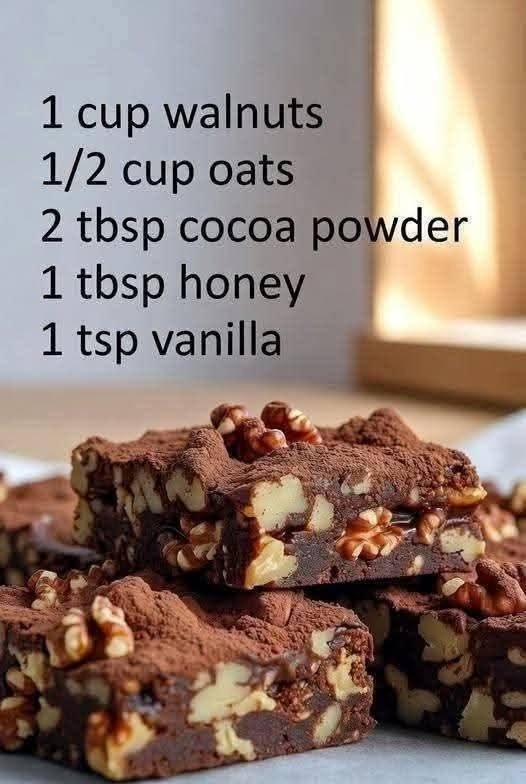
Chocolate Walnut Bars with walnuts, oats, cocoa powder, honey, vanilla, and a rich fudgy no-bake texture

No-Bake Chocolate Walnut Oat Bars

Chocolate Walnut Bars are a rich, chewy no-bake treat made with walnuts, oats, cocoa powder, honey, and vanilla. They are simple to prepare, require no oven, and come together with just a handful of pantry ingredients. Chocolate Walnut Bars have a fudgy texture, deep cocoa flavor, and plenty of crunchy walnut pieces, making them a practical option for snacks, lunchboxes, or an easy homemade dessert.

Prep Time: 15 minutes
Chill Time: 1 hour
Total Time: About 1 hour 15 minutes
Servings: 12 bars

Ingredients

For the Bars

  • 1 cup walnuts
  • 1/2 cup rolled oats
  • 2 tablespoons unsweetened cocoa powder
  • 1 tablespoon honey, plus more if needed
  • 1 teaspoon vanilla extract
  • 1/4 teaspoon salt
  • 2 tablespoons nut butter, optional for extra binding
  • 1 to 2 tablespoons water, only if needed

For the Optional Topping

  • 1 tablespoon cocoa powder
  • 2 tablespoons chopped walnuts
  • Pinch of flaky salt, optional

Why You’ll Love This Recipe

Chocolate Walnut Bars are easy to make because there is no baking, no complicated equipment, and no long ingredient list. The walnuts provide crunch and richness, while oats help give the bars structure and a satisfying chewy texture.

Another reason to love Chocolate Walnut Bars is how flexible they are. You can make them sweeter, more chocolatey, or softer depending on your preference. They are also easy to portion and store, which makes them convenient for meal prep or quick snacks during a busy week.

How to Make Chocolate Walnut Bars

Step 1: Prepare the Pan

Line a small loaf pan or an 8-inch square pan with parchment paper, leaving some paper hanging over the sides.

This makes it easier to lift the chilled bars from the pan later.

Step 2: Toast the Walnuts, Optional

For deeper flavor, place the walnuts in a dry skillet over medium-low heat.

Toast for 3 to 4 minutes, stirring frequently, until fragrant.

Allow them to cool completely before using.

Step 3: Process the Walnuts

Place the walnuts in a food processor.

Pulse several times until they are chopped into a mixture of fine crumbs and small pieces.

Avoid processing too long, or the walnuts may begin turning into nut butter.

Step 4: Add the Oats

Add the rolled oats to the food processor.

Pulse again until the oats are broken down but still have a little texture.

The mixture for Chocolate Walnut Bars should not become completely powdery.

Step 5: Add Cocoa and Salt

Add the cocoa powder and salt.

Pulse briefly to distribute them evenly throughout the walnut and oat mixture.

Step 6: Add Honey and Vanilla

Pour in the honey and vanilla extract.

Add the optional nut butter if you want a softer, more cohesive texture.

Process until the mixture begins clumping together.

Step 7: Check the Texture

Pinch a small amount between your fingers.

If it holds together, the mixture is ready.

If it feels too dry, add water 1 teaspoon at a time or add a little extra honey.

At this stage, Chocolate Walnut Bars should have a thick, sticky texture that can be pressed firmly into a pan.

Step 8: Press Into the Pan

Transfer the mixture to the prepared pan.

Use the back of a spoon, spatula, or a piece of parchment paper to press it down very firmly.

Compressing the mixture well is important because it helps the bars stay together after chilling.

Step 9: Add the Topping

Dust the surface lightly with cocoa powder.

Scatter chopped walnuts over the top and press them gently into the mixture.

A tiny pinch of flaky salt can be added for contrast if desired.

Step 10: Chill

Refrigerate for at least 1 hour, or until firm.

For extra-firm bars, chill for 2 hours.

Step 11: Slice

Use the parchment paper to lift the slab from the pan.

Place it on a cutting board and use a sharp knife to cut it into 12 squares or bars.

For cleaner slices, wipe the knife between cuts.

Step 12: Serve

Serve Chocolate Walnut Bars chilled or let them sit at room temperature for a few minutes for a softer texture.

Serving Suggestions

Chocolate Walnut Bars are delicious on their own with coffee, tea, or milk.

For a more complete snack, pair one bar with fresh berries, sliced banana, plain yogurt, or a small piece of fruit.

You can also crumble Chocolate Walnut Bars over yogurt or a smoothie bowl for extra cocoa and nutty flavor.

For dessert, serve them with a spoonful of lightly whipped cream or a few raspberries.

For another festive holiday appetizer, try our Christmas Cranberry Walnut Cheese Balls with creamy cheese, tart cranberries, crunchy walnuts, and fresh herbs.

Recipe Tips

Use fresh walnuts for the best flavor. Walnuts that have been stored too long can develop a bitter or stale taste.

Do not overprocess the nuts. A combination of fine crumbs and small pieces gives the bars a better texture.

Use rolled oats rather than steel-cut oats because they soften more easily and blend better.

For the best Chocolate Walnut Bars texture, press the mixture into the pan as firmly as possible.

If your honey is very thick, warm it briefly so it blends more easily.

Taste the mixture before pressing it into the pan. If you prefer more sweetness, add a small amount of extra honey.

If the mixture is too wet, add a spoonful of oats. If it is too dry, add a teaspoon of water or nut butter.

Easy Variations

Chocolate Walnut Bars can be customized with several simple ingredients.

For extra chocolate flavor, add 1 tablespoon mini dark chocolate chips or a small amount of melted dark chocolate.

For a coconut version, mix in 2 tablespoons unsweetened shredded coconut.

You can make Chocolate Walnut Bars with pecans, almonds, or cashews instead of walnuts, although the flavor and texture will change.

For a fruitier variation, add finely chopped dates, raisins, or dried cranberries.

A pinch of cinnamon also pairs well with cocoa and walnuts.

For extra crunch, stir in pumpkin seeds or sunflower seeds before pressing the mixture into the pan.

You may also enjoy our Christmas Cookies for a soft, buttery holiday treat filled with cream cheese, pecans, vanilla, and festive flavor.

Make-Ahead Instructions

This recipe is excellent for make-ahead snacks.

Prepare the bars, press them into the pan, and refrigerate overnight.

Once firm, slice them and store the pieces in a covered container.

Chocolate Walnut Bars can be made several days ahead, making them convenient for lunchboxes, road trips, or busy workweeks.

Storage and Freezing

Store Chocolate Walnut Bars in an airtight container in the refrigerator for up to 1 week.

Place parchment paper between layers if you stack them.

For longer storage, freeze them in a freezer-safe container for up to 2 months.

You can freeze individual bars separately so they are easy to grab when needed.

Thaw in the refrigerator or at room temperature for a few minutes before serving.

Because the bars contain honey and finely processed nuts, they soften if left in a warm room for too long.

Nutrition Information

Approximate nutrition per bar:

Calories: 135
Protein: 3 g
Carbohydrates: 10 g
Fat: 10 g
Saturated Fat: 1 g
Fiber: 2 g
Sugar: 4 g
Sodium: 50 mg

Nutrition values are estimates and may vary depending on the amount of honey, optional nut butter, walnuts, and serving size.

Frequently Asked Questions

Do I need to bake these bars?

No. This is a completely no-bake recipe. Chilling firms the mixture enough to slice.

Can I use quick oats?

Yes. Quick oats work well, although the texture may be slightly softer.

Can I make Chocolate Walnut Bars without honey?

Yes. Maple syrup can be used instead, but the mixture may be a little softer and could require extra oats.

Can I use another nut?

Yes. Pecans, almonds, or cashews can replace the walnuts.

Why are my bars falling apart?

The mixture may be too dry or may not have been pressed firmly enough. Add a small amount of honey, nut butter, or water and compress it well.

Can I make them sweeter?

Yes. Add more honey gradually, tasting as you go.

Can I add chocolate chips?

Yes. Mini dark chocolate chips can be folded into the mixture before pressing it into the pan.

Final Thoughts

Chocolate Walnut Bars are an easy way to turn a few pantry staples into a rich, no-bake snack with plenty of texture.

Because these bars combine walnuts, oats, cocoa, honey, and vanilla, they have a satisfying balance of nutty, chocolatey, and lightly sweet flavors.

Keep this Chocolate Walnut Bars recipe handy when you want a quick homemade treat without turning on the oven.

With their chewy texture, crunchy walnuts, deep cocoa flavor, and simple preparation, Chocolate Walnut Bars are a convenient dessert or snack that is easy to make, easy to store, and easy to enjoy.

Christmas Cookies

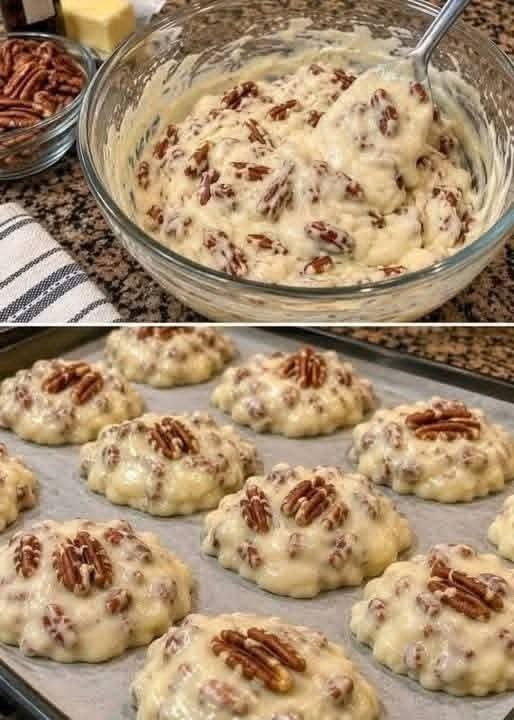
Christmas Cookies with cream cheese, butter, chopped pecans, vanilla, and pecan halves on top

Christmas Cookies

Christmas Cookies are soft, buttery holiday cookies filled with cream cheese, chopped pecans, vanilla, and warm seasonal flavor. They are simple enough for a family baking day but festive enough for cookie trays, parties, gift boxes, and Christmas gatherings. Christmas Cookies have lightly crisp edges, tender centers, and a rich nutty texture that makes every bite feel special.

This version is inspired by cream cheese pecan cookies, with a dough that stays soft and easy to shape. A pecan half on top gives each cookie a classic homemade look.

Prep Time: 20 minutes
Chill Time: 30 minutes
Bake Time: 12 to 14 minutes
Total Time: About 1 hour 5 minutes
Servings: 24 cookies

Ingredients

For the Cookie Dough

  • 1/2 cup unsalted butter, softened
  • 4 ounces cream cheese, softened
  • 3/4 cup granulated sugar
  • 1/4 cup light brown sugar
  • 1 large egg
  • 1 teaspoon vanilla extract
  • 1/2 teaspoon almond extract, optional
  • 1 3/4 cups all-purpose flour
  • 1/2 teaspoon baking powder
  • 1/4 teaspoon baking soda
  • 1/4 teaspoon salt
  • 1 cup finely chopped pecans

For Topping

  • 24 pecan halves
  • 2 tablespoons coarse sugar, optional
  • Powdered sugar for dusting, optional

Why You’ll Love This Recipe

Christmas Cookies are easy to mix, easy to shape, and full of familiar holiday flavor. Cream cheese gives the dough a tender texture while butter adds richness and helps the edges bake golden.

Another reason to love Christmas Cookies is that they are ideal for gifting. They hold their shape well, travel nicely, and look beautiful in tins or cookie boxes.

The recipe is also flexible. You can add orange zest, mini chocolate chips, cinnamon, or white chocolate drizzle without changing the basic dough.

How to Make Christmas Cookies

Step 1: Prepare the Baking Sheets

Line two large baking sheets with parchment paper.

Set them aside while you prepare the dough.

Step 2: Cream the Butter and Cream Cheese

Add the softened butter and cream cheese to a large mixing bowl.

Beat with an electric mixer for 2 to 3 minutes until smooth and fluffy.

Scrape down the sides of the bowl so everything mixes evenly.

Step 3: Add the Sugars

Add the granulated sugar and brown sugar.

Beat for another 2 minutes until the mixture looks light and creamy.

This step helps Christmas Cookies develop a soft texture with lightly crisp edges.

Step 4: Add the Egg and Flavorings

Beat in the egg, vanilla extract, and optional almond extract.

Mix only until combined.

Vanilla gives the cookies a classic flavor, while a small amount of almond extract works especially well with pecans.

Step 5: Combine the Dry Ingredients

In a separate bowl, whisk together the flour, baking powder, baking soda, and salt.

Whisking helps distribute the leavening evenly through the dough.

Step 6: Make the Dough

Gradually add the dry ingredients to the butter mixture.

Mix on low speed until a soft dough forms.

Do not overmix after the flour is added because too much mixing can make the cookies less tender.

Step 7: Add the Pecans

Fold the chopped pecans into the dough with a spatula.

The dough for Christmas Cookies should be soft, thick, and slightly sticky.

Step 8: Chill the Dough

Cover the bowl and refrigerate the dough for 30 minutes.

Chilling makes the dough easier to shape and reduces excessive spreading in the oven.

Step 9: Preheat the Oven

Preheat the oven to 350°F or 175°C.

Step 10: Portion the Cookies

Scoop about 1 1/2 tablespoons of dough for each cookie.

Roll gently into balls and arrange on the prepared baking sheets, leaving about 2 inches between each one.

Step 11: Add the Pecan Topping

Press one pecan half gently into the top of each dough ball.

If desired, sprinkle with a little coarse sugar.

At this point, Christmas Cookies should look evenly shaped and ready for the oven.

Step 12: Bake

Bake for 12 to 14 minutes, or until the edges are lightly golden and the centers look set.

The cookies may still look slightly soft in the center when they come out of the oven.

Step 13: Cool

Let the cookies cool on the baking sheet for 5 minutes.

Then transfer them to a wire rack and allow them to cool completely.

Step 14: Finish and Serve

Dust Christmas Cookies lightly with powdered sugar if desired.

Serve once cooled, or store them for holiday gifting and cookie trays.

Serving Suggestions

Christmas Cookies are perfect with coffee, tea, hot chocolate, milk, or spiced cider.

Serve these cookies on a holiday dessert board with fudge, truffles, gingerbread, chocolate bark, and fresh fruit.

For a festive cookie box, combine them with sugar cookies, shortbread, chocolate crinkle cookies, and peppermint treats.

They also make a lovely edible gift when packed in parchment-lined tins.

For another easy breakfast idea, try our Fluffy Cottage Cheese Oat Pancakes made with cottage cheese, oats, eggs, vanilla, and cinnamon for a soft and satisfying start to the day.

Recipe Tips

Use room-temperature butter and cream cheese so the dough blends smoothly.

Do not melt the butter. Softened butter should still hold its shape.

Chop the pecans fairly small so they distribute evenly through the dough.

For the best Christmas Cookies texture, chill the dough before baking.

Measure flour carefully. Too much flour can make the cookies dry.

Do not overbake. The cookies will continue to set as they cool.

Toast the pecans beforehand if you want a deeper nutty flavor.

If the kitchen is warm and the dough becomes too soft while shaping, refrigerate it for another 10 to 15 minutes.

Easy Variations

Christmas Cookies can be customized in many ways.

For an orange-pecan version, add 1 teaspoon finely grated orange zest to the dough.

For a chocolate variation, add 1/2 cup mini chocolate chips.

You can make these cookies with walnuts instead of pecans for a slightly different flavor.

For extra holiday spice, add 1/2 teaspoon cinnamon and a small pinch of nutmeg.

A white chocolate drizzle also looks beautiful on cooled cookies.

You can also roll the dough balls lightly in coarse sugar before baking for a sparkling finish.

You may also enjoy our Key Lime Pie–Inspired Low-Carb Dessert for a cool, creamy treat with fresh lime flavor and an easy no-bake preparation.

Make-Ahead Instructions

The dough can be made up to 2 days ahead.

Cover tightly and refrigerate until ready to bake.

You can also portion the dough into balls and refrigerate them on a covered tray.

When ready to bake, add the pecan halves and place the chilled dough directly into the oven.

These cookies can also be baked in advance and stored for several days, making them ideal for holiday entertaining.

Storage and Freezing

Store Christmas Cookies in an airtight container at room temperature for up to 4 days.

Because the cookies contain cream cheese in the baked dough, they are generally fine at room temperature for short-term storage once fully baked, but refrigerating them can extend freshness.

For longer storage, refrigerate for up to 1 week.

To freeze, place cooled cookies in a freezer-safe container with parchment paper between layers.

Freeze for up to 2 months.

Thaw at room temperature before serving.

You can also freeze unbaked dough balls. Freeze them until firm, transfer to a freezer bag, and bake from frozen with a few extra minutes of baking time.

Nutrition Information

Approximate nutrition per cookie:

Calories: 175
Protein: 3 g
Carbohydrates: 17 g
Fat: 11 g
Saturated Fat: 4 g
Fiber: 1 g
Sugar: 9 g
Sodium: 70 mg

Nutrition values are estimates and may vary depending on the butter, cream cheese, pecans, toppings, and cookie size.

Frequently Asked Questions

Can I make these without pecans?

Yes. Leave them out or replace them with walnuts, almonds, or another nut you enjoy.

Can I use salted butter?

Yes. If using salted butter, reduce or omit the added salt.

Why did my cookies spread too much?

The dough may have been too warm or the butter may have been overly soft. Chilling the dough helps control spreading.

Can I freeze Christmas Cookies?

Yes. Both baked cookies and portioned cookie dough freeze well.

Can I add chocolate?

Yes. Mini chocolate chips, white chocolate chips, or a chocolate drizzle all work well.

Can I make the dough ahead?

Yes. Refrigerate the dough for up to 2 days before baking.

Can I use low-fat cream cheese?

Yes, but full-fat cream cheese generally gives the best texture and flavor.

Final Thoughts

Christmas Cookies are a simple holiday treat that combines buttery dough, cream cheese, pecans, and vanilla into a soft and flavorful cookie.

Because Christmas Cookies are easy to prepare, easy to store, and beautiful on a cookie tray, they work well for parties, gift boxes, family baking days, and holiday gatherings.

Keep this Christmas Cookies recipe handy whenever you need a dependable seasonal cookie with a soft center and nutty crunch.

With tender texture, golden edges, rich pecan flavor, and a festive appearance, Christmas Cookies are a homemade holiday classic that deserves a place on your Christmas baking list.