5 Healthy Food Swaps That Actually Taste Good

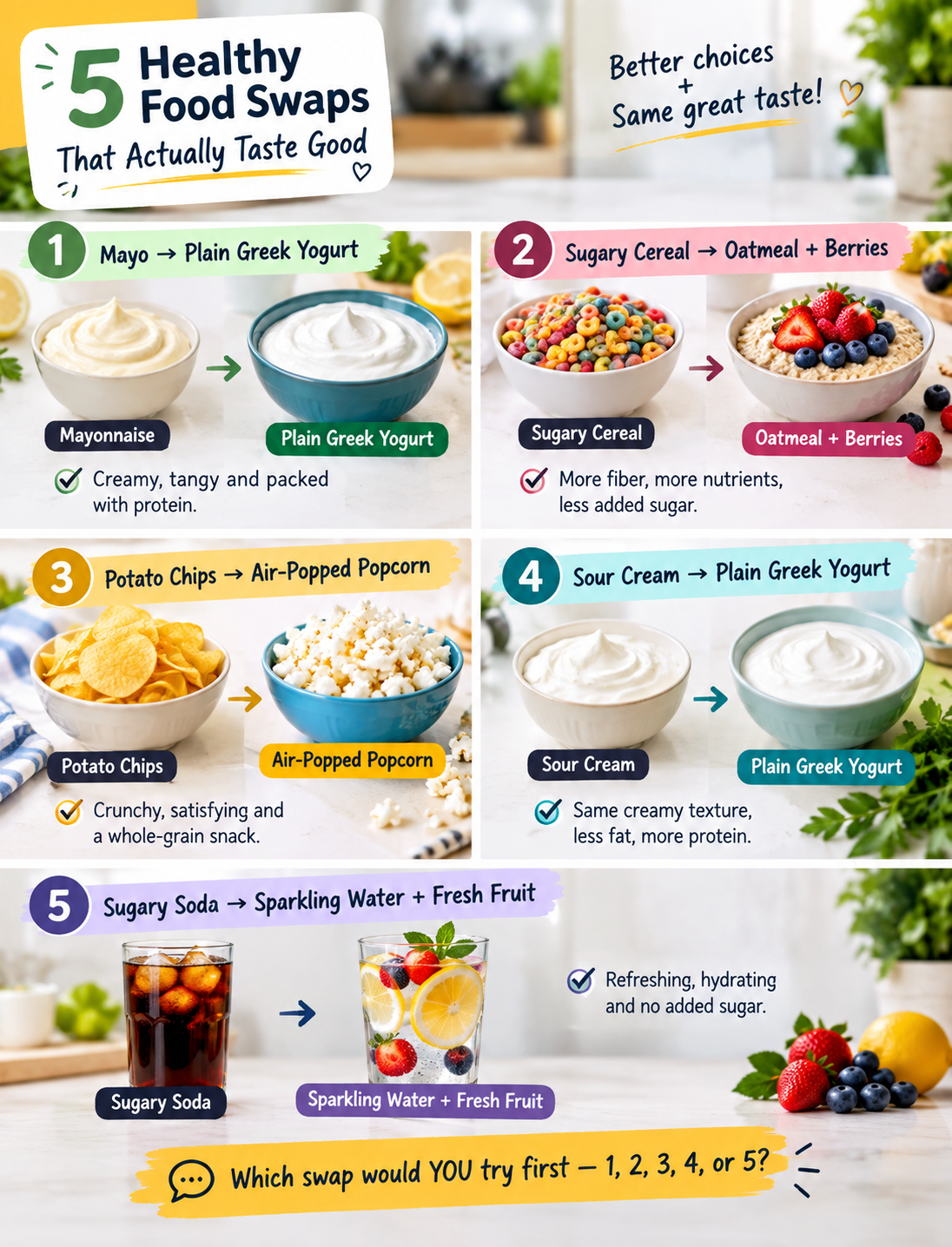
Five healthy food swaps including Greek yogurt, oatmeal with berries, air-popped popcorn, fresh fruit, and sparkling water.

5 Healthy Food Swaps That Actually Taste Good

Making healthier food choices does not mean giving up the foods you enjoy. Small changes in everyday meals can help you build better eating habits without making food feel boring or restrictive. The best healthy food swaps keep the flavor, texture, and comfort you like while adding more nutritious ingredients.

If you are trying to eat better, start with familiar foods instead of changing your entire diet at once. A creamy sandwich spread can be replaced with a lighter option, a sugary breakfast can become more balanced, and a salty snack can be switched for something crunchy and satisfying.

These five simple swaps are easy to use in an American kitchen and work well for breakfast, lunch, dinner, and snacks. Try one at a time and choose the changes that fit your routine.

1. Swap Mayonnaise for Plain Greek Yogurt

Mayonnaise adds a rich, creamy texture to sandwiches, wraps, dips, and salads. Plain Greek yogurt can provide a similar creamy feel while also adding protein to your meal.

Choose unsweetened plain Greek yogurt rather than flavored yogurt. Its mild tang works especially well with chicken salad, tuna salad, coleslaw, and homemade dips.

Step-by-step swap

  1. Start with the same amount of plain Greek yogurt you would normally use for mayonnaise.
  2. Add a small squeeze of lemon juice for extra brightness.
  3. Mix in garlic powder, black pepper, or fresh herbs if you want more flavor.
  4. Taste the mixture before adding additional salt.
  5. Use it immediately or refrigerate it until your meal is ready.

Easy ways to use it

  • Spread it on a turkey sandwich.
  • Mix it into chicken salad.
  • Use it as a veggie dip.
  • Add it to a wrap with grilled chicken and vegetables.
  • Stir it into a simple homemade dressing.

This swap is useful when you want a creamy ingredient without making a major change to the meal.

2. Swap Sugary Cereal for Oatmeal With Fresh Berries

A quick bowl of cereal is a common breakfast choice, but some cereals can contain a lot of added sugar. Oatmeal with fresh fruit is a simple alternative that can make breakfast more filling.

Use old-fashioned oats or quick oats based on the texture and cooking time you prefer. Add strawberries, blueberries, raspberries, or sliced banana for natural sweetness and extra flavor.

Step-by-step swap

  1. Cook oats with water or your preferred milk.
  2. Add fresh or frozen berries after cooking.
  3. Sprinkle in cinnamon for extra flavor.
  4. Add chopped nuts or seeds for crunch.
  5. If needed, use a small amount of honey instead of several spoonfuls of sugar.

Simple topping combinations

  • Blueberries + walnuts + cinnamon
  • Strawberries + sliced almonds
  • Banana + peanut butter
  • Raspberries + chia seeds
  • Apple + cinnamon + chopped pecans

The goal is not to make breakfast complicated. A few simple toppings can turn basic oatmeal into a flavorful meal that is easy to prepare on busy mornings.

3. Swap Potato Chips for Air-Popped Popcorn

If you enjoy crunchy snacks, you do not have to eliminate them to make a healthier choice. Air-popped popcorn can satisfy the desire for something crisp while giving you a whole-grain snack option.

The key is how you prepare and season it. Heavy amounts of butter, salt, or sugary coatings can quickly change the nutrition of the snack.

Step-by-step swap

  1. Prepare plain air-popped popcorn.
  2. Place it in a large bowl while it is still warm.
  3. Add a light amount of seasoning.
  4. Toss the popcorn well so the flavor spreads evenly.
  5. Store extra popcorn in an airtight container for later.

Flavor ideas

  • Garlic powder + black pepper
  • Cinnamon + a small amount of honey
  • Smoked paprika + light seasoning
  • Nutritional yeast + garlic powder
  • Italian herbs + black pepper

This swap works well for movie nights, afternoon snacks, or when you want something crunchy between meals.

4. Swap Sour Cream for Plain Greek Yogurt

Sour cream is a popular topping for baked potatoes, tacos, chili, and Mexican-inspired dishes. Plain Greek yogurt has a similar creamy consistency and tangy taste, making it an easy substitution.

You can use it directly from the container or season it to match your meal.

Step-by-step swap

  1. Spoon plain Greek yogurt into a small bowl.
  2. Add lime juice for tacos or burrito bowls.
  3. Mix in cilantro, garlic, or green onions if desired.
  4. Add black pepper or a small amount of seasoning.
  5. Use it as a topping just as you would sour cream.

Try it with

  • Baked potatoes
  • Tacos
  • Burrito bowls
  • Chili
  • Roasted vegetables
  • Homemade dips

This simple change can make familiar comfort foods fit more easily into a balanced eating routine.

5. Swap Sugary Soda for Sparkling Water With Fresh Fruit

Soda can be an easy drink to reach for, especially with lunch or dinner. If you enjoy carbonation, sparkling water can provide the fizz without the added sugar found in regular sugary soda.

Choose plain or unsweetened sparkling water and add fruit for flavor. Lemon, lime, orange, berries, cucumber, and mint can all make the drink more interesting.

Step-by-step swap

  1. Fill a glass with ice.
  2. Add a few slices of fresh fruit.
  3. Pour in chilled sparkling water.
  4. Add fresh mint or a squeeze of citrus if desired.
  5. Serve immediately for the best fizz.

Refreshing combinations

  • Lemon + mint
  • Lime + cucumber
  • Strawberry + lemon
  • Orange + lime
  • Blueberry + lemon

If you usually drink several sugary beverages each day, replacing even one with an unsweetened option is a simple place to begin.

How to Make Healthy Food Swaps Stick

The easiest way to build better eating habits is to make changes that feel realistic. You do not need to replace everything in your pantry or completely redesign your meals.

Step 1: Choose one swap

Pick the food you eat most often and start there. A small change is easier to repeat than a strict plan that feels difficult to maintain.

Step 2: Keep the replacement available

Buy Greek yogurt, oats, berries, popcorn, sparkling water, and other alternatives during your regular grocery trip. Having them ready makes the healthier choice more convenient.

Step 3: Keep your favorite flavors

Use herbs, spices, citrus, garlic, and fresh produce to make simple ingredients more enjoyable. Healthy eating should still taste good.

Step 4: Adjust portions and ingredients

A healthier ingredient can still contribute calories, sugar, sodium, or saturated fat depending on the product and serving size. Check nutrition labels when comparing packaged foods.

Step 5: Build variety

Do not rely on the same foods every day. Rotate fruits, vegetables, whole grains, protein foods, and healthy toppings to keep meals interesting.

Why Small Food Changes Matter

Healthy eating is often easier when you focus on what you can add or replace rather than what you must completely avoid. Adding fruit to breakfast, choosing whole grains more often, and replacing sugary drinks are practical steps that can fit into everyday life.

You can also use these swaps as a starting point for other meals. Once you find a replacement that works, look for another small change. Over time, several simple choices can create a more balanced kitchen routine.

Remember that food needs vary from person to person. If you have a medical condition, food allergy, or specific dietary requirement, choose substitutions that fit your individual needs and ask a qualified healthcare professional for personalized guidance.

Frequently Asked Questions

1. What are the easiest healthy food swaps to start with?

Start with one familiar change, such as Greek yogurt instead of sour cream or sparkling water instead of sugary soda.

2. Is Greek yogurt healthier than mayonnaise?

Plain Greek yogurt can provide protein and may contain less saturated fat than mayonnaise, but nutrition varies by product, so compare labels.

3. Is oatmeal a healthy breakfast choice?

Oatmeal can be a nutritious breakfast, especially when paired with fruit, nuts, seeds, or another protein-rich food.

4. Is air-popped popcorn a healthy snack?

Plain air-popped popcorn is a whole-grain snack, but large amounts of butter, salt, or sweet toppings can add significant calories and sodium.

5. Can I use Greek yogurt instead of sour cream?

Yes, plain Greek yogurt works well as a topping for tacos, baked potatoes, chili, dips, and many other dishes.

6. Is sparkling water better than soda?

Unsweetened sparkling water does not contain the added sugar found in regular soda, making it a useful beverage swap.

7. Do healthy food swaps have to be expensive?

Not necessarily; affordable staples such as oats, beans, popcorn, seasonal produce, and plain yogurt can support budget-friendly meals.

8. How many food swaps should I make at once?

Start with one or two swaps that fit your routine, then add more as they become easy and familiar.

Lavender Vanilla Bedtime Milk

Warm lavender vanilla milk in a glass mug with dried lavender, vanilla, cinnamon, and flowers on a cozy wooden table

Lavender Vanilla Bedtime Milk

A warm drink before bed can turn an ordinary evening into a relaxing ritual. This Lavender Vanilla Bedtime Milk combines creamy milk, culinary lavender, vanilla, and a touch of natural sweetness for a smooth and comforting nighttime beverage.

The recipe is simple enough for busy weeknights and cozy enough for a quiet weekend evening. The floral taste of lavender blends with sweet vanilla, while warm milk gives the drink a creamy texture.

Many people enjoy a warm beverage as part of their bedtime routine because it can create a calming transition between a busy day and nighttime rest. This recipe does not act as a sleep medicine, but it can be a pleasant addition to healthy evening habits.

Use culinary-grade lavender rather than decorative lavender because culinary varieties are intended for food and beverages. Keep the lavender amount small so the flavor stays delicate instead of becoming overly floral.

Why Try Lavender Vanilla Bedtime Milk?

A simple bedtime routine can make the evening feel more intentional. Turning off bright screens, lowering the lights, and enjoying a warm drink can help create a consistent signal that the day is winding down.

This recipe focuses on familiar ingredients and gentle flavors. Milk provides protein and calcium, while vanilla and lavender add aroma without requiring a complicated ingredient list.

If you prefer a dairy-free drink, fortified plant-based milk can be used instead. Unsweetened options are especially useful when you want to control the amount of added sugar.

The recipe can also be adjusted to match your taste. You can make it sweeter, reduce the lavender, or add a small amount of cinnamon for extra warmth.

Ingredients You’ll Need

  • 2 cups milk
  • 1 teaspoon dried culinary lavender
  • 1 teaspoon pure vanilla extract
  • 1 teaspoon honey or maple syrup, optional
  • ¼ teaspoon ground cinnamon, optional
  • Tiny pinch of salt
  • Edible lavender buds for garnish, optional

Whole milk creates the creamiest texture, while 2% or low-fat milk produces a lighter drink.

For a dairy-free version, use unsweetened fortified soy, almond, oat, or another plant-based milk. Check the label if you want a beverage that provides calcium and vitamin D.

Use pure vanilla extract for a clean vanilla flavor. Culinary lavender should have a fresh floral aroma without a dusty or musty smell.

Honey is optional because the vanilla and lavender already provide plenty of flavor. If you use honey, add a small amount and adjust it after tasting.

How to Make Lavender Vanilla Bedtime Milk

1. Warm the Milk

Pour the milk into a small saucepan and place it over low heat.

Warm it slowly for about 4–5 minutes, stirring occasionally. Do not let the milk reach a rapid boil because gentle heating helps prevent scorching.

2. Add the Lavender

Add the dried culinary lavender to the warm milk.

Let it steep over low heat for about 3–5 minutes. Stir occasionally so the lavender distributes evenly.

Keep the steeping time short because too much lavender can make the drink taste bitter or strongly floral.

3. Strain the Milk

Remove the saucepan from the heat.

Pour the milk through a fine-mesh strainer into a clean mug to remove the lavender buds.

Straining creates a smoother drink and prevents small pieces of lavender from settling at the bottom.

4. Add Vanilla and Sweetener

Stir in the vanilla extract, optional honey or maple syrup, cinnamon, and tiny pinch of salt.

Taste carefully and add a little more sweetness if needed.

Serve warm and garnish with a few edible lavender buds if desired.

What Does Lavender Add to the Drink?

Lavender gives this bedtime beverage its signature floral aroma and delicate herbal flavor.

Culinary lavender is commonly used in teas, baked goods, syrups, and other recipes. Its flavor can be strong, so a small amount is usually enough.

Lavender is often associated with relaxation because of its pleasant scent. Some research has explored lavender and relaxation or sleep-related outcomes, but evidence is not strong enough to treat this drink as a remedy for insomnia or other sleep disorders.

In this recipe, lavender is primarily a flavor ingredient that makes the warm milk feel special.

Why Add Vanilla?

Vanilla softens the floral notes of lavender and gives the milk a naturally sweet aroma.

Pure vanilla extract works especially well because you only need a small amount to create a noticeable flavor. Vanilla also pairs naturally with cinnamon, honey, and warm milk.

If you prefer a stronger vanilla taste, increase the extract slightly after tasting the finished drink.

Avoid adding too much because excessive vanilla can overpower the delicate lavender flavor.

Is Warm Milk Good Before Bed?

Warm milk is a traditional bedtime drink in many households. Milk contains nutrients such as protein and calcium, making it more substantial than a simple herbal beverage.

Some people find that a warm drink feels comforting as part of their nighttime routine. The relaxing effect may come partly from the routine itself rather than from milk acting as a sleep treatment.

There is no need to drink milk before bed if it does not suit your diet. A warm, unsweetened plant-based beverage can provide a similar comforting experience.

If you are sensitive to lactose, choose lactose-free milk or an appropriate dairy-free alternative.

Can Lavender Vanilla Milk Help You Sleep?

This drink may help create a relaxing bedtime routine, but it should not be described as a guaranteed sleep aid.

Lavender has been studied for its possible effects on relaxation and sleep, but research findings vary. A recipe containing lavender is not the same as a standardized supplement or clinical treatment.

For better nighttime habits, combine the drink with a consistent sleep schedule, a comfortable bedroom, reduced evening screen exposure, and other habits that support good sleep.

If you regularly have trouble falling asleep or staying asleep, talk with a healthcare professional instead of relying on a food or beverage alone.

How to Make It Dairy-Free

Making this recipe dairy-free is easy.

Replace cow’s milk with an unsweetened fortified plant-based milk. Soy milk provides a creamy texture and can offer useful protein, while oat milk creates a naturally smooth and slightly sweet flavor.

Almond milk produces a lighter drink with a subtle nutty taste.

When choosing a plant-based milk, check the nutrition label for added sugar, calcium, vitamin D, and protein. Fortification varies between brands.

Warm the plant milk gently because some varieties can separate or develop a different texture when overheated.

How Sweet Should Bedtime Milk Be?

The ideal sweetness depends on your personal preference.

Start with no added sweetener and taste the drink after adding vanilla. If you want more sweetness, stir in about one teaspoon of honey or maple syrup.

Using less added sugar can keep the beverage lighter and allow the lavender and vanilla flavors to stand out.

You can also use a naturally sweeter plant-based milk, but check the label for added sugars.

The goal is a smooth, balanced drink rather than a dessert-like beverage.

Easy Flavor Variations

There are several simple ways to customize this warm drink.

Add a small pinch of cinnamon for a cozy spice flavor.

A tiny amount of ground cardamom creates a more aromatic version with a subtle citrus-like note.

For a chocolate variation, stir in a small amount of unsweetened cocoa powder.

You can also add a few drops of almond extract, but use it sparingly because almond flavor can quickly become strong.

For a refreshing summer version, allow the milk to cool completely and serve it over ice, although the warm version is better suited to a traditional bedtime routine.

Tips for the Best Lavender Vanilla Milk

Use culinary-grade lavender intended for food preparation.

Start with a small amount because lavender becomes stronger as it steeps.

Heat the milk gently and avoid boiling it.

Strain the lavender before serving for a smooth texture.

Add vanilla after removing the milk from high heat.

Use a small amount of sweetener and adjust after tasting.

Serve the drink warm rather than extremely hot.

Use clean ingredients and equipment each time you prepare the recipe.

These small details help keep the flavor balanced and prevent the lavender from becoming overpowering.

When to Enjoy This Drink

There is no required time to drink lavender vanilla milk.

For a bedtime routine, enjoy a small mug about 30–60 minutes before you plan to sleep. This gives you time to slow down without making the drink part of a rushed routine.

You can pair it with quiet activities such as reading, journaling, stretching, or listening to calm music.

Avoid turning the drink into a large late-night snack if you find that heavy food or large amounts of liquid interfere with your sleep.

Your ideal portion depends on your appetite, dietary needs, and evening routine.

Storage and Food Safety

This recipe is best enjoyed fresh while warm.

If you prepare extra, transfer the remaining milk to a clean covered container and refrigerate it promptly.

Use refrigerated leftovers within a few days and reheat gently on the stovetop.

Do not leave milk sitting at room temperature for an extended period.

Always discard leftovers that develop an unusual smell, flavor, or appearance.

If you add honey, remember that honey should not be given to children under 12 months of age.

The Bottom Line

Lavender Vanilla Bedtime Milk is a simple, comforting beverage that combines warm milk with delicate floral and vanilla flavors.

It can become part of a relaxing nighttime ritual without requiring expensive ingredients, special powders, or complicated preparation. Milk contributes nutrients such as protein and calcium, while lavender and vanilla provide most of the drink’s distinctive aroma and flavor.

Although lavender is often linked with relaxation, this recipe should not be considered a treatment for insomnia or other sleep conditions. Its biggest practical value may be the calming routine it creates around the end of the day.

Keep the lavender light, choose quality ingredients, and adjust the sweetness to your preference. Then enjoy a warm mug as you slow down and prepare for a peaceful evening.

Frequently Asked Questions

1. Can I drink lavender vanilla milk every night?

Yes, it can be part of a regular evening routine if it fits your diet and you tolerate all of the ingredients.

2. Does lavender milk help with sleep?

Lavender may promote a relaxing experience for some people, but this drink is not a proven treatment for insomnia or sleep disorders.

3. What type of lavender should I use?

Always use culinary-grade lavender intended for food preparation rather than decorative or scented lavender products.

4. Can I make this recipe dairy-free?

Yes, replace regular milk with an unsweetened fortified plant-based milk such as soy, almond, or oat milk.

5. Can I use fresh lavender instead of dried lavender?

Yes, but use culinary-grade fresh lavender and start with a small amount because its flavor can be strong.

6. Can I make lavender milk without honey?

Yes. Honey is optional, and the drink can be prepared without added sweetener.

7. How long should I steep the lavender?

Steep dried lavender for about 3–5 minutes to develop a gentle floral flavor without making the milk overly bitter.

8. Can children drink lavender vanilla milk?

Older children may enjoy it, but use food-grade lavender, keep the amount small, and consider allergies or dietary restrictions before serving.

Final Thoughts

Lavender Vanilla Bedtime Milk is a simple way to make your evening routine feel warmer and more relaxing. The creamy milk, gentle lavender, and sweet vanilla create a smooth drink that is easy to prepare at home.

Enjoy it as part of a consistent bedtime routine rather than relying on it as a sleep treatment. Pairing this cozy drink with calming habits, such as reading or reducing screen time, can make your evenings feel more peaceful.

For the best flavor, use culinary-grade lavender, keep the amount light, and sweeten the milk only as much as you prefer. A few simple ingredients can turn an ordinary evening into a comforting daily ritual.

Apple Cinnamon Morning Wellness Water

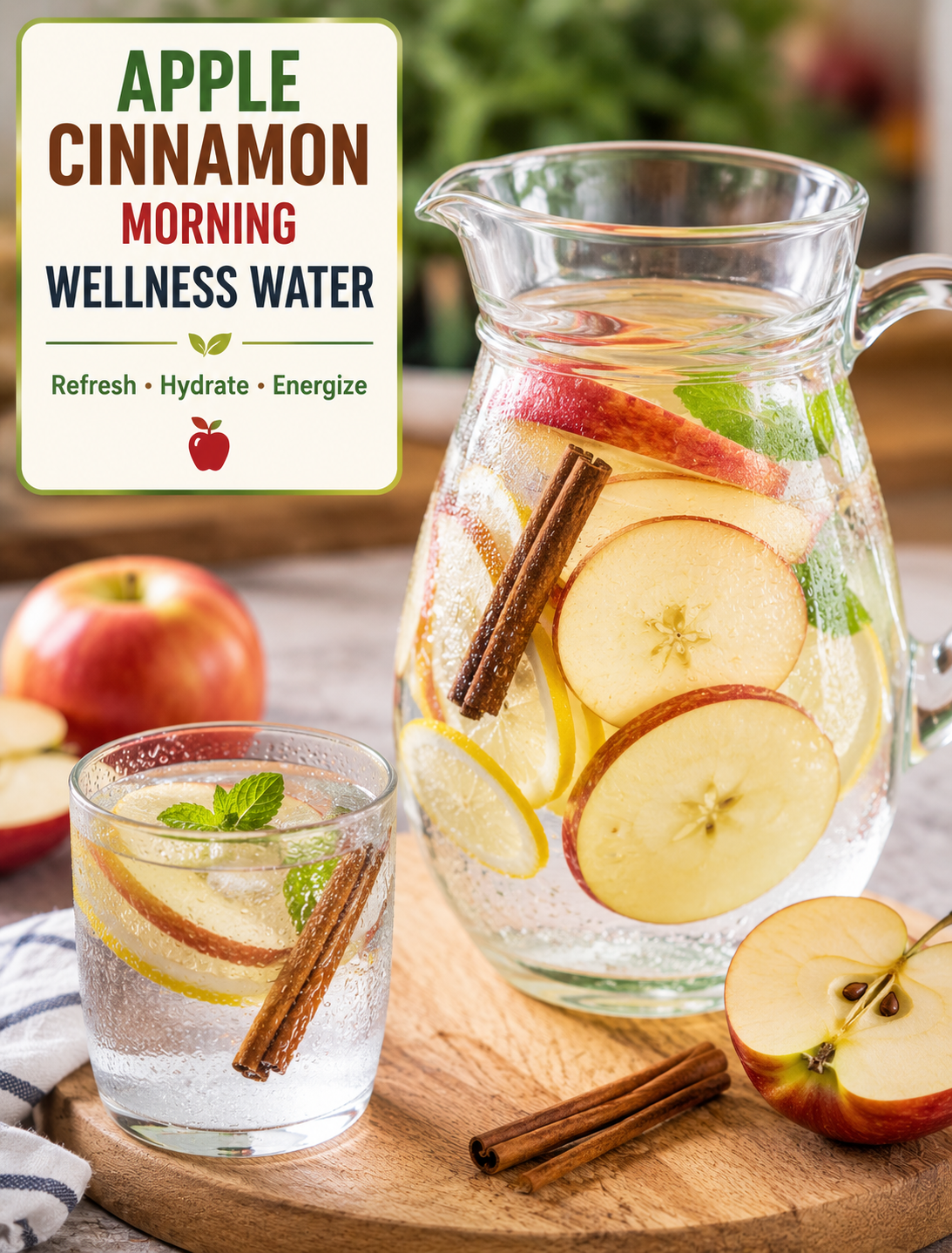
Apple cinnamon infused water with fresh apple slices, lemon, cinnamon sticks, and mint in a glass pitcher

Apple Cinnamon Morning Wellness Water

A refreshing glass of flavored water can make your morning routine feel a little more enjoyable. This Apple Cinnamon Morning Wellness Water combines crisp apple slices, cinnamon, fresh lemon, and cold water for a naturally flavored drink that is simple to prepare and easy to enjoy.

Unlike bottled sweet drinks, this homemade infusion contains no added sugar unless you choose to add some. The apple and cinnamon give the water a light, naturally sweet flavor, while lemon adds a bright citrus note.

This drink is not a magic detox or a cure for health problems. Its main benefit is that it can make plain water more appealing, which may help you drink more fluids throughout the day.

Keep a pitcher in the refrigerator overnight, and you will have a refreshing drink ready when you wake up.

Why Try Apple Cinnamon Wellness Water?

Plain water is essential for normal body functions, but many people find it boring. Adding fresh fruit and spices can create more flavor without turning water into a sugary beverage.

Apples contribute natural flavor and small amounts of nutrients, while cinnamon adds a warm, spicy aroma. Lemon provides a fresh citrus taste that balances the sweetness of the apple.

The ingredients are simple, inexpensive, and easy to find at most U.S. grocery stores.

This recipe can also be prepared ahead of time, making it convenient for busy mornings, workdays, and weekend meal preparation.

The biggest advantage is simplicity. You do not need special powders, supplements, or complicated ingredients to make a flavorful infused water.

Ingredients You’ll Need

  • 1 medium crisp apple
  • 1 cinnamon stick
  • ½ lemon, thinly sliced
  • 6–8 cups cold filtered water
  • Ice, optional
  • Fresh mint leaves, optional

Choose a crisp apple that you enjoy eating. Honeycrisp, Fuji, Gala, Pink Lady, and Granny Smith all work well.

A cinnamon stick is preferable to ground cinnamon because it infuses the water without leaving as much powder floating in the pitcher.

Fresh lemon gives the cleanest citrus flavor. If you prefer a milder taste, start with a few lemon slices and add more later.

Mint is optional, but it gives the drink a cooling finish that works especially well during warmer months.

How to Make Apple Cinnamon Morning Wellness Water

1. Wash the Ingredients

Rinse the apple and lemon thoroughly under cool running water.

Because the fruit will be sliced with the peel on, cleaning the outside well is important.

Pat the fruit dry with a clean towel before slicing.

2. Slice the Apple and Lemon

Cut the apple into thin wedges or rounds.

Remove the seeds and core pieces before adding the apple to the pitcher.

Slice half of the lemon into thin rounds. Thin slices allow the citrus flavor to spread through the water more easily.

There is no need to peel either fruit.

3. Combine Everything

Place the apple slices, lemon slices, and cinnamon stick into a large glass pitcher.

Add 6–8 cups of cold water and gently stir.

If using fresh mint, add a small handful of washed leaves.

4. Chill and Infuse

Cover the pitcher and place it in the refrigerator.

Allow the ingredients to infuse for at least 2 hours. For a stronger flavor, leave the mixture refrigerated overnight.

The longer the fruit sits in the water, the more noticeable the flavor becomes.

Add ice to individual glasses when serving.

Best Apples for Infused Water

Different apples create different flavor profiles.

Honeycrisp provides a crisp, naturally sweet taste that pairs nicely with cinnamon and lemon.

Fuji and Gala apples offer a softer sweetness and are useful when you want a mild drink.

Granny Smith apples create a sharper, more tart flavor that works especially well with lemon.

Pink Lady apples provide a balanced combination of sweetness and acidity.

You can also combine two apple varieties to create a more interesting flavor.

There is no need to use expensive apples for this recipe. Choose fresh fruit that is firm and free from major bruising.

What Does Cinnamon Add to the Drink?

Cinnamon gives infused water a warm aroma and mild spice without adding sugar.

The flavor becomes stronger as the cinnamon stick sits in the water. If you prefer a subtle cinnamon taste, remove the stick after a few hours.

Cinnamon is often discussed for its potential health properties, but adding cinnamon to water should not be viewed as a treatment for blood sugar problems, inflammation, or other medical conditions.

For this recipe, its main role is simple: it makes the drink taste more interesting.

That flavor can make a plain glass of water feel more satisfying without the need for soda or sweetened beverages.

Is Apple Cinnamon Water a Detox Drink?

The term “detox water” is popular online, but the body already has natural systems that process and remove waste.

Your liver, kidneys, lungs, digestive system, and other organs perform these important functions.

Apple cinnamon water does not flush toxins from the body or replace medical detoxification.

A more accurate way to describe this drink is fruit-infused water.

Its practical benefit is that it provides a flavorful, low-calorie alternative to many sweetened drinks and can be part of a healthy hydration routine.

Can You Drink It in the Morning?

Yes. This drink can be enjoyed first thing in the morning, with breakfast, or later in the day.

Starting your day with water can help you replenish fluids after several hours of sleep.

There is no special requirement to drink infused water on an empty stomach. If you prefer to drink it alongside breakfast, that works just as well.

For a balanced breakfast, pair the drink with foods containing protein, fiber, and healthy fats, such as eggs, Greek yogurt, oatmeal, nuts, seeds, or fresh fruit.

The drink should complement breakfast rather than replace a nutritious meal.

How to Make the Flavor Stronger

If your first batch tastes too mild, there are several easy ways to increase the flavor.

Add more apple slices for a stronger fruit taste. You can also add another cinnamon stick if you enjoy a more noticeable spice flavor.

A few additional lemon slices can make the water brighter and more refreshing.

Fresh ginger is another option that pairs well with apple and cinnamon. Add two or three thin slices for a gentle spicy note.

Fresh mint can provide a cool finish, especially when the drink is served over ice.

Avoid adding large amounts of honey or sugar if your goal is to keep the beverage low in added sugar.

Apple Cinnamon Water for Meal Prep

This recipe is ideal for preparing ahead.

Make a pitcher in the evening and refrigerate it overnight. The flavor will be ready by morning, so there is no extra preparation when you wake up.

For the best taste, prepare a fresh batch regularly instead of keeping the same fruit in the pitcher for many days.

If the apple slices become soft or the lemon develops a bitter taste, remove the fruit and make a fresh batch.

You can also prepare smaller individual jars if you prefer to take infused water to work, school, or outdoor activities.

Use clean, covered containers and keep the drink refrigerated.

How Long Does Infused Water Last?

For the best quality, drink homemade fruit-infused water within about 24 hours and keep it refrigerated.

The fruit can become soft after extended soaking, and citrus peel may create a bitter flavor over time.

If you notice an unusual smell, cloudy appearance, or unpleasant taste, discard the drink.

Always use clean utensils and containers when preparing infused water.

Keeping the pitcher cold is especially important because fresh fruit is perishable.

Simple Variations to Try

Once you have tried the basic recipe, you can create several variations.

Add fresh ginger for a stronger spice profile.

Use orange slices instead of lemon for a sweeter citrus flavor.

Add cucumber for a lighter, crisp taste.

Fresh berries can create a colorful summer version.

Pear slices can replace apples when you want a softer fruit flavor.

You can also add fresh rosemary or mint for a more herbal drink.

The key is to keep the combination simple so the flavors remain clean and refreshing.

Tips for the Best Apple Cinnamon Water

Use cold, clean water for the freshest taste.

Slice the fruit thinly so the flavors can infuse more easily.

Choose firm apples that are fresh and free from excessive bruising.

Use cinnamon sticks instead of large amounts of ground cinnamon.

Refrigerate the pitcher while it infuses.

Taste the water after two hours and adjust the ingredients if needed.

Remove the fruit when the flavor becomes strong enough for your preference.

Serve over ice for an extra-refreshing drink.

The Bottom Line

Apple Cinnamon Morning Wellness Water is a simple way to make everyday hydration more flavorful.

Fresh apple provides a naturally fruity taste, cinnamon adds warmth, and lemon creates a bright finish. Together, they turn ordinary water into an easy homemade beverage without requiring a complicated recipe.

While this drink should not be promoted as a detox treatment or cure, it can be a smart alternative to sugary beverages. The best approach is to enjoy it as part of a balanced lifestyle that includes nutritious food, regular movement, adequate sleep, and good hydration.

Prepare a pitcher the night before, keep it chilled, and enjoy a refreshing glass when you start your day.

Frequently Asked Questions

1. What is Apple Cinnamon Morning Wellness Water?

It is homemade infused water made with fresh apple slices, cinnamon, lemon, and cold water for a naturally flavored, refreshing beverage.

2. Can apple cinnamon water help with hydration?

Yes. It provides water, and the added fruit flavor may make drinking enough fluids more enjoyable.

3. Does apple cinnamon water detox the body?

No. The body naturally removes waste through organs such as the liver and kidneys; infused water simply supports normal hydration.

4. Can I drink apple cinnamon water every day?

Yes, as long as the ingredients are fresh and the drink fits comfortably into your overall diet and hydration routine.

5. How long should apple cinnamon water infuse?

Refrigerate it for at least 2 hours, or leave it overnight for a stronger flavor.

6. Can I use ground cinnamon instead of a cinnamon stick?

Yes, but ground cinnamon may settle at the bottom and create a cloudy texture, so a cinnamon stick is usually easier.

7. How long does apple cinnamon infused water last?

For the best flavor and quality, keep it refrigerated and use it within about 24 hours.

8. Can I add ginger or mint?

Yes. Fresh ginger and mint pair well with apple, cinnamon, and lemon and can add extra flavor without much sweetness.

Final Thoughts

Apple Cinnamon Morning Wellness Water is a simple, refreshing way to make everyday hydration more enjoyable. Fresh apple, cinnamon, and lemon create a naturally flavorful combination without needing added sugar.

While it is not a detox cure or a magic wellness drink, it can be a smart alternative to sugary beverages. Prepare it the night before, keep it chilled, and enjoy a fresh glass as part of a balanced morning routine.

Sometimes, the simplest healthy habits are the easiest ones to keep.

Grandma’s Golden Sesame & Fig Milk for Immune Support & Bone Health

Golden sesame and fig milk in a glass with dried figs, sesame seeds, cinnamon, and turmeric on a rustic kitchen table

Grandma’s Golden Sesame & Fig Milk for Immune Support & Bone Health

There is something special about an old-fashioned drink made with simple ingredients. Grandma’s Golden Sesame & Fig Milk is a warm, comforting recipe that combines creamy milk, dried figs, sesame seeds, cinnamon, and a touch of natural sweetness.

This cozy drink is more than a bedtime treat. Milk provides calcium and protein, while sesame seeds contribute calcium, magnesium, and healthy fats. Dried figs also provide fiber and minerals, making this combination an easy way to add nutrient-rich foods to your daily routine.

The golden color comes from a small amount of turmeric, which adds earthy flavor and pairs beautifully with cinnamon. A pinch of black pepper can also be used to complement the turmeric.

This recipe is best viewed as part of a balanced diet that supports overall wellness. No single drink can prevent illness or guarantee strong bones, but choosing foods rich in essential nutrients can help you build healthy eating habits over time.

Why This Golden Milk Is a Nutritious Choice

The ingredients in this drink each bring something useful to the glass. Instead of relying on a long list of supplements or powders, the recipe uses familiar whole foods.

Milk is a convenient source of calcium, protein, vitamin B12, and other nutrients, although the exact amounts depend on the type of milk you choose. Calcium is especially important because it helps build and maintain strong bones and teeth.

Sesame seeds contain minerals such as calcium and magnesium. They also provide unsaturated fats and plant protein.

Dried figs add natural sweetness along with dietary fiber, potassium, and other nutrients. Because dried fruit is concentrated, a small serving can provide plenty of flavor without requiring added sugar.

Cinnamon gives the drink warmth and aroma, while turmeric adds its signature golden color. Together, these ingredients create a comforting beverage that works well in the morning or as an evening drink.

Ingredients You’ll Need

  • 2 cups milk of your choice
  • 3 dried figs, stems removed and chopped
  • 1 tablespoon sesame seeds
  • ½ teaspoon ground turmeric
  • ½ teaspoon ground cinnamon
  • ½ teaspoon vanilla extract
  • 1 teaspoon honey or maple syrup, optional
  • Small pinch of ground black pepper, optional
  • 1 tablespoon warm water for soaking the figs

For the richest texture, whole milk works well. You can also use 2% milk or an unsweetened fortified plant-based milk.

If using plant milk, check the nutrition label for calcium and vitamin D. Fortified soy milk is one option that can provide protein and added nutrients similar to dairy milk.

Use plain sesame seeds rather than heavily salted or flavored varieties. Freshly ground cinnamon and good-quality vanilla can also improve the flavor without requiring much additional sweetener.

How to Make Grandma’s Golden Sesame & Fig Milk

1. Soak the Figs

Place the chopped dried figs in a small bowl and cover them with warm water.

Let them soak for about 10 minutes. This softens the figs and makes them easier to blend into the milk.

Drain the excess water before using the figs.

2. Toast the Sesame Seeds

Place the sesame seeds in a dry skillet over low to medium heat.

Toast them for about 2–3 minutes, stirring often. Remove them as soon as they become lightly golden and fragrant.

Do not let the seeds become dark because burnt sesame can give the drink a bitter flavor.

3. Blend the Ingredients

Add the softened figs, toasted sesame seeds, milk, turmeric, cinnamon, vanilla, and optional honey or maple syrup to a blender.

Blend until the mixture looks smooth and creamy.

If you prefer a completely smooth drink, strain it through a fine-mesh strainer. If you enjoy a little texture and extra fiber, you can serve it without straining.

4. Warm the Milk

Pour the blended mixture into a small saucepan.

Warm it over low heat for about 5 minutes, stirring occasionally. Do not bring it to a rapid boil.

Taste the drink and adjust the cinnamon or sweetness if needed.

Pour into mugs and serve warm.

How This Recipe Supports Bone-Friendly Nutrition

Strong bones depend on more than one nutrient. Calcium is one of the most important minerals for bone structure, while vitamin D helps the body absorb calcium.

Dairy milk naturally contains calcium, and many milk products are fortified with vitamin D. Fortified plant-based milk can also provide these nutrients, but amounts vary by brand.

Sesame seeds and dried figs add additional minerals to this recipe. Sesame seeds contain calcium and magnesium, while figs contribute minerals and fiber.

Protein also matters because bones are living tissue that continually undergoes maintenance and remodeling. Milk provides protein, making this drink more substantial than a simple sweet beverage.

A balanced diet that includes dairy or fortified alternatives, leafy greens, beans, nuts, seeds, fish, and other nutrient-rich foods can help provide the range of nutrients needed for normal bone health.

Can This Drink Support Immune Health?

A healthy immune system depends on many factors, including adequate nutrition, sleep, physical activity, and overall health.

This drink can contribute nutrients that are useful as part of a varied diet. Milk can provide protein and vitamin B12, while figs and sesame seeds add several vitamins and minerals.

However, calling any single recipe an “immune booster” can be misleading. This beverage should not replace medical care, prescribed treatments, or a balanced diet.

Think of it as a nourishing addition to your routine rather than a quick fix for illness.

Choosing the Right Milk

The type of milk you use can change the nutrition and flavor of this recipe.

Whole milk creates a rich, creamy drink and naturally provides protein and calcium. Reduced-fat milk produces a lighter version while still supplying important nutrients.

Unsweetened fortified soy milk is another useful choice, especially for people who avoid dairy. Other plant-based milks can work as well, but their protein, calcium, and vitamin D content can vary significantly.

Read the nutrition label when choosing a plant-based option. Look for unsweetened varieties that provide calcium and vitamin D if those nutrients are important to your diet.

Avoid heavily sweetened milk when possible because the dried figs already provide natural sweetness.

Easy Ways to Customize the Recipe

This golden milk is easy to adjust based on your taste and dietary preferences.

For a creamier texture, use whole milk or add a small spoonful of unsweetened nut butter. Almond or cashew butter pairs especially well with figs and cinnamon.

For additional flavor, add a small pinch of ground cardamom or ginger.

If you prefer a sweeter drink, add a little honey or maple syrup after blending. Start with a small amount because dried figs already contain natural sugars.

For a thicker smoothie-style version, allow the drink to cool and blend it with a few ice cubes.

You can also make a larger batch and refrigerate it for a short period, then gently reheat individual servings when needed.

When Is the Best Time to Drink It?

There is no required time to enjoy this recipe.

A warm mug can work well with breakfast, as an afternoon snack, or as part of a relaxing evening routine.

If you drink it before bed, keep the portion and sweetness moderate. A very large serving may feel heavy before sleeping.

For breakfast, pair the drink with eggs, whole-grain toast, fruit, or another protein-rich food for a more complete meal.

As an afternoon snack, a small serving can be paired with nuts or fresh fruit.

Storage and Food Safety

Because this recipe contains milk, it should be handled like other perishable dairy-based foods.

Store leftovers in a clean, airtight container in the refrigerator. Cool the drink promptly rather than leaving it at room temperature for an extended period.

When reheating, warm it gently on the stovetop and stir frequently. Avoid repeatedly heating and cooling the same batch.

For the best flavor and texture, prepare only the amount you expect to drink within a short period.

If the drink develops an unusual smell, flavor, or appearance, discard it.

Important Ingredient Considerations

Sesame is a major food allergen in the United States. Anyone with a sesame allergy should avoid this recipe or use an appropriate sesame-free alternative.

People with milk allergies should use a suitable dairy-free milk. Those with dietary restrictions should check every ingredient label, especially flavored plant milks and packaged spices.

Honey should not be given to children under 12 months of age.

If you have a medical condition, food allergy, or special nutritional requirement, choose ingredients that fit your individual needs and speak with a qualified healthcare professional when necessary.

The Bottom Line

Grandma’s Golden Sesame & Fig Milk is a warm, flavorful way to enjoy several nutrient-rich ingredients in one simple drink.

Milk contributes calcium and protein, sesame seeds provide minerals and healthy fats, and dried figs add fiber and natural sweetness. Cinnamon, turmeric, and vanilla round out the flavor without requiring a complicated ingredient list.

The recipe can fit into a balanced lifestyle, but it should not be treated as a cure or replacement for medical care. Bone health and immune function depend on your overall nutrition, activity, sleep, and general health.

Make a warm mug when you want something comforting, gently spiced, and naturally satisfying. With a few simple ingredients, this golden drink brings an old-fashioned recipe into a modern kitchen.

Frequently Asked Questions

1. Is sesame milk good for bone health?

Sesame seeds provide minerals such as calcium and magnesium, while milk can provide calcium and protein that support normal bone health.

2. Can this drink boost the immune system?

It provides several nutrients as part of a balanced diet, but no single drink can guarantee stronger immunity or prevent illness.

3. Are dried figs healthy?

Dried figs provide dietary fiber, potassium, and other nutrients, but they are calorie- and sugar-dense because the fruit has been dehydrated.

4. Can I make this recipe dairy-free?

Yes. Use an unsweetened fortified plant-based milk, such as soy milk, and check the label for calcium and vitamin D.

5. Does turmeric make this an anti-inflammatory drink?

Turmeric contains curcumin, but this beverage should not be promoted as a treatment for inflammation or a medical condition.

6. Can I drink golden sesame milk every day?

It can fit into a balanced diet, but portion size and your total daily intake of calories, sugar, fat, and nutrients still matter.

7. Is this recipe suitable for children?

Older children may enjoy it, but check for sesame and milk allergies and avoid honey for children under 12 months.

8. Can I prepare this drink ahead of time?

Yes. Refrigerate prepared portions promptly in an airtight container and gently reheat before serving.

Final Thoughts

Grandma’s Golden Sesame & Fig Milk is a comforting drink made with simple, nourishing ingredients. The combination of milk, sesame seeds, dried figs, cinnamon, and turmeric creates a warm beverage with a naturally rich flavor and useful nutrients.

It can be a delicious addition to a balanced diet, especially when you want an easy way to include calcium, protein, fiber, and healthy fats in your routine. Remember that no single recipe can prevent illness or guarantee strong bones, so enjoy this drink alongside a varied diet, regular movement, and other healthy habits.

Make a fresh mug when you want something warm, gently spiced, and satisfying. This simple recipe brings the comfort of a traditional homemade drink to the modern kitchen.

Is Olive Oil Really Healthy? The Truth About Extra Virgin Olive Oil

Extra virgin olive oil in a glass bottle with fresh olives, herbs, and vegetables on a kitchen table

Is Olive Oil Really Healthy? The Truth About Extra Virgin Olive Oil

Olive oil has become a kitchen staple in many American homes, but one question still comes up: Is olive oil really healthy? The short answer is yes, especially when extra virgin olive oil is used in place of fats higher in saturated fat.

Extra virgin olive oil is rich in monounsaturated fat, mainly oleic acid. It also contains naturally occurring plant compounds with antioxidant activity. Research links olive oil intake with better heart health, particularly when it replaces butter, margarine, or other sources of saturated fat.

However, olive oil is still a calorie-dense fat. More is not always better. The healthiest approach is to use it as part of an overall balanced eating pattern that includes vegetables, fruits, whole grains, beans, nuts, seeds, and other nutrient-rich foods.

What Makes Extra Virgin Olive Oil Different?

Extra virgin olive oil, often called EVOO, is the least processed common grade of olive oil. It is produced from olives using mechanical and physical methods rather than chemical refining. This process helps preserve the oil’s natural flavor and plant compounds.

Regular olive oil is generally refined and may be blended with some extra virgin olive oil. It can have a milder taste, while EVOO usually has a stronger fruity, peppery, or slightly bitter flavor.

That difference matters because extra virgin olive oil contains more naturally occurring phenolic compounds and antioxidants than refined olive oil. These compounds are one reason EVOO receives so much attention in nutrition research.

When shopping, look for a clearly labeled extra virgin olive oil and choose a bottle from a reputable producer. Dark bottles can also help protect the oil from light exposure.

Is Olive Oil Good for Your Heart?

One of the strongest reasons olive oil is considered a healthy fat is its fat profile. It is high in monounsaturated fat, which can be a better choice than foods rich in saturated fat.

The American Heart Association recommends replacing saturated fats with unsaturated fats when possible. Olive oil is among the liquid plant oils recommended for this purpose.

Research in U.S. adults has also found an association between higher olive oil intake and lower cardiovascular disease risk. In one large observational study, people consuming more than half a tablespoon of olive oil daily had a lower risk of cardiovascular disease than those who rarely consumed it. The study also found benefits when olive oil replaced butter, margarine, mayonnaise, or dairy fat.

These findings do not mean olive oil prevents heart disease by itself. The overall diet and lifestyle still matter.

What Is Oleic Acid and Why Does It Matter?

Oleic acid is a monounsaturated fatty acid found in high amounts in olive oil. It is also found in foods such as avocados, nuts, and some other plant oils.

The U.S. Food and Drug Administration allows a qualified health claim stating that supportive, but not conclusive, evidence suggests oils high in oleic acid may reduce coronary heart disease risk when they replace fats and oils higher in saturated fat without increasing total calorie intake.

This distinction is important. The potential benefit comes from making a healthier fat swap, not simply adding extra oil to an already high-calorie diet.

Does Extra Virgin Olive Oil Have Antioxidants?

Yes. Extra virgin olive oil contains naturally occurring phenolic compounds and other substances with antioxidant activity.

Antioxidants help protect cells from oxidative damage. Some compounds found in EVOO also have anti-inflammatory activity in laboratory and nutrition research, but that does not mean olive oil should be viewed as a treatment for inflammation or disease.

The amount of these compounds can vary based on olive variety, growing conditions, processing, storage, and freshness. Extra virgin olive oil generally retains more of these compounds because it is not highly refined.

For everyday eating, EVOO can be an easy way to add healthy unsaturated fat while also bringing flavor to vegetables, salads, beans, whole grains, and other foods.

Can Olive Oil Help With a Healthy Diet?

Olive oil works best when it replaces less healthy fats rather than simply adding more calories.

For example, you can use olive oil instead of butter when roasting vegetables or making a simple skillet meal. You can also use it in homemade salad dressing, marinades, dips, or sauces.

The American Heart Association recommends liquid nontropical plant oils, including olive oil, as healthier choices than solid fats such as butter, shortening, and lard.

This simple swap can make a meal more balanced without requiring major changes to your favorite recipes.

Is Olive Oil High in Calories?

Yes. Like all cooking oils, olive oil is calorie-dense because it is almost entirely fat.

That does not make it unhealthy. Dietary fat is an important source of energy and helps the body absorb certain fat-soluble vitamins. The key is portion size.

A small drizzle can add plenty of flavor to a meal. Measuring oil with a spoon can also help if you are watching your calorie intake.

The goal is not to avoid fat completely. Instead, choose healthier sources of fat and use reasonable portions within your daily calorie needs.

Is Extra Virgin Olive Oil Good for Cooking?

Extra virgin olive oil can be used for many everyday cooking methods, including roasting, sautéing, baking, and pan cooking.

The American Heart Association states that healthy liquid plant oils are generally suitable for cooking, but recommends avoiding deep-fat frying as a healthy cooking method. If oil begins to smoke, it should not be used because excessive heat can cause the oil to degrade.

For lower-heat cooking, dressings, dips, and finishing dishes, EVOO is especially useful because its flavor can become part of the meal.

For high-heat cooking, choose an appropriate oil and avoid letting any cooking oil smoke.

How Should You Store Olive Oil?

Proper storage helps protect olive oil’s flavor and quality.

Keep the bottle in a cool, dark place away from direct sunlight and heat. A kitchen cabinet away from the stove is usually a better choice than a countertop next to a hot appliance.

Close the cap tightly after each use. Oxygen, heat, and light can speed up oxidation and cause the oil to become rancid.

If olive oil develops an unpleasant or stale smell, it is best to replace it. The American Heart Association recommends storing cooking oils in a dark, cool place and buying smaller containers if you do not use oil frequently.

How Much Olive Oil Should You Eat?

There is no single amount that is right for everyone. Your needs depend on your overall diet, calorie requirements, and the other sources of fat you eat.

A practical approach is to use olive oil in place of butter, shortening, or other fats higher in saturated fat. This keeps the focus on a healthier substitution instead of simply adding extra calories.

The American Heart Association lists liquid plant oils such as olive oil among preferred sources of unsaturated fat.

If you are managing a medical condition or have specific dietary needs, ask a registered dietitian or healthcare professional about the amount that fits your diet.

The Bottom Line: Is Olive Oil Really Healthy?

Yes, olive oil can be a healthy choice, and extra virgin olive oil is an especially useful option.

Its main advantage is its high level of monounsaturated fat and its natural plant compounds. Research supports using olive oil as part of a heart-conscious eating pattern, especially when it replaces foods higher in saturated fat.

Still, no single ingredient can make an entire diet healthy. Pair olive oil with vegetables, fruits, whole grains, legumes, nuts, seeds, fish, and other nutrient-rich foods for a balanced approach.

For everyday cooking, a simple rule works well: use olive oil for flavor and healthy fat, but keep portions reasonable.

Frequently Asked Questions

1. Is extra virgin olive oil healthier than regular olive oil?

Extra virgin olive oil is less processed and generally contains more naturally occurring phenolic compounds than refined olive oil.

2. Can olive oil lower cholesterol?

Replacing saturated fat with unsaturated fat such as olive oil can help improve blood cholesterol levels and support heart health.

3. Is olive oil better than butter?

Olive oil is generally a healthier choice than butter because it contains more unsaturated fat and less saturated fat.

4. Can I cook with extra virgin olive oil?

Yes, EVOO can be used for common cooking methods such as sautéing, roasting, and baking when used appropriately.

5. Does olive oil cause weight gain?

Olive oil can contribute calories like any fat, so large amounts may make it harder to manage calorie intake.

6. Is olive oil part of the Mediterranean diet?

Yes. Olive oil is a major source of dietary fat in the traditional Mediterranean eating pattern and is commonly used with vegetables, beans, whole grains, and other plant foods.

7. How should I store extra virgin olive oil?

Store EVOO tightly sealed in a cool, dark place away from sunlight and heat to help preserve its quality.

8. Is more olive oil always better?

No. Olive oil is calorie-dense, so the best approach is to use moderate portions and replace less healthy fats rather than simply adding more oil.

 Perfect Classic Hard-Boiled Eggs

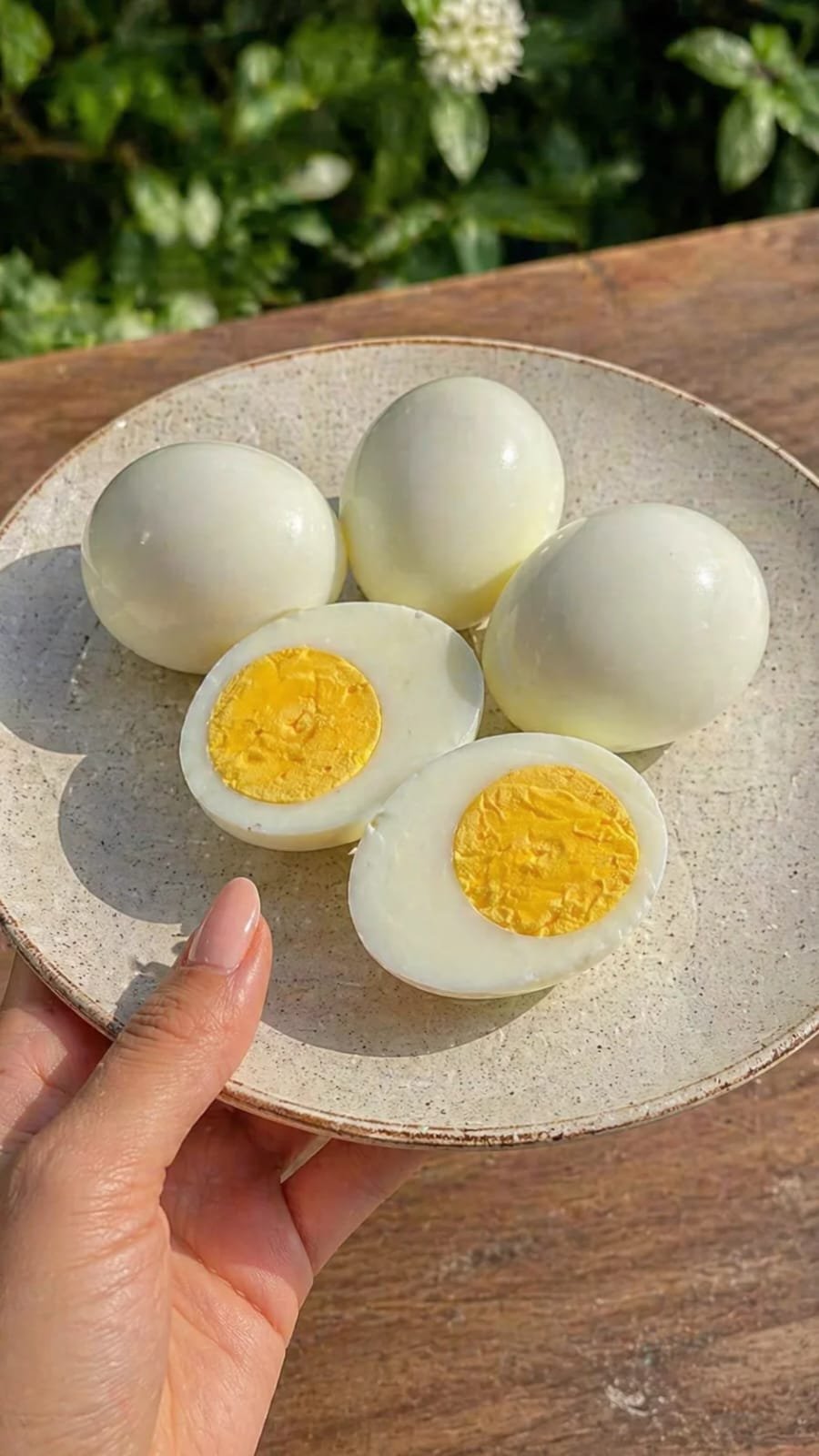
Perfect Hard-Boiled Eggs

🥚 Perfect Classic Hard-Boiled Eggs

Description

Perfect Classic Hard-Boiled Eggs are a simple yet essential recipe that delivers consistently tender whites and creamy, golden yolks every time. Whether you prefer them fully firm or slightly soft in the center, mastering this method ensures easy peeling and great texture. These eggs are incredibly versatile—ideal for breakfast, snacks, salads, or meal prep—and packed with nutrition, making them a staple in any kitchen.

Ingredients Main Ingredients:

  • 4–6 large eggs
  • Water (enough to cover eggs)

Optional:

  • Salt (for taste)
  • Black pepper
  • Ice (for ice bath)

Step-by-Step Instructions

  1. Place eggs in pot:
    Arrange eggs in a single layer in a saucepan.
  2. Add water:
    Fill with cold water until eggs are covered by about 1 inch.
  3. Bring to boil:
    Place on medium-high heat and bring water to a rolling boil.
  4. Turn off heat:
    Once boiling, turn off heat, cover the pot, and let sit:
  • 9–10 minutes for fully set yolks
  • 7–8 minutes for slightly creamy centers
  1. Ice bath:
    Transfer eggs immediately into a bowl of ice water for 5–10 minutes to stop cooking.
  2. Peel and serve:
    Gently crack and peel. Serve as is or season with salt and pepper.

Notes

  • Older eggs peel more easily than fresh ones.
  • Ice bath prevents green ring around yolk.
  • Cooking time can vary slightly based on egg size.

Tips

  • Add a splash of vinegar to water to help with peeling.
  • Roll eggs gently on the counter before peeling for easier shell removal.
  • Store unpeeled eggs for better freshness.
  • For meal prep, keep eggs in the fridge for quick snacks.

Servings

  • Serves: 2–3 people (depending on quantity)

Nutritional Info (Per egg approx)

  • Calories: 70 kcal
  • Protein: 6g
  • Fat: 5g
  • Carbohydrates: 0g
  • Cholesterol: ~185mg

Health Benefits

  • High-quality protein: Supports muscle growth and repair
  • Rich in vitamins: Contains B12, D, and choline for brain health
  • Healthy fats: Helps keep you full longer
  • Low-carb & keto-friendly: Ideal for various diets

Q&A

Q: Why do my eggs have a green ring?
Overcooking causes this—use an ice bath to prevent it.

Q: How long do boiled eggs last?
Up to 1 week in the refrigerator (unpeeled).

Q: Can I reheat boiled eggs?
Yes, but gently—avoid overheating to prevent rubbery texture.

Q: What are ways to use them?

  • Salads
  • Sandwiches
  • Deviled eggs
  • Snacks with seasoning