Italian Grandmother-Style Eggplant Bake

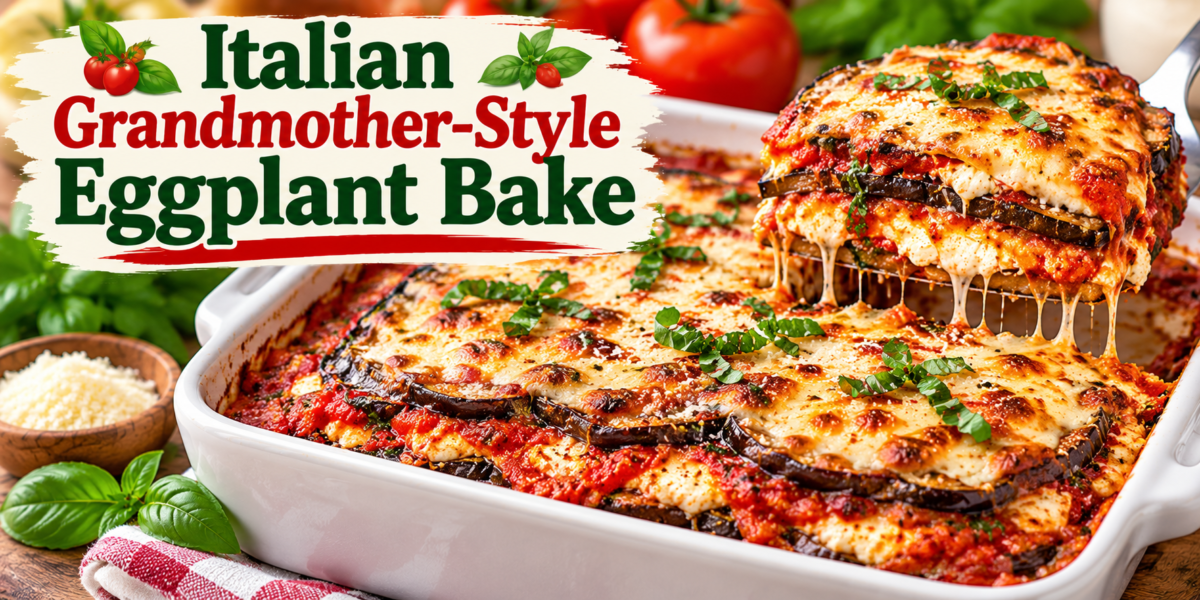
Italian Eggplant Bake with roasted eggplant, tomato sauce, ricotta, mozzarella, Parmesan, and fresh basil

Italian Grandmother-Style Eggplant Bake

Eggplant Bake is a cozy, old-fashioned Italian-inspired dish made with tender roasted eggplant, tomato sauce, garlic, herbs, mozzarella, and Parmesan. It has the comforting feel of a family casserole without requiring complicated steps or hard-to-find ingredients. The layers become soft and savory in the oven, while the cheese melts into a golden, bubbling topping.

This Eggplant Bake works beautifully as a vegetarian main dish, a hearty side, or a make-ahead dinner for busy weeks. Serve it with crusty bread, pasta, salad, or roasted vegetables for a simple meal that feels homemade and satisfying.

Prep Time: 25 minutes
Cook Time: 45 minutes
Total Time: 1 hour 10 minutes
Servings: 6

Ingredients

For the Eggplant

2 large eggplants, sliced into 1/4-inch rounds

2 tablespoons olive oil

1 teaspoon salt

1/2 teaspoon black pepper

1 teaspoon dried oregano

1/2 teaspoon garlic powder

For the Tomato Sauce

1 tablespoon olive oil

1 small yellow onion, finely chopped

3 cloves garlic, minced

1 can crushed tomatoes, 28 ounces

2 tablespoons tomato paste

1 teaspoon dried basil

1 teaspoon dried oregano

1/2 teaspoon sugar, optional

1/2 teaspoon salt

1/4 teaspoon black pepper

Pinch of red pepper flakes, optional

For the Cheese Layers

2 cups shredded mozzarella cheese

3/4 cup grated Parmesan cheese

1 cup ricotta cheese

1 large egg

2 tablespoons chopped fresh parsley

1 tablespoon chopped fresh basil

For Finishing

Extra Parmesan

Fresh basil

Fresh parsley

Cracked black pepper

Why You’ll Love This Recipe

Eggplant Bake has all the warm, comforting flavors people love in classic Italian casseroles. The roasted eggplant becomes tender, the tomato sauce adds richness, and the cheese layers bring creaminess and a golden finish.

Another reason to love this casserole is that it is flexible. You can make it with ricotta, cottage cheese, extra mozzarella, or even a little provolone. It can also be prepared ahead and baked later.

The recipe is hearty enough to serve as dinner, but it also works well beside grilled chicken, fish, or a large salad.

How to Make Italian Grandmother-Style Eggplant Bake

Step 1: Prepare the Eggplant

Slice the eggplant into even rounds and arrange them on a large tray.

Sprinkle lightly with salt and let them sit for 15 minutes. This helps draw out some moisture and can improve the final texture.

Pat the slices dry with paper towels.

Brush both sides lightly with olive oil and season with black pepper, oregano, and garlic powder.

Preparing the eggplant this way helps Eggplant Bake stay tender without becoming watery.

Step 2: Roast the Eggplant

Preheat the oven to 425°F or 220°C.

Arrange the eggplant slices in a single layer on parchment-lined baking sheets.

Roast for 18 to 20 minutes, turning once halfway through, until the slices are soft and lightly golden.

Roasting instead of frying keeps Eggplant Bake easier to prepare and gives the vegetables a deeper flavor.

Step 3: Make the Tomato Sauce

While the eggplant roasts, heat olive oil in a saucepan over medium heat.

Add the onion and cook for 4 to 5 minutes until softened.

Stir in the garlic and cook for about 30 seconds.

Add crushed tomatoes, tomato paste, basil, oregano, sugar if using, salt, black pepper, and red pepper flakes.

Simmer for 15 minutes, stirring occasionally.

A slightly thick sauce works best here because it keeps the layers from becoming too loose.

Step 4: Make the Ricotta Mixture

In a medium bowl, combine ricotta, egg, parsley, basil, and about 1/4 cup Parmesan.

Stir until smooth and evenly mixed.

This creamy layer gives the casserole a soft, rich texture between the roasted vegetables and tomato sauce.

Step 5: Assemble the First Layer

Reduce the oven temperature to 375°F or 190°C.

Spread a thin layer of tomato sauce over the bottom of a lightly greased baking dish.

Arrange a layer of roasted eggplant over the sauce.

Spoon small amounts of the ricotta mixture over the eggplant, then add a little mozzarella and Parmesan.

Repeat the layers until all ingredients are used.

Finish Eggplant Bake with tomato sauce, mozzarella, and Parmesan on top.

Step 6: Bake

Cover the dish loosely with foil and bake for 20 minutes.

Remove the foil and continue baking for another 15 to 20 minutes.

The top should be melted, bubbling, and lightly golden.

For extra browning, broil for 1 to 2 minutes at the end, watching carefully.

When finished, the casserole should look rich and set around the edges.

Step 7: Rest Before Serving

Remove the baking dish from the oven and let it rest for at least 10 minutes.

This resting time allows the layers to settle and makes the casserole easier to slice.

Top Eggplant Bake with fresh basil, parsley, extra Parmesan, and cracked black pepper before serving.

Serving Suggestions

Eggplant Bake is delicious with warm crusty bread, garlic bread, or focaccia.

For a fuller meal, serve it with spaghetti, penne, or a simple bowl of buttered pasta.

A crisp green salad with lemon vinaigrette balances the richness of the cheese and tomato sauce.

You can also pair Eggplant Bake with roasted broccoli, green beans, zucchini, or sautéed spinach.

For a crispy side dish, serve this with our Crispy Garlic Thyme Smashed Potatoes.

Recipe Tips

Salt the eggplant briefly to help remove excess moisture.

Roast the slices instead of frying for an easier and less oily dish.

Use a thick tomato sauce so the casserole does not become watery.

Whole-milk ricotta gives Eggplant Bake a creamier texture.

Freshly grated Parmesan melts better and adds stronger flavor.

Do not skip the resting time after baking.

If using very large eggplants, remove any sections with many hard seeds.

Fresh basil added after baking gives the dish a brighter finish.

Easy Variations

Add sautéed mushrooms or spinach between the layers for extra vegetables.

For more protein, add cooked ground beef, turkey, or Italian-style sausage to the tomato sauce.

Eggplant Bake can also be made with sliced zucchini mixed into the layers.

For a cheesier version, add provolone or fontina with the mozzarella.

If you prefer a lighter version, use part-skim ricotta and reduce the amount of mozzarella.

A spicy version can include extra red pepper flakes or a spoonful of Calabrian chili paste.

If you enjoy cheesy eggplant dishes, try our Spinach and Ricotta Stuffed Eggplant Roll-Ups for another comforting Italian-inspired recipe.

Make-Ahead Instructions

Eggplant Bake is a great make-ahead meal.

You can roast the eggplant and prepare the tomato sauce up to 2 days in advance.

Assemble the casserole, cover it tightly, and refrigerate for up to 24 hours before baking.

If baking directly from the refrigerator, add about 10 extra minutes to the covered baking time.

Storage and Reheating

Store leftover Eggplant Bake in an airtight container in the refrigerator for up to 4 days.

Reheat individual portions in the microwave or warm the whole dish in a 350°F oven until heated through.

Cover loosely with foil while reheating to prevent the cheese from drying out.

You can freeze the baked casserole for up to 2 months. Let it cool completely, wrap well, and thaw overnight in the refrigerator before reheating.

Nutrition Information

Approximate nutrition per serving:

Calories: 360
Protein: 21 g
Carbohydrates: 25 g
Fat: 21 g
Saturated Fat: 10 g
Fiber: 7 g
Sugar: 10 g
Sodium: 760 mg

Nutrition values are estimates and may vary depending on the cheese, sauce, and serving size.

Frequently Asked Questions

Can I make this without ricotta?

Yes. Cottage cheese can be used instead, or you can leave out the creamy layer and use more mozzarella and Parmesan.

Do I have to peel the eggplant?

No. The skin softens during roasting and baking. Peel it if you prefer a softer texture.

Why is my casserole watery?

The eggplant may have contained too much moisture, or the tomato sauce may have been too thin. Salting and roasting the eggplant first helps Eggplant Bake stay firm and sliceable.

Can I make this gluten-free?

Yes. The recipe is naturally gluten-free as written, but always check packaged ingredients if you are cooking for someone with specific dietary needs.

Can I add meat?

Yes. Cooked ground beef, turkey, or sausage can be stirred into the tomato sauce before layering.

Can I freeze it before baking?

Yes. Assemble the casserole in a freezer-safe dish, wrap tightly, and freeze. Thaw overnight in the refrigerator before baking for the best texture.

What cheese works best?

Mozzarella, Parmesan, ricotta, provolone, and fontina all work well in Eggplant Bake.

Final Thoughts

Italian Grandmother-Style Eggplant Bake is a warm, comforting recipe built from simple ingredients and familiar Italian flavors. Roasted eggplant, rich tomato sauce, creamy ricotta, mozzarella, Parmesan, garlic, and herbs come together in layers that feel both rustic and satisfying.

Eggplant Bake is easy enough for a weeknight but special enough for a family gathering. It can be prepared ahead, stored well, and served with bread, pasta, salad, or vegetables.

Whether you make Eggplant Bake as a vegetarian main dish or a hearty side, the combination of roasted vegetables, bubbling cheese, and homemade tomato sauce makes it a dependable recipe worth keeping.
Eggplant and Tomato Casserole with Feta and Herbs

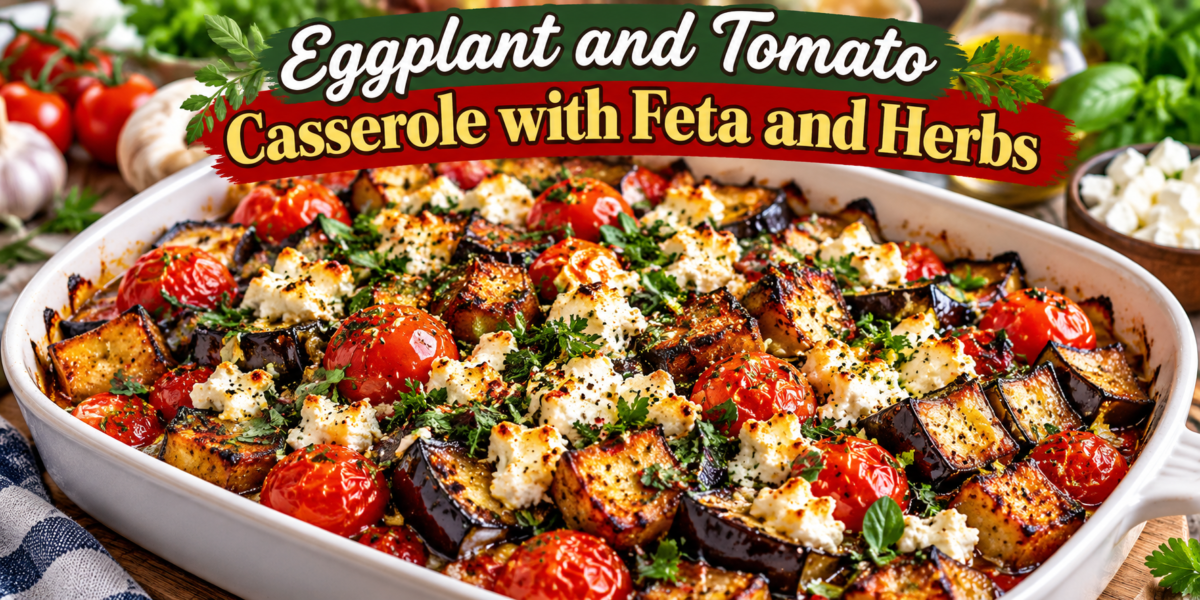
Eggplant and Tomato Casserole with Feta and Herbs featuring roasted eggplant, tomatoes, crumbled feta, garlic, and fresh herbs


Eggplant and Tomato Casserole with Feta and Herbs

This Eggplant and Tomato Casserole with Feta and Herbs is a warm, colorful Mediterranean-inspired dish made with tender roasted eggplant, juicy tomatoes, garlic, red onion, creamy feta, olive oil, and fresh herbs. The vegetables roast until their edges become beautifully caramelized while the feta adds a salty, creamy finish.

The short focus keyword for this recipe is Eggplant Tomato Casserole. This dish brings together a handful of everyday ingredients in one baking dish. Eggplant provides a soft, hearty texture, tomatoes add natural sweetness and acidity, and feta creates a salty contrast. Garlic, oregano, parsley, basil, lemon, and extra virgin olive oil give the dish its fresh Mediterranean character.

You can serve this Eggplant Tomato Casserole as a vegetarian main course with warm pita or crusty bread. It also works beautifully as a side dish with grilled chicken, baked fish, shrimp, or lamb. Because the vegetables can be prepared ahead, it is also useful for meal prep and relaxed family dinners.

Prep Time: 20 minutes
Cook Time: 45 minutes
Total Time: 1 hour 5 minutes
Servings: 6

Ingredients

For the Roasted Vegetables

  • 2 medium eggplants, cut into 1-inch cubes
  • 3 cups cherry tomatoes
  • 1 medium red onion, cut into wedges
  • 4 garlic cloves, finely minced
  • 4 tablespoons extra virgin olive oil
  • 1 teaspoon dried oregano
  • 1 teaspoon smoked paprika
  • 1 teaspoon sea salt
  • ½ teaspoon black pepper
  • ¼ teaspoon red pepper flakes, optional

For the Feta and Herb Topping

  • 1 cup crumbled feta cheese
  • 2 tablespoons fresh parsley, finely chopped
  • 2 tablespoons fresh basil, finely chopped
  • 1 teaspoon dried oregano
  • 1 teaspoon lemon zest
  • 1 tablespoon fresh lemon juice
  • 1 tablespoon extra virgin olive oil

Optional Additions

  • ½ cup Kalamata olives, sliced
  • ½ cup chickpeas, drained and rinsed
  • ¼ cup roasted red peppers, chopped
  • 2 tablespoons sun-dried tomatoes, chopped

Step-by-Step Instructions

1. Prepare the Eggplant

Start by washing the eggplants and drying them thoroughly. Cut off the tops and bottoms, then cut the eggplants into approximately 1-inch cubes. Try to keep the pieces close in size so they roast at the same rate.

Place the eggplant cubes in a large mixing bowl. Add three tablespoons of extra virgin olive oil, dried oregano, smoked paprika, sea salt, black pepper, and red pepper flakes if you are using them. Toss well until every piece is lightly coated with oil and seasoning.

For the best Eggplant Tomato Casserole, choose firm, fresh eggplants with smooth skin. Medium eggplants are usually tender and easy to roast. If the eggplant seems particularly large or has many visible seeds, you can scoop out some of the seed-heavy center before cutting it.

Let the seasoned eggplant sit for about 10 minutes while you prepare the remaining vegetables. This gives the seasonings a little time to settle onto the surface.

2. Prepare the Tomatoes, Onion, and Garlic

Preheat the oven to 425°F (220°C). Add the cherry tomatoes and red onion wedges to the bowl with the seasoned eggplant.

Add the minced garlic and the remaining tablespoon of olive oil. Toss gently so the tomatoes remain mostly intact while the onion and garlic become coated.

Cherry tomatoes are especially useful because they become soft and juicy in the oven without completely disappearing. If you prefer larger tomatoes, use ripe Roma tomatoes or another firm variety and cut them into large chunks.

The combination of tomato, onion, garlic, and eggplant creates the savory base of this Eggplant Tomato Casserole. Keep the garlic distributed throughout the vegetables so it roasts gently instead of sitting in one concentrated area.

3. Arrange the Vegetables

Transfer the vegetables to a large baking dish or rimmed sheet pan. Spread them into one even layer.

Try not to overcrowd the pan. When vegetables are packed too closely together, their moisture creates steam and prevents proper browning. If your baking dish is small, use two pans instead.

Place the pan in the preheated oven and roast for 20 minutes.

4. Roast Until Tender and Golden

After 20 minutes, carefully remove the pan from the oven. Use a spatula to turn the eggplant and gently move the tomatoes and onion around.

Return the pan to the oven and roast for another 15 to 20 minutes. The eggplant should be soft in the center with browned edges, while the tomatoes should look blistered and juicy. The onion should be tender with some caramelized edges.

Roasting is the most important flavor-building stage of this Eggplant Tomato Casserole. The high oven temperature concentrates the natural sweetness of the tomatoes and helps the eggplant develop deeper flavor.

If you want darker edges, roast for another five minutes, but watch carefully so the garlic does not burn. The finished vegetables should be tender without becoming completely mushy.

5. Prepare the Feta and Herb Topping

While the vegetables are roasting, prepare the feta mixture.

Place the crumbled feta in a small bowl. Add the chopped parsley, chopped basil, dried oregano, lemon zest, lemon juice, and one tablespoon of extra virgin olive oil.

Stir gently until the ingredients are combined. Do not mash the feta into a smooth paste. Small crumbles create a much better texture and allow the cheese to remain visible on top of the vegetables.

Taste the mixture before adding more salt. Feta can vary in saltiness, so additional salt may not be necessary.

For an extra bright finish, add a little more lemon zest instead of adding more salt. This keeps the topping fresh and aromatic.

6. Add the Feta

Remove the roasted vegetables from the oven. Scatter the feta and herb mixture evenly across the surface.

Return the dish to the oven for approximately five minutes. This warms the feta and allows it to soften slightly while keeping its crumbly character.

If you want a lightly browned top, place the dish under the broiler for one to two minutes. Watch it closely because feta can brown quickly under direct heat.

At this stage, the Eggplant Tomato Casserole should have tender eggplant, blistered tomatoes, soft red onion, fragrant garlic, and warm feta.

7. Finish and Rest

Remove the baking dish from the oven and let it rest for about five minutes.

Add a little extra parsley and basil if desired. A small drizzle of olive oil and a squeeze of fresh lemon juice can also be added just before serving.

Resting allows the tomato juices and olive oil to settle around the vegetables. It also gives the flavors a chance to come together.

Tips for the Best Results

Choose Fresh Eggplant

Select eggplants that feel firm and heavy for their size. The skin should be smooth and shiny without large soft spots.

Smaller and medium eggplants usually have a pleasant tender texture. Cut the pieces into similar sizes so they cook evenly. Even cubes help every serving of Eggplant Tomato Casserole contain a good balance of tender centers and browned edges.

Do Not Overcrowd the Pan

Good airflow is essential when roasting vegetables. If the pan is too crowded, the vegetables will steam instead of caramelizing.

Use the largest baking dish you have available, or divide the ingredients between two pans. This simple adjustment can make a noticeable difference in the final texture.

Use Olive Oil Wisely

Eggplant absorbs oil quickly, but adding too much can make the dish greasy. Start with the listed amount and toss the vegetables thoroughly.

If the vegetables look dry after roasting for several minutes, add a small drizzle. Avoid pouring a large amount of oil over the pan because the tomatoes will release their own juices.

Season in Layers

Seasoning the vegetables before roasting and finishing the casserole with fresh lemon and herbs creates more depth.

Oregano and garlic give the vegetables a savory foundation, while lemon, basil, and parsley brighten the final dish. The same approach works whenever you make Eggplant Tomato Casserole with different vegetables or optional toppings.

Use Good Feta

Choose a feta with a creamy, crumbly texture and a flavor you enjoy. Good feta provides much of the salty character of the dish.

If the feta is very salty, reduce the amount of added salt used on the vegetables.

Serving Suggestions

Serve With Warm Bread

Warm pita, flatbread, sourdough, or crusty Mediterranean bread is one of the easiest ways to serve this dish.

Bread is especially useful because it can soak up the tomato juices, olive oil, and softened feta. A spoonful of the vegetables over warm pita makes a simple and satisfying lunch.

Serve With Rice or Grains

Spoon the casserole over couscous, bulgur, quinoa, brown rice, or white rice.

The grains absorb the flavorful tomato juices and make the meal more filling. This combination is especially useful when serving Eggplant Tomato Casserole as a vegetarian main course.

Serve With Grilled Protein

The fresh vegetables pair well with grilled chicken, baked fish, shrimp, or lamb.

For a family-style meal, place the casserole in the center of the table and serve it alongside a simple protein, cucumber salad, olives, and warm pita.

Serve as a Mezze Dish

For a Mediterranean-inspired spread, serve smaller portions with hummus, tzatziki, olives, cucumber, tomatoes, roasted peppers, and toasted pita.

Eggplant Tomato Casserole also looks colorful on a shared table, with feta adding a savory finish.

Recipe Variations

Add Chickpeas

Add ½ cup of drained and rinsed chickpeas during the final 20 minutes of roasting. The chickpeas become lightly crisp on the outside and absorb the flavors of the vegetables.

This addition makes Eggplant Tomato Casserole more filling and provides extra plant-based protein and fiber.

Add Kalamata Olives

Add sliced Kalamata olives during the final 10 minutes of roasting. Their briny flavor works especially well with feta and sweet roasted tomatoes.

Use a moderate amount because both olives and feta can be salty.

Add Zucchini

Replace one cup of eggplant with chopped zucchini. Zucchini cooks quickly, so add it during the final 20 to 25 minutes if you want it to retain some texture.

Add Roasted Red Peppers

Chopped roasted red peppers bring sweetness, color, and a mild smoky flavor. Add them during the final five to ten minutes so they warm through without becoming too soft.

Make It Spicy

Increase the red pepper flakes or add a small pinch of cayenne pepper before roasting. You can also drizzle a little chili oil over the finished dish.

Storage and Reheating

Refrigerator Storage

Allow leftovers to cool before transferring them to an airtight container. Store the casserole in the refrigerator for up to three days.

The flavors often become more developed after resting overnight. Leftover Eggplant Tomato Casserole can be served warm for lunch or added to a grain bowl.

Oven Reheating

Place leftovers in a baking dish and cover loosely with foil. Heat at 350°F (175°C) for 10 to 15 minutes, or until warmed through.

Remove the foil during the final few minutes if you want the edges to become slightly crisp again.

Skillet Reheating

For a smaller portion, warm the casserole gently in a skillet over medium-low heat. Add a small splash of water if the vegetables seem dry.

Avoid high heat because it can make the feta firm and cause the vegetables to lose too much moisture.

Frequently Asked Questions

Do I Need to Salt Eggplant Before Roasting?

Modern eggplants usually do not require traditional salting. If you have an eggplant that tastes bitter, sprinkle the cubes lightly with salt and let them sit for about 20 minutes.

Rinse briefly and dry thoroughly before seasoning. This optional step can be useful when preparing Eggplant Tomato Casserole with a particularly large or mature eggplant.

Can I Use Regular Tomatoes?

Yes. Roma tomatoes or other firm ripe tomatoes work well. Cut them into large pieces so they maintain some texture during roasting.

Very watery tomatoes may release more liquid, so you may need to roast the vegetables slightly longer.

Can I Use Another Cheese?

Yes. Goat cheese, ricotta salata, or another mild crumbly cheese can replace feta. However, feta provides the salty Mediterranean flavor that makes this Eggplant Tomato Casserole distinctive.

Can I Make It Dairy-Free?

Yes. Use a dairy-free feta alternative or replace the feta with seasoned chickpeas or white beans.

The roasted vegetables are flavorful enough to stand on their own, especially when finished with fresh herbs and lemon.

Nutrition Information

Approximate nutrition per serving:

  • Calories: 310 kcal
  • Protein: 9g
  • Carbohydrates: 28g
  • Fat: 20g
  • Saturated Fat: 6g
  • Fiber: 8g
  • Sugar: 10g
  • Sodium: 650mg

Nutrition values are estimates and can vary according to ingredient brands, serving sizes, and optional additions.

Final Thoughts

This Eggplant Tomato Casserole is a simple way to turn everyday vegetables into a satisfying Mediterranean-inspired meal. The eggplant becomes tender and caramelized, the tomatoes develop concentrated sweetness, and the red onion becomes soft and lightly browned.

Feta provides a creamy, salty contrast, while parsley, basil, oregano, garlic, and lemon keep the dish bright. That combination makes Eggplant Tomato Casserole suitable for both casual weeknight meals and relaxed gatherings.

For the best result, give the vegetables plenty of space in the roasting pan and avoid using too much oil. This helps the Eggplant Tomato Casserole develop browned edges.

Serve Eggplant Tomato Casserole with warm pita, couscous, rice, quinoa, or a fresh salad. It also works beautifully as a side dish alongside grilled chicken or fish.

This Eggplant Tomato Casserole is flexible enough for different dietary preferences while keeping the original ingredients and method simple.

Whether you enjoy it fresh from the oven or as leftovers the next day, Eggplant Tomato Casserole is an easy recipe worth keeping in your regular meal rotation.

For a final finishing touch, add fresh parsley, lemon zest, and a small drizzle of extra virgin olive oil immediately before serving. The combination makes the dish colorful, fresh, and flavorful.

Enjoy this Eggplant Tomato Casserole while the feta is still warm and the roasted vegetables are tender. It is a practical Mediterranean-inspired recipe that brings plenty of flavor to the table without complicated preparation.

Cheesy Potato & Vegetable Casserole

Cheesy Potato & Vegetable Casserole

Cheesy Potato & Vegetable Casserole

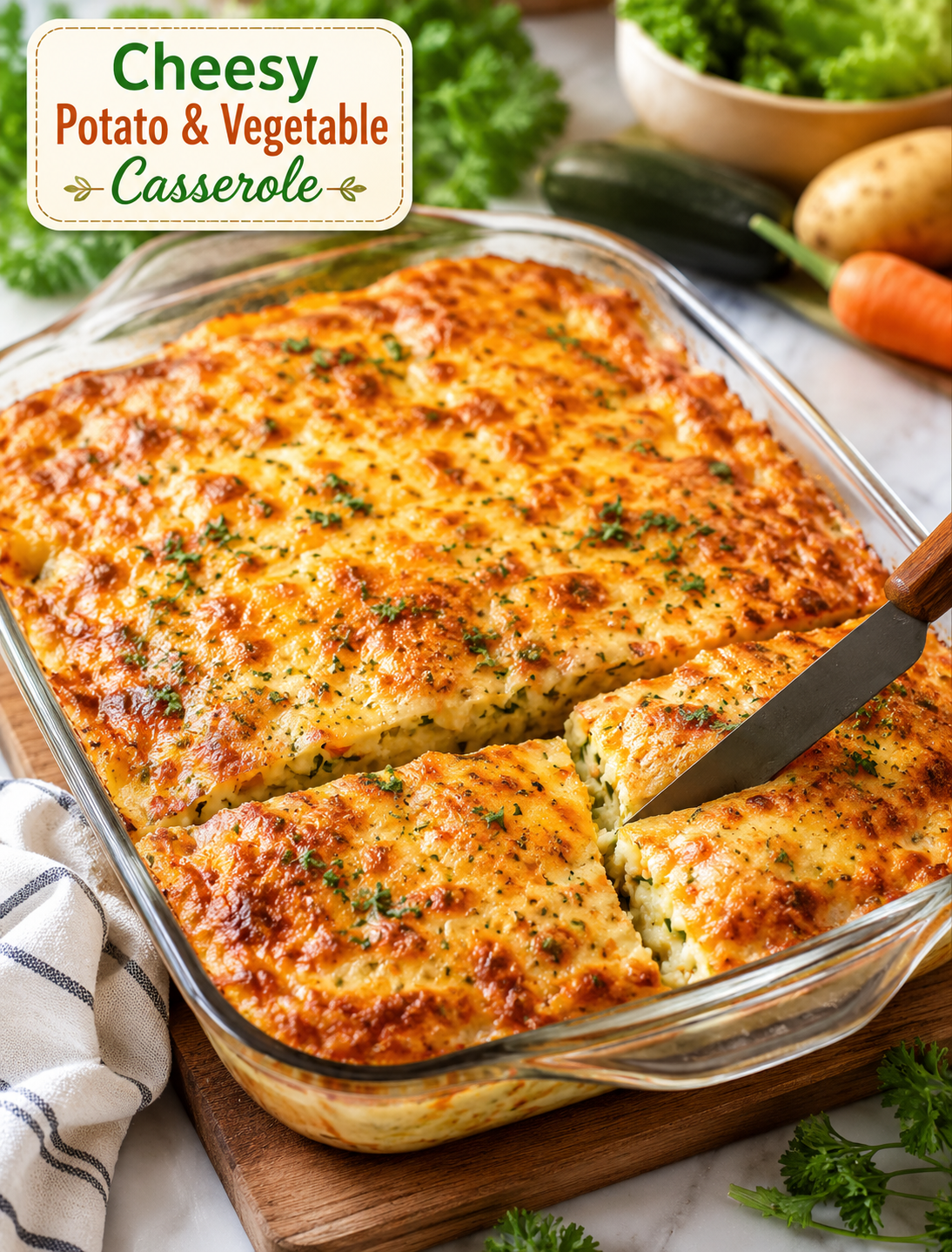
A comforting, golden-baked casserole packed with potatoes, zucchini, carrots, cheese, eggs, herbs, and a creamy sauce. This easy vegetable bake has a crisp, cheesy top and a tender, flavourful center, making it perfect for breakfast, brunch, lunch, dinner, or as a hearty side dish.

Recipe at a Glance

Servings: 6–8

Prep time: 20 minutes

Cook time: 45–55 minutes

Total time: About 1 hour 15 minutes

Oven temperature: 375°F / 190°C

Difficulty: Easy

Cuisine: Comfort food / American-inspired

Best served: Warm

Description

This Cheesy Potato & Vegetable Casserole is a delicious way to turn everyday vegetables into a satisfying family meal. Grated potatoes provide a hearty base, while zucchini and carrots add moisture, color, flavor, and nutrients. Eggs and sour cream help bind everything together, while mozzarella, cheddar, and Parmesan create a rich, savory flavor and beautifully browned crust.

The combination of vegetables and cheese makes this casserole especially appealing to children and adults alike. The outside becomes golden and slightly crisp during baking, while the inside remains soft, creamy, and tender.

It is also a wonderfully flexible recipe. You can serve it as a vegetarian main dish with a fresh salad, or alongside roasted meat, grilled chicken, fish, or other favorite dishes.

Ingredients
For the casserole
4 medium potatoes, peeled
2 medium zucchini
2 carrots
1 small onion
3 cloves garlic, minced
4 large eggs
1 cup sour cream or plain Greek yogurt
1 cup shredded mozzarella cheese
1 cup shredded cheddar cheese
½ cup grated Parmesan cheese
2 tablespoons all-purpose flour
2 tablespoons olive oil
1 teaspoon salt
½ teaspoon black pepper
1 teaspoon paprika
½ teaspoon dried oregano or Italian seasoning
2–3 tablespoons chopped fresh parsley or dill
½ teaspoon red pepper flakes, optional
For greasing
1 teaspoon butter or olive oil
Instructions
1. Prepare the vegetables
Preheat your oven to 375°F (190°C).

Peel the potatoes and wash the zucchini and carrots thoroughly. Grate the potatoes, zucchini, and carrots using the large holes of a box grater.

Finely chop the onion and mince the garlic.

The vegetables can be grated by hand, but a food processor with a grating attachment can make the preparation much faster.

2. Remove excess moisture
This is one of the most important steps in the recipe.

Zucchini and potatoes naturally contain a considerable amount of water. If you skip this step, your casserole can become watery instead of firm and creamy.

Place the grated zucchini and potatoes in a clean kitchen towel or several layers of cheesecloth. Gather the towel and squeeze firmly over the sink to remove as much liquid as possible.

You can also place the grated vegetables in a colander, sprinkle them lightly with salt, and allow them to drain for about 10 minutes before squeezing.

The drier the vegetables, the better the final texture will be.

3. Prepare the creamy mixture
In a large mixing bowl, whisk together:

4 eggs
1 cup sour cream or Greek yogurt
2 tablespoons flour
minced garlic
salt
black pepper
paprika
oregano or Italian seasoning
Whisk until the mixture is smooth and evenly combined.

The eggs provide structure while the sour cream gives the casserole a creamy texture.

4. Combine the vegetables
Add the squeezed potatoes and zucchini to the bowl.

Add the grated carrots and chopped onion as well.

Add the fresh parsley or dill and red pepper flakes if using.

Stir thoroughly until all the vegetables are coated with the egg and sour cream mixture.

5. Add the cheese
Add:

½ cup mozzarella
½ cup cheddar
½ cup Parmesan
Mix everything together.

Reserve the remaining mozzarella and cheddar for the topping.

The Parmesan contributes a salty, nutty flavor, while mozzarella gives a stretchy texture and cheddar provides a stronger cheesy taste.

6. Prepare the baking dish
Grease a 9 × 13-inch (23 × 33 cm) baking dish with butter or olive oil.

Transfer the vegetable mixture into the dish and spread it evenly with a spatula or the back of a spoon.

Make sure the mixture is distributed evenly so that the casserole cooks consistently.

7. Add the cheese topping
Sprinkle the remaining mozzarella and cheddar over the entire surface.

For an extra golden crust, you can add another tablespoon or two of Parmesan.

Try to spread the cheese evenly from edge to edge. The cheese will melt during baking and form the delicious golden topping characteristic of this casserole.

8. Bake
Cover the baking dish loosely with aluminum foil.

Bake at 375°F (190°C) for approximately 30 minutes.

Then carefully remove the foil and return the casserole to the oven.

Continue baking uncovered for another 15–25 minutes, or until the vegetables are tender and the cheese is melted, bubbling, and golden brown.

The exact baking time can vary depending on how wet the vegetables are and how deep your baking dish is.

9. Brown the top
For an especially attractive golden crust, you can switch the oven to the broil/grill setting during the final 2–3 minutes.

Watch the casserole carefully during this stage because cheese can go from golden to burnt very quickly.

10. Rest before serving
Remove the casserole from the oven and allow it to rest for 10–15 minutes before slicing.

This resting period allows the eggs and cheese to set slightly, making the casserole easier to serve.

Cut into squares and serve warm.

Recipe Notes
Squeezing the vegetables is essential
Do not underestimate this step. Zucchini releases a lot of water during cooking. Potatoes can also contain substantial moisture. Removing excess liquid helps create a casserole that holds together rather than becoming soupy.

Choose good melting cheese
Mozzarella works beautifully for melting, while cheddar adds flavor and color. Parmesan helps create a savory crust.

You can substitute Monterey Jack, Colby, Gruyère, or a combination of your favorite melting cheeses.

Fresh herbs
Parsley gives the casserole a fresh flavor, while dill provides a slightly more distinctive taste. You can use dried herbs if fresh herbs aren’t available.

Baking dish
A glass or ceramic casserole dish works particularly well. If your dish is significantly smaller or deeper than 9 × 13 inches, you may need to adjust the baking time.

Make it ahead
The casserole can be assembled several hours in advance and refrigerated, covered, until you’re ready to bake. If baking directly from the refrigerator, allow additional cooking time and make sure the center is fully cooked.

Helpful Tips for the Best Casserole

  • Squeeze the potatoes and zucchini thoroughly. This is the most important tip.
  • Don’t shred the vegetables too finely. Coarse grating gives the casserole better texture.
  • Use freshly shredded cheese when possible. It generally melts more smoothly.
  • Don’t overbake. Once the center is set and the top is golden, remove it from the oven.
  • Let it rest before cutting. Ten to fifteen minutes makes serving much easier.
  • Season according to taste. Potatoes benefit from generous seasoning.
  • Add spice if desired. Red pepper flakes or a little cayenne can add pleasant heat.
  • Watch the broiler carefully. The cheese can brown extremely quickly.
  • Use full-fat sour cream for the richest result.
  • Serve with something fresh. A green salad or tomato-cucumber salad balances the richness of the cheese.

Variations
Cheesy Chicken Casserole
Add approximately 1½ cups cooked, shredded chicken to the vegetable mixture. This turns the recipe into a more substantial main course.

Bacon Version
Cook and crumble 150–200 g (5–7 oz) bacon, then stir it into the mixture before baking.

Spinach Version
Add approximately 1 cup chopped cooked spinach, making sure to squeeze out excess water first.

Mushroom Version
Sauté sliced mushrooms until their moisture has evaporated, then add them to the casserole.

Spicy Version
Add red pepper flakes, chopped jalapeño, or a pinch of cayenne pepper.

Extra-Cheesy Version
Increase the total cheese slightly and add a little Parmesan to the top during the final 10 minutes of baking.

Serving Suggestions
This casserole is versatile enough to serve in several ways.

Breakfast or brunch, serve it with fresh fruit, tomatoes, avocado, or a simple green salad.

Lunch, pair a square of casserole with cucumber and tomato salad or steamed vegetables.

Dinner, serve it alongside grilled chicken, roasted meat, fish, or a large leafy salad.

A spoonful of sour cream, Greek yogurt, or garlic-herb yogurt sauce on top is also delicious.

Storage and Reheating
Allow leftovers to cool and refrigerate them in a covered container.

The casserole should be refrigerated promptly rather than left at room temperature for an extended period.

For best quality, enjoy refrigerated leftovers within 3–4 days.

To reheat, place individual portions in the microwave until hot, or use a 350°F (175°C) oven for approximately 10–20 minutes, depending on the portion size.

The oven method helps restore some of the crispness of the cheesy top.

Approximate Nutritional Information
Estimated per serving, assuming 8 servings and excluding optional additions:

Calories: approximately 330–380 kcal
Protein: approximately 16–18 g
Carbohydrates: approximately 30–34 g
Fat: approximately 16–20 g
Saturated fat: approximately 8–10 g
Fiber: approximately 4–5 g
Sugar: approximately 4–6 g
Sodium: approximately 550–750 mg
Calcium: approximately 250–350 mg
These numbers are estimates and can vary considerably depending on the exact size of the vegetables, type of sour cream or yogurt, cheese brands, and portion size.

Potential Benefits
This casserole combines several food groups in one dish.

Potatoes provide carbohydrates and potassium, making them a satisfying source of energy.

Zucchini and carrots contribute fiber, vitamins, minerals, and naturally occurring plant compounds. Carrots are particularly well known for their beta-carotene content.

Eggs and cheese contribute protein, calcium, and other nutrients. Protein can help make the meal more satisfying.

Fresh herbs and vegetables add flavor without requiring large amounts of additional seasoning or sauces.

Because this recipe contains vegetables along with eggs and dairy, it can be a more nutritionally varied choice than a casserole made primarily from potatoes and cheese alone.

For a lighter version, you can use Greek yogurt instead of sour cream, reduce the cheese slightly, and increase the amount of zucchini, carrots, spinach, or other vegetables.

Frequently Asked Questions
Can I make this casserole without zucchini?
Yes. You can replace the zucchini with additional carrots, grated sweet potato, spinach, or another suitable vegetable. Remember that different vegetables contain different amounts of moisture, so adjust the draining accordingly.

Why is my casserole watery?
The most common reason is excess moisture from the zucchini or potatoes. Squeeze the grated vegetables very thoroughly before mixing them with the other ingredients.

Can I use sweet potatoes?
Yes. Sweet potatoes can replace some or all of the regular potatoes. They will give the casserole a sweeter flavor and a slightly different texture.

Can I prepare it the night before?
Yes. Assemble the casserole, cover it, and refrigerate it. Bake when ready. Because the casserole will be cold, it may require additional baking time.

Can I freeze it?
It is possible, although the texture of zucchini can become softer after freezing and thawing. For the best texture, freezing is generally less ideal than refrigerating leftovers.

Can I make it vegetarian?
Yes. The recipe as written is vegetarian as long as the cheeses and other ingredients you choose are vegetarian-friendly.

Can I make it gluten-free?
Yes. Replace the all-purpose flour with a suitable gluten-free flour or starch. Also check the labels of your other ingredients if strict gluten avoidance is required.

How do I know when it is done?
The top should be deeply golden and bubbling, while the center should look set rather than liquid. A knife inserted near the center should come out without a runny egg mixture.

Can I use pre-shredded cheese?
Yes, but freshly shredded cheese often melts more smoothly. Pre-shredded cheese can contain anti-caking ingredients that may slightly affect melting.

What can I serve with it?
A fresh green salad, tomato salad, roasted vegetables, grilled chicken, fish, or a simple yogurt-garlic sauce all pair beautifully with this casserole.

Final Recipe Summary
Cheesy Potato & Vegetable Casserole is an easy, hearty, family-friendly dish featuring grated potatoes, zucchini, carrots, onion, garlic, eggs, sour cream, herbs, and plenty of melted cheese. The key to achieving the beautiful golden top and firm, tender interior is to remove excess moisture from the grated vegetables and allow the finished casserole to rest before serving.