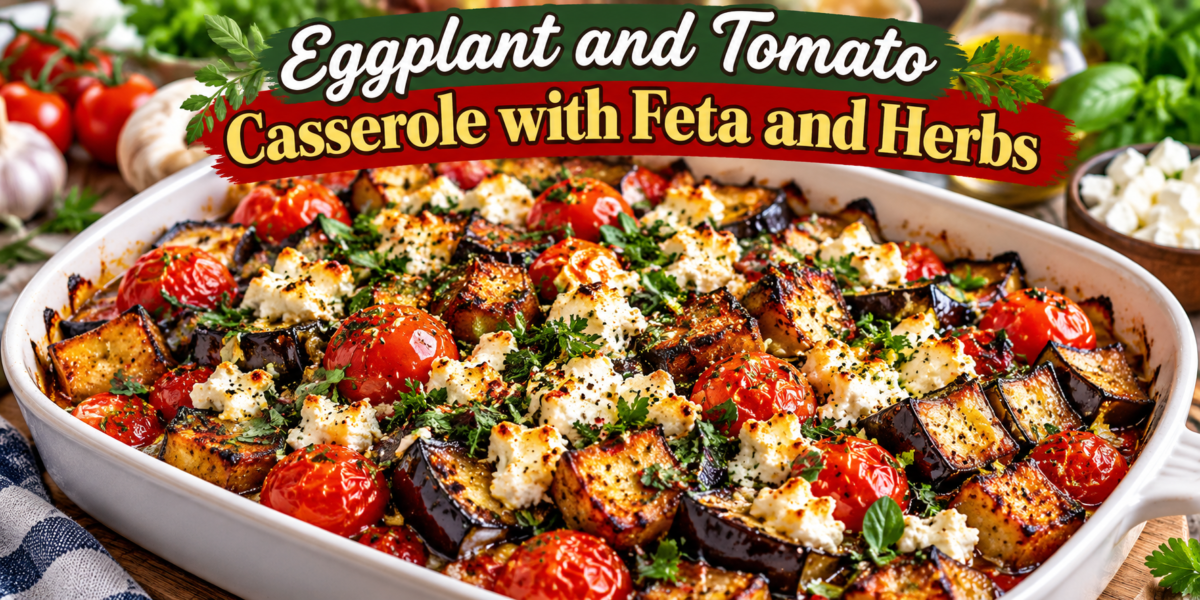
Eggplant and Tomato Casserole with Feta and Herbs

Eggplant and Tomato Casserole with Feta and Herbs featuring roasted eggplant, tomatoes, crumbled feta, garlic, and fresh herbs


Eggplant and Tomato Casserole with Feta and Herbs

This Eggplant and Tomato Casserole with Feta and Herbs is a warm, colorful Mediterranean-inspired dish made with tender roasted eggplant, juicy tomatoes, garlic, red onion, creamy feta, olive oil, and fresh herbs. The vegetables roast until their edges become beautifully caramelized while the feta adds a salty, creamy finish.

The short focus keyword for this recipe is Eggplant Tomato Casserole. This dish brings together a handful of everyday ingredients in one baking dish. Eggplant provides a soft, hearty texture, tomatoes add natural sweetness and acidity, and feta creates a salty contrast. Garlic, oregano, parsley, basil, lemon, and extra virgin olive oil give the dish its fresh Mediterranean character.

You can serve this Eggplant Tomato Casserole as a vegetarian main course with warm pita or crusty bread. It also works beautifully as a side dish with grilled chicken, baked fish, shrimp, or lamb. Because the vegetables can be prepared ahead, it is also useful for meal prep and relaxed family dinners.

Prep Time: 20 minutes
Cook Time: 45 minutes
Total Time: 1 hour 5 minutes
Servings: 6

Ingredients

For the Roasted Vegetables

  • 2 medium eggplants, cut into 1-inch cubes
  • 3 cups cherry tomatoes
  • 1 medium red onion, cut into wedges
  • 4 garlic cloves, finely minced
  • 4 tablespoons extra virgin olive oil
  • 1 teaspoon dried oregano
  • 1 teaspoon smoked paprika
  • 1 teaspoon sea salt
  • ½ teaspoon black pepper
  • ¼ teaspoon red pepper flakes, optional

For the Feta and Herb Topping

  • 1 cup crumbled feta cheese
  • 2 tablespoons fresh parsley, finely chopped
  • 2 tablespoons fresh basil, finely chopped
  • 1 teaspoon dried oregano
  • 1 teaspoon lemon zest
  • 1 tablespoon fresh lemon juice
  • 1 tablespoon extra virgin olive oil

Optional Additions

  • ½ cup Kalamata olives, sliced
  • ½ cup chickpeas, drained and rinsed
  • ¼ cup roasted red peppers, chopped
  • 2 tablespoons sun-dried tomatoes, chopped

Step-by-Step Instructions

1. Prepare the Eggplant

Start by washing the eggplants and drying them thoroughly. Cut off the tops and bottoms, then cut the eggplants into approximately 1-inch cubes. Try to keep the pieces close in size so they roast at the same rate.

Place the eggplant cubes in a large mixing bowl. Add three tablespoons of extra virgin olive oil, dried oregano, smoked paprika, sea salt, black pepper, and red pepper flakes if you are using them. Toss well until every piece is lightly coated with oil and seasoning.

For the best Eggplant Tomato Casserole, choose firm, fresh eggplants with smooth skin. Medium eggplants are usually tender and easy to roast. If the eggplant seems particularly large or has many visible seeds, you can scoop out some of the seed-heavy center before cutting it.

Let the seasoned eggplant sit for about 10 minutes while you prepare the remaining vegetables. This gives the seasonings a little time to settle onto the surface.

2. Prepare the Tomatoes, Onion, and Garlic

Preheat the oven to 425°F (220°C). Add the cherry tomatoes and red onion wedges to the bowl with the seasoned eggplant.

Add the minced garlic and the remaining tablespoon of olive oil. Toss gently so the tomatoes remain mostly intact while the onion and garlic become coated.

Cherry tomatoes are especially useful because they become soft and juicy in the oven without completely disappearing. If you prefer larger tomatoes, use ripe Roma tomatoes or another firm variety and cut them into large chunks.

The combination of tomato, onion, garlic, and eggplant creates the savory base of this Eggplant Tomato Casserole. Keep the garlic distributed throughout the vegetables so it roasts gently instead of sitting in one concentrated area.

3. Arrange the Vegetables

Transfer the vegetables to a large baking dish or rimmed sheet pan. Spread them into one even layer.

Try not to overcrowd the pan. When vegetables are packed too closely together, their moisture creates steam and prevents proper browning. If your baking dish is small, use two pans instead.

Place the pan in the preheated oven and roast for 20 minutes.

4. Roast Until Tender and Golden

After 20 minutes, carefully remove the pan from the oven. Use a spatula to turn the eggplant and gently move the tomatoes and onion around.

Return the pan to the oven and roast for another 15 to 20 minutes. The eggplant should be soft in the center with browned edges, while the tomatoes should look blistered and juicy. The onion should be tender with some caramelized edges.

Roasting is the most important flavor-building stage of this Eggplant Tomato Casserole. The high oven temperature concentrates the natural sweetness of the tomatoes and helps the eggplant develop deeper flavor.

If you want darker edges, roast for another five minutes, but watch carefully so the garlic does not burn. The finished vegetables should be tender without becoming completely mushy.

5. Prepare the Feta and Herb Topping

While the vegetables are roasting, prepare the feta mixture.

Place the crumbled feta in a small bowl. Add the chopped parsley, chopped basil, dried oregano, lemon zest, lemon juice, and one tablespoon of extra virgin olive oil.

Stir gently until the ingredients are combined. Do not mash the feta into a smooth paste. Small crumbles create a much better texture and allow the cheese to remain visible on top of the vegetables.

Taste the mixture before adding more salt. Feta can vary in saltiness, so additional salt may not be necessary.

For an extra bright finish, add a little more lemon zest instead of adding more salt. This keeps the topping fresh and aromatic.

6. Add the Feta

Remove the roasted vegetables from the oven. Scatter the feta and herb mixture evenly across the surface.

Return the dish to the oven for approximately five minutes. This warms the feta and allows it to soften slightly while keeping its crumbly character.

If you want a lightly browned top, place the dish under the broiler for one to two minutes. Watch it closely because feta can brown quickly under direct heat.

At this stage, the Eggplant Tomato Casserole should have tender eggplant, blistered tomatoes, soft red onion, fragrant garlic, and warm feta.

7. Finish and Rest

Remove the baking dish from the oven and let it rest for about five minutes.

Add a little extra parsley and basil if desired. A small drizzle of olive oil and a squeeze of fresh lemon juice can also be added just before serving.

Resting allows the tomato juices and olive oil to settle around the vegetables. It also gives the flavors a chance to come together.

Tips for the Best Results

Choose Fresh Eggplant

Select eggplants that feel firm and heavy for their size. The skin should be smooth and shiny without large soft spots.

Smaller and medium eggplants usually have a pleasant tender texture. Cut the pieces into similar sizes so they cook evenly. Even cubes help every serving of Eggplant Tomato Casserole contain a good balance of tender centers and browned edges.

Do Not Overcrowd the Pan

Good airflow is essential when roasting vegetables. If the pan is too crowded, the vegetables will steam instead of caramelizing.

Use the largest baking dish you have available, or divide the ingredients between two pans. This simple adjustment can make a noticeable difference in the final texture.

Use Olive Oil Wisely

Eggplant absorbs oil quickly, but adding too much can make the dish greasy. Start with the listed amount and toss the vegetables thoroughly.

If the vegetables look dry after roasting for several minutes, add a small drizzle. Avoid pouring a large amount of oil over the pan because the tomatoes will release their own juices.

Season in Layers

Seasoning the vegetables before roasting and finishing the casserole with fresh lemon and herbs creates more depth.

Oregano and garlic give the vegetables a savory foundation, while lemon, basil, and parsley brighten the final dish. The same approach works whenever you make Eggplant Tomato Casserole with different vegetables or optional toppings.

Use Good Feta

Choose a feta with a creamy, crumbly texture and a flavor you enjoy. Good feta provides much of the salty character of the dish.

If the feta is very salty, reduce the amount of added salt used on the vegetables.

Serving Suggestions

Serve With Warm Bread

Warm pita, flatbread, sourdough, or crusty Mediterranean bread is one of the easiest ways to serve this dish.

Bread is especially useful because it can soak up the tomato juices, olive oil, and softened feta. A spoonful of the vegetables over warm pita makes a simple and satisfying lunch.

Serve With Rice or Grains

Spoon the casserole over couscous, bulgur, quinoa, brown rice, or white rice.

The grains absorb the flavorful tomato juices and make the meal more filling. This combination is especially useful when serving Eggplant Tomato Casserole as a vegetarian main course.

Serve With Grilled Protein

The fresh vegetables pair well with grilled chicken, baked fish, shrimp, or lamb.

For a family-style meal, place the casserole in the center of the table and serve it alongside a simple protein, cucumber salad, olives, and warm pita.

Serve as a Mezze Dish

For a Mediterranean-inspired spread, serve smaller portions with hummus, tzatziki, olives, cucumber, tomatoes, roasted peppers, and toasted pita.

Eggplant Tomato Casserole also looks colorful on a shared table, with feta adding a savory finish.

Recipe Variations

Add Chickpeas

Add ½ cup of drained and rinsed chickpeas during the final 20 minutes of roasting. The chickpeas become lightly crisp on the outside and absorb the flavors of the vegetables.

This addition makes Eggplant Tomato Casserole more filling and provides extra plant-based protein and fiber.

Add Kalamata Olives

Add sliced Kalamata olives during the final 10 minutes of roasting. Their briny flavor works especially well with feta and sweet roasted tomatoes.

Use a moderate amount because both olives and feta can be salty.

Add Zucchini

Replace one cup of eggplant with chopped zucchini. Zucchini cooks quickly, so add it during the final 20 to 25 minutes if you want it to retain some texture.

Add Roasted Red Peppers

Chopped roasted red peppers bring sweetness, color, and a mild smoky flavor. Add them during the final five to ten minutes so they warm through without becoming too soft.

Make It Spicy

Increase the red pepper flakes or add a small pinch of cayenne pepper before roasting. You can also drizzle a little chili oil over the finished dish.

Storage and Reheating

Refrigerator Storage

Allow leftovers to cool before transferring them to an airtight container. Store the casserole in the refrigerator for up to three days.

The flavors often become more developed after resting overnight. Leftover Eggplant Tomato Casserole can be served warm for lunch or added to a grain bowl.

Oven Reheating

Place leftovers in a baking dish and cover loosely with foil. Heat at 350°F (175°C) for 10 to 15 minutes, or until warmed through.

Remove the foil during the final few minutes if you want the edges to become slightly crisp again.

Skillet Reheating

For a smaller portion, warm the casserole gently in a skillet over medium-low heat. Add a small splash of water if the vegetables seem dry.

Avoid high heat because it can make the feta firm and cause the vegetables to lose too much moisture.

Frequently Asked Questions

Do I Need to Salt Eggplant Before Roasting?

Modern eggplants usually do not require traditional salting. If you have an eggplant that tastes bitter, sprinkle the cubes lightly with salt and let them sit for about 20 minutes.

Rinse briefly and dry thoroughly before seasoning. This optional step can be useful when preparing Eggplant Tomato Casserole with a particularly large or mature eggplant.

Can I Use Regular Tomatoes?

Yes. Roma tomatoes or other firm ripe tomatoes work well. Cut them into large pieces so they maintain some texture during roasting.

Very watery tomatoes may release more liquid, so you may need to roast the vegetables slightly longer.

Can I Use Another Cheese?

Yes. Goat cheese, ricotta salata, or another mild crumbly cheese can replace feta. However, feta provides the salty Mediterranean flavor that makes this Eggplant Tomato Casserole distinctive.

Can I Make It Dairy-Free?

Yes. Use a dairy-free feta alternative or replace the feta with seasoned chickpeas or white beans.

The roasted vegetables are flavorful enough to stand on their own, especially when finished with fresh herbs and lemon.

Nutrition Information

Approximate nutrition per serving:

  • Calories: 310 kcal
  • Protein: 9g
  • Carbohydrates: 28g
  • Fat: 20g
  • Saturated Fat: 6g
  • Fiber: 8g
  • Sugar: 10g
  • Sodium: 650mg

Nutrition values are estimates and can vary according to ingredient brands, serving sizes, and optional additions.

Final Thoughts

This Eggplant Tomato Casserole is a simple way to turn everyday vegetables into a satisfying Mediterranean-inspired meal. The eggplant becomes tender and caramelized, the tomatoes develop concentrated sweetness, and the red onion becomes soft and lightly browned.

Feta provides a creamy, salty contrast, while parsley, basil, oregano, garlic, and lemon keep the dish bright. That combination makes Eggplant Tomato Casserole suitable for both casual weeknight meals and relaxed gatherings.

For the best result, give the vegetables plenty of space in the roasting pan and avoid using too much oil. This helps the Eggplant Tomato Casserole develop browned edges.

Serve Eggplant Tomato Casserole with warm pita, couscous, rice, quinoa, or a fresh salad. It also works beautifully as a side dish alongside grilled chicken or fish.

This Eggplant Tomato Casserole is flexible enough for different dietary preferences while keeping the original ingredients and method simple.

Whether you enjoy it fresh from the oven or as leftovers the next day, Eggplant Tomato Casserole is an easy recipe worth keeping in your regular meal rotation.

For a final finishing touch, add fresh parsley, lemon zest, and a small drizzle of extra virgin olive oil immediately before serving. The combination makes the dish colorful, fresh, and flavorful.

Enjoy this Eggplant Tomato Casserole while the feta is still warm and the roasted vegetables are tender. It is a practical Mediterranean-inspired recipe that brings plenty of flavor to the table without complicated preparation.
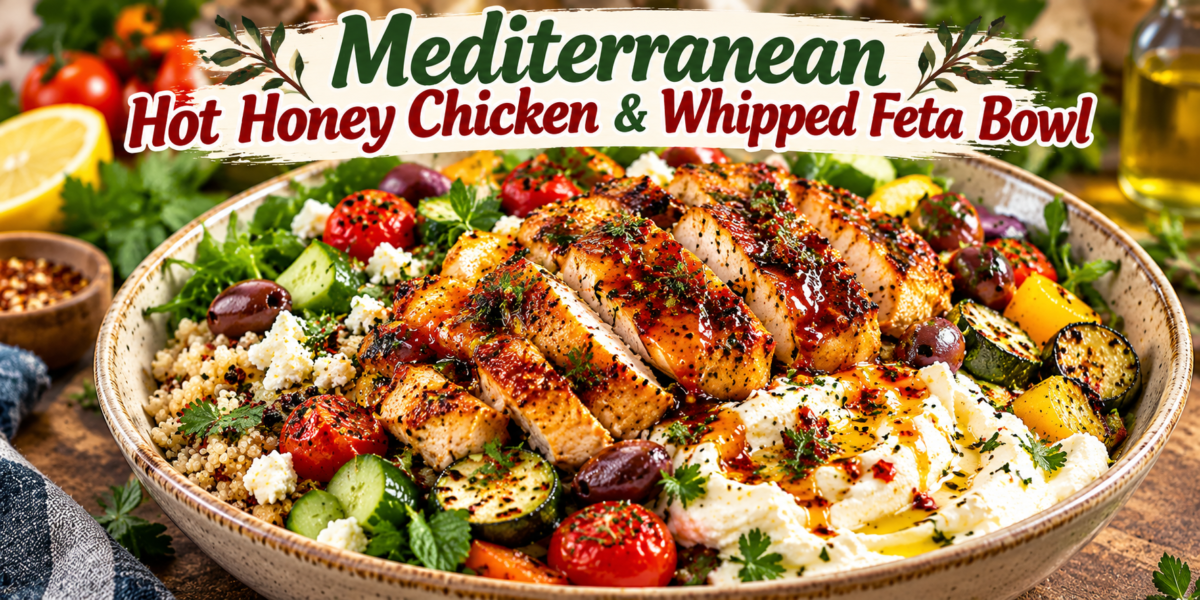
Mediterranean Hot Honey Chicken & Whipped Feta Bowl

Hot Honey Chicken Bowl with juicy chicken, whipped feta, roasted vegetables, quinoa, fresh herbs, and hot honey drizzle

Mediterranean Hot Honey Chicken & Whipped Feta Bowl

This Hot Honey Chicken Bowl combines juicy Mediterranean chicken, creamy whipped feta, roasted vegetables, fresh herbs, and sweet spicy hot honey.

First, prepare the chicken and roasted vegetables. Meanwhile, make the creamy whipped feta and hot honey.

Finally, combine everything with quinoa and fresh greens for a colorful Mediterranean-inspired meal.

This Hot Honey Chicken Bowl is also easy to customize with seasonal vegetables, grains, and fresh Mediterranean toppings.

Prep Time: 25 minutes
Marinating Time: 20 minutes
Cooking Time: 30 minutes
Total Time: 1 hour 15 minutes
Servings: 4

Ingredients

For the Mediterranean Chicken

1 ½ pounds boneless skinless chicken breasts

2 tablespoons extra virgin olive oil

2 tablespoons fresh lemon juice

3 garlic cloves, minced

1 teaspoon dried oregano

1 teaspoon smoked paprika

½ teaspoon ground cumin

½ teaspoon black pepper

1 teaspoon sea salt

½ teaspoon dried thyme

For the Whipped Feta

8 ounces feta cheese

½ cup plain Greek yogurt

2 tablespoons extra virgin olive oil

1 tablespoon fresh lemon juice

1 small garlic clove

¼ teaspoon black pepper

1 tablespoon fresh parsley

For the Roasted Vegetables

1 medium zucchini, sliced

1 red bell pepper, sliced

1 yellow bell pepper, sliced

1 cup cherry tomatoes

1 small red onion, sliced

2 tablespoons extra virgin olive oil

1 teaspoon dried oregano

½ teaspoon paprika

½ teaspoon sea salt

¼ teaspoon black pepper

For the Hot Honey

¼ cup honey

½ teaspoon red pepper flakes

½ teaspoon smoked paprika

1 teaspoon fresh lemon juice

For the Bowl Base

2 cups cooked quinoa

2 cups mixed greens

1 cucumber, diced

½ cup Kalamata olives

½ cup cherry tomatoes, halved

¼ cup fresh parsley

¼ cup fresh mint

Instructions

Preparing the Chicken Marinade

First, prepare the chicken marinade. Add olive oil, lemon juice, garlic, oregano, smoked paprika, cumin, black pepper, salt, and thyme to a bowl. Whisk everything together until well combined.

Cut the chicken into medium-sized pieces. Next, add the chicken to the marinade and toss until every piece is coated.

Cover the bowl and refrigerate for about 20 minutes. Meanwhile, you can prepare the vegetables.

Cut the chicken breasts into medium sized pieces or thin strips. Keeping the pieces relatively similar in size helps them cook evenly. Add the chicken to the marinade and toss thoroughly until every piece is completely coated.

Cover the bowl and place it in the refrigerator for approximately twenty minutes. This short marinating time allows the lemon, garlic, herbs, and spices to flavor the chicken without changing its texture too much.

If you are preparing the chicken earlier in the day, you can allow it to marinate for several hours in the refrigerator. Keep the chicken chilled until you are ready to cook it.

Preparing the Roasted Vegetables

While the chicken is marinating, prepare the vegetables. Preheat the oven to 425°F or 220°C.

Place the sliced zucchini, red bell pepper, yellow bell pepper, cherry tomatoes, and red onion onto a large baking sheet. Drizzle the vegetables with extra virgin olive oil and season them with dried oregano, paprika, sea salt, and black pepper.

Toss the vegetables until evenly coated. Spread them in a single layer on the baking sheet.
Do not overcrowd the tray. Crowded vegetables release steam instead of becoming golden and roasted.

Place the tray in the preheated oven and roast for approximately twenty five minutes. Turn the vegetables once halfway through cooking so they brown evenly.

The zucchini should become tender, the peppers should develop lightly charred edges, the tomatoes should become juicy, and the onion should soften and caramelize slightly.

Remove the vegetables from the oven and allow them to rest while you prepare the remaining components.

Cooking the Mediterranean Chicken

Heat a large skillet or grill pan over medium high heat. Add a small amount of olive oil if needed.

Remove the marinated chicken from the refrigerator and place the pieces in the hot skillet. Avoid overcrowding the pan. If necessary, cook the chicken in batches so each piece has enough space to develop a golden exterior.

Cook the chicken for about five to seven minutes on each side. Cooking time depends on the size of the pieces.

Continue cooking until the chicken reaches an internal temperature of 165°F or 74°C. The center should be completely cooked while the exterior remains beautifully browned and flavorful.

Remove the chicken from the skillet and allow it to rest for several minutes before slicing or serving. Resting helps retain the natural juices and keeps the chicken tender.

Making the Whipped Feta

Add feta cheese, Greek yogurt, extra virgin olive oil, lemon juice, garlic, black pepper, and fresh parsley to a food processor.

Blend until the mixture becomes smooth, creamy, and fluffy. Stop occasionally to scrape down the sides so all the feta is incorporated evenly.

If the mixture seems too thick, add a small amount of Greek yogurt or olive oil and blend again. The finished texture should be creamy and spreadable rather than runny.

Taste the whipped feta before serving. Feta naturally has a salty flavor, so additional salt may not be necessary. The lemon juice should provide a bright contrast to the richness of the cheese.

Transfer the whipped feta to a bowl and keep it refrigerated until the chicken and vegetables are ready.

Preparing the Hot Honey

Place the honey into a small bowl and add red pepper flakes, smoked paprika, and fresh lemon juice.

Stir thoroughly until the mixture is smooth and the spices are evenly distributed. Allow the mixture to sit for several minutes so the red pepper flakes can infuse their flavor into the honey.

Taste the hot honey before serving. If you prefer a sweeter drizzle, add a little more honey. If you enjoy stronger heat, increase the red pepper flakes gradually.

The goal is to create a sweet, spicy, slightly smoky sauce that complements the savory chicken without overpowering the Mediterranean herbs.

Preparing the Bowl Base

Prepare the quinoa according to the package instructions and allow it to cool slightly.

Place a generous amount of mixed greens into each serving bowl. Add cooked quinoa over the greens, followed by diced cucumber, halved cherry tomatoes, Kalamata olives, fresh parsley, and fresh mint.

The combination of warm and cool ingredients creates a pleasant contrast. The quinoa provides a hearty base while the fresh vegetables add crunch and freshness.

You can replace quinoa with couscous, brown rice, farro, or cooked orzo if you prefer a different grain.

Assembling the Hot Honey Chicken Bowl

Begin assembling each bowl by spreading a generous spoonful of whipped feta across one side of the bowl.

Add the cooked quinoa and greens to the center. Arrange the roasted zucchini, peppers, tomatoes, and red onion around the quinoa.

Place the warm Mediterranean chicken on top of the vegetables.

Add fresh cucumber, tomatoes, Kalamata olives, parsley, and mint for additional color and texture.

Finally, drizzle the hot honey over the chicken. Start with a small amount and add more according to your taste.

Finish with a squeeze of fresh lemon juice, a few fresh herbs, and an optional drizzle of extra virgin olive oil.

Serve the bowl immediately while the chicken and roasted vegetables are warm.

Tips for the Best Hot Honey Chicken Bowl

Choose Tender Chicken

Chicken breasts are convenient and lean, but boneless skinless chicken thighs can also be used. Thigh meat tends to remain especially juicy and works beautifully with the sweet and spicy hot honey.

Do Not Overcook the Chicken

Use an instant read thermometer when possible. Chicken should reach 165°F or 74°C internally. Once cooked, allow it to rest before cutting so the juices remain inside the meat.

Roast the Vegetables Properly

Give the vegetables enough space on the baking sheet. A single layer allows hot air to circulate and helps the vegetables develop caramelized edges instead of becoming soft and watery.

Balance the Hot Honey

Hot honey should provide a finishing flavor rather than completely cover the chicken. Start with a light drizzle and add more if you want additional sweetness and heat.

Use Fresh Herbs

Fresh parsley and mint make the bowl taste brighter and fresher. Add them immediately before serving for the best aroma and texture.

Recipe Variations

Mediterranean Chicken Thigh Bowl

Replace the chicken breasts with boneless skinless chicken thighs. Season them with the same Mediterranean marinade and cook until completely done. The richer flavor of chicken thighs pairs particularly well with whipped feta and hot honey.

Chickpea Version

For additional plant-based ingredients, add roasted chickpeas to the bowl. Toss chickpeas with olive oil, oregano, paprika, salt, and pepper before roasting them alongside the vegetables.

Low Carb Version

Replace quinoa with additional mixed greens, cucumber, zucchini, roasted peppers, and tomatoes. Keep the chicken and whipped feta as the main components for a vegetable-rich bowl.

Avocado Version

Add fresh avocado slices just before serving. The creamy avocado works well with the tangy whipped feta and provides another smooth texture.

Extra Spicy Version

Increase the red pepper flakes in the hot honey or add thinly sliced fresh jalapeño to the finished bowl. A small amount of crushed red pepper can also be sprinkled over the chicken.

Meal Prep Instructions

Preparing the Components Ahead

This recipe works very well for meal preparation because the main components can be prepared separately.

Cook the chicken and roasted vegetables ahead of time and allow them to cool before storing them in airtight containers.

Prepare the whipped feta and keep it refrigerated in a separate container.

Cook the quinoa and refrigerate it until needed.

Keep fresh greens, cucumber, and herbs separate from the warm ingredients so they maintain their texture.

When ready to eat, warm the chicken, vegetables, and quinoa before assembling the bowl. Add whipped feta, fresh vegetables, herbs, lemon, and hot honey after reheating.

This Hot Honey Chicken Bowl works very well for meal preparation because the main components can be prepared separately.

Storage Instructions

Refrigerator Storage

Store cooked chicken in an airtight container in the refrigerator for up to three days.

Roasted vegetables can be refrigerated for up to four days.

Whipped feta can be stored in a sealed container for up to four days.

Fresh greens and cucumber should be stored separately to maintain their crisp texture.

Reheating Instructions

Reheat the chicken and roasted vegetables gently in a skillet or microwave.

If the quinoa becomes dry, add a small splash of water before reheating.

Do not heat the whipped feta. It is best served cool or close to room temperature.

Add the hot honey and fresh herbs after reheating to preserve their flavor.

Serving Suggestions

What to Serve With the Bowl

This Hot Honey Chicken Bowl is satisfying enough to serve as a complete meal, but it can also be part of a larger Mediterranean-style dinner.

Serve it with warm pita bread, hummus, cucumber salad, roasted eggplant, olives, or a simple tomato salad.

Fresh lemon wedges are an excellent addition because a squeeze of lemon just before eating brings all the flavors together.

A small serving of tzatziki can also be added if you prefer an extra creamy and refreshing element.

This Hot Honey Chicken Bowl is delicious with warm pita, hummus, cucumber salad, or a simple Mediterranean tomato salad.

Health Benefits

Protein Rich Meal

Chicken and Greek yogurt provide protein that helps make this bowl satisfying and filling.

Colorful Vegetables

Zucchini, peppers, tomatoes, cucumber, onion, and leafy greens provide a variety of nutrients and beneficial plant compounds.

Healthy Fats

Extra virgin olive oil and feta add richness and flavor while fitting naturally into a Mediterranean-inspired eating pattern.

Greek Yogurt Benefits

Greek yogurt contributes protein and creates a creamy whipped feta texture without relying on heavy cream.

Balanced Ingredients

The combination of protein, vegetables, whole grains, dairy, herbs, and healthy fats creates a satisfying meal with a variety of textures and flavors.

Nutrition Information

Approximate Nutrition Per Serving

Calories: 610 kcal

Protein: 44g

Carbohydrates: 52g

Fiber: 7g

Fat: 26g

Saturated Fat: 7g

Sugar: 18g

Sodium: 920mg

Nutrition values are approximate and may vary depending on the exact ingredients, portion sizes, feta cheese, honey, and cooking methods used.

Frequently Asked Questions

Can I make the Hot Honey Chicken Bowl without quinoa

Yes, quinoa can be replaced with brown rice, couscous, farro, or orzo. You can also use additional roasted vegetables and greens if you prefer a lighter bowl.

Can I use chicken thighs instead of chicken breast

Yes, boneless skinless chicken thighs are an excellent substitute. They have a richer flavor and can remain very tender when cooked properly.

Can I make whipped feta without a food processor

Yes, you can mash the feta thoroughly with a fork and then whisk it together with Greek yogurt, olive oil, lemon juice, and garlic. The texture may be slightly less smooth but will still be creamy and flavorful.

Can I make the hot honey less spicy

Yes, reduce the red pepper flakes or leave them out completely. You will still have a delicious honey and lemon drizzle with a mild smoky flavor from the paprika.

Can I prepare this recipe the night before

Yes, the chicken, roasted vegetables, quinoa, and whipped feta can all be prepared ahead. Store them separately and assemble the bowl when you are ready to eat.

What vegetables can I use instead

Eggplant, mushrooms, asparagus, broccoli, carrots, and sweet potatoes can all work well. Choose vegetables that roast nicely and complement the lemon and herb chicken.

Can I make this bowl vegetarian

Yes, replace the chicken with roasted chickpeas, white beans, crispy tofu, or grilled halloumi. The whipped feta and hot honey will still provide plenty of flavor.

How can I store a Hot Honey Chicken Bowl?

A Hot Honey Chicken Bowl can be stored by keeping the chicken, roasted vegetables, grains, fresh vegetables, and whipped feta in separate airtight containers and assembling them before serving.

Final Thoughts

This Hot Honey Chicken Bowl brings together juicy Mediterranean chicken, creamy whipped feta, colorful roasted vegetables, fresh greens, wholesome quinoa, herbs, and a sweet spicy honey drizzle in one satisfying meal.

The combination works because every ingredient contributes a different texture and flavor. The chicken is savory and herb-filled, the whipped feta is creamy and tangy, roasted vegetables provide natural sweetness, fresh vegetables add crunch, and hot honey delivers a sweet spicy finish.

This Hot Honey Chicken Bowl is an easy way to enjoy bold Mediterranean flavors in a colorful and satisfying homemade meal.