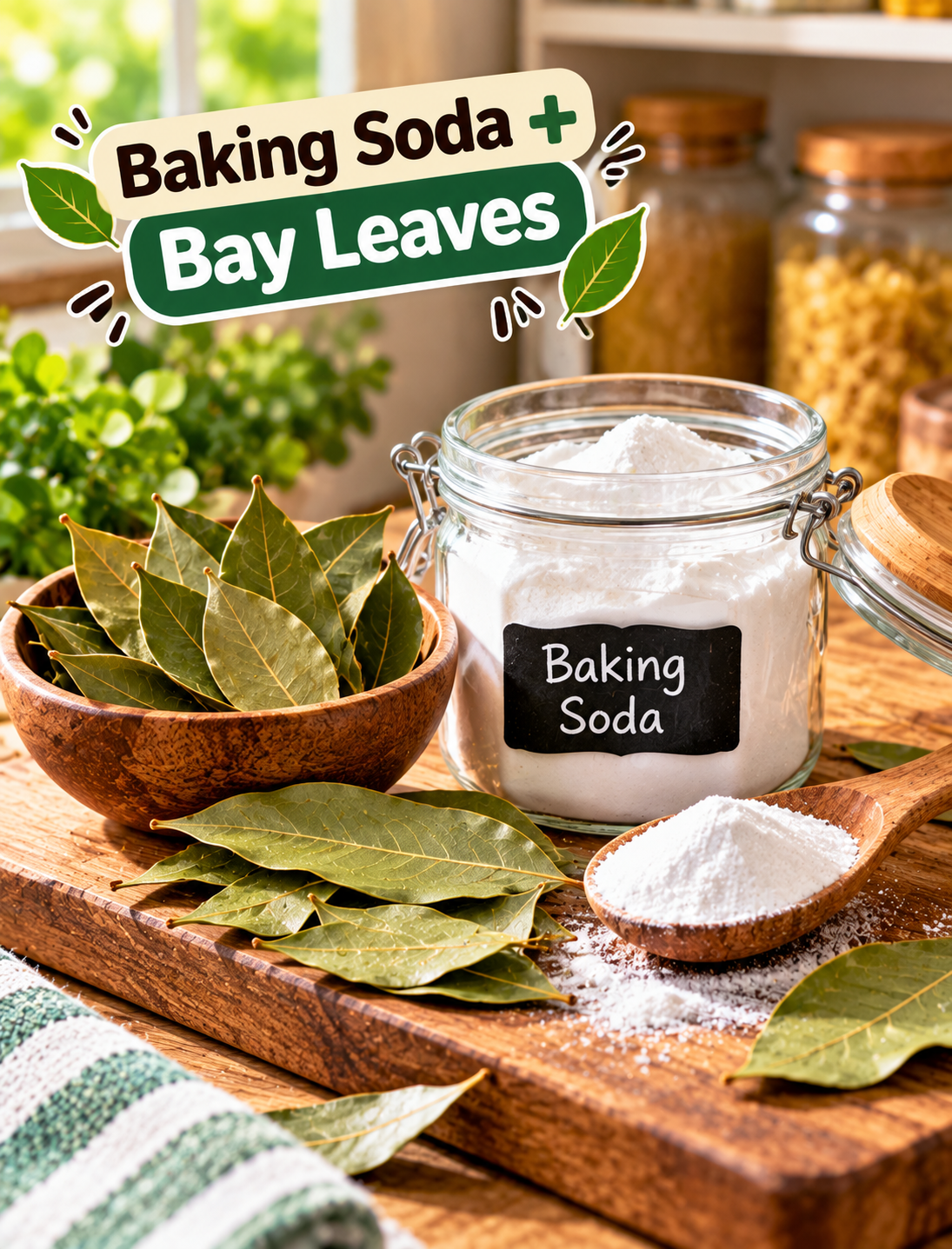
Baking Soda + Bay Leaves: Traditional Home Uses & What to Know

Baking soda and bay leaves for traditional home freshness and natural odor control

Baking Soda + Bay Leaves: Traditional Home Uses & What to Know

Both are two familiar pantry items that have long been used in everyday home routines. Baking soda is commonly used for odor control and light household cleaning, while bay leaves are valued for their distinctive natural aroma and culinary use.

Together, they can be part of a simple, old-fashioned approach to keeping certain areas of the home smelling fresher. However, they should be viewed as household ingredients, not miracle cleaners or proven pest treatments.

This guide explains practical ways to use them, how to handle them safely, and which cleaning combinations to avoid.

Why Baking Soda and Bay Leaves Are Used Around the Home

Baking soda, also called sodium bicarbonate, is a mild alkaline powder. One of its familiar household uses is helping control unpleasant odors, including in refrigerators.

Bay leaves are aromatic culinary leaves commonly used in soups, sauces, rice dishes, beans, and stews. Their pleasant herbal scent also makes them popular in traditional home-freshness routines.

The two ingredients serve different purposes:

  • Baking soda: mainly useful for odor control and gentle household cleaning.
  • Bay leaves: mainly provide a natural herbal aroma.
  • Together: they can create a simple pantry-style freshness setup.
  • Neither ingredient: should be presented as a guaranteed disinfectant, mold remover, or pest-control treatment.

This distinction is important because a pleasant smell does not necessarily mean an area has been cleaned or disinfected.

Traditional Home Uses for Baking Soda + Bay Leaves

A simple baking soda and bay leaf setup can be used in several low-risk areas of the home.

1. Freshen a Refrigerator

Baking soda is commonly used to help absorb refrigerator odors.

Simple method:

  1. Place a small open container of baking soda toward the back of the refrigerator.
  2. Keep it away from spills and moisture.
  3. Add one or two clean, dry bay leaves nearby if you enjoy their aroma.
  4. Replace the baking soda according to the product instructions or when it becomes noticeably less effective.
  5. Clean the refrigerator regularly rather than relying on odor control alone.

Bay leaves do not replace refrigerator cleaning, and they should not be placed where they can fall into food.

2. Add Freshness to a Pantry

A pantry can develop stale smells from stored grains, spices, cardboard packaging, or forgotten food.

For a simple traditional approach:

  1. Clean the shelf first.
  2. Remove expired or spoiled food.
  3. Wipe away crumbs and spills.
  4. Place a small dish of baking soda in a safe corner.
  5. Add a few dry bay leaves nearby for their natural aroma.
  6. Keep both ingredients away from direct contact with food.

A stale or unusual smell can sometimes signal spoiled food, moisture, mold, or another household problem, so masking the odor should not be the only step.

3. Freshen a Small Cabinet

Kitchen and bathroom cabinets can sometimes hold odors from moisture, cleaning products, or stored items.

Try this simple routine:

  • Empty the cabinet.
  • Wipe the interior with an appropriate cleaner.
  • Allow the surface to dry completely.
  • Place a small container of baking soda inside.
  • Add one or two dry bay leaves for aroma.
  • Keep the cabinet ventilated when possible.

Do not place loose baking soda directly onto finished wood or other surfaces where powder could collect in seams.

4. Use Bay Leaves as a Natural Aroma

Bay leaves can add a warm herbal scent to a kitchen or pantry.

Place a few dry culinary bay leaves in a small breathable sachet or dish rather than scattering them around the room.

This is mainly an aromatic use. There is not enough evidence to treat bay leaves as a reliable substitute for professional pest control.

5. Create a Simple Home-Freshness Bowl

For a basic traditional home routine, use:

  • 2–3 tablespoons baking soda
  • 2–3 dry bay leaves
  • A small shallow bowl

Steps:

  1. Pour the baking soda into the bowl.
  2. Break the bay leaves into a few large pieces if desired.
  3. Place them on top of or beside the baking soda.
  4. Set the bowl somewhere dry and out of reach of children and pets.
  5. Replace the mixture when it becomes damp, dirty, or loses its usefulness.

The baking soda provides the odor-control component, while the bay leaves contribute their characteristic aroma.

How to Use It Safely

A few simple habits make homemade freshness methods much safer.

Step 1: Start With a Clean Area

Do not use baking soda and bay leaves to hide odors caused by spoiled food, mold, sewage, dampness, or a leaking appliance.

Find and remove the source first.

Step 2: Use Small Amounts

More powder does not automatically mean better odor control.

A small open container is usually easier to manage and reduces unnecessary dust.

Step 3: Keep the Ingredients Dry

Moisture can cause baking soda to clump and can make stored bay leaves lose their quality.

Use clean, dry containers and replace damp ingredients.

Step 4: Keep Them Away From Food Contact

Although baking soda can be a food ingredient, a household deodorizing container should not be treated like a cooking ingredient.

Keep it clearly separated from food preparation areas.

Step 5: Label Homemade Mixtures

If you prepare a bowl or sachet for household use, label it clearly as “Do Not Eat.”

This is especially useful in homes with children or visitors.

What Baking Soda Can and Cannot Do

Baking soda has legitimate household uses, particularly for odor control and some gentle cleaning tasks. Poison Control identifies sodium bicarbonate as a mild alkali used in household cleaning products and notes that it is generally not caustic when used appropriately.

However, it has limits.

Baking soda can:

  • Help control some household odors.
  • Provide mild abrasive action for certain cleaning tasks.
  • Be useful around refrigerators and other household areas.
  • Serve as a simple pantry ingredient for traditional cleaning routines.

Baking soda cannot:

  • Replace a disinfectant when disinfection is required.
  • Remove the source of mold or water damage.
  • Guarantee pest elimination.
  • Make spoiled food safe.
  • Correct plumbing or drainage problems.

If an odor keeps returning, look for the underlying source instead of repeatedly adding more baking soda.

What Bay Leaves Can and Cannot Do

Bay leaves are useful primarily for cooking and aroma.

They can:

  • Add a warm herbal scent.
  • Be included in traditional pantry-freshness routines.
  • Make a simple sachet for drawers or cabinets.
  • Add flavor to soups, stews, beans, and sauces.

They should not be presented as a guaranteed solution for cockroaches, ants, fleas, mold, or other household pests.

If you have a genuine pest infestation, identify the pest and use an appropriate control method rather than depending on bay leaves alone.

What NOT to Mix With Baking Soda

This is one of the most important parts of any homemade cleaning routine.

Do not randomly combine household cleaning products.

Poison Control specifically warns that mixing household cleaners can create dangerous chemical reactions or irritating fumes.

Avoid DIY combinations with:

  • Bleach
  • Ammonia-based cleaners
  • Unknown commercial cleaners
  • Strong toilet cleaners
  • Drain cleaners
  • Other chemicals unless the product label specifically allows the combination

Never mix bleach with vinegar or other acidic cleaners because the reaction can produce chlorine gas.

Baking soda and vinegar are often shown together in homemade cleaning videos because they fizz. The fizzing reaction is not proof that the combination is a stronger cleaner, and it is better to use products according to their intended instructions.

Safe Handling Tips for Baking Soda

Baking soda is familiar and relatively mild for many household applications, but it should still be handled responsibly.

  • Keep it in its original container when possible.
  • Store it where children cannot easily access it.
  • Avoid creating clouds of powder.
  • Wash your hands after household cleaning.
  • Do not deliberately swallow large amounts.
  • Never use household baking soda as a homemade medical treatment.

Poison Control notes that excessive ingestion of sodium bicarbonate can cause serious toxicity, so household and culinary uses should not be confused with medical use.

A Simple Weekly Home-Freshness Routine

You can turn these ingredients into a small maintenance habit without making your cleaning routine complicated.

Once a week:

  1. Check the refrigerator for expired food.
  2. Wipe obvious spills.
  3. Check pantry shelves for crumbs or moisture.
  4. Inspect cabinets for unusual smells.
  5. Refresh your baking soda container when needed.
  6. Replace old or damp bay leaves.
  7. Open doors or windows when appropriate to improve ventilation.
  8. Investigate any odor that returns quickly.

This approach focuses on removing the source rather than simply covering it.

When a Bad Smell Needs More Attention

A persistent odor can be a useful warning sign.

Look for:

  • Spoiled food
  • Damp walls or cabinets
  • Mold growth
  • Dirty drains
  • Pet odors
  • Garbage buildup
  • Leaking pipes
  • Appliance problems
  • Electrical or burning smells

Poison Control notes that unpleasant household odors can come from spoiled food, mold, drains, pets, chemicals, and other sources. A burning or unusual chemical smell can require more immediate attention.

If you smell strong chemical fumes after mixing cleaning products, leave the area and get into fresh air. Breathing difficulty, significant coughing, chest discomfort, or other serious symptoms require prompt medical attention.

Baking Soda + Bay Leaves: The Simple Takeaway

Baking soda and bay leaves fit naturally into old-fashioned household routines because both are inexpensive, familiar, and easy to keep in a kitchen.

The most practical approach is simple:

  • Use baking soda for basic odor control.
  • Use bay leaves for their natural aroma and traditional household appeal.
  • Keep both dry and away from food contamination.
  • Clean the actual source of unpleasant smells.
  • Do not rely on bay leaves as proven pest control.
  • Never mix household cleaning chemicals casually.
  • Follow product labels whenever commercial cleaners are involved.

The goal is not to turn two pantry ingredients into a miracle cleaner. Instead, they can be useful parts of a simple, sensible home-maintenance routine.

FAQs

Can baking soda and bay leaves remove bad smells?

Baking soda can help control some odors, while bay leaves mainly add aroma; neither should replace cleaning the source of a persistent smell.

Can I put baking soda and bay leaves in my refrigerator?

Yes, you can keep a small container of baking soda in the refrigerator for odor control and place dry bay leaves nearby for aroma.

Do bay leaves really keep insects away?

Bay leaves are traditionally used for this purpose, but they should not be considered a proven or reliable replacement for proper pest control.

Can I mix baking soda with vinegar?

Baking soda and vinegar react and fizz; the reaction does not automatically make them a stronger cleaner, so use each product appropriately.

Can baking soda be mixed with bleach?

Do not create homemade mixtures with bleach; household chemicals can produce harmful reactions when combined incorrectly.

How often should I replace baking soda used for odors?

Replace it when it becomes damp, dirty, or no longer seems effective, and follow any storage guidance on the product packaging.

Are bay leaves safe to leave around food?

Keep loose bay leaves separate from food unless they are being used as a culinary ingredient, and remove whole leaves from cooked dishes before serving.

What should I do if a household odor keeps coming back?

Find the source first by checking food, moisture, drains, garbage, pets, and appliances instead of repeatedly masking the odor.

Source note for the article: Household safety guidance above is based primarily on Poison Control’s current information about baking soda, cleaning-product mixtures, and household fumes.
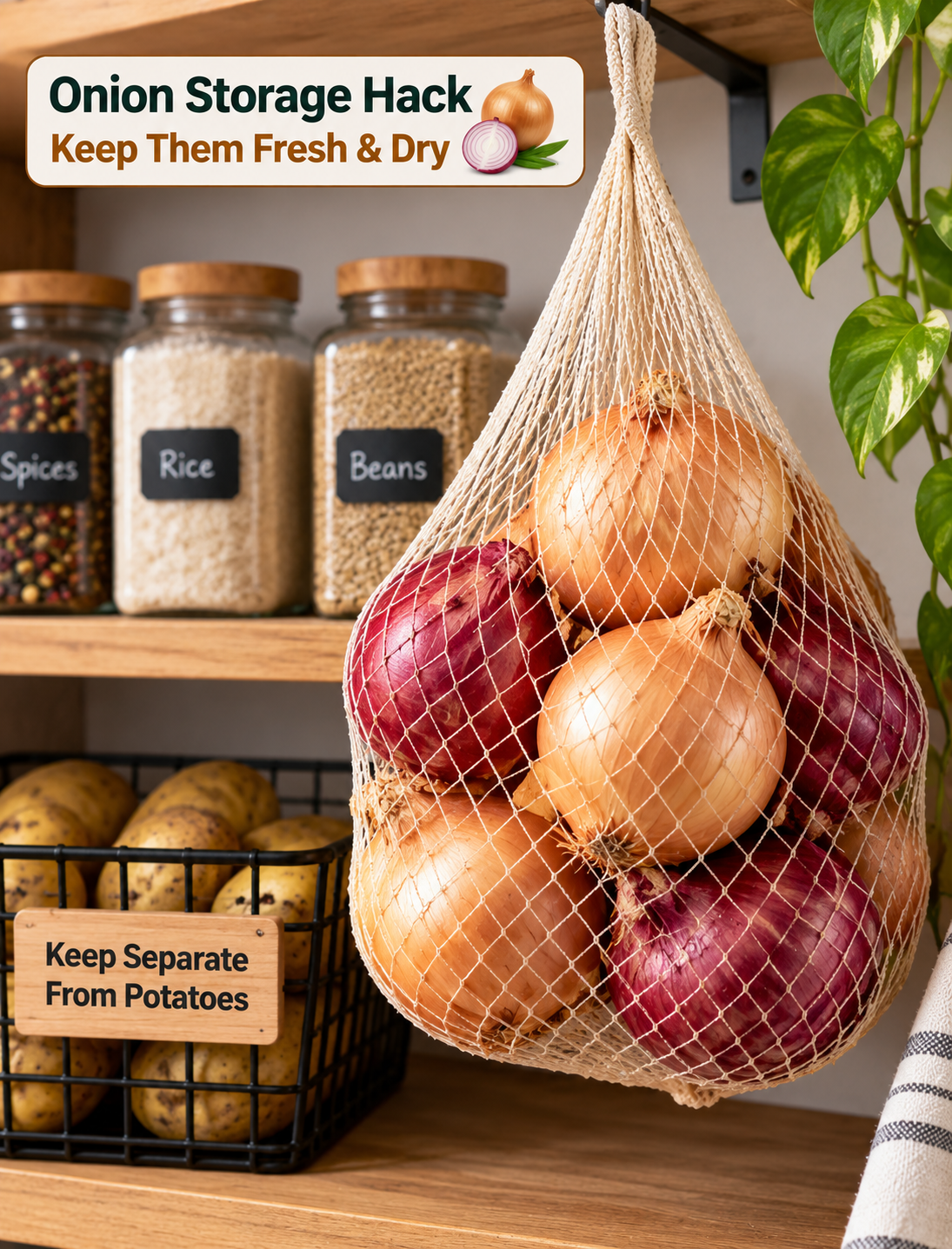
Onion Storage Hack — Keep Them Fresh & Dry

Fresh whole onions stored in a breathable mesh bag in a cool, dry pantry with proper airflow

Onion Storage Hack — Keep Them Fresh & Dry

The right onion storage method can help keep onions firm, dry, and usable for much longer. The biggest mistake is trapping moisture around whole onions, which can lead to soft spots, mold, and sprouting.

Whole onions need a cool, dry, dark, and well-ventilated place. A pantry, basement storage area, or other suitable kitchen storage space can work when temperatures and humidity are moderate.

Good airflow is just as important as keeping onions dry. Instead of sealing whole onions in plastic bags, store them in a mesh bag, wire basket, or open container that allows air to move around them.

This simple storage hack helps reduce moisture buildup and keeps onions from touching each other too closely. Proper storage can also reduce food waste because you have more time to use your onions before they spoil.

Why Proper Onion Storage Matters

Onions naturally contain moisture, and trapped humidity can speed up spoilage. When air cannot circulate, the outer layers may become damp and soft.

Keeping onions dry helps protect the papery outer skin. That dry outer layer acts as a natural barrier and helps the onion stay in better condition.

Light also matters during storage. Direct sunlight can encourage sprouting and create warmer conditions that are not ideal for long-term storage.

Onions should also be kept away from foods that produce moisture or need different storage conditions. Separating onions from potatoes is especially useful because storing them together can shorten their shelf life.

A few simple changes in how you store onions can make a noticeable difference. You do not need expensive containers or special equipment to create better storage conditions.

The Best Place to Store Whole Onions

Choose a location that is cool, dry, dark, and well ventilated. A pantry or dry cabinet can work well if it does not become warm or humid.

Avoid placing whole onions beside the stove, dishwasher, sink, or other areas where heat and moisture are common.

Do not store whole onions in a sealed plastic bag. Plastic can trap moisture and reduce airflow around the onions.

A mesh produce bag is a simple option because it allows air to circulate. A wire basket, ventilated bin, or open cardboard box can also work.

Keep onions in a single layer when possible. If you need to stack them, avoid creating a deep, tightly packed pile that restricts airflow.

How to Store Onions in a Mesh Bag

A mesh bag is one of the easiest ways to improve airflow around whole onions. The open design allows moisture to escape instead of collecting around the skins.

Place the onions loosely inside the bag. Do not pack the bag tightly because crowded onions have less airflow.

Hang the bag in a cool, dry storage area if possible. Keep it away from direct sunlight and sources of heat.

Check the onions regularly. Remove any onion that develops soft areas, mold, leaking liquid, or a strong unpleasant odor.

One spoiled onion can affect nearby produce, so regular inspection is an important part of long-term storage.

Why You Shouldn’t Store Whole Onions in Plastic

Plastic bags can trap moisture around the onion’s outer skin. That moisture can create conditions that encourage mold and decay.

The problem becomes worse when onions are stored tightly together. Limited airflow allows dampness to remain around the produce.

If your onions come home from the grocery store in a plastic produce bag, remove them from the bag when you get home if you plan to store them as whole onions.

Transfer them to a breathable container instead. A mesh bag or open basket is usually a better choice for maintaining airflow.

Plastic containers can still be useful for cut onions, but whole onions need a different storage setup.

Keep Onions Away From Potatoes

Storing onions and potatoes together may seem convenient, but it is better to keep them separate.

Both foods need airflow, but they release and respond to different moisture and gas conditions during storage. Keeping them apart can help reduce premature spoilage.

Potatoes also need a dark, cool storage environment, but their storage needs are not exactly the same as onions.

Use separate baskets or storage areas for each food. Keeping a little space between them can also improve air circulation.

This small change is an easy way to organize a pantry while protecting the quality of both foods.

How to Store Different Types of Onions

Not every onion has the same storage life. Dry storage onions generally keep longer than varieties with higher moisture content.

Yellow onions are a popular choice for longer storage when they are properly cured and kept in suitable conditions.

White onions can also be stored in a cool, dry location, although storage life depends on the variety and condition of the onion.

Red onions should also be kept dry and well ventilated. Their storage life varies based on freshness and variety.

Sweet onions often contain more moisture and may not keep as long as stronger dry-storage varieties. Check them more often for soft spots or spoilage.

Always inspect onions before storing them. Choose firm onions with dry, intact skins for the best storage results.

How to Store Cut Onions

Once an onion has been cut, its storage needs change. Place cut onion pieces in a clean, airtight container and refrigerate them promptly.

Keeping cut onions covered helps protect them from drying out and prevents their strong odor from spreading to other foods.

Use a clean knife and cutting board when preparing onions for storage. Avoid leaving cut onions at room temperature for extended periods.

For best quality, use refrigerated cut onions within several days. Labeling the container with the date can make it easier to track freshness.

If the onion develops an unusual smell, slimy texture, mold, or other signs of spoilage, discard it.

How to Prevent Onions From Sprouting

Sprouting is more common when onions are exposed to warm, humid, or unsuitable storage conditions.

Store whole onions in a cool, dry, dark location with good ventilation. Avoid placing them near windows, appliances, or areas with temperature changes.

Inspect stored onions regularly and use onions that are beginning to sprout sooner rather than later.

A small green shoot does not automatically mean the entire onion is spoiled. However, check the onion carefully for softness, mold, or an unpleasant odor before using it.

If the onion is firm and otherwise in good condition, remove the sprout and use the onion promptly.

How to Tell if an Onion Has Gone Bad

A fresh storage onion should feel firm when gently pressed. The skin should be mostly dry and papery.

Soft or mushy areas are a warning sign that the onion may be breaking down. Dark, wet, or moldy patches are also signs of spoilage.

A strong rotten odor indicates that the onion should be discarded.

Check nearby onions when you find one that has spoiled. Remove any affected onion and clean the storage area if necessary.

Do not try to save an onion with significant mold or widespread soft decay by cutting away only one small section. When in doubt, discard it.

Best Containers for Onion Storage

A mesh produce bag is inexpensive and provides excellent airflow. It is especially useful when you need to store several onions together.

A wire basket provides another breathable option. Choose one that gives the onions enough room instead of forcing them into a tightly packed pile.

An open cardboard box can also work if it is clean, dry, and has enough ventilation.

Avoid sealed plastic containers for whole onions. These containers are better suited to refrigerated cut onions.

Whatever container you choose, clean it regularly and keep it completely dry before adding fresh onions.

How to Make Onions Last Longer

Start with onions that are firm and free from cuts, bruises, wet spots, or visible mold. Damaged onions are more likely to spoil quickly.

Keep the onions dry from the moment you bring them home. Do not wash whole onions before storage because added moisture can encourage decay.

Maintain good airflow around the onions. Avoid deep piles and crowded containers.

Check your storage area regularly for humidity and temperature changes. Move the onions if the location becomes warm or damp.

Use older onions first. This simple rotation method prevents good onions from sitting unused while newer ones are being opened.

Common Onion Storage Mistakes

Storing Whole Onions in the Refrigerator

Whole dry onions generally keep better in a cool, dry, ventilated storage area rather than a humid refrigerator environment. Refrigeration is more appropriate for cut onions.

Keeping Onions in a Sealed Bag

A sealed plastic bag can trap moisture and reduce airflow. Use a breathable bag or open container for whole onions.

Washing Onions Before Storage

Do not wash whole onions before long-term storage. Extra moisture can increase the chance of spoilage.

Storing Onions Beside the Sink

Frequent moisture and temperature changes near a sink can create poor storage conditions. Choose a dry pantry or similar area instead.

Ignoring Soft Onions

A soft onion can deteriorate quickly and affect nearby produce. Remove questionable onions as soon as you notice them.

Overcrowding the Storage Container

Packing too many onions into one container reduces airflow. Give the onions enough room to stay dry and ventilated.

Frequently Asked Questions

Should onions be stored in the refrigerator?

Whole dry onions are generally best stored in a cool, dry, dark, well-ventilated area, while cut onions should be refrigerated.

What is the best container for onions?

A mesh bag, wire basket, or other breathable container allows airflow and helps prevent moisture buildup around whole onions.

Can I store onions in a plastic bag?

Avoid sealed plastic bags for whole onions because they can trap moisture; use a breathable bag or open container instead.

Should onions and potatoes be stored together?

No, keeping onions and potatoes in separate storage areas can help both foods maintain better quality.

How should I store a cut onion?

Place cut onion in a clean airtight container and refrigerate it promptly to maintain quality and limit odor transfer.

Why do my onions keep getting soft?

Excess moisture, poor airflow, heat, or damaged onions can cause softening and spoilage during storage.

Can I use an onion that has started sprouting?

A firm onion with a small sprout may still be usable after removing the sprout, but discard it if it is moldy, slimy, or soft.

Should whole onions be washed before storage?

No, keep whole onions dry and unwashed during storage because added moisture can encourage spoilage.

Final Thoughts

The best onion storage hack is simple: keep whole onions cool, dry, dark, and well ventilated. A breathable mesh bag, wire basket, or open container can provide better conditions than a sealed plastic bag.

Choose firm onions with dry skins, keep them away from moisture and potatoes, and check them regularly for soft spots or mold. These small habits can help maintain onion quality and reduce unnecessary food waste.

Once an onion is cut, move it to a clean airtight container and refrigerate it promptly. Keeping whole and cut onions under the right conditions makes it easier to enjoy fresh onions while getting more use from every grocery trip.