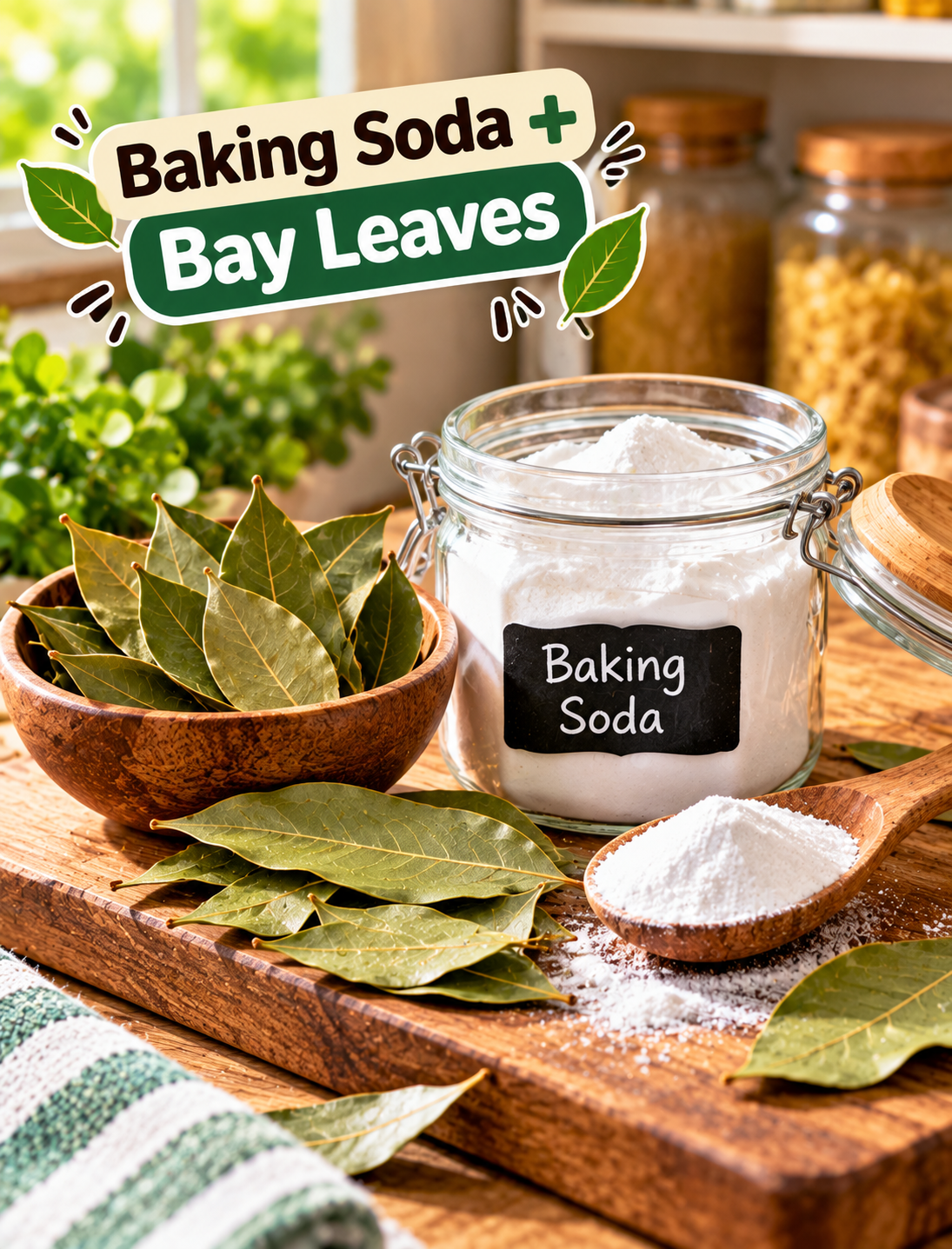
Baking Soda + Bay Leaves: Traditional Home Uses & What to Know

Baking soda and bay leaves for traditional home freshness and natural odor control

Baking Soda + Bay Leaves: Traditional Home Uses & What to Know

Both are two familiar pantry items that have long been used in everyday home routines. Baking soda is commonly used for odor control and light household cleaning, while bay leaves are valued for their distinctive natural aroma and culinary use.

Together, they can be part of a simple, old-fashioned approach to keeping certain areas of the home smelling fresher. However, they should be viewed as household ingredients, not miracle cleaners or proven pest treatments.

This guide explains practical ways to use them, how to handle them safely, and which cleaning combinations to avoid.

Why Baking Soda and Bay Leaves Are Used Around the Home

Baking soda, also called sodium bicarbonate, is a mild alkaline powder. One of its familiar household uses is helping control unpleasant odors, including in refrigerators.

Bay leaves are aromatic culinary leaves commonly used in soups, sauces, rice dishes, beans, and stews. Their pleasant herbal scent also makes them popular in traditional home-freshness routines.

The two ingredients serve different purposes:

  • Baking soda: mainly useful for odor control and gentle household cleaning.
  • Bay leaves: mainly provide a natural herbal aroma.
  • Together: they can create a simple pantry-style freshness setup.
  • Neither ingredient: should be presented as a guaranteed disinfectant, mold remover, or pest-control treatment.

This distinction is important because a pleasant smell does not necessarily mean an area has been cleaned or disinfected.

Traditional Home Uses for Baking Soda + Bay Leaves

A simple baking soda and bay leaf setup can be used in several low-risk areas of the home.

1. Freshen a Refrigerator

Baking soda is commonly used to help absorb refrigerator odors.

Simple method:

  1. Place a small open container of baking soda toward the back of the refrigerator.
  2. Keep it away from spills and moisture.
  3. Add one or two clean, dry bay leaves nearby if you enjoy their aroma.
  4. Replace the baking soda according to the product instructions or when it becomes noticeably less effective.
  5. Clean the refrigerator regularly rather than relying on odor control alone.

Bay leaves do not replace refrigerator cleaning, and they should not be placed where they can fall into food.

2. Add Freshness to a Pantry

A pantry can develop stale smells from stored grains, spices, cardboard packaging, or forgotten food.

For a simple traditional approach:

  1. Clean the shelf first.
  2. Remove expired or spoiled food.
  3. Wipe away crumbs and spills.
  4. Place a small dish of baking soda in a safe corner.
  5. Add a few dry bay leaves nearby for their natural aroma.
  6. Keep both ingredients away from direct contact with food.

A stale or unusual smell can sometimes signal spoiled food, moisture, mold, or another household problem, so masking the odor should not be the only step.

3. Freshen a Small Cabinet

Kitchen and bathroom cabinets can sometimes hold odors from moisture, cleaning products, or stored items.

Try this simple routine:

  • Empty the cabinet.
  • Wipe the interior with an appropriate cleaner.
  • Allow the surface to dry completely.
  • Place a small container of baking soda inside.
  • Add one or two dry bay leaves for aroma.
  • Keep the cabinet ventilated when possible.

Do not place loose baking soda directly onto finished wood or other surfaces where powder could collect in seams.

4. Use Bay Leaves as a Natural Aroma

Bay leaves can add a warm herbal scent to a kitchen or pantry.

Place a few dry culinary bay leaves in a small breathable sachet or dish rather than scattering them around the room.

This is mainly an aromatic use. There is not enough evidence to treat bay leaves as a reliable substitute for professional pest control.

5. Create a Simple Home-Freshness Bowl

For a basic traditional home routine, use:

  • 2–3 tablespoons baking soda
  • 2–3 dry bay leaves
  • A small shallow bowl

Steps:

  1. Pour the baking soda into the bowl.
  2. Break the bay leaves into a few large pieces if desired.
  3. Place them on top of or beside the baking soda.
  4. Set the bowl somewhere dry and out of reach of children and pets.
  5. Replace the mixture when it becomes damp, dirty, or loses its usefulness.

The baking soda provides the odor-control component, while the bay leaves contribute their characteristic aroma.

How to Use It Safely

A few simple habits make homemade freshness methods much safer.

Step 1: Start With a Clean Area

Do not use baking soda and bay leaves to hide odors caused by spoiled food, mold, sewage, dampness, or a leaking appliance.

Find and remove the source first.

Step 2: Use Small Amounts

More powder does not automatically mean better odor control.

A small open container is usually easier to manage and reduces unnecessary dust.

Step 3: Keep the Ingredients Dry

Moisture can cause baking soda to clump and can make stored bay leaves lose their quality.

Use clean, dry containers and replace damp ingredients.

Step 4: Keep Them Away From Food Contact

Although baking soda can be a food ingredient, a household deodorizing container should not be treated like a cooking ingredient.

Keep it clearly separated from food preparation areas.

Step 5: Label Homemade Mixtures

If you prepare a bowl or sachet for household use, label it clearly as “Do Not Eat.”

This is especially useful in homes with children or visitors.

What Baking Soda Can and Cannot Do

Baking soda has legitimate household uses, particularly for odor control and some gentle cleaning tasks. Poison Control identifies sodium bicarbonate as a mild alkali used in household cleaning products and notes that it is generally not caustic when used appropriately.

However, it has limits.

Baking soda can:

  • Help control some household odors.
  • Provide mild abrasive action for certain cleaning tasks.
  • Be useful around refrigerators and other household areas.
  • Serve as a simple pantry ingredient for traditional cleaning routines.

Baking soda cannot:

  • Replace a disinfectant when disinfection is required.
  • Remove the source of mold or water damage.
  • Guarantee pest elimination.
  • Make spoiled food safe.
  • Correct plumbing or drainage problems.

If an odor keeps returning, look for the underlying source instead of repeatedly adding more baking soda.

What Bay Leaves Can and Cannot Do

Bay leaves are useful primarily for cooking and aroma.

They can:

  • Add a warm herbal scent.
  • Be included in traditional pantry-freshness routines.
  • Make a simple sachet for drawers or cabinets.
  • Add flavor to soups, stews, beans, and sauces.

They should not be presented as a guaranteed solution for cockroaches, ants, fleas, mold, or other household pests.

If you have a genuine pest infestation, identify the pest and use an appropriate control method rather than depending on bay leaves alone.

What NOT to Mix With Baking Soda

This is one of the most important parts of any homemade cleaning routine.

Do not randomly combine household cleaning products.

Poison Control specifically warns that mixing household cleaners can create dangerous chemical reactions or irritating fumes.

Avoid DIY combinations with:

  • Bleach
  • Ammonia-based cleaners
  • Unknown commercial cleaners
  • Strong toilet cleaners
  • Drain cleaners
  • Other chemicals unless the product label specifically allows the combination

Never mix bleach with vinegar or other acidic cleaners because the reaction can produce chlorine gas.

Baking soda and vinegar are often shown together in homemade cleaning videos because they fizz. The fizzing reaction is not proof that the combination is a stronger cleaner, and it is better to use products according to their intended instructions.

Safe Handling Tips for Baking Soda

Baking soda is familiar and relatively mild for many household applications, but it should still be handled responsibly.

  • Keep it in its original container when possible.
  • Store it where children cannot easily access it.
  • Avoid creating clouds of powder.
  • Wash your hands after household cleaning.
  • Do not deliberately swallow large amounts.
  • Never use household baking soda as a homemade medical treatment.

Poison Control notes that excessive ingestion of sodium bicarbonate can cause serious toxicity, so household and culinary uses should not be confused with medical use.

A Simple Weekly Home-Freshness Routine

You can turn these ingredients into a small maintenance habit without making your cleaning routine complicated.

Once a week:

  1. Check the refrigerator for expired food.
  2. Wipe obvious spills.
  3. Check pantry shelves for crumbs or moisture.
  4. Inspect cabinets for unusual smells.
  5. Refresh your baking soda container when needed.
  6. Replace old or damp bay leaves.
  7. Open doors or windows when appropriate to improve ventilation.
  8. Investigate any odor that returns quickly.

This approach focuses on removing the source rather than simply covering it.

When a Bad Smell Needs More Attention

A persistent odor can be a useful warning sign.

Look for:

  • Spoiled food
  • Damp walls or cabinets
  • Mold growth
  • Dirty drains
  • Pet odors
  • Garbage buildup
  • Leaking pipes
  • Appliance problems
  • Electrical or burning smells

Poison Control notes that unpleasant household odors can come from spoiled food, mold, drains, pets, chemicals, and other sources. A burning or unusual chemical smell can require more immediate attention.

If you smell strong chemical fumes after mixing cleaning products, leave the area and get into fresh air. Breathing difficulty, significant coughing, chest discomfort, or other serious symptoms require prompt medical attention.

Baking Soda + Bay Leaves: The Simple Takeaway

Baking soda and bay leaves fit naturally into old-fashioned household routines because both are inexpensive, familiar, and easy to keep in a kitchen.

The most practical approach is simple:

  • Use baking soda for basic odor control.
  • Use bay leaves for their natural aroma and traditional household appeal.
  • Keep both dry and away from food contamination.
  • Clean the actual source of unpleasant smells.
  • Do not rely on bay leaves as proven pest control.
  • Never mix household cleaning chemicals casually.
  • Follow product labels whenever commercial cleaners are involved.

The goal is not to turn two pantry ingredients into a miracle cleaner. Instead, they can be useful parts of a simple, sensible home-maintenance routine.

FAQs

Can baking soda and bay leaves remove bad smells?

Baking soda can help control some odors, while bay leaves mainly add aroma; neither should replace cleaning the source of a persistent smell.

Can I put baking soda and bay leaves in my refrigerator?

Yes, you can keep a small container of baking soda in the refrigerator for odor control and place dry bay leaves nearby for aroma.

Do bay leaves really keep insects away?

Bay leaves are traditionally used for this purpose, but they should not be considered a proven or reliable replacement for proper pest control.

Can I mix baking soda with vinegar?

Baking soda and vinegar react and fizz; the reaction does not automatically make them a stronger cleaner, so use each product appropriately.

Can baking soda be mixed with bleach?

Do not create homemade mixtures with bleach; household chemicals can produce harmful reactions when combined incorrectly.

How often should I replace baking soda used for odors?

Replace it when it becomes damp, dirty, or no longer seems effective, and follow any storage guidance on the product packaging.

Are bay leaves safe to leave around food?

Keep loose bay leaves separate from food unless they are being used as a culinary ingredient, and remove whole leaves from cooked dishes before serving.

What should I do if a household odor keeps coming back?

Find the source first by checking food, moisture, drains, garbage, pets, and appliances instead of repeatedly masking the odor.

Source note for the article: Household safety guidance above is based primarily on Poison Control’s current information about baking soda, cleaning-product mixtures, and household fumes.
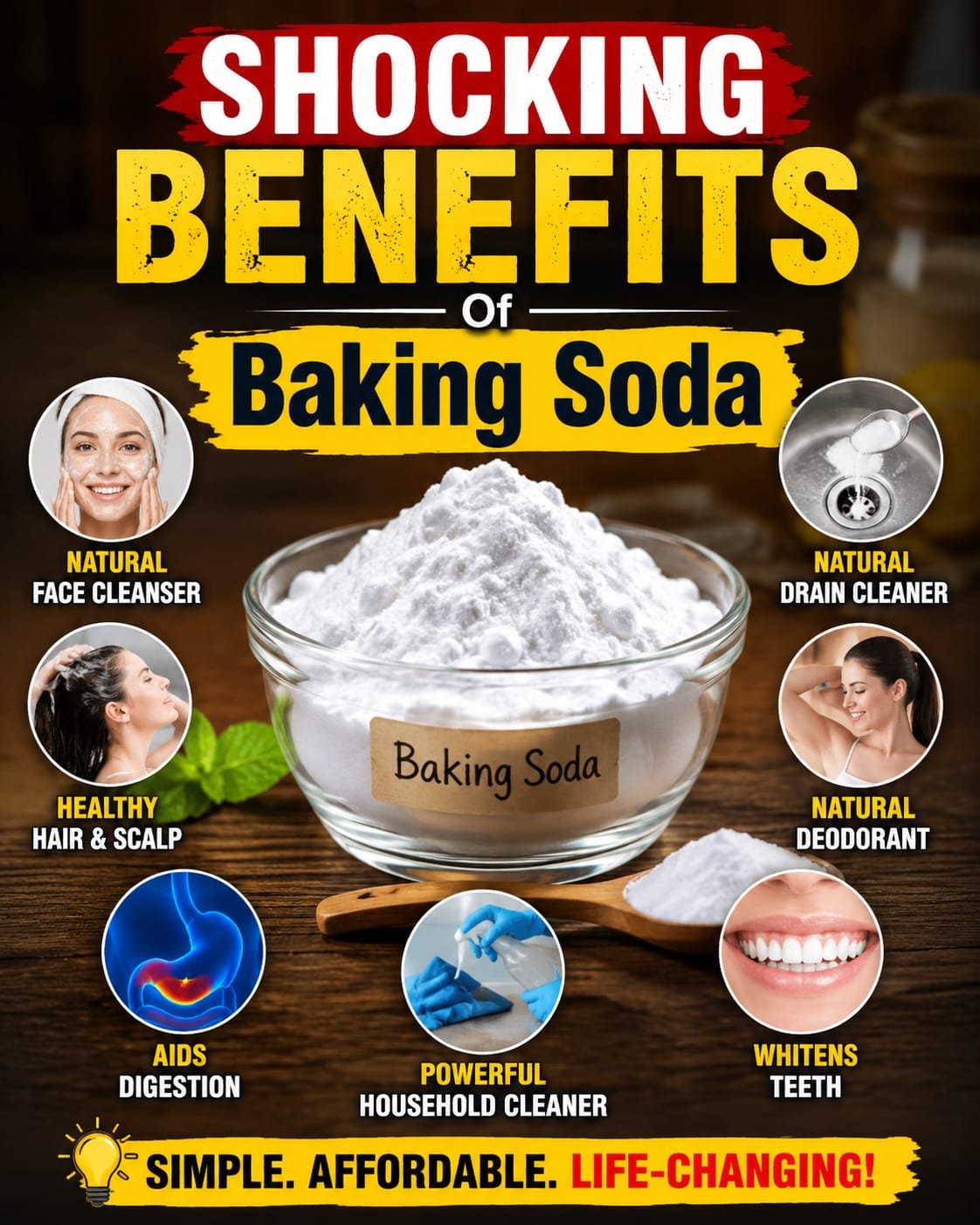
Shocking Benefits of Baking Soda

The Shocking Benefits of Baking Soda: A Simple Morning Drink

Baking soda is one of those inexpensive kitchen staples that seems to have endless uses. It is commonly used in baking, cleaning, and household care, but some people also mix a small amount with water as a homemade drink.This simple Baking Soda Water recipe takes less than a minute to prepare and uses just two ingredients. Baking soda, also known as sodium bicarbonate, is an alkaline compound that can temporarily neutralize stomach acid. Because of this, it has traditionally been used as an occasional home remedy for heartburn and indigestion.However, more is not better. Baking soda contains a significant amount of sodium, and drinking too much can be harmful. This recipe is therefore designed around a small amount for occasional use, not as a daily detox or cure-all drink.

Why I Love This Recipe

I love this recipe because it is incredibly simple. There is no blender, cooking, or special equipment required.

With just water and a small amount of baking soda, you can prepare it almost instantly.

It is also inexpensive and uses an ingredient that many people already have in their kitchen.

Most importantly, this recipe highlights an important point about homemade wellness drinks: simple doesn’t always mean you should consume more of it. Baking soda can have useful properties, but because it is high in sodium, it should be used thoughtfully.

Ingredients For Shocking Benefits of Baking Soda

½ teaspoon baking soda

8–12 ounces water

Lemon slice, optional for flavor

Important Ingredient Note

Use food-grade baking soda (sodium bicarbonate) intended for culinary use.

Do not substitute baking powder. Baking powder contains additional ingredients and is not the same product.

Instructions For Shocking Benefits of Baking Soda

Add the Water

Pour 8–12 ounces of room-temperature or cool water into a glass.

Add Baking Soda

Add ½ teaspoon or less of baking soda to the water.

For anyone trying baking soda water for the first time, using a smaller amount is a sensible approach.

Stir Well

Stir thoroughly until the baking soda dissolves.

You may notice slight bubbling if you add lemon juice. This happens because baking soda reacts with acidic ingredients.

Taste

Take a small sip. Baking soda water can have a distinctly salty or alkaline taste.

If you find the flavor unpleasant, there is no need to force yourself to drink it.

Serve

Drink it slowly rather than consuming a large quantity quickly.

Because baking soda is high in sodium, this should not be treated like ordinary drinking water.

Tips for Making Baking Soda Water

Measure carefully: Don’t estimate large amounts by eye. Baking soda is concentrated, so using too much can cause problems.

Use plain baking soda: Make sure the ingredient is food-grade sodium bicarbonate.

Room-temperature or cool water works perfectly.Don’t use hot water

Don’t make it overly concentrated: Increasing the amount does not automatically increase the benefits.

Don’t use it as your main source of hydration: Plain water remains the better everyday choice for hydration.

Skip the lemon if you want: Lemon can improve the flavor, but it also reacts chemically with baking soda.

Don’t use it as a daily detox: Your body already has organs, including the liver and kidneys, that handle normal waste removal.

Potential Benefits of Baking Soda

Baking soda has a few legitimate uses, but internet claims often go far beyond the evidence.

May Temporarily Relieve Heartburn

Sodium bicarbonate can neutralize stomach acid. This is why it has historically been used as an antacid.

However, frequent heartburn should not simply be treated with baking soda at home. Recurring symptoms may need proper evaluation.

May Help Neutralize Acidity

The alkaline nature of sodium bicarbonate allows it to react with acids. This property is useful in cooking and has medical applications under appropriate supervision.

May Have Sports-Performance Applications

Sodium bicarbonate has been studied in sports nutrition, particularly for high-intensity exercise. However, research protocols often use carefully calculated doses, and these are not equivalent to casually drinking baking soda water.

An Inexpensive Household Ingredient

One of the most “shocking” things about baking soda is how versatile and inexpensive it is. The same basic ingredient can be useful in cooking and a variety of household applications.

Important Reality Check

Baking soda does not magically detox the body, melt body fat, cure chronic disease, or permanently change your body’s overall pH.

Your body tightly regulates blood pH. Drinking alkaline substances does not simply make your entire body alkaline.

Serving Suggestions For Shocking Benefits of Baking Soda

Baking soda water has a strong flavor, so there aren’t many culinary serving options. If you’re using it occasionally as an antacid-type home remedy, plain water is the simplest preparation.

For a more pleasant drink, you can add a little lemon, but remember that lemon reacts with baking soda and produces carbon dioxide.

You can also simply use baking soda in normal cooking and baking, where it is an established culinary ingredient.

Nutrition Facts For Shocking Benefits of Baking Soda

Approximate nutrition for ½ teaspoon baking soda mixed with water:

Calories: 0

Carbohydrates: 0 g

Protein: 0 g

Fat: 0 g

Sugar: 0 g

Fiber: 0 g

Sodium: Approximately 630 mg

The sodium content is the main nutritional consideration.

Because the sodium amount is substantial compared with the amount of baking soda used, this drink is not appropriate as an everyday beverage for everyone.

Frequently Asked Questions

Can I drink baking soda water every morning?

It is not recommended to make baking soda water a routine daily drink without discussing it with a healthcare professional. Baking soda contains a considerable amount of sodium, and excessive intake can cause dangerous electrolyte and acid-base disturbances.

Does baking soda water detox the body?

No. There is no good evidence that drinking baking soda water “detoxes” the body. Your liver, kidneys, lungs, and other physiological systems already perform waste removal and pH regulation.

Can baking soda help heartburn?

Sodium bicarbonate can neutralize stomach acid and may provide temporary relief from occasional heartburn. However, it should not be relied upon for frequent or persistent symptoms.

Can I drink baking soda with lemon?

You can, but the two ingredients react. The acid in lemon juice reacts with sodium bicarbonate, producing carbon dioxide, water, and sodium citrate. This causes fizzing and changes the mixture’s composition.

Is baking soda the same as baking powder?

No. Baking soda is sodium bicarbonate. Baking powder contains sodium bicarbonate plus acidic ingredients and other components. They are not interchangeable for this drink.

Can baking soda help with weight loss?

There is no reliable evidence that drinking baking soda directly causes meaningful fat loss. It should not be used as a weight-loss drink.

Who should avoid baking soda drinks?

People who need to limit sodium, including some people with high blood pressure, heart disease, kidney disease, or other medical conditions, should speak with a healthcare professional before consuming baking soda for this purpose.

It may also interact with certain medications or affect how some medicines are absorbed.

What happens if I drink too much baking soda?

Excessive baking soda can cause nausea, vomiting, diarrhea, abdominal problems, high sodium levels, electrolyte disturbances, and metabolic alkalosis. Very large amounts can be dangerous.

If someone has consumed a large quantity and develops concerning symptoms, seek urgent medical advice or contact a poison-control service where available.

Final Thoughts For Shocking Benefits of Baking Soda

Baking soda is genuinely a fascinating kitchen ingredient, but its benefits are often exaggerated online.Its ability to neutralize acids is real, which explains its traditional use as an occasional antacid and its many culinary applications. However, that does not make baking soda water a miracle detox drink or a replacement for medical treatment.If you choose to use this recipe, keep the quantity small and occasional, and remember that plain water is the better choice for everyday hydration.For heartburn that happens frequently, unexplained digestive symptoms, or any medical condition requiring a low-sodium diet, talk with a healthcare professional rather than relying on baking soda water.Sometimes the most important wellness tip is not adding another “miracle” ingredient to your routine — it’s knowing when a simple home remedy has limits.

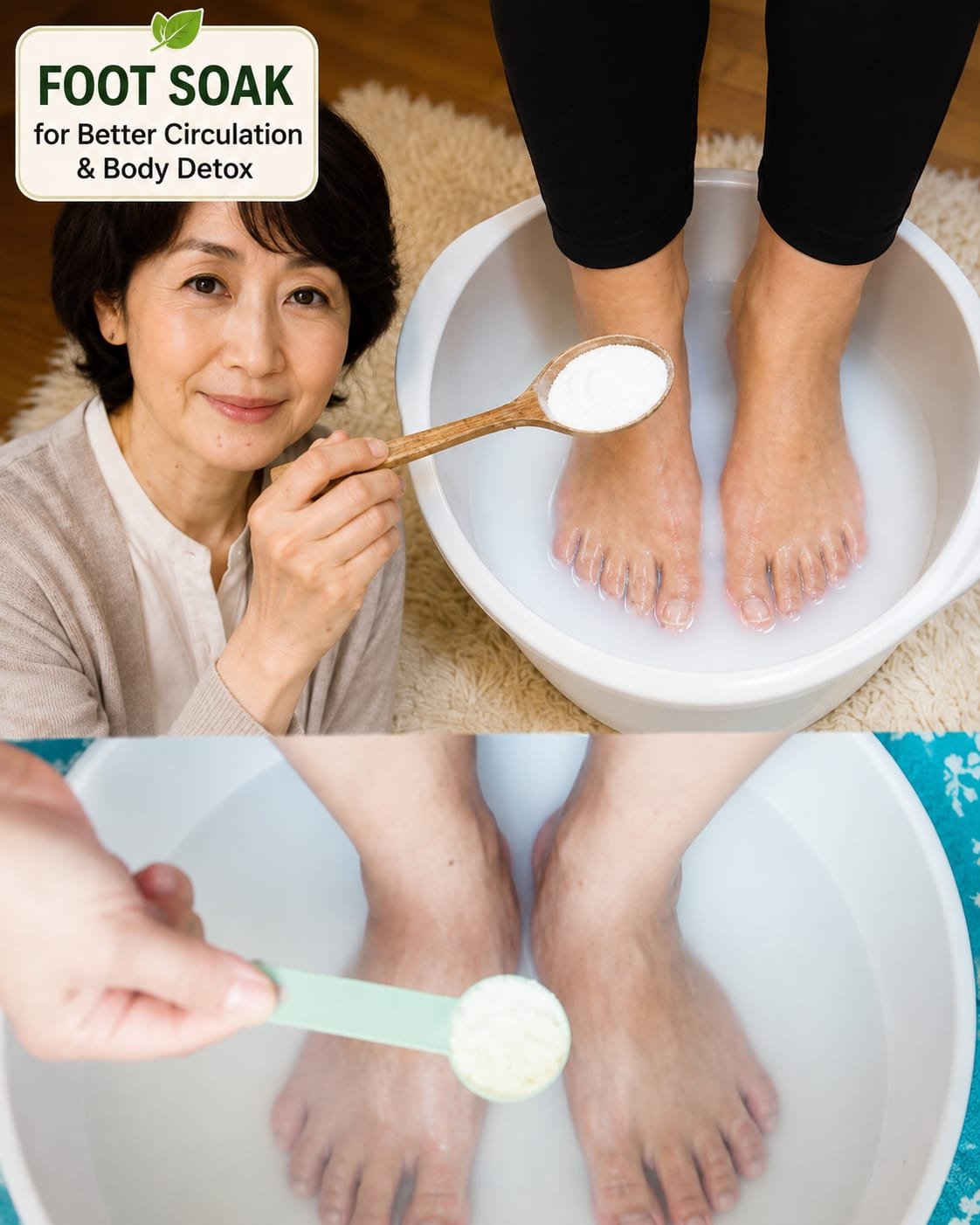
I Put Baking Soda on My Feet Before Bed

I Put Baking Soda on My Feet Before Bed: A Simple Soothing Foot Soak

After a long day, your feet deserve a little extra care. A warm baking soda foot soak is an easy, inexpensive home ritual that can help you relax before bedtime while leaving your feet feeling clean and refreshed. With just a few basic ingredients and about 15–20 minutes, you can turn an ordinary evening into a calming self-care routine.This baking soda foot soak combines warm water with baking soda to create a simple soak for tired feet. While it isn’t a medical treatment or a “detox,” soaking your feet can be relaxing, and baking soda can help gently cleanse and soften the skin.

Why You’ll Love This Recipe

There are plenty of reasons to make this simple bedtime foot soak part of your routine:

Uses inexpensive ingredients

Takes only a few minutes to prepare

Creates a relaxing bedtime ritual

Helps cleanse the feet

Can leave rough skin feeling softer

Requires no complicated equipment

Easy to customize with a gentle moisturizer afterward

Perfect after a long day of standing or walking

The best part is that you probably already have the main ingredient in your kitchen.

Ingredients For baking soda foot soak 

For the Baking Soda Foot Soak

4 cups comfortably warm water

2 tablespoons baking soda

1 tablespoon plain Epsom salt, optional

1 teaspoon gentle liquid soap, optional

Clean towel

Foot basin or large bowl

After the Soak

Fragrance-free moisturizer or foot cream

Clean cotton socks, optional

Instructions For baking soda foot soak 

Prepare the Basin

Choose a clean foot basin or large bowl that gives your feet enough room to sit comfortably. Wash and rinse the container before use.

Add Warm Water

Pour about 4 cups of comfortably warm water into the basin. Test the temperature with your hand before putting your feet in.

Add Baking Soda

Add 2 tablespoons of baking soda to the water. Stir until it is mostly dissolved.

If you want, you can add a small amount of gentle liquid soap for cleansing. Epsom salt is also optional, although it isn’t necessary for the basic recipe.

Soak Your Feet

Place your clean feet into the mixture and soak for approximately 15–20 minutes.

Use this time to relax, read, listen to something calming, or simply sit quietly before bed.

Rinse

After soaking, rinse your feet with clean lukewarm water if your skin feels powdery or slippery.

Dry Thoroughly

Pat your feet dry with a clean towel. Pay special attention to the skin between your toes, where trapped moisture can cause problems.

Moisturize

Apply a fragrance-free moisturizer or foot cream to the tops, bottoms, and heels of your feet. Avoid applying thick moisturizer between the toes.

For especially dry heels, you can put on clean cotton socks afterward to help keep the moisturizer against the skin.

Tips for the Best Baking Soda Foot Soak

Keep the water comfortably warm. Hot water isn’t better and may leave your skin dry or irritated.

Don’t overdo the baking soda. More isn’t necessarily better. A couple of tablespoons in a small basin is sufficient for this simple soak.

Keep the soak short. About 15–20 minutes is plenty. Very long soaks can contribute to dry skin.

Moisturize afterward. Baking soda and repeated soaking may dry some people’s skin, so moisturizing after the soak is helpful.

Clean your basin. Wash and dry the container after every use to keep it hygienic.

Don’t scrub aggressively. If you have rough heels, gently use a washcloth or foot file after soaking. Avoid harsh scraping.

Potential Benefits For baking soda foot soak 

A warm foot soak can be a pleasant way to unwind at the end of the day. The warmth and quiet routine may help you feel more relaxed and comfortable.

Baking soda also has mild cleansing properties and may help remove sweat, dirt, and surface residue from the feet.

The soak can temporarily make dry, thickened skin feel softer, which may make gentle moisturizing easier.

However, it’s important to keep expectations realistic. A baking soda foot soak does not remove toxins from your body, burn fat, cure infections, or treat underlying medical conditions. Your liver and kidneys handle the body’s normal waste-removal processes.

If you have persistent foot odor, itching, peeling, cracking, pain, swelling, or changes in your toenails, a foot soak shouldn’t replace professional medical advice.

Serving Suggestions For baking soda foot soak 

Since this is a self-care recipe rather than food, there isn’t a traditional serving suggestion. For a relaxing bedtime routine, try pairing your foot soak with:

A glass of water

A calming book

Gentle stretching

A relaxing skincare routine

Clean cotton pajamas

A quiet, screen-free few minutes before bed

You can also make it part of a weekly at-home foot-care routine rather than using it every night.

Nutrition Facts For baking soda foot soak 

Estimated nutrition per foot soak:

Calories: 0

Protein: 0 g

Carbohydrates: 0 g

Fat: 0 g

Sugar: 0 g

Frequently Asked Questions

Can I use baking soda on my feet every night?

It’s better not to assume that daily use is necessary. Frequent soaking or baking soda exposure may dry or irritate some people’s skin. Start with occasional use and stop if your skin becomes dry, red, itchy, or uncomfortable.

Does baking soda remove foot odor?

It may help cleanse the feet and reduce some surface odors temporarily, but persistent odor can have several causes. Keeping feet dry, changing socks regularly, and wearing breathable footwear are also important.

Can baking soda cure athlete’s foot?

No. Baking soda shouldn’t be considered a treatment for athlete’s foot or other fungal infections. Persistent itching, peeling, burning, or cracking should be evaluated by a healthcare professional.

Can I use this for cracked heels?

A warm soak may temporarily soften rough skin, but it doesn’t cure severely cracked heels. Moisturizing regularly is important. Avoid aggressive filing or scrubbing, especially if cracks are deep or painful.

Can I add essential oils?

You can, but they’re not necessary. Essential oils can irritate or trigger allergic reactions in some people, particularly on sensitive or damaged skin. The simplest version with warm water and baking soda is perfectly adequate.

Is baking soda safe for everyone?

Not necessarily. People with sensitive or damaged skin may experience irritation. If you have diabetes, poor circulation, reduced sensation in your feet, open wounds, or another foot condition, it’s best to ask your healthcare professional before using foot soaks.

Should I rinse my feet afterward?

If your skin feels coated or irritated after the soak, rinse with clean lukewarm water. Always dry thoroughly, especially between your toes.

Final Thoughts For baking soda foot soak 

A baking soda foot soak before bed is a simple, budget-friendly way to turn ordinary foot care into a relaxing evening ritual. Warm water can feel comforting after a busy day, while baking soda provides gentle cleansing and can leave your feet feeling refreshed.Just remember that this is a self-care recipe, not a detox treatment or cure for medical conditions. Keep the water comfortably warm, limit the soaking time, moisturize afterward, and pay attention to how your skin responds.Sometimes the simplest routines are the easiest to maintain—and this one takes only a few minutes to prepare. So if your feet feel tired after a long day, set aside 15–20 minutes, make this easy baking soda foot soak, and enjoy a peaceful moment before bedtime.