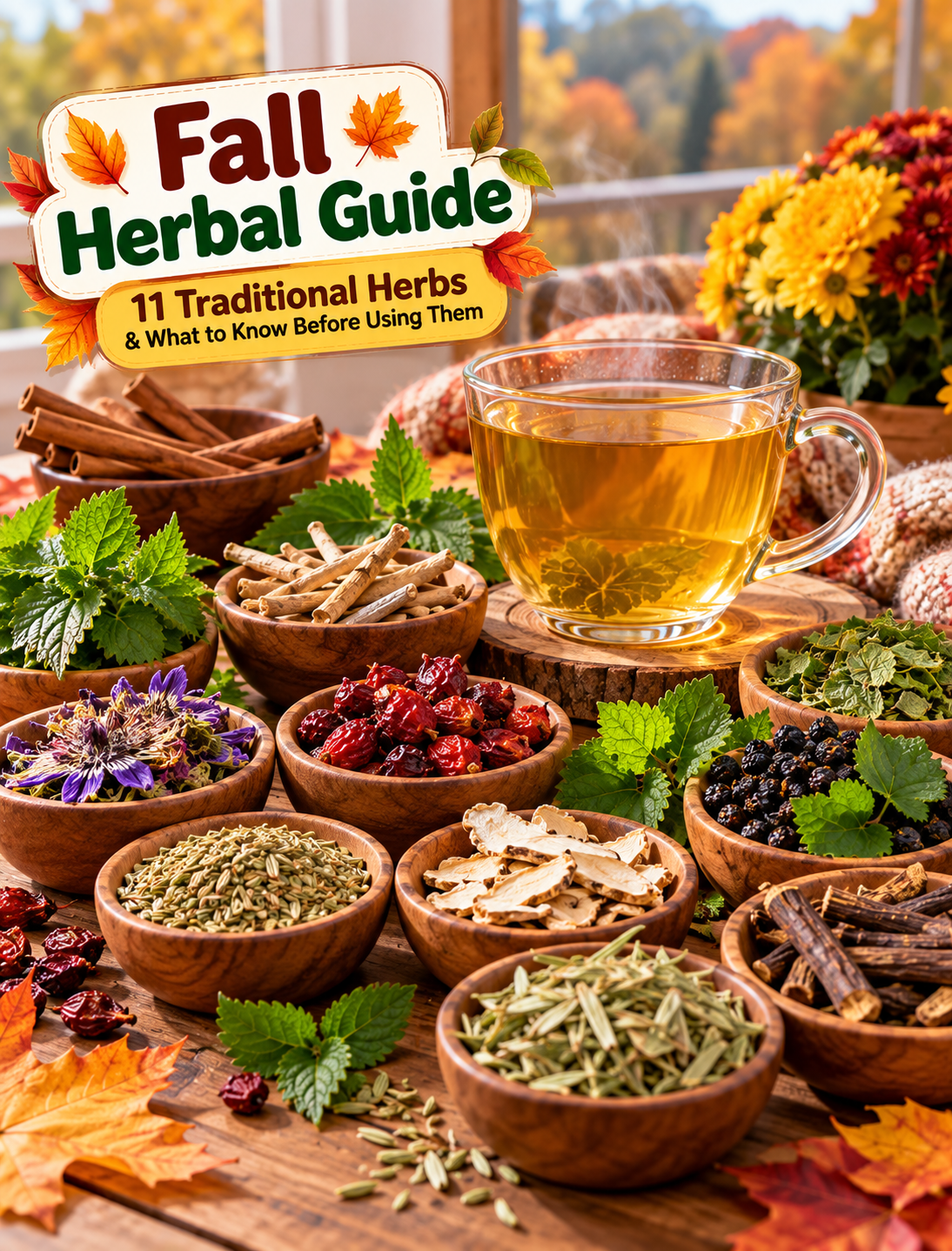
Fall Herbal Guide: 11 Traditional Herbs & What to Know Before Using Them

Fall herbal guide featuring 11 traditional herbs including cinnamon, fennel, rosehip, lemon balm, nettle, and licorice root

Fall Herbal Guide: 11 Traditional Herbs & What to Know Before Using Them


Introduction

As the weather turns cooler, many people reach for warm teas, comforting spices, and traditional herbal preparations. Fall is also a good time to look at herbs with a little more care—not just what they are traditionally used for, but what modern research actually tells us.

This Fall Herbal Guide covers 11 herbs and plants commonly found in teas, extracts, and traditional wellness practices:

  • Ashwagandha
  • Nettle
  • Cinnamon
  • Lemon balm
  • Passionflower
  • Black currant leaf
  • Fennel
  • Rosehip
  • Marshmallow root
  • Licorice root
  • Oat straw

Some have centuries of traditional use, while others have been studied in clinical research. The evidence is different for each herb, so a traditional use should not automatically be treated as a proven medical benefit.

1. Ashwagandha

Ashwagandha (Withania somnifera) is a traditional Ayurvedic herb that has been used for centuries. Modern supplements commonly contain root or root-and-leaf extracts.

Traditional use

Ashwagandha has traditionally been used to support general vitality, stress management, and sleep.

What research says

Some studies suggest that certain ashwagandha preparations may help with stress and insomnia, but studies vary in size, formulation, and quality. Evidence for several other claimed benefits remains insufficient. (NCCIH)

Safety

Ashwagandha may cause drowsiness or digestive upset. Rare cases of liver injury have also been reported. It should be avoided during pregnancy and breastfeeding and may interact with thyroid, blood-pressure, diabetes, sedative, and immune-related medicines. (NCCIH)

2. Nettle

Nettle (Urtica dioica and related species) is another traditional plant used in teas and herbal preparations.

Traditional use

Nettle leaf has traditionally been used in preparations associated with urinary health and general herbal wellness.

What research says

The European Medicines Agency recognizes traditional use of nettle leaf preparations in certain urinary-tract-related herbal products, but traditional-use recognition is not the same as strong clinical proof. (European Medicines Agency (EMA))

Safety

Only use properly prepared nettle products. Fresh stinging nettle can irritate the skin because of its tiny stinging hairs. People taking medication should check for possible herb-drug interactions before using concentrated products.

3. Cinnamon

Cinnamon is probably the easiest herb on this list to recognize. It is both a food spice and a traditional herbal ingredient.

Traditional use

Cinnamon has been used traditionally in foods and preparations for digestive and respiratory complaints, among other purposes.

What research says

Research has examined cinnamon supplements for blood sugar and other conditions, but results are inconsistent, and there is not enough evidence to recommend cinnamon as a treatment for a specific health condition. (NCCIH)

Safety

Normal culinary amounts are generally considered safe. Large or prolonged amounts may cause digestive problems, and cassia cinnamon contains coumarin, which can be a concern for people with liver disease when consumed in high amounts. (NCCIH)

4. Lemon Balm

Lemon balm (Melissa officinalis) has a mild lemon scent and is commonly prepared as tea.

Traditional use

It has traditionally been used for mild stress, occasional sleep problems, and minor digestive discomfort such as bloating.

What research says

The European Medicines Agency recognizes these uses based mainly on long-standing traditional use rather than strong clinical evidence. Some small studies have explored sleep and anxiety-related effects, but they are not enough for firm conclusions. (European Medicines Agency (EMA))

How people use it

Lemon balm is commonly found as dried tea leaves, teas, extracts, and combination herbal products.

5. Passionflower

Passionflower (Passiflora incarnata) is often associated with relaxing evening herbal teas.

Traditional use

It has traditionally been used for relaxation and sleep support.

What research says

A small amount of research suggests passionflower may increase total sleep time in some adults with insomnia, but findings for other sleep measures are mixed. (NCCIH)

Safety

Possible side effects include drowsiness, dizziness, and confusion. Passionflower may interact with anesthesia and other medicines that affect the nervous system. It should not be used during pregnancy unless specifically advised by a healthcare professional. (NCCIH)

6. Black Currant Leaf

Black currant leaf comes from Ribes nigrum, the same plant known for its dark berries.

Traditional use

The leaves have been used in traditional European herbal preparations, including preparations associated with urinary health and minor inflammation.

What research says

The European Medicines Agency has evaluated black currant leaf as a traditional herbal ingredient for certain urinary and inflammatory uses. (European Medicines Agency (EMA))

This does not mean black currant leaf has been proven to treat a medical condition. Evidence and approved uses can differ between countries.

7. Fennel

Fennel (Foeniculum vulgare) is both a culinary ingredient and a traditional herbal plant.

Traditional use

Fennel fruit has traditionally been used in herbal preparations for mild digestive discomfort and as an aromatic ingredient.

What research says

European herbal assessments recognize traditional preparations of fennel fruit for certain digestive and respiratory uses. These conclusions are based largely on traditional use rather than strong modern clinical trials. (European Medicines Agency (EMA))

How to use it

Fennel seeds can be used in cooking or prepared as a tea. Concentrated fennel oils are much stronger than culinary amounts and should not be treated like ordinary food.

8. Rosehip

Rosehip is the small fruit that develops after certain roses finish flowering.

Traditional use

Rosehips have traditionally been prepared as teas, syrups, preserves, and other foods. They are naturally rich in plant compounds, including vitamin C, although the amount can vary depending on the preparation.

Why it is popular in fall

Its tart flavor works well in warm teas and seasonal blends. Rosehip can also add variety to a caffeine-free beverage routine.

What research says

Some research has explored rosehip preparations for joint-related symptoms and other areas, but results depend on the specific preparation and study design. It should not be presented as a treatment for arthritis or another disease.

9. Marshmallow Root

Despite its name, marshmallow root (Althaea officinalis) is not the main ingredient in modern marshmallow candy.

Traditional use

The root has traditionally been used in herbal preparations for the mouth, throat, coughs, colds, and digestive discomfort.

What research says

The European Medicines Agency has assessed marshmallow root for traditional use in mouth and throat irritation, cough and cold symptoms, and mild gastrointestinal complaints. (European Medicines Agency (EMA))

Important point

Traditional-use evidence is different from proof that an herb can cure an illness. Persistent cough, severe throat pain, or digestive symptoms should be evaluated appropriately.

10. Licorice Root

Licorice root (Glycyrrhiza species) has a long history in traditional medicine and is also used as a flavoring.

Traditional use

Historically, licorice root has been used in preparations for respiratory, digestive, and other complaints.

What research says

Some small studies have explored licorice preparations for specific uses, but there is not enough high-quality evidence to support licorice as a treatment for most health conditions. (NCCIH)

⚠️ Why extra caution matters

Licorice contains glycyrrhizin, which can cause serious problems when consumed in large amounts or for long periods. It can affect blood pressure, potassium levels, and heart rhythm. The risk is especially important for people with hypertension or heart or kidney conditions. (NCCIH)

11. Oat Straw

Oat straw refers to the above-ground parts of Avena sativa harvested before flowering.

Traditional use

It has been used in traditional herbal preparations associated with relaxation, stress, and sleep.

What research says

The European Medicines Agency has assessed oat herb preparations for traditional use related to mild mental stress and temporary sleep problems. (European Medicines Agency (EMA))

How it is found

Oat herb may appear in teas, liquid extracts, and other herbal preparations. Always check the product label because oat straw products can differ considerably in strength and formulation.

How to Choose Herbal Products More Safely

Before adding a new herb to your fall routine, follow these simple steps:

  1. Identify the exact herb. Common names can refer to different plants.
  2. Check the plant part. Root, leaf, seed, bark, and extract can have different properties.
  3. Choose reputable products. Look for clear labeling and ingredient information.
  4. Start with the intended use. Do not assume an herb works for every condition associated with it.
  5. Read the medication warnings. Some herbs can interact with prescription and over-the-counter medicines.
  6. Avoid replacing medical treatment. Herbal products should not replace prescribed care.
  7. Be especially cautious with concentrated extracts. A tea and a high-strength supplement are not equivalent.
  8. Ask a healthcare professional when needed. This is particularly important during pregnancy, breastfeeding, before surgery, or when managing a chronic condition.

Frequently Asked Questions

1. What is the best herb for fall wellness?

There is no single best herb; the appropriate choice depends on the purpose, preparation, evidence, medications, and individual safety factors.

2. Can herbal teas replace medicine?

No. Herbal teas may complement a healthy routine, but they should not replace prescribed medication or professional medical care.

3. Are all traditional herbs safe?

No. “Natural” does not automatically mean safe, and some herbs can cause side effects or interact with medications.

4. Can I use several herbs together?

Yes, but combining herbs can increase uncertainty about safety and interactions, so avoid complex blends unless the ingredients and doses are well understood.

5. Which herbs require extra caution?

Licorice, ashwagandha, and concentrated herbal extracts deserve particular attention because of potential side effects and medication interactions. (NCCIH)

6. Can I drink herbal tea every day?

It depends on the herb, amount, preparation, and your health situation; regular use is not automatically appropriate for every herbal product.

7. Should I ask my doctor before using herbs?

Yes, especially if you take medication, have a chronic condition, are pregnant or breastfeeding, or have an upcoming surgery.

Final Takeaway

Fall is a natural time to enjoy warm teas, seasonal spices, and traditional herbal ingredients. Ashwagandha, nettle, cinnamon, lemon balm, passionflower, black currant leaf, fennel, rosehip, marshmallow root, licorice root, and oat straw all have different histories and levels of scientific evidence.

The most useful approach is simple: learn what the plant is, understand its traditional use, check what research actually shows, and consider safety before using concentrated products.

That keeps herbal wellness practical without turning traditional remedies into unsupported medical promises.
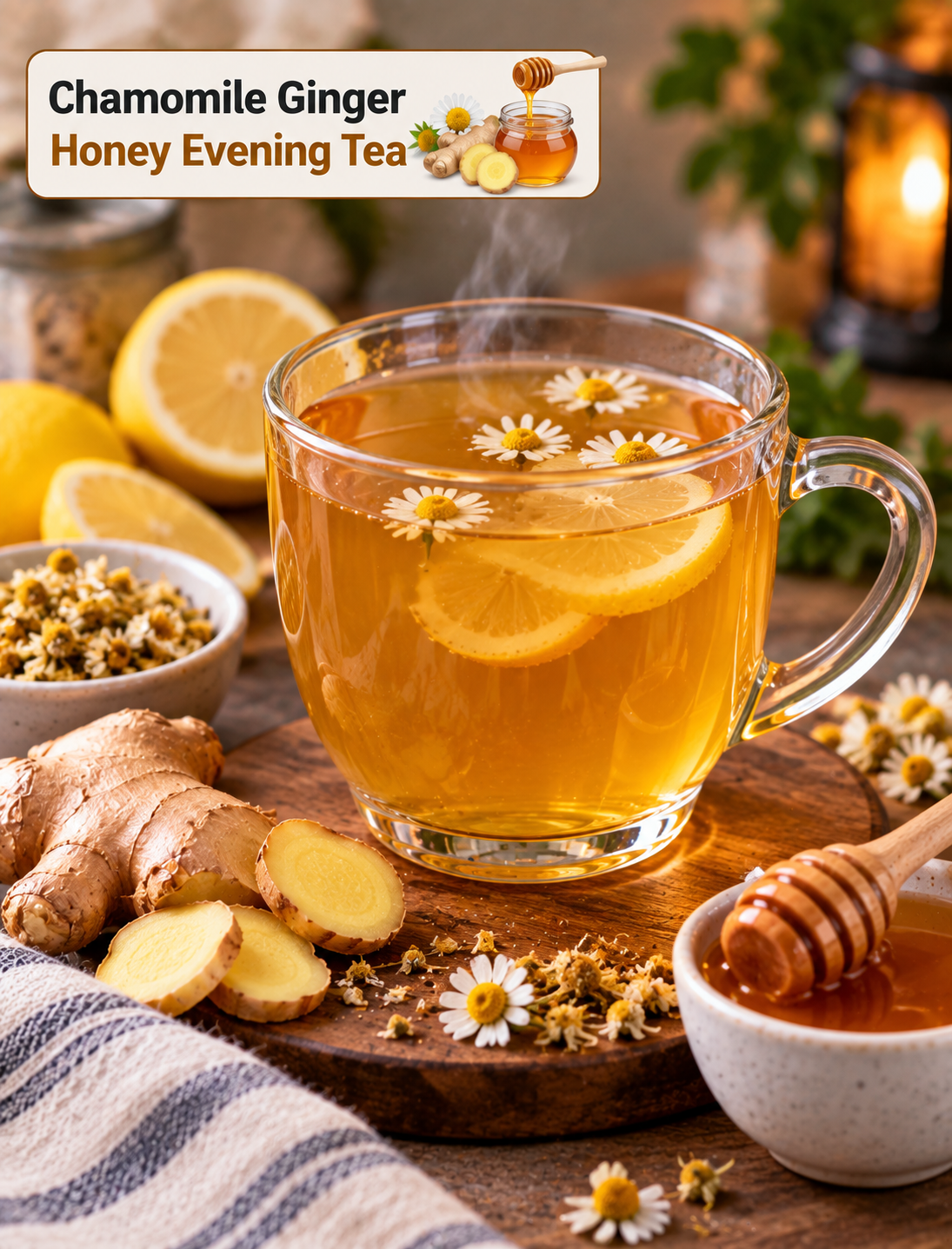
Chamomile Ginger Honey Evening Tea

Warm chamomile ginger honey tea in a glass mug with lemon slices, fresh ginger, chamomile flowers, honey, and cinnamon

Chamomile Ginger Honey Evening Tea

Chamomile Ginger Honey Evening Tea is a warm, soothing beverage made with chamomile tea, fresh ginger, honey, and hot water. The floral taste of chamomile pairs with the gentle warmth of ginger and the natural sweetness of honey.

This simple tea is easy to prepare with a few everyday ingredients. It works well as an evening drink when you want something warm and comforting without caffeine from traditional black or green tea.

Fresh ginger adds a mild spicy note that balances the soft floral flavor of chamomile. Honey rounds out the drink with gentle sweetness and can be adjusted to suit your taste.

The recipe can be prepared in one cup or made as a larger batch for several servings. Add a lemon slice if you enjoy a brighter citrus flavor.

Why You’ll Love This Evening Tea

This homemade herbal tea has a simple ingredient list and requires very little preparation. You can make a fresh cup in just a few minutes.

Chamomile provides a naturally floral flavor, while ginger adds warmth and a slightly peppery finish. Honey brings the two flavors together without requiring complicated sweeteners or syrups.

The drink is naturally caffeine-free when made with pure chamomile tea. That makes it a useful option for people who prefer to avoid caffeinated beverages in the evening.

It also offers a comforting alternative to sugary desserts or heavy drinks after dinner. A warm cup can become part of a relaxing nighttime routine.

The recipe is easy to adjust. Use more ginger for a stronger spicy flavor, reduce the honey for a lighter drink, or add lemon for extra brightness.

Ingredients You’ll Need

Chamomile Tea

Use chamomile tea bags or loose dried chamomile flowers. Choose a pure chamomile product if you want the drink to remain naturally caffeine-free.

Chamomile has a delicate floral flavor, so avoid steeping it for too long if you prefer a mild taste.

Fresh Ginger

Fresh ginger gives the tea its warm, slightly spicy flavor. Peel a small piece and slice it thinly so the flavor can infuse into the hot water.

You can grate the ginger for a stronger infusion, but strained grated ginger may leave more particles in the finished drink.

Honey

Honey adds natural sweetness and helps balance the sharper flavor of ginger. Add it after steeping so you can control the amount based on your preferred sweetness.

Different types of honey can create slightly different flavors. Mild clover honey keeps the tea simple, while wildflower honey provides a deeper taste.

Hot Water

Use fresh, hot water for the best infusion. Water that is too cool may produce a weak tea, while aggressively boiling water can make delicate herbal flavors less pleasant.

Lemon

Fresh lemon is optional. A small lemon slice or splash of juice adds acidity and creates a brighter flavor.

Cinnamon

A small cinnamon stick is another optional addition. It adds a warm, lightly sweet spice that pairs well with ginger and honey.

How to Make Chamomile Ginger Honey Evening Tea

Prepare the Ginger

Peel a small piece of fresh ginger with the edge of a spoon or a vegetable peeler.

Slice the ginger into thin pieces. Thin slices expose more surface area to the hot water and allow the flavor to infuse efficiently.

For a stronger ginger taste, grate the ginger instead of slicing it. If you grate it, plan to strain the tea before serving.

Heat the Water

Bring fresh water to a boil, then allow it to cool slightly before pouring it over the tea.

Very aggressively boiling water is not necessary for preparing chamomile. Hot water is enough to extract the floral flavor while keeping the drink pleasant.

Use approximately one cup of hot water for each serving and adjust the amount if you prefer a weaker or stronger beverage.

Steep the Ginger

Place the sliced ginger in a mug or small teapot. Pour the hot water over it and allow it to steep for several minutes.

A longer steep produces a stronger ginger flavor. Start with a moderate steeping time and adjust the next cup based on your preference.

If you are using grated ginger, strain the liquid through a fine tea strainer before adding the chamomile.

Add the Chamomile

Place the chamomile tea bag or loose chamomile flowers into the ginger-infused water.

Steep according to the instructions on your tea package. If using loose flowers, strain the tea before serving.

Avoid over-steeping if you want a lighter floral flavor. The goal is to create a balanced drink where neither chamomile nor ginger overwhelms the other.

Add Honey

Remove the tea bag or strain the loose flowers. Let the drink cool for a moment, then stir in honey.

Adding honey after steeping makes it easier to control the sweetness. Start with a small amount and add more if needed.

For a different flavor, use maple syrup instead of honey. The taste will be slightly deeper and more caramel-like.

Finish and Serve

Add a small squeeze of fresh lemon or place a lemon slice on the rim of the mug.

A cinnamon stick can be added while the drink is warm for extra aroma.

Serve the tea warm and stir before drinking so the honey remains evenly distributed.

Tips for the Best Flavor

Use fresh ginger when possible because it provides a cleaner and brighter flavor than older ginger.

Slice the ginger thinly for a moderate infusion. Grating it creates a stronger flavor but requires straining.

Do not use an excessive amount of ginger. Too much can overpower the delicate floral notes of chamomile.

Add honey gradually. The sweetness of different honey varieties can vary, so tasting before adding more helps maintain balance.

Use fresh lemon rather than bottled lemon juice when possible. Fresh lemon provides a cleaner citrus aroma.

If the tea tastes too strong, dilute it with additional hot water rather than adding more honey.

How to Make It More Flavorful

For a warmer spice profile, add a small cinnamon stick while the ginger steeps. Remove it before serving if you prefer a lighter cinnamon flavor.

A few thin apple slices can add subtle fruit sweetness. Use fresh apple and remove the slices before drinking if desired.

Orange peel can provide a gentle citrus aroma. Use only a small piece of washed peel to avoid excessive bitterness.

Fresh mint can create a cooler finish. Add a few leaves after steeping rather than boiling them with the ginger.

A small amount of turmeric can also be used for earthy flavor and color. Its taste is strong, so start with a very small amount.

Caffeine-Free Evening Drink Option

Pure chamomile tea is naturally caffeine-free, which makes it a popular choice for people looking for an evening beverage without the caffeine found in many traditional teas.

Check the ingredient label when purchasing a tea blend because some products combine chamomile with black, green, or other caffeinated teas.

If avoiding caffeine is important to you, choose a product labeled as pure chamomile or caffeine-free.

The addition of ginger and honey does not add caffeine. Lemon, cinnamon, mint, and other common flavor additions are also naturally caffeine-free.

How to Adjust the Sweetness

Honey can be adjusted easily based on taste. Start with a small spoonful and add more only if the tea needs additional sweetness.

For a less sweet version, rely on the natural flavor of chamomile and ginger with a small amount of lemon.

Maple syrup can replace honey if you prefer its richer flavor.

Avoid adding a large amount of sweetener simply to balance an overly strong ginger infusion. Diluting the tea with more hot water is often a better solution.

If serving guests, provide honey separately so each person can sweeten their own cup.

How to Prepare It Ahead

You can prepare a larger batch of ginger-infused water and refrigerate it for later use. Reheat the amount you need and add fresh chamomile before serving.

For the best flavor, add honey after reheating rather than storing it mixed into the entire batch.

Fresh lemon should also be added close to serving time for a brighter flavor.

Avoid keeping brewed tea at room temperature for long periods. Refrigerate leftovers promptly in a covered container.

When reheating, warm the tea gently rather than repeatedly boiling it.

What to Serve With Evening Tea

This warm beverage pairs well with light evening snacks and simple desserts.

Serve it with oatmeal cookies, shortbread, fresh berries, apple slices, or a small piece of dark chocolate.

For a savory option, whole-grain crackers with mild cheese can complement the floral and spicy flavors.

The tea can also be served on its own when you want a simple, warm beverage after dinner.

Keep the food pairing light if you want the tea to remain the main flavor experience.

Common Mistakes to Avoid

Do not use too much ginger because its spicy flavor can easily overpower chamomile.

Avoid over-steeping delicate chamomile tea if you prefer a soft floral taste.

Do not add excessive honey before tasting the tea. The right amount depends on the strength of the ginger and the type of honey.

Avoid using stale or old ginger with dry, shriveled flesh because it may provide weaker flavor.

Do not assume every chamomile blend is caffeine-free. Check the ingredient list if caffeine matters to you.

Avoid serving the tea immediately after adding boiling water. Allow it to cool to a comfortable drinking temperature first.

Frequently Asked Questions

Is chamomile tea naturally caffeine-free?

Pure chamomile tea is naturally caffeine-free, but check blended tea labels because some products may contain caffeinated ingredients.

Can I use ground ginger?

Yes, but fresh sliced or grated ginger usually provides a cleaner flavor and aroma in brewed tea.

How much honey should I add?

Start with a small spoonful and adjust gradually based on the tartness of the lemon and strength of the ginger.

Can I make this tea without honey?

Yes, you can leave out honey or use maple syrup if you prefer a different sweetener.

Can I add lemon?

Yes, fresh lemon adds a bright citrus note that balances the floral chamomile and warm ginger.

Can I drink this tea cold?

Yes, brew it normally, allow it to cool, refrigerate it, and serve over ice for a chilled version.

Can I use dried ginger?

Yes, dried ginger works, but use a small amount because its flavor is more concentrated than fresh ginger.

How long can I store leftover tea?

Refrigerate leftover tea in a covered container and use it within a few days for the best flavor and quality.

Final Thoughts

Chamomile Ginger Honey Evening Tea is a simple caffeine-free beverage with floral chamomile, warm ginger, and gentle honey sweetness. Fresh lemon and cinnamon can be added when you want more flavor.

The recipe is easy to adjust based on your preferences. Use thinly sliced ginger for a mild infusion, add more for a stronger spice note, and sweeten gradually until the flavors are balanced.

For the best cup, use fresh ingredients, steep the tea according to the package directions, and serve it warm. It makes a comforting addition to an evening routine without requiring complicated preparation.

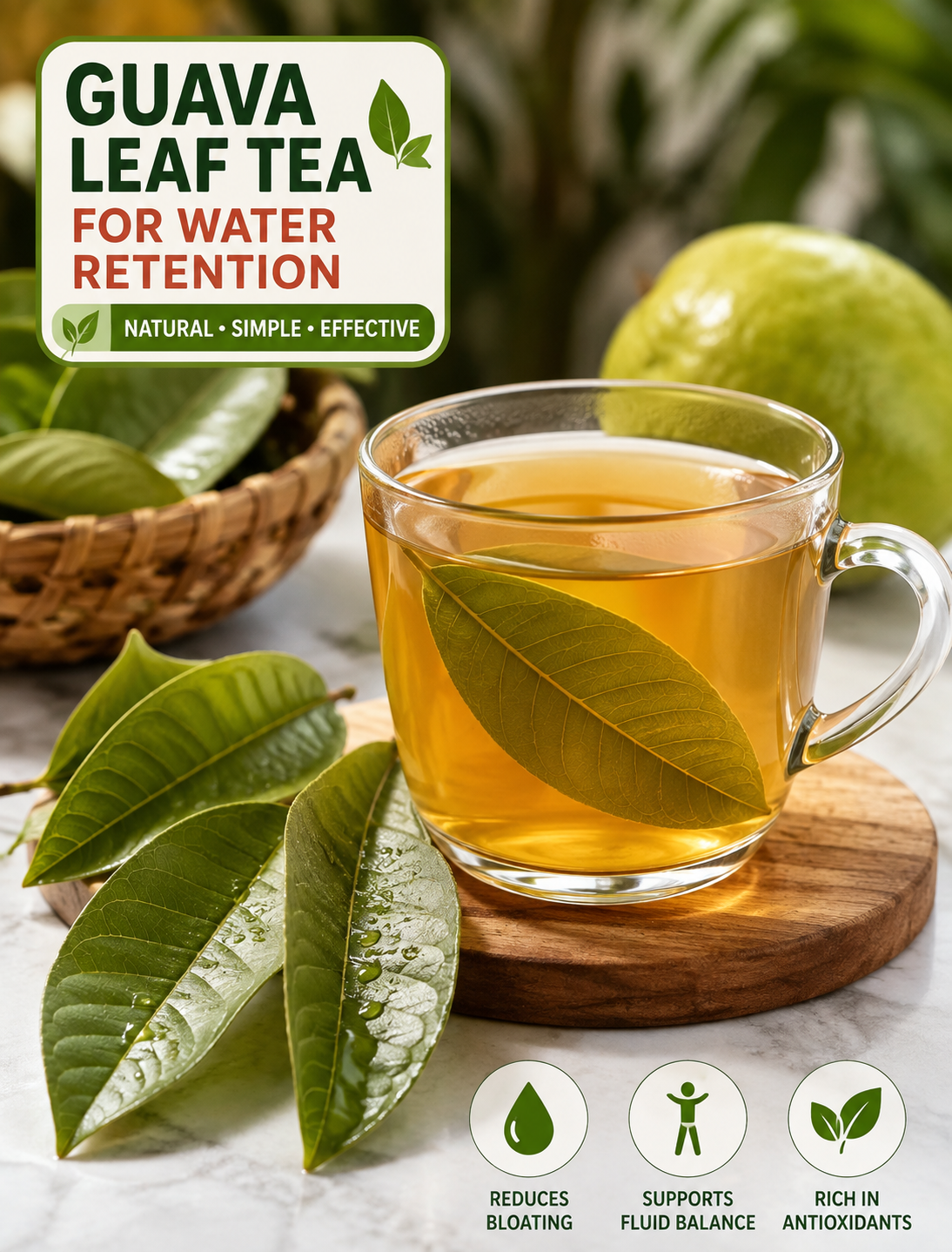
Guava Leaf Tea for Water Retention: Easy Morning Wellness Drink

Homemade guava leaf tea in a glass cup with fresh guava leaves for a healthy morning routine

Guava Leaf Tea for Water Retention

Guava leaf tea is a simple herbal drink that can fit into a healthy morning routine. Made by steeping fresh or dried guava leaves in hot water, this caffeine-free tea has a mild herbal flavor and contains naturally occurring plant compounds such as flavonoids and other antioxidants.

Many people explore guava leaf tea when they want a soothing drink to support hydration, digestion, and a balanced daily routine. It is also commonly discussed as a natural option for occasional bloating and fluid retention. However, water retention can have many causes, so tea should not be viewed as a treatment for persistent swelling.

A healthy morning routine works best when it includes enough water, nutritious foods, regular movement, and reasonable sodium intake. Guava leaf tea can be one small part of those habits.

Why Guava Leaf Tea Is Used for Water Retention

Water retention happens when extra fluid collects in body tissues. It may temporarily occur after eating salty foods, sitting for long periods, traveling, or experiencing normal changes in the body.

Guava leaves contain plant compounds with antioxidant properties, which is one reason they have been used traditionally in herbal preparations. Some people also use guava leaf tea as a light, warm beverage when they feel bloated or want an alternative to sugary drinks.

There is limited human evidence specifically showing that guava leaf tea reduces water retention. Any effect on fluid balance should therefore be considered possible rather than guaranteed.

If swelling is frequent, severe, painful, or unexplained, it is better to speak with a healthcare professional instead of relying on an herbal drink.

Guava Leaf Tea as a Morning Routine Hack

Starting the morning with a warm, unsweetened drink can make hydration easier for people who do not enjoy plain water. Guava leaf tea can be prepared in advance and enjoyed warm or allowed to cool for a refreshing alternative to sweet beverages.

A simple morning routine can include one cup of guava leaf tea, a glass of plain water, a balanced breakfast, and a few minutes of light movement. Walking or stretching after waking may also help you avoid spending the first hours of the day sitting still.

The goal is not to force your body to lose water. Instead, focus on consistent habits that support normal fluid balance.

For a lower-sugar option, drink the tea without honey. A small amount of lemon juice can add flavor, but lemon does not create a special “detox” effect. Your liver and kidneys already perform the body’s natural waste-processing functions.

How to Make Guava Leaf Tea

This homemade herbal tea requires only guava leaves and water. Fresh leaves should be cleaned carefully before preparation.

Ingredients

  • 10 fresh guava leaves or 5 dried guava leaves
  • 2 cups filtered water
  • ½ teaspoon lemon juice, optional
  • 1 teaspoon honey, optional

Instructions

  1. Rinse fresh guava leaves thoroughly under cool running water.
  2. Bring 2 cups of filtered water to a boil in a small saucepan.
  3. Add the guava leaves and reduce the heat.
  4. Simmer the leaves gently for 10 to 15 minutes.
  5. Remove the pot from the heat and strain the tea into a cup.
  6. Add a small amount of lemon juice or honey if desired.
  7. Enjoy the tea warm.

One batch makes roughly one to two servings, depending on how much liquid is used per cup.

Best Time to Drink Guava Leaf Tea

There is no established medical rule that guava leaf tea must be consumed at a particular time. Drinking it in the morning can simply make it easier to include in a consistent daily routine.

If you prefer it between meals, one cup can be a practical option. Avoid adding large amounts of honey or other sweeteners if you are trying to reduce added sugar.

Some people may prefer drinking herbal tea earlier in the day because fluids consumed close to bedtime can increase nighttime bathroom trips.

Do not assume that drinking more tea will produce better results. More fluid loss is not the same as better health.

Healthy Habits That May Help With Fluid Balance

Your overall lifestyle matters more than any single herbal drink. Several everyday habits can support normal fluid balance.

Stay Hydrated

Drinking enough water throughout the day helps your body maintain normal fluid balance. Keep water available and drink regularly instead of waiting until you feel very thirsty.

Watch Sodium Intake

High-sodium meals can contribute to temporary fluid retention in some people. Restaurant meals, packaged foods, processed meats, canned soups, and salty snacks can contain substantial amounts of sodium.

Add More Movement

Long periods of sitting may make your legs and feet feel puffy. Short walks, gentle stretching, and regular movement can help you avoid staying in one position for too long.

Choose Whole Foods

Fruits, vegetables, beans, whole grains, lean proteins, and other minimally processed foods can support a balanced eating pattern. Potassium-rich foods such as bananas, potatoes, beans, spinach, and yogurt can also be part of a healthy diet.

Tips and Safety Notes

Use clean, food-safe guava leaves and wash fresh leaves thoroughly before making tea. Store dried leaves in an airtight container away from heat, moisture, and direct sunlight.

The supplied recipe suggests limiting intake to two cups daily unless a healthcare professional advises otherwise. Because research on concentrated guava leaf preparations is limited, regular high-dose use is not recommended.

People who take prescription medicines should check with a healthcare professional before using guava leaf tea regularly. Extra caution is appropriate for people taking medicines that affect blood sugar, blood pressure, or fluid balance.

Pregnant or breastfeeding individuals should ask their healthcare provider before using guava leaf preparations.

Guava leaf tea should not replace prescribed treatment for swelling, kidney problems, heart conditions, liver disease, or other medical concerns.

Seek medical advice for sudden swelling, swelling on only one side of the body, shortness of breath, chest pain, severe pain, or rapidly worsening symptoms.

Guava Leaf Tea Nutrition

Plain guava leaf tea is naturally very low in calories because the leaves are strained out before drinking. A cup made from the recipe above may contain only a few calories.

Adding honey increases the carbohydrate and calorie content. Lemon juice adds very little energy but can provide a brighter flavor.

Nutrition values can vary depending on the amount of leaves used, preparation method, and optional ingredients.

Frequently Asked Questions

Does guava leaf tea reduce water retention?

There is not enough strong human evidence to confirm that it directly reduces water retention. It can be enjoyed as a low-calorie herbal beverage as part of healthy habits.

How often can I drink guava leaf tea?

The provided recipe recommends no more than two cups daily unless a healthcare professional recommends otherwise.

Can I drink guava leaf tea in the morning?

Yes. A morning cup can be a simple way to add a warm, unsweetened beverage to your daily hydration routine.

Does guava leaf tea have caffeine?

Plain guava leaf tea is naturally caffeine-free because it is made from guava leaves rather than traditional tea leaves such as black or green tea.

Can I add lemon to guava leaf tea?

Yes. Lemon can improve the flavor, but it should not be considered a special detox ingredient or treatment for fluid retention.

Can honey be added to guava leaf tea?

Yes, but honey adds sugar and calories. Use a small amount if you are limiting added sugars.

Who should avoid guava leaf tea?

People who are pregnant, breastfeeding, taking medicines that affect blood sugar or fluid balance, or managing a medical condition should ask a healthcare professional before using it regularly.

When should swelling be checked by a doctor?

Persistent, severe, sudden, painful, or unexplained swelling should be evaluated by a healthcare professional, especially when it occurs with breathing problems or chest pain.

Final Thoughts

Guava leaf tea can be a pleasant addition to a simple morning wellness routine. Its low-calorie, caffeine-free nature makes it an easy alternative to sugary beverages, while the leaves provide naturally occurring plant compounds.

For occasional bloating or concerns about fluid balance, focus on the bigger picture: drink enough water, moderate sodium, eat a varied diet, and stay physically active.

Most importantly, do not use herbal tea to mask ongoing or unexplained swelling. Persistent fluid retention can sometimes signal an underlying health issue that needs proper evaluation.