Crispy Parmesan Zucchini Chips

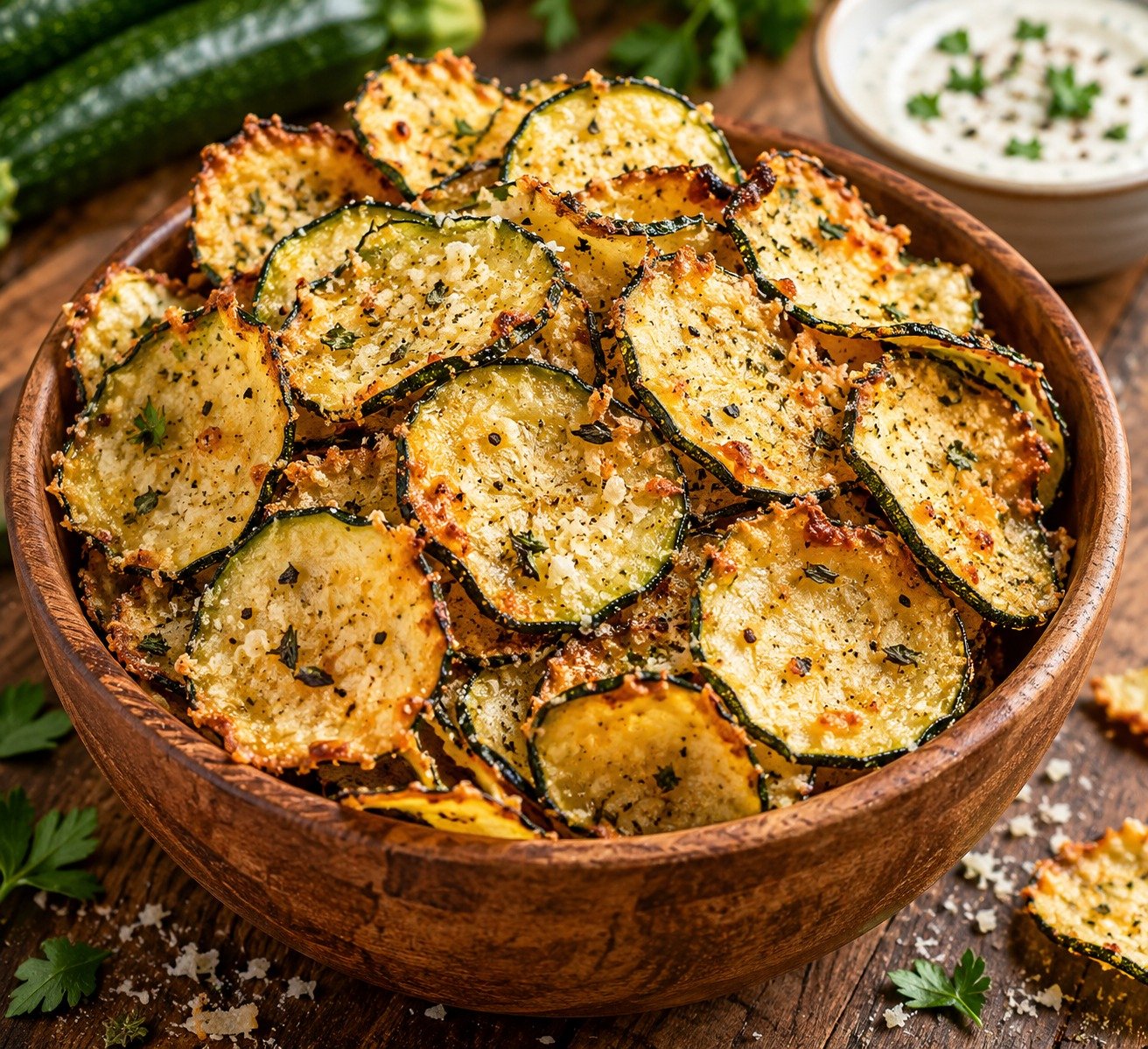
Parmesan Zucchini Chips with fresh zucchini, Parmesan, panko breadcrumbs, garlic, herbs, and crispy golden edges

Crispy Parmesan Zucchini Chips

Parmesan Zucchini Chips are a crispy, savory snack made with fresh zucchini, Parmesan cheese, breadcrumbs, herbs, and simple seasonings. The zucchini slices bake until golden around the edges while the cheesy coating turns crisp and flavorful.

These Parmesan Zucchini Chips work as an appetizer, side dish, or lighter alternative to fried snacks. They use everyday ingredients and pair well with marinara, garlic yogurt sauce, or lemon.

Prep Time: 15 minutes
Cook Time: 22–28 minutes
Total Time: 40 minutes
Servings: 4

Ingredients

For the Zucchini

  • 2 medium zucchini
  • 1/2 teaspoon salt
  • 1 tablespoon extra virgin olive oil

Crispy Coating

  • 3/4 cup finely grated Parmesan cheese
  • 1/2 cup panko breadcrumbs
  • 1 teaspoon garlic powder
  • 1 teaspoon dried oregano
  • 1/2 teaspoon dried basil
  • 1/2 teaspoon smoked paprika
  • 1/4 teaspoon black pepper
  • 1/4 teaspoon red pepper flakes, optional

For the Egg Mixture

  • 1 large egg
  • 1 tablespoon milk
  • 1 teaspoon fresh lemon juice

Serving

  • Marinara sauce
  • Garlic yogurt dip
  • Fresh parsley or basil
  • Lemon wedges
  • Extra grated Parmesan, optional

Why You’ll Love This Recipe

Parmesan Zucchini Chips have the crunch and savory flavor people love in snack foods while still putting fresh zucchini at the center of the recipe. Parmesan creates a salty, nutty crust, while panko adds extra crispness.

Another reason to love Parmesan Zucchini Chips is that they are baked rather than deep-fried, which means less oil and easier cleanup.

They are also easy to customize with different herbs, spices, and dipping sauces.

How to Make Parmesan Zucchini Chips

Step 1: Preheat the Oven

Preheat the oven to 425°F or 220°C.

Line a large baking sheet with parchment paper, or place a wire rack over the sheet and lightly grease the rack.

Step 2: Slice the Zucchini

Wash and dry the zucchini thoroughly.

Slice it into rounds about 1/4 inch thick. Try to keep the slices even so they finish cooking at the same time.

Very thick slices can stay soft in the center, while slices that are too thin may burn before the coating becomes properly golden.

Step 3: Remove Excess Moisture

Arrange the zucchini slices on paper towels or a clean kitchen towel.

Sprinkle lightly with salt and let them rest for 10 minutes. Pat both sides dry.

This step is important because zucchini contains a lot of water. Removing surface moisture helps Parmesan Zucchini Chips become crisp instead of steaming in the oven.

Step 4: Prepare the Coating

In a shallow bowl, combine Parmesan, panko, garlic powder, oregano, basil, smoked paprika, black pepper, and optional red pepper flakes.

Mix well so the herbs and seasonings are evenly distributed.

The Parmesan will melt into the breadcrumb mixture as it bakes, creating a deeply savory crust.

Step 5: Prepare the Egg Mixture

In a second shallow bowl, whisk together the egg, milk, and lemon juice.

The egg mixture helps the coating stick and encourages an even golden finish.

Step 6: Coat the Zucchini

Dip each zucchini slice into the egg mixture, allowing excess liquid to drip off.

Press both sides into the Parmesan mixture until well coated.

Arrange the coated slices on the prepared baking sheet in a single layer, leaving a little space between them.

Crowding the pan traps steam and can prevent Parmesan Zucchini Chips from becoming crisp.

Step 7: Add a Light Oil Finish

Lightly drizzle or brush the coated zucchini with olive oil.

You do not need much. A small amount helps the coating brown and gives the chips a crisp texture without making them greasy.

Step 8: Bake Until Golden

Bake for 12 to 14 minutes, then carefully flip each slice.

Continue baking for another 10 to 14 minutes, or until the coating is golden and the zucchini is tender.

Parmesan Zucchini Chips should have browned edges and a crisp coating while remaining slightly tender in the center.

Step 9: Rest Briefly

Remove the baking sheet from the oven and let the chips rest for 3 to 5 minutes.

The coating firms slightly as it cools, making the chips easier to lift.

Step 10: Garnish and Serve

Transfer Parmesan Zucchini Chips to a serving plate.

Sprinkle with fresh parsley, basil, extra Parmesan, or a little lemon zest.

Serve immediately with your favorite dipping sauce.

Serving Suggestions

Parmesan Zucchini Chips are delicious with warm marinara because the tomato flavor pairs naturally with Parmesan, garlic, and oregano.

For a cooler dip, serve them with garlic yogurt sauce, tzatziki, ranch-style dressing, or lemon-herb Greek yogurt.

You can also serve Parmesan Zucchini Chips alongside grilled chicken, baked fish, burgers, sandwiches, or pasta. They work especially well as a lighter side dish when you want something crisp without serving fries.

For a party platter, pair them with olives, tomatoes, cucumber, and hummus.

For another hearty and comforting meal, try our Homestyle Beef and Tender Cabbage Roll Soup with savory beef, cabbage, rice, tomatoes, and herbs.

Recipe Tips

Choose small or medium zucchini because very large zucchini often contain more water and larger seeds.

Slice the zucchini evenly so all pieces cook at the same speed.

Do not skip the salting and drying step. Removing moisture is one of the best ways to improve crispness.

Use finely grated Parmesan so it mixes evenly with the breadcrumbs.

Panko creates a lighter and crunchier coating than very fine breadcrumbs.

Leave space between the slices on the baking sheet.

For the crispiest Parmesan Zucchini Chips, use a wire rack if you have one.

Serve them soon after baking because zucchini naturally softens as it sits.

Easy Variations

Parmesan Zucchini Chips can be seasoned in many different ways.

For an Italian-style version, add extra oregano, basil, and a pinch of dried thyme.

For a spicy version, add cayenne pepper, extra red pepper flakes, or a little chili powder to the coating.

You can replace some of the Parmesan with finely grated Pecorino Romano for a sharper, saltier flavor.

For a gluten-free version, use gluten-free panko or finely crushed gluten-free crackers.

If you want a low-carb variation, replace the breadcrumbs with almond flour mixed with extra Parmesan.

You can also use the same coating method for yellow squash, although the cooking time may vary slightly.

If you want something sweet after this savory dish, you may also like our Chocolate Walnut Bites.

Make-Ahead Instructions

Parmesan Zucchini Chips are best freshly baked, but some preparation can be done ahead.

Slice the zucchini and prepare the Parmesan coating several hours ahead. Store them separately in the refrigerator.

For the best texture, coat and bake the zucchini shortly before serving. If the coated slices sit too long before baking, the breadcrumbs may absorb moisture from the zucchini and become soft.

Storage and Reheating

Store leftovers in an airtight container in the refrigerator for up to 3 days.

To reheat, bake at 400°F or 200°C for 6 to 8 minutes. An air fryer also helps restore crispness.

Microwaving is not recommended if you want a crunchy texture because steam will soften the coating.

Freezing is possible, but freshly baked or refrigerated chips generally have the best texture.

Nutrition Information

Approximate nutrition per serving:

Calories: 220
Protein: 13 g
Carbohydrates: 17 g
Fat: 12 g
Saturated Fat: 5 g
Fiber: 2 g
Sugar: 4 g
Sodium: 560 mg

Nutrition values are estimates and vary by ingredients and serving size.

Frequently Asked Questions

Why are my zucchini chips soggy?

The most common causes are excess moisture, overcrowding the pan, or removing them from the oven too early. Salting and drying the zucchini first can make a noticeable difference.

Can I make these in an air fryer?

Yes. Arrange the slices in a single layer and air fry at 390°F or 200°C until golden and crisp, flipping once if needed.

Can I use regular breadcrumbs instead of panko?

Yes, but panko usually gives a lighter, crunchier crust.

Can I make them without eggs?

Yes. Brush the zucchini lightly with olive oil or use a thin coating of Greek yogurt to help the crumbs stick.

What dipping sauce works best?

Marinara is a classic choice, but garlic yogurt sauce, tzatziki, pesto yogurt, or ranch-style dip also works well.

Can I prepare them ahead for a party?

You can prepare the ingredients ahead, but bake Parmesan Zucchini Chips shortly before serving for the best crunch.

Can I use yellow squash?

Yes. Yellow squash can be prepared the same way, although softer varieties may cook a little faster.

Final Thoughts

Parmesan Zucchini Chips are a simple way to turn fresh zucchini into a golden, cheesy, and satisfying snack. Parmesan, panko, garlic, herbs, and a touch of olive oil create plenty of flavor without requiring deep frying.

Because Parmesan Zucchini Chips are easy to customize, they work well as an appetizer, snack, or side dish for family meals and casual gatherings.

Keep this Parmesan Zucchini Chips recipe handy whenever you want a crisp vegetable snack that is easy to prepare, full of savory flavor, and delicious with your favorite dipping sauce.
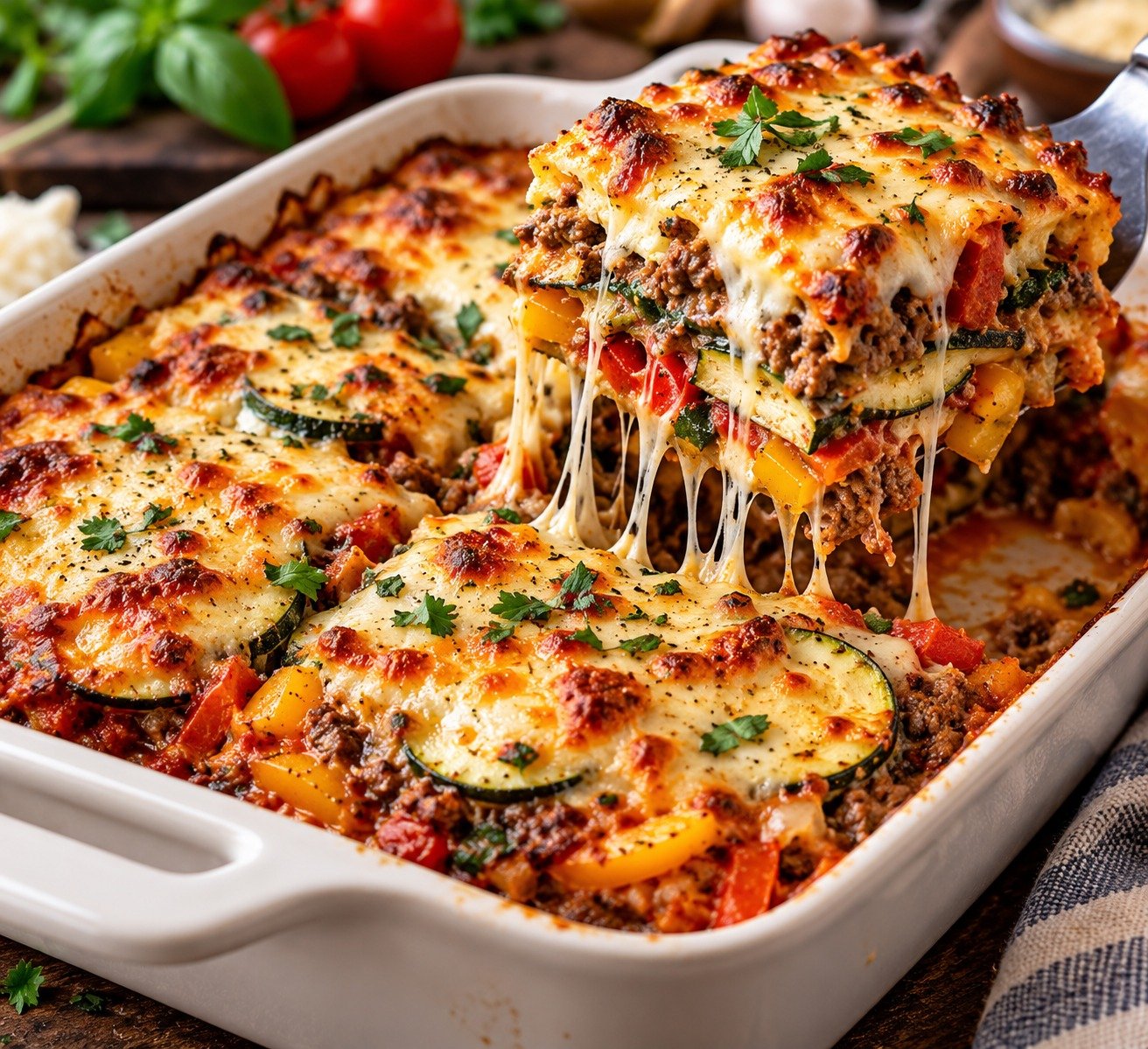

Mediterranean Vegetable & Beef Lasagna Casserole

Beef Lasagna Casserole with ground beef, zucchini, eggplant, spinach, tomato sauce, ricotta, mozzarella, and herbs

Mediterranean Vegetable & Beef Lasagna Casserole

Beef Lasagna Casserole is a hearty Mediterranean-inspired dinner made with seasoned ground beef, vegetables, tomato sauce, ricotta, mozzarella, herbs, and pasta. It combines classic lasagna comfort with zucchini, eggplant, spinach, and bell pepper.

This Beef Lasagna Casserole is perfect for family dinners, meal prep, or gatherings. The vegetables add freshness and texture, while the beef and cheese make every serving rich and satisfying.

Prep Time: 30 minutes
Cook Time: 45 minutes
Rest Time: 10 minutes
Total Time: 1 hour 25 minutes
Servings: 8

Ingredients

For the Beef and Vegetable Sauce

  • 1 tablespoon extra virgin olive oil
  • 1 1/4 pounds lean ground beef
  • 1 medium yellow onion, diced
  • 3 garlic cloves, minced
  • 1 medium zucchini, diced
  • 1 small eggplant, diced
  • 1 red bell pepper, diced
  • 2 cups baby spinach
  • 1 can crushed tomatoes, 28 ounces
  • 2 tablespoons tomato paste
  • 1 teaspoon dried oregano
  • 1 teaspoon dried basil
  • 1/2 teaspoon smoked paprika
  • 1/2 teaspoon salt
  • 1/4 teaspoon black pepper
  • 1/4 teaspoon red pepper flakes, optional

Cheese Layer

  • 15 ounces ricotta cheese
  • 1 large egg
  • 1/2 cup grated Parmesan cheese
  • 2 tablespoons chopped fresh parsley
  • 1 teaspoon dried oregano
  • 1/4 teaspoon black pepper

For Assembly

  • 9 lasagna noodles, cooked according to package directions
  • 2 cups shredded mozzarella cheese
  • 1/4 cup grated Parmesan cheese
  • Fresh basil or parsley, for garnish

Why You’ll Love This Recipe

Beef Lasagna Casserole gives you classic lasagna comfort with extra vegetables and Mediterranean-inspired seasoning. The beef sauce is savory, the ricotta stays creamy, and mozzarella creates a golden, bubbly top.

It can also be prepared ahead and reheats well, making leftovers useful for lunch or another dinner.

How to Make Beef Lasagna Casserole

Step 1: Prepare the Oven and Baking Dish

Preheat the oven to 375°F or 190°C.

Lightly grease a 9 x 13-inch baking dish. Cook the lasagna noodles in salted water until just al dente, then drain and lay them flat.

Step 2: Brown the Beef

Heat olive oil in a large skillet over medium-high heat.

Add the ground beef and cook for 5 to 7 minutes, breaking it into small pieces. Drain excess grease if needed.

Browning the meat first gives Beef Lasagna Casserole a deeper savory flavor and prevents the filling from becoming greasy.

Step 3: Cook the Vegetables

Add the onion to the skillet and cook for 3 minutes.

Stir in the garlic, zucchini, eggplant, and bell pepper. Cook for 6 to 8 minutes until softened and most moisture evaporates.

Add the spinach and cook just until wilted.

Step 4: Make the Tomato Sauce

Stir in the crushed tomatoes, tomato paste, oregano, basil, smoked paprika, salt, black pepper, and optional red pepper flakes.

Reduce the heat and simmer for 10 to 12 minutes.

The sauce should be thick rather than watery because the vegetables naturally release moisture during baking.

Step 5: Prepare the Ricotta Mixture

In a medium bowl, combine ricotta, egg, Parmesan, parsley, oregano, and black pepper.

Mix until smooth and evenly combined.

The egg helps the cheese layer hold together, making Beef Lasagna Casserole easier to slice after resting.

Step 6: Build the First Layer

Spread a thin layer of beef and vegetable sauce over the bottom of the prepared baking dish.

Arrange three lasagna noodles over the sauce.

Spread one-third of the ricotta mixture over the noodles, followed by more beef sauce and a light layer of mozzarella.

Step 7: Repeat the Layers

Add another three noodles, another third of the ricotta mixture, more sauce, and mozzarella.

Repeat once more with the remaining noodles, ricotta, and sauce.

Layering everything evenly ensures every slice includes pasta, beef, vegetables, cheese, and tomato sauce.

Step 8: Add the Cheese Topping

Sprinkle the remaining mozzarella and Parmesan evenly over the top.

Cover the baking dish loosely with foil, spraying the underside lightly so melted cheese does not stick.

Step 9: Bake the Casserole

Bake covered for 25 minutes.

Remove the foil and continue baking for 15 to 20 minutes, until the sauce bubbles around the edges and the cheese is melted and lightly golden.

Beef Lasagna Casserole should be hot throughout with a browned, cheesy surface.

Step 10: Rest Before Slicing

Remove the casserole from the oven and let it rest for at least 10 minutes.

Resting is important because it allows the cheese and sauce to settle. Cutting Beef Lasagna Casserole immediately can cause the layers to slide apart.

Garnish with fresh basil or parsley before serving.

Serving Suggestions

Beef Lasagna Casserole is filling enough to serve alone, but fresh sides balance the richness.

Serve it with Greek salad, cucumber-tomato salad, arugula, or steamed greens. Garlic bread, sourdough, or focaccia is excellent for soaking up extra sauce.

For a Mediterranean-style dinner, pair Beef Lasagna Casserole with roasted vegetables, marinated olives, or a light lemony salad.

For another quick and flavorful dinner, try our Lemon & Garlic Chicken Bites with fresh lemon, garlic, herbs, and tender chicken.

Recipe Tips

Cook the noodles only until al dente because they will continue softening in the oven.

Dice the zucchini, eggplant, and pepper fairly small so the vegetables distribute evenly through the sauce.

Cook the vegetables until excess moisture evaporates. This helps prevent a watery casserole.

Use a thick tomato sauce and drain very watery ricotta if necessary.

Do not skip the resting time after baking.

For the cleanest slices, let Beef Lasagna Casserole rest for 10 to 15 minutes before cutting.

Easy Variations

Beef Lasagna Casserole is easy to customize with different vegetables, proteins, and cheeses.

Replace ground beef with turkey or chicken for a lighter version, or use half beef and half turkey sausage for more flavor.

Add mushrooms, artichoke hearts, roasted red peppers, or chopped kale to the sauce.

For a stronger Mediterranean profile, add sliced Kalamata olives or a little crumbled feta between the layers.

Whole-wheat lasagna noodles can be used for extra fiber.

You can also make Beef Lasagna Casserole with no-boil noodles. Follow the package directions and make sure the sauce contains enough moisture to soften them properly.

If you enjoy creamy and comforting family meals, you may also like our Slow Cooker Creamy Ravioli.

Make-Ahead Instructions

Beef Lasagna Casserole is excellent for preparing ahead.

Assemble the casserole, cover tightly, and refrigerate for up to 24 hours. Add about 10 minutes to the covered baking time if baking it cold.

The beef and vegetable sauce can also be prepared up to 2 days ahead and refrigerated separately.

For freezing before baking, wrap the assembled casserole tightly and freeze for up to 2 months.

Storage and Reheating

Store leftover Beef Lasagna Casserole in an airtight container or cover the baking dish tightly. Refrigerate for up to 4 days.

Reheat slices in the microwave, or cover larger portions and warm in a 350°F or 175°C oven.

Add a spoonful of tomato sauce before reheating if the pasta seems dry.

For longer storage, freeze individual portions for up to 2 months. Thaw overnight in the refrigerator before reheating.

Nutrition Information

Approximate nutrition per serving:

Calories: 485
Protein: 32 g
Carbohydrates: 38 g
Fat: 23 g
Saturated Fat: 11 g
Fiber: 6 g
Sugar: 9 g
Sodium: 720 mg

Nutrition values are estimates and vary with the ingredients used.

Frequently Asked Questions

Can I use ground turkey instead of beef?

Yes. Ground turkey or chicken works well; season it generously because lean poultry is milder.

Do I have to cook the eggplant first?

Yes, cooking it in the skillet helps remove excess moisture and improves its texture before baking.

Can I use cottage cheese instead of ricotta?

Yes. Small-curd cottage cheese works well if you drain excess liquid first.

Can I make this recipe gluten-free?

Yes. Use gluten-free lasagna noodles and verify the other packaged ingredients.

Why did my lasagna turn watery?

The most common causes are vegetables that were not cooked long enough, thin tomato sauce, or very wet ricotta.

Can I freeze the casserole?

Yes. Beef Lasagna Casserole freezes well either before or after baking. Wrap it tightly to protect it from freezer burn.

What vegetables can I add?

Mushrooms, kale, roasted peppers, artichokes, or extra zucchini all work well.

Final Thoughts

Beef Lasagna Casserole combines comforting pasta, savory beef, Mediterranean vegetables, tomatoes, herbs, and creamy cheese in one satisfying baked dinner. It has the familiar appeal of traditional lasagna while making it easy to add more vegetables to the meal.

Because Beef Lasagna Casserole can be assembled ahead, refrigerated, frozen, and reheated, it is practical for dinners, gatherings, and meal prep.

Keep this Beef Lasagna Casserole recipe handy whenever you want a hearty Mediterranean-inspired casserole with layers of vegetables, beef, pasta, and golden melted cheese.

Magic Cookies

Magic Cookies

Description

These Magic Cookies are soft, chewy, buttery, and packed with layers of delicious texture. Inspired by classic magic cookie bars, these cookies bring together sweetened coconut, chocolate chips, crunchy nuts, and a rich cookie dough for an irresistible treat.

They’re called “magic” cookies because every bite feels like a little surprise—you get chewy coconut, melted chocolate, buttery dough, and crunchy nuts all together. They’re wonderful for cookie exchanges, holiday baking, afternoon treats, bake sales, or simply when you want something sweet and homemade.

The recipe is simple enough for beginner bakers, yet the finished cookies look and taste special enough for sharing.

Ingredients

For the Cookies

  • ½ cup unsalted butter, softened
  • ½ cup granulated sugar
  • ½ cup packed light brown sugar
  • 1 large egg
  • 1 teaspoon vanilla extract
  • 1¼ cups all-purpose flour
  • ½ teaspoon baking soda
  • ¼ teaspoon baking powder
  • ½ teaspoon salt
  • ¾ cup semi-sweet chocolate chips
  • ½ cup sweetened shredded coconut
  • ½ cup chopped pecans or walnuts
  • ¼ cup white chocolate chips, optional
  • 2 tablespoons caramel bits, optional

Optional Topping

  • 2 tablespoons extra chocolate chips
  • 2 tablespoons shredded coconut
  • A pinch of flaky sea salt

Instructions

1. Prepare the Oven

Preheat your oven to 350°F (175°C).

Line two baking sheets with parchment paper or silicone baking mats.

Using parchment helps prevent sticking and makes cleanup much easier.

2. Cream the Butter and Sugars

Place the softened butter, granulated sugar, and brown sugar in a large mixing bowl.

Using a hand mixer or stand mixer, beat for approximately 2–3 minutes, until the mixture becomes light, creamy, and fluffy.

This step helps incorporate air into the dough and contributes to a softer cookie texture.

Avoid using melted butter here because it can cause the cookies to spread too much.

3. Add the Egg and Vanilla

Add the egg and vanilla extract.

Beat again until everything is fully combined.

Scrape down the sides of the bowl with a spatula to make sure the mixture is evenly incorporated.

4. Mix the Dry Ingredients

In a separate bowl, whisk together:

  • Flour
  • Baking soda
  • Baking powder
  • Salt

Mixing the dry ingredients separately helps distribute the leavening agents and salt throughout the flour.

5. Combine Wet and Dry Ingredients

Gradually add the dry ingredients to the butter mixture.

Mix on low speed until just combined.

Do not overmix the dough. Once you no longer see large streaks of flour, stop mixing.

Overmixing can develop too much gluten and result in tougher cookies.

6. Add the Magic Ingredients

Fold in the chocolate chips, shredded coconut, and chopped pecans or walnuts.

If you’re using white chocolate chips or caramel bits, fold those in as well.

The dough should be thick and packed with delicious mix-ins.

For an extra attractive cookie, reserve a few chocolate chips and nuts to press onto the tops before baking.

7. Chill the Dough

For thicker, chewier cookies, refrigerate the dough for 20–30 minutes.

This step isn’t absolutely required, but chilling helps control spreading and allows the flavours to develop.

If your kitchen is warm or the butter is very soft, chilling is especially helpful.

8. Portion the Cookies

Scoop the dough into balls using approximately 1½ tablespoons of dough per cookie.

Place them on the prepared baking sheets, leaving about 2 inches of space between each cookie.

Press a few extra chocolate chips, coconut flakes, or chopped nuts onto the tops if desired.

9. Bake

Bake for approximately 10–12 minutes.

The edges should look lightly golden while the centres still appear slightly soft.

Don’t wait until the cookies look completely firm in the oven. They’ll continue cooking on the hot baking sheet after you remove them.

For softer cookies, stay closer to 10 minutes.

For slightly crispier edges, bake closer to 12 minutes.

10. Cool

Allow the cookies to cool on the baking sheet for 5 minutes.

Then transfer them to a wire rack to cool completely.

If desired, sprinkle a tiny amount of flaky sea salt over the warm cookies.

The combination of sweet chocolate, caramelised coconut, and a touch of salt is delicious.

Servings

Makes: Approximately 24 cookies

Prep Time: 20 minutes
Chill Time: 20–30 minutes
Bake Time: 10–12 minutes per batch
Total Time: About 1 hour

Nutritional Information

Approximate per cookie, based on 24 cookies:

  • Calories: 180
  • Protein: 2 g
  • Carbohydrates: 22 g
  • Fat: 10 g
  • Fiber: 1–2 g
  • Sugar: 14 g
  • Sodium: 100 mg

Nutrition information is an estimate and will vary depending on the exact brands and quantities used.

Recipe Notes

Use Softened Butter

Butter should be soft enough to press with your finger but shouldn’t be melted or oily.

Properly softened butter creams much better with the sugar and helps create the right cookie texture.

Don’t overbake.

The secret to soft magic cookies is removing them while the centres are still slightly soft.

They will firm up as they cool.

Use good chocolate.

Semi-sweet chocolate chips provide a nice balance against the sweet coconut and brown sugar.

Dark chocolate chips can be used if you prefer a less-sweet cookie.

Toast the Nuts

For an extra layer of flavour, toast the pecans or walnuts before adding them to the dough.

Place the nuts in a dry skillet over medium-low heat for a few minutes, stirring frequently. Allow them to cool before chopping.

Coconut Choices

Sweetened coconut gives the cookies a softer, sweeter texture.

Unsweetened coconut can also be used if you prefer to control the sweetness.

Helpful Tips for Perfect Magic Cookies

1. Measure Flour Correctly

Too much flour can make cookies dry and dense.

For the most accurate measurement, use a kitchen scale. If measuring with cups, spoon flour into the measuring cup and level it off rather than scooping directly from the flour container.

2. Chill When Necessary

If your cookies spread too much, chilling the dough longer can help.

Try refrigerating the dough for 45–60 minutes.

3. Don’t Crowd the Pan

Leave enough space between the dough balls so the cookies can spread without touching.

4. Bake One Tray at a Time

For the most consistent results, bake one tray at a time on the centre oven rack.

If baking multiple trays, rotate them halfway through.

5. Let Them Rest

Freshly baked cookies are delicate.

Allow them to sit on the baking sheet for several minutes before moving them to a cooling rack.

6. Add Extra Toppings

Pressing a few chocolate chips and nuts onto the cookies immediately after baking gives them a bakery-style appearance.

Delicious Variations

Chocolate Magic Cookies

Replace ¼ cup of the flour with unsweetened cocoa powder for a chocolate cookie base.

White Chocolate Cranberry

Replace the semi-sweet chocolate chips with white chocolate chips and add ½ cup dried cranberries.

Peanut Butter Magic Cookies

Add ⅓ cup creamy peanut butter to the butter mixture and use peanut butter chips instead of some of the chocolate chips.

Dark Chocolate Coconut

Use dark chocolate chunks and unsweetened coconut for a richer, less-sweet version.

Salted Caramel

Add caramel bits to the dough and finish the warm cookies with flaky sea salt.

Nut-Free

Simply omit the nuts and add additional chocolate chips or coconut.

Storage

Store completely cooled cookies in an airtight container at room temperature for 3–5 days.

To keep them soft, place a small piece of bread inside the container. The cookies will absorb some of the moisture from the bread.

You can also freeze baked cookies.

Place them in a freezer-safe container with parchment paper between layers and freeze for up to 2–3 months.

Allow them to thaw at room temperature.

Can You Freeze the Dough?

Absolutely.

Scoop the dough into individual balls and place them on a parchment-lined tray.

Freeze until solid, then transfer the dough balls to a freezer-safe bag or container.

When you’re ready to bake, place the frozen dough balls on a baking sheet and allow them to sit for several minutes while the oven preheats.

You may need to add 1–3 extra minutes to the baking time.

Benefits

While these are definitely an indulgent dessert rather than a health food, they can still have a few nutritional positives.

Nuts Provide Nutrients

Pecans and walnuts provide healthy fats, some protein, fibre, and various micronutrients.

Coconut Adds Texture

Coconut contributes fibre and gives the cookies their characteristic chewy texture.

Portion-Friendly

Making individual cookies allows you to enjoy a sweet treat in a convenient portion.

Homemade Ingredients

Making cookies at home gives you control over the ingredients and allows you to adjust the sweetness, chocolate, nuts, and coconut according to your preference.

Frequently Asked Questions

Why are my magic cookies spreading too much?

The butter may have been too warm, or the dough may need more chilling time. Chill the dough for 30–60 minutes before baking.

Also make sure you’re measuring the flour accurately.

Why are my cookies dry?

Overbaking is one of the most common causes. Remove the cookies when the edges are lightly golden and the centres still look slightly soft.

Can I use salted butter?

Yes. If using salted butter, reduce or omit the additional salt in the recipe.

Can I use margarine?

You can, but butter generally provides better flavour and texture.

Can I leave out the coconut?

Yes. Replace it with an equal amount of additional chocolate chips, chopped nuts, or oats.

Can I use milk chocolate?

Absolutely. Milk chocolate will make the cookies sweeter and creamier.

Can I use dark brown sugar?

Yes. Dark brown sugar will give the cookies a deeper molasses flavour and a slightly chewier texture.

Can I make smaller cookies?

Yes. Use about 1 tablespoon of dough per cookie and reduce the baking time by a couple of minutes. Watch them carefully because smaller cookies bake quickly.

Can I make these gluten-free?

Use a good-quality 1:1 gluten-free all-purpose flour blend designed for baking. Results can vary depending on the flour blend.

Can I make them dairy-free?

Use a plant-based butter substitute and dairy-free chocolate chips. Make sure the other ingredients are also dairy-free.

How do I make them extra chewy?

Use brown sugar, avoid overbaking, and allow the dough to chill before baking. A slightly underbaked centre will produce the softest texture.

Final Thoughts

These Magic Cookies are everything you want in a homemade cookie: buttery edges, soft centres, chewy coconut, rich chocolate, and crunchy nuts in every bite.

They’re easy enough for everyday baking but special enough for holidays, parties, cookie exchanges, and gifting. The basic recipe is also incredibly versatile, so you can customise it with your favourite chocolate, nuts, dried fruit, or caramel.

For the best results, remember the three golden rules: don’t overmix, don’t overbake, and let the cookies cool before moving them.

Fluffy No-Flour High-Protein Cloud Bread

Fluffy High-Protein Cloud Bread made with egg whites, Greek yogurt and whey protein isolate

Fluffy No-Flour High-Protein Cloud Bread

A Soft, Low-Carb, Sugar-Free Protein Treat for Keto & Bariatric Lifestyles

If you are craving something soft, fluffy, bread-like and slightly sweet but want to avoid flour, added sugar and a heavy carbohydrate load, this High-Protein Cloud Bread is a great option. It is made without traditional wheat flour and can be prepared in just a few minutes before cooking.

The secret is a simple combination of egg whites, Greek yoghurt and whey protein isolate. Egg whites provide structure and protein, Greek yoghurt keeps the bread tender and moist, while whey protein gives it a higher protein content and a satisfying, cake-like texture.

It can be eaten plain, lightly sweetened with a zero-calorie sweetener, or customised with vanilla, cinnamon or other low-carb flavourings.

Recipe name: Fluffy No-Flour High-Protein Cloud Bread
Style: Low-carb, flourless, sugar-free, high-protein
Preparation: About 5 minutes
Cooking: About 2–4 minutes in the microwave, depending on the dish and microwave
Servings: 1 generous serving or 2 smaller servings

Ingredients

For 1 large serving

  • ½ cup liquid egg whites — about 120 g
  • ¼ cup plain, unsweetened Greek yoghurt — about 60 g
  • 2 tablespoons whey protein isolate, preferably vanilla — about 15–20 g
  • ½ teaspoon vanilla extract
  • ¼ teaspoon baking powder
  • ½–1 teaspoon granulated zero-calorie sweetener, optional, according to taste
  • Pinch of salt
  • ¼ teaspoon cinnamon, optional

Optional additions

For different flavours, try:

  • A little unsweetened cocoa powder for chocolate bread
  • Cinnamon and a touch of nutmeg for a cinnamon version
  • Lemon zest for a fresh flavour
  • Pumpkin-spice seasoning for a seasonal variation
  • A few drops of almond or coconut extract
  • Sugar-free chocolate chips, if they fit your dietary plan

Important: Choose a whey protein isolate with minimal carbohydrates and no added sugar if keeping carbohydrates very low is important to you.

Instructions

1. Prepare the mixture.

Add the egg whites, Greek yoghurt, whey protein isolate, vanilla extract, baking powder, salt and optional sweetener to a small mixing bowl.

Whisk thoroughly until the mixture is completely smooth.

You can also use a small blender or immersion blender for an especially smooth texture. Do not over-process it unnecessarily, however, because excessive blending can create a lot of air bubbles.

The batter should be fairly thick but still easily pourable.

If it looks extremely thick, add 1–2 teaspoons of water or unsweetened almond milk.

If it looks very thin, add another small amount of protein powder.

2. Choose your cooking dish.

Lightly spray a microwave-safe ramekin, small bowl or silicone container with cooking spray.

A container approximately 4–5 inches wide works well.

For a taller loaf-like shape, use a narrower, deeper container. For a flatter bread that can be sliced, use a wider container.

Do not fill the container more than about two-thirds full because the mixture can expand while cooking.

3. Microwave

Place the container in the microwave and cook on high for approximately 90 seconds.

Check the centre.

If it is still very wet, continue cooking in 15–20 second intervals until the centre is set.

Most microwaves will require approximately 2–3 minutes, although cooking time varies considerably depending on microwave power and the size of your container.

Do not dramatically overcook it. That’s the most common reason protein bread becomes rubbery or dry.

4. Let it rest.

Allow the bread to stand for approximately 1–2 minutes after cooking.

This is important because the interior continues to set as it cools.

Carefully remove it from the container and place it on a plate.

For a more bread-like presentation, allow it to cool for several minutes and then slice it.

Oven-Baked Version

If you prefer a more traditional bread texture, you can bake the mixture instead.

Preheat your oven to 350°F (175°C).

Pour the prepared batter into a small greased loaf pan, ramekin or silicone baking mould.

Bake for approximately 15–25 minutes, depending on the size and depth of your container.

The top should be lightly golden, and the centre should feel set when gently touched.

Allow it to cool before slicing.

The oven version generally produces a slightly firmer exterior and a softer, more bread-like interior than the microwave version.

Description & What to Expect

This recipe doesn’t behave exactly like conventional wheat bread because it contains no flour or gluten.

Instead, it has a soft, airy, tender and slightly springy texture. The Greek yoghurt contributes moisture, while the egg whites create structure. Whey protein makes the finished bread substantially more protein-dense than conventional sweet bread.

The flavour is deliberately mild.

Vanilla and a small amount of zero-calorie sweetener turn it into a lightly sweet treat, making it particularly good for breakfast or as a dessert-style snack.

You can also make it savoury simply by leaving out the sweetener and vanilla and adding herbs, garlic powder or your favourite seasoning.

Serving Suggestions

There are many ways to enjoy this protein bread.

Sweet version

Top with:

  • Plain Greek yoghurt
  • Fresh berries
  • A thin layer of unsweetened nut butter
  • Cinnamon
  • Sugar-free jam
  • Chia seeds
  • A small amount of whipped Greek yoghurt

For keto eating, choose toppings according to your individual carbohydrate allowance.

Breakfast

Slice the cooled bread and serve with Greek yoghurt and a few berries.

Dessert

Cut the bread into cubes and top with cinnamon Greek yoghurt for a simple protein-rich dessert bowl.

French-toast style

For a special variation, allow the bread to cool completely, slice it, lightly dip it in beaten egg with cinnamon and vanilla, then cook briefly in a nonstick pan.

Recipe Notes

1. Protein powder matters

Different protein powders behave differently.

Whey isolate generally produces a lighter texture than many plant proteins. Some protein powders absorb considerably more liquid than others.

If using a plant-based protein powder, you may need to adjust the yogurt or liquid slightly.

2. Don’t overcook

This is probably the single most important tip.

Protein-rich recipes can become chewy or rubbery when exposed to excessive heat.

Start with a shorter cooking time and add additional time gradually.

3. Use unsweetened yoghurt.

For the lowest added-sugar version, choose plain, unsweetened Greek yoghurt.

Flavoured yoghurts may contain considerably more sugar and carbohydrates.

4. Sweetener is optional.

The recipe contains no added sugar. You can omit the sweetener completely if you prefer a neutral flavour.

If you’re following a bariatric diet, remember that some sugar alcohols or highly concentrated sweeteners can cause digestive discomfort for certain people.

5. Let it cool

Fresh from the microwave, the bread can feel unusually soft.

Give it a couple of minutes to cool and set before judging the texture.

Nutritional Information

Because the exact nutrition depends heavily on the brands of Greek yoghurt and whey protein used, the following is an approximate estimate for the entire recipe using low-carbohydrate whey isolate.

Approximate per recipe

  • Calories: 170–210
  • Protein: 28–32 g
  • Total carbohydrates: approximately 5–8 g
  • Fibre: approximately 0–1 g
  • Net carbohydrates: approximately 4–7 g
  • Fat: approximately 1–4 g
  • Added sugar: 0 g

If divided into two servings, each serving would provide roughly 14–16 g protein.

Always check the nutrition labels of your particular ingredients for the most accurate numbers. “Virtually no carbs” is not literally zero carbohydrates, and whey protein and yoghurt can contribute small amounts.

Benefits of This Recipe

High in protein

The combination of egg whites, Greek yoghurt and whey isolate makes this considerably higher in protein than conventional bread or cake.

Protein can help contribute to fullness and is particularly useful when you’re trying to make each small meal or snack more protein-dense.

No traditional flour

There is no wheat flour, almond flour or coconut flour in the basic recipe.

This gives you a very simple alternative when you want something bread-like without using conventional baking flour.

No added sugar

The basic recipe doesn’t require table sugar, honey, maple syrup or other caloric sweeteners.

The sweetness can come from vanilla-flavoured protein powder and an optional zero-calorie sweetener.

Low carbohydrate

Using low-carb Greek yoghurt and whey isolate keeps the carbohydrate content relatively low.

However, the exact amount varies by brand, so check your labels if you’re following a strict ketogenic diet.

Quick preparation

Unlike traditional bread, there is no yeast, kneading, proofing or lengthy rising period.

The microwave version can go from mixing bowl to plate in just a few minutes.

Portion-friendly

For people who prefer smaller meals, the recipe can easily be divided into two portions.

For bariatric eating, however, portion size and food tolerance are highly individual. Follow the eating plan provided by your bariatric team, especially during the early stages after surgery.

Frequently Asked Questions

Can I make this without protein powder?

Yes, but the result will be different.

The protein powder contributes both protein and structure. If you remove it, you’ll essentially have a baked egg-and-yoghurt mixture rather than the same fluffy protein bread.

Can I use whole eggs?

Yes. You can substitute whole eggs for some or all of the egg whites, but the bread will become richer, more yellow and higher in fat and calories.

For the lightest texture, liquid egg whites work particularly well.

Is this keto?

It can fit into a ketogenic diet depending on the ingredients and your individual daily carbohydrate target.

Use plain unsweetened Greek yoghurt and a whey isolate with very little carbohydrate, and calculate the recipe using the nutrition labels of your products.

Is it suitable for bariatric diets?

It may be useful as a protein-focused food, but suitability depends on your stage after surgery, individual tolerance and your bariatric programme’s recommendations.

After bariatric surgery, foods need to be introduced according to your medical team’s progression. Eat slowly, take small bites and stop when comfortably satisfied.

Why did my bread turn rubbery?

It was most likely overcooked.

Microwaves vary significantly in power. Try reducing the initial cooking time and finishing in 15–20 second increments.

Why is my bread too wet?

It may need another short burst of cooking.

Alternatively, your yoghurt may contain more liquid than the one used to develop the recipe.

Can I bake it instead of microwaving?

Absolutely. Bake at approximately 350°F (175°C) until the centre is set, generally around 15–25 minutes depending on the container.

Can I make it chocolate?

Yes. Add approximately 1 teaspoon unsweetened cocoa powder and adjust the sweetener to taste.

Because cocoa adds a small amount of carbohydrate, include it in your nutritional calculation.

Can I make it savoury?

Definitely. Omit the sweetener and vanilla and add herbs, garlic powder, onion powder or another seasoning.

A small amount of grated cheese can also be added, although that will change the calorie and fat content.

How should I store leftovers?

For best texture, this recipe is ideally eaten fresh.

If you have leftovers, refrigerate them in an airtight container and consume them promptly. Reheating for too long can make protein-based breads increasingly firm or rubbery.

Final Tips for the Fluffiest Bread

Use room-temperature ingredients when possible. They generally combine more easily.

Don’t pack the protein powder into the measuring spoon. Too much powder can make the bread dry.

Don’t overcook. Remove it as soon as the centre is set.

Allow it to rest before slicing. The texture improves as it cools.

Use a suitable protein powder. A smooth whey isolate usually gives the best light texture.

Adjust sweetness to your taste. Vanilla protein powders vary significantly in sweetness.

Check labels rather than relying on generic nutrition numbers. Yoghurt and protein powder can differ substantially in calories, carbs and protein.


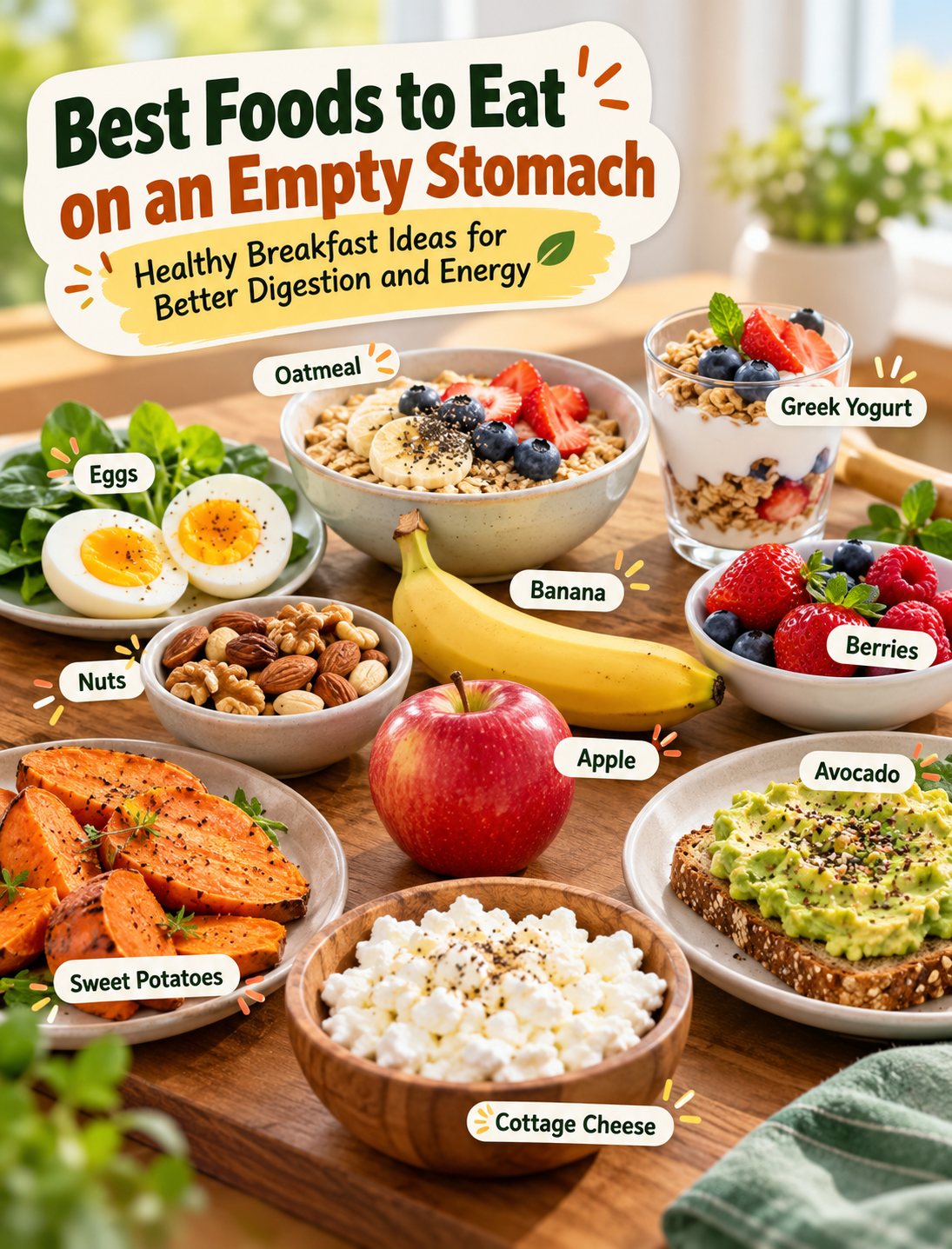
10 Best Foods to Eat on an Empty Stomach for Better Health

Best foods to eat on an empty stomach, including oatmeal, eggs, Greek yogurt, fresh berries, nuts, and avocado toast.

Discover 10 nutritious foods to enjoy in the morning, from oatmeal and eggs to Greek yogurt and berries. Learn how to build a balanced breakfast that supports digestion and everyday energy.

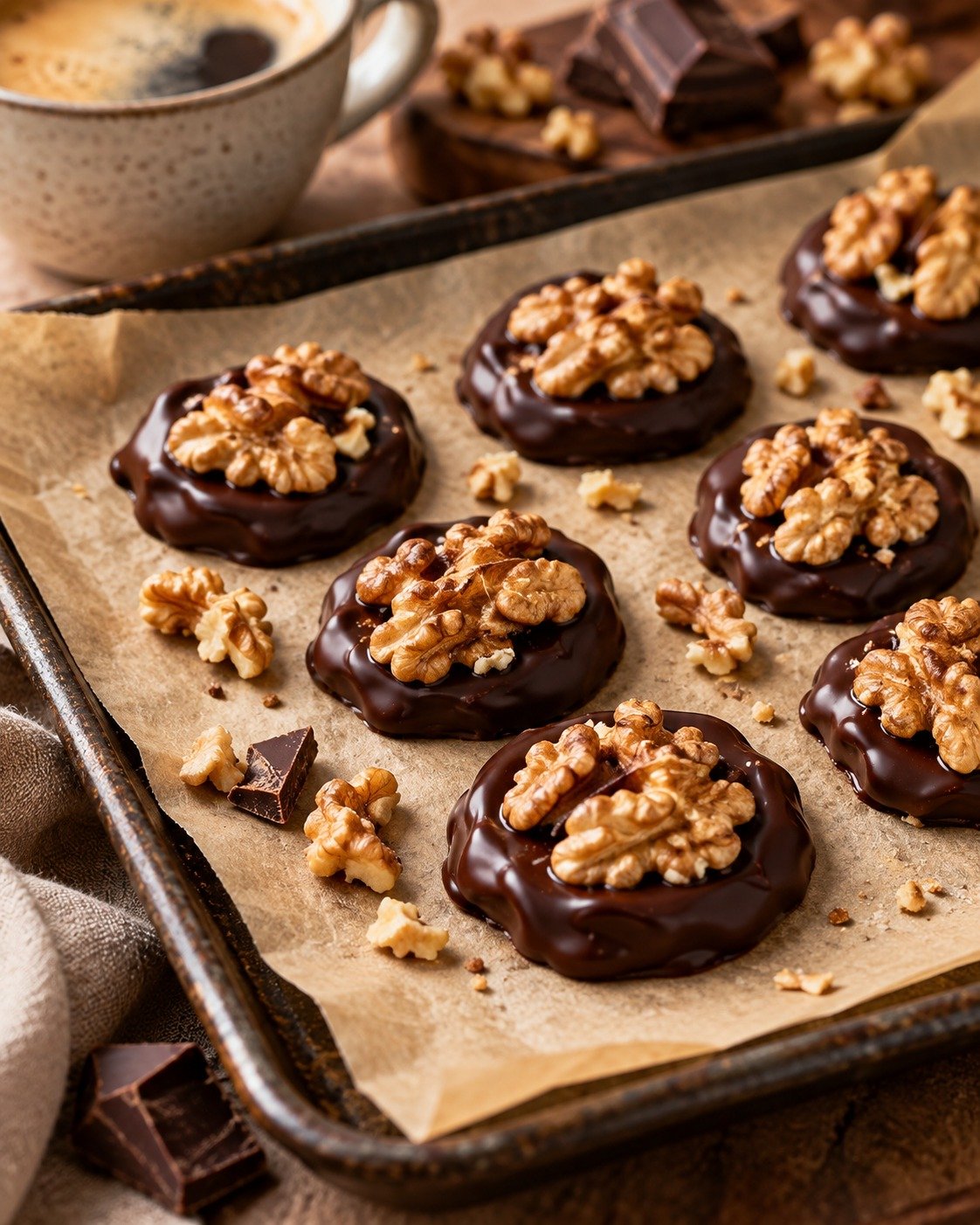
Chocolate Walnut Bites

Chocolate Walnut Bites made with dark chocolate and walnut halves

2-Ingredient Chocolate Walnut Bites – Easy No-Bake Chocolate Treat

Sometimes the simplest desserts are the most delicious. These 2-Ingredient Chocolate Walnut Bites combine rich, smooth dark chocolate with crunchy walnuts to create an irresistible homemade treat. With only two ingredients and minimal preparation, this recipe is perfect for anyone who loves chocolate but doesn’t want to spend hours in the kitchen.

Whether you’re looking for a quick afternoon snack, a sweet treat to enjoy with coffee, or an easy dessert for family gatherings, Chocolate Walnut Bites are an excellent choice.

Each bite offers the satisfying crunch of walnuts surrounded by a smooth layer of chocolate. The combination creates a wonderful balance of texture and flavor without requiring flour, eggs, butter, or complicated baking techniques.

These homemade chocolate treats are also convenient for meal preparation, special occasions, holiday dessert platters, and edible gifts.

Best of all, you can customize the sweetness by choosing your favorite dark or milk chocolate.

Why You’ll Love These Chocolate Walnut Bites

There are several reasons why this easy recipe deserves a place in your dessert collection.

Only two ingredients: You need chocolate and walnuts, making the recipe incredibly simple.

No baking required: Melt the chocolate, add walnuts, and refrigerate until firm.

Quick preparation: The active preparation takes approximately 10 minutes.

Perfect portion sizes: Individual bites make it easy to serve and share.

Rich chocolate flavor: Dark chocolate provides a deep cocoa taste that pairs beautifully with walnuts.

Ideal for entertaining: These homemade treats look elegant on dessert trays and party platters.

Easy to customize: Choose dark, semi-sweet, or milk chocolate depending on your preference.

Ingredients for Chocolate Walnut Bites

One of the best things about this recipe is its short ingredient list.

What You Need

  • 200 g (7 oz) dark chocolate, preferably 60–70% cocoa
  • 24 walnut halves

This recipe makes approximately 12 chocolate bites, with two walnut halves per piece.

Choosing the Best Chocolate

The quality of chocolate plays an important role in the finished flavor.

Dark chocolate containing 60–70% cocoa creates a rich taste with moderate sweetness.

For a more intense chocolate flavor, choose a chocolate bar with a higher cocoa percentage.

If you prefer a sweeter dessert, milk chocolate is a delicious alternative.

Chocolate bars designed for melting or baking are particularly convenient because they usually melt smoothly.

Choosing Fresh Walnuts

Walnuts add a distinctive nutty flavor and satisfying crunch.

Choose walnuts that smell fresh and have no bitter or rancid odor.

Walnut halves create an attractive topping, while smaller walnut pieces can be used if you prefer more evenly distributed crunch.

Lightly toasting the walnuts before assembling the bites can enhance their flavor.

How to Make 2-Ingredient Chocolate Walnut Bites

Follow these simple instructions to prepare beautiful homemade chocolate treats.

Step 1: Prepare Your Baking Tray

Start by lining a baking tray or large plate with parchment paper.

Make sure the surface is flat so the chocolate discs maintain an even shape while setting.

Place the tray on a stable countertop where you can easily arrange the chocolate.

Step 2: Break the Chocolate into Pieces

Break the chocolate bar into small, evenly sized pieces.

Place the chocolate pieces in a microwave-safe bowl.

Smaller pieces melt more evenly and reduce the risk of overheating.

Step 3: Melt the Chocolate

Microwave the chocolate in 20-second intervals.

After each interval, remove the bowl and stir gently.

Repeat until the chocolate is almost completely melted.

Continue stirring until any remaining pieces dissolve and the chocolate becomes smooth.

Alternatively, place the chocolate in a heatproof bowl over a saucepan of gently simmering water.

Keep the bowl above the water rather than allowing it to touch the hot liquid.

Stir until the chocolate is melted and glossy.

Avoid allowing water or steam to enter the chocolate because moisture can cause it to seize.

Step 4: Shape the Chocolate Discs

Use a tablespoon to place small portions of melted chocolate onto the prepared parchment paper.

Gently spread each portion into a round disc approximately 1½–2 inches wide.

Try to keep the discs similar in size so the finished chocolate bites look uniform.

Leave a little space between each piece to prevent them from touching.

Step 5: Add the Walnut Halves

Place two walnut halves on top of each chocolate disc.

Press them lightly into the soft chocolate.

The chocolate should surround the bottom of the walnuts while leaving their attractive textured surface visible.

Work while the chocolate is still soft to help the walnuts attach securely.

Step 6: Refrigerate Until Firm

Carefully transfer the prepared tray to the refrigerator.

Chill for approximately 20–30 minutes, or until the chocolate has completely hardened.

The exact setting time depends on the thickness of the chocolate and the temperature of your refrigerator.

Once firm, the chocolate bites should lift away easily from the parchment paper.

Step 7: Serve and Enjoy

Arrange the Chocolate Walnut Bites on a serving plate.

Serve them with coffee, tea, or as part of a homemade dessert platter.

For the best texture, allow refrigerated bites to sit at room temperature for a few minutes before serving, especially if they have become very firm.

Tips for Making Perfect Chocolate Walnut Bites

Although this recipe is simple, a few useful techniques can improve the flavor, texture, and appearance.

Use High-Quality Chocolate

Because chocolate is the main ingredient, choosing a good-quality variety makes a noticeable difference.

Look for chocolate with a smooth texture and a flavor you enjoy eating on its own.

Melt Chocolate Slowly

Overheated chocolate may become thick, grainy, or scorched.

Use short microwave intervals and stir frequently.

A gentle double boiler is another reliable method.

Toast the Walnuts for Extra Flavor

Toasting gives walnuts a deeper nutty taste.

Spread them on a baking tray and toast at 325°F (165°C) for approximately 6–8 minutes, watching carefully to prevent burning.

Allow them to cool completely before placing them on the chocolate.

Keep the Chocolate Discs Even

Use approximately the same amount of melted chocolate for each bite.

This creates a consistent appearance and makes portion sizes easier to estimate.

Use Parchment Paper

Parchment paper helps prevent the chocolate from sticking to the tray.

It also makes removing the hardened bites much easier.

Keep Your Kitchen Cool

Chocolate sets more easily in a cool environment.

If your kitchen is particularly warm, refrigerate the prepared bites promptly.

Delicious Chocolate Walnut Bite Variations

The original recipe requires only two ingredients, but you can experiment with different chocolate varieties.

Dark Chocolate Walnut Bites

Use dark chocolate containing approximately 70% cocoa for a rich and slightly bitter chocolate flavor.

This option is ideal for people who prefer desserts that are less sweet.

Milk Chocolate Walnut Bites

Replace dark chocolate with milk chocolate for a creamier, sweeter treat.

Milk chocolate pairs especially well with toasted walnuts.

Extra-Dark Chocolate Walnut Bites

Choose chocolate containing 80–85% cocoa for a stronger chocolate flavor.

Keep in mind that higher cocoa percentages usually create a less sweet result.

Chocolate Walnut Clusters

Instead of placing walnut halves on top, chop the walnuts into smaller pieces and mix them directly into the melted chocolate.

Spoon small clusters onto parchment paper and refrigerate until firm.

This version provides walnut crunch throughout each bite.

How to Store Chocolate Walnut Bites

Proper storage helps preserve the chocolate’s texture and keeps the walnuts tasting fresh.

Refrigerator Storage

Place the finished Chocolate Walnut Bites in an airtight container.

Separate layers with parchment paper to prevent sticking.

Refrigerate for up to two weeks for the best quality.

Protect the chocolate from moisture and strong food odors.

Freezer Storage

Chocolate Walnut Bites can also be frozen.

Arrange them in a freezer-safe container with parchment paper between layers.

Freeze for up to two months for optimal quality.

When ready to enjoy, thaw them in their closed container in the refrigerator to help reduce condensation.

Room Temperature Storage

If your kitchen is cool and dry, the bites can be stored in an airtight container for a shorter period.

However, warm conditions can cause chocolate to soften or melt.

Refrigeration is usually the most convenient choice in hot weather.

Are Chocolate Walnut Bites a Healthy Snack?

Chocolate Walnut Bites contain ingredients that can contribute useful nutrients to a balanced diet.

Walnuts provide unsaturated fats, some protein, fiber, and minerals.

They also contain alpha-linolenic acid, a plant-based omega-3 fatty acid.

Dark chocolate supplies naturally occurring cocoa compounds, including flavanols, although the amounts vary according to the chocolate and processing method.

However, dark chocolate also contains calories, saturated fat, and often added sugar.

These bites are best enjoyed as an occasional treat in reasonable portions rather than considered a replacement for more nutrient-dense everyday foods.

Choosing smaller portions can help you enjoy their rich flavor without consuming large amounts at once.

When to Serve Chocolate Walnut Bites

These simple treats are suitable for many occasions.

Afternoon coffee breaks: Enjoy one or two bites alongside a warm cup of coffee.

Holiday gatherings: Arrange them on a dessert platter with other homemade sweets.

Family celebrations: Prepare a batch for birthdays or casual get-togethers.

Homemade gifts: Place the finished bites in a decorative food-safe box with parchment paper.

Weekend treats: Keep a small batch in the refrigerator when you want something sweet.

Dessert boards: Serve them alongside fresh strawberries, grapes, or other fruits.

Because they require so little preparation, these treats are especially useful when you need a quick homemade dessert.

Frequently Asked Questions

Can I Make Chocolate Walnut Bites Without an Oven?

Yes. The basic recipe is completely no-bake.

Simply melt the chocolate in a microwave or double boiler, shape the discs, add walnuts, and refrigerate until firm.

Can I Use Milk Chocolate Instead of Dark Chocolate?

Absolutely.

Milk chocolate produces a sweeter, creamier version.

The preparation method remains the same.

Can I Use Chopped Walnuts?

Yes. Chopped walnuts work well.

Sprinkle them over the melted chocolate or stir them directly into the chocolate to create small clusters.

Why Is My Melted Chocolate Thick?

Chocolate can become thick if it overheats or comes into contact with water.

Melt it gently, stir frequently, and use completely dry utensils.

Do Chocolate Walnut Bites Need to Be Refrigerated?

Not always.

Well-set chocolate can remain firm at a cool room temperature, but refrigeration is helpful in warm climates and keeps the treats protected.

Can I Prepare Chocolate Walnut Bites Ahead of Time?

Yes.

These bites are an excellent make-ahead dessert.

Prepare them several days before serving and keep them in an airtight container.

Can I Use White Chocolate?

Yes, but white chocolate is sweeter and has a different flavor profile.

Use a good-quality white chocolate and melt it gently because it can scorch easily.

How Long Does the Chocolate Take to Set?

Most bites become firm after approximately 20–30 minutes in the refrigerator.

Thicker chocolate discs may require additional chilling time.

Nutritional Information

Approximate nutrition per bite, based on 12 servings using 200 g of 70% dark chocolate and 24 walnut halves.

Nutrient Approximate Amount
Calories 145 kcal
Protein 2.5 g
Carbohydrates 9 g
Total Fat 12 g
Fiber 2 g
Sugar 4.5 g
Sodium 3 mg

Nutritional values vary depending on the chocolate brand, cocoa percentage, and size of the walnut halves.

Recipe Information

Recipe Name: 2-Ingredient Chocolate Walnut Bites

Cuisine: American-Inspired

Course: Dessert, Snack

Preparation Time: 10 minutes

Cooking Time: 0 minutes

Chilling Time: 20–30 minutes

Total Time: 30–40 minutes

Yield: Approximately 12 bites

Difficulty: Easy

Cooking Method: No-Bake

Final Thoughts

These 2-Ingredient Chocolate Walnut Bites are proof that delicious homemade desserts don’t need complicated ingredients or lengthy preparation.

The combination of rich chocolate and crunchy walnuts creates a satisfying treat that looks beautiful and tastes wonderful.

Whether you prefer dark chocolate for its deeper cocoa flavor or milk chocolate for extra sweetness, this recipe is easy to adapt to your preferences.

With minimal preparation, convenient storage, and simple ingredients, Chocolate Walnut Bites are perfect for coffee breaks, family gatherings, homemade gifts, or whenever you’re craving something sweet.

Try this easy recipe the next time you want a delicious chocolate treat without spending hours in the kitchen.