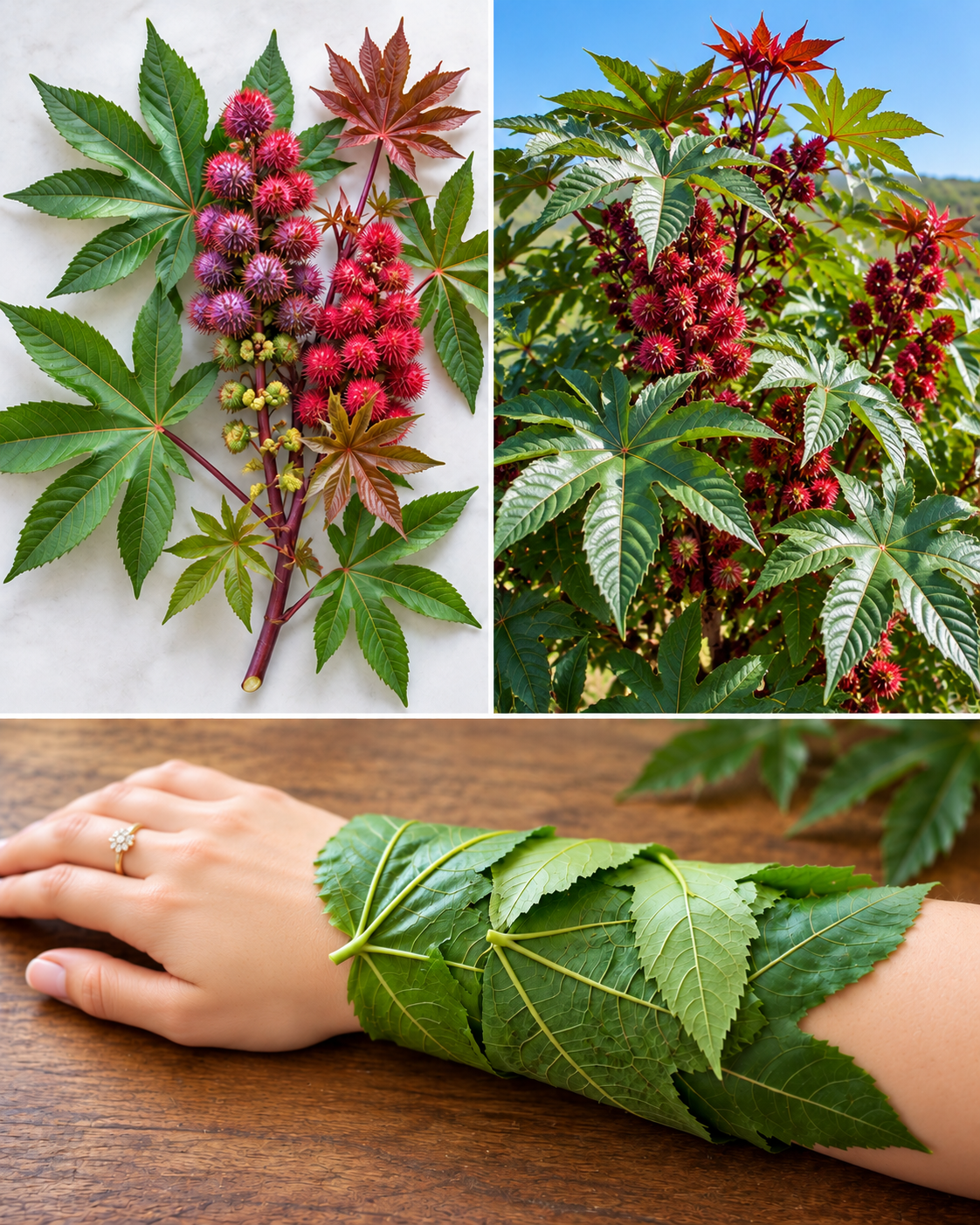
Benefits of Castor Leaves

Benefits of Castor Leaves and Traditional Uses

Benefits of Castor Leaves: Traditional Uses, Health Benefits, and Safety Precautions

Castor leaves have been used in traditional medicine for centuries, particularly in parts of Asia and Africa. These large, green leaves come from the castor plant, scientifically known as Ricinus communis. Although the plant is widely recognized for producing castor oil, its leaves have also attracted attention because of their natural compounds and possible medicinal properties.

The benefits of castor leaves are often associated with traditional remedies for inflammation, joint discomfort, skin problems, and muscle pain. Researchers have also investigated their antioxidant, antibacterial, and anti-inflammatory activities.

However, it is important to understand that many of these benefits are based on traditional knowledge or preliminary scientific studies. There is still limited clinical evidence confirming their effectiveness and safety in humans.

In this article, we explore the potential health benefits of castor leaves, their traditional uses, the compounds they contain, and the safety precautions everyone should know.

What Are Castor Leaves?

Castor leaves grow on the Ricinus communis plant, which belongs to the Euphorbiaceae family. The plant thrives in tropical and subtropical climates and is commonly found in countries such as India, Pakistan, and parts of Africa.

Its leaves are easily recognizable because of their broad, palm-like shape, pointed lobes, and prominent veins.

Depending on the plant variety, castor leaves may appear bright green, dark green, or reddish-purple.

In traditional medicine, these leaves have been used in various external preparations. Scientists are now studying their chemical composition to understand why they have attracted medicinal interest.

Castor leaves contain several natural plant compounds, including:

  • Flavonoids

  • Phenolic compounds

  • Tannins

  • Alkaloids

  • Terpenoids

  • Other naturally occurring phytochemicals

Some of these compounds demonstrate biological activity in laboratory experiments. However, their presence does not mean that consuming or applying raw castor leaves is safe or effective.

PubMed

Potential Health Benefits of Castor Leaves

May Have Anti-Inflammatory Properties

One of the most frequently discussed benefits of castor leaves is their potential anti-inflammatory activity.

Inflammation is a natural defense mechanism that helps the body respond to injury, infection, and tissue damage.

However, excessive or prolonged inflammation can contribute to discomfort and various health conditions.

Castor leaves contain plant compounds that researchers have studied for their effects on inflammatory processes.

Laboratory and animal studies have reported anti-inflammatory activity in certain castor leaf extracts.

For example, researchers have investigated whether extracts influence inflammatory substances produced by cells.

These findings suggest that castor leaves may contain compounds worth exploring for future medical research.

Nevertheless, there is not enough clinical evidence to recommend castor leaves as a treatment for arthritis, swelling, or inflammatory disorders.

PMC
+1

Contain Natural Antioxidant Compounds

Another potential benefit of castor leaves is their antioxidant activity.

Antioxidants help neutralize free radicals, which are unstable molecules capable of damaging cells.

Oxidative stress occurs when free radical activity exceeds the body’s antioxidant defenses.

Castor leaves contain flavonoids and phenolic compounds that have demonstrated antioxidant properties in laboratory studies.

A 2014 study investigated different castor leaf extracts and found measurable free-radical-scavenging activity.

A separate 2026 laboratory study also reported antioxidant effects in extracts prepared from castor leaves.

Although these results are scientifically interesting, they do not prove that consuming castor leaves provides antioxidant health benefits.

More research is needed to determine whether these compounds can be developed into safe and effective products.

PMC
+1

Traditionally Used for Joint and Muscle Discomfort

Castor leaves have a long history of use in traditional practices for joint stiffness, muscle soreness, and general body discomfort.

In certain traditional healing systems, people have applied warmed leaves externally to painful areas.

These practices were often intended to provide comfort and relief from localized discomfort.

Some of this traditional interest may be connected to the plant’s experimentally observed anti-inflammatory properties.

However, scientific research has not established that placing raw castor leaves on joints can reliably reduce arthritis symptoms or muscle pain.

Furthermore, applying plant material to the skin may cause irritation or allergic reactions.

Individuals with persistent joint pain should seek medical advice to identify the underlying cause rather than relying on unproven home remedies.

May Have Antibacterial Properties

Scientists have also investigated castor leaves for possible antibacterial activity.

Bacteria are microorganisms that can cause infections when they enter the body or multiply in vulnerable tissues.

Some plants contain natural compounds capable of slowing bacterial growth under laboratory conditions.

Research involving castor leaf extracts has reported antibacterial effects against selected microorganisms.

A 2026 laboratory study found activity against certain bacteria, including Staphylococcus aureus and Pseudomonas aeruginosa.

These findings suggest that compounds found in castor leaves may deserve further study.

However, laboratory antibacterial activity does not mean that castor leaves can treat infections in humans.

Castor leaf extracts should not replace prescribed antibiotics, wound care, or other appropriate medical treatments.

DOI

Have a History of Use in Traditional Skin Care

Castor leaves have traditionally been associated with preparations intended for certain skin complaints.

Historical uses include external applications for sores, boils, and other localized skin concerns.

Researchers have studied castor leaf extracts to investigate their chemical properties and effects on skin-related cells.

Some studies have examined antioxidant activity, inflammation, and cellular toxicity.

These investigations offer useful information for scientific research, but they do not establish the safety of homemade castor leaf treatments.

In particular, raw leaves and untested extracts should not be applied to open wounds, burns, or infected areas.

Doing so may introduce contamination, worsen irritation, or delay appropriate treatment.

For healthy skin, established skincare products with tested ingredients are generally a more reliable choice.

May Have Potential for Future Wound-Healing Research

Wound healing involves several biological processes, including inflammation control, tissue repair, and protection against infection.

Because castor leaves contain plant compounds with interesting laboratory properties, researchers have investigated their potential relevance to wound care.

A review of the Ricinus communis plant describes traditional wound-related uses and various experimental biological activities.

However, the evidence is not strong enough to conclude that castor leaves accelerate wound healing in people.

Safe and effective wound treatment requires proper cleaning, appropriate dressings, and medical assessment when necessary.

Castor leaves should not be used as an alternative to professional wound care.

PubMed

What Does Scientific Research Say About Castor Leaves?

The benefits of castor leaves have been investigated in several scientific studies, but much of the available research is preliminary.

Researchers have mainly focused on:

  • Identifying active plant compounds.

  • Measuring antioxidant activity in laboratories.

  • Investigating anti-inflammatory effects in cells and animals.

  • Testing antibacterial activity against selected microorganisms.

  • Evaluating the toxicity of different plant extracts.

A review published in 2026 concluded that Ricinus communis has promising biological properties, but well-controlled human clinical trials remain limited.

This is an important distinction because laboratory experiments often use concentrated extracts prepared under controlled conditions.

The results cannot automatically be applied to raw leaves, homemade teas, or traditional preparations.

Different extraction methods may produce products with very different chemical compositions and safety profiles.

More human research is necessary before castor leaves can be recommended for treating medical conditions.

PMC

Are Castor Leaves Safe to Use?

Although castor leaves have a history of traditional use, they should not automatically be considered safe.

The castor plant contains several biologically active substances, and their concentrations can vary depending on the plant part and growing conditions.

Some compounds may cause irritation or toxicity.

Important Safety Precautions

  • Avoid eating raw castor leaves.

  • Do not prepare homemade castor leaf tea for medicinal purposes.

  • Avoid using untested extracts on damaged or sensitive skin.

  • Keep the castor plant away from young children and pets.

  • Pregnant and breastfeeding individuals should avoid medicinal use without professional medical guidance.

  • Never substitute castor leaves for prescribed medicines.

The seeds of the castor plant are particularly dangerous because they contain ricin, a highly poisonous protein.

The CDC warns that chewing and swallowing castor seeds can release ricin and cause serious poisoning.

CDC

Although the leaves and seeds have different chemical compositions, this risk highlights why castor plants should be handled carefully.

Castor Leaves vs. Castor Oil: Understanding the Difference

Many people confuse the traditional benefits of castor leaves with the properties of castor oil.

However, they are not the same.

Castor leaves are the foliage of the plant, while castor oil is commercially extracted and processed from its seeds.

Castor oil contains ricinoleic acid and is commonly used in cosmetic products. Pharmaceutical-grade castor oil also has recognized laxative uses.

Castor leaves, on the other hand, are mainly being investigated for their phytochemical composition and potential biological activities.

Castor Leaves Castor Oil
Come from the foliage Produced from the seeds
Contain flavonoids and phenolic compounds Rich in ricinoleic acid
Used traditionally for external applications Used in cosmetics and certain medicines
Clinical benefits remain unproven Has some established applications
Homemade medicinal preparations are not recommended Use only products intended for the specific purpose

Understanding these differences helps prevent misunderstandings about the plant’s medicinal applications.

Frequently Asked Questions About Castor Leaves

What are the main benefits of castor leaves?

Castor leaves contain natural compounds with antioxidant, anti-inflammatory, and antibacterial activity in certain laboratory studies. However, their medical benefits have not been established through sufficient human clinical research.

Can castor leaves help relieve joint pain?

Castor leaves have traditionally been used for joint discomfort, but there is not enough scientific evidence to confirm that applying them relieves arthritis or other joint conditions.

Are castor leaves good for skin?

Castor leaves contain compounds of interest to skincare research. However, homemade castor leaf applications have not been proven safe or effective for treating skin problems.

Can castor leaves help with inflammation?

Some laboratory and animal studies suggest anti-inflammatory potential. More research is needed before these findings can be translated into safe medical treatments for humans.

Is it safe to drink castor leaf tea?

There is insufficient safety evidence to recommend drinking castor leaf tea. Homemade preparations may expose people to potentially harmful plant compounds.

Can castor leaves be used on open wounds?

Raw castor leaves should not be applied to open wounds because their safety and effectiveness have not been established.

Are castor leaves and castor seeds the same?

No. Castor leaves are the foliage, while castor seeds contain oil and the dangerous toxin ricin. The seeds must never be eaten.

Conclusion

The benefits of castor leaves have attracted attention in traditional medicine and modern scientific research. These leaves contain natural plant compounds that have shown antioxidant, anti-inflammatory, and antibacterial activity in laboratory investigations.

Traditional uses include applications for joint discomfort, muscle soreness, and certain skin concerns. However, these historical practices should not be confused with medically proven treatments.

Although scientific findings suggest that castor leaves may contain valuable bioactive substances, further studies are necessary to establish their effectiveness, appropriate formulations, and safety in humans.

Anyone interested in natural wellness should remember that plants can contain both beneficial and harmful compounds.

For this reason, castor leaves should be viewed as a subject of ongoing scientific research rather than a proven home remedy.
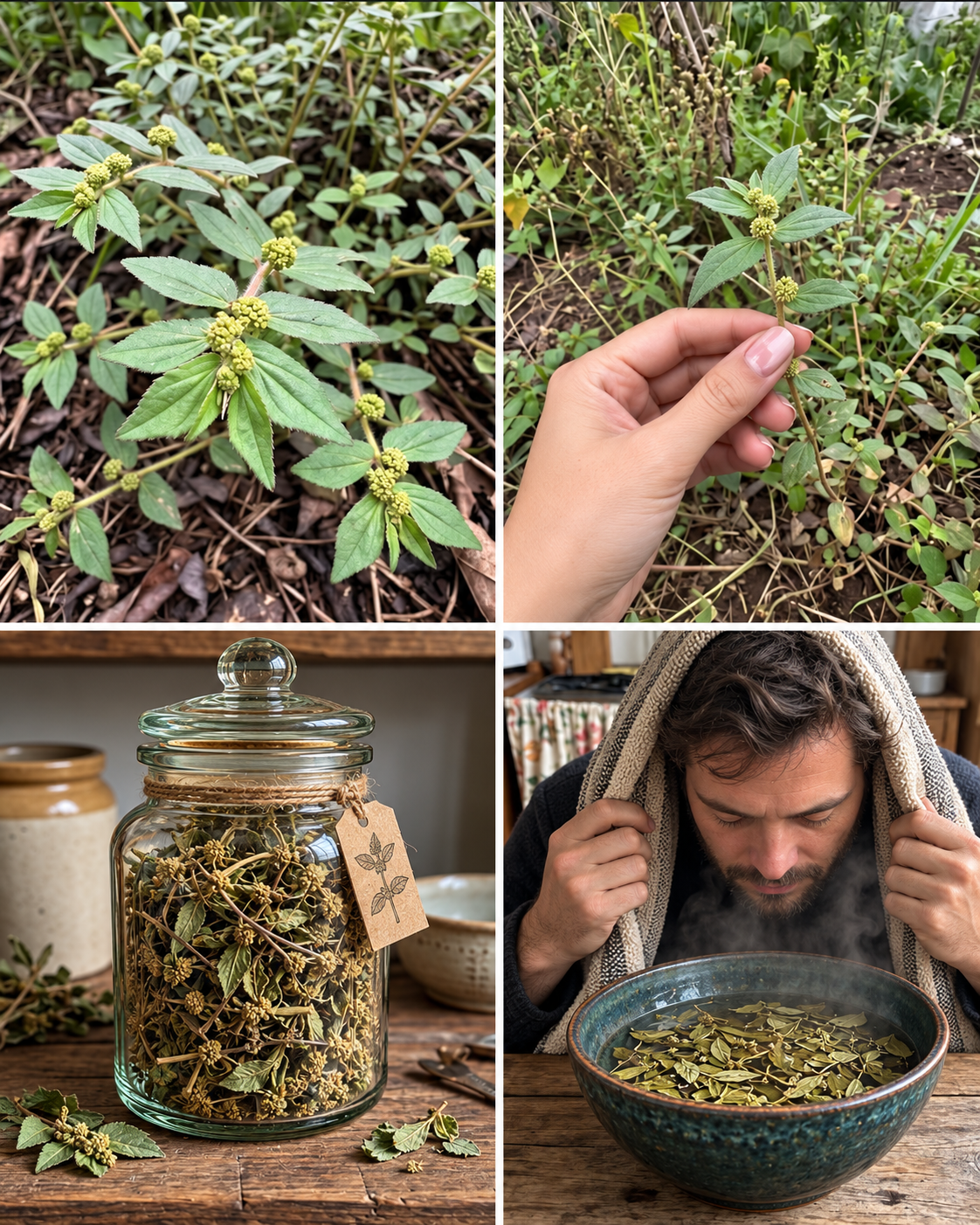

Asthma Plant Tea

Euphorbia Hirta Benefits and Uses – Green asthma plant with small leaves and flowers

9 Euphorbia Hirta Benefits and Uses: Asthma Plant Tea, Research, and Safety

Euphorbia hirta, commonly known as the asthma plant, asthma weed, or snakeweed, is a small medicinal herb traditionally used in different parts of Asia, Africa, and other tropical regions. For generations, people have prepared herbal remedies from this plant for respiratory discomfort, digestive problems, and various skin concerns.

Today, interest in Euphorbia Hirta Benefits continues to grow as more people explore traditional medicinal plants and herbal wellness practices.

However, traditional popularity does not necessarily mean a remedy has been scientifically proven to work. Although laboratory and animal studies have identified interesting biological properties, reliable human clinical evidence remains limited.

In this guide, we explore nine potential benefits and traditional uses of Euphorbia hirta, its active plant compounds, asthma plant tea, possible side effects, and important safety precautions.

Medical disclaimer: This article is for educational purposes only. Euphorbia hirta is not an approved treatment for asthma or other medical conditions. Consult a qualified healthcare professional before considering medicinal use. Never replace prescribed asthma medication with herbal tea.

What Is Euphorbia Hirta?

Euphorbia hirta is a flowering herb belonging to the Euphorbiaceae family. It typically grows in warm tropical and subtropical environments, including roadsides, gardens, grasslands, and disturbed soil.

The plant is relatively small and often spreads close to the ground. Its stems may appear reddish or purplish and are covered with fine hairs. Its small green leaves grow in opposite pairs, often with slightly toothed edges.

Some leaves have darker markings near the center. The plant also produces tiny clustered flowers and releases a milky latex when damaged.

Other common names include:

  • Asthma plant
  • Asthma weed
  • Snakeweed
  • Queensland asthma weed
  • Garden spurge

Despite its common name, the asthma plant should not be confused with a medically established asthma treatment.

1. Traditional Respiratory Support

One of the best-known Euphorbia Hirta Benefits discussed in traditional medicine is its historical use for respiratory complaints.

Herbal practitioners have used the plant for conditions such as cough, bronchitis, and breathing discomfort.

Some experimental research has investigated whether compounds in Euphorbia hirta influence inflammation and allergic responses associated with respiratory symptoms.

Nevertheless, these findings do not establish that drinking asthma plant tea improves breathing or controls asthma in humans.

Asthma is a chronic inflammatory airway disease that can cause wheezing, coughing, chest tightness, and shortness of breath.

People with asthma should follow their prescribed treatment plans and use their inhalers as directed.

Important: During an asthma attack, do not rely on herbal remedies. Follow your asthma action plan and seek urgent medical care if breathing is difficult or symptoms are worsening.

2. Potential Anti-Inflammatory Properties

Another area of interest in Euphorbia Hirta Benefits involves the plant’s potential anti-inflammatory activity.

Inflammation is part of the body’s natural defense system. However, persistent or excessive inflammation can contribute to various health problems.

Researchers have identified plant compounds that may influence inflammatory pathways under experimental conditions.

These findings have encouraged further investigations into Euphorbia hirta extracts.

However, most results come from laboratory experiments or animal models.

There is currently insufficient high-quality human evidence to recommend Euphorbia hirta tea as a treatment for inflammatory diseases.

3. Natural Antioxidant Compounds

Euphorbia hirta contains phytochemicals such as flavonoids, polyphenols, and tannins.

These compounds are commonly investigated for their antioxidant properties.

Antioxidants can interact with unstable molecules known as free radicals under laboratory conditions.

Several studies have examined antioxidant activity in extracts prepared from Euphorbia hirta.

Although these findings are scientifically interesting, antioxidant activity observed in a laboratory does not automatically mean that drinking the tea provides measurable health benefits.

The concentration of plant compounds may also vary depending on growing conditions, plant parts, preparation methods, and extraction techniques.

Therefore, more human studies are needed before specific antioxidant health claims can be established.

4. Traditional Digestive Uses

Traditional herbal medicine has also associated Euphorbia Hirta Benefits with digestive health.

Historical uses include remedies for diarrhea, dysentery, abdominal discomfort, and certain intestinal complaints.

Researchers have examined possible antidiarrheal properties of Euphorbia hirta in experimental studies.

However, these findings do not prove that homemade tea is safe or effective for treating gastrointestinal illness.

Digestive symptoms can occur for many reasons, including food poisoning, infections, medication side effects, and underlying medical conditions.

Anyone experiencing severe diarrhea, bloody stools, persistent abdominal pain, or dehydration should seek medical care rather than relying on an unproven herbal remedy.

For ordinary diarrhea, appropriate hydration and oral rehydration solutions are important supportive measures.

5. Possible Antimicrobial Activity

Another subject of research is the antimicrobial activity of Euphorbia hirta.

Some laboratory studies suggest that extracts of the plant may inhibit the growth of certain microorganisms under controlled experimental conditions.

Scientists are interested in whether natural plant compounds might eventually contribute to the development of useful medicinal products.

However, laboratory antimicrobial activity is not the same as successfully treating an infection in a human patient.

There is no sufficient clinical evidence supporting Euphorbia hirta tea as a replacement for antibiotics, antifungal medicines, or other prescribed infection treatments.

Infections should be evaluated and treated according to their cause and severity.

6. Traditional Skin and Wound Uses

In some traditional medicine systems, Euphorbia hirta preparations have been applied externally for minor skin concerns.

Historical uses include poultices for swelling, boils, and other skin complaints.

Researchers have also explored the biological activity of extracts in relation to inflammation and wound healing.

Despite this historical interest, applying freshly crushed Euphorbia hirta directly to the skin is not recommended.

Plants in the Euphorbia family can produce irritating latex. Contact may cause skin discomfort, especially in sensitive individuals.

The latex should never be placed in the eyes, on broken skin, or inside an open wound.

For wounds and skin infections, use appropriate first-aid measures and seek professional treatment when needed.

7. Potential Effects on Allergic Responses

Some experimental studies have investigated the potential antiallergic activity of Euphorbia hirta.

This interest partly relates to the plant’s historical use for respiratory discomfort.

In animal and laboratory models, researchers have explored possible effects on processes involved in allergic responses.

However, these studies do not demonstrate that asthma plant tea can prevent allergic reactions, relieve hay fever, or treat allergic asthma in people.

Allergies vary widely in severity and may require specific medications or emergency treatment.

For example, severe allergic reactions can develop rapidly and require immediate medical attention.

Euphorbia hirta should not replace antihistamines, prescribed inhalers, or emergency allergy medication.

8. Traditional Use for Intestinal Parasites

Historically, Euphorbia hirta has also been included in traditional herbal preparations for intestinal parasites.

This use appears in reviews discussing the plant’s ethnomedicinal history.

Researchers have explored various biological properties of the plant, but reliable human evidence supporting its use against intestinal parasites is insufficient.

Different parasites require different diagnostic tests and treatment approaches.

Using an unverified herbal preparation could delay effective treatment.

Anyone who suspects an intestinal parasitic infection should consult a healthcare professional for appropriate evaluation.

9. Potential for Future Herbal Research

Perhaps the most scientifically meaningful aspect of Euphorbia Hirta Benefits is the plant’s potential as a source of compounds for future research.

Euphorbia hirta contains multiple naturally occurring chemicals that researchers continue to study.

These include:

  • Flavonoids
  • Tannins
  • Polyphenols
  • Phytosterols
  • Triterpenes
  • Other plant secondary metabolites

Scientists investigate these compounds to understand how they behave in laboratory models and whether any could eventually contribute to new medicinal discoveries.

However, identifying potentially useful compounds does not mean that consuming the whole plant will produce the same effects.

Further research is needed to determine effectiveness, toxicity, dosage, interactions, and long-term safety.

Euphorbia Hirta Tea: Traditional Preparation and What to Know

Asthma plant tea is one of the traditional preparations associated with Euphorbia hirta.

In traditional practices, dried or fresh plant material has sometimes been steeped or boiled in water to prepare an herbal infusion or decoction.

Different communities have used different plant parts and preparation methods.

However, there is no well-established, clinically validated tea recipe or safe daily dosage for Euphorbia hirta.

For this reason, this article does not recommend a specific quantity of leaves, boiling duration, or drinking schedule.

It is also important to understand that boiling plant material does not automatically eliminate potentially harmful compounds.

Anyone considering Euphorbia hirta tea should first consult a healthcare professional familiar with herbal medicine and their personal medical history.

Can You Drink Asthma Plant Tea Every Day?

Daily use is not recommended without medical guidance.

There is insufficient reliable human research establishing the long-term safety of regular Euphorbia hirta tea consumption.

Repeated exposure to plant compounds may carry risks that have not yet been fully investigated.

Is Euphorbia Hirta Tea Safe for Asthma?

Euphorbia hirta has a history of traditional respiratory use, but its effectiveness and safety as an asthma treatment have not been established through adequate clinical trials.

It should never replace a prescribed reliever or controller inhaler.

Euphorbia Hirta Side Effects and Precautions

Although Euphorbia hirta is a natural plant, natural substances are not always harmless.

Important safety considerations include:

Possible Skin Irritation

The milky latex associated with Euphorbia plants may irritate the skin or eyes.

Avoid direct contact with the eyes and broken skin.

Uncertain Oral Safety

The safety of homemade teas, concentrated extracts, and high doses has not been adequately established in humans.

Pregnancy and Breastfeeding

Pregnant and breastfeeding individuals should avoid medicinal use unless a qualified healthcare professional specifically advises otherwise, because reliable safety evidence is lacking.

Children

Euphorbia hirta herbal remedies should not be given to children without appropriate professional medical advice.

Medication Interactions

Potential interactions with prescription medicines have not been adequately studied.

People taking regular medication, particularly for chronic health conditions, should consult a pharmacist or doctor before using herbal preparations.

Risk of Incorrect Plant Identification

Plants can look similar, and incorrect identification may expose someone to unintended or harmful species.

Never prepare homemade herbal medicine from a wild plant based solely on photographs or common names.

What Does Scientific Research Say About Euphorbia Hirta?

Scientific interest in Euphorbia hirta has increased because of its diverse phytochemical composition and long history of traditional use.

Published reviews discuss experimental antioxidant, anti-inflammatory, antimicrobial, and other pharmacological activities.

However, much of the available research involves isolated compounds, concentrated extracts, laboratory testing, or animal studies.

These studies help researchers identify promising directions, but they cannot reliably establish clinical effectiveness in humans.

Well-designed human clinical trials are still needed to determine whether the plant offers specific health benefits, what doses might be effective, and whether regular consumption is safe.

The distinction between traditional use and clinically proven treatment is especially important for asthma, where delayed or inadequate treatment can become life-threatening.

Frequently Asked Questions About Euphorbia Hirta

1. What is Euphorbia hirta commonly called?

Euphorbia hirta is commonly called asthma plant, asthma weed, snakeweed, or Queensland asthma weed.

2. Can Euphorbia hirta cure asthma?

No scientific evidence establishes Euphorbia hirta as a cure for asthma. Asthma is a chronic condition that requires appropriate medical management.

3. What are the main traditional uses of Euphorbia hirta?

Traditional uses include remedies for respiratory complaints, digestive disturbances, certain skin problems, and intestinal parasites. These uses are not proof of medical effectiveness.

4. Is Euphorbia hirta good for coughs?

The plant has historically been used for coughs, but adequate human clinical evidence demonstrating a reliable benefit is lacking.

5. Is asthma plant tea safe to drink?

Its safety has not been adequately established through clinical research. Consult a qualified healthcare professional rather than using it as a self-prescribed treatment.

6. Does Euphorbia hirta contain antioxidants?

Yes. Researchers have identified antioxidant-related plant compounds in Euphorbia hirta. However, this does not establish that drinking the plant as tea improves human health.

7. Can Euphorbia hirta help with digestion?

The plant has traditional digestive uses, but clinical evidence is insufficient to recommend it for diarrhea or other digestive conditions.

8. Can pregnant women drink Euphorbia hirta tea?

Medicinal use should be avoided during pregnancy unless specifically advised by a qualified healthcare professional. Reliable pregnancy safety data are lacking.

9. Can Euphorbia hirta be applied directly to the skin?

Direct application is not recommended because the plant’s latex may cause irritation, and the safety of homemade topical preparations has not been established.

10. Where does Euphorbia hirta grow?

Euphorbia hirta commonly grows in tropical and subtropical regions, including parts of Asia, Africa, and other warm environments.

Final Thoughts

Euphorbia hirta is a fascinating medicinal plant with a long history of traditional use. Its association with respiratory support, digestive remedies, and other herbal practices has attracted scientific attention.

Researchers have identified several active plant compounds and promising experimental properties. However, most proposed Euphorbia Hirta Benefits are not yet supported by strong human clinical evidence.

The plant should therefore be approached as an interesting subject of traditional medicine and scientific research, not as a proven cure.

For anyone managing asthma or another chronic condition, evidence-based treatment, professional healthcare guidance, and appropriate safety precautions remain essential.

Ground Beef and Zucchini Skillet

  1. Ground Beef and Zucchini Skillet
Ingredients
– 1 pound ground beef
– 2 medium zucchini, diced
– 1 small onion, chopped
– 3 garlic cloves, minced
– 1 cup cherry tomatoes, halved
– 1 tablespoon olive oil
– 1 teaspoon Italian seasoning
– ½ teaspoon paprika
– ½ teaspoon salt, or to taste
– ¼ teaspoon black pepper
– ½ cup shredded mozzarella cheese (optional)
– 2 tablespoons fresh parsley, chopped
Instructions
1. Brown the beef: Heat olive oil in a large skillet over medium-high heat. Add the ground beef and cook for 5–7 minutes, breaking it apart with a wooden spoon until browned and thoroughly cooked. Drain excess fat if necessary.
2. Add the aromatics: Stir in the chopped onion and cook for 2–3 minutes until softened. Add the minced garlic and cook for another 30 seconds until fragrant.
3. Cook the zucchini: Add the diced zucchini and cherry tomatoes. Sprinkle in Italian seasoning, paprika, salt, and black pepper. Stir well to coat everything evenly.
4. Simmer: Cook for 6–8 minutes, stirring occasionally, until the zucchini is tender but still holds its shape and the tomatoes begin releasing their juices. Avoid overcooking to prevent watery vegetables.
5. Add cheese: Sprinkle mozzarella over the mixture, cover the skillet, and cook for 1–2 minutes until the cheese melts.
6. Garnish and serve: Finish with fresh parsley and serve warm on its own or alongside cauliflower rice, regular rice, or a fresh green salad.

Chicken & Black Bean Zucchini Enchilada Roll-Ups

Chicken & Black Bean Zucchini Enchilada Roll-Ups

Recipe Description

Chicken & Black Bean Zucchini Enchilada Roll-Ups are a delicious, lighter twist on traditional enchiladas. Instead of tortillas, thin slices of fresh zucchini are filled with seasoned shredded chicken, black beans, melted cheese, and flavorful enchilada sauce. The roll-ups are arranged in a baking dish, covered with more sauce and cheese, and baked until tender, bubbly, and golden.

This recipe combines the comforting flavors of Mexican-inspired enchiladas with fresh vegetables and protein-rich ingredients. The chicken provides satisfying protein, while black beans contribute fiber and a hearty texture. Zucchini keeps the dish fresh and tender without the need for traditional flour tortillas.

Every bite delivers smoky spices, savory chicken, creamy melted cheese, and tangy enchilada sauce. The zucchini slices soften beautifully in the oven, wrapping around the filling to create individual rolls that look impressive when served.

These enchilada roll-ups are ideal for weeknight dinners, family meals, meal preparation, or anyone looking for a creative way to enjoy zucchini. You can customize the spice level, choose your favorite cheese, and add vegetables or fresh herbs to suit your taste.

Recipe at a glance

  • Prep time: 25 minutes

  • Cook time: 30–35 minutes

  • Total time: Approximately 60 minutes

  • Servings: 4

  • Cuisine: Mexican-inspired

  • Course: Dinner, lunch, or meal prep

  • Difficulty: Moderate

  • Cooking method: Oven-baked

Ingredients

For the Zucchini Roll-Ups

  • 3 medium zucchini

  • 2 cups cooked, shredded chicken breast

  • 1 cup canned black beans, drained and rinsed

  • 1 cup shredded Monterey Jack cheese

  • 1/2 cup shredded cheddar cheese

  • 1/2 cup finely diced red bell pepper

  • 1/4 cup finely chopped red onion

  • 2 tablespoons chopped fresh cilantro

  • 1 tablespoon olive oil

  • 1 teaspoon ground cumin

  • 1 teaspoon chili powder

  • 1/2 teaspoon smoked paprika

  • 1/2 teaspoon garlic powder

  • 1/4 teaspoon dried oregano

  • 1/4 teaspoon black pepper

  • Salt to taste

For the Enchilada Sauce

  • 1 1/2 cups red enchilada sauce

  • 1 teaspoon olive oil

  • 1/2 teaspoon ground cumin

  • 1/4 teaspoon smoked paprika

  • 1 small garlic clove, minced

You may use your favorite prepared enchilada sauce to save time.

For the Topping

  • 1/2 cup shredded Monterey Jack or cheddar cheese

  • 2 tablespoons chopped fresh cilantro

  • 2 tablespoons sliced green onions

  • 2 tablespoons sour cream, optional

  • Lime wedges, for serving

Step-by-Step Instructions

Step 1: Prepare the Oven and Baking Dish

Preheat your oven to 375°F (190°C). Lightly grease a medium baking dish with olive oil or cooking spray.

Choose a dish large enough to hold the zucchini roll-ups in a single layer. Keeping the rolls close together helps them maintain their shape during baking.

Pour approximately half a cup of enchilada sauce into the bottom of the baking dish. Spread it evenly with the back of a spoon. This creates a flavorful base and helps prevent the zucchini from sticking.

Set the prepared dish aside while you prepare the filling.

Step 2: Slice the Zucchini

Wash the zucchini thoroughly and pat them dry with a clean kitchen towel. Trim off both ends.

Using a mandoline slicer or a sharp vegetable peeler, cut each zucchini lengthwise into thin, wide strips, approximately 1/8 inch thick.

You will need about 18–24 usable strips, depending on the size of your zucchini. Try to keep the slices relatively even so they soften at the same rate.

Avoid cutting them too thick because thick slices may be difficult to roll. Extremely thin slices can tear when filled, so handle them gently.

Arrange the zucchini strips on paper towels and sprinkle them lightly with salt. Let them sit for 10 minutes to release excess moisture.

Afterward, gently pat both sides dry. This step is important because zucchini naturally contains a lot of water, which can make the finished dish watery.

Step 3: Prepare the Chicken Filling

Place a large skillet over medium heat and add one tablespoon of olive oil.

Add the finely chopped red onion and diced red bell pepper. Cook for approximately 3–4 minutes, stirring occasionally, until the vegetables soften.

Add the ground cumin, chili powder, smoked paprika, garlic powder, dried oregano, and black pepper. Stir for about 30 seconds to release the aroma of the spices.

Add the shredded cooked chicken and rinsed black beans. Mix everything thoroughly so the chicken and beans are coated in the seasoning.

Pour in approximately 1/4 cup of enchilada sauce and stir again. The filling should be moist and flavorful without being excessively wet.

Remove the skillet from the heat. Fold in half a cup of Monterey Jack cheese and two tablespoons of chopped cilantro.

Taste the mixture and add salt as needed. Allow the filling to cool slightly before assembling the rolls.

Helpful tip: Rotisserie chicken works especially well for this recipe. You can also use leftover roasted chicken or freshly cooked chicken breast.

Step 4: Prepare the Enchilada Sauce

If using prepared enchilada sauce, you can use it directly. For extra flavor, warm it briefly in a small saucepan.

Heat one teaspoon of olive oil over low heat. Add the minced garlic and cook for approximately 30 seconds, taking care not to burn it.

Stir in the enchilada sauce, ground cumin, and smoked paprika. Simmer gently for 2–3 minutes.

Remove from the heat.

This quick step adds depth to the sauce and helps the spices blend into the tomato-based flavor. If your prepared sauce is already strongly seasoned, adjust the additional spices to taste.

Step 5: Assemble the Zucchini Roll-Ups

Place one zucchini strip on a clean cutting board or flat surface.

Spoon approximately one tablespoon of chicken and black bean filling onto one end of the strip. Spread the filling gently along the strip, leaving a little space around the edges.

Starting at the filled end, roll the zucchini carefully into a compact spiral.

Place the roll seam-side down in the prepared baking dish.

Repeat with the remaining zucchini strips and filling. Arrange the rolls snugly beside one another without pressing them too tightly.

If a strip is too short, overlap two strips slightly before adding the filling. This can help create a larger roll that holds together more easily.

You may have some filling left over depending on the size of your zucchini. Distribute any remaining filling between the rolls or spoon it into open spaces in the baking dish.

Step 6: Add the Sauce and Cheese

Pour the remaining enchilada sauce over and around the zucchini roll-ups.

Use a spoon to distribute the sauce evenly. A little sauce on top adds flavor, while leaving some zucchini visible allows the edges to soften and lightly roast.

Sprinkle the remaining Monterey Jack and cheddar cheese over the dish.

For extra flavor, add a small pinch of smoked paprika over the cheese.

Avoid adding too much liquid. The zucchini will release moisture during baking, and excess sauce can make the final dish watery.

Step 7: Bake Until Tender and Bubbly

Place the baking dish in the preheated oven and bake uncovered for 25–30 minutes.

Check the zucchini with a fork. It should be tender enough to cut easily but firm enough to hold the roll shape.

The cheese should be melted, the sauce should bubble around the edges, and the chicken filling should be hot throughout.

If you prefer a more golden cheese topping, switch the oven to broil for 1–2 minutes at the end. Watch closely because cheese can brown quickly.

For food safety, ensure the filling reaches 165°F (74°C), particularly if you are using leftover cooked chicken that has been refrigerated.

Remove the baking dish from the oven and let it rest for approximately 5 minutes. This helps the sauce settle and makes the rolls easier to serve.

Step 8: Garnish and Serve

Sprinkle the finished roll-ups with fresh cilantro and sliced green onions.

Add a small drizzle of sour cream if desired, and serve with fresh lime wedges for a bright, citrusy finish.

These roll-ups pair beautifully with Mexican-style cauliflower rice, a simple green salad, roasted vegetables, or a small portion of brown rice.

Serve them warm while the cheese is still melted and the sauce is bubbling.

Recipe Notes

Choosing zucchini: Medium zucchini are generally easiest to slice and roll. Very large zucchini may contain more seeds and moisture, while very small ones may produce narrow strips.

Chicken preparation: Use fully cooked, shredded chicken. If cooking chicken specifically for this recipe, season it lightly and cook it thoroughly before shredding.

Black beans: Drain and rinse canned beans to remove excess liquid and surface starch. This helps keep the filling from becoming too wet.

Cheese selection: Monterey Jack melts smoothly, while cheddar provides a sharper flavor. Mozzarella can also be used for a stretchy, mild topping.

Sauce consistency: A thick enchilada sauce works best because thin sauces combined with zucchini moisture can produce a watery dish.

Spice level: Use mild enchilada sauce for a family-friendly meal. Add cayenne pepper, diced jalapeños, or extra chili powder if you prefer more heat.

Expert Tips for Perfect Zucchini Roll-Ups

1. Remove excess moisture. Salting and patting the zucchini dry makes a noticeable difference in the final texture.

2. Slice evenly. Uniform strips roll more easily and cook at a similar rate.

3. Keep the filling manageable. Too much filling can cause the zucchini strips to split or unroll during baking.

4. Do not overfill the baking dish with sauce. Use enough to flavor the rolls without submerging them.

5. Let the dish rest. Five minutes of resting time helps the sauce thicken slightly and makes serving easier.

6. Use a gentle hand when rolling. Zucchini is more delicate than tortillas, so roll slowly without pulling too tightly.

7. Prepare ingredients ahead. The chicken filling and sauce can be prepared in advance, making assembly faster on busy evenings.

Variations to Try

Creamy Chicken Enchilada Roll-Ups

Mix two tablespoons of plain Greek yogurt into the cooled filling for a creamy texture. Keep the amount moderate to avoid making the filling too wet.

Spicy Southwest Roll-Ups

Add diced jalapeños, a pinch of cayenne, and a little extra chili powder. Pepper Jack cheese is another excellent choice.

Extra-Vegetable Version

Add finely chopped mushrooms, corn, or spinach to the filling. Cook moisture-rich vegetables first so they do not release excessive water during baking.

Low-Carbohydrate Version

The zucchini already replaces traditional tortillas. To reduce carbohydrates further, use a low-sugar enchilada sauce and check the labels on canned beans and other packaged ingredients. Remember that black beans contribute useful fiber but also contain carbohydrates.

Turkey Enchilada Roll-Ups

Replace the chicken with cooked shredded turkey. This is a practical way to use leftover roast turkey while enjoying a completely different meal.

Vegetarian Version

Replace the chicken with additional black beans, sautéed mushrooms, and diced bell peppers. You can also add a little cooked quinoa for extra texture.

Serving Suggestions

For a complete meal, serve Chicken & Black Bean Zucchini Enchilada Roll-Ups with one or two complementary sides.

  • Cauliflower rice: A lighter option that absorbs the flavorful sauce.

  • Mexican-style brown rice: Adds a hearty grain component.

  • Avocado salad: Fresh avocado, tomato, lime juice, and cilantro balance the warm spices.

  • Roasted vegetables: Bell peppers, onions, and zucchini complement the enchilada flavors.

  • Fresh tomato salsa: Adds acidity and freshness.

  • Greek yogurt or sour cream: Provides a cool, creamy contrast to the spices.

For entertaining, arrange the roll-ups on a serving platter and garnish with cilantro, green onions, and lime wedges.

Storage and Reheating

Refrigeration: Allow leftovers to cool, then transfer them to an airtight container. Refrigerate within two hours of cooking and consume within 3–4 days.

Reheating in the oven: Place the roll-ups in an oven-safe dish, cover loosely with foil, and heat at 350°F (175°C) until hot throughout. Remove the foil near the end if you want to refresh the cheese topping.

Microwave reheating: Place one or two roll-ups on a microwave-safe plate. Cover loosely and heat in short intervals until evenly hot.

Freezing: Freezing is possible, but zucchini can become softer and release more water after thawing. For the best texture, freeze the cooked chicken filling separately and prepare fresh zucchini when needed.

Avoid reheating the same portion repeatedly.

Nutritional Information

The following values are estimates for one serving, assuming the recipe makes four servings and uses the listed ingredients.

Nutrient Approximate amount
Calories 390–450
Protein 35–40 g
Carbohydrates 20–25 g
Dietary fiber 5–7 g
Fat 18–23 g
Sugar 5–8 g
Sodium 650–950 mg

Actual nutrition will vary depending on the size of the zucchini, chicken used, type of cheese, enchilada sauce, and amount of salt.

Benefits of This Recipe

Provides protein: Chicken and cheese supply protein that helps maintain muscles and supports normal body functions.

Includes fiber: Black beans provide dietary fiber, which supports digestive health and contributes to a satisfying meal.

Adds vegetables: Zucchini, bell peppers, onions, and cilantro contribute vitamins, minerals, and beneficial plant compounds.

Offers a tortilla-free alternative: Replacing tortillas with zucchini reduces the carbohydrate content compared with many traditional enchilada recipes.

Supports meal preparation: The filling can be prepared in advance, making dinner easier to assemble during a busy week.

Flexible ingredients: You can adjust the spices, vegetables, cheese, and sauce to suit your family’s preferences.

These benefits depend on the overall ingredients and portion sizes; the dish is not a substitute for a varied, balanced diet.

Frequently Asked Questions

1. Can I make Chicken & Black Bean Zucchini Enchilada Roll-Ups ahead of time?

Yes. Prepare the filling and slice the zucchini in advance. Store them separately in the refrigerator and assemble shortly before baking for the best texture.

2. Why are my zucchini roll-ups watery?

Zucchini contains considerable moisture. Salting the slices, patting them dry, cooking the vegetables thoroughly, and using a thick sauce will help reduce excess liquid.

3. Can I use canned chicken?

Yes. Drain it thoroughly and shred it with a fork before mixing it with the seasonings, beans, vegetables, and cheese. Freshly cooked or rotisserie chicken generally provides a better texture.

4. Can I use green enchilada sauce?

Absolutely. Green enchilada sauce gives the dish a tangy flavor that pairs well with chicken, black beans, cilantro, and Monterey Jack cheese.

5. How do I keep the rolls from opening?

Roll each strip gently, avoid overfilling, and position the seam facing down in the baking dish. Arranging the rolls close together also helps support them.

6. Is this recipe suitable for meal prep?

Yes. Divide the cooked roll-ups into individual airtight containers and refrigerate for up to 3–4 days. Reheat portions thoroughly before eating.

7. Can I make this recipe without cheese?

Yes. Leave out the cheese or use a suitable dairy-free alternative. The filling will still have flavor from the chicken, black beans, spices, vegetables, and enchilada sauce.

8. What can I use instead of black beans?

Pinto beans are an easy substitute. For a lower-carbohydrate variation, reduce or omit the beans and add extra chicken, mushrooms, or bell peppers.

9. How can I make the recipe more filling?

Serve the roll-ups with brown rice, quinoa, a bean salad, or roasted vegetables. You can also increase the chicken portion while keeping the zucchini-to-filling ratio manageable.

10. Can I make them in an air fryer?

You can cook a small batch in an oven-safe dish that fits your air fryer. Because appliance temperatures vary, cook at approximately 350°F (175°C), checking periodically until the zucchini is tender, the cheese is melted, and the filling is hot throughout.

Thai Red Curry Fish with Rice 

Thai Red Curry Fish with Rice 

Introduction

Thai Red Curry Fish with Rice is a delicious, comforting meal featuring tender fish simmered in a fragrant red curry coconut sauce and served over fluffy jasmine rice. This Thai-inspired recipe combines creamy coconut milk, spicy red curry paste, fresh garlic, ginger, lime juice, and colorful vegetables to create a dish full of rich, balanced flavors.

The fish gently poaches in the curry sauce, absorbing the aromatic seasonings while remaining moist and flaky. Coconut milk adds a silky texture, lime juice provides refreshing acidity, and fish sauce gives the dish its signature savory depth.

This recipe is perfect for weeknight dinners, family meals, or whenever you want to bring restaurant-style Thai-inspired flavors into your kitchen. It is easy to customize with your favorite white fish, vegetables, and preferred spice level.

Recipe Details

  • Prep Time: 15 minutes

  • Cook Time: 25 minutes

  • Total Time: 40 minutes

  • Servings: 4

  • Course: Main Course

  • Cuisine: Thai-inspired

  • Cooking Method: Stovetop

  • Difficulty: Easy

Ingredients

For the Fish Curry

  • 1 pound (450 g) white fish fillets, such as cod, haddock, or tilapia

  • 1 tablespoon coconut oil or vegetable oil

  • 2 tablespoons Thai red curry paste

  • 1 can (13.5 ounces) coconut milk

  • ½ cup vegetable or fish broth

  • 2 garlic cloves, minced

  • 1 tablespoon freshly grated ginger

  • 1 red bell pepper, thinly sliced

  • 1 cup snap peas or green beans

  • 1 tablespoon fish sauce

  • 1 teaspoon brown sugar

  • 1 tablespoon fresh lime juice

  • 1 teaspoon lime zest, optional

  • 1 cup baby spinach, optional

  • Salt, if needed

For the Rice

  • 1½ cups jasmine rice

  • 2¼ cups water, or the amount recommended on the rice package

  • A small pinch of salt

For Garnishing

  • ¼ cup fresh cilantro, chopped

  • 2 green onions, thinly sliced

  • 1 lime, cut into wedges

  • Fresh red chili slices, optional

  • Toasted sesame seeds, optional

Instructions

Step 1: Prepare the Rice

Rinse the jasmine rice under cool running water until the water becomes mostly clear. This removes excess surface starch and helps produce fluffy rice.

Place the rinsed rice in a saucepan with the water and a small pinch of salt. Bring it to a boil over medium-high heat.

Once the water begins boiling, reduce the heat to low and cover the saucepan with a tight-fitting lid. Cook according to the package instructions, usually around 12–15 minutes.

Avoid lifting the lid repeatedly because this releases steam and can affect the cooking process.

When the rice is tender and the water has been absorbed, turn off the heat and let it rest, covered, for 5–10 minutes. Fluff gently with a fork before serving.

Step 2: Prepare the Fish

Pat the fish fillets dry with paper towels. Check for any remaining bones and remove them carefully.

Cut larger fillets into generous serving portions if necessary. Try to keep the pieces similar in thickness so they cook evenly.

Season lightly with black pepper and a small pinch of salt if desired. Remember that fish sauce and curry paste can already contain plenty of sodium.

Set the fish aside while you prepare the curry base.

Step 3: Sauté the Garlic and Ginger

Heat the coconut oil in a large, deep skillet or saucepan over medium heat.

Add the minced garlic and freshly grated ginger. Cook for approximately 30–45 seconds, stirring constantly, until fragrant.

Avoid browning the garlic too much because it can become bitter.

Add the Thai red curry paste and stir it into the garlic and ginger. Cook for another 1–2 minutes to release its aromatic flavors.

This step helps develop the foundation of the curry and gives the finished sauce a deeper, more rounded taste.

Adjust the quantity of curry paste according to your preferred spice level and the strength of the brand you are using.

Step 4: Create the Coconut Curry Sauce

Pour the coconut milk into the skillet gradually, stirring to combine it with the curry paste.

Add the vegetable or fish broth, fish sauce, and brown sugar. Stir until the sauce is smooth and evenly colored.

Bring the mixture to a gentle simmer. Allow it to cook for approximately 3–5 minutes so the flavors can blend.

Taste the sauce carefully. If it is too spicy, add a little more coconut milk. If it tastes too rich, a small amount of lime juice can brighten it.

If the sauce seems too thick, add a splash of broth. If it is too thin, simmer it gently for a few extra minutes before adding the fish.

Step 5: Add the Vegetables

Add the sliced red bell pepper and snap peas or green beans to the simmering curry sauce.

Cook for approximately 3–5 minutes, depending on the size of the vegetables. They should become slightly tender while retaining some color and texture.

You can substitute broccoli florets, sliced carrots, mushrooms, or zucchini according to what you have available.

For vegetables that require longer cooking, add them earlier. More delicate vegetables should be added closer to the end to prevent them from becoming mushy.

Step 6: Poach the Fish

Reduce the heat to low so the sauce maintains a gentle simmer rather than a vigorous boil.

Carefully place the fish pieces into the coconut curry sauce in a single layer. Spoon a little sauce over the top of each piece.

Cover the skillet and cook for approximately 6–10 minutes, depending on the thickness of the fish.

Avoid stirring vigorously because the fish can break apart as it becomes tender.

The fish is ready when the flesh becomes opaque and flakes easily with a fork. For food safety, check that its thickest part reaches 145°F (63°C) using a food thermometer.

Cooking time will vary depending on the fish variety and thickness, so use the temperature and texture as your guide.

Step 7: Finish the Curry

During the final minute of cooking, stir in the baby spinach if using. Allow it to wilt into the hot sauce.

Add the fresh lime juice and optional lime zest. Stir gently around the fish without breaking the fillets.

Taste the sauce one last time. Add a little more fish sauce for savory depth, lime juice for brightness, or brown sugar if you prefer a slightly sweeter balance.

If you enjoy extra heat, add a few thin slices of fresh red chili.

Remove the skillet from the heat once the fish is fully cooked and the vegetables are tender.

Step 8: Assemble and Serve

Divide the fluffy jasmine rice among four serving bowls or plates.

Carefully place the poached fish on top of the rice, then spoon the creamy red curry sauce and vegetables around it.

Garnish with fresh cilantro, sliced green onions, and lime wedges.

For an attractive presentation, keep the fish pieces intact and distribute the colorful bell peppers and green vegetables evenly across the bowls.

Serve immediately while the rice is warm and the curry sauce is fragrant.

Tips for the Best Thai Red Curry Fish

Choose firm white fish. Cod, haddock, and tilapia are suitable choices. Firmer fillets are generally easier to handle in the sauce.

Use good-quality curry paste. Different brands vary in saltiness and heat. Begin with a moderate amount and adjust to your taste.

Avoid boiling the fish. Gentle poaching helps keep the fish moist and prevents the fillets from breaking apart.

Balance the flavors. Coconut milk provides creaminess, curry paste contributes spice, fish sauce adds savory depth, and lime juice brightens the final dish.

Do not overcook the vegetables. Slightly crisp vegetables add texture and contrast to the soft fish and creamy sauce.

Rinse the rice. Rinsing jasmine rice helps remove excess starch for a fluffier result.

Delicious Variations

Thai Red Curry Salmon

Replace the white fish with salmon fillets. Salmon has a richer flavor and works beautifully with coconut milk, ginger, and red curry paste. Adjust the cooking time for the thickness of the fillets.

Thai Coconut Fish with Broccoli

Add small broccoli florets to the sauce before adding the fish. Simmer until nearly tender, then add the fish and continue cooking until everything is done.

Spicy Thai Red Curry Fish

Add fresh red chilies or extra curry paste for a spicier dish. Increase the heat gradually because curry paste strength varies.

Mild Coconut Fish Curry

Use less red curry paste and increase the coconut milk slightly. This creates a gentler, creamier sauce while retaining the aromatic Thai-inspired flavors.

Thai Curry Fish with Brown Rice

Serve the curry with cooked brown rice instead of jasmine rice. Brown rice offers a nuttier flavor and more fiber.

What to Serve with Thai Red Curry Fish

This curry is delicious on its own with jasmine rice, but additional sides can make the meal even more satisfying.

  • Steamed jasmine rice: The classic accompaniment for absorbing the coconut curry sauce.

  • Cucumber salad: A refreshing side that balances the richness and spice.

  • Steamed broccoli: Adds color, texture, and vegetables.

  • Stir-fried green beans: A savory vegetable side that complements the curry.

  • Fresh lime wedges: Provide extra acidity for those who prefer a brighter flavor.

  • Thai-inspired vegetable salad: Cucumber, carrots, cilantro, and lime create a fresh contrast.

For a complete dinner, serve the fish curry over jasmine rice with a cucumber salad and fresh lime wedges.

Storage and Reheating

Refrigeration: Store leftover curry and rice in separate airtight containers. Refrigerate within two hours of cooking and consume within 3–4 days.

Reheating the curry: Warm the fish and sauce gently in a covered saucepan over low heat, adding a small splash of broth or coconut milk if needed. Heat until the center reaches 165°F (74°C), avoiding vigorous stirring.

Reheating rice: Add a small splash of water, cover, and reheat until steaming hot throughout. Cool and refrigerate cooked rice promptly, ideally within one hour, and never leave it at room temperature for extended periods.

Freezing: The curry sauce can be frozen, but fish texture may soften after thawing. Freeze in suitable airtight containers and thaw in the refrigerator before reheating thoroughly.

Nutritional Information

Estimated nutrition per serving, including jasmine rice and assuming four servings:

Nutrient Approximate Amount
Calories 450–600
Protein 30–38 g
Carbohydrates 45–60 g
Fat 15–25 g
Fiber 2–5 g

Values vary depending on the fish, coconut milk, curry paste, vegetables, and rice portions.

Potential Benefits

  • Protein: Fish provides high-quality protein for muscle maintenance and normal body functions.

  • Vitamin B12: Many fish varieties provide vitamin B12, which supports nerve function and red blood cell formation.

  • Vegetables: Bell peppers, green beans, and spinach contribute vitamins, minerals, and dietary fiber.

  • Ginger and garlic: These ingredients add aromatic flavor and make the dish satisfying without relying entirely on salt.

  • Balanced meal: Combining fish, vegetables, and rice provides protein, carbohydrates, and a variety of nutrients.

Full-fat coconut milk contributes saturated fat, so you can use a lighter variety if you prefer a less rich curry.

Frequently Asked Questions

1. Can I use frozen fish?

Yes. Thaw it safely in the refrigerator and pat it dry before adding it to the curry.

2. Can I make this recipe without fish sauce?

Yes. Use soy sauce or a suitable vegetarian alternative, adjusting the amount to taste.

3. Can I prepare the curry ahead of time?

You can prepare the sauce and vegetables ahead of time. For the best fish texture, poach the fish shortly before serving.

4. Why did my fish break apart?

The fillets may have been delicate, stirred too vigorously, or overcooked. Use a gentle simmer and handle the fish carefully.

5. Can I use light coconut milk?

Yes. Light coconut milk makes the sauce less rich and may produce a thinner consistency.

6. How can I make the curry less spicy?

Reduce the red curry paste and add more coconut milk. Taste before adding additional seasoning.

Creamy Lobster Linguine with Garlic Parmesan Seafood

Creamy Lobster Linguine with Garlic Parmesan Seafood

Introduction

Creamy Lobster Linguine with Garlic Parmesan Seafood is an elegant, restaurant-style pasta dish featuring tender lobster meat, perfectly cooked linguine, and a rich garlic Parmesan cream sauce. Every forkful combines sweet, succulent seafood with buttery garlic, freshly grated Parmesan, and fragrant herbs for a luxurious meal that feels special without requiring complicated cooking techniques.

This recipe is perfect for romantic dinners, family celebrations, weekend entertaining, or whenever you want to enjoy a comforting seafood meal at home. The creamy sauce coats every strand of pasta, while lemon juice and fresh parsley brighten the richness and allow the delicate lobster flavor to shine.

You can prepare this dish with cooked lobster meat alone or add shrimp and scallops for an even more indulgent seafood combination. With a few quality ingredients and careful timing, you can create a delicious pasta dinner that looks beautiful and tastes incredible.

Recipe Details

  • Prep Time: 20 minutes

  • Cook Time: 25 minutes

  • Total Time: 45 minutes

  • Servings: 4

  • Course: Main Course

  • Cuisine: Italian-inspired

  • Cooking Method: Stovetop

  • Difficulty: Moderate

Ingredients

For the Pasta

  • 12 ounces linguine pasta

  • 1 tablespoon salt for the pasta water

  • 1 tablespoon olive oil

  • 1 tablespoon butter

For the Seafood

  • 12 ounces cooked lobster meat, chopped into bite-sized pieces

  • 8 ounces large shrimp, peeled and deveined (optional)

  • 4 ounces scallops, patted dry (optional)

  • 2 tablespoons unsalted butter

  • 3 garlic cloves, minced

  • ¼ teaspoon paprika

  • ¼ teaspoon black pepper

  • Salt, to taste

For the Creamy Garlic Parmesan Sauce

  • 2 tablespoons unsalted butter

  • 4 garlic cloves, finely minced

  • 1 tablespoon all-purpose flour

  • 1½ cups heavy cream

  • ½ cup low-sodium seafood stock or chicken broth

  • ¾ cup freshly grated Parmesan cheese

  • ¼ teaspoon Italian seasoning

  • ¼ teaspoon red pepper flakes, optional

  • 1 tablespoon fresh lemon juice

  • ½ teaspoon lemon zest

  • Salt and black pepper, to taste

For Garnishing

  • 2 tablespoons fresh parsley, chopped

  • 2 tablespoons freshly grated Parmesan

  • Lemon wedges

  • Freshly ground black pepper

  • A small drizzle of extra-virgin olive oil, optional

Instructions

Step 1: Cook the Linguine

Bring a large pot of water to a boil. Add the salt, then carefully add the linguine.

Cook according to the package instructions until the pasta is al dente, meaning it is tender but still has a slight bite.

Before draining, reserve approximately one cup of the pasta cooking water. This starchy water helps loosen the creamy sauce and allows it to cling beautifully to the linguine.

Drain the pasta without rinsing it. Toss with a small amount of olive oil if necessary to prevent sticking, then set aside.

Avoid overcooking the pasta because it will be returned to the sauce briefly before serving.

Step 2: Prepare the Seafood

Pat the shrimp and scallops dry with paper towels if you are using them. Season lightly with paprika, black pepper, and a small pinch of salt.

Heat two tablespoons of butter in a large skillet over medium heat. Add the shrimp in a single layer and cook for approximately 2–3 minutes per side, depending on their size, until pink, opaque, and cooked through.

If using scallops, sear them separately for approximately 1–2 minutes per side, depending on their thickness, until browned and cooked through.

Transfer the cooked seafood to a clean plate.

Because the lobster meat is already cooked, it does not need to be cooked again at this stage. It will be warmed gently in the sauce later.

Step 3: Sauté the Garlic

Using the same skillet, reduce the heat to medium-low. Add two tablespoons of butter if the pan is dry.

Add the minced garlic and cook for approximately 30–45 seconds, stirring constantly until fragrant.

Do not let the garlic become dark brown because burnt garlic can give the entire dish a bitter flavor.

If you have flavorful seafood juices in the pan, leave them there. They add depth to the finished sauce.

Step 4: Make the Creamy Parmesan Sauce

Sprinkle the flour over the butter and garlic. Stir continuously for about one minute to create a light roux.

Gradually pour in the seafood stock while whisking to prevent lumps. Add the heavy cream and continue stirring until the mixture becomes smooth.

Allow the sauce to simmer gently for approximately 3–5 minutes until it begins to thicken. Avoid boiling it aggressively.

Reduce the heat to low and gradually stir in the grated Parmesan cheese. Add the Italian seasoning, black pepper, and optional red pepper flakes.

Continue stirring until the cheese melts and the sauce becomes creamy.

Taste the sauce before adding more salt, since Parmesan and seafood stock can already contain sodium.

Step 5: Add Lemon and Adjust the Flavor

Stir the lemon juice and lemon zest into the sauce.

The lemon adds brightness that balances the richness of the cream, butter, and cheese. It also complements the naturally sweet flavor of the lobster.

If the sauce is too thick, add a few tablespoons of reserved pasta water or additional stock. Stir until it reaches a smooth, pourable consistency.

If it seems too thin, let it simmer gently for another minute or two before adding the seafood.

For the smoothest texture, keep the heat low once the Parmesan has been added.

Step 6: Add the Lobster and Other Seafood

Gently fold the cooked lobster meat into the creamy sauce. If using shrimp and scallops, return them to the skillet as well.

Stir carefully so the seafood remains intact.

Allow everything to warm for approximately 2–3 minutes. Do not simmer the lobster for too long, as it can become tough and lose its delicate texture.

Taste the sauce again and adjust the seasoning with a little black pepper, lemon juice, or Parmesan if desired.

Step 7: Combine the Linguine and Sauce

Add the cooked linguine directly to the skillet.

Using tongs, gently toss the pasta through the sauce until every strand is coated. Allow it to cook for another 1–2 minutes over low heat so the linguine absorbs some of the garlic Parmesan flavor.

If the pasta appears dry, add reserved pasta water one tablespoon at a time until the sauce coats the noodles smoothly.

Make sure the seafood is distributed evenly throughout the pasta so each serving contains a generous amount.

Step 8: Garnish and Serve

Remove the skillet from the heat. Sprinkle the pasta with chopped fresh parsley, additional Parmesan cheese, and freshly ground black pepper.

Serve with lemon wedges on the side for anyone who enjoys extra citrus flavor.

For an elegant presentation, twist the linguine into small nests using tongs and place them in warm bowls. Arrange pieces of lobster and shrimp on top, then spoon the remaining creamy sauce around the pasta.

Serve immediately while the sauce is silky and the seafood is tender.

Tips for the Best Results

Use good-quality lobster meat. Freshly cooked lobster offers wonderful sweetness, but properly thawed frozen cooked lobster meat is also convenient. Drain and pat it dry before adding it to the sauce.

Grate the Parmesan yourself. Freshly grated cheese generally melts more smoothly than pre-shredded cheese and provides a richer flavor.

Keep the sauce at a gentle simmer. High heat can cause cream-based sauces to separate. Reduce the heat before adding Parmesan.

Reserve pasta water. The starch in the water helps bind the sauce to the linguine and makes it easier to adjust the consistency.

Avoid overcooking the seafood. Shrimp, scallops, and lobster cook quickly. Add cooked lobster near the end and warm it gently.

Balance the richness with lemon. A small amount of lemon juice brightens the sauce without overpowering the seafood.

Delicious Variations

Creamy Lobster and Shrimp Linguine

Increase the shrimp to 12 ounces and use 8–10 ounces of lobster meat. The combination creates a generous seafood pasta with different textures and flavors.

Garlic Butter Lobster Linguine

For a less creamy version, omit the heavy cream and flour. Use additional butter, olive oil, garlic, lemon juice, and a little pasta water to create a lighter garlic butter sauce.

Spinach and Lobster Linguine

Add two handfuls of fresh baby spinach to the sauce during the final two minutes. Stir until wilted before adding the linguine and seafood.

Spicy Parmesan Seafood Pasta

Add extra red pepper flakes and a pinch of cayenne pepper. This variation provides gentle heat that contrasts beautifully with the sweet lobster.

Mushroom Garlic Parmesan Linguine

Sauté sliced mushrooms after cooking the seafood, then prepare the sauce in the same skillet. Mushrooms add earthy flavor that pairs well with garlic, cream, and Parmesan.

What to Serve with Creamy Lobster Linguine

This rich pasta pairs well with fresh, simple sides that balance its creamy texture.

  • Garlic bread: Perfect for soaking up the remaining Parmesan sauce.

  • Lemon arugula salad: Peppery greens and a citrus dressing provide freshness.

  • Roasted asparagus: Adds color and a tender-crisp texture.

  • Steamed broccoli: Offers a simple vegetable side.

  • Cherry tomato salad: Sweet tomatoes and fresh basil complement the seafood.

  • Roasted zucchini: A light vegetable side that works well with garlic and herbs.

For a special dinner, serve the linguine with roasted asparagus, a crisp green salad, and lemon wedges.

Storage and Reheating

Refrigeration: Transfer leftovers to an airtight container and refrigerate within two hours. For the best quality and food safety, consume within 3–4 days.

Reheating: Warm the pasta gently in a skillet over low heat with a splash of milk, cream, or seafood stock. Stir carefully until heated through.

Microwave: Reheat in short intervals at medium power, stirring between intervals to distribute the heat.

Freezing: Freezing is not recommended for the best texture because the cream sauce may separate and the seafood can become tough after thawing.

Avoid repeatedly reheating the same portion.

Nutritional Information

Estimated nutrition per serving, assuming four servings and the optional shrimp and scallops are included:

Nutrient Approximate Amount
Calories 650–800
Protein 35–45 g
Carbohydrates 50–65 g
Fat 30–42 g
Fiber 2–4 g

Actual values vary with lobster quantity, pasta brand, cream, cheese, and optional seafood.

Potential Benefits

  • Protein: Lobster, shrimp, and scallops provide protein that supports muscle maintenance and normal body functions.

  • Vitamin B12: Lobster and other seafood can provide vitamin B12, which supports nerve function and red blood cell formation.

  • Minerals: Seafood supplies minerals such as selenium and zinc, although quantities vary by species and portion size.

  • Balanced meal potential: Serving a moderate portion with vegetables and a fresh salad adds fiber and variety.

  • Flavorful ingredients: Garlic, lemon, and fresh parsley enhance flavor without requiring excessive additional seasoning.

This is a rich meal due to the cream, butter, Parmesan, and pasta. Portion sizes and side dishes can be adjusted to suit your preferences.

Frequently Asked Questions

1. Can I use frozen lobster meat?

Yes. Thaw it safely in the refrigerator and drain it thoroughly before adding it to the sauce.

2. Can I make this recipe without shrimp and scallops?

Absolutely. Use lobster alone, or replace the additional seafood with extra lobster meat.

3. What pasta works best?

Linguine is ideal because its long, flat strands hold the creamy sauce well. Fettuccine or spaghetti can also be used.

4. How can I prevent the sauce from becoming too thick?

Add reserved pasta water or a small splash of warm stock, stirring until the sauce becomes smooth.

5. Can I prepare the sauce ahead of time?

You can prepare the sauce a few hours ahead and refrigerate it promptly, but it is best to cook the pasta and combine everything shortly before serving. Reheat the sauce gently and add a little stock or cream if needed.

6. How do I know when shrimp and scallops are cooked?

Shrimp should be opaque and pink, while scallops should be opaque and firm. Avoid prolonged cooking, which can make both tough.

7. Can I make this recipe lighter?

Use half-and-half instead of heavy cream, reduce the butter and Parmesan, and add spinach or other vegetables. The sauce may be thinner and less rich.