Chocolate Chip Pecan Cookies

Chocolate Chip Pecan Cookies with toasted pecans, melty chocolate chips, crisp golden edges, and soft chewy centers

Chocolate Chip Pecan Cookies

Chocolate Chip Pecan Cookies are rich, buttery, chewy cookies packed with melty chocolate chips and crunchy toasted pecans. They have crisp golden edges, soft centers, and a warm nutty flavor that makes them perfect for holidays, bake sales, family gatherings, or an everyday homemade treat.

These Chocolate Chip Pecan Cookies use simple pantry ingredients and come together without complicated techniques. Toasting the pecans gives them deeper flavor, while brown sugar helps create a soft, chewy center. A short chilling time also helps the cookies hold their shape and develop a thicker bakery-style texture.

Prep Time: 20 minutes
Chill Time: 30 minutes
Bake Time: 10–12 minutes per batch
Total Time: About 1 hour
Servings: 24 cookies

Ingredients

For the Cookie Dough

  • 1 cup unsalted butter, softened
  • 1 cup packed light brown sugar
  • 1/2 cup granulated sugar
  • 2 large eggs
  • 2 teaspoons vanilla extract
  • 2 1/2 cups all-purpose flour
  • 1 teaspoon baking soda
  • 1/2 teaspoon baking powder
  • 1/2 teaspoon salt
  • 1 1/2 cups semi-sweet chocolate chips
  • 1 cup pecans, toasted and roughly chopped

Optional Finishing Touches

  • Extra chocolate chips
  • Extra chopped pecans
  • Flaky sea salt

Why You’ll Love This Recipe

Chocolate Chip Pecan Cookies combine everything people love about classic chocolate chip cookies with the extra crunch and buttery flavor of pecans. The contrast between soft cookie centers and toasted nuts makes every bite more interesting.

Another reason to love Chocolate Chip Pecan Cookies is how dependable they are. The dough can be prepared ahead, chilled, frozen, and baked whenever you want fresh cookies. They are easy to adjust with dark chocolate, walnuts, or sea salt.

How to Make Chocolate Chip Pecan Cookies

Step 1: Toast the Pecans

Preheat the oven to 350°F or 175°C.

Spread the pecans on a baking sheet in a single layer and toast for 6 to 8 minutes, stirring once halfway through.

Remove from the oven and let them cool completely before chopping.

Toasting gives the cookies a deeper, richer nut flavor than using raw pecans.

Step 2: Cream the Butter and Sugars

Add softened butter, brown sugar, and granulated sugar to a large mixing bowl.

Using an electric mixer, beat on medium speed for 2 to 3 minutes until the mixture looks lighter and fluffy.

This step adds air to the dough and helps create a tender texture.

Step 3: Add the Eggs and Vanilla

Beat in the eggs one at a time, mixing well after each addition.

Add the vanilla extract and mix again until smooth.

Scrape down the sides of the bowl with a spatula so everything is evenly combined.

Step 4: Mix the Dry Ingredients

In a separate bowl, whisk together flour, baking soda, baking powder, and salt.

Whisking the dry ingredients first helps distribute the leavening evenly throughout the dough.

Step 5: Combine Wet and Dry Ingredients

Add the dry ingredients to the butter mixture in two or three additions.

Mix on low speed just until no large streaks of flour remain.

Avoid overmixing because too much mixing can make Chocolate Chip Pecan Cookies tougher instead of soft and chewy.

Step 6: Fold in Chocolate and Pecans

Add the chocolate chips and chopped toasted pecans.

Use a spatula to fold them gently through the dough.

Make sure the chocolate and nuts are evenly distributed so every cookie gets a good mix.

Step 7: Chill the Dough

Cover the bowl and refrigerate the dough for at least 30 minutes.

Chilling helps Chocolate Chip Pecan Cookies spread less in the oven and creates a thicker, chewier center.

If you prefer an even thicker cookie, chill the dough for 1 to 2 hours.

Step 8: Prepare the Baking Sheets

Line large baking sheets with parchment paper.

Scoop the chilled dough into portions of about 2 tablespoons each.

Roll lightly into balls and place them about 2 inches apart.

Press a few extra chocolate chips or pecan pieces onto the tops if desired.

Step 9: Bake Until Golden

Bake at 350°F or 175°C for 10 to 12 minutes.

The edges should look lightly golden, while the centers should still appear slightly soft.

Chocolate Chip Pecan Cookies continue to cook on the hot baking sheet after they come out of the oven, so avoid baking until the centers look completely firm.

Step 10: Add Sea Salt

If you enjoy a sweet-salty contrast, sprinkle a tiny amount of flaky sea salt over the warm cookies.

The salt enhances the chocolate and toasted pecan flavors.

Step 11: Cool the Cookies

Let the cookies rest on the baking sheet for 5 minutes.

Transfer them to a wire rack and cool for another 10 to 15 minutes.

This resting time allows Chocolate Chip Pecan Cookies to set while keeping the centers soft.

Serving Suggestions

Chocolate Chip Pecan Cookies are delicious warm, at room temperature, or slightly reheated.

Serve them with cold milk, coffee, hot chocolate, or tea for a classic snack.

For dessert, pair Chocolate Chip Pecan Cookies with vanilla ice cream, chocolate ice cream, or a scoop of salted caramel ice cream.

You can also pack them into lunchboxes or arrange them on a holiday cookie tray.

For another easy Mediterranean-style dinner, try our Dump and Bake Lemon Feta Chicken Orzo with tender chicken, creamy orzo, lemon, herbs, and feta.

Recipe Tips

Use softened butter for the best texture.

Measure flour carefully. Too much flour can make cookies dry and dense.

Toast the pecans before adding them to the dough.

Use a mix of semi-sweet and dark chocolate if you want deeper chocolate flavor.

For bakery-style results, scoop larger portions and chill them well before baking.

Do not overbake. Slightly soft centers will firm as the cookies cool.

Use parchment paper for even baking and easier cleanup.

Let baking sheets cool between batches so fresh dough does not begin melting before it enters the oven.

Easy Variations

Chocolate Chip Pecan Cookies are easy to customize.

Swap semi-sweet chocolate chips for dark chocolate, milk chocolate, white chocolate, or chocolate chunks.

Replace pecans with walnuts, almonds, or hazelnuts.

Add 1/2 teaspoon cinnamon for a warmer flavor.

A small amount of espresso powder can deepen the chocolate flavor without making the cookies taste strongly like coffee.

For an extra indulgent version, add toffee bits or caramel pieces.

You can also turn them into holiday cookies by adding dried cranberries or orange zest.

You may also enjoy our Broccoli & Cheddar Savory Muffins for a cheesy, veggie-packed snack, breakfast, or side dish.

Make-Ahead Instructions

Chocolate Chip Pecan Cookies are excellent for make-ahead baking.

Prepare the dough, cover it tightly, and refrigerate for up to 3 days.

You can also scoop the dough into individual balls and freeze them on a tray until firm.

Transfer the frozen dough balls to a freezer-safe bag and store for up to 2 months.

Bake directly from frozen, adding 1 to 2 extra minutes to the baking time.

Storage and Freezing

Store baked Chocolate Chip Pecan Cookies in an airtight container at room temperature for up to 5 days.

Place parchment paper between layers if stacking them.

For longer storage, freeze fully cooled cookies for up to 2 months.

Thaw at room temperature or warm briefly in the microwave for a softer texture.

You can also freeze the cookie dough and bake only the amount you need.

Nutrition Information

Approximate nutrition per cookie:

Calories: 245
Protein: 3 g
Carbohydrates: 29 g
Fat: 14 g
Saturated Fat: 6 g
Fiber: 2 g
Sugar: 18 g
Sodium: 120 mg

Nutrition values are estimates and may vary depending on the chocolate, pecans, butter, and exact cookie size.

Frequently Asked Questions

Can I use walnuts instead of pecans?

Yes. Walnuts work very well and give the cookies a slightly different nutty flavor.

Do I have to chill the dough?

Chilling is strongly recommended because it helps control spreading and gives Chocolate Chip Pecan Cookies a thicker texture.

Can I use chocolate chunks instead of chips?

Yes. Chocolate chunks create larger pockets of melted chocolate and work beautifully in this recipe.

Why did my cookies spread too much?

The butter may have been too warm, the dough may not have been chilled long enough, or the baking sheet may have been hot.

Can I freeze the dough?

Yes. Freeze scooped dough balls for up to 2 months and bake from frozen.

Can I make smaller cookies?

Yes. Use smaller portions and reduce the baking time by 1 to 2 minutes.

How do I keep the cookies soft?

Do not overbake them and store them in an airtight container once completely cool.

Final Thoughts

Chocolate Chip Pecan Cookies are a simple homemade dessert with crisp edges, chewy centers, toasted pecans, and plenty of melted chocolate.

Because Chocolate Chip Pecan Cookies can be made ahead, frozen, and customized with different chocolates or nuts, they are perfect for holidays, parties, bake sales, and everyday treats.

Keep this Chocolate Chip Pecan Cookies recipe handy whenever you want a classic cookie with an extra buttery crunch from toasted pecans.

With rich brown sugar flavor, melty chocolate, crisp edges, and nutty pecans, Chocolate Chip Pecan Cookies are the kind of homemade treat that disappears quickly from the cookie jar.
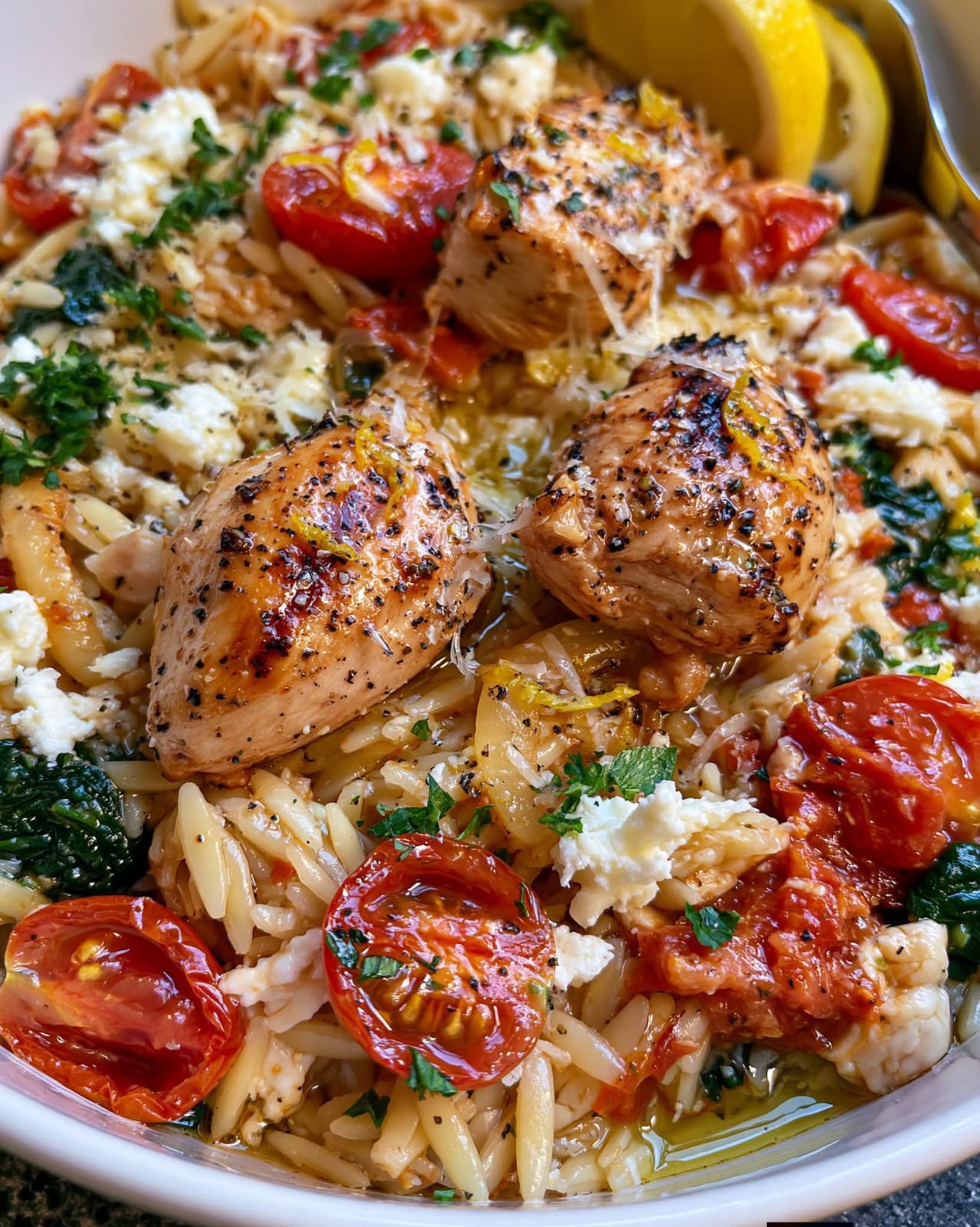
Dump and Bake Lemon Feta Chicken Orzo

Lemon Feta Chicken Orzo with tender chicken, creamy orzo, spinach, cherry tomatoes, lemon, herbs, and crumbled feta

Dump and Bake Lemon Feta Chicken Orzo

Lemon Feta Chicken Orzo is an easy one-pan dinner made with tender chicken, orzo, lemon, garlic, spinach, herbs, broth, and creamy feta. Everything bakes together in one dish, so the pasta absorbs the savory juices while the chicken stays moist and flavorful.

This Lemon Feta Chicken Orzo is ideal for busy weeknights, meal prep, or family dinners. Bright lemon balances salty feta, while spinach and herbs add color and freshness.

Prep Time: 15 minutes
Bake Time: 35–40 minutes
Total Time: About 55 minutes
Servings: 6

Ingredients

For the Chicken

  • 1 1/2 pounds boneless, skinless chicken breasts or thighs
  • 1 tablespoon olive oil
  • 1 teaspoon garlic powder
  • 1 teaspoon dried oregano
  • 1/2 teaspoon smoked paprika
  • 1/2 teaspoon salt
  • 1/4 teaspoon black pepper

Ingredients For the Orzo Bake

  • 1 1/2 cups dry orzo
  • 3 cups low-sodium chicken broth
  • 1 cup cherry tomatoes, halved
  • 3 garlic cloves, minced
  • 2 cups baby spinach
  • 1/2 cup crumbled feta cheese
  • 1/4 cup grated Parmesan cheese
  • 1 lemon, zested and juiced
  • 1 teaspoon dried oregano
  • 1/2 teaspoon dried thyme
  • 1/4 teaspoon red pepper flakes, optional

For Finishing

  • 1/2 cup extra crumbled feta
  • 2 tablespoons chopped fresh parsley
  • 1 tablespoon chopped fresh dill
  • Lemon wedges
  • Freshly cracked black pepper

Why You’ll Love This Recipe

Lemon Feta Chicken Orzo is a true dump-and-bake meal, which means there is very little hands-on cooking. Once the ingredients are layered in the baking dish, the oven does most of the work.

Another reason to love Lemon Feta Chicken Orzo is the balance of flavors. Bright lemon, creamy feta, savory chicken, and broth-cooked orzo work beautifully together.

It is also easy to customize with extra vegetables, different herbs, or a little extra cheese.

How to Make Lemon Feta Chicken Orzo

Step 1: Preheat the Oven

Preheat the oven to 400°F or 200°C.

Lightly grease a 9 x 13-inch baking dish with olive oil or cooking spray.

Step 2: Season the Chicken

Pat the chicken dry with paper towels.

Season both sides with garlic powder, oregano, smoked paprika, salt, and black pepper.

Rub lightly with olive oil so the seasonings stick evenly.

Step 3: Add the Orzo

Pour the dry orzo into the prepared baking dish and spread it into an even layer.

Keeping the orzo evenly distributed helps Lemon Feta Chicken Orzo cook consistently and prevents some areas from becoming too soft while others stay firm.

Step 4: Add the Broth and Flavorings

Pour in the chicken broth.

Add the minced garlic, lemon zest, lemon juice, oregano, thyme, and red pepper flakes.

Stir gently so the seasonings are mixed through the broth and orzo.

Step 5: Add the Tomatoes and Spinach

Scatter the cherry tomatoes over the orzo.

Add the spinach and gently press it into the liquid.

The spinach may look bulky at first, but it wilts quickly as Lemon Feta Chicken Orzo bakes.

Step 6: Add the Cheese

Sprinkle 1/2 cup crumbled feta and the Parmesan over the orzo mixture.

Stir lightly.

The cheese melts into the broth as the orzo cooks, creating a creamy texture without needing a separate sauce.

Step 7: Add the Chicken

Place the seasoned chicken pieces over the top of the orzo mixture.

Try to keep them in a single layer so they cook evenly.

Step 8: Cover and Bake

Cover the baking dish tightly with foil.

Bake for 25 minutes.

The covered baking time allows the orzo to absorb the broth while the chicken cooks gently.

Step 9: Uncover and Continue Baking

Remove the foil carefully.

Stir the orzo around the chicken, making sure nothing is sticking to the edges of the pan.

Return Lemon Feta Chicken Orzo to the oven uncovered and bake for another 10 to 15 minutes.

Step 10: Check for Doneness

The chicken should reach an internal temperature of 165°F or 74°C.

The orzo should be tender and creamy, with most of the liquid absorbed.

If the orzo still seems firm, add a small splash of broth, cover loosely, and bake for another 5 minutes.

Step 11: Add the Final Feta

Remove the baking dish from the oven.

Sprinkle the remaining feta over the top while everything is still hot.

The feta softens slightly and gives Lemon Feta Chicken Orzo a creamy, tangy finish.

Step 12: Garnish and Serve

Add chopped parsley, dill, lemon wedges, and freshly cracked black pepper.

Let the dish rest for 5 minutes before serving so the orzo thickens slightly.

Serving Suggestions

Lemon Feta Chicken Orzo is hearty enough to serve as a complete dinner, but a fresh side can make the meal even better.

Serve it with cucumber tomato salad, Greek salad, roasted broccoli, asparagus, green beans, or a simple leafy salad.

Warm pita, garlic bread, or crusty bread can also be served alongside the dish to scoop up the creamy orzo.

For a lighter meal, pair it with roasted zucchini or a lemony arugula salad.

For a bright Mediterranean side, try our Easy Greek Lemon Potatoes with Feta and Oregano with golden edges, fresh lemon, herbs, and creamy feta.

Recipe Tips

Use low-sodium broth so you can control the final salt level.

Cut very thick chicken breasts in half horizontally so they cook at the same rate as the orzo.

Do not skip the foil during the first part of baking because the trapped steam helps cook the pasta.

Stir the orzo once after uncovering so it cooks evenly.

Fresh lemon juice gives Lemon Feta Chicken Orzo a brighter flavor than bottled juice.

Use block feta and crumble it yourself for the creamiest texture.

Let the finished dish rest for a few minutes before serving.

Easy Variations

Lemon Feta Chicken Orzo can be customized in several easy ways.

Add zucchini, mushrooms, bell peppers, peas, or artichoke hearts for extra vegetables.

Swap spinach for chopped kale if you prefer a heartier green.

For extra richness, stir in a small splash of heavy cream after baking.

A spicy version can include more red pepper flakes or a drizzle of chili oil.

You can also make Lemon Feta Chicken Orzo with boneless chicken thighs for a juicier result.

For a more herb-forward flavor, add fresh basil, parsley, dill, or mint before serving.

If you enjoy lighter high-protein recipes, you may also like our Fluffy No-Flour High Protein Cloud Bread with a soft, airy texture.

Make-Ahead Instructions

Lemon Feta Chicken Orzo is best baked fresh, but much of the preparation can be done ahead.

Season the chicken up to one day in advance and refrigerate it in a covered container.

You can also measure the orzo, chop the vegetables, crumble the feta, and mix the seasonings ahead of time.

When ready to cook, assemble the baking dish, add the broth, and bake as directed.

Storage and Reheating

Store leftover Lemon Feta Chicken Orzo in an airtight container in the refrigerator for up to 4 days.

The orzo will continue absorbing liquid as it sits, so add a splash of chicken broth or water before reheating.

Warm individual portions in the microwave in short intervals, stirring once or twice.

For larger portions, cover and reheat in a 350°F or 175°C oven until hot.

For the best texture, add a little fresh feta and lemon after reheating.

Nutrition Information

Approximate nutrition per serving:

Calories: 455
Protein: 39 g
Carbohydrates: 43 g
Fat: 16 g
Saturated Fat: 6 g
Fiber: 4 g
Sugar: 5 g
Sodium: 720 mg

Nutrition values are estimates and may vary depending on the chicken, broth, cheese, orzo, and serving size.

Frequently Asked Questions

Can I use chicken thighs instead of breasts?

Yes. Boneless, skinless chicken thighs work very well and stay especially juicy.

Can I use another pasta instead of orzo?

Small pasta shapes can work, but the liquid ratio and baking time may need to change. Orzo gives the most reliable result.

Can I make this without spinach?

Yes. Leave it out or replace it with kale, peas, zucchini, or another vegetable.

Can I use reduced-fat feta?

Yes. Reduced-fat feta works, although full-fat feta usually melts more smoothly and has a richer flavor.

Why is my orzo still firm?

It may need more liquid or more baking time. Add a small splash of hot broth, cover, and return the dish to the oven.

Can I make this dairy-free?

Yes. Leave out the feta and Parmesan or use dairy-free alternatives.

Can I freeze leftovers?

Yes, although the orzo may become softer after thawing. Freeze cooled portions for up to 2 months and thaw overnight in the refrigerator.

Final Thoughts

Lemon Feta Chicken Orzo is an easy way to turn chicken, pasta, vegetables, lemon, herbs, and feta into a complete meal with very little cleanup.

Because Lemon Feta Chicken Orzo bakes in one dish and requires minimal preparation, it is especially useful for busy weeknights, casual family dinners, and meal prep.

Keep this Lemon Feta Chicken Orzo recipe handy whenever you want a fresh, creamy, Mediterranean-inspired dinner without standing over the stove.

With tender chicken, creamy orzo, bright lemon, spinach, tomatoes, herbs, and salty feta, Lemon Feta Chicken Orzo delivers a comforting one-pan meal with plenty of flavor.

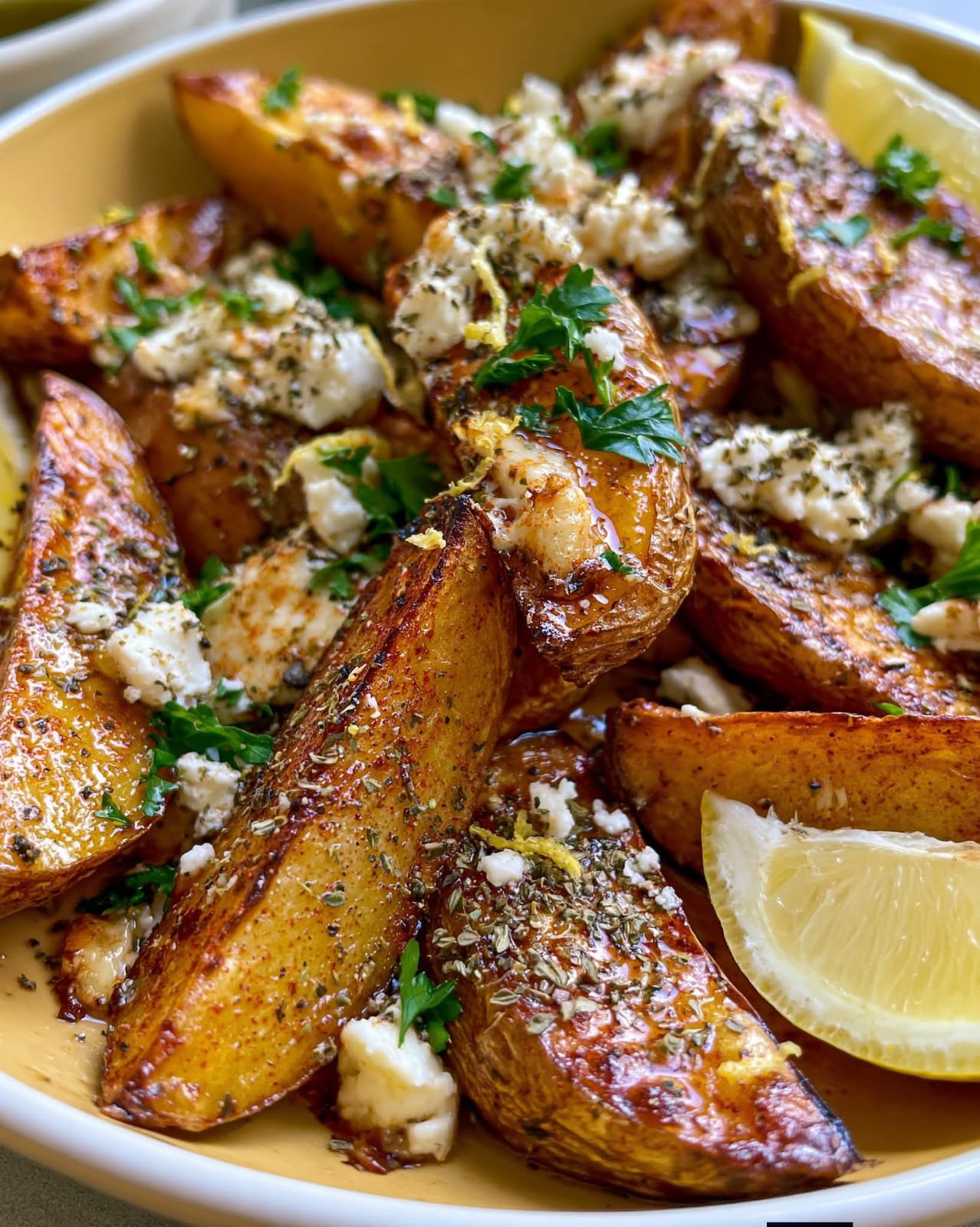
Easy Greek Lemon Potatoes with Feta and Oregano

Greek Lemon Potatoes with roasted potatoes, fresh lemon, garlic, oregano, feta, parsley, and golden crispy edges

Easy Greek Lemon Potatoes with Feta and Oregano

Greek Lemon Potatoes are a bright, savory, and comforting side dish made with tender potatoes, fresh lemon juice, garlic, oregano, olive oil, broth, and creamy feta. They roast until the edges turn golden while the centers stay soft and flavorful, making them a perfect match for chicken, fish, lamb, or a simple Mediterranean-style meal.

This Greek Lemon Potatoes recipe is easy enough for a weeknight but special enough for family gatherings or holidays. The lemon and oregano give the potatoes a fresh Greek-inspired flavor, while crumbled feta adds a salty, creamy finish.

Prep Time: 15 minutes
Cook Time: 50–55 minutes
Total Time: About 1 hour 10 minutes
Servings: 6

Ingredients

For the Potatoes

  • 2 1/2 pounds Yukon Gold or baby potatoes
  • 1/4 cup extra virgin olive oil
  • 1/3 cup fresh lemon juice
  • 4 garlic cloves, minced
  • 1 teaspoon lemon zest
  • 1 1/2 teaspoons dried oregano
  • 1/2 teaspoon smoked paprika
  • 1 teaspoon salt
  • 1/2 teaspoon black pepper
  • 3/4 cup chicken or vegetable broth

For Finishing

  • 3/4 cup crumbled feta cheese
  • 2 tablespoons chopped fresh parsley
  • 1 tablespoon chopped fresh oregano, optional
  • Extra lemon wedges
  • 1 tablespoon olive oil, optional

Why You’ll Love This Recipe

Greek Lemon Potatoes have the perfect combination of crisp edges, tender centers, bright citrus, and savory herbs. The broth helps the potatoes absorb flavor while roasting, and the final sprinkle of feta adds richness without making the dish heavy.

Another reason to love Greek Lemon Potatoes is how versatile they are. They pair well with roasted chicken, grilled meats, fish, salads, and vegetarian mains. You can also make them ahead and reheat them without losing much of their texture.

How to Make Greek Lemon Potatoes

Step 1: Preheat the Oven

Preheat the oven to 425°F or 220°C.

Lightly grease a large roasting pan or rimmed baking dish with olive oil.

Step 2: Prepare the Potatoes

Wash and dry the potatoes.

Cut large potatoes into thick wedges or chunks. If using baby potatoes, halve them.

Keeping the pieces similar in size helps Greek Lemon Potatoes cook evenly and develop golden edges at the same time.

Step 3: Make the Lemon Mixture

In a small bowl, whisk together olive oil, fresh lemon juice, minced garlic, lemon zest, dried oregano, smoked paprika, salt, and black pepper.

The mixture should smell bright and garlicky.

Step 4: Coat the Potatoes

Place the potatoes in the roasting pan.

Pour the lemon mixture over them and toss well so every piece is coated.

Spread the potatoes into a single layer with one cut side facing down whenever possible.

Step 5: Add the Broth

Pour the broth around the potatoes.

Do not pour it directly over every piece because you want some of the seasoned olive oil mixture to remain on the surface.

The broth helps Greek Lemon Potatoes become tender inside while the oven gradually reduces the liquid.

Step 6: Start Roasting

Roast uncovered for 25 minutes.

During this first stage, the potatoes absorb the lemon, garlic, oregano, and broth while beginning to soften.

Step 7: Turn the Potatoes

Remove the pan from the oven and carefully turn the potatoes with a spatula or tongs.

Spoon some of the pan juices over the top.

Return the pan to the oven.

Step 8: Continue Roasting

Roast for another 20 to 25 minutes, or until most of the liquid has reduced and the potatoes are tender inside.

The edges of Greek Lemon Potatoes should look golden and slightly crisp.

If there is still too much liquid in the pan, roast for another 5 to 10 minutes.

Step 9: Add the Feta

Remove the pan from the oven.

Sprinkle crumbled feta over the hot potatoes.

The warmth softens the cheese slightly while leaving some pieces intact.

Step 10: Finish with Herbs

Scatter fresh parsley and fresh oregano over the top.

Add a little extra lemon zest or a squeeze of fresh lemon juice if you want a brighter finish.

Step 11: Rest Briefly

Let Greek Lemon Potatoes rest for 5 minutes before serving.

This gives the remaining pan juices time to settle and coat the potatoes.

Step 12: Serve

Transfer to a serving platter or bring the roasting dish directly to the table.

Serve warm with extra lemon wedges and feta if desired.

Serving Suggestions

Greek Lemon Potatoes are a classic-style side that works with many main dishes.

Serve them with grilled chicken, roasted chicken thighs, lamb chops, salmon, shrimp, or baked white fish.

For a vegetarian meal, pair Greek Lemon Potatoes with chickpea salad, baked feta, roasted vegetables, hummus, or a Greek-style bean dish.

A crisp cucumber-tomato salad or simple leafy green salad adds freshness and balances the richness of the potatoes and feta.

For another creamy and easy dinner idea, try our Easy 5-Ingredient Pesto Burrata Pasta with basil pesto, cherry tomatoes, Parmesan, and creamy burrata.

Recipe Tips

Use Yukon Gold potatoes for a creamy center and naturally buttery flavor.

Cut the potatoes into even pieces so they cook at the same rate.

Fresh lemon juice gives Greek Lemon Potatoes a brighter flavor than bottled juice.

Do not crowd the roasting pan. Too many potatoes packed together can steam instead of roast.

Use a shallow pan if possible because it helps the liquid reduce more quickly.

Turn the potatoes halfway through cooking so multiple sides become golden.

Add feta after roasting rather than at the beginning so it stays creamy instead of drying out.

If you prefer extra-crispy Greek Lemon Potatoes, transfer the roasted pieces to a baking sheet and broil for 2 to 3 minutes before adding the feta.

Easy Variations

Greek Lemon Potatoes are easy to adjust with different herbs and toppings.

For extra herb flavor, add rosemary, thyme, or dill along with the oregano.

For a spicy version, add red pepper flakes or a pinch of cayenne to the lemon mixture.

You can replace feta with goat cheese for a tangier finish.

For extra crunch, sprinkle toasted pine nuts or chopped walnuts over the finished dish.

A small handful of Kalamata olives also works well if you want stronger Mediterranean flavor.

For a dairy-free version, leave out the feta and finish with extra herbs, lemon zest, and a drizzle of olive oil.

If you enjoy quick one-pan meals, you may also like our Honey Garlic Shrimp, Sausage, and Broccoli with a sweet and savory garlic glaze.

Make-Ahead Instructions

The potatoes can be prepared several hours ahead.

Cut the potatoes and keep them covered in cold water in the refrigerator for up to 8 hours. Drain and dry thoroughly before roasting.

You can also mix the lemon, garlic, olive oil, and seasonings ahead of time and refrigerate the mixture.

For the best texture, roast the potatoes close to serving time, then add feta and herbs just before bringing them to the table.

Storage and Reheating

Store leftovers in an airtight container in the refrigerator for up to 4 days.

Reheat them in a 375°F or 190°C oven for 10 to 15 minutes, or until hot and lightly crisp again.

An air fryer also works well for reheating small portions.

The microwave is faster, but the potatoes will be softer.

If possible, add a little fresh feta and lemon after reheating to refresh the flavor.

Nutrition Information

Approximate nutrition per serving:

Calories: 310
Protein: 7 g
Carbohydrates: 42 g
Fat: 14 g
Saturated Fat: 4 g
Fiber: 5 g
Sugar: 3 g
Sodium: 520 mg

Nutrition values are estimates and may vary depending on the potatoes, feta, broth, olive oil, and serving size.

Frequently Asked Questions

Can I use russet potatoes?

Yes. Russet potatoes work, but they have a fluffier texture and may break apart more easily than Yukon Gold potatoes.

Can I use baby potatoes?

Yes. Halved baby potatoes are excellent and require very little preparation.

Why are my potatoes not crispy?

Too much liquid, overcrowding, or not enough roasting time can prevent crisp edges. Let the liquid reduce fully and give the potatoes enough space.

Can I make this without feta?

Yes. Greek Lemon Potatoes are still flavorful without cheese. Add extra herbs and lemon zest before serving.

Can I use vegetable broth?

Yes. Vegetable broth works perfectly and keeps the dish vegetarian.

Can I make them ahead?

Yes. Roast them earlier in the day and reheat in a hot oven before serving.

Can I freeze leftovers?

You can, but the texture may become softer after thawing. Refrigerating and reheating within a few days gives better results.

Final Thoughts

Greek Lemon Potatoes are an easy way to turn simple potatoes into a flavorful Mediterranean-inspired side dish with lemon, garlic, oregano, broth, and feta.

Because Greek Lemon Potatoes pair with so many proteins, salads, and vegetarian dishes, they are useful for weeknight dinners, family meals, and holiday tables.

Keep this Greek Lemon Potatoes recipe handy whenever you want a warm, golden side with bright citrus flavor and a creamy feta finish.

With crisp edges, tender centers, fresh herbs, and plenty of lemon, Greek Lemon Potatoes bring classic Mediterranean flavor to the table with very little effort.

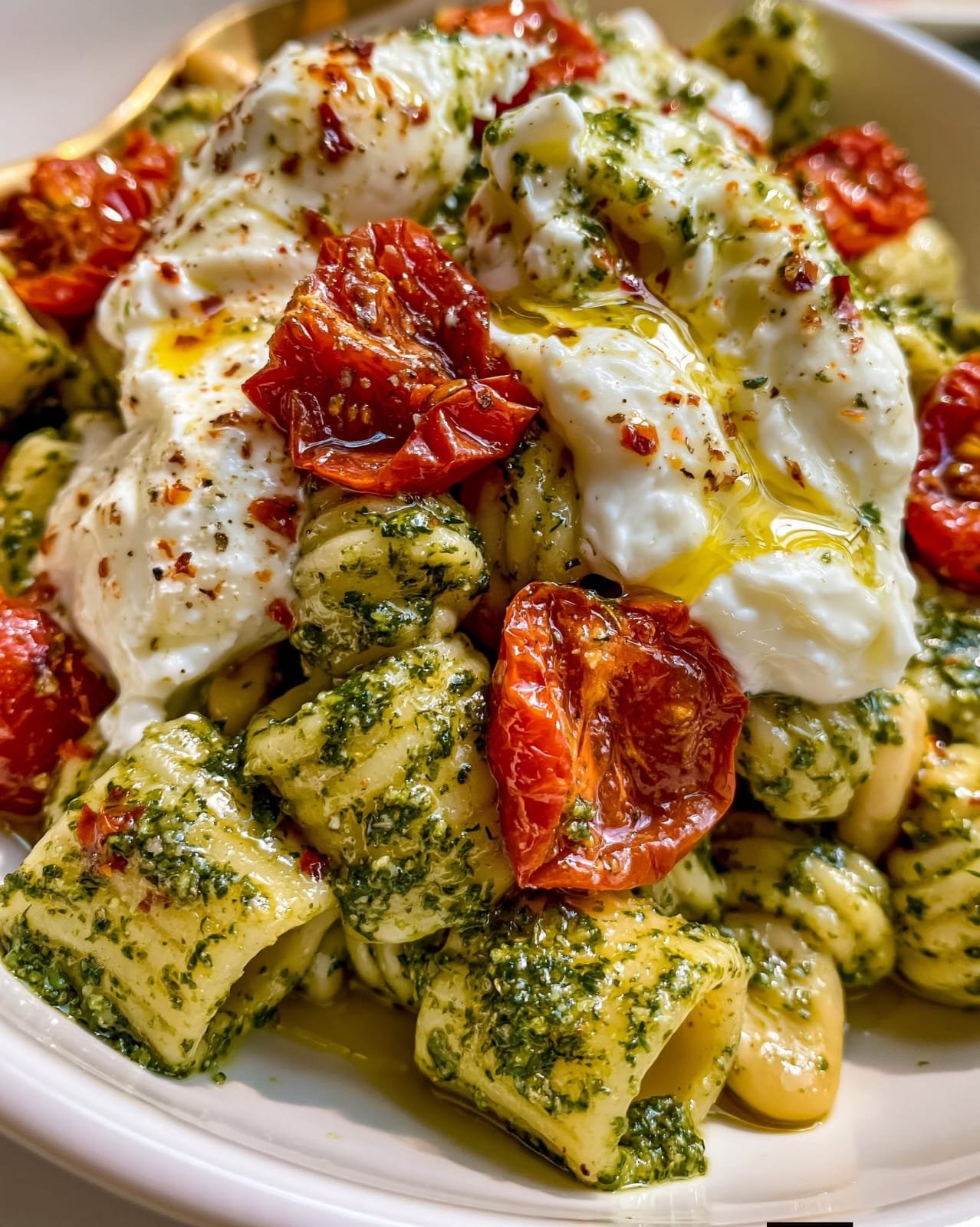
Easy 5-Ingredient Pesto Burrata Pasta

Pesto Burrata Pasta with basil pesto, creamy burrata, cherry tomatoes, Parmesan, and tender pasta

Easy 5-Ingredient Pesto Burrata Pasta

Pesto Burrata Pasta is a creamy, fresh, and incredibly simple dinner made with just five main ingredients: pasta, basil pesto, burrata, cherry tomatoes, and Parmesan. It is the kind of recipe that looks restaurant-worthy but comes together quickly enough for a busy weeknight.

This Pesto Burrata Pasta combines tender pasta with herby pesto, juicy tomatoes, creamy burrata, and salty Parmesan. Because the ingredient list is short, each ingredient matters, so choose a pesto you enjoy, ripe tomatoes, and good-quality cheese for the best flavor.

Prep Time: 10 minutes
Cook Time: 15 minutes
Total Time: 25 minutes
Servings: 4

Ingredients

The 5 Main Ingredients

  • 12 ounces pasta, such as rigatoni, penne, fusilli, spaghetti, or linguine
  • 1 cup basil pesto
  • 8 ounces burrata cheese
  • 2 cups cherry or grape tomatoes
  • 1/2 cup freshly grated Parmesan cheese

Pantry Basics

  • Salt, for the pasta water
  • Freshly ground black pepper, to taste
  • 1 tablespoon olive oil, optional
  • Reserved pasta water, as needed

Why You’ll Love This Recipe

Pesto Burrata Pasta is fast, flavorful, and easy enough for beginner cooks. There is no complicated sauce to prepare, and most of the work happens while the pasta boils.

Another reason to love Pesto Burrata Pasta is the contrast between the hot pasta and cool, creamy burrata. When the cheese is torn over the warm noodles, its creamy center softens and mixes naturally with the pesto.

The cherry tomatoes bring freshness and gentle sweetness, while Parmesan provides a salty, savory finish. You can keep the recipe simple or add chicken, shrimp, vegetables, or beans when you want a more substantial meal.

How to Make Pesto Burrata Pasta

Step 1: Bring the Pasta Water to a Boil

Fill a large pot with plenty of water and bring it to a rolling boil.

Season the water generously with salt. Well-seasoned cooking water gives the pasta flavor from the inside and makes a noticeable difference in such a simple recipe.

Step 2: Cook the Pasta

Add your chosen pasta and cook according to the package instructions until al dente.

Before draining, carefully reserve about 1 cup of the starchy cooking water.

Drain the pasta but do not rinse it. Rinsing removes surface starch that helps the pesto cling to the noodles.

Step 3: Prepare the Tomatoes

While the pasta cooks, slice the cherry or grape tomatoes in half.

Heat olive oil in a large skillet over medium heat if using. Add the tomatoes and cook for about 4 to 5 minutes, stirring occasionally.

They should soften and blister slightly while still holding some of their shape.

The juicy tomatoes help Pesto Burrata Pasta taste fresh and balanced rather than overly rich.

Step 4: Add the Pasta

Transfer the drained pasta directly into the skillet with the warm tomatoes.

Toss gently for about 30 seconds so the noodles pick up the tomato juices and any flavorful olive oil left in the pan.

Step 5: Add the Pesto

Remove the skillet from direct heat.

Spoon the basil pesto over the hot pasta and toss until everything is evenly coated.

Start adding the reserved pasta water a few tablespoons at a time until the pesto becomes silky enough to coat the noodles.

Avoid cooking pesto over high heat because excessive heat can dull the fresh basil flavor and color.

Step 6: Add Parmesan

Sprinkle the freshly grated Parmesan over the pasta.

Toss gently until the cheese starts melting into the sauce.

The Parmesan gives Pesto Burrata Pasta an extra savory finish and helps the pesto cling beautifully to every piece of pasta.

Step 7: Add the Burrata

Transfer the pasta to a large serving bowl or keep it in the skillet for a rustic presentation.

Place the burrata in the center.

Use a spoon or knife to gently tear it open and allow the creamy center to flow over the warm pasta.

You can also divide the burrata into several pieces and arrange them around the skillet so every serving gets some.

Step 8: Season the Dish

Add freshly cracked black pepper.

Taste before adding more salt because pesto, Parmesan, and burrata can already contain plenty of salt.

If you want a looser sauce, add another small splash of reserved pasta water.

Step 9: Let It Rest

Allow the finished pasta to rest for about 2 minutes.

This gives the burrata time to soften and allows the sauce to settle around the noodles.

Step 10: Serve

Serve Pesto Burrata Pasta warm while the burrata is soft, creamy, and easy to mix into each portion.

Spoon any pesto, tomatoes, and creamy cheese remaining in the bottom of the skillet over the individual servings.

Serving Suggestions

Pesto Burrata Pasta is rich enough to serve as a complete dinner, but fresh sides make the meal feel balanced.

Pair it with a crisp green salad, arugula salad, cucumber tomato salad, roasted broccoli, asparagus, green beans, or grilled zucchini.

Garlic bread, toasted ciabatta, focaccia, or crusty sourdough is also delicious for soaking up the creamy pesto sauce.

For extra protein, pair Pesto Burrata Pasta with grilled chicken, shrimp, salmon, Italian sausage, or seasoned white beans.

Pesto Burrata Pasta also works beautifully for casual entertaining because you can bring the skillet directly to the table and let everyone help themselves.

For a lighter bread option, try our Low-Carb Spinach Mozzarella Cloud Buns with a soft, cheesy texture and savory spinach flavor.

Recipe Tips

Choose a pasta shape with ridges or curves if you want the pesto to cling especially well.

Always reserve pasta water before draining. The starch helps loosen the pesto without making the sauce watery.

Remove the skillet from strong heat before stirring in the pesto.

Let the burrata sit at room temperature for about 15 minutes before serving so its center becomes extra creamy.

For the best Pesto Burrata Pasta flavor, use freshly grated Parmesan rather than pre-shredded cheese.

Choose ripe cherry tomatoes because their natural sweetness balances the salty cheese and herbaceous pesto.

Do not overcook the pasta. Al dente noodles hold their shape better when tossed with sauce.

Easy Variations

Pesto Burrata Pasta is easy to customize while keeping the basic preparation simple.

Add baby spinach, mushrooms, zucchini, asparagus, roasted peppers, peas, or broccoli for extra vegetables.

For a spicy version, sprinkle in crushed red pepper flakes or add a small spoonful of chili crisp.

Basil pesto can be replaced with sun-dried tomato pesto, spinach pesto, kale pesto, or arugula pesto.

For extra protein, mix in grilled chicken, shrimp, salmon, tuna, or chickpeas.

A lemon variation is especially refreshing. Add finely grated lemon zest and a squeeze of fresh lemon juice shortly before serving.

If you want an easy high-protein main dish, you may also like our Crispy Air Fryer Chicken Breast Recipe with a golden crunchy coating and juicy center.

Make-Ahead Instructions

Pesto Burrata Pasta is best served freshly assembled, but several ingredients can be prepared ahead.

Cook the tomatoes up to one day in advance and refrigerate them in an airtight container.

Grate the Parmesan ahead and keep it chilled.

Measure the pesto and refrigerate it until needed.

You can also prepare vegetables or cooked protein in advance.

Cook the pasta shortly before serving for the best texture, then combine everything and add the burrata immediately before bringing the dish to the table.

Storage and Reheating

Store leftover Pesto Burrata Pasta in an airtight container in the refrigerator for up to 3 days.

If possible, keep leftover burrata separate from the pasta.

Reheat the noodles gently in a skillet over medium-low heat with one or two tablespoons of water.

Individual portions can also be microwaved in short intervals, stirring between each interval.

Add fresh burrata after reheating rather than heating the cheese aggressively, which can cause its creamy center to separate.

Nutrition Information

Approximate nutrition per serving:

Calories: 610
Protein: 24 g
Carbohydrates: 69 g
Fat: 28 g
Saturated Fat: 11 g
Fiber: 5 g
Sugar: 7 g
Sodium: 760 mg

Nutrition values are estimates and may vary depending on the pasta, pesto, burrata, Parmesan, tomatoes, and exact serving size.

Frequently Asked Questions

Can I use store-bought pesto?

Yes. A good-quality refrigerated pesto is perfect for Pesto Burrata Pasta and keeps the recipe extremely quick.

Which pasta shape works best?

Rigatoni, fusilli, penne, spaghetti, linguine, and orecchiette are all excellent options. Shapes with ridges capture more sauce.

Can I use mozzarella instead of burrata?

Yes. Fresh mozzarella is a good substitute, although the finished dish will not have quite the same creamy center.

Can I leave out the tomatoes?

Yes. You can omit them or replace them with roasted red peppers, spinach, zucchini, peas, or asparagus.

Can I serve this pasta cold?

Yes. Pesto Burrata Pasta can also be enjoyed at room temperature as a pasta salad. Add the burrata immediately before serving for the best texture.

Can I add chicken?

Absolutely. Grilled, roasted, or leftover chicken makes an easy addition and turns the pasta into an even heartier dinner.

Why should I reserve pasta water?

The starch released by the pasta helps thin the pesto while allowing the sauce to stay creamy and cling to the noodles instead of becoming watery.

Final Thoughts

Pesto Burrata Pasta is proof that a short ingredient list can still create a rich, beautiful, and impressive dinner.

Because Pesto Burrata Pasta uses only five main ingredients and comes together in about 25 minutes, it is ideal for busy weeknights, quick family dinners, casual entertaining, or an easy date-night meal.

Keep this Pesto Burrata Pasta recipe handy whenever you want a fresh Italian-inspired dinner without spending time preparing a complicated sauce.

With tender pasta, fragrant basil pesto, juicy tomatoes, salty Parmesan, and luxuriously creamy burrata, Pesto Burrata Pasta delivers plenty of flavor with very little effort.

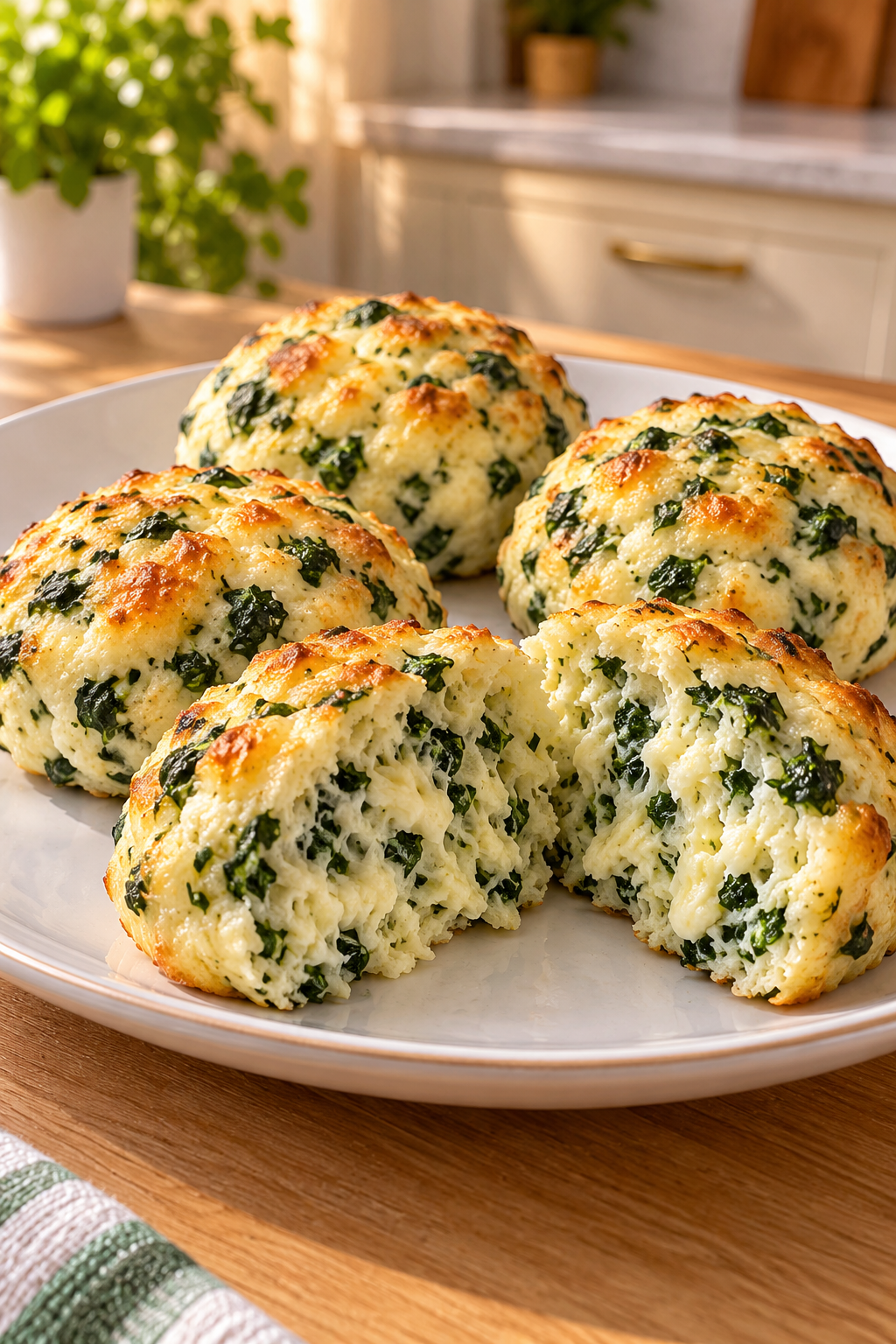
Low-Carb Spinach Mozzarella Cloud Buns

Low-Carb Spinach Mozzarella Cloud Buns – Easy 3-Ingredient Flourless Recipe

These Low-Carb Spinach Mozzarella Cloud Buns are soft, fluffy, cheesy, and made with just three main ingredients. With whipped egg whites, shredded mozzarella cheese, and finely chopped spinach, you can create delicious flourless buns without traditional bread dough or yeast.

Perfect for a light breakfast, healthy snack, or low-carb meal, these homemade cloud buns are easy to prepare and bake in approximately 20 minutes. They have a delicate, soufflé-like texture, lightly golden tops, and savory cheese flavor in every bite.

Preparation time10 minutes

Cooking time15–20 minutes

Total time25–30 minutes

Yield

4 small buns

Description

If you’re looking for a delicious alternative to traditional bread, these Low-Carb Spinach Mozzarella Cloud Buns are worth trying. Unlike ordinary bread rolls, these buns contain no wheat flour, baking powder, or yeast. Instead, whipped egg whites create their light, airy structure, while mozzarella adds a savory, cheesy flavor.

Fresh spinach gives the buns a beautiful appearance with tiny green flecks distributed throughout the mixture. It also provides nutrients such as vitamin K, folate, and vitamin A.

The secret to achieving fluffy cloud buns is beating the egg whites until they form stiff peaks. This incorporates air into the mixture, helping the buns rise slightly during baking.

Another important step is gently folding in the cheese and spinach. Stirring too aggressively can deflate the whipped egg whites, resulting in flat buns.

These buns are not intended to have the chewy texture of traditional bread. Instead, they are delicate, tender, and slightly moist, similar to a baked egg-white soufflé.

Serve them warm with scrambled eggs, sliced avocado, grilled chicken, or your favorite savory spread.

Ingredients

For the Spinach Mozzarella Cloud Buns

  • 3 large egg whites, at room temperature

  • ½ cup shredded mozzarella cheese (approximately 56 g)

  • ¼ cup finely chopped fresh spinach (approximately 8 g)

Optional Seasonings

  • ¼ teaspoon garlic powder

  • ⅛ teaspoon salt, or to taste

  • ⅛ teaspoon freshly ground black pepper

  • ¼ teaspoon cream of tartar, to help stabilize the egg whites

  • A pinch of Italian seasoning

The basic recipe requires only three main ingredients. Optional seasonings add flavor, while cream of tartar can help the whipped egg whites maintain their structure.

Step-by-Step Instructions

Step 1: Preheat the Oven

Preheat your oven to 320°F (160°C).

Line a large baking sheet with parchment paper. Use good-quality parchment paper to prevent the delicate buns from sticking.

Make sure your baking tray is clean and dry before adding the mixture.

Step 2: Prepare the Spinach

Wash the fresh spinach thoroughly and pat it dry with paper towels.

Finely chop the spinach into very small pieces. Large spinach leaves can make the mixture difficult to shape and may interfere with the airy texture.

Remove as much excess moisture as possible.

Important: Avoid adding wet spinach because excess water can cause the buns to become soggy or collapse during baking.

Step 3: Separate the Egg Whites

Carefully separate three egg whites from their yolks.

Place the egg whites in a clean, completely dry glass or stainless steel mixing bowl.

Make sure no egg yolk enters the bowl. Even a small amount of yolk can make it difficult to whip the egg whites properly.

Allow the egg whites to reach room temperature for approximately 10–15 minutes if they have just come from the refrigerator.

Step 4: Beat the Egg Whites Until Fluffy

Using an electric hand mixer, begin beating the egg whites on medium speed.

After approximately one minute, the egg whites will become foamy and start turning white.

If using cream of tartar, add it at this stage.

Increase the mixer speed to medium-high and continue beating until the egg whites become thick, glossy, and fluffy.

Stop when stiff peaks form. When you lift the beaters, the peaks should stand upright and hold their shape.

Avoid overbeating, which can make the foam dry and grainy.

Step 5: Add the Shredded Mozzarella

Sprinkle the shredded mozzarella cheese evenly over the whipped egg whites.

Using a silicone spatula, gently fold the cheese into the mixture.

Avoid vigorous stirring or whisking.

The goal is to distribute the mozzarella throughout the fluffy egg-white mixture while preserving as much air as possible.

Step 6: Add the Chopped Spinach

Sprinkle the finely chopped, well-drained spinach over the mixture.

If using garlic powder, black pepper, or Italian seasoning, add them now.

Gently fold the spinach into the egg whites and mozzarella using slow movements from the bottom of the bowl upward.

Continue just until the spinach and cheese are evenly distributed.

The mozzarella and spinach must be mixed throughout the entire mixture, not placed in the center as a filling.

The finished mixture should remain thick, fluffy, and airy, with tiny green spinach pieces visible throughout.

Step 7: Shape the Cloud Buns

Using a large spoon, scoop the fluffy mixture onto the prepared baking sheet.

Divide the mixture into four equal portions, leaving enough space between each bun.

Shape each portion into a small, thick, rounded mound.

Do not flatten the mixture excessively. Taller mounds generally produce a fluffier appearance.

Each bun should look like a small cloud with visible chopped spinach distributed across its surface.

Step 8: Bake Until Lightly Golden

Place the baking tray in the preheated oven.

Bake for approximately 15–20 minutes, or until the buns are set and lightly golden.

The exact baking time depends on your oven and the thickness of the buns.

The tops should look slightly golden, while the interiors should be fully set rather than wet or runny.

Avoid opening the oven repeatedly during baking because sudden temperature changes may cause the buns to deflate.

Step 9: Cool Before Serving

Remove the baking tray from the oven and let the buns rest for approximately 5 minutes.

Some deflation during cooling is normal because these buns rely on whipped egg whites rather than flour for their structure.

Carefully lift the buns from the parchment paper using a thin spatula.

Serve warm for the best flavor and texture.

Tips and Notes

1. Beat the Egg Whites Properly

Stiff peaks are essential for creating the light texture of these buns. Underwhipped egg whites can produce flat, dense results.

2. Keep the Spinach Dry

Moisture is one of the biggest challenges when making cloud buns. Fresh spinach should be finely chopped and thoroughly dried before adding it to the mixture.

3. Use Finely Shredded Mozzarella

Finely shredded mozzarella distributes more evenly than large cheese pieces. Low-moisture mozzarella is preferable because fresh mozzarella can release too much water during baking.

4. Fold Gently

Use a silicone spatula and slow folding movements. The more air you preserve in the whipped egg whites, the lighter your buns will be.

5. Do Not Expect Traditional Bread Texture

These are flourless egg-white cloud buns, not regular sandwich rolls. Their texture is more delicate and egg-like than conventional bread.

6. Serve Fresh

The buns taste best shortly after baking, when their texture is soft and airy.

Serving Suggestions

Low-Carb Spinach Mozzarella Cloud Buns can be enjoyed in several delicious ways.

Breakfast: Serve alongside scrambled eggs, avocado slices, or sautéed mushrooms.

Lunch: Pair with grilled chicken, turkey slices, or a fresh cucumber salad.

Snack: Enjoy warm with cream cheese, hummus, or a savory yogurt dip.

Light Dinner: Serve with tomato soup, roasted vegetables, or a Mediterranean-style salad.

For extra flavor, sprinkle a little Parmesan cheese or fresh parsley over the buns before serving.

Storage and Reheating

Refrigerator

Allow the buns to cool completely before placing them in an airtight container.

Store in the refrigerator for up to 3 days.

Place parchment paper between the buns to prevent sticking.

Freezer

For longer storage, freeze the cooled buns in a freezer-safe container or bag for up to 1 month for best quality.

Separate individual buns with parchment paper.

Thaw overnight in the refrigerator before reheating.

Reheating

Reheat in a preheated oven at 300°F (150°C) for approximately 5–7 minutes, until warmed through.

Avoid excessive reheating because it can dry out the delicate egg-white texture.

Frequently Asked Questions

Can I Make These Spinach Mozzarella Cloud Buns Without Flour?

Yes. This recipe contains no flour. The structure comes from whipped egg whites, while mozzarella and spinach add flavor and texture.

Why Did My Cloud Buns Turn Flat?

Cloud buns may flatten if the egg whites were not beaten to stiff peaks, the mixture was folded too aggressively, or the spinach contained excess moisture. Some deflation after baking is normal.

Can I Use Frozen Spinach?

Yes, but thaw it completely and squeeze out as much liquid as possible. Excess water can affect the buns’ texture.

Can I Replace Mozzarella With Cheddar Cheese?

Yes, finely shredded cheddar can be used. However, cheddar has a stronger flavor and may release more fat during baking.

Are These Cloud Buns Keto-Friendly?

They can fit into many ketogenic eating plans because they are relatively low in carbohydrates. However, their suitability depends on your daily carbohydrate goals and the exact ingredients used.

Can I Make These Buns Ahead of Time?

Yes. You can prepare them ahead of time and refrigerate them for up to 3 days. Reheat gently before serving.

Why Is My Cheese Only in the Middle?

This can happen if the cheese is added as a filling rather than folded evenly into the whipped egg whites. For this recipe, mozzarella and spinach should be gently incorporated throughout the entire mixture before shaping the buns.

Can I Add Other Vegetables?

Yes, but use small quantities of finely chopped, low-moisture vegetables. Excess vegetables can weigh down the egg-white foam.

55 kcal

Calories

6 g

Protein

0.8 g

Carbohydrates

3 g

Fat

Approximate values based on four buns made with part-skim mozzarella and the three main ingredients. Optional seasonings, cheese brands, and serving sizes may change the values.

Final Thoughts

These Low-Carb Spinach Mozzarella Cloud Buns are a simple way to turn three everyday ingredients into a savory, flourless snack. With properly whipped egg whites, dry chopped spinach, and gently folded mozzarella, you can make soft, airy buns with cheese and spinach in every bite.

They’re especially enjoyable fresh from the oven and make a delicious addition to breakfast, lunch, or a light meal.

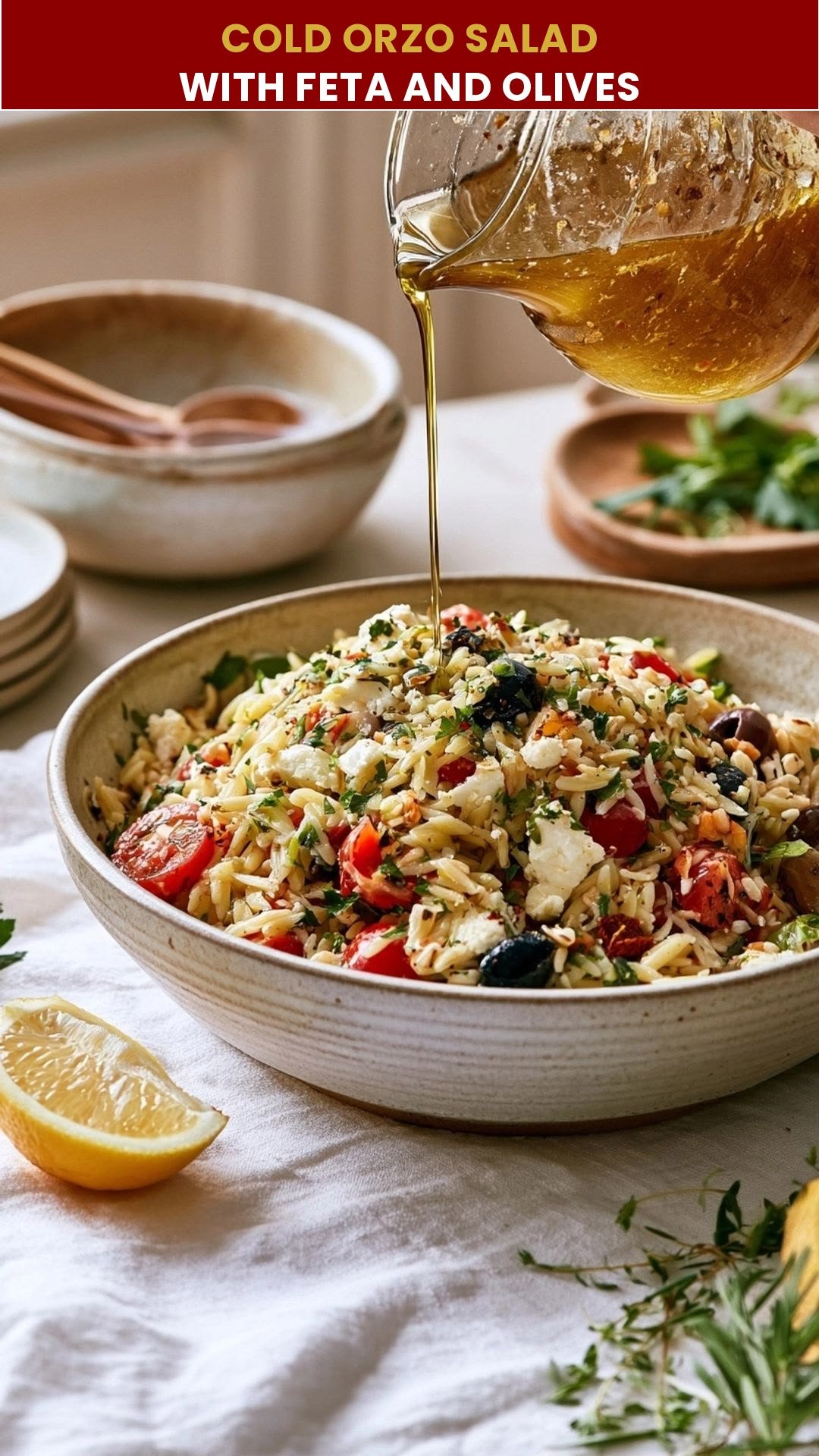
Cold Orzo Salad with Feta and Olives

Cold Orzo Salad with Feta and Olives

Introduction

Cold Orzo Salad with Feta and Olives is a refreshing Mediterranean-inspired dish filled with tender orzo pasta, juicy tomatoes, crisp cucumbers, briny olives, creamy feta cheese, and a bright lemon-herb dressing. Every bite combines fresh vegetables, savory cheese, and tangy dressing to create a colorful salad that is satisfying without feeling heavy.

Orzo resembles rice because of its small shape, but it is actually a type of pasta. Its tiny pieces absorb the flavor of the dressing beautifully, making it an excellent base for cold pasta salads. The salty feta and olives add a delicious Mediterranean touch, while fresh parsley and oregano bring a fragrant herbal flavor.

This salad is ideal for summer lunches, family gatherings, picnics, potlucks, meal preparation, and easy weeknight dinners. It can be served as a light vegetarian main course or alongside grilled chicken, fish, shrimp, or roasted vegetables.

Another advantage is that you can prepare it ahead of time. After chilling, the ingredients have time to mingle, creating a salad that tastes even better once the flavors have developed. Whether you serve it immediately or enjoy it the next day, Cold Orzo Salad with Feta and Olives is a simple, versatile recipe worth keeping in your regular meal rotation.

Ingredients

For the salad

  • 1½ cups dry orzo pasta

  • 1 cup cherry tomatoes, halved

  • 1 medium cucumber, diced

  • ½ cup Kalamata olives, pitted and halved

  • ¾ cup crumbled feta cheese

  • ¼ small red onion, finely diced

  • ½ cup red or yellow bell pepper, diced

  • ¼ cup fresh parsley, chopped

  • 2 tablespoons fresh dill, chopped (optional)

  • 2 tablespoons capers, drained (optional)

For the lemon-herb dressing

  • ¼ cup extra-virgin olive oil

  • 3 tablespoons fresh lemon juice

  • 1 teaspoon lemon zest

  • 1 teaspoon Dijon mustard

  • 1 small garlic clove, finely minced

  • 1 teaspoon dried oregano

  • ½ teaspoon honey (optional)

  • ¼ teaspoon salt, or to taste

  • ¼ teaspoon freshly ground black pepper

Equipment Needed

  • Large pot for cooking pasta

  • Colander

  • Large mixing bowl

  • Small bowl or jar for dressing

  • Sharp knife and cutting board

  • Spoon or salad tongs

Instructions

Step 1: Cook the orzo pasta

Bring a large pot of water to a boil. Add a generous pinch of salt, then stir in the orzo pasta. Cook according to the package instructions, usually around 8–10 minutes, until the pasta is tender but still slightly firm.

Avoid overcooking the orzo. Pasta that becomes too soft can break apart when mixed with the vegetables and dressing.

Taste a small piece before draining to make sure it has the texture you prefer.

Step 2: Drain and cool the pasta

Pour the cooked orzo into a colander and drain thoroughly. Rinse briefly under cool running water to stop the cooking process and remove excess surface starch.

Let the pasta drain well. Too much water can dilute the lemon dressing and make the salad watery.

Transfer the orzo to a large bowl. Add about a teaspoon of olive oil and toss gently to help prevent the pasta from sticking together. Allow it to cool completely before adding the remaining ingredients.

Step 3: Prepare the vegetables

While the orzo cools, prepare the vegetables.

Cut the cherry tomatoes in half. Dice the cucumber into small, even pieces so that it distributes easily throughout the salad. Remove the seeds from the bell pepper and dice it into bite-sized pieces.

Finely chop the red onion. If you prefer a milder onion flavor, soak the diced onion in cold water for five minutes, then drain and pat dry.

Halve the pitted Kalamata olives and chop the parsley and dill. Keeping the ingredients in similarly sized pieces makes the salad easier to eat and ensures that every serving contains a balanced mixture.

Step 4: Make the lemon-herb dressing

In a small bowl, whisk together the extra-virgin olive oil, fresh lemon juice, lemon zest, Dijon mustard, minced garlic, dried oregano, optional honey, salt, and black pepper.

Continue whisking until the ingredients are well combined and the dressing looks slightly emulsified.

Taste the dressing. Add more lemon juice if you enjoy a sharper flavor, a little olive oil if it tastes too acidic, or a small amount of honey if you prefer a softer balance.

Remember that feta and olives are naturally salty, so begin with a modest amount of salt and adjust after mixing the salad.

Step 5: Combine the pasta and vegetables

Add the cooled orzo to a large mixing bowl. Add the cherry tomatoes, cucumber, bell pepper, red onion, Kalamata olives, parsley, and optional dill.

Pour about three-quarters of the dressing over the ingredients. Toss gently with a large spoon or salad tongs until the pasta and vegetables are evenly coated.

Take care not to crush the tomatoes or cucumber. Gentle mixing helps maintain their texture and keeps the salad looking fresh.

Step 6: Add the feta cheese

Sprinkle the crumbled feta over the salad. Fold it in gently, leaving some larger pieces visible for a beautiful presentation.

If you prefer a creamier, saltier taste, you can add a little extra feta. For a lighter flavor, use slightly less.

Add the optional capers at this stage if you enjoy their tangy, briny taste.

Step 7: Chill the salad

Cover the bowl and refrigerate the salad for at least 20–30 minutes before serving. This gives the lemon, olive oil, garlic, and herbs time to flavor the orzo.

For the best texture, keep the salad refrigerated while it rests. If preparing it several hours ahead, reserve a small amount of dressing to add just before serving.

Step 8: Toss and serve

Remove the salad from the refrigerator and toss gently. Taste and adjust the seasoning as needed.

If the pasta has absorbed much of the dressing, add the reserved dressing or a small drizzle of olive oil and a squeeze of lemon juice.

Transfer to a serving bowl and finish with a little extra parsley, freshly ground black pepper, and a sprinkle of feta.

Serve cold or slightly chilled for a fresh, colorful Mediterranean side dish.

Preparation Tips for the Best Results

1. Do not overcook the orzo. Slightly firm pasta holds its shape better after chilling and mixing.

2. Cool the pasta before mixing. Warm orzo can soften the vegetables and cause the feta to become overly soft.

3. Drain the pasta thoroughly. Excess water weakens the dressing and reduces the salad’s flavor.

4. Use good-quality olive oil. Extra-virgin olive oil provides a fruity, rich taste that complements the lemon and feta.

5. Choose flavorful olives. Kalamata olives offer a distinctive briny flavor, but green olives can also be used.

6. Add feta near the end. Folding it in gently helps preserve some larger pieces instead of turning the entire salad creamy.

7. Taste before adding more salt. Feta, olives, and capers already contribute plenty of saltiness.

8. Refresh before serving. Chilled pasta tends to absorb dressing, so a little extra lemon juice and olive oil can restore its fresh flavor.

Delicious Variations

1. Mediterranean Chickpea Orzo Salad

Add one cup of drained and rinsed chickpeas. They provide extra texture, plant-based protein, and fiber, making the salad more substantial.

2. Greek Chicken Orzo Salad

Add approximately two cups of cooked, diced or shredded chicken. Grilled lemon-herb chicken works particularly well with the feta and olives.

3. Spinach and Orzo Salad

Fold in one or two handfuls of baby spinach. Chop larger leaves into smaller pieces for easier mixing.

4. Roasted Red Pepper Version

Replace the fresh bell pepper with chopped roasted red peppers. Their slightly sweet, smoky flavor creates a richer Mediterranean taste.

5. Lemon-Dill Orzo Salad

Increase the fresh dill and add a little more lemon zest. This variation tastes especially refreshing alongside grilled fish or shrimp.

6. Extra-Vegetable Orzo Salad

Add diced zucchini, shredded carrots, artichoke hearts, or thinly sliced radishes. Choose vegetables that remain pleasant when chilled.

7. Spicy Mediterranean Salad

Add a pinch of red pepper flakes to the dressing. The mild heat contrasts nicely with the tangy feta and bright lemon.

8. Dairy-Free Version

Omit the feta or replace it with a suitable dairy-free alternative. Add extra chickpeas, artichoke hearts, or toasted seeds to maintain a satisfying texture.

What to Serve with Cold Orzo Salad

This salad pairs well with many Mediterranean-inspired meals.

  • Grilled chicken: Lemon-herb chicken provides a hearty protein that complements the fresh vegetables.

  • Baked fish: Cod, haddock, or another mild white fish works beautifully with the lemon dressing.

  • Grilled shrimp: Seafood adds a light, flavorful protein option.

  • Roasted vegetables: Eggplant, zucchini, asparagus, and bell peppers make an excellent vegetarian pairing.

  • Pita bread and hummus: Serve with warm pita and hummus for a simple Mediterranean lunch.

  • Falafel: Crispy chickpea patties add texture and make a satisfying vegetarian meal.

  • Lamb kebabs: The bright, tangy salad balances the richer flavor of grilled lamb.

It can also be served as part of a picnic spread, buffet, barbecue, or potluck meal.

Serving Suggestions

Serve the salad in a wide bowl so the tomatoes, olives, herbs, and feta remain visible. A final drizzle of olive oil gives it a glossy finish, while fresh parsley adds color.

For individual portions, spoon the salad into small bowls and top each serving with a little extra feta and freshly ground black pepper.

If serving guests, keep the salad chilled until shortly before mealtime. You can prepare the ingredients in advance and combine them closer to serving for a fresher appearance.

For meal prep, divide the salad into individual airtight containers. If possible, keep a little extra dressing separate and mix it in just before eating.

Storage Instructions

Refrigerate leftover salad in an airtight container for approximately 3–4 days, provided it has been handled safely and kept consistently cold at 40°F (4°C) or below.

The vegetables may release moisture over time, and the orzo will continue absorbing the dressing. Stir before serving and add a little fresh lemon juice or olive oil if needed.

Do not leave the salad at room temperature for more than two hours, or more than one hour when temperatures are above 90°F (32°C).

Freezing is not recommended. The cucumber and tomatoes can become watery after thawing, while the feta and cooked pasta may lose their preferred texture.

Nutritional Information

Estimated nutrition per serving, assuming six servings:

Nutrient Approximate amount
Calories 300–350 kcal
Protein 8–10 g
Carbohydrates 35–42 g
Fat 13–17 g
Saturated fat 3–5 g
Fiber 2–4 g
Sugar 3–5 g
Sodium 450–700 mg

Actual values depend on the pasta brand, amount of feta and olives, dressing quantity, and serving size. The sodium level can be reduced by using less feta, choosing lower-sodium olives, and limiting added salt.

Benefits of the Ingredients

Orzo pasta

Orzo provides carbohydrates that supply energy. Regular orzo is usually made from wheat, while whole-wheat versions offer more fiber. It forms the satisfying base of the salad and absorbs the dressing well.

Cucumbers

Cucumbers contain substantial water and provide a crisp, refreshing texture. They also contribute small amounts of vitamins and minerals.

Tomatoes

Cherry tomatoes provide vitamin C and lycopene, a naturally occurring antioxidant. Their sweetness and acidity balance the saltiness of the olives and feta.

Kalamata olives

Olives contribute distinctive flavor and monounsaturated fats. Because they can be high in sodium, people monitoring salt intake may prefer smaller portions or lower-sodium varieties.

Feta cheese

Feta contributes protein, calcium, and a creamy, tangy flavor. It can also be relatively high in sodium and saturated fat, so portion size matters.

Extra-virgin olive oil

Olive oil contains predominantly monounsaturated fat and adds richness to the dressing. It helps create a satisfying salad while carrying the flavors of lemon and herbs.

Fresh herbs and lemon

Parsley, dill, and lemon add freshness without requiring heavy sauces. Lemon juice also provides vitamin C, although the amount in each serving varies.

This salad can contribute to a balanced eating pattern, especially when paired with additional vegetables and a protein source. No single recipe guarantees specific health outcomes.

Frequently Asked Questions

1. Can I make Cold Orzo Salad with Feta and Olives ahead of time?

Yes. Prepare it several hours in advance and refrigerate it in an airtight container. For the freshest texture, reserve a little dressing and add it just before serving.

2. Can I use another type of pasta?

Absolutely. Small pasta shapes such as ditalini, small shells, pearl couscous, or rotini can work. Cooking times and textures will vary, so follow the package directions.

3. Do I have to rinse the orzo after cooking?

Rinsing briefly with cool water helps stop the cooking and cool the pasta quickly for a cold salad. Drain it thoroughly afterward to prevent a watery dressing.

4. Can I replace Kalamata olives?

Yes. Green olives, black olives, or a mixture of your favorite varieties can be used. Each type will provide a slightly different flavor.

5. What can I use instead of feta cheese?

Try a suitable dairy-free feta alternative, small mozzarella pieces, or crumbled goat cheese. Keep in mind that the flavor and nutritional content will change.

6. How can I make the salad more filling?

Add chickpeas, grilled chicken, tuna, or cooked shrimp. These ingredients increase protein and make the salad more suitable as a main course.

7. Why does my orzo salad become dry in the refrigerator?

The pasta absorbs liquid as it sits. Toss it with a little reserved dressing, olive oil, or lemon juice before serving to refresh its texture.

8. Is this salad vegetarian?

Yes, it can be vegetarian when prepared with suitable feta and Dijon mustard. If strict vegetarian requirements matter, check that the cheese is made with vegetarian-friendly enzymes.

9. Can I make it gluten-free?

Yes. Replace regular orzo with a gluten-free orzo-style pasta. Cook according to the manufacturer’s instructions because gluten-free pasta can have a different texture.

10. Can I serve this salad warm?

You can serve it slightly warm, but it is designed to be enjoyed cold or chilled. Cooling the pasta helps preserve the refreshing character of the vegetables and dressing.