Golden Sweet Potato & Zucchini Rosti Quiche Cups with Feta & Honey Thyme

Golden Sweet Potato & Zucchini Rosti Quiche Cups with Feta & Honey Thyme

Introduction

Golden Sweet Potato & Zucchini Rosti Quiche Cups with Feta & Honey Thyme are a beautiful combination of crispy vegetable rosti, creamy egg filling, tangy feta cheese, and fragrant honey-thyme flavor. These individual savory cups feature a golden crust made from grated sweet potato and zucchini, filled with a delicate mixture of eggs, cheese, and herbs.

The sweet potato creates a naturally sweet, colorful base, while zucchini adds moisture and a tender texture. When baked in a muffin tin, the vegetables develop lightly crisp edges that hold the creamy quiche filling. Crumbled feta brings a salty, tangy contrast, and a delicate honey-thyme drizzle adds a subtle sweetness that makes every bite special.

These quiche cups are perfect for weekend brunch, breakfast meal preparation, light lunches, holiday gatherings, or an elegant appetizer platter. Because they are individually portioned, they are easy to serve and convenient to pack for work or school.

The recipe is also versatile. You can add spinach, sun-dried tomatoes, roasted red peppers, or fresh herbs to customize the filling. Serve the cups warm for a comforting meal or at room temperature as part of a brunch spread.

Ingredients

For the Sweet Potato and Zucchini Rosti Crust

  • 2 medium sweet potatoes, approximately 400 g, peeled

  • 1 medium zucchini, approximately 200 g

  • 1 large egg

  • 2 tablespoons all-purpose flour

  • 2 tablespoons grated Parmesan cheese

  • 1 tablespoon olive oil

  • ½ teaspoon garlic powder

  • ½ teaspoon dried oregano

  • ¼ teaspoon black pepper

  • ¼ teaspoon salt, or to taste

For the Quiche Filling

  • 4 large eggs

  • ¼ cup milk

  • ¾ cup crumbled feta cheese

  • ¼ cup grated mozzarella cheese

  • 2 tablespoons finely chopped red onion

  • 2 tablespoons chopped fresh parsley

  • ½ teaspoon dried thyme

  • ¼ teaspoon black pepper

  • A small pinch of salt, if needed

For the Honey-Thyme Drizzle

  • 1½ tablespoons honey

  • 1 teaspoon fresh thyme leaves

  • 1 teaspoon fresh lemon juice

  • 1 teaspoon olive oil

  • A small pinch of black pepper

Optional Garnishes

  • Extra crumbled feta

  • Fresh thyme sprigs

  • Chopped parsley

  • A little lemon zest

Instructions

Step 1: Preheat the Oven

Preheat your oven to 375°F (190°C). Lightly grease a standard 12-cup muffin tin with olive oil or nonstick cooking spray.

Make sure the sides and bottoms of the cups are coated well to help prevent the vegetable crusts from sticking.

For easier removal, you can use parchment muffin liners designed for savory baked foods. However, greasing the tin directly generally helps the rosti edges become more golden and crisp.

Step 2: Grate the Sweet Potato and Zucchini

Peel the sweet potatoes and grate them using the large holes of a box grater. Wash the zucchini and grate it in the same way. You can leave the zucchini skin on for extra color and texture.

Place the grated vegetables in a clean kitchen towel or several layers of cheesecloth. Squeeze firmly to remove as much moisture as possible.

This is one of the most important steps in the recipe. Zucchini contains a lot of water, and sweet potatoes also release moisture after grating. If the vegetables remain too wet, the crusts may become soft instead of crispy.

Transfer the squeezed vegetables to a large mixing bowl.

Step 3: Prepare the Rosti Mixture

Add the egg, flour, Parmesan cheese, olive oil, garlic powder, oregano, black pepper, and salt to the grated vegetables.

Mix thoroughly until the ingredients are evenly distributed and the mixture holds together when pressed.

The flour and egg help bind the vegetables, while Parmesan adds savory flavor and encourages browning.

If the mixture seems excessively wet, add another teaspoon of flour. Avoid adding too much because the crust should remain vegetable-focused rather than becoming dense.

Step 4: Shape the Vegetable Cups

Divide the rosti mixture evenly among the 12 muffin cups.

Press the mixture firmly into the bottom of each cup, then push it slightly up the sides to create a shallow nest. Leave enough space in the middle for the quiche filling.

Try to make the crusts similar in thickness so they bake evenly. A thinner layer around the sides will become crisp more easily, while an overly thick base may remain soft.

Step 5: Pre-Bake the Rosti Crusts

Bake the vegetable cups for 15–18 minutes, until they begin to look set and the edges are lightly golden.

Pre-baking helps the sweet potato and zucchini develop structure before the egg filling is added. It also reduces the chance of a soggy base.

Remove the muffin tin from the oven and allow the crusts to rest for a few minutes while you prepare the filling.

If you notice liquid collecting in the bottom of any cup, carefully blot it with a clean paper towel.

Step 6: Make the Quiche Filling

In a medium bowl, whisk together the eggs and milk until smooth.

Add the crumbled feta, grated mozzarella, chopped red onion, parsley, dried thyme, and black pepper. Stir gently until the ingredients are evenly combined.

Taste a small amount of the mixture before adding extra salt. Feta is naturally salty, so additional seasoning may not be necessary.

The mozzarella contributes a soft, melted texture, while the feta provides a tangy flavor that complements the sweet potato crust.

For extra flavor, you can add a teaspoon of finely chopped fresh dill or a few chopped sun-dried tomatoes.

Step 7: Fill the Rosti Cups

Carefully spoon the egg mixture into the pre-baked vegetable crusts.

Fill each cup approximately three-quarters full, leaving a little space at the top because the eggs will puff slightly during baking.

Distribute the feta and vegetables evenly so every quiche cup contains a balanced amount of filling.

Avoid overfilling the cups, as the egg mixture may spill over the sides and make the finished cups more difficult to remove.

Step 8: Bake Until Set

Return the muffin tin to the oven and bake for another 15–18 minutes.

The quiche cups are ready when the egg centers are set, the tops look lightly golden, and a knife inserted into the center comes out without wet egg mixture.

Cooking time can vary depending on the muffin tin, oven, and moisture remaining in the vegetables.

If the tops brown too quickly before the centers are cooked, loosely cover the tin with foil for the remaining baking time.

Remove the tin from the oven and allow the cups to rest for five to ten minutes. This helps them firm up and makes removal easier.

Step 9: Prepare the Honey-Thyme Drizzle

While the quiche cups cool slightly, combine the honey, fresh thyme leaves, lemon juice, olive oil, and a small pinch of black pepper in a small bowl.

Stir until the ingredients are well combined.

The honey adds gentle sweetness, thyme provides an earthy herbal aroma, and lemon juice balances the sweetness with a little acidity.

If the honey is too thick to drizzle, warm it gently for a few seconds. Do not overheat it.

Step 10: Finish and Serve

Carefully loosen the edges of each quiche cup with a small silicone spatula or butter knife. Lift them out of the muffin tin and place them on a serving platter.

Drizzle a small amount of honey-thyme dressing over each cup. Finish with extra crumbled feta, fresh parsley, or a few thyme leaves.

Serve warm for the best combination of crispy vegetable crust, creamy egg filling, and tangy-sweet topping.

Tips for Perfect Rosti Quiche Cups

Remove excess moisture. Thoroughly squeezing the grated zucchini and sweet potato helps the crusts become firm and golden.

Grease the muffin tin well. This makes the cups easier to remove without breaking the delicate vegetable edges.

Pre-bake the crusts. Baking the rosti before adding the eggs gives the vegetables time to develop structure.

Keep the filling below the rim. Eggs expand slightly while baking, so leaving space helps prevent overflow.

Use good-quality feta. A flavorful feta adds a tangy contrast to the sweet potato and honey.

Balance the honey carefully. The drizzle should complement the savory filling rather than make the cups taste like dessert.

Allow the cups to rest. A short cooling period helps the crust and filling hold their shape.

Delicious Recipe Variations

1. Spinach and Feta Rosti Cups

Add ½ cup of finely chopped spinach to the egg mixture. If using frozen spinach, thaw it and squeeze out all excess water before mixing it in.

2. Mediterranean Sun-Dried Tomato Cups

Add two tablespoons of chopped sun-dried tomatoes and a few sliced Kalamata olives to the filling. These ingredients create a richer Mediterranean flavor.

3. Mushroom and Thyme Quiche Cups

Sauté ½ cup of finely chopped mushrooms until their moisture evaporates. Cool them before adding them to the egg mixture for an earthy, savory variation.

4. Spicy Feta Cups

Add a pinch of red pepper flakes or a little finely chopped chili to the filling. The mild heat works well with the sweet potato crust and honey drizzle.

5. Cheddar and Chive Version

Replace the mozzarella with grated cheddar and substitute chopped chives for the parsley. This produces a richer, more traditional breakfast flavor.

6. Dairy-Free Version

Use an unsweetened dairy-free milk alternative and omit the feta, Parmesan, and mozzarella or replace them with suitable plant-based alternatives. The flavor and texture will differ slightly.

7. Gluten-Free Version

Replace the all-purpose flour with a suitable gluten-free flour blend. Check all packaged ingredients for gluten-free labeling if required.

What to Serve with Rosti Quiche Cups

These savory cups pair beautifully with a variety of breakfast, brunch, and lunch dishes.

  • Fresh tomato and cucumber salad: Adds freshness and acidity to balance the creamy filling.

  • Greek yogurt: Serve plain yogurt with lemon zest and herbs for a cool accompaniment.

  • Avocado slices: Add a creamy texture and mild flavor.

  • Roasted cherry tomatoes: Their natural sweetness complements the sweet potato crust.

  • Fresh fruit salad: Berries, melon, and oranges provide a refreshing contrast.

  • Grilled chicken: Turns the cups into part of a more substantial lunch.

  • Mixed green salad: A lemon vinaigrette creates a light, balanced plate.

  • Whole-grain toast: Makes the recipe suitable for a hearty brunch spread.

For a special brunch, arrange the cups on a platter with fresh herbs, sliced tomatoes, olives, and a small bowl of extra honey-thyme dressing.

Storage and Reheating

Allow the quiche cups to cool, then place them in an airtight container and refrigerate within two hours of cooking.

They can generally be refrigerated for 3–4 days when kept at 40°F (4°C) or below.

To reheat, place them on a baking tray in an oven preheated to 325°F (165°C) for approximately 8–12 minutes, or until heated through. An air fryer can also help restore some crispness.

Microwave reheating is convenient, but the vegetable crust may become softer.

For freezing, place the cooled cups on a tray until firm, then transfer them to a freezer-safe container. Freeze for up to two months for best quality. Thaw in the refrigerator before reheating thoroughly.

For the best texture, store the honey-thyme drizzle separately and add it after reheating.

Nutritional Information

Estimated nutrition per cup, assuming 12 servings and including the honey-thyme drizzle:

Nutrient Approximate Amount
Calories 115–145 kcal
Protein 5–7 g
Carbohydrates 10–14 g
Fat 6–9 g
Saturated Fat 2–3 g
Fiber 1–2 g
Sugar 3–5 g
Sodium 180–300 mg

Actual values vary with the size of the vegetables, cheese brands, and amount of honey used.

Benefits of the Ingredients

Sweet potatoes: Provide carbohydrates, fiber, and beta-carotene, which the body can convert into vitamin A.

Zucchini: Contributes water, fiber, and several vitamins and minerals while keeping the vegetable crust light.

Eggs: Supply high-quality protein and nutrients such as vitamin B12 and choline.

Feta cheese: Adds protein, calcium, and tangy flavor. It can also be high in sodium, so use a moderate amount.

Olive oil: Provides predominantly monounsaturated fats and helps the vegetable crust brown.

Fresh thyme: Adds fragrance and flavor without requiring additional salt.

Honey: Provides sweetness and helps balance the tanginess of feta and lemon. It is still an added sugar, so a light drizzle is sufficient.

Together, these ingredients create a versatile dish that can fit into a balanced eating pattern. Pairing the cups with fresh vegetables or fruit adds variety to the meal.

Frequently Asked Questions

1. Can I make these quiche cups ahead of time?

Yes. Bake them in advance, cool completely, and refrigerate in an airtight container. Reheat in the oven before serving and add the honey-thyme drizzle afterward.

2. Why are my rosti cups falling apart?

The vegetables may contain too much moisture, or the crusts may not have been pre-baked long enough. Squeeze the vegetables thoroughly and press the mixture firmly into the muffin tin.

3. Can I use regular potatoes instead of sweet potatoes?

Yes. Grated russet or Yukon Gold potatoes can replace the sweet potatoes. Squeeze out excess moisture and expect a less sweet, more traditional rosti flavor.

4. Can I omit the honey?

Absolutely. The cups will still taste delicious without it. You can finish them with lemon juice and fresh thyme for a more savory flavor.

5. How do I know when the egg filling is cooked?

The center should be set rather than liquid, and the cups should hold their shape when gently moved. If using a thermometer, an egg-based filling should reach 160°F (71°C).

6. Can I make this recipe without a muffin tin?

Yes. Press the rosti mixture into greased small ramekins or make one larger rosti quiche in a suitable baking dish. Baking time will vary depending on the size and depth.

7. Are these cups suitable for meal preparation?

Yes. Their individual portions make them convenient for breakfast or lunch. Refrigerate promptly and reheat thoroughly before eating.
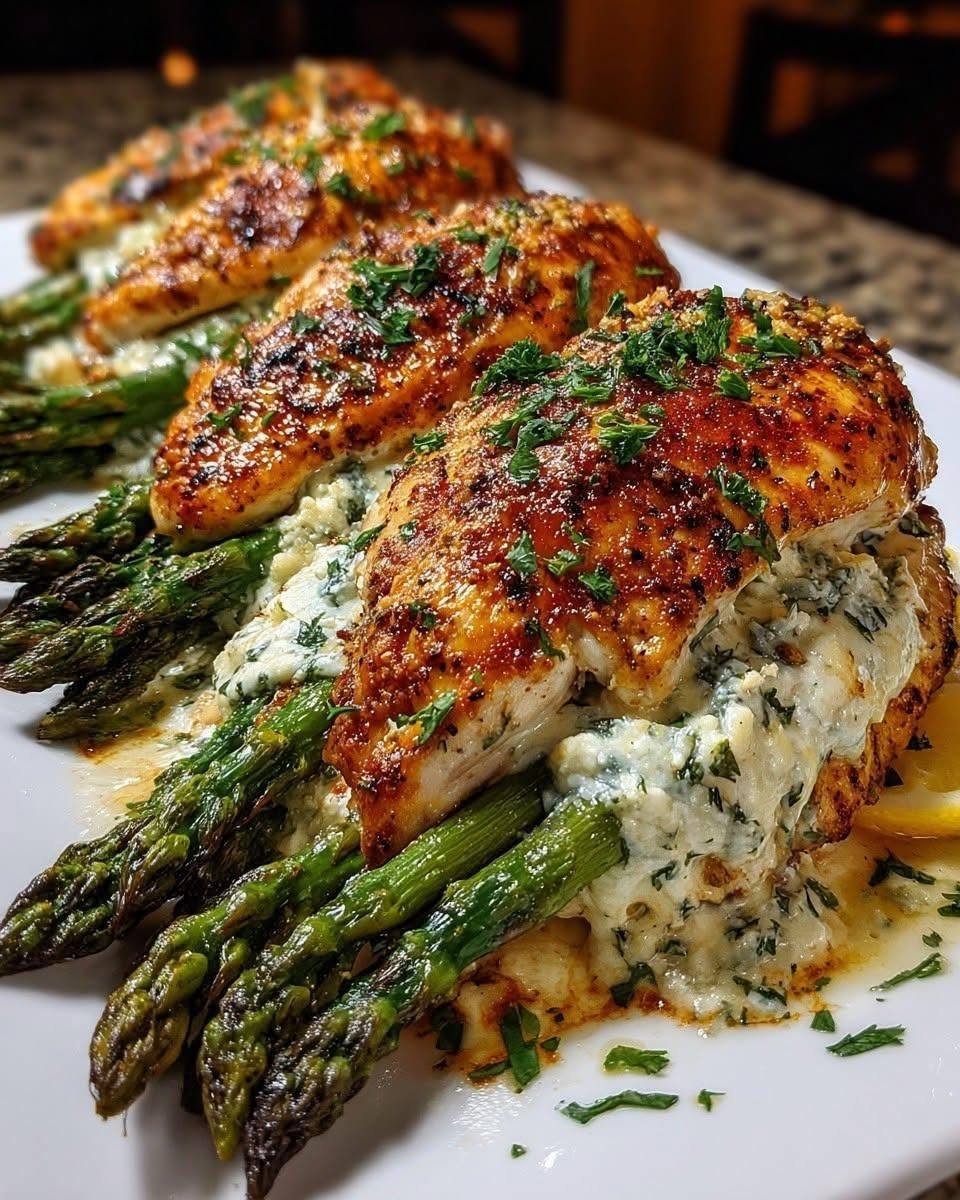
Asparagus Stuffed Chicken Fillet

Asparagus Stuffed Chicken Fillet

Introduction

Asparagus Stuffed Chicken Fillet is a delicious, protein-rich dinner featuring tender chicken breasts filled with fresh asparagus, creamy mozzarella, Parmesan cheese, garlic, and aromatic herbs. The chicken is seasoned with paprika, Italian herbs, black pepper, and olive oil, then baked until golden on the outside and juicy on the inside.

The combination of crisp-tender asparagus and melted cheese creates a flavorful filling that makes every slice look beautiful. Garlic and Italian seasoning add savory depth, while a touch of lemon juice brightens the entire dish.

This recipe is perfect for family dinners, weekend entertaining, meal preparation, or a special dinner at home. It looks elegant enough for guests but uses simple ingredients and straightforward cooking techniques. You can serve it with roasted potatoes, steamed vegetables, a fresh Mediterranean salad, or cauliflower rice.

One of the best features of this recipe is its versatility. You can use mozzarella for a mild, stretchy filling, Parmesan for a richer savory flavor, or a little cream cheese for extra creaminess. The asparagus provides freshness and texture that balance the richness of the cheese.

Follow these simple steps to prepare perfectly cooked chicken fillets with a flavorful filling and an appetizing golden finish.

Ingredients

For the Chicken

  • 4 boneless, skinless chicken breasts, approximately 6–8 ounces each

  • 12–16 fresh asparagus spears, trimmed

  • 1 cup shredded mozzarella cheese

  • ¼ cup grated Parmesan cheese

  • 2 tablespoons olive oil

  • 2 garlic cloves, minced

  • 1 teaspoon paprika

  • 1 teaspoon Italian seasoning

  • ½ teaspoon onion powder

  • ½ teaspoon black pepper

  • ¾ teaspoon salt, or to taste

  • 1 tablespoon fresh lemon juice

  • 1 tablespoon chopped fresh parsley

  • Toothpicks or kitchen twine, as needed

Optional Creamy Filling Addition

  • 2 tablespoons softened cream cheese

  • ½ teaspoon lemon zest

  • A pinch of red pepper flakes

Instructions

Step 1: Preheat the Oven

Preheat your oven to 400°F (200°C). Lightly grease a baking dish with olive oil or use a suitable oven-safe dish lined with parchment paper.

Preparing the oven before assembling the chicken helps ensure even cooking. Choose a dish large enough to hold all four chicken breasts without crowding them excessively.

Step 2: Prepare the Asparagus

Wash the asparagus spears under cool running water and pat them dry. Trim off the tough, woody ends.

Choose medium-sized asparagus spears that fit comfortably inside the chicken breasts. If the spears are particularly thick, you can slice them lengthwise or blanch them briefly for a more tender filling.

For a slightly softer texture, blanch the asparagus in boiling water for one to two minutes, then transfer it to cold water to stop the cooking process. Drain and dry thoroughly.

You can also use raw asparagus, especially if the spears are thin. It will cook inside the chicken, although thicker spears may remain firmer.

Step 3: Prepare the Chicken Fillets

Place each chicken breast on a clean cutting board. Using a sharp knife, carefully slice horizontally into the thickest side of each breast to create a pocket.

Cut deeply enough to make room for the asparagus and cheese, but do not cut completely through the opposite side. Keeping the pocket intact helps prevent the filling from leaking during cooking.

If the breasts are unevenly thick, gently flatten the thicker sections with a meat mallet. Place the chicken between two sheets of parchment paper or plastic wrap before pounding.

Aim for a reasonably even thickness without tearing the meat. Wash your hands, knife, and cutting board after handling raw chicken.

Step 4: Make the Cheese Filling

In a small bowl, combine the shredded mozzarella, grated Parmesan, minced garlic, and optional cream cheese.

Add the lemon zest and a pinch of red pepper flakes if desired. Mix until the ingredients are evenly distributed.

Mozzarella creates a creamy, melted texture, while Parmesan adds a stronger savory flavor. Cream cheese makes the filling richer and helps bind the ingredients together.

Avoid adding too much filling to each breast. Overstuffing can make the chicken difficult to close and cause the cheese to spill out during baking.

Step 5: Stuff the Chicken

Open each chicken pocket carefully. Arrange three or four asparagus spears inside, depending on their size.

Add approximately one-quarter of the cheese mixture to each breast, distributing it around the asparagus.

Fold the chicken over the filling and secure the opening with toothpicks. Alternatively, use kitchen twine to keep the chicken closed.

Place the stuffed chicken breasts in the prepared baking dish with the openings facing upward or toward the center of the dish. Leave a little space between the pieces to encourage even cooking.

Step 6: Season the Chicken

In a small bowl, combine the olive oil, paprika, Italian seasoning, onion powder, black pepper, and salt.

Brush the seasoning mixture over the chicken breasts, covering the tops and sides. Rub it gently over the surface so the spices are evenly distributed.

The paprika adds attractive color, while the Italian seasoning brings herbal notes that complement the asparagus and cheese.

For additional freshness, add a small amount of lemon juice to the seasoning mixture. Avoid adding too much liquid because it can dilute the seasoning on the chicken.

Step 7: Bake Until Golden

Place the baking dish in the preheated oven. Bake for approximately 25–35 minutes, depending on the thickness of the chicken breasts.

The exterior should become lightly golden, and the filling should be melted and hot. Cooking time will vary, so do not rely on the clock alone.

Check the thickest part of each chicken breast with a food thermometer, avoiding the filling. The chicken must reach an internal temperature of 165°F (74°C) to be safe to eat.

If the chicken is cooked but you want a more golden surface, briefly place it under the broiler for one to two minutes, watching carefully to prevent burning.

Step 8: Rest the Chicken

Remove the chicken from the oven once it reaches the correct temperature.

Allow it to rest for five minutes before removing the toothpicks or kitchen twine. Resting helps the juices settle and makes the chicken easier to slice.

Be careful when removing the toothpicks, as the melted cheese can be hot.

Step 9: Garnish and Serve

Sprinkle the chicken with freshly chopped parsley and a little extra Parmesan cheese.

Add a light squeeze of lemon juice just before serving to brighten the flavors. Slice each fillet carefully to reveal the asparagus and melted cheese filling.

Serve immediately with your favorite side dishes for a satisfying, flavorful meal.

Tips for Perfect Asparagus Stuffed Chicken

Choose chicken breasts of similar size. Similar thickness helps the pieces cook at approximately the same rate.

Avoid cutting completely through the chicken. A closed pocket keeps the filling inside and helps the fillet maintain its shape.

Dry the asparagus well. Excess water can make the cheese filling watery.

Do not overstuff the chicken. A moderate amount of cheese and asparagus is easier to secure and less likely to leak.

Use a thermometer. Chicken breast can dry out when overcooked. Remove it once the thickest part reaches 165°F (74°C).

Secure the openings properly. Toothpicks or kitchen twine help prevent the filling from escaping.

Let the chicken rest. Five minutes of resting makes the fillets easier to slice and serve.

Add lemon at the end. A little fresh lemon juice provides brightness without overpowering the cheese.

Delicious Variations

1. Creamy Spinach and Asparagus Stuffed Chicken

Add a handful of finely chopped spinach to the cheese filling. If using frozen spinach, thaw it and squeeze out excess moisture first. The spinach provides extra color and a mild, earthy flavor.

2. Sun-Dried Tomato and Asparagus Chicken

Mix two tablespoons of finely chopped sun-dried tomatoes into the cheese mixture. Their sweet, tangy flavor pairs beautifully with mozzarella, Parmesan, and asparagus.

3. Garlic Butter Asparagus Chicken

Replace some of the olive oil with melted butter mixed with minced garlic and parsley. Brush it over the chicken before baking for a richer flavor.

4. Low-Carbohydrate Stuffed Chicken

The basic recipe is naturally relatively low in carbohydrates. Serve it with roasted broccoli, cauliflower mash, or a green salad instead of potatoes or bread.

5. Spicy Cheese-Stuffed Chicken

Add red pepper flakes or a small amount of cayenne pepper to the seasoning mixture. This creates a gentle heat that balances the creamy cheese.

6. Mushroom and Asparagus Chicken

Sauté finely chopped mushrooms until their moisture evaporates, then cool them before mixing them with the cheese. This adds an earthy flavor and a heartier filling.

7. Mediterranean Stuffed Chicken

Add chopped Kalamata olives, a little crumbled feta, and oregano to the filling. Use less salt because feta and olives can be quite salty.

What to Serve with Asparagus Stuffed Chicken

This chicken pairs well with a variety of side dishes.

  • Roasted baby potatoes: Toss potatoes with olive oil, garlic, rosemary, and black pepper before roasting.

  • Lemon rice: Fluffy rice with lemon zest and parsley complements the chicken’s savory filling.

  • Roasted Mediterranean vegetables: Zucchini, bell peppers, red onion, and cherry tomatoes add color and freshness.

  • Fresh Greek salad: Cucumbers, tomatoes, red onion, olives, and feta provide a crisp contrast.

  • Garlic green beans: Lightly sauté green beans with garlic and a small amount of olive oil.

  • Cauliflower mash: A creamy alternative to mashed potatoes that works well with the melted cheese.

  • Steamed broccoli: A simple vegetable side keeps the meal balanced and easy.

  • Crisp garden salad: Mixed greens with lemon vinaigrette provide a refreshing finish.

For an elegant dinner, serve each chicken breast alongside roasted potatoes and vegetables, then finish the plate with fresh parsley and a lemon wedge.

Storage and Reheating

Allow leftover chicken to cool slightly, then refrigerate it in an airtight container within two hours of cooking.

Store in the refrigerator for 3–4 days at 40°F (4°C) or below.

To reheat, place the chicken in an oven-safe dish, cover loosely with foil, and warm at 325°F (165°C) until heated through. Add a tablespoon of water or chicken broth to the dish if needed to help prevent drying.

You can also reheat individual portions in the microwave using short intervals. Check that the center reaches 165°F (74°C).

Cooked stuffed chicken can be frozen in a freezer-safe container for approximately two to three months for best quality. Thaw it in the refrigerator before reheating.

For food safety, avoid leaving cooked chicken at room temperature for extended periods.

Nutritional Information

Estimated nutrition per serving, assuming one stuffed chicken breast and the listed ingredients divided into four portions:

Nutrient Approximate Amount
Calories 350–430 kcal
Protein 45–55 g
Carbohydrates 3–7 g
Fat 15–22 g
Saturated Fat 5–8 g
Fiber 1–2 g
Sodium 450–750 mg

Actual values depend on the size of the chicken breasts, the amount of cheese used, and whether optional cream cheese is added.

Benefits of the Ingredients

Chicken breast: Provides high-quality protein that supports muscle maintenance and normal body functions.

Asparagus: Supplies fiber, folate, vitamin K, and other nutrients. It also adds freshness and texture to the filling.

Mozzarella and Parmesan: Contribute protein and calcium, along with a rich, savory flavor. Cheese also adds saturated fat and sodium, so portion size matters.

Garlic: Adds strong flavor, helping make the dish satisfying without relying on heavy sauces.

Olive oil: Contains predominantly monounsaturated fats and contributes richness to the seasoning.

Lemon juice: Provides acidity and a small amount of vitamin C, brightening the flavors of the chicken and cheese.

When served with vegetables or a fresh salad, this recipe can be part of a balanced meal. Its high protein content may also help make the meal satisfying.

Frequently Asked Questions

1. Can I prepare asparagus stuffed chicken ahead of time?

Yes. You can assemble and season the chicken, cover it, and refrigerate it for several hours before cooking. Keep it chilled and cook it thoroughly before serving.

2. Can I use frozen asparagus?

Fresh asparagus is preferable for texture, but frozen asparagus can work. Thaw it completely and pat it dry before stuffing the chicken.

3. Why is my stuffed chicken watery?

Excess moisture from asparagus or other vegetables can collect inside the chicken. Dry the asparagus thoroughly, and if using spinach or mushrooms, cook or drain them before adding them to the filling.

4. Can I cook this recipe in an air fryer?

Yes, provided the stuffed chicken breasts fit without overcrowding. Cooking time depends on their thickness and the appliance. Check that the center of each breast reaches 165°F (74°C).

5. Can I replace mozzarella?

Yes. Provolone, Monterey Jack, or a mixture of Parmesan and cream cheese can work. Feta is another option for a more pronounced Mediterranean flavor.

6. Is this recipe suitable for meal preparation?

Yes. Cook the chicken, cool it promptly, and divide it into individual containers with vegetables or another side dish. Refrigerate and reheat thoroughly when ready to eat.

7. How do I keep the chicken juicy?

Choose similarly sized breasts, avoid overcooking, secure the filling, and use a thermometer to check doneness. Rest the chicken briefly before slicing.

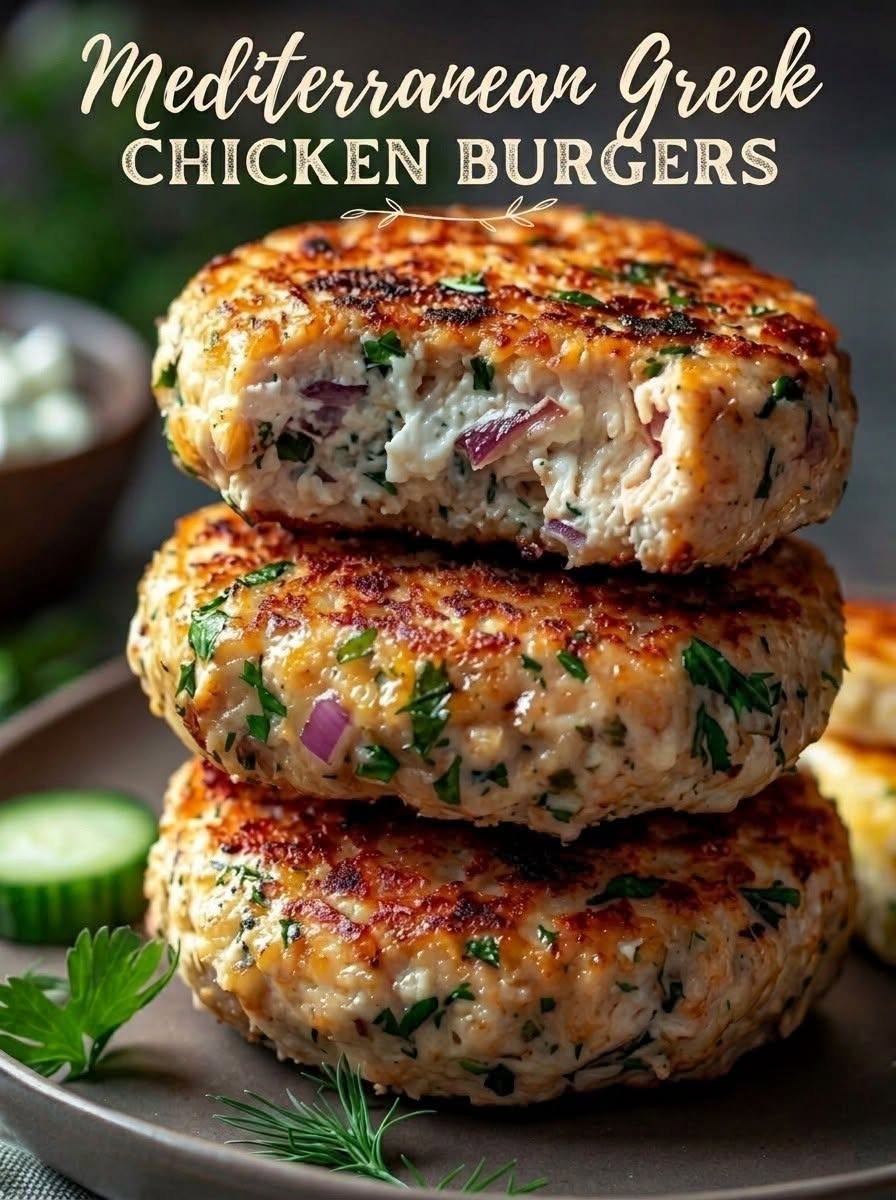
Mediterranean Greek Chicken Burgers

Mediterranean Greek Chicken Burgers

Introduction

Mediterranean Greek Chicken Burgers are juicy, flavorful burgers inspired by the fresh ingredients and vibrant flavors of Greek cuisine. Made with ground chicken, crumbled feta cheese, garlic, lemon zest, and fragrant herbs, these burgers offer a delicious alternative to traditional beef burgers. Each patty is tender, savory, and filled with Mediterranean flavor.

The secret to these burgers is the combination of lean ground chicken, feta cheese, fresh parsley, oregano, and a touch of lemon. The feta adds a creamy, salty flavor, while garlic and herbs give the chicken a delicious aroma. Served on toasted burger buns with crisp lettuce, juicy tomatoes, red onion, and homemade tzatziki sauce, these burgers make a satisfying meal for lunch, dinner, or a weekend barbecue.

Unlike ordinary chicken burgers, this Greek-inspired version combines classic Mediterranean ingredients in a simple recipe that is easy to prepare at home. You can grill the patties outdoors, cook them in a skillet, or prepare them on a grill pan. They are equally delicious served with roasted potatoes, Greek salad, cucumber slices, or warm pita bread.

Whether you are preparing a family dinner, hosting friends, or looking for a fresh burger recipe to add to your meal rotation, these Mediterranean Greek Chicken Burgers deliver wonderful flavor with simple ingredients.

Ingredients

For the Greek Chicken Patties

  • 1 pound ground chicken

  • ½ cup crumbled feta cheese

  • ¼ cup finely chopped red onion

  • 2 garlic cloves, minced

  • ¼ cup fresh parsley, finely chopped

  • 1 teaspoon dried oregano

  • ½ teaspoon dried thyme

  • 1 teaspoon lemon zest

  • 1 tablespoon fresh lemon juice

  • ⅓ cup breadcrumbs

  • 1 large egg

  • ½ teaspoon ground black pepper

  • ½ teaspoon salt, or to taste

  • 1 tablespoon olive oil, for cooking

For the Tzatziki Sauce

  • ½ cup plain Greek yogurt

  • ¼ cup cucumber, finely grated

  • 1 garlic clove, minced

  • 1 tablespoon fresh lemon juice

  • 1 tablespoon chopped fresh dill

  • 1 teaspoon extra-virgin olive oil

  • A pinch of salt and black pepper

For Assembling the Burgers

  • 4 burger buns

  • 4 lettuce leaves

  • 1 large tomato, sliced

  • ½ small red onion, thinly sliced

  • ½ cucumber, thinly sliced

  • 4 additional tablespoons crumbled feta, optional

  • Extra fresh parsley, optional

Instructions

Step 1: Prepare the Tzatziki Sauce

Start by preparing the homemade tzatziki sauce so the flavors have time to develop while you make the burgers.

Grate the cucumber using a fine grater. Place it in a clean kitchen towel and squeeze firmly to remove as much excess moisture as possible. This step is important because watery cucumber can make the yogurt sauce thin.

Add the Greek yogurt, drained cucumber, minced garlic, lemon juice, fresh dill, olive oil, salt, and black pepper to a small bowl. Stir until everything is evenly combined.

Taste the sauce and adjust the lemon juice or seasoning according to your preference. Cover the bowl and refrigerate for at least 15 minutes.

The finished sauce should be creamy, refreshing, and slightly tangy. It complements the savory chicken patties and adds a classic Greek-inspired flavor to the burgers.

Step 2: Combine the Chicken Burger Ingredients

Place the ground chicken in a large mixing bowl. Add the crumbled feta cheese, finely chopped red onion, minced garlic, parsley, dried oregano, thyme, lemon zest, and lemon juice.

Add the breadcrumbs, egg, black pepper, and salt. Mix gently with a spoon or clean hands until the ingredients are just combined.

Avoid overmixing the chicken mixture because excessive handling can produce dense patties. The mixture should hold together when shaped but remain slightly soft.

Feta cheese provides saltiness, so use a modest amount of additional salt until you have assessed the flavor of the other ingredients.

If the mixture feels too wet to shape, add another tablespoon of breadcrumbs and mix gently.

Step 3: Shape the Patties

Divide the mixture into four equal portions. Shape each portion into a round patty approximately ¾ inch thick.

Press a small indentation into the center of each patty with your thumb. This can help the patties maintain a more even shape as they cook.

Place the shaped patties on a plate lined with parchment paper. Refrigerate them for 10–15 minutes if time allows. Chilling helps the patties firm up and makes them easier to handle during cooking.

Keep raw chicken separate from the vegetables, buns, and prepared sauce. Wash your hands and any utensils that have contacted raw chicken before using them for other ingredients.

Step 4: Heat the Grill or Skillet

You can cook these Greek chicken burgers using an outdoor grill, grill pan, or regular skillet.

For a skillet, heat the olive oil over medium heat. Allow the pan to become hot before adding the patties, but avoid letting the oil smoke.

For an outdoor grill, preheat it to medium heat and lightly oil the cooking grates to reduce sticking.

Place the patties in the pan or on the grill, leaving enough space between them. If necessary, cook in batches rather than overcrowding the cooking surface.

Step 5: Cook the Chicken Patties

Cook the patties for approximately 5–8 minutes per side, depending on their thickness and the heat of your cooking surface.

Avoid pressing down on the patties with a spatula. Pressing releases moisture and can make the burgers less juicy.

Turn them carefully once the first side is golden brown and releases easily from the cooking surface.

Because ground chicken must be cooked thoroughly, check the center of each patty with a food thermometer. The internal temperature should reach 165°F (74°C) before serving.

Cooking time can vary depending on patty thickness, equipment, and starting temperature, so use the temperature rather than timing alone to determine doneness.

Once cooked, transfer the patties to a clean plate and allow them to rest for about three minutes.

Step 6: Toast the Burger Buns

While the patties rest, cut the burger buns in half.

Place them cut-side down in a clean skillet over medium heat for one to two minutes, until lightly golden. You can also toast them on the grill.

Toasting creates a slightly crisp surface that helps the buns hold the tzatziki sauce and juices from the chicken.

For extra flavor, lightly brush the cut sides with olive oil before toasting.

Step 7: Assemble the Burgers

Spread a generous spoonful of tzatziki sauce over the bottom half of each toasted bun.

Add a lettuce leaf, followed by the cooked Greek chicken patty. Top with tomato slices, thinly sliced red onion, and cucumber.

Sprinkle with extra crumbled feta and fresh parsley if desired. Add another small spoonful of tzatziki sauce, then place the top half of the bun over the fillings.

Press gently to hold everything together without squeezing out the sauce.

Step 8: Serve and Enjoy

Serve the burgers immediately while the patties are warm and the buns are lightly toasted.

Arrange them on a platter with lemon wedges, fresh cucumber slices, and additional tzatziki sauce on the side.

For a complete Mediterranean-inspired meal, pair the burgers with Greek salad, roasted potatoes, grilled vegetables, or a simple chickpea salad.

The combination of juicy chicken, salty feta, refreshing yogurt sauce, and crisp vegetables creates a balanced mix of textures and flavors in every bite.

Tips for the Best Mediterranean Greek Chicken Burgers

1. Choose the right ground chicken. Ground chicken with a little fat generally produces juicier burgers than very lean chicken. If using lean ground chicken, take extra care not to overcook the patties.

2. Drain the cucumber well. Removing excess moisture is essential for thick, creamy tzatziki sauce.

3. Do not overmix. Combine the patty ingredients only until evenly distributed. Overworking the mixture can make the burgers firm.

4. Chill before cooking. Refrigerating the patties briefly helps them hold together when turned.

5. Adjust the salt carefully. Feta already has a salty flavor, so taste the sauce and use a modest amount of salt in the chicken mixture.

6. Use fresh lemon zest. Lemon zest provides a fragrant citrus flavor that makes the chicken taste brighter without adding too much liquid.

7. Toast the buns. A toasted bun provides texture and helps prevent the bottom from becoming soggy.

8. Cook safely. Always cook ground chicken to an internal temperature of 165°F (74°C).

Delicious Variations

1. Greek Chicken Burger Bowls

Skip the buns and serve the cooked patties over rice, quinoa, or chopped lettuce. Add tomatoes, cucumber, olives, feta, and tzatziki for a Mediterranean-inspired bowl.

2. Spicy Greek Chicken Burgers

Add a pinch of red pepper flakes or a little finely chopped fresh chili to the chicken mixture. The mild heat complements the cool yogurt sauce.

3. Spinach and Feta Chicken Burgers

Mix in ½ cup of finely chopped spinach. If using frozen spinach, thaw it and squeeze out the excess moisture before adding it to the mixture.

4. Greek Chicken Pita Burgers

Replace the burger buns with warm pita bread. Slice the cooked patties if needed, then add lettuce, tomatoes, red onion, and tzatziki.

5. Olive and Feta Chicken Burgers

Add two tablespoons of finely chopped Kalamata olives to the chicken mixture. This creates a stronger Mediterranean flavor, although you may want to reduce the added salt.

6. Low-Carb Greek Chicken Burgers

Serve the patties in lettuce wraps or over a large Greek salad instead of using burger buns. Check the nutrition information for any sauces or additional toppings.

7. Grilled Lemon-Herb Chicken Burgers

Increase the fresh parsley and oregano, then finish the cooked patties with a small squeeze of lemon juice. This variation emphasizes the bright herbal flavors.

What to Serve with Greek Chicken Burgers

These burgers pair well with a variety of Mediterranean-inspired sides:

  • Greek salad: Tomatoes, cucumbers, olives, red onion, and feta complement the flavors in the burgers.

  • Roasted potatoes: Crispy potatoes seasoned with oregano, garlic, and lemon make a hearty side.

  • Grilled vegetables: Zucchini, eggplant, and bell peppers add color and flavor.

  • Cucumber and tomato salad: A fresh salad balances the warm, savory patties.

  • Hummus and pita: These make an excellent addition to a Mediterranean-style meal.

  • Lemon rice: Lightly seasoned rice provides a satisfying accompaniment.

  • Roasted chickpeas: Their crisp texture makes a flavorful alternative to traditional fries.

Storage and Reheating

Store cooked chicken patties in an airtight container in the refrigerator for up to 3–4 days. Keep the tzatziki sauce and fresh burger toppings in separate containers for the best texture.

Reheat the patties in a skillet over medium-low heat or in the oven until thoroughly heated. Add a small splash of water to the skillet and cover briefly if the chicken seems dry.

You can freeze cooked patties in a freezer-safe container for up to approximately three months for best quality. Cool them promptly before freezing, and thaw them in the refrigerator before reheating.

For food safety, refrigerate cooked chicken within two hours, or within one hour when the temperature is above 90°F (32°C).

Nutritional Information

Estimated nutrition per burger, including one bun, one chicken patty, vegetables, and a portion of tzatziki:

Nutrient Approximate Amount
Calories 430–520 kcal
Protein 30–38 g
Carbohydrates 35–45 g
Fat 17–24 g
Saturated Fat 5–8 g
Fiber 2–4 g
Sodium 650–950 mg

Values vary depending on the ground chicken, bun size, feta brand, and amount of sauce used. Using smaller buns or serving the patties without bread will change the nutritional values.

Benefits of the Ingredients

Ground chicken: Provides protein, which helps maintain muscles and supports normal body functions.

Feta cheese: Adds protein, calcium, and a distinctive tangy flavor. It can be relatively high in sodium, so portion size matters.

Greek yogurt: Supplies protein and calcium while creating a creamy sauce without requiring mayonnaise.

Cucumbers and tomatoes: Contribute water, vitamins, and other nutrients. They also add freshness and texture.

Fresh herbs: Parsley, oregano, and dill bring aroma and flavor to the recipe.

Olive oil: Provides predominantly monounsaturated fats and adds richness to the patties and dressing.

These ingredients can fit into a balanced eating pattern when enjoyed in appropriate portions alongside vegetables and other nutritious foods.

Frequently Asked Questions

1. Can I make Greek chicken burger patties ahead of time?

Yes. Shape the patties, cover them, and refrigerate for up to 24 hours before cooking. Keep them cold and separate from ready-to-eat ingredients.

2. Can I cook these burgers in an air fryer?

Yes. Arrange the patties in a single layer in a preheated air fryer and cook at approximately 375°F (190°C), turning as needed. Timing varies with thickness and appliance, so verify that the center reaches 165°F (74°C).

3. How do I keep chicken burgers from falling apart?

Use the egg and breadcrumbs as binders, avoid excessive moisture, and chill the patties before cooking. Turn them gently with a wide spatula.

4. Can I substitute another cheese for feta?

Yes. Crumbled goat cheese can provide a similar tangy flavor, while a small amount of grated Parmesan adds savory depth. The taste and nutritional values will differ.

5. Is tzatziki sauce necessary?

No, but it adds a cool, creamy flavor that complements the garlic, herbs, and feta. You can use plain Greek yogurt with lemon and dill if you prefer a simpler topping.

6. Can I make this recipe gluten-free?

Yes. Replace the breadcrumbs with certified gluten-free breadcrumbs and use gluten-free burger buns or lettuce wraps.

7. Can I grill the patties outdoors?

Absolutely. Use a clean, lightly oiled grill and turn the patties carefully. Make sure each patty reaches 165°F (74°C) internally.

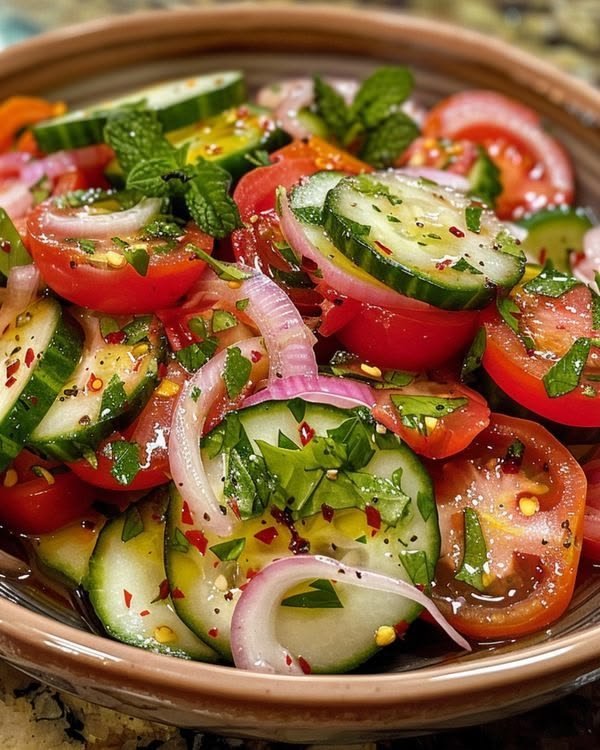
Cucumber, Tomato, and Red Onion Salad

Cucumber, Tomato, and Red Onion Salad

Introduction

Cucumber, Tomato, and Red Onion Salad is a refreshing, colorful dish made with crisp cucumbers, juicy tomatoes, thinly sliced red onions, fresh herbs, and a simple homemade dressing. It combines fresh ingredients with bright, tangy flavors to create a salad that is light, satisfying, and easy to prepare.

This Mediterranean-inspired salad is perfect for warm-weather lunches, family dinners, picnics, barbecues, and potluck gatherings. The cucumber provides a cool crunch, the tomatoes contribute natural sweetness and juiciness, and the red onion adds a pleasant sharpness. A dressing made with extra-virgin olive oil, fresh lemon juice, vinegar, and herbs brings everything together without overpowering the vegetables.

One of the best things about this recipe is its simplicity. You do not need special equipment, complicated cooking techniques, or expensive ingredients. Everything is prepared fresh and combined in one bowl, making it an excellent choice for busy days when you want something delicious in minutes.

This salad is also versatile. You can serve it as a side dish with grilled chicken, baked fish, roasted vegetables, kebabs, or warm pita bread. Add feta cheese, olives, chickpeas, or avocado to create different variations depending on your preferences.

Whether you are looking for a quick lunch side, a refreshing summer recipe, or an easy way to include more vegetables in your meals, this Cucumber, Tomato, and Red Onion Salad is a dependable favorite.

Ingredients

For the Salad

  • 2 medium cucumbers, washed and diced

  • 3 medium ripe tomatoes, chopped

  • 1 small red onion, thinly sliced

  • 1 small green or red bell pepper, diced (optional)

  • ¼ cup fresh parsley, finely chopped

  • 2 tablespoons fresh mint, chopped (optional)

  • ½ cup crumbled feta cheese (optional)

  • ⅓ cup Kalamata olives, pitted and halved (optional)

For the Dressing

  • 3 tablespoons extra-virgin olive oil

  • 2 tablespoons fresh lemon juice

  • 1 tablespoon red wine vinegar

  • 1 small garlic clove, finely minced or grated

  • ½ teaspoon dried oregano

  • ¼ teaspoon freshly ground black pepper

  • ¼ teaspoon salt, or to taste

  • ½ teaspoon honey (optional)

Equipment Needed

  • A large mixing bowl

  • A small bowl or jar for the dressing

  • A sharp knife

  • A cutting board

  • A spoon or salad tongs

  • A vegetable peeler, if desired

Instructions

Step 1: Wash and Prepare the Vegetables

Begin by washing the cucumbers, tomatoes, bell pepper, parsley, and mint under cool running water. Pat the vegetables and herbs dry with a clean kitchen towel.

Clean, dry vegetables help keep the salad fresh and prevent unnecessary water from diluting the dressing.

Trim the ends of the cucumbers. You can leave the skin on for extra texture and color, especially if using thin-skinned cucumbers. If the skin is thick or bitter, peel some or all of it.

Cut the cucumbers into bite-sized pieces. Aim for similar sizes so each serving contains a balanced mixture of vegetables.

Step 2: Chop the Tomatoes

Cut the tomatoes into medium-sized wedges or bite-sized chunks. Choose ripe tomatoes that feel slightly soft but are not mushy.

Cherry tomatoes can also be used. Simply cut them in half or into quarters, depending on their size.

If your tomatoes are extremely watery, you may remove some of the seeds before chopping. This is optional, but it can help prevent excess liquid from collecting at the bottom of the bowl.

Transfer the chopped tomatoes to the mixing bowl.

Step 3: Slice the Red Onion

Peel the red onion and cut it into thin slices. Thin slices distribute the onion’s sharp flavor throughout the salad without making individual bites too intense.

If you prefer a milder onion flavor, place the slices in a bowl of cold water for five to ten minutes. Drain them thoroughly and pat dry before adding them to the salad.

Add the onion to the bowl with the cucumbers and tomatoes.

Step 4: Prepare the Fresh Herbs

Finely chop the parsley and mint, if using. Parsley provides a clean, slightly peppery flavor, while mint gives the salad a cool, refreshing finish.

If you do not have fresh mint, you can leave it out or substitute a small amount of fresh dill.

Add the herbs to the vegetables. Avoid chopping them too far in advance because freshly cut herbs generally retain their color and fragrance better when used soon after preparation.

Step 5: Make the Lemon-Olive Oil Dressing

In a small bowl, whisk together the extra-virgin olive oil, lemon juice, red wine vinegar, minced garlic, dried oregano, black pepper, salt, and optional honey.

Continue whisking until the ingredients are evenly combined.

Taste the dressing before adding it to the vegetables. If you prefer a sharper flavor, add a little more lemon juice or vinegar. If it tastes too acidic, add a small amount of olive oil. The optional honey can soften the acidity without making the dressing noticeably sweet.

Because tomatoes and cucumbers release moisture, the dressing should taste slightly bold before it is mixed with the salad.

Step 6: Combine the Salad

Pour the dressing over the cucumbers, tomatoes, and red onion.

Using salad tongs or two large spoons, toss gently until the vegetables are evenly coated. Avoid vigorous mixing because the tomatoes may break apart and release too much juice.

Add the chopped parsley and mint, then toss once more.

If using feta cheese or Kalamata olives, add them now. Fold them in gently to preserve the texture of the cheese and prevent the olives from crushing.

Step 7: Taste and Adjust

Taste a small portion of the salad and adjust the seasoning.

Add more black pepper for a stronger savory flavor, lemon juice for extra brightness, or a small pinch of salt if needed. Remember that feta and olives can already contribute considerable saltiness.

If the salad tastes too sharp, a small drizzle of olive oil can balance the acidity.

Step 8: Serve Fresh

Transfer the salad to a serving bowl. Garnish with a little additional parsley, a sprinkle of oregano, or a few thin onion slices.

For the freshest texture, serve immediately or within about 15–30 minutes of dressing. If you prefer a slightly more developed flavor, refrigerate it briefly before serving.

This salad tastes especially refreshing when served cool alongside grilled meats, fish, sandwiches, or other Mediterranean dishes.

Tips for the Best Cucumber, Tomato, and Red Onion Salad

Choose ripe, firm tomatoes. Tomatoes should be flavorful and juicy without being overly soft. A combination of different tomato varieties can make the salad more colorful.

Use crisp cucumbers. Fresh cucumbers provide the crunch that balances the juicy tomatoes. English cucumbers are a convenient option because they generally have thin skins and fewer prominent seeds.

Slice the onion thinly. Thin slices spread the flavor evenly and prevent the onion from overwhelming the other ingredients.

Dry the vegetables after washing. Excess water can dilute the dressing and make the salad less flavorful.

Dress just before serving. Cucumbers and tomatoes release liquid after they are salted and dressed. Adding the dressing shortly before eating helps maintain their texture.

Use fresh lemon juice. Freshly squeezed lemon gives the dressing a brighter flavor than bottled juice.

Do not oversalt. Feta, olives, and some vinegars can contribute saltiness. Taste the finished salad before adding extra salt.

Use quality olive oil. Extra-virgin olive oil adds a fruity, peppery richness that complements the fresh vegetables.

Delicious Recipe Variations

1. Greek Cucumber Tomato Salad

Add crumbled feta cheese, Kalamata olives, and a little extra oregano. This variation has a distinctly Greek-inspired flavor and pairs beautifully with grilled chicken or fish.

2. Cucumber Tomato Avocado Salad

Add one diced ripe avocado just before serving. Its creamy texture contrasts with the crisp cucumber and juicy tomatoes. Handle it gently to prevent the avocado from becoming mashed.

3. Chickpea Cucumber Tomato Salad

Mix in one cup of drained and rinsed chickpeas. They provide additional protein and fiber, making the salad more substantial as a light lunch.

4. Spicy Cucumber Tomato Salad

Add a finely chopped jalapeño or a pinch of red pepper flakes to the dressing. The heat provides an interesting contrast to the refreshing vegetables.

5. Cucumber Tomato Corn Salad

Add ½–1 cup of cooked and cooled sweet corn. The corn introduces a pleasant sweetness and a little extra texture.

6. Creamy Cucumber Tomato Salad

Replace part of the olive oil dressing with a few tablespoons of plain Greek yogurt. Add lemon juice, black pepper, and chopped dill for a creamy variation. Keep it refrigerated until serving.

7. Cucumber Tomato Feta Herb Salad

Increase the amount of parsley and add fresh dill or mint. Crumbled feta contributes a salty, tangy flavor that makes this version especially satisfying.

8. Mediterranean White Bean Salad

Add drained cannellini beans or butter beans. Combine with the lemon dressing and parsley for a more filling plant-based dish.

What to Serve with This Salad

Cucumber, Tomato, and Red Onion Salad is a versatile side dish that complements many meals.

  • Grilled chicken: Lemon-herb chicken pairs beautifully with the fresh vegetables and tangy dressing.

  • Baked white fish: Cod, haddock, or another mild fish works well with the salad’s bright lemon flavor.

  • Grilled shrimp: The crisp vegetables provide a refreshing contrast to savory seafood.

  • Beef or chicken kebabs: Serve the salad alongside kebabs, rice, and warm flatbread.

  • Falafel and hummus: The salad adds freshness to a vegetarian Mediterranean meal.

  • Roasted potatoes: The acidic dressing balances the richness of crispy or roasted potatoes.

  • Pita sandwiches: Add the salad to a pita with grilled chicken, chickpeas, or falafel.

  • Rice bowls: Serve it beside rice, grilled vegetables, and your favorite protein.

It is also an excellent addition to summer barbecues, outdoor lunches, family buffets, and casual dinner parties.

Serving and Presentation Ideas

For an attractive presentation, arrange the cucumber pieces and tomato wedges in a wide shallow bowl rather than crushing everything together. Scatter the red onion slices and fresh herbs over the top.

Finish with a light drizzle of olive oil and a few turns of freshly ground black pepper. If using feta, add it at the very end so its white color stands out against the red tomatoes and green cucumbers.

For individual servings, divide the salad into small bowls just before the meal. This is especially convenient for family dinners and gatherings.

If preparing a larger batch, keep the dressing separate until serving time. This helps the vegetables retain their crispness for longer.

Storage Instructions

This salad is best enjoyed freshly prepared because cucumbers and tomatoes release liquid as they sit.

If you have leftovers, transfer them to an airtight container and refrigerate promptly. For the best quality, consume the dressed salad within about 1–2 days. It may remain safe for longer under proper refrigeration, but its texture and appearance can deteriorate.

Keep the salad refrigerated at 40°F (4°C) or below. Do not leave it at room temperature for more than two hours, or more than one hour when the temperature is above 90°F (32°C).

If preparing ahead, chop the vegetables and refrigerate them separately from the dressing. Combine everything shortly before serving.

Freezing is not recommended because cucumbers and tomatoes become soft and watery after thawing.

Nutritional Information

Estimated nutrition per serving, assuming six servings without optional feta, olives, or honey:

Nutrient Approximate Amount
Calories 100–130 kcal
Protein 2–3 g
Carbohydrates 8–11 g
Fat 8–10 g
Saturated Fat 1–2 g
Fiber 2–3 g
Sugar 4–6 g
Sodium 100–250 mg

Actual nutrition depends on the size of the vegetables, the amount of dressing consumed, and any optional ingredients. Adding feta, olives, chickpeas, or avocado will change the nutritional values.

Benefits of the Ingredients

Cucumbers

Cucumbers have a high water content, making them refreshing and hydrating as part of a meal. They provide crunch and contain small amounts of vitamins and minerals.

Tomatoes

Tomatoes provide vitamin C, potassium, and lycopene, a naturally occurring antioxidant. Their juicy texture and sweet-tart flavor are central to this salad.

Red Onion

Red onions contain fiber and plant compounds, including flavonoids. Their sharp flavor adds depth and helps balance the mild taste of the cucumbers.

Extra-Virgin Olive Oil

Olive oil contains predominantly monounsaturated fats. It adds richness to the dressing and is commonly used in Mediterranean-style eating patterns.

Fresh Parsley and Mint

Fresh herbs contribute aroma and flavor, allowing you to make the salad taste vibrant without relying on heavy sauces.

Lemon Juice

Lemon juice provides acidity and a small amount of vitamin C. It brightens the dressing and enhances the natural flavor of the vegetables.

Together, these ingredients make a fresh vegetable dish that can contribute to a balanced eating pattern. The salad is naturally vegetarian and can be made vegan by leaving out dairy-based additions. Its nutritional benefits depend on the overall diet and portion size.

Frequently Asked Questions

1. Can I make this salad ahead of time?

Yes. You can wash and chop the vegetables several hours ahead. Store them in an airtight container in the refrigerator and keep the dressing separate until just before serving.

2. Should I peel the cucumbers?

Peeling is optional. Thin-skinned cucumbers can be used with their skins on, while thicker-skinned cucumbers may be partially or completely peeled.

3. How can I make the red onion taste milder?

Slice the onion thinly and soak it in cold water for five to ten minutes. Drain and dry it thoroughly before adding it to the salad.

4. Can I use apple cider vinegar instead of red wine vinegar?

Yes. Apple cider vinegar works well, although it has a slightly different flavor. Start with the same amount and adjust to taste.

5. Is this salad suitable for a vegan diet?

Yes, the basic recipe is vegan when made with olive oil, vegetables, herbs, and the listed dressing ingredients. Omit feta cheese or use a suitable plant-based alternative.

6. How do I stop the salad from becoming watery?

Use dry vegetables, avoid overripe tomatoes, and add the dressing shortly before serving. You can also remove some tomato seeds if they contain excess liquid.

7. Can I add protein to make it a complete meal?

Absolutely. Chickpeas, white beans, grilled chicken, tuna, or cooked shrimp can make the salad more filling and increase its protein content.

8. Is this salad gluten-free?

The basic recipe is naturally gluten-free when all ingredients are free from cross-contamination. Check the labels of packaged additions such as olives, feta, and prepared dressings if needed.

9. Can I use dried herbs instead of fresh parsley and mint?

You can use a small amount of dried herbs, but fresh parsley and mint provide a brighter flavor and better texture. Dried oregano works particularly well in the dressing.

10. What is the best way to serve this salad?

Serve it chilled or at a cool room temperature, freshly dressed, and garnished with herbs. It pairs well with grilled protein, pita bread, roasted vegetables, and Mediterranean rice dishes.

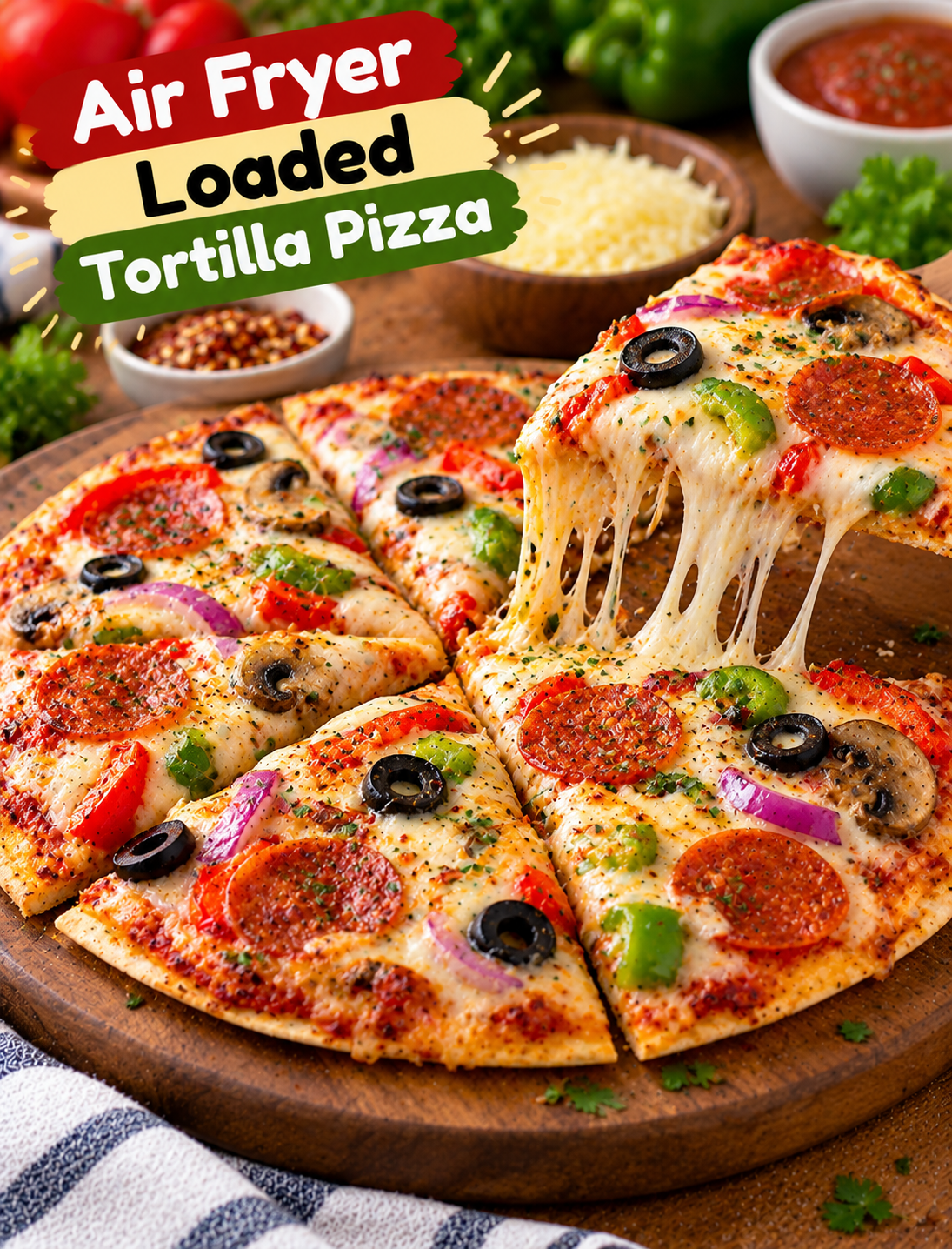
Air Fryer Loaded Tortilla Pizza

Crispy air fryer loaded tortilla pizza topped with melted mozzarella cheese, pepperoni, bell peppers, red onions, mushrooms, and black olives.
Air Fryer Loaded Tortilla Pizza

Air Fryer Loaded Tortilla Pizza is a quick and easy way to enjoy pizza with a thin, crispy crust, melted cheese, savory toppings, and rich pizza sauce. Instead of preparing traditional pizza dough, this recipe uses a flour tortilla as the base, making it a convenient choice for busy weeknights, quick lunches, or a fun family snack.

The air fryer cooks the tortilla until its edges turn golden and crisp while the mozzarella melts over the toppings. You can customize each pizza with pepperoni, bell peppers, red onions, mushrooms, olives, or your favorite vegetables. Every serving can have a different combination, so this recipe works well for families with different tastes.

This homemade tortilla pizza is also easy to prepare with everyday ingredients. There is no need to knead dough, wait for it to rise, or heat a large oven. With a few simple steps, you can prepare a delicious personal pizza in about 10 minutes, depending on your air fryer and toppings.

Why You’ll Love This Air Fryer Loaded Tortilla Pizza

  • Quick preparation: Assemble your pizza in just a few minutes with a tortilla, sauce, cheese, and toppings.
  • Crispy texture: The circulating hot air helps the tortilla develop a crunchy base without traditional pizza dough.
  • Easy customization: Use your favorite meats, vegetables, cheeses, and seasonings.
  • Perfect for one or two servings: Make individual pizzas without preparing a full-size pie.
  • Less cleanup: Prepare your pizza directly in an air fryer-safe basket or on a suitable rack.
  • Family-friendly meal: Let everyone choose their own toppings for a simple pizza night.
  • Budget-friendly ingredients: Flour tortillas, shredded cheese, and leftover vegetables help keep costs manageable.

Ingredients for Air Fryer Loaded Tortilla Pizza

This recipe makes 2 individual tortilla pizzas. The exact amount of toppings may vary depending on the size of your tortillas and air fryer basket.

Main Ingredients

  • 2 medium flour tortillas: Choose tortillas that fit flat inside your air fryer basket without folding.
  • 4 tablespoons pizza sauce: Use a thick pizza sauce or marinara sauce to add classic tomato flavor.
  • 1 cup shredded mozzarella cheese: Low-moisture mozzarella melts well and helps prevent a watery topping.
  • 12–16 slices pepperoni: Add more or less according to your taste.
  • ¼ cup diced bell pepper: Use red, yellow, or green bell pepper for color and crunch.
  • ¼ cup sliced red onion: Cut the onion into thin pieces so it softens quickly.
  • ¼ cup sliced mushrooms: Pat fresh mushrooms dry before adding them to the pizza.
  • 2 tablespoons sliced black olives: These provide a salty, savory flavor.
  • ¼ teaspoon Italian seasoning: Sprinkle it over the cheese and toppings for an herby finish.
  • ¼ teaspoon garlic powder: Add a mild garlic flavor without extra moisture.
  • Cooking spray or a little olive oil: Use a small amount if your air fryer basket needs help preventing sticking.

Optional Toppings

  • Cooked chicken pieces
  • Cooked Italian sausage
  • Baby spinach
  • Jalapeño slices
  • Crushed red pepper flakes
  • Grated Parmesan cheese
  • Fresh basil leaves

Choose cooked meat toppings because a thin tortilla pizza cooks quickly and may not heat raw meat safely. Keep vegetable pieces small so they warm through before the tortilla becomes too dark.

Equipment You’ll Need

  • Air fryer
  • Tongs or a heat-safe spatula
  • Cutting board and knife
  • Measuring spoons
  • Small spoon for spreading sauce

A pizza cutter is helpful for serving, but a sharp knife also works.

How to Make Air Fryer Loaded Tortilla Pizza

Follow these steps for a crispy tortilla base, melted cheese, and evenly heated toppings.

Step 1: Preheat the Air Fryer

Preheat your air fryer to 375°F (190°C) for about 2–3 minutes if your model recommends preheating.

A preheated basket helps the tortilla begin crisping as soon as it goes in. Check your manufacturer’s instructions because some air fryers do not require preheating.

Step 2: Prepare the Tortillas

Place the flour tortillas on a clean cutting board and check that they fit inside your air fryer basket.

If necessary, use smaller tortillas to avoid folding or trimming them to fit. Lightly brush the underside with olive oil or apply a small amount of cooking spray if needed.

Step 3: Crisp the Tortilla Base

Place one tortilla in the air fryer basket and cook it for 1–2 minutes at 375°F (190°C).

This short first cook helps the tortilla become firmer before you add the sauce. Watch it closely because thin tortillas can brown quickly.

Step 4: Add the Pizza Sauce

Remove the tortilla carefully and spread about 2 tablespoons of pizza sauce over the surface.

Leave a narrow border around the edge to create a crisp outer crust. Avoid using too much sauce because excess moisture can make the tortilla soft.

Step 5: Add the Cheese and Toppings

Sprinkle about ½ cup of shredded mozzarella over the sauce. Arrange the pepperoni, bell pepper, red onion, mushrooms, and black olives on top.

Finish with Italian seasoning and garlic powder. Keep the toppings in a single, even layer so the cheese melts and the tortilla cooks consistently.

Important: Do not overload the tortilla. Heavy toppings can make the base bend, and loose ingredients may move around in the air fryer.

Step 6: Air Fry Until the Cheese Melts

Return the assembled pizza to the basket and cook at 375°F (190°C) for approximately 3–5 minutes.

Check the pizza after 3 minutes. It is ready when the cheese has melted, the toppings are hot, and the tortilla edges are golden and crisp.

Cooking times vary by air fryer model, tortilla thickness, and topping quantity. Add another 1–2 minutes if needed, checking frequently to prevent burning.

Step 7: Remove and Rest Briefly

Use a heat-safe spatula to transfer the pizza to a cutting board. Let it rest for about 1 minute before slicing.

The short resting time helps the melted cheese settle and makes the pizza easier to handle. Finish with fresh basil, Parmesan, or red pepper flakes if desired.

Step 8: Slice and Serve

Cut the pizza into quarters or smaller triangles using a pizza cutter or sharp knife.

Serve immediately while the edges are crunchy and the cheese is warm. Pair it with a green salad, carrot sticks, cucumber slices, or a light dipping sauce for a more complete meal.

Tips for the Crispiest Tortilla Pizza

  • Use low-moisture mozzarella: It melts well without releasing as much water as some fresh cheeses.
  • Keep the sauce layer thin: Too much sauce can soften the tortilla before it becomes crisp.
  • Dry fresh vegetables: Wipe mushrooms and other watery toppings with a paper towel before using them.
  • Pre-cook watery toppings when needed: Briefly sauté mushrooms or other moisture-heavy vegetables to remove excess liquid.
  • Use a tortilla that fits: A flat tortilla cooks more evenly than one that curls against the basket.
  • Check early: Air fryers vary in power, so begin checking the pizza after 3 minutes of topping time.
  • Keep toppings in place: A light layer of cheese over the toppings can help hold small pieces in place.
  • Cook one pizza at a time: If your basket is small, cooking separately allows better airflow and easier removal.

Best Toppings and Variations

One of the best things about this recipe is how easily you can change the flavor.

1. Pepperoni and Cheese

Use pizza sauce, mozzarella, pepperoni, and a pinch of Italian seasoning. This simple combination delivers classic pizza flavor with a crunchy tortilla crust.

2. Supreme-Style Tortilla Pizza

Top the tortilla with pepperoni, cooked sausage, bell peppers, onions, and black olives. Use modest portions of each topping to keep the base crisp.

3. BBQ Chicken Pizza

Replace the pizza sauce with a thin layer of barbecue sauce. Add cooked chicken, mozzarella, and thinly sliced red onion for a smoky, savory variation.

4. Vegetarian Loaded Pizza

Skip the meat and use bell peppers, mushrooms, onions, olives, and spinach. Pat the vegetables dry and avoid piling them too high.

5. Spicy Jalapeño Pizza

Add sliced jalapeños, pepperoni, mozzarella, and a small pinch of crushed red pepper flakes. Use fewer jalapeños if you prefer a milder flavor.

6. Three-Cheese Tortilla Pizza

Combine mozzarella with small amounts of Parmesan and cheddar. Keep the total cheese quantity moderate so the tortilla stays crisp.

What to Serve with Air Fryer Loaded Tortilla Pizza

Pair your pizza with simple sides that balance its rich cheese and savory toppings.

  • Garden salad: Mixed greens, cucumber, tomatoes, and a light vinaigrette add freshness.
  • Roasted vegetables: Broccoli, zucchini, or carrots make a colorful side dish.
  • Fresh fruit: Apple slices, grapes, or orange segments provide a sweet contrast.
  • Marinara dipping sauce: Serve a small bowl on the side for extra tomato flavor.
  • Garlic yogurt dip: Mix plain Greek yogurt with garlic powder, lemon juice, and dried herbs.
  • Soup: A small bowl of tomato soup works well for a comforting lunch.

For a quick family meal, serve one tortilla pizza per person and add a vegetable side. Adjust the number of pizzas according to appetite and the size of the tortillas.

How to Store and Reheat Leftovers

Refrigeration

Allow leftover pizza to cool, then place it in an airtight container. Refrigerate within 2 hours of cooking and use within 3–4 days.

For the best texture, store slices in a single layer or separate them with parchment paper.

Reheating in the Air Fryer

Place the refrigerated slices in a single layer in the air fryer basket. Reheat at 350°F (175°C) for 2–4 minutes, checking until the cheese is hot and the tortilla becomes crisp again.

Add a little extra time if the slices are thickly topped. Avoid stacking them because the trapped steam can soften the crust.

Can You Freeze Tortilla Pizza?

You can freeze cooked tortilla pizza, although the tortilla may lose some crispness after thawing. Wrap individual slices tightly and store them in a freezer-safe container for up to 2 months for best quality.

Reheat from frozen in the air fryer at 350°F (175°C), checking frequently and allowing additional time as needed. Make sure the center is thoroughly hot before serving.

Common Mistakes to Avoid

  • Adding too much sauce: A thick layer makes the tortilla soggy.
  • Using oversized tortillas: Tortillas that touch the heating element or curl against the basket may cook unevenly.
  • Overloading the pizza: Too many toppings can prevent the cheese from melting evenly and make the base difficult to lift.
  • Ignoring the cooking time: A thin tortilla can burn quickly, especially around the edges.
  • Using raw meat: The short cooking time is not designed to cook raw chicken, sausage, or other raw meat safely.
  • Cutting immediately: A brief rest helps the cheese settle and reduces the chance of toppings sliding off.
  • Leaving loose toppings uncovered: Small ingredients may move in the airflow, so arrange them securely under or between the cheese.

Frequently Asked Questions

1. How long does tortilla pizza take in the air fryer?

It usually takes about 4–7 minutes after adding the toppings, plus a short initial crisping step. Check early because air fryer models vary.

2. What temperature is best for air fryer tortilla pizza?

Start at 375°F (190°C) for a crisp tortilla and melted cheese. Adjust the time based on your appliance and the thickness of the toppings.

3. Do I need to pre-cook the tortilla?

Pre-cooking the tortilla for 1–2 minutes helps create a firmer, crispier base, especially when you use sauce and several toppings.

4. Why is my tortilla pizza soggy?

Too much sauce, wet vegetables, or heavy toppings can make the base soft. Use less sauce and remove excess moisture from vegetables before cooking.

5. Can I use corn tortillas instead of flour tortillas?

Yes, but corn tortillas are usually smaller and may be more fragile. Choose a sturdy tortilla that fits the basket and watch it closely while cooking.

6. Can I make tortilla pizza without pepperoni?

Yes, use cooked chicken, cooked sausage, or vegetables such as mushrooms, peppers, onions, and olives instead.

7. How do I stop the tortilla from flying around in the air fryer?

Crisp the plain tortilla briefly before adding toppings, then distribute the sauce, cheese, and ingredients evenly. Never use loose parchment paper without food weighing it down.

8. Can I prepare tortilla pizza ahead of time?

You can chop the toppings and measure the sauce and cheese in advance. Assemble the pizza just before air frying to help prevent the tortilla from becoming soggy.

Final Thoughts

Air Fryer Loaded Tortilla Pizza is a practical way to enjoy homemade pizza without making dough or waiting for an oven to heat. A flour tortilla creates a thin, crunchy base, while mozzarella, pizza sauce, and your favorite toppings deliver familiar pizza flavor in a smaller portion.

Keep the sauce light, use cooked proteins, and check the pizza frequently during cooking. Once you master the basic method, try different cheese blends, vegetables, and seasonings to create a new combination whenever pizza night comes around.

Ready to try it? Make your favorite topping combination, serve it hot, and enjoy a quick homemade pizza with less preparation and cleanup.

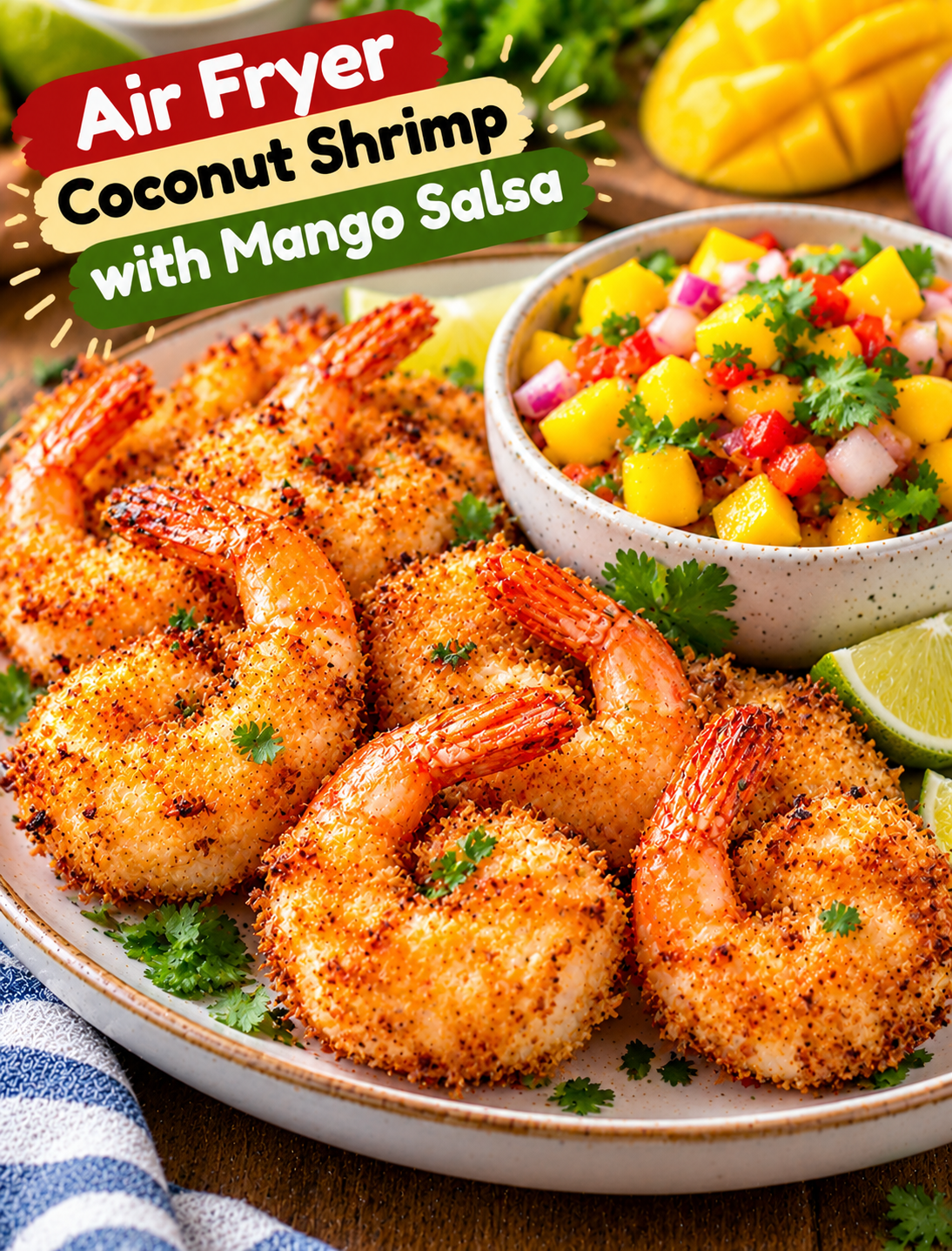
Air Fryer Coconut Shrimp with Mango Salsa

Golden air fryer coconut shrimp served with fresh mango salsa, diced red onion, cilantro, and lime wedges on a plate.
Air Fryer Coconut Shrimp with Mango Salsa

Air Fryer Coconut Shrimp with Mango Salsa brings crispy coconut-coated shrimp and fresh tropical fruit together in one easy recipe. Each shrimp has a golden, crunchy coating with a hint of sweetness, while the mango salsa adds juicy fruit, fresh lime, and a little heat. This combination makes a delicious appetizer, light lunch, or weeknight dinner.

Instead of deep-frying the shrimp, this recipe uses an air fryer to create a crisp coating with a small amount of oil. Shredded coconut and panko breadcrumbs provide the crunch, while garlic powder and paprika add savory flavor. The mango salsa balances the crispy shrimp with a refreshing mix of sweet, tangy, and spicy ingredients.

You can prepare this dish with simple ingredients from most U.S. grocery stores. Serve it as a party appetizer, tuck the shrimp into tacos, or add them to a fresh salad for a satisfying meal. The shrimp cook quickly, and the salsa can be prepared while the air fryer heats up.

For the best results, use large raw shrimp, dry them well before coating, and arrange them in a single layer in the air fryer basket. Serve immediately with chilled mango salsa for the best contrast between the crunchy shrimp and fresh fruit.

Why You’ll Love This Recipe

  • Crispy without deep-frying: The air fryer creates a golden coconut crust with less oil than traditional deep-frying.
  • Sweet and savory flavor: Coconut adds gentle sweetness, while garlic and paprika balance the taste.
  • Fresh tropical salsa: Ripe mango, lime juice, red onion, and cilantro create a bright topping.
  • Quick cooking: Shrimp cook in just a few minutes, making this recipe useful for busy evenings.
  • Easy entertaining: Arrange the shrimp on a platter with salsa for a colorful party appetizer.
  • Versatile serving options: Enjoy them in tacos, rice bowls, salads, or lettuce wraps.
  • Simple ingredients: The recipe uses common pantry seasonings and fresh produce.
  • Customizable heat: Adjust the jalapeño to make the salsa mild or spicy.

Ingredients You’ll Need

For the Coconut Shrimp

  • 1 pound large raw shrimp, peeled and deveined: Choose large shrimp for a good balance of crunchy coating and tender seafood. Remove the tails if you prefer easier eating, or leave them on for serving.
  • ½ cup unsweetened shredded coconut: Creates the signature coconut flavor without making the coating overly sweet.
  • ½ cup panko breadcrumbs: Adds a light, crunchy texture.
  • ¼ cup all-purpose flour: Helps the egg mixture and coating stick to the shrimp.
  • 1 large egg: Binds the coating to the shrimp.
  • 1 tablespoon water: Helps loosen the beaten egg for even dipping.
  • ½ teaspoon garlic powder: Adds savory flavor.
  • ½ teaspoon paprika: Gives the coating a warm color and mild flavor.
  • ¼ teaspoon salt: Enhances the taste of the shrimp.
  • ¼ teaspoon black pepper: Adds a gentle peppery note.
  • Olive oil spray: Helps the coconut coating brown evenly.

For the Fresh Mango Salsa

  • 1 large ripe mango, diced: Provides juicy sweetness and a soft, fresh texture.
  • ¼ cup finely diced red onion: Adds a sharp flavor that balances the mango.
  • 1 small jalapeño, seeded and minced: Gives the salsa a mild kick; use less or leave it out for a milder version.
  • ¼ cup chopped fresh cilantro: Adds a fresh, herbal flavor.
  • Juice of 1 lime: Brightens the fruit and balances its sweetness.
  • Pinch of salt: Brings the salsa flavors together.

Optional Serving Ingredients

  • Lime wedges
  • Extra chopped cilantro
  • Sliced avocado
  • Warm tortillas
  • Cooked rice
  • Mixed salad greens

Ingredient tip: Pat the shrimp dry before breading. Excess moisture can make the coating slide off or turn soft during cooking.

Equipment Needed

  • Air fryer
  • Three shallow bowls
  • Cutting board
  • Sharp knife
  • Measuring cups and spoons
  • Tongs
  • Mixing bowl
  • Paper towels
  • Instant-read food thermometer, if available

Three shallow bowls make the breading process easier: one for flour, one for egg, and one for the coconut-panko mixture. Use tongs or one hand for wet ingredients and the other for dry coating to reduce clumping.

How to Make Air Fryer Coconut Shrimp with Mango Salsa

Step 1: Prepare the Shrimp

  • If using frozen shrimp, thaw them safely in the refrigerator or under cold running water.
  • Peel and devein the shrimp if needed.
  • Remove the tails if desired.
  • Pat each shrimp thoroughly dry with paper towels.
  • Set the shrimp on a clean plate while you prepare the coating.

Tip: Dry shrimp are easier to bread, and the coating sticks better when the surface is not wet. Avoid leaving raw shrimp at room temperature longer than necessary.

Step 2: Make the Coconut Coating

  • Add the shredded coconut to a shallow bowl.
  • Mix in the panko breadcrumbs, garlic powder, paprika, salt, and black pepper.
  • Stir until the coconut and seasonings are evenly distributed.
  • Place the flour in a second bowl.
  • Whisk the egg and water together in a third bowl.

Tip: Panko creates a lighter crunch than many fine breadcrumbs. Unsweetened coconut gives you more control over the final sweetness.

Step 3: Coat the Shrimp

  • Dredge one shrimp in the flour and shake off the excess.
  • Dip it into the egg mixture.
  • Let the extra egg drip back into the bowl.
  • Press the shrimp into the coconut-panko mixture.
  • Turn it to coat both sides.
  • Gently press the coating onto the surface.
  • Place the coated shrimp on a clean plate.
  • Repeat with the remaining shrimp.

Tip: A thin, even coating works better than a thick layer. If the coating becomes clumpy, stir it with a fork before continuing.

Step 4: Preheat the Air Fryer

  • Preheat the air fryer to 375°F for about 3 minutes if your model recommends preheating.
  • Check your appliance instructions for any specific preheating guidance.
  • Lightly coat the basket with a suitable cooking spray.
  • Arrange the breaded shrimp on a plate until the basket is ready.

Tip: A preheated basket helps the coating begin crisping as soon as the shrimp go in. Avoid using aerosol sprays that your air fryer manufacturer warns against.

Step 5: Arrange the Shrimp in the Basket

  • Place the shrimp in a single layer.
  • Leave a little space between each piece.
  • Cook in batches if the basket is too small.
  • Lightly spray the tops of the shrimp with olive oil.

Tip: Overcrowding traps moisture and prevents even browning. Air circulation around each shrimp is important for a crisp coconut crust.

Step 6: Air Fry Until Golden

  • Cook the shrimp at 375°F for about 8–10 minutes.
  • Turn them carefully halfway through cooking.
  • Check smaller shrimp after about 7 minutes.
  • Continue cooking until the coating is golden and the shrimp are opaque and firm.
  • For food safety, cook shrimp to an internal temperature of 145°F.

Tip: Cooking time depends on shrimp size and the air fryer model. Avoid overcooking, because shrimp can become tough and rubbery quickly.

Step 7: Prepare the Mango Salsa

  • Peel the mango and remove the pit.
  • Dice the flesh into small pieces.
  • Add the mango to a mixing bowl.
  • Stir in the red onion, jalapeño, cilantro, and lime juice.
  • Add a pinch of salt.
  • Mix gently so the mango keeps its shape.
  • Taste and adjust the lime juice or jalapeño as needed.

Tip: Use a ripe mango that gives slightly when pressed but is not mushy. If the mango is very sweet, a little extra lime juice can balance the flavor.

Step 8: Let the Salsa Rest

  • Set the salsa aside for about 5–10 minutes.
  • Stir gently before serving.
  • Keep it chilled if you’re not serving it right away.
  • Avoid mixing the salsa with the hot shrimp too early.

Tip: A short rest lets the lime juice and onion flavor blend with the mango. Keeping the salsa separate helps the shrimp coating stay crisp.

Step 9: Plate and Serve

  • Arrange the hot coconut shrimp on a serving plate.
  • Spoon the mango salsa into a small bowl or place it beside the shrimp.
  • Add lime wedges and extra cilantro if desired.
  • Serve immediately while the coating is crunchy.
  • For a full meal, add rice, salad greens, or warm tortillas.

Tip: Serve the salsa on the side for the best texture. If you spoon it over the shrimp, add it just before eating so the coating does not become soggy.

Tips for the Best Coconut Shrimp

  • Dry the shrimp well: Surface moisture can weaken the coating.
  • Use large shrimp: They are easier to bread and less likely to overcook.
  • Press the coating gently: This helps the coconut and panko stay attached.
  • Choose unsweetened coconut: It prevents the coating from becoming too sugary.
  • Leave space in the basket: Cook in batches if needed.
  • Use a light oil spray: This encourages a golden finish.
  • Turn the shrimp halfway: Both sides can brown more evenly.
  • Watch the cooking time: Shrimp cook quickly and can become rubbery if left too long.
  • Keep the salsa separate: Add it at serving time to protect the crisp coating.
  • Taste the salsa before serving: Adjust the lime, salt, or jalapeño to suit your preference.

Flavor Variations

Spicy Coconut Shrimp

Add ¼ teaspoon of cayenne pepper to the coconut-panko mixture. You can also add extra jalapeño to the salsa for more heat.

Lime-Cilantro Coconut Shrimp

Add ½ teaspoon of finely grated lime zest to the coating and extra cilantro to the salsa. This variation gives the dish a stronger citrus and herbal flavor.

Sweet Coconut Shrimp

Use a small amount of sweetened shredded coconut if you prefer a sweeter crust. Watch the shrimp closely because sweetened coconut may brown faster.

Coconut Shrimp Tacos

Place the cooked shrimp in warm tortillas with mango salsa, shredded cabbage, and avocado. Finish with a squeeze of lime for a quick seafood taco dinner.

Mango Avocado Salsa

Add half a diced avocado to the mango salsa just before serving. The avocado adds a creamy texture that pairs well with the crunchy shrimp.

Gluten-Free Coconut Shrimp

Replace the all-purpose flour and panko with certified gluten-free alternatives. Check the ingredient labels to confirm that all seasonings and coatings meet your needs.

What to Serve with Coconut Shrimp

  • Coconut rice: A mild side that complements the tropical flavor.
  • Lime rice: Adds citrus notes without overpowering the shrimp.
  • Fresh green salad: Offers a crisp, refreshing contrast.
  • Cabbage slaw: Adds crunch and works especially well in tacos.
  • Grilled vegetables: Zucchini, bell peppers, and asparagus make colorful sides.
  • Black bean salad: Adds a hearty texture and pairs well with mango.
  • Warm tortillas: Turn the shrimp into easy tacos or wraps.
  • Avocado slices: Provide a creamy contrast to the crisp coating.

For a light meal, serve the shrimp with mango salsa and a green salad. For a more filling dinner, pair them with rice and roasted vegetables.

Storage and Reheating Instructions

How to Store Leftovers

  • Allow the shrimp to cool slightly.
  • Place them in an airtight container.
  • Refrigerate within 2 hours of cooking.
  • Store cooked shrimp for up to 3–4 days.
  • Store mango salsa separately in a covered container.
  • Use the salsa within about 2 days for the best texture.

Keep seafood refrigerated at 40°F or below. Do not leave cooked shrimp at room temperature for an extended period.

How to Reheat Coconut Shrimp

  • Preheat the air fryer to 350°F.
  • Place the shrimp in a single layer.
  • Heat for about 3–5 minutes, checking frequently.
  • Turn once if needed.
  • Reheat leftovers to 165°F for food safety.
  • Serve with chilled mango salsa after reheating.

The microwave is convenient, but it can soften the coating. The air fryer is usually better for restoring a crunchy texture.

Can You Freeze Coconut Shrimp?

You can freeze cooked coconut shrimp, although the coating may lose some crispness after thawing. Cool the shrimp, freeze them in a single layer until firm, and transfer them to a freezer-safe container. For the best quality, use within about 2 months and reheat in the air fryer until hot throughout.

Fresh mango salsa is best prepared close to serving time rather than frozen, because thawing can make the mango watery and soft.

Common Mistakes to Avoid

  • Skipping the drying step: Wet shrimp can cause the coating to slide off.
  • Using too much egg mixture: Excess egg can create a thick, uneven crust.
  • Overcrowding the basket: Crowded shrimp may steam instead of crisp.
  • Using high heat for too long: Coconut can brown before the shrimp finish cooking.
  • Overcooking the shrimp: Tough, rubbery shrimp are often the result of excessive cooking.
  • Making salsa too early: Mango releases juice as it sits, so drain excess liquid if needed.
  • Adding salsa too soon: Moisture from the fruit softens the crunchy coating.
  • Skipping the halfway turn: One side may remain pale or less crisp.
  • Guessing doneness by color alone: Use a food thermometer when possible and check for opaque, firm shrimp.

Frequently Asked Questions

1. Can I use frozen shrimp for this recipe?

Yes. Thaw the shrimp safely, peel and devein them if needed, then pat them completely dry before coating.

2. What temperature should I use for air fryer coconut shrimp?

Cook at 375°F for about 8–10 minutes, turning halfway, until the shrimp reach 145°F internally.

3. Can I make coconut shrimp without panko?

Yes. Use regular breadcrumbs or suitable gluten-free breadcrumbs, although the coating may have a slightly different texture.

4. How do I keep the coconut coating crispy?

Dry the shrimp, avoid overcrowding, use a light oil spray, and serve the mango salsa on the side.

5. Can I make the mango salsa ahead of time?

Yes. Prepare it a few hours ahead and refrigerate it in a covered container, then stir before serving.

6. Is sweetened or unsweetened coconut better?

Unsweetened shredded coconut is recommended because it gives a balanced flavor and is less likely to brown too quickly.

7. Can I bake the coconut shrimp instead?

Yes. Bake at 425°F on a lightly greased wire rack for about 10–15 minutes, turning halfway and checking for an internal temperature of 145°F.

8. What can I use instead of mango in the salsa?

Diced pineapple or peach can provide a similar sweet, fruity flavor. Adjust the lime juice and jalapeño to taste.

Final Thoughts

Air Fryer Coconut Shrimp with Mango Salsa combines crunchy coconut-coated seafood with a fresh, sweet-and-tangy topping. The air fryer makes the shrimp easy to cook, while the mango, lime, cilantro, and red onion bring a bright tropical flavor to the plate.

For the best results, dry the shrimp before breading, cook them in a single layer, and check that they reach 145°F internally. Prepare the salsa while the shrimp cook, then serve everything immediately with lime wedges and your favorite side dishes.

Make this recipe for a casual weeknight dinner, a weekend appetizer, or a seafood taco night. With simple ingredients and a few easy steps, you can enjoy crisp coconut shrimp and fresh mango salsa at home.