Flourless Lemon Greek Yogurt Cake

Flourless Lemon Greek Yogurt Cake – Easy, Moist & Delicious

This Flourless Lemon Greek Yogurt Cake is a soft, creamy, and refreshing dessert made with Greek yogurt, fresh lemon zest, and eggs. It has a delicate lemon flavor, a moist texture, and a beautiful golden top. Perfect for breakfast, afternoon tea, or a light dessert!

Note: Your image shows only three ingredients: Greek yogurt, eggs, and lemon zest. Those alone will make a soft, custard-like bake rather than the fluffy cake pictured. The complete recipe below includes a few additional ingredients to achieve a more cake-like texture while keeping it flourless.

50–60 minutes
8 servings
Gluten-free with certified ingredients

Description

Flourless Lemon Greek Yogurt Cake is a simple homemade dessert that combines the tanginess of Greek yogurt with the bright, fresh taste of lemon. Unlike traditional cakes made with wheat flour, this recipe uses cornstarch to create a soft, tender texture.

The Greek yogurt keeps the cake moist, while the eggs help it rise and hold together. Fresh lemon zest adds a beautiful citrus aroma, and a light lemon glaze gives the finished cake a sweet, refreshing touch.

Ingredients

For the Lemon Greek Yogurt Cake

  • 1 cup plain Greek yogurt (240 g)

  • 3 large eggs, room temperature

  • 2 tablespoons fresh lemon zest

  • ½ cup granulated sugar

  • ⅓ cup cornstarch

  • 2 tablespoons fresh lemon juice

  • 1 teaspoon vanilla extract

  • 1 teaspoon baking powder

  • ¼ teaspoon salt

For the Optional Lemon Glaze

  • ½ cup powdered sugar

  • 1–2 tablespoons fresh lemon juice

  • ½ teaspoon lemon zest

Step-by-Step Instructions

Step 1: Preheat the Oven

Preheat your oven to 350°F (175°C). Grease an 8-inch round cake pan and line the bottom with parchment paper.

Step 2: Mix the Eggs and Sugar

In a large mixing bowl, add the eggs and granulated sugar. Beat with an electric mixer for 3–4 minutes until the mixture becomes pale, thick, and slightly fluffy.

This step helps create a lighter texture.

Step 3: Add Greek Yogurt and Lemon

Add the Greek yogurt, lemon zest, lemon juice, and vanilla extract.

Mix gently until smooth and well combined.

Step 4: Add the Dry Ingredients

Sift the cornstarch, baking powder, and salt into the wet mixture.

Fold everything together using a spatula until no lumps remain. Avoid overmixing.

Step 5: Bake the Cake

Pour the batter into the prepared cake pan and smooth the top.

Bake for 35–45 minutes, or until the top is lightly golden and the center is set with only a slight wobble.

A toothpick inserted near the center should come out without wet batter. The cake may rise during baking and settle slightly as it cools.

Step 6: Cool Completely

Remove the cake from the oven and allow it to cool in the pan for 15–20 minutes.

Transfer it carefully to a serving plate, then refrigerate for at least 1 hour for cleaner slices and a firmer texture.

Step 7: Prepare the Lemon Glaze

In a small bowl, mix powdered sugar with lemon juice until smooth.

Drizzle over the cooled cake and sprinkle with fresh lemon zest.

Slice and enjoy!

Tips and Notes

Use thick Greek yogurt: Full-fat Greek yogurt gives the cake a richer, creamier texture. Avoid watery yogurt because it can affect the consistency.

Choose fresh lemons: Freshly grated lemon zest provides the best citrus flavor. Grate only the yellow outer peel, not the bitter white pith.

Don’t overbake: The center should be set but still tender. Overbaking may cause the cake to become dry or rubbery.

For a sweeter cake: Increase the sugar slightly if you prefer a sweeter dessert.

For a lighter option: Skip the powdered sugar glaze and serve with fresh berries.

Storage: Store the cake in an airtight container in the refrigerator for up to 4 days.

Serving suggestion: Enjoy chilled for a cheesecake-like texture or allow it to sit at room temperature for 10–15 minutes before serving.

Frequently Asked Questions

Is this cake really flourless?

Yes! This recipe contains no wheat flour or almond flour. Cornstarch helps give the cake structure while keeping it tender.

Can I make this cake without sugar?

You can try a granulated sugar substitute designed for baking, but the sweetness, browning, and texture may change.

Can I use regular yogurt instead of Greek yogurt?

Greek yogurt is recommended because it is thicker. If using regular yogurt, strain it first to remove excess liquid.

Why did my cake sink after baking?

A little sinking is normal for this type of yogurt-based cake because it contains very little starch compared with traditional cakes.

Can I add blueberries?

Yes! Gently fold in ¼ cup of fresh blueberries before baking for a delicious lemon-blueberry variation.

Servings and Nutrition

Servings: 8 slices

Estimated nutrition per slice, without glaze:

Nutrient Approximate amount
Calories 135 kcal
Protein 5 g
Carbohydrates 21 g
Fat 3 g
Sugar 14 g

Nutrition varies depending on the Greek yogurt and other ingredients used.

Flourless Lemon Greek Yogurt Cake is a refreshing, moist dessert that brings together creamy yogurt and fresh lemon flavor. Serve it with berries, a light lemon glaze, or a cup of tea for a delicious homemade treat.

Mediterranean Creamy Spinach & Shrimp Stuffed Salmon

Mediterranean Creamy Spinach & Shrimp Stuffed Salmon

Description

Mediterranean Creamy Spinach & Shrimp Stuffed Salmon is a delicious, restaurant-style seafood dinner featuring tender, flaky salmon filled with juicy shrimp, fresh spinach, garlic, and a rich, creamy cheese sauce.

The combination of salmon and shrimp creates a satisfying, protein-rich meal, while lemon juice, Parmesan cheese, and Mediterranean herbs add fresh, savory flavors. This recipe is perfect for family dinners, special occasions, or an elegant weekend meal.

Prep Time: 15 minutes Cook Time: 20–25 minutes Total Time: 35–40 minutes Servings: 2

Ingredients

For the Salmon

  • 2 large salmon fillets (skinless, about 6 oz each)

  • 1 tablespoon olive oil

  • ½ teaspoon salt

  • ½ teaspoon black pepper

  • ½ teaspoon smoked paprika

  • ½ teaspoon garlic powder

For the Creamy Spinach & Shrimp Filling

  • ½ pound raw shrimp, peeled, deveined, and finely chopped

  • 1½ cups fresh baby spinach, chopped

  • 3 tablespoons cream cheese, softened

  • ¼ cup heavy cream

  • ¼ cup freshly grated Parmesan cheese

  • 2 cloves garlic, minced

  • 1 tablespoon olive oil

  • 1 teaspoon fresh lemon juice

  • ½ teaspoon dried oregano

  • ¼ teaspoon red pepper flakes (optional)

  • Salt and black pepper, to taste

For Garnishing

  • Fresh parsley, chopped

  • Lemon wedges

  • Extra Parmesan cheese (optional)

  • Fresh dill (optional)

Step-by-Step Instructions

Step 1: Prepare the Salmon

Preheat your oven to 400°F (200°C).

Pat the salmon fillets dry with paper towels. Using a sharp knife, carefully cut a deep pocket into the side of each fillet without cutting all the way through.

Rub the salmon with olive oil, then season both sides with salt, black pepper, smoked paprika, and garlic powder.

Set aside while preparing the filling.

Step 2: Cook the Shrimp

Heat 1 tablespoon of olive oil in a skillet over medium heat.

Add the chopped shrimp and cook for approximately 2–3 minutes, stirring occasionally, until they turn pink and opaque.

Add the minced garlic and cook for another 30 seconds until fragrant.

Avoid overcooking the shrimp because they will cook further in the oven.

Step 3: Prepare the Creamy Spinach Filling

Add the chopped spinach to the skillet with the shrimp.

Cook for 1–2 minutes until the spinach wilts and excess moisture evaporates.

Reduce the heat to low.

Add the softened cream cheese, heavy cream, and Parmesan cheese. Stir until the mixture becomes creamy and smooth.

Season with oregano, lemon juice, red pepper flakes, salt, and black pepper.

Remove from the heat and allow the filling to cool slightly.

Step 4: Stuff the Salmon

Place the seasoned salmon fillets on a lightly greased baking dish or parchment-lined baking sheet.

Carefully spoon the creamy spinach and shrimp mixture into each salmon pocket.

Divide the filling evenly between the two fillets. Gently press the filling inside without breaking the salmon.

If necessary, secure the opening with toothpicks.

Step 5: Bake the Stuffed Salmon

Transfer the baking dish to the preheated oven.

Bake for approximately 18–22 minutes, depending on the thickness of the fillets.

The salmon should be tender and flaky, and the filling should be hot throughout.

For food safety, check that the center of the stuffed salmon reaches 145°F (63°C).

If you prefer a lightly golden surface, broil for the final 1–2 minutes, watching carefully to prevent burning.

Step 6: Garnish and Serve

Remove the salmon from the oven and let it rest for 2–3 minutes.

Sprinkle freshly chopped parsley over the top and serve with lemon wedges.

Add a little extra Parmesan cheese or fresh dill for more Mediterranean flavor.

Serve immediately while the creamy filling is warm.

Tips and Notes

Choose thick salmon fillets: Thick, center-cut salmon fillets are easier to stuff and hold the creamy filling better than thin pieces.

Use fresh shrimp: Fresh or fully thawed frozen shrimp both work well. Pat them dry before cooking to prevent a watery filling.

Avoid excess moisture: If the spinach releases too much liquid, cook until most of it evaporates before adding the cheeses.

Don’t overstuff: Divide the filling evenly and avoid forcing too much into each pocket.

Make it lighter: Replace some of the heavy cream with a small amount of milk. The sauce may be slightly thinner.

Add Mediterranean flavors: Chopped sun-dried tomatoes, fresh basil, or a small amount of feta cheese can add extra flavor.

Storage: Refrigerate leftovers in an airtight container within two hours of cooking and use within 3–4 days.

Reheating: Warm gently in a covered baking dish at 300°F (150°C) until heated through. Avoid overheating because salmon can dry out.

Frequently Asked Questions

Can I use frozen salmon?

Yes. Thaw frozen salmon completely in the refrigerator before preparing the recipe. Pat it dry thoroughly so the seasonings and filling adhere properly.

Can I substitute the heavy cream?

Yes. Half-and-half can be used for a lighter sauce, although the filling may be less rich. Cream cheese helps maintain a creamy consistency.

What can I serve with stuffed salmon?

This Mediterranean seafood dish pairs beautifully with roasted asparagus, steamed broccoli, garlic mashed potatoes, lemon rice, quinoa, or a fresh Greek salad.

Can I prepare this recipe ahead of time?

You can prepare the filling a day ahead, refrigerate it, and stuff the salmon shortly before baking. Keep the seafood chilled until ready to cook.

How do I know when the salmon is cooked?

The salmon should be opaque and separate easily into flakes. Use a food thermometer to confirm that the thickest part and the center of the stuffing reach 145°F (63°C).

Servings and Nutrition

ESTIMATED NUTRITION PER SERVING

~690

Calories

~66 g

Protein

~44 g

Fat

~6 g

Carbohydrates

Nutrition values are approximate and depend on the salmon, shrimp, cheese, and cream used.

Enjoy your Mediterranean Creamy Spinach & Shrimp Stuffed Salmon with fresh lemon and your favorite vegetables for a satisfying seafood dinner!

Simple, Flourless, Low-Carb Flatbread

Simple, Flourless, Low-Carb Flatbread

Description

This Simple Flourless Low-Carb Flatbread is a soft, tender, pan-cooked bread alternative made without wheat flour. It is easy to prepare with a few everyday ingredients and can be served with eggs, grilled chicken, vegetables, or yoghurt dips; curries; or used as a wrap.

The flatbreads shown in the picture are soft, lightly golden, and sprinkled with fresh herbs. This homemade version is designed to create a similar comforting texture while keeping the recipe flour-free.

One important note: calling this recipe “zero carb” or saying you can “eat as much as you like” would be misleading. Eggs, dairy, vegetables, and other ingredients can contain carbohydrates, and calories still matter even when a recipe is low in carbohydrates. The exact nutrition depends on the ingredients used. This recipe is better described as flourless and lower-carb than traditional wheat flatbread.

The recipe is especially useful for people who want an alternative to conventional bread. It is naturally gluten-free when all packaged ingredients are certified gluten-free, and it can be adapted for different dietary preferences.

Fresh parsley, garlic, and a little olive oil give these flatbreads a delicious savoury flavour. They are best served warm, when the centres are soft and the edges have a lightly golden finish.

Ingredients

For the Flourless Flatbread

4 large eggs

1 cup cottage cheese

2 tablespoons grated Parmesan cheese

1 tablespoon olive oil

1/2 teaspoon salt

1/2 teaspoon garlic powder

1/2 teaspoon dried oregano

1/4 teaspoon black pepper

2 tablespoons finely chopped fresh parsley

1 tablespoon finely chopped fresh dill, optional

1/4 teaspoon baking powder

1 tablespoon water, if needed

For Cooking

1 teaspoon olive oil or cooking spray

Optional Garlic Herb Topping

1 tablespoon melted butter or olive oil

1 small garlic clove, finely minced

1 tablespoon chopped fresh parsley

Pinch of dried oregano

Step-by-Step Instructions

Prepare the Batter

Add the eggs, cottage cheese, Parmesan cheese, olive oil, salt, garlic powder, oregano, black pepper, and baking powder to a blender.

Blend for approximately 30 to 45 seconds until the mixture becomes smooth and creamy.

If your cottage cheese is particularly thick, add 1 tablespoon of water and blend again.

The batter should be smooth and pourable but not watery.

Add the chopped parsley and dill after blending and stir them into the mixture. Keeping the herbs slightly visible gives the flatbreads a beautiful homemade appearance.

Rest the Batter

Allow the mixture to rest for approximately 5 minutes.

This gives the ingredients time to settle and allows the baking powder to begin working.

While the batter rests, heat a nonstick skillet over medium-low heat.

Cook the flatbread

Lightly grease the skillet with a small amount of olive oil.

Pour approximately 1/4 cup of batter into the centre of the pan.

Use the back of a spoon or gently tilt the skillet to spread the batter into a round shape.

Keep the flatbread relatively thin. A thinner layer will cook more evenly and become easier to fold.

Cook for approximately 2 to 3 minutes, or until the bottom is lightly golden and the top begins to set.

Carefully flip the flatbread using a wide spatula.

Cook the second side for another 1 to 2 minutes until golden and cooked through.

Transfer the finished flatbread to a plate.

Repeat with the remaining batter.

Make the Garlic Herb Topping

For extra flavour, combine melted butter or olive oil with minced garlic, chopped parsley, and oregano.

Brush a small amount over each warm flatbread.

Serve immediately.

Cooking Notes

The most important part of this recipe is controlling the heat.

If the skillet is too hot, the outside may brown quickly while the centre remains soft and difficult to flip.

Medium-low heat gives the flatbread enough time to cook evenly.

A good nonstick skillet makes flipping much easier.

The batter should not be extremely thick. If it does not spread easily, add a small amount of water and blend again.

Because cottage cheese varies between brands, the exact consistency of the batter can change. A slightly thicker cottage cheese may produce a thicker batter.

For thinner wraps, spread the batter more thinly in the skillet.

For softer, thicker flatbreads, use a little more batter and cook over lower heat.

Tips for Perfect Flourless Flatbread

Use room-temperature eggs if possible because they blend more easily with the cottage cheese.

Blend the cottage cheese thoroughly to create a smoother texture.

Do not overcrowd the skillet. Cook one flatbread at a time unless you have a large griddle.

Keep the heat moderate so the flatbread cooks without burning.

Use a flexible silicone or wide spatula for easier flipping.

Allow the cooked flatbreads to cool for a minute before folding them.

If making wraps, avoid overcooking because excessive cooking can make them less flexible.

For extra garlic flavour, add fresh garlic directly to the batter instead of only using garlic powder.

Fresh parsley and dill add freshness, but you can replace them with cilantro, chives, or green onion.

How to Make Them More Flexible

If you want to use these flatbreads as wraps, cook them slightly less than you would for a crispier flatbread.

As soon as the surface is set and the underside is lightly golden, flip the flatbread.

Do not let the edges become extremely dark or dry.

Stack finished flatbreads on a plate and cover them loosely with a clean kitchen towel. The gentle steam helps maintain a softer texture.

Flavour Variations

Garlic Parmesan Flatbread

Increase the Parmesan to 3 tablespoons and add an extra small garlic clove to the batter.

Herb Flatbread

Add parsley, dill, oregano, chives, and a small amount of rosemary.

Spicy Flatbread

Add crushed red pepper flakes, paprika, or a pinch of cayenne pepper.

Mediterranean Flatbread

Add oregano, parsley, garlic, and a small amount of crumbled feta after cooking.

Cheesy Flatbread

Add shredded mozzarella or cheddar to the batter for a richer version.

Breakfast Flatbread

Serve the flatbread with scrambled eggs, avocado, tomatoes, and Greek yoghurt.

Serving Suggestions

These flourless flatbreads are extremely versatile.

Serve them alongside grilled chicken, fish, roasted vegetables, soups, or salads.

They can also be used as wraps. Fill them with grilled chicken, lettuce, cucumber, tomato, and a yoghurt-garlic sauce.

For breakfast, serve them with eggs and avocado.

For a snack, spread them with hummus, cottage cheese, or Greek yoghurt.

They can also replace traditional bread alongside soups and stews.

For a Mediterranean-style meal, serve them with grilled vegetables, olives, feta cheese, cucumber, and tzatziki.

Benefits of the Main Ingredients

Eggs

Eggs provide high-quality protein and important nutrients such as vitamin B12, selenium, and choline. Protein can contribute to fullness and helps support normal muscle maintenance.

Cottage Cheese

Cottage cheese is a convenient source of protein and calcium. Choosing a lower-fat or reduced-sodium version can change the overall nutritional profile.

Fresh Herbs

Parsley and dill contribute flavour without requiring large amounts of salt or sugar. They also provide small amounts of vitamins and plant compounds.

Parmesan Cheese

Parmesan adds protein, calcium, and a strong savoury flavour, allowing you to use a relatively small amount while still making the flatbread flavourful.

Olive Oil

Olive oil provides unsaturated fat and helps give the flatbread a softer texture and pleasant flavour.

Is This Flatbread Really Zero Carb?

No recipe should automatically be called zero-carb unless its ingredients and serving contain essentially no carbohydrates, and even then, labelling can depend on nutritional definitions.

Eggs contain a small amount of carbohydrate, while cottage cheese and Parmesan can also contain some carbohydrates. If you add herbs or other ingredients, the total can increase slightly.

This recipe contains substantially less carbohydrate than many traditional wheat-based breads, but it is not accurate to say that it contains absolutely zero carbohydrates.

Likewise, there is no need to eat unlimited amounts simply because a recipe is lower in carbohydrates. Portion size still matters because calories, protein, and fat contribute to your overall intake.

Is This Flatbread Good for Weight Management?

It can be included in a weight-management eating pattern because it is flourless and provides protein.

However, eating this flatbread alone does not cause weight loss.

Weight management depends on your overall food intake, physical activity, sleep, genetics, and other individual factors.

For a more balanced meal, pair one or two flatbreads with vegetables and a protein source rather than relying on the bread as the entire meal.

If you are following a medically prescribed low-carbohydrate diet, calculate the carbohydrates using the exact brands and quantities you use.

Storage Instructions

Allow the flatbreads to cool completely before storing.

Place them in an airtight container with parchment paper between the pieces to prevent sticking.

Refrigerate for up to 3 days.

To reheat, warm them in a dry skillet over low heat for approximately 30 to 60 seconds per side.

You can also reheat them briefly in the microwave, although they may become softer.

For longer storage, place parchment paper between individual flatbreads and freeze them in a sealed freezer-safe bag.

Thaw in the refrigerator before reheating.

Q/A

Q: Is this recipe completely carb-free?

No. It is flourless and relatively low in carbohydrates compared with traditional bread, but the eggs, cottage cheese, and other ingredients can contain small amounts of carbohydrates.

Q: Can I make this without cottage cheese?

Cottage cheese is important for the texture of this particular recipe. Replacing it will change the consistency, although other soft dairy ingredients can be tested.

Q: Can I make the flatbread without Parmesan?

Yes. You can leave it out, although the flavor and texture will be slightly different.

Q: Why is my flatbread breaking when I flip it?

The batter may be too thin, the flatbread may not have cooked long enough, or you may be flipping it too early. Let the surface set before turning it.

Q: Why is my flatbread sticking to the pan?

Use a good nonstick skillet and lightly grease it before cooking. Make sure the skillet is properly heated before adding the batter.

Q: Can I use these as wraps?

Yes. Make them slightly thinner and avoid overcooking them so they remain flexible.

Q: Can I add vegetables?

Yes. Finely chopped spinach, green onion, parsley, or grated zucchini can be added, but vegetables with high moisture should be squeezed dry first.

Q: Can I make them ahead of time?

Yes. Refrigerate cooked flatbreads in an airtight container and reheat gently before serving.

Q: Are they gluten-free?

The recipe contains no wheat flour, but if you require a medically strict gluten-free diet, check every packaged ingredient for gluten contamination or certification.

Servings

This recipe makes approximately 8 small flatbreads.

Serving Size: 2 small flatbreads

Preparation Time: 10 minutes

Cooking Time: Approximately 20 minutes

Total Time: Approximately 30 minutes

Nutritional Information

Approximate nutrition for 2 small flatbreads, before optional toppings:

Calories: 190 kcal

Protein: 14g

Carbohydrates: 4g

Dietary Fiber: 0g

Fat: 13g

Saturated Fat: 4g

Sugar: 2g

Sodium: 430mg

Calcium: 150mg

These values are estimates and can vary considerably depending on the cottage cheese, Parmesan, egg size, and amount of oil used.

Final Thoughts

Simple Flourless Low-Carb Flatbread is a delicious alternative to traditional bread when you want something soft, savory, and easy to prepare without wheat flour.

The combination of eggs, cottage cheese, Parmesan, garlic, and fresh herbs creates a flavorful flatbread that works beautifully for breakfast, lunch, dinner, or snacks. You can enjoy it alongside a meal, use it as a wrap, or serve it with dips and vegetables.


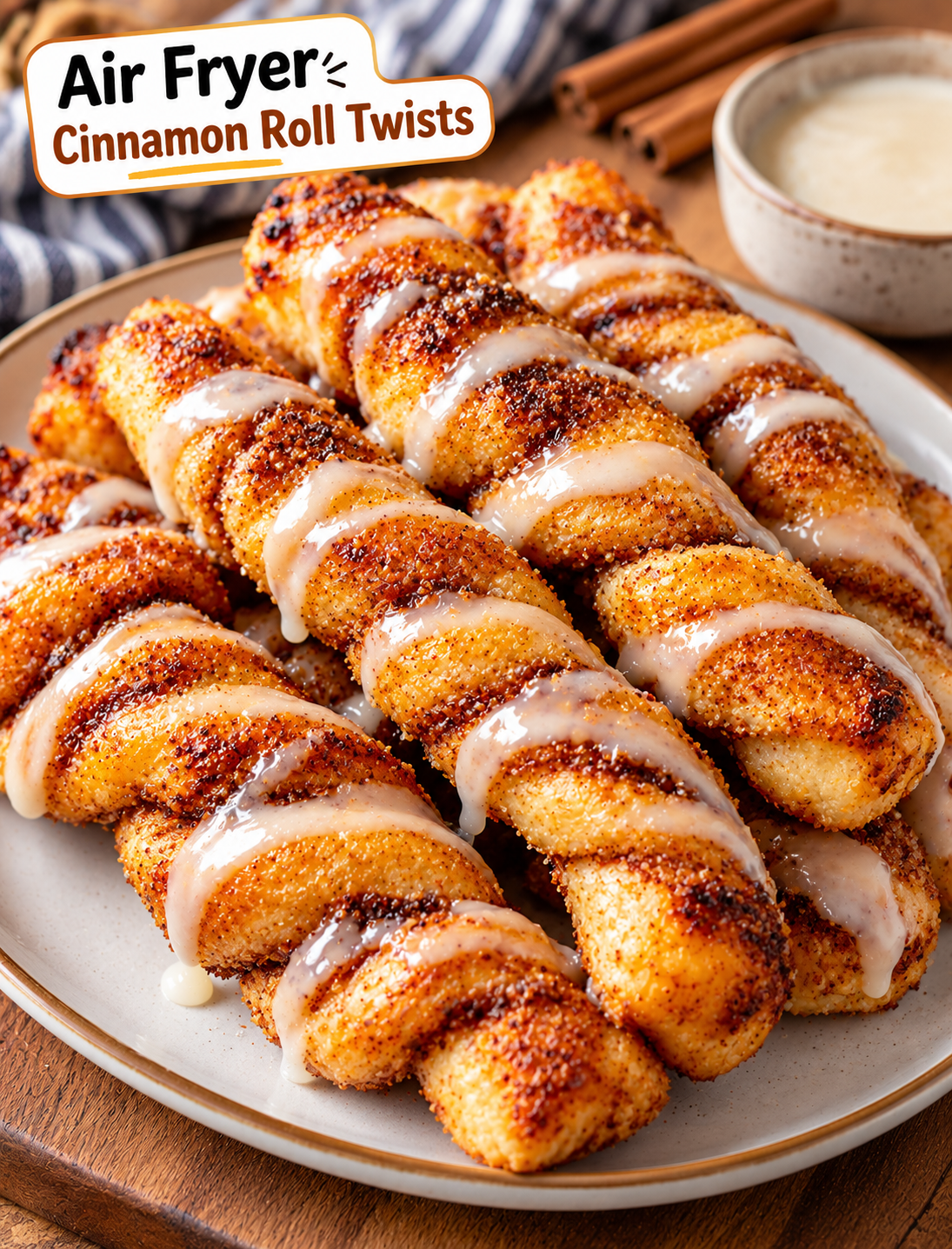
Air Fryer Crispy Cinnamon Roll Twists

Air Fryer Crispy Cinnamon Roll Twists

Want a sweet breakfast treat with crisp edges, a soft center, and warm cinnamon sugar in every bite? These Air Fryer Crispy Cinnamon Roll Twists are an easy way to turn refrigerated cinnamon roll dough into a fun, bakery-style snack at home. They cook quickly in the air fryer and need only a few simple ingredients.

Each twist has a golden outside, a tender middle, and a sweet cinnamon flavor. A drizzle of vanilla icing adds the classic cinnamon roll finish without making the recipe complicated. Serve them warm for breakfast, brunch, an afternoon snack, or a quick dessert.

The best part is how easy these cinnamon twists are to prepare. You do not need to make dough from scratch, wait for yeast to rise, or heat up your oven. With a few minutes of preparation and a short cooking time, you can enjoy a fresh batch whenever a sweet craving strikes.

Why You’ll Love This Recipe

  • Quick and easy: Refrigerated cinnamon roll dough saves time and keeps preparation simple.
  • Crispy edges: The circulating hot air helps the dough turn golden and lightly crisp.
  • Soft centers: The inside stays tender when the twists are cooked for the right amount of time.
  • Simple ingredients: You only need a few pantry staples and a can of cinnamon roll dough.
  • Fun shape: Twisting the dough creates an attractive treat that looks special on a breakfast plate.
  • Easy to customize: Add extra cinnamon sugar, melted butter, or a sweet icing drizzle.
  • Perfect for sharing: Serve these treats at brunch, family breakfasts, holiday mornings, or casual get-togethers.

Ingredients You’ll Need

This recipe uses refrigerated cinnamon roll dough for a convenient shortcut. The extra butter and cinnamon sugar help create a flavorful finish.

  • 1 can refrigerated cinnamon roll dough with icing, about 8 rolls
  • 1 tablespoon melted butter
  • 1 tablespoon granulated sugar
  • 1/2 teaspoon ground cinnamon
  • Cooking spray suitable for your air fryer, if needed

Optional toppings:

  • The icing included with the cinnamon rolls
  • 1 teaspoon powdered sugar for dusting
  • A pinch of extra cinnamon
  • Chopped pecans or walnuts
  • A light drizzle of caramel sauce

Ingredient Notes

Refrigerated cinnamon roll dough: Use the dough and icing from a standard package of refrigerated cinnamon rolls. Different brands may vary in size, sweetness, and cooking time.

Melted butter: A light brush of butter helps the cinnamon sugar stick to the dough and adds a richer flavor.

Ground cinnamon: Cinnamon gives the twists their warm, sweet aroma. Mix it with granulated sugar for an even coating.

Cooking spray: A light coating can help prevent sticking if your air fryer basket requires it. Check your air fryer manual before using aerosol sprays, as some can damage nonstick coatings.

Icing: Use the included icing for a classic finish. If it is too thick to drizzle, stir in a few drops of milk until it reaches your preferred consistency.

Kitchen Tools You’ll Need

  • Air fryer
  • Small mixing bowl
  • Pastry brush or spoon
  • Sharp knife or kitchen scissors
  • Measuring spoons
  • Small spatula or tongs
  • Parchment liner made for air fryers, if suitable for your model

Use an air fryer liner only when it is designed for your appliance and secured beneath the food. Never place loose parchment paper in a preheated air fryer because the fan can lift it toward the heating element.

How to Make Air Fryer Crispy Cinnamon Roll Twists

Follow these simple steps to prepare sweet cinnamon twists with golden edges and soft centers.

Step 1: Prepare the Cinnamon Roll Dough

Open the can of refrigerated cinnamon rolls according to the package directions. Separate the rolls and place them on a clean cutting board.

Unroll each piece of dough carefully into a long strip. If the dough has a thick spiral shape, gently loosen it without pulling it apart. Keep the strips as even as possible so they cook at a similar rate.

If the dough becomes too soft or sticky to handle, place it in the refrigerator for a few minutes before continuing.

Step 2: Cut the Dough Into Strips

Cut each unrolled dough piece lengthwise into two thinner strips, if the dough is wide enough to handle safely. Keep the strips similar in thickness for even cooking.

You can also leave the dough in longer strips if you prefer larger twists. Avoid making the strips too thin because they may dry out or brown too quickly in the air fryer.

Step 3: Twist the Dough

Hold one end of a dough strip and gently turn the other end in the opposite direction to create a spiral shape. Repeat until the strip has several twists along its length.

Do not twist the dough too tightly. Leaving a little space between the turns helps the hot air reach more of the surface.

Repeat with the remaining strips. If a strip begins to unravel, press the ends gently together to help it hold its shape.

Step 4: Add the Butter and Cinnamon Sugar

Brush the dough twists lightly with melted butter. In a small bowl, mix the granulated sugar and ground cinnamon until evenly combined.

Sprinkle the cinnamon sugar over the twists, turning them gently to coat more than one side. Use only enough butter to help the mixture stick without making the dough greasy.

For a stronger cinnamon flavor, add a small extra pinch of cinnamon to the sugar mixture.

Step 5: Preheat the Air Fryer

Preheat the air fryer to 320°F for about 2 to 3 minutes if your model recommends preheating.

Check the instructions for your appliance because air fryer designs and heating speeds can differ. A moderate temperature helps the dough cook through while the outside becomes golden.

Step 6: Arrange the Twists in the Basket

Place the cinnamon twists in a single layer in the air fryer basket. Leave space between each piece so hot air can circulate around the dough.

Cook in batches if needed. Overcrowding the basket can cause uneven browning and softer sides.

If your air fryer tends to stick, use a suitable liner or a light coating of approved cooking spray. Make sure the liner cannot move freely while the air fryer is running.

Step 7: Air-Fry Until Golden

Air-fry the twists at 320°F for approximately 5 to 8 minutes, checking them early. Cooking time depends on the thickness of the dough, the brand, and the model of your air fryer.

Turn the twists carefully after about 3 to 4 minutes if your appliance browns unevenly. Continue cooking until the dough is puffed, golden, and cooked through in the center.

If the outside browns too quickly, lower the temperature slightly and allow the center more time to cook. Always follow any package cooking guidance that applies to your dough, and do not rely on color alone to judge doneness.

Step 8: Warm the Icing

While the twists finish cooking, transfer the included icing to a small bowl. If needed, warm it briefly according to the package directions or stir in a few drops of milk to make it easier to drizzle.

Avoid overheating the icing because it can become too thin. A smooth, slightly thick consistency works best for topping the warm twists.

Step 9: Add the Icing

Carefully remove the cooked twists from the air fryer and place them on a serving plate. Let them cool for about 1 to 2 minutes so the icing does not immediately run off.

Drizzle the icing over the top using a spoon. For extra cinnamon flavor, add a light dusting of cinnamon sugar before serving.

Step 10: Serve Warm

Serve the cinnamon roll twists while they are warm for the best contrast between the crisp outside and soft center.

Arrange them on a platter for brunch, serve them with coffee for breakfast, or add fresh fruit for a simple snack. Offer extra icing on the side for anyone who enjoys a sweeter finish.

Tips for the Best Cinnamon Roll Twists

  • Keep the dough cold: Chilled dough is easier to unroll, cut, and twist.
  • Use even strips: Similar thickness helps the twists finish cooking at the same time.
  • Twist gently: Tight twists may prevent the center from cooking evenly.
  • Leave space in the basket: Air circulation helps the outside brown properly.
  • Check early: Refrigerated dough can cook quickly in a compact air fryer.
  • Use a moderate temperature: Excessive heat can brown the outside before the inside is done.
  • Add icing after cooking: This keeps the icing from melting away during air-frying.
  • Serve soon after cooking: The twists are at their best when freshly made.

What to Serve With Cinnamon Roll Twists

These sweet twists pair well with simple breakfast and brunch favorites.

  • Fresh berries: Strawberries, blueberries, and raspberries add freshness to the sweet dough.
  • Sliced apples or bananas: Fresh fruit creates an easy breakfast plate.
  • Scrambled eggs: Serve eggs alongside the twists for a more filling morning meal.
  • Greek yogurt: Plain or vanilla yogurt adds a creamy contrast.
  • Coffee or tea: A warm drink complements the cinnamon and vanilla flavors.
  • Hot chocolate: Serve the twists with cocoa for a cozy cold-weather treat.
  • Fresh orange juice: Citrus adds a bright flavor to a sweet brunch spread.

Variations and Topping Ideas

Extra cinnamon sugar: Mix another small batch of cinnamon and sugar, then sprinkle it over the twists just before serving.

Cream cheese icing: Blend softened cream cheese with powdered sugar, a little milk, and vanilla extract for a tangy topping.

Caramel cinnamon twists: Drizzle a small amount of caramel sauce over the icing for a richer dessert.

Nutty cinnamon twists: Add finely chopped pecans or walnuts after icing the twists.

Chocolate drizzle: Melt a small amount of chocolate and drizzle it over the cooled icing for a dessert-style finish.

Apple pie flavor: Serve with finely diced cooked apples seasoned with cinnamon. Keep the topping portion small so it does not make the twists soggy.

Less icing: Use only a light drizzle or serve the icing on the side to control the sweetness.

How to Store and Reheat Leftovers

Let leftover twists cool, then place them in an airtight container. Store them at room temperature for up to 2 days, following the dough manufacturer’s storage guidance and taking care with any perishable toppings.

For the best texture, store extra icing separately when possible. Refrigerate cream cheese-based icing and other toppings that require refrigeration.

To reheat, place the twists in the air fryer at 300°F for about 2 to 3 minutes, checking frequently. Add the icing after reheating to keep the topping smooth.

You can also reheat a twist briefly in the microwave, but the outside will be softer rather than crisp. Avoid overheating because the sugar can become very hot.

Freezing is possible, but the texture may change after thawing. For the best results, make a fresh batch when you want a crisp outside and tender center.

Common Mistakes to Avoid

  • Overtwisting the dough: Tight spirals may cook unevenly in the middle.
  • Using too much butter: Excess butter can make the twists greasy and cause sugar to melt off.
  • Overcrowding the basket: Crowded pieces may remain soft on the sides.
  • Cooking at too high a temperature: The outside can brown before the inside finishes cooking.
  • Skipping early checks: Different air fryers can cook the same dough at different speeds.
  • Icing too soon: Letting the twists rest briefly helps the icing stay on top.
  • Using loose parchment: Unsecured parchment can lift toward the heating element and create a fire risk.

Frequently Asked Questions

1. How long do cinnamon roll twists take in the air fryer?

They generally take about 5 to 8 minutes at 320°F, depending on the dough thickness and air fryer model.

2. Can I use canned cinnamon roll dough?

Yes. Refrigerated canned cinnamon roll dough is convenient for making quick twists without preparing dough from scratch.

3. What temperature is best for air fryer cinnamon roll twists?

Start at 320°F and check early to help the dough cook through without browning too quickly.

4. Why are my cinnamon twists doughy inside?

The strips may be too thick or tightly twisted, or they may need more cooking time at a moderate temperature.

5. Can I make cinnamon roll twists without butter?

Yes. The twists can cook without extra butter, although the cinnamon sugar may not stick as well.

6. When should I add the icing?

Add the icing after air-frying and let the twists rest for 1 to 2 minutes before drizzling.

7. Can I prepare cinnamon twists ahead of time?

You can shape the twists shortly before cooking, but freshly air-fried twists usually have the best texture.

8. How do I keep cinnamon roll twists crispy?

Cook them in a single layer, avoid excess butter, and serve them soon after cooking rather than storing them while warm.

Final Thoughts

Air Fryer Crispy Cinnamon Roll Twists are a simple way to make a warm, cinnamon-sugar treat with minimal preparation. Refrigerated dough saves time, while the air fryer creates golden edges and a tender center without heating the whole kitchen.

Shape the dough gently, leave space between the twists, and check them early to avoid overcooking. Finish with vanilla icing and serve warm for an easy breakfast treat, brunch snack, or quick dessert.

Ready to make a batch? Save this recipe for your next cozy breakfast, and tell us in the comments: would you top your cinnamon twists with classic icing, caramel, or extra cinnamon sugar?

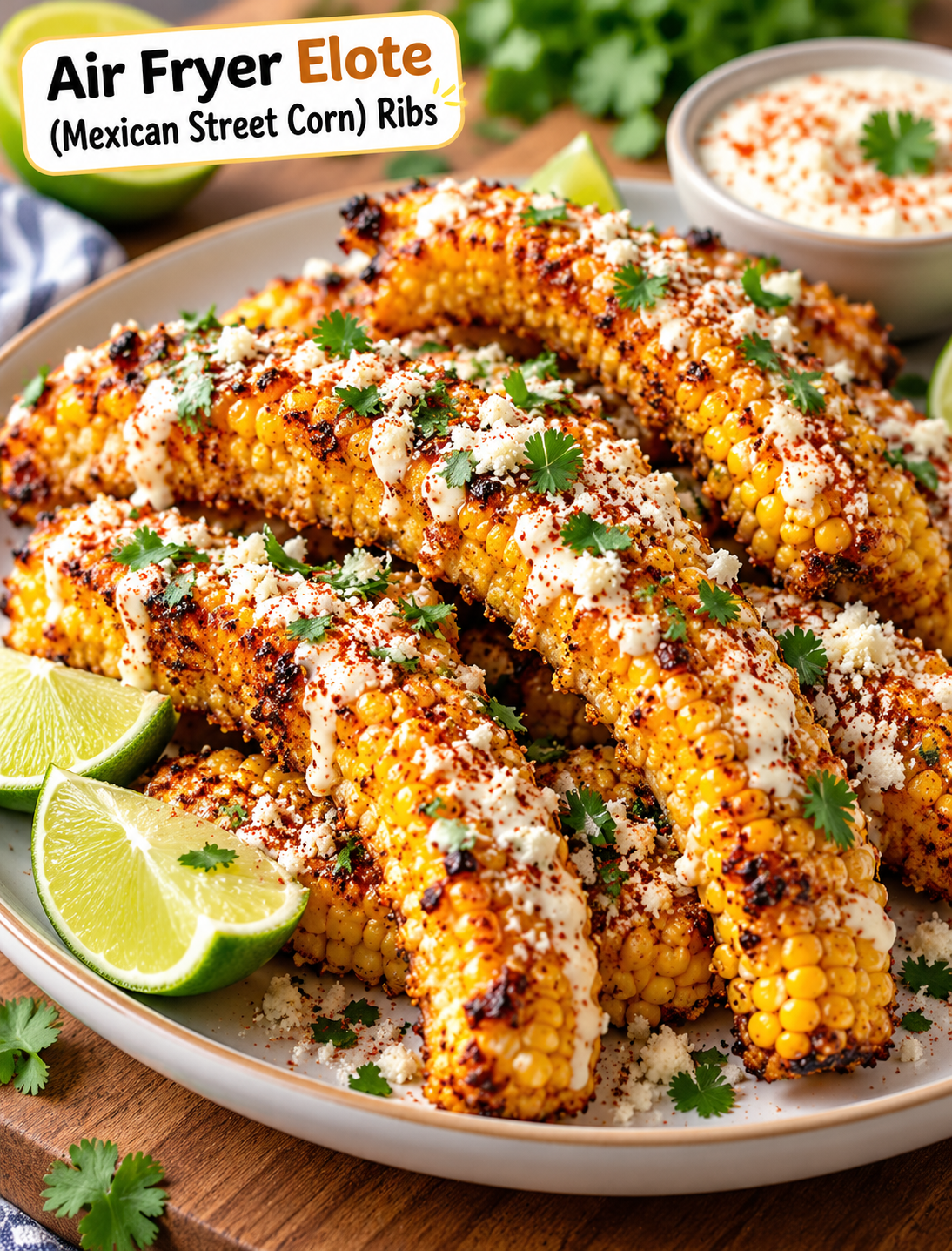
Air Fryer Elote Mexican Street Corn Ribs

Air Fryer Elote Mexican Street Corn Ribs
Air Fryer Elote (Mexican Street Corn) Ribs

Air Fryer Elote (Mexican Street Corn) Ribs are a fun way to turn fresh corn on the cob into a crispy, flavorful side dish. The corn is cut into rib-shaped strips, seasoned, and air-fried until the edges become golden and slightly curled. Each piece is then coated with a creamy Mexican street corn sauce made with mayonnaise, sour cream, lime juice, cotija cheese, and chili powder.

This recipe brings together sweet corn, tangy lime, salty cheese, and a little heat in every bite. It is easy to prepare at home and works well for summer cookouts, family dinners, game-day snacks, and backyard parties.

The air fryer makes these corn ribs without the need to deep-fry them in oil. You also get a shorter cooking time than many traditional oven methods. Serve them hot with extra cheese, fresh cilantro, and lime wedges for a delicious twist on classic Mexican street corn, also known as elote.

Why You’ll Love This Recipe

  • Big Mexican street corn flavor: Lime, chili powder, cotija cheese, and a creamy sauce give the corn a bold, tangy taste.
  • Easy air fryer method: The air fryer cooks the corn with less oil than deep-frying.
  • Fun rib-shaped pieces: Cutting the corn into strips creates curled edges that are easy to pick up and serve.
  • Simple ingredients: Most ingredients are available at regular American grocery stores.
  • Great for sharing: These corn ribs make a tasty appetizer, side dish, or party snack.
  • Easy to customize: Adjust the chili powder, cheese, lime juice, and sauce to suit your taste.

What Are Elote Corn Ribs?

Elote is Mexican street corn traditionally served on the cob and covered with mayonnaise or crema, cheese, chili seasoning, and lime. It is popular as a flavorful street-food snack and side dish.

Corn ribs use a different presentation. Instead of serving a whole ear of corn, you cut it lengthwise into smaller strips. As the corn cooks, the strips may curl and develop lightly browned edges.

Air Fryer Elote (Mexican Street Corn) Ribs combine the shape of corn ribs with the classic toppings of Mexican street corn. The result is a shareable dish with sweet corn kernels, creamy sauce, citrus flavor, and a savory cheese topping.

Ingredients You’ll Need

For the corn ribs:

  • 4 fresh ears of corn, husks and silk removed
  • 1 tablespoon olive oil
  • 1/2 teaspoon smoked paprika
  • 1/2 teaspoon garlic powder
  • 1/4 teaspoon chili powder
  • 1/4 teaspoon salt
  • 1/4 teaspoon black pepper

For the elote sauce:

  • 3 tablespoons mayonnaise
  • 2 tablespoons sour cream
  • 1 tablespoon fresh lime juice
  • 1/2 teaspoon chili powder, or to taste
  • 1/4 cup finely crumbled cotija cheese
  • 1 tablespoon chopped fresh cilantro

serving:

  • Extra cotija cheese
  • Lime wedges
  • A pinch of chili powder
  • Extra chopped cilantro, if desired

Ingredient Notes

  • Fresh corn: Choose firm ears with plump kernels for the best texture and flavor.
  • Olive oil: A light coating helps the corn brown and allows the seasonings to stick.
  • Mayonnaise: Creates the rich, creamy base of the elote topping.
  • Sour cream: Adds a cool, tangy flavor and balances the mayonnaise.
  • Cotija cheese: Provides the salty, crumbly finish associated with Mexican street corn.
  • Fresh lime juice: Brightens the sauce and balances the sweetness of the corn.
  • Chili powder: Adds warmth without overpowering the other ingredients.
  • Smoked paprika: Gives the corn a mild smoky flavor and deeper color.

If cotija cheese is unavailable, finely crumbled feta can work as a substitute. Feta is usually softer and tangier, so taste the sauce before adding extra salt.

Kitchen Tools You’ll Need

  • Air fryer
  • Large, stable cutting board
  • Sharp, heavy chef’s knife
  • Small mixing bowl
  • Pastry brush or spoon
  • Tongs
  • Serving plate

Important cutting tip: Raw corn cobs are hard and round, so cutting them lengthwise can be difficult. Place each ear on a stable cutting board and keep your fingers away from the blade. Use a heavy, sharp knife and controlled pressure. Never try to force a knife through a cob that is slipping or wobbling. If cutting corn ribs feels unsafe, ask a skilled adult to prepare the corn or buy commercially pre-cut corn ribs.

How to Make Air Fryer Elote (Mexican Street Corn) Ribs

Follow these steps for tender corn with golden edges and a flavorful street corn topping.

Step 1: Prepare the Corn

Remove the husks and silk from all four ears of corn. Rinse the ears under cool running water and pat them dry with a clean towel.

Trim the ends so each ear sits more securely on the cutting board. Using a heavy, sharp knife and a stable cutting surface, carefully cut each ear in half crosswise. Then cut each half lengthwise into two or four rib-shaped strips, depending on the thickness of the cob.

You should have approximately 16 to 32 pieces, depending on how you cut the ears. The pieces do not need to be perfectly even, but similar sizes will cook more evenly.

Step 2: Season the Corn Ribs

Place the corn pieces in a large bowl. Add the olive oil, smoked paprika, garlic powder, chili powder, salt, and black pepper.

Toss gently until the corn is coated with the oil and seasonings. Use a pastry brush to spread any seasoning left in the bowl over the exposed kernels.

Keep the coating light. Too much oil can make the corn greasy and may cause excess smoke in some air fryers.

Step 3: Preheat the Air Fryer

Preheat your air fryer to 380°F for about 3 minutes, if your model requires preheating.

Arrange the corn ribs in a single layer in the air fryer basket. Leave a little space between the pieces so hot air can circulate around them.

Cook in batches if necessary. Stacking the corn can lead to uneven browning and softer edges.

Step 4: Air-Fry the Corn Ribs

Air-fry the corn at 380°F for 10 to 15 minutes, turning the pieces halfway through cooking.

Check the corn after 10 minutes because air fryers vary in power and airflow. Smaller strips may finish sooner, while thicker pieces may need a few extra minutes.

The corn is ready when the kernels are tender, the edges are lightly browned, and the pieces begin to curl. If the corn is still firm, continue cooking in 2-minute increments.

Use tongs to remove the finished pieces carefully. The kernels and cob will be very hot.

Step 5: Make the Creamy Elote Sauce

While the corn cooks, add the mayonnaise, sour cream, lime juice, and chili powder to a small mixing bowl.

Stir until the mixture is smooth and evenly combined. Add half of the crumbled cotija cheese and mix again.

Taste the sauce before adding more salt. Cotija cheese is naturally salty, so extra salt may not be necessary.

For a thinner sauce, add a small amount of lime juice. For a spicier topping, add a little more chili powder.

Step 6: Coat the Hot Corn Ribs

Transfer the hot corn ribs to a serving plate or a large shallow bowl. Spoon the elote sauce over the corn or brush a thin layer onto each piece.

Coat the kernels lightly so their roasted flavor remains noticeable. You can serve additional sauce on the side for dipping.

Step 7: Add the Toppings

Sprinkle the remaining cotija cheese over the coated corn ribs. Add fresh cilantro and a light dusting of chili powder.

Serve with lime wedges so everyone can squeeze fresh lime juice over their portion. For a little extra heat, offer cayenne pepper or your favorite hot sauce on the side.

Step 8: Serve Immediately

Serve the corn ribs while they are hot and freshly coated. The contrast between warm corn, creamy sauce, tangy lime, and salty cheese is best right after cooking.

These corn ribs pair well with grilled chicken, burgers, tacos, quesadillas, or other summer cookout favorites.

Tips for the Best Air Fryer Corn Ribs

  • Choose fresh corn: Fresh, firm ears provide juicy kernels and a naturally sweet flavor.
  • Cut carefully: A stable cutting board and a heavy, sharp knife are essential for preparing raw corn safely.
  • Avoid overcrowding: Cook in batches if the basket cannot hold the ribs in one layer.
  • Turn halfway through: Rotating the pieces helps expose more sides to the hot air.
  • Check early: Cooking times vary by air fryer model, corn thickness, and moisture level.
  • Use a light oil coating: A thin layer helps browning without making the corn greasy.
  • Add the sauce after cooking: This keeps the corn from becoming overly wet during air-frying.
  • Finish with fresh lime: Lime juice adds brightness and balances the creamy topping.

What to Serve With Mexican Street Corn Ribs

These corn ribs are versatile enough for a casual lunch, barbecue, or Mexican-inspired dinner.

  • Grilled chicken: Serve them with chili-lime chicken or grilled chicken thighs.
  • Tacos: Pair them with chicken, beef, fish, or black bean tacos.
  • Burgers: Add them to a cookout menu alongside beef or turkey burgers.
  • Quesadillas: Their creamy, spicy topping complements cheese and vegetable quesadillas.
  • Rice bowls: Serve them with seasoned rice, black beans, avocado, and grilled vegetables.
  • Party appetizers: Arrange the ribs on a platter with lime wedges and a small bowl of extra sauce.

For a balanced meal, add a source of protein and another vegetable alongside the corn.

Variations and Substitutions

Make it spicier: Add cayenne pepper, chipotle powder, or hot sauce to the seasoning or elote sauce.

Make it milder: Reduce the chili powder and serve the sauce without additional heat.

Use feta cheese: Replace cotija with finely crumbled feta if cotija is difficult to find.

Add smoky flavor: Use a little extra smoked paprika or a small amount of chipotle powder.

Try a lighter sauce: Replace some of the mayonnaise with plain Greek yogurt. The sauce will taste tangier and have a different texture.

Add more herbs: Mix chopped cilantro into the sauce or finish the corn with additional fresh herbs.

Make it dairy-free: Use dairy-free mayonnaise and sour cream alternatives, then choose a suitable dairy-free cheese or omit the cheese. Check product labels for ingredients that meet your dietary needs.

How to Store and Reheat Leftovers

Allow leftover corn ribs to cool, then place them in an airtight container in the refrigerator within 2 hours of cooking. For the best quality, eat them within 3 to 4 days.

If possible, store the creamy elote sauce separately from the corn. This helps the corn retain a better texture during reheating.

To reheat, place the corn ribs in an air fryer at 350°F for about 3 to 5 minutes, checking frequently until heated through. Add fresh sauce, cotija cheese, and cilantro after reheating.

Avoid leaving cooked corn or dairy-based sauce at room temperature for more than 2 hours, or more than 1 hour when the temperature is above 90°F.

Freezing is not recommended for the assembled dish because the creamy sauce can separate and the corn may lose its texture.

Common Mistakes to Avoid

  • Cutting on an unstable surface: Secure the cutting board and keep your hands clear of the knife.
  • Using too much oil: Excess oil can create smoke and leave the corn greasy.
  • Overcrowding the basket: Crowded pieces may steam instead of browning properly.
  • Adding sauce before air-frying: The creamy topping is better added after the corn has cooked.
  • Overcooking the corn: Check early and stop when the kernels are tender and the edges are lightly browned.
  • Adding too much salt: Taste the sauce first because cotija cheese already adds saltiness.
  • Preparing the dish too far ahead: The corn and toppings taste best when assembled just before serving.

Frequently Asked Questions

1. How long do corn ribs take in the air fryer?

Cook corn ribs at 380°F for approximately 10 to 15 minutes, turning halfway through. Adjust the time based on the thickness of the pieces and your air fryer.

2. Can I make Mexican street corn ribs without mayonnaise?

Yes. Replace the mayonnaise with plain Greek yogurt or additional sour cream, although the sauce will have a tangier flavor.

3. What cheese is best for elote corn ribs?

Cotija cheese is a traditional choice because it is salty and crumbly. Feta is a practical substitute if cotija is unavailable.

4. Do I need to boil the corn before air-frying?

No. Fresh corn can go directly into the air fryer after cutting and seasoning. Boiling is not necessary for this recipe.

5. Why are my corn ribs not curling?

Curling depends on the cut, kernel arrangement, moisture, and cooking conditions. The ribs can still taste delicious even if they remain mostly straight.

6. Can I use frozen corn for this recipe?

Whole frozen corn cobs may work if they can be safely cut after thawing, but pre-cut frozen corn ribs are more convenient. Dry them well before seasoning.

7. Can I prepare corn ribs ahead of time?

You can mix the sauce and prepare the seasonings ahead. For the best texture, air-fry the corn and add the sauce shortly before serving.

8. Are air fryer elote corn ribs spicy?

They have mild heat from the chili powder, but you can reduce it for a milder dish or add cayenne and hot sauce for more spice.

Final Thoughts

Air Fryer Elote (Mexican Street Corn) Ribs are an easy way to give fresh corn a bold, Mexican street food-inspired twist. The air fryer creates tender kernels and lightly browned edges, while the creamy lime sauce, cotija cheese, and cilantro add classic elote flavor.

Keep the seasoning simple, avoid overcrowding the basket, and add the sauce after cooking for the best result. Serve these corn ribs fresh with lime wedges as a side dish, party appetizer, or fun addition to your next cookout.

Ready to try this recipe? Save it for your next family dinner, and share your favorite elote topping in the comments!


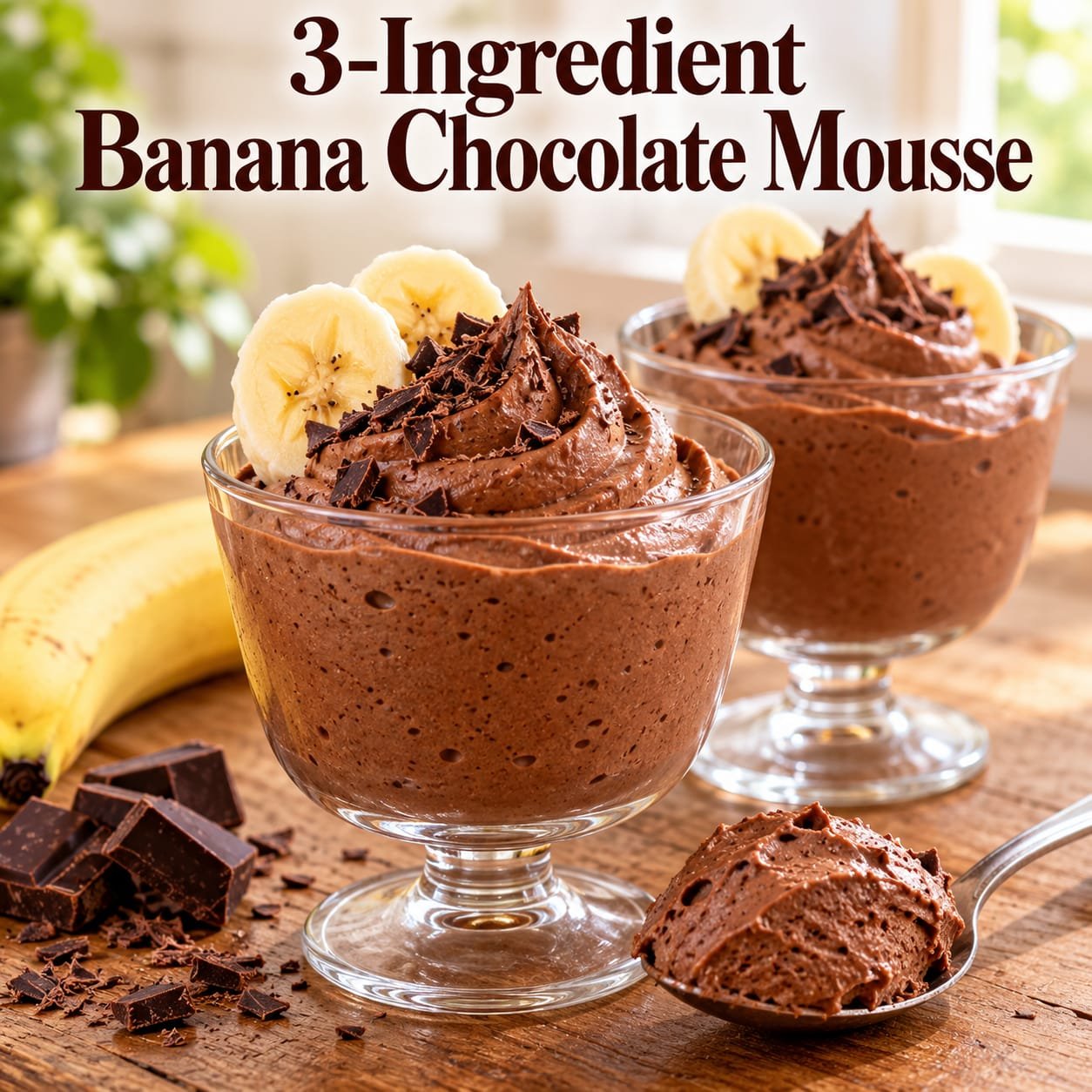
3-Ingredient Banana Chocolate Mousse

Banana Chocolate Mousse with ripe bananas, cocoa powder, Greek yogurt, and a smooth creamy chocolate texture

3-Ingredient Banana Chocolate Mousse

Banana Chocolate Mousse is a creamy, naturally sweet dessert made with ripe bananas, cocoa powder, and Greek yogurt. It comes together in minutes, requires no baking, and has a soft pudding-like texture that makes it perfect for an easy dessert, snack, or make-ahead treat.

This Banana Chocolate Mousse is especially useful when you want something chocolatey without a long ingredient list. The banana provides sweetness and body, cocoa adds deep chocolate flavor, and Greek yogurt makes the mixture smooth and creamy. It is also a practical way to use bananas that have become very ripe and too soft for slicing.

Prep Time: 10 minutes
Chill Time: 1 hour
Total Time: About 1 hour 10 minutes
Servings: 4

Ingredients

For the Mousse

  • 3 large ripe bananas
  • 1/4 cup unsweetened cocoa powder
  • 1 cup plain Greek yogurt

Optional Toppings

  • Fresh banana slices
  • Dark chocolate shavings
  • Fresh berries
  • Chopped walnuts or pecans
  • Unsweetened coconut flakes
  • Small pinch of cinnamon

Why You’ll Love This Recipe

Banana Chocolate Mousse is quick, simple, and made with only three main ingredients. There is no need for an oven, mixer, or complicated cooking method.

Another reason to love Banana Chocolate Mousse is its creamy texture. Ripe banana blends smoothly with yogurt, while cocoa gives the dessert a rich chocolate taste.

It is also easy to customize. You can serve it plain or add fruit, nuts, chocolate shavings, or a little cinnamon on top. Because the recipe can be divided directly into small jars or cups, it also works well when you want individual desserts prepared before guests arrive.

How to Make Banana Chocolate Mousse

Step 1: Choose Ripe Bananas

Use bananas with plenty of brown spots on the peel.

Very ripe bananas are softer and naturally sweeter, which helps the dessert taste rich without needing extra sugar. Avoid bananas that smell fermented or have spoiled areas.

Step 2: Slice the Bananas

Peel the bananas and cut them into thick slices.

Place them in a blender or food processor. Breaking them into smaller pieces helps them blend more evenly and reduces the amount of time needed to create a smooth mixture.

Step 3: Add the Cocoa Powder

Add the unsweetened cocoa powder to the bananas.

Use natural or Dutch-process cocoa depending on the flavor you prefer. Natural cocoa tends to taste brighter, while Dutch-process cocoa usually has a darker and smoother chocolate flavor.

Step 4: Add the Greek Yogurt

Spoon the Greek yogurt into the blender.

A thick yogurt gives Banana Chocolate Mousse a richer, creamier texture and helps it set better after chilling.

Full-fat yogurt gives the richest result, although low-fat Greek yogurt can also be used if preferred.

Step 5: Blend Until Smooth

Blend on high for 45 to 60 seconds.

Stop once or twice to scrape down the sides if needed.

Continue blending until the mixture looks completely smooth, glossy, and free of banana pieces. The finished texture should resemble a thick pudding.

Step 6: Taste the Mixture

Taste the mousse before chilling.

If your bananas are ripe enough, the mixture may already taste sweet enough. If you prefer a sweeter dessert, you can add a small drizzle of honey or maple syrup, although this would make it more than a strict three-ingredient recipe.

Step 7: Divide Into Serving Cups

Spoon the Banana Chocolate Mousse into four small dessert cups, jars, or ramekins.

Smooth the tops with the back of a spoon. Small glasses work especially well if you want the dessert to look a little more elegant.

Step 8: Chill

Cover the cups and refrigerate for at least 1 hour.

Chilling helps the mousse thicken slightly and gives the flavors time to blend. Two hours of chilling will create an even firmer texture.

Step 9: Add Toppings

Just before serving, add banana slices, berries, nuts, chocolate shavings, or coconut if desired.

Keep toppings simple so the chocolate flavor remains the main focus.

Step 10: Serve Cold

Serve the mousse chilled for the best texture.

Letting it sit at room temperature for 5 minutes before serving can soften the texture slightly if it has been refrigerated for several hours.

Serving Suggestions

Banana Chocolate Mousse is rich enough to enjoy on its own, but simple toppings can make it feel more special.

Serve it with fresh strawberries, raspberries, blueberries, or sliced banana for a fruity contrast.

For extra crunch, add chopped walnuts, pecans, almonds, or toasted coconut.

You can also spoon Banana Chocolate Mousse into small glasses and top each portion with a little shaved dark chocolate for a simple dinner-party dessert.

For a light snack, serve it with fresh fruit and a few nuts. A spoonful of plain Greek yogurt on top can also add a fresh contrast to the chocolate flavor.

For another rich chocolate dessert, try our Creamy Chocolate Mousse – Rich, Light, and Irresistibly Chocolatey with a smooth, airy texture and deep cocoa flavor.

Recipe Tips

Use very ripe bananas because they provide the best sweetness and smooth texture.

Choose thick Greek yogurt rather than a very thin yogurt.

Blend long enough for the banana to become completely smooth.

Sift the cocoa powder if it is lumpy before adding it to the blender.

For a colder, thicker Banana Chocolate Mousse, use banana slices that have been chilled in the refrigerator before blending.

Do not add too much liquid because the mixture can become runny.

If the mousse looks too thin, chill it longer before serving.

Use a rubber spatula to scrape down the blender so no cocoa powder remains stuck along the sides.

Taste before adding any sweetener because ripe bananas can provide plenty of sweetness on their own.

Easy Variations

Banana Chocolate Mousse is easy to adapt while keeping the basic recipe simple.

For a peanut butter version, add 1 to 2 tablespoons of creamy peanut butter.

For a deeper chocolate flavor, use dark cocoa powder.

A mocha variation can include a small pinch of instant espresso powder.

For extra warmth, add cinnamon or a tiny pinch of nutmeg.

You can also add vanilla extract for a softer dessert flavor.

If you want a richer finish, sprinkle chopped dark chocolate over the top of Banana Chocolate Mousse just before serving.

A small amount of orange zest can create a chocolate-orange variation, while toasted coconut adds a slightly tropical finish.

For a lower-sugar chocolate option, you may also enjoy our Sugar-Free Chocolate Mousse Domes with a creamy texture and elegant individual presentation.

Make-Ahead Instructions

Banana Chocolate Mousse is a good make-ahead dessert because it needs chilling time before serving.

Prepare the mousse up to one day in advance and divide it among serving cups.

Cover each portion tightly and refrigerate.

Add fresh fruit or crunchy toppings shortly before serving so they stay fresh.

If the surface darkens slightly because of the banana, simply stir the mousse or cover it with toppings before serving.

For parties, prepare individual portions in small jars the night before and keep them chilled until dessert time.

Storage

Store Banana Chocolate Mousse in airtight containers in the refrigerator for up to 2 days.

Because banana naturally changes color after exposure to air, the dessert is best enjoyed within the first day for the freshest appearance.

Keep the mousse cold until serving.

Freezing is possible, but the texture will change after thawing. If you freeze it, it works better as a frozen dessert rather than trying to return it to a soft mousse texture.

You can also spoon the mixture into small freezer-safe molds and enjoy it partially frozen for a firmer chocolate-banana treat.

Nutrition Information

Approximate nutrition per serving:

Calories: 175
Protein: 7 g
Carbohydrates: 32 g
Fat: 3 g
Saturated Fat: 1 g
Fiber: 4 g
Sugar: 18 g
Sodium: 45 mg

Nutrition values are estimates and may vary depending on the yogurt, banana size, cocoa powder, and any optional toppings used.

Frequently Asked Questions

Can I make this without Greek yogurt?

Yes. You can use another thick plain yogurt, but the texture may be slightly softer.

Can I use frozen bananas?

Yes. Frozen bananas make the dessert colder and thicker, but let them soften for a few minutes so they blend smoothly.

Can I make it sweeter?

Yes. If your bananas are not very ripe, add a small amount of honey, maple syrup, or another preferred sweetener.

Why is my mousse too thin?

The yogurt may be too thin, or the bananas may be especially large. Chill the mixture longer, or use a thicker Greek yogurt next time.

Can I use chocolate protein powder?

You can replace part of the cocoa with chocolate protein powder, but the taste and texture will change.

Can I make this dairy-free?

Yes. Use a thick dairy-free yogurt such as coconut or soy yogurt.

Can I serve it immediately?

Yes, but Banana Chocolate Mousse tastes better after chilling because the texture becomes thicker and the flavors blend more fully.

Final Thoughts

Banana Chocolate Mousse is an easy way to turn ripe bananas, cocoa powder, and yogurt into a creamy chocolate dessert with very little effort.

Because Banana Chocolate Mousse uses only three main ingredients, it is a practical recipe for busy days, quick desserts, and simple snacks.

Keep this Banana Chocolate Mousse recipe handy whenever you want a rich chocolate treat without baking or a long ingredient list.

With naturally sweet banana, deep cocoa flavor, and a smooth creamy texture, Banana Chocolate Mousse is a simple no-bake dessert that works well for both everyday snacks and casual entertaining.