Ultimate One-Shot Celery Cleanse

Ultimate One-Shot Celery Cleanse

The Ultimate One-Shot Celery Cleanse Recipe is a refreshing green drink made with crisp celery, cucumber, fresh lemon juice, ginger, and green apple. It is naturally light, hydrating, and full of fresh flavors.

If you enjoy starting your morning with a homemade vegetable juice, this Celery Cleanse Recipe is a delicious option. It combines the mild, slightly salty taste of celery with the cooling freshness of cucumber, the bright citrus flavor of lemon, and the gentle warmth of ginger.

Unlike expensive bottled green juices, this homemade recipe requires only a few simple ingredients. You can prepare it in approximately 10 minutes using a blender or juicer.

Celery contains water, vitamin K, and potassium. When blended without straining, it also provides dietary fiber. These nutrients can contribute to a balanced eating pattern, although the drink cannot replace whole vegetables or provide a special detoxifying effect.

10 minutes
2 servings
No added sugar

Ingredients

For the Celery Green Juice

  • 5–6 fresh celery stalks, washed and chopped

  • ½ medium cucumber, chopped

  • 1 small green apple, cored and chopped

  • 1 tablespoon fresh lemon juice

  • ½-inch piece of fresh ginger, peeled

  • ½ cup cold water (for the blender method)

  • 3–4 ice cubes (optional)

Optional Additions

  • 4–5 fresh mint leaves

  • 1 tablespoon fresh parsley

  • A small handful of baby spinach

  • Extra lemon juice, to taste

Step-by-Step Instructions

Step 1: Wash the Vegetables

Start by washing the celery stalks thoroughly under running water.

Pay special attention to the grooves in the celery, where dirt may collect. Rinse the cucumber, apple, and ginger as well.

Trim the celery ends and remove any damaged leaves.

Step 2: Chop the Ingredients

Cut the celery into small pieces.

Chop the cucumber and green apple into chunks. Remove the apple core and seeds.

Peel the ginger and slice it into smaller pieces so it blends easily.

Step 3: Add Everything to the Blender

Place the chopped celery, cucumber, apple, ginger, and lemon juice into a high-speed blender.

Add ½ cup of cold water.

Blend for approximately 45–60 seconds until the mixture becomes smooth and bright green.

If the mixture is too thick, add a little more water.

Step 4: Strain or Keep the Fiber

For a smooth, juice-like consistency, pour the mixture through a fine-mesh strainer or nut milk bag.

Gently press to extract the liquid.

For a more filling drink with additional fiber, skip the straining step and enjoy it as a green smoothie.

Step 5: Serve Fresh

Pour the prepared Celery Cleanse Recipe into two glasses.

Add ice cubes if desired and garnish with fresh mint or a thin cucumber slice.

Serve immediately for the freshest flavor.

7 Nutritional Benefits of Celery Green Juice

1. Helps Support Hydration

Celery and cucumber contain large amounts of water.

Including water-rich vegetables in your diet can contribute to daily hydration, particularly during warm weather.

However, celery juice is not more hydrating than water simply because it is green.

2. Provides Vitamin K

Celery contains vitamin K, which contributes to normal blood clotting and bone health.

The exact amount in your drink depends on the quantity of celery used and whether the juice is strained.

People taking warfarin should keep vitamin K intake consistent and discuss significant dietary changes with their clinician.

3. Contains Plant Antioxidants

Celery contains naturally occurring plant compounds, including flavonoids.

These compounds have antioxidant properties, although research does not establish that drinking celery juice prevents or treats disease.

4. Provides Some Potassium

Celery, cucumber, and other vegetables provide potassium, an essential mineral involved in muscle function, nerve signaling, and fluid balance.

A balanced diet containing potassium-rich foods supports normal body function.

People with kidney disease or potassium restrictions should check whether concentrated vegetable juices fit their dietary plan.

5. Can Contribute to Digestive Health

When prepared as an unstrained smoothie, this Celery Cleanse Recipe retains more of the vegetables’ natural fiber.

Fiber supports normal bowel function and can contribute to digestive health.

Straining the drink removes much of that fiber, so whole vegetables and blended smoothies are generally better choices when fiber is your priority.

6. Offers a Lower-Sugar Beverage Option

Compared with many sweetened soft drinks, homemade celery juice can be a refreshing option without added sugar.

The green apple provides natural sweetness, making the drink more enjoyable without needing honey or refined sugar.

You can reduce the apple quantity if you prefer a less sweet version.

7. Encourages Vegetable Intake

One of the most practical benefits of this Celery Cleanse Recipe is that it offers another way to enjoy vegetables.

A varied diet containing vegetables, fruit, whole grains, legumes, and appropriate protein sources is more beneficial than relying on any single juice.

Celery juice can complement that diet, but it should not replace regular meals.

Does Celery Juice Really Cleanse the Liver, Kidneys, and Blood?

Despite popular social media claims, celery juice has not been shown to cleanse the liver, kidneys, pancreas, blood, or skin.

Your liver naturally processes many substances, while your kidneys filter blood and remove waste through urine.

Drinking celery juice does not accelerate these processes in a proven, medically meaningful way.

Similarly, claims that celery juice cures acne, fatty liver, diabetes, kidney disease, or pancreatic problems are not supported by strong clinical evidence.

The most reasonable way to enjoy this recipe is as a nutritious drink rather than a detox treatment.

Tips and Notes

Choose fresh celery: Look for firm, crisp stalks with bright green leaves. Avoid limp or heavily damaged celery.

Use cold ingredients: Refrigerated celery and cucumber create a more refreshing drink without requiring much ice.

Adjust the ginger: Ginger has a strong flavor. Start with a small piece and increase gradually.

Add lemon for freshness: Fresh lemon juice balances the earthy flavor of celery and adds a pleasant citrus taste.

Avoid unnecessary sweeteners: Green apple provides enough sweetness for many people.

Keep the fiber: For a more filling drink, blend rather than strain the ingredients.

Drink in moderation: One small glass can be part of a balanced diet. There is no evidence that consuming large amounts produces extra cleansing benefits.

Storage: For best quality, drink immediately. If necessary, refrigerate in a clean, sealed container and consume within 24 hours.

Food safety: Wash all produce thoroughly. Fresh homemade juice is not pasteurized, so people at higher risk from foodborne illness should take additional precautions.

Frequently Asked Questions

Can I drink this Celery Cleanse Recipe every morning?

Yes, many healthy adults can enjoy a moderate serving regularly as part of a varied diet. However, it is not necessary to drink celery juice daily to stay healthy.

Does celery juice cleanse the kidneys?

No. There is no convincing evidence that celery juice cleanses the kidneys. Healthy kidneys naturally filter waste, and people with kidney conditions may need to limit certain nutrients or fluids.

Can celery juice help with weight loss?

Celery juice is relatively low in calories, but it does not directly burn body fat. Weight management depends on overall eating habits, physical activity, and other individual factors.

Should I drink celery juice on an empty stomach?

There is no proven special benefit to drinking celery juice on an empty stomach. You can enjoy it with breakfast or at another convenient time.

Can I make this recipe without an apple?

Absolutely. Simply omit the apple and add a little extra cucumber or water. The drink will have a stronger vegetable flavor and less natural sugar.

Is this recipe suitable for people with diabetes?

It may fit some diabetes meal plans, but the apple contributes carbohydrates, and strained juice has less fiber. An unstrained version with less apple may be preferable. Individual needs vary.

Can I replace breakfast with this juice?

It is better to enjoy it alongside a balanced breakfast containing protein, healthy fats, and fiber. The drink alone is not a nutritionally complete meal.

Servings and Nutrition

Servings: 2 glasses

ESTIMATED NUTRITION PER SERVING — UNSTRAINED VERSION

Nutrient Approximate Amount
Calories 55 kcal
Carbohydrates 13 g
Protein 1.5 g
Fat 0.3 g
Fiber 2.5 g
Natural Sugars 8 g
Sodium 75 mg

Nutrition values vary by ingredient size and preparation. Straining reduces fiber and changes the nutrient content.

Conclusion

The Ultimate One-Shot Celery Cleanse Recipe is an easy, refreshing way to enjoy celery, cucumber, lemon, ginger, and apple together. It offers hydration and useful nutrients without added sugar.

While it cannot detoxify your organs or cure medical conditions, it can be a delicious addition to a healthy lifestyle.

Enjoy this homemade green juice as part of a balanced diet and focus on consistent healthy habits rather than quick-fix cleanse claims.

Savory Zucchini, Carrot & Cabbage Breakfast Rolls

Savory Zucchini, Carrot & Cabbage Breakfast Rolls

Description

These Crispy Cheesy Zucchini & Carrot Fritters are golden, delicious vegetable sticks made with fresh zucchini, carrots, potatoes, eggs, cheese, and green onions. They are crispy on the outside, tender on the inside, and packed with savory flavor.

Inspired by the recipe shown in your picture, these homemade vegetable fritters are shaped into thick sticks and pan-fried until beautifully golden brown. They make a wonderful breakfast, healthy-inspired snack, lunchbox addition, or vegetarian side dish.

The best part is that you can prepare them with simple ingredients already available in your kitchen. Serve them warm with garlic yogurt sauce, sour cream, or your favorite dipping sauce.

Prep Time: 20 minutes Cook Time: 15–20 minutes Total Time: 35–40 minutes Servings: 4 (approximately 10–12 sticks)

Ingredients

For the Vegetable Fritters

  • 1 medium zucchini, grated

  • 1 medium carrot, peeled and grated

  • 1 medium potato, peeled and grated

  • 2 large eggs

  • ½ cup shredded mozzarella cheese

  • ⅓ cup all-purpose flour

  • 3 green onions, finely chopped

  • 2 garlic cloves, minced

  • ½ teaspoon salt, plus extra for draining zucchini

  • ½ teaspoon black pepper

  • ½ teaspoon paprika

  • ½ teaspoon dried oregano

  • ¼ teaspoon baking powder (optional)

  • 2–3 tablespoons olive oil, for frying

For the Garlic Yogurt Dipping Sauce

  • ½ cup plain Greek yogurt

  • 1 small garlic clove, minced

  • 1 teaspoon lemon juice

  • 1 tablespoon fresh parsley, chopped

  • Salt and black pepper, to taste

Step-by-Step Instructions

Step 1: Prepare the Vegetables

Wash the zucchini, carrot, and potato thoroughly.

Grate all three vegetables using the large holes of a box grater.

Place the grated zucchini in a bowl and sprinkle with a little salt. Allow it to rest for approximately 10 minutes to release excess moisture.

Transfer the zucchini to a clean kitchen towel and squeeze firmly to remove as much liquid as possible.

Squeeze excess moisture from the grated potato as well.

This step is important because too much water can make the fritters soft and prevent them from becoming crispy.

Step 2: Combine the Ingredients

In a large mixing bowl, add the grated zucchini, carrot, and potato.

Add the chopped green onions, minced garlic, and shredded mozzarella cheese.

Crack in the two eggs and mix everything together using a fork or spatula.

The mixture should look colorful and evenly combined.

Step 3: Add Flour and Seasonings

Sprinkle the flour, black pepper, paprika, oregano, baking powder, and remaining salt over the vegetable mixture.

Stir until all ingredients are well incorporated.

The mixture should be moist but thick enough to hold its shape when pressed together.

If it feels too wet, add another tablespoon of flour.

Step 4: Shape into Vegetable Sticks

Take approximately 2 tablespoons of the vegetable mixture and shape it into a short, thick stick using your hands.

Gently press the mixture together so it holds its shape.

Repeat with the remaining mixture until you have approximately 10–12 vegetable sticks.

For easier shaping, refrigerate the mixture for 10 minutes before forming the sticks.

Step 5: Pan-Fry Until Golden

Heat 2 tablespoons of olive oil in a large nonstick skillet over medium heat.

Carefully place the vegetable sticks in the skillet, leaving some space between each one.

Cook for approximately 4–5 minutes on the first side until golden brown.

Gently turn and cook for another 4–5 minutes, rotating as needed to brown the remaining sides.

Make sure the centers are fully cooked and the potato is tender. Reduce the heat slightly if the outside browns too quickly.

Transfer the cooked fritters to a paper towel-lined plate.

Repeat with the remaining mixture, adding more oil if necessary.

Step 6: Prepare the Garlic Yogurt Sauce

In a small bowl, combine Greek yogurt, minced garlic, lemon juice, chopped parsley, salt, and black pepper.

Mix until smooth and creamy.

Refrigerate until ready to serve.

Step 7: Serve and Enjoy

Arrange the golden vegetable sticks on a serving plate.

Sprinkle with fresh parsley or additional green onions.

Serve immediately with the garlic yogurt dipping sauce.

Enjoy the crispy exterior, tender vegetable filling, and delicious melted cheese!

Tips and Notes

Remove excess moisture: Squeezing the zucchini and potato thoroughly is the secret to crispy fritters that hold their shape.

Use freshly grated cheese: Mozzarella gives these vegetable sticks a delicious cheesy texture. Cheddar or Parmesan can also be used.

Keep the heat moderate: Medium heat allows the vegetables to cook through without burning the outside.

Make them gluten-free: Replace the all-purpose flour with a suitable gluten-free all-purpose flour blend.

Add more vegetables: Finely chopped spinach, parsley, or bell peppers can be added for extra color and flavor. Remove excess moisture before mixing.

Baking option: Arrange the fritters on a parchment-lined baking sheet, brush lightly with oil, and bake at 400°F (200°C) for approximately 20–25 minutes, turning halfway through. Baking results may be less crispy than pan-frying.

Storage: Store leftovers in an airtight container in the refrigerator for up to 3–4 days.

Reheating: Warm in a skillet or oven until heated through to restore some of their crispiness.

Frequently Asked Questions

Can I make these vegetable fritters without flour?

Yes. You can replace the flour with a small amount of cornstarch or another suitable binder. However, the texture may change, and you may need to adjust the quantity.

Why are my zucchini fritters falling apart?

This usually happens when the vegetables contain too much moisture or the mixture does not have enough binding ingredients. Squeeze out excess water and ensure the eggs and flour are evenly mixed.

Can I prepare the mixture ahead of time?

You can grate and drain the vegetables ahead of time, but it is best to combine the full mixture shortly before cooking because the vegetables may release additional moisture.

Can I freeze these vegetable sticks?

Yes. Allow the cooked fritters to cool completely, then freeze them in a single layer before transferring to a freezer-safe container. Use within approximately 2 months for best quality.

What can I serve with these fritters?

They pair beautifully with garlic yogurt sauce, tzatziki, hummus, a fresh cucumber salad, or grilled chicken.

Servings and Nutrition

Servings: 4 Yield: Approximately 10–12 vegetable sticks

Nutrient Estimated amount per serving
Calories 270 kcal
Protein 11 g
Carbohydrates 24 g
Fat 15 g
Fiber 3 g
Sugar 4 g

Nutrition is approximate, excludes the dipping sauce, and depends on the ingredients and amount of oil absorbed during cooking.

These Crispy Cheesy Zucchini & Carrot Fritters are a delicious way to enjoy more vegetables. With their golden crust, cheesy center, and fresh garlic yogurt dip, they are perfect for the whole family!

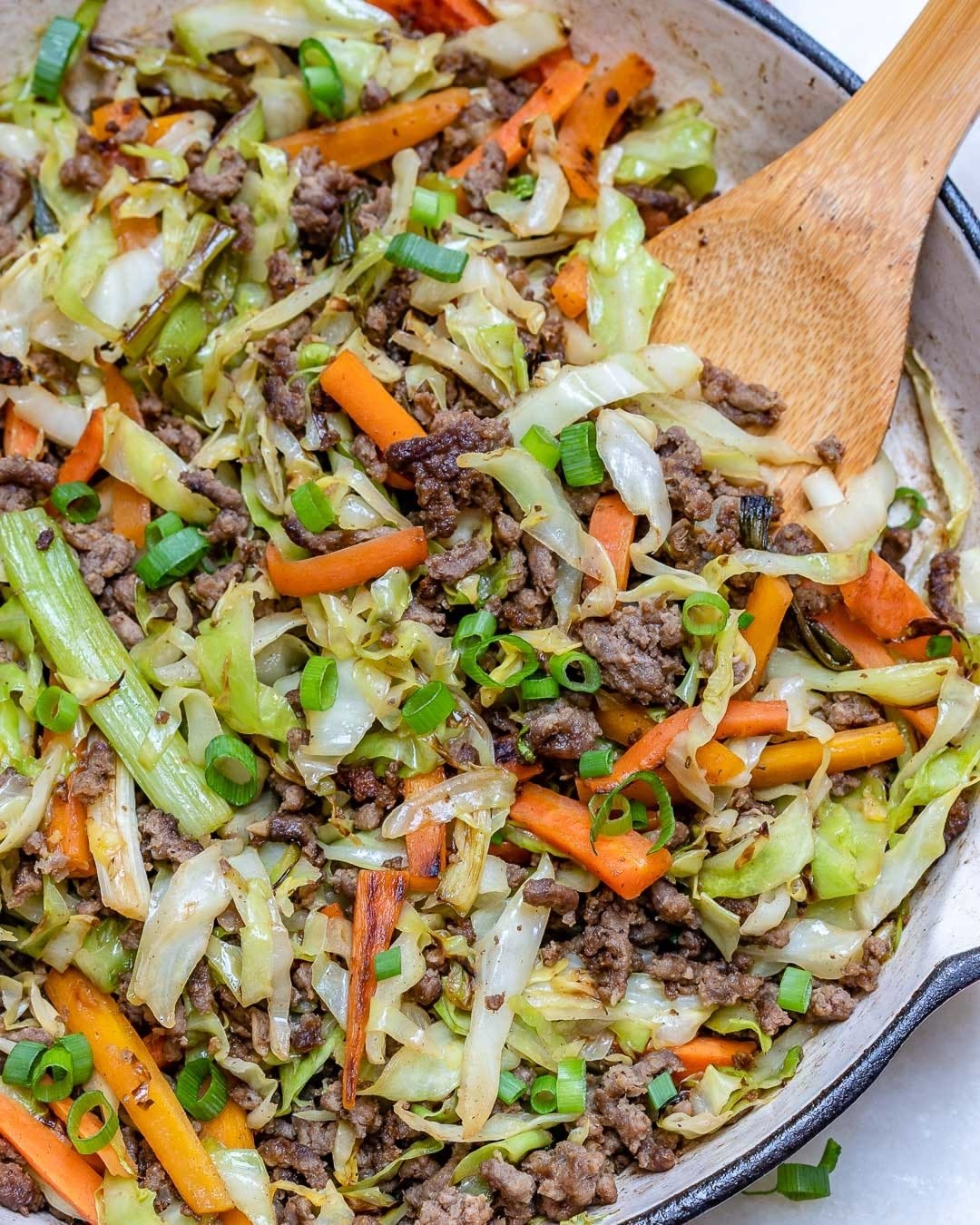
Ground Beef & Cabbage Egg Roll Stir-Fry

Ground Beef & Cabbage Egg Roll Stir-Fry

Introduction

Ground Beef & Cabbage Egg Roll Stir-Fry is a quick, flavorful, and satisfying meal inspired by the delicious filling of classic Chinese-American egg rolls. It combines savory ground beef, tender-crisp cabbage, shredded carrots, garlic, ginger, and a rich soy-based sauce to create a comforting dish without the need for wrappers or deep-frying.

This easy one-pan recipe delivers all the familiar flavors of an egg roll in a simpler, lighter format. The ground beef provides a hearty, savory base, while cabbage and carrots add sweetness, crunch, and color. Fresh garlic and ginger bring aromatic flavor, and sesame oil adds a delicious finishing touch.

Perfect for busy weeknights, meal preparation, or a quick family dinner, this stir-fry comes together in approximately 30 minutes. You can serve it on its own for a lower-carbohydrate meal or pair it with steamed rice, cauliflower rice, or noodles for a more substantial dinner.

Another advantage of this recipe is its flexibility. You can adjust the seasoning, add extra vegetables, use ground turkey instead of beef, or increase the heat with chili flakes. The result is a versatile meal that is easy to customize according to your preferences.

Preparation and Cooking Time

  • Prep Time: 15 minutes

  • Cook Time: 15 minutes

  • Total Time: 30 minutes

  • Servings: 4

  • Course: Main Course

  • Cuisine: Asian-Inspired

  • Difficulty: Easy

Ingredients

For the Stir-Fry

  • 1 pound ground beef

  • 5 cups green cabbage, thinly sliced

  • 1 cup carrots, shredded

  • ½ medium onion, thinly sliced

  • 3 garlic cloves, minced

  • 1 tablespoon fresh ginger, grated

  • 2 green onions, sliced

  • 1 tablespoon olive oil or avocado oil, if needed

  • 1 teaspoon sesame oil

  • 1 tablespoon sesame seeds, optional

For the Sauce

  • ¼ cup low-sodium soy sauce

  • 1 tablespoon rice vinegar

  • 1 tablespoon hoisin sauce, optional

  • 1 teaspoon honey or brown sugar

  • ½ teaspoon black pepper

  • ¼ teaspoon red pepper flakes, optional

  • 2 tablespoons water

For a gluten-free version, use certified gluten-free tamari and ensure the hoisin sauce is gluten-free.

Instructions

Step 1: Prepare the Ingredients

Before cooking, wash and prepare all the vegetables. Slice the cabbage into thin strips, shred the carrots, and cut the onion into thin slices.

Mince the garlic and grate the fresh ginger. Slice the green onions and set aside a small amount for garnishing.

In a small bowl, whisk together the soy sauce, rice vinegar, hoisin sauce if using, honey or brown sugar, black pepper, red pepper flakes, and water.

Preparing the sauce in advance makes the cooking process quicker and helps ensure the ingredients are evenly coated.

Step 2: Brown the Ground Beef

Heat a large skillet or wok over medium-high heat. Add the ground beef and break it into small pieces with a wooden spoon or spatula.

Cook for approximately 6–8 minutes, stirring occasionally, until the beef is browned and cooked through. Use a food thermometer to confirm that ground beef reaches an internal temperature of 160°F (71°C).

If the beef releases a large amount of fat, carefully drain the excess, leaving a small amount in the skillet for flavor.

For lean ground beef, add a little olive oil if needed to prevent sticking.

Step 3: Add the Onion

Add the sliced onion to the browned beef. Cook for approximately 2–3 minutes, stirring frequently, until the onion begins to soften.

The onion adds natural sweetness and helps build the savory flavor of the stir-fry.

Keep the heat high enough to cook the vegetables efficiently, but lower it slightly if the ingredients begin to brown too quickly.

Step 4: Add Garlic and Ginger

Stir in the minced garlic and freshly grated ginger. Cook for approximately 30–60 seconds, stirring constantly.

The garlic should become fragrant without turning dark brown, while the ginger adds a warm, slightly spicy flavor.

Avoid adding the garlic too early because prolonged cooking can make it bitter.

Step 5: Add the Cabbage and Carrots

Add the shredded carrots and sliced cabbage to the skillet. At first, the vegetables may fill the pan, but they will shrink as they cook.

Toss everything together with tongs or a large spatula. Cook for approximately 4–6 minutes, stirring frequently, until the cabbage begins to soften and the carrots become tender.

For the best texture, avoid overcooking the vegetables. The cabbage should remain slightly crisp rather than becoming completely limp.

If your skillet is too small, add the cabbage in batches or use a larger pan to avoid steaming the vegetables excessively.

Step 6: Add the Sauce

Pour the prepared sauce over the beef and vegetables. Toss thoroughly so the sauce coats the cabbage, carrots, and ground beef evenly.

Allow the mixture to cook for another 2–3 minutes. The sauce should become fragrant and lightly coat the ingredients.

If the stir-fry looks too dry, add one tablespoon of water at a time. If there is too much liquid, cook for another minute or two to allow some moisture to evaporate.

Taste the mixture and adjust the seasoning. Add extra soy sauce for saltiness, rice vinegar for tanginess, or red pepper flakes for additional heat.

Step 7: Finish with Sesame Oil

Turn off the heat and drizzle the sesame oil over the stir-fry. Toss gently to distribute its nutty aroma throughout the dish.

Sprinkle the sliced green onions and sesame seeds over the top.

Adding sesame oil near the end preserves its distinctive flavor and gives the dish a delicious finishing touch.

Step 8: Serve Warm

Transfer the stir-fry to a serving dish and garnish with additional green onions if desired.

Serve immediately while the beef is hot and the cabbage retains some crunch.

Enjoy it on its own for a simple meal, or serve it with steamed rice, cauliflower rice, brown rice, or noodles.

Tips for the Best Ground Beef and Cabbage Stir-Fry

Use a large skillet. A roomy pan allows the cabbage to cook evenly and helps prevent the vegetables from becoming watery.

Brown the beef properly. Let the meat develop some golden-brown color before stirring constantly. This creates a deeper, more savory flavor.

Slice the cabbage thinly. Thin strips cook quickly and are easier to combine with the beef.

Keep the vegetables slightly crisp. Overcooked cabbage can become soft and release too much moisture.

Prepare the sauce ahead. Mixing the sauce before cooking prevents delays and helps distribute the flavors evenly.

Adjust the salt carefully. Soy sauce and hoisin sauce already contain salt, so taste before adding extra.

Finish with sesame oil. A small amount adds a distinctive nutty aroma without overpowering the other ingredients.

Delicious Recipe Variations

1. Spicy Ground Beef and Cabbage Stir-Fry

Add extra red pepper flakes, chili garlic sauce, or a small amount of sriracha to the sauce. Adjust the heat gradually until it suits your taste.

2. Ground Turkey and Cabbage Stir-Fry

Replace the ground beef with ground turkey or chicken. These alternatives have a different flavor and may require a little extra oil to prevent sticking, depending on their fat content. Cook ground poultry to 165°F (74°C).

3. Low-Carb Egg Roll Bowl

Serve the stir-fry without rice or noodles. Use a gluten-free soy sauce alternative if needed, and check the carbohydrate content of any additional sauces.

4. Mushroom and Beef Stir-Fry

Add one cup of sliced mushrooms after browning the beef. Cook until the mushrooms release their moisture and begin to brown before adding the cabbage.

5. Sweet and Spicy Version

Increase the honey slightly and add chili flakes or chili sauce. The combination of sweetness and heat complements the savory beef.

6. Extra Vegetable Stir-Fry

Add sliced bell peppers, snow peas, bean sprouts, or finely chopped broccoli. Add firmer vegetables earlier and delicate vegetables near the end to preserve their texture.

7. Egg Roll Stir-Fry with Egg

Push the cooked beef and vegetables to one side of the skillet. Add a beaten egg to the empty side and scramble until fully cooked, then mix it into the stir-fry for extra texture and protein.

What to Serve with Ground Beef and Cabbage Stir-Fry

This dish pairs well with a variety of simple sides.

  • Steamed white rice: A classic choice that absorbs the savory sauce.

  • Brown rice: Adds a nuttier flavor and more fiber than white rice.

  • Cauliflower rice: A lower-carbohydrate alternative that complements the stir-fry.

  • Rice noodles: Turn the dish into a noodle bowl by tossing in cooked noodles.

  • Cucumber salad: A cool, refreshing side balances the warm, savory flavors.

  • Steamed broccoli: Adds color and makes the meal more vegetable-rich.

  • Lettuce cups: Spoon the stir-fry into crisp lettuce leaves for a fresh, handheld meal.

For meal preparation, divide the stir-fry into containers with your preferred side and store them in the refrigerator.

Storage and Reheating Instructions

Allow leftovers to cool slightly and refrigerate them in airtight containers within two hours of cooking.

Store at 40°F (4°C) or below and consume within 3–4 days.

To reheat, place the stir-fry in a skillet over medium heat with one or two tablespoons of water. Stir occasionally until heated through.

You can also microwave individual portions in a microwave-safe container, stirring halfway through heating. Ensure the leftovers reach 165°F (74°C) before serving.

Freezing is possible for up to approximately three months for best quality. Store the cooled stir-fry in a freezer-safe container, leaving a little space for expansion. Thaw it in the refrigerator before reheating. The cabbage may soften slightly after freezing, but the flavor should remain enjoyable.

Nutritional Information

Approximate values per serving, assuming four servings and using 85–90% lean ground beef:

  • Calories: 300–380

  • Protein: 23–29 g

  • Carbohydrates: 12–17 g

  • Fat: 17–24 g

  • Fiber: 4–6 g

  • Sugar: 5–8 g

  • Sodium: 450–750 mg

Values vary according to the beef’s fat content, sauce brands, and serving size. Rice and other sides are not included.

Ingredient Benefits

Ground beef: Provides protein, iron, zinc, and vitamin B12. Choosing lean beef can reduce the amount of saturated fat.

Cabbage: Contributes fiber, vitamin C, vitamin K, and naturally occurring plant compounds.

Carrots: Provide beta-carotene, which the body can convert into vitamin A.

Garlic: Adds savory flavor and contains naturally occurring sulfur compounds.

Ginger: Contributes a warm, aromatic flavor that works well in Asian-inspired dishes.

Green onions: Add freshness and flavor, along with small amounts of vitamins and minerals.

Sesame oil: Provides a concentrated nutty flavor, so a small quantity goes a long way.

Together, these ingredients create a satisfying meal with protein and vegetables in one pan.

Frequently Asked Questions

1. Can I make this recipe ahead of time?

Yes. Cook the stir-fry, cool it promptly, and refrigerate it in airtight containers. Reheat individual portions when needed.

2. Can I use red cabbage instead of green cabbage?

Yes. Red cabbage works well and adds vibrant color, although it may have a slightly firmer texture and a more pronounced flavor.

3. How do I prevent watery stir-fry?

Use a large, hot skillet, avoid overcrowding, and drain excess fat or liquid when necessary. Add the sauce after the vegetables have begun to soften.

4. Is this recipe keto-friendly?

It can fit into some low-carbohydrate meal plans when served without rice or noodles. For a stricter ketogenic approach, omit the honey or sugar and check the carbohydrate content of the sauces.

5. Can I make it without soy sauce?

Yes. Use coconut aminos or a suitable soy-free alternative, adjusting the amount to taste because the flavor and saltiness may differ.

6. Can I use bagged coleslaw mix?

Absolutely. A plain coleslaw mix containing shredded cabbage and carrots is a convenient shortcut. Use approximately five to six cups, adjusting to the size of your skillet.

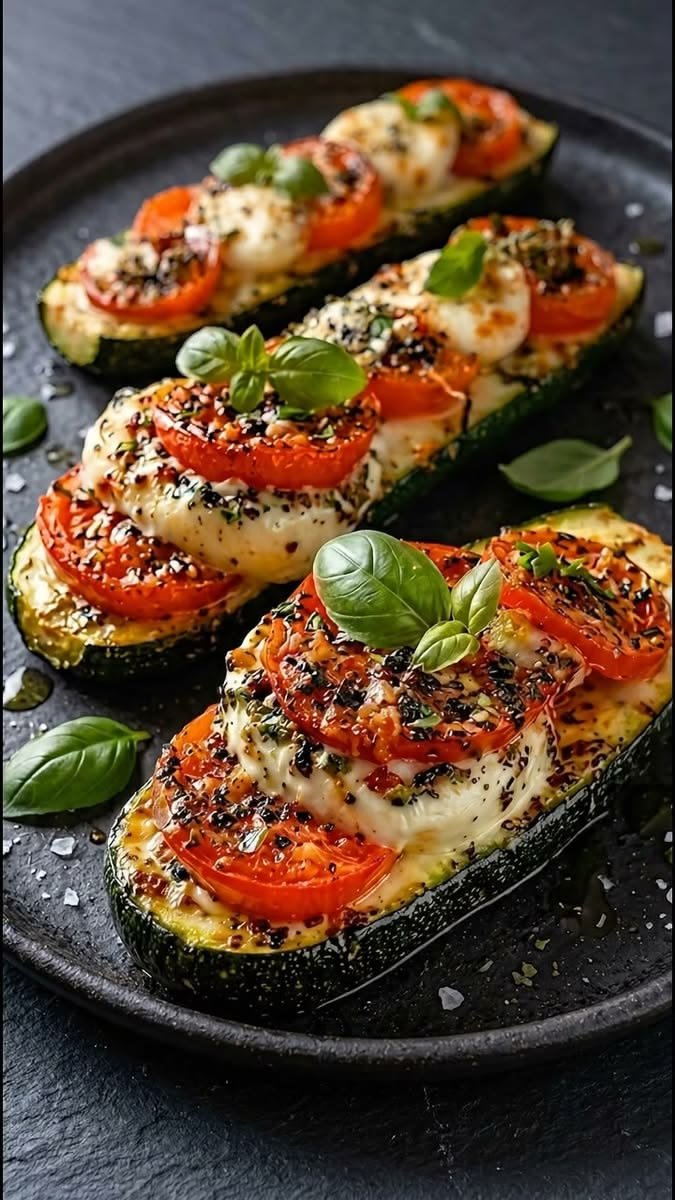
Caprese Stuffed Baked Zucchini Boats

Caprese Stuffed Baked Zucchini Boats

Introduction

Caprese Stuffed Baked Zucchini Boats are a delicious Mediterranean-inspired dish that combines tender baked zucchini with juicy tomatoes, creamy mozzarella, fragrant fresh basil, and a flavorful garlic and olive oil seasoning. Finished with a drizzle of balsamic glaze, these zucchini boats deliver the classic flavors of a Caprese salad in a warm, comforting form.

This recipe is perfect for summer dinners, healthy lunches, vegetarian meals, or an elegant side dish for family gatherings. The zucchini becomes tender in the oven while the mozzarella melts into a delicious, cheesy filling. Cherry tomatoes add natural sweetness, garlic provides savory depth, and fresh basil brings a refreshing aroma.

One of the best things about this recipe is its simplicity. You need only a handful of fresh ingredients and a few easy preparation steps to create a dish that looks beautiful and tastes satisfying. It is naturally low in carbohydrates and can be adapted with additional ingredients such as spinach, mushrooms, cooked chicken, or quinoa.

Serve these stuffed zucchini boats alongside grilled fish, roasted chicken, a fresh green salad, or warm crusty bread. Whether you are preparing a quick weekday dinner or a special Mediterranean-inspired meal, this recipe is a wonderful way to enjoy fresh vegetables and classic Italian flavors.

Preparation and Cooking Time

  • Prep Time: 20 minutes

  • Cook Time: 25–30 minutes

  • Total Time: 45–50 minutes

  • Servings: 4

  • Course: Main Course or Side Dish

  • Cuisine: Italian-Inspired, Mediterranean

  • Difficulty: Easy

Ingredients

For the Zucchini Boats

  • 4 medium zucchini

  • 1½ cups cherry tomatoes, halved

  • 8 ounces fresh mozzarella, diced

  • 2 tablespoons extra-virgin olive oil

  • 3 garlic cloves, minced

  • ¼ cup grated Parmesan cheese

  • ½ teaspoon dried oregano

  • ½ teaspoon Italian seasoning

  • Salt, to taste

  • ¼ teaspoon freshly ground black pepper

  • ¼ teaspoon red pepper flakes, optional

  • ¼ cup fresh basil leaves, chopped

For the Finishing Touches

  • 1–2 tablespoons balsamic glaze

  • 1 tablespoon fresh parsley, chopped, optional

  • Extra grated Parmesan, optional

  • Freshly ground black pepper, to taste

Instructions

Step 1: Preheat the Oven

Preheat your oven to 400°F (200°C). Lightly grease a baking dish with olive oil or line a baking tray with parchment paper.

Choose a dish large enough to hold all the zucchini boats in a single layer. Keeping them close together helps them remain upright while baking.

Step 2: Prepare the Zucchini

Wash the zucchini thoroughly and pat them dry. Trim off the stem ends, then slice each zucchini lengthwise into two halves.

Using a small spoon, carefully scoop out the soft center of each half, leaving a sturdy border around the edges and bottom. Avoid scraping too deeply because the zucchini shells need to remain strong enough to hold the filling.

Finely chop the scooped zucchini flesh and reserve it for the filling. This helps reduce waste and adds extra vegetable flavor.

Arrange the zucchini halves cut-side up in the prepared baking dish. Brush the inside lightly with olive oil and season with a pinch of salt and black pepper.

Step 3: Pre-Bake the Zucchini Boats

Place the zucchini halves in the oven and bake for approximately 8–10 minutes.

This initial baking softens the zucchini slightly and helps prevent the finished dish from becoming watery. After pre-baking, carefully remove the dish from the oven.

If liquid has collected inside the zucchini shells, gently blot it with a paper towel. Avoid pressing too hard or damaging the zucchini.

Step 4: Prepare the Caprese Filling

While the zucchini is baking, prepare the filling.

Cut the cherry tomatoes in half and dice the mozzarella into small pieces. If using fresh mozzarella packed in water, drain it thoroughly and pat it dry to reduce excess moisture.

In a medium mixing bowl, combine the tomatoes, mozzarella, chopped zucchini flesh, minced garlic, Parmesan cheese, oregano, Italian seasoning, and chopped basil.

Add the remaining olive oil, black pepper, and red pepper flakes if desired. Mix gently until the ingredients are evenly combined.

Taste a small amount of the mixture and adjust the seasoning. Since Parmesan and mozzarella can contribute saltiness, add salt gradually.

Step 5: Fill the Zucchini Boats

Arrange the partially baked zucchini halves in the baking dish.

Using a spoon, divide the tomato and mozzarella mixture evenly among the zucchini shells. Fill each boat generously without packing the mixture too tightly.

Scatter any remaining mozzarella and Parmesan over the tops. The cheese will melt during baking, creating a rich, flavorful topping.

For extra color, reserve a few small basil leaves to add after baking.

Step 6: Bake Until Tender and Cheesy

Return the filled zucchini boats to the oven and bake for approximately 15–20 minutes.

The zucchini should become tender but still hold its shape. The tomatoes will soften and release some of their juices, while the mozzarella melts throughout the filling.

If you prefer a golden cheese topping, switch the oven to broil for the final 1–2 minutes, watching carefully to prevent burning.

Cooking time can vary depending on the size and thickness of your zucchini. Check the vegetables with a fork and continue baking briefly if they remain too firm.

Step 7: Add the Finishing Touches

Remove the baking dish from the oven and let the zucchini boats rest for approximately 3–5 minutes.

Drizzle the tops lightly with balsamic glaze. Sprinkle with fresh basil, chopped parsley, additional Parmesan, and a little freshly ground black pepper.

The sweet and tangy balsamic glaze balances the creamy cheese and juicy tomatoes, while the fresh herbs brighten the entire dish.

Step 8: Serve and Enjoy

Serve the zucchini boats warm while the mozzarella is melted and the filling is flavorful.

Arrange two zucchini halves per person for a main-course portion, or serve one half alongside grilled chicken, baked fish, or roasted vegetables as a side dish.

Spoon any delicious tomato juices from the baking dish over the zucchini before serving.

Tips for Perfect Caprese Stuffed Zucchini Boats

Choose medium-sized zucchini. Medium zucchini are easier to fill and cook more evenly than very large ones.

Remove moisture from the mozzarella. Fresh mozzarella contains water, which can make the filling soggy if it is not drained properly.

Do not scoop too deeply. Leave enough zucchini flesh around the edges so the boats remain sturdy during baking.

Pre-bake the shells. A short initial bake helps the zucchini become tender without overcooking the cheese.

Use ripe cherry tomatoes. Sweet, ripe tomatoes provide the best flavor and complement the mozzarella beautifully.

Add fresh basil at the end. Although some basil can go into the filling, adding fresh leaves after baking preserves their aroma and color.

Avoid overbaking. The zucchini should be fork-tender but not collapsing. Overcooked zucchini can release too much moisture.

Delicious Recipe Variations

1. Spinach and Mozzarella Zucchini Boats

Add one cup of chopped fresh spinach to the filling. If using frozen spinach, thaw it and squeeze out excess moisture before mixing. The spinach adds color and makes the filling more vegetable-rich.

2. Mushroom Caprese Zucchini Boats

Add ½ cup of finely chopped mushrooms sautéed in olive oil. Cook them until their moisture evaporates before adding them to the filling.

3. Chicken Caprese Zucchini Boats

Mix in one cup of cooked, shredded or diced chicken. This variation creates a more substantial meal with additional protein. Make sure the chicken is fully cooked before adding it to the filling.

4. Spicy Caprese Zucchini Boats

Add extra red pepper flakes or a small amount of finely chopped fresh chili. The gentle heat contrasts nicely with the creamy mozzarella and sweet tomatoes.

5. Pesto Caprese Zucchini Boats

Mix one tablespoon of basil pesto into the filling before stuffing the zucchini. Pesto adds a rich basil flavor and complements the tomatoes and cheese.

6. Quinoa-Stuffed Zucchini Boats

Add ½ cup of cooked quinoa to the filling for extra texture and a more filling vegetarian meal. Drain the tomatoes well to prevent excess moisture.

7. Vegan Caprese-Inspired Zucchini Boats

Replace the mozzarella and Parmesan with plant-based cheese alternatives. Check the ingredients and melting properties of the alternatives, as different products behave differently when baked.

What to Serve with Caprese Zucchini Boats

These zucchini boats pair well with a variety of Mediterranean-inspired sides.

  • Grilled chicken: A simple garlic and herb chicken breast makes a satisfying protein-rich accompaniment.

  • Baked fish: Lemon-herb white fish complements the fresh tomato and basil flavors.

  • Roasted potatoes: Crispy potatoes add a hearty contrast to the soft zucchini.

  • Fresh green salad: Mixed greens, cucumber, and a light lemon dressing keep the meal refreshing.

  • Garlic bread: Warm bread is excellent for soaking up the tomato juices and melted cheese.

  • Rice or quinoa: A small serving creates a balanced and filling meal.

  • Roasted vegetables: Asparagus, bell peppers, and broccoli work particularly well.

For a vegetarian dinner, serve two zucchini halves per person with a fresh salad and a side of quinoa or crusty bread.

Storage and Reheating Instructions

Allow leftovers to cool slightly, then place them in an airtight container and refrigerate within two hours of cooking. Store at 40°F (4°C) or below and consume within 3–4 days.

To reheat, place the zucchini boats in an oven-safe dish and warm them at 350°F (175°C) for approximately 10–15 minutes, or until heated through.

You can also use a microwave for convenience, heating in short intervals. The zucchini may become softer, and the cheese may not retain the same texture as freshly baked zucchini.

Freezing is possible, but it is not ideal because zucchini and tomatoes release moisture after thawing. The texture may become softer and more watery.

For make-ahead preparation, scoop out the zucchini and prepare the filling separately. Store the components in the refrigerator, then assemble and bake shortly before serving. Keep the chopped tomatoes and cheese well drained.

Nutritional Information

Approximate values per serving, assuming four servings:

  • Calories: 250–320

  • Protein: 14–19 g

  • Carbohydrates: 10–15 g

  • Fat: 17–23 g

  • Fiber: 3–5 g

  • Sugar: 5–8 g

  • Sodium: 350–600 mg

Actual nutrition depends on the mozzarella, Parmesan, amount of olive oil, and size of the zucchini. Values may vary with optional toppings and substitutions.

Health Benefits of the Ingredients

Zucchini: Provides fiber, water, and nutrients such as vitamin C. It creates a satisfying vegetable base without requiring pasta or bread.

Tomatoes: Supply vitamin C, potassium, and lycopene, a naturally occurring antioxidant compound.

Mozzarella: Contributes protein and calcium, helping create a satisfying, cheesy filling.

Olive oil: Provides predominantly monounsaturated fats and enhances the flavor of the vegetables.

Garlic: Adds savory flavor and contains naturally occurring sulfur compounds.

Fresh basil: Brings aromatic freshness and small amounts of vitamins and beneficial plant compounds.

Parmesan cheese: Adds concentrated savory flavor and contributes protein and calcium.

Together, these ingredients create a flavorful dish that can fit into a balanced eating pattern.

Frequently Asked Questions

1. Can I make Caprese Stuffed Zucchini Boats ahead of time?

Yes. Prepare the zucchini shells and filling separately, then refrigerate them in covered containers. Assemble and bake shortly before serving for the best texture.

2. How do I prevent watery zucchini boats?

Pre-bake the zucchini, blot excess liquid, drain the mozzarella, and avoid using overly watery tomatoes. Cooking the filling without overcrowding also helps reduce moisture.

3. Can I use regular tomatoes instead of cherry tomatoes?

Yes. Dice ripe tomatoes into small pieces and remove excess seeds or juice if necessary. Cherry tomatoes are convenient because they are naturally sweet and easy to prepare.

4. Can I make this recipe without balsamic glaze?

Absolutely. Finish with extra lemon juice, olive oil, or fresh basil. The dish will still have plenty of flavor.

5. Are these zucchini boats low in carbohydrates?

They are relatively low in carbohydrates compared with pasta-based dishes, especially when served without bread or rice. Exact nutritional values depend on the ingredients and portion sizes.

6. How do I know when the zucchini is ready?

The zucchini should be tender when pierced with a fork, but the shells should remain firm enough to hold the filling.

7. Can I add more cheese?

Yes. Add a little extra mozzarella or Parmesan, but avoid adding excessive amounts if you want the zucchini to retain its texture without becoming overly rich.

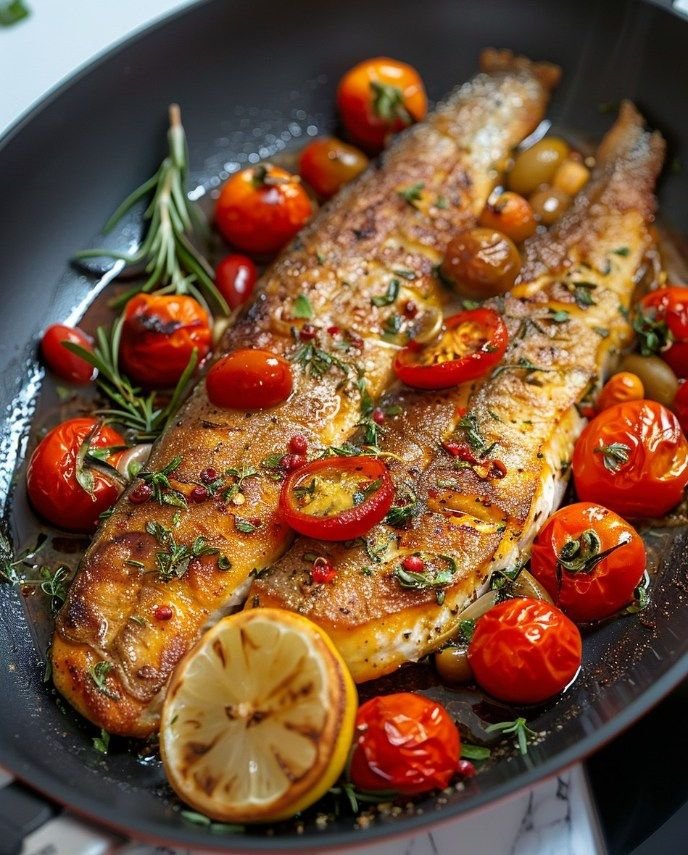
Pan-Seared Fish with Blistered Tomatoes & Lemon

Pan-Seared Fish with Blistered Tomatoes & Lemon

Introduction

Pan-Seared Fish with Blistered Tomatoes & Lemon is a fresh, flavorful seafood dish that combines golden, crispy-edged fish fillets with juicy cherry tomatoes, fragrant garlic, fresh herbs, and bright lemon juice. This simple yet elegant recipe delivers restaurant-quality flavor using everyday ingredients and one skillet.

The fish develops a beautiful golden crust while remaining tender and flaky inside. Meanwhile, the cherry tomatoes soften and blister in olive oil, releasing their natural juices to create a light, savory sauce. Lemon juice adds a refreshing tang, while garlic and herbs bring everything together.

This recipe is perfect for busy weeknight dinners, healthy lunches, or special occasions when you want something impressive without spending hours in the kitchen. It pairs wonderfully with roasted potatoes, steamed vegetables, rice, couscous, or a fresh Mediterranean salad.

Another advantage of this dish is its versatility. You can use cod, sea bass, snapper, tilapia, or another firm white fish. The ingredients are easy to adjust, making it simple to create a meal that suits your taste.

Preparation and Cooking Time

  • Prep Time: 15 minutes

  • Cook Time: 15 minutes

  • Total Time: 30 minutes

  • Servings: 4

  • Course: Main Course

  • Cuisine: Mediterranean-Inspired

  • Difficulty: Easy

Ingredients

For the Fish

  • 4 white fish fillets, approximately 5–6 ounces each

  • 2 tablespoons extra-virgin olive oil

  • 1 tablespoon unsalted butter

  • 3 garlic cloves, minced

  • 1 teaspoon paprika

  • ½ teaspoon garlic powder

  • ½ teaspoon dried oregano

  • ½ teaspoon salt, or to taste

  • ¼ teaspoon freshly ground black pepper

  • ½ teaspoon lemon zest

  • 1 tablespoon fresh lemon juice

For the Blistered Tomatoes

  • 2 cups cherry or grape tomatoes

  • 1 tablespoon olive oil

  • 2 garlic cloves, thinly sliced

  • ¼ teaspoon salt

  • ¼ teaspoon black pepper

  • ½ teaspoon dried oregano

  • ¼ teaspoon red pepper flakes, optional

  • 1 tablespoon fresh lemon juice

  • 2 tablespoons chopped fresh parsley

  • 1 tablespoon fresh basil, chopped, optional

For Serving

  • Lemon wedges

  • Extra fresh parsley or basil

  • Steamed rice, roasted potatoes, or couscous

  • Steamed asparagus or green beans, optional

Instructions

Step 1: Prepare the Fish

Pat the fish fillets completely dry with paper towels. Removing excess moisture is important because dry fish develops a better golden crust when it touches the hot skillet.

Inspect the fillets for any remaining bones and remove them carefully. If the fillets are unusually thick, allow a little extra cooking time; thinner fillets will cook more quickly.

In a small bowl, combine the paprika, garlic powder, dried oregano, salt, and black pepper. Sprinkle the seasoning mixture evenly over both sides of the fish.

Finish with the lemon zest, distributing it lightly over the fillets. Set the fish aside while you prepare the tomatoes.

Step 2: Heat the Skillet

Place a large, heavy skillet over medium-high heat. A stainless-steel or cast-iron skillet works particularly well because it retains heat and helps the fish develop a golden surface.

Add the olive oil and allow it to heat until it shimmers but does not smoke.

Carefully place the seasoned fish fillets into the skillet, leaving space between them. If necessary, cook in batches rather than overcrowding the pan.

Let the fish cook undisturbed for approximately 3–5 minutes, depending on thickness. Avoid moving the fillets too early, as they may stick before a crust forms.

Step 3: Sear the First Side

Allow the fish to develop a golden crust. When the edges begin to look opaque and the fish releases relatively easily from the skillet, gently turn each fillet with a thin spatula.

If a fillet resists turning, give it another short moment rather than forcing it.

Cook the second side for approximately 2–4 minutes, depending on thickness and the type of fish. Add the butter during the final minute of cooking, allowing it to melt around the fillets.

Spoon a little of the melted butter over the fish for additional richness.

The fish should become opaque and flake easily with a fork. For food safety, cook fish to an internal temperature of 145°F (63°C), measured at the thickest part.

Transfer the cooked fish to a clean plate and loosely cover it while you prepare the tomato sauce.

Step 4: Blister the Cherry Tomatoes

Using the same skillet, reduce the heat to medium. If the pan is excessively oily, carefully remove some of the excess fat while leaving a thin coating behind.

Add one tablespoon of olive oil if needed, followed by the cherry tomatoes.

Arrange the tomatoes in a single layer and allow them to cook for approximately 4–6 minutes. Shake the skillet occasionally, but avoid stirring constantly.

The tomatoes will begin to soften, wrinkle, and develop darkened spots where they touch the hot pan. Some may burst, releasing sweet juices that will form the base of the sauce.

This combination of caramelized tomato skins and juicy interiors creates a delicious contrast with the tender fish.

Step 5: Add Garlic and Seasonings

Add the sliced garlic to the tomatoes and cook for approximately 30–60 seconds, stirring gently. Avoid allowing the garlic to burn, as it can become bitter.

Sprinkle in the dried oregano, salt, black pepper, and red pepper flakes if using.

Continue cooking for another minute, allowing the seasonings to blend with the tomato juices.

Add one tablespoon of fresh lemon juice and gently stir. If the skillet looks dry, add one or two tablespoons of water to loosen the browned bits and create a light sauce.

Taste the mixture and adjust the seasoning as needed.

Step 6: Finish with Lemon and Fresh Herbs

Remove the skillet from the heat. Stir in the chopped parsley and fresh basil, if using.

The herbs add freshness and balance the sweetness of the blistered tomatoes. Adding them near the end helps preserve their color and aroma.

For a brighter flavor, add a little more lemon juice or a small amount of freshly grated lemon zest.

The finished tomato mixture should be juicy, fragrant, and lightly glossy rather than thick like a traditional tomato sauce.

Step 7: Return the Fish to the Skillet

Carefully return the cooked fish fillets to the skillet, placing them among the blistered tomatoes.

Spoon the tomato mixture and its juices around and lightly over the fish. Allow everything to warm together for about 30–60 seconds, taking care not to break the fillets.

If the skillet is crowded, arrange the fish on a serving platter and spoon the tomatoes over the top instead.

Taste the sauce one final time. Add a pinch of salt, black pepper, or a squeeze of lemon if necessary.

Step 8: Garnish and Serve

Transfer the fish and tomatoes to serving plates or bring the skillet directly to the table if it is suitable for serving.

Garnish with extra parsley, fresh basil, and lemon wedges.

Serve immediately while the fish is tender and the tomato sauce is warm. Spoon the remaining pan juices over each portion to add moisture and flavor.

Tips for Perfect Pan-Seared Fish

Dry the fillets thoroughly. Excess moisture creates steam and makes it harder to develop a golden crust.

Preheat the skillet properly. A hot skillet helps the fish sear instead of sticking or becoming pale.

Avoid moving the fish too soon. Let the first side cook undisturbed until it releases more easily from the pan.

Choose similar-sized fillets. Pieces of similar thickness cook at approximately the same rate.

Do not overcook the garlic. Add it after the tomatoes begin blistering so it becomes fragrant without burning.

Use fresh lemon juice. Freshly squeezed lemon gives the sauce a bright, clean flavor.

Cook fish in batches if necessary. Overcrowding lowers the pan temperature and prevents proper browning.

Best Fish to Use

  • Cod: Mild, flaky, and ideal for absorbing the lemon and tomato flavors. Handle gently because it can break apart easily.

  • Tilapia: Affordable, mild, and quick-cooking, making it suitable for busy weeknights.

  • Sea bass: Delicate and flavorful, with a texture that works beautifully with Mediterranean seasonings.

  • Red snapper: Slightly sweet and firm enough to hold together during searing.

  • Halibut: Meaty and substantial, making it a good choice for thicker fillets.

  • Salmon: A flavorful alternative with a richer taste. Adjust the cooking time according to the thickness of the fillets.

Choose fresh fish with a clean smell and firm flesh, or use properly thawed frozen fillets.

Delicious Recipe Variations

1. Mediterranean Fish with Olives

Add ¼ cup of sliced Kalamata olives to the tomatoes during the final few minutes of cooking. Their briny flavor complements the lemon and garlic beautifully.

2. Spicy Lemon Fish

Increase the red pepper flakes or add a small amount of chili paste to the tomato mixture for a spicier dish.

3. Garlic Butter Fish

For a richer sauce, add another tablespoon of butter after removing the skillet from the heat. Stir until melted, then spoon the sauce over the fish.

4. Spinach and Tomato Fish

Add two handfuls of fresh baby spinach to the skillet after the tomatoes blister. Stir until the spinach wilts, then finish with lemon juice and herbs.

5. Mediterranean Fish with Feta

Sprinkle a small amount of crumbled feta over the tomatoes immediately before serving. The salty, creamy cheese pairs well with the fresh lemon sauce.

6. Tomato Caper Fish

Add one tablespoon of drained capers to the tomato mixture. Their tangy, salty flavor creates a delicious contrast with mild white fish.

What to Serve with Pan-Seared Fish

This dish pairs beautifully with simple sides that absorb the lemony tomato juices.

  • Rice: Steamed white or brown rice makes an easy, satisfying accompaniment.

  • Roasted potatoes: Crispy potatoes provide a hearty contrast to the tender fish.

  • Couscous: Fluffy couscous complements the Mediterranean flavors and cooks quickly.

  • Roasted vegetables: Asparagus, zucchini, broccoli, or green beans work particularly well.

  • Fresh salad: A cucumber, tomato, and red onion salad adds refreshing crunch.

  • Crusty bread: Use warm bread to soak up the garlic, lemon, and tomato juices.

For a complete dinner, serve one fish fillet with a generous portion of blistered tomatoes, a side of vegetables, and a small serving of rice or potatoes.

Storage and Reheating

Allow leftovers to cool slightly, then refrigerate them in an airtight container within two hours of cooking. Store at 40°F (4°C) or below and consume within 3–4 days.

To reheat, place the fish and tomatoes in a covered skillet over low heat with a tablespoon of water. Warm gently until heated through, avoiding prolonged cooking that can dry out the fish.

You can also reheat a portion in the microwave using short intervals at reduced power. Cover the dish to help retain moisture.

Freezing is possible, although the fish may become softer after thawing. For the best texture, enjoy this dish freshly prepared.

Nutritional Information

Approximate values per serving, assuming four servings and using cod with the listed ingredients:

  • Calories: 280–340

  • Protein: 30–36 g

  • Carbohydrates: 7–11 g

  • Fat: 13–18 g

  • Fiber: 2–3 g

  • Sugar: 4–6 g

  • Sodium: 350–550 mg

Nutrition will vary depending on the fish species, portion size, amount of oil and butter, and seasoning used. Side dishes are not included.

Health Benefits of the Ingredients

Fish: Provides high-quality protein and important nutrients. Depending on the species, fish can also provide omega-3 fatty acids.

Cherry tomatoes: Contain vitamin C, potassium, and lycopene, a naturally occurring antioxidant compound.

Olive oil: Provides predominantly monounsaturated fats and contributes richness to the dish.

Lemon: Adds fresh flavor and vitamin C while helping balance the savory ingredients.

Garlic: Contributes distinctive flavor and contains naturally occurring sulfur compounds.

Fresh herbs: Parsley and basil provide aroma and small amounts of vitamins and other beneficial plant compounds.

Together, these ingredients create a flavorful meal that can fit into a balanced eating pattern.

Frequently Asked Questions

1. Can I use frozen fish?

Yes. Thaw frozen fish safely in the refrigerator, then pat it thoroughly dry before seasoning and searing.

2. Why does my fish stick to the skillet?

The skillet may not be hot enough, the fish may be too wet, or you may be turning it too early. Dry the fillets, preheat the pan, and allow a crust to form before turning.

3. Can I make this recipe without butter?

Yes. Replace the butter with a little extra olive oil. The result will be lighter in flavor but still delicious.

4. Can I prepare the tomato mixture ahead?

You can prepare the tomatoes and seasonings in advance, refrigerate them, and reheat them in the skillet before adding freshly cooked fish. The fish is best cooked just before serving.

5. How do I know when the fish is done?

The flesh should be opaque and separate easily with a fork. For food safety, the thickest part should reach 145°F (63°C).

6. Is this recipe low in carbohydrates?

The fish itself contains very little carbohydrate. Most carbohydrates in this recipe come from the tomatoes and seasonings, making the dish relatively low in carbohydrates when served without rice, bread, or potatoes.

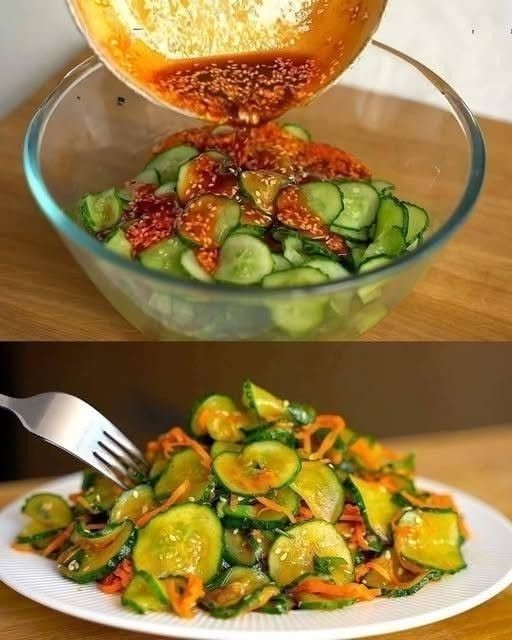
Asian Spicy Cucumber & Carrot Salad

Asian Spicy Cucumber & Carrot Salad – Easy Crunchy Sesame Salad

Description

This Asian Spicy Cucumber & Carrot Salad is a refreshing, crunchy, and flavorful dish made with thinly sliced cucumbers, shredded carrots, garlic, sesame seeds, and a delicious sweet-and-spicy chili dressing.

The combination of crisp vegetables, tangy rice vinegar, savory soy sauce, and aromatic sesame oil creates a mouthwatering salad that tastes just like your favorite Asian-inspired restaurant side dish.

It’s perfect for summer lunches, healthy snacks, meal prep, BBQ gatherings, or serving alongside rice, noodles, grilled chicken, and seafood.

Prep Time: 15 minutes Resting Time: 10 minutes Total Time: 25 minutes Servings: 4

Ingredients

For the Cucumber Salad

  • 3 medium Persian cucumbers or 2 small English cucumbers

  • 1 medium carrot, julienned or shredded

  • 2 green onions, finely sliced

  • 1 tablespoon toasted sesame seeds

  • 2 tablespoons fresh cilantro, chopped (optional)

  • ½ teaspoon salt (for draining cucumbers)

For the Spicy Asian Dressing

  • 2 tablespoons soy sauce (low-sodium preferred)

  • 1½ tablespoons rice vinegar

  • 1 tablespoon sesame oil

  • 1 tablespoon chili crisp or chili oil

  • 1 tablespoon honey or maple syrup

  • 2 garlic cloves, finely minced

  • 1 teaspoon freshly grated ginger

  • ½ teaspoon crushed red pepper flakes (optional)

  • 1 teaspoon toasted sesame seeds

  • 1 teaspoon fresh lime juice (optional)

Step-by-Step Instructions

Step 1: Prepare the Cucumbers

Wash the cucumbers thoroughly and slice them into thin, even rounds.

Place the sliced cucumbers in a large mixing bowl. Sprinkle with ½ teaspoon salt and toss gently.

Allow them to sit for 10 minutes. This helps remove excess moisture and keeps the salad crunchy.

Drain the released liquid and gently pat the cucumber slices dry with paper towels.

Step 2: Prepare the Carrots

Peel the carrot and cut it into thin matchsticks or shred it using a vegetable grater.

Thinly slice the green onions and chop the fresh cilantro if using.

Add the carrots and green onions to the bowl of drained cucumbers.

Step 3: Make the Spicy Dressing

In a small bowl, combine the soy sauce, rice vinegar, sesame oil, chili crisp, honey, minced garlic, grated ginger, and sesame seeds.

Add the crushed red pepper flakes if you prefer extra heat.

Whisk everything together until the honey dissolves and the dressing is well combined.

Taste and adjust the flavors. Add more vinegar for tanginess, honey for sweetness, or chili oil for extra spice.

Step 4: Combine the Salad

Pour the prepared spicy sesame dressing over the cucumber and carrot mixture.

Using two spoons or salad tongs, gently toss everything together until the vegetables are evenly coated.

Make sure the chili oil, garlic, and sesame seeds are distributed throughout the salad.

Step 5: Let the Flavors Develop

Allow the salad to rest in the refrigerator for approximately 10 minutes.

This gives the cucumbers and carrots time to absorb the delicious dressing.

For the crunchiest texture, avoid marinating for too long.

Step 6: Garnish and Serve

Transfer the salad to a serving plate or bowl.

Sprinkle additional toasted sesame seeds and freshly chopped cilantro over the top.

Serve chilled or immediately at room temperature.

Enjoy this crunchy, spicy, sweet, and tangy cucumber salad!

Tips and Notes

Choose crunchy cucumbers: Persian or English cucumbers are ideal because they have thin skins, fewer seeds, and a naturally crisp texture.

Remove excess water: Salting and draining cucumbers prevents the dressing from becoming diluted.

Adjust the spice level: Start with 1 teaspoon of chili crisp for a mild version and increase gradually.

Add extra vegetables: Thinly sliced red bell peppers, radishes, or red cabbage work beautifully in this salad.

Make it gluten-free: Use certified gluten-free tamari instead of regular soy sauce.

Make it vegan: Replace honey with maple syrup.

Add protein: Serve with grilled shrimp, chicken, tofu, or edamame for a more filling meal.

Storage: Refrigerate leftovers in an airtight container for up to 2 days. The cucumbers will gradually soften and release more water.

Frequently Asked Questions

Can I prepare this salad ahead of time?

Yes! Slice the vegetables and prepare the dressing separately up to one day ahead. Combine them shortly before serving for the best crunchy texture.

Can I make this cucumber salad without chili oil?

Absolutely. Replace the chili oil with a small amount of sesame oil and add a pinch of red pepper flakes if desired.

What can I serve with this salad?

This salad pairs perfectly with grilled salmon, teriyaki chicken, fried rice, stir-fried noodles, dumplings, and Asian-inspired rice bowls.

Can I use regular cucumbers?

Yes. If using large garden cucumbers, peel the thick skin if necessary and remove large seeds before slicing.

How can I make the salad less salty?

Use low-sodium soy sauce and avoid adding additional salt to the dressing. After salting the cucumbers, rinse briefly if needed and dry thoroughly.

Servings and Nutrition

Servings: 4

Estimated Nutrition Per Serving:

Nutrient Amount
Calories 115 kcal
Protein 2 g
Carbohydrates 12 g
Fat 7 g
Fiber 2 g
Sugar 7 g

Nutrition values are approximate and depend on the amount and brand of chili oil, honey, and other ingredients used.

Asian Spicy Cucumber & Carrot Salad is a quick, colorful, and refreshing side dish with crunchy vegetables and bold sesame-chili flavor. Perfect for anyone who loves easy, healthy-inspired recipes with a spicy kick!