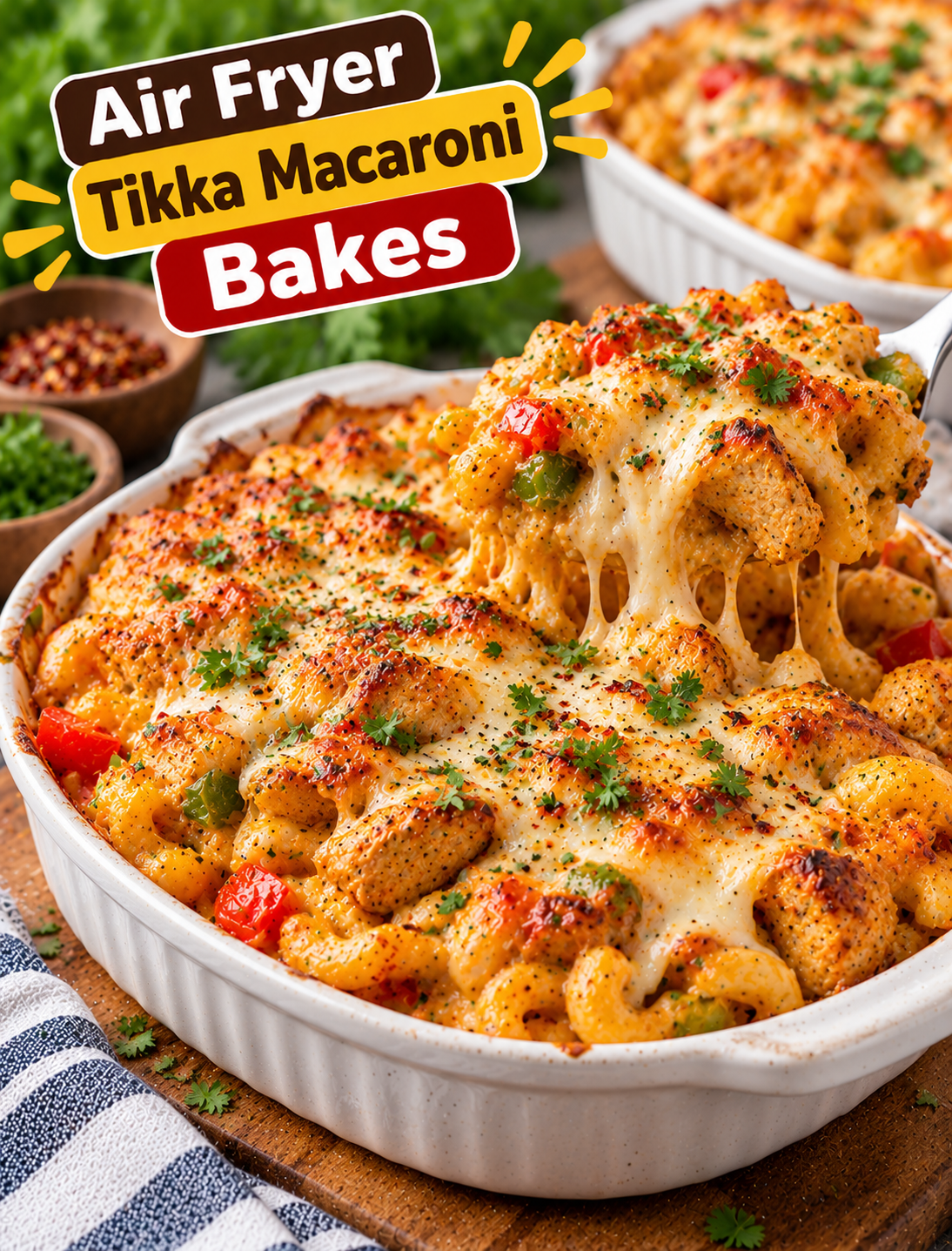
Air Fryer Tikka Macaroni Bakes

Air Fryer Tikka Macaroni Bakes

Air Fryer Tikka Macaroni Bakes bring together tender pasta, juicy tikka-spiced chicken, a creamy tomato sauce, and melted cheese in one comforting meal. The dish combines the bold flavors of chicken tikka with the familiar taste of cheesy baked macaroni. It is a great choice when you want something different from regular pasta without spending hours in the kitchen.

The chicken gets its flavor from yogurt, garlic, ginger, and warm spices. A creamy tomato sauce coats the macaroni, while mozzarella and cheddar create a golden, cheesy topping. Cooking the assembled pasta in an air fryer helps melt the cheese and brown the surface without heating a full-size oven.

This recipe works well for family dinners, casual gatherings, and meal prep. You can adjust the spice level, swap the vegetables, or use leftover cooked chicken to make preparation easier. With a few simple steps, you can enjoy a filling pasta bake with a delicious tikka-inspired twist.

Why You’ll Love This Recipe

  • Bold tikka flavor: Yogurt, paprika, cumin, coriander, and garam masala give the chicken a warm, savory taste.
  • Creamy pasta: A tomato-and-cream sauce keeps the macaroni moist and flavorful.
  • Golden cheese topping: Mozzarella melts smoothly, while cheddar adds a richer flavor.
  • Air fryer convenience: Small baking dishes fit easily into many air fryer baskets and cook in less time than a traditional oven.
  • Easy to customize: Add bell peppers, peas, spinach, or your favorite vegetables.
  • Family-friendly meal: Reduce the chili powder for a milder version that suits different spice preferences.

Recipe Overview

  • Prep time: 20 minutes
  • Marinating time: 15–30 minutes, optional but recommended
  • Cook time: Approximately 20–30 minutes, depending on the air fryer and dish size
  • Total time: Approximately 40–50 minutes, excluding optional marinating
  • Servings: 4
  • Cuisine inspiration: South Asian fusion
  • Cooking method: Air fryer
  • Main ingredients: Macaroni, chicken, yogurt, tomato sauce, cream, and cheese

Cooking times can vary by air fryer model and baking dish. Make sure the chicken reaches an internal temperature of 165°F (74°C), and heat the assembled pasta until it is hot throughout.

Ingredients You’ll Need

For the Tikka Chicken

  • 1 pound boneless, skinless chicken breast or thighs, cut into small pieces
  • 3 tablespoons plain yogurt
  • 1 teaspoon ginger-garlic paste
  • 1 tablespoon lemon juice
  • 1 teaspoon paprika
  • ½ teaspoon ground cumin
  • ½ teaspoon ground coriander
  • ½ teaspoon garam masala
  • ¼ teaspoon turmeric
  • ¼ teaspoon chili powder, or to taste
  • ½ teaspoon salt, or to taste
  • 1 tablespoon olive oil

For the Macaroni Bake

  • 8 ounces elbow macaroni
  • 1 tablespoon butter
  • 2 garlic cloves, finely minced
  • ½ small onion, finely chopped
  • ½ cup tomato sauce or tomato passata
  • ¼ cup heavy cream
  • ¼ cup milk, plus more if needed
  • ½ teaspoon paprika
  • ¼ teaspoon black pepper
  • ½ cup diced bell pepper, optional
  • 1 cup shredded mozzarella cheese
  • ½ cup shredded cheddar cheese
  • 1 tablespoon chopped fresh cilantro, for garnish
  • Cooking spray or a little oil for the baking dish

Ingredient notes: Elbow macaroni holds the creamy sauce well, but penne or small shells also work. Use plain, unsweetened yogurt for the marinade, and choose a tomato sauce without added sugar if you prefer a more savory flavor. Freshly shredded cheese usually melts smoothly.

Step-by-Step Instructions

Step 1: Marinate the Chicken

Add the yogurt, ginger-garlic paste, lemon juice, paprika, cumin, coriander, garam masala, turmeric, chili powder, salt, and olive oil to a medium bowl. Stir until the marinade is evenly mixed.

Add the chicken pieces and toss until they are coated on all sides. Cover the bowl and refrigerate for 15–30 minutes to let the flavors develop.

Keep raw chicken and its marinade separate from cooked pasta and other ready-to-eat ingredients. Do not reuse the raw marinade unless you cook it thoroughly.

Step 2: Cook the Macaroni

Bring a large pot of salted water to a boil. Add the macaroni and cook it until just shy of al dente, following the package directions.

Drain the pasta and set it aside. Slightly undercooking the macaroni helps prevent it from becoming too soft during the final air-frying stage.

Avoid rinsing the pasta unless the package instructions or your cooking method require it. The small amount of starch left on the pasta can help the sauce cling to it.

Step 3: Cook the Tikka Chicken

Preheat the air fryer to 375°F (190°C), following the appliance instructions. Arrange the marinated chicken in a single layer in the basket, working in batches if needed.

Air-fry for approximately 10–14 minutes, turning the pieces halfway through. The exact time depends on the size of the chicken pieces and your air fryer.

Check the thickest pieces with a food thermometer. Chicken must reach 165°F (74°C) before you use it in the pasta bake. If necessary, continue cooking and check again.

Transfer the cooked chicken to a clean plate. Cut any larger pieces into bite-sized portions so every serving contains a good mix of pasta and chicken.

Step 4: Prepare the Creamy Tomato Sauce

Melt the butter in a saucepan over medium heat. Add the chopped onion and cook for 2–3 minutes, stirring until it begins to soften.

Add the minced garlic and cook for about 30 seconds, taking care not to burn it. Stir in the tomato sauce, paprika, black pepper, and diced bell pepper if using.

Cook for 2–3 minutes, then lower the heat. Add the cream and milk, stirring until the sauce looks smooth. If the sauce seems too thick, add a small splash of milk.

Taste the sauce and adjust the salt or spices. Keep the heat low after adding the cream to help prevent the sauce from separating.

Step 5: Combine the Pasta, Chicken, and Sauce

Add the drained macaroni and cooked tikka chicken to the sauce. Stir gently until the pasta and chicken are evenly coated.

Check the texture before transferring the mixture to a baking dish. It should look creamy rather than dry because the pasta will absorb some moisture during air frying.

If the mixture seems stiff, stir in 1–2 tablespoons of milk. Avoid adding too much liquid at once, since excess sauce can make the finished bake watery.

Step 6: Assemble the Macaroni Bake

Choose an oven-safe or air-fryer-safe baking dish that fits comfortably inside your air fryer basket. Lightly grease the dish with cooking spray or a small amount of oil.

Spread the macaroni mixture evenly in the dish. Sprinkle the mozzarella and cheddar over the top, covering the surface without pressing the cheese into the pasta.

Leave a little space between the top of the dish and the air fryer heating element. Never use a dish that blocks the appliance’s airflow or touches the heating element.

Step 7: Air-Fry Until the Cheese Melts

Lower the air fryer temperature to 350°F (175°C). Place the baking dish in the basket and cook for approximately 5–8 minutes, or until the cheese has melted and the edges begin to turn golden.

Check the bake after the first few minutes because some air fryers brown cheese quickly. If the cheese is browning too fast, loosely cover the dish with air-fryer-safe foil, making sure the foil is securely held down and cannot contact the heating element.

The chicken is already cooked, so this stage mainly heats the pasta mixture and melts the cheese. Check that the center is steaming hot before serving.

Step 8: Rest, Garnish, and Serve

Carefully remove the hot dish using oven mitts. Let the macaroni bake rest for about 3–5 minutes so the sauce settles and the cheese topping becomes easier to serve.

Sprinkle chopped cilantro over the top for a fresh finish. Serve warm with a green salad, cucumber yogurt dip, or roasted vegetables.

For individual portions, divide the mixture among small heat-safe ramekins before air frying. Smaller dishes may cook faster, so check them early.

Tips for the Best Air Fryer Tikka Macaroni Bakes

  • Cook the pasta slightly under: The macaroni will soften more as it heats with the sauce.
  • Cut chicken evenly: Similar-sized pieces cook at a more consistent rate.
  • Use a thick sauce: A watery sauce can collect at the bottom of the baking dish.
  • Don’t overload the basket: Air circulation helps the cheese melt and brown evenly.
  • Choose a suitable dish: Check the manufacturer’s instructions to confirm that your dish is safe for air fryer use.
  • Control the heat: Reduce or omit chili powder for a mild flavor, or add more for extra spice.
  • Watch the cheese: Begin checking early to prevent the topping from burning.
  • Keep the mixture creamy: Add a little milk before baking if the pasta looks dry.

Easy Variations

Spicy Chicken Tikka Macaroni

Add extra chili powder or a pinch of cayenne pepper to the marinade. You can also sprinkle chili flakes over individual servings for people who prefer more heat.

Vegetable Tikka Pasta Bake

Add diced bell peppers, peas, corn, or chopped spinach to the sauce. Cook vegetables with a high water content until softened before combining them with the pasta.

Extra-Cheesy Macaroni Bake

Increase the mozzarella slightly or add a small amount of Monterey Jack. Keep the topping balanced so the cheese melts without overpowering the tikka seasoning.

Creamier Version

Stir an extra tablespoon of cream cheese into the warm sauce. Add a splash of milk if needed to maintain a smooth, spoonable consistency.

Use Leftover Chicken

Use leftover cooked chicken that has been stored safely. Toss it with a little yogurt, lemon juice, and tikka seasoning, then heat it in the sauce before mixing it with the pasta.

Vegetarian Tikka Macaroni

Replace the chicken with chickpeas, paneer, or firm tofu. Season the replacement with the same spice mixture and cook it appropriately before assembling the bake.

What to Serve With Tikka Macaroni Bake

This pasta bake is filling enough to serve as a main dish, but a few simple sides can round out the meal.

  • Cucumber yogurt salad: Cool yogurt, cucumber, and mint balance the warm spices.
  • Fresh green salad: Lettuce, tomatoes, cucumber, and lemon dressing add a crisp contrast.
  • Garlic bread: Serve a small piece alongside the creamy pasta for a comforting dinner.
  • Roasted broccoli: Lightly seasoned broccoli adds color and texture.
  • Corn salad: Sweet corn, bell pepper, and lime juice bring a fresh flavor to the plate.

For a family meal, serve the pasta directly from the baking dish with the sides arranged separately. For a casual gathering, prepare individual portions in small air-fryer-safe dishes.

Storage and Reheating

Refrigeration: Let the leftovers cool slightly, then place them in a shallow airtight container and refrigerate within 2 hours of cooking. Eat within 3–4 days if stored properly.

Reheating in the air fryer: Place a portion in an air-fryer-safe dish and heat at 325°F (165°C) for about 4–7 minutes. Cover loosely with securely placed air-fryer-safe foil if the cheese begins to brown before the center heats through.

Reheating in the microwave: Place one serving in a microwave-safe bowl, cover loosely, and heat in short intervals. Stir halfway through and make sure the center is steaming hot.

Freezing: Freeze cooled portions in airtight, freezer-safe containers for up to 2 months for best quality. Thaw in the refrigerator before reheating; the cream sauce may change texture slightly after freezing.

Food safety: Refrigerate cooked chicken and pasta promptly, and reheat leftovers to 165°F (74°C). Discard food that has been left at room temperature for more than 2 hours, or more than 1 hour when temperatures are above 90°F (32°C).

Common Mistakes to Avoid

  • Overcooking the macaroni: Fully soft pasta can turn mushy after the final air-frying stage.
  • Using large chicken chunks: Large pieces take longer to cook and are harder to distribute evenly.
  • Adding too much milk: Excess liquid can make the finished bake watery.
  • Using an oversized dish: A dish that blocks airflow can prevent even heating.
  • Skipping the chicken temperature check: Color alone cannot confirm that chicken is safely cooked.
  • Air-frying at excessive heat: The cheese may burn before the center becomes hot.
  • Serving immediately: A short resting period helps the sauce settle and makes portions easier to serve.

Frequently Asked Questions

1. Can I make tikka macaroni bake without chicken?

Yes. Replace the chicken with chickpeas, paneer, or firm tofu, and season the substitute with the tikka spices.

2. Which pasta works best for this recipe?

Elbow macaroni is ideal, but penne, rotini, and small pasta shells also hold the creamy sauce well.

3. Can I use store-bought tikka seasoning?

Yes. Use a store-bought tikka seasoning blend according to its label, and adjust the salt because some blends already contain salt.

4. Why is my macaroni bake dry?

The pasta may have absorbed too much sauce or cooked too long; stir in a little milk before reheating to restore moisture.

5. Can I prepare this recipe ahead of time?

Yes. Cook the chicken and pasta, prepare the sauce, and refrigerate them separately; combine, top with cheese, and air-fry when ready.

6. How do I know when the bake is ready?

The cheese should be melted and lightly golden, and the center should be steaming hot; cooked chicken must reach 165°F (74°C).

7. Can I use only mozzarella cheese?

Yes. Mozzarella melts well on its own, although adding cheddar gives the topping a deeper, sharper flavor.

8. Can I make this recipe less spicy for kids?

Yes. Reduce or omit the chili powder and use mild paprika while keeping the garlic, yogurt, and other seasonings for flavor.

Final Thoughts

Air Fryer Tikka Macaroni Bakes combine creamy pasta, tender spiced chicken, tomato sauce, and melted cheese in a simple, satisfying meal. Cooking the chicken and pasta before assembling the dish helps the ingredients heat evenly and keeps the final texture creamy.

Use mozzarella and cheddar for a classic cheesy topping, or customize the recipe with vegetables and your preferred spice level. Serve it warm with a fresh salad or cucumber yogurt dip for an easy family dinner that brings together familiar comfort food and tikka-inspired flavor.
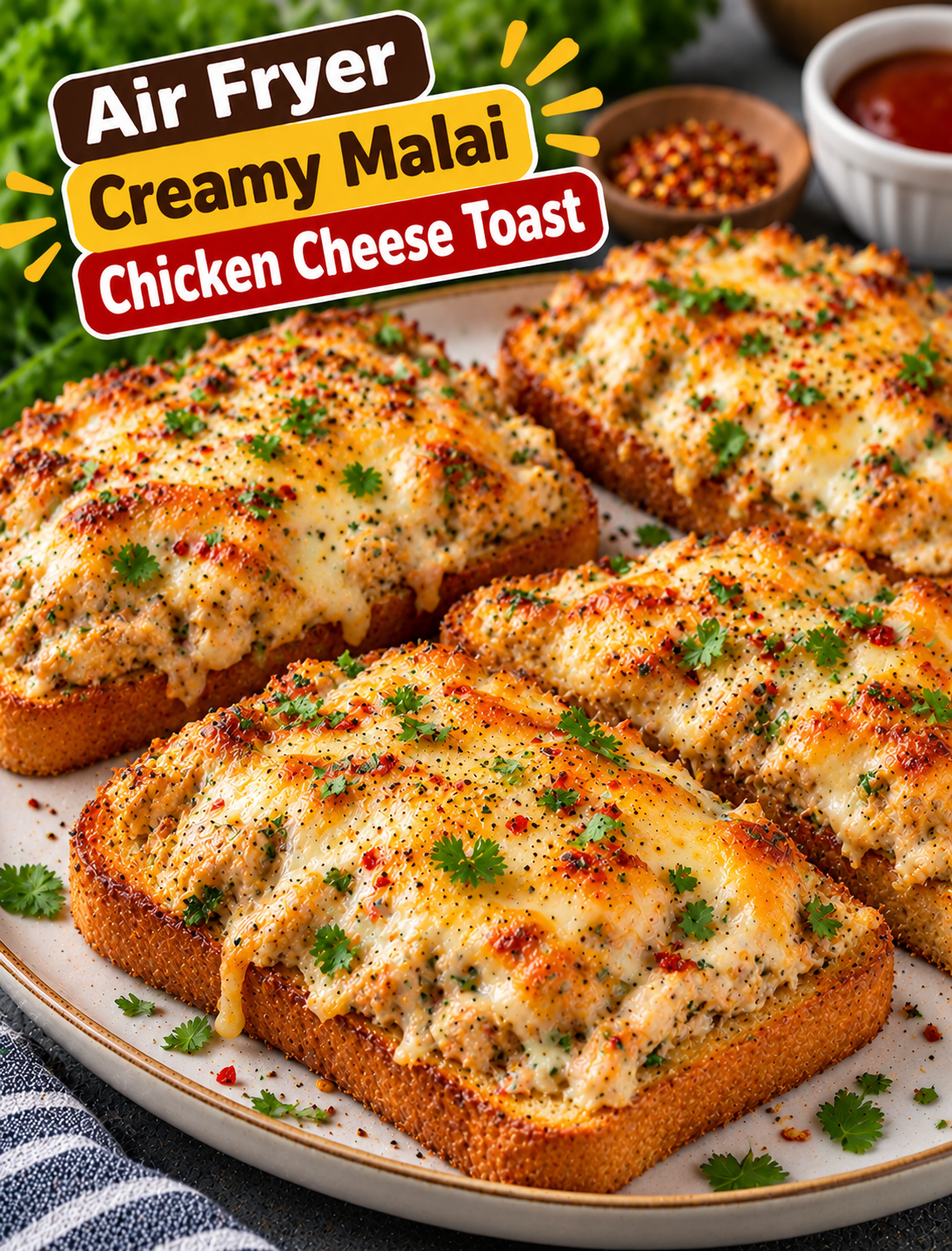
Air Fryer Creamy Malai Chicken Cheese Toast

Air Fryer Creamy Malai Chicken Cheese Toast

Air Fryer Creamy Malai Chicken Cheese Toast is a delicious way to turn simple bread, tender chicken, creamy malai marinade, and melted cheese into a satisfying meal. Each slice has a golden, toasted base topped with juicy chicken, a rich creamy mixture, and a layer of bubbling cheese.

This recipe takes inspiration from chicken malai flavors popular in South Asian cooking. Yogurt, cream, garlic, ginger, and mild spices help keep the chicken flavorful without making it too spicy. The air fryer cooks the topping quickly while giving the bread a crisp edge.

Serve these cheesy chicken toasts for breakfast, brunch, lunch, or a quick weeknight dinner. You can also cut them into smaller pieces for a party appetizer or game-day snack. The ingredients are easy to find at most American grocery stores, and you can adjust the spices to suit your family.

Why You’ll Love This Recipe

  • Creamy and cheesy: The malai-style chicken topping pairs beautifully with melted mozzarella or cheddar.
  • Crispy bread: The air fryer helps toast the bread while the cheese melts over the chicken.
  • Easy preparation: A simple marinade and a few common ingredients create plenty of flavor.
  • Customizable spice level: Use mild seasonings for kids or add chili flakes for extra heat.
  • Flexible serving options: Enjoy the toast on its own, with a salad, or alongside soup.
  • Great for leftovers: Cooked chicken can make preparation faster on a busy day.

Recipe Overview

  • Prep time: 15 minutes, plus marinating time
  • Cook time: About 10–15 minutes, depending on the chicken and bread
  • Total time: About 30 minutes, excluding optional marinating
  • Servings: 4
  • Yield: 4 slices of loaded toast
  • Cooking method: Air fryer
  • Cuisine inspiration: South Asian-inspired
  • Main ingredients: Chicken, bread, yogurt, cream, cheese, and mild spices

Cooking times vary by air fryer model, bread thickness, and the size of the chicken pieces. Always check that the chicken reaches an internal temperature of 165°F (74°C).

Ingredients You’ll Need

For the Creamy Malai Chicken

  • 1 cup boneless, skinless chicken breast, cut into small pieces
  • 2 tablespoons plain Greek yogurt or thick plain yogurt
  • 1 tablespoon heavy cream
  • 1 tablespoon cream cheese, softened
  • 1 teaspoon ginger-garlic paste
  • ½ teaspoon lemon juice
  • ¼ teaspoon ground black pepper
  • ¼ teaspoon ground cumin
  • ¼ teaspoon garam masala
  • ¼ teaspoon paprika
  • Salt, to taste
  • 1 teaspoon olive oil or melted butter

For the Cheese Toast

  • 4 slices of sturdy sandwich bread or sourdough
  • ½ cup shredded mozzarella cheese
  • ¼ cup shredded cheddar cheese
  • 1 tablespoon finely chopped cilantro
  • 1 small green onion, thinly sliced (optional)
  • Cooking spray or a little oil, as needed
  • Red chili flakes, optional

Ingredient tip: Mozzarella gives you a stretchy cheese topping, while cheddar adds a sharper flavor. You can use either one or combine them for a balanced taste.

Step-by-Step Instructions

Step 1: Prepare the Chicken

Cut the chicken breast into small, even pieces so they cook at a similar rate. Pat the pieces dry with a paper towel to remove excess moisture.

Keep the chicken pieces small enough to fit comfortably on the toast. Avoid cutting them into large chunks because they may take longer to cook and can make the topping difficult to eat.

Step 2: Make the Malai Marinade

Add the yogurt, heavy cream, softened cream cheese, ginger-garlic paste, lemon juice, black pepper, cumin, garam masala, paprika, salt, and olive oil to a bowl.

Stir until the mixture looks smooth and creamy. Add the chicken and mix until every piece is coated.

Cover the bowl and refrigerate for 15–30 minutes if time allows. You can cook the chicken immediately, but a short rest helps the flavors blend. Do not reuse marinade that has touched raw chicken unless you cook it thoroughly.

Step 3: Preheat the Air Fryer

Preheat your air fryer to 375°F (190°C) for about 3 minutes, following your appliance’s instructions.

Lightly grease the air fryer basket if needed. Avoid using loose parchment paper during preheating because the circulating air can lift it toward the heating element.

Step 4: Cook the Chicken

Arrange the marinated chicken in a single layer in the air fryer basket. Leave a little space between pieces so hot air can circulate.

Cook at 375°F (190°C) for approximately 8–12 minutes, turning or stirring halfway through. The exact time depends on the size of the chicken pieces and your air fryer.

Check the thickest pieces with a food thermometer. The chicken must reach 165°F (74°C) before serving. If it has not reached that temperature, continue cooking and check again.

Transfer the cooked chicken to a clean plate. If the pieces are larger than bite-sized, chop them into smaller pieces before assembling the toast.

Step 5: Prepare the Bread

Place the bread slices on a clean work surface. If you prefer a firmer base, air-fry the bread at 350°F (175°C) for 1–2 minutes before adding the topping.

This quick pre-toast helps prevent the bread from becoming soggy under the creamy chicken mixture. Skip this step if you prefer a softer center.

Step 6: Assemble the Chicken Cheese Toast

Combine the cooked chicken with any creamy sauce remaining on the clean cooking plate, if desired. Do not add uncooked marinade unless it has been thoroughly cooked.

Divide the chicken mixture evenly between the four bread slices. Spread it toward the edges while keeping the topping level.

Sprinkle mozzarella and cheddar over the chicken. Finish with chopped cilantro, green onion, or a pinch of chili flakes if you enjoy extra flavor.

Do not overload the bread. A moderate topping cooks more evenly and is less likely to slide off during air frying.

Step 7: Air-Fry the Toast

Place the assembled toast in the air fryer basket in a single layer. Work in batches if your basket is small, and make sure the slices fit without touching the heating element.

Air-fry at 350°F (175°C) for about 3–5 minutes, or until the cheese melts and the bread edges turn golden. Check early because thin bread and smaller air fryers can cook quickly.

If the cheese has melted but the bread needs more color, add another minute and watch closely. Remove the toast carefully with a spatula, as the topping and melted cheese will be hot.

Step 8: Garnish and Serve

Let the toast rest for 1–2 minutes so the cheese settles slightly. Sprinkle with fresh cilantro and serve while warm.

Cut each slice in half for easier serving. Add a small bowl of yogurt dip, mint chutney, or your favorite mild sauce on the side.

Tips for the Best Creamy Malai Chicken Cheese Toast

  • Use small chicken pieces: Even pieces cook more consistently and fit better on the bread.
  • Choose sturdy bread: Sourdough or thick sandwich bread holds the creamy topping better than very thin slices.
  • Avoid excess marinade: Too much liquid can make the toast soggy.
  • Grate cheese fresh: Freshly grated cheese often melts more smoothly than some pre-shredded varieties.
  • Check the temperature: Chicken must reach 165°F (74°C), even if the outside looks cooked.
  • Cook in batches: Crowding the basket can lead to uneven browning.
  • Watch the final minutes: Cheese can brown quickly in an air fryer, so check the toast early.
  • Adjust the flavor: Add more black pepper for warmth or a small pinch of chili flakes for heat.

Easy Variations

Spicy Malai Chicken Toast

Add a little cayenne pepper or finely chopped green chili to the marinade. Start with a small amount and taste the cooked chicken before assembling the toast.

Garlic Cheese Chicken Toast

Add ¼ teaspoon garlic powder to the cheese mixture or sprinkle a little garlic butter over the bread before adding the chicken. Use a light coating so the bread does not become greasy.

Vegetable Chicken Toast

Mix finely chopped bell pepper, onion, or spinach with the cooked chicken. Cook watery vegetables first or use small amounts to help keep the bread crisp.

Extra-Cheesy Toast

Add a little extra mozzarella on top, but keep the layer thin enough to melt evenly. A small amount of Parmesan can add a savory finish.

Whole-Wheat Version

Use whole-wheat bread for a heartier base. Choose slices thick enough to support the chicken topping without bending.

What to Serve With Chicken Cheese Toast

This toast works as a complete light meal or part of a larger spread. Pair it with one or two of these options:

  • Fresh green salad: Lettuce, cucumber, tomatoes, and a lemon dressing provide a crisp contrast.
  • Tomato soup: A warm bowl of soup makes the toast feel like a comforting lunch.
  • Roasted vegetables: Broccoli, carrots, or bell peppers add color and texture.
  • Yogurt dip: Plain yogurt with mint, lemon, and a pinch of salt offers a cool, refreshing side.
  • Fresh fruit: Apple slices, grapes, or berries balance the rich cheese topping.
  • Potato wedges: Serve with air-fried potatoes when you want a more filling meal.

For a casual gathering, cut the toast into small squares and arrange them on a platter. Serve the dipping sauces separately to keep the bread crisp.

Storage and Reheating

Refrigeration: Store leftover chicken cheese toast in an airtight container in the refrigerator within 2 hours of cooking. Eat within 3–4 days, provided it has been handled and stored safely.

Reheating: Reheat in the air fryer at 325°F (165°C) for about 3–5 minutes, checking that the center is hot. The timing depends on the thickness of the topping and the appliance.

Freezing: For the best texture, freeze the cooked chicken separately rather than freezing assembled toast. Thaw the chicken in the refrigerator and reheat it thoroughly before assembling fresh bread.

Food safety: Do not leave cooked chicken toast at room temperature for more than 2 hours, or more than 1 hour when the temperature is above 90°F (32°C). Discard food that has been left out too long.

Common Mistakes to Avoid

  • Adding raw chicken directly to the toast: Cook the chicken fully before assembling to help the topping and bread heat evenly.
  • Using too much sauce: Excess moisture can soak into the bread before it turns crisp.
  • Overcrowding the basket: Air needs room to circulate around the toast.
  • Cooking at too high a temperature: The bread may burn before the cheese melts.
  • Skipping the thermometer: Appearance alone cannot confirm that chicken is safely cooked.
  • Leaving the toast in the basket too long: The residual heat can make the bottom softer, so serve soon after cooking.

Frequently Asked Questions

1. Can I use leftover cooked chicken?

Yes. Chop the chicken, mix it with the creamy malai ingredients, and heat it until steaming before adding it to the toast.

2. Which cheese works best for this recipe?

Mozzarella melts well and creates a stretchy topping, while cheddar adds a stronger flavor. A combination of both works especially well.

3. Can I make this recipe without heavy cream?

Yes. Replace the heavy cream with a little extra plain yogurt or softened cream cheese, adjusting the amount to keep the mixture spreadable.

4. How do I keep the toast from getting soggy?

Use sturdy bread, drain excess marinade from the chicken, and pre-toast the bread for 1–2 minutes before adding the topping.

5. Can I prepare the chicken ahead of time?

Yes. Cook the chicken in advance and refrigerate it promptly in an airtight container. Reheat it thoroughly before assembling and air-frying the toast.

6. Can I make this recipe with chicken thighs?

Yes. Boneless, skinless chicken thighs work well and often stay juicy. Cut them into small pieces and cook until they reach 165°F (74°C).

7. How do I know when the cheese toast is ready?

The cheese should be melted and lightly golden, and the bread edges should be crisp. Since the chicken is cooked first, the final air-frying stage mainly heats the topping and toasts the bread.

8. Can I make this toast less spicy?

Yes. Leave out the chili flakes and use mild paprika, black pepper, and garam masala in modest amounts.

Final Thoughts

Air Fryer Creamy Malai Chicken Cheese Toast combines tender chicken, a rich yogurt-and-cream coating, crisp bread, and melted cheese in an easy meal. Cooking the chicken before assembling the toast helps keep the preparation simple and makes it easier to check for food safety.

Try the recipe with mozzarella and cheddar first, then adjust the seasonings and toppings to suit your taste. Serve it fresh from the air fryer with a crisp salad, warm soup, or a cool yogurt dip for a satisfying breakfast, lunch, or quick dinner.

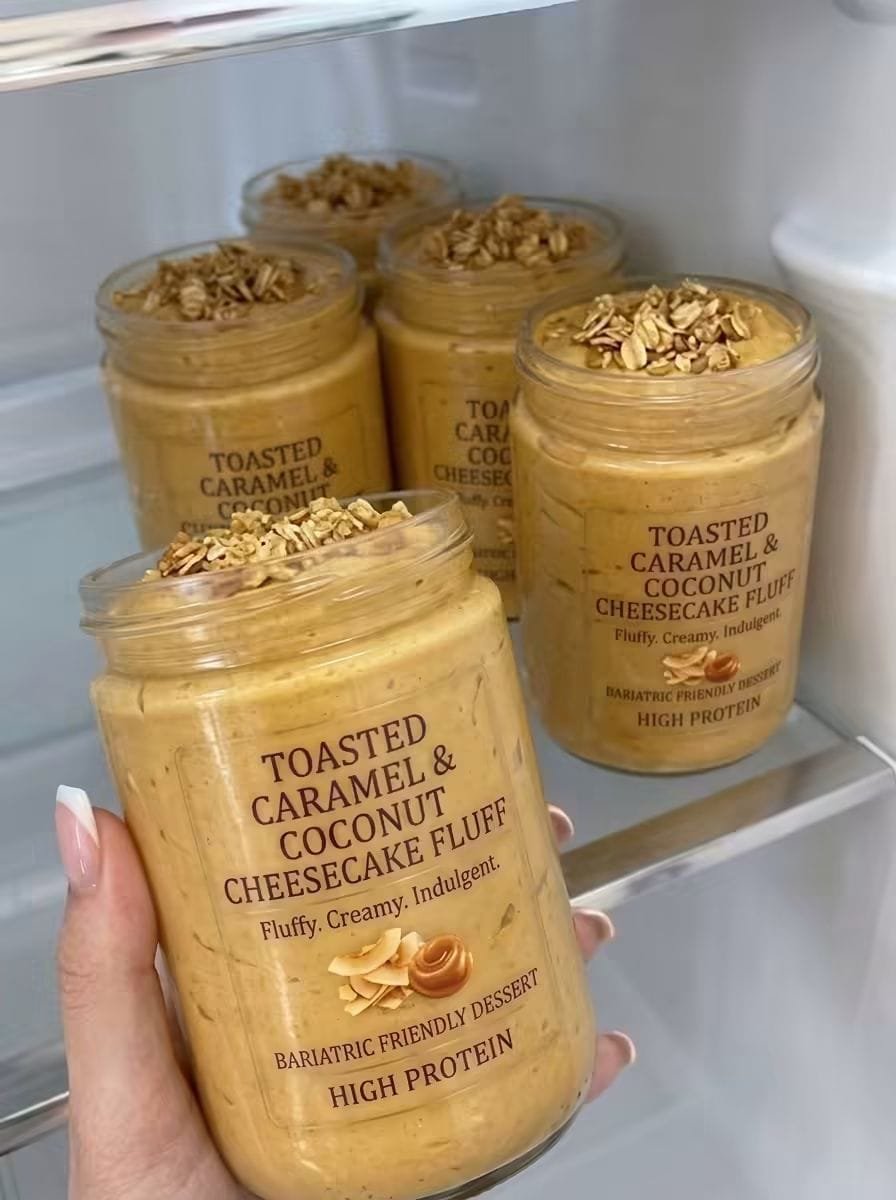
Toasted Caramel Coconut Cheesecake Fluff

Caramel Cheesecake Fluff with cottage cheese, Greek yogurt, caramel, protein powder, and toasted coconut

Toasted Caramel Coconut Cheesecake Fluff

Caramel Cheesecake Fluff is a creamy, high-protein no-bake dessert made with cottage cheese, Greek yogurt, light cream cheese, caramel flavor, toasted coconut, and a little protein powder. It has the rich taste of cheesecake with a lighter, spoonable texture that works well for meal prep, dessert jars, or an easy sweet snack.

Caramel Cheesecake Fluff is especially useful when you want something creamy and satisfying without baking a full cheesecake. The toasted coconut adds texture, while the caramel flavor gives the dessert a warm, indulgent finish.

Prep Time: 15 minutes
Chill Time: 30 minutes
Total Time: About 45 minutes
Servings: 4

Ingredients

For the Cheesecake Fluff

  • 2 cups low-fat cottage cheese
  • 1 cup plain nonfat Greek yogurt
  • 4 ounces light cream cheese, softened
  • 2 scoops vanilla or caramel protein powder
  • 2 tablespoons sugar-free caramel syrup
  • 1 teaspoon vanilla extract
  • 1/2 teaspoon coconut extract, optional
  • 1 to 2 tablespoons powdered sweetener, optional
  • Pinch of salt

For the Toasted Coconut Topping

  • 1/4 cup unsweetened shredded coconut
  • 2 tablespoons chopped almonds or pecans, optional
  • 1 tablespoon sugar-free caramel syrup, for drizzling

Why You’ll Love This Recipe

Caramel Cheesecake Fluff is smooth, rich, and easy to prepare with no oven required. Cottage cheese and Greek yogurt provide the creamy base, while protein powder helps make each portion more filling.

Another reason to love Caramel Cheesecake Fluff is that it stores well in individual jars. You can prepare several servings at once and keep them chilled for quick desserts or snacks during the week.

It is also easy to adjust. You can make the flavor more caramel-forward, add cinnamon, use chocolate protein powder, or change the topping depending on what you have available.

How to Make Caramel Cheesecake Fluff

Step 1: Toast the Coconut

Place the unsweetened shredded coconut in a dry skillet over medium-low heat.

Cook for 2 to 4 minutes, stirring constantly, until the coconut becomes lightly golden and fragrant.

Remove it from the skillet immediately so it does not continue browning from the residual heat.

Let the coconut cool completely before using it as a topping.

Step 2: Soften the Cream Cheese

Let the light cream cheese sit at room temperature for about 15 to 20 minutes.

Soft cream cheese blends more easily and helps Caramel Cheesecake Fluff become smooth without small lumps.

Step 3: Blend the Cottage Cheese

Add the cottage cheese to a high-speed blender or food processor.

Blend for 1 to 2 minutes, stopping to scrape down the sides as needed.

Continue until the cottage cheese becomes very smooth and creamy.

This step is important because it creates a cheesecake-like base rather than a visibly curdy texture.

Step 4: Add Greek Yogurt and Cream Cheese

Add the Greek yogurt and softened cream cheese to the blender.

Blend again until completely smooth.

The mixture should be thick, creamy, and spoonable.

Step 5: Add Protein Powder and Flavorings

Add the protein powder, sugar-free caramel syrup, vanilla extract, optional coconut extract, sweetener, and a small pinch of salt.

Blend until everything is fully combined.

At this stage, Caramel Cheesecake Fluff should taste creamy, lightly tangy, and sweet with a clear caramel flavor.

Step 6: Adjust the Texture

If the mixture is too thick, add 1 tablespoon of milk or unsweetened almond milk.

Blend again and check the consistency.

If it is too thin, add a little extra protein powder or chill the mixture before serving.

Step 7: Taste and Adjust

Taste a small spoonful.

Add more caramel syrup if you want stronger caramel flavor.

If you prefer a sweeter dessert, add a little more powdered sweetener.

A small pinch of salt can also make the caramel flavor taste deeper.

Step 8: Portion into Jars

Divide the mixture evenly among four small jars, glasses, or dessert bowls.

Smooth the tops with a spoon.

Caramel Cheesecake Fluff looks especially appealing when served in clear jars because the creamy texture and toppings are visible.

Step 9: Chill

Cover the jars and refrigerate for at least 30 minutes.

Chilling allows the mixture to firm slightly and gives the flavors time to blend.

Step 10: Add the Toppings

Just before serving, sprinkle each jar with toasted coconut.

Add chopped almonds or pecans if desired.

Drizzle lightly with sugar-free caramel syrup.

Step 11: Serve

Serve Caramel Cheesecake Fluff cold.

For the best texture, keep it refrigerated until ready to eat.

Serving Suggestions

Caramel Cheesecake Fluff works well as a chilled dessert after lunch or dinner.

Serve it with a few fresh berries, sliced strawberries, or raspberries for a fresh contrast.

You can also top Caramel Cheesecake Fluff with extra toasted coconut, chopped nuts, a dusting of cinnamon, or a few sugar-free chocolate chips.

For a dessert-board style presentation, serve small portions alongside berries, dark chocolate, and roasted nuts.

For another light, protein-packed dessert, try our High-Protein Berry Fluff Dessert Cups with creamy texture, fresh berry flavor, and an easy no-bake finish.

Recipe Tips

Blend the cottage cheese thoroughly. A smooth base gives the dessert a more traditional cheesecake texture.

Use softened cream cheese so it blends easily.

Choose a protein powder you already enjoy because its flavor will be noticeable in the finished dessert.

Toast the coconut slowly over medium-low heat because it can burn quickly.

For the best Caramel Cheesecake Fluff texture, chill the mixture before serving.

If you are making jars for meal prep, add the toasted coconut shortly before eating so it stays crisp.

Taste before adding extra sweetener because protein powder and caramel syrup may already be sweet enough.

Easy Variations

Caramel Cheesecake Fluff can be customized in several simple ways.

For a chocolate-caramel version, use chocolate protein powder and add 1 tablespoon unsweetened cocoa powder.

For a cinnamon version, add 1/2 teaspoon ground cinnamon and a tiny pinch of nutmeg.

You can make a coconut-forward Caramel Cheesecake Fluff by using coconut extract and adding extra toasted coconut on top.

For a nutty variation, stir in a teaspoon of peanut butter or almond butter.

A mocha version can be made with a small amount of instant espresso powder.

You can also replace the caramel topping with a sugar-free chocolate sauce or berry sauce.

Make-Ahead Instructions

Caramel Cheesecake Fluff is excellent for meal prep because it keeps well in the refrigerator.

Prepare the mixture, divide it among airtight jars, and refrigerate for up to 4 days.

Keep the toasted coconut and nuts in a separate small container if you want them to stay crunchy.

Add toppings just before serving.

Storage

Store Caramel Cheesecake Fluff in airtight containers in the refrigerator for up to 4 days.

Stir gently before eating if a little liquid separates on the surface.

Freezing is not recommended because the dairy mixture can become grainy after thawing.

Nutrition Information

Approximate nutrition per serving, based on four servings:

Calories: about 260
Protein: about 30 to 33 g
Carbohydrates: about 9 to 12 g
Fat: about 7 g
Fiber: about 1 g
Sugar: about 6 g

Nutrition values vary significantly depending on the exact cottage cheese, yogurt, protein powder, cream cheese, and caramel syrup used.

A 32-gram protein serving is realistic with a high-protein cottage cheese, Greek yogurt, and protein powder combination. A strict 5-gram carbohydrate serving is much harder to guarantee because dairy products naturally contain carbohydrates, so always calculate from the labels of the products you use.

Frequently Asked Questions

Can I use full-fat cottage cheese?

Yes. It will make the dessert richer and creamier, though the calorie and fat content will be higher.

Can I make this without protein powder?

Yes. Leave it out and reduce the liquid if necessary. The dessert will contain less protein and may have a softer texture.

Can I use regular caramel sauce?

Yes. Regular caramel sauce works, but it will increase the sugar and carbohydrate content.

Can I use a blender instead of a food processor?

Yes. A high-speed blender works very well and may create an even smoother texture.

Why is my fluff too thin?

The yogurt or cottage cheese may contain more moisture. Chill the mixture longer or blend in a little extra protein powder.

Can I use ricotta instead of cottage cheese?

Yes. Ricotta gives a smooth, rich texture, although the protein content may be different.

Can I make it dairy-free?

You can use dairy-free yogurt and cream cheese, but the protein and texture will change significantly.

Final Thoughts

Caramel Cheesecake Fluff is an easy way to turn cottage cheese, Greek yogurt, cream cheese, and protein powder into a creamy no-bake dessert.

Because Caramel Cheesecake Fluff can be portioned into jars and prepared ahead, it works well for meal prep, quick snacks, or simple desserts.

Keep this Caramel Cheesecake Fluff recipe handy whenever you want a rich cheesecake-inspired treat without baking.

With creamy dairy, caramel flavor, toasted coconut, vanilla, and a smooth whipped texture, Caramel Cheesecake Fluff delivers a satisfying dessert that can also provide a substantial amount of protein.

You may also enjoy our High-Protein Low-Carb Chocolate Fat Bomb Fluff for a rich, creamy chocolate dessert that is easy to prepare and perfect for a quick sweet treat.

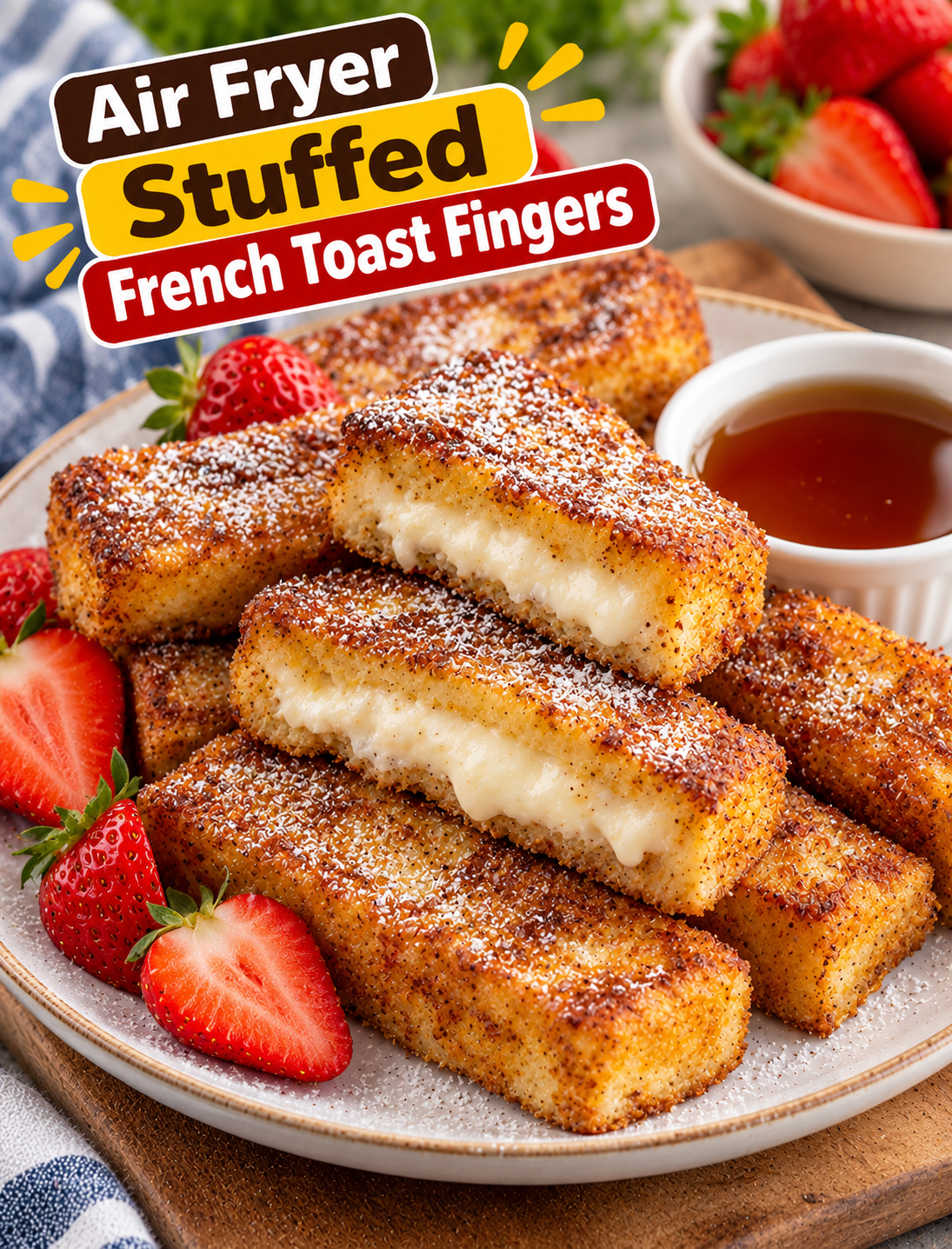
Air Fryer Stuffed French Toast Fingers

Air Fryer Stuffed French Toast Fingers

Air Fryer Stuffed French Toast Fingers turn ordinary bread into a sweet, creamy breakfast that is easy to prepare and fun to eat. Each finger has a golden, lightly crisp coating with a soft center filled with sweetened cream cheese. The air fryer helps create a delicious French toast texture without needing a skillet full of butter.

This recipe is perfect for busy mornings, weekend brunch, or a family breakfast. The bread is cut into easy-to-hold strips, filled with a smooth cream cheese mixture, dipped in a cinnamon-vanilla egg coating, and air-fried until golden. Serve the finished fingers with maple syrup, fresh berries, or a light dusting of powdered sugar.

You can prepare the filling ahead of time and customize the sweetness to your taste. With a few simple ingredients and easy steps, you can make a breakfast treat that feels special without complicated cooking.

Why You’ll Love This Recipe

  • Creamy filling: Sweetened cream cheese creates a smooth center in every bite.

  • Golden outside: The air fryer gives the bread a lightly crisp coating.

  • Easy to hold: Finger-shaped pieces are convenient for breakfast plates and brunch boards.

  • Simple ingredients: Bread, eggs, milk, cream cheese, cinnamon, and vanilla are easy to find in U.S. grocery stores.

  • Customizable flavor: Add strawberries, blueberries, chocolate chips, or a little lemon zest.

  • Less added fat: Air frying requires only a light coating of butter or oil instead of pan-frying in a larger amount.

  • Family-friendly breakfast: Serve the fingers with fruit and maple syrup for a fun morning meal.

Ingredients You’ll Need

This recipe makes approximately 8–10 French toast fingers, depending on the size of the bread and how you cut each piece.

For the Stuffed Filling

  • 4 ounces cream cheese, softened: Creates a smooth, creamy center.

  • 1 tablespoon powdered sugar: Sweetens the filling without making it grainy.

  • ½ teaspoon vanilla extract: Adds a warm dessert-like flavor.

  • 1 teaspoon lemon zest, optional: Provides a fresh note that balances the cream cheese.

French Toast Fingers

  • 6 slices thick bread: Brioche, Texas toast, or sturdy white bread works well.

  • 2 large eggs: Help the cinnamon coating stick to the bread.

  • ¼ cup milk: Softens the egg mixture and helps coat the bread evenly.

  • 1 teaspoon vanilla extract: Adds sweetness and aroma.

  • 1 teaspoon ground cinnamon: Gives the toast its classic warm flavor.

  • 1 tablespoon granulated sugar, optional: Adds extra sweetness to the coating.

  • 1 tablespoon melted butter or a little neutral oil: Helps the outside brown.

  • Cooking spray suitable for your air fryer, optional: Use only if recommended for your appliance.

Serving

  • Maple syrup: Adds classic French toast sweetness.

  • Fresh strawberries or blueberries: Provide a fruity contrast.

  • Powdered sugar: Creates a simple finishing touch.

  • Greek yogurt, optional: Adds a tangy side that balances the sweet filling.

Ingredient tip: Slightly stale, thick-cut bread is easier to handle than very soft bread. If your bread is fresh and delicate, chill it briefly before cutting and filling it.

How to Make Air Fryer Stuffed French Toast Fingers

Step 1: Prepare the Cream Cheese Filling

  1. Place the softened cream cheese in a small mixing bowl.

  2. Add the powdered sugar and vanilla extract.

  3. Add the optional lemon zest if you want a fresher flavor.

  4. Mix with a spoon or hand mixer until smooth.

  5. Set the filling aside while you prepare the bread.

Softened cream cheese spreads more easily and is less likely to tear the bread. If the filling feels too firm, let it sit at room temperature for a few minutes rather than adding extra liquid.

Step 2: Cut and Prepare the Bread

  1. Lay the bread slices on a clean cutting board.

  2. Trim the crusts if you prefer softer French toast fingers.

  3. Cut each slice into two or three long strips, depending on its size.

  4. If the bread is very thin, use two strips together to create a stronger finger.

  5. Arrange the strips on the board before adding the filling.

Thick bread is useful because it holds the filling without falling apart during dipping. Keep the strips similar in size so they cook at roughly the same rate.

Step 3: Fill the Bread Fingers

  1. Spread a thin layer of cream cheese filling over one side of a bread strip.

  2. Place another strip on top to form a small sandwich if you are using paired strips.

  3. Press the edges gently to help the pieces stick together.

  4. Repeat with the remaining bread and filling.

  5. Wipe away any filling that squeezes out from the sides.

Use enough filling to create a creamy center without overstuffing the bread. Too much filling may leak during cooking and make the coating difficult to crisp.

If you prefer a simpler method, spread the filling down the center of wider bread strips and fold them gently before dipping. Make sure the seams are closed as much as possible.

Step 4: Mix the Egg Coating

  1. Crack the eggs into a shallow bowl.

  2. Add the milk and vanilla extract.

  3. Whisk until the mixture is smooth.

  4. Stir the cinnamon and optional granulated sugar into the egg mixture.

  5. Pour the mixture into a dish wide enough to fit each bread finger.

A shallow dish makes dipping easier and helps coat the bread evenly. Whisk again if the cinnamon gathers on the surface.

Step 5: Coat the Stuffed Fingers

  1. Dip each stuffed bread finger briefly into the egg mixture.

  2. Turn it to coat all sides.

  3. Lift it out and allow the extra mixture to drip back into the bowl.

  4. Place the coated finger on a clean plate or tray.

  5. Repeat with the remaining pieces.

Do not soak the bread for too long because excess liquid can make it soggy and cause the filling to escape. A quick dip on each side is usually enough for thick bread.

Wash your hands and clean surfaces after handling raw egg. Keep the coated bread refrigerated if you are not cooking it right away.

Step 6: Preheat the Air Fryer

  1. Preheat your air fryer to 350°F for about 3 minutes, following the manufacturer’s instructions.

  2. Lightly grease the basket if your appliance requires it.

  3. Arrange the stuffed fingers in a single layer.

  4. Leave a little space between pieces for air to circulate.

  5. Brush the tops lightly with melted butter or use a suitable light oil coating.

Avoid using aerosol cooking sprays that may damage some nonstick coatings. Apply oil with a brush or a mister designed for cooking if needed.

If your basket is small, cook in batches instead of stacking the fingers. Good airflow helps the outside brown more evenly.

Step 7: Air Fry Until Golden

  1. Cook the fingers at 350°F for approximately 6–10 minutes.

  2. Check the underside after about 4–5 minutes.

  3. Turn the fingers carefully with tongs or a spatula.

  4. Continue cooking until both sides are golden and the center is hot.

  5. Add another minute or two if needed, checking often to prevent over-browning.

Cooking time varies with bread thickness, filling amount, and air fryer model. The egg coating should be fully cooked, not wet or runny. If the bread browns too quickly, reduce the temperature slightly and continue cooking until the center is heated.

Step 8: Add Toppings and Serve

  1. Transfer the cooked fingers to a serving plate.

  2. Let them rest for about 1–2 minutes so the filling settles.

  3. Dust lightly with powdered sugar if desired.

  4. Add fresh berries on the side.

  5. Serve with maple syrup for dipping.

For a brunch platter, arrange the fingers around small bowls of syrup and fruit. Serve them warm for the best contrast between the golden bread and creamy center.

Tips for the Best Results

  • Choose thick bread: Sturdy slices hold the filling and egg coating better than thin bread.

  • Soften the cream cheese: A smooth filling spreads without tearing the bread.

  • Avoid overfilling: Too much cream cheese can leak during air frying.

  • Dip quickly: Excess egg mixture can make the bread soggy.

  • Leave space in the basket: Air circulation helps the fingers brown evenly.

  • Turn halfway through: This helps both sides develop a golden coating.

  • Check the center: The egg coating must be fully cooked before serving.

  • Serve immediately: The outside is crispest just after cooking.

Variations and Substitutions

Strawberry Cream Cheese Filling

Mix a small amount of finely chopped fresh strawberries into the cream cheese filling. Pat the berries dry first to reduce excess moisture and prevent the filling from becoming watery.

Cinnamon Sugar French Toast

For a sweeter finish, mix one tablespoon of sugar with half a teaspoon of cinnamon. Sprinkle the mixture lightly over the cooked fingers while they are still warm.

Chocolate Chip Filling

Fold a tablespoon of mini chocolate chips into the cream cheese mixture. The chocolate softens during cooking and adds a dessert-style flavor.

Peanut Butter and Cream Cheese

Mix one tablespoon of smooth peanut butter into the filling for a nutty flavor. Use a small amount so the filling remains easy to spread.

Dairy-Free Version

Use dairy-free cream cheese, an unsweetened plant-based milk, and a suitable dairy-free butter alternative. Choose bread that does not contain dairy if you need the entire recipe to be dairy-free.

Whole-Wheat Bread

Use thick whole-wheat bread for a heartier texture and nutty flavor. Cut it into sturdy strips and avoid soaking it for too long.

What to Serve With Stuffed French Toast Fingers

Pair these sweet breakfast bites with fresh or lightly savory sides.

  • Fresh berries: Strawberries, raspberries, and blueberries add freshness.

  • Banana slices: Bananas pair well with cinnamon and vanilla.

  • Greek yogurt: Plain or lightly sweetened yogurt balances the creamy filling.

  • Scrambled eggs: A savory side creates a more balanced breakfast.

  • Turkey sausage: Adds a savory protein option for a larger brunch.

  • Maple syrup: Provides a classic dipping sauce.

  • Fresh fruit salad: A mix of melon, grapes, and berries makes the plate colorful.

For a quick breakfast, serve a few fingers with fruit and yogurt. For a weekend brunch, add scrambled eggs and turkey sausage to create a more complete spread.

Storage and Reheating

Stuffed French toast fingers are best served fresh, but leftovers can be stored safely.

  • Refrigeration: Place cooled leftovers in an airtight container and refrigerate within two hours.

  • Storage time: Use refrigerated leftovers within 3–4 days.

  • Air fryer reheating: Reheat at 325°F for about 3–5 minutes, checking that the center is hot.

  • Oven reheating: Warm on a baking sheet at 325°F until heated through.

  • Freezing: Freeze cooked, cooled fingers in a single layer before transferring them to a freezer-safe container.

  • Thawing: Thaw in the refrigerator before reheating, or reheat from frozen with extra time and frequent checks.

Avoid leaving the egg-coated bread at room temperature for more than two hours, or one hour when temperatures exceed 90°F. Refrigerate promptly to keep leftovers safe.

Frequently Asked Questions

1. Can I make stuffed French toast fingers without an air fryer?

Yes. Bake them on a lined baking sheet at 375°F, turning once, until the coating is cooked and the outside is golden.

2. Which bread works best for this recipe?

Brioche, Texas toast, and thick white bread work well because they hold the filling and stay sturdy when dipped.

3. How do I stop the cream cheese filling from leaking?

Use a thin layer of filling, press the bread edges gently, and avoid soaking the stuffed fingers in the egg mixture.

4. Can I prepare the fingers ahead of time?

You can prepare the cream cheese filling in advance and refrigerate it, but assemble and coat the bread close to cooking time for better texture.

5. Can I use flavored cream cheese?

Yes. Plain, strawberry, or honey cream cheese can work, but reduce or omit the added sugar if the filling is already sweet.

6. How do I know when the French toast fingers are done?

The outside should be golden, and the egg coating should be fully cooked with no wet mixture remaining.

7. Can I freeze stuffed French toast fingers?

Yes. Freeze cooked and cooled fingers in a single layer, then store them in a freezer-safe container for convenient reheating.

8. What can I use instead of maple syrup?

Serve them with honey, fruit puree, strawberry sauce, or a light dusting of powdered sugar.

Final Thoughts

Air Fryer Stuffed French Toast Fingers offer a fun way to enjoy a creamy, cinnamon-scented breakfast with a golden exterior. The simple cream cheese filling and easy air-fryer method make them suitable for weekday mornings, family brunch, or a sweet weekend treat.

Choose sturdy bread, keep the filling layer thin, and avoid soaking the strips for too long. Serve the fingers warm with fresh berries and maple syrup, or customize them with chocolate chips, peanut butter, or your favorite fruit.

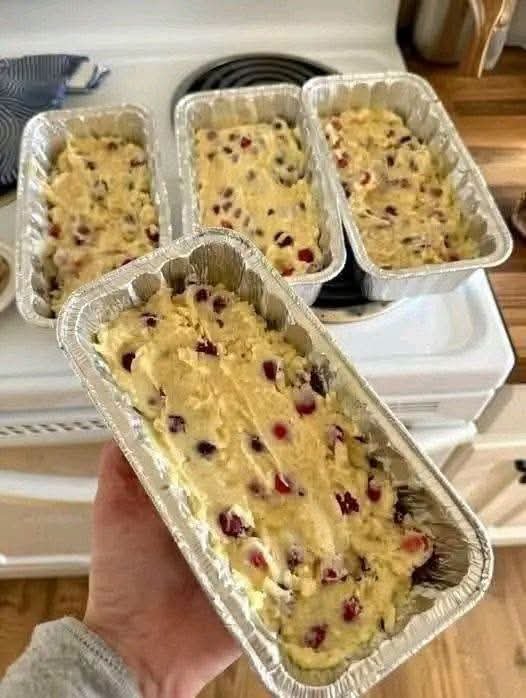
Cranberry Orange Bread

Cranberry Orange Bread

Cranberry Orange Bread is a soft, moist quick bread made with fresh cranberries, bright orange zest, orange juice, vanilla, and a tender buttery batter. It is perfect for breakfast, brunch, holiday gifting, or a simple homemade dessert. Cranberry Orange Bread has a beautiful balance of sweet and tart flavor, with juicy cranberry pockets throughout every slice.

This loaf is especially popular during fall and winter because cranberries and citrus pair beautifully. The batter comes together quickly, with no yeast required.

Prep Time: 20 minutes
Cook Time: 50 to 60 minutes
Cooling Time: 30 minutes
Total Time: About 1 hour 45 minutes
Servings: 10 to 12 slices

Ingredients

For the Bread

  • 2 cups all-purpose flour
  • 1 teaspoon baking powder
  • 1/2 teaspoon baking soda
  • 1/2 teaspoon salt
  • 1/2 cup unsalted butter, softened
  • 3/4 cup granulated sugar
  • 2 large eggs
  • 1 teaspoon vanilla extract
  • 1 tablespoon finely grated orange zest
  • 1/2 cup fresh orange juice
  • 1/2 cup sour cream or plain Greek yogurt
  • 1 1/2 cups fresh or frozen cranberries
  • 1/2 cup chopped walnuts or pecans, optional
  • 1/2 cup white chocolate chips, optional

For the Optional Orange Glaze

  • 1 cup powdered sugar
  • 2 to 3 tablespoons fresh orange juice
  • 1/2 teaspoon orange zest

Why You’ll Love This Recipe

Cranberry Orange Bread is easy to prepare, festive, and full of bright seasonal flavor. The orange zest perfumes the batter, while the cranberries create little bursts of tartness that keep the loaf from tasting overly sweet.

Another reason to love this loaf is its versatility. You can keep it simple, add nuts, stir in white chocolate chips, or finish it with a light orange glaze.

It also makes a thoughtful homemade gift because the loaf keeps well once cooled.

How to Make Cranberry Orange Bread

Step 1: Preheat the Oven

Preheat the oven to 350°F or 175°C.

Grease a 9 x 5-inch loaf pan with butter or nonstick spray, then line it with parchment paper so the bread is easy to lift out after baking.

Step 2: Prepare the Cranberries

Rinse fresh cranberries and dry them well.

If using frozen cranberries, do not thaw them first.

Roughly chop very large berries so they distribute more evenly through the batter.

Step 3: Mix the Dry Ingredients

In a medium bowl, whisk together the flour, baking powder, baking soda, and salt.

Set the bowl aside.

Mixing the dry ingredients separately helps Cranberry Orange Bread rise evenly and prevents pockets of baking soda or salt.

Step 4: Cream the Butter and Sugar

In a large mixing bowl, beat the softened butter and sugar for 2 to 3 minutes until light and fluffy.

This incorporates air into the batter and helps create a softer crumb.

Step 5: Add the Eggs

Beat in the eggs one at a time.

Mix well after each addition.

Add the vanilla extract and orange zest.

The fresh zest gives Cranberry Orange Bread its strongest citrus aroma.

Step 6: Add Orange Juice and Sour Cream

Stir in the orange juice and sour cream or Greek yogurt.

The mixture may look slightly curdled at this stage, which is normal.

The sour cream adds moisture and helps keep the loaf tender.

Step 7: Add the Dry Ingredients

Add the dry ingredients to the wet mixture in two or three additions.

Mix gently with a spatula just until no dry flour remains.

Do not overmix because too much mixing can make Cranberry Orange Bread dense or tough.

Step 8: Fold in the Cranberries

Toss the cranberries with a teaspoon of flour if desired, then fold them gently into the batter.

Add chopped nuts or white chocolate chips at this stage if using.

The batter should be thick and scoopable.

Step 9: Fill the Loaf Pan

Transfer the batter to the prepared loaf pan.

Spread it evenly and smooth the top with a spatula.

Scatter a few extra cranberries over the surface for a more attractive finish.

Step 10: Bake

Bake for 50 to 60 minutes.

The bread is ready when the top is golden and a toothpick inserted into the center comes out clean or with a few moist crumbs.

If Cranberry Orange Bread begins browning too quickly, loosely cover the top with foil during the final 15 minutes.

Step 11: Cool in the Pan

Let the loaf cool in the pan for about 15 minutes.

Then use the parchment to lift it onto a wire rack.

Allow it to cool completely before glazing or slicing.

Step 12: Make the Orange Glaze

In a small bowl, whisk together powdered sugar, orange juice, and orange zest until smooth.

Add more orange juice a teaspoon at a time if the glaze is too thick.

Step 13: Glaze and Serve

Drizzle the glaze over the cooled loaf.

Let it set for about 10 minutes before slicing.

Serve Cranberry Orange Bread at room temperature.

Serving Suggestions

Cranberry Orange Bread is delicious with coffee, tea, hot chocolate, or a glass of milk.

Serve Cranberry Orange Bread with butter, cream cheese, orange marmalade, or a little honey for breakfast or brunch.

For a holiday dessert platter, slice the loaf into smaller pieces and serve it alongside cookies, fruit, and chocolate treats.

For another festive cranberry recipe, try our Apple Cranberry Goat Cheese Flatbread with sweet apples, tangy goat cheese, tart cranberries, and a crisp golden base.

Recipe Tips

Use fresh orange zest instead of bottled flavoring for the brightest citrus taste.

Do not overmix the batter after adding the flour.

Fresh or frozen cranberries both work well, but frozen berries should be added directly from the freezer.

For the best texture, measure the flour carefully and avoid packing it into the measuring cup.

If using nuts, toast them briefly before adding them to the batter for a deeper flavor.

Let the loaf cool before slicing so the crumb has time to set.

Easy Variations

Cranberry Orange Bread is easy to customize with simple additions.

Add white chocolate chips for a sweeter holiday version.

Replace walnuts with pecans, almonds, or pistachios.

For extra orange flavor, add another teaspoon of zest to the glaze.

You can also turn Cranberry Orange Bread into muffins by dividing the batter among lined muffin cups and baking for about 18 to 22 minutes.

For a warm-spiced variation, add 1/2 teaspoon cinnamon and a pinch of nutmeg.

A little shredded coconut can also be folded into the batter for extra texture.

Make-Ahead Instructions

Cranberry Orange Bread is a convenient make-ahead recipe because the flavor stays good after baking.

Bake the loaf one day before serving, cool it completely, and store it tightly wrapped at room temperature.

If you plan to glaze the loaf, you can add the glaze a few hours before serving.

For holiday gifting, wrap the cooled loaf in parchment and foil or place it in a decorative food-safe box.

Storage and Freezing

Store leftover Cranberry Orange Bread in an airtight container at room temperature for up to 3 days.

For longer storage, refrigerate it for up to 5 days.

Bring refrigerated slices to room temperature before serving or warm them briefly in the microwave.

You can freeze the loaf for up to 2 months.

Wrap individual slices or the entire cooled loaf tightly in plastic wrap, then place in a freezer-safe bag.

Thaw overnight in the refrigerator or for several hours at room temperature.

Nutrition Information

Approximate nutrition per slice:

Calories: 290
Protein: 4 g
Carbohydrates: 42 g
Fat: 12 g
Saturated Fat: 6 g
Fiber: 2 g
Sugar: 24 g
Sodium: 220 mg

Nutrition values are estimates and may vary depending on the nuts, white chocolate, glaze, yogurt, and serving size.

Frequently Asked Questions

Can I use dried cranberries?

Yes. Dried cranberries can be used, but the loaf will be sweeter and less juicy. Use about 1 cup instead of 1 1/2 cups fresh cranberries.

Can I use frozen cranberries?

Yes. Add them directly from the freezer without thawing.

Can I use lemon instead of orange?

Yes. Lemon zest and lemon juice create a different but equally bright citrus flavor.

Why did my cranberries sink?

The batter may have been too thin. Tossing the cranberries in a small amount of flour can also help keep them suspended.

Can I make this without sour cream?

Yes. Plain Greek yogurt works well, or you can use an equal amount of buttermilk with a slightly softer batter.

Can I make muffins instead of a loaf?

Yes. Divide the batter among muffin cups and shorten the baking time.

Final Thoughts

Cranberry Orange Bread is a simple homemade loaf with a bright combination of tart berries and fresh citrus.

Because Cranberry Orange Bread can be made with fresh or frozen cranberries and customized with nuts, white chocolate, or glaze, it works beautifully for breakfast, brunch, holidays, and gifting.

Keep this Cranberry Orange Bread recipe handy whenever you want a moist quick bread that looks festive without requiring complicated preparation.

With juicy cranberries, fragrant orange zest, tender crumb, and optional glaze, Cranberry Orange Bread delivers a fresh, colorful flavor in every slice.

You may also enjoy our Cranberry Brie Sourdough Pull-Apart Bread for a warm, cheesy holiday appetizer with creamy Brie, tart cranberries, and crusty sourdough.

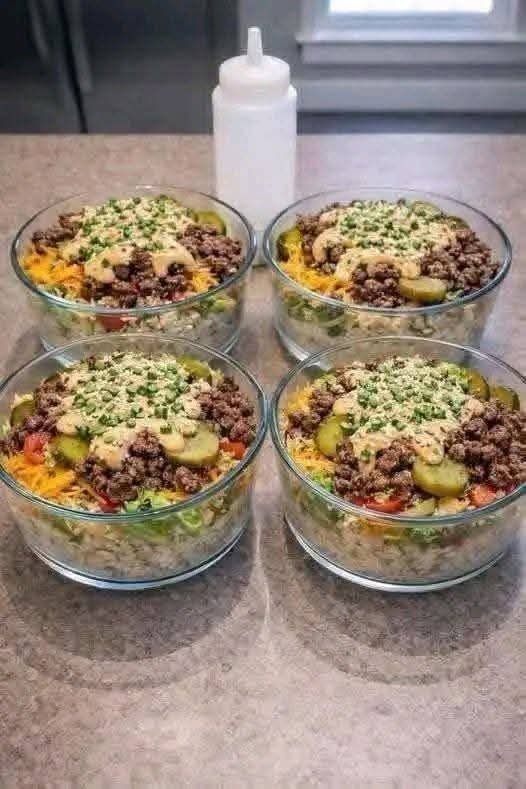
Loaded Cheeseburger Bowls

Cheeseburger Bowls with seasoned ground beef, rice, lettuce, tomatoes, pickles, cheddar, avocado, and creamy burger sauce

Loaded Cheeseburger Bowls

Cheeseburger Bowls are a fresh, filling, high-protein meal made with seasoned ground beef, crisp lettuce, juicy tomatoes, shredded cheese, pickles, rice, and a creamy burger-style sauce. They give you the familiar flavor of a cheeseburger in an easy bowl format that is perfect for lunch, dinner, or meal prep. Cheeseburger Bowls are also simple to customize, so everyone can build a bowl with the toppings they enjoy most.

Prep Time: 20 minutes
Cook Time: 20 minutes
Total Time: About 40 minutes
Servings: 4

Ingredients

For the Ground Beef

  • 1 1/2 pounds lean ground beef
  • 1 small onion, finely diced
  • 2 garlic cloves, minced
  • 1 tablespoon olive oil, if needed
  • 1 teaspoon smoked paprika
  • 1 teaspoon garlic powder
  • 1 teaspoon onion powder
  • 1 teaspoon Worcestershire sauce
  • 3/4 teaspoon salt
  • 1/2 teaspoon black pepper

For the Bowl Base

  • 3 cups cooked rice
  • 4 cups chopped romaine or iceberg lettuce
  • 1 cup cherry tomatoes, halved
  • 1 cup shredded cheddar cheese
  • 3/4 cup sliced dill pickles
  • 1/2 small red onion, thinly sliced
  • 1 avocado, sliced, optional

For the Burger Sauce

  • 1/2 cup Greek yogurt or mayonnaise
  • 2 tablespoons ketchup
  • 1 tablespoon yellow mustard
  • 1 tablespoon pickle juice
  • 1 tablespoon finely chopped pickles
  • 1/2 teaspoon garlic powder
  • 1/4 teaspoon smoked paprika
  • Salt and black pepper, to taste

Why You’ll Love This Recipe

Cheeseburger Bowls are satisfying, colorful, and easy to prepare with ingredients that are available in most grocery stores. The beef provides a savory, hearty center, while the lettuce, tomatoes, pickles, and onion keep the bowl fresh and crunchy.

Another reason to love Cheeseburger Bowls is how well they work for meal prep. You can cook the beef and rice ahead, prepare the sauce, and keep the fresh toppings separate until serving. This helps every bowl stay fresh instead of soggy.

They are also flexible enough to fit different preferences. You can use turkey instead of beef, skip the rice, add roasted potatoes, or use extra vegetables for a lighter version.

How to Make Cheeseburger Bowls

Step 1: Cook the Rice

Prepare the rice according to the package directions.

Once cooked, fluff it with a fork and keep it warm.

You can use white rice, brown rice, jasmine rice, or even cauliflower rice depending on your preference.

Step 2: Make the Burger Sauce

In a small bowl, combine the Greek yogurt or mayonnaise, ketchup, mustard, pickle juice, chopped pickles, garlic powder, smoked paprika, salt, and black pepper.

Whisk until smooth.

Taste and adjust the mustard, ketchup, or pickle juice if needed.

Set the sauce aside while you prepare the remaining ingredients.

Step 3: Prepare the Vegetables

Wash and dry the lettuce.

Chop it into bite-size pieces.

Halve the cherry tomatoes, slice the pickles, thinly slice the red onion, and prepare the avocado if using.

Keeping the vegetables fresh and crisp is one of the best parts of Cheeseburger Bowls.

Step 4: Cook the Onion

Heat a large skillet over medium-high heat.

Add olive oil if your beef is very lean.

Add the diced onion and cook for 2 to 3 minutes, stirring occasionally, until it begins to soften.

Step 5: Brown the Ground Beef

Add the ground beef to the skillet.

Break it apart with a wooden spoon or spatula.

Cook for 6 to 8 minutes, stirring occasionally, until the beef is browned and no pink remains.

Drain excess grease if necessary.

Step 6: Season the Beef

Add the garlic, smoked paprika, garlic powder, onion powder, Worcestershire sauce, salt, and black pepper.

Stir well and cook for another 1 to 2 minutes.

The seasoned beef should be savory and flavorful enough to stand out against the fresh vegetables in Cheeseburger Bowls.

Step 7: Prepare the Bowls

Divide the cooked rice between four serving bowls.

Add a generous handful of chopped lettuce to each bowl.

Arrange the tomatoes, pickles, red onion, cheddar cheese, and avocado around the edges.

Step 8: Add the Beef

Spoon the hot seasoned beef over the rice and vegetables.

For the best texture, keep the beef slightly separated from the lettuce so the greens stay crisp.

Step 9: Add the Sauce

Drizzle the burger sauce generously over each bowl.

You can also serve the sauce on the side if everyone prefers a different amount.

At this stage, Cheeseburger Bowls should look colorful and layered, with the sauce tying all the ingredients together.

Step 10: Garnish and Serve

Add extra pickles, shredded cheese, black pepper, green onions, or sesame seeds if desired.

Serve Cheeseburger Bowls immediately while the beef and rice are warm and the vegetables are fresh.

Serving Suggestions

Cheeseburger Bowls are filling enough to serve on their own, but simple sides can make the meal feel more complete.

Serve Cheeseburger Bowls with roasted potato wedges, sweet potato fries, corn on the cob, coleslaw, or a simple cucumber salad.

For a lighter meal, pair them with steamed broccoli, roasted zucchini, or fresh fruit.

For another comforting cheeseburger-inspired meal, try our Hearty Crock-Pot Cheeseburger Soup with savory beef, tender vegetables, creamy broth, and plenty of cheesy flavor.

Recipe Tips

Use lean ground beef to reduce excess grease while still keeping the meat flavorful.

Do not overcook the beef. Once it is browned and fully cooked, add the seasonings and remove it from the heat soon after.

Keep the lettuce dry after washing so the bowls do not become watery.

For the best results, prepare the fresh toppings shortly before serving.

Shred the cheese yourself if possible for better texture and flavor.

Use dill pickles rather than sweet pickles if you want the most classic cheeseburger flavor.

If meal prepping, store the hot and cold ingredients in separate containers.

Easy Variations

This recipe is easy to customize with different proteins, bases, and toppings.

Replace ground beef with ground turkey or ground chicken for a lighter version.

Use roasted potatoes, quinoa, couscous, or cauliflower rice instead of regular rice.

For a spicy version, add jalapeños, pepper jack cheese, hot sauce, or chili flakes.

You can also turn Cheeseburger Bowls into a bacon cheeseburger version by adding a little cooked, crumbled bacon.

For extra vegetables, add cucumber, shredded carrots, roasted peppers, corn, or sautéed mushrooms.

If you prefer a lower-carb option, skip the rice and use extra lettuce and vegetables.

Make-Ahead Instructions

Cheeseburger Bowls are excellent for meal prep because the main components can be prepared ahead.

Cook the ground beef and rice up to 3 days in advance and store them in separate airtight containers in the refrigerator.

Prepare the burger sauce and keep it refrigerated in a sealed jar or container.

Wash and chop the lettuce and vegetables, but store them separately from the warm ingredients.

When ready to eat, reheat the beef and rice, then assemble the bowl with the cold toppings and sauce.

Storage and Reheating

Store leftover Cheeseburger Bowls in separate containers whenever possible.

The cooked beef and rice can be refrigerated for up to 4 days.

The sauce can usually be kept for up to 4 days in a sealed container.

Reheat the beef and rice in the microwave or a skillet until hot.

Add fresh lettuce, tomatoes, pickles, cheese, and sauce after reheating so the texture stays fresh.

Nutrition Information

Approximate nutrition per serving:

Calories: 620
Protein: 38 g
Carbohydrates: 49 g
Fat: 31 g
Saturated Fat: 11 g
Fiber: 6 g
Sugar: 7 g
Sodium: 890 mg

Nutrition values are estimates and may vary depending on the beef, rice, cheese, sauce, and serving size.

Frequently Asked Questions

Can I use ground turkey instead of beef?

Yes. Ground turkey works very well and can make the bowl slightly lighter.

Can I make this low carb?

Yes. Skip the rice and use extra lettuce, cauliflower rice, or roasted vegetables.

Can I make the sauce ahead?

Yes. The sauce can be prepared several days ahead and stored in the refrigerator.

What cheese works best?

Cheddar is the most classic choice, but Monterey Jack, Colby, pepper jack, or a cheese blend also works.

Can I use frozen ground beef?

Yes, as long as it is thawed safely before cooking.

Can I add potatoes instead of rice?

Yes. Roasted potatoes or sweet potatoes are excellent in place of rice.

Can I make Cheeseburger Bowls for meal prep?

Yes. Store the warm and cold ingredients separately, then assemble just before eating.

Final Thoughts

Cheeseburger Bowls are an easy way to enjoy classic burger flavors in a fresh, convenient bowl.

Because Cheeseburger Bowls combine seasoned beef, rice, crisp lettuce, tomatoes, pickles, cheese, and creamy sauce, they are satisfying enough for lunch or dinner.

Keep this Cheeseburger Bowls recipe handy whenever you want a family-friendly meal that is easy to customize and simple to prepare ahead.

With juicy ground beef, crunchy vegetables, tangy pickles, melted-style cheddar flavor, and creamy burger sauce, Cheeseburger Bowls deliver comfort-food flavor in a colorful meal-prep-friendly format.

You may also enjoy our Big Mac Cheeseburger Protein Bowl for a high-protein, low-carb meal with seasoned beef, crisp vegetables, pickles, cheese, and creamy burger sauce.