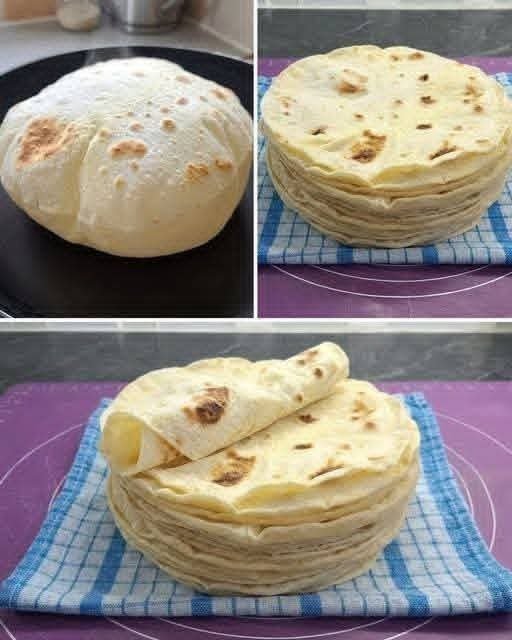
Soft Homemade Flour Tortillas

Homemade Flour Tortillas with soft flexible layers and light golden skillet spots

You can also try

Soft Homemade Flour Tortillas

Homemade Flour Tortillas are soft, flexible, and easy to make with simple pantry ingredients. They puff beautifully on a hot skillet, develop light golden spots, and stay tender enough for wraps, tacos, breakfast burritos, quesadillas, and everyday meals. Homemade Flour Tortillas taste fresher than many store-bought versions and can be prepared without any special equipment.

The dough comes together quickly, then rests before being rolled into thin rounds that cook in minutes.

Prep Time: 20 minutes
Rest Time: 30 minutes
Cook Time: 20 minutes
Total Time: About 1 hour 10 minutes
Servings: 12 tortillas

Ingredients

For the Tortilla Dough

  • 3 cups all-purpose flour
  • 1 teaspoon salt
  • 1 teaspoon baking powder
  • 1/3 cup vegetable oil, melted butter, or shortening
  • 1 cup warm water, plus more as needed

For Cooking

  • A dry skillet or cast-iron pan
  • A clean kitchen towel for keeping tortillas warm

Why You’ll Love This Recipe

Homemade Flour Tortillas are made with basic ingredients that are easy to keep on hand, so they are convenient whenever you need a quick bread for dinner.

Another reason to love this recipe is its texture. The dough rests before rolling, which helps the gluten relax and makes the tortillas soft, tender, and easy to fold without cracking.

They are also versatile enough for savory or sweet fillings and can be made ahead for busy days.

How to Make Homemade Flour Tortillas

Step 1: Mix the Dry Ingredients

Add the flour, salt, and baking powder to a large mixing bowl.

Whisk well so the baking powder and salt are evenly distributed through the flour.

Step 2: Add the Fat

Pour in the vegetable oil, melted butter, or softened shortening.

Use a fork or your fingertips to work the fat into the flour until the mixture looks slightly crumbly.

This step helps Homemade Flour Tortillas stay tender instead of becoming dry or tough.

Step 3: Add Warm Water

Slowly pour in the warm water while stirring with a wooden spoon or your hand.

Continue mixing until a shaggy dough forms.

If the dough looks very dry, add another tablespoon of warm water at a time.

Step 4: Knead the Dough

Transfer the dough to a lightly floured surface.

Knead for about 4 to 5 minutes, or until the dough becomes smooth and elastic.

Avoid adding too much extra flour. The dough should feel soft and slightly tacky but not sticky.

Step 5: Rest the Dough

Shape the dough into a ball and place it back in the bowl.

Cover with a clean kitchen towel or plastic wrap.

Let it rest for 30 minutes.

The resting time is important because it makes Homemade Flour Tortillas much easier to roll thinly.

Step 6: Divide the Dough

After resting, place the dough on a clean work surface.

Divide it into 12 equal pieces.

Roll each piece into a smooth ball.

Step 7: Rest the Dough Balls

Cover the dough balls with a towel and let them rest for another 10 minutes.

This second short rest helps prevent the dough from shrinking back while rolling.

Step 8: Heat the Skillet

Place a dry cast-iron skillet or heavy frying pan over medium-high heat.

Let it heat for several minutes before cooking the first tortilla.

A properly heated pan helps Homemade Flour Tortillas puff and develop those classic golden-brown spots.

Step 9: Roll the Tortillas

Lightly dust the work surface with flour.

Take one dough ball and flatten it with your palm.

Use a rolling pin to roll it into a thin round about 7 to 8 inches wide.

Rotate the dough as you roll to keep the shape fairly even.

Do not worry if every tortilla is not perfectly round. Homemade bread should look natural.

Step 10: Cook the First Side

Place the rolled tortilla into the hot dry skillet.

Cook for about 30 to 45 seconds.

Small bubbles should begin to appear on the surface, and the underside should develop light golden spots.

Step 11: Flip and Cook

Flip the tortilla with tongs or a spatula.

Cook the second side for another 20 to 30 seconds.

You may notice the tortilla puffing in several places.

If they cook too slowly, increase the heat slightly. If they burn before bubbles appear, lower the heat.

Step 12: Keep Warm

Transfer the cooked tortilla to a plate lined with a clean towel.

Fold the towel over the top.

Stack each freshly cooked tortilla under the towel.

Trapped steam keeps Homemade Flour Tortillas soft and flexible while you finish the remaining batch.

Step 13: Repeat

Roll and cook the remaining dough balls one at a time.

For the easiest workflow, roll one tortilla while another cooks, but keep a close eye on the skillet because the cooking time is short.

Step 14: Serve

Serve Homemade Flour Tortillas warm with your favorite fillings, dips, or main dishes.

Serving Suggestions

Homemade Flour Tortillas can be used for breakfast, lunch, dinner, or snacks.

Fill them with scrambled eggs, cheese, avocado, and salsa for breakfast burritos.

At lunch or dinner, use them for chicken wraps, beef tacos, vegetable fajitas, quesadillas, or bean and cheese burritos.

A simple sweet snack, brush a warm tortilla with butter and sprinkle lightly with cinnamon sugar.

For another high-protein meal, try our No Flour Taco Veggie Bake with colorful vegetables, savory taco flavor, and a satisfying gluten-free texture.

Recipe Tips

Use warm water rather than cold water because it helps the dough come together smoothly.

Do not over-flour the work surface. Too much flour can make Homemade Flour Tortillas dry.

Give the dough enough time to rest so it rolls more easily and stays soft after cooking.

Roll the tortillas thinly for the best texture. Thick tortillas can become chewy and bready.

Make sure the skillet is properly preheated before adding the first tortilla.

Cook them quickly. Leaving tortillas in the pan too long can make them stiff.

Keep cooked tortillas covered with a towel so steam softens them.

Easy Variations

Homemade Flour Tortillas can be customized with small changes.

For whole-wheat tortillas, replace up to half of the all-purpose flour with whole-wheat flour.

Add garlic powder, dried herbs, or finely chopped cilantro to the dough for extra flavor.

For buttery tortillas, use melted butter instead of oil.

For a richer traditional-style texture, use shortening.

You can also make smaller tortillas for tacos or larger ones for wraps and burritos.

Make-Ahead Instructions

Homemade Flour Tortillas are excellent for make-ahead meal prep.

The dough can be prepared, covered tightly, and refrigerated for up to 24 hours.

Bring it closer to room temperature before dividing and rolling.

You can also cook the entire batch ahead, cool completely, and store the tortillas in an airtight bag or container.

Place parchment paper between layers if they tend to stick.

Storage and Reheating

Store leftover Homemade Flour Tortillas in an airtight bag or container at room temperature for up to 2 days.

For longer storage, refrigerate them for up to 5 days.

Reheat tortillas in a dry skillet for about 15 to 20 seconds per side.

You can also wrap several in a slightly damp paper towel and microwave briefly until warm and flexible.

To freeze, separate tortillas with parchment paper, place them in a freezer-safe bag, and freeze for up to 2 months.

Nutrition Information

Approximate nutrition per tortilla:

Calories: 170
Protein: 4 g
Carbohydrates: 24 g
Fat: 7 g
Saturated Fat: 1 g
Fiber: 1 g
Sugar: 0 g
Sodium: 250 mg

Nutrition values are estimates and may vary depending on the flour, fat, portion size, and exact ingredients used.

Frequently Asked Questions

Can I make these without baking powder?

Yes. They will still work, but baking powder helps create a slightly lighter, softer texture.

Why are my tortillas not puffing?

The skillet may not be hot enough, or the dough may be rolled too thick. A hot pan and thin dough help create bubbles.

Why are my tortillas stiff?

They may have been cooked too long or left uncovered after cooking. Stack and cover them immediately.

Can I use butter instead of oil?

Yes. Melted butter gives the tortillas a richer flavor and works very well.

Can I use whole-wheat flour?

Yes. Replacing half of the all-purpose flour with whole-wheat flour gives a good balance of softness and whole-grain flavor.

Can I make them larger?

Yes. Divide the dough into fewer pieces and roll each portion into a larger circle for burritos or wraps.

Can I freeze them?

Yes. Homemade Flour Tortillas freeze very well when separated with parchment and stored in a sealed freezer bag.

Final Thoughts

Homemade Flour Tortillas are surprisingly easy to prepare and require only a few everyday ingredients.

Because Homemade Flour Tortillas stay soft, flexible, and versatile, they are useful for tacos, burritos, wraps, quesadillas, breakfasts, and side dishes.

Keep this Homemade Flour Tortillas recipe handy whenever you want fresh bread without using an oven.

With tender layers, golden skillet spots, soft centers, and a light homemade flavor, Homemade Flour Tortillas are a simple recipe that can quickly become part of your regular meal routine.

You may also enjoy our 3 Ingredient Tortillas Recipe for soft, flexible homemade tortillas that are perfect for wraps, tacos, and quick family meals.

High-Protein Breakfast Wrap with Cottage Cheese and Avocado

Cottage Cheese Wrap with eggs, avocado, spinach, tomato, melted cheese, and whole-grain tortilla

High-Protein Breakfast Wrap with Cottage Cheese and Avocado

Cottage Cheese Wrap is a filling, protein-rich breakfast made with fluffy eggs, creamy cottage cheese, avocado, spinach, and a soft whole-grain tortilla. It is quick enough for busy mornings but satisfying enough to keep you full through the first part of the day. Cottage Cheese Wrap also works well for meal prep because the filling can be prepared ahead and assembled in just a few minutes.

The combination of eggs and cottage cheese gives the wrap a soft, creamy texture, while avocado adds healthy fats and a buttery bite. Fresh spinach, tomato, and herbs keep the flavor bright and balanced.

Prep Time: 10 minutes
Cook Time: 10 minutes
Total Time: About 20 minutes
Servings: 2

Ingredients

For the Egg and Cottage Cheese Filling

  • 4 large eggs
  • 1 cup cottage cheese
  • 1 cup baby spinach, chopped
  • 1/4 cup shredded cheddar or mozzarella cheese
  • 2 green onions, thinly sliced
  • 1/4 teaspoon garlic powder
  • 1/4 teaspoon smoked paprika
  • 1/4 teaspoon salt
  • 1/8 teaspoon black pepper
  • 1 teaspoon olive oil or butter

For the Wraps

  • 2 large whole-grain tortillas
  • 1 ripe avocado, sliced
  • 1 small tomato, diced or sliced
  • 2 tablespoons chopped fresh parsley or cilantro
  • 1 tablespoon hot sauce or salsa, optional
  • Lemon or lime wedges, optional

Why You’ll Love This Recipe

Cottage Cheese Wrap is simple, satisfying, and packed with protein from eggs, cottage cheese, and shredded cheese. It combines creamy and fresh textures without needing a long list of ingredients.

Another reason to love Cottage Cheese Wrap is how customizable it is. You can add vegetables, herbs, turkey, smoked salmon, or extra cheese depending on what you have available.

It is also easy to make ahead, which makes it useful for workdays, school mornings, or quick post-workout meals.

How to Make Cottage Cheese Wrap

Step 1: Prepare the Vegetables

Wash and dry the spinach, tomato, and green onions.

Chop the spinach into smaller pieces, slice the green onions, and prepare the tomato and avocado.

Keep the avocado covered until the final assembly so it stays fresh.

Step 2: Whisk the Eggs

Crack the eggs into a medium bowl.

Whisk until the yolks and whites are fully combined.

Add the garlic powder, smoked paprika, salt, and black pepper.

Step 3: Add Cottage Cheese

Stir the cottage cheese into the eggs.

Mix gently until evenly distributed.

The mixture should look creamy and slightly thick.

Step 4: Cook the Spinach

Heat olive oil or butter in a nonstick skillet over medium heat.

Add the spinach and cook for 1 to 2 minutes, stirring frequently, until just wilted.

Step 5: Add the Egg Mixture

Pour the egg and cottage cheese mixture into the skillet.

Reduce the heat to medium-low.

Cook slowly, stirring with a spatula, until the eggs begin to set.

Step 6: Add the Cheese and Green Onions

When the eggs are almost cooked, add the shredded cheese and green onions.

Continue cooking for another minute, stirring gently, until the cheese melts and the eggs are soft but no longer runny.

Avoid overcooking because the filling for Cottage Cheese Wrap should stay tender and creamy.

Step 7: Warm the Tortillas

Warm the tortillas in a dry skillet for about 20 to 30 seconds per side.

You can also microwave them briefly between slightly damp paper towels.

Warm tortillas are more flexible and less likely to tear when folded.

Step 8: Add the Filling

Place the tortillas on a clean work surface.

Divide the egg and cottage cheese mixture evenly between them.

Spoon the filling down the center, leaving space around the edges.

Step 9: Add Avocado and Tomato

Arrange avocado slices and tomato over the eggs.

Sprinkle with fresh parsley or cilantro.

Add salsa or hot sauce if desired.

At this stage, Cottage Cheese Wrap should have a balanced mix of creamy, soft, and fresh ingredients.

Step 10: Fold the Wrap

Fold the left and right sides of the tortilla slightly inward.

Bring the bottom edge up over the filling, then roll tightly away from you.

Keep the filling tucked in as you roll.

Step 11: Toast the Wrap

Place the assembled wrap seam-side down in a dry skillet over medium heat.

Toast for 1 to 2 minutes per side until lightly golden and crisp.

This optional step gives Cottage Cheese Wrap a better texture and helps it hold together.

Step 12: Slice and Serve

Let the wrap rest for 1 minute, then slice it in half.

Serve Cottage Cheese Wrap warm with extra avocado, salsa, fruit, or a simple side salad.

Serving Suggestions

Cottage Cheese Wrap works well as a complete breakfast, but simple sides can make it even more satisfying.

Serve Cottage Cheese Wrap with berries, orange slices, melon, or a small fruit salad for a fresh contrast.

For extra protein, add turkey sausage, smoked salmon, or a boiled egg on the side.

You can also serve the wrap with Greek yogurt, salsa, or a spoonful of hummus.

For another fresh and colorful pasta meal, try our Ravioli with Tomatoes, Asparagus, Garlic, and Zucchini with tender vegetables, garlic, herbs, and Parmesan.

Recipe Tips

Use whole-grain tortillas for extra fiber and a sturdier texture.

Cook the eggs over medium-low heat so they stay soft and creamy.

Do not overfill the tortilla. Too much filling makes rolling difficult and can cause the wrap to tear.

Add avocado near the end so it stays fresh and does not become overly warm.

If your cottage cheese is very watery, drain off some of the excess liquid before mixing it into the eggs.

For the best Cottage Cheese Wrap texture, toast the finished wrap briefly in a dry skillet.

Let the eggs cool for a minute before assembling if you plan to pack the wrap for later.

Easy Variations

Cottage Cheese Wrap is easy to customize with different proteins, vegetables, and sauces.

Add sliced turkey, shredded chicken, or smoked salmon for even more protein.

For extra vegetables, include mushrooms, bell peppers, zucchini, or roasted red peppers.

You can make a Mediterranean-style Cottage Cheese Wrap by adding feta, cucumber, tomatoes, spinach, and a little oregano.

For a spicy version, add jalapeño, chili flakes, salsa, or hot sauce.

Swap cheddar for mozzarella, pepper jack, or feta depending on the flavor you want.

You can also add black beans or chickpeas for extra fiber.

You may also enjoy our No-Bake Chocolate Peanut Clusters for an easy sweet-and-salty treat made with roasted peanuts, smooth chocolate, vanilla, and sea salt.

Make-Ahead Instructions

Cottage Cheese Wrap can be prepared ahead, but the best texture comes from storing the filling and tortillas separately.

Cook the egg and cottage cheese mixture up to 2 days in advance and refrigerate it in an airtight container.

Keep sliced vegetables in separate containers.

Slice the avocado shortly before serving to prevent browning.

When ready to eat, reheat the egg mixture gently, warm the tortilla, assemble the wrap, and toast if desired.

Storage and Reheating

Store leftover Cottage Cheese Wrap in the refrigerator for up to 2 days.

Wrap it tightly in foil or place it in an airtight container.

For the best texture, reheat in a dry skillet over medium-low heat for several minutes, turning once.

You can also microwave it in short intervals, but the tortilla will be softer.

If preparing wraps specifically for meal prep, leave out the avocado and add it fresh after reheating.

Nutrition Information

Approximate nutrition per serving:

Calories: 520
Protein: 35 g
Carbohydrates: 42 g
Fat: 25 g
Saturated Fat: 9 g
Fiber: 10 g
Sugar: 6 g
Sodium: 760 mg

Nutrition values are estimates and may vary depending on the tortilla, cottage cheese, shredded cheese, avocado, and serving size.

Frequently Asked Questions

Can I use low-fat cottage cheese?

Yes. Low-fat cottage cheese works well and still provides a creamy texture and plenty of protein.

Can I make this without eggs?

Yes. You can use tofu scramble or extra cottage cheese with sautéed vegetables, although the texture will be different.

Can I use a low-carb tortilla?

Yes. Any tortilla that folds well can be used.

Can I add meat?

Yes. Turkey sausage, chicken, lean beef, ham, or smoked salmon all work well.

How do I keep the wrap from getting soggy?

Avoid adding too much tomato juice, drain watery cottage cheese, and let the hot egg filling cool slightly before wrapping if you are storing it.

Can I freeze it?

Yes, but avocado does not freeze especially well. For freezing, omit the avocado and tomato, then add them fresh after reheating.

Final Thoughts

Cottage Cheese Wrap is a quick and practical way to build a high-protein breakfast with eggs, cottage cheese, avocado, vegetables, and a whole-grain tortilla.

Because Cottage Cheese Wrap can be customized with different vegetables, cheeses, proteins, and sauces, it works well for breakfast, brunch, meal prep, or a quick lunch.

Keep this Cottage Cheese Wrap recipe handy whenever you need a filling breakfast that comes together quickly and uses simple ingredients.

With creamy cottage cheese, fluffy eggs, avocado, spinach, tomato, melted cheese, and herbs, Cottage Cheese Wrap delivers a satisfying balance of protein, fresh flavor, and texture in every bite.

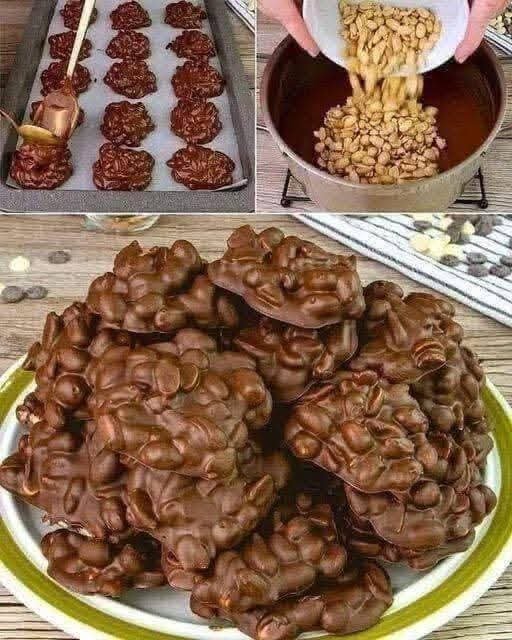
No-Bake Chocolate Peanut Clusters

Chocolate Peanut Clusters with roasted peanuts, smooth chocolate, vanilla, and a touch of sea salt

No-Bake Chocolate Peanut Clusters

Chocolate Peanut Clusters are an easy no-bake treat made with roasted peanuts, smooth melted chocolate, and a touch of sea salt. They are crunchy, rich, simple to prepare, and perfect when you want a homemade sweet without turning on the oven. Chocolate Peanut Clusters are also great for parties, holiday trays, edible gifts, or quick dessert prep because the recipe uses only a few basic ingredients.

The combination of salty peanuts and creamy chocolate gives every bite a satisfying balance of crunch and sweetness.

Prep Time: 15 minutes
Chill Time: 30 minutes
Total Time: About 45 minutes
Servings: 18 to 20 clusters

Ingredients

For the Clusters

  • 2 1/2 cups roasted peanuts
  • 12 ounces semi-sweet chocolate, chopped
  • 4 ounces milk chocolate, chopped
  • 1 teaspoon coconut oil or butter, optional
  • 1/2 teaspoon vanilla extract
  • 1/4 teaspoon sea salt
  • Extra flaky salt, optional for topping

Why You’ll Love This Recipe

Chocolate Peanut Clusters are quick, beginner-friendly, and made without flour or baking. The peanuts provide a crisp texture, while the chocolate creates a smooth coating that firms beautifully once chilled.

Another reason to love Chocolate Peanut Clusters is how easy they are to customize. You can use dark chocolate, milk chocolate, sugar-free chocolate, mixed nuts, coconut, or a little cinnamon depending on your preferences.

They also store well, making them useful when you want a make-ahead sweet for holidays, lunchboxes, dessert boards, or last-minute guests.

How to Make Chocolate Peanut Clusters

Step 1: Prepare the Tray

Line a large baking sheet or tray with parchment paper.

Make sure there is enough room for the clusters to sit without touching one another.

Step 2: Prepare the Peanuts

If using salted roasted peanuts, taste them first so you know how much extra salt to add later.

You can use whole peanuts, lightly crushed peanuts, or a combination of both.

For the best results, choose dry-roasted peanuts with a crisp texture and fresh flavor.

Step 3: Chop the Chocolate

Chop the semi-sweet and milk chocolate into small, even pieces.

Smaller pieces melt faster and more evenly, reducing the chance of overheating.

Step 4: Melt the Chocolate

Place the chopped chocolate in a heatproof bowl.

Microwave in 20-second intervals, stirring well after each interval, until almost fully melted.

Once only a few small pieces remain, continue stirring until completely smooth.

If you prefer, you can melt the chocolate using a double boiler over gently simmering water.

Step 5: Add Coconut Oil and Vanilla

Stir in the optional coconut oil or butter.

This helps the chocolate flow more smoothly and gives the finished coating a softer bite.

Add the vanilla extract and stir until combined.

Step 6: Add the Peanuts

Pour the roasted peanuts into the melted chocolate.

Fold gently until every peanut is well coated.

The mixture for Chocolate Peanut Clusters should look thick, glossy, and full of peanuts without a large pool of extra chocolate at the bottom.

Step 7: Add Salt

Stir in the sea salt.

Taste a small amount of the mixture if safe to do so and adjust the salt only if needed.

Salt brings out the chocolate flavor and balances the sweetness.

Step 8: Scoop the Clusters

Use a tablespoon or small cookie scoop to portion the mixture onto the parchment-lined tray.

Each cluster should contain a generous amount of peanuts with enough chocolate to hold everything together.

Step 9: Shape the Clusters

Use the spoon to gently push the peanuts together into compact mounds.

Do not flatten them too much.

Chocolate Peanut Clusters look best when they have a slightly rough, craggy surface.

Step 10: Add Optional Toppings

Sprinkle the tops with flaky sea salt while the chocolate is still wet.

You can also add finely chopped peanuts, shredded coconut, or a small drizzle of melted white chocolate.

Step 11: Chill

Place the tray in the refrigerator for about 25 to 30 minutes.

Chill until the chocolate is completely firm and the clusters lift easily from the parchment.

Step 12: Serve

Transfer Chocolate Peanut Clusters to a serving plate or airtight container.

Serve chilled or let them sit at room temperature for a few minutes for a slightly softer texture.

Serving Suggestions

Chocolate Peanut Clusters are perfect on dessert platters, holiday cookie trays, snack boards, or alongside coffee and tea.

Serve them with fresh strawberries, banana slices, or a small bowl of mixed berries for a simple dessert plate.

They also work well as homemade gifts. Place them in mini paper liners and pack them in a decorative tin or food-safe box.

For an elegant seafood option, try our Mediterranean Creamy Spinach & Shrimp Stuffed Salmon with tender salmon, juicy shrimp, creamy spinach, feta, garlic, and herbs.

Recipe Tips

Use good-quality chocolate because it is one of the main flavors in the recipe.

Melt the chocolate slowly. High heat can cause it to become thick, grainy, or scorched.

Make sure the peanuts are dry before mixing them into the chocolate.

Use parchment paper so the clusters release easily once set.

For evenly sized portions, use the same spoon or cookie scoop every time.

Do not refrigerate uncovered for a long period because chocolate can absorb odors from the refrigerator.

If your kitchen is cool, the clusters can set at room temperature, but refrigeration is faster and more reliable.

Easy Variations

Chocolate Peanut Clusters can be adapted in many different ways.

For a darker, less sweet version, use 70% dark chocolate instead of milk or semi-sweet chocolate.

For extra crunch, mix peanuts with roasted almonds, cashews, or pecans.

Add shredded coconut for a chocolate-coconut variation.

A pinch of cinnamon or espresso powder can give Chocolate Peanut Clusters a deeper flavor.

For a spicy twist, add a tiny pinch of cayenne pepper or chili powder to the melted chocolate.

You can also add a few dried cranberries or chopped dried cherries for a sweet-tart contrast.

If you want a lower-sugar version, use a chocolate product that fits your dietary preferences, but check the package because “sugar-free” does not necessarily mean carbohydrate-free.

You may also enjoy our Spinach and Feta Turkey Meatballs for a lighter, protein-rich meal packed with lean turkey, spinach, creamy feta, garlic, and Mediterranean herbs.

Make-Ahead Instructions

Chocolate Peanut Clusters are excellent for make-ahead dessert prep.

Prepare them up to one week in advance and keep them in an airtight container.

Separate layers with parchment paper so the clusters do not stick together.

If your kitchen is warm, refrigerator storage is best.

For parties, you can make them several days ahead and transfer them to a serving tray shortly before guests arrive.

Storage

Store Chocolate Peanut Clusters in an airtight container in a cool room for up to 5 days.

For longer freshness, refrigerate them for up to 2 weeks.

Let refrigerated clusters sit at room temperature for 5 to 10 minutes before serving if you prefer a softer chocolate texture.

You can also freeze the clusters for up to 2 months. Place parchment between layers and thaw them in the refrigerator before serving.

Nutrition Information

Approximate nutrition per cluster:

Calories: 150
Protein: 4 g
Carbohydrates: 12 g
Fat: 11 g
Saturated Fat: 5 g
Fiber: 2 g
Sugar: 8 g
Sodium: 80 mg

Nutrition values are estimates and will vary depending on the chocolate, peanuts, serving size, and optional ingredients.

Despite some social-media claims, these are not a zero-carbohydrate food. Peanuts and chocolate both contain carbohydrates, and portions still matter.

Frequently Asked Questions

Can I use only dark chocolate?

Yes. Dark chocolate works very well and gives the clusters a richer, less sweet flavor.

Can I use salted peanuts?

Yes. If using salted peanuts, reduce or omit the added sea salt.

Do I need coconut oil?

No. It is optional. It simply makes the melted chocolate a little smoother and easier to coat around the peanuts.

Can I use other nuts?

Yes. Almonds, cashews, pecans, or mixed nuts all work.

Why did my chocolate become grainy?

The chocolate may have been overheated or exposed to water. Melt it slowly and keep all bowls and utensils completely dry.

Can I make Chocolate Peanut Clusters sugar-free?

You can use a sugar-free chocolate product if desired. Check its ingredient and nutrition label because different products vary in carbohydrate content.

Do I need to keep them refrigerated?

Not always. If your room is cool, they can stay in an airtight container at room temperature for several days. Refrigerate them in warm weather.

Final Thoughts

Chocolate Peanut Clusters are an easy homemade treat that combines rich chocolate with crunchy roasted peanuts in every bite.

Because Chocolate Peanut Clusters require no baking and very little preparation, they are perfect for beginners, holidays, quick desserts, edible gifts, and make-ahead treats.

Keep this Chocolate Peanut Clusters recipe handy whenever you want a simple chocolate snack made with just a handful of ingredients.

With crunchy peanuts, smooth chocolate, vanilla, and a touch of sea salt, Chocolate Peanut Clusters deliver a satisfying sweet-and-salty treat without complicated baking.

Spinach and Feta Turkey Meatballs

Turkey Feta Meatballs with spinach, feta, garlic, herbs, and fresh lemon

Spinach and Feta Turkey Meatballs

Turkey Feta Meatballs are juicy, flavorful, and easy to prepare with lean ground turkey, fresh spinach, crumbled feta, garlic, herbs, and simple seasonings. They are lighter than classic beef meatballs but still full of savory Mediterranean-inspired flavor. Turkey Feta Meatballs work well for family dinners, meal prep, lunch bowls, wraps, pasta, or party appetizers.

The spinach adds freshness and moisture, while feta brings a creamy, salty bite that keeps the meatballs interesting without needing a heavy sauce.

Prep Time: 20 minutes
Cook Time: 25 minutes
Total Time: About 45 minutes
Servings: 4 to 6

Ingredients

For the Meatballs

  • 1 1/2 pounds lean ground turkey
  • 2 cups fresh spinach, finely chopped
  • 3/4 cup crumbled feta cheese
  • 1/2 cup breadcrumbs
  • 1 large egg
  • 3 garlic cloves, minced
  • 1/4 cup finely chopped red onion
  • 2 tablespoons chopped fresh parsley
  • 1 tablespoon chopped fresh dill
  • 1 teaspoon dried oregano
  • 1/2 teaspoon smoked paprika
  • 1/2 teaspoon salt
  • 1/4 teaspoon black pepper
  • 1 tablespoon olive oil

For Serving

  • Lemon wedges
  • Tzatziki or Greek yogurt sauce
  • Chopped parsley
  • Crumbled feta
  • Cucumber tomato salad, rice, or pita

Why You’ll Love This Recipe

Turkey Feta Meatballs are easy to make, high in protein, and packed with fresh Mediterranean-style flavors. The spinach keeps the mixture moist, and the feta melts slightly as the meatballs bake, creating tender pockets of flavor.

Another reason to love Turkey Feta Meatballs is their flexibility. They can be served in bowls, tucked into pita, paired with pasta, or enjoyed on their own with a simple yogurt sauce.

They also reheat well, making them a practical choice for meal prep.

How to Make Turkey Feta Meatballs

Step 1: Preheat the Oven

Preheat the oven to 400°F or 200°C.

Line a large baking sheet with parchment paper or lightly grease it with olive oil.

Step 2: Prepare the Spinach

Wash and dry the spinach thoroughly.

Finely chop it so it blends easily into the meatball mixture.

If the spinach is very wet, pat it dry with paper towels before adding it to the bowl.

Step 3: Mix the Base

In a large mixing bowl, add the ground turkey, breadcrumbs, egg, garlic, red onion, parsley, dill, oregano, smoked paprika, salt, and black pepper.

Mix gently with clean hands or a fork until the ingredients are just combined.

Do not overmix because that can make Turkey Feta Meatballs dense instead of tender.

Step 4: Add Spinach and Feta

Fold in the chopped spinach and crumbled feta.

Mix only until evenly distributed.

The mixture should be moist but firm enough to shape.

Step 5: Shape the Meatballs

Scoop about 2 tablespoons of mixture for each meatball.

Roll gently between your palms and place on the prepared baking sheet.

You should have about 18 to 20 Turkey Feta Meatballs, depending on the size.

Step 6: Brush with Olive Oil

Lightly brush or drizzle the tops with olive oil.

This helps the outside brown while the inside stays tender.

Step 7: Bake

Bake for 18 to 22 minutes, or until the meatballs are cooked through and lightly golden.

The centers should no longer be pink, and the internal temperature of cooked turkey should reach 165°F or 74°C.

Step 8: Rest Briefly

Remove Turkey Feta Meatballs from the oven and let them rest for 5 minutes.

This short resting time helps the juices settle and keeps the texture moist.

Step 9: Garnish

Sprinkle with chopped parsley, extra feta, or fresh dill.

Add a squeeze of lemon just before serving for a bright finish.

Step 10: Serve

Serve Turkey Feta Meatballs warm with tzatziki, Greek yogurt sauce, salad, rice, roasted vegetables, or pita bread.

Serving Suggestions

Turkey Feta Meatballs are versatile enough for both light meals and hearty dinners.

Serve them with lemon rice, couscous, quinoa, roasted potatoes, or warm pita.

For a fresher plate, pair them with cucumber tomato salad, Greek salad, roasted zucchini, or sautéed greens.

You can also tuck them into pita with lettuce, tomato, cucumber, red onion, and tzatziki for an easy wrap.

For another cheesy vegetable dish, try our Crispy Cheesy Zucchini Roll-Ups with tender zucchini, creamy ricotta, mozzarella, Parmesan, herbs, and marinara.

Recipe Tips

Use lean ground turkey, but avoid extremely lean turkey if possible because a little fat helps the meatballs stay moist.

Do not overmix the meat mixture. Gentle mixing creates a softer texture.

Finely chop the spinach so it distributes evenly.

If the mixture feels too wet, add 1 or 2 extra tablespoons of breadcrumbs.

For the best Turkey Feta Meatballs, shape them into similar sizes so they cook evenly.

Do not press the meatballs too firmly when rolling.

Let them rest after baking before serving.

Easy Variations

Turkey Feta Meatballs can be customized in several ways.

Add chopped sun-dried tomatoes for extra Mediterranean flavor.

Mix in lemon zest for a brighter taste.

Replace feta with goat cheese if you prefer a softer, tangier cheese.

For a spicy version, add red pepper flakes, cayenne pepper, or finely chopped jalapeño.

You can also add grated zucchini, but squeeze out the excess moisture first.

Turn Turkey Feta Meatballs into a complete pasta dinner by serving them with orzo, spaghetti, or penne and a light tomato sauce.

You may also enjoy our Baked Cottage Cheese Eggs for a soft, creamy, high-protein meal made with eggs, cottage cheese, spinach, mozzarella, Parmesan, and herbs.

Optional Lemon Yogurt Sauce

For an easy sauce, stir together 3/4 cup plain Greek yogurt, 1 tablespoon fresh lemon juice, 1 teaspoon lemon zest, 1 small grated garlic clove, 1 tablespoon chopped dill, and a pinch of salt and black pepper. Chill the sauce while the meatballs bake.

This cool, tangy sauce balances the savory feta and herbs and also works well as a spread for pita wraps. If you prefer a thinner consistency, add 1 or 2 teaspoons of water or olive oil and whisk until smooth.

How to Build a Mediterranean Bowl

For an easy complete meal, start with a base of rice, quinoa, or couscous. Add cucumber, tomato, lettuce, olives, and roasted vegetables, then top with the warm meatballs. Finish with lemon yogurt sauce, extra herbs, and a small sprinkle of feta. This setup is especially convenient for meal prep because each component can be stored separately and assembled just before eating.

Make-Ahead Instructions

Turkey Feta Meatballs are excellent for make-ahead meals.

Prepare the mixture and shape the meatballs up to one day in advance.

Arrange them on a covered tray and refrigerate until ready to bake.

You can also bake them ahead, cool completely, and refrigerate for quick lunches or dinners.

Storage and Reheating

Store leftover Turkey Feta Meatballs in an airtight container in the refrigerator for up to 4 days.

Reheat them in a 350°F or 175°C oven for about 10 minutes, or warm them gently in a covered skillet with a splash of broth or water.

Microwaving also works for individual portions, but use short intervals to avoid drying them out.

Nutrition Information

Approximate nutrition per serving:

Calories: 330
Protein: 35 g
Carbohydrates: 11 g
Fat: 17 g
Saturated Fat: 6 g
Fiber: 2 g
Sugar: 2 g
Sodium: 620 mg

Nutrition values are estimates and may vary depending on the ground turkey, feta, breadcrumbs, and serving size.

Frequently Asked Questions

Can I use frozen spinach?

Yes. Thaw it completely and squeeze out as much moisture as possible before adding it to the meatball mixture.

Can I make these without breadcrumbs?

Yes. Use gluten-free breadcrumbs, almond flour, or finely crushed oats as a substitute.

Can I cook them in a skillet?

Yes. Cook in a lightly oiled skillet over medium heat, turning often, until browned and cooked through.

Can I make them in an air fryer?

Yes. Cook at 375°F or 190°C for about 10 to 14 minutes, depending on size.

Can I freeze them?

Yes. Freeze cooked Turkey Feta Meatballs in a single layer, then transfer to a freezer-safe container for up to 2 months.

What sauce goes best with them?

Tzatziki, garlic yogurt sauce, lemon herb sauce, or a light tomato sauce all pair well.

Can I use ground chicken?

Yes. Ground chicken can replace turkey with very similar results.

Final Thoughts

Turkey Feta Meatballs are a simple way to turn lean ground turkey into a flavorful, protein-rich meal with spinach, feta, garlic, and herbs.

Because Turkey Feta Meatballs can be served in so many ways, they are useful for weeknight dinners, meal prep, lunch bowls, wraps, or appetizers.

Keep this Turkey Feta Meatballs recipe handy whenever you want a lighter meatball option that still feels satisfying and full of flavor.

With juicy turkey, creamy feta, fresh spinach, garlic, dill, parsley, oregano, and lemon, Turkey Feta Meatballs deliver a balanced Mediterranean-inspired meal that is easy to prepare and easy to serve.

Baked Cottage Cheese Eggs

Cottage Cheese Eggs with spinach, mozzarella, Parmesan, herbs, and a soft baked texture

Baked Cottage Cheese Eggs

Cottage Cheese Eggs are a soft, protein-rich breakfast bake made with eggs, creamy cottage cheese, spinach, herbs, and a little shredded cheese. The texture is light and tender, while the cottage cheese keeps the eggs moist instead of dry or rubbery. Cottage Cheese Eggs are perfect for breakfast, brunch, meal prep, or an easy high-protein lunch when you want something simple but satisfying.

Prep Time: 10 minutes
Cook Time: 25 minutes
Total Time: About 35 minutes
Servings: 4 to 6

Ingredients

For the Egg Mixture

  • 8 large eggs
  • 1 cup cottage cheese
  • 1/2 cup shredded mozzarella or cheddar cheese
  • 1/4 cup grated Parmesan cheese
  • 2 cups baby spinach, chopped
  • 2 green onions, thinly sliced
  • 2 tablespoons chopped fresh parsley
  • 1/2 teaspoon garlic powder
  • 1/2 teaspoon onion powder
  • 1/2 teaspoon smoked paprika
  • 1/2 teaspoon salt
  • 1/4 teaspoon black pepper

For the Baking Dish

  • 1 teaspoon olive oil or butter
  • Extra chopped herbs for garnish
  • Red pepper flakes, optional

Why You’ll Love This Recipe

Cottage Cheese Eggs are easy to prepare, naturally high in protein, and flexible enough for busy mornings or relaxed weekend brunches. The cottage cheese melts into the eggs as they bake, creating a creamy interior without requiring heavy cream.

Another reason to love this recipe is how easy it is to customize. You can add vegetables, herbs, cooked chicken, turkey, or different cheeses depending on what you have available.

The recipe also reheats well, making it useful for meal prep.

A few simple preparation habits can make the finished bake even better. Bring the eggs and cottage cheese closer to room temperature before mixing if you have time, since very cold ingredients may need a little longer in the oven. Use a ceramic or metal baking dish of similar size so the layer is not too deep. If you add vegetables with high water content, sauté them first and cool them before folding them into the mixture. This keeps the center tender instead of watery and helps the slices hold their shape when served.

How to Make Cottage Cheese Eggs

Step 1: Preheat the Oven

Preheat the oven to 375°F or 190°C.

Lightly grease an 8 x 8-inch baking dish or similar-size casserole dish with olive oil or butter.

Step 2: Prepare the Spinach

If using fresh spinach, chop it into small pieces.

You can add it directly to the egg mixture, but for a softer texture, sauté it briefly in a dry skillet for 1 to 2 minutes until wilted.

Let it cool slightly before adding it to the eggs.

Step 3: Whisk the Eggs

Crack the eggs into a large mixing bowl.

Whisk for about 30 seconds until the yolks and whites are completely combined.

A well-whisked base helps Cottage Cheese Eggs bake evenly and gives the finished dish a lighter texture.

Step 4: Add the Cottage Cheese

Add the cottage cheese to the beaten eggs.

Whisk gently until combined.

Small curds are completely fine and will soften during baking.

Step 5: Add Cheese and Seasonings

Stir in the mozzarella or cheddar, Parmesan, garlic powder, onion powder, smoked paprika, salt, and black pepper.

Mix just until evenly distributed.

Step 6: Add Spinach and Herbs

Fold in the chopped spinach, green onions, and parsley.

At this stage, Cottage Cheese Eggs should have a thick but pourable mixture with the vegetables and cheese evenly distributed.

Step 7: Transfer to the Baking Dish

Pour the mixture into the prepared baking dish.

Use a spatula to spread the spinach and cheese evenly if they settle in one area.

Step 8: Bake

Place the dish in the center of the oven.

Bake for 22 to 28 minutes, or until the center is just set and the edges are lightly golden.

The exact baking time depends on the depth of the dish and your oven.

Step 9: Check for Doneness

Gently shake the baking dish.

The center should no longer look liquid, although a very slight jiggle is fine because the eggs will continue setting as they rest.

Avoid overbaking Cottage Cheese Eggs, since too much heat can make the texture dry.

Step 10: Rest Before Slicing

Remove the dish from the oven and let it rest for 5 to 10 minutes.

This helps the eggs finish setting and makes them easier to slice neatly.

Step 11: Garnish and Serve

Sprinkle with extra parsley, green onions, black pepper, or red pepper flakes.

Serve Cottage Cheese Eggs warm.

Serving Suggestions

Cottage Cheese Eggs can be served on their own or paired with simple breakfast sides.

Serve Cottage Cheese Eggs with avocado slices, fresh tomatoes, fruit, roasted potatoes, whole-grain toast, or a green salad.

For a heartier brunch, pair them with turkey sausage, smoked salmon, grilled vegetables, or a simple yogurt bowl.

For a cozy dessert option, try our Melt-in-Your-Mouth Apple Pie Cake with tender apples, cinnamon, brown sugar, and a soft buttery crumb.

Recipe Tips

Use full-fat or low-fat cottage cheese depending on your preference. Full-fat cottage cheese gives a slightly richer texture.

Whisk the eggs before adding the other ingredients so the mixture stays light.

Do not overbake the eggs. Remove the dish when the center is just set.

If your cottage cheese is very watery, drain off any excess liquid before mixing.

For the best Cottage Cheese Eggs texture, let the baked dish rest before slicing.

Cut vegetables into small pieces so they soften evenly and do not release too much water.

Easy Variations

Cottage Cheese Eggs are easy to customize with different vegetables, proteins, and cheeses.

Add diced bell peppers, mushrooms, tomatoes, zucchini, or broccoli for extra vegetables.

For more protein, add cooked chicken, turkey sausage, ham, or smoked salmon.

Use feta instead of mozzarella for a tangy Mediterranean-style variation.

You can also add dill, basil, chives, or oregano for more herb flavor.

For a spicy version, add diced jalapeño, cayenne pepper, or red pepper flakes.

To make Cottage Cheese Eggs more filling, add a small amount of cooked quinoa or diced roasted potatoes to the mixture.

You may also enjoy our Cheesy Spinach Potato Cakes for a crispy, cheesy dish made with mashed potatoes, spinach, mozzarella, Parmesan, garlic, and herbs.

Make-Ahead Instructions

Cottage Cheese Eggs are excellent for meal prep because they can be baked ahead and reheated quickly.

Bake the dish completely, let it cool, and cut it into individual portions.

Store the portions in airtight containers in the refrigerator.

You can also mix the egg base the night before, cover it, and refrigerate it. Add the spinach and herbs shortly before baking for the freshest texture.

Storage and Reheating

Store leftover Cottage Cheese Eggs in an airtight container in the refrigerator for up to 4 days.

Reheat individual slices in the microwave in short intervals until warmed through.

For the best texture, reheat larger portions in a 325°F or 165°C oven for about 10 minutes.

Avoid overheating because eggs can become rubbery if cooked too long during reheating.

Nutrition Information

Approximate nutrition per serving:

Calories: 245
Protein: 24 g
Carbohydrates: 6 g
Fat: 14 g
Saturated Fat: 7 g
Fiber: 1 g
Sugar: 3 g
Sodium: 620 mg

Nutrition values are estimates and may vary depending on the cottage cheese, shredded cheese, vegetables, and serving size.

Frequently Asked Questions

Can I use low-fat cottage cheese?

Yes. Low-fat cottage cheese works well and still gives the eggs a creamy texture.

Can I make this recipe without spinach?

Yes. Leave it out or replace it with another vegetable such as mushrooms, peppers, or broccoli.

Can I use ricotta instead of cottage cheese?

Yes, but the texture will be slightly different. Cottage cheese gives more protein and a lighter, slightly curdled texture.

Can I bake this in muffin cups?

Yes. Divide the mixture between greased muffin cups and bake for about 18 to 22 minutes.

Can I freeze the baked eggs?

Yes. Cool completely, wrap individual portions well, and freeze for up to 2 months.

How do I keep the eggs from becoming watery?

Drain excess liquid from cottage cheese if necessary and avoid adding too many watery vegetables.

Final Thoughts

Cottage Cheese Eggs are a simple way to make a filling breakfast with plenty of protein and very little preparation.

Because Cottage Cheese Eggs can be customized with vegetables, herbs, cheese, and extra protein, they work well for breakfast, brunch, meal prep, or a quick lunch.

Keep this Cottage Cheese Eggs recipe handy whenever you want an easy baked egg dish that stays soft and creamy.

With fluffy eggs, creamy cottage cheese, spinach, herbs, mozzarella, and Parmesan, Cottage Cheese Eggs deliver a satisfying combination of protein, flavor, and convenience in every serving.

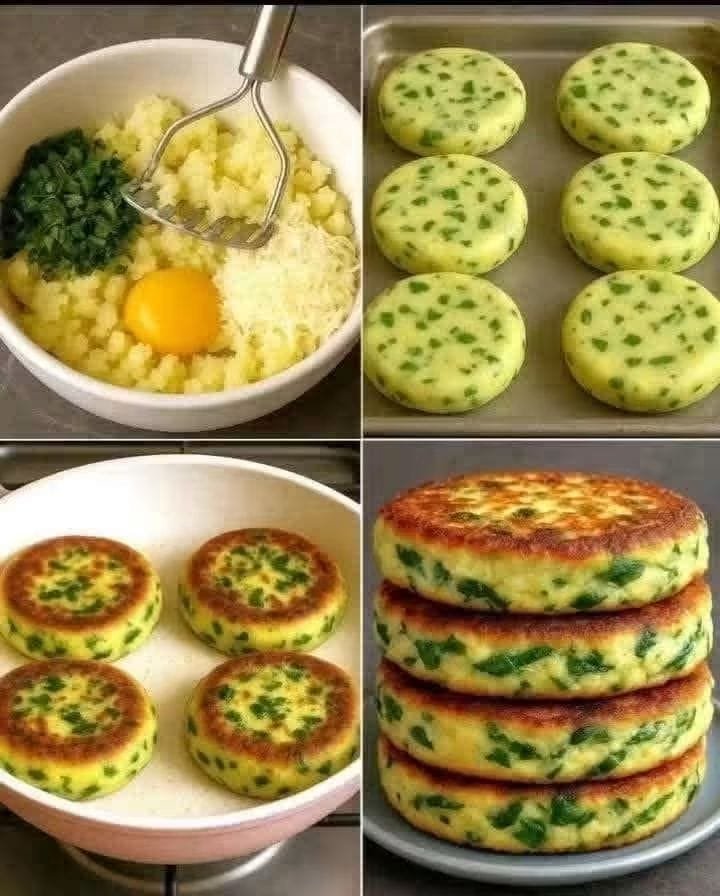
Cheesy Spinach Potato Cakes

Spinach Potato Cakes with mashed potatoes, spinach, mozzarella, Parmesan, garlic, and fresh herbs

Cheesy Spinach Potato Cakes

Spinach Potato Cakes are crisp on the outside, soft and cheesy inside, and packed with tender potatoes, fresh spinach, Parmesan, mozzarella, herbs, and simple seasonings. They make an easy vegetarian meal, snack, lunchbox option, or savory side dish. Spinach Potato Cakes are especially useful when you have leftover mashed potatoes and want to turn them into something golden, comforting, and family-friendly.

Prep Time: 20 minutes
Cook Time: 20 minutes
Total Time: About 40 minutes
Servings: 6

Ingredients

For the Potato Mixture

  • 3 cups mashed potatoes, cooled
  • 2 cups fresh spinach, finely chopped
  • 1 large egg
  • 3/4 cup shredded mozzarella cheese
  • 1/2 cup grated Parmesan cheese
  • 1/3 cup breadcrumbs
  • 2 green onions, finely sliced
  • 2 garlic cloves, minced
  • 2 tablespoons chopped fresh parsley
  • 1/2 teaspoon onion powder
  • 1/2 teaspoon garlic powder
  • 1/2 teaspoon smoked paprika
  • 1/2 teaspoon salt
  • 1/4 teaspoon black pepper

For Cooking

  • 2 to 3 tablespoons olive oil
  • Extra breadcrumbs, optional for coating

Ingredients For Serving

  • Greek yogurt or sour cream
  • Lemon wedges
  • Fresh parsley
  • Tomato cucumber salad, optional

Why You’ll Love This Recipe

Spinach Potato Cakes are simple, economical, and made with ingredients that are easy to find. The potato keeps the center soft, while the cheeses add richness and help the cakes hold together.

Another reason to love Spinach Potato Cakes is their versatility. They can be served for breakfast, brunch, lunch, dinner, or as a snack.

How to Make Spinach Potato Cakes

Step 1: Prepare the Potatoes

If you are starting with fresh potatoes, peel and cut about 2 pounds of potatoes into chunks.

Boil them in salted water until fork-tender, then drain very well.

Mash until smooth and let the potatoes cool completely before mixing.

Cool potatoes create a firmer mixture and make Spinach Potato Cakes easier to shape.

Step 2: Prepare the Spinach

Wash and dry the spinach thoroughly.

Chop it very finely.

Heat a skillet over medium heat and add the spinach without extra oil.

Cook for 1 to 2 minutes, stirring frequently, until wilted.

Transfer the spinach to a plate and let it cool.

Once cool, squeeze out as much moisture as possible using clean hands or a kitchen towel.

Step 3: Combine the Main Ingredients

Add the cooled mashed potatoes to a large mixing bowl.

Add the cooked spinach, egg, mozzarella, Parmesan, breadcrumbs, green onions, garlic, parsley, onion powder, garlic powder, smoked paprika, salt, and black pepper.

Mix until evenly combined.

The mixture for Spinach Potato Cakes should feel soft but firm enough to hold its shape when pressed together.

Step 4: Adjust the Texture

If the mixture feels too soft or sticky, add 1 or 2 additional tablespoons of breadcrumbs.

If it feels too dry, add a spoonful of milk or another beaten egg yolk.

Avoid adding too much liquid because the cakes need to stay firm during frying.

Step 5: Shape the Patties

Scoop about 1/3 cup of the potato mixture into your hands.

Roll it gently into a ball, then flatten it into a thick round patty.

Repeat until all the mixture is used.

You should have about 10 to 12 Spinach Potato Cakes, depending on the size.

Step 6: Chill Before Cooking

Arrange the patties on a parchment-lined tray.

Refrigerate for 15 to 20 minutes.

This short chilling time helps the cakes firm up and reduces the chance of them breaking when flipped.

Step 7: Add an Optional Crispy Coating

For a crispier exterior, lightly press both sides of each patty into breadcrumbs.

Shake away the excess.

This step is optional but gives the Spinach Potato Cakes a more golden and crunchy crust.

Step 8: Heat the Skillet

Heat 1 tablespoon olive oil in a large nonstick skillet over medium heat.

Once the oil is hot, add several patties, leaving space between them.

Do not overcrowd the pan.

Step 9: Cook the First Side

Cook for 3 to 4 minutes without moving the patties too much.

The bottoms should develop a deep golden crust before you try to flip them.

Step 10: Flip and Finish Cooking

Carefully turn the patties using a wide spatula.

Cook the second side for another 3 to 4 minutes.

Add a little more oil between batches if necessary.

Spinach Potato Cakes are ready when both sides are crisp and golden and the cheese inside is hot and melted.

Step 11: Drain Briefly

Transfer the cooked cakes to a plate lined with paper towels or a wire rack.

Let them rest for a few minutes.

This helps the exterior stay crisp.

Step 12: Serve

Serve Spinach Potato Cakes warm with Greek yogurt, sour cream, lemon wedges, or your favorite dipping sauce.

Garnish with fresh parsley or green onions.

Serving Suggestions

Spinach Potato Cakes can be served as a light main course with a fresh green salad, tomato cucumber salad, or roasted vegetables.

For a fresh vegetable side, try our Garlic Bok Choy With Sesame with tender bok choy, fragrant garlic, soy sauce, toasted sesame oil, and sesame seeds.

Recipe Tips

Use cooled mashed potatoes rather than warm potatoes. Warm potatoes can make the mixture softer and harder to shape.

Squeeze the spinach very well after cooking. Excess moisture is one of the main reasons potato patties fall apart.

Do not make the patties too thin. A thicker cake stays soft inside while developing a crisp exterior.

Chill the shaped Spinach Potato Cakes before frying for better structure.

Wait until the first side is properly browned before flipping. Turning too early can cause them to break.

Use a nonstick or well-seasoned skillet and moderate heat. Very high heat may brown the outside before the center is hot.

Easy Variations

Spinach Potato Cakes can be customized with different cheeses, vegetables, and seasonings.

Replace mozzarella with cheddar for a stronger cheese flavor.

Feta is another excellent addition and gives the cakes a salty Mediterranean-style taste.

You can add finely chopped cooked broccoli, carrots, peas, or corn for extra vegetables.

For a spicy version, mix in red pepper flakes, cayenne pepper, or chopped jalapeño.

Add fresh dill, basil, or chives instead of parsley.

You may also enjoy our Bruschetta Chicken Pasta for a fresh and satisfying dinner with juicy chicken, tomatoes, basil, garlic, Parmesan, and balsamic flavor.

Make-Ahead Instructions

Spinach Potato Cakes are excellent for meal prep.

Prepare and shape the patties up to one day in advance.

Arrange them in a single layer in an airtight container with parchment paper between layers.

Keep refrigerated until ready to cook.

Storage and Reheating

Store leftover Spinach Potato Cakes in an airtight container in the refrigerator for up to 4 days.

For the best texture, reheat them in a skillet over medium-low heat with a tiny amount of oil.

You can also reheat them in a 375°F or 190°C oven for about 8 to 10 minutes.

Microwaving works, but the cakes will be softer rather than crisp.

Nutrition Information

Approximate nutrition per serving:

Calories: 280
Protein: 12 g
Carbohydrates: 30 g
Fat: 13 g
Saturated Fat: 6 g
Fiber: 4 g
Sugar: 3 g
Sodium: 520 mg

Nutrition values are estimates and may vary depending on the potatoes, cheese, breadcrumbs, oil, and exact serving size.

Frequently Asked Questions

Can I use leftover mashed potatoes?

Yes. Leftover mashed potatoes are ideal. If they contain a lot of butter or cream, you may need a little extra breadcrumbs.

Why are my potato cakes falling apart?

The mixture may contain too much moisture. Make sure the spinach is squeezed dry, the potatoes are cool, and enough breadcrumbs are added.

Can I make these gluten-free?

Yes. Use gluten-free breadcrumbs or crushed gluten-free crackers.

Can I make them without egg?

Yes. A flax egg or a spoonful of cornstarch mixed with water can help bind the mixture, although the texture will be slightly different.

Can I use frozen spinach?

Yes. Thaw it completely and squeeze out as much moisture as possible before mixing.

Can I bake instead of fry them?

Yes. Baking is a good option if you want to use less oil.

Final Thoughts

Spinach Potato Cakes are a delicious way to turn simple potatoes and spinach into a golden, cheesy meal that works for almost any time of day.

Because Spinach Potato Cakes are easy to shape, store, and reheat, they are especially useful for meal prep, lunchboxes, family dinners, and quick snacks.

Keep this Spinach Potato Cakes recipe handy whenever you have leftover mashed potatoes or want an easy vegetable-packed dish.

With crisp golden edges, soft potato centers, melted mozzarella, Parmesan, spinach, garlic, and herbs, Spinach Potato Cakes deliver comforting flavor and satisfying texture in every bite.