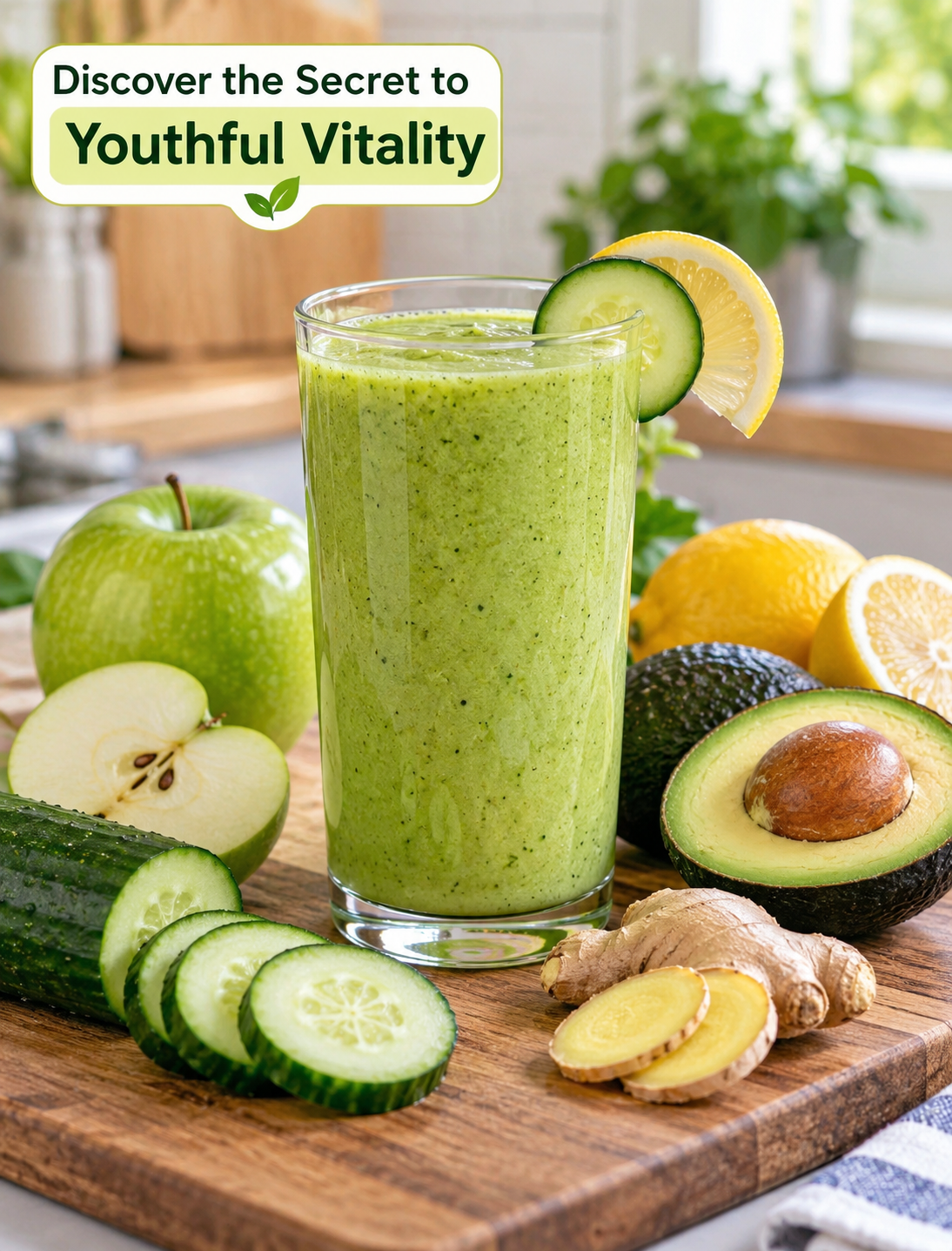
Discover the Secret to Youthful Vitality

Fresh cucumber avocado green apple ginger and lemon youthful vitality wellness drink in a glass

Discover the Secret to Youthful Vitality

There is no single drink that can turn back aging, cleanse the liver, or make the intestines decades younger. However, a balanced diet built around whole foods can support hydration, digestion, heart health, and overall wellness. This cucumber, avocado, green apple, ginger, and lemon drink is a simple way to add several nutrient-rich foods to your daily routine.

The recipe combines fresh produce, healthy fats, fiber, vitamin C, and a small amount of ginger. Each ingredient offers useful nutrients, while water helps create a smooth and refreshing drink. Instead of treating it as a “miracle elixir,” think of it as one practical part of a healthy lifestyle.

For readers looking for youthful vitality, the real secret is consistency: nutritious food, enough fluids, regular movement, quality sleep, and healthy daily habits.

Why This Fresh Wellness Drink Is Worth Trying

This homemade drink brings several whole-food ingredients together in one easy recipe.

  • Cucumber provides water and a refreshing texture.
  • Avocado supplies monounsaturated fat and makes the drink creamy.
  • Green apple adds natural sweetness and dietary fiber.
  • Ginger provides a warm flavor and contains naturally occurring plant compounds.
  • Lemon juice adds brightness and vitamin C.
  • Water helps keep the beverage hydrating and easy to blend.

The combination can be especially appealing when you want something fresh instead of a heavily processed beverage.

Step 1: Gather Fresh Ingredients

For one serving, prepare:

  • ½ cucumber
  • ½ ripe avocado
  • 1 small green apple
  • ½-inch piece of fresh ginger
  • 1 tablespoon fresh lemon juice
  • ¾ to 1 cup cold water
  • Ice, optional

Wash the produce well before cutting. Keep the apple peel on if you enjoy its texture and want additional fiber.

Step 2: Prepare the Produce

Cut the cucumber and apple into small pieces so they blend easily. Remove the avocado skin and pit, then scoop the flesh into a blender.

Peel the ginger before adding it. Start with a small amount because fresh ginger has a strong, spicy flavor.

Squeeze fresh lemon juice rather than using a sweetened bottled lemon drink.

Step 3: Blend Until Smooth

Add the cucumber, avocado, apple, ginger, lemon juice, and water to a high-speed blender.

Blend for about 30 to 60 seconds, or until the mixture reaches your preferred consistency. Add more water if the drink is too thick.

For a colder beverage, add a few ice cubes before blending.

Step 4: Adjust the Flavor Naturally

Taste the drink after blending and make small adjustments.

  • Add more water for a lighter texture.
  • Add a little extra lemon for more brightness.
  • Add another small piece of ginger for a stronger flavor.
  • Use a sweeter apple if the green apple tastes too tart.

Avoid adding large amounts of sugar if your goal is to keep the drink nutrient-focused.

Step 5: Enjoy It Fresh

Pour the blended drink into a glass and enjoy it soon after preparation. Freshly blended produce can change in texture and flavor when stored for too long.

If you prepare it ahead, keep it refrigerated in a sealed container and consume it promptly.

How the Ingredients Support Everyday Wellness

The value of this drink comes from the nutrients in its individual ingredients rather than from a special detox effect.

Cucumber has a high water content, making it useful for a refreshing beverage. It also contributes small amounts of vitamins and minerals.

Avocado provides healthy unsaturated fats along with fiber. Its creamy texture also makes smoothies more satisfying without requiring dairy or added cream.

Green apple contributes fiber and naturally occurring plant compounds. Keeping the peel can increase the fiber content when the apple is washed properly.

Ginger contains bioactive compounds such as gingerols. It gives the recipe its distinctive flavor and can make a simple fruit-and-vegetable drink more interesting.

Lemon juice adds a sharp citrus flavor and vitamin C. Its acidity can also balance the creamy avocado and mild cucumber.

Together, these ingredients create a nutrient-rich smoothie that can fit into a varied eating pattern.

Can This Drink Really Make You Younger?

Claims that a particular recipe can make your liver or intestines “decades younger” are not supported by strong clinical evidence. Aging is influenced by genetics, nutrition, physical activity, sleep, stress, environmental factors, and many other parts of daily life.

A healthier approach is to focus on habits that have broader evidence behind them. Eating plenty of vegetables and fruit, choosing healthy fats, getting enough fiber, staying active, drinking enough fluids, and avoiding tobacco can all contribute to long-term health.

This recipe can support those habits, but it should not replace medical care or prescribed treatment.

Best Ways to Make This Recipe Part of a Healthy Routine

Use this drink as a convenient addition to a balanced diet rather than relying on it as a detox remedy.

  1. Choose fresh ingredients: Fresh produce gives the recipe its flavor and nutrient variety.
  2. Keep added sugar low: The apple provides natural sweetness.
  3. Include whole foods throughout the day: One smoothie cannot provide everything your body needs.
  4. Stay hydrated: Water should remain your main source of daily hydration.
  5. Eat enough fiber: Whole fruits, vegetables, beans, lentils, nuts, and whole grains can help meet your fiber needs.
  6. Stay physically active: Regular movement is an important part of healthy aging.
  7. Prioritize sleep: Consistent, quality sleep supports overall physical and mental well-being.
  8. Talk with a healthcare professional: Seek personalized advice if you have a medical condition or specific dietary needs.

A Simple Daily Wellness Ritual

A healthy routine does not need to be complicated. Preparing a fresh smoothie can be an easy reminder to include more produce in your diet.

The cucumber and water make the drink refreshing, while avocado gives it a creamy body. Green apple adds sweetness and fiber, ginger brings a warming note, and lemon provides a bright finish.

Most importantly, sustainable wellness comes from what you do regularly. A nutrient-rich drink can be one small habit within a much larger approach to healthy living.

If you enjoy the flavor, prepare it as part of a varied breakfast or snack routine. Pair it with other nutritious foods when you need a more complete meal.

Frequently Asked Questions

1. What is the youthful vitality drink made from?
It combines cucumber, avocado, green apple, ginger, lemon juice, and water for a fresh, nutrient-rich smoothie.

2. Can this drink make the liver younger?
There is no strong evidence that this drink can reverse liver aging or make the liver decades younger.

3. Is this smoothie good for digestion?
Its fruits and vegetables provide fiber, while ginger adds naturally occurring plant compounds that complement a balanced diet.

4. Can I drink this smoothie every day?
For most healthy adults, it can fit into a varied diet, provided the overall eating pattern remains balanced.

5. Should I add sugar to this recipe?
Usually, added sugar is unnecessary because the apple provides natural sweetness.

6. Can I prepare this drink ahead of time?
It is best enjoyed fresh, but you can refrigerate a sealed serving and consume it promptly.

7. Is this drink a liver detox?
No specific drink is proven to “detox” the liver; your liver naturally performs important processing and metabolic functions.

8. What is the real secret to youthful vitality?
Long-term healthy habits—including nutritious food, regular activity, adequate sleep, hydration, and preventive healthcare—matter more than any single recipe.
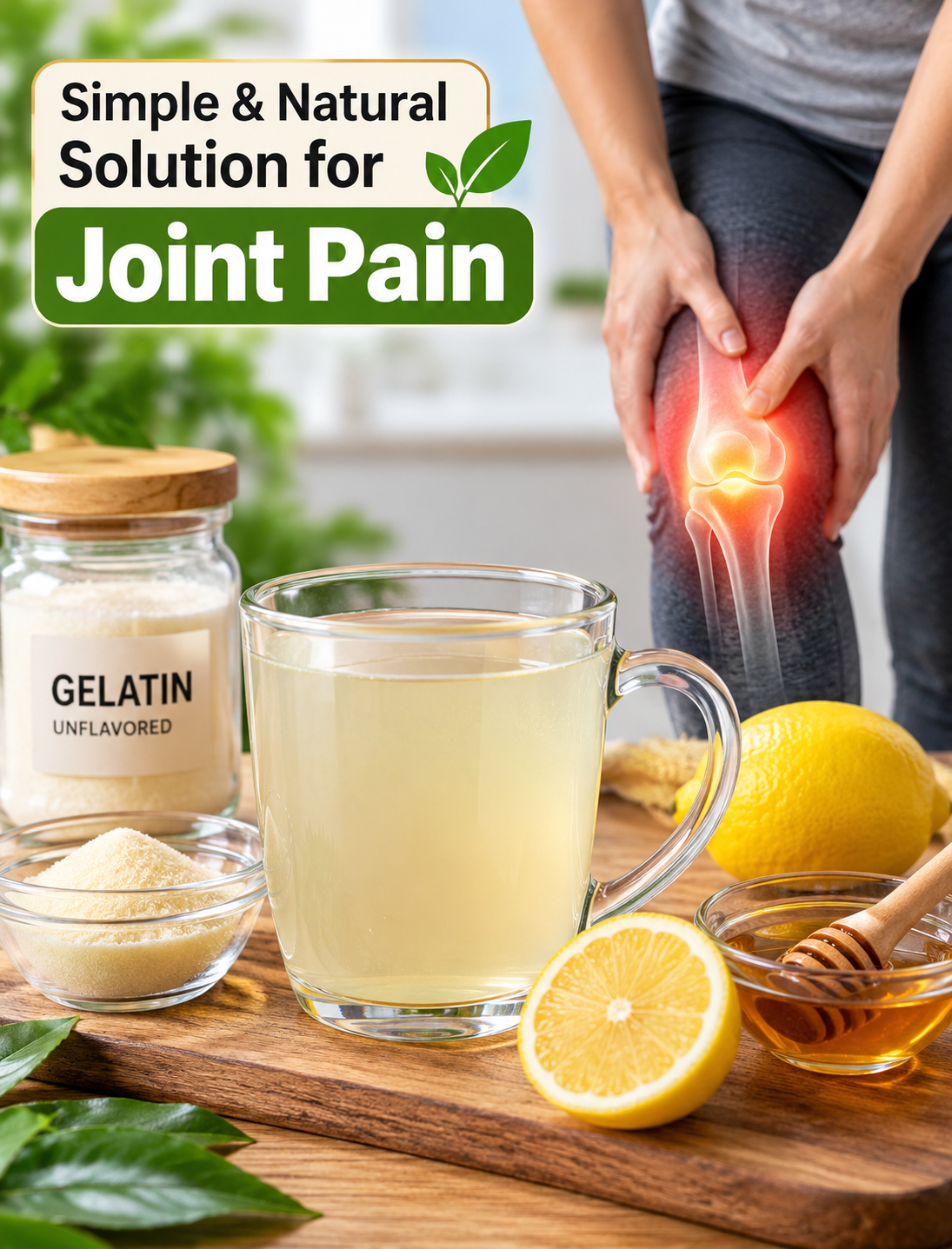
Simple and Natural Solution for Joint Pain

Homemade gelatin drink with lemon for natural joint health and wellness

Simple and Natural Solution for Joint Pain

Joint pain can make simple daily tasks feel harder. Walking, climbing stairs, getting out of a chair, or bending down may become uncomfortable when your knees, hips, or back feel stiff.

Many people look for simple ways to support healthy joints at home. Gelatin is one food ingredient that has attracted attention because it comes from collagen, a structural protein found in connective tissues.

Research on oral collagen supplements suggests they may provide modest improvements in pain and physical function for people with osteoarthritis. However, most studies have examined specific collagen products rather than a simple homemade gelatin drink, so gelatin should be viewed as a supportive food choice, not a proven treatment for joint pain.

Here is a simple way to prepare a gelatin drink and include it as part of a balanced approach to joint health.

Why Gelatin May Support Joint Health

Gelatin is made by processing collagen from animal connective tissues. It contains amino acids such as glycine and proline, which are involved in the body’s normal production of proteins and connective tissue.

Collagen research has shown promising results for osteoarthritis symptoms. A 2025 systematic review of 11 randomized trials involving 870 participants found improvements in knee osteoarthritis pain and function with oral collagen supplementation.

Still, it is important to keep expectations realistic. Eating gelatin does not directly rebuild damaged cartilage, cure arthritis, or guarantee relief from knee or back pain.

Step 1: Understand the Potential Benefits

Gelatin may fit into a healthy diet because it provides protein-derived amino acids.

Possible reasons people include gelatin in their diet include:

  • It contains collagen-derived amino acids.
  • It can be an easy addition to a daily routine.
  • It may complement an overall joint-friendly eating pattern.
  • It can be prepared with simple ingredients.
  • Collagen-related research shows potential benefits for osteoarthritis symptoms.

The strongest evidence is for specific collagen derivatives rather than this exact homemade recipe, so avoid treating gelatin as a guaranteed remedy.

Step 2: Prepare a Simple Gelatin Drink

You only need a few ingredients for this easy preparation.

Ingredients:

  • 1 tablespoon unflavored powdered gelatin
  • ½ cup cold water
  • ½ cup hot water
  • 1 teaspoon honey, optional
  • A small squeeze of fresh lemon juice, optional

Using unflavored gelatin makes it easier to control the sweetness and flavor.

Step 3: Bloom the Gelatin

Start by adding the gelatin powder to ½ cup of cold water.

Stir well so the powder becomes evenly moistened.

Let the mixture sit for about 2–5 minutes.

This process helps the gelatin absorb the water before you add the hot liquid.

Step 4: Add the Hot Water

Slowly pour ½ cup of hot water into the bloomed gelatin.

Stir continuously until the gelatin dissolves.

Avoid drinking the mixture while it is extremely hot.

Allow it to cool to a comfortable drinking temperature.

Step 5: Add Flavor if Needed

Plain gelatin water can have a mild taste, so you can add a small amount of honey or lemon juice.

Honey adds sweetness, while lemon gives the drink a fresh flavor.

Keep added sugar modest if you are trying to maintain a balanced diet.

Step 6: Make It Part of a Healthy Routine

If you enjoy the drink, you can include it as one small part of your normal eating routine.

However, there is no well-established evidence that drinking this exact recipe once a day will eliminate joint pain.

For better joint support, combine healthy eating with regular movement, adequate rest, and appropriate medical care.

Other Natural Ways to Support Comfortable Joints

Gelatin should not be the only strategy for managing joint discomfort.

Lifestyle habits can make a meaningful difference, especially for people with osteoarthritis. The CDC recommends physical activity, healthy weight management, joint protection, and self-management as important parts of arthritis care.

Try these practical steps:

  • Walk regularly: Gentle walking can help maintain movement and physical function.
  • Try low-impact exercise: Swimming, cycling, water exercise, and tai chi can place less stress on joints.
  • Strengthen supporting muscles: Stronger muscles can help support joints during everyday activities.
  • Maintain a healthy weight: For people with overweight or obesity, even modest weight loss may reduce arthritis-related pain and disability.
  • Stay hydrated: Drink enough fluids throughout the day based on your individual needs.
  • Eat a balanced diet: Include vegetables, fruits, whole grains, healthy fats, and adequate protein.
  • Protect painful joints: Avoid activities that repeatedly cause or worsen pain.
  • Start slowly: Increase exercise gradually instead of making sudden changes.

Adults with arthritis can benefit from regular physical activity, and even short periods of movement can contribute toward the weekly activity goal.

What to Know Before Trying Gelatin

Gelatin is generally used as a food ingredient, but it should not be considered a replacement for diagnosis or treatment.

Joint pain can have many causes, including osteoarthritis, injuries, overuse, gout, inflammatory arthritis, and other conditions. The right treatment depends on the cause.

Also remember that research on collagen supplements does not automatically prove that ordinary gelatin drinks produce the same results. Studies use different collagen types, doses, and formulations.

If your joint pain is persistent, severe, worsening, or interfering with normal activities, speak with a healthcare professional. A proper evaluation can help identify the cause and guide appropriate treatment.

Frequently Asked Questions

1. Can gelatin help with joint pain?

Gelatin contains collagen-derived amino acids, and research on collagen derivatives suggests possible improvements in osteoarthritis pain and function, but gelatin is not a proven cure.

2. How often can I drink gelatin water?

There is no established medical dosage for this homemade gelatin drink specifically for joint pain, so follow the product label and discuss regular use with your healthcare professional.

3. Does gelatin rebuild damaged cartilage?

There is not enough evidence to say that drinking gelatin rebuilds damaged cartilage; current research mainly examines symptom and function changes with collagen products.

4. Is gelatin good for knee pain?

Collagen supplementation has shown potential benefits for knee osteoarthritis symptoms, but evidence for ordinary gelatin drinks is more limited.

5. Can gelatin cure arthritis?

No. Gelatin cannot cure arthritis, and persistent joint pain should be evaluated to determine its underlying cause.

6. What exercises are good for painful joints?

Walking, swimming, cycling, water exercise, and tai chi are generally joint-friendly activities that can support movement and function.

7. Can weight management help joint pain?

Yes. For people carrying excess weight, even modest weight loss can help reduce arthritis-related pain and improve function.

8. When should I see a doctor about joint pain?

Seek professional advice when pain persists, becomes severe, limits daily activities, or comes with other concerning symptoms.

Final Thoughts

A simple gelatin drink can be an easy way to add a collagen-derived food to your routine. Research on collagen supplements offers encouraging evidence for modest improvements in osteoarthritis symptoms, but more specific research is needed before a homemade gelatin drink can be considered a treatment.

For lasting joint health, think beyond one ingredient. Regular movement, muscle-strengthening exercise, healthy weight management, nutritious food, and appropriate medical care all play important roles.

If you decide to try gelatin, keep it simple, use it as part of a balanced diet, and focus on consistent healthy habits rather than expecting an overnight solution.

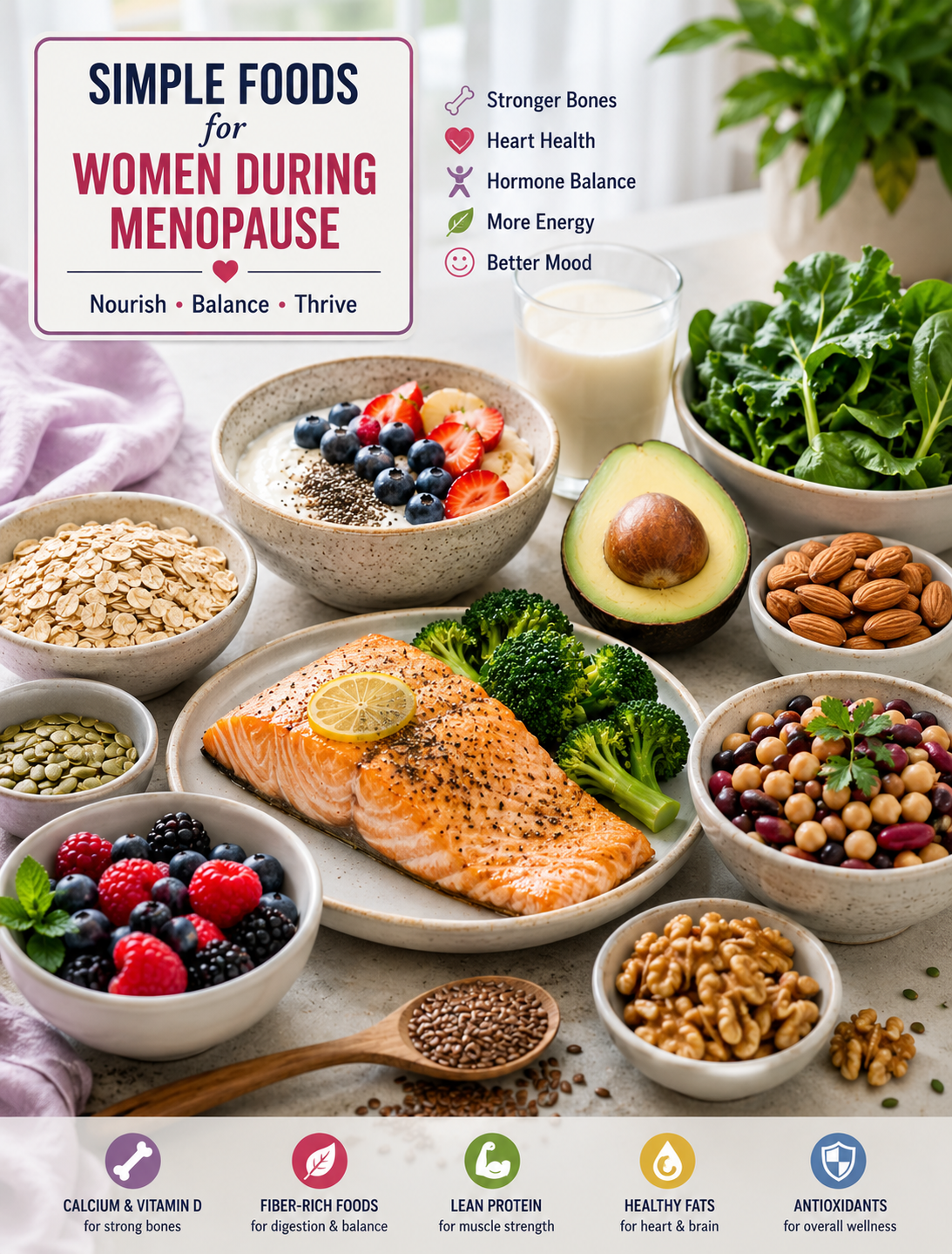
Simple Foods for Women During Menopause: 10 Healthy Choices

Simple Foods for Women During Menopause: 10 Healthy Choices

Simple Foods for Women During Menopause

10 Healthy Choices

Menopause is a normal stage of life, but the changes that come with it can affect how you feel and how your body uses energy. Hormone changes can also increase the long-term risk of conditions such as heart disease and osteoporosis. A balanced diet can help support your bones, muscles, heart, and overall health during this transition.

There is no single food that can prevent every menopause symptom. However, choosing nutrient-rich foods can help you meet your changing nutritional needs while supporting healthy aging.

The best approach is simple: eat more whole foods, include enough protein and fiber, choose healthy fats, and pay special attention to calcium and vitamin D. These habits can become part of an everyday eating pattern without requiring expensive supplements or complicated meal plans.

Why Nutrition Matters During Menopause

Estrogen levels decline during menopause, and this change can affect several areas of health. Bone loss can become a greater concern, while heart health, muscle mass, body weight, and blood sugar also deserve attention.

Women may also need fewer calories as they age because muscle mass and activity levels can change. This makes food quality especially important because each meal should provide useful nutrients without relying heavily on added sugar or highly processed foods.

A practical menopause diet does not need to be restrictive. Build meals around vegetables, fruits, whole grains, lean proteins, beans, nuts, seeds, and healthy fats.

1. Greek Yogurt for Protein and Calcium

Plain Greek yogurt is an easy food to add to breakfast or snacks. It provides protein and calcium, two nutrients that become especially important for maintaining strength and bone health.

Choose plain yogurt instead of heavily sweetened varieties to keep added sugar lower. Add berries, sliced fruit, chia seeds, or walnuts for extra fiber and healthy fats.

Greek yogurt can also replace sour cream in some recipes, making it a simple way to add more protein to everyday meals.

Women over 50 generally need more calcium than younger adult women. The Office on Women’s Health recommends 1,200 milligrams of calcium daily for women ages 51 and older.

2. Salmon for Vitamin D and Healthy Fats

Salmon provides high-quality protein and is also a source of vitamin D. It contains omega-3 fatty acids, which are part of a heart-conscious eating pattern.

Try baked or grilled salmon with roasted vegetables and a whole grain such as quinoa or brown rice. This creates a balanced meal without needing a heavy sauce.

Other seafood options can also add protein and nutrients to your diet. Choosing different types of seafood throughout the week can help keep meals varied.

Vitamin D is important because it helps the body absorb calcium and supports bone health. Fatty fish such as salmon are among the food sources of vitamin D.

3. Leafy Greens for Fiber and Minerals

Spinach, kale, collard greens, and other dark leafy vegetables can add fiber and important nutrients to meals.

Try adding spinach to scrambled eggs, kale to a grain bowl, or cooked greens to a bean-based dinner. You can also blend spinach into a smoothie with fruit and plain yogurt.

Leafy greens can contribute to your daily calcium intake, although the amount absorbed varies by the type of vegetable. They are also useful sources of fiber and other nutrients.

4. Berries for a Fiber-Rich Sweet Option

Strawberries, blueberries, raspberries, and blackberries can satisfy a sweet craving while adding fiber and nutrients.

Add berries to oatmeal, plain yogurt, or whole-grain cereal. Frozen berries are also a convenient choice when fresh fruit is expensive or unavailable.

Fiber is important for digestive health and is part of a heart-healthy eating pattern. The Office on Women’s Health notes that many women do not get enough fiber and recommends foods such as berries, beans, whole grains, vegetables, and nuts.

5. Beans and Lentils for Plant Protein

Beans and lentils are affordable sources of plant protein and fiber. They can help make meals more filling without relying on large portions of meat.

Add black beans to tacos, chickpeas to salads, or lentils to soups. You can also use beans as the base for a simple grain bowl with vegetables and avocado.

Increasing fiber gradually can help reduce digestive discomfort. Drink enough fluids as you increase high-fiber foods.

6. Nuts and Seeds for Healthy Fats

Walnuts, almonds, chia seeds, flaxseeds, and pumpkin seeds are easy additions to a menopause-friendly eating pattern.

Sprinkle chia or ground flaxseed over oatmeal and yogurt. Add walnuts or almonds to salads for crunch and flavor.

Nuts and seeds provide unsaturated fats along with other nutrients. They can also make meals more satisfying, which may help you avoid reaching for highly processed snacks between meals.

Because nuts and seeds are calorie-dense, a small serving is usually enough.

7. Oats for Fiber and a Filling Breakfast

Oats are a simple whole-grain option for breakfast. They provide fiber and can be combined with several other nutrient-rich foods.

Try oatmeal topped with berries, walnuts, chia seeds, and cinnamon. Avoid making the bowl mostly sugar by limiting large amounts of syrup, brown sugar, or sweetened creamers.

Oats can also provide soluble fiber, which is useful as part of a heart-conscious eating pattern. This makes them a practical breakfast choice for women concerned about cholesterol as they age.

8. Calcium-Fortified Foods

Milk, yogurt, cheese, calcium-fortified soy beverages, tofu made with calcium, and some fortified cereals can help women meet their calcium needs.

If you do not consume dairy, check food labels for calcium-fortified alternatives. Fortified soy beverages can provide calcium while also contributing protein.

Calcium supports bones, muscles, nerves, and several other body functions. After menopause, adequate calcium becomes particularly important because bone loss can increase.

Food is often the best place to start. If you are unsure whether your diet provides enough calcium, discuss your needs with a healthcare professional before starting a supplement.

9. Avocado for Healthy Fats

Avocado provides unsaturated fats, fiber, and several vitamins and minerals. Its creamy texture makes it easy to use in place of foods higher in saturated fat.

Spread avocado on whole-grain toast, add it to a salad, or use it as a topping for beans and vegetables.

A balanced diet should include healthy sources of fat rather than trying to eliminate dietary fat completely.

10. Water-Rich Foods and Fluids

Hydration remains important during every stage of life. Water, unsweetened beverages, fruits, and vegetables can all contribute to daily fluid intake.

Keep a reusable water bottle nearby and drink throughout the day rather than waiting until you feel very thirsty.

If hot flashes make you uncomfortable, some women find that limiting individual triggers such as caffeine or alcohol may help, but triggers vary from person to person. Menopause symptoms can differ widely between women.

Foods to Limit During Menopause

You do not need to completely remove your favorite foods. Instead, make highly processed foods and sugary drinks occasional choices.

Limit foods that are consistently high in added sugar, saturated fat, and sodium. Examples include sugary sodas, candy, pastries, heavily processed meats, and many packaged snack foods.

Alcohol is another item worth limiting. The National Institute on Aging recommends limiting or avoiding alcohol and not smoking as part of staying healthy during and after menopause.

Replacing these foods with vegetables, fruits, whole grains, beans, nuts, seeds, seafood, and lean protein can improve the overall quality of your diet.

A Simple Menopause-Friendly Day of Eating

Breakfast can be oatmeal with berries, chia seeds, and plain Greek yogurt.

Lunch can include a large salad with chickpeas, leafy greens, avocado, tomatoes, and grilled chicken.

For a snack, choose plain yogurt with berries or a small handful of walnuts and fresh fruit.

Dinner can include baked salmon, roasted broccoli, and quinoa.

This type of meal pattern provides protein, fiber, healthy fats, whole grains, fruits, vegetables, calcium, and other nutrients without requiring complicated recipes.

A Few Healthy Habits to Pair With Your Diet

Food is only one part of healthy aging. Staying physically active is also important during and after menopause.

Walking, strength training, balance exercises, and other activities can support physical function and help maintain muscle and bone health. The National Institute on Aging recommends being physically active as part of a healthy lifestyle during and after menopause.

Good sleep habits also matter. Try to keep a regular sleep schedule and make your bedroom comfortable and cool if night sweats disturb your sleep.

If menopause symptoms are severe, persistent, or affecting your daily life, speak with a healthcare professional. Diet can support overall health, but it is not a replacement for appropriate medical care.

The Bottom Line

The best foods for women during menopause are not exotic or complicated. Greek yogurt, salmon, leafy greens, berries, beans, oats, nuts, seeds, avocado, and calcium-fortified foods can all fit into a balanced eating pattern.

Focus on variety instead of searching for one “menopause superfood.” Include protein at meals, choose fiber-rich foods, use healthier fats, and make calcium and vitamin D a regular part of your nutrition plan.

Small changes can add up. A bowl of oatmeal instead of a sugary pastry, berries instead of candy, or beans instead of processed meat can make an everyday meal more nutrient-dense.

Menopause is a natural life stage, and your food choices can help support your health through the transition and beyond.

Frequently Asked Questions

What are the best foods for women during menopause?

Foods rich in protein, fiber, calcium, vitamin D, healthy fats, fruits, vegetables, and whole grains are useful choices during menopause.

What foods are good for menopause symptoms?

There is no single food that treats all symptoms, but a balanced diet with vegetables, fruits, whole grains, protein, and healthy fats supports overall health.

Should women eat more calcium after menopause?

Yes. Women age 51 and older generally need 1,200 mg of calcium daily to support bone health.

What foods contain vitamin D?

Salmon and other fatty fish, fortified milk, fortified soy beverages, some cereals, and fortified orange juice can provide vitamin D.

Are berries good during menopause?

Yes. Berries provide fiber and nutrients and can add natural sweetness to yogurt, oatmeal, and other meals.

Is Greek yogurt good for menopause?

Plain Greek yogurt can provide protein and calcium, making it a convenient option for breakfast or snacks.

Are oats good for women during menopause?

Yes. Oats provide whole-grain carbohydrates and fiber and can be paired with fruit, seeds, nuts, or yogurt.

What foods support bone health after menopause?

Calcium-rich foods, vitamin-D sources, adequate protein, and a balanced diet can help support bone health after menopause.

Should women avoid dairy during menopause?

No. Dairy can be a useful source of calcium and protein unless you have an allergy, intolerance, or another reason to avoid it.

Can diet help with menopause weight gain?

A nutrient-dense diet with appropriate portions, adequate protein, fiber-rich foods, and regular physical activity can support healthy weight management.

How much fiber do women need after age 50?

The Office on Women’s Health lists 22 grams of fiber per day for women age 51 and older.

Should I take calcium or vitamin D supplements?

Not everyone needs supplements, so discuss your diet, health history, medications, and nutritional needs with your healthcare professional before taking them.