Lemon Blueberry Bread with Sweet Lemon Glaze

Lemon Blueberry Bread with fresh blueberries, lemon zest, and sweet lemon glaze

Lemon Blueberry Bread with Sweet Lemon Glaze

Lemon Blueberry Bread is a soft, moist quick bread filled with juicy blueberries, fresh lemon zest, and a bright citrus flavor in every slice. Finished with a simple sweet lemon glaze, it works beautifully for breakfast, brunch, afternoon tea, or dessert. The loaf is easy to prepare with basic baking ingredients, and the combination of tart lemon and sweet berries gives it a fresh flavor that feels light but still comforting.

This Lemon Blueberry Bread is especially useful when you want a homemade baked treat without working with yeast or complicated techniques. The batter comes together quickly, the blueberries add natural bursts of sweetness, and the glaze gives the finished loaf an attractive bakery-style finish.

Prep Time: 20 minutes
Bake Time: 50 to 60 minutes
Cooling Time: 45 minutes
Total Time: About 2 hours
Servings: 10 slices

Ingredients

For the Bread

  • 1 3/4 cups all-purpose flour
  • 1 teaspoon baking powder
  • 1/2 teaspoon baking soda
  • 1/2 teaspoon salt
  • 1/2 cup unsalted butter, softened
  • 3/4 cup granulated sugar
  • 2 large eggs
  • 1/2 cup plain Greek yogurt or sour cream
  • 1/4 cup milk
  • 2 tablespoons fresh lemon juice
  • 1 tablespoon finely grated lemon zest
  • 1 teaspoon vanilla extract
  • 1 1/4 cups fresh or frozen blueberries
  • 1 tablespoon all-purpose flour, for coating the blueberries

For the Sweet Lemon Glaze

  • 1 cup powdered sugar
  • 2 tablespoons fresh lemon juice
  • 1 teaspoon lemon zest
  • 1 to 2 teaspoons milk, if needed

Why You’ll Love This Recipe

Lemon Blueberry Bread combines a soft crumb with bright citrus flavor and juicy berries. The Greek yogurt or sour cream helps keep the loaf tender, while fresh lemon juice and zest give it more depth than lemon extract alone.

How to Make Lemon Blueberry Bread

Step 1: Prepare the Pan and Oven

Preheat the oven to 350°F or 175°C.

Grease a 9 x 5-inch loaf pan and line it with parchment paper, leaving a little overhang on the long sides. This makes the loaf easier to lift out after baking.

A properly prepared pan helps Lemon Blueberry Bread release cleanly without damaging the tender edges.

Step 2: Mix the Dry Ingredients

In a medium bowl, whisk together the flour, baking powder, baking soda, and salt.

Mix until the leavening is evenly distributed.

Keeping the dry ingredients separate at first helps prevent overmixing later and gives Lemon Blueberry Bread a more even texture.

Step 3: Cream the Butter and Sugar

In a large mixing bowl, beat the softened butter and granulated sugar for 2 to 3 minutes until pale and fluffy.

Add the eggs one at a time, mixing well after each addition.

Step 4: Add the Wet Ingredients

Mix in the Greek yogurt or sour cream, milk, lemon juice, lemon zest, and vanilla.

These ingredients provide the moisture and fresh citrus flavor that make Lemon Blueberry Bread taste bright and tender.

Step 5: Combine Wet and Dry Ingredients

Add the dry mixture to the wet ingredients in two additions.

Fold gently with a spatula until just combined.

Do not keep mixing once the flour disappears. Overmixing can make quick bread dense or tough.

The batter for Lemon Blueberry Bread should be thick enough to hold the blueberries evenly throughout the loaf.

Step 6: Add the Blueberries

Toss the blueberries with 1 tablespoon flour.

Gently fold them into the batter, reserving a small handful for the top.

If using frozen blueberries, add them directly from the freezer without thawing. This helps prevent too much purple color from spreading through Lemon Blueberry Bread.

Step 7: Fill the Loaf Pan

Transfer the batter to the prepared loaf pan.

Smooth the surface with a spatula and scatter the reserved berries over the top.

Step 8: Bake

Bake for 50 to 60 minutes.

Check the loaf near the 50-minute mark by inserting a toothpick into the center. A few moist crumbs are fine, but there should not be wet batter.

If the top browns too quickly, loosely cover it with foil during the final 10 to 15 minutes.

Lemon Blueberry Bread is ready when the center is set and the top springs back lightly when touched.

Step 9: Cool the Bread

Let the loaf cool in the pan for about 15 minutes.

Use the parchment paper to lift it onto a wire rack.

Allow it to cool completely before glazing.

Step 10: Make the Lemon Glaze

Whisk together powdered sugar, lemon juice, and lemon zest.

If the glaze is too thick, add milk 1 teaspoon at a time. If it becomes too thin, add a little more powdered sugar.

Drizzle the glaze over the cooled Lemon Blueberry Bread and let it set for 10 to 15 minutes before slicing.

Serving Suggestions

Lemon Blueberry Bread is delicious with coffee, tea, or a glass of cold milk.

For brunch, serve it alongside fresh fruit, Greek yogurt, scrambled eggs, or a simple fruit salad.

For dessert, pair Lemon Blueberry Bread with fresh berries and a little extra lemon zest for a bright finish.

Recipe Tips

Use fresh lemon juice and zest for the strongest citrus flavor.

Do not overmix the batter after adding the flour.

Coat the blueberries lightly with flour before folding them in.

Use room-temperature eggs and dairy when possible for a smoother batter.

If your berries are very wet, pat them dry before adding them.

Let Lemon Blueberry Bread cool completely before applying the glaze.

Check the loaf early if your oven runs hot.

Use parchment paper so the loaf lifts easily from the pan.

Easy Variations

Add chopped walnuts or pecans for extra texture.

For a stronger citrus flavor, increase the lemon zest slightly.

Lemon Blueberry Bread can also be made with raspberries or a mixture of blueberries and raspberries.

For a lighter topping, skip the glaze and dust the cooled loaf with powdered sugar.

You can also add a tablespoon of poppy seeds for a lemon-poppy variation.

For a simple muffin version, divide the batter into a lined muffin pan and reduce the baking time.

For another soft and fluffy breakfast idea, try our Fluffy Thick Pancakes.

Make-Ahead Instructions

Lemon Blueberry Bread is a convenient make-ahead recipe because the loaf stays moist after cooling.

Bake it one day before serving, let it cool completely, and store it tightly wrapped at room temperature.

For the neatest appearance, add the glaze a few hours before serving.

You can also prepare the dry ingredients and measure the wet ingredients separately the night before, then combine them shortly before baking.

Storage and Freezing

Store leftover Lemon Blueberry Bread in an airtight container at room temperature for up to 2 days.

For longer storage, refrigerate it for up to 5 days and bring chilled slices to room temperature before serving.

The unglazed loaf can also be frozen for up to 2 months. Wrap it tightly in plastic and foil, then thaw overnight before adding the glaze.

Nutrition Information

Approximate nutrition per slice:

Calories: 290
Protein: 5 g
Carbohydrates: 44 g
Fat: 11 g
Saturated Fat: 6 g
Fiber: 2 g
Sugar: 27 g
Sodium: 220 mg

Nutrition values are estimates and may vary depending on the yogurt, milk, berries, glaze, and serving size.

Frequently Asked Questions

Can I use frozen blueberries?

Yes. Frozen berries work well in Lemon Blueberry Bread. Add them directly from the freezer and avoid thawing first.

Why did my blueberries sink?

Very wet berries or a thin batter can cause sinking. Tossing the berries with a little flour can help them stay more evenly distributed.

Can I make this without the glaze?

Yes. The bread is flavorful on its own. You can leave it plain or add a light dusting of powdered sugar.

Can I use sour cream instead of Greek yogurt?

Yes. Sour cream gives a similarly moist and tender crumb.

How do I know when the bread is done?

Insert a toothpick into the center. It should come out clean or with a few moist crumbs, but no raw batter.

Can I turn this recipe into muffins?

Yes. Divide the batter among lined muffin cups and bake until the centers are set. Start checking around 18 to 22 minutes.

Is this recipe good for freezing?

Yes. This loaf freezes well, especially without the glaze. Add fresh glaze after thawing for the best appearance.

Final Thoughts

This sweet lemon-and-blueberry loaf is an easy homemade bake that combines fresh citrus flavor with juicy berries and a soft, moist crumb. It works for breakfast, brunch, afternoon snacks, or dessert and requires only straightforward baking steps.

Lemon Blueberry Bread is also easy to customize with nuts, mixed berries, poppy seeds, or a lighter topping. Because it stores and freezes well, it is a practical recipe to prepare ahead for family meals or gatherings.

Whether you serve the loaf with coffee in the morning or as a sweet treat later in the day, the combination of bright lemon, blueberries, and simple glaze makes it a dependable recipe worth keeping.

If you enjoy bold and flavorful seafood recipes, you may also like our Bang Bang Salmon.
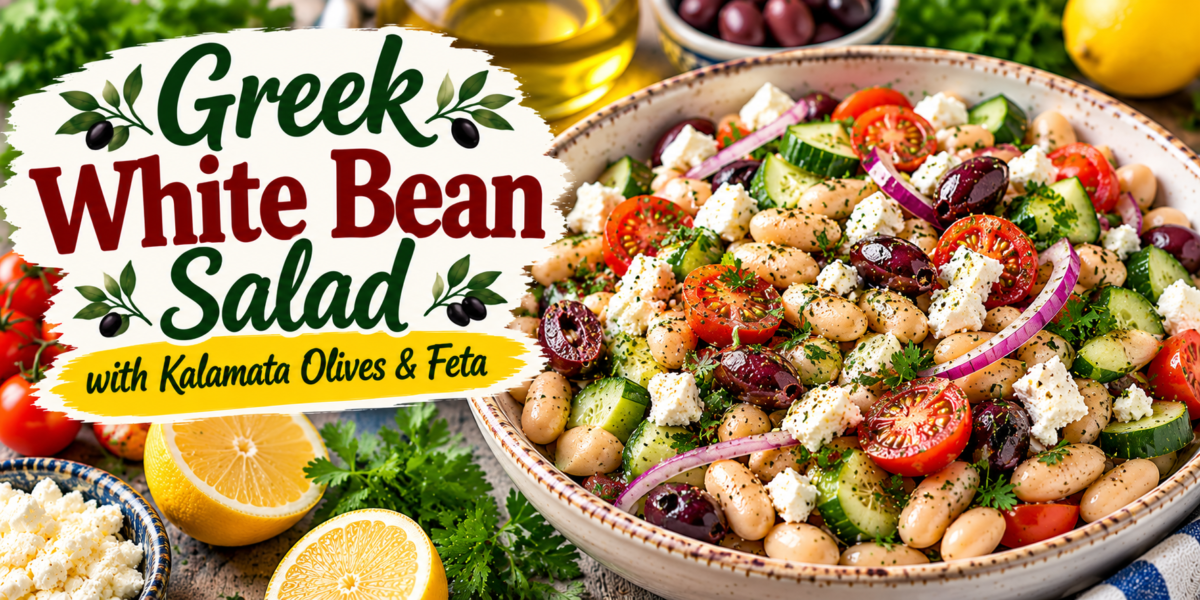
Greek White Bean Salad with Kalamata Olives & Feta

Greek White Bean Salad with Kalamata olives, feta, cucumber, tomatoes, fresh herbs, and lemon dressing

Greek White Bean Salad with Kalamata Olives & Feta

Greek White Bean Salad is a fresh, colorful Mediterranean-inspired dish made with creamy white beans, juicy tomatoes, crisp cucumber, Kalamata olives, feta cheese, red onion, and a bright lemon-herb dressing. It is simple enough for a quick lunch but flavorful enough to serve alongside grilled chicken, fish, or other Mediterranean meals.

This Greek White Bean Salad is especially useful for busy days because there is almost no cooking involved. Most of the preparation is simple chopping and mixing, while the beans provide plant-based protein and fiber. The combination of salty feta, briny olives, fresh vegetables, and lemon makes every bite refreshing and satisfying.

Prep Time: 15 minutes
Rest Time: 15 minutes
Total Time: 30 minutes
Servings: 6

Ingredients

For the Salad

2 cans cannellini beans or Great Northern beans, 15 ounces each, drained and rinsed

1 1/2 cups cherry tomatoes, halved

1 medium cucumber, diced

1/2 small red onion, thinly sliced

1/2 cup Kalamata olives, pitted and halved

3/4 cup crumbled feta cheese

1/3 cup chopped fresh parsley

2 tablespoons chopped fresh dill

2 tablespoons chopped fresh mint, optional

For the Lemon Herb Dressing

1/4 cup extra virgin olive oil

3 tablespoons fresh lemon juice

1 teaspoon lemon zest

1 tablespoon red wine vinegar

1 small garlic clove, finely grated

1 teaspoon dried oregano

1/2 teaspoon Dijon mustard

1/2 teaspoon honey, optional

1/4 teaspoon salt

1/4 teaspoon black pepper

Pinch of red pepper flakes, optional

Why You’ll Love This Recipe

Greek White Bean Salad is packed with contrasting textures. The beans are soft and creamy, the cucumber adds crunch, the tomatoes are juicy, and the feta brings a crumbly richness.

Another reason to love Greek White Bean Salad is how quickly it comes together. You can make the full recipe without turning on the oven or stove, making it especially convenient for warm days.

The salad is also easy to customize. Add roasted peppers, artichokes, avocado, chickpeas, spinach, or another fresh vegetable depending on what you already have.

How to Make Greek White Bean Salad

Step 1: Prepare the Beans

Drain the canned white beans into a colander and rinse them thoroughly under cool running water.

Let them drain for several minutes, then gently pat them dry with paper towels if they still look wet.

Removing excess liquid helps Greek White Bean Salad taste fresh rather than watery and allows the dressing to coat the beans more effectively.

Step 2: Prepare the Vegetables

Halve the cherry tomatoes and dice the cucumber into bite-size pieces.

Thinly slice the red onion.

If you prefer a milder onion flavor, soak the slices in cold water for about 10 minutes, then drain and pat dry.

Cut the Kalamata olives in half.

Uniformly chopped vegetables make Greek White Bean Salad easier to serve and ensure you get several flavors in each bite.

Step 3: Make the Dressing

In a small bowl or jar, combine olive oil, lemon juice, lemon zest, red wine vinegar, garlic, oregano, Dijon mustard, honey, salt, black pepper, and red pepper flakes.

Whisk or shake until the dressing looks well blended.

Taste and adjust the lemon, salt, or pepper as needed.

The fresh dressing gives Greek White Bean Salad its bright Mediterranean character.

Step 4: Combine the Main Ingredients

Place the drained beans, tomatoes, cucumber, red onion, olives, parsley, dill, and mint in a large mixing bowl.

Toss gently so the softer beans do not break apart.

Pour about three-quarters of the dressing over the ingredients.

Mix again until everything is lightly coated.

Step 5: Add the Feta

Sprinkle the feta over the salad.

Fold it in gently rather than stirring aggressively.

This keeps some larger pieces of feta intact and gives Greek White Bean Salad a more attractive texture.

Reserve a little feta for sprinkling over the top just before serving.

Step 6: Let the Salad Rest

Allow the salad to sit for about 15 minutes before serving.

This short resting period gives the beans time to absorb the lemon, olive oil, oregano, and garlic flavors.

For an even stronger flavor, refrigerate Greek White Bean Salad for about 30 minutes and bring it back toward room temperature before serving.

Step 7: Finish and Serve

Taste the salad again.

Add the remaining dressing if needed.

Finish with extra feta, fresh parsley, cracked black pepper, and a light drizzle of olive oil.

Serve Greek White Bean Salad chilled or at room temperature.

Serving Suggestions

Greek White Bean Salad works well as a light lunch by itself, especially when served with warm pita or crusty bread.

For a larger dinner, pair it with grilled chicken, lemon-herb salmon, baked cod, shrimp, or chicken skewers.

You can also serve Greek White Bean Salad as part of a Mediterranean platter with hummus, tzatziki, roasted vegetables, stuffed grape leaves, and pita.

For a vegetarian meal, pair it with quinoa, couscous, lentil patties, or roasted potatoes.

For another fresh and creamy salad idea, try our Creamy Seafood & Cucumber Salad.

Recipe Tips

Drain and rinse the beans thoroughly for the freshest flavor.

Use firm cherry or grape tomatoes so they hold their shape.

Choose a crisp cucumber, preferably English or Persian cucumber, for better texture.

Fresh herbs make Greek White Bean Salad especially bright, so use parsley and dill whenever possible.

Good-quality extra virgin olive oil makes a noticeable difference because the dressing is simple.

Do not add too much salt before tasting, as the olives and feta are already salty.

Let the salad rest before serving so the dressing can flavor the beans.

If preparing ahead, save some herbs and feta for adding just before serving.

Easy Variations

For extra vegetables, add diced bell pepper, roasted red pepper, artichoke hearts, or chopped spinach.

You can turn Greek White Bean Salad into a heartier lunch by adding cooked quinoa, farro, or couscous.

For more protein, mix in grilled chicken, tuna, shrimp, or hard-boiled eggs.

Chickpeas can replace half of the white beans for a slightly firmer texture.

If you prefer a dairy-free version, simply leave out the feta or use a dairy-free alternative.

For extra richness, add diced avocado immediately before serving.

If you enjoy hearty Mediterranean-style meals, you may also like our Loaded Mediterranean Sweet Potatoes.

Make-Ahead Instructions

Greek White Bean Salad is a convenient make-ahead recipe because the beans hold up well after dressing.

Prepare the beans, vegetables, and dressing up to one day ahead.

For the freshest texture, store the cucumber, herbs, and feta separately and combine everything a few hours before serving.

If the full salad is assembled in advance, give it a gentle stir before serving and refresh it with a squeeze of lemon.

Storage

Store leftover Greek White Bean Salad in an airtight container in the refrigerator for up to 3 days.

Some liquid may collect at the bottom as the vegetables release moisture. Simply stir the salad gently before serving.

If possible, add fresh herbs and a small amount of extra feta after refrigeration to revive the flavor and appearance.

Freezing is not recommended because the cucumber and tomatoes can become soft after thawing.

Nutrition Information

Approximate nutrition per serving:

Calories: 310
Protein: 13 g
Carbohydrates: 34 g
Fat: 15 g
Saturated Fat: 5 g
Fiber: 9 g
Sugar: 5 g
Sodium: 610 mg

Nutrition values are estimates and can vary depending on the beans, feta, olives, dressing, and serving size.

Frequently Asked Questions

What type of white beans work best?

Cannellini beans are excellent because they have a creamy texture and mild flavor. Great Northern beans and navy beans also work well in Greek White Bean Salad.

Can I use dried beans?

Yes. Cook dried white beans until tender, drain them well, and let them cool before assembling the salad.

Can I make it without feta?

Absolutely. The feta adds richness and saltiness, but the salad still tastes fresh without it.

Can I prepare this the night before?

Yes. Greek White Bean Salad can be made ahead, although adding some of the cucumber, herbs, and feta shortly before serving will give you the freshest texture.

Can I add chicken or tuna?

Yes. Grilled chicken, tuna, salmon, or shrimp can turn the salad into a more substantial main meal.

What can I use instead of Kalamata olives?

Green olives or another flavorful pitted olive can be substituted. The taste will be different, but still delicious.

Is this salad good for meal prep?

Yes. Greek White Bean Salad keeps well in the refrigerator and can be portioned into containers for lunches throughout the week.

Final Thoughts

Greek White Bean Salad with Kalamata Olives & Feta is an easy way to turn pantry staples and fresh vegetables into a colorful Mediterranean-style meal. Creamy white beans, crisp cucumber, tomatoes, feta, olives, herbs, and lemon dressing create a balanced combination of textures and flavors.

Greek White Bean Salad works equally well as a light lunch, picnic dish, meal-prep recipe, or side for grilled chicken and seafood. It requires minimal preparation and can be customized with extra vegetables, grains, or protein.

Whether you make Greek White Bean Salad for a quick weekday meal or a larger Mediterranean spread, its fresh herbs, bright lemon dressing, creamy beans, and salty feta make it a simple recipe worth making again.

Crispy Rice Paper Chicken Roll-Ups

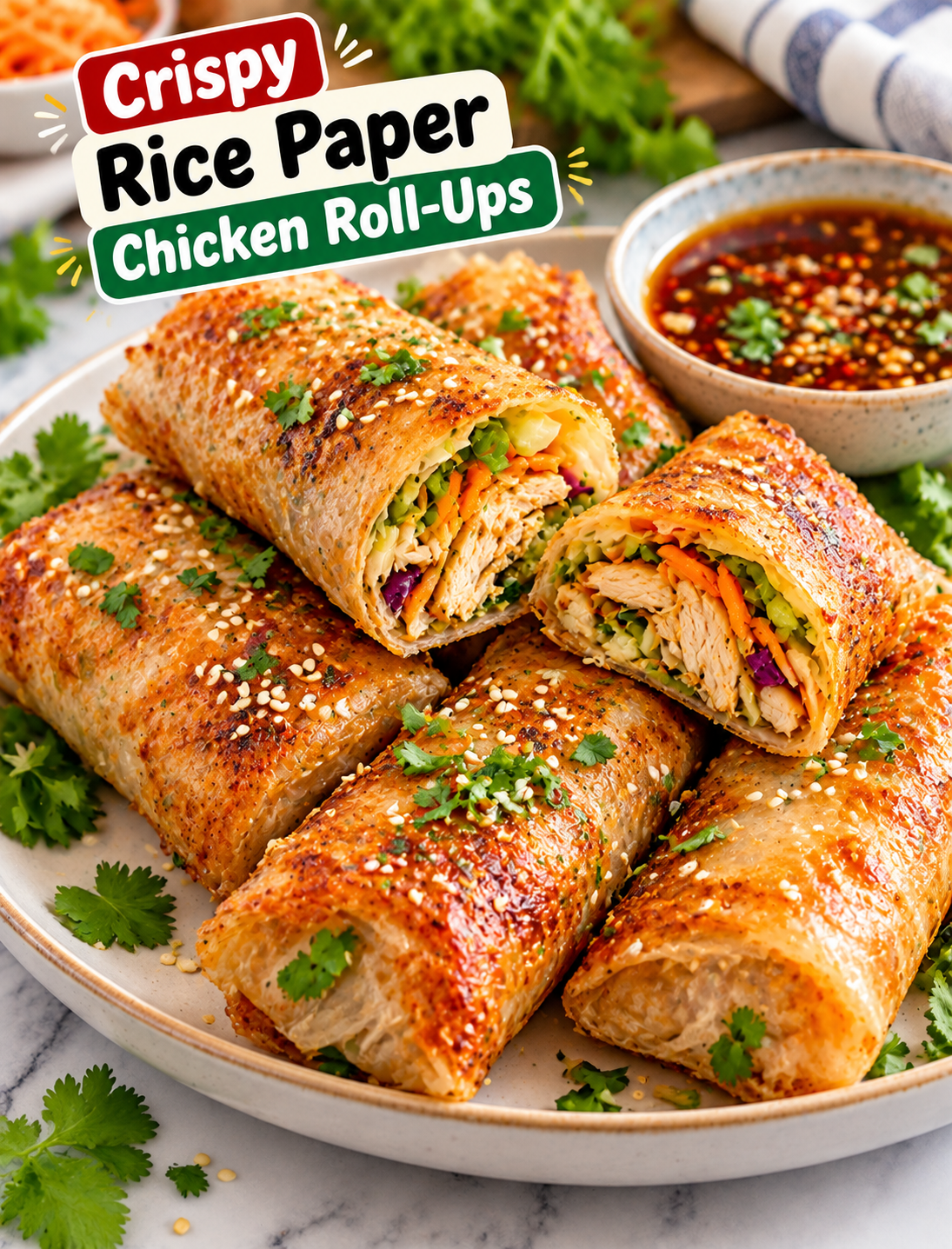
Crispy rice paper chicken roll-ups filled with seasoned chicken and vegetables, served with dipping sauce

Crispy Rice Paper Chicken Roll-Ups

These Crispy Rice Paper Chicken Roll-Ups are a simple way to turn seasoned chicken and fresh vegetables into a crunchy, satisfying meal. Rice paper wrappers become golden and crisp when cooked, while the chicken filling stays juicy and flavorful inside.

This recipe is inspired by the popular crispy rice paper snack trend, but it uses everyday ingredients that are easy to find at most U.S. grocery stores. You can serve the roll-ups as an appetizer, quick lunch, party snack, or light dinner.

The filling combines cooked chicken, shredded carrots, cabbage, green onions, and simple seasonings. A little soy sauce and sesame oil add savory flavor without making the filling too heavy.

The best part is the texture. The outside becomes crisp and lightly chewy, while the center is warm, tender, and packed with seasoned chicken and vegetables.

Why You’ll Love This Recipe

These chicken roll-ups are easy to prepare and work well for busy weeknights.

  • Crispy texture: Rice paper turns golden and crunchy when cooked properly.
  • Easy filling: Cooked chicken and fresh vegetables make a quick savory mixture.
  • Simple ingredients: Most ingredients are available at regular supermarkets.
  • Quick cooking: The assembled rolls only need a few minutes to become crisp.
  • Easy to customize: Change the vegetables, sauce, or protein to suit your taste.
  • Great for sharing: Cut them in half and serve with dipping sauces for parties.
  • Meal-prep friendly: The filling can be prepared ahead of time.

Ingredients You’ll Need

For the Chicken Filling

  • 2 cups cooked shredded chicken
  • 1 cup finely shredded cabbage
  • ½ cup shredded carrots
  • 3 green onions, thinly sliced
  • 2 cloves garlic, minced
  • 1 tablespoon low-sodium soy sauce
  • 1 teaspoon sesame oil
  • ½ teaspoon grated fresh ginger
  • ¼ teaspoon black pepper
  • 1 teaspoon rice vinegar
  • 1 teaspoon cooking oil

Rotisserie chicken is a convenient choice for this recipe. You can also use leftover roasted chicken or freshly cooked chicken breast.

For the Rice Paper Roll-Ups

  • 8 to 10 round rice paper wrappers
  • 2 tablespoons cooking oil, if pan-frying
  • Water for softening the rice paper

Choose medium or large rice paper sheets so they are easier to fold around the filling.

Optional Dipping Sauce

  • 3 tablespoons low-sodium soy sauce
  • 1 tablespoon rice vinegar
  • 1 teaspoon honey
  • ½ teaspoon sesame oil
  • ½ teaspoon chili garlic sauce
  • 1 teaspoon finely sliced green onion

Mix the ingredients in a small bowl and adjust the chili sauce to your preferred heat level.

How to Make Crispy Rice Paper Chicken Roll-Ups

Step 1: Prepare the Chicken Filling

Place a large skillet over medium heat and add 1 teaspoon of cooking oil.

Add the minced garlic and grated ginger. Cook for about 30 seconds until fragrant.

Add the shredded cabbage and carrots.

Cook the vegetables for 2 to 3 minutes, stirring often. They should soften slightly while keeping some crunch.

Add the shredded chicken, soy sauce, sesame oil, black pepper, and rice vinegar.

Stir everything together and cook for another 2 to 3 minutes.

Turn off the heat and mix in the sliced green onions.

Let the filling cool for several minutes before wrapping.

Important: The filling should be warm rather than very hot when you add it to the rice paper. Excess heat can make the wrappers difficult to handle.

Step 2: Prepare Your Work Surface

Place a clean cutting board or large plate near your cooking area.

Fill a shallow dish with lukewarm water.

Keep the rice paper wrappers, chicken filling, and a clean plate nearby.

Work with one wrapper at a time because soaked rice paper becomes sticky quickly.

Step 3: Soften the Rice Paper

Dip one rice paper wrapper into the lukewarm water for about 5 to 10 seconds.

Remove it while the wrapper is still slightly firm.

Place it flat on your work surface.

Do not soak the wrapper until it becomes completely soft. It will continue to soften as you add the filling.

Step 4: Add the Filling

Place about 2 to 3 tablespoons of the chicken mixture slightly below the center of the wrapper.

Keep the filling compact and avoid adding too much.

Leave enough empty space around the edges to fold the wrapper securely.

If you add too much filling, the rice paper can tear during rolling or cooking.

Step 5: Fold the Roll-Up

Fold the bottom edge of the rice paper over the chicken filling.

Fold both sides toward the center.

Roll the wrapper upward while gently pressing the filling into a compact shape.

Continue rolling until you have a tight cylinder.

Place the finished roll seam-side down on a clean plate.

Repeat with the remaining rice paper and filling.

Step 6: Let the Rolls Set

Allow the wrapped roll-ups to rest for about 2 to 3 minutes.

This gives the rice paper time to become slightly tacky and helps the seam hold together.

Keep the rolls separated so they do not stick to one another.

Step 7: Cook Until Crispy

You can cook the roll-ups in a skillet, air fryer, or oven.

Skillet Method

Heat a nonstick skillet over medium heat and lightly coat it with cooking oil.

Place the roll-ups seam-side down in the pan.

Cook for about 2 to 3 minutes per side.

Turn them carefully with tongs until all sides are golden and crisp.

Avoid high heat because the outside can brown before the wrapper becomes evenly crisp.

Air Fryer Method

Preheat the air fryer to 375°F.

Lightly brush or spray the roll-ups with oil.

Place them in the basket in a single layer with space between each roll.

Air fry for about 8 to 10 minutes, turning halfway through.

Cook until the wrappers are golden and crisp.

Air fryer cooking times can vary, so start checking after 7 minutes.

Oven Method

Preheat the oven to 425°F.

Place the roll-ups on a parchment-lined baking sheet.

Lightly brush them with oil.

Bake for approximately 12 to 16 minutes, turning them halfway through.

Remove them when the wrappers are crisp and lightly golden.

Tips for Perfect Crispy Roll-Ups

A few small details can make these chicken rolls much easier to prepare.

  • Do not over-soak the rice paper: A wrapper that is too soft can tear easily.
  • Use a moderate amount of filling: Two to three tablespoons are usually enough.
  • Keep the filling fairly dry: Excess liquid can weaken the wrapper.
  • Roll firmly: A tight roll helps keep the filling inside during cooking.
  • Leave space between rolls: This prevents sticking and helps them crisp evenly.
  • Use moderate heat: Very high heat can burn the wrapper before the inside warms.
  • Cook seam-side down first: This helps seal the roll.
  • Serve soon after cooking: The wrappers are crispest when freshly cooked.

Easy Variations

This recipe is flexible, so you can adjust the filling based on what you have available.

Spicy Chicken Roll-Ups

Add chili flakes, sriracha, or chili garlic sauce to the chicken mixture for extra heat.

Teriyaki Chicken Roll-Ups

Replace some of the soy sauce with a small amount of teriyaki sauce for a sweeter flavor.

Chicken and Cheese Roll-Ups

Add a small amount of shredded mozzarella or Monterey Jack cheese before rolling. Keep the filling amount moderate so the wrapper does not split.

Fresh Vegetable Roll-Ups

Add thinly sliced bell peppers, cucumber, or fresh herbs for extra color and crunch.

Ground Chicken Version

Replace shredded chicken with cooked ground chicken. Break the meat into small pieces so it mixes evenly with the vegetables.

Vegetarian Option

Replace the chicken with sautéed mushrooms, shredded cabbage, carrots, edamame, or crumbled tofu.

What to Serve With Chicken Roll-Ups

A flavorful dipping sauce makes these crispy rolls even better.

Try serving them with:

  • Sweet chili sauce
  • Soy-ginger dipping sauce
  • Spicy mayo
  • Peanut sauce
  • Sriracha mayo
  • Sesame dipping sauce
  • Garlic chili sauce

For a complete meal, serve the roll-ups with a simple cucumber salad, steamed edamame, or Asian-style slaw.

For a party, cut each roll diagonally and arrange the pieces on a platter with two or three dipping sauces.

How to Store Leftovers

For the best texture, these roll-ups are best eaten immediately after cooking.

If you have leftovers, allow them to cool completely before placing them in an airtight container.

Refrigerate them for up to 3 days.

Avoid stacking many rolls directly on top of one another because the wrappers can stick together.

To reheat, use an air fryer at 350°F for about 3 to 5 minutes.

Avoid the microwave when possible because it can make the rice paper soft and chewy instead of crisp.

Can You Make Them Ahead?

Yes, but it is best to prepare the filling ahead rather than fully assemble the rolls.

Cook and cool the chicken mixture, then refrigerate it in an airtight container for up to 3 days.

When you are ready to cook, prepare fresh rice paper wrappers and assemble the roll-ups.

This method gives you a better texture than storing fully wrapped uncooked rolls for a long period.

Common Mistakes to Avoid

Overfilling the Wrapper

Too much chicken can cause the rice paper to split while rolling or cooking.

Soaking the Rice Paper Too Long

Rice paper becomes softer as it sits, so a short dip in water is usually enough.

Using Watery Filling

Drain excess moisture from vegetables and avoid adding too much sauce to the chicken mixture.

Cooking at Excessive Heat

High heat can burn the wrapper before the filling is heated properly.

Crowding the Pan

Give each roll enough space so hot air or cooking heat can reach the surface evenly.

Frequently Asked Questions

Can I use raw chicken?

Yes, but cook the chicken completely before adding it to the rice paper and confirm it reaches 165°F internally.

Why does my rice paper tear?

Rice paper can tear when it is over-soaked, overfilled, or handled too roughly while wrapping.

Can I make these in an air fryer?

Yes. Lightly oil the rolls and air fry them at 375°F for about 8 to 10 minutes, turning halfway through.

Can I use leftover rotisserie chicken?

Absolutely. Rotisserie chicken is one of the easiest options because the meat is already cooked and seasoned.

How do I make the rolls extra crispy?

Use a light coating of oil, avoid overcrowding, and cook the rolls until the wrapper becomes evenly golden.

Can I freeze rice paper chicken rolls?

Freezing fully assembled rolls is not recommended because the texture of softened rice paper can change after thawing.

What dipping sauce goes best with them?

Sweet chili sauce, spicy mayo, peanut sauce, and soy-ginger sauce all pair well with the savory chicken filling.

Can I make these without chicken?

Yes. Substitute cooked tofu, mushrooms, edamame, or additional vegetables for a vegetarian version.

Final Thoughts

These Crispy Rice Paper Chicken Roll-Ups are a fun way to turn simple chicken and vegetables into a crunchy meal or appetizer. The rice paper creates a light, crisp exterior while the seasoned chicken filling adds plenty of savory flavor.

For the best results, keep the filling fairly dry, avoid over-soaking the wrappers, and cook the rolls in a single layer. Serve them hot with your favorite dipping sauce for a quick lunch, easy dinner, or shareable snack.

Once you have the basic method down, you can change the filling and sauce to create a different version every time.

Mediterranean Grilled Chicken Bites with Garlic Yogurt Sauce

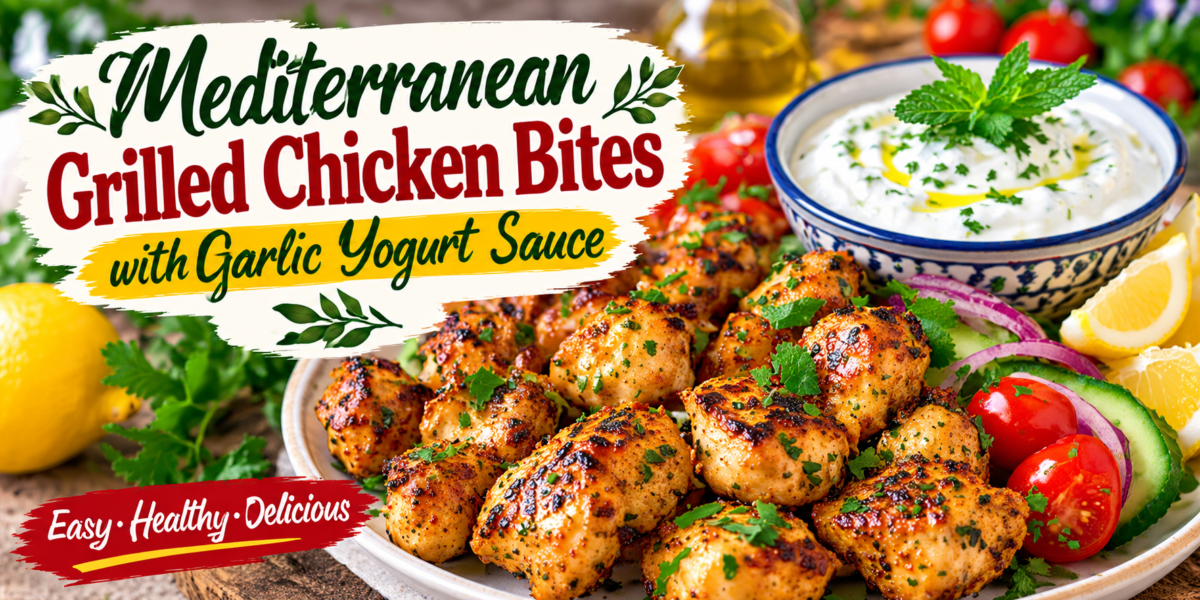
Mediterranean Grilled Chicken Bites with garlic yogurt sauce, lemon, herbs, cucumber, and tomatoes

Mediterranean Grilled Chicken Bites with Garlic Yogurt Sauce

Grilled Chicken Bites are juicy, flavorful, and easy to make with olive oil, lemon, garlic, herbs, and simple Mediterranean seasonings. Served with a cool garlic yogurt sauce, they make a satisfying meal that works for lunch, dinner, meal prep, or party platters. The chicken cooks quickly because it is cut into bite-size pieces, while the creamy sauce adds freshness and balance.

These Grilled Chicken Bites are especially useful when you want a fast protein-rich meal without a complicated cooking process. They pair well with rice, couscous, pita, roasted vegetables, or a crisp salad.

Prep Time: 20 minutes
Marinating Time: 30 minutes
Cook Time: 12 to 15 minutes
Total Time: About 1 hour
Servings: 4

Ingredients

For the Chicken

  • 1 1/2 pounds boneless, skinless chicken breasts or thighs
  • 3 tablespoons extra virgin olive oil
  • 2 tablespoons fresh lemon juice
  • 1 teaspoon lemon zest
  • 4 cloves garlic, minced
  • 1 teaspoon dried oregano
  • 1 teaspoon paprika
  • 1/2 teaspoon dried thyme
  • 1/2 teaspoon ground cumin
  • 1/2 teaspoon salt
  • 1/4 teaspoon black pepper
  • 1/4 teaspoon red pepper flakes, optional

For the Garlic Yogurt Sauce

  • 1 cup plain Greek yogurt
  • 1 small garlic clove, finely grated
  • 1 tablespoon fresh lemon juice
  • 1 tablespoon extra virgin olive oil
  • 1 tablespoon chopped fresh dill
  • 1 tablespoon chopped fresh parsley
  • 1/4 teaspoon salt
  • Pinch of black pepper

Servings

Warm pita bread

Sliced cucumber

Cherry tomatoes

Red onion

Fresh parsley

Lemon wedges

Why You’ll Love This Recipe

Grilled Chicken Bites are quick enough for a weekday meal but flavorful enough to serve when you have guests. Cutting the chicken into smaller pieces allows the marinade to coat more surface area and helps the meat cook evenly.

The garlic yogurt sauce provides a cool, creamy contrast to the warm spices and grilled flavor. It can also double as a dip for vegetables or pita.

Another reason to love Grilled Chicken Bites is their versatility. You can serve them in bowls, wraps, salads, or on a platter with your favorite Mediterranean sides.

How to Make Mediterranean Grilled Chicken Bites

Step 1: Cut the Chicken

Pat the chicken dry with paper towels.

Cut it into even bite-size pieces, about 1 to 1 1/2 inches each.

Try to keep the pieces similar in size so they cook at roughly the same rate.

Uniform pieces help Grilled Chicken Bites stay juicy while developing good color on the outside.

Step 2: Make the Marinade

In a large bowl, whisk together olive oil, lemon juice, lemon zest, garlic, oregano, paprika, thyme, cumin, salt, black pepper, and red pepper flakes if using.

Add the chicken and toss until every piece is well coated.

Cover the bowl and refrigerate for 30 minutes.

Avoid marinating for too long because the lemon juice can begin to change the texture of the chicken.

Step 3: Make the Garlic Yogurt Sauce

While the chicken marinates, combine Greek yogurt, garlic, lemon juice, olive oil, dill, parsley, salt, and black pepper in a small bowl.

Stir until smooth.

Taste and adjust the lemon or salt if needed.

Chill the sauce until ready to serve.

The sauce gives Grilled Chicken Bites a fresh, tangy finish and helps balance the smoky spices.

Step 4: Preheat the Grill

Preheat an outdoor grill, grill pan, or cast-iron skillet over medium-high heat.

Lightly oil the surface to prevent sticking.

A properly heated cooking surface helps the chicken develop attractive browned edges without drying out.

Step 5: Grill the Chicken

Remove the chicken from the marinade and let the excess drip off.

Arrange the pieces in a single layer.

Cook for about 3 to 4 minutes on the first side without moving them too much.

Turn and continue cooking for another 3 to 4 minutes, or until fully cooked.

Depending on the size of the pieces, Grilled Chicken Bites may need another minute or two.

Step 6: Check for Doneness

The chicken should be golden on the outside and reach 165°F or 74°C in the center.

Avoid overcooking because small pieces can dry out quickly.

Transfer the chicken to a plate and let it rest for 5 minutes.

Resting gives Grilled Chicken Bites time to retain more of their juices.

Step 7: Serve

Arrange the chicken on a serving platter.

Add a bowl of garlic yogurt sauce on the side.

Garnish with parsley, lemon wedges, sliced cucumber, tomatoes, and red onion.

Serve Grilled Chicken Bites warm with plenty of sauce for dipping.

Serving Suggestions

Grilled Chicken Bites work beautifully with fluffy rice, couscous, quinoa, or roasted potatoes.

For a lighter meal, serve them with a Greek salad, cucumber tomato salad, or mixed greens.

Warm pita bread and hummus are also excellent additions.

You can turn Grilled Chicken Bites into a bowl with rice, lettuce, olives, tomatoes, feta, and garlic yogurt sauce.

For another creamy chicken dinner, try our Creamy Mushroom and Asparagus Chicken Penne.

Recipe Tips

Cut the chicken into similar-sized pieces for even cooking.

Do not marinate for too long if using plenty of lemon juice.

Use chicken thighs if you prefer a richer, juicier result.

Let the grill or skillet heat fully before adding the chicken.

Do not overcrowd the pan, or the meat may steam instead of brown.

For the best Grilled Chicken Bites, cook in batches if necessary.

Use an instant-read thermometer to avoid overcooking.

Let the chicken rest before serving.

Easy Variations

For extra heat, increase the red pepper flakes or add cayenne.

Add smoked paprika for a deeper grilled flavor.

Grilled Chicken Bites can also be seasoned with za’atar for a more herby Mediterranean profile.

For a creamier sauce, stir a spoonful of tahini into the yogurt mixture.

You can also add chopped mint to the sauce for extra freshness.

If you prefer a dairy-free version, use an unsweetened dairy-free yogurt.

If you enjoy Mediterranean chicken recipes with a creamy yogurt sauce, you may also like our Greek Chicken Meatballs with Homemade Tzatziki Sauce.

Make-Ahead Instructions

Grilled Chicken Bites are easy to prepare ahead.

Cut and marinate the chicken up to 4 hours before cooking.

The garlic yogurt sauce can be made up to 2 days in advance and stored in the refrigerator.

You can also cook the chicken ahead and reheat it gently when needed.

For meal prep, divide the chicken into containers with rice, vegetables, and sauce stored separately.

Storage and Reheating

Store leftover Grilled Chicken Bites in an airtight container in the refrigerator for up to 3 days.

Keep the garlic yogurt sauce in a separate container.

Reheat the chicken in a skillet over low heat or in short microwave intervals.

Add a small splash of water or broth if needed to prevent drying.

Freezing is possible for the chicken, but the yogurt sauce should be made fresh rather than frozen.

Nutrition Information

Approximate nutrition per serving:

Calories: 360
Protein: 42 g
Carbohydrates: 8 g
Fat: 18 g
Saturated Fat: 4 g
Fiber: 1 g
Sugar: 4 g
Sodium: 590 mg

Nutrition values are estimates and may vary depending on the chicken, yogurt, oil, and serving size.

Frequently Asked Questions

Can I use chicken thighs?

Yes. Boneless, skinless chicken thighs work very well and tend to stay especially juicy.

Can I cook this without an outdoor grill?

Yes. A grill pan or cast-iron skillet works well for Grilled Chicken Bites.

Can I make the yogurt sauce ahead?

Yes. It can be stored covered in the refrigerator for up to 2 days.

Can I use regular yogurt?

Yes. Greek yogurt creates a thicker sauce, but plain regular yogurt also works.

Can I make this spicy?

Absolutely. Add extra red pepper flakes, cayenne, or chili paste to the marinade.

Can I use the chicken in wraps?

Yes. Grilled Chicken Bites are perfect in pita wraps with lettuce, tomatoes, cucumber, onion, and garlic yogurt sauce.

Is this recipe good for meal prep?

Yes. Store the chicken, sauce, and sides separately for the best texture.

Final Thoughts

Mediterranean Grilled Chicken Bites with Garlic Yogurt Sauce are an easy way to turn simple chicken into a flavorful, versatile meal. Lemon, garlic, olive oil, herbs, and warm spices give the chicken plenty of character, while the cool yogurt sauce keeps every bite fresh and balanced.

Grilled Chicken Bites work for quick lunches, family dinners, meal prep, or casual gatherings. They can be served with rice, pita, salad, vegetables, or turned into wraps and bowls.

Whether you cook them on an outdoor grill or stovetop, Grilled Chicken Bites deliver juicy texture, bold Mediterranean flavor, and a simple cooking method that makes them easy to repeat.

Air Fryer Crispy Greek Chicken Gyro Bowls

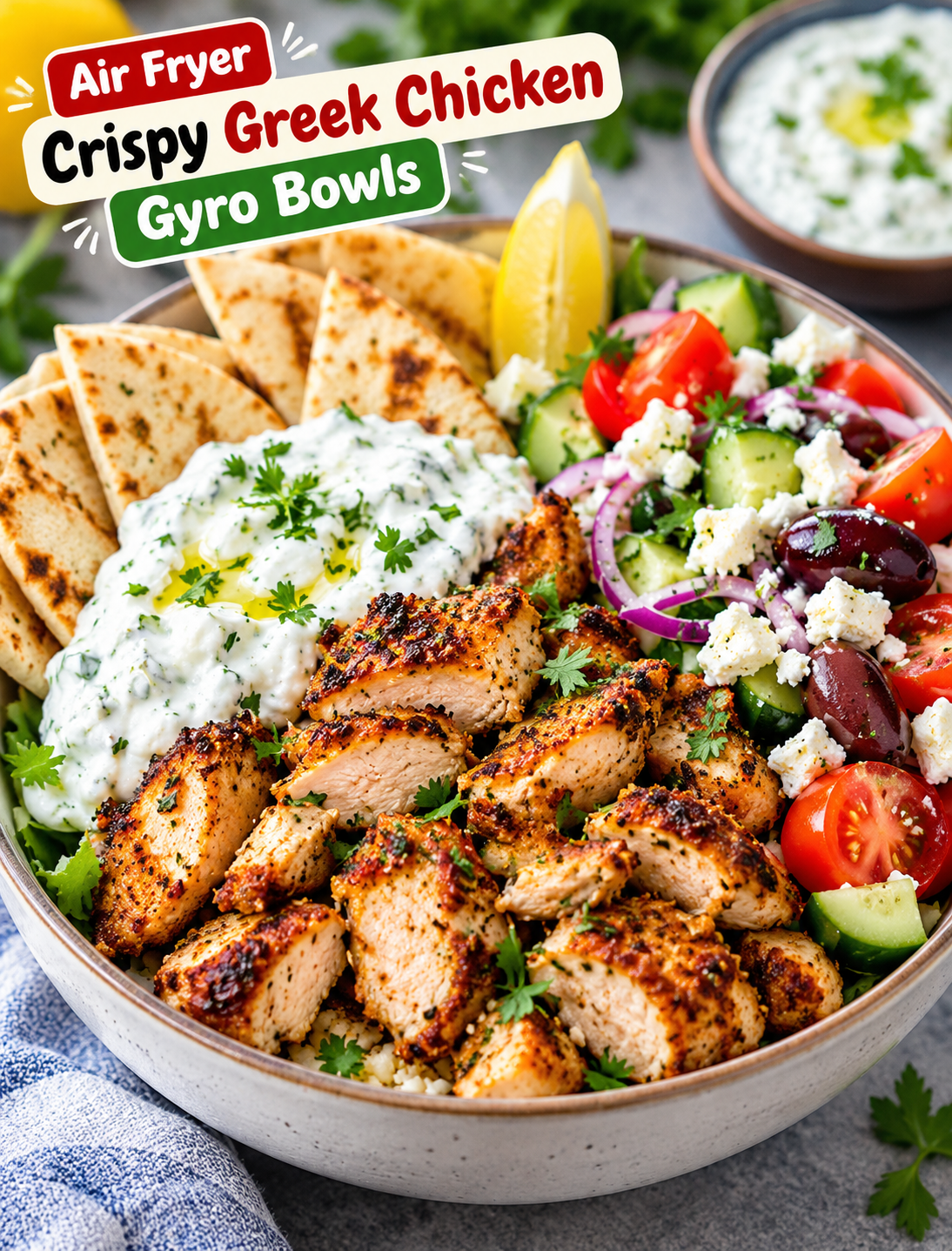
Air fryer crispy Greek chicken gyro bowl with seasoned chicken, tzatziki, cucumber, tomatoes, feta, olives, and pita

Air Fryer Crispy Greek Chicken Gyro Bowls

If you love the fresh flavors of Greek food, these Air Fryer Crispy Greek Chicken Gyro Bowls are an easy dinner to make at home. Juicy seasoned chicken gets crisp around the edges in the air fryer, then it is served with warm pita, crunchy vegetables, creamy tzatziki, and a bright Greek-style salad.

This bowl has the best parts of a classic chicken gyro without needing a grill or rotisserie. The air fryer cooks the chicken quickly while helping the outside turn golden and crisp.

It is also easy to customize. Add rice for a heartier meal, use cauliflower rice for a lighter option, or skip the pita and build a fresh salad bowl instead.

Why You’ll Love These Greek Chicken Gyro Bowls

These bowls are made with simple ingredients but deliver plenty of flavor.

  • Crispy chicken: The air fryer creates browned, flavorful edges while keeping the chicken tender.
  • Fresh toppings: Cucumber, tomato, red onion, and parsley add crunch and freshness.
  • Creamy tzatziki: Greek yogurt, cucumber, lemon, and garlic make a cool sauce that balances the warm chicken.
  • Quick preparation: The chicken can be seasoned while the air fryer preheats.
  • Easy meal prep: Most ingredients can be prepared ahead of time and assembled when needed.
  • Family-friendly: Everyone can build a bowl with their favorite toppings.
  • Flexible serving options: Serve it with rice, pita, greens, or a combination of all three.

Ingredients You’ll Need

For the Chicken

  • 1 ½ pounds boneless, skinless chicken thighs
  • 2 tablespoons olive oil
  • 1 tablespoon lemon juice
  • 2 teaspoons dried oregano
  • 1 teaspoon garlic powder
  • 1 teaspoon paprika
  • ½ teaspoon ground cumin
  • 1 teaspoon kosher salt
  • ½ teaspoon black pepper

Chicken thighs work especially well because they stay juicy while the outside becomes crisp. You can use chicken breast if you prefer a leaner option, but avoid overcooking it.

For the Tzatziki Sauce

  • 1 cup plain Greek yogurt
  • ½ cup finely grated cucumber
  • 1 tablespoon lemon juice
  • 1 small garlic clove, finely grated
  • 1 tablespoon chopped fresh dill
  • ¼ teaspoon salt
  • 1 teaspoon olive oil

Squeeze excess liquid from the grated cucumber before mixing. This keeps the sauce thick and creamy instead of watery.

For the Greek-Style Toppings

  • 1 large cucumber, diced
  • 1 cup cherry tomatoes, halved
  • ¼ red onion, thinly sliced
  • ¼ cup chopped fresh parsley
  • ¼ cup crumbled feta cheese
  • ¼ cup Kalamata olives
  • 2 to 4 pita breads

You can also add cooked white or brown rice if you want a more filling bowl.

How to Make Air Fryer Crispy Greek Chicken Gyro Bowls

Step 1: Prepare the Chicken

Pat the chicken thighs dry with paper towels. Removing excess moisture helps the chicken brown better in the air fryer.

Cut the chicken into bite-size pieces or thin strips. Smaller pieces cook faster and give you more crispy edges.

Add the chicken to a bowl and combine it with olive oil, lemon juice, oregano, garlic powder, paprika, cumin, salt, and black pepper.

Toss until every piece is evenly coated with the seasoning mixture.

For stronger flavor, let the chicken marinate in the refrigerator for 20 to 30 minutes. If you are short on time, you can cook it immediately.

Step 2: Preheat the Air Fryer

Preheat your air fryer to 400°F for about 3 to 5 minutes.

A hot basket helps the chicken start cooking and browning as soon as it goes in.

Lightly spray the basket with cooking spray if needed to reduce sticking.

Step 3: Air Fry the Chicken

Place the seasoned chicken in the air fryer basket in a single layer.

Avoid overcrowding the basket. Too much chicken at once can trap steam and prevent the edges from becoming crispy.

Air fry at 400°F for about 10 to 14 minutes, shaking the basket halfway through cooking.

Cooking time can vary depending on the size of the chicken pieces and your air fryer.

The chicken is ready when it reaches an internal temperature of 165°F in the thickest pieces.

For extra browning, cook for another 1 to 2 minutes after the chicken reaches a safe temperature.

Step 4: Make the Tzatziki

While the chicken cooks, prepare the sauce.

Add Greek yogurt, squeezed grated cucumber, lemon juice, garlic, dill, salt, and olive oil to a bowl.

Stir until smooth and creamy.

Taste and adjust the lemon juice or salt if needed.

Keep the tzatziki refrigerated until you are ready to assemble the bowls.

Step 5: Prepare the Fresh Toppings

Add diced cucumber, cherry tomatoes, red onion, and parsley to a bowl.

Toss gently to combine.

You can add a small squeeze of lemon juice and a pinch of salt for extra brightness.

Keep the feta and Kalamata olives ready for assembly.

Step 6: Warm the Pita

Warm the pita bread in the air fryer for about 1 to 2 minutes at 350°F, or heat it briefly in a dry skillet.

Do not overheat the pita because it can become dry and brittle.

Cut the warm pita into wedges or small pieces for serving.

Step 7: Build the Gyro Bowls

Start each bowl with a base of cooked rice, chopped lettuce, or warm pita pieces.

Add a generous portion of crispy Greek chicken.

Top with cucumber, tomatoes, red onion, feta, Kalamata olives, and fresh parsley.

Drizzle with tzatziki and finish with a squeeze of fresh lemon.

Serve immediately while the chicken is warm and crisp.

Tips for Extra-Crispy Chicken

A few simple steps can make a big difference in texture.

  • Dry the chicken first: Excess moisture can prevent good browning.
  • Do not overcrowd the basket: Leave space around the chicken so hot air can circulate.
  • Use a hot air fryer: Preheating helps the chicken brown faster.
  • Cut pieces evenly: Similar-sized pieces cook at the same rate.
  • Shake halfway through: This helps expose more surfaces to the hot air.
  • Do not add too much oil: A light coating is enough for crisp edges.
  • Serve right away: The chicken is crispiest immediately after cooking.

Easy Bowl Variations

One of the best things about this recipe is how easy it is to change.

Greek Chicken Rice Bowl

Use cooked basmati, jasmine, or brown rice as the base. Add chicken, vegetables, feta, olives, and tzatziki.

Low-Carb Gyro Bowl

Skip the pita and rice. Build the bowl over chopped romaine lettuce or cauliflower rice.

Mediterranean Chicken Salad

Use mixed greens instead of rice and add extra cucumber, tomatoes, olives, and feta.

Spicy Greek Chicken Bowl

Add ¼ teaspoon of crushed red pepper flakes to the chicken seasoning or drizzle the finished bowl with your favorite hot sauce.

Pita Gyro Wrap

Instead of making bowls, place the chicken and toppings inside warm pita bread and finish with tzatziki.

What to Serve With Greek Chicken Bowls

These bowls are filling on their own, but you can add a few simple sides for a larger meal.

  • Greek salad
  • Roasted potatoes
  • Hummus and pita
  • Lemon rice
  • Roasted vegetables
  • Fresh fruit
  • Warm pita bread

For a casual family dinner, set all the toppings on the table and let everyone build their own bowl.

Storage and Meal Prep

Store the cooked chicken, vegetables, tzatziki, and other toppings in separate airtight containers.

Refrigerate the cooked chicken for up to 3 to 4 days.

Reheat the chicken in the air fryer at 350°F for 3 to 5 minutes to help bring back some of its crisp texture.

Keep the tzatziki and fresh vegetables cold until serving.

For meal prep, assemble the bowl only when you are ready to eat. Keeping the sauce and vegetables separate helps prevent the chicken and rice from becoming soggy.

Common Mistakes to Avoid

The recipe is simple, but these mistakes can affect the final texture.

  • Overcrowding the air fryer: This can make the chicken steam instead of crisp.
  • Skipping the preheat: A cold basket can slow browning.
  • Using wet chicken: Pat the chicken dry before seasoning.
  • Cutting uneven pieces: Smaller pieces can overcook before larger pieces are done.
  • Overcooking chicken breast: Breast meat dries out faster than thighs.
  • Adding tzatziki too early: Add the sauce just before serving to keep the toppings fresh.
  • Not checking temperature: Use a meat thermometer to confirm the chicken reaches 165°F.

Frequently Asked Questions

Can I use chicken breast instead of chicken thighs?

Yes. Chicken breast works well, but cut it into even pieces and avoid overcooking it so the meat stays juicy.

How long should I air fry Greek chicken?

At 400°F, bite-size chicken pieces usually take about 10 to 14 minutes, depending on their size and your air fryer.

Can I make these gyro bowls ahead of time?

Yes. Cook the chicken and prepare the toppings ahead, then store them separately and assemble the bowls when ready to eat.

What rice is best for gyro bowls?

Basmati, jasmine, or brown rice all work well because they provide a simple base for the seasoned chicken and fresh toppings.

Can I make this recipe without pita?

Absolutely. Use rice, lettuce, cauliflower rice, or a combination of vegetables as the bowl base.

How do I keep air fryer chicken crispy?

Avoid overcrowding the basket, cook the chicken in a single layer, and serve it soon after air frying.

Can I use store-bought tzatziki?

Yes. A good-quality refrigerated tzatziki is a convenient shortcut when you do not want to make the sauce from scratch.

How long does homemade tzatziki last?

Store homemade tzatziki in an airtight container in the refrigerator and use it within about 3 to 4 days for the best quality.

Final Thoughts

These Air Fryer Crispy Greek Chicken Gyro Bowls bring together juicy seasoned chicken, crisp vegetables, creamy tzatziki, feta, olives, and warm pita in one easy meal.

The air fryer makes the chicken fast and flavorful, while the fresh toppings keep the bowl light and satisfying. You can also adjust the ingredients to fit your family’s preferences.

For the best results, keep the chicken in a single layer, cook it until it reaches 165°F, and assemble the bowls just before serving. Once you try this easy Greek-inspired dinner, it can become a simple weeknight favorite.

Moroccan Carrot & Chickpea Salad with Fresh Herbs and Lemon Dressing

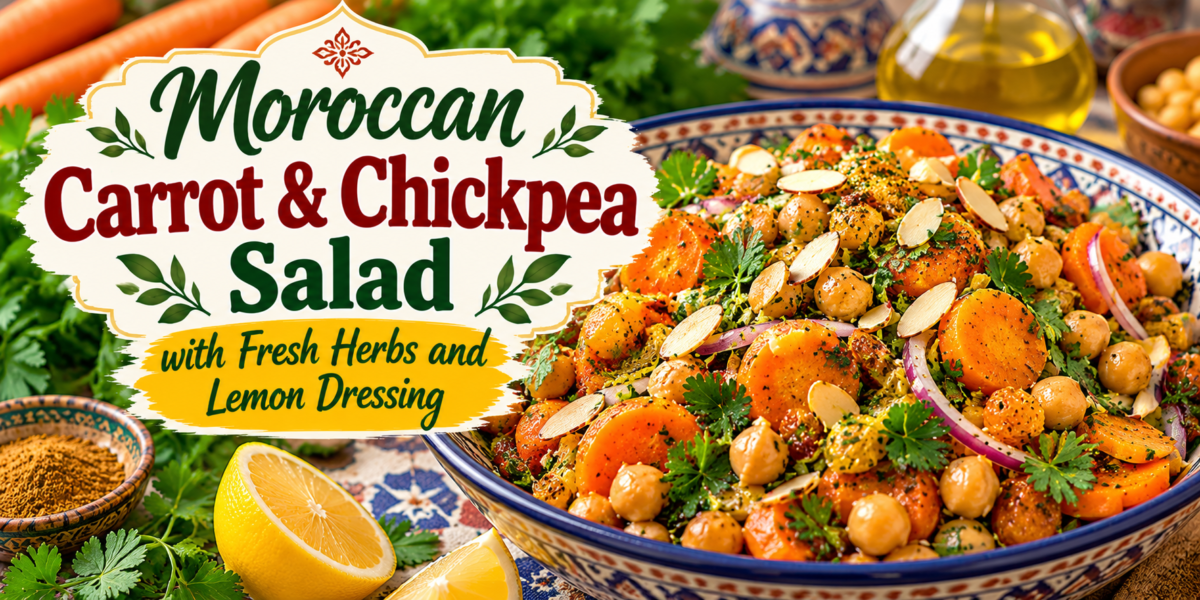
Moroccan Carrot Salad with chickpeas, fresh herbs, lemon dressing, cumin, and toasted almonds

Moroccan Carrot & Chickpea Salad with Fresh Herbs and Lemon Dressing

Moroccan Carrot Salad is a bright, colorful dish made with tender carrots, chickpeas, fresh herbs, warm spices, and a lively lemon dressing. It works beautifully as a side dish, light lunch, or meal-prep option. The sweetness of the carrots balances the earthy chickpeas, while cumin, paprika, parsley, cilantro, and lemon give every bite a fresh North African-inspired flavor.

This Moroccan Carrot Salad is especially useful when you want something satisfying and easy to prepare ahead. It can be served warm, chilled, or at room temperature, which makes it a practical addition to weekday meals, picnics, potlucks, or Mediterranean-style spreads.

Prep Time: 20 minutes
Cook Time: 10 minutes
Total Time: 30 minutes
Servings: 6

Ingredients

For the Salad

1 1/2 pounds carrots, peeled and cut into thin rounds or half-moons

1 can chickpeas, 15 ounces, drained and rinsed

1/4 cup finely chopped red onion

1/3 cup chopped fresh parsley

1/3 cup chopped fresh cilantro

2 tablespoons chopped fresh mint

1/4 cup toasted sliced almonds, optional

2 tablespoons raisins or chopped dates, optional

For the Lemon Dressing

1/4 cup extra virgin olive oil

3 tablespoons fresh lemon juice

1 teaspoon lemon zest

1 teaspoon ground cumin

1/2 teaspoon smoked paprika

1/4 teaspoon ground cinnamon

1/4 teaspoon ground coriander

1 small garlic clove, finely grated

1 teaspoon honey or maple syrup

1/2 teaspoon salt

1/4 teaspoon black pepper

Pinch of cayenne pepper, optional

Why You’ll Love This Recipe

Moroccan Carrot Salad combines sweet, savory, tangy, and gently spiced flavors in one simple bowl. The carrots stay tender but not mushy, the chickpeas add heartiness, and the fresh herbs keep the dish light.

Another reason to love Moroccan Carrot Salad is that it tastes even better after resting. The dressing has time to soak into the carrots and chickpeas, which makes this recipe excellent for make-ahead meals.

It is also flexible. You can add dried fruit, nuts, feta, roasted peppers, or extra greens depending on what you have available.

How to Make Moroccan Carrot & Chickpea Salad

Step 1: Prepare the Carrots

Peel the carrots and slice them into thin rounds or half-moons.

Try to keep the pieces close in size so they cook evenly.

Bring a medium pot of lightly salted water to a boil.

Add the carrots and cook for 4 to 6 minutes, just until tender enough to pierce with a fork but still firm.

Avoid overcooking because Moroccan Carrot Salad is best when the carrots hold their shape.

Step 2: Cool the Carrots

Drain the carrots immediately.

Rinse briefly under cool water to stop the cooking process, then let them drain very well.

Spread them on a clean towel or tray if needed to remove excess moisture.

Dry carrots help the dressing cling better and keep Moroccan Carrot Salad from becoming watery.

Step 3: Prepare the Chickpeas

Drain and rinse the chickpeas thoroughly.

Pat them dry with paper towels or a clean kitchen towel.

Removing extra moisture improves the texture and prevents the salad from tasting diluted.

Place the chickpeas in a large mixing bowl with the cooled carrots.

Step 4: Make the Lemon Dressing

In a small bowl, whisk together olive oil, lemon juice, lemon zest, cumin, smoked paprika, cinnamon, coriander, garlic, honey, salt, black pepper, and cayenne if using.

Taste and adjust the seasoning.

The dressing should taste bright, lightly sweet, and warmly spiced.

This fragrant dressing is what gives Moroccan Carrot Salad its signature flavor.

Step 5: Add the Fresh Herbs

Add chopped parsley, cilantro, mint, and red onion to the bowl with the carrots and chickpeas.

Pour the lemon dressing over everything.

Toss gently until all the ingredients are evenly coated.

The fresh herbs add color and freshness, while the onion contributes a little sharpness.

Step 6: Add Optional Toppings

If using almonds, raisins, or dates, fold them in now.

Toasted almonds add crunch, while dried fruit adds a subtle sweetness that works especially well with cumin and lemon.

These additions make Moroccan Carrot Salad feel a little more special without making it complicated.

Step 7: Rest Before Serving

Let the salad rest for at least 15 minutes before serving.

If you have more time, refrigerate it for 30 minutes to 1 hour.

Resting allows the flavors to blend and gives the chickpeas time to absorb some of the dressing.

Before serving, toss Moroccan Carrot Salad once more and taste for lemon, salt, and pepper.

Serving Suggestions

Moroccan Carrot Salad pairs beautifully with grilled chicken, roasted lamb, baked fish, or simple kebabs.

For a vegetarian meal, serve it with couscous, quinoa, lentils, hummus, or warm pita bread.

It also works well as part of a mezze-style spread with olives, roasted vegetables, yogurt sauce, and flatbread.

For lunch, spoon Moroccan Carrot Salad over greens or stuff it into a pita with hummus.

For a fresh Mediterranean main dish, try our Mediterranean Baked Cod with Tomato & Olive Relish.

Recipe Tips

Do not overcook the carrots. They should be tender but still hold their shape.

Drain the chickpeas and carrots very well before mixing.

Use fresh lemon juice for the brightest flavor.

Fresh herbs make Moroccan Carrot Salad taste much better than dried herbs in this recipe.

Toast the almonds before adding them for stronger flavor and better crunch.

Taste the dressing before pouring it over the salad and adjust the lemon, salt, or honey as needed.

Let the salad rest before serving so the flavors can develop.

If serving after refrigeration, let it sit at room temperature for 10 minutes for the best flavor.

Easy Variations

For a creamier version, add crumbled feta or a spoonful of thick Greek yogurt.

Moroccan Carrot Salad can also be made with roasted carrots instead of boiled carrots for a deeper, caramelized flavor.

Add chopped roasted red peppers or cucumber for extra freshness.

For more sweetness, mix in raisins, chopped dates, or dried apricots.

For extra crunch, use pistachios, walnuts, or pumpkin seeds instead of almonds.

You can also add a handful of arugula or baby spinach to turn it into a larger green salad.

Make-Ahead Instructions

Moroccan Carrot Salad is ideal for meal prep because the flavor improves after a little time in the refrigerator.

Prepare the carrots, chickpeas, and dressing up to 1 day in advance.

For the freshest texture, store the herbs and nuts separately and add them shortly before serving.

If you assemble the whole salad ahead, keep it covered in the refrigerator.

Give it a good toss before serving and add a little extra lemon juice if the flavors need refreshing.

Storage

Store leftover Moroccan Carrot Salad in an airtight container in the refrigerator for up to 4 days.

The carrots and chickpeas hold up well, although the herbs may soften slightly over time.

If you are planning to keep the salad for several days, store crunchy toppings separately.

Freezing is not recommended because the carrots and fresh herbs can lose their texture after thawing.

Nutrition Information

Approximate nutrition per serving:

Calories: 250
Protein: 7 g
Carbohydrates: 34 g
Fat: 11 g
Saturated Fat: 1.5 g
Fiber: 8 g
Sugar: 11 g
Sodium: 330 mg

Nutrition values are estimates and may vary depending on the amount of dressing, nuts, and dried fruit used.

Frequently Asked Questions

Can I use roasted carrots instead?

Yes. Roasted carrots give Moroccan Carrot Salad a sweeter, more caramelized flavor. Roast at 425°F or 220°C until tender and lightly browned.

Can I use dried chickpeas?

Yes. Cook them until tender, drain well, and let them cool before adding them to the salad.

Is this salad served warm or cold?

It can be served warm, chilled, or at room temperature. Room temperature often gives the best balance of flavor.

Can I make it without cilantro?

Yes. Use extra parsley and mint if you do not like cilantro.

What can I use instead of almonds?

Pistachios, walnuts, pecans, pumpkin seeds, or sunflower seeds all work well.

Can I make this salad vegan?

Yes. Use maple syrup instead of honey if needed, and avoid dairy toppings.

Is this good for meal prep?

Yes. Moroccan Carrot Salad stores well and can be prepared ahead for lunches, side dishes, or quick dinners.

Final Thoughts

Moroccan Carrot & Chickpea Salad with Fresh Herbs and Lemon Dressing is an easy way to bring bright flavor and color to the table. Tender carrots, hearty chickpeas, fresh herbs, lemon, olive oil, and warm spices create a dish that feels fresh, filling, and versatile.

Moroccan Carrot Salad works equally well as a side dish, vegetarian lunch, or meal-prep recipe. It pairs easily with grilled meats, fish, grains, hummus, or pita and can be customized with nuts, dried fruit, or feta.

Whether you serve Moroccan Carrot Salad for a weekday meal or larger gathering, the fresh herbs, citrus dressing, and warm spices make it a simple recipe worth repeating.

For a simple side to serve with this salad, you may also like our No-Knead Rustic Rosemary Garlic Bread.