Shrimp Avocado Delight 

Shrimp Avocado Delight 

1. Introduction

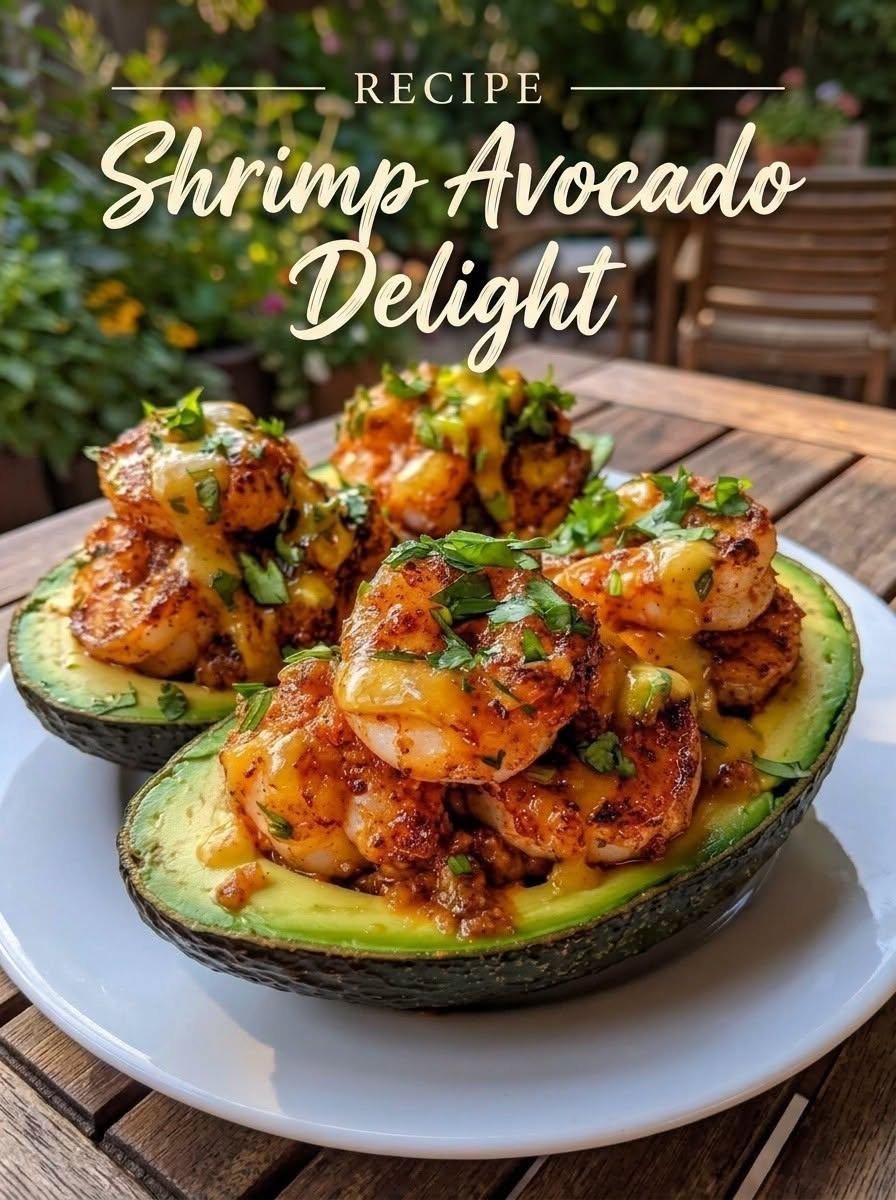
Shrimp Avocado Delight is a fresh, flavorful, and elegant dish that combines tender, juicy shrimp with creamy avocado, crisp vegetables, fresh herbs, and a bright lemon-garlic dressing. Every bite offers a delicious balance of savory seafood, buttery avocado, refreshing citrus, and subtle seasoning. It is an excellent choice for a light lunch, a refreshing dinner, a summer gathering, or an impressive appetizer for guests.

This recipe is inspired by Mediterranean and coastal-style cooking, where fresh seafood, olive oil, citrus, and seasonal vegetables come together to create simple yet satisfying meals. The ingredients are easy to find, the preparation is straightforward, and the finished dish looks beautiful without requiring complicated cooking techniques.

Shrimp Avocado Delight can be served as a chilled salad, arranged in individual serving glasses for an elegant appetizer, or presented in avocado halves for a creative restaurant-style appearance. You can also serve it over crisp lettuce, alongside toasted bread, or with cooked quinoa for a more substantial meal.

The secret to making this recipe exceptional is cooking the shrimp just until tender, choosing perfectly ripe avocados, and adding the dressing shortly before serving. These small details preserve the texture and freshness of every ingredient.

2. Recipe Details

  • Preparation Time: 20 minutes

  • Cooking Time: 5–7 minutes

  • Total Time: 25–30 minutes

  • Servings: 4

  • Course: Salad, appetizer, or light main dish

  • Cuisine: Mediterranean-inspired

  • Difficulty: Easy

  • Cooking Method: Stovetop

  • Dietary Style: Gluten-free and dairy-free when prepared as written

3. Ingredients

For the shrimp

  • 1 pound (450 g) raw shrimp, peeled and deveined

  • 1 tablespoon extra-virgin olive oil

  • 2 garlic cloves, finely minced

  • ½ teaspoon paprika

  • ¼ teaspoon salt, or to taste

  • ¼ teaspoon freshly ground black pepper

  • ½ teaspoon lemon zest

  • 1 tablespoon fresh lemon juice

For the avocado salad

  • 2 ripe but firm avocados

  • 1 cup cherry tomatoes, halved

  • ½ medium cucumber, diced

  • ¼ small red onion, finely chopped

  • 3 cups chopped romaine lettuce or mixed greens

  • 2 tablespoons fresh parsley, chopped

  • 1 tablespoon fresh cilantro, optional

  • 1 small jalapeño, finely chopped, optional

For the lemon dressing

  • 3 tablespoons extra-virgin olive oil

  • 2 tablespoons fresh lemon juice

  • 1 teaspoon Dijon mustard

  • 1 small garlic clove, finely grated

  • ½ teaspoon honey, optional

  • ¼ teaspoon salt, or to taste

  • ¼ teaspoon black pepper

  • A pinch of red pepper flakes, optional

Optional garnishes

  • Fresh lemon wedges

  • Additional chopped parsley

  • A pinch of smoked paprika

  • Thinly sliced green onions

  • Toasted sesame seeds, if desired

4. Step-by-Step Instructions

Step 1: Prepare the shrimp

If using frozen shrimp, thaw them safely in the refrigerator or in a sealed bag placed in cold water. Pat the shrimp dry with paper towels before seasoning.

Remove the shells and tails if necessary, and make sure the shrimp are deveined. Dry shrimp cook more evenly and develop better color in the pan.

Place the shrimp in a bowl and add the olive oil, minced garlic, paprika, salt, black pepper, lemon zest, and lemon juice. Toss gently until every shrimp is coated.

Allow the shrimp to sit for about five minutes while you prepare the other ingredients. Avoid leaving raw shrimp in acidic lemon juice for an extended period because the texture can change before cooking.

Step 2: Cook the shrimp

Heat a large skillet over medium-high heat. Once hot, arrange the shrimp in a single layer. If your pan is small, cook them in batches rather than overcrowding the skillet.

Cook for approximately 2–3 minutes on the first side, depending on the size of the shrimp. Turn them over and cook for another 1–3 minutes, until the flesh is opaque and the shrimp reach an internal temperature of 145°F (63°C).

The shrimp should appear pink on the outside and opaque throughout. Avoid overcooking, as shrimp can become rubbery when left in the pan too long.

Transfer the cooked shrimp to a clean plate and allow them to cool slightly. For a chilled salad, refrigerate them promptly until cool. Do not place cooked shrimp back onto a plate that held raw seafood unless it has been thoroughly washed.

Step 3: Prepare the vegetables

Wash and dry the lettuce, cherry tomatoes, cucumber, parsley, and cilantro.

Chop the lettuce into bite-sized pieces and place it in a large serving bowl. Cut the cherry tomatoes in half and dice the cucumber into small, even pieces.

Finely chop the red onion so that its flavor is distributed throughout the salad without overpowering the shrimp. If you prefer a milder onion flavor, soak the chopped onion in cold water for five minutes, then drain and pat it dry.

Add the tomatoes, cucumber, onion, parsley, and optional cilantro to the bowl.

Step 4: Prepare the avocados

Cut each avocado lengthwise around the pit. Twist the halves gently to separate them, remove the pit carefully, and scoop out the flesh with a spoon.

Cut the avocado into medium-sized cubes. Choose fruit that yields slightly when gently pressed but is not excessively soft or bruised.

Sprinkle the avocado with a little lemon juice to slow browning. Add it to the salad bowl and gently fold it into the vegetables.

Avoid vigorous mixing because ripe avocado can become mashed and make the salad look heavy.

Step 5: Make the lemon dressing

In a small bowl, combine the olive oil, fresh lemon juice, Dijon mustard, grated garlic, salt, and black pepper.

Add the optional honey if you prefer a slightly sweeter dressing. A small pinch of red pepper flakes can provide a gentle spicy finish.

Whisk until the dressing looks smooth and well combined. Taste it and adjust the seasoning as needed.

If the dressing tastes too sharp, add a little more olive oil. If it tastes too rich, add a small squeeze of lemon juice. The finished dressing should be bright, lightly garlicky, and balanced.

Step 6: Combine the salad

Pour approximately half of the dressing over the vegetables and avocado. Toss gently using two large spoons.

Add the cooked shrimp and distribute them throughout the salad. Pour over the remaining dressing as needed, taking care not to make the salad overly wet.

For a more attractive presentation, reserve a few whole shrimp and arrange them on top rather than mixing every piece into the bowl.

Taste one bite and add extra black pepper, lemon juice, or parsley if desired.

Step 7: Garnish and serve

Transfer the salad to a large serving platter or divide it among four individual bowls.

Arrange the shrimp so that they are visible across the top. Add fresh parsley, a light sprinkle of paprika, and lemon wedges along the sides.

For an elegant appetizer, serve smaller portions in individual glasses or use the mixture to fill avocado halves. For a heartier meal, serve it over additional lettuce or alongside quinoa or whole-grain toast.

Serve immediately for the best texture and flavor.

5. Tips for the Best Shrimp Avocado Delight

Choose the right shrimp. Medium or large shrimp work especially well because they remain juicy and are easy to serve. Fresh or frozen shrimp are both suitable, provided they are handled and cooked safely.

Do not overcook the shrimp. Shrimp cook quickly. Remove them from the heat as soon as they become opaque and reach a safe internal temperature.

Use ripe but firm avocados. Overripe avocados can become mushy when mixed with the dressing. Firm-ripe fruit holds its shape and gives the salad a better appearance.

Dry the vegetables thoroughly. Excess water can dilute the dressing and make the salad less flavorful.

Dress just before serving. This helps preserve the crispness of the greens and prevents the avocado from becoming overly soft.

Balance the flavors. Lemon juice adds brightness, garlic contributes savory depth, and olive oil brings everything together. Taste the dressing before adding it to the salad.

Make it spicy if desired. Add jalapeño, cayenne pepper, or red pepper flakes for a little heat.

6. Delicious Variations

Creamy Shrimp Avocado Delight

For a creamier version, combine two tablespoons of plain Greek yogurt with one tablespoon of mayonnaise and a squeeze of lemon juice. Toss lightly with the shrimp and avocado. This variation contains dairy unless a suitable alternative is used.

Mediterranean Shrimp Avocado Salad

Add sliced Kalamata olives, crumbled feta, fresh oregano, and a little extra lemon juice. These ingredients create a more pronounced Mediterranean flavor. Feta adds dairy, so omit it if you prefer a dairy-free dish.

Spicy Shrimp Avocado Delight

Season the shrimp with smoked paprika, cayenne pepper, and a little garlic. Add finely chopped jalapeño to the salad and finish with lime juice for a fresh, spicy flavor.

Shrimp Avocado Quinoa Bowl

Serve the prepared shrimp and avocado over cooked, cooled quinoa. Add extra cucumber, cherry tomatoes, and lemon dressing. This variation provides a more substantial meal with additional carbohydrates and plant-based protein.

Mango Shrimp Avocado Salad

Add half a ripe mango, diced into small cubes. The natural sweetness complements the shrimp, avocado, and citrus dressing. A little cilantro and lime juice work particularly well in this variation.

Lettuce-Wrapped Shrimp Avocado Delight

Spoon the finished mixture into crisp lettuce leaves. This creates convenient, hand-held servings suitable for a light lunch or party appetizer.

7. Serving Suggestions

Shrimp Avocado Delight is versatile enough to serve in several ways.

  • As a main dish: Serve generous portions with mixed greens and lemon wedges.

  • As an appetizer: Divide the mixture into small glasses or individual lettuce cups.

  • With bread: Pair it with toasted sourdough, crusty bread, or warm pita.

  • With grains: Serve alongside quinoa, brown rice, or couscous for a more filling meal.

  • For summer gatherings: Present the salad on a chilled platter with extra herbs and lemon wedges.

  • For meal preparation: Keep the cooked shrimp, vegetables, avocado, and dressing separate until close to serving time.

For a balanced meal, pair the salad with a suitable carbohydrate source if desired and adjust the portion size to your appetite.

8. Nutritional Information

The following estimates are for one of four servings prepared with shrimp, avocado, vegetables, olive oil, and the lemon dressing.

Nutrient Approximate amount per serving
Calories 350–420 kcal
Protein 25–30 g
Carbohydrates 12–17 g
Dietary fiber 6–8 g
Total fat 23–29 g
Saturated fat 3–5 g
Sugar 3–6 g
Sodium 450–650 mg

Actual nutritional values vary depending on shrimp size, avocado size, dressing quantities, and added salt. The optional honey, feta, quinoa, or bread will change these estimates.

9. Health and Nutrition Benefits

A source of protein: Shrimp provides protein, which supports the maintenance and repair of body tissues. Protein also contributes to satiety as part of balanced meals.

Healthy unsaturated fats: Avocado and extra-virgin olive oil provide predominantly unsaturated fats. Replacing some saturated fats with unsaturated fats can support heart-healthy eating patterns.

Dietary fiber: Avocado and fresh vegetables contribute fiber, which supports normal digestive function.

Vitamins and minerals: Avocado, tomatoes, and leafy greens provide a variety of micronutrients, including folate, vitamin C, and potassium. Shrimp also supplies nutrients such as vitamin B12 and selenium.

A fresh, customizable meal: This recipe combines seafood and vegetables without requiring a heavy sauce. It can fit into a variety of eating patterns depending on portion size and the ingredients served alongside it.

No single recipe guarantees weight loss or prevents disease. The nutritional benefits of this salad are best enjoyed as part of a varied, balanced diet.

10. Storage and Food Safety

Because this recipe contains seafood and avocado, proper storage is important.

  • Refrigerate leftovers promptly in an airtight container at 40°F (4°C) or below.

  • Consume cooked shrimp leftovers within 3–4 days when refrigerated properly, although the salad’s texture is best on the day it is prepared.

  • Keep the salad out of the refrigerator for no longer than two hours, or one hour when temperatures exceed 90°F (32°C).

  • Store the dressing separately whenever possible to help preserve the vegetables’ texture.

  • Add avocado shortly before serving to reduce browning.

  • Do not freeze the assembled salad because avocado and fresh vegetables can become watery or mushy after thawing.

If the shrimp or salad has been stored improperly, discard it rather than relying on smell or appearance to determine whether it is safe.

11. Frequently Asked Questions

Q1: Can I use precooked shrimp?

Yes. Thaw refrigerated or frozen precooked shrimp safely, drain them well, and add them directly to the salad. There is no need to cook them again.

Q2: Can I prepare this recipe ahead of time?

Yes. Cook and chill the shrimp, chop the vegetables, and prepare the dressing separately. Cut the avocado and combine everything shortly before serving.

Q3: How can I prevent the avocado from turning brown?

Toss the avocado gently with a little lemon juice and minimize its exposure to air. For the best appearance, cut it just before serving.

Q4: Can I replace lemon juice with lime juice?

Absolutely. Lime juice provides a slightly different citrus flavor and works especially well in the spicy or mango variations.

Q5: Is this recipe suitable for a low-carb meal?

The basic recipe is relatively low in carbohydrates compared with many grain-based meals. The exact amount depends on portion size and optional ingredients.

Q6: Can I make the recipe without garlic?

Yes. Simply omit the garlic from the shrimp seasoning and dressing. Fresh herbs, black pepper, and lemon juice will still provide plenty of flavor.

Q7: What can I use instead of lettuce?

Try baby spinach, arugula, shredded cabbage, or mixed salad greens. Each offers a slightly different texture and flavor.

Q8: Can I serve Shrimp Avocado Delight warm?

Yes. You can serve freshly cooked warm shrimp over chilled vegetables and avocado. Avoid adding very hot shrimp to the salad long before serving, as the heat can soften the avocado and greens.
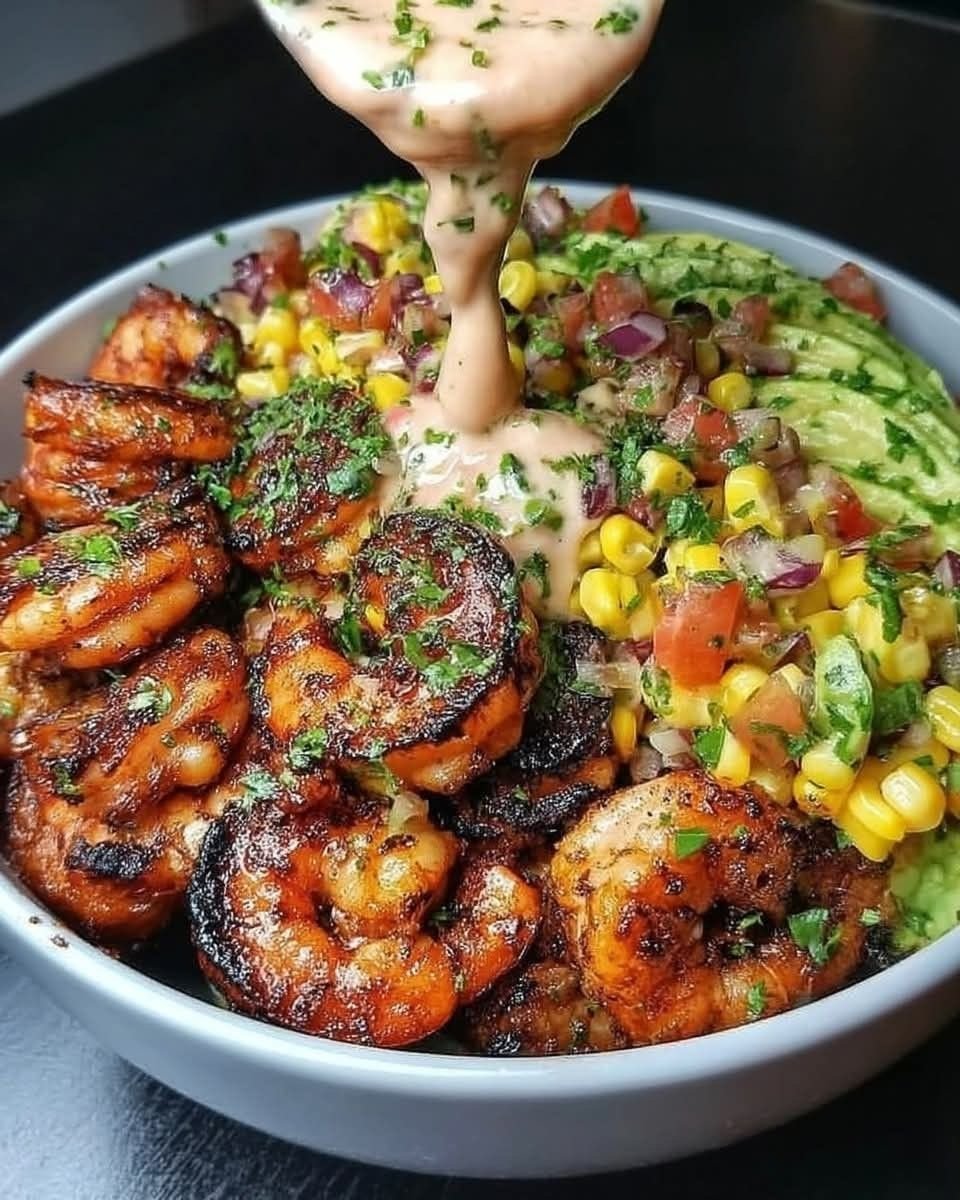
Garlic Butter Shrimp and Broccoli Stir-Fry

Garlic Butter Shrimp and Broccoli Stir-Fry

Ingredients

1 lb large shrimp, peeled and deveined
4 cups broccoli florets
3 tablespoons butter
1 tablespoon olive oil
5 garlic cloves, minced
2 tablespoons low-sodium soy sauce
1 tablespoon honey
1 tablespoon lemon juice
1/2 teaspoon smoked paprika
1/4 teaspoon red pepper flakes
Salt and black pepper, to taste
2 tablespoons chopped fresh parsley

Instructions

Pat the shrimp dry with paper towels and season lightly with salt, black pepper, and smoked paprika.
Heat olive oil and 1 tablespoon butter in a large skillet over medium-high heat. Add the broccoli and stir-fry for 4–5 minutes until bright green and slightly tender. Transfer the broccoli to a plate.
Add another tablespoon of butter to the same skillet. Add the shrimp in a single layer and cook for 2–3 minutes per side, until pink, opaque, and cooked through. Remove the shrimp and set aside.
Reduce the heat to medium and add the remaining tablespoon of butter. Add the minced garlic and cook for about 30 seconds until fragrant.
Stir in soy sauce, honey, lemon juice, and red pepper flakes. Simmer for 1–2 minutes until the sauce becomes glossy.
Return the shrimp and broccoli to the skillet. Toss everything together until coated in the garlic butter sauce. Cook for another minute to warm through.
Garnish with fresh parsley and serve immediately.

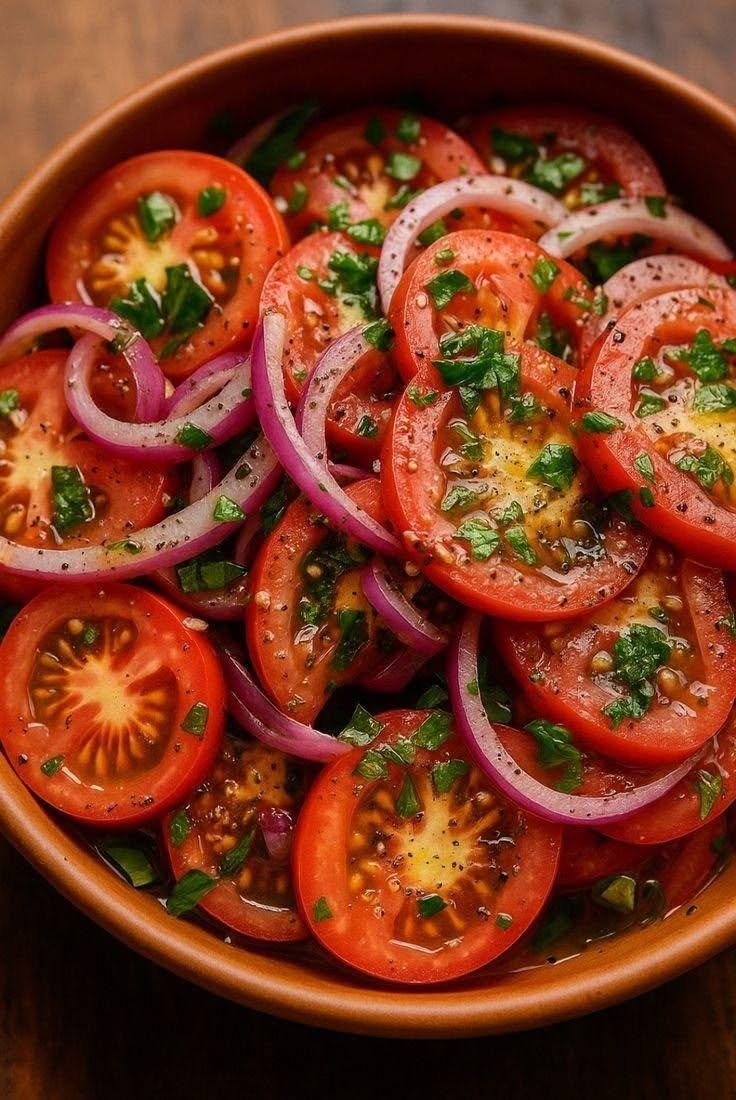
Fresh Tomato & Red Onion Salad

Fresh Tomato & Red Onion Salad

1. Introduction

Fresh Tomato & Red Onion Salad is a simple, colorful, and refreshing dish made with juicy ripe tomatoes, crisp red onions, fresh herbs, and a light homemade dressing. This salad brings together the natural sweetness of tomatoes, the sharp flavor of red onions, and the bright acidity of lemon juice or vinegar to create a delicious combination that complements almost any meal.

Inspired by Mediterranean-style salads, this recipe uses fresh ingredients and a straightforward preparation method. It does not require cooking, complicated techniques, or expensive ingredients. Everything comes together in a few minutes, making it an excellent choice for busy weekdays, summer lunches, family dinners, picnics, and outdoor gatherings.

The secret to making an exceptional tomato and red onion salad is choosing flavorful tomatoes, slicing the onions thinly, and allowing the ingredients to rest briefly before serving. This short resting period helps the flavors blend while the dressing lightly coats every piece of tomato and onion.

Whether you serve it alongside grilled chicken, baked fish, roasted vegetables, rice, or warm flatbread, this fresh salad adds brightness, color, and flavor to your table.

2. Recipe Details

  • Preparation Time: 15 minutes

  • Resting Time: 10 minutes

  • Cooking Time: 0 minutes

  • Total Time: 25 minutes

  • Servings: 4 people

  • Course: Salad, side dish, or light lunch

  • Cuisine: Mediterranean-inspired

  • Difficulty: Easy

  • Dietary Style: Vegetarian, vegan, and naturally gluten-free

3. Ingredients

The following ingredients make four generous side servings.

For the salad

  • 4 medium ripe tomatoes, approximately 600 grams

  • 1 medium red onion

  • 1 small cucumber, optional

  • 2 tablespoons freshly chopped parsley

  • 1 tablespoon freshly chopped mint, optional

  • 2 tablespoons crumbled feta cheese, optional

  • A few fresh basil leaves, optional

For the dressing

  • 3 tablespoons extra-virgin olive oil

  • 1½ tablespoons fresh lemon juice

  • 1 teaspoon red wine vinegar, optional

  • ½ teaspoon salt, or to taste

  • ¼ teaspoon freshly ground black pepper

  • ½ teaspoon dried oregano

  • 1 small garlic clove, finely grated, optional

  • A small pinch of red pepper flakes, optional

Optional additions

You can customize the salad with a handful of pitted Kalamata olives, thinly sliced bell peppers, diced avocado, or a few capers. For extra crunch, add toasted sunflower seeds immediately before serving.

If you prefer a more traditional, minimalist salad, simply use tomatoes, red onion, parsley, olive oil, lemon juice, salt, and black pepper. The natural flavors of these ingredients are enough to make a delicious dish.

4. Choosing the Best Ingredients

Tomatoes

Tomatoes are the foundation of this recipe, so their quality makes a significant difference. Choose tomatoes that feel firm but yield slightly when pressed. They should have a fresh aroma and vibrant color without large bruises or soft, damaged areas.

Roma tomatoes are a good choice because they have relatively firm flesh and fewer watery seed pockets. Vine-ripened tomatoes provide a juicy texture and rich flavor, while heirloom tomatoes can add beautiful colors and a slightly sweet, complex taste.

Cherry or grape tomatoes also work well. Simply cut them in half or quarters, depending on their size.

Avoid tomatoes that are excessively hard or pale because they may lack sweetness. If your tomatoes are very juicy, you can remove some of the seeds before chopping them.

For the best flavor, allow refrigerated tomatoes to come closer to room temperature before preparing the salad.

Red onion

Red onions contribute crunch, color, and a pleasant sharpness that balances the sweetness of ripe tomatoes.

Choose an onion that feels firm, has dry outer skin, and shows no signs of mold or soft spots. Slice it thinly so that its flavor is distributed evenly throughout the salad.

If you find raw onion too strong, soak the sliced onion in cold water for 5–10 minutes. Drain thoroughly and pat dry before adding it to the salad. This simple technique can soften its sharpness while preserving its crisp texture.

Olive oil and lemon

Extra-virgin olive oil gives the dressing a smooth texture and rich, fruity flavor. Fresh lemon juice adds brightness, helping balance the natural sweetness of the tomatoes.

Use good-quality olive oil if possible, but there is no need to purchase an expensive bottle. A fresh lemon and a well-balanced oil are more important than a complicated dressing.

5. Step-by-Step Instructions

Step 1: Wash and prepare the vegetables

Wash the tomatoes, cucumber, parsley, and mint under clean running water. Gently dry the vegetables with a clean kitchen towel.

Remove the tomato stems and inspect the tomatoes for damaged areas. Cut each tomato into bite-sized wedges or medium chunks.

If you prefer a neat presentation, cut the tomatoes into evenly sized wedges. For a rustic salad, irregular chunks are perfectly suitable.

Place the chopped tomatoes in a large mixing bowl.

If you are using cucumber, trim both ends and cut it into half-moons or small cubes. Add it to the bowl.

Step 2: Slice the red onion

Peel the red onion and cut it in half from top to bottom. Place each half flat-side down on a cutting board and slice it into thin strips.

Thin slices are ideal because they distribute the onion flavor without overwhelming the tomatoes.

Add the onion directly to the bowl. If you prefer a milder flavor, soak the slices in cold water first, then drain and dry them thoroughly.

Avoid slicing the onion into thick chunks unless you specifically enjoy a stronger onion flavor.

Step 3: Prepare the fresh herbs

Finely chop the parsley and mint, if using. If you choose basil, tear the leaves gently instead of chopping them too finely.

Fresh herbs contribute fragrance and freshness, making the salad taste more vibrant.

Add the parsley and mint to the tomatoes and onions. Reserve a small amount of herbs for garnishing the finished salad.

Step 4: Make the dressing

In a small bowl, combine the olive oil, fresh lemon juice, red wine vinegar, salt, black pepper, and dried oregano.

Add the grated garlic and red pepper flakes if desired.

Whisk the ingredients until they are well combined. The dressing may separate slightly after standing, which is normal. Simply whisk it again before pouring.

Taste a small amount of the dressing. It should taste bright, lightly tangy, and balanced rather than excessively sour or salty.

Adjust the lemon juice, olive oil, and seasoning according to your preference.

Step 5: Combine the ingredients

Pour the dressing over the tomatoes, red onion, cucumber, and herbs.

Using two large spoons, gently toss the salad until the vegetables are evenly coated.

Be careful not to crush the tomatoes. Ripe tomatoes can release their juices quickly, especially if they are stirred too vigorously.

The goal is to coat every piece with dressing while preserving the natural texture of the vegetables.

Step 6: Allow the flavors to develop

Let the salad rest for approximately 10 minutes before serving.

During this time, the lemon juice and olive oil mingle with the tomato juices, while the onion gradually absorbs some of the dressing.

The resting period also allows the herbs and oregano to release their fragrance.

Do not leave the salad at room temperature for an extended period, especially in hot weather. If you need to prepare it ahead, refrigerate it and add the dressing closer to serving time.

Step 7: Add optional toppings

If you are using feta cheese, crumble it over the salad just before serving. Add olives, basil leaves, or toasted seeds if desired.

Feta provides a creamy, salty contrast to the juicy tomatoes, while olives contribute a savory Mediterranean flavor.

For a vegan version, leave out the feta or replace it with a suitable plant-based alternative.

Step 8: Serve and enjoy

Transfer the salad to a clean serving bowl or arrange it on a shallow platter.

Spoon some of the flavorful dressing from the bottom of the mixing bowl over the vegetables. Finish with freshly ground black pepper and the reserved herbs.

Serve immediately for the best combination of crisp onion, juicy tomatoes, and bright dressing.

6. Serving Suggestions

Fresh Tomato & Red Onion Salad is versatile enough to accompany many different dishes.

With grilled chicken: Serve it beside lemon-herb chicken, grilled chicken breasts, or Mediterranean chicken skewers. The salad’s acidity balances the savory flavor of the meat.

With fish: Pair it with baked cod, grilled salmon, or lemon-garlic white fish. Its fresh ingredients complement seafood without overpowering it.

With rice and grains: Spoon the salad alongside rice, couscous, quinoa, or bulgur wheat. You can also mix the ingredients into cooked, cooled grains to create a more substantial meal.

With bread: Serve it with toasted sourdough, warm pita, flatbread, or crusty bread. The tomato juices and olive oil make a delicious accompaniment for dipping.

With Mediterranean bowls: Add chickpeas, cucumber, olives, feta, and cooked quinoa for a more filling vegetarian bowl.

At gatherings: Place the salad on a large platter with grilled vegetables, roasted potatoes, hummus, and other simple side dishes.

For an attractive presentation, arrange the tomato wedges in overlapping layers and scatter the onion slices and herbs across the top.

7. Helpful Tips for the Best Results

Use ripe but firm tomatoes

Very firm tomatoes can taste bland, while overly soft tomatoes may turn mushy. Choose tomatoes that are ripe, aromatic, and able to hold their shape after cutting.

Slice onions thinly

Thinly sliced onions distribute their flavor more evenly. If your onion is particularly sharp, soak it briefly in cold water.

Season in stages

Add some seasoning to the dressing first, then taste the salad before serving. Tomatoes vary in sweetness and acidity, so the ideal balance may change with the season.

Avoid overdressing

Start with the recommended amount of dressing. You can always add a little more olive oil or lemon juice, but too much liquid can make the salad heavy and watery.

Add herbs at the right time

Fresh parsley and mint can be added while tossing. Delicate basil leaves are best added near the end to preserve their appearance and fragrance.

Choose the right bowl

A wide bowl makes tossing easier and allows the dressing to reach all the ingredients without crushing the tomatoes.

Do not refrigerate for too long after dressing

The salad is most appealing shortly after preparation. Extended storage can soften the tomatoes, reduce the onion’s crunch, and cause additional liquid to collect at the bottom.

8. Variations to Try

Mediterranean tomato, onion, and feta salad

Add crumbled feta cheese, Kalamata olives, oregano, and a little extra-virgin olive oil. This variation offers a savory, tangy flavor and pairs beautifully with grilled foods.

Tomato and red onion cucumber salad

Add one large cucumber and a little extra parsley. The cucumber contributes a crisp texture and makes the salad particularly refreshing during warm weather.

Tomato, onion, and avocado salad

Add one ripe but firm avocado immediately before serving. Gently toss with the dressing to avoid crushing it. The avocado creates a creamy contrast to the tomatoes and onions.

Spicy tomato and onion salad

Add thinly sliced fresh chili or a pinch of red pepper flakes. A little spice gives the salad a lively finish and works especially well alongside grilled chicken or fish.

Chickpea tomato salad

Add one drained and rinsed can of chickpeas. Increase the dressing slightly if needed and add extra parsley. The chickpeas provide additional protein and fiber, turning the salad into a more substantial side dish or light meal.

Balsamic tomato and onion salad

Replace the red wine vinegar with a small amount of balsamic vinegar. This produces a slightly sweeter, deeper flavor that works well with basil and mozzarella.

9. Nutritional Information

The following values are estimates for one of four servings, using the listed core ingredients and olive oil, lemon juice, and herbs. Actual values will vary according to tomato size, the amount of dressing consumed, and optional additions.

Nutrient Approximate amount per serving
Calories 145–165 kcal
Protein 2 g
Carbohydrates 10–12 g
Dietary fiber 3 g
Total fat 11–14 g
Saturated fat 1.5–2 g
Sugar 6–8 g
Sodium 250–350 mg

Adding feta cheese, olives, avocado, or chickpeas will change the nutritional values. Salt content can also vary significantly depending on how much you use.

These estimates assume the dressing is distributed among four servings and consumed with the salad.

10. Health and Nutrition Benefits

Fresh Tomato & Red Onion Salad provides a variety of vegetables and plant-based nutrients in a simple preparation.

Tomatoes provide vitamin C and lycopene. Tomatoes contain vitamin C, potassium, and lycopene, a naturally occurring carotenoid that gives many tomatoes their red color. Lycopene has been studied for its antioxidant properties.

Red onions provide beneficial plant compounds. Red onions contain flavonoids, including quercetin, and other naturally occurring compounds. They also contribute a small amount of fiber.

Olive oil provides unsaturated fats. Extra-virgin olive oil is rich in monounsaturated fat and contains various plant compounds. Replacing some sources of saturated fat with unsaturated fats can support a heart-healthy eating pattern.

Fresh herbs contribute flavor. Parsley, mint, and basil add fragrance and small amounts of micronutrients. They allow you to create a flavorful dish without relying on heavy sauces.

The salad contributes dietary fiber. Tomatoes and onions provide fiber, which contributes to normal digestive function when consumed as part of a balanced diet.

It can fit many eating patterns. The basic recipe is vegetarian, vegan, and gluten-free. It can also fit a lower-carbohydrate eating pattern, depending on portion size and the rest of the meal.

No single salad guarantees weight loss or prevents disease. Its benefits come from including a variety of vegetables, appropriate portions, and balanced meals as part of an overall healthy eating pattern.

11. Storage and Make-Ahead Instructions

This salad is best served fresh, but you can prepare some ingredients ahead of time.

  • Prepare the vegetables: Wash and dry the vegetables, then store the chopped ingredients separately in airtight containers in the refrigerator.

  • Prepare the dressing: Mix the dressing in a small jar and refrigerate it separately. Shake or whisk before using.

  • Combine before serving: Toss the vegetables with the dressing approximately 10 minutes before the meal.

  • Store leftovers safely: Refrigerate leftover dressed salad in a covered container and aim to consume it within 1–2 days for the best quality.

  • Check the texture: Tomatoes will soften and release liquid during storage, so leftovers may not have the same crisp texture as freshly prepared salad.

Do not leave cut vegetables sitting out for more than two hours, or more than one hour when the temperature is above 90°F (32°C). Discard food that has been left out too long or shows signs of spoilage.

Freezing is not recommended because tomatoes and cucumbers become soft and watery after thawing.

12. Frequently Asked Questions

Q1: Can I make tomato and red onion salad ahead of time?

Yes. You can cut the vegetables and prepare the dressing a few hours ahead. Store them separately in the refrigerator and combine them shortly before serving for the freshest texture.

Q2: How do I make raw red onion taste milder?

Slice the onion thinly and soak it in cold water for 5–10 minutes. Drain and dry it well before adding it to the salad. This helps reduce its sharp flavor.

Q3: Which tomatoes are best for this recipe?

Roma, vine-ripened, heirloom, cherry, and grape tomatoes all work well. Choose ripe, flavorful tomatoes that hold their shape when sliced.

Q4: Can I make this recipe without vinegar?

Absolutely. Fresh lemon juice alone provides enough acidity for a bright, refreshing dressing. Adjust the amount according to your taste.

Q5: Is feta cheese necessary?

No. Feta is an optional ingredient. The basic recipe is flavorful without cheese and remains vegan when you use plant-based ingredients.

Q6: Can I add cucumber?

Yes. Cucumber adds crunch and freshness. Add it just before tossing the salad, particularly if you are preparing the dish ahead of time.

Q7: What can I serve with this salad?

It pairs well with grilled chicken, baked fish, roasted vegetables, rice, couscous, chickpeas, pita bread, and Mediterranean-inspired grain bowls.

Q8: Why does my salad become watery?

Tomatoes naturally release juice after cutting, especially when salt is added. Use firm, ripe tomatoes, avoid excessive mixing, and dress the salad shortly before serving.

Q9: Is this salad suitable for meal preparation?

It is suitable for preparing ingredients in advance, but a fully dressed salad is less ideal for several days of meal preparation. Keep the vegetables and dressing separate until needed.

Q10: Can I make the salad more filling?

Yes. Add chickpeas, white beans, quinoa, grilled chicken, or another protein source. These additions can turn the side salad into a more substantial meal.

New Orleans Shrimp and Corn Bisque

New Orleans Shrimp and Corn Bisque

Introduction

New Orleans Shrimp and Corn Bisque is a rich, creamy seafood soup inspired by the bold flavors of Louisiana cooking. Tender shrimp, sweet corn, aromatic vegetables, Cajun spices, and a silky cream-based broth come together to create a comforting dish that feels both elegant and satisfying.

This recipe combines the sweetness of corn with the delicate flavor of shrimp, while onion, celery, bell pepper, garlic, and smoked paprika build a savory foundation. A buttery roux helps thicken the bisque, and a touch of cream creates its luxurious texture. Cajun seasoning adds a gentle Southern kick, while fresh parsley and green onions bring brightness to every bowl.

Although traditional bisques can be made with elaborate seafood stocks, this homemade version uses accessible ingredients and straightforward techniques. It is perfect for a cozy family dinner, a special weekend meal, or a New Orleans-inspired gathering.

Serve it with warm French bread, buttery crackers, or a crisp green salad to complete the meal.

Recipe Information

  • Preparation time: 20 minutes

  • Cooking time: 35–40 minutes

  • Total time: Approximately 1 hour

  • Servings: 6

  • Course: Soup or main course

  • Cuisine: Louisiana-inspired Southern cooking

  • Difficulty: Moderate

  • Cooking method: Stovetop

Ingredients

For the shrimp and corn bisque

  • 1 pound medium or large shrimp, peeled and deveined

  • 2 cups sweet corn kernels, fresh or frozen

  • 4 tablespoons unsalted butter

  • 1 tablespoon olive oil

  • 1 medium yellow onion, finely diced

  • 1 green bell pepper, finely diced

  • 2 celery stalks, finely chopped

  • 4 garlic cloves, minced

  • ¼ cup all-purpose flour

  • 4 cups seafood stock or low-sodium chicken broth

  • 1 cup heavy cream

  • 1 cup whole milk

  • 2 tablespoons tomato paste

  • 1 teaspoon Cajun seasoning, plus more to taste

  • ½ teaspoon smoked paprika

  • ½ teaspoon dried thyme

  • ¼ teaspoon cayenne pepper, optional

  • 1 bay leaf

  • ½ teaspoon salt, or to taste

  • ¼ teaspoon freshly ground black pepper

  • 1 tablespoon fresh lemon juice

For garnish

  • 2 green onions, thinly sliced

  • 2 tablespoons chopped fresh parsley

  • A pinch of smoked paprika

  • Freshly ground black pepper

  • Crusty French bread or crackers, for serving

Instructions

Step 1: Prepare the shrimp

If using frozen shrimp, thaw them safely in the refrigerator and drain thoroughly. Peel and devein the shrimp if necessary, then pat them dry with paper towels.

If the shrimp are very large, cut them into bite-sized pieces. Smaller shrimp can remain whole.

Season lightly with a pinch of Cajun seasoning and black pepper. Avoid adding too much salt at this stage because the stock and Cajun seasoning may already contain sodium.

Set the shrimp aside in the refrigerator while preparing the bisque base.

Step 2: Prepare the vegetables

Dice the onion, bell pepper, and celery into small, even pieces. Mince the garlic and measure out the corn, seasonings, stock, cream, and milk.

This combination of onion, celery, and bell pepper forms a Louisiana-style flavor base often called the holy trinity of Cajun and Creole cooking.

Preparing everything before you start cooking makes the process smoother, particularly when making the roux.

Step 3: Sauté the vegetables

Heat the butter and olive oil in a large heavy-bottomed pot or Dutch oven over medium heat.

Add the onion, bell pepper, and celery. Cook for approximately 5–7 minutes, stirring occasionally, until the vegetables soften.

Add the minced garlic and cook for another 30–60 seconds until fragrant. Avoid browning the garlic too deeply, as it can develop a bitter flavor.

Stir in the tomato paste, Cajun seasoning, smoked paprika, thyme, black pepper, and optional cayenne pepper. Cook for 1–2 minutes to deepen the flavor of the tomato paste and spices.

Step 4: Make the roux

Sprinkle the flour evenly over the vegetables. Stir continuously for approximately 2–3 minutes until the flour is thoroughly coated with the butter and oil.

The mixture should resemble a thick paste. Keep the heat at medium or medium-low and stir frequently to prevent sticking.

A light-colored roux is ideal for this creamy bisque. It thickens the soup without creating the stronger roasted flavor of a darker roux.

If the mixture begins to brown too quickly, reduce the heat.

Step 5: Add the stock gradually

Slowly pour in the seafood stock while whisking continuously. Add it in several small additions rather than all at once to reduce the chance of lumps forming.

Once the stock is incorporated, add the bay leaf and stir thoroughly.

Bring the mixture to a gentle simmer, then reduce the heat to medium-low. Cook for approximately 10 minutes, stirring occasionally, until the broth begins to thicken and the vegetables become tender.

Do not allow the soup to boil vigorously. A gentle simmer helps the flavors develop while keeping the roux smooth.

Step 6: Add the corn

Stir the corn kernels into the soup and simmer for another 5–7 minutes.

Fresh corn provides a naturally sweet flavor, while frozen corn is convenient and works very well. If using canned corn, drain and rinse it before adding.

For a thicker, more velvety texture, scoop out about one cup of the soup and blend it carefully until smooth. Return it to the pot and stir well.

Alternatively, use an immersion blender briefly in the pot, leaving plenty of whole corn kernels for texture.

Blending is optional, but it helps release the corn’s natural starches and creates a creamier consistency.

Step 7: Add the cream and milk

Lower the heat and gradually stir in the heavy cream and whole milk.

Warm the soup gently for approximately 3–5 minutes, stirring frequently. Avoid a rapid boil after adding dairy, as excessive heat may cause the mixture to separate.

Taste the broth and adjust the Cajun seasoning, salt, and black pepper.

If the bisque is too thick, add a little extra stock or milk. If it is too thin, let it simmer gently for a few additional minutes before adding the shrimp.

Step 8: Cook the shrimp

Add the prepared shrimp to the simmering bisque. Stir gently to distribute them throughout the soup.

Cook for approximately 3–5 minutes, depending on their size, until the shrimp turn pink and opaque and are cooked through. Avoid prolonged cooking, which can make shrimp tough and rubbery.

For food safety, shrimp should reach an internal temperature of 145°F (63°C) when checked with a food thermometer.

Remove the bay leaf. Stir in the fresh lemon juice to brighten the rich, creamy broth.

Step 9: Finish and serve

Remove the pot from the heat and let the bisque rest for 2 minutes.

Ladle the soup into warm bowls. Garnish with sliced green onions, chopped parsley, a pinch of smoked paprika, and freshly ground black pepper.

Serve immediately with crusty French bread, toasted baguette slices, or buttery crackers.

For a more substantial meal, pair the bisque with a simple green salad or roasted vegetables.

Tips for the Best Shrimp and Corn Bisque

Use quality stock. Seafood stock adds depth, but low-sodium chicken broth works well if seafood stock is unavailable.

Avoid overcooking shrimp. Add them near the end so they remain tender.

Stir the roux continuously. This helps prevent lumps and ensures a smooth, flavorful base.

Control the spice level. Cajun seasoning varies in heat and saltiness, so start with a modest amount and adjust gradually.

Blend some of the corn. This creates a thicker texture without requiring additional flour or cream.

Add lemon juice at the end. A small amount balances the richness of the cream and butter.

Keep the soup at a gentle simmer. Vigorous boiling can affect the texture of the dairy and shrimp.

Delicious Variations

1. Spicy Louisiana Shrimp Bisque

Add extra cayenne pepper or a few drops of hot sauce. For deeper savory flavor, sauté a small amount of finely diced andouille sausage with the vegetables before adding the flour.

2. Shrimp and Crab Bisque

Replace half a pound of shrimp with cooked crabmeat. Stir the crab into the soup during the final few minutes to warm it gently without breaking it apart.

3. Shrimp, Corn, and Potato Bisque

Add one small peeled potato, diced into small cubes, when you add the stock. Simmer until tender before adding the cream. The potato creates a hearty texture and makes the soup more filling.

4. Lighter Creamy Bisque

Replace some of the heavy cream with additional milk or low-sodium stock. The finished soup will be less rich but still flavorful.

5. Smoky Shrimp and Corn Bisque

Add an extra pinch of smoked paprika and roast the corn before adding it to the pot. This gives the soup a deeper, slightly smoky flavor.

Serving Suggestions

New Orleans Shrimp and Corn Bisque pairs beautifully with:

  • Warm French bread for dipping.

  • Garlic toast brushed with olive oil.

  • A fresh salad with lemon vinaigrette.

  • Roasted asparagus or green beans.

  • Steamed rice served alongside the soup.

  • Cornbread for a Southern-inspired meal.

For entertaining, serve smaller portions as a starter before grilled fish, roasted chicken, or a simple seafood dinner.

Storage and Reheating

Refrigeration: Let the bisque cool slightly and refrigerate it in a shallow, airtight container within two hours of cooking. Use within 3–4 days.

Reheating: Warm it gently in a saucepan over low to medium-low heat, stirring frequently. Do not boil vigorously. Add a splash of milk or stock if the soup has thickened during storage.

Freezing: Cream-based soups can separate when frozen and thawed. For the best texture, freeze the bisque before adding the cream and shrimp, if possible. Add the dairy and freshly cooked shrimp after thawing and reheating. If freezing the completed soup, use a freezer-safe container and consume within approximately 2–3 months for best quality.

Meal preparation: Chop the vegetables and measure the spices ahead of time. For the freshest texture, cook the shrimp shortly before serving.

Nutritional Information

The following figures are approximate per serving, assuming six servings and the ingredients listed above.

Nutrient Approximate amount
Calories 380–460
Protein 23–30 g
Carbohydrates 22–30 g
Fat 22–30 g
Fiber 2–4 g
Sugar 5–8 g
Sodium Varies by stock and seasoning

Actual nutritional values depend on shrimp size, the type of stock, the amount of cream, and the sodium content of the Cajun seasoning.

Benefits of the Main Ingredients

Shrimp: Provides high-quality protein and nutrients such as vitamin B12 and selenium.

Corn: Contributes carbohydrates, fiber, and naturally sweet flavor.

Garlic and onion: Add aromatic flavor and contain naturally occurring plant compounds.

Bell pepper: Provides vitamin C and other nutrients.

Milk and cream: Contribute calcium and richness, although heavy cream also increases the dish’s saturated fat content.

Fresh herbs: Parsley and green onions add freshness and small amounts of vitamins and plant compounds.

This bisque can be enjoyed as part of a balanced diet. Because it contains cream, butter, and a roux, serving sizes and accompanying dishes can influence the overall nutritional profile.

Frequently Asked Questions

1. Can I use frozen shrimp?

Yes. Thaw the shrimp safely in the refrigerator, drain well, and pat dry before seasoning.

2. Can I use canned corn?

Yes. Drain and rinse it before adding. Fresh and frozen corn also work well.

3. How can I make the bisque thicker?

Blend a portion of the corn and soup, then return it to the pot. Alternatively, simmer gently for a few minutes to reduce the liquid.

4. Can I make it without heavy cream?

Yes. Use more whole milk or a suitable unsweetened alternative. The texture will be lighter and may be less rich.

5. Why did my shrimp become rubbery?

They were likely cooked too long. Add shrimp near the end and cook only until opaque and safely done.

6. Is this recipe very spicy?

Not necessarily. The spice level depends on the Cajun seasoning and optional cayenne pepper. Start with less seasoning and add more to taste.

7. Can I make this bisque ahead?

Yes. Prepare the vegetable and stock base in advance. For the best texture, add the cream and shrimp shortly before serving.

8. What can I use instead of seafood stock?

Low-sodium chicken broth is a convenient substitute. Vegetable broth also works, although the flavor will be less seafood-focused.

Quick Air Fryer Chili Lime Shrimp Tacos with Cilantro Slaw

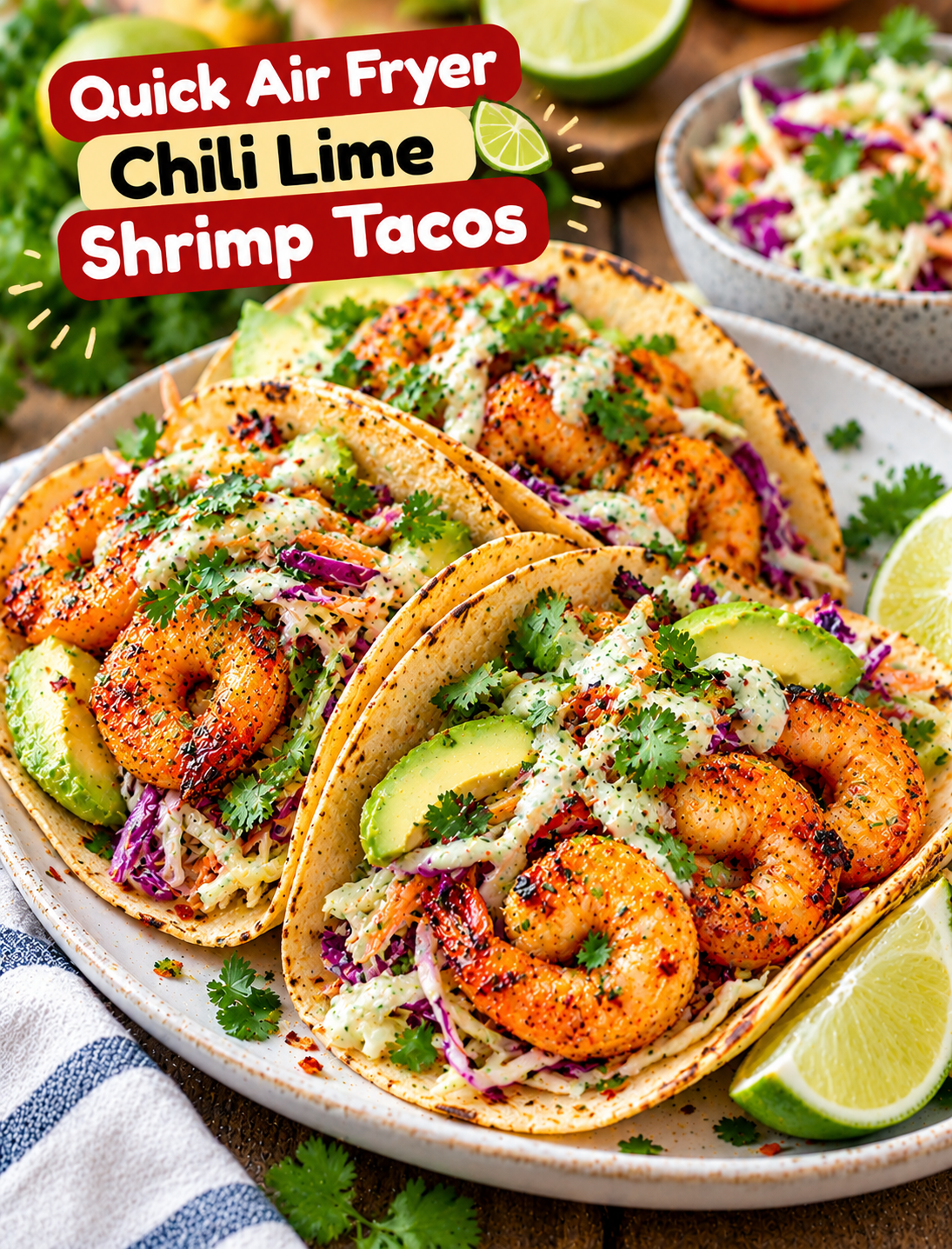
Air fryer chili lime shrimp tacos topped with crunchy purple cabbage cilantro slaw, fresh avocado, lime wedges, and creamy dressing.
Quick Air Fryer Chili Lime Shrimp Tacos with Cilantro Slaw

Looking for a quick dinner with bold flavor, fresh crunch, and a little heat? These Quick Air Fryer Chili Lime Shrimp Tacos with Cilantro Slaw bring juicy, seasoned shrimp together with crisp cabbage, fresh cilantro, and a creamy lime dressing. Wrapped in warm tortillas, they make a delicious meal without hours of cooking or a pile of dirty dishes.

The shrimp are tossed with chili powder, garlic, lime juice, and a little olive oil before being air-fried until tender. While they cook, you can prepare the crunchy cilantro slaw and warm the tortillas. This simple approach makes the recipe ideal for busy weeknights, summer dinners, or a casual taco night with family and friends.

Every bite combines smoky seasoning, bright citrus, tender shrimp, and cool, crunchy slaw. Add avocado, sliced jalapeños, or your favorite hot sauce to make the tacos your own. If you enjoy quick seafood dinners with fresh ingredients, this recipe deserves a place in your regular meal rotation.

Why You’ll Love These Air Fryer Chili Lime Shrimp Tacos

  • Quick cooking: Shrimp cook in just a few minutes, making this recipe ideal for busy evenings.
  • Fresh citrus flavor: Lime juice brightens the shrimp and the creamy slaw.
  • Crispy, crunchy texture: Fresh cabbage adds a refreshing contrast to the tender seafood.
  • Easy preparation: The shrimp and slaw use simple ingredients available at most grocery stores.
  • Customizable heat: Adjust the chili powder, jalapeños, and hot sauce to your preference.
  • Perfect for taco night: Serve the filling in corn or flour tortillas with your favorite toppings.

Recipe Overview

  • Prep Time: 15 minutes
  • Cook Time: 6–8 minutes
  • Total Time: Approximately 25 minutes
  • Servings: 4
  • Yield: 8 small tacos
  • Course: Main Course, Lunch, Dinner
  • Cuisine: Mexican-Inspired
  • Cooking Method: Air Fryer
  • Difficulty: Easy

Cooking time may vary depending on the size of the shrimp and your air fryer model. The shrimp should be cooked just until opaque and firm, rather than left in the basket longer than necessary.

Ingredients for Quick Air Fryer Chili Lime Shrimp Tacos with Cilantro Slaw

These ingredients make eight small tacos, with approximately two tacos per serving.

For the Chili Lime Shrimp

  • 1 pound large raw shrimp, peeled and deveined
  • 1 tablespoon olive oil
  • 1 tablespoon fresh lime juice
  • 1 teaspoon chili powder
  • 1/2 teaspoon smoked paprika
  • 1/2 teaspoon garlic powder
  • 1/4 teaspoon ground cumin
  • 1/4 teaspoon salt, or to taste
  • 1/4 teaspoon black pepper
  • 1/8 teaspoon cayenne pepper, optional

Cilantro Slaw

  • 2 cups finely shredded green cabbage
  • 1/2 cup finely shredded purple cabbage
  • 1/4 cup chopped fresh cilantro
  • 2 tablespoons mayonnaise
  • 1 tablespoon fresh lime juice
  • 1 teaspoon honey
  • 1 tablespoon plain Greek yogurt, optional
  • A pinch of salt
  • A pinch of black pepper

Serving

  • 8 small corn or flour tortillas
  • 1 ripe avocado, sliced, optional
  • 1 small jalapeño, thinly sliced, optional
  • Lime wedges
  • Your favorite hot sauce, optional

Ingredient tip: Large shrimp are easy to handle and fit well inside tacos. Fresh or frozen shrimp both work; if using frozen shrimp, thaw them completely and pat them dry before seasoning.

How to Make Quick Air Fryer Chili Lime Shrimp Tacos

Follow these steps to prepare the shrimp, make the slaw, and assemble fresh tacos.

Step 1: Prepare the Shrimp

If using frozen shrimp, thaw them in the refrigerator or in a sealed bag placed in cold water. Drain thoroughly and pat the shrimp dry with paper towels.

Remove the shells and tails if they are still attached. Devein the shrimp if needed, then place them in a medium bowl.

Dry shrimp develop better seasoning coverage and are less likely to release excess moisture during air frying.

Step 2: Mix the Chili Lime Seasoning

Add the olive oil, lime juice, chili powder, smoked paprika, garlic powder, cumin, salt, and black pepper to the shrimp.

Toss until each shrimp is evenly coated. Add cayenne pepper if you prefer a spicier filling.

Let the shrimp sit for about 5 minutes while you prepare the slaw. Avoid leaving raw shrimp in lime juice for a long time because the acid can change their texture.

Step 3: Make the Cilantro Slaw Dressing

In a small bowl, combine the mayonnaise, lime juice, honey, Greek yogurt if using, salt, and black pepper.

Stir until the dressing is smooth. Taste it and add a little more lime juice if you prefer a tangier slaw, or a small amount of honey if you want a sweeter balance.

The dressing should coat the cabbage lightly without making it watery.

Step 4: Prepare the Cilantro Slaw

Place the shredded green cabbage, purple cabbage, and chopped cilantro in a large bowl. Pour the dressing over the vegetables and toss until evenly coated.

Refrigerate the slaw while the shrimp cook. Chilling it briefly helps the flavors blend and keeps the cabbage refreshing.

For the best crunch, prepare the slaw shortly before serving rather than leaving it dressed for several hours.

Step 5: Preheat the Air Fryer

Preheat your air fryer to 400°F for approximately 3 minutes, following the manufacturer’s instructions.

Lightly grease the basket with an air-fryer-safe oil if needed. Avoid using aerosol cooking sprays that your appliance manufacturer advises against.

Step 6: Arrange the Shrimp in the Basket

Place the seasoned shrimp in a single layer in the air fryer basket. Leave a little space between the pieces so the hot air can circulate.

Cook in batches if necessary. Overcrowding can cause uneven cooking and may leave some shrimp watery instead of lightly browned.

Let excess marinade drip off before placing the shrimp in the basket.

Step 7: Air Fry the Shrimp

Cook at 400°F for approximately 6–8 minutes, turning or shaking the shrimp halfway through cooking if needed.

Start checking at 5–6 minutes because smaller shrimp may cook faster. The shrimp are ready when they are opaque and firm, with a pink exterior and a curved shape.

For food safety, shrimp should reach an internal temperature of 145°F. Use a food thermometer when possible, especially if you are unsure whether the center is fully cooked.

Avoid overcooking because shrimp can quickly become tough and rubbery.

Step 8: Warm the Tortillas

While the shrimp finish cooking, warm the tortillas in a dry skillet over medium heat for about 20–30 seconds per side. You can also warm them in the microwave according to the package directions.

Keep the warmed tortillas wrapped in a clean kitchen towel to help them stay soft.

Corn tortillas provide a traditional taco flavor, while flour tortillas are softer and more flexible.

Step 9: Assemble the Tacos

Place a spoonful of cilantro slaw in each warm tortilla. Add several cooked shrimp, then top with avocado slices, jalapeños, or a drizzle of hot sauce if desired.

Finish with fresh cilantro and a squeeze of lime juice. Add the toppings just before serving to keep the tortillas from becoming soggy.

Step 10: Serve Immediately

Arrange the tacos on a platter with lime wedges and any extra slaw. Serve while the shrimp are warm and the cabbage is still crunchy.

For a casual dinner, place the shrimp, slaw, tortillas, and toppings in separate bowls so everyone can build their own tacos.

Tips for Juicy Shrimp and Crunchy Slaw

Use these simple techniques to improve the texture and flavor of your tacos.

  • Dry the shrimp thoroughly: Removing excess moisture helps the seasoning stick.
  • Choose similar-sized shrimp: Uniform pieces cook more evenly.
  • Avoid long marinating times: A short rest is enough to add flavor without changing the shrimp’s texture.
  • Do not overcrowd the basket: Air circulation helps the shrimp cook evenly.
  • Check the shrimp early: Small shrimp can become overcooked within a minute or two.
  • Shred cabbage finely: Thin strips are easier to bite through in tacos.
  • Dress the slaw shortly before serving: This helps the cabbage stay crisp.
  • Warm the tortillas: Warm tortillas are more flexible and less likely to crack.
  • Add lime at the end: Fresh juice brightens the finished tacos.

Easy Variations to Try

Change the seasoning, sauce, or toppings to create different versions of these seafood tacos.

Spicy Chili Lime Shrimp Tacos

Increase the cayenne pepper or add a few drops of hot sauce to the shrimp seasoning. Top the tacos with sliced jalapeños for extra heat.

Creamy Avocado Cilantro Slaw

Mash half an avocado into the slaw dressing and reduce the mayonnaise slightly. Add a little extra lime juice to keep the dressing fresh and tangy.

Mango Cilantro Shrimp Tacos

Add diced ripe mango to the assembled tacos. Its natural sweetness complements the smoky chili seasoning and fresh lime.

Garlic Lime Shrimp Tacos

Increase the garlic powder slightly and finish the shrimp with a small amount of fresh minced garlic mixed into olive oil. Avoid adding raw garlic in large amounts to the basket because it can burn.

Dairy-Free Shrimp Tacos

Use mayonnaise without dairy and skip the Greek yogurt. Check the ingredient labels on the tortillas and other packaged ingredients to ensure they meet your dietary needs.

Low-Carb Shrimp Taco Bowls

Skip the tortillas and serve the shrimp over shredded lettuce or cauliflower rice. Add cilantro slaw, avocado, and lime dressing for a fresh bowl-style meal.

What to Serve with Chili Lime Shrimp Tacos

Pair the tacos with sides that complement the citrus, chili, and cilantro flavors.

  • Mexican-style rice: A warm, filling side that works well with seasoned shrimp.
  • Black beans: Add fiber and a hearty texture to the meal.
  • Corn salad: Sweet corn and lime pair well with the smoky shrimp.
  • Fresh guacamole: Creamy avocado adds richness and balances the chili seasoning.
  • Pico de gallo: Fresh tomatoes, onion, cilantro, and lime add brightness.
  • Tortilla chips and salsa: A simple side for casual taco nights.
  • Watermelon or pineapple: Fresh fruit provides a sweet contrast to spicy seafood.

For a quick weeknight meal, serve the tacos with black beans and sliced avocado. For a party, set up a taco bar with several toppings and let guests build their own combinations.

Storage and Reheating Instructions

How to Store Leftover Shrimp Tacos

Store the cooked shrimp, cilantro slaw, and tortillas separately in airtight containers. Refrigerate the shrimp within 2 hours of cooking and use within 3–4 days.

For the best texture, keep the slaw undressed if you plan to prepare it ahead. If the slaw already contains dressing, store it separately from the shrimp and tortillas.

How to Reheat Shrimp in the Air Fryer

Preheat the air fryer to 300°F. Arrange the refrigerated shrimp in a single layer and heat for approximately 2–3 minutes, checking that the centers are hot.

Avoid reheating for too long because shrimp can become rubbery. Reheat only the amount you plan to eat.

Can You Freeze Cooked Shrimp?

Yes. Freeze cooled cooked shrimp in a freezer-safe airtight container for up to 2 months for best quality.

Thaw in the refrigerator before reheating. Do not freeze assembled tacos or dressed cabbage slaw because their textures may become soft after thawing.

Common Mistakes to Avoid

  • Using wet shrimp: Excess moisture can prevent good seasoning coverage and browning.
  • Overcrowding the air fryer: Shrimp may steam instead of cooking evenly.
  • Adding too much lime juice: Excess acid can affect the texture of raw shrimp.
  • Overcooking the shrimp: Too much heat makes them tough and rubbery.
  • Making the slaw too watery: Excess dressing can soften the cabbage and tortillas.
  • Filling cold tortillas: Cold tortillas may crack when folded.
  • Assembling too early: Moist slaw can make the tortillas soggy.
  • Skipping the temperature check: Cook shrimp to 145°F for food safety.

Frequently Asked Questions

1. How long do shrimp tacos take in the air fryer?

Most large shrimp take about 6–8 minutes at 400°F, depending on size and your air fryer model.

2. What temperature should shrimp reach?

Shrimp should reach an internal temperature of 145°F and have opaque flesh to be safely cooked.

3. Can I use frozen shrimp for this recipe?

Yes. Thaw the shrimp completely, remove excess moisture, and season them before air frying.

4. How do I keep cilantro slaw crunchy?

Shred the cabbage finely and toss it with the dressing shortly before serving to reduce moisture buildup.

5. Can I use flour tortillas instead of corn tortillas?

Yes. Small flour tortillas work well and are more flexible, while corn tortillas provide a traditional taco flavor.

6. Can I make the slaw ahead of time?

Yes. Mix the dressing and shred the vegetables separately up to a day ahead, then combine them shortly before serving.

7. How do I make chili lime shrimp less spicy?

Skip the cayenne and use mild chili powder. Add avocado or extra slaw to balance the remaining heat.

8. What toppings go best with shrimp tacos?

Avocado, fresh cilantro, lime wedges, jalapeños, pico de gallo, and creamy slaw all pair well with chili lime shrimp.

Final Thoughts

Quick Air Fryer Chili Lime Shrimp Tacos with Cilantro Slaw combine tender seafood, smoky chili seasoning, bright lime, and crunchy cabbage in an easy meal. The shrimp cook quickly, and the fresh slaw adds a cool contrast that makes every taco satisfying.

For the best results, dry the shrimp before seasoning, avoid overcrowding the air fryer, and cook just until they reach 145°F. Prepare the slaw while the shrimp cook, warm the tortillas, and assemble everything right before serving.

Ready for taco night? Save this recipe and tell us in the comments: would you top your chili lime shrimp tacos with avocado, mango salsa, or extra jalapeños?

Air Fryer Avocado Egg Boats

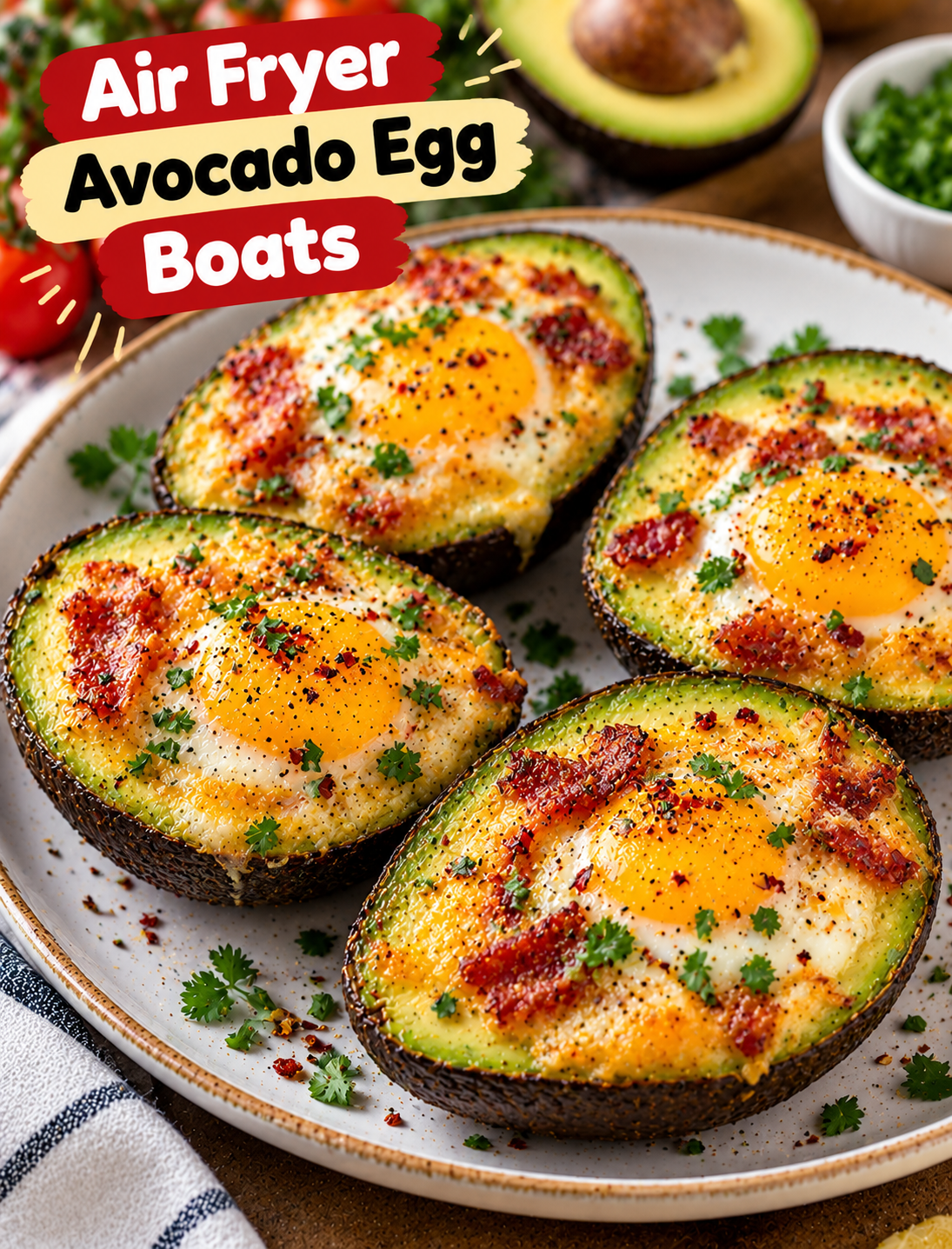
Air fryer avocado egg boats filled with cooked eggs, topped with fresh herbs, black pepper, and melted cheese.
Air Fryer Avocado Egg Boats

Looking for a quick breakfast that feels fresh, satisfying, and easy to prepare? These Air Fryer Avocado Egg Boats combine creamy avocado with a perfectly cooked egg, simple seasonings, and optional cheese for a delicious start to the day. The air fryer makes this recipe convenient, while the avocado provides a soft, buttery base for the egg.

Each avocado half becomes a small edible bowl. After removing a little extra flesh, crack an egg into the center, add your favorite seasonings, and air fry until the egg reaches your preferred doneness. Finish with fresh herbs, black pepper, or a sprinkle of shredded cheese for extra flavor.

This recipe works well for breakfast, brunch, or a light lunch when you want something simple without using several pans. You can also customize it with tomatoes, spinach, red pepper flakes, or cooked bacon. If you enjoy easy air fryer breakfast recipes, these avocado egg boats are a practical option for your weekly menu.

Why You’ll Love These Air Fryer Avocado Egg Boats

  • Quick preparation: You need only a few basic ingredients and minimal prep work.
  • Creamy texture: Ripe avocado provides a smooth, buttery base for the egg.
  • Easy customization: Add cheese, herbs, vegetables, or cooked bacon to suit your taste.
  • Convenient cooking: The air fryer cooks the egg and avocado together in one dish.
  • Naturally satisfying: Eggs provide protein, while avocado contributes fiber and unsaturated fats.
  • Great for breakfast or brunch: Serve the boats alone or alongside toast, fruit, or a fresh salad.

Recipe Overview

  • Prep Time: 5 minutes
  • Cook Time: 8–12 minutes
  • Total Time: Approximately 15–20 minutes
  • Servings: 2
  • Yield: 2 avocado egg boats
  • Course: Breakfast, Brunch, Light Lunch
  • Cuisine: American-Inspired
  • Cooking Method: Air Fryer
  • Difficulty: Easy

Cooking time depends on avocado size, egg size, and your air fryer model. Check the egg near the end of cooking because the white and yolk may cook at different rates.

Ingredients for Air Fryer Avocado Egg Boats

Choose ripe but firm avocados that can hold their shape while cooking. Very soft avocados may collapse when you remove the pit or add the egg.

For the Avocado Egg Boats

  • 1 large ripe but firm avocado
  • 2 small eggs
  • 1/4 teaspoon salt, or to taste
  • 1/4 teaspoon black pepper
  • 1/4 teaspoon garlic powder, optional
  • 2 tablespoons shredded cheddar or mozzarella cheese, optional
  • 1 teaspoon chopped fresh chives or parsley, optional
  • A pinch of red pepper flakes, optional

Optional Toppings

  • Diced cherry tomatoes
  • Finely chopped spinach
  • Cooked, crumbled bacon
  • Crumbled feta cheese
  • Smoked paprika
  • A squeeze of fresh lemon juice

Ingredient tip: Small eggs are usually easier to fit into avocado halves than large eggs. If you only have large eggs, remove a little more avocado flesh to create enough space and add the egg gradually.

How to Make Air Fryer Avocado Egg Boats

Follow these steps to prepare the avocado, add the eggs, and cook everything until the whites are set.

Step 1: Choose and Prepare the Avocado

Wash the avocado and dry it with a clean towel. Place it on a cutting board and carefully slice it lengthwise around the pit.

Twist the halves apart and remove the pit with a spoon. Avoid using a knife to strike the pit, as this can cause hand injuries.

Check the center of each half. If the cavity looks too small for an egg, scoop out a little avocado flesh with a spoon.

Step 2: Create Enough Space for the Eggs

Use a spoon to widen the cavity in each avocado half until it can hold a small egg. Keep enough flesh around the edges so the avocado maintains its shape.

If the avocado halves wobble, trim a tiny piece from the rounded underside to create a flatter base. Do not cut through the bottom of the avocado.

Save the removed avocado flesh for toast, a small salad, or a quick guacamole.

Step 3: Preheat the Air Fryer

Preheat your air fryer to 350°F for about 3 minutes, following your appliance instructions.

If your air fryer does not require preheating, follow the manufacturer’s guidance. Choose a small oven-safe dish or ramekin that fits inside the basket if you need extra support to keep the avocado halves upright.

Step 4: Position the Avocado Halves

Place the avocado halves cut-side up in the air fryer basket or in a suitable oven-safe dish. Make sure they sit securely without tipping.

If needed, use small pieces of crumpled foil around the outside to help support the halves. Keep the foil away from the heating element and use it only if your appliance manufacturer allows it.

Step 5: Add the Eggs

Crack each egg into a small bowl first. This makes it easier to control the amount of egg and remove any shell fragments.

Carefully pour one egg into each avocado cavity. If the egg is too large, add some of the white first and reserve the extra for another use.

Keep the egg inside the avocado edges to reduce spills. If a little egg white runs over the side, leave it in place rather than trying to move the avocado.

Step 6: Season the Egg Boats

Sprinkle the eggs with salt, black pepper, and garlic powder if using. Add a small amount of shredded cheese if you want a richer, savory flavor.

For a fresh variation, add a few finely chopped chives or a small pinch of smoked paprika. Keep wet toppings such as tomatoes to a minimum because excess moisture can affect the texture.

Step 7: Air Fry Until the Eggs Set

Air fry the avocado halves at 350°F for approximately 8–12 minutes. Start checking at 8 minutes because air fryers vary in heat output.

For a softer yolk, the cooking time may be shorter, but the egg white must be fully cooked. For a firmer yolk, continue cooking until the yolk reaches your preferred texture.

For food safety, cook eggs until both the whites and yolks are firm, or use pasteurized eggs if you prefer a softer yolk. If cooking for young children, pregnant people, older adults, or anyone with a weakened immune system, fully cooked eggs are the safer choice.

Step 8: Add Fresh Toppings

Carefully remove the avocado boats from the air fryer using heat-safe tongs or a spatula. Let them rest for about 1–2 minutes before adding delicate toppings.

Sprinkle with fresh parsley, chives, or red pepper flakes. If you like a brighter flavor, add a small squeeze of lemon juice just before serving.

Step 9: Serve Warm

Place the avocado egg boats on a serving plate and enjoy them while warm. Serve with whole-grain toast, fresh fruit, or a small green salad for a more complete breakfast.

Use a spoon to scoop out the egg and avocado together. The creamy avocado pairs well with the soft egg and savory seasonings.

Tips for Perfect Avocado Egg Boats

Use these practical tips to help the avocado hold its shape and the egg cook evenly.

  • Choose firm-ripe avocados: They should yield slightly to gentle pressure without feeling mushy.
  • Use small eggs: Smaller eggs fit better inside avocado cavities.
  • Widen the cavity carefully: Remove extra flesh without cutting through the bottom.
  • Keep the halves stable: Use a suitable ramekin or oven-safe dish if the avocado tips over.
  • Check early: Begin checking at 8 minutes to avoid overcooking.
  • Add delicate toppings later: Fresh herbs and lemon juice taste brighter when added after cooking.
  • Cook eggs safely: Fully set whites and yolks are the safest choice for people at higher risk from foodborne illness.
  • Handle the basket carefully: Hot avocado and egg can be slippery, so use heat-safe utensils.

Easy Variations to Try

Change the seasonings and toppings to create different breakfast flavors without changing the basic method.

Cheesy Avocado Egg Boats

Sprinkle cheddar, mozzarella, or Monterey Jack over the egg during the final 2–3 minutes of cooking. The cheese melts into a savory topping without overpowering the avocado.

Spinach and Feta Avocado Boats

Add a small amount of finely chopped, cooked spinach and crumbled feta before cooking. Remove excess moisture from the spinach so the egg can set properly.

Bacon and Egg Avocado Boats

Top the egg with a little fully cooked, crumbled bacon. Use cooked bacon rather than raw bacon because the short cooking time may not cook raw bacon safely.

Spicy Avocado Egg Boats

Add red pepper flakes, a pinch of cayenne, or a little finely chopped jalapeño. Serve with a small spoonful of salsa if you enjoy a spicy breakfast.

Tomato and Herb Avocado Boats

Add a few small pieces of cherry tomato after cooking, then finish with parsley or chives. This keeps the tomatoes fresh and prevents them from releasing too much liquid into the egg.

Mediterranean Avocado Egg Boats

Add a little feta, oregano, and chopped parsley. Serve with cucumber and tomato salad for a Mediterranean-inspired breakfast.

What to Serve with Avocado Egg Boats

Pair these breakfast boats with simple sides that complement their creamy texture.

  • Whole-grain toast: Adds crunch and makes the meal more filling.
  • Fresh fruit: Berries, orange slices, or melon provide a refreshing contrast.
  • Greek yogurt: Offers a cool, creamy side with additional protein.
  • Breakfast potatoes: Serve with seasoned air fryer potatoes for a heartier brunch.
  • Green salad: A light salad works well when serving the boats for lunch.
  • Salsa: Adds tomato flavor and a little heat.
  • Turkey bacon: Provides a savory side if you want a traditional breakfast plate.

For a quick weekday meal, serve one avocado half with toast and fruit. For brunch, prepare several halves and offer different toppings so everyone can choose their favorite.

Storage and Reheating Instructions

How to Store Leftover Avocado Egg Boats

These boats taste best when freshly cooked because avocado can brown and soften over time. If you have leftovers, refrigerate them in an airtight container within 2 hours of cooking and eat within 1–2 days for the best quality.

Keep the boats refrigerated at 40°F or below. Discard them if they have been left at room temperature for more than 2 hours.

How to Reheat Avocado Egg Boats

Place the refrigerated boats in the air fryer at 300°F for approximately 3–5 minutes, checking that the center is heated through. Avoid high heat because the avocado can become overly soft and the egg can turn rubbery.

Reheat only the portion you plan to eat. The texture will be softer than when freshly cooked.

Can You Prepare Avocado Egg Boats Ahead of Time?

You can wash the avocado, prepare the toppings, and measure the seasonings ahead of time. For the best color and texture, cut the avocado and add the eggs just before cooking.

Do not crack raw eggs into avocado halves and leave them at room temperature while waiting to cook.

Common Mistakes to Avoid

  • Using an overripe avocado: Very soft flesh may collapse during preparation.
  • Choosing eggs that are too large: Excess egg can spill over the sides.
  • Leaving the cavity too small: The egg may not fit or cook evenly.
  • Skipping support: Unstable avocado halves can tip and spill the egg.
  • Adding too many wet toppings: Extra moisture can affect how the egg sets.
  • Overcooking the avocado: Long cooking can make its texture very soft.
  • Ignoring egg safety: Cook the whites and yolks fully when preparing food for people at higher risk.
  • Preparing too far ahead: Cut avocado browns and loses freshness when stored for too long.

Frequently Asked Questions

1. How long do avocado egg boats take in the air fryer?

Most avocado egg boats take about 8–12 minutes at 350°F, depending on egg size, avocado cavity depth, and your air fryer.

2. Can I use large eggs for avocado boats?

Yes, but you may need to scoop out more avocado flesh and add the egg gradually to prevent overflow.

3. How do I stop the avocado halves from tipping over?

Place them in a small oven-safe dish or ramekin that fits inside your air fryer basket and keeps them upright.

4. Can I make avocado egg boats without cheese?

Yes. Leave out the cheese and season the egg with salt, pepper, garlic powder, or fresh herbs.

5. Are avocado egg boats good for meal prep?

They are best fresh, but leftovers can be refrigerated for 1–2 days and reheated gently in the air fryer.

6. Why is my egg white still runny?

The egg may need more cooking time, especially if the cavity is deep or the egg is large; continue cooking until the white is fully set.

7. Can I use an oven instead of an air fryer?

Yes. Bake the prepared avocado halves at 375°F until the egg white is set, checking frequently because timing varies.

8. What toppings taste best on avocado egg boats?

Shredded cheese, cooked bacon, feta, chives, smoked paprika, and red pepper flakes all work well in small amounts.

Final Thoughts

Air Fryer Avocado Egg Boats are a simple breakfast option made with creamy avocado, eggs, and seasonings you may already have in your kitchen. They are easy to customize with cheese, herbs, vegetables, or cooked bacon, making them useful for breakfast, brunch, or a light lunch.

Choose firm-ripe avocados, create enough room for the eggs, and keep the halves stable in the air fryer. Check the eggs carefully and cook them to a safe doneness before serving.

Ready to try this easy breakfast? Save this recipe for your next morning meal and tell us in the comments: would you top your avocado egg boats with feta, cheddar, or crispy bacon?