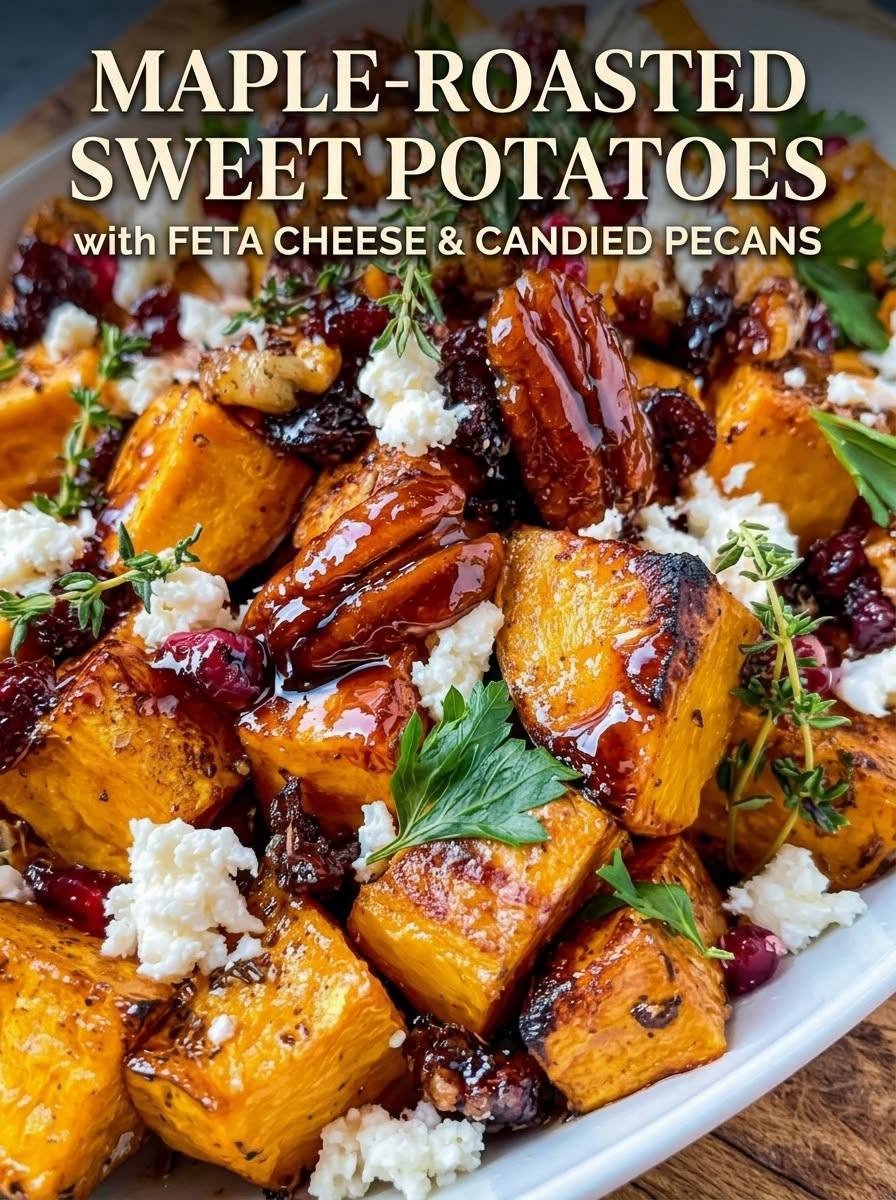
Maple-Roasted Sweet Potatoes with Feta Cheese & Candied Pecans

Maple-Roasted Sweet Potatoes with Feta Cheese & Candied Pecans

1. Recipe Description

Maple-Roasted Sweet Potatoes with Feta Cheese and Candied Pecans is a delicious side dish that combines sweet, savory, creamy, and crunchy flavors in every bite. Tender sweet potatoes are roasted until golden brown and caramelized, then coated with pure maple syrup and fragrant spices. Crumbled feta cheese adds a creamy, tangy contrast, while homemade candied pecans provide a sweet crunch that makes the dish feel special.

Fresh herbs and a light drizzle of maple syrup bring everything together, creating a colorful dish that looks beautiful on a holiday table but is simple enough for an everyday dinner. The natural sweetness of the potatoes pairs perfectly with the salty feta and buttery pecans, making this recipe an excellent choice for family gatherings, potlucks, Thanksgiving dinners, or weekend meals.

One of the best things about this recipe is its versatility. You can serve it alongside roasted chicken, grilled salmon, turkey, or vegetarian main dishes. It can also be enjoyed as a warm lunch bowl with leafy greens or chickpeas.

The ingredients are easy to find, and most of the preparation involves roasting the sweet potatoes in the oven. With just a few simple steps, you can create a restaurant-style side dish with wonderful texture and balanced flavor.

2. Recipe Information

  • Preparation Time: 15 minutes

  • Cooking Time: 30–40 minutes

  • Candied Pecans Preparation: 8–10 minutes

  • Total Time: Approximately 50–60 minutes

  • Servings: 6

  • Course: Side Dish

  • Cuisine: Modern American-inspired

  • Cooking Method: Oven roasting and stovetop candying

  • Difficulty: Easy

  • Flavor Profile: Sweet, savory, tangy, nutty, and aromatic

3. Ingredients

For the Maple-Roasted Sweet Potatoes

  • 2 pounds sweet potatoes, peeled if desired

  • 2 tablespoons olive oil

  • 2 tablespoons pure maple syrup

  • 1 teaspoon smoked paprika

  • ½ teaspoon garlic powder

  • ½ teaspoon ground cinnamon

  • ½ teaspoon salt, or to taste

  • ¼ teaspoon freshly ground black pepper

  • 1 teaspoon fresh thyme leaves, optional

For the Candied Pecans

  • 1 cup pecan halves

  • 2 tablespoons brown sugar

  • 1 tablespoon pure maple syrup

  • 1 tablespoon unsalted butter

  • ¼ teaspoon ground cinnamon

  • A small pinch of salt

  • 1 teaspoon water, if needed

For the Feta Topping

  • ¾ cup crumbled feta cheese

  • 1 tablespoon chopped fresh parsley

  • 1 teaspoon fresh thyme leaves

  • 1 tablespoon additional maple syrup, optional

  • 1 teaspoon lemon juice, optional

Optional Additions

  • ¼ cup dried cranberries

  • 2 tablespoons pomegranate seeds

  • A handful of fresh arugula

  • 1 tablespoon toasted pumpkin seeds

  • A pinch of red pepper flakes for gentle heat

4. Ingredient Notes and Substitutions

Sweet potatoes: Choose firm sweet potatoes with smooth skin and no soft spots. Orange-fleshed varieties are especially suitable because they become tender and naturally sweet when roasted. Cut the pieces into similar sizes so they cook evenly.

Pure maple syrup: Real maple syrup provides a rich, earthy sweetness that complements the roasted vegetables. Avoid using pancake syrup if possible, because its flavor and consistency may differ.

Feta cheese: Feta brings saltiness and a pleasant tang that balances the sweetness of the potatoes and pecans. Greek feta made from sheep’s milk is a flavorful option. For a milder taste, use a creamy cow’s-milk feta.

Pecans: Pecans become wonderfully crunchy when coated with butter, brown sugar, and maple syrup. Walnuts can be substituted, although their flavor is slightly more bitter. If you have a nut allergy, omit the pecans and use toasted pumpkin seeds instead.

Olive oil: Olive oil helps the potatoes roast evenly and encourages caramelization. Avocado oil is another suitable option.

Fresh herbs: Parsley and thyme add freshness and fragrance. Rosemary can also work, but use it sparingly because its flavor is stronger.

Cinnamon and smoked paprika: Cinnamon emphasizes the potatoes’ natural sweetness, while smoked paprika adds a subtle savory depth. The combination creates a balanced flavor without making the dish taste like dessert.

5. Step-by-Step Cooking Instructions

Step 1: Prepare the Oven

Preheat your oven to 425°F (220°C). Line a large baking sheet with parchment paper or lightly grease it with olive oil.

A hot oven is important because it helps the sweet potatoes develop caramelized edges while keeping the centers soft. If your baking sheet is small, prepare two sheets rather than overcrowding the potatoes.

Overcrowding traps steam, which can prevent proper browning. Leaving space between the pieces allows hot air to circulate around them.

Step 2: Cut the Sweet Potatoes

Wash and scrub the sweet potatoes thoroughly under running water. Peel them if you prefer a smoother texture, or leave the skins on for a more rustic dish.

Cut the potatoes into approximately ¾-inch cubes. Try to keep the pieces similar in size so they finish cooking at roughly the same time.

Place the cubes in a large mixing bowl. Pat them dry if they are particularly wet after washing, because excess moisture can interfere with browning.

Step 3: Season the Potatoes

Add the olive oil, maple syrup, smoked paprika, garlic powder, cinnamon, salt, black pepper, and thyme to the bowl.

Toss everything together until each piece is lightly coated. Use a large spoon or clean hands to distribute the seasonings evenly.

The olive oil helps the surfaces roast, while the maple syrup encourages a glossy, caramelized finish. Garlic powder and paprika prevent the dish from becoming overly sweet.

Taste a tiny amount of the seasoning mixture before adding the potatoes if you want to adjust the salt or spices. Remember that feta will add more salt later.

Step 4: Arrange the Potatoes on the Baking Sheet

Spread the seasoned sweet potatoes across the prepared baking sheet in one even layer.

Place the flatter sides against the baking sheet whenever possible. This increases contact with the hot surface and encourages golden-brown edges.

Keep the pieces separated rather than piling them on top of one another. If necessary, divide them between two baking sheets.

Step 5: Roast Until Tender and Golden

Transfer the baking sheet to the preheated oven and roast for approximately 30–40 minutes.

After about 15–20 minutes, turn the sweet potato cubes using a spatula. Return them to the oven and continue roasting until the edges are caramelized and the centers are fork-tender.

Cooking time depends on the size of the cubes and the characteristics of your oven. Smaller pieces may cook more quickly, while larger pieces may need additional time.

Look for golden edges, a lightly crisp exterior, and a soft interior. If the potatoes begin browning too quickly because of the maple syrup, reduce the oven temperature slightly or move the baking sheet to a lower rack.

Step 6: Prepare the Candied Pecans

While the sweet potatoes roast, prepare the pecans.

Place a nonstick skillet over medium-low heat. Add the butter and allow it to melt gently.

Stir in the brown sugar, maple syrup, cinnamon, and a small pinch of salt. Mix until the sugar begins dissolving and the mixture becomes glossy.

Add the pecan halves and stir continuously for approximately 3–5 minutes, making sure they are evenly coated.

The mixture should bubble gently and cling to the pecans. Avoid using high heat, because sugar can burn quickly and develop a bitter flavor.

If the mixture becomes too thick before the pecans are coated, add a teaspoon of water and stir carefully.

Step 7: Cool the Candied Pecans

Transfer the coated pecans to a parchment-lined plate or small baking sheet. Spread them apart with a spatula while they are still warm.

Allow them to cool completely. As the sugar mixture cools, it hardens into a sweet, crunchy coating.

Do not leave the pecans unattended in the hot skillet after cooking, because residual heat can continue browning the sugar.

Once cool, separate any pecans that have stuck together. For a more delicate topping, roughly chop half of the pecans while leaving the rest whole.

Step 8: Prepare the Feta and Herbs

Place the crumbled feta in a small bowl. Chop the fresh parsley and prepare the thyme leaves.

If you want a brighter flavor, add a small amount of lemon juice to the feta and stir gently. This is optional, but the acidity can balance the maple syrup and brown sugar.

Avoid adding too much lemon juice, because the topping should remain crumbly rather than watery.

For the best texture, keep the feta refrigerated until the potatoes are ready to serve.

Step 9: Arrange the Roasted Sweet Potatoes

Remove the sweet potatoes from the oven when they are tender and caramelized.

Allow them to rest on the baking sheet for about 3–5 minutes. This short resting period helps the surface settle while the potatoes remain warm.

Transfer them to a large serving platter or shallow serving bowl.

Spread them into an attractive layer so the golden edges remain visible. If any maple syrup has caramelized on the baking sheet, use a spatula to collect the flavorful pieces, provided they are not burnt.

Step 10: Add the Feta Cheese

Sprinkle the crumbled feta evenly over the warm sweet potatoes.

Some of the cheese will soften slightly when it touches the warm potatoes, creating a creamy contrast. Other pieces will retain their shape, providing little bursts of tangy flavor.

Distribute the feta throughout the dish rather than placing it all in the center. This ensures that each serving contains a balanced mixture of potatoes and cheese.

Step 11: Add the Candied Pecans

Scatter the cooled candied pecans over the feta and sweet potatoes.

Use a mixture of whole and chopped pecans for a varied texture. The whole pecans provide an attractive finish, while the chopped pieces distribute their sweetness throughout the dish.

For a little extra color, add dried cranberries or pomegranate seeds. Their tartness pairs beautifully with the rich maple flavor.

Step 12: Finish with Herbs and Maple Syrup

Sprinkle the chopped parsley and fresh thyme over the finished dish.

If you enjoy a sweeter flavor, drizzle a small amount of maple syrup over the top. Start with about one tablespoon and add more only if needed.

For a fresher finish, add a little lemon juice just before serving. Avoid excessive dressing, as too much liquid can soften the roasted edges and candied pecans.

Serve immediately while the sweet potatoes are warm and the pecans are crunchy.

6. Helpful Cooking Tips

Cut evenly: Uniform cubes roast more consistently and help prevent some pieces from becoming overcooked while others remain firm.

Use a hot oven: A temperature of 425°F promotes browning and caramelization. Allow the oven to preheat fully before adding the potatoes.

Avoid overcrowding: Spread the cubes across the baking sheet with space between them. Use two trays if necessary.

Balance the sweetness: Maple syrup, sweet potatoes, and candied pecans all contribute sweetness. Feta, salt, and optional lemon juice help balance these flavors.

Watch the pecans carefully: Sugar can burn in a short time. Use medium-low heat and stir frequently.

Add feta at the end: Adding feta before roasting can cause it to dry out or brown excessively. Sprinkling it over the finished potatoes preserves its creamy, tangy character.

Keep the toppings separate until serving: If you are preparing the recipe ahead, store the pecans separately and add them at the last minute to maintain their crunch.

Adjust the seasoning: Sweet potatoes vary in natural sweetness. Taste the finished dish and add a little salt, black pepper, or lemon juice if the flavors need balancing.

7. Serving Suggestions

This recipe works beautifully with a wide range of main courses.

  • Roasted chicken: Serve alongside lemon-herb chicken for a comforting dinner.

  • Grilled salmon: The sweet potatoes complement the richness of salmon, particularly when the fish is seasoned with lemon and garlic.

  • Roast turkey: Include the dish on a Thanksgiving or holiday table as a colorful alternative to traditional sweet potato casserole.

  • Grilled steak: The salty feta and sweet pecans provide a delicious contrast to savory grilled meat.

  • Chickpea bowls: Combine the sweet potatoes with chickpeas, leafy greens, and a lemon-tahini dressing for a vegetarian meal.

  • Fresh salads: Serve with arugula, baby spinach, or mixed greens for a lighter lunch.

For an elegant presentation, use a wide ceramic platter and distribute the toppings evenly. Add a few fresh herb leaves immediately before bringing the dish to the table.

8. Storage and Reheating Instructions

Allow leftover sweet potatoes to cool before storing them in an airtight container in the refrigerator.

For best quality, store the roasted potatoes separately from the feta and candied pecans. Refrigerate the potatoes and feta promptly, and use them within 3–4 days. Keep the pecans in a separate airtight container at room temperature if they are completely cool and dry.

To reheat the potatoes, place them on a baking sheet in a 375°F (190°C) oven for approximately 10–15 minutes, or until heated through. An air fryer can also help restore some of their roasted texture.

Add the feta, fresh herbs, and candied pecans after reheating.

Microwave reheating is possible, but the potatoes may become softer and less crisp.

Freezing is not recommended for the fully assembled dish because the feta may change texture and the candied pecans can lose their crunch. If necessary, freeze the plain roasted sweet potatoes separately for up to approximately 2–3 months for best quality. Thaw in the refrigerator and reheat thoroughly before adding fresh toppings.

9. Nutritional Information

The following values are estimates for one of six servings and will vary depending on ingredient brands, the amount of maple syrup used, and how much topping is included.

  • Calories: 330–390 kcal

  • Protein: 5–7 g

  • Carbohydrates: 38–45 g

  • Fat: 18–23 g

  • Saturated Fat: 4–6 g

  • Fiber: 5–7 g

  • Total Sugars: 15–21 g

  • Sodium: 300–500 mg

For a more precise calculation, measure the ingredients and use the nutrition information on the specific products you purchase.

10. Potential Nutritional Benefits

Sweet potatoes: Sweet potatoes provide carbohydrates for energy and are a source of dietary fiber. Orange-fleshed varieties are particularly rich in beta-carotene, which the body can convert into vitamin A.

Pecans: Pecans provide unsaturated fats, fiber, and minerals. They contribute richness and crunch, although their calorie content is concentrated, so portion size matters.

Feta cheese: Feta adds protein and calcium, along with its characteristic tangy flavor. It can also be relatively high in sodium, making moderation useful for people monitoring salt intake.

Olive oil: Olive oil contains predominantly monounsaturated fat and helps carry the flavor of the seasonings.

Fresh herbs: Parsley and thyme contribute flavor without requiring large amounts of salt or added sauce.

The dish can fit into a balanced eating pattern when served in appropriate portions alongside vegetables and a source of protein. However, it is not a low-sugar dish because the maple syrup, brown sugar, and sweet potatoes all contribute carbohydrates.

11. Frequently Asked Questions

Q1: Can I make this recipe without maple syrup?

Yes. You can roast the sweet potatoes with olive oil and spices, then omit the maple syrup or use a small amount of honey. The final flavor will be less distinctly maple-inspired.

Q2: Can I use goat cheese instead of feta?

Yes. Goat cheese provides a creamy, tangy flavor that works well with sweet potatoes and pecans. Choose a soft variety and crumble it over the potatoes just before serving.

Q3: How do I keep the sweet potatoes from becoming soggy?

Dry them before seasoning, use a hot oven, and avoid crowding the baking sheet. Adding the cheese and pecans after roasting also helps preserve the best texture.

Q4: Can I prepare the dish in advance?

Yes. Roast the sweet potatoes and prepare the candied pecans separately. Refrigerate the potatoes and store the pecans in an airtight container. Reheat the potatoes and add the feta, herbs, and pecans just before serving.

Q5: Are candied pecans necessary?

No. Plain toasted pecans work well if you prefer less sweetness. Pumpkin seeds or sunflower seeds can provide crunch without using tree nuts.

Q6: Can I make this recipe vegan?

Yes. Replace the feta with a suitable plant-based feta alternative and use plant-based butter or a little olive oil for the pecans. Check that your chosen ingredients meet your dietary requirements.

Q7: What other vegetables can I add?

Roasted Brussels sprouts, red onions, carrots, and butternut squash pair well with these flavors. Roast vegetables with similar cooking times together, adding quicker-cooking ingredients later if needed.

Q8: How can I make the dish spicier?

Add a pinch of cayenne pepper or red pepper flakes to the sweet potato seasoning. A small amount of chili powder also works well with maple syrup.

Q9: Can I use frozen sweet potatoes?

Yes, although their texture may be softer because frozen pieces often contain extra moisture. Roast them according to the package instructions, spread them out well, and adjust the cooking time as needed.

Q10: Is this recipe suitable for holidays?

Absolutely. Its golden color, white feta, green herbs, and glossy pecans make it an attractive side dish for Thanksgiving, Christmas, family dinners, and other celebrations.
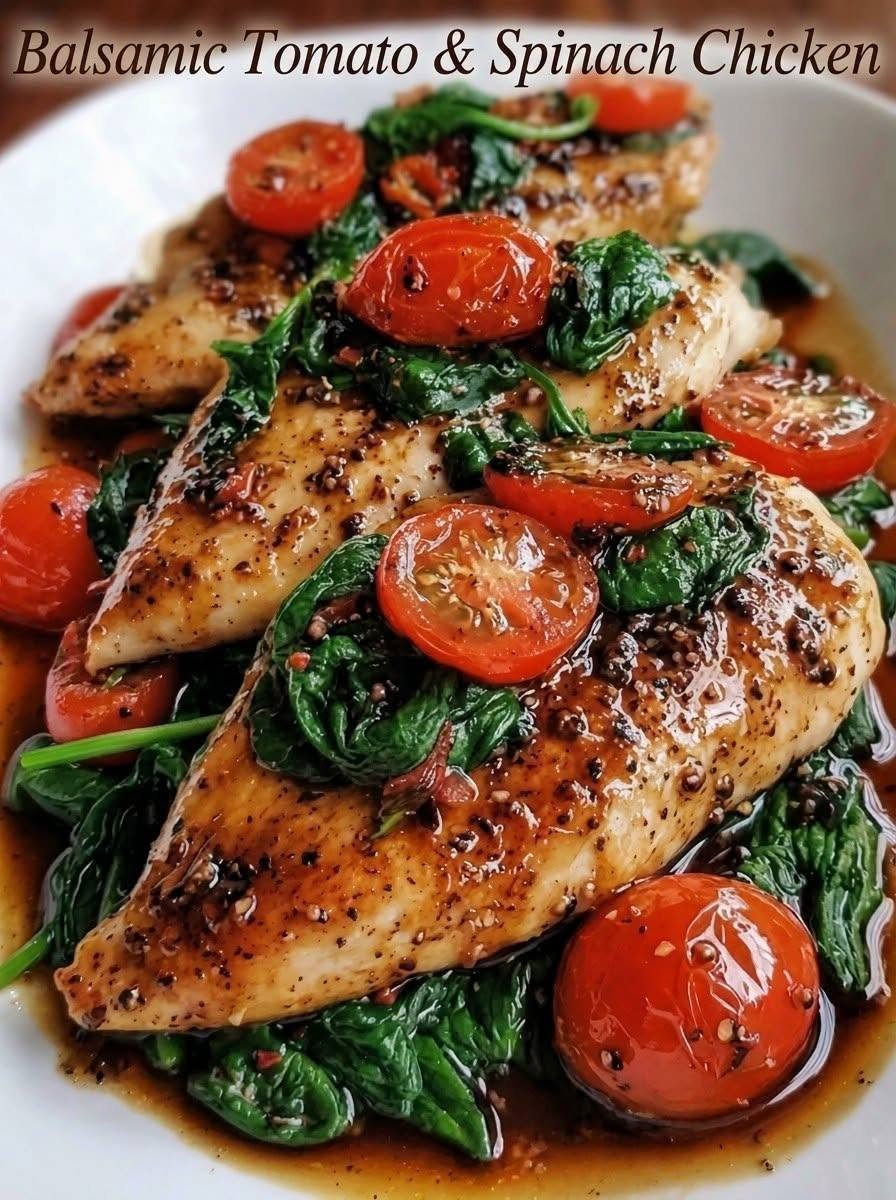
Balsamic Tomato & Spinach Chicken

Balsamic Tomato & Spinach Chicken

1. Recipe Description

Balsamic Tomato & Spinach Chicken is a delicious, restaurant-style dinner that combines tender, golden-brown chicken breasts with juicy tomatoes, fresh spinach, garlic, Italian herbs, and a rich balsamic glaze. The balsamic vinegar adds a beautiful balance of sweet and tangy flavor, while the tomatoes release their natural juices to create a light, savory sauce that coats the chicken perfectly.

This recipe is ideal for anyone who wants a satisfying homemade meal without spending hours in the kitchen. It uses simple ingredients, cooks in one skillet, and delivers a wonderful combination of protein, vegetables, and Mediterranean-inspired flavors. The chicken develops a flavorful golden crust, the tomatoes become soft and juicy, and the spinach wilts gently into the sauce.

A small amount of honey helps balance the acidity of the balsamic vinegar, while garlic, oregano, and basil give the dish a fragrant Italian-inspired character. A finishing sprinkle of Parmesan cheese is optional but adds a creamy, savory touch.

Serve this chicken with roasted potatoes, steamed rice, whole-wheat pasta, or crusty bread to soak up the delicious sauce. It is equally suitable for a weeknight family dinner or a special meal when you want something simple but impressive.

2. Recipe Information

  • Preparation time: 15 minutes

  • Cooking time: 25 minutes

  • Total time: 40 minutes

  • Servings: 4

  • Cuisine: Mediterranean-inspired

  • Course: Main course

  • Cooking method: Pan-seared and simmered

  • Difficulty: Easy

  • Dietary style: High-protein; naturally gluten-free when suitable ingredients are used

  • Best served: Fresh and warm

3. Ingredients

For the chicken

  • 4 boneless, skinless chicken breasts, approximately 1½–2 pounds total

  • 1 tablespoon olive oil

  • 1 teaspoon Italian seasoning

  • ½ teaspoon garlic powder

  • ½ teaspoon paprika

  • ½ teaspoon salt, or to taste

  • ¼ teaspoon freshly ground black pepper

For the balsamic tomato sauce

  • 2 tablespoons olive oil

  • 4 cloves garlic, minced

  • 2 cups cherry tomatoes, halved

  • 2 tablespoons balsamic vinegar

  • 1 tablespoon honey

  • ½ cup low-sodium chicken broth

  • 1 teaspoon Dijon mustard, optional

  • ½ teaspoon dried oregano

  • ¼ teaspoon red pepper flakes, optional

  • Salt and black pepper, to taste

For the spinach

  • 4 cups fresh baby spinach

  • ¼ cup freshly grated Parmesan cheese, optional

  • 1 tablespoon chopped fresh basil

  • 1 teaspoon fresh lemon juice, optional

Optional garnish

  • Fresh basil leaves

  • Extra Parmesan cheese

  • A drizzle of extra-virgin olive oil

  • Freshly cracked black pepper

4. Instructions

Step 1: Prepare the chicken

Pat the chicken breasts dry with paper towels. Removing excess moisture helps the chicken develop a beautiful golden-brown crust during cooking.

If the chicken breasts are very thick, slice them horizontally into thinner cutlets or gently pound them to an even thickness. This helps the chicken cook more evenly and prevents the thinner edges from drying out before the centers are done.

In a small bowl, combine the Italian seasoning, garlic powder, paprika, salt, and black pepper. Sprinkle the seasoning mixture evenly over both sides of the chicken.

Press the seasonings gently onto the meat so they adhere well. Let the chicken rest for approximately five minutes while you prepare the remaining ingredients.

Step 2: Sear the chicken

Heat one tablespoon of olive oil in a large skillet over medium-high heat. A heavy skillet, such as stainless steel or cast iron, works especially well because it retains heat and encourages browning.

When the oil is hot, carefully place the chicken in the pan. Avoid overcrowding; cook in batches if necessary.

Sear the chicken for approximately 4–6 minutes on the first side, depending on thickness, until it develops a golden crust. Turn and cook the other side for another 3–5 minutes.

The chicken does not need to be completely cooked at this stage because it will finish cooking in the sauce. Transfer it to a clean plate and set aside.

Do not scrape away the browned bits stuck to the bottom of the skillet. These flavorful pieces will help create a rich, savory sauce.

Step 3: Prepare the garlic and tomatoes

Reduce the heat to medium and add two tablespoons of olive oil to the skillet if needed.

Add the minced garlic and cook for approximately 30 seconds, stirring frequently. The garlic should become fragrant without turning dark brown, as burnt garlic can make the sauce bitter.

Add the halved cherry tomatoes and stir gently. Cook for 3–4 minutes, allowing the tomatoes to soften and release some of their juices.

As the tomatoes warm, their natural sweetness becomes more pronounced. Some tomatoes may begin to burst, creating a fresh, flavorful base for the balsamic sauce.

If you prefer a smoother sauce, gently press a few tomatoes with the back of a spoon. Leave the rest intact for attractive color and texture.

Step 4: Make the balsamic glaze

Pour the balsamic vinegar into the skillet and stir, loosening the browned bits from the bottom of the pan.

Add the honey, chicken broth, Dijon mustard if using, dried oregano, and red pepper flakes if desired. Whisk or stir until the ingredients are combined.

Let the sauce simmer gently for 2–3 minutes. It should become fragrant and slightly reduced, with a balanced mixture of tangy vinegar, sweet honey, savory broth, and juicy tomato flavor.

Taste the sauce before adding extra salt. Balsamic vinegar varies in sweetness and acidity, so you can adjust the balance according to your preference.

  • If the sauce is too tangy, add a small amount of honey.

  • If it is too sweet, add a few drops of lemon juice or a little extra balsamic vinegar.

  • If it becomes too thick, add a splash of chicken broth.

  • If you want a stronger savory flavor, add a little more oregano or black pepper.

Avoid boiling the sauce too aggressively, as excessive reduction can make it overly concentrated.

Step 5: Return the chicken to the skillet

Carefully return the seared chicken breasts to the pan, nestling them among the tomatoes.

Spoon some of the balsamic tomato sauce over each piece so the chicken is coated evenly. Reduce the heat to medium-low and cover the skillet partially with a lid.

Simmer for approximately 5–10 minutes, depending on the thickness of the chicken, until it is fully cooked. Turn the chicken once during this stage if needed to help it absorb the sauce.

Use a food thermometer to check the thickest part of each breast. Chicken should reach an internal temperature of 165°F (74°C).

Once cooked, the chicken should be tender, juicy, and coated in the glossy balsamic sauce. Avoid prolonged simmering after it reaches a safe temperature, as this can dry out the meat.

Step 6: Add the fresh spinach

Reduce the heat to low and add the fresh baby spinach in handfuls. Stir gently as each handful begins to wilt.

The spinach will shrink considerably as it cooks, so four cups may initially look like a large amount but will blend easily into the sauce.

Cook for approximately 1–3 minutes, just until the leaves become tender and bright green. Avoid overcooking the spinach, which can become dull in color and lose its fresh texture.

Stir the spinach around the chicken so it absorbs the tomato juices and balsamic glaze.

If the sauce looks too thick after adding the spinach, add one or two tablespoons of chicken broth. If it seems too thin, let it simmer uncovered for another minute or two.

Step 7: Finish with Parmesan and basil

Turn off the heat and sprinkle the grated Parmesan cheese over the chicken, if desired.

Add the chopped fresh basil and a small squeeze of lemon juice. The basil brings a fragrant, fresh finish, while lemon juice brightens the richness of the balsamic sauce.

Taste once more and adjust the salt and pepper if necessary.

For an extra-special presentation, drizzle a little extra-virgin olive oil over the finished dish and garnish with fresh basil leaves and additional Parmesan.

Step 8: Rest and serve

Allow the chicken to rest in the skillet for approximately 3–5 minutes before serving. This brief resting period helps the meat retain its juices.

Transfer each chicken breast to a plate and spoon generous amounts of tomatoes, spinach, and balsamic sauce over the top.

Serve immediately while the sauce is warm and fragrant.

5. Tips for the Best Balsamic Tomato & Spinach Chicken

Choose evenly sized chicken breasts. Similar thickness helps the chicken cook consistently. If necessary, pound the breasts gently or cut them into thinner cutlets.

Dry the chicken before seasoning. Excess moisture prevents proper browning, so patting the chicken dry helps produce a more flavorful crust.

Use good-quality balsamic vinegar. A balanced balsamic vinegar creates a better glaze. Very sharp varieties may require a little more honey, while naturally sweet varieties may need less.

Do not burn the garlic. Garlic cooks quickly, especially in a hot skillet. Stir continuously and add the tomatoes as soon as the garlic becomes fragrant.

Avoid overcooking the chicken. Check the internal temperature with a food thermometer and remove the skillet from the heat once the chicken reaches 165°F (74°C).

Add spinach near the end. Spinach wilts quickly. Adding it during the final few minutes preserves its color and fresh flavor.

Adjust the sauce gradually. Add sweetener, vinegar, broth, or seasoning in small amounts, tasting as you go.

Use the right skillet. A large skillet provides room for the chicken and vegetables. If the pan is crowded, the chicken may steam instead of brown.

6. Delicious Variations

Creamy Balsamic Chicken

For a creamier version, stir in 2–3 tablespoons of heavy cream after the chicken is fully cooked. Simmer gently for one minute before adding the spinach. The cream softens the tanginess of the vinegar and gives the sauce a richer texture.

Balsamic Chicken with Mushrooms

Add one cup of sliced mushrooms after the garlic and cook until they soften and release their moisture. Continue with the tomatoes and sauce as directed. Mushrooms add an earthy flavor that pairs beautifully with balsamic vinegar.

Spicy Balsamic Chicken

Increase the red pepper flakes or add a small amount of chopped fresh chili to the sauce. The gentle heat balances the sweetness of the tomatoes and honey.

Mozzarella-Topped Chicken

Place slices of fresh mozzarella over the chicken during the final two minutes of cooking. Cover the skillet briefly until the cheese begins to soften. Finish with fresh basil for a caprese-inspired variation.

Chicken Thigh Version

Replace the chicken breasts with boneless, skinless chicken thighs. They have a richer flavor and are generally more forgiving if cooked a little longer. Adjust the cooking time according to their size and verify that they reach at least 165°F (74°C).

Low-Carb Version

Omit the honey or replace it with a suitable low-carbohydrate sweetener. Serve the chicken with cauliflower rice, roasted broccoli, or sautéed zucchini instead of regular rice or pasta.

7. Serving Suggestions

Balsamic Tomato & Spinach Chicken pairs well with a wide variety of side dishes.

  • Garlic mashed potatoes: Their creamy texture complements the tangy tomato sauce.

  • Steamed rice: White or brown rice absorbs the flavorful juices.

  • Whole-wheat pasta: Toss pasta with a little olive oil and serve alongside the chicken.

  • Roasted vegetables: Zucchini, bell peppers, asparagus, and carrots make excellent accompaniments.

  • Cauliflower rice: A lighter, lower-carbohydrate option that works well with the sauce.

  • Crusty bread: Use bread to soak up the tomato juices and balsamic glaze.

  • Fresh green salad: A simple salad with lemon dressing balances the warm, savory main course.

For a complete dinner, serve one chicken breast with a generous portion of spinach and tomatoes and your preferred side dish.

8. Nutritional Information

The following values are approximate per serving, assuming four servings and excluding optional Parmesan cheese.

Nutrient Approximate amount
Calories 300–360
Protein 38–45 g
Carbohydrates 12–16 g
Fat 10–14 g
Saturated fat 2–3 g
Fiber 2–3 g
Sugar 7–10 g
Sodium 400–650 mg

Actual values depend on the size of the chicken breasts, the amount of olive oil used, the chicken broth, and the balsamic vinegar. Adding Parmesan or serving the chicken with rice, potatoes, or pasta will increase the total calories and carbohydrates.

9. Potential Benefits of the Ingredients

Chicken breast: Chicken provides high-quality protein, which supports muscle maintenance and normal body functions. It is also a source of several B vitamins.

Tomatoes: Tomatoes contain vitamin C, potassium, and lycopene, a naturally occurring antioxidant. Cooking tomatoes with a little oil can improve the availability of lycopene for absorption.

Spinach: Spinach contributes folate, vitamin K, vitamin A precursors, and other micronutrients. It also adds color and fiber to the meal.

Olive oil: Olive oil provides predominantly monounsaturated fats and is a common component of Mediterranean-style eating patterns.

Garlic: Garlic contributes a strong savory flavor, helping create a satisfying dish without relying entirely on salt.

Balsamic vinegar: Balsamic vinegar provides acidity and flavor, allowing the sauce to taste rich and balanced without requiring a large amount of additional fat.

Together, these ingredients create a balanced main dish that combines protein, vegetables, and flavorful fats. Its overall nutritional value depends on portion sizes and the side dishes served with it.

10. Storage and Reheating

Refrigeration: Allow leftovers to cool slightly, then transfer them to an airtight container and refrigerate within two hours of cooking. Use within 3–4 days.

Reheating on the stove: Place the chicken, spinach, tomatoes, and sauce in a skillet over medium-low heat. Add a splash of broth or water if necessary, cover, and heat until thoroughly warmed.

Microwave reheating: Place one portion in a microwave-safe dish, cover loosely, and heat in short intervals, turning the chicken as needed. Reheat leftovers to 165°F (74°C).

Freezing: The cooked chicken and sauce can be frozen in a freezer-safe container for up to approximately 2–3 months for best quality. The spinach and tomatoes may soften after thawing, but the dish will still work well served with rice or pasta.

Make-ahead preparation: Season the chicken and prepare the sauce ingredients ahead of time. Store them separately in the refrigerator, then cook the dish fresh when needed.

11. Frequently Asked Questions

Can I use chicken thighs instead of chicken breasts?

Yes. Boneless, skinless thighs work very well and provide a richer flavor. Adjust cooking time according to thickness and check that the thickest part reaches 165°F (74°C).

Can I make this recipe without honey?

Yes. The honey is optional and mainly balances the acidity of the balsamic vinegar. You can omit it or add a small amount of another sweetener according to taste.

Can I use frozen spinach?

Yes. Thaw frozen spinach completely and squeeze out excess water before adding it to the skillet. Use approximately 1 cup of thawed, well-drained spinach in place of the fresh spinach.

Why is my balsamic sauce too sour?

Some balsamic vinegars are more acidic than others. Add a little honey, allow the sauce to simmer gently, or stir in a small amount of broth and olive oil to balance the flavor.

Can I prepare this recipe in advance?

Yes. You can cook it a day ahead and refrigerate it promptly. Reheat gently with a splash of broth. For the freshest spinach color and texture, add the spinach shortly before serving if preparing the components in advance.

Is this recipe gluten-free?

The basic recipe can be gluten-free, but check the labels on your chicken broth, Dijon mustard, and balsamic vinegar to ensure they meet your dietary requirements. Serve with gluten-free sides if needed.

What can I use instead of Parmesan cheese?

You can omit the cheese entirely or use a suitable dairy-free alternative. The chicken and balsamic tomato sauce are flavorful without it.

How can I make the sauce thicker?

Simmer the sauce uncovered for a few extra minutes before adding the spinach. Avoid reducing it too much, as the balsamic vinegar may become overly concentrated.

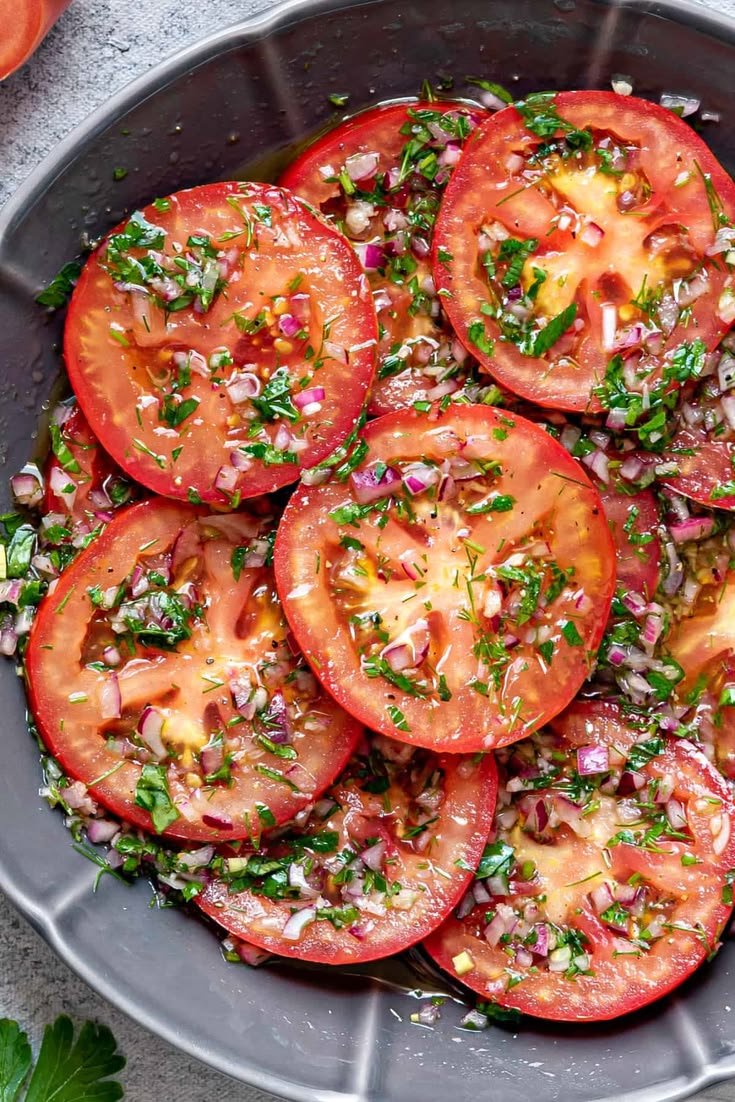
Marinated Herb & Tomato Salad

Marinated Herb & Tomato Salad

1. Recipe Description

Marinated Herb & Tomato Salad is a fresh, colorful, and delicious dish that brings together ripe tomatoes, fragrant herbs, crisp red onion, garlic, extra-virgin olive oil, and a bright splash of red wine vinegar or lemon juice. As the ingredients rest together, the tomatoes release their natural juices, creating a light, flavorful marinade that coats every bite.

This simple salad is inspired by Mediterranean home cooking, where fresh seasonal produce, aromatic herbs, and quality olive oil are used to create dishes full of natural flavor. It makes a wonderful side dish for grilled chicken, baked fish, roasted vegetables, sandwiches, and crusty bread. You can also enjoy it as a light lunch or serve it as part of a summer picnic or family dinner.

The secret to an exceptional Marinated Herb & Tomato Salad is allowing enough time for the ingredients to mingle. The tomatoes become more flavorful, the onion softens slightly, and the herbs infuse the dressing with their fresh aroma. Unlike a leafy salad, this recipe becomes even more delicious after a short resting period.

Best of all, it requires no cooking, uses everyday ingredients, and can be prepared in approximately 15 minutes. Whether you are planning a casual meal or preparing a beautiful Mediterranean-inspired spread, this refreshing salad is an easy recipe worth keeping.

2. Recipe Information

  • Preparation Time: 15 minutes

  • Marinating Time: 20–30 minutes

  • Total Time: Approximately 45 minutes

  • Cooking Time: None

  • Servings: 4–6

  • Cuisine: Mediterranean-inspired

  • Course: Side dish, appetizer, or light lunch

  • Difficulty: Easy

  • Dietary Style: Vegetarian, vegan, and naturally gluten-free

  • Best Season: Summer, although it can be enjoyed year-round

3. Ingredients

For the salad

  • 2 pounds ripe tomatoes, approximately 900 grams

  • 1/2 medium red onion, thinly sliced

  • 1/4 cup fresh parsley, finely chopped

  • 2 tablespoons fresh basil, chopped or torn

  • 1 tablespoon fresh oregano, chopped, or 1 teaspoon dried oregano

  • 1 small garlic clove, finely minced

  • 2 tablespoons capers, rinsed and drained (optional)

  • 1/4 cup crumbled feta cheese (optional)

  • Freshly ground black pepper, to taste

For the marinade

  • 4 tablespoons extra-virgin olive oil

  • 2 tablespoons red wine vinegar

  • 1 tablespoon fresh lemon juice

  • 1 teaspoon honey or maple syrup, optional

  • 1/2 teaspoon sea salt, or to taste

  • 1/4 teaspoon freshly ground black pepper

  • 1/2 teaspoon Dijon mustard, optional

Ingredient note: Use ripe, flavorful tomatoes for the best results. A mixture of cherry tomatoes, Roma tomatoes, and heirloom tomatoes creates an attractive presentation and offers a variety of textures.

4. Instructions

Step 1: Choose and prepare the tomatoes

Wash the tomatoes thoroughly under cool running water and dry them with a clean kitchen towel. Remove any stems, tough cores, or damaged sections.

Cut medium and large tomatoes into bite-sized wedges or chunks. If you are using cherry tomatoes, cut them in half. Very small cherry tomatoes can be left whole, but cutting them helps release their juices into the marinade.

Place the prepared tomatoes in a large mixing bowl. Choose a bowl that leaves enough space for gently tossing the ingredients without crushing the tomatoes.

For the most attractive salad, combine tomatoes of different colors, such as red, yellow, orange, and deep purple. This creates a vibrant dish that looks beautiful on a serving table.

Step 2: Prepare the onion and herbs

Peel the red onion and slice it thinly. Thin slices blend into the salad more easily and provide a gentle sharpness without overpowering the tomatoes.

If you prefer a milder onion flavor, soak the sliced onion in cold water for 5–10 minutes. Drain it thoroughly and pat it dry before adding it to the salad.

Wash and dry the parsley, basil, and oregano. Chop the parsley finely, roughly chop the basil, and mince the fresh oregano if using it.

Add the onion and herbs to the bowl of tomatoes. Sprinkle in the minced garlic and optional capers.

Fresh herbs are important because they bring fragrance and brightness to the dish. Parsley adds a clean, grassy flavor, basil contributes a sweet aroma, and oregano gives the salad a distinctly Mediterranean character.

Step 3: Make the marinade

In a small bowl, combine the extra-virgin olive oil, red wine vinegar, lemon juice, sea salt, and black pepper.

If you enjoy a slightly balanced, rounded dressing, add the optional honey or maple syrup. For a dressing with a little more body, whisk in the Dijon mustard.

Whisk the ingredients until they are well combined. The dressing may separate slightly as it stands, which is normal for an oil-and-vinegar marinade.

Taste a small amount. It should be bright and tangy, with enough salt to bring out the tomatoes’ natural sweetness. Adjust the vinegar, lemon juice, or seasoning according to your preference.

Remember that the tomatoes will release their own juices during marination, so the dressing will become more flavorful as it rests.

Step 4: Combine the salad

Pour the marinade evenly over the tomatoes, onion, herbs, garlic, and capers.

Using a large spoon, gently toss everything together. Turn the tomatoes carefully so they are coated in the dressing without becoming crushed.

Scrape any dressing from the bottom of the bowl and distribute it throughout the salad. Every tomato piece should receive some of the flavorful mixture.

If you are adding feta cheese, consider reserving most of it for the final garnish. This helps maintain its texture and creates a more attractive presentation.

Step 5: Let the salad marinate

Cover the bowl and let the salad rest at room temperature for approximately 20–30 minutes if serving immediately.

During this time, the salt draws out some of the tomatoes’ natural juices. The olive oil, vinegar, garlic, and herbs blend with those juices, forming a delicious marinade.

Give the salad one gentle toss halfway through the resting period so the flavors distribute evenly.

For food safety, do not leave the salad at room temperature for more than two hours in total, or more than one hour when the temperature is above 90°F (32°C). If preparing it in advance, refrigerate it.

Step 6: Taste and adjust the seasoning

After marinating, taste a tomato along with a little dressing. The flavor should be fresh, slightly tangy, herbal, and balanced.

Add a pinch of salt if the tomatoes taste flat. If they are particularly sweet, another small splash of vinegar or lemon juice can provide balance. If the dressing tastes too sharp, add a little more olive oil.

Avoid adding too much salt at the beginning, especially if you plan to include feta or capers, because both ingredients contribute saltiness.

Step 7: Garnish and serve

Transfer the salad to a shallow serving bowl or platter. Spoon the tomato juices and dressing over the top.

Finish with the reserved feta, a few fresh basil leaves, and a light sprinkle of freshly ground black pepper. A small drizzle of extra-virgin olive oil adds shine and richness.

Serve with toasted sourdough, warm pita bread, grilled chicken, baked fish, or roasted vegetables. The flavorful juices at the bottom of the bowl are especially delicious when soaked up with bread.

For the best texture, serve the salad cool but not ice-cold. Very cold temperatures can make ripe tomatoes taste less aromatic, so allow a refrigerated salad to sit briefly before serving if food-safety conditions permit.

5. Tips for the Best Marinated Herb & Tomato Salad

Choose ripe tomatoes. Flavorful, ripe tomatoes are the foundation of this recipe. If possible, choose tomatoes that feel heavy for their size and have a pleasant aroma.

Use quality olive oil. Extra-virgin olive oil gives the marinade a fruity, peppery richness. Since the dressing is not cooked, its flavor is especially noticeable.

Do not skip the resting period. Even 20 minutes helps the ingredients blend. If time allows, let the salad rest for up to 30 minutes before serving.

Add delicate herbs at the right time. Basil is best added shortly before serving if you want it to retain its fresh color and fragrance. Parsley and oregano can be mixed in earlier.

Cut tomatoes evenly. Similar-sized pieces make the salad easier to eat and help the marinade distribute more consistently.

Avoid excessive mixing. Tomatoes can become mushy if stirred too vigorously. Fold the ingredients together gently.

Season gradually. Tomatoes vary in sweetness and acidity. Taste the salad after marinating before adding extra salt, vinegar, or lemon juice.

Use the juices. The dressing and tomato juices at the bottom of the bowl are part of the recipe. Spoon them over the salad rather than draining them away.

6. Delicious Variations

Greek-Style Tomato Salad

Add sliced cucumber, Kalamata olives, and crumbled feta. Replace the optional Dijon mustard with a little extra lemon juice for a simple Greek-inspired variation.

Tomato and Cucumber Herb Salad

Add one medium cucumber, cut into half-moons. This gives the salad extra crunch and makes it particularly refreshing during warm weather.

Tomato Salad with Mozzarella

Add small mozzarella balls or diced fresh mozzarella. Include a few extra basil leaves and use balsamic vinegar instead of red wine vinegar for a caprese-inspired flavor.

Spicy Marinated Tomato Salad

Add finely sliced fresh chili or a pinch of red pepper flakes to the marinade. The gentle heat contrasts nicely with the tomatoes’ sweetness.

Chickpea and Tomato Salad

Stir in one can of chickpeas, drained and rinsed. This makes the salad more filling and adds plant-based protein and fiber.

Avocado and Tomato Salad

Fold in one ripe avocado, diced just before serving. Because avocado softens easily, add it at the end and toss gently.

Balsamic Herb Tomato Salad

Replace the red wine vinegar with balsamic vinegar. This creates a deeper, slightly sweeter dressing that pairs especially well with basil and mozzarella.

Lemon-Dill Variation

Use fresh dill alongside the parsley and replace the oregano with a smaller amount of dill. This version pairs beautifully with grilled fish and roasted potatoes.

7. Serving Suggestions

Marinated Herb & Tomato Salad is versatile enough to accompany many meals.

  • With grilled chicken: Serve alongside lemon-herb chicken breast or grilled chicken skewers.

  • With seafood: Pair with baked cod, grilled salmon, or garlic shrimp.

  • With Mediterranean meals: Serve with hummus, warm pita, olives, and roasted vegetables.

  • With sandwiches: Add it beside chicken sandwiches, vegetable wraps, or toasted panini.

  • With pasta: Serve alongside pasta with olive oil, garlic, and fresh herbs.

  • As a light lunch: Combine it with chickpeas, white beans, or a slice of whole-grain bread.

  • For gatherings: Arrange it on a large platter and garnish with fresh herbs just before serving.

You can also spoon the marinated tomatoes over toasted bread to make a simple bruschetta-style appetizer. If doing so, toast the bread first to help it stay crisp.

8. Nutritional Information

The following values are estimates for one serving when the recipe makes six servings, using the listed olive oil and marinade but excluding optional feta cheese, capers, and sweetener.

Nutrient Approximate amount per serving
Calories 135–155
Protein 2 g
Carbohydrates 8 g
Dietary fiber 2–3 g
Total fat 12–14 g
Saturated fat 1.5–2 g
Sugar 5–6 g
Sodium 200–300 mg

Actual nutrition will vary according to tomato size, the quantity of dressing consumed, and the amount of salt used. Adding feta, chickpeas, or mozzarella will change the nutritional values.

9. Potential Benefits of the Ingredients

Tomatoes: Tomatoes provide vitamin C, potassium, and lycopene, a naturally occurring antioxidant. Their water content also contributes to the salad’s refreshing quality.

Extra-virgin olive oil: Olive oil supplies predominantly monounsaturated fat. It is a staple of Mediterranean-style eating patterns and helps carry the flavors of the herbs and dressing.

Fresh parsley: Parsley contributes freshness along with vitamin K and other micronutrients.

Fresh basil and oregano: These aromatic herbs add flavor without requiring a large amount of salt or a heavy dressing.

Red onion: Red onion contributes flavor, fiber, and plant compounds that complement the tomatoes.

Garlic: Garlic adds a distinctive savory taste and allows the marinade to develop a deeper flavor.

Lemon juice and vinegar: These ingredients brighten the dressing and balance the natural sweetness of ripe tomatoes.

Overall, this salad is a simple way to include vegetables and herbs in a meal. Its potential nutritional benefits depend on the full diet and portion size; no single recipe guarantees a particular health outcome.

10. Storage and Make-Ahead Instructions

For the best flavor and texture, Marinated Herb & Tomato Salad is best enjoyed on the day it is prepared.

  • Refrigeration: Store leftovers in an airtight container in the refrigerator and use within 2–3 days for best quality.

  • Before serving: Gently stir the salad to redistribute the marinade and tomato juices.

  • Make ahead: Prepare the dressing and chop the onion and herbs in advance. Cut and dress the tomatoes closer to serving time for a firmer texture.

  • Feta and avocado: Add these ingredients shortly before serving for the best appearance and texture.

  • Freezing: Freezing is not recommended because tomatoes become soft and watery after thawing.

Always refrigerate leftovers promptly. Discard the salad if it has been left out beyond recommended food-safety limits or shows signs of spoilage.

11. Frequently Asked Questions

Can I make Marinated Herb & Tomato Salad the night before?

You can prepare the dressing and wash the herbs in advance, but cutting and marinating the tomatoes shortly before serving usually gives the best texture. If you make the complete salad ahead, refrigerate it and expect the tomatoes to become softer and release more liquid.

Which tomatoes are best for this recipe?

Ripe heirloom, Roma, vine-ripened, and cherry tomatoes all work well. Choose tomatoes with good flavor rather than focusing only on appearance. Combining several varieties creates a colorful presentation.

Can I use dried herbs instead of fresh herbs?

Yes. Use approximately one-third the quantity of dried herbs because dried herbs have a more concentrated flavor. Fresh basil is particularly nice in this salad, but dried oregano works well in the marinade.

Is this salad vegan?

Yes, the base recipe is vegan when you use olive oil and omit the optional feta cheese. If you add a sweetener, maple syrup is a vegan alternative to honey.

How can I make the salad less acidic?

Reduce the vinegar slightly, use ripe sweet tomatoes, or add a little more olive oil. A small amount of honey or maple syrup can also soften the sharpness if desired.

Why does my tomato salad become watery?

Tomatoes naturally release liquid when cut and salted. This is normal and contributes to the marinade. If you want a thicker dressing, use slightly less vinegar and oil, or serve the salad with a slotted spoon while reserving the juices for bread.

Can I add protein to make it a complete meal?

Yes. Chickpeas, white beans, grilled chicken, cooked shrimp, or mozzarella can make the salad more substantial. Add cooked proteins after they have been cooled and stored safely.

Can I use lemon juice instead of vinegar?

Absolutely. Replace the red wine vinegar with additional lemon juice, adjusting the quantity to taste. The flavor will be brighter and more citrus-forward.

Is this recipe suitable for a summer gathering?

Yes. It is easy to prepare, colorful, and suitable for serving alongside grilled dishes. Keep it refrigerated when not being served, particularly in warm weather.

What should I do with leftover marinade?

The remaining tomato juices and dressing can be spooned over toasted bread or served with cooked vegetables. Because the mixture has been in contact with raw produce, refrigerate it promptly and use it with the leftovers rather than storing it indefinitely.

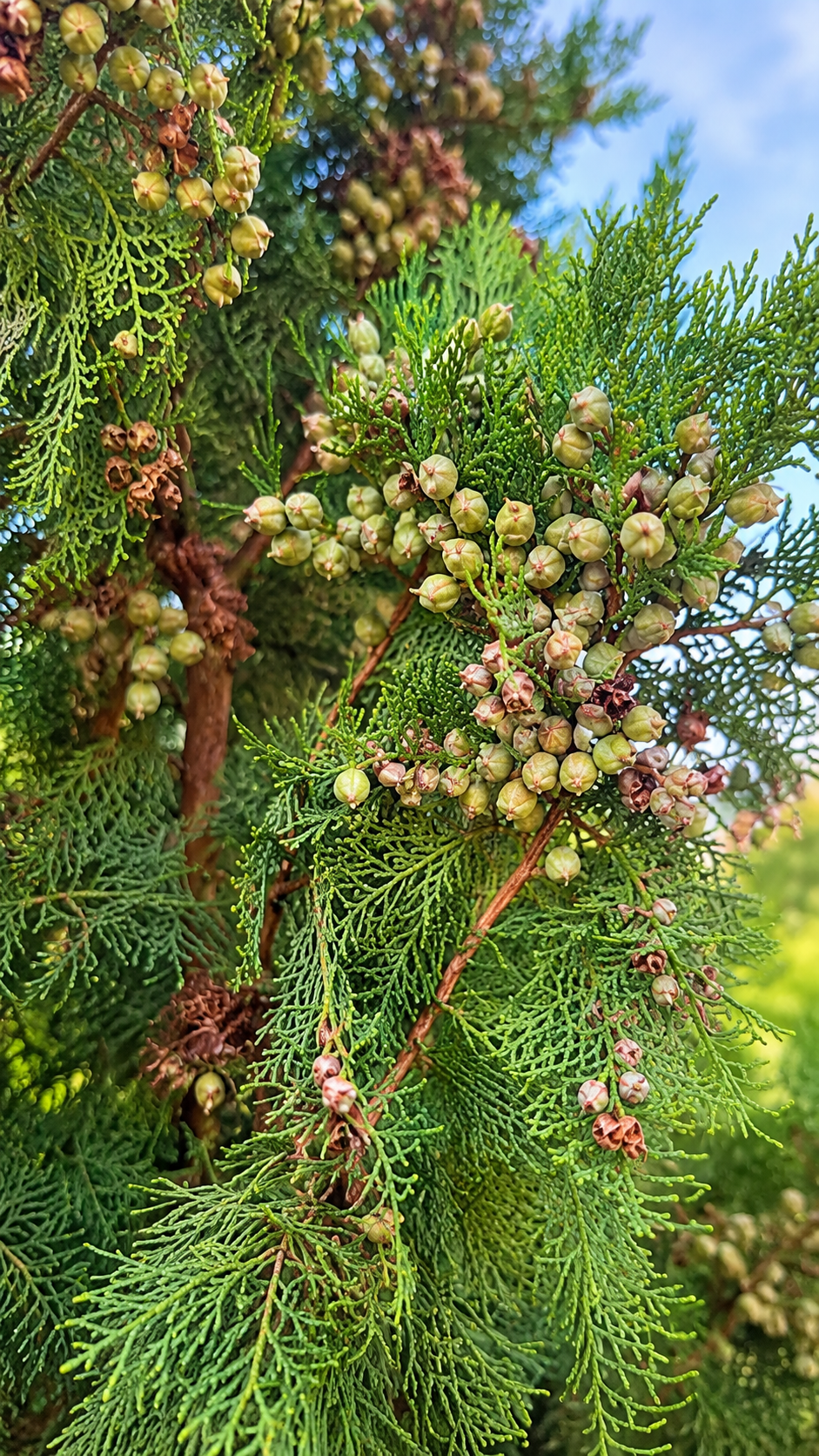
Cypress and Juniper Health Benefits

Cypress and Juniper Health Benefits: Traditional Uses, Natural Compounds & Safety

Description

Have you ever noticed a beautiful evergreen tree covered in tiny round cones and wondered whether it has any health benefits?

Cypress and juniper trees have attracted attention for centuries because of their distinctive aroma, natural plant compounds, and traditional uses in herbal practices.

These evergreen plants belong to the Cupressaceae family. While they share certain botanical characteristics, they are different plants, and their medicinal properties should not be considered interchangeable.

Today, researchers are studying compounds found in certain cypress and juniper species to understand their antioxidant, anti-inflammatory, and antimicrobial potential.

But can these plants actually improve human health?

The answer is more complicated than many natural wellness claims suggest. Laboratory research has revealed promising biological activities, but there is still limited clinical evidence proving that cypress or juniper preparations can treat specific health conditions.

Here is what researchers have discovered about their possible health benefits, traditional uses, and important safety considerations.

1. Antioxidant Properties

One of the most interesting areas of research involving cypress and juniper is their antioxidant potential.

Antioxidants are substances that help neutralize free radicals, which are unstable molecules associated with oxidative stress.

Oxidative stress is involved in several biological processes, including aging and cellular damage.

Certain cypress essential oils contain naturally occurring compounds such as alpha-pinene, limonene, and other terpenes.

Laboratory studies involving Mediterranean cypress, scientifically known as Cupressus sempervirens, have demonstrated antioxidant activity.

Researchers have observed that some extracts can neutralize free radicals in controlled laboratory experiments.

Juniper plants also contain compounds that have attracted scientific interest for their antioxidant properties.

What this means for health: These findings suggest that certain compounds deserve further study. However, antioxidant activity in a laboratory does not establish that drinking a tea or using an essential oil will reduce oxidative stress or prevent disease in people.

2. Potential Anti-Inflammatory Activity

Inflammation is part of the body’s natural defense system.

Short-term inflammation helps the body respond to injury and infection. However, ongoing inflammation can contribute to certain health problems.

Researchers have investigated whether naturally occurring compounds in cypress and juniper could influence inflammation-related biological processes.

Some experimental studies suggest that certain plant extracts and essential oils may affect enzymes or pathways involved in inflammation.

A 2026 laboratory study of Mediterranean cypress essential oil reported activity involving an inflammation-related enzyme.

These findings are scientifically interesting, but additional research is needed to determine whether such effects occur safely in humans.

What this means for health: Cypress and juniper are not established treatments for arthritis, chronic pain, or inflammatory diseases.

3. Natural Antimicrobial Properties

Another researched characteristic of certain cypress and juniper extracts is their activity against microorganisms.

Scientists have tested plant essential oils against selected bacteria and fungi under laboratory conditions.

Research involving Mediterranean cypress essential oil has demonstrated varying levels of antimicrobial activity.

Some tests found that particular concentrations influenced the growth of microorganisms.

The effectiveness differed depending on the microorganism, oil concentration, and experimental method.

These findings help researchers explore possible uses in product development and preservation technologies.

However, a substance that inhibits bacteria in a laboratory is not automatically safe or effective for treating infections in humans.

What this means for health: Cypress and juniper essential oils should not replace antibiotics, antifungal medicines, or proper wound care.

4. Traditional Digestive Wellness Uses

Juniper has a long history in traditional herbal practices.

The berry-like cones of certain juniper species have traditionally been used in preparations associated with digestion and general wellness.

Historically, some herbal traditions considered juniper a plant that could support digestive comfort.

However, historical use is not the same as evidence of effectiveness.

There is insufficient high-quality human research demonstrating that juniper preparations reliably relieve bloating, indigestion, or other digestive symptoms.

Furthermore, consuming concentrated juniper products may cause stomach irritation and other adverse reactions.

Not every species of juniper is suitable for consumption.

What this means for health: Traditional digestive uses are interesting from a historical perspective but should not be promoted as proven remedies.

5. Aromatic Uses and Relaxation

Cypress and juniper are well known for their natural evergreen fragrances.

Their aromatic compounds contribute to woody, fresh, and sometimes slightly spicy scents.

These fragrances are used in commercially produced perfumes, soaps, and aromatherapy products.

Some people find evergreen aromas pleasant and relaxing.

A calming environment can be part of a healthy self-care routine, particularly when combined with adequate rest, comfortable surroundings, and stress-management habits.

However, research has not established that inhaling cypress or juniper essential oil treats anxiety, depression, or sleep disorders.

Strong fragrances may also trigger headaches, irritation, or breathing symptoms in sensitive individuals.

What this means for health: Enjoying the scent may provide a pleasant sensory experience, but it is not a proven medical treatment.

6. Possible Skin-Related Research Applications

Natural plant extracts are frequently studied by scientists developing cosmetic and skincare formulations.

Certain cypress compounds have demonstrated antioxidant and antimicrobial activity in experimental settings.

Because of these properties, researchers are interested in their possible role in formulated cosmetic products.

However, laboratory findings do not establish that applying homemade cypress or juniper preparations will improve acne, eczema, wounds, or other skin problems.

Concentrated essential oils can irritate the skin and may cause allergic contact dermatitis.

Applying undiluted oils directly to the skin is particularly risky.

What this means for health: Professionally formulated products may be researched for cosmetic purposes, but homemade treatments should not be assumed safe or effective.

7. Research Into Cellular Protection

Scientists have also explored how compounds from certain cypress species interact with different types of cells.

Some laboratory experiments have investigated antioxidant effects, enzyme activity, and cellular responses.

These studies may eventually help identify compounds useful for future pharmaceutical research.

However, early research should be interpreted carefully.

Results obtained from isolated cells or laboratory enzymes cannot establish whether a plant product prevents neurological disorders, cancer, or age-related diseases in humans.

Clinical trials would be needed to evaluate any proposed therapeutic benefits.

What this means for health: Cellular research provides clues for future investigation, not evidence that the plant prevents or cures disease.

Cypress vs. Juniper: Which Has More Health Benefits?

Both plants contain biologically active compounds, but their chemical composition varies among species.

Juniper has a more widely recognized history of traditional culinary and herbal use, particularly involving the cones of certain species.

Mediterranean cypress has been studied for antioxidant and antimicrobial activity, especially in essential oils and extracts.

Neither can currently be described as having superior proven medical benefits based on strong clinical evidence.

The most important consideration is correct botanical identification, because similar-looking evergreen plants may have different chemical compositions and safety profiles.

Important Safety Precautions

Before considering any herbal product made from cypress or juniper, remember these precautions:

  • Do not eat leaves, cones, or berries from unidentified evergreen trees.
  • Avoid homemade medicinal teas made from unknown cypress or juniper species.
  • Never swallow essential oils.
  • Avoid medicinal juniper preparations during pregnancy unless specifically advised by a qualified clinician.
  • People with kidney disease should avoid experimenting with juniper herbal preparations.
  • Ask a healthcare professional about possible medication interactions.
  • Keep essential oils away from young children and pets.
  • Stop using scented products if they cause skin irritation or breathing discomfort.

Natural does not automatically mean safe.

Frequently Asked Questions

Are Cypress and Juniper Good for Human Health?

Certain species contain natural compounds with interesting laboratory findings. However, strong clinical evidence for specific health benefits remains limited.

Can Juniper Help With Inflammation?

Some experimental research suggests that juniper compounds may have anti-inflammatory properties, but this does not establish effectiveness as a treatment for inflammation in humans.

Does Cypress Essential Oil Kill Bacteria?

Some cypress essential oils have demonstrated antimicrobial activity in laboratory studies. This does not mean they can safely treat bacterial infections in people.

Can Juniper Berries Improve Digestion?

Juniper berries have a history of traditional digestive use, but reliable human evidence remains insufficient.

Are Cypress and Juniper Safe to Use Every Day?

Safety depends on the species, product formulation, amount, and method of exposure. Daily medicinal use should not be assumed safe.

Can These Plants Replace Medicines?

No. Cypress and juniper should not replace prescribed medications or professional medical treatment.

Final Thoughts

Cypress and juniper trees are more than attractive evergreens.

Their natural compounds have inspired scientific investigations into antioxidant properties, inflammation-related biological pathways, and antimicrobial activity.

Traditional uses have also contributed to their popularity in natural wellness discussions.

Nevertheless, most proposed medical benefits remain preliminary, and certain preparations can carry genuine risks.

The most responsible approach is to appreciate these plants, understand their scientific potential, and distinguish traditional beliefs from proven treatments.

Disclaimer: This article is for educational purposes only and does not provide medical advice. Do not use unidentified plants or homemade herbal preparations to diagnose, prevent, or treat medical conditions.

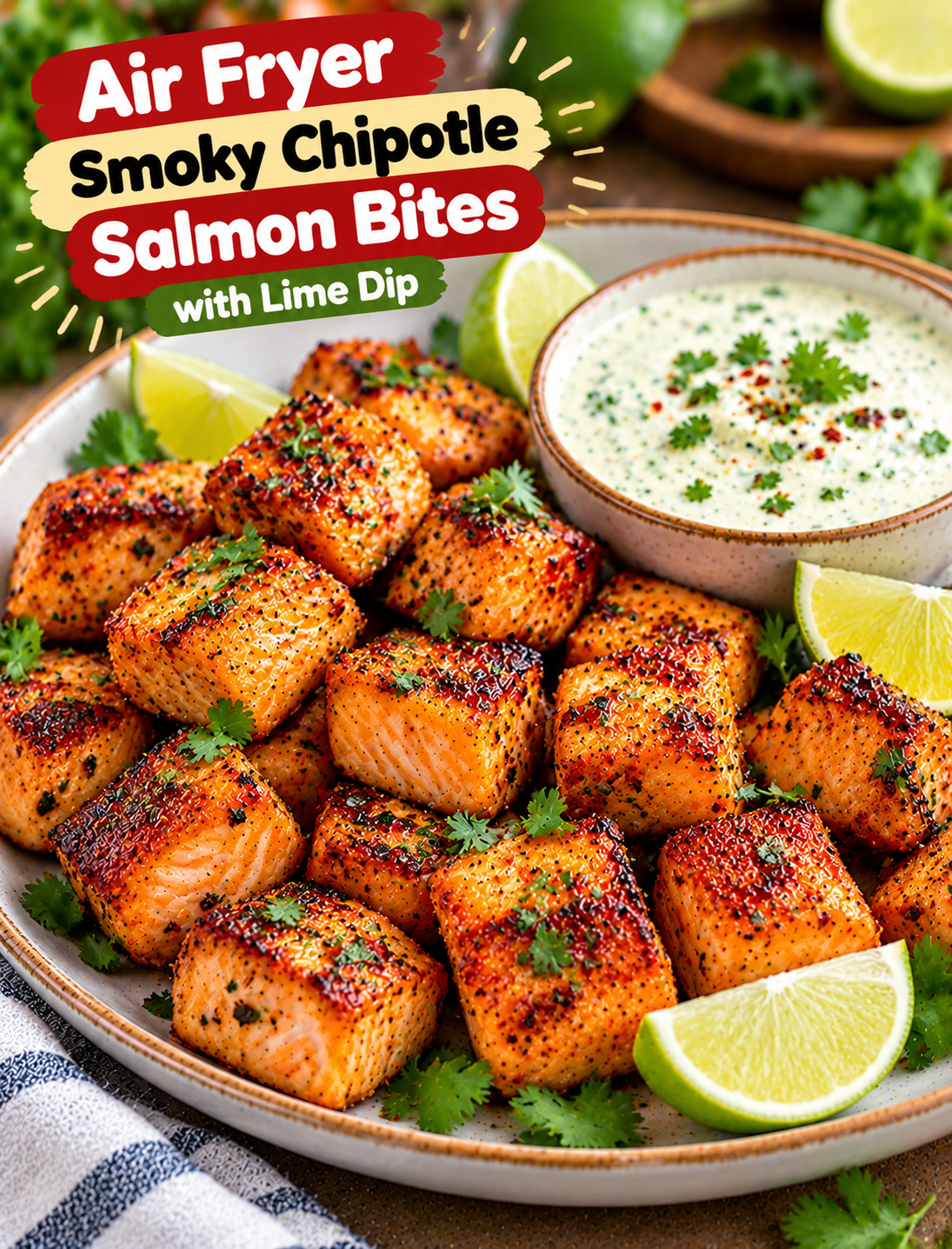
Air Fryer Smoky Chipotle Salmon Bites with Lime Dip

Air fryer smoky chipotle salmon bites with creamy lime dip, fresh cilantro, and lime wedges on a serving plate.
Air Fryer Smoky Chipotle Salmon Bites with Lime Dip

Air Fryer Smoky Chipotle Salmon Bites with Lime Dip are a quick, flavorful way to enjoy tender salmon with crisp edges and a smoky, mildly spicy coating. Each bite combines smoky chipotle seasoning, garlic, paprika, and fresh lime juice for a bold flavor that works well for weeknight dinners, meal prep, or party appetizers.

The air fryer cooks the salmon in a short time with little oil, making this recipe convenient when you want a satisfying meal without deep-frying. The cool lime dip adds a creamy, tangy contrast to the warm, seasoned fish.

Serve these salmon bites in rice bowls, tacos, salads, or as a protein-rich appetizer. With simple ingredients and easy steps, this recipe is suitable for beginner cooks and busy households.

Why You’ll Love This Recipe

  • Quick cooking: Small salmon cubes cook in about 6–9 minutes, depending on their size and your air fryer.
  • Smoky, zesty flavor: Chipotle, smoked paprika, garlic, and lime create a balanced mix of heat and freshness.
  • Less oil: Air frying requires only a small amount of oil to help the seasoning coat the salmon.
  • Easy ingredients: Most ingredients are available at regular U.S. grocery stores.
  • Versatile serving options: Enjoy the bites with vegetables, rice, tortillas, or a fresh salad.
  • Creamy lime dip: Greek yogurt or sour cream makes a cool, tangy dip that balances the smoky seasoning.
  • Easy to customize: Adjust the chipotle powder, lime juice, and seasoning to suit your taste.

Ingredients You’ll Need

For the Salmon Bites

  • 1 pound skinless salmon fillet: Cut into even 1-inch cubes for more consistent cooking.
  • 1 tablespoon olive oil: Helps the seasoning stick and encourages lightly crisp edges.
  • 1 teaspoon smoked paprika: Adds a deep, smoky flavor.
  • ½ teaspoon chipotle powder: Provides smoky heat; reduce it if you prefer mild food.
  • ½ teaspoon garlic powder: Adds savory flavor without extra moisture.
  • ½ teaspoon onion powder: Complements the garlic and paprika.
  • ½ teaspoon ground cumin: Adds a warm, earthy note.
  • ½ teaspoon salt: Enhances the flavor of the salmon.
  • ¼ teaspoon black pepper: Adds mild spice.
  • 1 tablespoon fresh lime juice: Brightens the seasoning.
  • ½ teaspoon lime zest: Adds extra citrus aroma, if desired.
  • Fresh cilantro: Chopped for garnish.
  • Lime wedges: For serving.

For the Creamy Lime Dip

  • ½ cup plain Greek yogurt: Creates a thick, tangy base.
  • 1 tablespoon fresh lime juice: Adds a bright citrus flavor.
  • 1 teaspoon lime zest: Gives the dip a stronger lime aroma.
  • 1 small garlic clove: Finely grated or minced.
  • 1 tablespoon chopped fresh cilantro: Adds a fresh herbal note.
  • ¼ teaspoon salt: Adjust to taste.
  • 1–2 teaspoons water: Optional, for thinning the dip.

You can replace Greek yogurt with sour cream for a richer dip. If using chipotle in adobo sauce instead of chipotle powder, start with a small amount because its flavor and heat can be stronger.

Equipment Needed

  • Air fryer
  • Cutting board
  • Sharp knife
  • Mixing bowl
  • Measuring spoons
  • Small bowl for the dip
  • Food thermometer
  • Tongs or a spatula

How to Make Air Fryer Smoky Chipotle Salmon Bites with Lime Dip

Step 1: Prepare the Salmon

  • Pat the salmon fillet dry with paper towels to remove excess surface moisture.
  • Check for any pin bones and remove them with clean tweezers.
  • Cut the salmon into even 1-inch cubes.
  • Place the cubes in a mixing bowl.

Tip: Evenly sized pieces cook at a similar rate. Very small cubes can dry out before larger pieces finish cooking.

Step 2: Make the Smoky Seasoning

  • Add the smoked paprika, chipotle powder, garlic powder, onion powder, cumin, salt, and black pepper to a small bowl.
  • Stir until the spices are evenly combined.
  • Add the olive oil and fresh lime juice to the salmon.
  • Toss gently to coat each piece without breaking the cubes apart.
  • Sprinkle the seasoning mixture over the salmon and toss again.

Tip: For a milder flavor, use ¼ teaspoon chipotle powder. For extra heat, add a little more after testing the first batch.

Step 3: Preheat the Air Fryer

  • Preheat the air fryer to 400°F for about 3 minutes, if your model recommends preheating.
  • Check that the basket is clean and dry.
  • Lightly spray the basket with an air-fryer-safe cooking spray if needed.

Tip: Avoid aerosol sprays that may damage some air-fryer basket coatings. Check your manufacturer’s instructions and use an approved alternative when necessary.

Step 4: Arrange the Salmon Bites

  • Place the seasoned salmon cubes in the air fryer basket in a single layer.
  • Leave a little space between pieces so hot air can circulate.
  • Cook in batches if the basket is crowded.

Tip: Overcrowding can cause uneven cooking and reduce browning. A single layer gives the salmon a better texture.

Step 5: Air Fry Until Tender

  • Air fry at 400°F for 6–9 minutes.
  • Check the salmon after 5–6 minutes because air fryers vary in strength.
  • Gently turn or shake the pieces halfway through cooking if your basket design allows it.
  • Check the thickest pieces with a food thermometer.
  • Cook until the salmon reaches 145°F internally, measured at the thickest part.

Important: Cooking time depends on cube size, starting temperature, and the air fryer model. Use the internal temperature rather than appearance or time alone to confirm doneness.

Step 6: Prepare the Creamy Lime Dip

  • Add the Greek yogurt to a small bowl.
  • Stir in the lime juice, lime zest, minced garlic, chopped cilantro, and salt.
  • Mix until smooth.
  • Add 1–2 teaspoons of water if you prefer a thinner consistency.
  • Taste and adjust the lime juice or salt as needed.

Tip: Make the dip while the salmon cooks. Refrigerate it until serving so it stays cool and fresh.

Step 7: Finish and Serve

  • Transfer the cooked salmon bites to a serving plate.
  • Sprinkle with fresh cilantro and a little extra lime zest, if desired.
  • Serve immediately with the creamy lime dip and lime wedges.
  • Add sliced avocado, cucumber, or a fresh salad for extra freshness.

For a complete dinner, serve the salmon with brown rice, roasted vegetables, or warm tortillas.

Tips for the Best Salmon Bites

  • Choose firm salmon: Fresh or properly thawed frozen salmon works well. Remove the skin before cutting if you want fully skinless bites.
  • Dry the fish first: Excess moisture can prevent the seasoning from sticking evenly.
  • Cut evenly: Aim for cubes around 1 inch across.
  • Use chipotle carefully: Chipotle powder adds both smoky flavor and heat, so begin with a modest amount.
  • Avoid too much lime before cooking: A small amount adds flavor, but too much liquid can make the coating wet.
  • Do not overcrowd the basket: Cook in batches when necessary.
  • Check temperature early: Small salmon cubes can cook quickly.
  • Serve promptly: The bites have their best texture when freshly cooked.

Flavor Variations

Honey Chipotle Salmon Bites

Add 1 teaspoon of honey to the seasoning mixture for a sweet-and-smoky finish. Watch the salmon closely because the natural sugars can brown quickly.

Garlic Lime Salmon Bites

Reduce the chipotle powder and add an extra ¼ teaspoon of garlic powder. Finish with fresh lime juice just before serving.

Extra-Spicy Salmon Bites

Increase the chipotle powder slightly or add a pinch of cayenne pepper. Keep the dip mild to provide a cooling contrast.

Cilantro Avocado Dip

Blend ½ ripe avocado with Greek yogurt, lime juice, cilantro, and a pinch of salt. Add a little water until the dip reaches your preferred consistency.

Dairy-Free Lime Dip

Use an unsweetened, dairy-free plain yogurt alternative. Check the label to make sure it is suitable for savory recipes.

What to Serve with Smoky Chipotle Salmon Bites

  • Rice bowls: Serve over brown rice or cilantro-lime rice with corn, black beans, and avocado.
  • Tacos: Add the salmon to warm tortillas with shredded cabbage and lime dip.
  • Fresh salads: Pair with romaine lettuce, cucumber, tomatoes, and a lime dressing.
  • Roasted vegetables: Serve with broccoli, bell peppers, zucchini, or asparagus.
  • Potato sides: Pair with roasted potato wedges or air-fried sweet potatoes.
  • Party platters: Arrange the bites with lime wedges, sliced vegetables, and a bowl of dip.

These serving ideas make it easy to adapt the recipe for lunch, dinner, or casual gatherings.

Storage and Reheating Instructions

How to Store Leftovers

  • Let the salmon cool slightly before storing.
  • Place leftovers in an airtight container.
  • Refrigerate within 2 hours of cooking.
  • Use refrigerated cooked salmon within 3–4 days.
  • Store the lime dip separately in a covered container.

For food safety, refrigerate perishable food promptly and keep the refrigerator at 40°F or below.

How to Reheat Salmon Bites

  • Preheat the air fryer to 325°F.
  • Arrange the salmon in a single layer.
  • Heat for about 2–4 minutes, checking frequently to avoid drying it out.
  • Confirm that reheated leftovers reach 165°F before serving.

Reheating time varies with the size of the pieces and the air fryer. Add the cold lime dip after reheating rather than heating it with the fish.

Can You Freeze Them?

Cooked salmon can be frozen in a freezer-safe airtight container, although its texture may become softer after thawing. For the best quality, use within 2–3 months. Thaw in the refrigerator and reheat thoroughly. Prepare the lime dip fresh for the best texture.

Common Mistakes to Avoid

  • Using uneven cubes: Different sizes can cook at different rates.
  • Adding too much oil: Excess oil can make the seasoning greasy rather than lightly coating the fish.
  • Crowding the basket: Stacked salmon pieces may cook unevenly.
  • Cooking without checking temperature: Salmon can look done on the outside before the center reaches a safe temperature.
  • Using too much chipotle: A heavy hand can overpower the lime and salmon.
  • Overcooking the fish: Extended cooking can make salmon dry and firm.
  • Making the dip too early without refrigeration: Keep the yogurt-based dip chilled until serving.

Frequently Asked Questions

1. How long do salmon bites take in the air fryer?

At 400°F, 1-inch salmon cubes often take 6–9 minutes. Check the thickest piece and cook to an internal temperature of 145°F.

2. Can I use frozen salmon?

Yes, but thaw it completely in the refrigerator first and pat it dry before cutting and seasoning.

3. Is chipotle powder very spicy?

Chipotle powder has a smoky flavor with noticeable heat. Start with ¼ teaspoon for a milder batch and adjust to taste.

4. Can I make the lime dip ahead of time?

Yes. Prepare it up to 1 day ahead, cover it, and keep it refrigerated until serving.

5. Can I use sour cream instead of Greek yogurt?

Yes. Sour cream makes a richer, creamier dip with a slightly different tang.

6. How do I know when the salmon is done?

Use a food thermometer and check the thickest piece. Salmon should reach 145°F internally for food safety.

7. Can I cook these salmon bites without oil?

You can reduce or omit the oil, but the seasoning may not coat as evenly and the edges may brown less.

8. What can I serve instead of lime dip?

Try plain Greek yogurt with cilantro, avocado dip, or a simple lime dressing. Keep any substitute chilled until serving.

Final Thoughts

Air Fryer Smoky Chipotle Salmon Bites with Lime Dip bring smoky seasoning, tender fish, and bright citrus flavor together in a simple recipe. The short cooking time makes them practical for busy weeknights, while the creamy lime dip adds a cool contrast to the chipotle spices.

Serve them in tacos, rice bowls, salads, or on an appetizer platter. Adjust the heat to your preference, cook the salmon to 145°F, and enjoy the bites while they are fresh and warm.

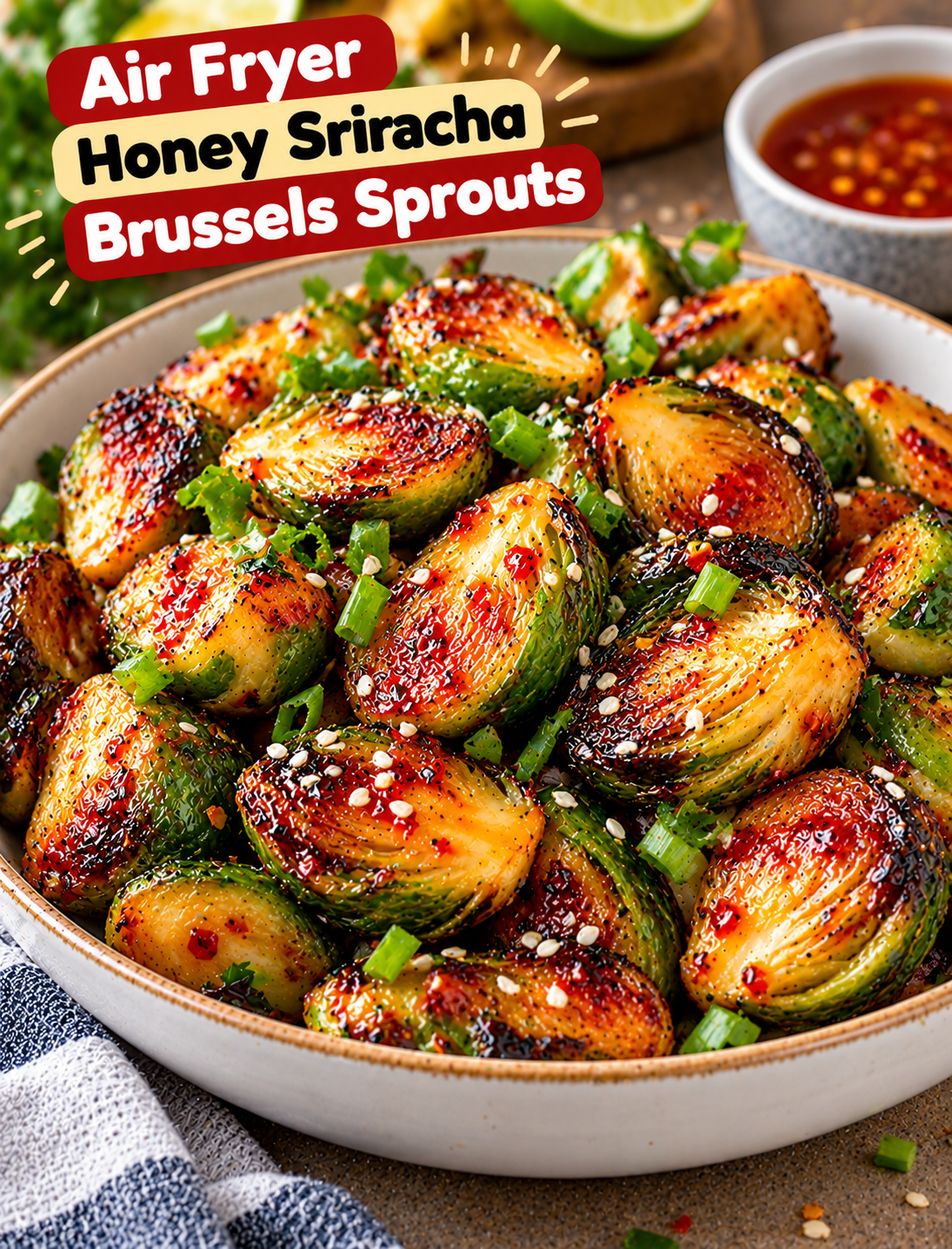
Air Fryer Honey Sriracha Glazed Brussels Sprouts

Air fryer honey Sriracha glazed Brussels sprouts with crispy golden edges, sesame seeds, fresh green onions, and a glossy sweet-spicy sauce.
Air Fryer Honey Sriracha Glazed Brussels Sprouts

Looking for a vegetable side dish with crispy edges, a sweet glaze, and a spicy kick? These Air Fryer Honey Sriracha Glazed Brussels Sprouts deliver all three in every bite. Fresh Brussels sprouts are air-fried until golden, then tossed in a sticky honey Sriracha sauce made with garlic, soy sauce, and fresh lime juice.

The combination of sweet honey and spicy Sriracha creates a bold flavor that makes Brussels sprouts more exciting. The air fryer helps brown the cut surfaces while keeping the centers tender. A quick toss in the glaze adds a shiny finish without requiring deep-frying or a long cooking process.

Serve these spicy-sweet sprouts with grilled chicken, salmon, burgers, or roasted tofu. They also make a flavorful addition to holiday dinners, game-day spreads, and casual weeknight meals. If you enjoy vegetables with a little heat, this easy recipe is a delicious way to add more variety to your table.

Why You’ll Love These Air Fryer Honey Sriracha Glazed Brussels Sprouts

  • Crispy edges: The air fryer browns the cut surfaces and creates a satisfying texture.
  • Sweet and spicy flavor: Honey balances the heat of Sriracha for a bold, savory glaze.
  • Simple ingredients: Fresh Brussels sprouts, pantry seasonings, and a few sauce ingredients are all you need.
  • Quick preparation: The sprouts cook in about 12–16 minutes, depending on their size.
  • Easy to customize: Adjust the chili sauce, honey, or lime juice to suit your taste.
  • Versatile side dish: Pair them with chicken, fish, burgers, rice bowls, or plant-based meals.

Recipe Overview

  • Prep Time: 10 minutes
  • Cook Time: 12–16 minutes
  • Total Time: Approximately 25–30 minutes
  • Servings: 4
  • Course: Side Dish, Appetizer
  • Cuisine: American-Inspired, Asian-Inspired
  • Cooking Method: Air Fryer
  • Difficulty: Easy

Cooking time may vary depending on the size of the sprouts and the performance of your air fryer. Smaller Brussels sprouts may cook faster, while larger pieces may need a few extra minutes.

Ingredients for Air Fryer Honey Sriracha Glazed Brussels Sprouts

Choose firm, bright green Brussels sprouts with tightly packed leaves. Fresh sprouts usually provide the best texture, but frozen sprouts can also work with a few adjustments.

For the Brussels Sprouts

  • 1 pound fresh Brussels sprouts
  • 1 tablespoon olive oil
  • 1/4 teaspoon salt, or to taste
  • 1/4 teaspoon black pepper
  • 1/2 teaspoon garlic powder

For the Honey Sriracha Glaze

  • 2 tablespoons honey
  • 1–2 tablespoons Sriracha sauce, depending on your preferred heat
  • 1 tablespoon low-sodium soy sauce
  • 2 garlic cloves, finely minced
  • 1 tablespoon fresh lime juice
  • 1 teaspoon rice vinegar
  • 1/2 teaspoon sesame oil, optional

Optional Garnishes

  • 1 teaspoon sesame seeds
  • 1 tablespoon chopped fresh cilantro
  • 1 green onion, thinly sliced
  • A pinch of red pepper flakes

Ingredient tip: Sriracha varies in heat by brand, so start with 1 tablespoon if you prefer a milder glaze. Use low-sodium soy sauce to keep the sauce from becoming too salty, and choose gluten-free tamari if needed.

How to Make Air Fryer Honey Sriracha Glazed Brussels Sprouts

Follow these steps to prepare the sprouts, make the glaze, and finish the vegetables with a sticky sweet-and-spicy coating.

Step 1: Wash and Trim the Brussels Sprouts

Rinse the Brussels sprouts under cool running water and dry them thoroughly with a clean towel. Trim the dry stem ends and remove any loose, yellow, or damaged outer leaves.

Cut each sprout in half lengthwise. If some sprouts are much larger than the others, cut them into quarters so the pieces cook more evenly.

Drying the sprouts is important because excess surface water can slow browning and make the outside softer.

Step 2: Season the Brussels Sprouts

Place the halved sprouts in a large bowl. Add the olive oil, salt, black pepper, and garlic powder.

Toss until the sprouts are evenly coated. Make sure a little oil reaches the cut surfaces because these areas develop the most golden color during air frying.

Keep the honey Sriracha glaze separate at this stage. Adding the sugary sauce before air frying can cause it to darken or burn before the sprouts become tender.

Step 3: Preheat the Air Fryer

Preheat your air fryer to 375°F for about 3 minutes, following your appliance instructions.

If your air fryer does not require preheating, follow the manufacturer’s guidance. Lightly grease the basket with an air-fryer-safe oil if needed to help prevent sticking.

Step 4: Arrange the Sprouts in the Basket

Place the Brussels sprouts in a single layer with the cut sides facing down where possible. Leave space between the pieces so hot air can circulate around them.

Cook in batches if necessary. Overcrowding traps moisture and can prevent the cut surfaces from becoming crisp.

If you are using a small air fryer, prepare one batch at a time rather than stacking the sprouts.

Step 5: Air Fry Until Golden

Air fry the sprouts at 375°F for approximately 12–16 minutes. Shake the basket or turn the sprouts halfway through cooking.

Begin checking around the 10-minute mark. The cut sides should be golden brown, and a fork should slide into the thicker pieces with slight resistance.

If the sprouts are browned but still firm inside, lower the temperature slightly and continue cooking for another 2–3 minutes. Cooking time depends on their size and your appliance.

Step 6: Prepare the Honey Sriracha Glaze

While the sprouts cook, combine the honey, Sriracha, soy sauce, minced garlic, lime juice, rice vinegar, and sesame oil in a small saucepan.

Heat over low heat for 1–2 minutes, stirring until the ingredients are blended and the honey loosens. Do not let the mixture boil rapidly because the honey can scorch.

If you prefer a thicker glaze, simmer gently for another minute while stirring. Remove the pan from the heat as soon as the sauce becomes glossy.

Step 7: Toss the Crispy Sprouts in the Glaze

Transfer the cooked Brussels sprouts to a clean mixing bowl. Pour the warm glaze over them and toss gently until the pieces are coated.

Start with about three-quarters of the glaze, then add more if needed. Using too much sauce at once can soften the crispy edges.

For the best texture, glaze the sprouts immediately before serving rather than letting them sit in the sauce.

Step 8: Add Garnishes

Transfer the glazed Brussels sprouts to a serving plate. Sprinkle with sesame seeds, sliced green onion, or chopped cilantro if desired.

Add a squeeze of fresh lime juice for extra brightness. Taste one piece before adding more salt because the soy sauce already contributes a savory flavor.

Step 9: Serve Immediately

Serve the sprouts while they are warm and the glaze is glossy. They pair well with grilled chicken, baked salmon, rice bowls, and roasted tofu.

If serving them as a party appetizer, provide toothpicks and keep extra glaze on the side for dipping.

Tips for Extra-Crispy Brussels Sprouts

Use these practical tips to improve the texture and prevent the glaze from becoming too dark.

  • Dry the sprouts well: Moisture can prevent browning.
  • Cut them evenly: Similar-sized pieces cook at a similar rate.
  • Place cut sides down: This helps the flat surfaces develop a golden crust.
  • Avoid overcrowding: Cook in batches if your basket is small.
  • Glaze after cooking: Honey can burn when exposed to high heat for too long.
  • Use moderate heat: A temperature of 375°F helps brown the sprouts without scorching them too quickly.
  • Add sauce gradually: A light coating preserves more crunch.
  • Serve promptly: The sprouts soften as they sit in the glaze.

Easy Variations to Try

You can change the flavor of these sprouts without changing the basic cooking method.

Extra-Spicy Sriracha Brussels Sprouts

Increase the Sriracha to 2 tablespoons and add a pinch of red pepper flakes. Taste the glaze before tossing because different chili sauces have different heat levels.

Garlic Parmesan Brussels Sprouts

Reduce the Sriracha and soy sauce, then toss the cooked sprouts with garlic butter and grated Parmesan. This creates a savory version with less sweetness.

Honey Lime Brussels Sprouts

Use only a small amount of Sriracha and increase the lime juice slightly. The result is a brighter, milder glaze with a balance of sweet and citrus flavors.

Sesame Ginger Brussels Sprouts

Add 1 teaspoon of freshly grated ginger to the glaze and finish with sesame seeds. Ginger adds a warm flavor that complements the soy sauce and sesame oil.

Vegan Sweet and Spicy Brussels Sprouts

Replace the honey with maple syrup or agave syrup. Check the Sriracha and soy sauce labels to make sure the products meet your dietary needs.

Gluten-Free Brussels Sprouts

Replace regular soy sauce with gluten-free tamari or coconut aminos. Check the labels on all packaged ingredients to confirm they are suitable for a gluten-free diet.

What to Serve with Honey Sriracha Brussels Sprouts

These sweet and spicy vegetables work well with a range of main dishes and sides.

  • Grilled chicken: The savory chicken balances the spicy-sweet glaze.
  • Baked salmon: Salmon pairs well with lime, garlic, and chili flavors.
  • Steamed rice: Plain rice provides a mild base for the bold sauce.
  • Crispy tofu: A plant-based option that complements the sesame and soy flavors.
  • Burgers: Serve the sprouts as a flavorful alternative to standard fries.
  • Roasted potatoes: Combine two vegetable sides for a hearty meal.
  • Grain bowls: Add quinoa or brown rice, a protein, and the glazed sprouts for a filling lunch.

For a quick weeknight dinner, serve the Brussels sprouts with grilled chicken and rice. For a party spread, pair them with crispy potatoes, chicken wings, and a cooling yogurt dip.

Storage and Reheating Instructions

How to Store Leftover Brussels Sprouts

Allow the sprouts to cool, then place them in an airtight container. Refrigerate within 2 hours of cooking and use within 3–4 days.

If possible, store some extra glaze separately. This makes it easier to refresh the flavor without adding too much sauce during reheating.

How to Reheat Brussels Sprouts in the Air Fryer

Preheat the air fryer to 350°F. Arrange the leftover sprouts in a single layer and heat for approximately 3–5 minutes, checking that they are hot throughout.

Watch them closely because the honey glaze can darken quickly. Add a small amount of reserved glaze after reheating if the sprouts need more flavor.

Can You Freeze Honey Sriracha Brussels Sprouts?

You can freeze cooked Brussels sprouts in a freezer-safe container, but their texture will be softer after thawing. For best quality, use within 2 months.

Thaw them in the refrigerator and reheat in the air fryer. If possible, freeze the cooked sprouts before adding the glaze, then prepare fresh sauce when serving.

Common Mistakes to Avoid

  • Adding the glaze too early: Honey can burn before the vegetables finish cooking.
  • Using wet sprouts: Excess moisture makes crisping harder.
  • Cutting uneven pieces: Different sizes can lead to undercooked and overcooked sprouts in the same batch.
  • Overcrowding the basket: Crowded vegetables may steam instead of brown.
  • Using too much Sriracha: Excess heat can overpower the honey and garlic.
  • Cooking the sauce too long: The glaze can become too thick or develop a burnt flavor.
  • Adding too much sauce: A heavy coating can soften the crispy surfaces.
  • Leaving the sprouts uncovered for too long: The texture can soften as the vegetables cool.

Frequently Asked Questions

1. How long do Brussels sprouts take in the air fryer?

Halved Brussels sprouts usually take 12–16 minutes at 375°F, depending on their size and your air fryer.

2. When should I add the honey Sriracha glaze?

Add the glaze after air frying so the honey does not burn and the sprouts keep more of their crisp texture.

3. How can I make this recipe less spicy?

Use 1 teaspoon of Sriracha to start, then add more to taste. You can also increase the honey slightly to balance the heat.

4. Why are my Brussels sprouts not crispy?

Excess moisture, overcrowding, or too much glaze can soften the sprouts. Dry them well and cook in a single layer.

5. Can I use frozen Brussels sprouts?

Yes, but thaw and dry them thoroughly first. They may not become as crisp as fresh sprouts because freezing changes their texture.

6. Can I make the glaze ahead of time?

Yes. Prepare the glaze up to 3 days ahead and refrigerate it in a sealed container, then warm it gently before serving.

7. Can I make these Brussels sprouts vegan?

Yes. Replace honey with maple syrup or agave and check that the remaining ingredients fit your dietary needs.

8. What main dishes go best with these Brussels sprouts?

They pair well with grilled chicken, salmon, tofu, burgers, rice bowls, and roasted potatoes.

Final Thoughts

Air Fryer Honey Sriracha Glazed Brussels Sprouts turn a simple vegetable into a flavorful side dish with crisp edges and a sticky, sweet-and-spicy finish. The combination of honey, chili sauce, garlic, and lime creates bold flavor without a complicated preparation process.

For the best results, dry the sprouts thoroughly, leave space in the air fryer basket, and add the glaze only after cooking. Serve immediately with your favorite main dish for a side that brings color, crunch, and heat to the table.

Ready to try this sweet-and-spicy recipe? Save it for your next dinner and tell us in the comments: do you prefer your Brussels sprouts mild, sweet, or extra spicy?