Cranberry Pecan Chicken Salad Prep

Cranberry Pecan Chicken Salad Prep

Recipe Description

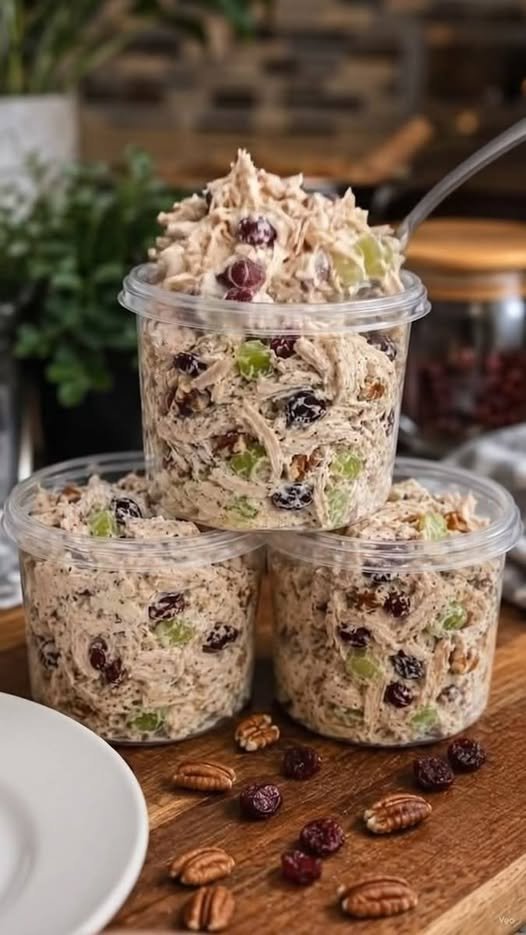
Cranberry Pecan Chicken Salad Prep is a delicious, creamy, and satisfying meal that combines tender chicken, sweet dried cranberries, crunchy pecans, and crisp vegetables in a flavorful dressing. Every bite offers a balance of savory chicken, natural sweetness, nutty crunch, and refreshing freshness. It is an excellent choice for meal prep because it can be prepared ahead of time and enjoyed for quick lunches, light dinners, or convenient weekday meals.

This chicken salad is versatile and easy to customize. You can serve it over fresh greens, tuck it into a sandwich, spoon it into lettuce cups, or enjoy it with whole-grain crackers. Greek yogurt and mayonnaise create a creamy dressing, while Dijon mustard and lemon juice add brightness.

The combination of chicken, pecans, and cranberries makes this recipe especially appealing for anyone who enjoys sweet-and-savory salads. It is also a practical way to use leftover roasted chicken or rotisserie chicken, saving preparation time without sacrificing flavor.

Recipe Information

  • Preparation Time: 20 minutes

  • Cooking Time: 0 minutes if using cooked chicken

  • Total Time: 20 minutes

  • Servings: 6

  • Course: Lunch, Dinner, or Meal Prep

  • Cuisine: American-Inspired

  • Difficulty: Easy

Ingredients

For the Chicken Salad

  • 4 cups cooked chicken breast, shredded or diced

  • ¾ cup dried cranberries

  • ¾ cup pecans, roughly chopped

  • 2 celery stalks, finely chopped

  • ½ small red onion, finely diced

  • ½ cup red or green grapes, halved (optional)

  • 2 tablespoons fresh parsley, chopped

  • 4 cups mixed salad greens, for serving (optional)

For the Creamy Dressing

  • ½ cup mayonnaise

  • ½ cup plain Greek yogurt

  • 1 tablespoon Dijon mustard

  • 1 tablespoon fresh lemon juice

  • 1 teaspoon honey, optional

  • ½ teaspoon garlic powder

  • ½ teaspoon salt, or to taste

  • ¼ teaspoon freshly ground black pepper

Instructions

Step 1: Prepare the Chicken

Begin with fully cooked chicken breast. You can poach chicken specifically for this recipe, roast it in advance, or use leftover rotisserie chicken.

If cooking fresh chicken, place boneless, skinless chicken breasts in a saucepan and cover them with water or chicken broth. Add a little salt and your preferred herbs. Bring the liquid to a gentle simmer and cook until the thickest part of the chicken reaches an internal temperature of 165°F (74°C).

Allow the chicken to cool before handling it. Shred it using two forks or cut it into small, even cubes. Shredded chicken creates a softer, more traditional chicken salad, while diced chicken gives the mixture a chunkier texture.

Measure approximately four cups of chicken and place it in a large mixing bowl.

Step 2: Prepare the Cranberries and Pecans

Measure the dried cranberries and roughly chop the pecans.

Dried cranberries provide a sweet-tart flavor that contrasts beautifully with the savory chicken. If your cranberries are especially dry, you can soak them in warm water for five minutes, then drain and pat them dry before adding them to the salad.

For a deeper nutty flavor, toast the pecans in a dry skillet over medium-low heat for approximately three to five minutes, stirring frequently. Remove them from the pan as soon as they smell fragrant and let them cool completely.

Toasting is optional, but it enhances the pecans’ aroma and gives the finished salad a more pronounced nutty taste. Do not add warm pecans to the dressing because they can soften the mixture.

Step 3: Chop the Vegetables

Wash and dry the celery, red onion, parsley, and optional grapes.

Finely chop the celery and red onion so their flavors distribute evenly throughout the chicken salad. Slice the grapes in half if using them.

Celery contributes a refreshing crunch, while red onion adds a mild sharpness that balances the sweetness of the cranberries. Grapes provide additional juiciness and sweetness, making the salad especially suitable for sandwiches and lettuce wraps.

Chop the parsley and set aside a small amount for the final garnish.

Step 4: Prepare the Creamy Dressing

In a medium bowl, combine the mayonnaise, Greek yogurt, Dijon mustard, lemon juice, honey if desired, garlic powder, salt, and black pepper.

Whisk until the dressing is smooth and creamy.

Mayonnaise provides richness, while Greek yogurt creates a slightly lighter texture and a pleasant tang. Dijon mustard adds depth, and lemon juice brightens the flavors. A small amount of honey can soften the acidity if you prefer a sweeter dressing.

Taste the dressing before combining it with the chicken. Adjust the lemon juice, salt, or pepper according to your preference.

If the dressing seems too thick, add one teaspoon of water or lemon juice at a time until it reaches a consistency that coats the chicken easily.

Step 5: Combine the Chicken and Dressing

Pour the dressing over the cooked chicken in the large mixing bowl.

Using a large spoon or spatula, gently fold the ingredients together until the chicken is evenly coated. Avoid adding all the dressing at once if you prefer a less creamy salad; begin with about three-quarters of it and add more as needed.

The mixture should look moist without becoming soupy. The dressing will cling to the shredded chicken and help the other ingredients distribute throughout the salad.

If the chicken is particularly dry, it may absorb more dressing. If it is already moist, you may need slightly less.

Step 6: Add Cranberries, Pecans, and Vegetables

Add the dried cranberries, chopped pecans, celery, red onion, optional grapes, and most of the parsley to the chicken mixture.

Fold everything together gently until the ingredients are evenly distributed.

Take care not to crush the pecans or grapes. Keeping the ingredients intact creates a more appealing texture, with creamy chicken balanced by crunchy nuts and crisp vegetables.

Taste the salad and adjust the seasoning if needed. You can add a little more Dijon mustard for sharpness, extra lemon juice for freshness, or a small pinch of black pepper for warmth.

Step 7: Chill the Salad

Cover the bowl and refrigerate the chicken salad for at least 30 minutes before serving.

Although you can eat it immediately, chilling gives the flavors time to blend. The cranberries soften slightly, the dressing seasons the chicken, and the mustard and lemon become more integrated with the other ingredients.

If you are preparing the salad for meal prep, divide it into individual airtight containers after mixing. Keep the containers refrigerated until you are ready to eat.

For the crunchiest result, you can reserve some pecans and sprinkle them over each serving immediately before eating.

Step 8: Serve and Garnish

Remove the chicken salad from the refrigerator and give it a gentle stir.

Taste it once more, as chilling can slightly change how the seasoning comes through. Add a little extra lemon juice or black pepper if desired.

Sprinkle the remaining parsley and reserved pecans over the top.

Serve the salad on a bed of mixed greens, inside a whole-grain sandwich, wrapped in a tortilla, or spooned into crisp lettuce leaves. For a more substantial meal, pair it with vegetable soup, roasted vegetables, or fresh fruit.

Best Meal Prep Tips

Use completely cooled chicken. Warm chicken can make the dressing overly soft and may raise the temperature of other ingredients. Cool it promptly and refrigerate it before mixing.

Keep the pecans crunchy. If you prefer maximum crunch, store toasted pecans separately and add them just before serving.

Control the dressing. Add it gradually to prevent the salad from becoming too wet. You can always add more, but removing excess dressing is difficult.

Adjust the sweetness. Dried cranberries are naturally sweetened in many products. Taste your ingredients before adding honey, and omit it if you prefer a more savory salad.

Prepare balanced portions. Divide the chicken salad into equal containers so weekday lunches are convenient and serving sizes are consistent.

Keep serving ingredients separate. Store salad greens, bread, crackers, and tortillas separately from the chicken mixture to prevent them from becoming soggy.

Serving Suggestions

  • Classic sandwich: Spread the chicken salad between whole-grain bread slices with lettuce.

  • Lettuce wraps: Spoon the mixture into crisp romaine or butter lettuce leaves.

  • Fresh salad bowl: Serve over spinach, arugula, cucumber, and cherry tomatoes.

  • Meal-prep lunchbox: Pair a portion with whole-grain crackers, carrot sticks, and apple slices.

  • Tortilla wrap: Add the salad to a whole-wheat tortilla with leafy greens and roll tightly.

  • Light dinner: Serve with vegetable soup or a simple cucumber and tomato salad.

For an elegant presentation, spoon the chicken salad into a serving bowl and garnish with parsley, a few whole cranberries, and chopped pecans.

Storage and Food Safety

Store the prepared chicken salad in an airtight container in the refrigerator at 40°F (4°C) or below. Use it within 3–4 days, provided the chicken was handled safely and refrigerated promptly.

Do not leave chicken salad at room temperature for more than two hours, or more than one hour when the temperature is above 90°F (32°C).

If preparing several portions for the week, keep only the portion you plan to eat immediately outside the refrigerator. Return the remaining containers to cold storage promptly.

Freezing is not recommended because mayonnaise-based dressings can separate after thawing, and celery may lose its crisp texture. For the best meal-prep quality, prepare a few days’ worth and make a fresh batch when needed.

Nutritional Information

Estimated values per serving, assuming six servings and using all listed ingredients:

  • Calories: 380–450

  • Protein: 32–38 g

  • Carbohydrates: 15–22 g

  • Dietary Fiber: 2–4 g

  • Fat: 22–29 g

  • Saturated Fat: 3–5 g

  • Sugar: 9–15 g

  • Sodium: 350–600 mg

Actual nutrition will vary depending on the chicken, mayonnaise, yogurt, and cranberries you use. Sweetened cranberries can increase the sugar content, while using less mayonnaise may reduce the calories and fat.

Potential Benefits

Provides protein: Chicken breast is a source of protein, which supports muscle maintenance and helps make meals satisfying.

Contains unsaturated fats: Pecans provide predominantly unsaturated fats, along with small amounts of fiber and minerals.

Includes plant-based ingredients: Celery, onion, cranberries, parsley, and optional grapes contribute different nutrients and add flavor and texture.

Offers meal-prep convenience: Preparing portions ahead of time can make it easier to organize lunches and reduce the need for last-minute meal preparation.

Can be customized: Greek yogurt, extra vegetables, and controlled dressing portions allow you to adjust the recipe to suit your preferences.

This salad can be part of a balanced eating pattern, although its nutritional profile depends on portion size and the ingredients used.

Frequently Asked Questions

1. Can I use rotisserie chicken?

Yes. Rotisserie chicken is a convenient option. Remove the skin and bones, then shred or dice the meat. Taste the salad before adding extra salt because prepared chicken may already be seasoned.

2. Can I make the salad without mayonnaise?

Yes. Replace the mayonnaise with additional plain Greek yogurt, or use a suitable dairy-free alternative. The flavor will be tangier and the texture may be less rich.

3. Can I use fresh cranberries?

Dried cranberries are recommended because they provide concentrated sweetness and a chewy texture. Fresh cranberries are much more tart, so they are not a direct substitute. If using fresh berries, chop them finely and adjust the sweetness to taste.

4. What can replace pecans?

Chopped walnuts or sliced almonds work well. For a nut-free version, omit the nuts or use toasted pumpkin seeds, provided they are suitable for everyone eating the meal.

5. How can I make the salad lower in calories?

Use mostly Greek yogurt with a smaller amount of mayonnaise, choose lean cooked chicken breast, and add extra celery or other crunchy vegetables. Remember that cranberries and pecans also contribute calories.

6. Is this recipe suitable for sandwiches?

Absolutely. Its creamy texture holds together well in sandwiches and wraps. Add lettuce just before serving to help keep the bread from becoming soggy.

7. How far ahead can I prepare it?

You can prepare it up to three days ahead for convenient lunches, keeping it properly refrigerated. For the freshest texture, store the pecans separately and add them before serving.
Chinese-Style Broccoli and Mushroom Stir-Fry

Chinese-Style Broccoli and Mushroom Stir-Fry

Recipe Description

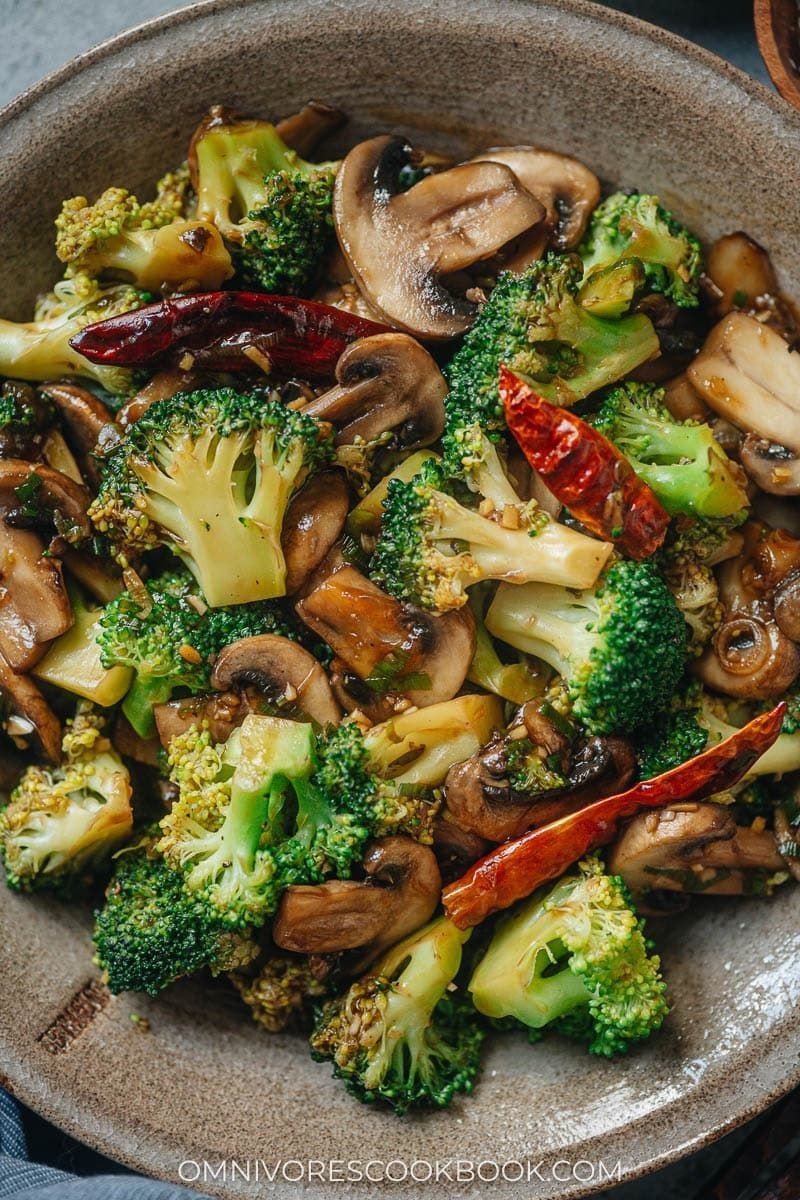
Chinese-Style Broccoli and Mushroom Stir-Fry is a delicious, colorful, and easy-to-prepare dish featuring crisp broccoli florets, tender mushrooms, fresh garlic, ginger, and a savory Asian-inspired sauce. Cooked quickly over high heat, the vegetables retain their natural flavor and appealing texture while absorbing a rich combination of soy sauce, sesame oil, and a touch of sweetness.

This homemade stir-fry is inspired by the flavors commonly found in Chinese-style vegetable dishes. It is perfect for busy weeknights because it uses simple ingredients, requires minimal preparation, and comes together in approximately 30 minutes. The mushrooms contribute an earthy, savory taste, while broccoli adds freshness and a pleasant crunch. Garlic and ginger provide aromatic depth, and the glossy sauce brings everything together.

You can serve this broccoli and mushroom stir-fry as a vegetarian main course with steamed rice or noodles, or enjoy it as a side dish alongside chicken, shrimp, tofu, or beef. It is also easy to customize with additional vegetables such as carrots, bell peppers, snow peas, or baby corn.

Whether you are preparing a quick lunch or a satisfying family dinner, this recipe delivers plenty of flavor without requiring complicated cooking techniques.

Recipe Information

  • Preparation Time: 15 minutes

  • Cooking Time: 12–15 minutes

  • Total Time: Approximately 30 minutes

  • Servings: 4

  • Course: Main Course or Side Dish

  • Cuisine: Chinese-Inspired

  • Cooking Method: Stir-Frying

  • Difficulty: Easy

  • Dietary Style: Vegetarian; easily made vegan

Ingredients

For the Stir-Fry

  • 4 cups fresh broccoli florets

  • 12 ounces (340 g) mushrooms, sliced

  • 1 medium carrot, thinly sliced (optional)

  • 3 cloves garlic, finely minced

  • 1 tablespoon fresh ginger, grated

  • 2 tablespoons neutral cooking oil, such as canola or avocado oil

  • 2 green onions, sliced

  • 1 teaspoon sesame seeds, for garnish (optional)

For the Stir-Fry Sauce

  • 3 tablespoons soy sauce

  • 1 tablespoon oyster sauce, optional

  • 1 tablespoon rice vinegar

  • 1 teaspoon sesame oil

  • 1 teaspoon honey or brown sugar

  • ½ cup vegetable broth or water

  • 1 teaspoon cornstarch

  • ¼ teaspoon ground black pepper

  • ¼ teaspoon red pepper flakes, optional

Note: For a vegan version, use vegetarian mushroom stir-fry sauce instead of oyster sauce and choose a plant-based sweetener if needed. Use gluten-free soy sauce or tamari if you need a gluten-free dish, and verify that the other sauces are also gluten-free.

Instructions

Step 1: Prepare the Vegetables

Wash the broccoli thoroughly under cool running water and drain well. Cut it into small, bite-sized florets so the pieces cook quickly and evenly. Peel the thick stem if desired, slice it thinly, and save it for the stir-fry rather than throwing it away.

Clean the mushrooms with a damp paper towel or a soft brush. Slice them into even pieces approximately ¼ inch thick. Avoid soaking mushrooms in water because they can absorb moisture and become harder to brown.

If using a carrot, slice it thinly on the diagonal. Mince the garlic, grate the ginger, and slice the green onions. Preparing everything before heating the pan makes the cooking process much easier because stir-frying happens quickly.

Step 2: Mix the Sauce

In a small bowl, whisk together the soy sauce, oyster sauce if using, rice vinegar, sesame oil, honey or brown sugar, vegetable broth, cornstarch, black pepper, and optional red pepper flakes.

Continue mixing until the cornstarch dissolves completely. This helps prevent lumps when the sauce reaches the hot pan.

The soy sauce adds savory saltiness, the vinegar provides brightness, and the small amount of sweetener balances the stronger flavors. Sesame oil contributes a distinctive nutty aroma, while cornstarch helps the sauce coat the vegetables.

Set the sauce aside. Stir it again immediately before using because the cornstarch can settle at the bottom.

Step 3: Blanch the Broccoli for Better Texture

Bring a medium pot of water to a boil. Add the broccoli florets and cook for approximately 2 minutes.

Transfer the broccoli to a bowl of cold water to stop the cooking process, then drain it thoroughly.

This quick blanching step is optional, but it helps the broccoli become tender while retaining a bright green color. It also reduces the amount of time needed in the pan.

If you prefer a one-pan method, skip blanching and add the broccoli directly to the stir-fry. You may need to add a small splash of water and cover the pan briefly to soften it.

Step 4: Heat the Pan

Place a large wok or wide skillet over medium-high to high heat. Allow it to heat thoroughly before adding the oil.

Add the neutral cooking oil and swirl it around to coat the bottom of the pan.

A hot pan helps the mushrooms brown and prevents the vegetables from releasing too much moisture at once. If your skillet is small, cook the mushrooms in batches rather than crowding them together.

Use a high-heat cooking oil and avoid leaving the pan unattended, particularly when cooking at high temperatures.

Step 5: Brown the Mushrooms

Add the sliced mushrooms in a single layer as much as possible. Let them cook undisturbed for approximately 2 minutes so they can begin to brown.

Stir and continue cooking for another 3–4 minutes, until the mushrooms release their moisture and become tender with golden edges.

Mushrooms naturally contain a substantial amount of water. If the pan is overcrowded, they may steam instead of browning. Cooking in batches helps develop a deeper, more savory flavor.

Once the mushrooms are browned, transfer them temporarily to a plate if the pan is crowded. Otherwise, leave them in the pan and continue.

Step 6: Add Garlic and Ginger

Reduce the heat slightly to prevent the aromatics from burning. Add the minced garlic and grated ginger to the pan.

Stir continuously for approximately 30–45 seconds, until fragrant.

Garlic provides a savory foundation, while ginger adds warmth and freshness. These ingredients should become aromatic without turning dark brown, which can make their flavor bitter.

If you removed the mushrooms earlier, return them to the pan once the garlic and ginger are fragrant.

Step 7: Stir-Fry the Broccoli and Carrots

Add the broccoli florets and optional carrot slices. Toss everything together so the vegetables become coated with the garlic, ginger, and remaining oil.

Stir-fry for approximately 3–4 minutes. If you blanched the broccoli first, this should be enough time to heat it through and develop a lightly roasted flavor.

For unblanched broccoli, add 2–3 tablespoons of water and cover the pan for 2–3 minutes. Remove the lid and continue cooking until the broccoli reaches your preferred tenderness.

The ideal texture is tender-crisp: the broccoli should be easy to bite but should not become mushy.

Step 8: Add the Stir-Fry Sauce

Stir the prepared sauce once more, then pour it into the pan. Toss the broccoli and mushrooms continuously so the sauce coats the vegetables evenly.

Allow the sauce to simmer for approximately 1–3 minutes. As it heats, the cornstarch thickens the liquid into a glossy coating.

If the sauce becomes too thick, add a tablespoon of water or vegetable broth at a time until it reaches your preferred consistency. If it seems too thin, simmer for another minute while stirring.

Taste the dish before adding extra salt because soy sauce and oyster sauce can already provide plenty of saltiness.

Step 9: Finish With Green Onions and Sesame

Add most of the sliced green onions and toss for another 30 seconds.

Turn off the heat and sprinkle sesame seeds over the stir-fry if desired. You can also add a few drops of sesame oil for a stronger toasted aroma, although the recipe already includes some.

For extra freshness, finish with the remaining green onions or a small squeeze of lime. These additions are optional but can brighten the savory sauce.

Step 10: Serve Immediately

Transfer the broccoli and mushroom stir-fry to a serving plate or shallow bowl.

Serve it hot with steamed jasmine rice, brown rice, fried rice, or noodles. For a more substantial meal, pair it with crispy tofu, grilled chicken, shrimp, or thinly sliced beef.

The glossy sauce should lightly coat the vegetables without pooling excessively at the bottom of the dish. Serve soon after cooking to preserve the broccoli’s color and the mushrooms’ texture.

Tips for the Best Results

Use high heat carefully. A properly heated wok or skillet helps the vegetables cook quickly and develop flavor. Keep the ingredients moving once the garlic and ginger have been added.

Avoid overcrowding. Too many mushrooms in one pan release moisture and become soft rather than browned. Cook in batches when necessary.

Keep the broccoli bright. Brief blanching followed by cold water helps preserve its green color. Do not overcook it during the final stir-fry.

Adjust the sauce to your taste. Add more vinegar for brightness, a little extra honey for sweetness, or red pepper flakes for heat. Make changes gradually.

Prepare everything in advance. Chop the vegetables and mix the sauce before heating the pan. This makes the cooking process faster and reduces the risk of burning the aromatics.

Use fresh ginger and garlic. Fresh ingredients generally provide a more vibrant aroma than dried alternatives.

Variations You Can Try

  • Spicy broccoli and mushroom stir-fry: Add chili garlic sauce, fresh sliced chilies, or extra red pepper flakes.

  • Protein-rich version: Add cubed firm tofu, cooked chicken, shrimp, or thinly sliced beef. Cook raw proteins separately until safely cooked through, then combine them with the vegetables.

  • Extra vegetable version: Add bell peppers, snow peas, baby corn, or thinly sliced cabbage.

  • Garlic-heavy version: Increase the garlic by one or two cloves for a stronger savory flavor.

  • Gluten-free version: Use tamari or certified gluten-free soy sauce and verify all additional sauces.

  • Lower-sodium version: Use reduced-sodium soy sauce and unsalted vegetable broth. Start with less sauce and adjust after tasting.

Serving Suggestions

This stir-fry works well as part of a balanced lunch or dinner. Serve it over steamed rice for a classic, simple meal, or toss it with cooked noodles for a more substantial bowl.

For a lighter option, serve it alongside cauliflower rice or a fresh cucumber salad. You can also add edamame or tofu for extra plant-based protein.

If serving guests, arrange the vegetables on a large platter and garnish with green onions and sesame seeds just before serving. The contrasting green broccoli and browned mushrooms make a simple presentation look inviting.

Storage and Reheating

Allow leftovers to cool and transfer them to an airtight container. Refrigerate within two hours of cooking and consume within 3–4 days.

Reheat the stir-fry in a skillet over medium heat with a small splash of water. Stir gently until the vegetables and sauce are hot throughout. The microwave also works; heat in short intervals, stirring between each interval.

Freezing is not recommended for the best texture because broccoli may become soft and mushrooms can release additional moisture after thawing. Freshly cooked stir-fry offers the best combination of crunch, color, and flavor.

Nutritional Information

Estimated nutrition per serving, assuming four servings and including the optional oyster sauce and honey, is as follows:

  • Calories: 150–190

  • Protein: 5–7 g

  • Carbohydrates: 15–20 g

  • Dietary Fiber: 4–6 g

  • Fat: 8–11 g

  • Saturated Fat: 1–2 g

  • Sugar: 5–8 g

  • Sodium: 450–750 mg

These figures are estimates and vary with the vegetables’ size, the amount of oil used, and the sodium content of the sauces. Serving the stir-fry with rice, noodles, or added protein will change the nutritional values of the complete meal.

Potential Health Benefits

Broccoli provides fiber and vitamins. Broccoli contains vitamin C, vitamin K, folate, and fiber, which contribute to normal body functions and digestive health.

Mushrooms add useful nutrients. Mushrooms provide B vitamins and minerals, and some varieties contain small amounts of vitamin D, depending on how they were grown or exposed to light.

Vegetables contribute variety. Combining broccoli, mushrooms, and carrots provides different plant nutrients and adds color and texture to meals.

Sesame oil adds flavor. A small quantity gives the dish its characteristic nutty aroma, allowing you to create a flavorful sauce without needing large amounts.

This recipe can fit into a balanced eating pattern. Its overall nutritional value depends on portion size, sauce ingredients, and the foods served alongside it.

Frequently Asked Questions

1. Can I make this recipe without a wok?

Yes. A large, heavy skillet works well. Choose one with enough surface area to cook the vegetables without crowding them.

2. Which mushrooms work best?

White button, cremini, and shiitake mushrooms are all suitable. Cremini mushrooms have a deeper flavor, while shiitake mushrooms provide a more pronounced savory taste.

3. Can I use frozen broccoli?

Yes. Thaw it and drain excess moisture first. Frozen broccoli is usually softer than fresh broccoli, so add it toward the end of cooking and stir gently.

4. Is oyster sauce necessary?

No. It adds savory depth, but you can omit it or use vegetarian mushroom sauce. You may need to adjust the soy sauce slightly, depending on your taste.

5. How do I stop the sauce from becoming lumpy?

Dissolve the cornstarch completely in the cold or room-temperature broth before adding the sauce to the hot pan. Stir the sauce again before pouring because the starch settles quickly.

6. Can I prepare the vegetables ahead of time?

Yes. Wash and cut the vegetables up to a day ahead and store them in separate airtight containers in the refrigerator. Mix the sauce separately and stir it before cooking.

7. What can I serve instead of rice?

Try noodles, quinoa, cauliflower rice, or cooked brown rice. For a lighter meal, serve the stir-fry on its own with tofu or another protein source.

Roasted Root Vegetable Tian with Goat Cheese & Walnuts

Roasted Root Vegetable Tian with Goat Cheese & Walnuts

Recipe Description

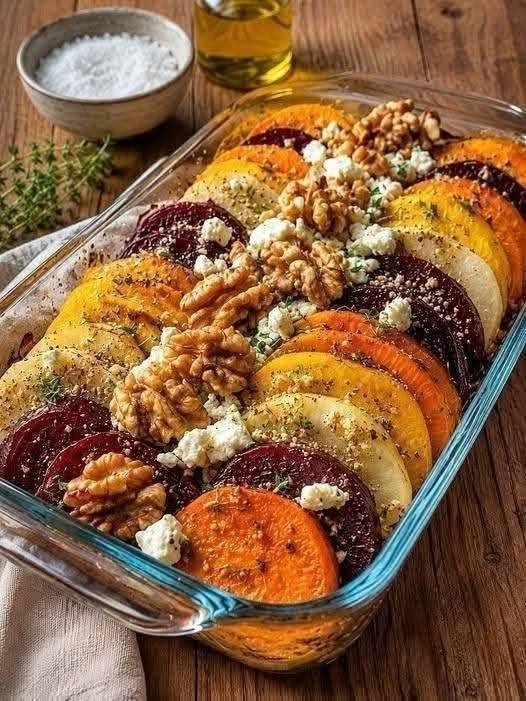
Roasted Root Vegetable Tian with Goat Cheese and Walnuts is a beautiful, rustic vegetable dish that combines thinly sliced root vegetables, creamy goat cheese, crunchy walnuts, and fragrant herbs. Baked slowly in the oven, the vegetables become tender inside, lightly caramelized around the edges, and full of natural sweetness. The goat cheese adds a tangy, creamy contrast, while toasted walnuts provide a satisfying crunch.

This elegant vegetable tian is inspired by Mediterranean and French countryside cooking, where seasonal vegetables, olive oil, garlic, and fresh herbs create flavorful meals from simple ingredients. The colorful layers of sweet potatoes, carrots, parsnips, and beets make this dish attractive enough for a holiday table but easy enough for a weeknight dinner.

The combination of sweet root vegetables, savory herbs, tangy cheese, and earthy walnuts creates a balanced flavor in every bite. It works beautifully as a vegetarian main course when served with a green salad or crusty bread. It is also an excellent side dish for roasted chicken, grilled fish, or other Mediterranean-inspired meals.

Whether you’re preparing a cozy family dinner or planning a special gathering, this roasted vegetable tian offers comforting flavors, attractive presentation, and plenty of texture.

Recipe Information

  • Preparation Time: 25 minutes

  • Cooking Time: 55–70 minutes

  • Total Time: Approximately 1 hour 30 minutes

  • Servings: 6

  • Course: Side Dish or Vegetarian Main Course

  • Cuisine: Mediterranean-Inspired

  • Cooking Method: Oven Roasting

  • Difficulty: Easy to Moderate

  • Dietary Style: Vegetarian

Ingredients

For the Vegetable Tian

  • 2 medium sweet potatoes, peeled

  • 3 medium carrots, peeled

  • 2 medium parsnips, peeled

  • 2 medium beets, peeled

  • 1 medium red onion, thinly sliced

  • 3 tablespoons extra-virgin olive oil

  • 3 cloves garlic, finely minced

  • 1 teaspoon dried thyme

  • 1 teaspoon dried rosemary, crushed

  • ½ teaspoon smoked paprika

  • ½ teaspoon ground black pepper

  • ¾ teaspoon salt, or to taste

  • ½ cup vegetable broth

  • 1 tablespoon fresh lemon juice

For the Goat Cheese and Walnut Topping

  • 4 ounces soft goat cheese, crumbled

  • ½ cup walnuts, roughly chopped

  • 1 tablespoon olive oil

  • 1 tablespoon fresh parsley, chopped

  • 1 teaspoon fresh thyme leaves

  • 1 teaspoon honey, optional

  • 1 teaspoon lemon zest, optional

Optional Garnishes

  • Fresh rosemary sprigs

  • Additional crumbled goat cheese

  • A light drizzle of balsamic glaze

  • Extra chopped parsley

  • Freshly ground black pepper

Instructions

Step 1: Prepare the Oven and Baking Dish

Preheat your oven to 375°F (190°C). Choose a round or oval baking dish approximately 9–10 inches wide, or use a similar-sized rectangular dish.

Lightly grease the baking dish with olive oil. This helps prevent the vegetables from sticking and adds flavor to the bottom layer.

A shallow ceramic or glass dish works especially well because it allows the vegetables to roast evenly while displaying their colorful arrangement. If you are using beets, consider wearing kitchen gloves while peeling and slicing them because their juice can stain your hands and cutting board.

Step 2: Slice the Root Vegetables

Peel the sweet potatoes, carrots, parsnips, and beets. Slice each vegetable into rounds approximately ⅛ to ¼ inch thick.

Try to keep the slices as uniform as possible. Even slices cook at a similar rate, helping prevent some vegetables from becoming soft while others remain firm.

A mandoline slicer can make this task easier, but a sharp kitchen knife also works well. If using a mandoline, always use its safety guard.

Keep the beet slices separate from the other vegetables until you are ready to arrange them. This reduces the amount of beet juice that transfers to the lighter-colored vegetables.

Thinly slice the red onion and set it aside.

Step 3: Make the Herb and Garlic Oil

In a small bowl, combine the olive oil, minced garlic, dried thyme, crushed rosemary, smoked paprika, salt, and black pepper.

Add the fresh lemon juice and mix thoroughly.

This aromatic mixture seasons the vegetables and helps them develop a golden, flavorful surface as they roast. The garlic adds savory depth, thyme contributes an earthy fragrance, and rosemary gives the dish a warm, woodsy flavor.

Taste a tiny amount of the oil mixture and adjust the salt or pepper if necessary. Remember that the goat cheese will contribute additional saltiness later.

Step 4: Arrange the Vegetables

Spread the sliced red onion evenly across the bottom of the prepared baking dish.

Arrange the vegetable slices upright or at a slight angle in overlapping rows. Alternate the sweet potatoes, carrots, parsnips, and beets to create a colorful pattern.

You can arrange the vegetables in concentric circles for a round dish or in neat rows for a rectangular dish. The goal is to create an attractive arrangement while leaving enough space for heat to circulate.

Do not pack the slices too tightly. A little space allows steam to escape and encourages roasting rather than excessive steaming.

If the slices are different sizes, place the smaller pieces between larger slices to create an even arrangement.

Step 5: Add the Seasoning

Drizzle the garlic-herb oil evenly over the vegetables. Use a pastry brush or the back of a spoon to distribute the mixture across the exposed surfaces.

Make sure the edges receive some oil because they are especially likely to caramelize during baking.

Pour the vegetable broth carefully around the edges of the dish rather than directly over the tops of the vegetables. The broth helps soften the vegetables and prevents the bottom from drying out.

Cover the baking dish tightly with aluminum foil.

Step 6: Bake Until Tender

Place the covered dish in the preheated oven and bake for 35–40 minutes.

During this stage, the vegetables soften in the gentle heat while absorbing the garlic, herbs, and broth. The foil traps moisture and helps the thicker root vegetable slices cook through.

After approximately 35 minutes, carefully remove the dish from the oven and lift one corner of the foil away from your face to release the hot steam.

Test the vegetables with a small knife. The knife should slide into the thicker pieces with some resistance, but the vegetables should not be completely hard.

If they still feel very firm, cover the dish again and bake for another 5–10 minutes.

Step 7: Roast Until Golden

Remove the foil and return the dish to the oven for another 15–20 minutes.

The uncovered baking stage allows excess moisture to evaporate and gives the exposed vegetables a lightly roasted finish. Their edges should begin to brown, and the aroma of garlic and rosemary should become more pronounced.

Cooking time varies depending on the thickness of the slices and the type of baking dish. If the vegetables are tender but not sufficiently golden, you can increase the oven temperature to 400°F (200°C) for the final 5 minutes, watching carefully to prevent burning.

Step 8: Prepare the Walnuts

While the vegetables finish roasting, prepare the walnut topping.

Place the chopped walnuts in a dry skillet over medium-low heat. Toast them for approximately 3–5 minutes, stirring frequently.

The walnuts are ready when they smell fragrant and become slightly darker. Remove them from the pan immediately because they can burn quickly in the residual heat.

Allow the walnuts to cool slightly, then combine them with the chopped parsley and fresh thyme leaves.

Toasting the walnuts deepens their earthy flavor and makes their crunchy texture stand out against the soft vegetables and creamy cheese.

Step 9: Add the Goat Cheese

Remove the vegetable tian from the oven once the vegetables are tender and lightly caramelized.

Scatter the crumbled goat cheese evenly over the top. The residual heat will soften the cheese, allowing it to become creamy without completely disappearing into the vegetables.

If you prefer a more melted topping, return the dish to the oven for 3–5 minutes. For a fresher, more distinct goat cheese texture, add it after the dish has rested briefly.

Sprinkle the toasted walnuts over the cheese and vegetables.

Step 10: Finish and Serve

Drizzle the top with a little olive oil and, if desired, a small amount of honey. Add lemon zest, fresh parsley, and additional thyme.

Let the tian rest for approximately 5–10 minutes before serving. This allows the vegetables to settle and makes the dish easier to portion.

Serve warm, spooning the layered vegetables onto plates and making sure each portion includes goat cheese and walnuts.

For a more elegant presentation, finish each serving with a few fresh herb leaves and a small drizzle of balsamic glaze.

Tips for the Best Vegetable Tian

Slice evenly. Uniform slices are essential for consistent cooking. If some pieces are significantly thicker than others, the thinner pieces may become overly soft before the thicker ones are tender.

Choose firm vegetables. Sweet potatoes, carrots, parsnips, and beets work well because they hold their shape during roasting. You can also add turnips or small potatoes.

Keep the seasoning balanced. Root vegetables naturally taste sweet, so garlic, herbs, black pepper, and lemon juice help balance their flavor. The tanginess of goat cheese provides another useful contrast.

Avoid excess liquid. Use only the recommended amount of broth. Too much liquid can make the bottom of the dish watery instead of allowing the vegetables to roast.

Add the walnuts near the end. Toasting them separately preserves their crunch and prevents them from becoming soft during the longer baking process.

Use fresh herbs when possible. Fresh parsley and thyme provide brightness, while dried rosemary and thyme are convenient for seasoning the vegetables before roasting.

Make it visually appealing. Alternating orange sweet potatoes, pale parsnips, carrots, and deep-red beets creates a beautiful presentation. For less color transfer, keep beet slices toward one side of the dish or arrange them in a separate section.

Serving Suggestions

This vegetable tian is versatile enough to serve with many meals.

  • Mediterranean dinner: Serve with grilled chicken, baked fish, or lemon-herb salmon.

  • Vegetarian meal: Pair with lentil salad, warm quinoa, or chickpeas seasoned with garlic and cumin.

  • Holiday table: Present it alongside roasted poultry, green beans, and a fresh salad.

  • Light lunch: Serve a generous portion with arugula, cucumber, cherry tomatoes, and a lemon vinaigrette.

  • Comforting dinner: Pair it with crusty whole-grain bread to soak up the flavorful juices.

For a more substantial vegetarian main course, serve the tian with cooked farro, quinoa, or white beans. These additions contribute extra texture and make the meal more filling.

Storage and Reheating

Allow leftovers to cool, then transfer them to an airtight container. Refrigerate within two hours of cooking and use within 3–4 days.

To reheat, place individual portions in an oven-safe dish and warm at 350°F (175°C) for approximately 10–15 minutes, or until heated through. Cover loosely with foil if the vegetables are becoming too dark.

You can also reheat a portion in the microwave in short intervals. The vegetables will remain flavorful, although the walnuts may lose some crunch. Add a few freshly toasted walnuts after reheating to restore the texture.

For the best presentation, store any extra walnuts separately if possible. You can also reserve some goat cheese and herbs to add just before serving.

Freezing is possible, but the vegetables may become softer after thawing, and the goat cheese may change texture. For the best results, enjoy this dish freshly prepared or refrigerated.

Nutritional Information

The following values are estimates per serving, assuming six servings and using the listed ingredients, including goat cheese and walnuts. Actual nutrition will vary according to vegetable size, the brands used, and how much oil remains in the finished dish.

  • Calories: 300–340

  • Protein: 7–9 g

  • Carbohydrates: 30–36 g

  • Dietary Fiber: 6–8 g

  • Total Fat: 17–21 g

  • Saturated Fat: 4–6 g

  • Sugar: 9–13 g

  • Sodium: 350–500 mg

For a more accurate estimate, calculate nutrition using the actual weights of your ingredients and the specific goat cheese you use.

Potential Health Benefits

Provides dietary fiber: Root vegetables contribute fiber, which supports normal digestion and can help make meals more satisfying.

Contains a variety of nutrients: Sweet potatoes and carrots provide beta-carotene, which the body can convert into vitamin A. Beets contribute folate and other naturally occurring plant compounds.

Includes healthy unsaturated fats: Olive oil and walnuts provide predominantly unsaturated fats. Walnuts also contain alpha-linolenic acid, a plant-based omega-3 fatty acid.

Offers some protein and calcium: Goat cheese contributes protein and calcium, although the amount varies by product and serving size.

Supports a varied eating pattern: Combining several vegetables, nuts, herbs, and cheese adds different flavors, textures, and nutrients to the meal.

These ingredients can contribute to a balanced diet, but this dish should not be considered a treatment or prevention for any particular health condition.

Frequently Asked Questions

1. Can I prepare the vegetable tian ahead of time?

Yes. You can peel and slice the vegetables a day ahead and store them in separate airtight containers in the refrigerator. You can also assemble the dish, cover it, and refrigerate it for several hours before baking. If baking directly from the refrigerator, allow extra cooking time and check that the vegetables are tender.

2. Can I use different vegetables?

Absolutely. Turnips, small potatoes, golden beets, and thinly sliced butternut squash are good alternatives. Choose vegetables with similar cooking requirements and slice them evenly.

3. What can I use instead of goat cheese?

Feta provides a salty, tangy flavor that works beautifully with roasted root vegetables. Crumbled ricotta salata is another option. For a milder, creamier topping, use small spoonfuls of ricotta, adding it near the end of cooking.

4. How can I make this recipe vegan?

Replace the goat cheese with a plant-based cheese alternative or a few spoonfuls of seasoned white bean purée. Omit the optional honey or use maple syrup instead. Check that your vegetable broth is vegan.

5. How do I know when the vegetables are fully cooked?

Insert a small knife into one of the thickest slices. It should slide in easily, and the vegetables should be tender without falling apart completely. The edges should be lightly browned after the uncovered roasting stage.

6. Can I make the dish without walnuts?

Yes. Leave them out or replace them with toasted pumpkin seeds or sunflower seeds. If you are serving someone with a nut allergy, check every ingredient and avoid cross-contact with nuts during preparation.

7. Why are my vegetables watery?

The slices may have released moisture, or too much broth may have been added. Bake the dish uncovered for a little longer to allow the excess liquid to evaporate. Avoid adding extra broth unless the bottom is drying out before the vegetables become tender.

8. Can I serve this dish at room temperature?

Yes. It can be served warm or at room temperature, making it suitable for buffets and shared meals. For food safety, do not leave cooked vegetables at room temperature for more than two hours.

Tuscan White Bean and Chicken Bowl with Feta

Tuscan White Bean and Chicken Bowl with Feta

1. Recipe Description

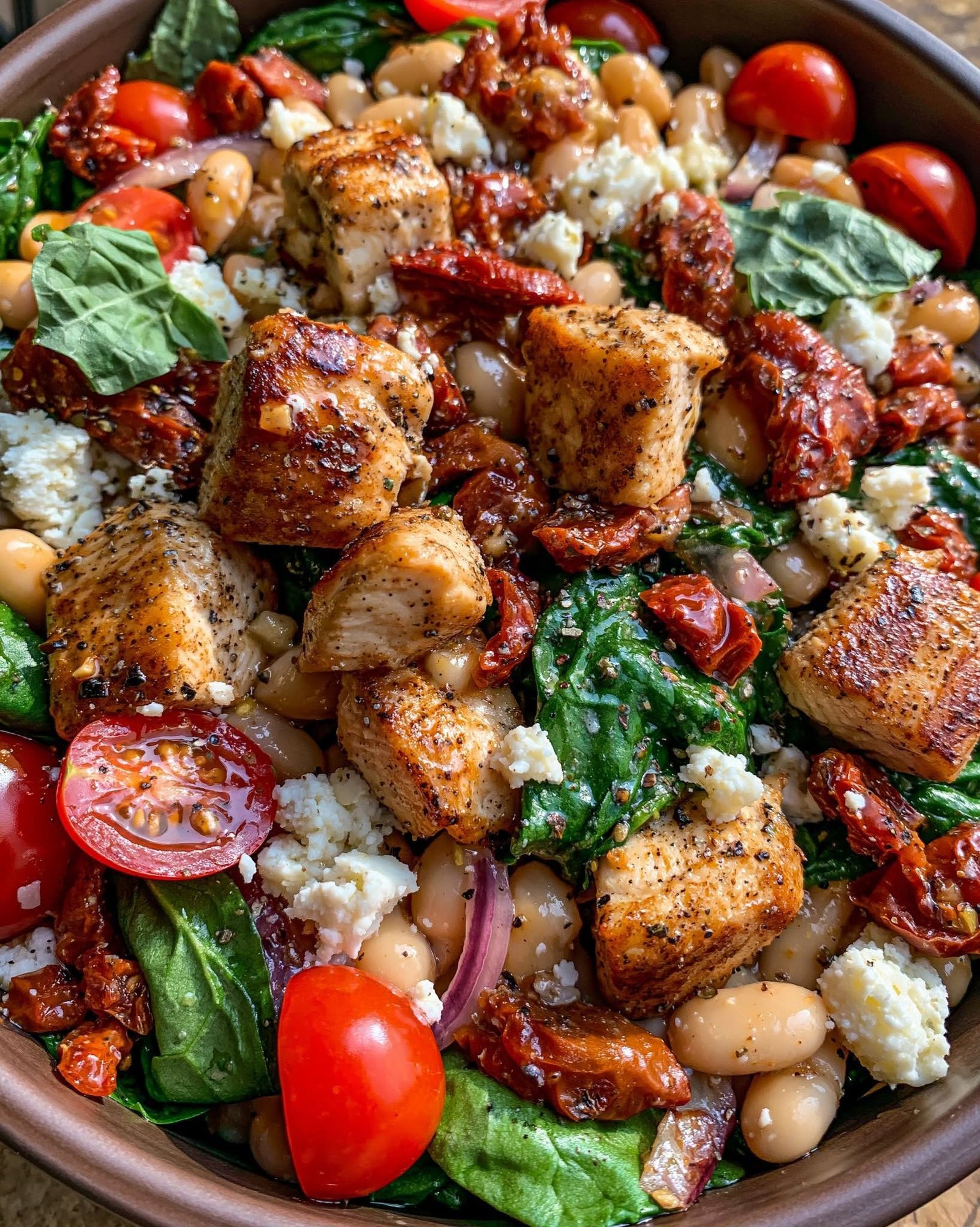
Tuscan White Bean and Chicken Bowl with Feta is a delicious Mediterranean-inspired meal that combines juicy seasoned chicken, creamy white beans, fresh vegetables, aromatic herbs, and tangy feta cheese. Every bite delivers a satisfying balance of savory flavors, tender textures, and refreshing lemony brightness.

This hearty bowl takes inspiration from Tuscan cooking, where simple ingredients such as beans, olive oil, garlic, tomatoes, and fresh herbs come together to create comforting meals. Golden-brown chicken provides a rich source of protein, while cannellini beans add creaminess and fiber. Cherry tomatoes, baby spinach, and red onion bring color and freshness, and crumbled feta cheese gives the finished dish a salty, tangy finish.

A light dressing made with olive oil, lemon juice, garlic, and Italian herbs ties everything together without making the bowl heavy. You can enjoy it for lunch, dinner, or meal preparation throughout the week.

The recipe is easy to customize. Serve it warm for a comforting dinner or prepare the ingredients ahead of time for convenient lunches. You can also add cooked quinoa, brown rice, or roasted vegetables if you prefer a more substantial bowl.

2. Recipe Information

  • Preparation Time: 15 minutes

  • Cooking Time: 25 minutes

  • Total Time: 40 minutes

  • Servings: 4

  • Course: Lunch or Dinner

  • Cuisine: Tuscan-inspired Mediterranean

  • Cooking Method: Stovetop

  • Difficulty: Easy

  • Flavor Profile: Savory, garlicky, fresh, tangy, and herbaceous

3. Ingredients

For the Chicken

  • 1½ pounds boneless, skinless chicken breasts or thighs

  • 1 tablespoon olive oil

  • 1 teaspoon garlic powder

  • 1 teaspoon Italian seasoning

  • ½ teaspoon smoked paprika

  • ½ teaspoon salt, or to taste

  • ¼ teaspoon black pepper

  • 1 tablespoon fresh lemon juice

For the White Bean Bowl

  • 2 cans cannellini beans, approximately 15 ounces each, drained and rinsed

  • 1½ cups cherry tomatoes, halved

  • 3 cups fresh baby spinach

  • ½ small red onion, thinly sliced

  • 3 cloves garlic, minced

  • ½ cup crumbled feta cheese

  • 2 tablespoons chopped fresh parsley

  • 1 tablespoon olive oil

  • ½ teaspoon dried oregano

  • ¼ teaspoon red pepper flakes, optional

  • ¼ cup chicken broth or vegetable broth

  • Salt and black pepper, to taste

For the Lemon Herb Dressing

  • 2 tablespoons extra-virgin olive oil

  • 2 tablespoons fresh lemon juice

  • 1 teaspoon Dijon mustard

  • 1 small garlic clove, finely minced

  • ½ teaspoon dried oregano

  • 1 tablespoon chopped fresh parsley

  • A pinch of black pepper

Optional Additions

  • 1 cup cooked quinoa or brown rice

  • ¼ cup sliced Kalamata olives

  • 2 tablespoons sun-dried tomatoes

  • Fresh basil leaves

  • Lemon wedges for serving

4. Step-by-Step Cooking Instructions

Step 1: Prepare the Chicken

Pat the chicken dry with paper towels. If using chicken breasts, slice them horizontally into thinner cutlets or gently pound them to an even thickness. This helps them cook evenly and remain tender.

In a small bowl, combine the garlic powder, Italian seasoning, smoked paprika, salt, and black pepper.

Rub the chicken with one tablespoon of olive oil, then coat both sides with the seasoning mixture. Finish with one tablespoon of lemon juice.

Allow the chicken to rest for approximately five minutes while you prepare the remaining ingredients. This gives the seasoning a little time to adhere to the surface.

Step 2: Cook the Chicken

Heat a large skillet over medium heat. Add the seasoned chicken in a single layer, working in batches if necessary.

Cook for approximately 5–7 minutes per side, depending on the thickness of the pieces. Avoid moving the chicken too frequently, as allowing it to remain in contact with the pan helps develop a golden-brown exterior.

The chicken is ready when its thickest part reaches an internal temperature of 165°F (74°C), measured with a food thermometer.

Transfer the cooked chicken to a clean plate and let it rest for five minutes. Slice it into strips or bite-sized pieces just before assembling the bowls.

Step 3: Prepare the White Beans

Drain and rinse the cannellini beans thoroughly. Set them aside to drain while you prepare the vegetables.

Cannellini beans are ideal for this recipe because they have a creamy interior and a delicate flavor. Great northern beans are a suitable alternative.

If you prefer a thicker, creamier bean mixture, gently mash a few beans with a fork. This will help create a naturally creamy consistency without adding heavy cream.

Step 4: Sauté the Garlic and Onion

Using the same skillet, reduce the heat to medium-low and add one tablespoon of olive oil.

Add the sliced red onion and cook for approximately 3–4 minutes, stirring occasionally until softened.

Add the minced garlic and dried oregano. Cook for another 30–45 seconds, stirring constantly until fragrant.

Be careful not to burn the garlic, as it can develop a bitter taste. If the skillet is too hot after cooking the chicken, allow it to cool briefly before adding the oil and vegetables.

Step 5: Add the Cherry Tomatoes

Add the halved cherry tomatoes to the skillet. Stir them with the onions and garlic, then cook for approximately 3–5 minutes.

The tomatoes should soften and begin releasing their juices while retaining some of their shape.

Add the optional red pepper flakes if you enjoy a gentle spicy kick. For a richer Tuscan-inspired flavor, you can also add chopped sun-dried tomatoes at this stage.

Step 6: Add the White Beans and Broth

Stir the cannellini beans into the tomato mixture.

Pour in the chicken broth or vegetable broth and gently mix everything together. Simmer for approximately 4–6 minutes over medium-low heat.

The beans will absorb the flavors of the garlic, onion, tomatoes, and oregano. If the mixture becomes too thick, add a small splash of broth.

For a creamier consistency, lightly mash a few beans against the side of the skillet. Stir gently so most of the beans remain intact.

Taste the mixture and adjust the salt and pepper as needed. Remember that feta cheese will add saltiness later.

Step 7: Add the Spinach

Add the baby spinach to the skillet in handfuls, stirring as the leaves wilt.

Cook for approximately 1–2 minutes, just until the spinach becomes tender and bright green.

Avoid cooking it for too long, as excessive cooking can make the leaves lose their fresh color and texture.

Remove the skillet from the heat when the spinach is wilted and the bean mixture is warm and fragrant.

Step 8: Make the Lemon Herb Dressing

In a small bowl, combine the extra-virgin olive oil, lemon juice, Dijon mustard, minced garlic, oregano, parsley, and black pepper.

Whisk until the dressing is well combined.

Taste and adjust the lemon juice or seasoning according to your preference. If you enjoy a milder dressing, add one teaspoon of water to soften the acidity.

The dressing should taste bright and slightly tangy, complementing the creamy beans and savory chicken.

Step 9: Assemble the Bowls

Divide the warm white bean, tomato, and spinach mixture among four serving bowls.

Arrange the sliced chicken on top of each portion. If you are using cooked quinoa or brown rice, add a small scoop to each bowl before arranging the beans and chicken.

Drizzle the lemon herb dressing evenly over the ingredients.

Sprinkle the crumbled feta cheese over the top, allowing some of it to rest on the warm beans so it softens slightly.

Finish with chopped fresh parsley, optional Kalamata olives, and fresh basil leaves.

Step 10: Serve and Enjoy

Serve the bowls warm with lemon wedges on the side.

For an attractive presentation, arrange the chicken slices in a fan shape and distribute the colorful tomatoes, spinach, and white beans around them. Finish with a light drizzle of olive oil and a little freshly ground black pepper.

The final dish should have tender chicken, creamy beans, juicy tomatoes, fresh greens, and tangy feta in every serving.

5. Tips for the Best Results

  • Avoid overcooking the chicken: Use a thermometer to ensure it reaches 165°F (74°C) without becoming dry.

  • Use good-quality olive oil: It enhances the Mediterranean flavor of the dish.

  • Rinse canned beans: This removes excess canning liquid and may reduce sodium.

  • Do not overcook the spinach: Add it near the end to preserve its color and texture.

  • Balance the seasoning: Taste the beans before adding extra salt because feta can be salty.

  • Use fresh lemon juice: It brightens the flavors and balances the richness of the olive oil.

  • Mash a few beans: This creates a creamy sauce without requiring heavy cream.

  • Add feta last: Adding it just before serving preserves its texture and tangy flavor.

6. Serving Suggestions

This bowl is satisfying on its own, but you can serve it with additional sides for a more substantial meal.

  • Crusty sourdough bread: Perfect for soaking up the lemony bean sauce.

  • Roasted potatoes: Add a hearty, comforting element.

  • Quinoa or brown rice: Provides extra carbohydrates and makes the bowl more filling.

  • Mediterranean cucumber salad: Adds a refreshing crunch.

  • Roasted zucchini: Complements the tomatoes, spinach, and herbs.

  • Grilled vegetables: Bell peppers and asparagus work particularly well.

  • Warm pita bread: A convenient accompaniment for scooping up the beans.

For a Mediterranean-style dinner, serve the bowls with warm bread and a simple cucumber and tomato salad.

7. Storage and Meal Preparation

Allow the ingredients to cool slightly before storing them in airtight containers. Refrigerate within two hours of cooking.

For the best texture, store the chicken and bean mixture separately from the feta and dressing.

The cooked chicken and vegetables should generally be consumed within 3–4 days when properly refrigerated. Keep the dressing in a separate sealed container and add it shortly before serving.

To reheat, place the chicken and bean mixture in a skillet over medium-low heat with a small splash of broth. Stir gently until heated through. Alternatively, microwave individual portions in a suitable covered container, stirring halfway through.

Reheat leftovers to 165°F (74°C). Add the feta, fresh herbs, and dressing after reheating.

For meal preparation, divide the chicken and bean mixture into individual containers. Refrigerate promptly and add fresh toppings when ready to eat.

8. Nutritional Information

Estimated nutritional values per serving, assuming four servings and including the feta and dressing but excluding optional grains:

  • Calories: 450–550 kcal

  • Protein: 42–52 g

  • Carbohydrates: 28–38 g

  • Fat: 17–24 g

  • Saturated Fat: 4–7 g

  • Fiber: 7–11 g

  • Sugar: 4–7 g

  • Sodium: 600–950 mg

Actual values will vary depending on the chicken cut, feta brand, broth, and amount of dressing used.

9. Potential Nutritional Benefits

Chicken: Provides high-quality protein that supports muscle maintenance and normal body functions.

White beans: Supply plant-based protein, dietary fiber, folate, and minerals. Their fiber also helps make the meal satisfying.

Spinach: Provides vitamin K, folate, and other micronutrients.

Tomatoes: Contain vitamin C and lycopene, a naturally occurring plant compound.

Olive oil: Provides predominantly monounsaturated fats and contributes to the dish’s flavor.

Feta cheese: Adds protein and calcium, although it also contributes sodium and saturated fat.

Together, these ingredients make a balanced meal containing protein, vegetables, fiber, and fats. Individual nutritional needs vary, so adjust the portion sizes and ingredients according to your preferences.

10. Frequently Asked Questions

Q1: Can I use chicken thighs instead of chicken breasts?

Yes. Boneless, skinless chicken thighs work well and tend to remain juicy. Cooking time may vary depending on their size and thickness.

Q2: Which white beans are best?

Cannellini beans are excellent because they are creamy and hold their shape. Great northern beans are another good option.

Q3: Can I make this recipe dairy-free?

Yes. Omit the feta or use a suitable plant-based alternative. The remaining ingredients can be prepared without dairy.

Q4: Can I make the bowl spicy?

Add red pepper flakes, a pinch of cayenne, or a little chopped chili when cooking the garlic.

Q5: Can I use frozen spinach?

Yes. Thaw it completely and squeeze out excess moisture before adding it to the beans.

Q6: Can I prepare the ingredients ahead of time?

Yes. Cook the chicken and bean mixture in advance, refrigerate them separately from the dressing, and assemble the bowls when ready to serve.

Q7: Can I make this recipe vegetarian?

Yes. Omit the chicken and use additional white beans, chickpeas, or roasted tofu. Use vegetable broth to keep the dish vegetarian.

Spinach and White Beans

Spinach and White Beans

1. Recipe Description

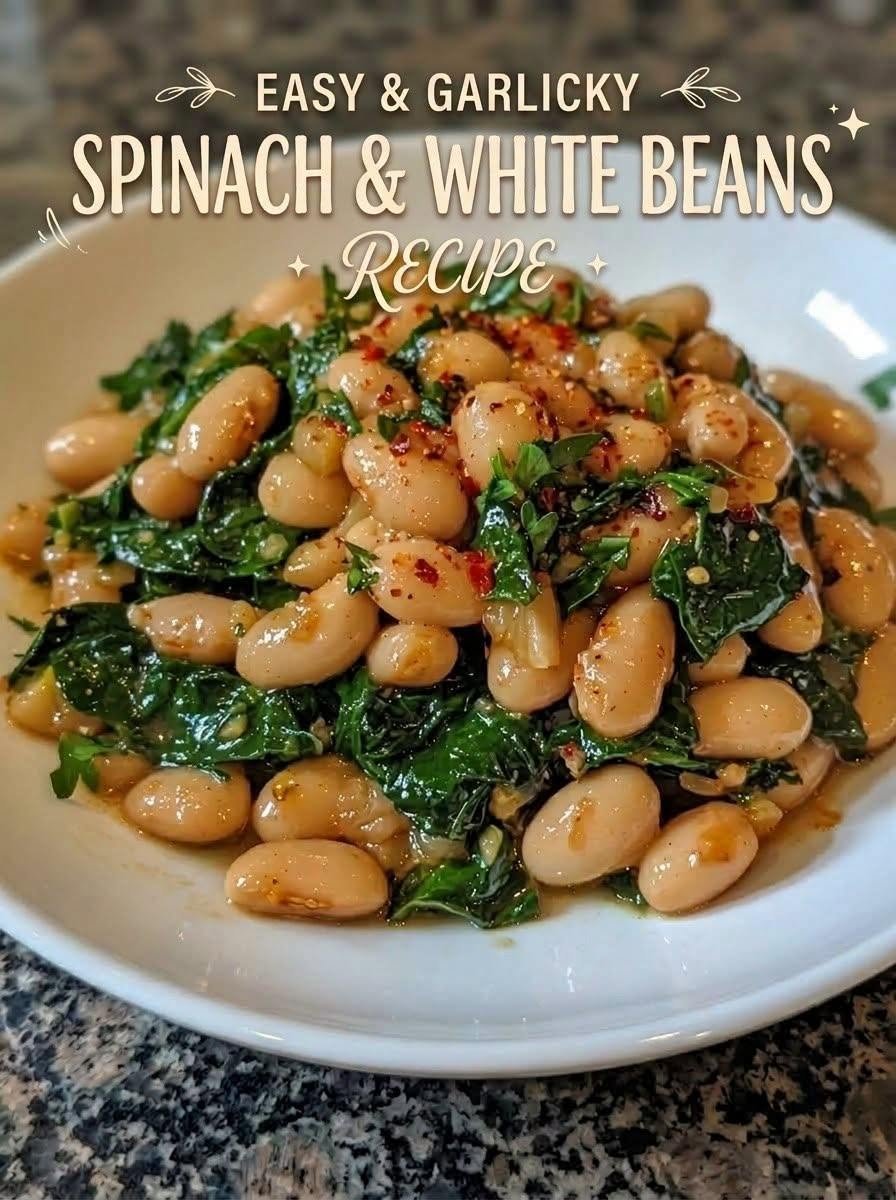
Spinach and White Beans is a comforting, nutritious, and flavorful dish made with tender white beans, fresh spinach, garlic, olive oil, and aromatic herbs. This simple recipe combines Mediterranean-inspired ingredients to create a satisfying meal that is perfect for lunch, dinner, or a hearty side dish.

The white beans become tender and creamy as they simmer with garlic, vegetable broth, and seasonings. Fresh spinach adds beautiful green color, a delicate earthy flavor, and a soft texture. A splash of fresh lemon juice brightens the dish, while Parmesan cheese adds a savory finish.

One of the best things about this recipe is its simplicity. You do not need expensive ingredients or complicated cooking techniques to prepare something delicious. Canned white beans make preparation quick and convenient, while fresh herbs and a little olive oil provide plenty of flavor.

You can serve Spinach and White Beans with crusty bread, steamed rice, roasted vegetables, or grilled chicken. It can also be enjoyed on its own as a vegetarian meal. For a creamier texture, mash some of the beans into the broth, creating a naturally thick and delicious sauce without needing heavy cream.

This recipe is ideal for busy weeknights, meal preparation, and anyone looking for an easy way to enjoy beans and leafy greens.

2. Recipe Information

  • Preparation Time: 10 minutes

  • Cooking Time: 20–25 minutes

  • Total Time: 30–35 minutes

  • Servings: 4

  • Course: Main Dish or Side Dish

  • Cuisine: Mediterranean-inspired

  • Cooking Method: Stovetop

  • Difficulty: Easy

  • Flavor Profile: Savory, garlicky, earthy, fresh, and slightly tangy

3. Ingredients

Main Ingredients

  • 2 cans white beans, approximately 15 ounces each, drained and rinsed

  • 5 ounces fresh spinach

  • 3 tablespoons extra-virgin olive oil

  • 1 medium yellow onion, finely chopped

  • 4 cloves garlic, minced

  • 1 cup vegetable broth

  • 1 medium tomato, diced, optional

  • 1 tablespoon fresh lemon juice

  • ½ teaspoon salt, or to taste

  • ¼ teaspoon freshly ground black pepper

  • ½ teaspoon dried oregano

  • ¼ teaspoon red pepper flakes, optional

For Finishing

  • ¼ cup grated Parmesan cheese, optional

  • 2 tablespoons chopped fresh parsley

  • 1 teaspoon lemon zest, optional

  • 1 tablespoon extra-virgin olive oil

  • Freshly ground black pepper, to taste

Optional Additions

  • ½ teaspoon smoked paprika

  • ¼ teaspoon ground cumin

  • ½ cup chopped mushrooms

  • ¼ cup chopped sun-dried tomatoes

  • 1 tablespoon nutritional yeast for a dairy-free savory flavor

  • 1 small sprig fresh rosemary or thyme

4. Step-by-Step Instructions

Step 1: Prepare the Ingredients

Begin by gathering all your ingredients. Drain the canned white beans in a colander and rinse them under cool running water. Allow them to drain thoroughly.

Cannellini beans, great northern beans, and navy beans are all suitable choices. Cannellini beans have a creamy texture and hold their shape well, making them particularly good for this recipe.

Wash the fresh spinach thoroughly and remove any damaged leaves. If the leaves are large, roughly chop them into smaller pieces. Baby spinach can be used whole.

Finely chop the onion, mince the garlic, and dice the optional tomato. Prepare the parsley and lemon so they are ready when needed.

Having everything prepared before cooking makes the process quicker and helps prevent the garlic from burning while you chop other ingredients.

Step 2: Sauté the Onion

Place a large skillet or saucepan over medium heat. Add three tablespoons of olive oil and allow it to warm gently.

Add the chopped onion and cook for approximately 4–5 minutes, stirring occasionally. The onion should soften and become translucent without browning too much.

This step builds the flavor foundation of the dish. Slowly softened onions contribute natural sweetness that balances the earthy beans and spinach.

If the onion begins to brown too quickly, lower the heat slightly. You want it tender and fragrant rather than dark or crispy.

Step 3: Add the Garlic and Seasonings

Add the minced garlic to the softened onion and cook for approximately 30–60 seconds, stirring continuously.

Stir in the dried oregano, black pepper, and red pepper flakes if using. Add the smoked paprika or cumin if you prefer a deeper, warmer flavor.

Be careful not to burn the garlic, because burnt garlic can make the entire dish taste bitter.

If you are using diced tomato, add it now and cook for another 2–3 minutes until it begins to soften and release its juices.

Step 4: Add the White Beans

Add the drained white beans to the skillet. Stir gently so they become coated with the fragrant onion, garlic, and olive oil mixture.

Allow the beans to cook for approximately 2 minutes, stirring occasionally. This helps them absorb the seasoning before the broth is added.

White beans are naturally mild in flavor, so seasoning them well at this stage makes a noticeable difference.

Avoid stirring too vigorously, as some beans may break apart. A gentle folding motion helps preserve their shape.

Step 5: Pour in the Vegetable Broth

Pour one cup of vegetable broth into the skillet. Stir gently and bring the mixture to a gentle simmer.

Reduce the heat to medium-low and cook uncovered for approximately 8–10 minutes.

During this time, the broth absorbs the flavors of the garlic, onion, herbs, and beans. Some of the beans will soften further, creating a richer texture.

If the mixture looks too dry, add a little more broth or water. If it seems too watery, continue simmering uncovered for a few additional minutes.

For a thicker, creamier consistency, gently mash a small portion of the beans against the side of the skillet with the back of a spoon. The released starch will naturally thicken the broth.

Step 6: Add the Fresh Spinach

Add the spinach in handfuls, stirring after each addition. Although five ounces may seem like a large quantity, fresh spinach reduces considerably as it cooks.

Continue cooking for approximately 2–4 minutes, until the leaves are wilted and tender.

Avoid cooking the spinach for too long. Prolonged cooking can dull its bright green color and soften its texture excessively.

Taste a bean to check that it is tender. If you are using canned beans, they should already be cooked, so this stage mainly allows the flavors to combine.

Step 7: Add Lemon Juice

Remove the skillet from the heat or reduce the heat to very low.

Stir in one tablespoon of fresh lemon juice. The acidity brightens the flavors and balances the richness of the olive oil and creamy beans.

If you enjoy a stronger citrus flavor, add a little lemon zest as well.

Taste the dish and adjust the seasoning. Add salt gradually, since canned beans and vegetable broth can already contain sodium.

A little additional black pepper or a small pinch of red pepper flakes can provide more depth without overpowering the beans.

Step 8: Finish with Parmesan and Fresh Herbs

If you are using Parmesan cheese, sprinkle it into the warm bean mixture and stir gently until incorporated.

The cheese adds a salty, savory flavor and can make the broth slightly richer. For a vegan version, omit the Parmesan or use a suitable plant-based alternative.

Add the chopped fresh parsley and drizzle a little extra-virgin olive oil over the top.

Allow the dish to rest for approximately 2 minutes before serving. This gives the flavors time to settle and helps the sauce develop a pleasant consistency.

Step 9: Serve Warm

Transfer the Spinach and White Beans to shallow bowls or a serving dish.

Finish with extra parsley, freshly ground black pepper, and lemon zest if desired.

Serve immediately with crusty bread for dipping into the flavorful broth. You can also spoon the beans over rice, quinoa, or toasted sourdough.

For a more substantial dinner, pair them with grilled chicken, roasted fish, or baked tofu.

The result is a comforting dish with creamy beans, tender greens, fragrant garlic, and a bright lemon finish.

5. Tips for the Best Results

Choose the right beans: Cannellini and great northern beans provide a creamy texture while holding their shape during simmering.

Rinse canned beans: Rinsing removes excess canning liquid and can help reduce surface starch and sodium, depending on the product.

Do not burn the garlic: Add it after the onion has softened and cook it briefly.

Adjust the broth: Use less broth for a thicker side dish or a little more for a soupier consistency.

Mash some beans: Crushing a small portion creates a naturally creamy sauce without adding cream or flour.

Add spinach near the end: This preserves its fresh color and prevents it from becoming overly soft.

Use fresh lemon: Lemon juice balances the savory ingredients and makes the dish taste brighter.

Season gradually: Taste before adding extra salt, particularly if your broth contains sodium.

Choose good olive oil: A small finishing drizzle of flavorful olive oil enhances the Mediterranean character of the dish.

6. Serving Suggestions

Spinach and White Beans can be served in several delicious ways.

  • With crusty bread: Toasted sourdough or whole-grain bread is perfect for soaking up the broth.

  • Over rice: Serve the beans over fluffy white or brown rice for a filling meal.

  • With grilled chicken: The creamy beans and greens complement simply seasoned chicken.

  • Alongside baked fish: Lemon-herb fish pairs beautifully with the garlic and spinach.

  • With roasted vegetables: Carrots, zucchini, and bell peppers add color and texture.

  • Over pasta: Toss the beans with cooked pasta and a little extra broth for a hearty dinner.

  • With poached eggs: Add a softly cooked egg on top for a satisfying brunch or lunch.

  • As a grain bowl: Combine the beans with quinoa, fresh greens, and lemon dressing.

For a Mediterranean-inspired presentation, serve the beans in shallow bowls with parsley, lemon wedges, olive oil, and toasted bread on the side.

7. Storage and Reheating

Allow the cooked beans to cool slightly, then transfer them to an airtight container and refrigerate within two hours.

Store in the refrigerator for up to 3–4 days. The beans may absorb more broth as they sit, so add a splash of water or vegetable broth when reheating.

To reheat on the stovetop, place the beans in a saucepan over medium-low heat. Stir occasionally until heated through, adding liquid as needed.

For microwave reheating, place a serving in a microwave-safe bowl, cover loosely, and heat in short intervals, stirring between intervals until evenly hot.

The recipe can also be frozen in suitable airtight containers for approximately 2–3 months for best quality. Thaw in the refrigerator overnight and reheat thoroughly. The spinach may become softer after freezing, but the dish should remain flavorful.

If possible, add fresh parsley and a little lemon juice after reheating to restore its fresh flavor.

8. Nutritional Information

The following values are estimates per serving, assuming four servings and excluding optional Parmesan cheese.

  • Calories: 280–340 kcal

  • Protein: 12–16 g

  • Carbohydrates: 32–40 g

  • Fat: 12–16 g

  • Saturated Fat: 2–3 g

  • Fiber: 9–13 g

  • Sugar: 3–6 g

  • Sodium: 350–650 mg

Actual nutrition depends on the type of beans, the amount of olive oil used, and the sodium content of the vegetable broth.

9. Potential Health Benefits

White beans: White beans provide plant-based protein, dietary fiber, and nutrients such as folate, iron, and magnesium. Fiber contributes to digestive health and can help make meals more satisfying.

Spinach: Spinach supplies vitamin K, folate, and other vitamins and minerals. It also contains carotenoids and other naturally occurring plant compounds.

Olive oil: Extra-virgin olive oil provides predominantly monounsaturated fats and contributes to the dish’s smooth texture and flavor.

Garlic and onions: These vegetables provide flavor and contain naturally occurring plant compounds. They also help make the recipe satisfying without relying on heavy sauces.

Lemon juice: Lemon adds brightness with very few calories. Its vitamin C can also support the absorption of non-heme iron from plant foods when consumed as part of the same meal.

This dish can be part of a balanced eating pattern, particularly when served with whole grains and additional vegetables. Nutritional needs vary, and the recipe is not intended to treat or prevent any medical condition.

10. Frequently Asked Questions

Q1: Can I use dried white beans instead of canned beans?

Yes. Cook dried beans according to package instructions until tender before adding them to the recipe. Never add uncooked dried beans directly to the skillet and expect them to soften during the short simmering time.

Q2: Can I use frozen spinach?

Yes. Thaw the spinach and squeeze out excess moisture before adding it. You may need to adjust the cooking time slightly.

Q3: Which white beans work best?

Cannellini beans are ideal for their creamy texture. Great northern beans and navy beans are also suitable.

Q4: How can I make the dish creamier?

Mash some of the beans into the broth, or stir in a small amount of cream or cream cheese. Mashing the beans is an easy dairy-free option.

Q5: Can I make this recipe vegan?

Yes. Use vegetable broth and omit the Parmesan, or substitute a plant-based alternative. The remaining ingredients are naturally plant-based.

Q6: Can I add more vegetables?

Absolutely. Mushrooms, zucchini, kale, sun-dried tomatoes, and roasted red peppers all work well.

Q7: How do I make it spicy?

Add red pepper flakes, a pinch of cayenne, or a little chopped fresh chili when cooking the garlic.

Q8: Is this recipe suitable for meal prep?

Yes. It stores well in the refrigerator for several days and can be reheated for quick lunches or dinners.

Q9: Can I serve Spinach and White Beans as a main course?

Yes. It can be enjoyed on its own, particularly with bread or grains. For a more protein-rich meal, add tofu or serve it with eggs, fish, or chicken.

Q10: Why does my dish look watery?

It may contain too much broth or excess moisture from the spinach. Simmer uncovered for a few minutes and mash some beans to thicken the sauce naturally.

Crispy Stuffed Chicken Rolls with Spinach, Whipped Feta & Hot Honey Drizzle

Crispy Stuffed Chicken Rolls with Spinach, Whipped Feta & Hot Honey Drizzle

1. Recipe Description

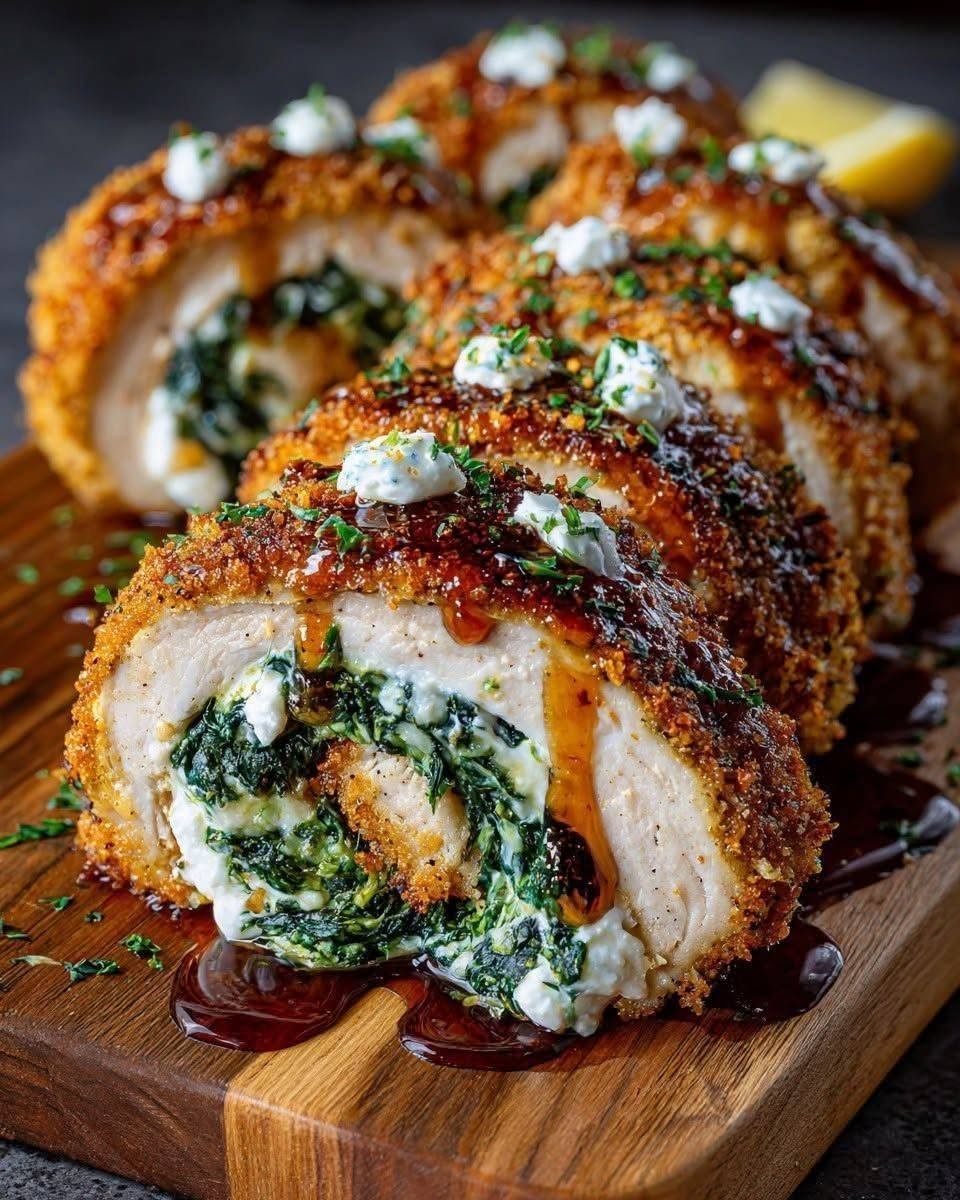
Crispy Stuffed Chicken Rolls with Spinach, Whipped Feta and Hot Honey Drizzle are an irresistible combination of crunchy golden chicken, creamy cheese, tender spinach, and sweet-spicy honey. This delicious recipe transforms ordinary chicken breasts into an impressive main course that is perfect for family dinners, weekend meals, celebrations, or special occasions.

Tender chicken breasts are flattened, seasoned, filled with a rich spinach and whipped feta mixture, and rolled into neat bundles. Each roll is coated in crispy Parmesan breadcrumbs and baked until golden brown. The finishing touch is a warm hot honey drizzle that adds sweetness and gentle heat to every bite.

The filling combines tangy feta cheese, smooth cream cheese, fresh spinach, garlic, and lemon. The crunchy exterior provides a satisfying contrast to the creamy center, while the honey glaze balances the savory flavors beautifully.

This recipe is versatile enough to serve with roasted potatoes, steamed vegetables, Mediterranean salad, or lemon rice. It also makes an attractive centerpiece when sliced into rounds to reveal the colorful spinach and feta filling.

2. Recipe Information

  • Preparation Time: 25 minutes

  • Cooking Time: 25–35 minutes

  • Total Time: Approximately 55–60 minutes

  • Servings: 4

  • Course: Main Course

  • Cuisine: Mediterranean-inspired

  • Cooking Method: Oven-baked

  • Difficulty: Medium

  • Flavor: Crispy, creamy, savory, sweet, tangy, and spicy

3. Ingredients

For the Chicken Rolls

  • 4 boneless, skinless chicken breasts

  • 1 teaspoon garlic powder

  • 1 teaspoon paprika

  • ½ teaspoon onion powder

  • ½ teaspoon dried oregano

  • ½ teaspoon salt

  • ¼ teaspoon black pepper

  • 1 tablespoon olive oil

For the Spinach and Whipped Feta Filling

  • 2 cups fresh spinach, finely chopped

  • 4 ounces feta cheese, crumbled

  • 3 ounces softened cream cheese

  • 2 cloves garlic, minced

  • 1 tablespoon olive oil

  • 1 tablespoon fresh lemon juice

  • 1 tablespoon chopped fresh parsley

  • ¼ teaspoon black pepper

For the Crispy Coating

  • ½ cup all-purpose flour

  • 2 large eggs

  • 1 tablespoon water

  • 1 cup panko breadcrumbs

  • ½ cup grated Parmesan cheese

  • ½ teaspoon garlic powder

  • ½ teaspoon paprika

  • Cooking spray or olive oil

For the Hot Honey Drizzle

  • ¼ cup honey

  • 1–2 teaspoons hot sauce

  • ½ teaspoon red pepper flakes, or to taste

  • 1 teaspoon lemon juice or apple cider vinegar

  • A pinch of smoked paprika, optional

Optional Garnishes

  • Fresh parsley

  • Extra crumbled feta

  • Lemon wedges

  • Fresh thyme leaves

4. Instructions

Step 1: Prepare the Chicken

Preheat the oven to 400°F (200°C). Line a baking sheet with parchment paper and place a lightly greased wire rack on top if available.

Place each chicken breast between two sheets of parchment paper or plastic wrap. Gently pound the chicken with a meat mallet or rolling pin until it is approximately ¼ inch thick.

Try to create an even thickness without tearing the meat. This makes the chicken easier to roll and helps it cook evenly.

In a small bowl, mix the garlic powder, paprika, onion powder, oregano, salt, and black pepper. Season both sides of the chicken breasts with this mixture, then set them aside.

Step 2: Cook the Spinach

Heat one tablespoon of olive oil in a skillet over medium heat. Add the minced garlic and cook for about 30 seconds until fragrant.

Add the chopped spinach and cook for 2–3 minutes, stirring frequently until the leaves wilt and most of their moisture evaporates.

Remove the pan from the heat and allow the spinach to cool slightly. Transfer it to paper towels or a clean kitchen towel and squeeze out excess liquid.

Removing excess moisture is important because watery spinach can make the filling runny and cause the chicken rolls to become soggy.

Step 3: Prepare the Whipped Feta Filling

Place the feta cheese and softened cream cheese in a mixing bowl. Mash them together with a fork until smooth and creamy. For a finer texture, use a food processor.

Add the cooked spinach, garlic, lemon juice, parsley, and black pepper. Stir until all the ingredients are evenly distributed.

Taste the mixture before adding additional salt, because feta is naturally salty.

The filling should be thick enough to spread without running. If it feels too soft, refrigerate it for 10 minutes before assembling the chicken rolls.

Step 4: Fill and Roll the Chicken

Lay the flattened chicken breasts on a clean cutting board. Spread approximately one-quarter of the spinach and feta mixture over each breast, leaving a small border around the edges.

Do not overfill the chicken, as too much filling may escape during cooking.

Starting from one short end, roll each chicken breast tightly around the filling. Fold the sides inward slightly if possible, and secure each roll with toothpicks.

Place the rolls seam-side down on a plate. Refrigerate them for 10–15 minutes if time allows. Chilling helps them hold their shape during breading.

Step 5: Prepare the Breading Station

Set out three shallow bowls.

  • In the first bowl, place the flour.

  • In the second bowl, whisk the eggs with one tablespoon of water.

  • In the third bowl, combine the panko breadcrumbs, Parmesan cheese, garlic powder, and paprika.

Panko breadcrumbs create a lighter, crunchier crust than many traditional breadcrumbs. Parmesan adds a savory flavor and helps the coating turn golden during baking.

Step 6: Coat the Chicken Rolls

Take one chicken roll and coat it lightly in flour, shaking off the excess.

Dip it into the egg mixture, allowing extra egg to drip back into the bowl. Then transfer it to the breadcrumb mixture.

Press the breadcrumbs gently onto every side, including the ends, to create an even coating.

Repeat with the remaining chicken rolls. Place them on the prepared baking sheet with space between each piece.

Lightly spray or brush the coating with olive oil. This encourages browning and helps the breadcrumbs become crisp in the oven.

Step 7: Bake Until Golden and Crispy

Place the baking sheet in the preheated oven and bake for approximately 25–35 minutes, depending on the size and thickness of the rolls.

If the chicken is resting directly on the baking sheet, carefully turn the rolls halfway through cooking to encourage even browning. A wire rack can help hot air circulate around the entire surface.

The coating should become golden and crisp. Check the thickest part of the chicken with a food thermometer; it must reach an internal temperature of 165°F (74°C).

If the chicken is cooked but the coating needs more color, broil briefly for 1–2 minutes, watching carefully to prevent burning.

Remove the chicken from the oven and allow it to rest for five minutes. Carefully remove all toothpicks before serving.

Step 8: Make the Hot Honey Drizzle

While the chicken cooks, combine the honey, hot sauce, red pepper flakes, and lemon juice in a small saucepan.

Warm the mixture over low heat for 1–2 minutes, stirring until smooth. Do not allow it to boil.

Taste the sauce and adjust the spice level. Add more hot sauce for extra heat or a little more honey for a sweeter flavor.

For a deeper savory note, add a small pinch of smoked paprika. Remove the pan from the heat and keep the sauce warm until serving.

Step 9: Plate and Garnish

Transfer the cooked chicken rolls to a serving platter.

Drizzle the warm hot honey over the top immediately before serving. Use a light hand to preserve the crispy coating, or serve the honey separately for dipping.

Sprinkle with fresh parsley, a little extra feta, and fresh thyme if desired. Add lemon wedges on the side for brightness.

For an attractive presentation, slice each roll crosswise into thick rounds. The spiral of green spinach and creamy feta makes the dish especially appealing on a serving platter.

Serve while the chicken is warm and the exterior remains crunchy.

5. Tips for Perfect Results

  • Pound the chicken evenly: Uniform thickness helps the rolls cook consistently.

  • Remove excess spinach moisture: This prevents a watery filling and soggy coating.

  • Avoid overfilling: A thinner, even layer of filling is easier to enclose.

  • Secure the rolls: Use toothpicks to hold the shape, and remove them before serving.

  • Use panko breadcrumbs: They provide a lighter and crunchier texture.

  • Apply a little oil: Lightly coating the breadcrumbs helps them brown in the oven.

  • Check the internal temperature: Chicken should reach 165°F (74°C).

  • Add honey at the end: Drizzling just before serving helps maintain crispness.

  • Adjust the heat: Begin with a small amount of hot sauce and increase it to suit your taste.

6. Serving Suggestions

These chicken rolls pair wonderfully with a variety of side dishes.

  • Roasted garlic potatoes: Their savory flavor complements the creamy filling.

  • Mediterranean salad: Tomatoes, cucumbers, olives, red onions, and lemon dressing add freshness.

  • Roasted broccoli: A simple vegetable side balances the richness of the chicken.

  • Lemon rice: Lightly seasoned rice works beautifully with the sweet-spicy glaze.

  • Roasted asparagus: Its fresh, earthy flavor complements the feta.

  • Creamy mashed potatoes: A comforting option for a family dinner.

  • Orzo salad: Combine orzo with cherry tomatoes, parsley, lemon, and feta for a Mediterranean-inspired meal.

For entertaining, serve the chicken rolls sliced on a large platter with extra hot honey in a small bowl.

7. Storage and Reheating

Allow leftovers to cool slightly and refrigerate them in an airtight container within two hours of cooking.

Store the chicken separately from the hot honey when possible. Refrigerated cooked chicken is generally best used within 3–4 days.

To reheat, place the chicken rolls in a 350°F (175°C) oven for approximately 10–15 minutes, or until heated through. Larger rolls may require additional time. An air fryer can also help restore the crispy exterior.

Always reheat leftovers to 165°F (74°C). Add fresh hot honey after reheating rather than before storage.

Freezing is possible, although the cheese filling may change texture slightly. For best quality, freeze cooked rolls in a suitable airtight container for up to two months. Thaw in the refrigerator and reheat thoroughly.

8. Nutritional Information

Estimated values per serving, assuming four servings:

  • Calories: 550–700 kcal

  • Protein: 45–60 g

  • Carbohydrates: 30–45 g

  • Fat: 25–35 g

  • Saturated Fat: 8–12 g

  • Fiber: 2–4 g

  • Sugar: 10–18 g

  • Sodium: 700–1,100 mg

Actual nutrition will vary with chicken size, cheese brands, coating quantities, and the amount of hot honey used.

9. Potential Nutritional Benefits

Chicken breast provides high-quality protein, which supports muscle maintenance and normal body functions.

Spinach contributes folate, vitamin K, and other micronutrients, along with some dietary fiber.

Feta cheese adds protein and calcium but also contributes sodium and saturated fat.

Olive oil provides predominantly unsaturated fats.

Honey adds sweetness and creates the signature sweet-spicy finish. Because it is an added sugar, the amount can be adjusted to your preferences.

For a lighter meal, bake rather than pan-fry the chicken, use a moderate amount of Parmesan, and serve the hot honey on the side. Pair the rolls with vegetables or a fresh salad for a balanced dinner.

10. Frequently Asked Questions

Q1: Can I prepare these chicken rolls ahead of time?

Yes. Prepare the filling and assemble the rolls several hours ahead. Keep the uncooked chicken covered in the refrigerator and bread it shortly before cooking for the best texture.

Q2: Can I use frozen spinach?

Yes. Thaw it completely and squeeze out as much moisture as possible before adding it to the filling.

Q3: Can I make this recipe without breadcrumbs?

Yes. Crushed cornflakes or gluten-free breadcrumbs can be used, although the texture will vary.

Q4: How can I prevent the filling from leaking?

Avoid overfilling, roll the chicken tightly, secure the seam, and chill the rolls briefly before breading.

Q5: Can I make it less spicy?

Absolutely. Reduce the hot sauce and red pepper flakes, or omit the flakes entirely.

Q6: Can I replace feta cheese?

Yes. Goat cheese offers a similar tangy flavor. A well-drained ricotta and Parmesan mixture is another option, although the texture will be milder.

Q7: Can I cook these rolls in an air fryer?

Yes. Arrange them in a single layer and cook at approximately 375°F (190°C) for 18–25 minutes, turning halfway as needed. Cooking time depends on their size and your appliance. Confirm that the center reaches 165°F (74°C).

Q8: What can replace honey?

Maple syrup can provide a similar sweet finish. Warm it with a little hot sauce and lemon juice.