Cypress and Juniper Health Benefits: Traditional Uses, Natural Compounds & Safety
Description
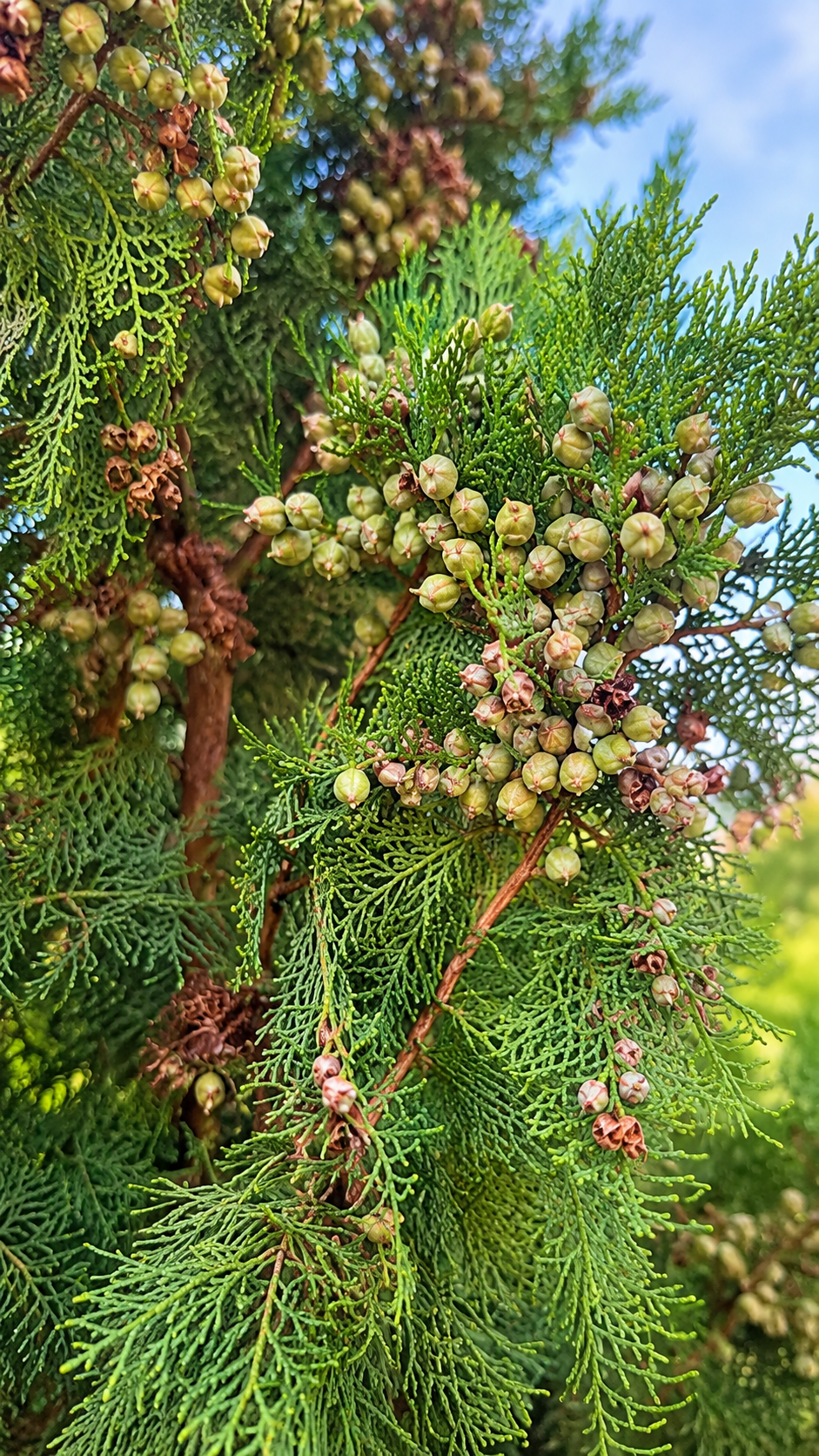
Have you ever noticed a beautiful evergreen tree covered in tiny round cones and wondered whether it has any health benefits?
Cypress and juniper trees have attracted attention for centuries because of their distinctive aroma, natural plant compounds, and traditional uses in herbal practices.
These evergreen plants belong to the Cupressaceae family. While they share certain botanical characteristics, they are different plants, and their medicinal properties should not be considered interchangeable.
Today, researchers are studying compounds found in certain cypress and juniper species to understand their antioxidant, anti-inflammatory, and antimicrobial potential.
But can these plants actually improve human health?
The answer is more complicated than many natural wellness claims suggest. Laboratory research has revealed promising biological activities, but there is still limited clinical evidence proving that cypress or juniper preparations can treat specific health conditions.
Here is what researchers have discovered about their possible health benefits, traditional uses, and important safety considerations.
1. Antioxidant Properties
One of the most interesting areas of research involving cypress and juniper is their antioxidant potential.
Antioxidants are substances that help neutralize free radicals, which are unstable molecules associated with oxidative stress.
Oxidative stress is involved in several biological processes, including aging and cellular damage.
Certain cypress essential oils contain naturally occurring compounds such as alpha-pinene, limonene, and other terpenes.
Laboratory studies involving Mediterranean cypress, scientifically known as Cupressus sempervirens, have demonstrated antioxidant activity.
Researchers have observed that some extracts can neutralize free radicals in controlled laboratory experiments.
Juniper plants also contain compounds that have attracted scientific interest for their antioxidant properties.
What this means for health: These findings suggest that certain compounds deserve further study. However, antioxidant activity in a laboratory does not establish that drinking a tea or using an essential oil will reduce oxidative stress or prevent disease in people.
2. Potential Anti-Inflammatory Activity
Inflammation is part of the body’s natural defense system.
Short-term inflammation helps the body respond to injury and infection. However, ongoing inflammation can contribute to certain health problems.
Researchers have investigated whether naturally occurring compounds in cypress and juniper could influence inflammation-related biological processes.
Some experimental studies suggest that certain plant extracts and essential oils may affect enzymes or pathways involved in inflammation.
A 2026 laboratory study of Mediterranean cypress essential oil reported activity involving an inflammation-related enzyme.
These findings are scientifically interesting, but additional research is needed to determine whether such effects occur safely in humans.
What this means for health: Cypress and juniper are not established treatments for arthritis, chronic pain, or inflammatory diseases.
3. Natural Antimicrobial Properties
Another researched characteristic of certain cypress and juniper extracts is their activity against microorganisms.
Scientists have tested plant essential oils against selected bacteria and fungi under laboratory conditions.
Research involving Mediterranean cypress essential oil has demonstrated varying levels of antimicrobial activity.
Some tests found that particular concentrations influenced the growth of microorganisms.
The effectiveness differed depending on the microorganism, oil concentration, and experimental method.
These findings help researchers explore possible uses in product development and preservation technologies.
However, a substance that inhibits bacteria in a laboratory is not automatically safe or effective for treating infections in humans.
What this means for health: Cypress and juniper essential oils should not replace antibiotics, antifungal medicines, or proper wound care.
4. Traditional Digestive Wellness Uses
Juniper has a long history in traditional herbal practices.
The berry-like cones of certain juniper species have traditionally been used in preparations associated with digestion and general wellness.
Historically, some herbal traditions considered juniper a plant that could support digestive comfort.
However, historical use is not the same as evidence of effectiveness.
There is insufficient high-quality human research demonstrating that juniper preparations reliably relieve bloating, indigestion, or other digestive symptoms.
Furthermore, consuming concentrated juniper products may cause stomach irritation and other adverse reactions.
Not every species of juniper is suitable for consumption.
What this means for health: Traditional digestive uses are interesting from a historical perspective but should not be promoted as proven remedies.
5. Aromatic Uses and Relaxation
Cypress and juniper are well known for their natural evergreen fragrances.
Their aromatic compounds contribute to woody, fresh, and sometimes slightly spicy scents.
These fragrances are used in commercially produced perfumes, soaps, and aromatherapy products.
Some people find evergreen aromas pleasant and relaxing.
A calming environment can be part of a healthy self-care routine, particularly when combined with adequate rest, comfortable surroundings, and stress-management habits.
However, research has not established that inhaling cypress or juniper essential oil treats anxiety, depression, or sleep disorders.
Strong fragrances may also trigger headaches, irritation, or breathing symptoms in sensitive individuals.
What this means for health: Enjoying the scent may provide a pleasant sensory experience, but it is not a proven medical treatment.
6. Possible Skin-Related Research Applications
Natural plant extracts are frequently studied by scientists developing cosmetic and skincare formulations.
Certain cypress compounds have demonstrated antioxidant and antimicrobial activity in experimental settings.
Because of these properties, researchers are interested in their possible role in formulated cosmetic products.
However, laboratory findings do not establish that applying homemade cypress or juniper preparations will improve acne, eczema, wounds, or other skin problems.
Concentrated essential oils can irritate the skin and may cause allergic contact dermatitis.
Applying undiluted oils directly to the skin is particularly risky.
What this means for health: Professionally formulated products may be researched for cosmetic purposes, but homemade treatments should not be assumed safe or effective.
7. Research Into Cellular Protection
Scientists have also explored how compounds from certain cypress species interact with different types of cells.
Some laboratory experiments have investigated antioxidant effects, enzyme activity, and cellular responses.
These studies may eventually help identify compounds useful for future pharmaceutical research.
However, early research should be interpreted carefully.
Results obtained from isolated cells or laboratory enzymes cannot establish whether a plant product prevents neurological disorders, cancer, or age-related diseases in humans.
Clinical trials would be needed to evaluate any proposed therapeutic benefits.
What this means for health: Cellular research provides clues for future investigation, not evidence that the plant prevents or cures disease.
Cypress vs. Juniper: Which Has More Health Benefits?
Both plants contain biologically active compounds, but their chemical composition varies among species.
Juniper has a more widely recognized history of traditional culinary and herbal use, particularly involving the cones of certain species.
Mediterranean cypress has been studied for antioxidant and antimicrobial activity, especially in essential oils and extracts.
Neither can currently be described as having superior proven medical benefits based on strong clinical evidence.
The most important consideration is correct botanical identification, because similar-looking evergreen plants may have different chemical compositions and safety profiles.
Important Safety Precautions
Before considering any herbal product made from cypress or juniper, remember these precautions:
- Do not eat leaves, cones, or berries from unidentified evergreen trees.
- Avoid homemade medicinal teas made from unknown cypress or juniper species.
- Never swallow essential oils.
- Avoid medicinal juniper preparations during pregnancy unless specifically advised by a qualified clinician.
- People with kidney disease should avoid experimenting with juniper herbal preparations.
- Ask a healthcare professional about possible medication interactions.
- Keep essential oils away from young children and pets.
- Stop using scented products if they cause skin irritation or breathing discomfort.
Natural does not automatically mean safe.
Frequently Asked Questions
Are Cypress and Juniper Good for Human Health?
Certain species contain natural compounds with interesting laboratory findings. However, strong clinical evidence for specific health benefits remains limited.
Can Juniper Help With Inflammation?
Some experimental research suggests that juniper compounds may have anti-inflammatory properties, but this does not establish effectiveness as a treatment for inflammation in humans.
Does Cypress Essential Oil Kill Bacteria?
Some cypress essential oils have demonstrated antimicrobial activity in laboratory studies. This does not mean they can safely treat bacterial infections in people.
Can Juniper Berries Improve Digestion?
Juniper berries have a history of traditional digestive use, but reliable human evidence remains insufficient.
Are Cypress and Juniper Safe to Use Every Day?
Safety depends on the species, product formulation, amount, and method of exposure. Daily medicinal use should not be assumed safe.
Can These Plants Replace Medicines?
No. Cypress and juniper should not replace prescribed medications or professional medical treatment.
Final Thoughts
Cypress and juniper trees are more than attractive evergreens.
Their natural compounds have inspired scientific investigations into antioxidant properties, inflammation-related biological pathways, and antimicrobial activity.
Traditional uses have also contributed to their popularity in natural wellness discussions.
Nevertheless, most proposed medical benefits remain preliminary, and certain preparations can carry genuine risks.
The most responsible approach is to appreciate these plants, understand their scientific potential, and distinguish traditional beliefs from proven treatments.
Disclaimer: This article is for educational purposes only and does not provide medical advice. Do not use unidentified plants or homemade herbal preparations to diagnose, prevent, or treat medical conditions.