Nutrient-Packed Vegetable Recipe for Eye

The Nutrient-Packed Vegetable Recipe for Eye, Liver & Digestive Health

This Nutrient-Packed Vegetable Recipe is a colorful, flavorful option made with fresh vegetables and nourishing ingredients. It’s an easy dish to enjoy as a light meal or healthy side.What makes this Nutrient-Packed Vegetable Recipe so appealing is its combination of colorful vegetables, fiber, vitamins, minerals, and plant-based goodness. Every bite brings delicious flavor along with ingredients that fit beautifully into a balanced eating routine.This Nutrient-Packed Vegetable Recipe is also a great choice when you want to include more vegetables in your diet without making complicated meals. It can be prepared with simple pantry staples and customized with your favorite herbs and seasonings.Whether you’re looking for a wholesome lunch, a light dinner, or an easy vegetable side, this Nutrient-Packed Vegetable Recipe is a delicious addition to your weekly menu. It’s simple, satisfying, and packed with natural vegetable goodness.

Why You’ll Love This Recipe

Full of Colorful Vegetables

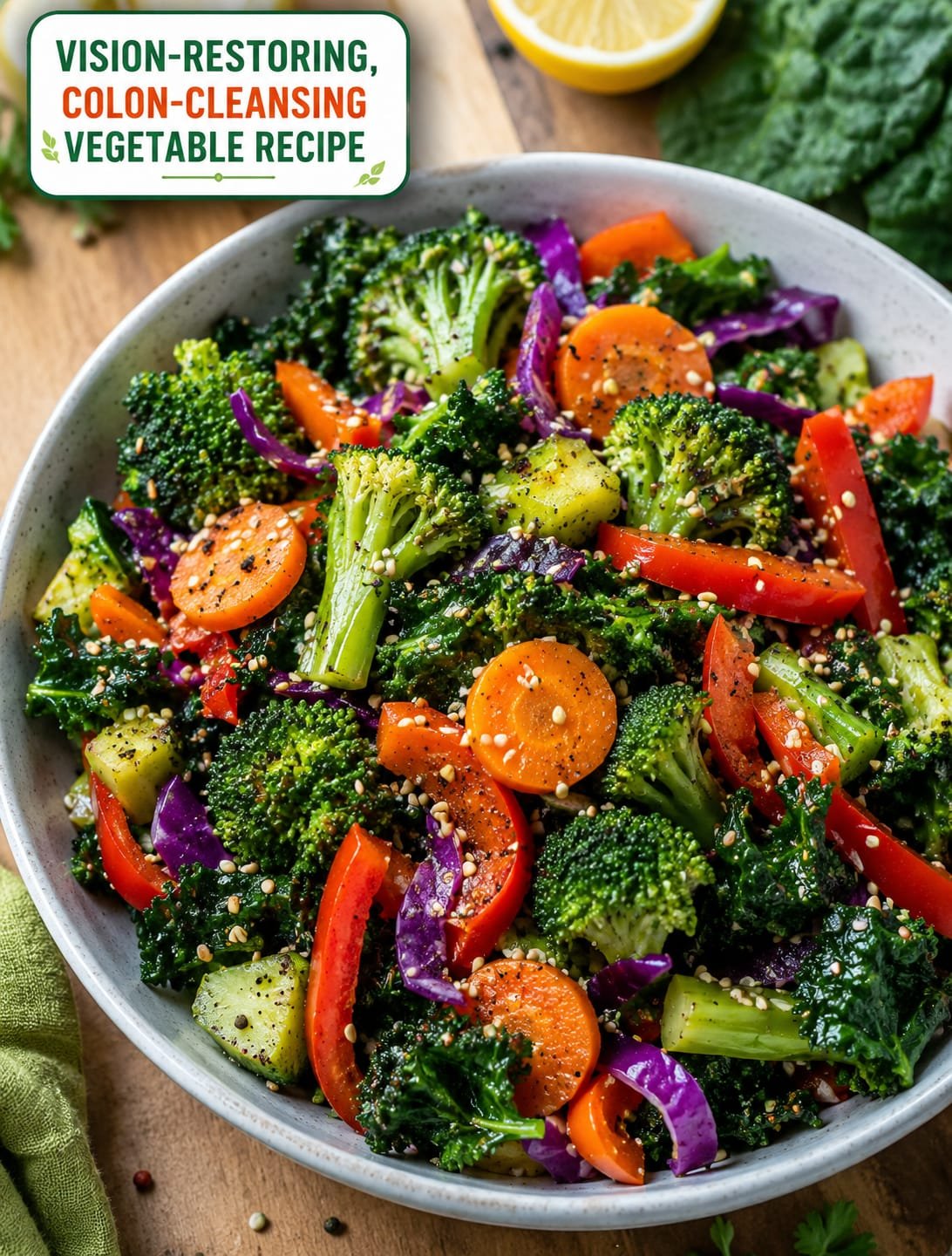
This recipe combines carrots, broccoli, spinach, bell peppers, and onion for a colorful and nutritious meal.

Great Source of Fiber

The vegetables provide dietary fiber, which supports normal digestion and bowel regularity.

Eye-Friendly Nutrients

Carrots provide beta-carotene, while spinach contains lutein and zeaxanthin. These nutrients are associated with maintaining normal eye health.

Simple and Delicious

The vegetables are roasted with olive oil, garlic, herbs, and lemon, creating a flavorful dish without complicated ingredients.

Easy to Customize

You can substitute vegetables depending on what you have in your refrigerator.

Meal-Prep Friendly

Prepare a large batch and use it throughout the week as a side dish, salad topping, or bowl ingredient.

Ingredients For Nutrient-Packed Roasted Vegetable Bowl

For the Vegetables

3 medium carrots, peeled and sliced

2 cups broccoli florets

red bell pepper, sliced

1 small red onion, sliced

fresh spinach 2 cups

extra-virgin olive oil 2 tablespoons

3 cloves garlic, minced

paprika ½ teaspoon

dried oregano ½ teaspoon

ground black pepper ¼ teaspoon

salt ¼ teaspoon

½ teaspoon ground cumin

For the Lemon Dressing

2 tablespoons fresh lemon juice

1 tablespoon extra-virgin olive oil

Dijon mustard 1 teaspoon

1 small garlic clove, minced

chopped fresh parsley 1 tablespoon

Pinch of black pepper

Optional Toppings

2 tablespoons pumpkin seeds

chopped walnuts 2 tablespoons

Fresh parsley

Crumbled feta cheese

Sliced avocado

Red pepper flakes

Instructions For Nutrient-Packed Roasted Vegetable Bowl

Prepare the Vegetables

Preheat your oven to 425°F (220°C).

Wash and dry all the vegetables thoroughly.

Peel the carrots and cut them into thin rounds or small pieces. Cut the broccoli into bite-sized florets. Slice the bell pepper and red onion.

Try to cut the vegetables into relatively similar sizes so they cook evenly.

Season the Vegetables

Add the carrots, broccoli, bell pepper, and red onion to a large mixing bowl.

Drizzle with olive oil.

Add minced garlic, paprika, oregano, cumin, salt, and black pepper.

Toss everything thoroughly until the vegetables are evenly coated.

Arrange on a Baking Sheet

Spread the vegetables across a large baking sheet.

Keep them in a relatively even layer and avoid overcrowding.

If the vegetables are packed too closely together, they may release moisture and steam rather than roast.

Roast

Place the baking sheet in the preheated oven.

Roast for 20–25 minutes, stirring or flipping the vegetables halfway through cooking.

The vegetables should become tender with lightly browned, caramelized edges.

 Add the Spinach

Remove the baking sheet from the oven.

Add the fresh spinach and gently toss it with the hot vegetables.

Return the tray to the oven for approximately 2–3 minutes, just until the spinach wilts.

You can also simply toss the spinach with the hot vegetables and allow residual heat to wilt it.

Make the Lemon Dressing

While the vegetables are roasting, combine lemon juice, olive oil, Dijon mustard, garlic, parsley, and black pepper in a small bowl.

Whisk until smooth.

Taste and adjust the seasoning according to your preference.

Combine and Serve

Transfer the roasted vegetables to a serving bowl.

Drizzle the lemon dressing over the top.

Gently toss to combine.

Sprinkle with pumpkin seeds, walnuts, parsley, feta, or another topping if desired.

Serve warm.

Tips for the Best Results

Dry Your Vegetables

After washing, dry the vegetables thoroughly. Excess water can interfere with browning.

Don’t Overcrowd the Pan

Use two baking sheets if necessary. Giving the vegetables enough room helps them roast rather than steam.

Cut Carrots Smaller

Carrots can take longer to become tender than peppers and spinach. Cutting them into smaller pieces helps everything finish at approximately the same time.

Add Spinach at the End

Spinach needs very little cooking. Adding it near the end helps preserve its texture and fresh flavor.

Use Fresh Lemon

Fresh lemon juice adds brightness and balances the sweetness of the roasted carrots.

Add Protein

For a complete meal, add grilled chicken, salmon, chickpeas, lentils, eggs, tofu, or beans.

Benefits For Nutrient-Packed Roasted Vegetable Bowl

This recipe provides a variety of vegetables, which means you get a broad range of nutrients rather than relying on one “miracle” food.

Carrots and sweet-colored vegetables provide beta-carotene, a carotenoid that the body can convert into vitamin A. Vitamin A plays an important role in normal vision.

Spinach provides lutein and zeaxanthin, carotenoids found in the retina that are associated with eye health.

Broccoli and bell peppers provide vitamin C, while the combination of vegetables supplies dietary fiber.

Fiber helps support normal bowel function and can contribute to digestive health when consumed regularly as part of a balanced diet.

The olive oil provides predominantly unsaturated fat and makes the roasted vegetables more satisfying.

It is important to remember that these benefits are part of an overall healthy eating pattern. No single food can restore damaged eyesight, remove fat from the liver, or physically cleanse the colon.

Serving Suggestions For Nutrient-Packed Roasted Vegetable Bowl

With Grilled Chicken

Serve the roasted vegetables alongside grilled chicken breast for a protein-rich dinner.

With Salmon

Pair them with baked or air-fried salmon for a flavorful, nutrient-rich meal.

With Chickpeas

Add roasted chickpeas to turn the vegetable bowl into a satisfying vegetarian meal.

Over Quinoa

Spoon the vegetables over cooked quinoa and finish with lemon dressing.

With Avocado

Add sliced avocado for creaminess and additional healthy fats.

With Greek Yogurt Sauce

Serve with a garlic-lemon Greek yogurt sauce for a creamy contrast.

As a Salad

Allow the roasted vegetables to cool slightly and serve over mixed greens with the lemon dressing.

Nutrition Facts For Nutrient-Packed Roasted Vegetable Bowl

Approximate nutrition per serving, without optional toppings:

Calories: 220

Protein: 5 g

Carbohydrates: 20 g

Fat: 14 g

Saturated Fat: 2 g

Fiber: 7 g

Sugar: 9 g

Sodium: 230 mg

Vitamin C: High

Vitamin A: High

Nutrition information is an estimate and can vary according to the exact vegetables and quantities used.

Frequently Asked Questions

Can this vegetable recipe restore eyesight?

No food can reliably restore damaged or lost vision. However, vegetables such as carrots and leafy greens contain nutrients associated with normal eye health. If you experience blurred vision, vision loss, flashes, or other persistent changes, seek evaluation from an eye-care professional.

Does this recipe clean the colon?

The colon does not need a special vegetable “cleanse.” Your digestive system naturally removes waste. Eating enough fiber from vegetables, fruits, legumes, and whole grains can support normal bowel regularity.

Can vegetables remove fat from the liver?

No single vegetable removes liver fat. Improving liver health generally involves an overall healthy eating pattern, physical activity, weight management when appropriate, and addressing any underlying medical conditions with a healthcare professional.

Can I make this recipe in an air fryer?

Yes. Place the carrots, broccoli, peppers, and onion in the air fryer and cook at approximately 375°F (190°C) for 12–18 minutes, shaking halfway through. Add the spinach during the final 1–2 minutes.

Can I use frozen vegetables?

Yes. Frozen broccoli and other vegetables can be used, although they may release more moisture. Avoid overcrowding the air fryer or baking tray.

Can I make this recipe vegan?

Yes. The recipe is vegan as written. Simply avoid adding optional feta cheese.

How long do leftovers last?

Store leftovers in an airtight container in the refrigerator for approximately 3–4 days.

Can I freeze the roasted vegetables?

You can freeze them, although the vegetables may become softer after thawing. For the best texture, prepare them fresh or refrigerate leftovers.

What other vegetables can I add?

Zucchini, cauliflower, Brussels sprouts, mushrooms, asparagus, cabbage, and green beans are all good options.

Final Thoughts For Nutrient-Packed Roasted Vegetable Bowl

This Nutrient-Packed Roasted Vegetable Bowl is a delicious way to add more colorful vegetables, fiber, and important micronutrients to your diet. Carrots provide beta-carotene, spinach contributes lutein and zeaxanthin, and broccoli and bell peppers add vitamin C and other beneficial nutrients.Rather than relying on claims about miracle foods or quick cleanses, focus on a consistent pattern of nutritious meals. Your body already has natural systems for eliminating waste, and supporting those systems with vegetables, fiber, adequate fluids, regular movement, and a balanced diet is a much more realistic approach.Serve these roasted vegetables with chicken, salmon, chickpeas, quinoa, or another protein source for a satisfying meal. The bright lemon-garlic dressing brings everything together and makes this simple vegetable recipe flavorful enough to enjoy again and again.
Carrot Cake Oat Bars with Cream Cheese Frosting

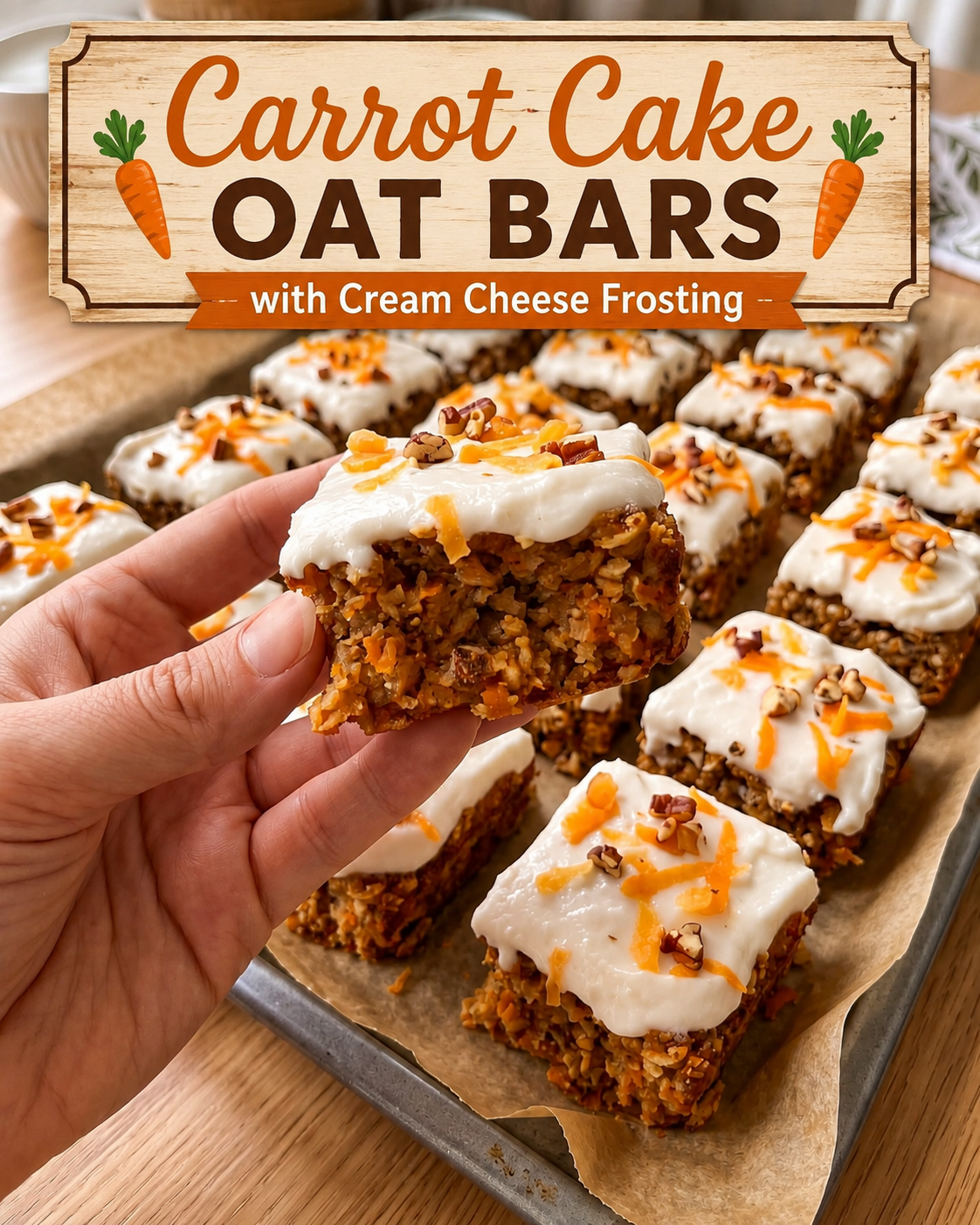
🥕 Carrot Cake Oat Bars with Cream Cheese Frosting


Soft, chewy, naturally sweet carrot-oat bars topped with a rich cream cheese frosting and crunchy pecans. Perfect for breakfast, snack time, or dessert.

Ingredients

For the Carrot Oat Bars

  • 2 cups rolled oats
  • 1 cup quick oats
  • 1½ cups finely grated carrots
  • ½ cup all-purpose flour
  • ½ cup brown sugar
  • ¼ cup granulated sugar
  • 2 large eggs
  • ½ cup unsweetened applesauce
  • ⅓ cup melted butter or coconut oil
  • 1 tsp vanilla extract
  • 1½ tsp ground cinnamon
  • ½ tsp ground nutmeg
  • ½ tsp baking powder
  • ¼ tsp baking soda
  • ¼ tsp salt
  • ½ cup chopped pecans or walnuts
  • ⅓ cup raisins, optional

For the Cream Cheese Frosting

  • 8 oz (225 g) cream cheese, softened
  • ¼ cup unsalted butter, softened
  • 1 cup powdered sugar
  • 1 tsp vanilla extract
  • 1–2 tbsp milk, if needed


For Topping

  • ¼ cup chopped pecans
  • ¼ cup shredded or finely grated carrot

Instructions

1. Preheat the oven to 350°F (175°C). Line a 9×13-inch baking pan with parchment paper and lightly grease it.

2. Prepare the carrots. Finely grate the carrots and gently squeeze out excess moisture. Don’t squeeze them completely dry—you want some moisture to keep the bars soft.

3. In a large bowl, combine the rolled oats, quick oats, flour, brown sugar, granulated sugar, cinnamon, nutmeg, baking powder, baking soda, and salt.

4. In another bowl, whisk together the eggs, applesauce, melted butter, and vanilla extract.

5. Pour the wet mixture into the dry ingredients. Stir until just combined.

6. Fold in the grated carrots, chopped pecans, and raisins if using.

7. Spread the mixture evenly into the prepared pan. Press it down gently with a spatula so the bars bake evenly.

8. Bake for 25–32 minutes, or until the center is set and a toothpick inserted in the middle comes out mostly clean.

9. Allow the bars to cool completely in the pan before frosting. This is important—the frosting will melt if the bars are still warm.

Cream Cheese Frosting

10. Beat the softened cream cheese and butter together until smooth and creamy.

11. Add the powdered sugar and vanilla. Beat until fluffy.

12. If the frosting is too thick, add milk 1 teaspoon at a time until you reach a smooth, spreadable consistency.

13. Spread the frosting generously over the cooled carrot oat bars.

14. Sprinkle with chopped pecans and a little grated carrot.

15. Chill for 20–30 minutes, then cut into squares.


🍰 Tips

For extra-moist bars, don’t overbake them.

Use freshly grated carrots for the best texture.

Toast the pecans for 5–7 minutes before adding them for a deeper nutty flavor.

Store frosted bars in the refrigerator for up to 4 days.

For cleaner cuts, chill the bars before slicing with a sharp knife.

Yield: 12–16 bars

Prep time: 20 minutes

Bake time: 25–32 minutes

Total time: About 1 hour

Cheesy Cauliflower Casserole

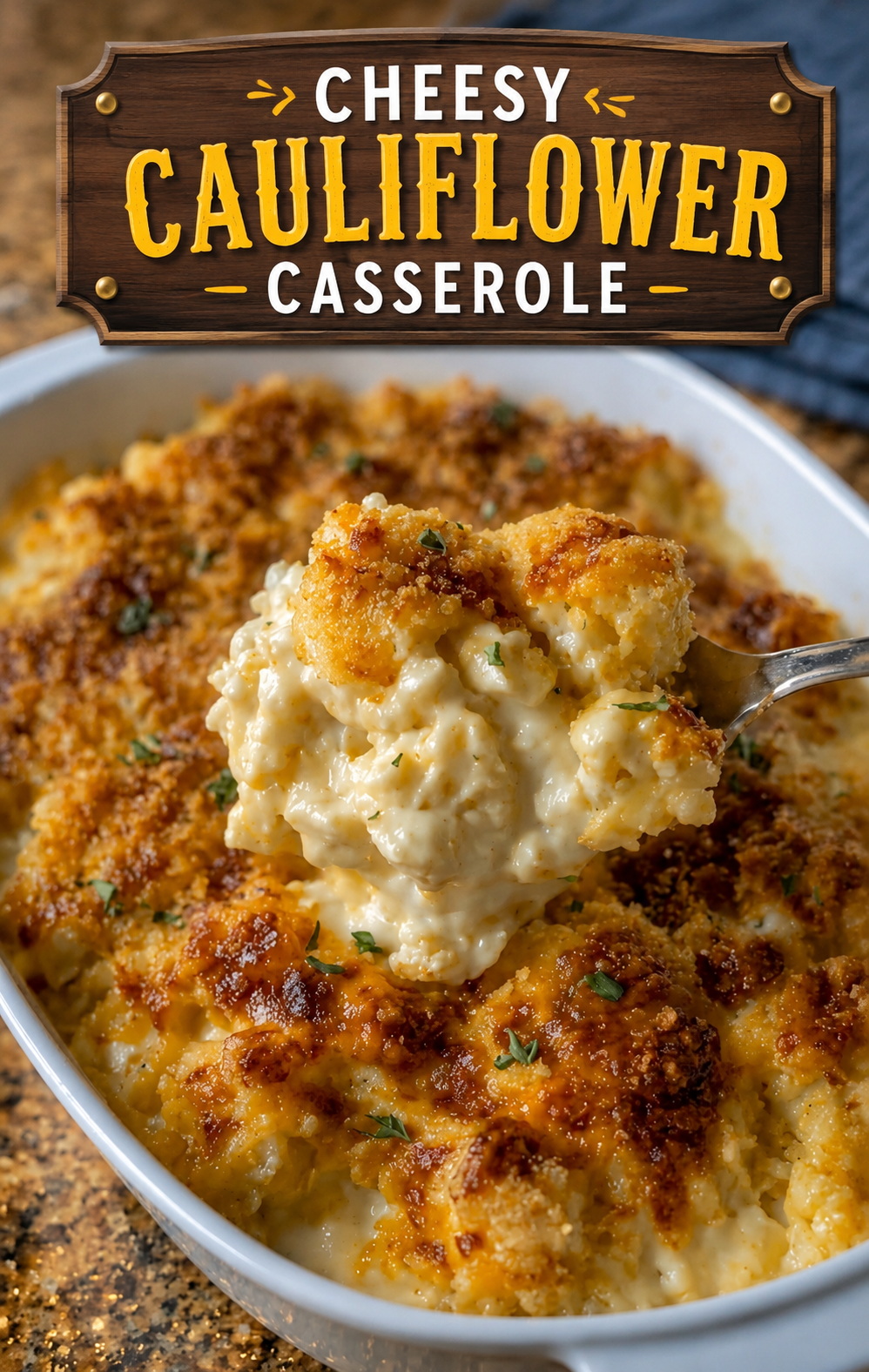
🧀 Cheesy Cauliflower Casserole


A creamy, cheesy cauliflower bake with a golden, crispy breadcrumb topping—perfect as a comforting side dish or light main course.

Ingredients

For the cauliflower

  • 1 large head cauliflower, cut into florets
  • 1 tbsp olive oil
  • ½ tsp salt
  • ¼ tsp black pepper

For the creamy cheese sauce

  • 3 tbsp butter
  • 3 tbsp all-purpose flour
  • 2 cups whole milk
  • ½ cup heavy cream
  • 1 cup shredded sharp cheddar cheese
  • ½ cup shredded mozzarella cheese
  • ½ cup grated Parmesan cheese
  • ½ tsp garlic powder
  • ½ tsp onion powder
  • ¼ tsp paprika
  • Salt and black pepper, to taste

For the crispy topping

  • ¾ cup breadcrumbs or panko
  • 2 tbsp melted butter
  • ¼ cup shredded Parmesan
  • ¼ cup shredded cheddar
  • 1 tbsp chopped fresh parsley

Instructions

1. Prepare the cauliflower:

Preheat oven to 375°F (190°C). Bring a large pot of salted water to a boil. Add cauliflower florets and cook for 4–5 minutes, just until slightly tender. Drain very well.

2. Make the sauce:

Melt butter in a saucepan over medium heat. Whisk in the flour and cook for about 1 minute.

3. Slowly whisk in the milk and heavy cream. Continue cooking for 3–5 minutes, stirring constantly, until the sauce thickens.

4. Reduce the heat to low. Add cheddar, mozzarella, and Parmesan. Stir until completely melted and smooth.

5. Season with garlic powder, onion powder, paprika, salt, and black pepper.

6. Combine:

Place the drained cauliflower in a greased baking dish. Pour the cheese sauce over it and gently toss to coat every piece.

7. Make the topping:

Mix breadcrumbs, melted butter, Parmesan, and cheddar in a small bowl. Sprinkle evenly over the cauliflower.

8. Bake:

Bake uncovered for 25–30 minutes, until bubbling and beautifully golden brown on top.

9. For an extra-crispy top, switch to broil for 1–2 minutes, watching carefully so it doesn’t burn.

10. Sprinkle with fresh parsley and let it rest for 5 minutes before serving


🍽️ Serving


Serve hot as a side with roasted chicken, steak, grilled fish, or enjoy it on its own.


Tip:

Make sure the cauliflower is drained very well. Excess water can make the cheese sauce thin and prevent the casserole from becoming rich and creamy.

Keto Flourless Cottage Cheese Flatbread

Keto flourless cottage cheese flatbread made with cottage cheese and eggs, baked until golden and crispy, served as a low-carb healthy bread alternative on a plate.

Keto Flourless Cottage Cheese Flatbread

If you want a simple bread alternative without flour, this Keto Cottage Cheese Flatbread is an easy recipe to keep in your weekly meal plan. It uses cottage cheese and eggs to create a soft, flexible flatbread with a mild flavor and a satisfying texture.

This recipe is naturally flourless, gluten free, and low carb, making it useful for many everyday meals. You can use it as a wrap for chicken, turkey, eggs, vegetables, or cheese, or serve it alongside soups and salads.

Unlike traditional bread recipes, this flatbread does not need wheat flour, yeast, or complicated preparation. A quick blend, a thin spread on a baking sheet, and a short bake are all you need.

What Is Cottage Cheese Flatbread?

Cottage cheese flatbread is a simple baked bread alternative made primarily with cottage cheese and eggs. The ingredients are blended until smooth, then baked into a thin, flexible layer.

The result is a tender flatbread with enough structure to hold fillings without relying on traditional flour. Cottage cheese also adds protein, while eggs help the flatbread set during baking.

This Flourless Cottage Cheese Flatbread works especially well when you want something bread-like without grains or a high amount of carbohydrates.

Why You’ll Love This Recipe

This Low Carb Flatbread Recipe needs only a few basic ingredients and does not require kneading or rising time.

The cottage cheese provides a creamy base and adds protein to each serving. Eggs help create a stable texture that can be sliced, folded, or rolled once the flatbread has cooled.

It is also a practical choice for meal prep because you can bake several pieces at once and store them for later meals.

The recipe is keto friendly, gluten free, and grain free, so it can fit into several eating styles without requiring specialty flour.

Ingredients You’ll Need

Cottage Cheese

Use plain cottage cheese for the best results. Full-fat cottage cheese gives the flatbread a richer texture, while low-fat cottage cheese can also work.

For a smoother batter, blend the cottage cheese well before baking.

Large Eggs

Large eggs provide structure and help bind the ingredients together. They also contribute protein and create a soft but flexible texture.

Garlic Powder

A small amount of garlic powder adds savory flavor without changing the texture. You can leave it out if you prefer a neutral flatbread for sweet or breakfast fillings.

Optional Seasonings

Salt, black pepper, Italian seasoning, dried herbs, or paprika can be added according to how you plan to serve the flatbread.

For a simple wrap, keep the seasoning mild so it works with different fillings.

How to Make Keto Flourless Cottage Cheese Flatbread

Blend the Ingredients

Add cottage cheese and large eggs to a blender or food processor. Blend until the mixture becomes smooth and evenly combined.

Add garlic powder and your preferred seasonings, then blend briefly again.

A smooth batter helps create an even flatbread with fewer visible pieces of cottage cheese.

Prepare the Baking Sheet

Line a baking sheet or flat baking pan with parchment paper. Lightly grease the parchment if needed to make removal easier.

Pour the blended mixture onto the center of the pan and spread it into a thin, even layer.

Keep the thickness consistent because very thin areas can become crisp before the center is fully set.

Bake Until Set

Bake in a preheated oven until the surface is firm and lightly golden around the edges.

The exact baking time can vary depending on the thickness of the batter and your oven.

Avoid removing the flatbread too early because the center needs enough time to set properly.

Cool Before Cutting

Let the flatbread cool for several minutes before lifting it from the parchment.

Cooling allows the texture to firm up and makes the flatbread easier to handle.

Cut it into rectangles for sandwiches or wraps, or leave it larger if you want to use it as a single flexible wrap.

What Makes This a Low Carb Flatbread?

Traditional bread is usually made with wheat flour, which contributes a significant amount of carbohydrates. This recipe skips wheat flour completely and uses cottage cheese and eggs as the main ingredients.

That makes it a useful option when you are looking for low carb wraps without relying on conventional bread.

The exact carbohydrate amount depends on the cottage cheese brand and serving size, so check the nutrition label of your ingredients if you are following a strict carbohydrate target.

Is This a High Protein Flatbread?

Yes, cottage cheese and eggs make this a naturally High Protein Flatbread compared with many traditional flour-based flatbreads.

Protein content will vary based on the ingredients and the number of servings you make. Choosing a cottage cheese with a higher protein content can increase the protein per serving.

This makes the recipe especially useful for breakfast wraps, lunch sandwiches, and quick post-workout meals.

Easy Ways to Use the Flatbread

Breakfast Wrap

Fill the flatbread with scrambled eggs, turkey, avocado, and a small amount of cheese for a filling breakfast.

Chicken Wrap

Add sliced grilled chicken, lettuce, tomato, cucumber, and a light dressing for an easy lunch.

Turkey and Cheese Roll-Up

Layer turkey and cheese over the flatbread, roll it tightly, and slice it into smaller pieces for a quick meal or snack.

Vegetable Wrap

Use roasted peppers, spinach, cucumber, avocado, and a protein source for a fresh vegetable wrap.

Pizza-Style Flatbread

Top the baked flatbread with a small amount of tomato sauce, mozzarella, and your favorite toppings, then bake until the cheese melts.

Tips for the Best Results

Use parchment paper to make the flatbread easier to remove after baking.

Blend the cottage cheese and eggs thoroughly so the batter has a smooth consistency.

Spread the mixture evenly because inconsistent thickness can lead to uneven cooking.

Do not overload the flatbread with wet fillings because excess moisture can make it difficult to roll.

Allow the flatbread to cool before filling it if you want maximum flexibility.

If you prefer a crispier texture, bake it slightly longer while watching the edges carefully.

For a more savory flavor, add herbs, garlic powder, onion powder, or smoked paprika.

Storage and Meal Prep

Let the flatbread cool completely before storing it.

Place parchment paper between individual pieces to prevent them from sticking together.

Store the flatbread in an airtight container in the refrigerator for several days.

You can also freeze individual portions for longer storage. Thaw them in the refrigerator and gently warm them before serving.

This makes the recipe convenient for preparing low carb wraps ahead of busy weekdays.

Keto and Gluten-Free Friendly

This Keto Flatbread Recipe contains no wheat flour or traditional grains. It can therefore be useful for people looking for a Gluten Free Cottage Cheese Wrap or a grain-free alternative to standard bread.

However, ingredient labels still matter if you have celiac disease or a serious gluten intolerance. Choose certified gluten-free ingredients when required and avoid cross-contact during preparation.

For a strict keto diet, check the carbohydrate information on your specific cottage cheese and other ingredients because nutritional values can vary between brands.

Can You Make a 2 Ingredient Cottage Cheese Flatbread?

Yes. The basic version can be made with cottage cheese and eggs, which is why it is often described as a 2 Ingredient Cottage Cheese Flatbread.

Seasonings such as garlic powder, salt, pepper, or dried herbs are optional and mainly add flavor rather than changing the basic structure.

This simple formula also makes it easy to customize the flatbread for breakfast, lunch, or dinner.

Why This Flourless Bread Recipe Is Useful

A traditional loaf can require flour, yeast, kneading, proofing, and a longer baking process. This Flourless bread recipe removes most of those steps.

The batter comes together quickly, and the finished flatbread can be used immediately after cooling.

It is a practical choice for anyone who wants a healthy flatbread without keeping specialty baking ingredients in the pantry.

Because the recipe uses familiar ingredients, it can also be a useful addition to a collection of simple cottage cheese recipes.

Frequently Asked Questions

Is cottage cheese flatbread keto?

Yes, it can fit a keto eating plan because it is flourless and relatively low in carbohydrates, but always check your specific ingredients for their carb content.

Is cottage cheese flatbread gluten free?

Yes, the basic recipe contains no wheat flour or gluten-containing grains, making it naturally gluten free when prepared with suitable ingredients.

How much protein is in cottage cheese flatbread?

Protein varies by serving size and the brands used, but cottage cheese and eggs make it a naturally protein-rich bread alternative.

Can I use low-fat cottage cheese?

Yes, low-fat cottage cheese can work, although full-fat cottage cheese may produce a richer and softer texture.

Can I use cottage cheese flatbread as a wrap?

Yes, once cooled, the flatbread can be filled with meat, eggs, vegetables, cheese, or other preferred wrap fillings.

How do I keep the flatbread from sticking?

Use parchment paper and allow the flatbread to cool slightly before carefully lifting it from the baking surface.

Can I freeze cottage cheese flatbread?

Yes, separate individual pieces with parchment paper, place them in a freezer-safe container, and thaw them before reheating.

Can I add different seasonings?

Yes, garlic powder, Italian herbs, paprika, black pepper, or dried parsley can add flavor without requiring flour.

Is this a grain-free bread?

Yes, the basic recipe contains no wheat, oats, rice, or other grains, making it a simple grain-free bread alternative.

Can I make this recipe without garlic powder?

Yes, garlic powder is optional, and leaving it out creates a more neutral flatbread suitable for a wider range of fillings.

Final Thoughts

This Keto Flourless Cottage Cheese Flatbread is a simple way to replace traditional bread with a flexible, protein-rich alternative. Cottage cheese and eggs create the foundation, while seasonings allow you to adjust the flavor for different meals.

Use it for breakfast wraps, chicken sandwiches, quick lunches, or simple snacks. With no traditional flour and a short ingredient list, this Grain Free Flatbread is an easy recipe to add to your regular meal rotation.

Crispy Homemade Chicken Tenders

🍗 Crispy Homemade Chicken Tenders


Ingredients

For the chicken:

  • 500 g boneless, skinless chicken breast
  • 1 cup buttermilk
  • 1 egg
  • 1 tsp salt
  • 1 tsp paprika
  • ½ tsp black pepper
  • ½ tsp garlic powder
  • ½ tsp onion powder
  • ½ tsp chili powder
  • 1 tbsp hot sauce (optional)

For the crispy coating:

  • 1½ cups all-purpose flour
  • ½ cup cornstarch
  • 1 tsp paprika
  • 1 tsp garlic powder
  • 1 tsp onion powder
  • ½ tsp black pepper
  • ½ tsp salt
  • ½ tsp baking powder
  • ½ tsp chili powder
  • 1 egg
  • ½ cup cold water
  • Oil, for frying


Instructions

1. Prepare the chicken:

Cut chicken breasts into long, even strips.

2. Make the marinade:

In a large bowl, whisk together buttermilk, egg, salt, paprika, black pepper, garlic powder, onion powder, chili powder, and hot sauce.

3. Marinate:

Add chicken strips and coat well. Cover and refrigerate for at least 30 minutes, preferably 2–4 hours.

4. Prepare the coating:

Mix flour, cornstarch, paprika, garlic powder, onion powder, black pepper, salt, baking powder, and chili powder in a bowl.

5. Make the wet batter:

In another bowl, whisk 1 egg with ½ cup cold water.

6. Coat the chicken:

Remove a chicken strip from the marinade and dip it into the flour mixture. Then dip into the egg-water mixture and coat again generously with the seasoned flour. Press the flour onto the chicken with your fingers to create a rough, crispy texture.

7. Heat the oil:

Heat about 2–3 inches of oil in a deep pan to 175°C / 350°F.

8. Fry:

Carefully place the chicken strips into the hot oil in batches. Don’t overcrowd the pan. Fry for about 4–6 minutes per side, depending on thickness, until deeply golden and cooked through.

9. Drain:

Transfer to a wire rack or paper towels. Let them rest for a couple of minutes so the coating stays crispy.

🍯 Easy Dipping Sauce

Mix:

  • ½ cup mayonnaise
  • 2 tbsp ketchup
  • 1 tbsp honey
  • 1 tsp mustard
  • ½ tsp garlic powder
  • A pinch of paprika

Serving

Serve the crispy chicken tenders hot with dipping sauce, ketchup, fries, coleslaw, or lemon wedges.


Tip: For extra-crispy tenders, add 2–3 tablespoons of the buttermilk marinade into the seasoned flour and rub it in with your fingers before coating the chicken. This creates little crunchy flakes on the outside.

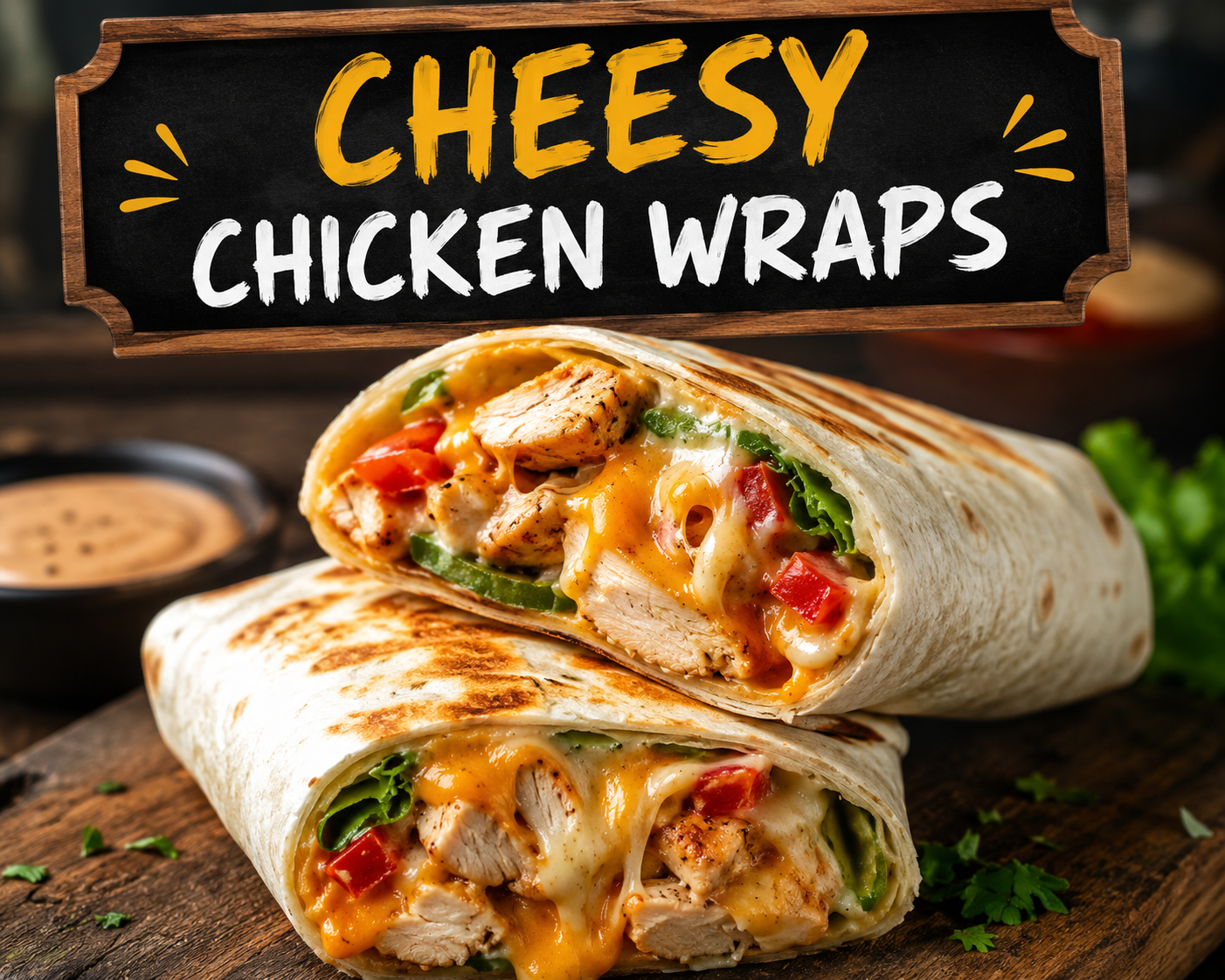
Cheesy Chicken Wraps

🌯 Cheesy Chicken Wraps


Ingredients

  • 2 large flour tortillas
  • 2 cups cooked chicken, shredded or diced
  • 1 cup mozzarella cheese, shredded
  • ½ cup cheddar cheese, shredded
  • ½ bell pepper, thinly sliced
  • ½ small onion, thinly sliced
  • 2 tbsp mayonnaise
  • 2 tbsp cream cheese
  • 1 tbsp ketchup
  • 1 tsp garlic powder
  • ½ tsp paprika
  • ½ tsp black pepper
  • ½ tsp salt
  • 1 tbsp cooking oil
  • Fresh lettuce, optional


Instructions

1. Cook the chicken: Heat oil in a pan. Add onion and bell pepper and sauté for 2–3 minutes.

2. Add cooked chicken, garlic powder, paprika, black pepper, and salt. Cook for 3–4 minutes until hot and well seasoned.

3. Make the sauce: Mix mayonnaise, cream cheese, and ketchup in a small bowl.

4. Assemble: Place a tortilla on a flat surface. Spread some sauce over it, then add lettuce if using.

5.Cheesy Chicken Wraps Add the cheesy chicken mixture and sprinkle generously with mozzarella and cheddar.

6. Fold the sides inward and roll tightly into a wrap.

7. Toast: Heat a dry skillet over medium heat. Place the wraps seam-side down and cook for 2–3 minutes per side until golden and the cheese is melted.

8. Slice in half and serve hot.


🌟 Tip

For an extra crispy wrap, brush the outside lightly with melted butter before toasting.

Serving: 2 large wraps

Prep time: 10 minutes

Cook time: 10 minutes

Total: 20 minutes