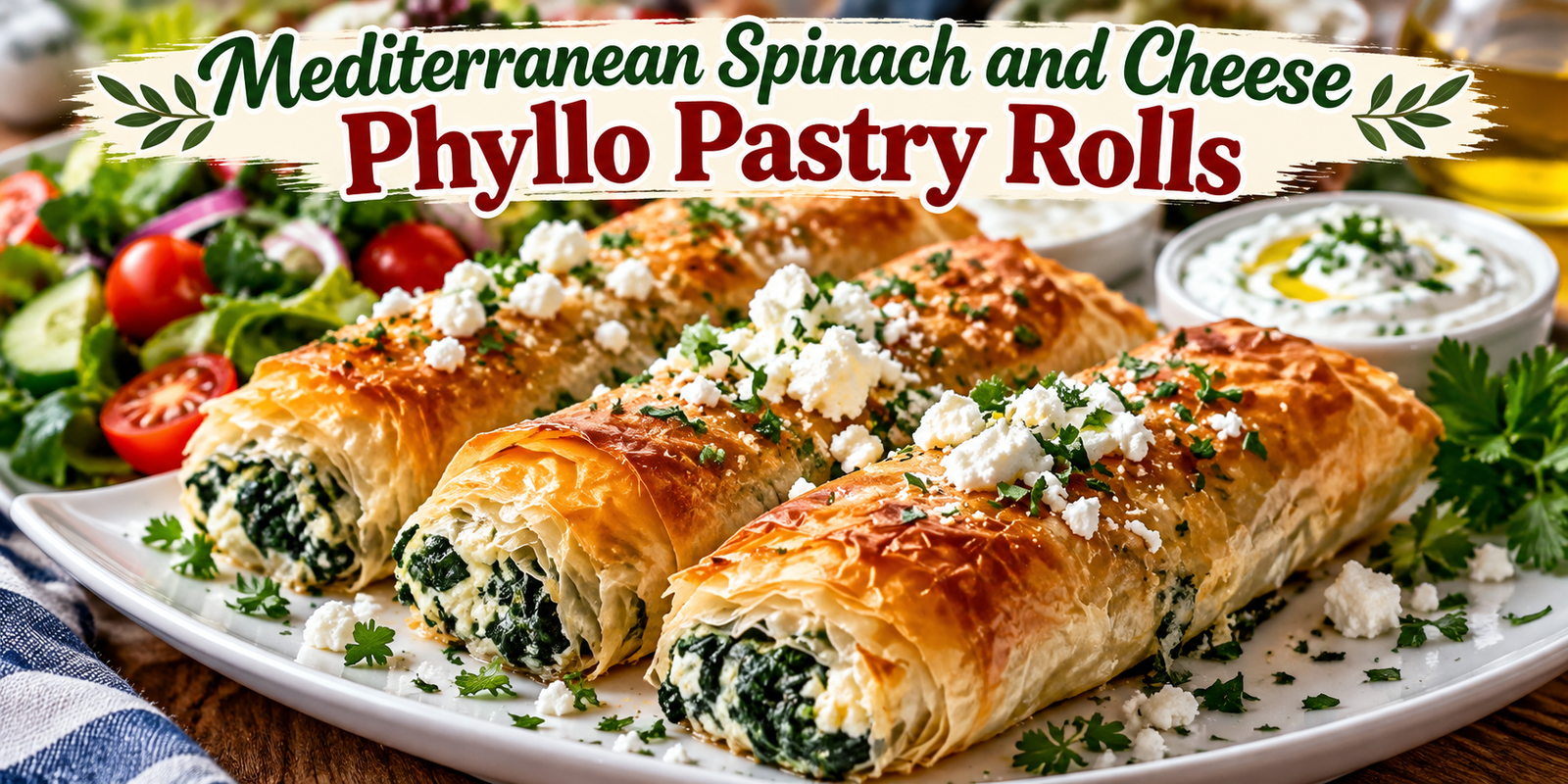
Mediterranean Spinach and Cheese Phyllo Pastry Rolls

Mediterranean Spinach and Cheese Phyllo Pastry Rolls with feta and fresh spinach

Mediterranean Spinach and Cheese Phyllo Pastry Rolls

Description

Mediterranean Spinach and Cheese Phyllo Pastry Rolls are crispy, golden, and delicious little pastries filled with tender spinach, creamy cheeses, garlic, onion, and Mediterranean herbs. Delicate layers of phyllo pastry are brushed lightly with olive oil or melted butter, wrapped around the savory filling, and baked until beautifully golden and crisp.

These Mediterranean Spinach and Cheese Phyllo Pastry Rolls are perfect for appetizers, brunch, family gatherings, holiday tables, or a light vegetarian meal. The combination of salty feta, creamy ricotta, stretchy mozzarella, spinach, garlic, and herbs creates a flavorful filling inside wonderfully flaky pastry.

The best part is that the recipe looks impressive while using simple ingredients and straightforward preparation. You can also prepare the rolls ahead of time and refrigerate or freeze them before baking.

Ingredients

For the Spinach and Cheese Filling

5 cups fresh spinach, or 10 ounces frozen spinach, thawed and squeezed completely dry

1 tablespoon olive oil

1 small onion, finely chopped

2 cloves garlic, minced

1/2 teaspoon salt

1/4 teaspoon black pepper

1/4 teaspoon ground nutmeg, optional

1/2 teaspoon dried oregano or dried dill

1/2 cup crumbled feta cheese

1/2 cup ricotta cheese or cottage cheese

1/2 cup shredded mozzarella cheese

1 large egg, lightly beaten

For the Phyllo Pastry

8–10 phyllo sheets, thawed if frozen

1/4 cup olive oil or melted butter for brushing

1 tablespoon sesame seeds, optional

Step-by-Step Instructions

Prepare the Spinach

Start by preparing the spinach because removing excess moisture is one of the most important steps in making crisp phyllo rolls.

If using fresh spinach, rinse it thoroughly and add it to a large skillet over medium heat. Cook until the leaves wilt and most of their moisture has evaporated.

If using frozen spinach, thaw it completely and squeeze out as much water as possible using a clean kitchen towel or several layers of paper towels.

The spinach should be quite dry before it goes into the filling. Excess moisture can make the pastry soft instead of crisp.

Cook the Onion and Garlic

Heat the olive oil in a large skillet over medium heat. Add the finely chopped onion and cook for about 3–4 minutes, stirring occasionally, until the onion becomes soft and translucent.

Add the minced garlic and cook for another 30–60 seconds. Be careful not to burn the garlic because it can become bitter.

Add the prepared spinach to the skillet and stir everything together.

Season with salt, black pepper, oregano or dill, and optional nutmeg. Cook for another minute or two, allowing any remaining moisture to evaporate.

Remove the skillet from the heat and allow the mixture to cool.

Make the Cheese Filling

Once the spinach mixture has cooled, transfer it to a mixing bowl.

Add the crumbled feta, ricotta or cottage cheese, and shredded mozzarella. Mix gently until the cheeses are evenly distributed throughout the spinach.

Taste the mixture before adding the egg and adjust the seasoning if necessary. Remember that feta is naturally salty, so you may not need additional salt.

Add the lightly beaten egg and mix until everything is combined.

The finished filling should be moist and creamy but not watery.

Prepare the Oven and Baking Sheet

Preheat your oven to 375°F (190°C).

Line a large baking sheet with parchment paper. This helps prevent the pastry rolls from sticking and makes cleanup easier.

Place the thawed phyllo sheets on a clean work surface and cover them with a slightly damp kitchen towel.

Phyllo pastry dries out quickly when exposed to air, so keeping the unused sheets covered will help prevent them from cracking.

Layer the Phyllo Sheets

Take one phyllo sheet and place it flat on your work surface.

Lightly brush the surface with olive oil or melted butter.

Place another phyllo sheet directly on top and brush it lightly again.

Using two layers gives the rolls enough structure while keeping the finished pastry delicate and crisp.

Cut the layered phyllo into three long strips, approximately 3–4 inches wide.

Fill the Pastry

Place approximately 1–2 tablespoons of the spinach and cheese mixture near the bottom of each phyllo strip.

Avoid adding too much filling because overfilling can make the rolls difficult to close and may cause the filling to leak during baking.

Fold the sides of the phyllo slightly inward over the filling.

Then begin rolling the pastry upward, creating a neat little log.

Continue rolling until you reach the top.

Place each finished roll seam-side down on the parchment-lined baking sheet.

Repeat with the remaining phyllo sheets and filling.

Brush and Bake

Once all the rolls are arranged on the baking sheet, lightly brush their tops with olive oil or melted butter.

For extra texture and visual appeal, sprinkle sesame seeds over the tops.

Place the baking sheet in the preheated oven and bake for approximately 25–30 minutes, or until the pastry becomes golden brown, crisp, and beautifully flaky.

Keep an eye on the rolls during the final few minutes because phyllo can brown quickly.

Cool Slightly Before Serving

Remove the baked rolls from the oven and allow them to cool for approximately 5 minutes.

This short resting period allows the filling to settle and makes the rolls easier to handle.

Serve them warm or at room temperature with your favorite dipping sauce.

Tips and Notes

Keep the phyllo covered. Phyllo pastry dries very quickly. Keep unused sheets underneath a slightly damp kitchen towel while you work.

Drain the spinach extremely well. This is one of the most important secrets to crispy rolls. Whether using fresh or frozen spinach, remove as much moisture as possible.

Cool the filling before assembling. Warm spinach can soften the phyllo and make the pastry harder to handle.

Don’t overfill the rolls. One to two tablespoons of filling per strip is generally enough. Too much filling can cause the pastry to split.

Brush lightly. You don’t need to soak the phyllo in oil or butter. A thin, even coating helps create crisp, golden layers.

Taste before adding the egg. Feta and other cheeses can already provide plenty of salt, so taste the spinach-cheese mixture first.

Use fresh herbs when available. Fresh parsley, dill, mint, or basil can add a bright Mediterranean flavor.

Give the rolls enough space. Leave a little room between them on the baking sheet so the hot air can circulate and crisp the pastry evenly.

For another fresh combination of fruit, greens, nuts, and a light dressing, try Apple Walnut Cranberry Salad with Citrus Maple Dressing.

Delicious Variations

For a heartier version, add shredded cooked chicken to the spinach and cheese filling.

You can also add finely chopped sun-dried tomatoes for a sweet and savory Mediterranean flavor.

Sautéed mushrooms make another delicious addition. Make sure to cook them until their excess moisture has evaporated before adding them to the filling.

For extra freshness, add finely chopped parsley, dill, or mint.

If you enjoy a little heat, add a small pinch of red pepper flakes or paprika.

You can replace some of the mozzarella with goat cheese for a tangier filling.

Serving Suggestions

These Mediterranean Spinach and Cheese Phyllo Pastry Rolls are excellent served as an appetizer with a cool garlic-yogurt dip.

Tzatziki is another great option because its creamy, refreshing flavor balances the crisp pastry and savory filling.

You can also serve the rolls with hummus, tahini-lemon sauce, marinara, or a simple Greek yogurt dip.

For brunch, pair them with a fresh tomato and cucumber salad, fresh fruit, or roasted vegetables.

They also work beautifully as part of a Mediterranean-inspired appetizer platter alongside olives, hummus, feta, roasted vegetables, and fresh herbs.

For another delicious Mediterranean-inspired meal, try our Feta and Spinach Greek Style Quesadillas.

Make-Ahead and Freezer Instructions

These Mediterranean Spinach and Cheese Phyllo Pastry Rolls are convenient for preparing ahead of time.

To refrigerate them, assemble the rolls and place them on a parchment-lined tray. Cover them carefully and refrigerate for up to 24 hours before baking.

When you’re ready to bake, place them on a baking sheet, brush with olive oil or melted butter, and bake until golden and crisp.

For freezing, assemble the rolls but do not bake them. Arrange them in a single layer on a tray and freeze until firm. Once frozen, transfer them to a freezer-safe container or bag.

Bake directly from frozen, adding several extra minutes to the normal baking time. Watch the pastry carefully toward the end and bake until golden brown and crisp.

Q&A

Can I use frozen spinach?

Yes. Frozen spinach works very well. Thaw it completely and squeeze out as much water as possible before adding it to the filling.

Can I use cottage cheese instead of ricotta?

Yes. Cottage cheese is a good substitute for ricotta and creates a creamy filling. If the cottage cheese contains a lot of liquid, drain it first.

Can I prepare these rolls the day before?

Yes. You can assemble them and refrigerate them before baking. Keep them covered so the phyllo doesn’t dry out.

What sauce goes best with these rolls?

Tzatziki, garlic yogurt sauce, hummus, tahini-lemon dressing, and marinara are all delicious choices.

Why did my phyllo pastry become soggy?

The most common reason is excess moisture in the spinach filling. Make sure the spinach is squeezed very dry and allow the cooked filling to cool before assembling.

Can I make these without butter?

Yes. Olive oil works very well for brushing the phyllo and gives the rolls a delicious Mediterranean flavor.

How do I prevent phyllo from tearing?

Keep the unused sheets covered with a slightly damp kitchen towel and handle each sheet gently. If a sheet tears slightly, don’t worry; another layer can usually cover the tear.

Servings & Nutrition

Servings: Approximately 18–24 rolls

Prep Time: 25 minutes

Cook Time: 25–30 minutes

Total Time: Approximately 55 minutes

Calories: Approximately 130 per serving

Protein: 4 g

Fat: 8 g

Carbohydrates: 10 g

Fiber: 1 g

Sugar: 1 g

Sodium: Approximately 210 mg

Nutrition values are approximate and can vary depending on the type and quantity of cheese, phyllo pastry, and other ingredients used.

Conclusion

These Mediterranean Spinach and Cheese Phyllo Pastry Rolls bring together everything that makes Mediterranean-inspired food so enjoyable: fresh spinach, savory herbs, creamy cheeses, garlic, olive oil, and crisp golden pastry.

They are easy enough for a casual family meal but elegant enough for entertaining. The crispy phyllo exterior contrasts beautifully with the soft, creamy spinach and cheese filling inside.

You can serve them as appetizers, brunch bites, a vegetarian side dish, or part of a Mediterranean-style meal. They can also be customized with chicken, sun-dried tomatoes, mushrooms, herbs, or a touch of spice.

Once you learn how to keep the phyllo moist while assembling and the spinach filling properly drained, these delicious rolls become surprisingly simple to prepare. Serve them warm with tzatziki or your favorite dipping sauce for a flavorful bite everyone can enjoy.
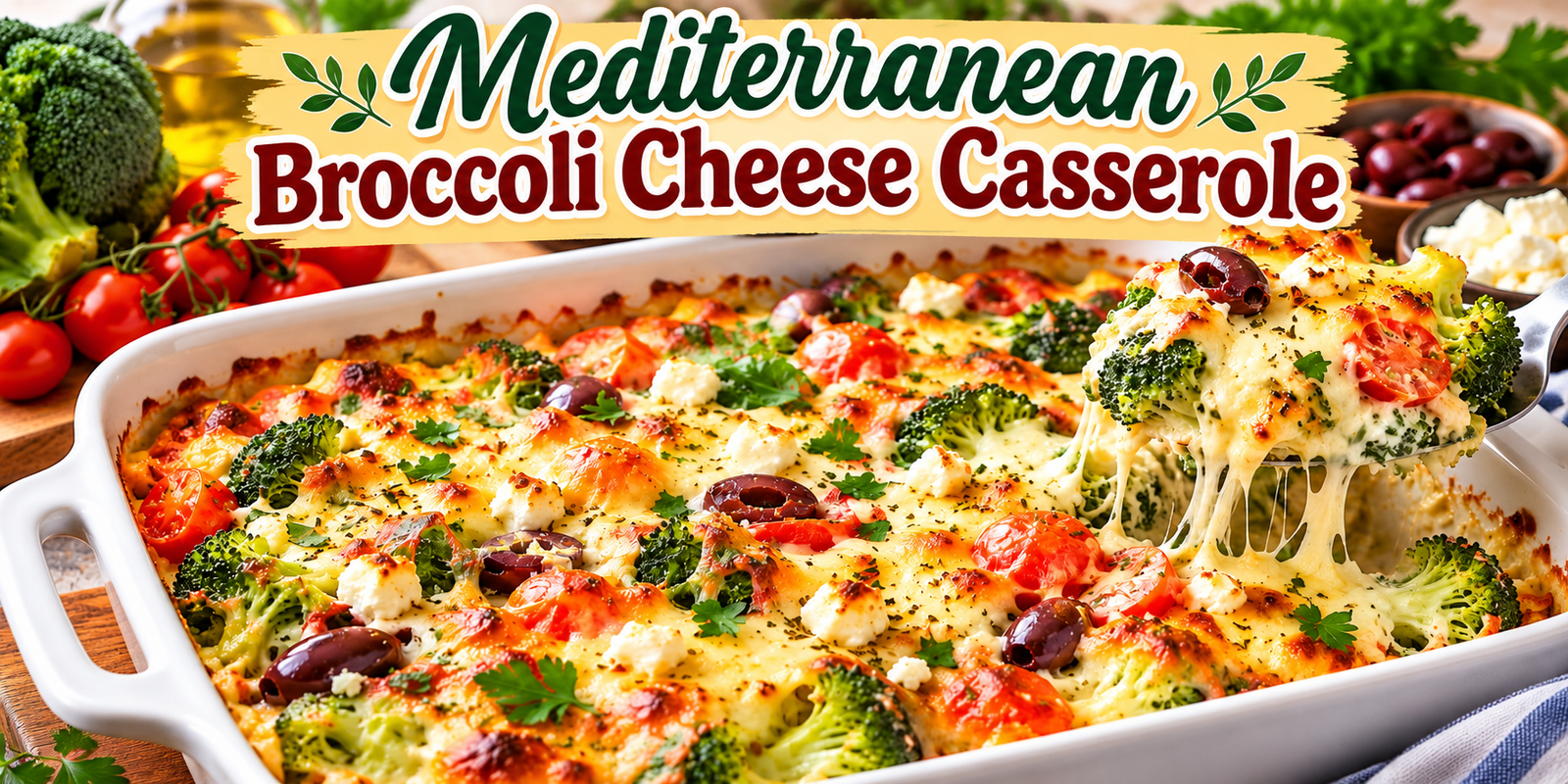
Mediterranean Broccoli Cheese Casserole

Mediterranean Broccoli Cheese Casserole with broccoli feta cheese tomatoes and olives

Mediterranean Broccoli Cheese Casserole

Description

Mediterranean Broccoli Cheese Casserole is a comforting, creamy, and flavorful baked dish that brings together tender broccoli, savory Mediterranean-inspired ingredients, and plenty of melted cheese. It is easy enough for a weeknight dinner but satisfying enough to serve as a family side dish or a light main meal.

This Mediterranean Broccoli Cheese Casserole combines fresh broccoli with garlic, tomatoes, herbs, feta, mozzarella, and a creamy sauce. The result is a golden, bubbling casserole with tender vegetables underneath and a delicious cheesy topping.

If you are looking for a simple way to add more vegetables to your meal, this recipe is an excellent option. The broccoli provides a fresh texture, while Mediterranean herbs, garlic, and cheese give the dish plenty of flavor without requiring complicated cooking techniques.

Ingredients

For the Broccoli

4 cups fresh broccoli florets

1 tablespoon olive oil

2 cloves garlic, finely minced

1/2 teaspoon dried oregano

1/2 teaspoon dried basil

1/4 teaspoon black pepper

1/4 teaspoon salt

For the Creamy Cheese Mixture

1/2 cup plain Greek yogurt

1/3 cup cream cheese, softened

1/2 cup crumbled feta cheese

1/2 cup shredded mozzarella cheese

1/4 cup grated Parmesan cheese

1/2 teaspoon garlic powder

1/4 teaspoon black pepper

Mediterranean Additions

1/2 cup cherry tomatoes, halved

1/4 cup sliced Kalamata olives

2 tablespoons finely chopped red onion

2 tablespoons fresh parsley, chopped

1 tablespoon chopped fresh basil

1 teaspoon lemon juice

Step-by-Step Instructions

Step 1: Prepare the Broccoli

Preheat your oven to 375°F (190°C). Lightly grease a medium-sized baking dish with olive oil.

Bring a large pot of water to a gentle boil. Add the broccoli florets and cook for about 2–3 minutes. You want the broccoli to become slightly tender while still maintaining some firmness.

Drain the broccoli thoroughly and allow excess water to evaporate. This step is important because overly wet broccoli can make the finished casserole watery.

Step 2: Season the Vegetables

Place the drained broccoli in a large mixing bowl. Add olive oil, minced garlic, oregano, basil, salt, and black pepper.

Gently toss everything together until the broccoli is evenly coated with the seasonings.

Add the cherry tomatoes, Kalamata olives, and red onion. Toss gently again so the vegetables remain intact.

Step 3: Prepare the Cheese Mixture

In a separate bowl, combine the Greek yogurt, softened cream cheese, feta cheese, mozzarella, Parmesan, garlic powder, and black pepper.

Stir until the ingredients are well combined and creamy.

The feta adds a salty Mediterranean flavor, while mozzarella creates a stretchy melted topping. Parmesan contributes a deeper savory taste.

Step 4: Combine Everything

Add the creamy cheese mixture to the seasoned broccoli and vegetables.

Fold everything together carefully until the broccoli is coated with the creamy mixture. Avoid stirring too aggressively because you want to keep the broccoli florets intact.

Taste the mixture and adjust the seasoning if necessary.

Step 5: Transfer to the Baking Dish

Spoon the mixture into your prepared baking dish and spread it evenly.

Sprinkle a little additional mozzarella and Parmesan over the top if you want an especially golden, cheesy crust.

For extra Mediterranean flavor, you can also add a small amount of dried oregano before baking.

Step 6: Bake the Casserole

Place the baking dish in the preheated oven and bake for approximately 25–30 minutes.

The casserole is ready when the cheese is melted, bubbling around the edges, and lightly golden on top.

If you want a more deeply browned surface, place it under the broiler for 1–2 minutes at the end. Watch it carefully because cheese can brown quickly.

Step 7: Rest and Garnish

Remove the casserole from the oven and allow it to rest for about 5 minutes.

Finish with fresh parsley and basil. Add a small squeeze of lemon juice just before serving to brighten the rich cheese flavor.

Serve warm.

Tips and Notes

For the best Mediterranean Broccoli Cheese Casserole, use fresh broccoli whenever possible. Frozen broccoli can work, but it should be thawed and drained extremely well before being added to the casserole.

Do not overcook the broccoli before baking. A brief blanching keeps the florets pleasantly tender instead of mushy.

If you prefer a stronger Mediterranean flavor, add extra Kalamata olives, a pinch of red pepper flakes, or a little more oregano.

You can also add chopped spinach, zucchini, roasted red peppers, or artichoke hearts. Make sure vegetables with high water content are drained well so they do not add excess moisture.

For a richer casserole, replace some of the Greek yogurt with additional cream cheese. For a lighter version, use reduced-fat Greek yogurt and a moderate amount of cheese.

Fresh herbs are especially useful at the end because they add brightness to the creamy baked dish.

If preparing ahead, assemble the casserole, cover it, and refrigerate it until ready to bake. Allow the baking dish to sit at room temperature briefly before placing it in the oven, especially if using a glass dish.

If you enjoy Mediterranean-style baked dishes, try our Mediterranean Spinach Lasagna for another comforting vegetable-filled meal.

Serving Suggestions

This Mediterranean Broccoli Cheese Casserole can be served as a vegetable side dish alongside grilled chicken, baked salmon, roasted turkey, or another protein.

For a vegetarian meal, serve it with a simple green salad, whole-grain bread, roasted potatoes, or a bowl of lentil soup.

A spoonful of plain Greek yogurt or a little fresh parsley can also be added when serving.

The casserole is particularly good when served warm because the cheese remains creamy and the top stays pleasantly golden.

For more guidance on building balanced meals with vegetables, healthy proteins, and healthy fats, see the Harvard Healthy Eating Plate.

Q&A

Can I use frozen broccoli?

Yes. Frozen broccoli can be used, but thaw it completely and drain it thoroughly first. Excess water can make the casserole too soft.

Can I make this casserole ahead of time?

Yes. You can assemble it ahead of time and refrigerate it before baking. This makes it convenient for busy weeknights or family meals.

Can I add chicken?

Absolutely. Cooked shredded chicken can be added to turn this casserole into a more substantial main dish. Make sure the chicken is fully cooked before combining it with the other ingredients.

Can I make it vegetarian?

Yes. The recipe as written can be served as a vegetarian casserole. Always check the labels of your cheeses if you have specific dietary requirements.

How do I store leftovers?

Allow the casserole to cool, then cover and refrigerate leftovers promptly. Reheat individual portions in the microwave or reheat the casserole gently in the oven until warmed through.

Can I freeze it?

You can freeze the casserole, although the creamy cheese mixture may change slightly in texture after thawing. For the best texture, enjoy it fresh or refrigerated within a few days.

Servings & Nutrition

Servings: 6

Prep Time: 15 minutes

Cook Time: 30 minutes

Total Time: 45 minutes

Estimated Calories: 285 per serving

Protein: 15 g

Carbohydrates: 13 g

Fat: 19 g

Fiber: 4 g

Sugar: 4 g

Nutrition values are estimates and can vary depending on the specific ingredients and brands used.

Conclusion

This Mediterranean Broccoli Cheese Casserole is an easy way to turn everyday broccoli into a warm, satisfying, and flavorful dish. The combination of tender broccoli, creamy Greek yogurt, feta, mozzarella, Parmesan, tomatoes, olives, garlic, and Mediterranean herbs creates a casserole that feels comforting while still featuring plenty of vegetables.

It is flexible enough for family dinners, meal preparation, holiday tables, or simple weeknight meals. You can also customize it with chicken, spinach, roasted peppers, or additional Mediterranean vegetables depending on what you have available.

If you enjoy simple vegetable-based recipes with plenty of flavor, this Mediterranean Broccoli Cheese Casserole is an easy recipe to keep in your regular rotation.

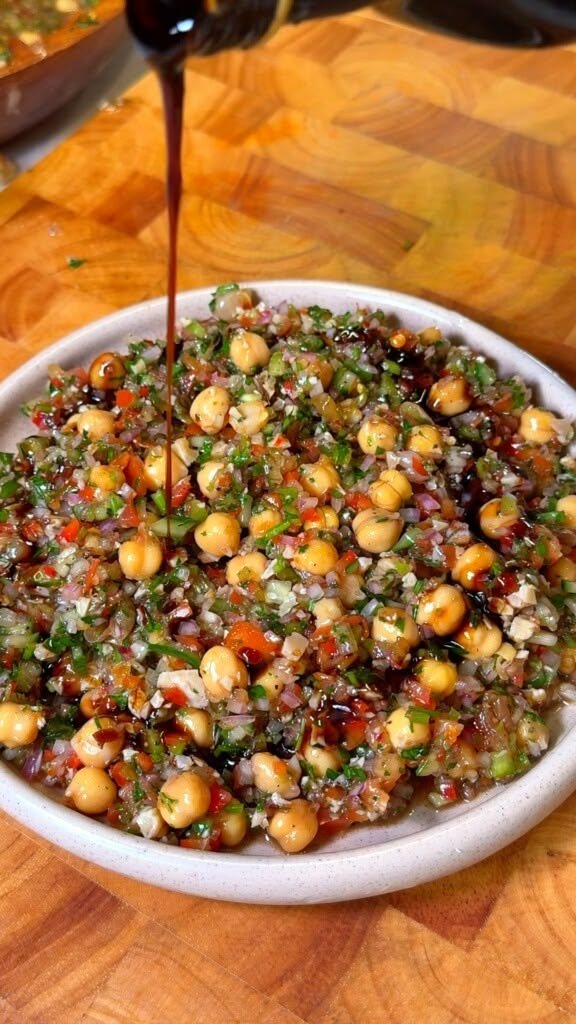
Finely Chopped Mediterranean Chickpea Salad

Finely Chopped Mediterranean Chickpea Salad

This Finely Chopped Mediterranean Chickpea Salad is a fresh, colorful, and satisfying dish packed with chickpeas, crisp vegetables, herbs, feta cheese, and a bright lemon-garlic dressing. Everything is chopped into small, bite-sized pieces, allowing the flavors to blend beautifully in every forkful. It is naturally filling, easy to prepare, and perfect for lunch, meal prep, picnics, potlucks, or a light dinner.

The combination of creamy chickpeas, crunchy cucumber and bell pepper, juicy tomatoes, salty feta, fresh parsley, and tangy lemon dressing gives this salad a classic Mediterranean flavor. It can be served on its own or alongside grilled chicken, fish, shrimp, or warm pita bread.

Ingredients

For the Salad

  • 2 cans (15 oz each) chickpeas, drained and rinsed
  • 1 large English cucumber, finely chopped
  • 2 medium Roma tomatoes, finely chopped
  • 1 red bell pepper, finely chopped
  • 1/4 red onion, finely chopped
  • 1/2 cup Kalamata olives, finely chopped
  • 1/3 cup crumbled feta cheese
  • 1/4 cup fresh parsley, finely chopped
  • 2 tablespoons fresh mint, finely chopped
  • 2 tablespoons sun-dried tomatoes, finely chopped
  • 2 tablespoons roasted red peppers, finely chopped, optional

For the Dressing

  • 1/4 cup extra-virgin olive oil
  • 3 tablespoons fresh lemon juice
  • 1 tablespoon red wine vinegar
  • 1 garlic clove, finely minced
  • 1 teaspoon dried oregano
  • 1/2 teaspoon Dijon mustard
  • 1/2 teaspoon honey or maple syrup, optional
  • 1/4 teaspoon salt
  • 1/4 teaspoon black pepper

Instructions

1. Prepare the Chickpeas

Drain the chickpeas thoroughly and rinse them under cool running water. Allow them to drain well. For an especially fresh texture, gently pat them dry with a clean kitchen towel.

Place the chickpeas in a large mixing bowl. If you prefer a more finely chopped salad, lightly chop about half of the chickpeas while leaving the remaining chickpeas whole. This creates a wonderful combination of textures.

2. Chop the Vegetables

Finely chop the cucumber, tomatoes, red bell pepper, red onion, olives, sun-dried tomatoes, and roasted red peppers if using. Try to keep the pieces similar in size so that the salad is easy to scoop and every bite contains a little of everything.

Add the chopped vegetables to the bowl with the chickpeas.

3. Add the Fresh Herbs

Finely chop the parsley and mint. Add them to the salad mixture. Fresh herbs make a major difference in this recipe, adding brightness and a fresh Mediterranean aroma.

Gently toss the ingredients together without crushing the tomatoes or chickpeas.

4. Make the Dressing

In a small bowl or jar, combine the olive oil, lemon juice, red wine vinegar, minced garlic, oregano, Dijon mustard, honey or maple syrup if using, salt, and black pepper.

Whisk vigorously until the dressing becomes slightly creamy and well combined. Taste and adjust the seasoning. Add more lemon juice for extra brightness or a little more olive oil if you prefer a milder dressing.

5. Combine Everything

Pour the dressing over the chickpea and vegetable mixture. Gently toss until every ingredient is lightly coated.

Add the crumbled feta cheese and carefully fold it through the salad. Avoid overmixing so the feta maintains some texture.

6. Let the Flavors Develop

For the best flavor, cover the salad and refrigerate it for 20–30 minutes before serving. This resting time allows the chickpeas and vegetables to absorb the lemony dressing.

Before serving, give the salad another gentle toss. Taste once more and add additional salt, pepper, or lemon juice if needed.

Serving Suggestions

Serve this salad chilled or at cool room temperature. It makes an excellent light lunch with warm pita bread or toasted whole-grain bread.

For a heartier meal, top it with grilled chicken, Mediterranean shrimp, grilled salmon, or sliced avocado. You can also spoon it into lettuce cups for a fresh low-carb option.

For entertaining, transfer the salad to a large shallow serving bowl and sprinkle extra feta, parsley, and a drizzle of olive oil over the top.

Tips for the Best Salad

Chop everything finely: Small pieces create the signature texture of this salad and make every bite flavorful.

Use fresh lemon juice: Freshly squeezed lemon juice gives the dressing a much brighter flavor than bottled juice.

Drain the vegetables: If your tomatoes or cucumbers are particularly juicy, remove some seeds or excess liquid to prevent the salad from becoming watery.

Don’t skip the resting time: Allowing the salad to sit for 20–30 minutes gives the dressing time to soak into the chickpeas and vegetables.

Add feta last: Folding in the feta gently keeps it from disappearing into the dressing.

Make-Ahead & Storage

This salad is excellent for meal preparation. Store it in an airtight container in the refrigerator for up to 3–4 days. The flavor often becomes even better after a few hours.

If preparing it several days ahead, keep the feta and dressing separate and combine them shortly before serving for the freshest texture.

Servings

Serves: 6
Prep Time: 20 minutes
Resting Time: 20–30 minutes
Total Time: About 45–50 minutes

Approximate Nutritional Information

Per serving, depending on the exact ingredients used:

  • Calories: 290
  • Protein: 9 g
  • Carbohydrates: 31 g
  • Fiber: 9 g
  • Fat: 15 g
  • Sodium: 430 mg

Benefits

Chickpeas provide plant-based protein and fiber, making this salad satisfying and filling. The cucumber, tomatoes, peppers, parsley, and herbs contribute a variety of vitamins, minerals, and antioxidants. Extra-virgin olive oil provides heart-friendly unsaturated fats, while the combination of lemon and fresh vegetables keeps the dish light and refreshing.

This Finely Chopped Mediterranean Chickpea Salad is a simple way to enjoy a colorful, nutrient-rich meal without complicated cooking. It is fresh enough for summer, hearty enough for lunch, and versatile enough to become a regular meal-prep favorite.

Coconut Lime Fish Curry with Jasmine Rice

Coconut Lime Fish Curry with Jasmine Rice

Description

Coconut Lime Fish Curry with Jasmine Rice is a creamy, fragrant, and comforting meal featuring tender white fish simmered in a rich coconut curry sauce. Fresh lime, garlic, ginger, and warm spices give the sauce a bright and aromatic flavor, while fluffy jasmine rice makes the perfect base for soaking up every drop. This easy one-pan curry is ideal for a flavorful weeknight dinner and can be prepared in about 40 minutes.

Ingredients

For the Fish Curry

  • 1½ pounds white fish fillets, such as cod, haddock, or tilapia
  • 1 tablespoon olive or avocado oil
  • 1 small yellow onion, finely diced
  • 3 cloves garlic, minced
  • 1 tablespoon fresh ginger, grated
  • 1 red bell pepper, thinly sliced
  • 1 tablespoon red or yellow curry paste
  • 1 teaspoon ground turmeric
  • 1 teaspoon ground cumin
  • ½ teaspoon paprika
  • 1 can (13.5 oz) full-fat coconut milk
  • ½ cup vegetable or chicken broth
  • 1 tablespoon fish sauce, optional
  • 1 tablespoon fresh lime juice
  • 1 teaspoon lime zest
  • 1 teaspoon honey or maple syrup
  • ½ teaspoon salt
  • ¼ teaspoon black pepper
  • 2 cups fresh spinach, optional
  • 2 tablespoons fresh cilantro, chopped
  • Lime wedges, for serving

For the Jasmine Rice

  • 1½ cups jasmine rice
  • 2¼ cups water
  • ¼ teaspoon salt

Instructions

1. Prepare the Rice

Rinse the jasmine rice under cold water several times until the water runs mostly clear. Add the rice, water, and salt to a medium saucepan.

Bring to a boil, then reduce the heat to low. Cover and simmer for 15 minutes, or until the water has been absorbed and the rice is tender.

Remove from the heat and let it rest, covered, for 5–10 minutes. Fluff gently with a fork before serving.

2. Prepare the Fish

Pat the fish fillets dry with paper towels. Cut them into large bite-sized pieces and season lightly with salt and black pepper.

Keep the pieces fairly large so they remain intact while simmering in the curry.

3. Sauté the Aromatics

Heat the oil in a large skillet or deep pan over medium heat. Add the diced onion and sliced bell pepper.

Cook for 4–5 minutes, stirring occasionally, until the vegetables begin to soften.

Add the minced garlic and grated ginger. Cook for another 30–60 seconds, until fragrant.

4. Build the Curry Sauce

Add the curry paste, turmeric, cumin, and paprika. Stir continuously for about 1 minute to toast the spices and release their aroma.

Pour in the coconut milk and broth. Add the fish sauce, honey or maple syrup, lime zest, salt, and black pepper.

Stir well and bring the sauce to a gentle simmer.

5. Cook the Fish

Carefully place the fish pieces into the simmering coconut sauce.

Cover partially and cook for approximately 7–10 minutes, gently spooning sauce over the fish occasionally.

The fish is ready when it becomes opaque and flakes easily with a fork. Avoid vigorous stirring because delicate fish can break apart.

6. Add Spinach and Lime

If using spinach, stir it into the curry during the final 1–2 minutes of cooking.

Remove the pan from the heat and stir in the fresh lime juice.

Taste the sauce and adjust the seasoning. Add more lime for brightness, a little salt for depth, or extra curry paste for additional heat.

7. Serve

Spoon fluffy jasmine rice into serving bowls and ladle the coconut lime fish curry over the top.

Garnish with fresh cilantro and lime wedges. For extra color and flavor, add sliced fresh chili, toasted coconut, or additional lime zest.

Tips

Use firm white fish so it holds together during cooking. Full-fat coconut milk creates the creamiest sauce, while light coconut milk can be used for a lighter version.

For a spicier curry, add sliced fresh chili or extra curry paste. You can also add vegetables such as broccoli, zucchini, snap peas, or mushrooms.

Servings

Serves 4–6

Nutritional Information

Approximately 520 calories per serving, including jasmine rice. Actual values vary depending on the fish, coconut milk, and amount of rice served.

Benefits

Fish provides high-quality protein and important nutrients, while coconut milk creates a rich, flavorful sauce. Lime, ginger, garlic, bell peppers, and spinach add freshness, vegetables, and a variety of micronutrients.

This Coconut Lime Fish Curry is a comforting, colorful meal that combines tender fish, aromatic coconut sauce, and fragrant jasmine rice in one satisfying dish.

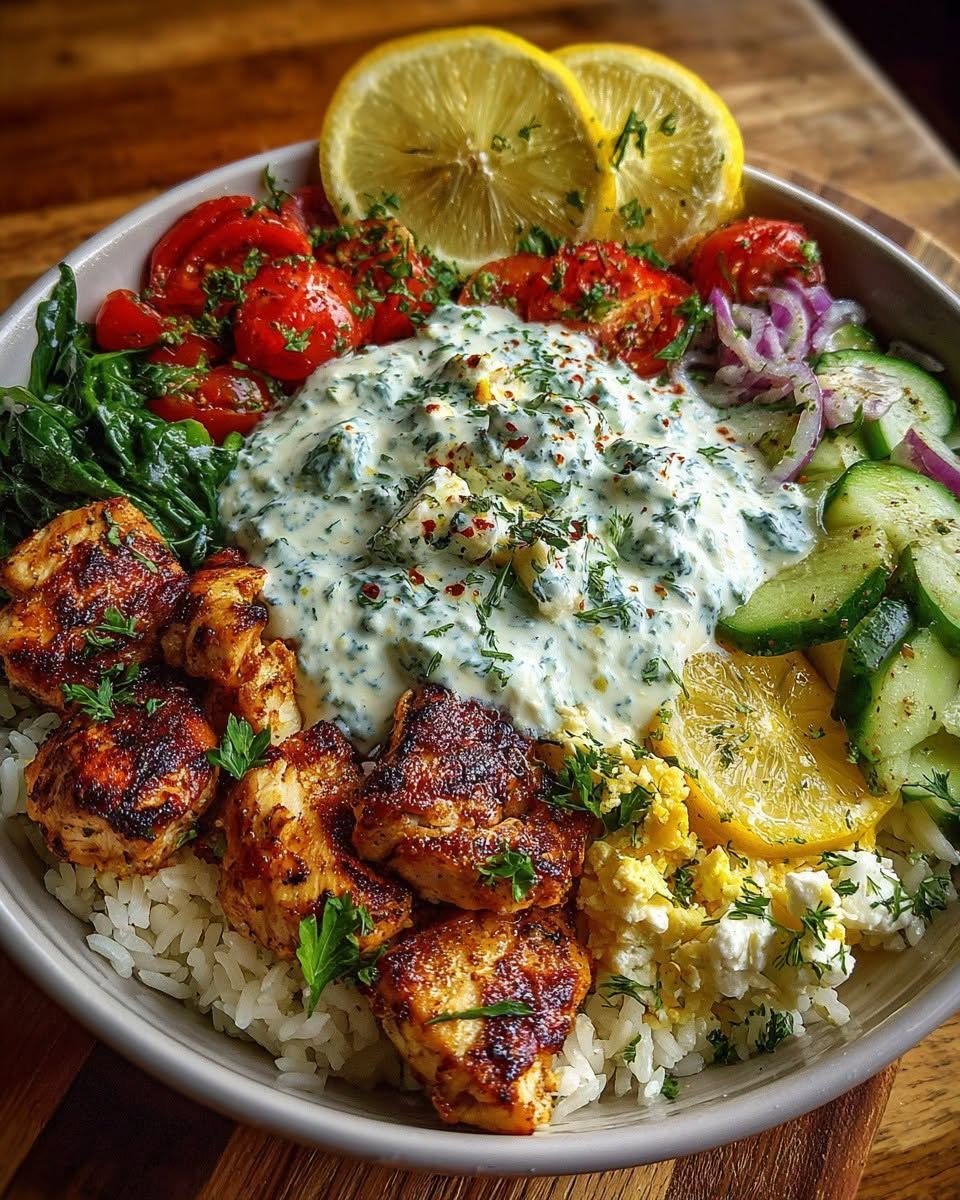
Lemon Garlic Chicken Rice Bowl with Creamy Lemon Feta Sauce

Lemon Garlic Chicken Rice Bowl with Creamy Lemon Feta Sauce

Ingredients

Lemon Garlic Chicken
2 boneless, skinless chicken breasts, diced
2 tablespoons extra virgin olive oil
2 tablespoons fresh lemon juice
3 cloves garlic, minced
1 teaspoon dried oregano
1/2 teaspoon paprika
1 teaspoon sea salt
1/2 teaspoon freshly ground black pepper
Rice Bowl
2 cups cooked rice
2 cups baby spinach
1 cup cucumber, diced
1 cup cherry tomatoes, halved
1/4 cup red onion, thinly sliced
2 tablespoons fresh parsley, chopped
Creamy Lemon Feta Sauce
1 cup feta cheese
1/2 cup Greek yogurt
2 tablespoons fresh lemon juice
1 teaspoon lemon zest
1 tablespoon extra virgin olive oil
1 clove garlic, minced
1 teaspoon dried dill
1/4 teaspoon freshly ground black pepper
Optional Garnish
Extra crumbled feta cheese
Fresh parsley
Lemon wedges
Cucumber slices
Cracked black pepper

Directions

In a large bowl, whisk together olive oil, lemon juice, garlic, oregano, paprika, sea salt, and black pepper.
Add the diced chicken and marinate for 15–20 minutes.
Heat a large skillet over medium-high heat and cook the marinated chicken for 6–8 minutes until golden brown and fully cooked.
In a food processor or blender, combine feta cheese, Greek yogurt, lemon juice, lemon zest, olive oil, garlic, dill, and black pepper. Blend until smooth and creamy.
Divide the cooked rice among serving bowls.
Top with baby spinach, cucumber, cherry tomatoes, red onion, and the cooked lemon garlic chicken.
Drizzle generously with the creamy lemon feta sauce.
Garnish with extra feta cheese, fresh parsley, lemon wedges, cucumber slices, and cracked black pepper.
Serve immediately while fresh and flavorful.

Nutritional Information

Calories: ~540 per serving
Carbohydrates: 45g
Fat: 21g
Protein: 41g
Fiber: 4g
Sugar: 5g

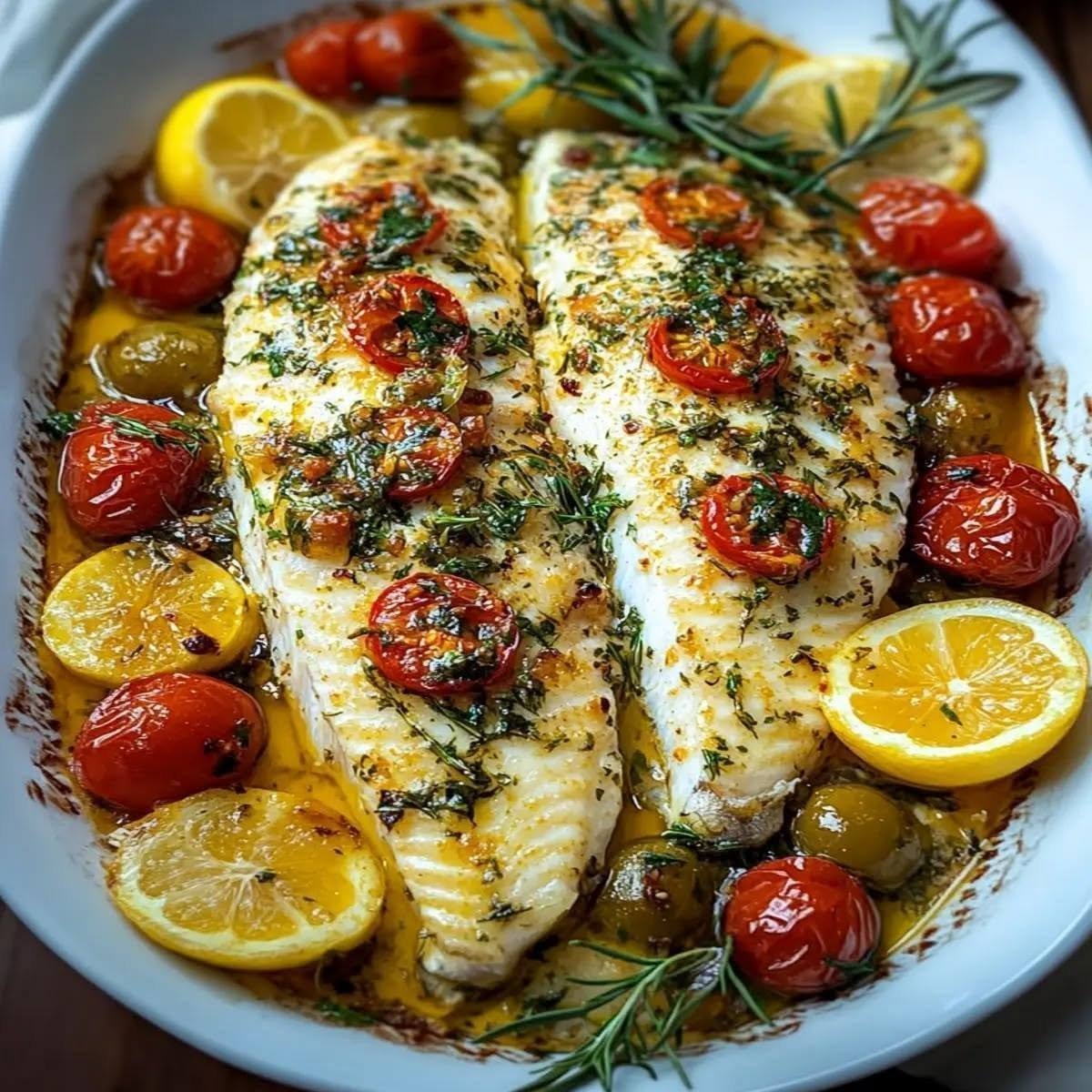
Mediterranean Lemon Herb Baked White Fish

Mediterranean Lemon Herb Baked White Fish

Ingredients

4 white fish fillets (cod, haddock, halibut, or tilapia)
2 cups cherry tomatoes
½ cup green olives
3 garlic cloves, minced
3 tablespoons extra virgin olive oil
2 tablespoons fresh lemon juice
1 teaspoon lemon zest
1 teaspoon dried oregano
1 teaspoon dried thyme
½ teaspoon paprika
½ teaspoon crushed red pepper flakes (optional)
Salt and black pepper, to taste
2 tablespoons chopped fresh parsley
2 rosemary sprigs
1 lemon, sliced

Instructions

Preheat your oven to 400°F (200°C). Lightly grease a baking dish with olive oil. Arrange the cherry tomatoes, olives, garlic, and lemon slices evenly in the dish.
In a small bowl, whisk together the olive oil, lemon juice, lemon zest, oregano, thyme, paprika, red pepper flakes, salt, and black pepper. Place the fish fillets on top of the vegetables and spoon the herb mixture generously over each fillet. Add the rosemary sprigs around the fish.
Bake for 18–22 minutes, depending on the thickness of the fillets, until the fish flakes easily with a fork and the tomatoes are soft and slightly blistered. For extra color, broil for 2–3 minutes at the end of cooking.
Remove from the oven and sprinkle with fresh chopped parsley. Spoon the flavorful juices over the fish before serving.