Spicy Pepper Chicken

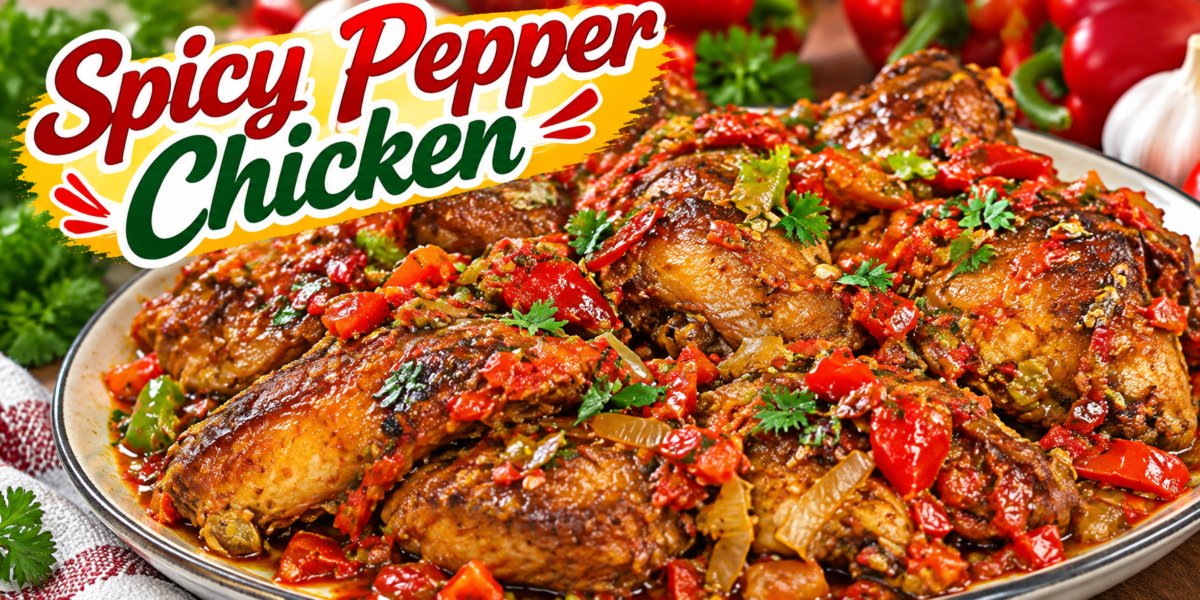
Spicy Pepper Chicken with golden chicken pieces, red and green peppers, tomatoes, onions, fresh herbs, and savory sauce

Spicy Pepper Chicken

Spicy Pepper Chicken is a rich, flavorful chicken dish made with tender chicken, colorful bell peppers, onions, garlic, tomatoes, and aromatic spices. The chicken is browned until golden and then cooked with a savory pepper sauce that coats every piece.

This recipe is inspired by the delicious, glossy chicken dish shown in your reference image. It has a beautiful combination of roasted color, tender meat, sweet peppers, mild heat, and fresh herbs.

The secret to great Spicy Pepper Chicken is building flavor in layers. First, season and brown the chicken. Then sauté the onions, peppers, garlic, and tomatoes until they become soft and fragrant. Finally, combine everything and let the chicken simmer gently so it absorbs the flavorful sauce.

You can serve this dish with white rice, brown rice, mashed potatoes, couscous, flatbread, or a simple salad. It also works beautifully for family dinners because the ingredients are simple and the preparation is straightforward.

Prep Time: 20 minutes
Cook Time: 40 minutes
Total Time: 1 hour
Servings: 6 servings

Ingredients

For the Chicken

1 teaspoon smoked paprika

2 1/2 pounds bone-in chicken thighs and drumsticks

1/2 teaspoon garlic powder

1 teaspoon black pepper

3 tablespoons olive oil

1 teaspoon salt

1 teaspoon paprika

1/2 teaspoon onion powder

1/2 teaspoon dried oregano

1/4 teaspoon cayenne pepper, optional

1/2 teaspoon dried thyme

For the Pepper Sauce

1 large onion, chopped

1 yellow bell pepper, chopped

4 cloves garlic, minced

1 green bell pepper, chopped

2 medium tomatoes, diced

1 red bell pepper, chopped

1/2 teaspoon salt

2 tablespoons tomato paste

1 cup chicken broth

1/2 teaspoon ground cumin

1 teaspoon smoked paprika

1/2 teaspoon dried oregano

1 tablespoon fresh lemon juice

1/2 teaspoon black pepper

2 tablespoons fresh parsley, chopped

1/2 teaspoon red pepper flakes

2 tablespoons fresh cilantro, optional

Step-by-Step Instructions

Season the Chicken

Pat the chicken pieces dry with paper towels. Removing excess moisture helps the skin and surface develop a beautiful golden-brown color.

Place the chicken in a large bowl.

Add salt, black pepper, paprika, smoked paprika, garlic powder, onion powder, thyme, oregano, and cayenne pepper if you want extra heat.

Rub the seasoning over every piece.

Allow the chicken to rest for 10 minutes while you prepare the vegetables.

This seasoning mixture gives the Spicy Pepper Chicken its deep color and savory flavor.

Brown the Chicken

Heat a large, heavy skillet or Dutch oven over medium-high heat.

Add the olive oil.

Once the oil is hot, carefully place the chicken pieces into the pan.

Cook the chicken for about 4 to 5 minutes on each side.

The goal is not to cook the chicken completely at this stage. Instead, brown the outside and develop a flavorful crust.

Avoid overcrowding the pan. If necessary, brown the chicken in two batches.

Transfer the browned chicken to a clean plate.

The browned pieces create a flavorful base for Spicy Pepper Chicken and give the finished dish a richer appearance.

Cook the Onion and Peppers

Reduce the heat to medium.

Add the chopped onion to the same pan.

Cook for 3 to 4 minutes until the onion begins to soften.

Add the red, green, and yellow bell peppers.

Stir everything together.

Cook for another 5 to 6 minutes.

The peppers should become tender while still retaining some texture.

Add the minced garlic and cook for about 30 seconds.

The garlic should become fragrant without burning.

This colorful mixture forms the vegetable base of the Spicy Pepper Chicken.

Add the Tomatoes

Add the diced tomatoes to the pan.

Stir in the tomato paste.

Add smoked paprika, cumin, oregano, black pepper, salt, and red pepper flakes.

Cook for about 3 minutes.

The tomatoes will begin releasing their juices while the tomato paste becomes richer and slightly caramelized.

Stir frequently so nothing sticks to the bottom of the pan.

The combination of tomatoes and peppers creates a thick, flavorful sauce for Spicy Pepper Chicken.

Add the Chicken Broth

Pour the chicken broth into the pan.

Use a wooden spoon to gently scrape the bottom of the skillet.

Those browned bits contain plenty of flavor.

Stir the sauce until the tomato paste is fully incorporated.

Bring the mixture to a gentle simmer.

The sauce should look rich and slightly thick.

Return the Chicken

Place the browned chicken pieces back into the pan.

Arrange them so the pieces are partially surrounded by the pepper and tomato sauce.

Cover the skillet with a lid.

Reduce the heat to low.

Allow the chicken to simmer for about 25 to 30 minutes.

Turn the chicken once halfway through cooking.

The chicken should become tender and fully cooked.

For food safety, poultry should reach an internal temperature of 165°F (74°C) at the thickest part.

The slow simmer allows the chicken to absorb the flavors from the peppers, tomatoes, garlic, and spices.

Finish the Sauce

Remove the lid during the final 5 minutes.

Allow some of the liquid to evaporate.

The sauce should become thick enough to coat the chicken without becoming dry.

Taste the sauce.

Add more salt, black pepper, or red pepper flakes if needed.

Add fresh lemon juice just before turning off the heat.

The lemon brightens the rich sauce and balances the smoky spices.

This final step makes the Spicy Pepper Chicken taste fresher and more balanced.

Garnish and Serve

Turn off the heat.

Sprinkle fresh parsley and cilantro over the chicken.

Allow the dish to rest for about 5 minutes before serving.

The short resting period allows the juices to settle and gives the sauce time to thicken slightly.

Serve the chicken warm with plenty of the pepper sauce spooned over the top.

Tips for the Best Results

Use bone-in chicken pieces for deeper flavor and a tender texture.

Pat the chicken dry before seasoning.

Brown the chicken properly before adding the vegetables.

Do not rush the onion and pepper step because softened vegetables create a better sauce.

Fresh garlic gives the dish a stronger aroma.

Use a mixture of red, green, and yellow peppers for a colorful presentation.

Adjust the red pepper flakes according to your preferred level of heat.

For a milder version, skip the cayenne and reduce the red pepper flakes.

For extra heat, add sliced fresh chili peppers.

A small amount of lemon juice at the end keeps the flavors bright.

These simple techniques help create tender, flavorful Spicy Pepper Chicken every time. Fresh peppers and herbs can make Spicy Pepper Chicken taste even brighter.

Easy Variations

Extra Spicy Version

Add sliced jalapeños or fresh red chilies with the bell peppers.

You can also increase the cayenne pepper.

Creamy Version

Stir in 1/4 cup of heavy cream during the final few minutes.

The cream creates a smoother sauce and balances the heat.

Mediterranean Version

Add sliced olives, oregano, fresh parsley, and a little feta cheese before serving.

Tomato-Rich Version

Add another cup of diced tomatoes or crushed tomatoes for a saucier dish.

Boneless Version

Boneless chicken thighs can replace bone-in pieces.

Reduce the cooking time and check the chicken earlier to prevent overcooking.

Each variation gives Spicy Pepper Chicken a slightly different character while keeping the basic recipe easy.

Serving Suggestions

Serve the chicken over fluffy white rice to soak up the flavorful sauce.

Brown rice also works well for a heartier meal.

Warm naan, pita, or another flatbread is perfect for scooping up the pepper sauce.

You can also serve the chicken with mashed potatoes.

For a lighter meal, pair it with a fresh cucumber and tomato salad.

Roasted vegetables are another excellent side.

Couscous or quinoa can also be used as a grain base.

For entertaining, arrange the chicken on a large serving platter and spoon the colorful pepper sauce around the pieces.

The vibrant vegetables make Spicy Pepper Chicken especially attractive on a dinner table. Serve Spicy Pepper Chicken with rice or warm bread to soak up the flavorful sauce.

Storage and Reheating

Allow leftovers to cool before storing.

Place the chicken and sauce in an airtight container.

Refrigerate for up to 4 days.

For the best texture, reheat the chicken gently in a covered skillet.

Add a small splash of chicken broth if the sauce has become too thick.

You can also reheat individual portions in the microwave.

Heat until the chicken is completely warmed through.

Avoid repeatedly reheating the entire batch.

The flavors often become even richer after resting overnight, making Spicy Pepper Chicken a useful make-ahead dinner. Leftover Spicy Pepper Chicken can be enjoyed again after gentle reheating.

Frequently Asked Questions

Can I use chicken breast?

Yes. Chicken breasts can be used, but they cook faster than thighs. Watch them carefully so they remain tender.

Can I make this recipe without spicy peppers?

Yes. Reduce or remove the cayenne and red pepper flakes for a mild version.

Can I use frozen peppers?

Yes. Frozen peppers can work, although fresh peppers provide better texture.

Can I make this recipe ahead of time?

Yes. Prepare the dish, cool it properly, and refrigerate it. Reheat gently before serving.

What can I serve with it?

Rice, couscous, quinoa, potatoes, naan, pita, and fresh salads all pair well with the chicken.

Can I use boneless chicken thighs?

Absolutely. Boneless thighs are tender and flavorful. Adjust the cooking time because they cook faster.

How can I make the sauce thicker?

Simmer the dish uncovered for several minutes until some of the liquid evaporates.

How can I make it hotter?

Add fresh chilies, cayenne pepper, or additional red pepper flakes.

Can I add cheese?

Yes. A small amount of feta can provide a delicious salty contrast.

Nutrition Information

Approximate nutrition per serving:

Calories: 430 kcal

Protein: 38g

Carbohydrates: 13g

Fat: 25g

Fiber: 3g

Sugar: 6g

Sodium: 720mg

Nutrition values are estimates and can vary depending on the chicken pieces, amount of oil, and serving size.

Why You Will Love This Recipe

This recipe brings together tender chicken and colorful vegetables in one flavorful skillet.

The browned chicken provides a rich foundation.

Bell peppers add sweetness and color.

Tomatoes create a naturally flavorful sauce.

Garlic adds savory depth.

Smoked paprika gives the dish a warm, smoky character.

Fresh lemon juice balances the richness at the end.

The recipe also uses everyday ingredients, so you do not need a long shopping list.

It is easy to adjust the heat, making it suitable for both mild and spicy food lovers.

Another advantage is its versatility. You can serve Spicy Pepper Chicken with rice for a complete dinner or with warm bread for a more casual meal.

Final Thoughts

Spicy Pepper Chicken is a comforting, colorful, and flavorful meal that brings together golden chicken, sweet peppers, tomatoes, onions, garlic, and warm spices.

The chicken is first browned to create a rich exterior. The vegetables are then cooked until tender and fragrant. Finally, everything simmers together in a savory tomato-pepper sauce.

The result is juicy chicken coated in a glossy sauce with plenty of colorful peppers in every bite.

Serve it over rice, with warm bread, or alongside a fresh salad.

You can also adjust the spice level, use different chicken cuts, or add your favorite vegetables.

Whether you are preparing a family dinner or looking for a flavorful meal for guests, Spicy Pepper Chicken is a simple recipe with plenty of bold flavor. Spicy Pepper Chicken is a delicious option for family dinners, weekend meals, and casual entertaining.
Spicy Asian Chicken Satay Recipe

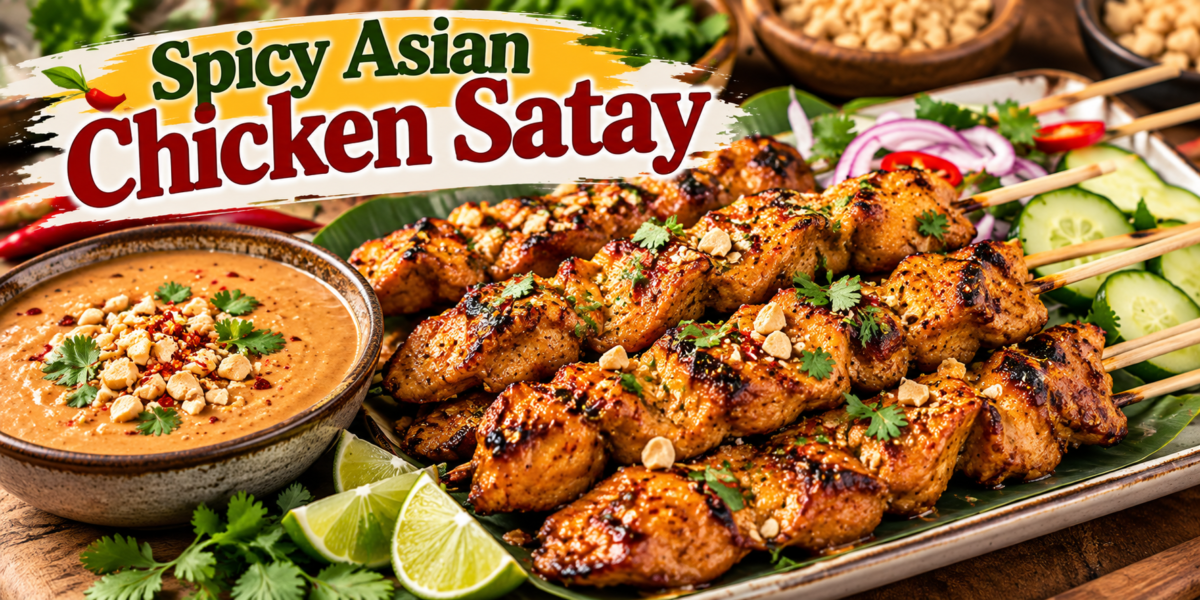
Chicken Satay with spicy peanut sauce, fresh cucumber, cilantro, lime, and roasted peanuts

Spicy Asian Chicken Satay Recipe

This Chicken Satay recipe features tender strips of marinated chicken grilled until golden, juicy, and lightly charred, then served with a creamy spicy peanut sauce. The marinade combines soy sauce, garlic, ginger, lime juice, honey, coriander, cumin, turmeric, and chili for a balanced blend of savory, sweet, tangy, and spicy flavors.

This Chicken Satay is simple enough for a weeknight dinner but attractive enough for parties, family gatherings, and weekend entertaining. Serve the skewers with jasmine rice, crisp cucumber, red onion, fresh cilantro, lime wedges, and extra peanut sauce for a complete Asian-inspired meal.

Chicken thighs are especially juicy, although chicken breast can also be used. The most important step is slicing the meat evenly so the skewers cook at the same rate. A short marinade adds plenty of flavor, while a longer marinade gives the spices more time to work.

Prep Time: 25 minutes
Marinating Time: 1–4 hours
Cook Time: 12–16 minutes
Total Time: About 4 hours 40 minutes
Servings: 4–6

Ingredients

For the Chicken

2 pounds boneless, skinless chicken thighs or chicken breasts

3 tablespoons soy sauce

2 tablespoons neutral oil

1 tablespoon fresh lime juice

1 tablespoon honey or brown sugar

3 garlic cloves, finely minced

1 tablespoon freshly grated ginger

1 teaspoon ground coriander

1 teaspoon ground cumin

1 teaspoon smoked paprika

½ teaspoon turmeric

½ teaspoon chili flakes

½ teaspoon black pepper

2 tablespoons coconut milk

Chicken Satay Spicy Peanut Sauce

½ cup smooth peanut butter

½ cup unsweetened coconut milk

2 tablespoons soy sauce

1 tablespoon fresh lime juice

1 tablespoon honey or maple syrup

1 teaspoon chili garlic sauce

1 teaspoon freshly grated ginger

1 small garlic clove, minced

2–4 tablespoons warm water

Small pinch of salt

For Serving

Fresh cilantro

Sliced cucumber

Lime wedges

Thinly sliced red onion

Chopped roasted peanuts

Cooked jasmine or basmati rice, optional

Extra chili sauce, optional

Step-by-Step Instructions

1. Prepare Chicken for Chicken Satay

Pat the chicken dry with paper towels. If using chicken breasts, place them between sheets of parchment paper and gently pound the thicker areas until the meat has a fairly even thickness.

Slice the chicken into strips about ½ inch thick. Keep the strips similar in size so they cook evenly. Chicken thighs are a particularly good choice because their natural fat helps them stay tender over high heat.

2. Make the Chicken Satay Marinade

In a large bowl, whisk together soy sauce, oil, lime juice, honey, garlic, ginger, coriander, cumin, smoked paprika, turmeric, chili flakes, black pepper, and coconut milk.

Add the chicken and toss thoroughly until every strip is coated. Cover the bowl and refrigerate for at least one hour. For deeper flavor, marinate for up to four hours.

The marinade gives Chicken Satay its characteristic combination of salty, sweet, spicy, and aromatic flavors. Do not leave raw chicken at room temperature while it marinates.

3. Soak the Skewers

If using bamboo skewers, place them in water for at least 30 minutes. This helps prevent the exposed wood from burning during grilling.

Metal skewers can be used without soaking. Keep the marinated chicken refrigerated until you are ready to thread the skewers.

4. Prepare the Peanut Sauce

Add peanut butter, coconut milk, soy sauce, lime juice, honey or maple syrup, chili garlic sauce, ginger, and garlic to a small saucepan.

Warm the mixture over low heat while whisking until smooth. Add warm water one tablespoon at a time until the sauce reaches a creamy dipping consistency.

Taste and adjust the sauce. Add more lime juice for brightness, extra chili garlic sauce for heat, or a little more sweetener if you prefer a sweeter sauce.

The peanut sauce should be rich but pourable. Avoid boiling it rapidly because excessive heat can make the sauce separate.

5. Thread the Chicken

Remove the chicken from the refrigerator. Thread each strip onto a soaked skewer, folding the meat gently back and forth.

Do not pack the pieces too tightly. Small spaces allow heat to reach more surfaces and help create browned, lightly charred edges.

Discard any remaining marinade that has touched raw chicken. Never use it as a dipping sauce unless it has been thoroughly boiled.

6. Heat the Grill

Preheat an outdoor grill or grill pan over medium-high heat. Lightly oil the cooking surface.

A hot cooking surface is important because it quickly browns the chicken and creates flavorful caramelized edges. If using a broiler, place the skewers on a lined baking sheet and position them so the chicken cooks evenly.

7. Grill the Chicken Satay

Place the skewers on the hot grill and cook for about 3–4 minutes on the first side. Turn them carefully with tongs and continue cooking for another 3–4 minutes per side, turning as needed.

The exact cooking time depends on the thickness of the chicken and the heat of your grill. Avoid pressing down on the meat because this can force out the juices.

For food safety, check the thickest piece with a food thermometer. The chicken should reach an internal temperature of 165°F (74°C).

If the exterior becomes dark too quickly, move the skewers to a cooler section of the grill and allow the center to finish cooking more gently.

8. Rest the Skewers

Transfer the cooked Chicken Satay to a clean plate and let it rest for about five minutes. Resting allows the juices to redistribute through the meat, helping the chicken remain tender.

While the skewers rest, stir the peanut sauce. If it has thickened, add a teaspoon or two of warm water.

9. Garnish and Serve Chicken Satay

Arrange the skewers on a large platter. Place the peanut sauce in a bowl alongside them.

Scatter chopped peanuts and fresh cilantro over the chicken. Add cucumber slices, red onion, and lime wedges around the platter.

For a complete meal, serve Chicken Satay with jasmine rice, basmati rice, or a fresh cucumber salad.

Tips for the Best Results

Choose the Right Chicken for Chicken Satay

Chicken thighs are ideal when you want especially juicy skewers. Chicken breast is leaner and works well when sliced evenly and cooked only until it reaches a safe internal temperature.

Give the Marinade Enough Time

At least one hour of marinating gives the chicken a noticeable flavor boost. Several hours allow the garlic, ginger, spices, soy sauce, and lime to develop a deeper taste.

Avoid marinating raw chicken for excessively long periods because the lime juice can eventually affect the texture.

Keep Chicken Satay Pieces Similar

Uniform strips cook more evenly and make the skewers easier to turn. Very thin pieces may dry out before thicker pieces are finished.

Control the Grill Temperature for Chicken Satay

Medium-high heat gives the Chicken Satay attractive browned edges without burning the honey and spices.

If your grill runs very hot, reduce the temperature after the initial browning so the center can cook through without the outside becoming too dark.

Keep the Chicken Satay Sauce Smooth

Heat the peanut sauce gently. If it becomes too thick, add warm water gradually. A good dipping sauce should cling to the chicken but still flow easily from a spoon.

Add Fresh Garnishes to Chicken Satay

Fresh lime, cucumber, cilantro, and red onion cut through the richness of the peanut sauce. Add them just before serving for the best texture.

Serving Suggestions

Chicken Satay makes an excellent appetizer when arranged on a platter with a bowl of peanut sauce in the center. Garnish with cilantro, roasted peanuts, cucumber ribbons, lime wedges, and thinly sliced red onion.

For dinner, serve the skewers with steamed jasmine rice and stir-fried vegetables such as broccoli, bell peppers, carrots, snow peas, or green beans.

A simple cucumber salad is another excellent side. Toss thin cucumber slices with rice vinegar, lime juice, a little sugar, cilantro, and red onion.

For parties, use smaller skewers so guests can easily pick them up and dip them. Offer extra chili sauce and lime wedges so everyone can adjust the heat and acidity.

Make-Ahead Instructions

The chicken can be sliced and marinated several hours before cooking. Keep it covered and refrigerated until you are ready to grill.

The peanut sauce can be prepared up to three days ahead and stored in the refrigerator. Reheat it gently and add warm water if necessary to restore its consistency.

The skewers can be threaded shortly before cooking. Keep prepared skewers refrigerated and covered.

For entertaining, prepare the garnishes in advance and cook the chicken close to serving time so it remains juicy and aromatic.

Storage Instructions

Store leftover Chicken Satay in an airtight container in the refrigerator for up to four days.

Keep the peanut sauce separate when possible. This makes reheating easier and prevents the chicken from becoming overly coated.

Reheat the chicken gently in a skillet, oven, or air fryer until hot throughout. Avoid excessive reheating because it can dry the meat.

Leftover skewered chicken can be removed from the sticks and added to rice bowls, salads, wraps, noodles, or lettuce cups.

Never save unused raw chicken marinade. If you want to turn it into a cooked sauce, it must first be brought to a thorough boil.

Frequently Asked Questions

Can I use chicken breast?

Yes. Chicken breast works well when sliced into even strips. Watch the cooking time carefully because breast meat can become dry if overcooked.

Can I cook the skewers in the oven?

Yes. Arrange them on a lined baking sheet and cook under a preheated broiler, turning during cooking. You can also bake them at 425°F (220°C), although the exterior may have less smoky char.

Can I use an air fryer?

Yes. Arrange the skewers in a single layer and cook at approximately 375°F (190°C), turning halfway through. Because air fryers vary, confirm that the thickest chicken reaches 165°F (74°C).

Can I make the peanut sauce without coconut milk?

Yes. Use warm water to thin the peanut butter, or use an unsweetened dairy-free milk. Coconut milk gives the sauce a richer texture and flavor.

Can I make this recipe nut-free?

Yes. Sunflower seed butter can replace peanut butter. If allergies are involved, check the labels of all packaged ingredients for possible cross-contact.

How can I reduce the heat?

Use fewer chili flakes and reduce the chili garlic sauce. You can also omit fresh chili from the garnish.

How can I make it hotter?

Add extra chili flakes, chili garlic sauce, fresh red chili, or a small drizzle of chili oil before serving.

Nutrition Information

Approximate nutrition per serving, including a moderate amount of peanut sauce:

Calories: 485 kcal
Protein: 39g
Carbohydrates: 16g
Fat: 29g
Fiber: 3g
Sugar: 7g
Sodium: 920mg

Nutrition values are estimates and vary according to ingredients, brands, portion sizes, and the amount of peanut sauce consumed.

Flavor Variations

For extra citrus flavor, add lime zest to the marinade. Orange zest can also create a sweeter citrus aroma.

For a stronger herbal profile, add finely chopped cilantro stems to the marinade and garnish the finished skewers with cilantro, mint, or Thai basil.

For a smoky version, cook the skewers over charcoal. A little smoked paprika in the marinade can enhance the grilled flavor.

For a sweeter glaze, add another teaspoon of honey to the marinade. The sugars will caramelize during cooking and create deeper browned edges.

For a fresh variation, serve Chicken Satay with cucumber ribbons, shredded carrots, red cabbage, and plenty of herbs.

Final Thoughts

Chicken Satay brings together tender marinated chicken, aromatic spices, smoky grilled edges, and a creamy peanut dipping sauce. Soy sauce creates savory depth, while garlic, ginger, lime, coriander, cumin, turmeric, and chili build layers of flavor.

The grilling process gives the chicken its appealing charred exterior while keeping the center juicy when cooked correctly. The peanut sauce adds richness and balances the spicy marinade with a smooth, nutty texture.

This recipe is flexible enough for everyday meals and special occasions. Prepare the marinade and sauce ahead, then grill the skewers shortly before serving.

For the best result, choose chicken thighs for maximum tenderness or use evenly sliced breast meat for a leaner option. Keep the grill hot, turn the skewers regularly, and use a thermometer rather than relying only on appearance.

Serve Chicken Satay with fresh lime, cucumber, cilantro, red onion, roasted peanuts, and plenty of peanut sauce. These garnishes brighten the dish and create a colorful presentation.

Whether served as a party appetizer, family dinner, rice bowl topping, or meal-prep option, Chicken Satay offers a satisfying combination of spicy, savory, sweet, tangy, smoky, and nutty flavors. It is simple enough for everyday cooking while still feeling special enough for entertaining.