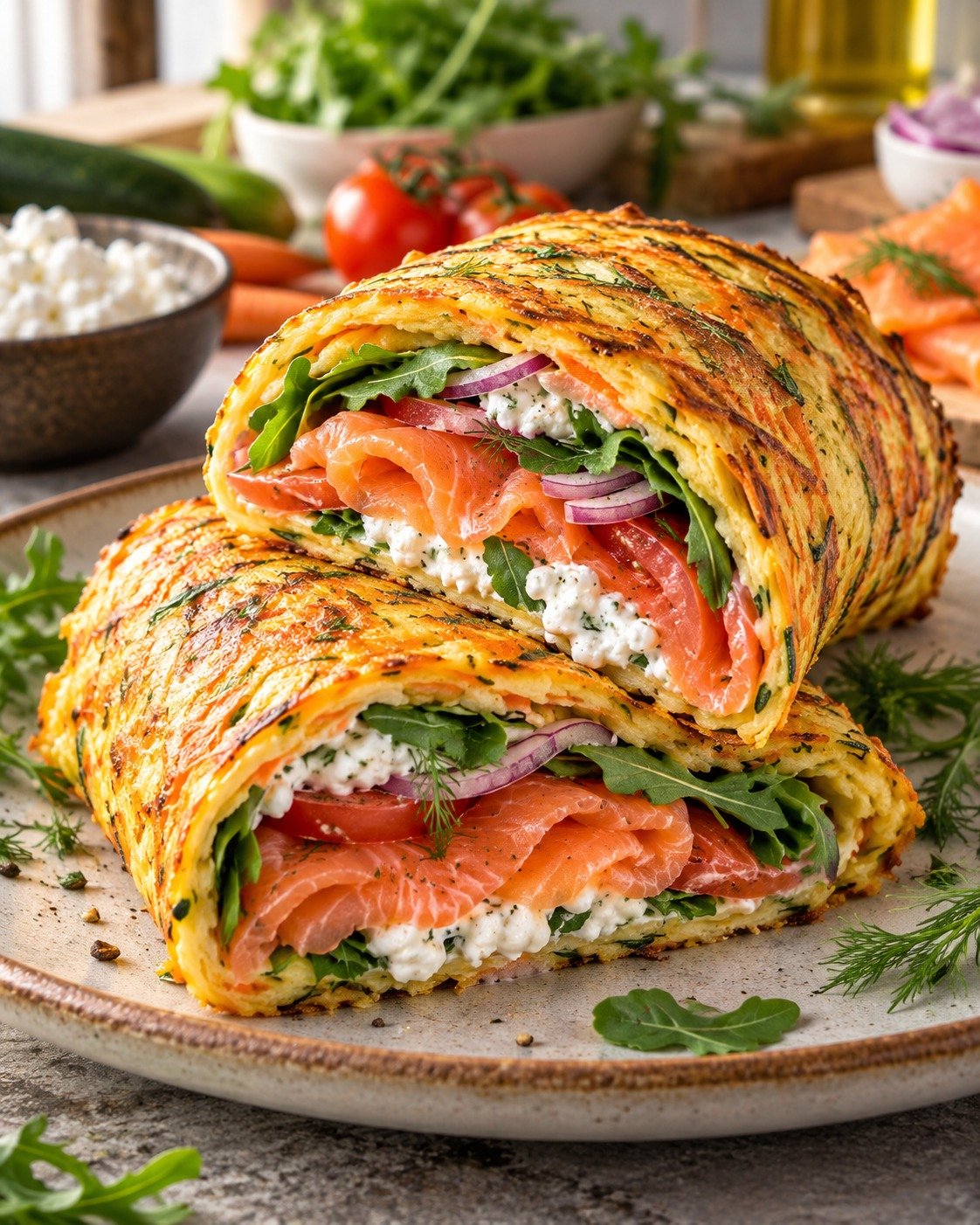
High-Protein Salmon Veggie Wrap

Salmon Veggie Wrap with flaky salmon, cucumber, tomatoes, cabbage, avocado, herbs, and creamy yogurt sauce

High-Protein Salmon Veggie Wrap

Salmon Veggie Wrap is a fresh, protein-packed meal made with flaky salmon, crisp vegetables, leafy greens, and a creamy yogurt-herb sauce tucked into a soft whole-grain wrap. It combines rich salmon with cool cucumber, tomato, cabbage, and avocado for a balanced lunch or dinner that feels satisfying without being heavy.

This Salmon Veggie Wrap is especially useful for busy days because the salmon can be cooked ahead, the vegetables can be chopped in advance, and the wrap takes only a few minutes to assemble. It is also easy to customize with different greens, sauces, and vegetables.

Prep Time: 20 minutes
Cook Time: 12–15 minutes
Total Time: 35 minutes
Servings: 4

Ingredients

For the Salmon

  • 1 pound salmon fillet, skin removed
  • 1 tablespoon extra virgin olive oil
  • 1 tablespoon fresh lemon juice
  • 1 teaspoon garlic powder
  • 1 teaspoon smoked paprika
  • 1/2 teaspoon dried oregano
  • 1/2 teaspoon salt
  • 1/4 teaspoon black pepper

Ingredients For the Veggie Filling

  • 4 large whole-grain or high-protein wraps
  • 1 cup shredded romaine lettuce
  • 1 cup shredded red cabbage
  • 1 small cucumber, thinly sliced
  • 1 cup cherry tomatoes, halved
  • 1 small carrot, shredded
  • 1 avocado, sliced
  • 1/4 small red onion, thinly sliced
  • 1/4 cup chopped fresh parsley
  • 2 tablespoons chopped fresh dill

For the Creamy Yogurt Sauce

  • 3/4 cup plain Greek yogurt
  • 1 tablespoon tahini
  • 1 tablespoon fresh lemon juice
  • 1 small garlic clove, finely grated
  • 1 tablespoon chopped dill
  • 1 tablespoon chopped parsley
  • 1/4 teaspoon salt
  • Pinch of black pepper
  • 1 to 2 tablespoons water, as needed

Why You’ll Love This Recipe

Salmon Veggie Wrap gives you a satisfying mix of protein, vegetables, healthy fats, and fresh herbs in one easy handheld meal. The salmon adds richness and protein, while the vegetables bring crunch, color, and freshness.

Another reason to love Salmon Veggie Wrap is how flexible it is. You can use leftover salmon, swap in different greens, add feta or hummus, or choose a low-carb wrap depending on your preferences.

How to Make Salmon Veggie Wrap

Step 1: Preheat the Oven

Preheat the oven to 400°F or 200°C.

Line a baking sheet with parchment paper or lightly grease a small baking dish.

A moderate oven temperature helps the salmon cook gently and stay moist.

Step 2: Season the Salmon

Place the salmon on the prepared baking sheet.

Drizzle with olive oil and lemon juice, then sprinkle with garlic powder, smoked paprika, oregano, salt, and black pepper.

Rub the seasoning gently over the surface so the fish is evenly coated.

Step 3: Bake the Salmon

Bake for 12 to 15 minutes, depending on thickness, or until the salmon flakes easily with a fork.

For food safety, the center should reach 145°F or 63°C.

Let the salmon rest for 5 minutes before breaking it into large flakes. This helps the fish stay juicy rather than dry.

Step 4: Make the Yogurt Sauce

In a small bowl, combine Greek yogurt, tahini, lemon juice, garlic, dill, parsley, salt, and black pepper.

Whisk until smooth.

Add water 1 tablespoon at a time until the sauce is creamy and easy to spread.

The sauce should be thick enough to stay inside Salmon Veggie Wrap without dripping excessively.

Step 5: Prepare the Vegetables

Wash and dry the lettuce, cucumber, tomatoes, cabbage, carrot, and herbs.

Slice or shred the vegetables into thin, bite-size pieces so the wrap is easy to fold and eat.

If the red onion tastes too strong, soak the slices in cold water for 5 to 10 minutes, then drain and pat dry.

Step 6: Warm the Wraps

Warm the wraps in a dry skillet for about 20 to 30 seconds per side.

Warm wraps are softer and less likely to crack, helping Salmon Veggie Wrap hold together.

Step 7: Build the Base

Lay one wrap flat on a clean work surface.

Spread a generous spoonful of yogurt sauce across the center, leaving space around the edges.

Add lettuce and cabbage first. These greens create a barrier that helps Salmon Veggie Wrap stay firm by keeping moist ingredients away from the tortilla.

Step 8: Add Salmon and Vegetables

Add flaky salmon over the greens.

Top with cucumber, tomatoes, carrot, avocado, red onion, parsley, and dill.

Do not overfill Salmon Veggie Wrap, or it may tear during rolling.

Step 9: Fold the Wrap

Fold the sides inward, then roll tightly from the bottom.

Place the seam side down for a minute so the wrap holds its shape.

For a warm exterior, toast the wrap seam-side down in a dry skillet for 1 to 2 minutes per side.

Step 10: Slice and Serve

Cut each wrap in half on a slight diagonal.

Serve immediately with extra yogurt sauce, lemon wedges, or fresh vegetables on the side.

Serving Suggestions

Salmon Veggie Wrap is filling enough for lunch or dinner, but simple sides can make the meal more complete.

Serve it with cucumber salad, roasted potatoes, vegetable soup, or a side of hummus.

For a lighter meal, pair Salmon Veggie Wrap with fresh fruit, mixed greens, or tomato salad.

For another easy and cheesy family meal, try our Crustless Pizza Bake packed with classic pizza flavor.

Recipe Tips

Use a thick salmon fillet so it stays tender during baking.

Do not overcook the salmon because dry fish can make the wrap less enjoyable.

Pat washed vegetables dry before assembly to reduce extra moisture.

Use firm avocado slices rather than very soft avocado.

Warm the wraps briefly before rolling.

For the best Salmon Veggie Wrap texture, keep the sauce, vegetables, and salmon separate until assembly.

Easy Variations

Salmon Veggie Wrap is easy to change based on your preferences.

Add crumbled feta, Kalamata olives, or roasted red peppers for stronger Mediterranean flavor.

Replace the yogurt sauce with hummus, tzatziki, or a lemon-tahini dressing.

For extra crunch, add pumpkin seeds or chopped almonds.

You can use spinach or arugula instead of romaine.

For a spicy version, add red pepper flakes, sliced jalapeño, or a little harissa to the sauce.

If you prefer a lower-carb meal, use a low-carb tortilla or serve the filling in lettuce cups.

If you want a sweet treat after this meal, you may also like our Chocolate Crumbs Truffle.

Make-Ahead Instructions

Salmon Veggie Wrap is ideal for meal prep when the components are prepared ahead but assembled later.

Cook the salmon up to 2 days in advance and store it in an airtight container in the refrigerator.

Prepare the yogurt sauce up to 3 days ahead.

Wash, dry, and chop the vegetables the night before, but slice the avocado just before serving.

Storage and Reheating

Store leftover salmon in an airtight container in the refrigerator for up to 2 days.

Store chopped vegetables and sauce separately.

An assembled Salmon Veggie Wrap is best eaten within 24 hours because the tortilla can soften over time.

If you want the salmon warm, reheat it gently in a skillet or microwave before assembling the wrap.

Avoid reheating the vegetables and yogurt sauce.

Freezing assembled wraps is not recommended because the fresh vegetables and sauce lose their texture after thawing.

Nutrition Information

Approximate nutrition per serving:

Calories: 510
Protein: 36 g
Carbohydrates: 42 g
Fat: 23 g
Saturated Fat: 5 g
Fiber: 9 g
Sugar: 7 g
Sodium: 680 mg

Nutrition values are estimates and may vary depending on the tortilla, salmon, yogurt, avocado, and serving size.

Frequently Asked Questions

Can I use canned salmon?

Yes. Drain it well and remove any large bones or skin if desired. Canned salmon makes the recipe even faster.

Can I use leftover cooked salmon?

Yes. Cold or gently reheated leftover salmon works very well in this recipe.

Can I make this dairy-free?

Yes. Replace Greek yogurt with a dairy-free yogurt or use hummus or tahini dressing.

What wrap works best?

Whole-grain, high-protein, spinach, or regular flour tortillas all work. Choose one that is large and flexible enough to roll.

Can I add cheese?

Yes. Feta, goat cheese, or a small amount of shredded mozzarella can be added.

How do I stop the wrap from getting soggy?

Dry the vegetables well, keep the sauce moderate, and place greens between the tortilla and wetter ingredients.

Is this good for meal prep?

Yes. Salmon Veggie Wrap works very well for meal prep when the components are stored separately and assembled shortly before eating.

Final Thoughts

Salmon Veggie Wrap is an easy way to combine tender salmon, crisp vegetables, creamy yogurt sauce, herbs, and a soft wrap in one balanced meal.

Because Salmon Veggie Wrap is quick to assemble and simple to customize, it works well for lunch, dinner, meal prep, or a light family meal.

Keep this Salmon Veggie Wrap recipe handy whenever you want a high-protein, fresh, and satisfying meal that is full of color, texture, and Mediterranean-inspired flavor.
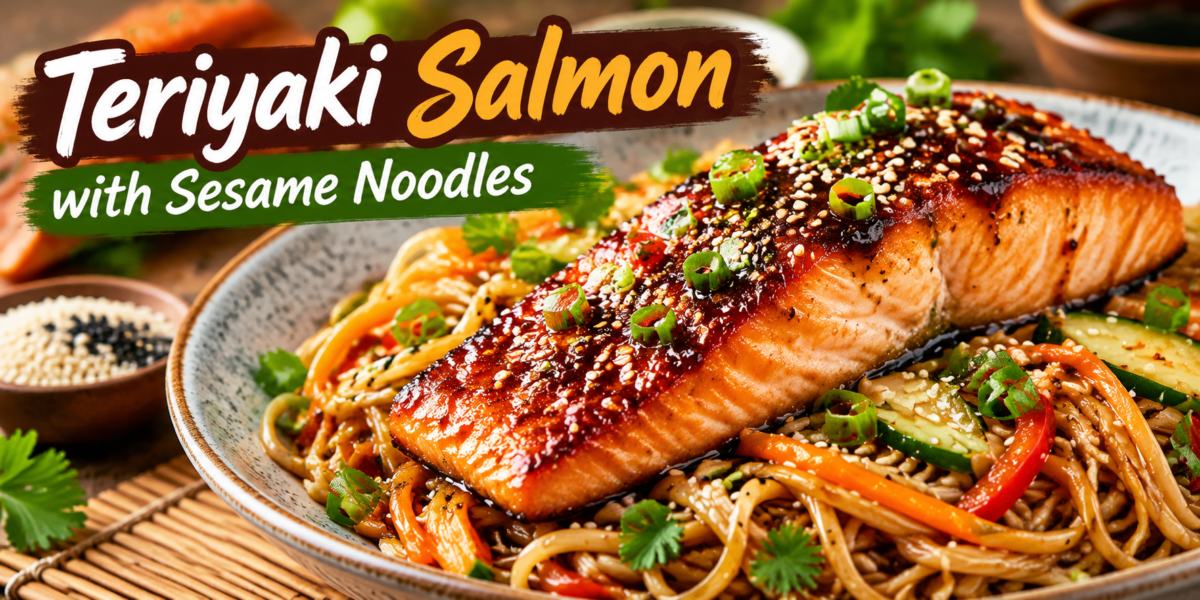
Teriyaki Salmon with Sesame Noodles Recipe

Teriyaki Salmon with Sesame Noodles served with sesame sauce and fresh vegetables

Teriyaki Salmon with Sesame Noodles Recipe

Teriyaki Salmon with Sesame Noodles is a delicious Asian-inspired meal that combines tender salmon fillets with a sweet, savory, and glossy teriyaki glaze served over flavorful sesame noodles. This recipe is perfect for anyone who loves restaurant-style flavors but wants to prepare a healthier homemade dinner.

The combination of fresh salmon, homemade sauce, and sesame noodles creates a balanced meal full of amazing textures and flavors. The salmon becomes juicy and flaky while the teriyaki coating adds a beautiful caramelized finish. The noodles provide a nutty sesame taste, while fresh vegetables add crunch and freshness.

This Teriyaki Salmon recipe is easy enough for a busy weeknight but impressive enough for family gatherings, dinner parties, or special occasions. It uses simple ingredients that are easy to find and requires minimal cooking experience.

Salmon is naturally rich in protein and omega-3 fatty acids, making this meal a nutritious choice for people who want a satisfying dinner without sacrificing flavor. The homemade sauce allows you to control sweetness and sodium levels compared with many restaurant versions.

Whether you are meal prepping for the week or preparing a quick family dinner, this recipe delivers a perfect balance of taste, nutrition, and convenience.

Preparation Time: 15 minutes
Cooking Time: 20 minutes
Total Time: 35 minutes
Servings: 4 servings

Ingredients

For Teriyaki Salmon

2 tablespoons honey

4 salmon fillets (6 ounces each)

1/3 cup low-sodium soy sauce

2 tablespoons rice vinegar

1 tablespoon sesame oil

2 tablespoons brown sugar

3 cloves garlic, minced

1 tablespoon fresh ginger, grated

1 tablespoon cornstarch

2 tablespoons water

1 tablespoon olive oil

1 teaspoon sesame seeds

2 green onions, sliced

Fresh cilantro for garnish (optional)

For Sesame Noodles

1 tablespoon rice vinegar

12 ounces soba noodles, spaghetti, or rice noodles

2 tablespoons sesame oil

3 tablespoons soy sauce

2 teaspoons chili sauce (optional)

2 cloves garlic, minced

1 tablespoon peanut butter or tahini

1 teaspoon grated ginger

1/2 cup shredded carrots

1/2 cup sliced cucumber

1 tablespoon honey

2 green onions, chopped

1 tablespoon sesame seeds

Step-by-Step Instructions

Prepare the Teriyaki Sauce

This Teriyaki Salmon is easy to prepare and delivers a restaurant-style flavor with minimal effort.

Begin by preparing the homemade sauce that creates the signature flavor of this dish. Add soy sauce, honey, brown sugar, rice vinegar, sesame oil, minced garlic, and grated ginger into a small saucepan.

Heat the mixture over medium heat and stir until the sugar dissolves completely. Allow the sauce to simmer gently for 2 to 3 minutes so all flavors combine together.

Mix cornstarch with water in a small bowl to create a smooth slurry. Slowly add the slurry into the sauce while stirring continuously.

Cook until the sauce becomes thick, glossy, and smooth. Remove from heat and keep it aside.

A good glaze should coat the salmon beautifully without being too watery or too thick.

Cook the Salmon

Pat the salmon fillets dry using a paper towel. This step helps create better browning and allows the sauce to stick properly.

Season the salmon lightly with black pepper. Avoid adding too much salt because soy sauce already provides enough seasoning.

Heat olive oil in a large skillet over medium heat. Place the salmon fillets into the pan.

Cook for 4 to 5 minutes on the first side until lightly golden. Carefully flip the salmon and cook for another 3 to 5 minutes.

Brush the prepared glaze over the fish and cook for an additional minute until the coating becomes slightly caramelized.

The perfect Teriyaki Salmon should be tender, moist, and easy to separate with a fork.

Prepare Sesame Noodles

Bring a large pot of water to boil and cook noodles according to package instructions.

Drain the noodles and rinse them briefly under cold water. This keeps the noodles from becoming too soft.

In a large bowl, combine sesame oil, soy sauce, rice vinegar, peanut butter, honey, chili sauce, garlic, and ginger.

Mix until the sauce becomes smooth.

Add cooked noodles and toss until completely coated.

Add shredded carrots, cucumber slices, green onions, and sesame seeds.

The noodles should have a delicious combination of creamy, nutty, and fresh flavors.

Assemble the Meal

Divide sesame noodles between serving bowls.

Place a glazed salmon fillet on top of each bowl.

Add extra sauce if desired and garnish with sesame seeds, green onions, and fresh herbs.

Serve immediately for the best taste and texture.

This Teriyaki Salmon combination works beautifully because the sweet glaze balances the savory sesame noodles perfectly.

Tips for Perfect Results

Choose fresh salmon whenever possible because it provides better flavor and texture. Frozen salmon can also work, but make sure it is completely thawed before cooking.

Do not overcook the fish. Salmon becomes dry when cooked for too long. The inside should remain juicy and flaky.

Allow the salmon to sit at room temperature for about 10 minutes before cooking. This helps it cook evenly.

Always cook the sauce slowly. High heat can burn the sugar and create a bitter taste.

Fresh garlic and ginger provide the best flavor, but powdered versions can be used if needed.

For extra crunch, add roasted peanuts, cashews, or additional vegetables.

You can prepare the sauce ahead of time and store it in the refrigerator until needed.

This Teriyaki Salmon recipe becomes even more flavorful when the glaze is allowed to sit on the fish for 15 minutes before cooking.

For the best results, cook the Teriyaki Salmon over medium heat to keep the fish moist and tender.

Variations

Spicy Teriyaki Salmon

Add sriracha, red pepper flakes, or chili paste to the sauce for a spicy version. The heat creates a delicious contrast with the sweet glaze.

You can customize this Teriyaki Salmon recipe with vegetables, spice, or different noodles.

Vegetable Teriyaki Bowl

Add broccoli, bell peppers, mushrooms, or edamame for extra nutrients and color.

Low-Carb Version

Replace noodles with cauliflower rice, zucchini noodles, or a fresh salad base.

Air Fryer Version

Cook salmon in an air fryer at 400°F for approximately 8 to 10 minutes. Add sauce halfway through cooking for a caramelized finish.

Serving Suggestions

This recipe can be served with many side dishes.

Steamed broccoli, roasted vegetables, cucumber salad, or miso soup pair beautifully with the flavors.

For a complete Asian-inspired dinner, serve it with green tea and a light dessert.

For meal preparation, divide noodles and salmon into separate containers and add fresh toppings before eating.

The colorful presentation of this Teriyaki Salmon makes it perfect for entertaining guests.

Serve this Teriyaki Salmon with fresh vegetables for a complete and balanced dinner.

Health Benefits

Salmon is one of the best sources of high-quality protein and healthy fats. It contains omega-3 fatty acids that support heart health and overall wellness.

This meal provides important nutrients including vitamin D, selenium, and B vitamins.

The vegetables in the noodles add fiber, antioxidants, and essential vitamins.

Garlic and ginger contain natural compounds that support a healthy diet.

Compared with many takeout options, homemade Teriyaki Salmon gives you better control over ingredients, portion sizes, and nutrition.

The protein content helps support muscle health, while healthy fats help keep you satisfied for longer.

This Teriyaki Salmon provides protein, omega-3 fatty acids, and essential nutrients.

Storage and Reheating Instructions

Store leftover salmon in an airtight container in the refrigerator for up to 3 days.

Sesame noodles can also be stored for 3 to 4 days.

Keep the salmon and noodles separate for the best texture.

To reheat salmon, warm it gently in the oven or microwave. Avoid overheating because it may become dry.

Warm noodles with a small amount of water or extra sauce to refresh their texture.

Leftover salmon can also be used in salads, wraps, or rice bowls.

Why This Recipe Is Perfect for Every Occasion

This recipe is perfect because it combines simplicity with incredible flavor.

It does not require complicated techniques, yet the final result looks like a restaurant-quality meal.

Families love this dish because it is filling, colorful, and easy to customize.

Busy professionals can prepare it quickly, while home cooks can enjoy experimenting with different ingredients.

The combination of salmon and sesame noodles creates a complete meal that satisfies both taste and nutrition needs.

This Teriyaki Salmon is also a great option for celebrations because it looks elegant when served with fresh herbs and sesame toppings.

Cooking Notes

Always dry salmon before cooking to achieve better texture.

Use low-sodium soy sauce if you want to reduce salt.

Adjust sweetness according to your preference.

If the sauce becomes too thick, add a tablespoon of water.

For extra flavor, toast sesame seeds before adding them.

Cook noodles until just tender to avoid a mushy texture.

Fresh ingredients will always create the best results.

Frequently Asked Questions

Can I use frozen salmon?

Yes, frozen salmon works well. Thaw it completely before cooking and remove excess moisture.

Can I make this recipe without soy sauce?

Yes, coconut aminos can be used as an alternative.

How long does cooked salmon last?

Cooked salmon stays fresh for around 3 days when properly stored.

Can I prepare the sauce earlier?

Yes, the sauce can be prepared several days ahead and refrigerated.

What noodles are best for this recipe?

Soba noodles provide the most traditional flavor, but spaghetti and rice noodles also work well.

Is Teriyaki Salmon healthy?

Yes, when prepared at home with balanced ingredients, it can be a nutritious meal rich in protein and healthy fats.

Nutrition Information (Per Serving)

Calories: 620 kcal

Protein: 42g

Carbohydrates: 58g

Fat: 25g

Fiber: 5g

Sugar: 12g

Omega-3 Fatty Acids: High

Sodium: Approximately 850mg

Nutrition values may vary depending on ingredients and portion sizes.

Final Thoughts

Teriyaki Salmon with Sesame Noodles is a flavorful, healthy, and satisfying meal that brings amazing Asian-inspired flavors directly to your kitchen.

The sweet and savory glaze, tender fish, and delicious sesame noodles create a perfect combination that works for everyday dinners and special occasions.

With simple ingredients, easy preparation, and impressive results, this recipe deserves a place in your regular meal rotation.

Preparing this Teriyaki Salmon at home allows you to enjoy restaurant-style taste while maintaining control over quality and nutrition.

Whether you are cooking for your family, preparing meals for the week, or serving guests, this dish offers everything you want from a complete dinner: flavor, freshness, and satisfaction.